12.20.24

Looking Forward: An Account from a Survivor of the 2004 Tsunami

  Impact     News

Ahead of the 20th anniversary of the devastating Indian Ocean tsunami and earthquake, humanitarians met in Banda Aceh, Indonesia, in August to discuss the state of country’s humanitarian sector. 

For Candra Kirana, Islamic Relief Indonesia’s Deputy CEO and Head of Operations, reflecting on the 2004 disaster has both professional and personal significance. 
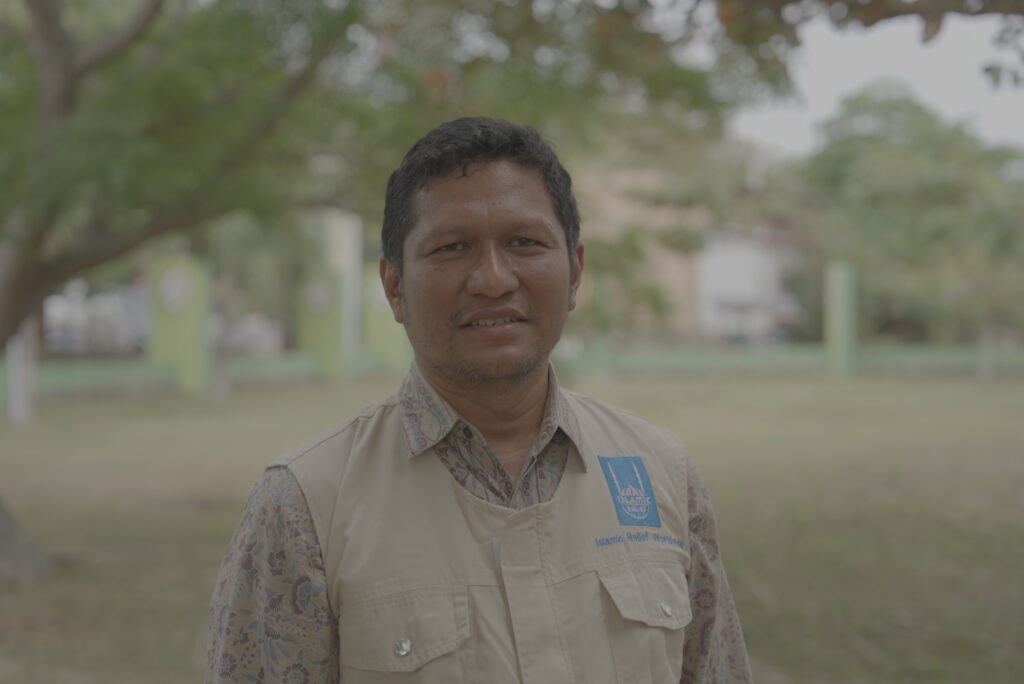
Candra Kirana, Islamic Relief Indonesia’s Deputy CEO and survivor of the 2004 tsunami and earthquake

In August 2024, I joined fellow humanitarians, academics, and representatives from government and international organisations in Banda Aceh, Indonesia. It was for a conference marking both World Humanitarian Day and the anniversary of the earthquake and tsunami that devastated the city and wider region 20 years ago. 

Attending events like this is a deeply emotional experience for me, because I am a survivor of the tsunami myself.  

After the disaster, I felt called to work in the humanitarian sector. And I have been dedicated to doing so ever since. I chose to attend this event at the conference in particular because its focus on equal partnerships and empowering local civil society organisations resonated deeply with me. 

Engaging in discussions about a disaster I experienced brought back vivid memories of loss and resilience, but it also allowed me to reflect on how far Indonesia’s humanitarian sector has come since 2004.  

Localisation in the ‘disaster laboratory’ 

Indonesia has been described as a ‘disaster laboratory’. The sheer number and variety of disasters we are vulnerable to presents huge risks. But it also provides the opportunity to develop and test disaster prevention, management and response techniques.  

Localisation in humanitarian aid means funding and giving decision-making power to organisations based in the countries affected by emergencies. It is vital because it empowers local actors who possess unique insights and understanding of their communities.  

Local organisations often have established trust with disaster-affected populations, allowing them to communicate and respond to specific needs more effectively. They are deeply familiar with local cultures, customs and languages, and this familiarity enhances their ability to provide relevant and timely assistance when a disaster happens. 

Local actors are typically more agile and adaptable than international organisations. They can mobilise quickly in emergencies, leveraging existing networks and resources to deliver aid more efficiently. While their proximity to affected communities allows them to identify emerging needs and gaps in services quickly, ensuring that responses are tailored to the local context. 

Local knowledge saves lives 

There is one very notable example from the 2004 disaster that shows just how powerful harnessing local expertise can be. ‘Nandong Smong’ is a traditional practice in Simeulue, an island 150km off the coast of Sumatra, where Aceh is located. 

In 1907 Simeuele was devastated by a major tsunami. Survivors told the story to their descendants in a practice that has continued to the present day, instructing listeners to evacuate to higher ground if they see the tide recede following an earthquake.  

Nandong Smong has led to community awareness of tsunami risks, enabling locals to recognise the signs of an impending tsunami based on these historical experiences and environmental cues. In 2004, many residents heeded this local wisdom, leading to successful evacuations and ultimately saving lives. Only 7 of the island’s more than 70,000 people lost their lives, compared to well over 100,000 elsewhere in Aceh. 

By prioritising local capacities and solutions like Nandong Smong, humanitarian efforts can become more sustainable and effective in the face of future challenges. 

Dedicated to making a difference 

The conference in August led to an agreement to establish several important localisation tools, including the National Reference Group (NRG), the Indonesian Localisation Lab, the Indonesian Humanitarian Pooled Resources, and the Anthology of Local Civil Society Organisation Movements in Indonesia.  

These initiatives play a crucial role in enhancing local ownership of humanitarian action. It improves coordination and strengthens the effectiveness of humanitarian and development efforts across the country. 
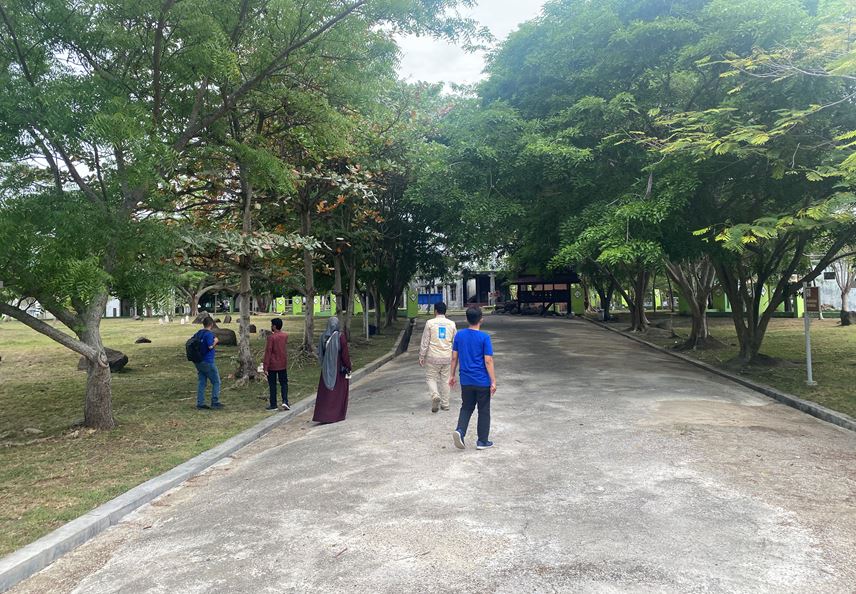
Caption: Candra (second from right) shows Islamic Relief colleagues around one of Banda Aceh’s major mass graves in August 2024

Spending time with other humanitarian workers who share a commitment to improving disaster response felt empowering. It’s inspiring to see how our collective experiences can shape more effective strategies in disaster management and response.  

But, at the same time, it can feel overwhelming to confront the realities that many in our country still endure. Especially as climate change leads to increasingly frequent and intense disasters. 

The conference reinforced my dedication to making a difference. Sharing my own story and hearing from others helps create a sense of solidarity. As well as purpose in our work as we prepare to address the future challenges that lie ahead. 

More than just a commemorative event 

The event concluded with the adoption of the Banda Aceh Declaration. This emphasises a commitment to strengthening Indonesia’s humanitarian system. By adopting an inclusive and sustainable localisation approach.  

This declaration recognises the vital role of local civil society organisations. Where it promotes a humanitarian response that is more relevant, effective, and aligned with humanitarian principles.  

Overall, the Indonesia 2024 Localisation Conference was more than just a commemorative event. It marked an important moment to redefine and enhance future humanitarian responses.  

As someone who works for Islamic Relief and a survivor of the tsunami, I felt this conference was a crucial step toward a more just and effective approach to humanitarian aid. I look forward to being part of this journey and the progress we can make over the next 20 years. 

20 years on from the earthquake and tsunami, Islamic Relief is sharing the stories of survivors – including Candra – staff and our steadfast support of affected communities in the decades that followed the disaster. 

Be a lifeline. Give relief.

Help us to continue our vital work supporting those in desperate need of aid where disasters strike
12.18.24

Indonesia: Remembering the 2004 Earthquake and Tsunami 20 Years On 

  Impact     News

This month marks 20 years since an unprecedented humanitarian catastrophe in Indonesia. One that claimed the lives of around 230,000 people. And it forever changed the lives of many more. 

Early in the morning of 26 December, one of the most powerful earthquakes ever recorded sent huge tsunami waves barrelling into coastal communities around the Indian Ocean. And it went as far away as the East African coast. 

Homes were swept away in an instant. Livelihoods erased. Families separated. Many never reunited. 

Few humanitarian organisations had experience responding to tsunamis at that time. While many of those directly affected had no idea such a disaster was even possible. That is, until they saw the tsunami with their own eyes. 

A beach in Aceh, Indonesia, where the tsunami worst hit
Photo: Aceh, Indonesia, where the 2004 Tsunami hit the worst.

Islamic Relief was in Indonesia’s Aceh province – the worst-hit area – the day after the disaster struck. We responded to the massive needs of displaced people by distributing food, water and other essentials. As time passed, we built new homes, schools, and healthcare centres to support the communities on their journey to recovery. 

At the same time, we launched operations in Sri Lanka, responding to the mass devastation caused by the disaster there. Our livelihoods program supported fishermen and others who had lost everything. Helping them take their first steps on the long road to recovery. 

And the road has been long. 

Indonesia and Sri Lanka’s recoveries have been remarkable. However, they would not have been possible without the incredible tenacity of survivors and the tremendous generosity of donors, since 2004 and beyond. This is what allowed Islamic Relief and other agencies to stand by the sides of communities. Allowed us to support them to piece shattered lives back together, no matter how long it took. 

Lives in Indonesia forever changed 

The disaster changed individuals, communities, and entire countries forever. It prompted new legislation around disaster management, preparedness, and risk reduction and changed the way buildings and even entire cities were built. The humanitarian sector also changed, and it too began placing more emphasis on preparing for disasters before they happened. 

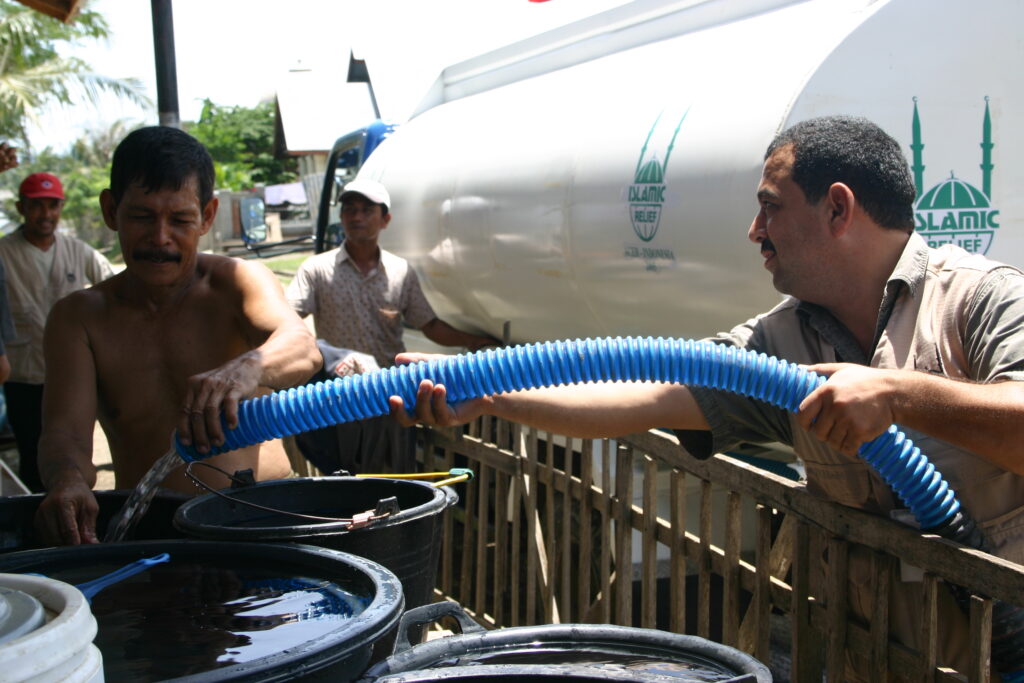
Islamic Relief in Indonesia, distributing water
Photo: Islamic Relief staff distributing clean water to survivors of the 2004 Tsunami and Earthquake.

In Aceh today, Islamic Relief is working with local government to build new homes for vulnerable families, and supporting orphaned children towards a brighter future through our Orphan Sponsorship Program. 

The program is also changing young lives in Sri Lanka, where Islamic Relief’s other work includes running seasonal food distributions, programs to improve communities’ access to clean water and livelihoods support.   

A time of remembrance and celebration 

20 years on from the earthquake and tsunami, Islamic Relief is looking back at this pivotal historical event that continues to shape and influence our work today. Throughout December, we will be remembering those who lost their lives. 

Survivors with strong memories from that terrifying day. Mothers and fathers who lost their children. Children who lost their parents. Teachers and healthcare workers who were inspired and determined to rebuild their communities. Islamic Relief staff who spent weeks and months on the ground in Indonesia and Sri Lanka responding to emergency.

We’ve seen how, for many colleagues, the need to do something for survivors of this disaster is what made them become humanitarians in the first place. 

Their words can tell you so much more than one article ever could. 

06.24.24

World Hunger Day 2024: Exploring the links between hunger, conflict and climate change

  Impact     News

Did you know that more than 800 million people worldwide go hungry, yet we produce enough food to feed everyone? Hunger is often seen as a result of there not being enough food to go around. However, usually it’s more complicated than that.

This World Hunger Day is an opportunity to bring into focus how hunger is driven by more than just the lack of food. In this article, we look at the glaring examples of worsening hunger crises in Somalia and Gaza

How Climate Breakdown is Affecting Somalia

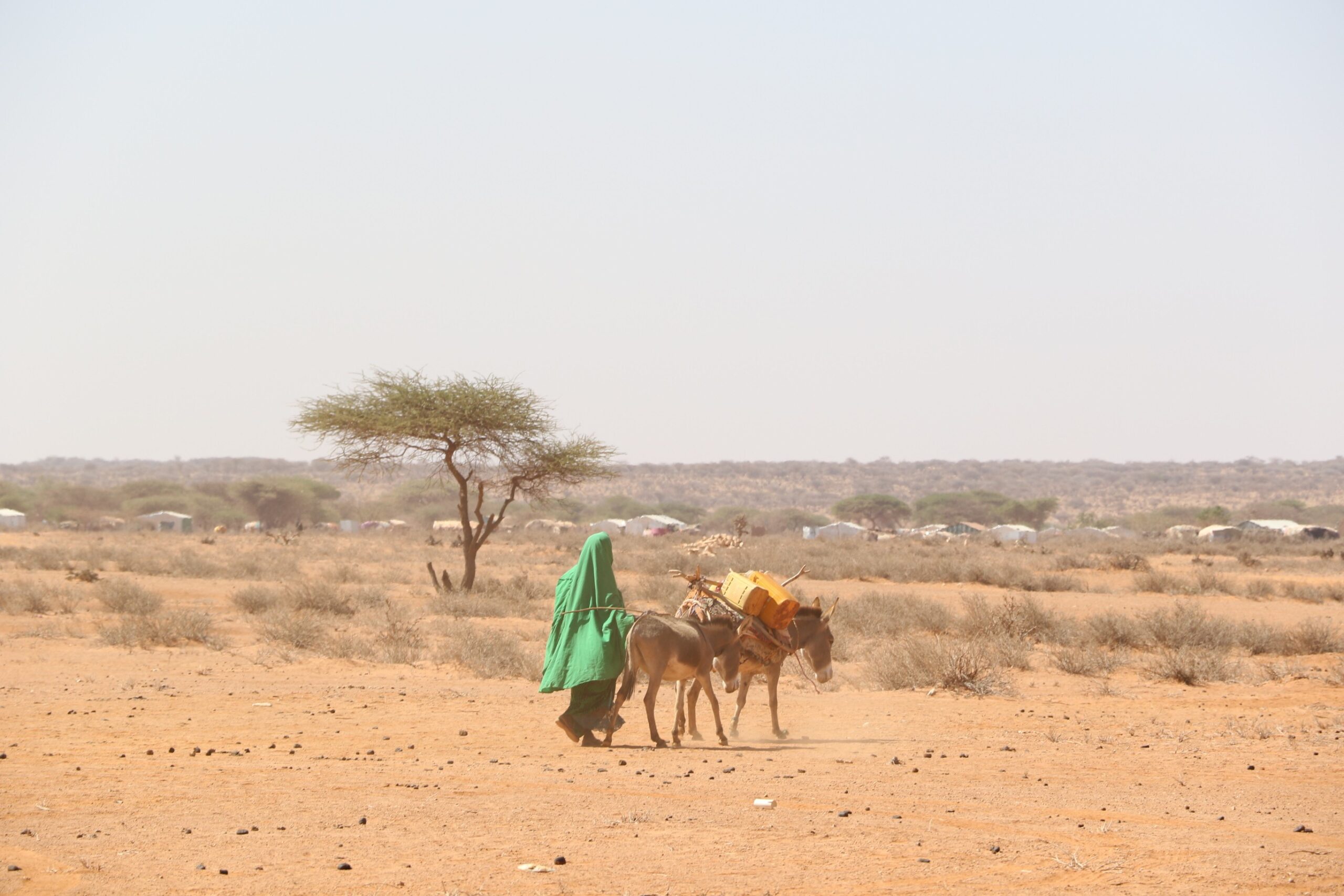
The situation is dire in Somalia. Nearly 3.5 million people are expected to face acute food insecurity from April to June 2024.

So what’s causing this? A combination of factors – El Niño-induced flooding, ongoing conflict, climate change, and economic instability – are hitting hard.

Human-caused climate change has increased the frequency and severity of droughts. This, compounded by decades of conflict that, have significantly eroded the country’s institutions.

This combined damage to Somalia’s domestic food production has made the country dangerously reliant on imported grains – specifically from Ukraine and Russia.

Climate Change and Hunger in Somalia

Shortly after Somalia began to recover from the brink of famine, the country was struck by heavy El-Niño induced rainfall and floods in late 2023.

This wiped away lives and livelihoods. Around 1.5 million hectares of farmland are at risk – with farmers struggling with failed crops and reduced incomes.

Displacing almost half a million people, this rainfall was described as “once-in-a-century event” by the UN. It highlighted Somalia’s extreme vulnerability to climate breakdown.

Climate-induced displacement also pushes farmers away from their rural homes to urban areas, further hammering production down. And just last month, the situation in Somalia worsened after being hit by the Gu (April to June) rains.

Although this rainfall is expected to marginally improve the food security situation, risk of famine remains in several areas. Recovering from the aftermath of climate extremes will pose significant challenges for the people of Somalia.

Somalia Faces Worsening Climate-Included Disasters

Let’s be clear – this is no “natural disaster.” Somalia is experiencing more frequent and longer-lasting droughts and unpredictable rainfall. These are all becoming more severe, as a direct result of climate change.

Despite years of humanitarian aid and intervention, progress has been slow. Chronic underfunding and a lack of long-term investment have left people in Somalia vulnerable to recurring crises.

While there have been efforts to build resilience and prepare for disasters by aid agencies, including Islamic Relief, these initiatives across the sector have often fallen short. They are hampered by slow response times, limited resources and a failure to upscale action.

But perhaps the greatest barrier to improvement lies in political will — or the lack thereof. Somalia’s plight has not gone unnoticed, yet sustained commitment from donors and policymakers remains lacking.

Until there is a concerted effort to address the root causes of hunger and invest in long-term solutions, Somalia’s future hangs in the balance.

What is the link between conflict and hunger?

Conflict is the biggest single cause of hunger in the world today. Nearly 135 million people in conflict-affected countries face acute food insecurity – almost half of the global number.

Conflict affects food security and nutrition in many ways. It can reduce the amount of food available, disrupt food production and affect people’s ability to access food and markets. Gaza is no different, where the word ‘hunger’ carries a weight far beyond its dictionary definition. 

The Escalating Situation in Gaza

Since October 2023, the tightening siege imposed by Israel has created a stranglehold on the flow of goods and humanitarian aid, plunging Gaza into a humanitarian catastrophe, with famine already taking hold in the north.

The occupation and collective punishment of Gaza, the indiscriminate bombardment, and the denial of aid trucks are not just contributing to food insecurity. They are actively perpetuating a prolonged cycle of deprivation and despair for over 2.3 million people. So much so that famine is now inevitable and imminent across the Gaza Strip, according to the latest IPC report. 

Occupying Forces Worsening the Hunger Crisis

Israel has completely denied access to food resources to all civilians of the Strip, half of whom are children. This includes bombing mills, bakeries, grocery stores, corner shops, and markets.

They also are destroying crops and agricultural lands, killing livestock, and targeting boats and fishing equipment, as well as water tanks.

People are dying as a direct result. So far, at least 27 people have been reported to have died from malnutrition.

We can expect that this number to rise for as long as the siege and bombardment continues. The UN has even warned that children in Gaza are being starved at the fastest rate the world has ever known.

Their survival depends on more food, fuel and water entering Gaza immediately, as well as an immediate and permanent ceasefire.

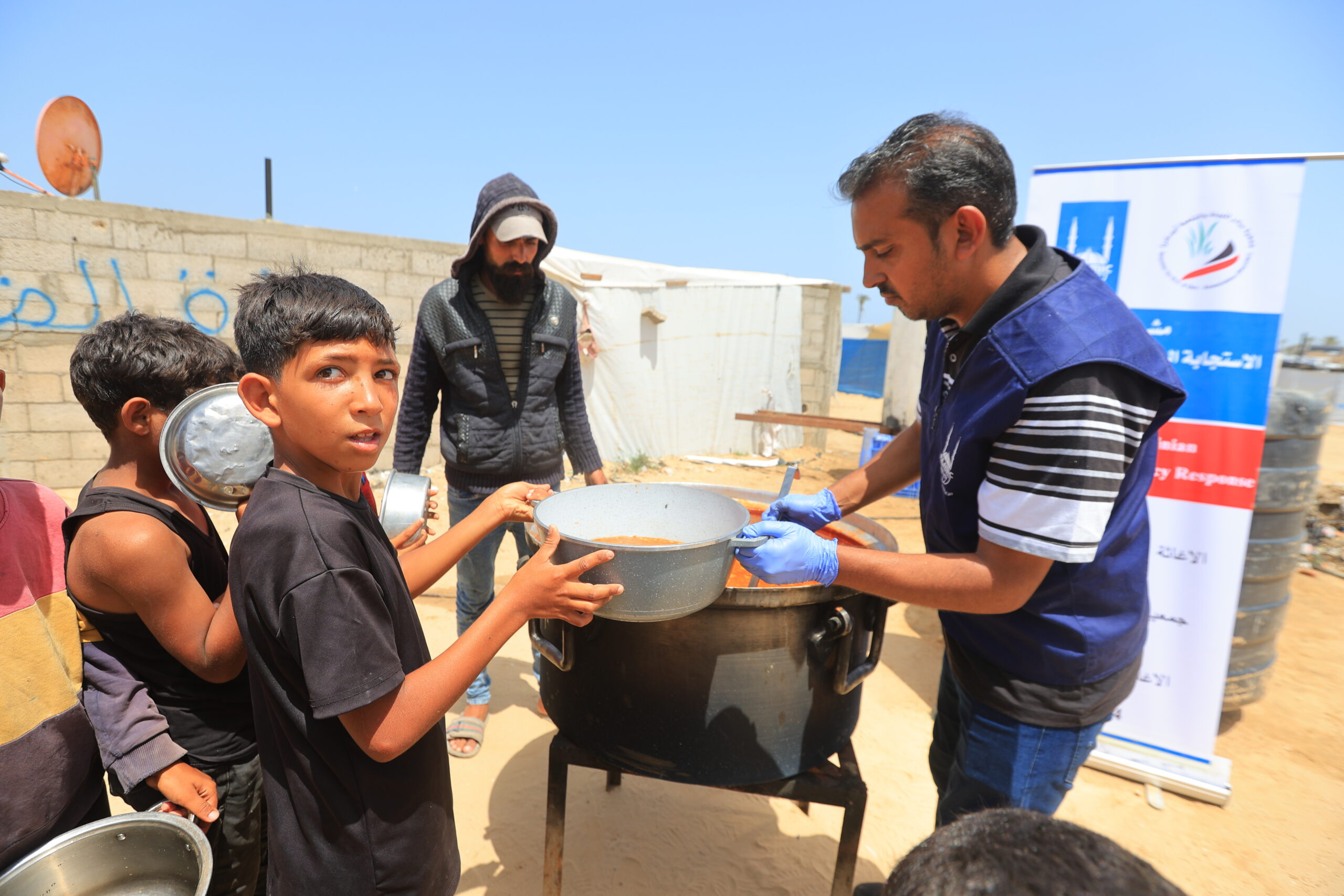
Islamic Relief prepares and hands out meals in Khan Younis, Gaza, May 2024, in an effort to combat growing hunger
Image: Islamic Relief prepares and hands out meals in Khan Younis, Gaza, May 2024.

The Current Situation

Out of the 130 bakeries that were functional in Gaza before October 2023, only 15 were open in March. Others have been destroyed or have ground to a halt due to fuel shortages.

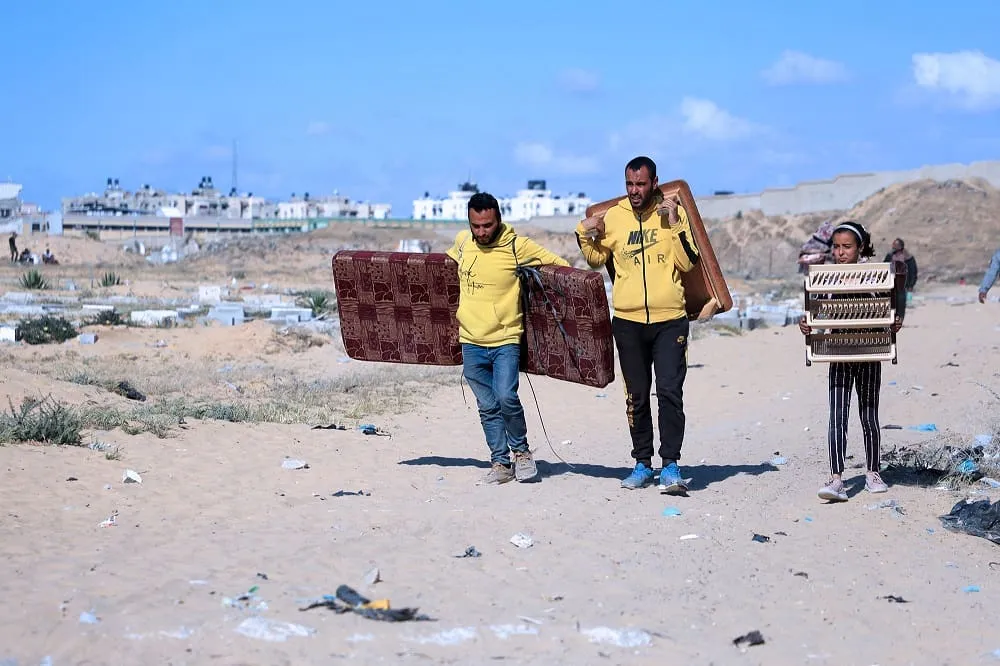
The 1.9 million people forced to flee their homes also have little access to cooking utensils, water, and fuel, which prevents them from preparing food when it becomes available.

Efforts to increase aid into Gaza are crucial but attempts like airdropping or using new maritime corridors are futile – they are impractical, costly, and undignified. Five people were killed when the parachutes or air-dropped aid did not open.
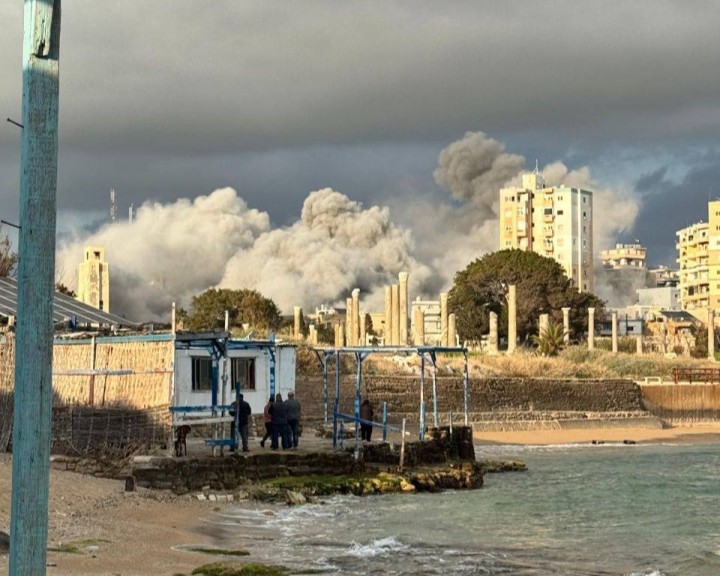
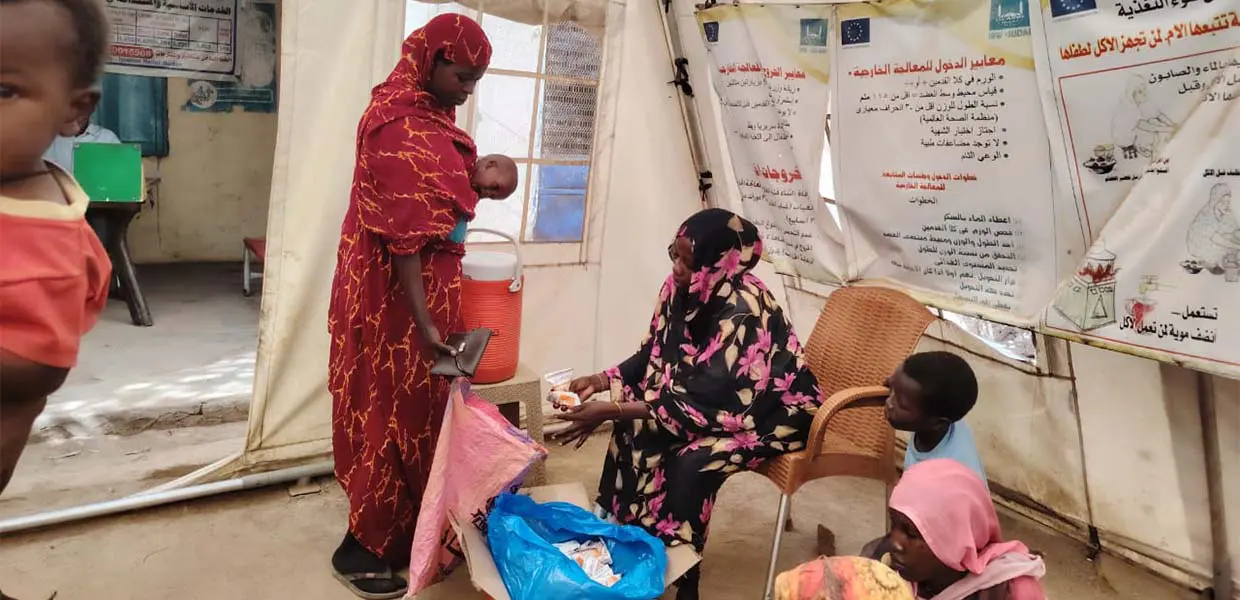
Israel has also been targeting civilians seeking humanitarian aid, in what has been dubbed as a series of ‘flour massacres’, which have killed over 118 people.

What’s happening now in Gaza is a textbook example of how hunger can be man-made and down to political decisions. Let’s be clear – Israel can open all the land crossings and allow the entry of desperately needed aid to reach people in Gaza. This is not happening because Gaza has simply run out of food or there has been a poor harvest. It is because starvation is being used as a weapon of war.

How We Can Help Combat World Hunger

As we mark World Hunger Day, it’s crucial to recognise the interconnectedness of global hunger with climate and conflict.

The plight of Somalia and the Gaza Strip are stark reminders of the urgent need for action and a wakeup call for our collective conscience.

We cannot afford to let world leaders get away with empty words and inaction, we can and must work towards a reality where no one is forced to go hungry.

Written by Suraiya Rahman, Campaigns and Public Affairs Coordinator at Islamic Relief UK.

Help Combat Hunger with Food Packs

Provide lifesaving food packs that help feed vulnerable families the nutritious meals they need to achieve their full potential.

06.24.24

Islamic Relief Australia Hosts Dr Shariq Siddiqui for Groundbreaking Discussions on Muslim Philanthropy

  News

Islamic Relief Australia was honoured to welcome Dr Shariq Siddiqui, a leading authority in the field of philanthropic studies, to Sydney.

As an Assistant Professor of Philanthropic Studies and the Director of the Muslim Philanthropy Initiative at Indiana University’s Lilly Family School of Philanthropy, Dr Siddiqui is renowned for his extensive research on Muslim philanthropy and the nonprofit sector.

During his visit, Dr Siddiqui engaged in meaningful dialogue with the Islamic Relief Australia team. He, likewise, shared insightful conversations with invited key representatives from other prominent charities, including the National Zakat Foundation, Penny Appeal Australia, and Muslim Aid Australia.

Understanding Muslim Philanthropy

These interactions were a pivotal part of his ongoing research on Muslim philanthropy. Specifically, his research into the definition and practices of charitable giving within Muslim communities worldwide, including Australia.

Dr Siddiqui’s work delves deep into the unique aspects of Muslim philanthropy. He explores how cultural, religious and social factors influence charitable behaviours in Muslim communities. His research is crucial in understanding how Muslims define and practice charity – a concept deeply rooted in Islamic teachings and traditions.

Highlights from the Indiana University Lilly Family School of Philanthropy

During the discussions, Dr Siddiqui shared valuable insights from the Indiana University Lilly Family School of Philanthropy’s findings on the Muslim charity sector. These highlights included:

  1. Diverse Motivations for Giving: Muslims are motivated by various factors when it comes to charity. Religious obligations (such as Zakat and Sadaqah), a sense of community responsibility, and the desire to support social justice causes, were among the most common motivators.
  2. Innovative Philanthropic Practices: The research identified innovative practices within the Muslim charitable sector. These include the use of technology in fundraising and the emergence of social enterprises aimed at sustainable development.
  3. Challenges and Opportunities: Dr Siddiqui emphasised the challenges faced by Muslim charities. Examples include regulatory hurdles, the need for greater transparency, and combating negative stereotypes. However, he also highlighted the vast potential for growth and impact within the sector, especially with increased collaboration and knowledge sharing.

Building Bridges and Enhancing Collaboration

The visit was more than just an academic exercise. It was a step towards fostering stronger ties between Muslim charities in Australia and international philanthropic networks.

Dr Siddiqui’s interactions with the heads of the National Zakat Foundation, Penny Appeal Australia, and Muslim Aid Australia highlighted the importance of collaboration. To address common challenges facing Muslim charitable organisations overall, allowing us to maximise our strengths and minimise any weaknesses.

By doing so, we have more potential to enhance the effectiveness of our charitable efforts. Thus, deepening our relationship with the Australian Muslim community and allowing their donations to reach more people in need.

The Future of Muslim Philanthropy

Dr Siddiqui’s visit to Sydney marks an important milestone in the global study of Muslim philanthropy. His efforts to gather information from various parts of the world, including Australia, contribute to a more comprehensive understanding of how Muslim communities engage in charitable activities.

This knowledge is vital for developing strategies that can maximise the impact of philanthropy within these communities.

Ayman Abdelhady, Head of Marketing at Islamic Relief Australia, expressed his enthusiasm about the initiative, stating:

Seeing Islamic Relief Australia take the lead in bringing an esteemed expert like Dr Shariq Siddiqui to the Muslim community in Australia is such a wonderful initiative. It not only highlights our commitment to enhancing the impact of our charitable efforts but also reinforces our dedication to fostering knowledge exchange and collaboration within the Muslim nonprofit sector. We are proud to be at the forefront of these vital discussions and look forward to the positive outcomes they will bring.
In conclusion, Islamic Relief Australia is proud to have hosted Dr. Shariq Siddiqui and looks forward to continuing this valuable exchange of ideas and expertise.

Together, with our partners in the charity sector, we commit to advancing the cause of Muslim philanthropy. To make a positive difference in the lives of those we serve, now and in the decades to come.

06.17.24

Your Impact this Dhul Hijjah: Bringing joy to over 2 million with Qurban and more!

  Dhul Hijjah     News

Thank you for supporting our Qurban Program for Dhul Hijjah 2024!

During Eid Al-Adha, you helped Islamic Relief provide food to 2,824,393 people. By supporting our annual Qurban distributions, you brought relief to many affected by the world’s worst hunger crises and are on the verge of famine.   

Eid al-Adha falls in Dhul Hijjah, the twelfth and final month of the Islamic (Hijri) Calendar. It involves the tradition of Qurban. An act of worship where Muslims perform a sacrificial slaughter of an animal – traditionally goats, sheep, cows or camels. This action reflects upon the Prophet Ibrahim (AS)’s willingness to sacrifice his son Ismail for the sake of Allah (SWT).

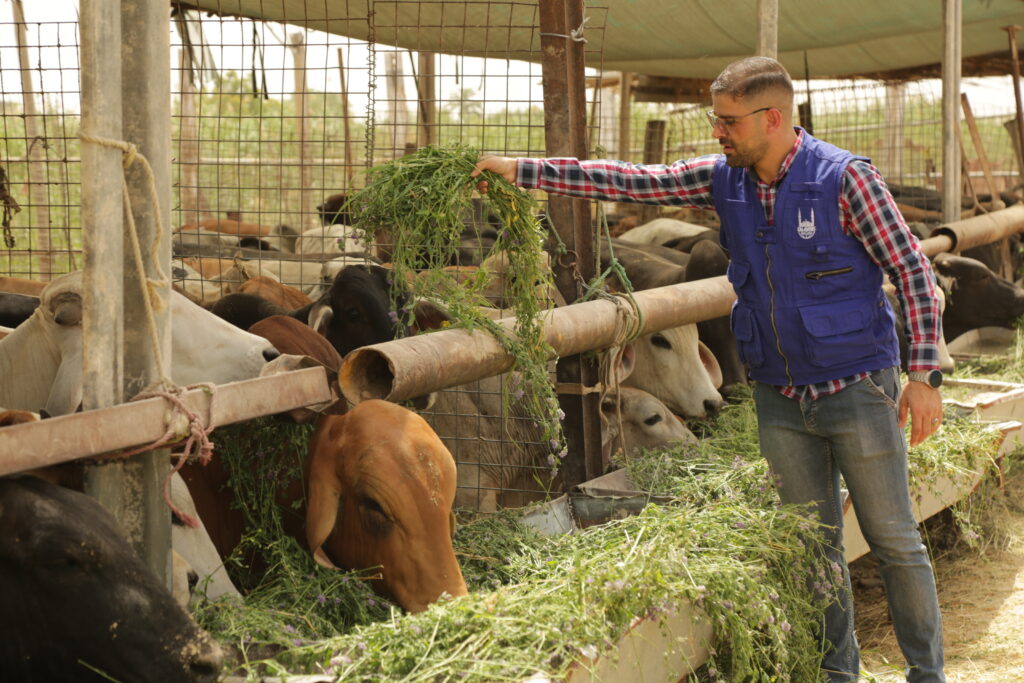
Islamic Relief staff preparing Qurban for sacrifice on Eid al Adha

Following the sacrifice, the meat is then distributed to people in need. For many, it is also the only meat they will get to eat this year.

Where Islamic Relief Distributed Its Qurban Programs for 2024

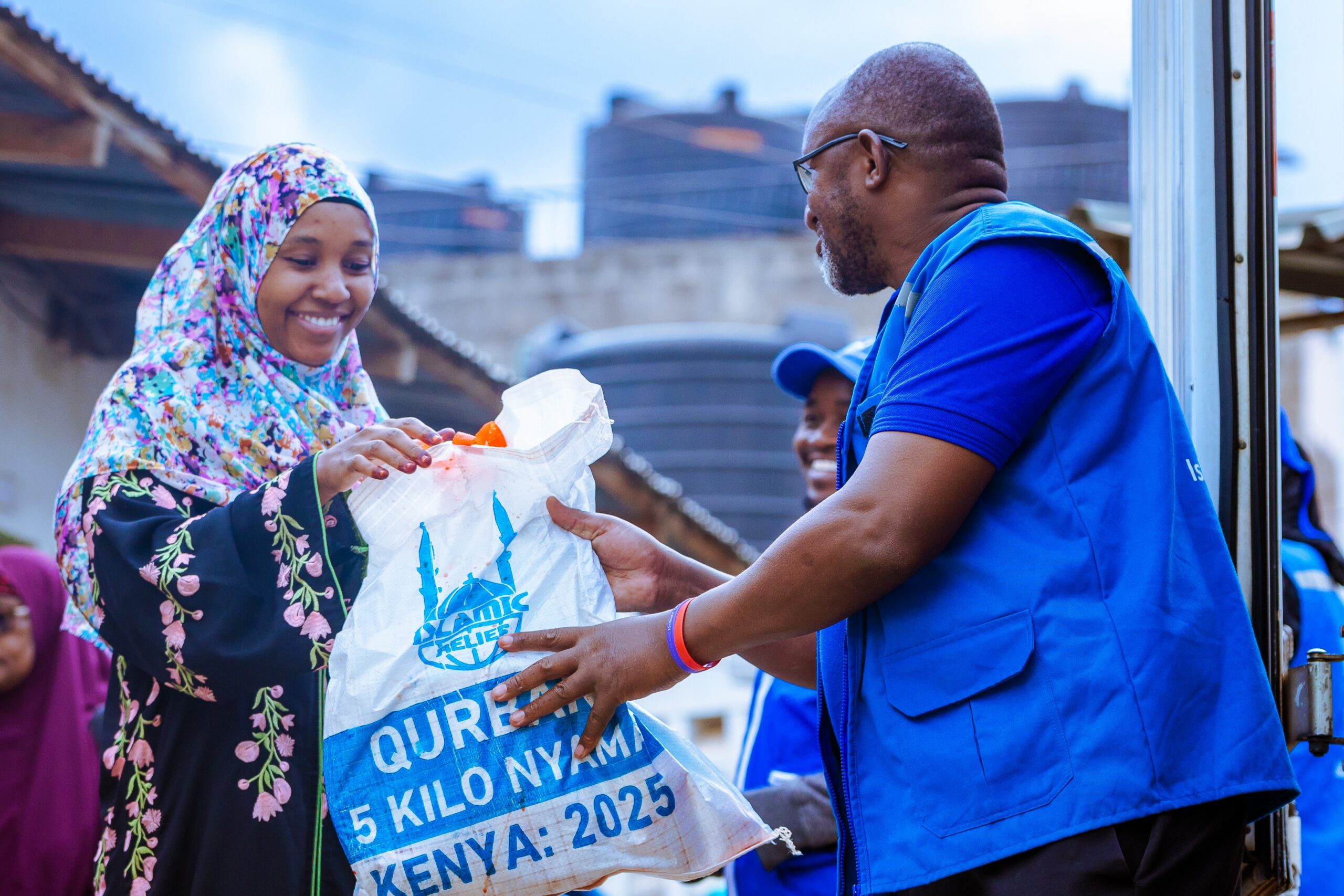
Islamic Relief’s Qurban distributions this year took place in 27 countries. These include Sudan, Afghanistan, Niger, Bangladesh, Kenya, Pakistan and many more.  

  • In Sudan, more than a year of brutal conflict has left the country on the verge of famine. Farmers have been unable to plant and harvest crops and markets have been looted. Islamic Relief distributed Qurban fresh meat packs to help 80,000 people there.  
  • In Gaza, Israel’s ongoing attacks and restrictions on aid mean children and elderly people are starving to death. Islamic Relief’s team and partners in Gaza distributed thousands of meat packs, in addition to our ongoing daily distributions of cooked meals for tens of thousands of families.  
  • Some of the biggest Qurban distributions this year were in Mali and Niger, which are among the world’s most neglected crises, with rising numbers of children suffering from malnutrition. This year, we distributed more than 75,000 Qurban fresh meat packs in Mali and more than 70,000 in Niger. 
  • In Bangladesh, Qurban distributions reached over 40,000 families – including both impoverished rural Bangladeshis and Rohingya communities who have fled violence in Myanmar.  

More Eid al-Adha Giving

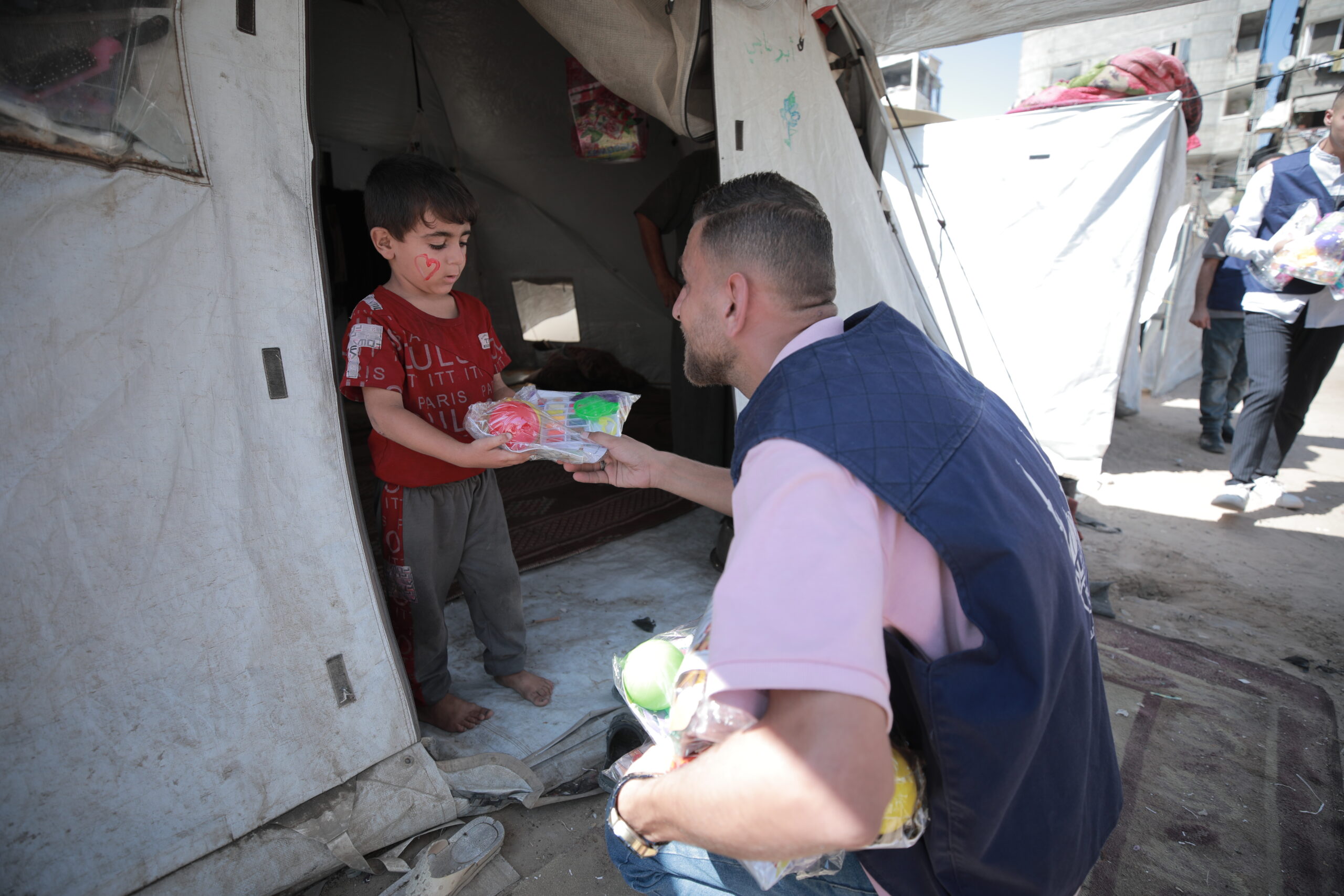
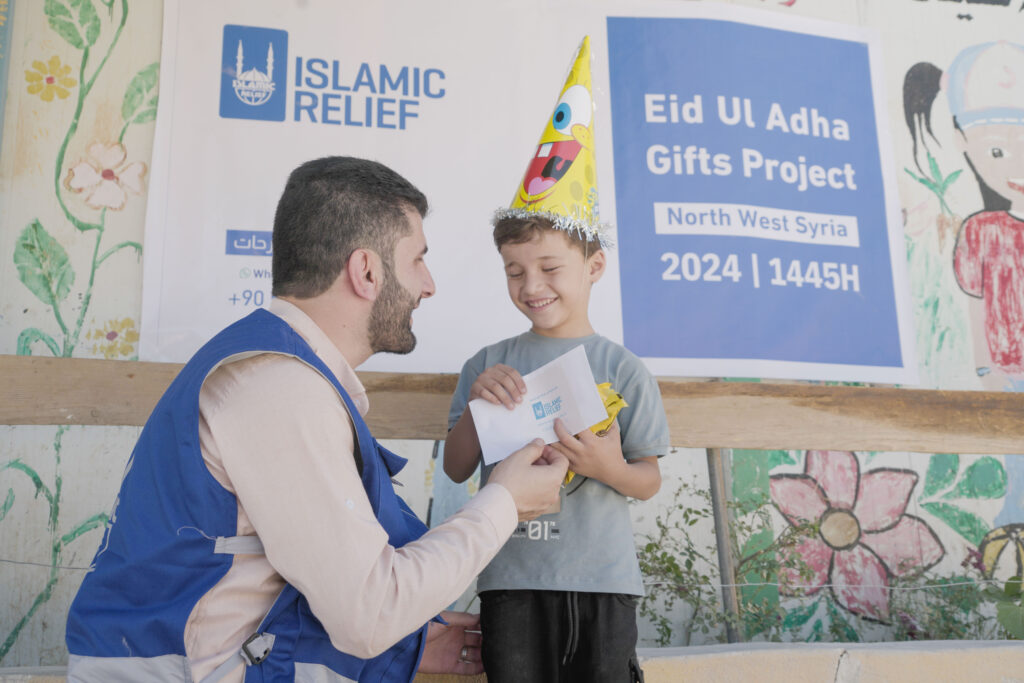
Eid al-Adha is also a time of joy and gift-giving. Islamic Relief teams also distributed over 18,000 Eid gifts such as clothes, shoes, school uniforms and school bags to children and families in 18 countries.

Children in need, receiving gifts for Eid al-Adha in Dhul Hijjah

Zaheer Afzal, manager of Islamic Relief Worldwide’s Qurban and seasonal programs, says:

“Conflict, climate change and inequality are driving hunger worldwide. Thanks to generous donations from our supporters, Islamic Relief hopes to provide nutritious meat to at least 2 million vulnerable people in 27 countries during Eid al-Adha. This may be the only meat they get to eat this year.”

Each Qurban pack contains approximately 5kg of meat on average. Islamic Relief ensures that all distributions comply with Islamic guidelines and national laws, ensuring animal wellbeing and strict criteria on the age and health of animals.   

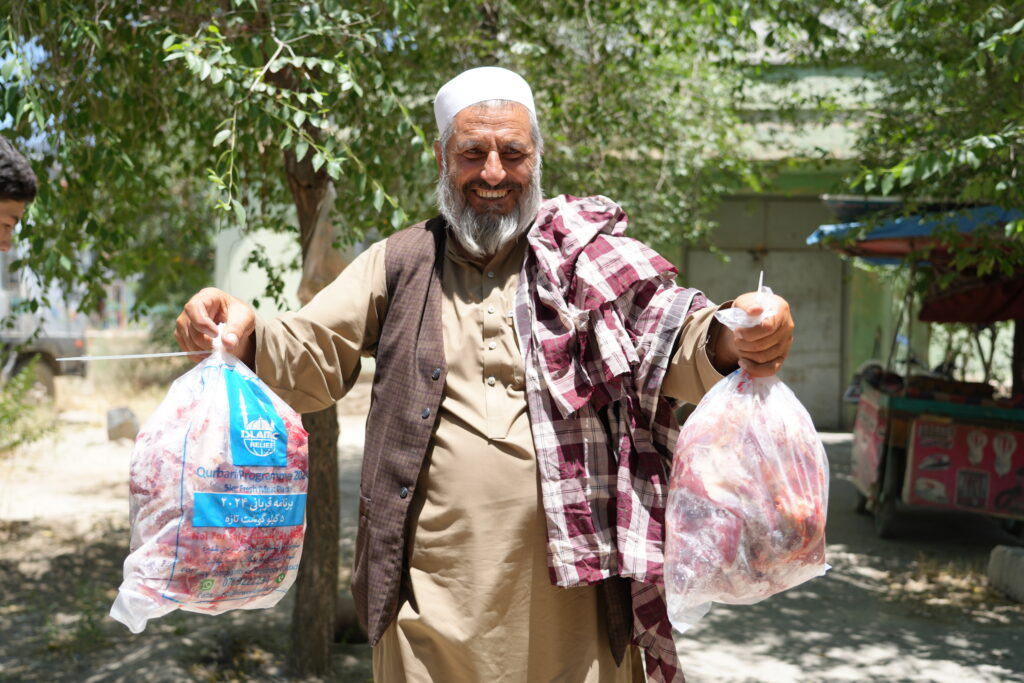
Man from Afghanistan holding  received Qurban meat from Islamic Relief for Eid Al-Adha in Dhul Hijjah

Islamic Relief Afghanistan distributed 10,676 fresh meat packs to 8 provinces of Afghanistan in Eid Ul-Adha 2024 for Orphans, Widows, and Elderly families. 

05.24.24

Morocco: 8 months on from the Al Haouz earthquake

  Impact     News

Islamic Relief Worldwide has released a new report. One detailing our teams’ response to the devastating earthquake that struck central Morocco, eight months on.

On 8 September 2023, a 6.8 magnitude earthquake killed families while they slept in their beds and flattened whole villages. The aftershocks that followed also caused untold damage to the surrounding regions and were felt all across the country.

Communities left in ruins

The earthquake that hit Morocco was its most powerful one in more than 60 years. Close to 3,000 people lost their lives. Thousands more were injured. Among those affected – more than 2.8 million people – included 100,000 children.

IR staff giving gift to child and mother affected by morocco earthquake

Image: More than 100,000 children were affected by the devastating earthquake.  

The road to recovery is long, and the reconstruction programme is both costly and complex. Eight months on from the disaster, communities are still struggling to piece their lives back together. The 500,000 people forced to flee from their homes now live in makeshift shelters. This does little to protect them from the elements.

An immediate and long-term response

Within hours of the disaster, Islamic Relief launched an over $19 million AUD appeal to assist survivors.

To date, the Islamic Relief teams have completed 9 humanitarian projects. Where, together our global network has reached nearly 46,000 people across 100 villages with vital, life-saving aid.

IRA Staff carrying food packs for survivors of Morocco earthquake
Image: Islamic Relief handed out more than 3,100 food packs to survivors.

Islamic Relief continues to help survivors meet their most pressing basic needs. We are also pivoting to longer-term interventions to help improve and rebuild lives going forward.

These include providing essential medical services and health education in affected communities, through the launch of 27 health caravans and the installation of latrines and showers.

Working alongside local partners, Islamic Relief teams are continuing to support the people of Morocco as they recover from this disaster. You can find out more about our work by reading the Morocco’s Al Haouz earthquake: 8 months on report.

With your help, we can continue to provide support for the people of Morocco, please help us to continue this life-saving work.

Help families in Morocco recover from disaster

Together, we have the power to make a tangible difference. Your support can provide critical essentials like food, water, shelter, and emotional support to those who need it most.

05.13.24

5 Reasons Why Islamic Relief Doesn’t Use a 100% Donation Policy

  Impact     Publications

Why doesn’t Islamic Relief use a 100% Donation Policy? In this explainer, we explore why 100% donation policies aren’t really possible and the relevance of admin fees in Islam. We also examine how having admin fees is one of the best tools we have. As they allow us to support the communities we serve to the fullest, helping them build a brighter future.


Islam teaches us that Allah (SWT) rewards good deeds abundantly. Kindness to others, reading the Qur’an, doing regular Ibadah (worship) and giving charity are examples of all good deeds we, as Muslims, are greatly encouraged to do. And when they are done with sincere intention, one can earn copious rewards.

Charity-giving, more specifically, Zakat (almsgiving), in particular, forms one of the five pillars of Islam. In 2022, a study by the World Bank and the Islamic Research and Training Institute (IRTI) of the Islamic Development Bank (IDB) estimated that the global Zakat fund reached $550 billion to $600 billion per year. This has the power to lift communities in need out of poverty, providing them with humanitarian assistance and more during times of war, conflict, economic crisis and disaster.

However, when it comes to choosing where to give their donation, the Muslim community face an annual dilemma. The question of a ‘100% donation policy’, and how we navigate the minefield of misinformation that comes with it.

What is a 100% Donation Policy?

A ‘100% donation policy’ or ‘no admin costs’ is a method used by some charity organisations to imply that 100% of a donor’s money, in its entirety, goes straight to those in need. When compared to charities who are transparent about their admin fees, this looks like the superior choice. Understandably, so many would be confused about the ethics surrounding their donation.

When donating to a charity, here are some important questions to consider regarding your donation:

  • If 100% of my donation goes directly to those in need, how are those charities covering the costs needed to deliver it directly to them?
  • Are the charities promoting a 100% donation policy transparent about how they’re covering their admin costs?
 

Any charity performing life-saving work is almost certainly employing the relevant means to help them do it, whether that be through staff, vehicles, buildings, and more. All of these cost money. This is why a 100% donation policy wouldn’t work. This is why we encourage our donor community, and beyond, to instead focus on the question, “How effectively is my donation being used?”.

Why Admin Fees are Necessary in Lifesaving Work

We’re here to help provide more information on what exactly happens to your donation when you donate to Islamic Relief. As well as why we don’t use a 100% donation policy, how this isn’t really possible, and why our admin fees are one of the best tools we have for serving the communities at the heart of our work.

Here are five reasons why admin fees are powerful and important for those in need:

It costs to help those in need on the ground

Islamic Relief is fortunate to have been able to provide aid to millions of people in over 40 countries since 1984. We often work in remote areas of the world to get help to those in urgent need. Where our teams face challenges working in conflict zones or after the impact of a natural disaster.

Your donation helps those most in need, including in the hardest-to-reach places
Photo: Food pack distribution in Puntland, Somalia during Ramadan 2024.

Thus, admin fees help facilitate the delivery of our aid on the ground. They cover essential costs. This includes procedures in conducting needs assessments to ensure our aid is relevant, fuel for cars to transport aid, rent for local offices, salaries for staff and expenses for volunteers who help deliver our life-saving responses. They also cover the costs of monitoring and evaluating the impact of our work. Without admin, our work simply wouldn’t be possible.

It helps us to use your donation in the most effective way possible

Did you know, that for every $1 donated to Islamic Relief, just 3c is used to cover admin costs? Although a minuscule amount, it has an incredible impact on our ability to use your donation as effectively as possible.

Out of your donation, a further 11c goes towards raising more funds for those in need. This portion of your donation is carefully and effectively used to pave the way for ground-breaking work in fundraising. Thus, for every $1 invested, we’re able to raise $10 more, which enables us to continue delivering more aid. Making the remainder of your $1 donation (86c!), going a phenomenal way towards our life-saving work.

Since 1984, your generous donations have helped transform and save over 120 million lives. We couldn’t do this without your support, and we are accountable to you for every penny spent.

Admin fees change the future

You’re helping Islamic Relief to build a brighter future for those in need. As well as delivering aid, Islamic Relief works to campaign for the most vulnerable communities and strives to effect change. This includes campaigning on issues such as climate change, which is having a devastating impact on communities in the global south, as we saw in 2022 during the Pakistan floods.

Your admin fees are not going towards band-aid solutions. The thought leadership that is required to use sustainable energy to power water projects in Lebanon, Yemen and Somalia, and build disaster-resistant housing in Türkiye, Pakistan, and Indonesia. It is the same that is required to mitigate the effects of global issues that tackle the root causes of poverty and inequality around the world.

Your donation helps provide sustainable solutions to those most in need
Photo: Rightsholder in Sindh, Pakistan, using an Islamic Relief-built water pump.

Admin fees are an Islamically legitimate cost

Zakat has strict rules around the eligibility of the donor and the one who receives it. The impact of this obligatory form of charity is powerful and has the ability to eliminate poverty in the world.

In His divine wisdom, Allah (SWT) decreed that one of the eight people eligible to receive Zakat, are the administrators of Zakat, the al ‘amilina alayha. Islamic Relief enlists the help of scholars to verify the distribution of Zakat at Islamic Relief, and ensure your precious donation goes towards upholding this upright practice.

It’s our calling, our living

Alhamdullilah, since 1984, by the will of Allah (SWT) Islamic Relief has been able to serve the world’s most vulnerable people. Thanks to the support of our volunteers, staff, and generous donors, we are able to carry out life-saving work.

When volunteers donate their time to support our work, Islamic Relief covers their basic expenses. Our staff work incredibly hard to ensure that volunteers’ efforts are properly supported. So we can create the worldwide impact that we have around the globe, moving towards our goal of eliminating poverty.

As an organisation, it’s important to sustain our employees’ abilities. To help us achieve our mission, this includes paying them a salary. Many of our staff see their role in the sector as a calling to help those in need. However, they would be unable to do so without being able to cover the cost of living.

It’s also important for us to consider the incredible skill set of our employees on the ground, who deliver ground-breaking work and solutions to increasingly complex situations across the world. Staff expertise helps us to deliver innovative solutions, like rainwater harvesting in Bangladesh to ensure communities have access to clean water.

Localisation in our work is extremely important to us. That is why 95% of our staff are employed from within the areas and communities we serve, to ensure we’re sensitive to the cultural and religious requirements of those in need. Because our staff are from the areas that we work in, they know what’s needed on the ground. They help ensure that we reach as many people as possible, even in the most difficult-to-access regions like Yemen and Gaza.

Our staff see your donation as our amanah, ensuring it reaches those most in need
Photo: Islamic Relief staff in Malawi actively working closely with local communities in Balaka and Magochi.

You donation helps us save lives

Poverty impacts so many vulnerable people across the world. Islamic Relief will continue to put the most vulnerable first, always. But, in order to do that, we need your support. Transparency around our admin costs is an integral part of the relationship we have with our loyal donors. We are accountable to those in need, and to you, our loyal donors. Thank you.

Empower Our Ummah

Your Zakat and Sadaqah can transform the lives of millions with lifesaving aid. Be their lifeline today.

04.18.24

Italy: Supporting Struggling Immigrants

  Impact     Publications

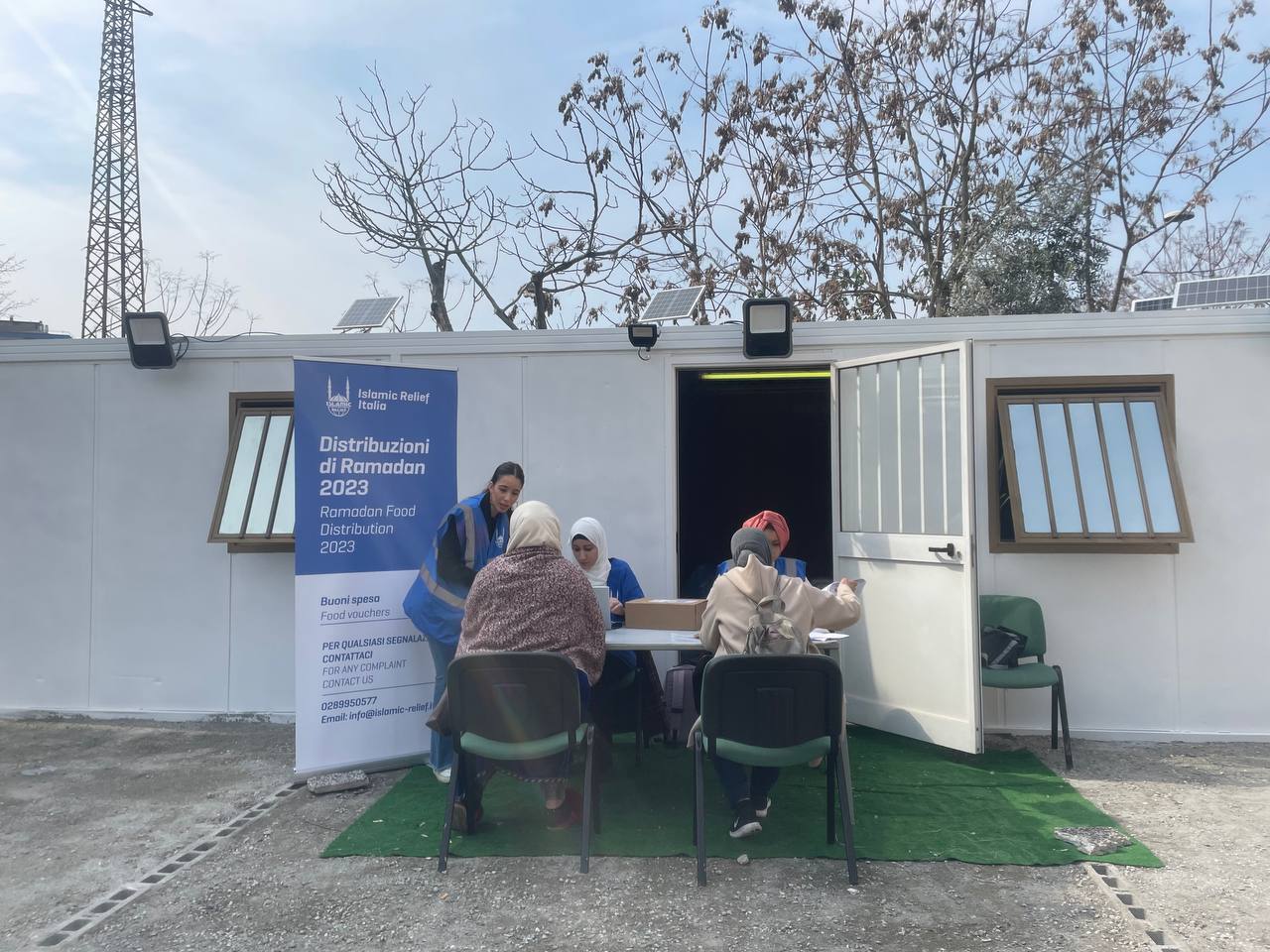
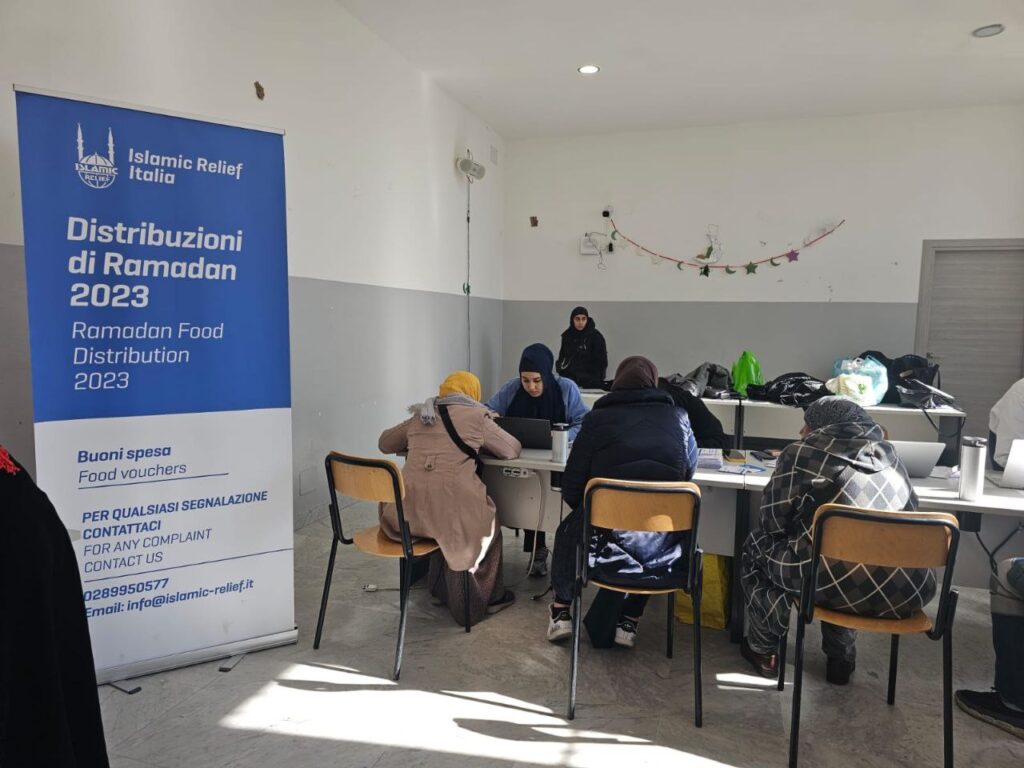
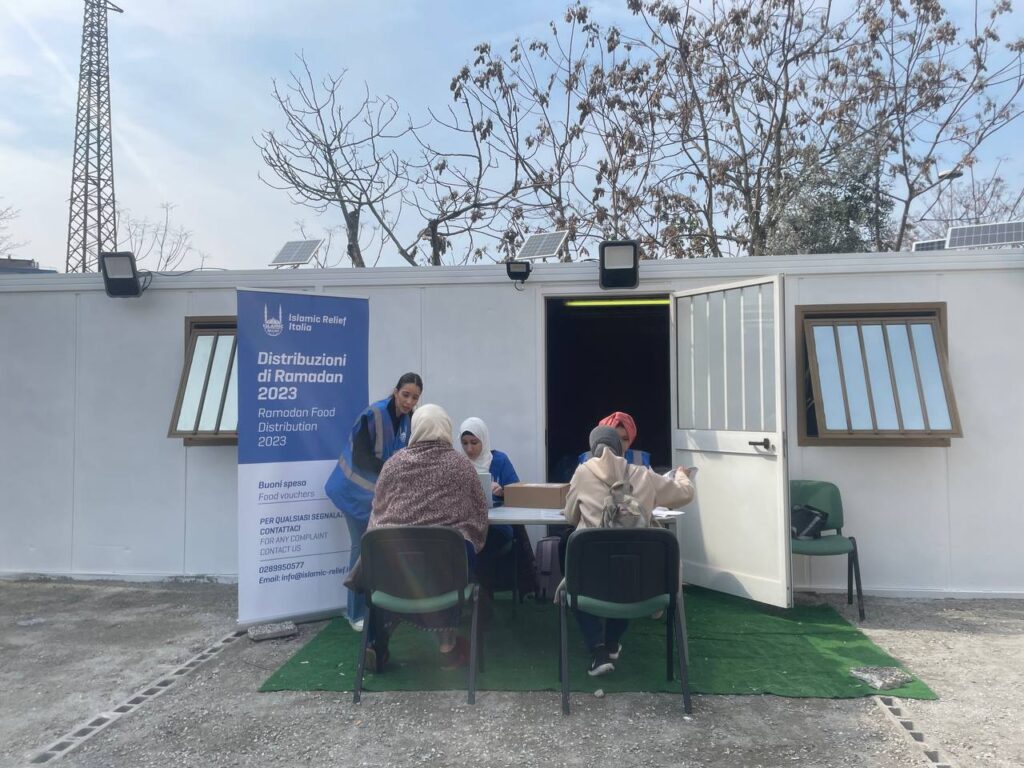
In Ramadan 2023, Islamic Relief supported families with vulnerable economic situations around the world. In Italy, Islamic Relief distributed 463 food vouchers across the country aiming to reach around 2,000 vulnerable people in the provinces of Milan, Brescia, Trieste and Rome.

Two of the recipients were the families of Habiba and Rabiaa. Both Habiba and Rabiaa struggle to support their children and dependants with their meagre incomes. They also care for family members with permanent health conditions.

Habiba’s Story

Habiba (45) lives in Monza, Italy. She struggles to provide for her three children as a single parent.  

“I do the chores in some houses and structures such as gyms. This is my source of income and this is how I provide for my family needs. 

 “Food is not a problem. My friends and neighbours know about my situation, and they always help me with what they can. The main challenge I’ve been facing for years is about health.  

“Two of my three children were born with a malformation that forced them to undergo many surgeries during their childhood.  

“Because of the health problems of my children, in certain periods I had to choose between working and looking after them. That meant relying only on charities for the food and the clothes and sometimes it was very hard and frustrating.  

“During these tough times I tried to take advantage of some migration laws to let my husband reach us in Italy and help me with the children, but due to my financial situation, it was not possible. 

“During Ramadan people are more generous so it is easier for me to find some help”  

“Living in a non-Muslim country, we don’t really feel the difference. I work as always, but I try to go home earlier to prepare iftar. The mosque here organises some events, but with my disabled son it is not always easy to join the community.  

 “Our diet is mainly based on pasta, rice, some vegetables and we can afford it, some meat. I don’t have much time to cook, my eldest daughter often helps me and prepares dinner for her siblings. 

“You guys lighten a burden for people like me. This month I have one less worry and I can focus on my youngest child’s surgery.” 

Islamic Relief distributed 463 food vouchers across Italy, aiming to reach around 2,000 vulnerable people in the provinces of Milan, Brescia, Trieste and Rome.

Rabiaa’s Story  

Rabiaa (49) lives in Milano, Italy with her husband, brother and 4 children. She works precarious jobs, cleaning and cooking. 

“We don’t have a fixed monthly income. I’m the only one who can work and provide something when I have the chance to do some cleaning or cooking. My brother just arrived from Morocco and my husband is disabled”  

“(My brother) came to Italy through a clandestine route and he had to walk for a while in the cold with inappropriate clothes. Because of the cold, they had to cut his hand and some toes. He can’t work so we have to cover his needs too.  

“It’s very difficult to cover all the costs and often we can’t provide the children with all the stuff they need. Alhamdulilah for food we can rely on charities supporting us and the local mosque.”  

“We had a very tough time during COVID. My husband used to work and provide for our needs, but after he got the vaccine, he got very very sick” Pulls out again the mobile phone, “Sorry to show you this, but just to let you understand”, shows us photos of a man in intensive care “this is him, doctors could not understand what happened to him, we thought he would die.   

“Alhamdulilah Ramadan is a blessing because there are more good people like you helping us, at least for food.”   

 “We are very grateful for you guys who support us. With the voucher I can buy all the items my family need and at least for one month we can relax or focus on other priorities, not only on food.”  

In Italy, Islamic Relief distributed 463 food vouchers across the country aiming to reach around 2,000 vulnerable people in the provinces of Milan, Brescia, Trieste and Rome.


Give Families Hope and Relief

Keep the blessings of Ramadan going. Give families in need the opportunity to enjoy nutritious food, rebuild their livelihoods and more.

04.17.24

Fatuma’s Story: A Burden Lifted

  Impact     Publications

Every year, Islamic Relief delivers Ramadan food packs to families in need worldwide. One of the recipients includes Fatuma Bashir (38), a widow and mother of 7, in Garissa, Kenya.

Fatuma was previously a trader of bananas and lemons. However, she became a stay-at-home mother following the death of her husband. As she had no one else to look after her children if she worked.

Struggling to Feed Her Family

 “My husband was the sole breadwinner of the family but unfortunately, he recently passed on. I used to supplement the family’s income by selling lemons and bananas at the Garissa town market. (But) I was not earning enough income to support all the basic needs of the family. 

“Currently, I am not able to trade at the market because I have a nine-month-old child who needs my care. I have no one to leave with the young ones. We are now dependent on well-wishers and relatives for food and water.  

In Kenya, four of Fatuma's children, the youngest being nine months.
Image: In Kenya, four of Fatuma’s children, the youngest being nine months.

“In Garissa, we are forced to buy water from water vendors which is quite a struggle for me because I do not have enough money. Neighbours have been kind enough to share their water with us.” 

“My neighbours contributed a few supplies such as beans, rice and sugar so that I could open a small kiosk when my husband died but the sales are very low. 

“We eat whatever I manage to get each day. I am grateful to God because we can have one meal a day, and sometimes we are lucky to have two meals.  

 “Alhamdulillah, the children are healthy, but they come to me crying out of hunger when we lack meals. It saddens me that I cannot provide for them always, but we leave it to Allah.”  

Daily Life in Kenya During Ramadan

“Ramadan is a Holy month of prayer. We continue to observe our religious obligations to Allah through fasting and prayer. I ask for forgiveness and seek Allah’s mercies on my family.”  

 “Our Ramadan diet is the same as throughout the year. We do not have special meals because we are grateful to have a meal any day of the year. We prepare whatever I get. I try to diversify our meal to include beans, rice, flat bread, and a corn meal made from maize.

 “I wake up at 3am to prepare Suhoor for the family. We eat together, pray, and start our fast. We do not go back to sleep. The children go to school, and we are left looking for water for the family. I close kiosk at 3pm to prepare the iftar meal when we are blessed with food.

“During Ramadan, a lot of people pray together in the morning and evening at the Mosque. The children visit the Mosque in the evenings to listen to evening sermons by the Imam while we I listen through the Mosque’s megaphone while cooking at home. Ramadan is a special time when people are kind to those in need. Neighbours invite others to share in meals as we chat under the sun setting.”

How Islamic Relief Helps

Fatuma came to learn of Islamic Relief after a friend referred her to the organisation, following her husband’s death. She requested support and was registered on the OrphanCare programme for quarterly monetary support for one of her children, as well as the Ramadan Food programme.  

A total of 31,710 people benefited from last year’s Ramadan project in Kenya. 5,285 food packs were distributed in Garissa, Mandera, Wajir, Moyale, Kilifi, Nairobi, and Tana River Counties.  

Each food pack included 10KG long grain rice, 10KG maize meal flour, 10KG wheat flour, 5KG sugar, 5KG dates, 5KG beans and 3L cooking oil.  

Fatuma and her family are one of the beneficiaries of the Ramadan programme in Kenya. Here is them receiving their food pack.
Image: Fatuma and her family are one of the beneficiaries of the Ramadan programme in Kenya.

Groups who received food packs included divorcees, single mothers, orphan families, persons living with disability, vulnerable families taking care of persons living with disabilities, poor families and families affected by the drought. 

“The food pack given by Islamic Relief was a welcome relief to many who were affected by the drought,” says Fatuma.  

“I received a pack with assorted food items that I needed. I did not need to buy more food for at least two weeks (as) I received all the ingredients needed to make a meal.” 

 “The pack was wholesome because it had the food items that are normally consumed in our locality. I would only ask that you increase the quantities next time because we are struggling to make ends meet.” 

Give Families Hope and Relief

Keep the blessings of Ramadan going. Give families in need the opportunity to enjoy nutritious food, rebuild their livelihoods and more.

04.16.24

Um Muhammed’s Story: Supported Through Times of Hardship 

  Impact     Publications

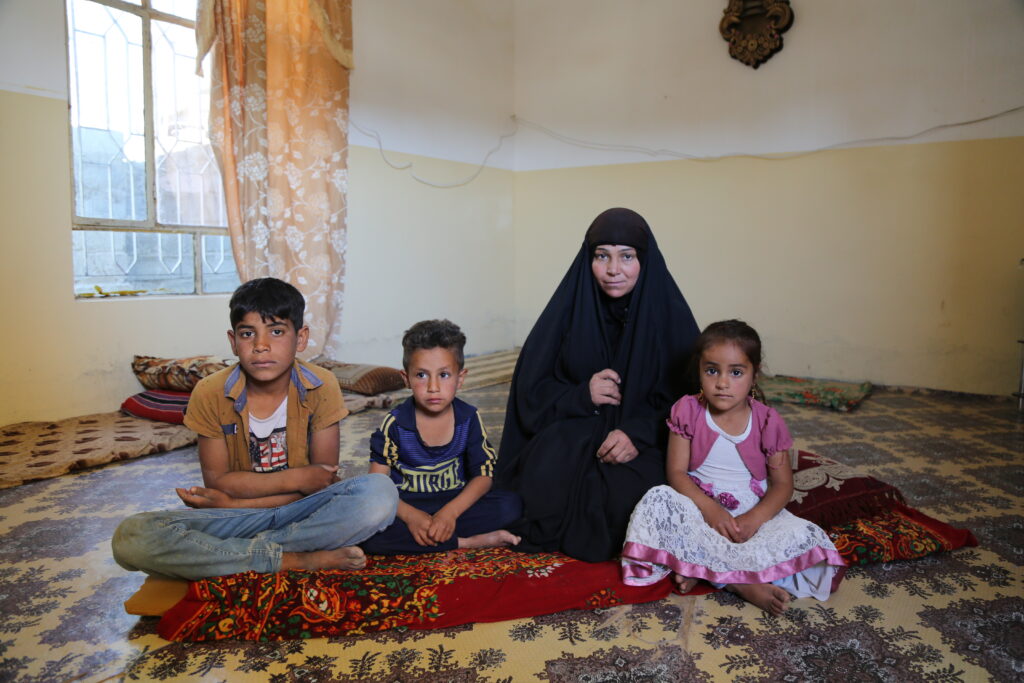
Um Muhammed is a 35-year-old Iraqi woman. She currently lives in Al-Anbar-Faluja-Alshuhadaa and has benefited from IRW-Iraq food basket distribution for Ramadan. 

As a widow, she is the sole head of her family. Um Muhammed has four children of different ages, who all live with her. They are Muhammed (10 years old), Rasool (9 years old), Ali (8 years old) and Reem (6 years old).

Um Muhammed and her children from Iraq, one of the recipients of the Ramadan food program.
Image: Um Muhammed and her children from Iraq, one of the recipients of the Ramadan food program.

She said, “I was widowed overnight and had to support my four children alone, which shocked me deeply. After the death of my husband, some benefactors gave me a cow, which I raised and whose milk I sell to the teachers of the village and to some neighbours. It is my only source of income to feed my children.”

Struggling to Provide for Her Family

Regarding the difficulties she faces in providing for her family in terms of food, water, health and other basic needs, Um Muhammed said, “Everything has become very expensive, which is stressful and uncomfortable for me.

“My children’s needs increase with the start of the school season, such as school fees, clothing, and an increase in seasonal diseases. One of my biggest challenges is keeping my children in school and not missing out on the opportunity to learn because I have lost it. The vacations greatly affect my income, forcing me to sell the milk for half its value to ensure my daily subsistence.”

Regarding hard times and the effect of food shortages on her family’s life, she said, “Sometimes my children sleep without dinner after a long night of crying, so my psychological state breaks down and I don’t sleep at night.” 

Daily Life in Iraq During Ramadan

Regarding the impact of the month of Ramadan on her life and what it means to her, she said, “I look forward to Ramadan because there is a spiritual atmosphere and people donate money and food, which allows me to save money to meet other basic needs.” 

She also discussed her daily routine during Ramadan. She said, “During Ramadan, we gather with our family members and neighbours to read the Quran and listen to religious lectures, which has given us a better understanding of the teachings of the religion and how to relate to others, especially during fasting.” 

As for their normal diet during Ramadan and throughout the year, she said, “We depend for our food on cereals and bread provided by the state rations, which are not enough for us. Sometimes I also depend on milk from my cow, so I heat the milk and give it to my children to make up for the lack of food. During Ramadan, our diet varies a bit. My children love the Makhlama dish, which consists of potatoes, onions, peppers, eggs and sometimes meat, if available. I also make pudding from my cow’s milk.”  

How Islamic Relief Helps

Regarding What is the impact of IR food distribution in her community during Ramadan, she stated that many people in my village suffer from poverty, so the Ramadan food basket is a great joy because it contains a variety of foods that we often cannot provide, as well as a sufficient amount for the month of Ramadan. 

Um Muhammed receiving a food pack from Islamic Relief teams in Iraq during Ramadan
Image: Um Muhammed receiving a food pack from Islamic Relief teams in Iraq during Ramadan

As for how the Ramadan food package helped her and her family, she said that the Ramadan food basket allows her not to have to buy food, and also contains a wide variety of products, allowing her to cook more food, which the children look forward to and love to eat for Fotoor. 

When asked how she knows about IRW-Iraq and whether she has benefited from any other IRW-Iraq projects, she replied, “An IR Iraq employee visited us at home after a member of the village explained my living situation”. The employee asked me several questions and asked for information about my children, their ages and my livelihood. After a few days, one of the employees informed me of the distribution date. 

She was asked how we could improve our food packages for Ramadan. At that, she replied, “The food basket contains the necessary and basic products, especially during the month of Ramadan, and I think it meets all our needs.” 

Finally, she said, “You have brought joy to my home, which encourages me to take time to focus on worship during the month of Ramadan”. My children and I wish you much success. May Allah reward you in the best way possible. 

Give Families Hope and Relief

Keep the blessings of Ramadan going. Give families in need the opportunity to enjoy nutritious food, rebuild their livelihoods and more.


STAY INFORMED

  • This field is for validation purposes and should be left unchanged.

Quick Donate