04.15.26
Returning to Khartoum: What leaving cost us and what coming back means
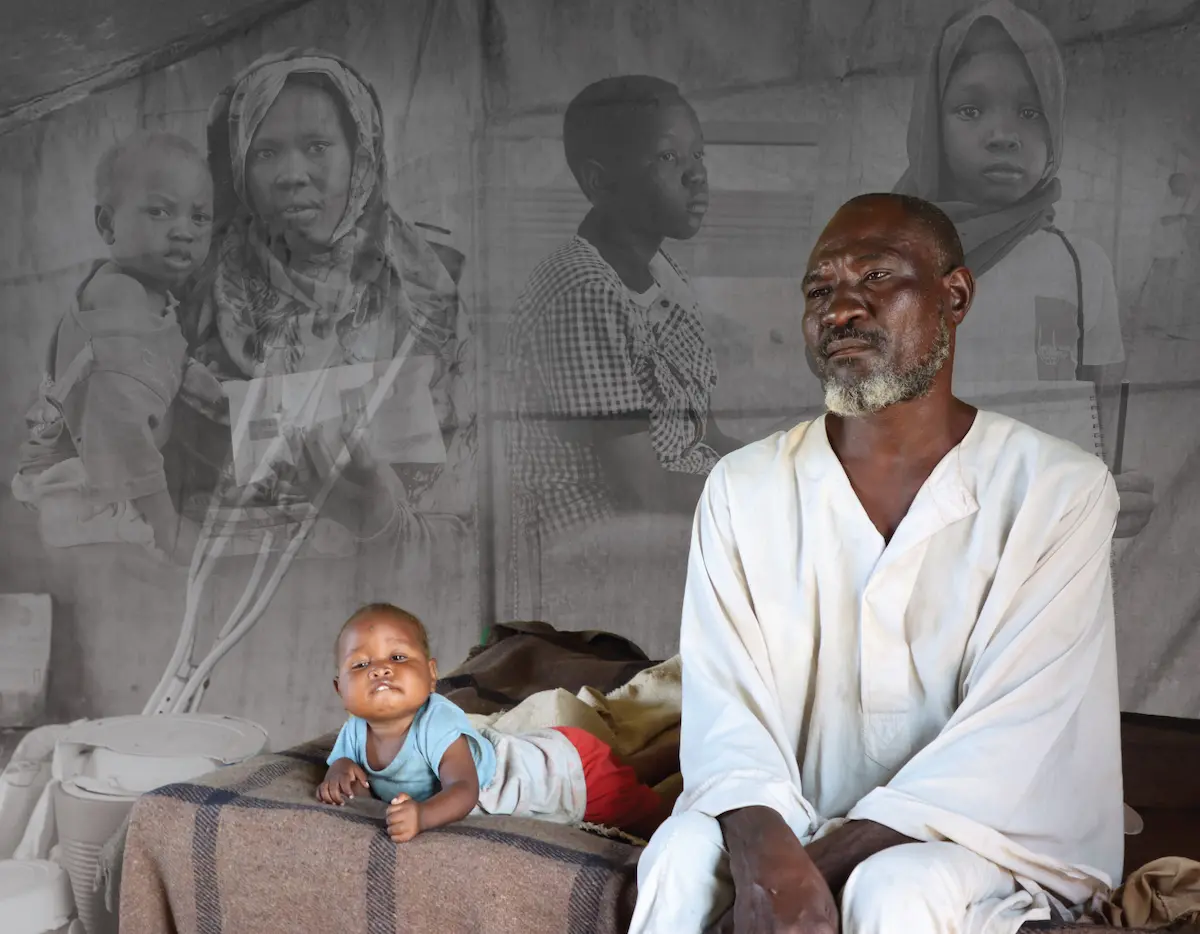
Shihab Mohamedali, Islamic Relief’s Senior Programme Manager in Sudan, was forced to flee his home in the capital, Khartoum, at the start of a violent conflict that has since engulfed the country. Three years on, he is finally returning to Khartoum – but the city he is coming back to is not the one he left behind.
On the road south out of Khartoum, on those first terrible days of the war, I saw 2 things at once. On one side, a group of people looting a store, carrying whatever they could find on their shoulders, on donkey carts, on motorbikes.
And not far away at all, on the other side, a group of young men were standing in the middle of the road, handing out sandwiches, water and juice to every family passing through. I could not believe what I was seeing. The same moment. Same road. Same crisis. And people are responding to it in completely opposite ways. I have not stopped thinking about those images in the 3 years since.
The Thursday we thought was just a Thursday
Our last working day was 13 April 2023 – a normal Thursday. Some of us left laptops at our desks, passports in drawers, cameras on shelves – the things you leave when you expect to come back after the weekend. Nobody thought to take anything home.
On the morning of 15 April, Khartoum became a war zone. I was living close to a military artillery section. For 12 days, I heard shooting day and night without pause.
We left the house once, my son and I, to find food and turned back when the fighting came too close. Islamic Relief evacuated us on the twelfth day of the conflict. A driver arrived at our house. I told my family to leave everything, that we would be back in a few weeks, so we did.
At every checkpoint on the road to Gedaref, an armed man came out to inspect. I knew what they could do – ask someone to step out, take the car, order the family to walk. That is what had happened to others. I kept reading Ayatul Kursi (a verse from the Qur’an) and, by the mercy of Allah, we passed through each time.
A city stripped to its bones
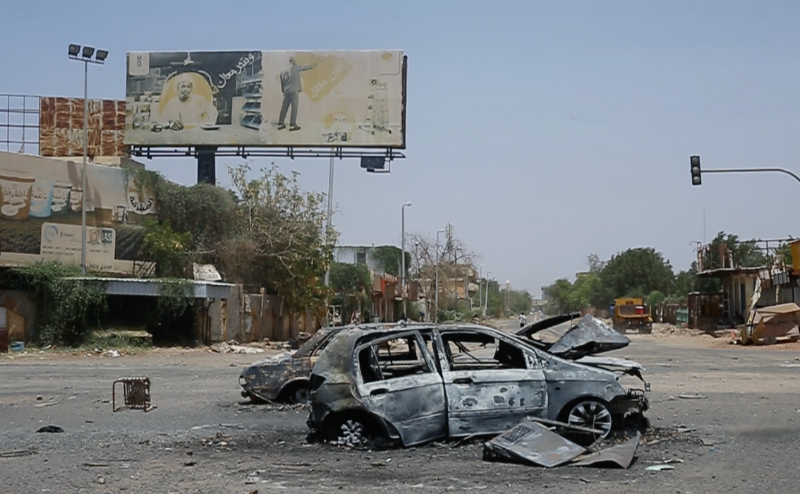
Our office was looted completely – vehicles, equipment, everything. It wasn’t just theft – it was deliberate destruction of anything that could not be taken. The guard was forced out. When he returned days later, he photographed what was left[MG1] [CM2] and sent the images to the team in Gedaref. It was through those photographs that Shihab and his colleagues first saw the scale of the destruction.
Across Khartoum, the story was the same. Walls were opened up to pull out copper wiring, which could be sold for scrap – one of the few materials that still holds value in a collapsed economy. Doors and windows were removed entirely. Holes were dug into the floors of homes by people searching for hastily stashed gold. Wooden bedframes were cut and burned as cooking fuel because there was nothing else.
My mother had been displaced to the River Nile State. When she returned and saw her house, she said, “I immediately got stomach pain.” She asked my brothers to take her back to the River Nile State.
Those who refused to leave paid the hardest price. A colleague lost her father – he stayed, was detained, and died before the family could reach him. In Halfayat Elmilook in Khartoum North, people were found so weakened that they had to be rushed to hospital. Some did not survive the day they arrived.
We were displaced too but we still had work to do
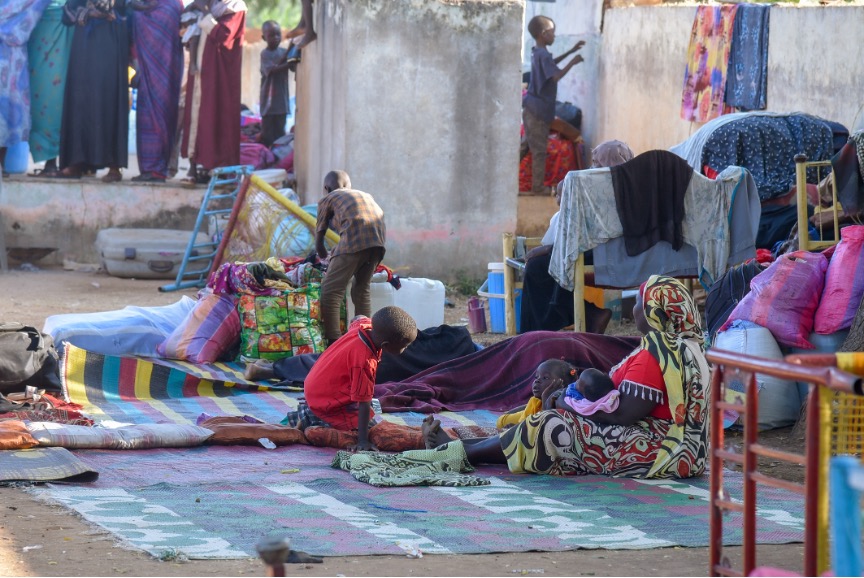
There is one aspect of this crisis that does not get talked about enough: when the war erupted, Islamic Relief’s Khartoum staff became displaced people ourselves. We were scattered – to Gedaref, to Port Sudan, to wherever family or circumstance took us.
Some colleagues lost their homes entirely. Some lost relatives. And yet, from those same displacement locations, we kept working.
In those 12 days under fire, my 16-year-old daughter stopped sleeping. She would leave her room at night and come to sleep near her mother. I understood what was happening. I have spent my career in humanitarian work, learning what displacement does to people.
Slowly, she came through it. Alhamdulillah, she is now studying in Türkiye, and this year she was among 8 girls selected from a Hadith competition to travel to Umrah. I cannot describe what that meant.
It is a strange thing to be a humanitarian worker and a displaced person at the same time. To be supporting families in camps while quietly dealing with your own losses – your own looted home, your own family split across cities, your own uncertainty about when or whether you would be able to go back home.
That weight has sat with all of us throughout these years, even as the work continued.
Closing the Khartoum office didn’t just mean losing a building. It meant losing direct access to millions of people in the city where the need was most acute. Reopening is not simply a matter of finding office space. It means re-earning trust from communities who went through something enormous without us there, and rebuilding relationships with partners and health workers who are now operating in a city that looks almost nothing like the one we left.
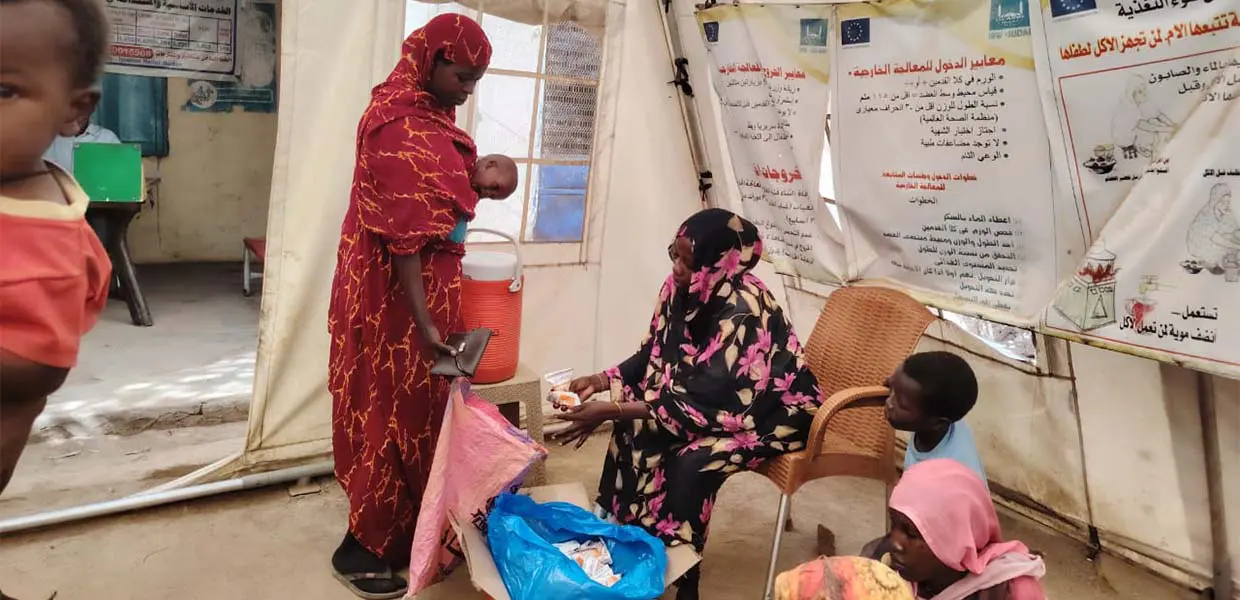
Islamic Relief is back – distributing cash assistance to families who have returned to empty homes, supporting health facilities, and providing food to people beginning again with nothing. Coming home is not the end of the journey. It is the beginning of a long piece of work.
The first sleep back home
A relative of mine returned to his house recently and found it had been looted; there was almost nothing left. He and his family cleaned, and neighbours who had come back a little earlier brought food. That night, he slept from evening until the following morning – his first deep sleep since leaving 3 years ago.
I have heard similar stories from others. People are coming back to damaged, empty houses but still feeling something that they could not find anywhere else in their years of displacement. Some are saying they will not leave again, even if fighting returns to the capital. They have learned, they say, that it is better to face whatever comes in your own place than to live somewhere else, however unsafe home may be.
My own family is still abroad. They are planning to return in May. I am already thinking about how they will absorb the shock of coming back – and I know it will be a huge shock. But I hope to make it a positive experience. This conflict has left many people emotionally handicapped, but they will find their way back to themselves. We believe this. We have to.
Khartoum has not yet recovered. The markets have come back faster than almost anything – traders, movement, a certain ordinary noise beginning again. But the city has years of work ahead of it, and so do we. Those of us who locked that office that Thursday, 3 years ago, thinking we would be right back – we are finally coming back. The work we return to is harder than the work we left. And so it matters even more.
Sudan still needs the world’s attention as millions remain displaced, and those returning to Khartoum are coming home to almost nothing. Islamic Relief is on the ground by providing food, cash assistance and healthcare to families across Sudan. Please support our Sudan Emergency Appeal and help us reach the people who need us most.