05.12.26
Qurban in the Qur’an and Hadith
Qurban, the act of sacrificing an animal for the sake of Allah, is a central part of Eid al-Adha and commemorates the unwavering faith of Prophet Ibrahim (AS).
The spiritual act of devotion and charity has deep roots in the Qur’an and the teachings of our beloved Prophet ﷺ. It remains a powerful reminder of sacrifice, submission and generosity.
Here, we explore how Qurban is mentioned in the Qur’an and Hadith, highlighting its significance and spiritual rewards.
What does the Qur’an say about Qurban?
The Qur’an has several references to the act of sacrifice, illustrating both its historical roots and spiritual meaning.
Surah Al-Kawthar (108:2)
“So pray and sacrifice to your Lord [alone].”
Quran 108:2
This concise verse ties together the two fundamental acts of worship – prayer and sacrifice – as signs of our dedication to Allah alone. It serves as a reminder to purify our intentions and perform Qurban solely for the sake of Allah’s pleasure
Surah Al-Baqarah (2:196)
“And complete the Hajj and ‘umrah for Allah. But if you are prevented, then [offer] what can be obtained with ease of sacrificial animals. And do not shave your heads until the sacrificial animal has reached its place of slaughter. And whoever among you is ill or has an ailment of the head [making shaving necessary must offer] a ransom of fasting [three days] or charity or sacrifice. And when you are secure, then whoever performs ‘umrah [during the Hajj months] followed by Hajj [offers] what can be obtained with ease of sacrificial animals. And whoever cannot find [or afford such an animal] – then a fast of three days during Hajj and of seven when you have returned [home].”
Quran 2:196
This verse connects Qurban directly with the rituals of Hajj, underscoring its role as a devotional act. It also reflects Allah’s mercy by offering flexibility when pilgrims are unable to fulfil their obligations, showing that the intent and effort remain valuable.
Surah Al-Hajj (22:34)
“For every community We appointed a rite of sacrifice so that they may pronounce the Name of Allah over the sacrificial animals He has provided for them. For your God is only One God, so submit yourselves to Him [alone]. And give good news [O Prophet] to the humble.”
Quran 22:34
This verse shows that sacrifice is a universal practice ordained by Allah for all communities. It reminds us that Qurban is a means of expressing gratitude for the blessings we have received. The act of sacrifice draws us closer to Allah through humility and submission.
Surah As-Saffat (37:107-110)
“And We ransomed his son with a great sacrifice, and blessed Abraham ˹with honourable mention˺ among later generations: “Peace be upon Abraham.” This is how We reward the good-doers.”
Quran 37:107-110
These powerful verses commemorate the moment Allah replaced Prophet Ibrahim (AS)’s son with a ram, rewarding his willingness to obey the divine command. It is the foundational moment behind the practice of Qurban. For it symbolises complete trust in Allah and the spirit of selfless devotion.
Surah Al-Hajj (22:36)
“We have made sacrificial camels [and cattle] among the symbols of Allah, in which there is [much] good for you. So pronounce the Name of Allah over them when they are lined up [for sacrifice]. Once they have fallen [lifeless] on their sides, you may eat from their meat, and feed the needy—those who do not beg, and those who do. In this way We have subjected these [animals] to you so that you may be grateful.”
Quran 22:36
This verse details the process and purpose of Qurban. It includes the remembrance of Allah, the distribution of meat, and the importance of sharing. It highlights that the act is not only one of worship but also of charity, compassion, and communal care.
Hadiths on Qurban
Prophet Muhammad ﷺ strongly encouraged the practice of Qurban and taught its immense spiritual reward and significance.
The most beloved deed on the day of Qurban
Aishah (RA) narrated that the Messenger of Allah ﷺ said:
“A human does no action from the actions on the day of Nahr more beloved to Allah than spilling blood (of sacrificial animals). On the Day of Judgement, it will appear with its horns, and hair, and hooves, and indeed the blood will be accepted by Allah from where it is received before it even falls upon earth, so let your heart delight in it.”
Tirmidhi
This Hadith highlights the virtue of offering Qurban during Dhul Hijjah, particularly on the day of Eid Al-Adha.
Performing the sacrifice in remembrance of Prophet Ibrahim (AS)’s devotion is one of the most beloved acts to Allah during this sacred time. For it helps Muslims fulfil a profound Sunnah and demonstrate gratitude and obedience to Allah.
The Sunnah of the Prophet ﷺ
Anas bin Malik (RA) said:
“The Prophet ﷺ offered as sacrifices, two horned rams, black and white in color. He slaughtered them with his own hands and mentioned Allah’s Name over them and said Takbir and put his foot on their sides.”
Sahih Al-Bukhari
This Hadith illustrates the Prophet ﷺ’s care in performing the sacrifice with attention, reverence, and gratitude to Allah, affirming its status as a meaningful Sunnah.
The Prophet’s sacrifice
Jabir bin ‘Abdullah said:
“The Messenger of Allah (ﷺ) sacrificed two rams on the Day of ‘Eid. When he turned them to face towards the prayer direction he said: ‘Verily, I have turned my face towards Him Who has created the heavens and the earth, as a monotheist, and I am not of the polytheists. Verily, my prayer, my sacrifice, my living, and my dying are for Allah, the Lord of all that exists. He has no partner. And of this I have been commanded, and I am the first of the Muslims. [6:79,162-163] O Allah, from You to You, on behalf of Muhammad and his nation.”
Quran 12:28
This Hadith highlights the spiritual significance of Qurban, with our beloved Prophet (PBUH) emphasising the intention behind the sacrifice and dedicating it entirely to Allah.
His actions highlight the importance of performing Qurban with sincerity, acknowledging Allah as the ultimate recipient of the sacrifice.
The timing of the Qurban
Al-Bara’ bin `Azib narrated:
The Prophet (ﷺ) delivered the Khutba after offering the prayer on the Day of Nahr and said:
“Whoever offers the prayer like us and slaughters like us then his Nusuk (sacrifice) will be accepted by Allah. And whoever slaughters his sacrifice before the `Id prayer then he has not done the sacrifice.”
Sahih Al-Bukhari
This narration clarifies that timing is essential for our Qurban to be valid. It underscores the need to observe the correct order of worship: first the Eid prayer, then the sacrifice. This is part of fulfilling the Sunnah properly and respectfully.
The significance of Qurban
Qurban is a symbol of our submission to Allah, our willingness to give, and our connection to the legacy of Prophet Ibrahim (AS)
Through this sacred act, we reflect on sacrifice and faith while bringing joy to those in need.
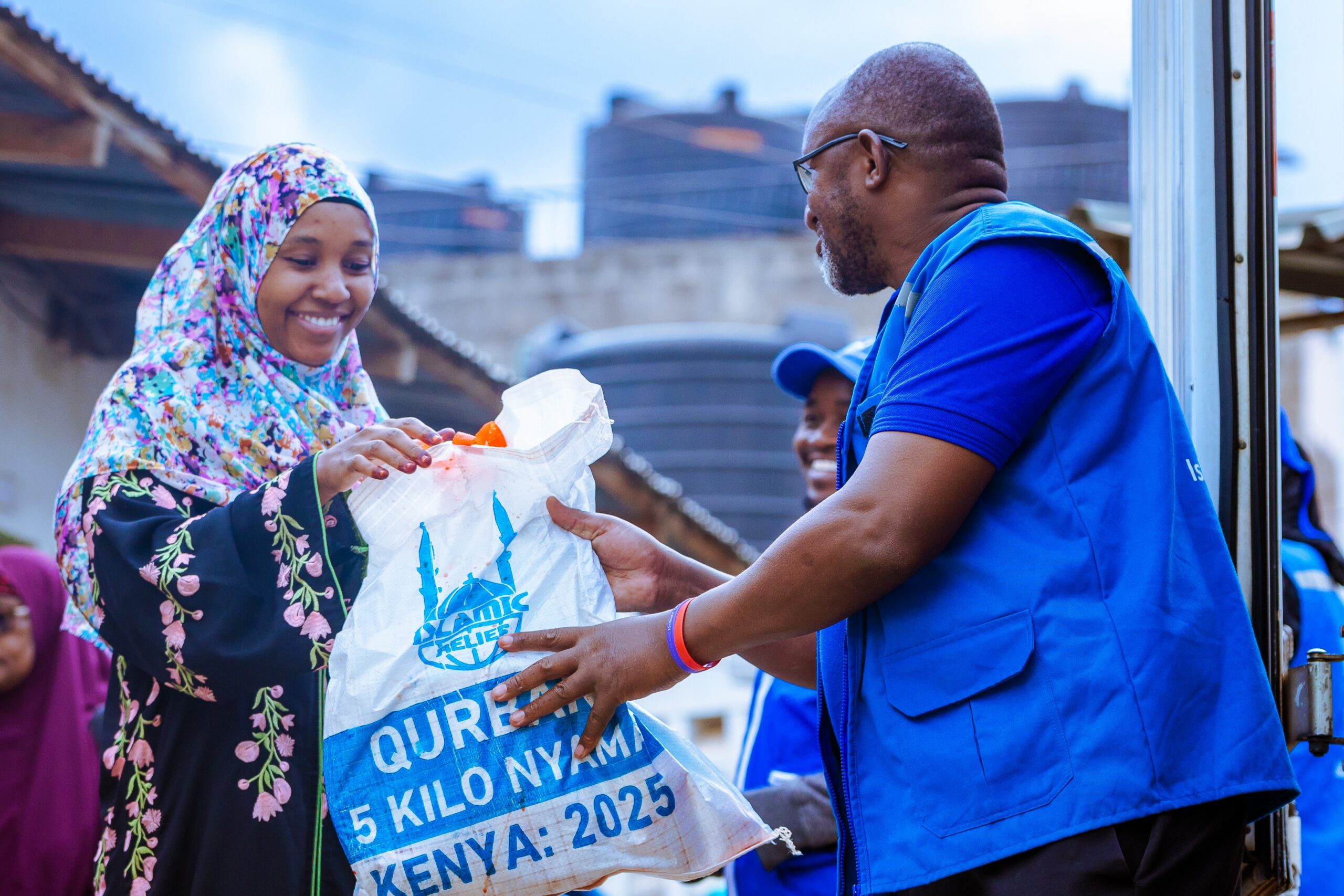
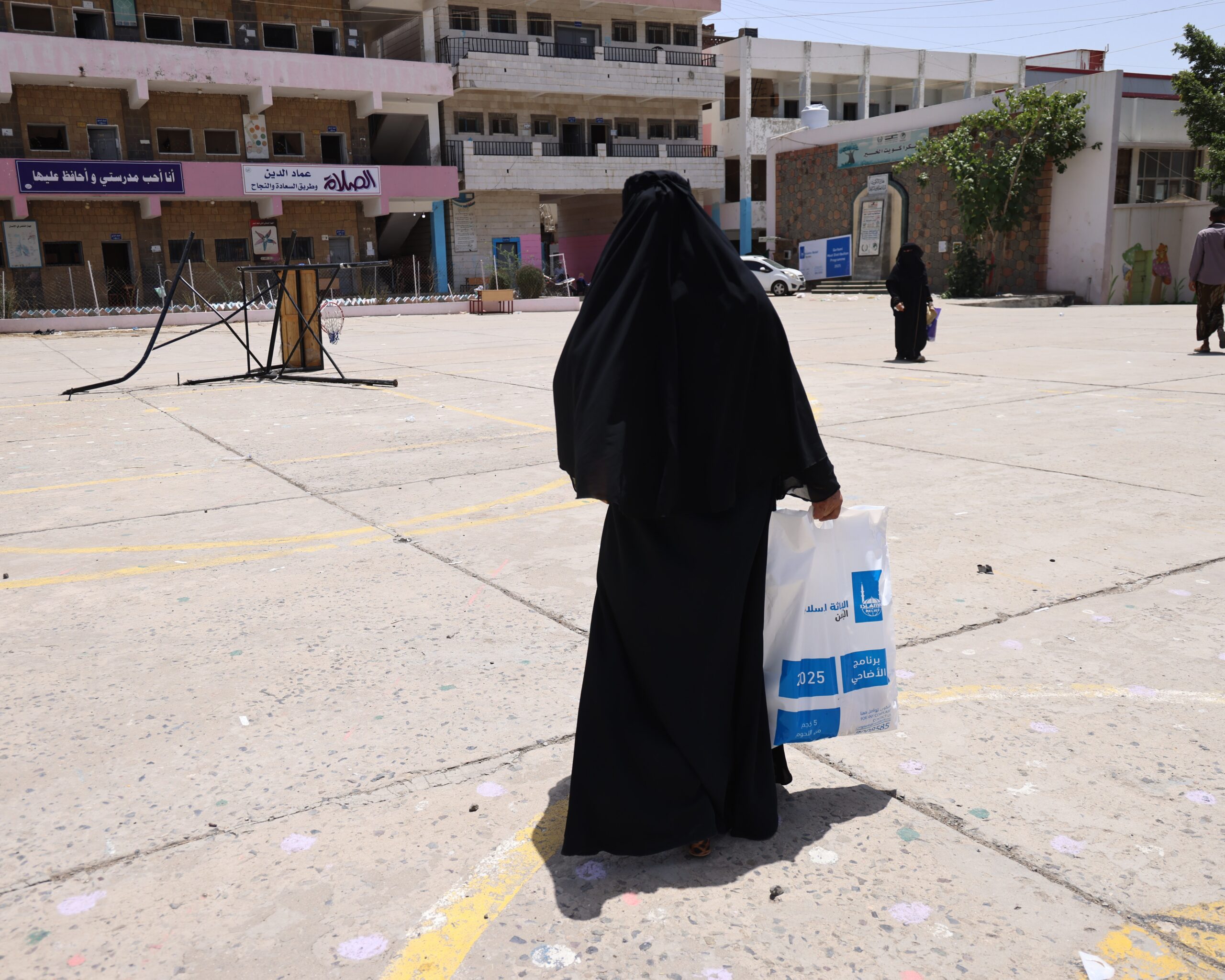
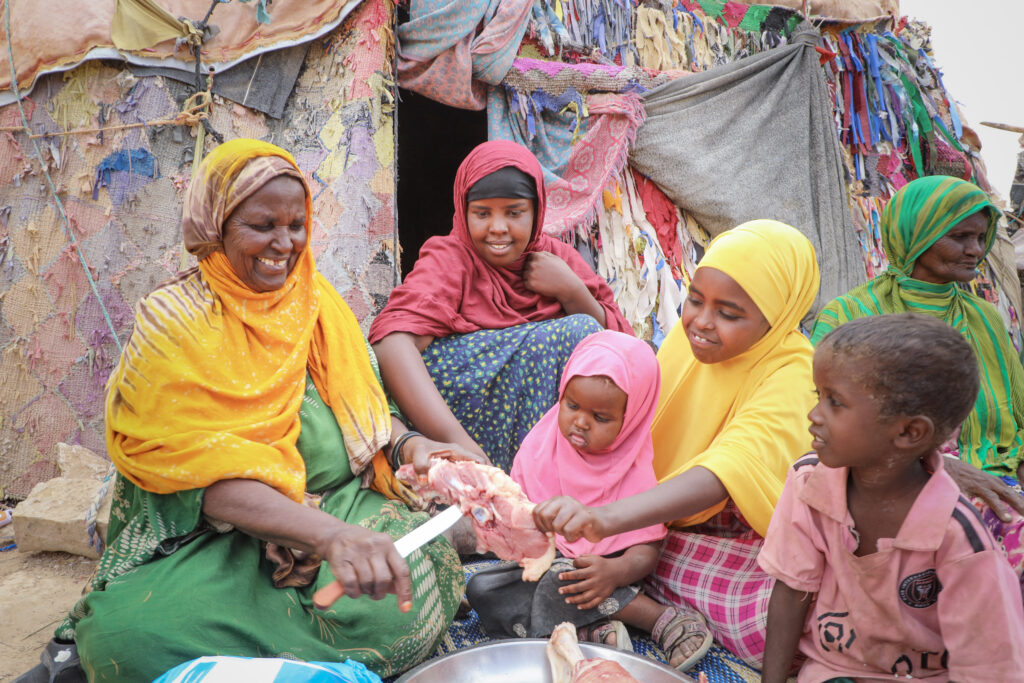
The meat from your Qurban reaches those struggling with hunger, ensuring that they, too, can share in the joy of Eid.
Give for the sake of Allah (SWT)
Take advantage of the most rewarding days of the year; give your Qurban and increase your acts of Sadaqah before the ten days are over.