Millions of lives are at risk unless international governments urgently renew commitment to tackle the worsening global hunger crisis, Islamic Relief warns.
Levels of hunger have doubled in the past decade, reversing years of sustained progress on food security that has saved many lives. Time is now rapidly running out to achieve the global goal of ending hunger by 2030. (i)
Hunger is not inevitable – there is enough food in the world for everyone, but inequality, climate change and conflict prevent many people from accessing it. Now global aid cuts are reversing hard-won gains, and the Middle East war is further disrupting supply chains and pushing up prices of staple goods, affecting the poorest people most of all.
- In Sudan three years of war has forced families and farmers off their land and disrupted agricultural production, creating the world’s biggest hunger crisis – at least 19.5 million people are suffering food shortages. (ii)
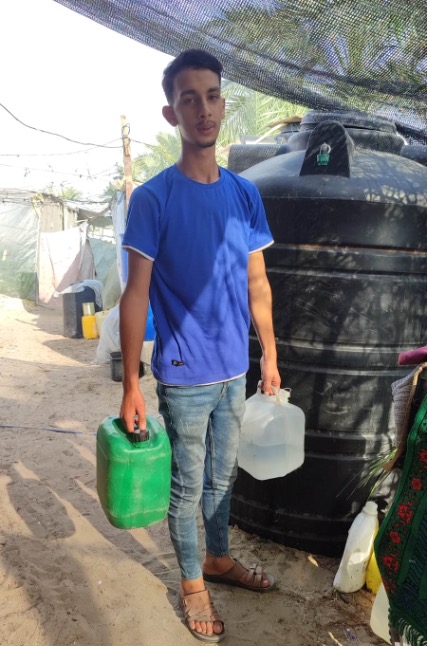
- In Gaza, 87% of all crop land has been damaged, leaving almost 80% of people reliant on humanitarian aid which Israel continues to impede. One in five Palestinians there are surviving on just one meal a day. (iii)
- In Somalia, prolonged drought has left 1.9 million young children needing treatment for acute malnutrition. With some areas now at risk of famine, funding cuts mean humanitarian aid is reaching just 12% of people in need. (iv)
War is one of the biggest drivers of hunger. A Sudanese farmer, Ahmed Hajj Bakhit, 60, told Islamic Relief that armed groups looted and destroyed his land and machinery:
“I’ve been farming in this area for over 40 years. Before the war we were doing very well. We had cows, lemon trees, and produced large quantities of clover. All year round I was producing clover without missing a single day. I never struggled financially.
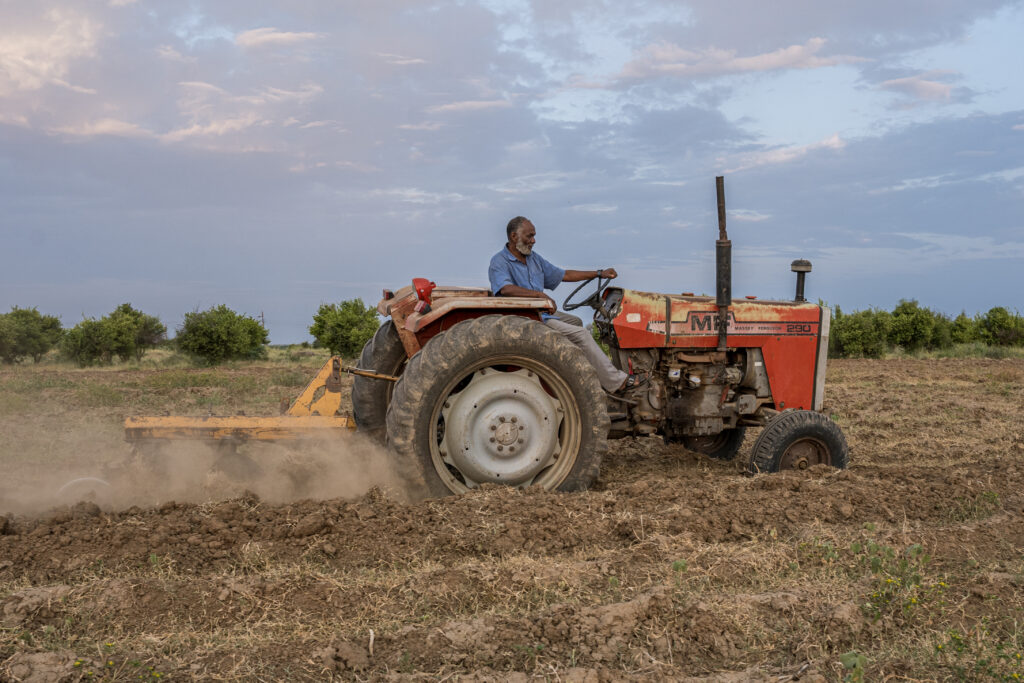
“[Last year] They cut down all the lemon trees, burned the land. Our well, which had motors, was looted. They took the large diesel generator. The pumps, starters, cables and pipes were completely taken.
“Now the seeds have become very expensive. Energy is expensive. And with the extra costs like pesticides and harvesting, I’d need a huge amount of money. But now of course no one has money. Right now, I can’t even afford a single sack of fertiliser. Everyone has been affected by this war and by the destruction of the farms. People are starting over from scratch. Many people have sold their farms because the country is destroyed.
“Sudan, by God, is a good country and a rich country, with fertile lands. It just needs something to help it grow again.”
Many international commitments to tackle global hunger and address the climate crisis have failed to materialise, and disregard for international law is fuelling hunger – with warring parties forcing farmers off their land, blocking aid and attacking humanitarian workers.
Islamic Relief is calling for a new global approach to hunger that upholds international law, helps communities adapt to climate change, and invests more in early preventative action rather than responding once people are already starving and need emergency aid. Food crises are usually predictable and acting early saves both lives and money, yet anticipatory warnings are repeatedly ignored.
Islamic Relief works to address the hunger crisis in around 40 countries worldwide – supporting climate-resilient agriculture and irrigation, improving livelihoods and access to finance, maintaining nutrition clinics and health centres, and providing emergency food aid. This month Islamic Relief is distributing qurbani food parcels to vulnerable families to mark Eid al-Adha.
Help Combat Hunger with Food Packs
Provide lifesaving food packs that help feed vulnerable families the nutritious meals they need to achieve their full potential.
(i) The United Nations Sustainable Development Goal 2 (SDG2) committed to action to achieve zero hunger by 2030 and ensuring that all people have access to safe, nutritious and sufficient food all year round. https://globalgoals.org/goals/2-zero-hunger/
(ii) Based on latest assessment from the Integrated Food Security Phase Classification
(iii) Based on latest data from UN OCHA
(iv) Based on latest assessment from the Integrated Food Security Phase Classification