04.15.26
Meet the Woman Working on the Frontline of Sudan’s Hunger Crisis
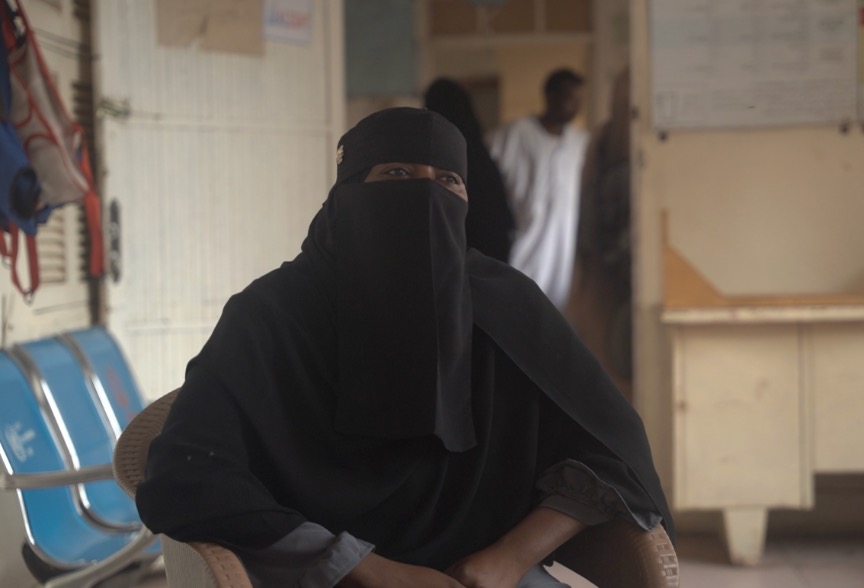
Haleema has worked in the nutrition ward at Hussein Mustafa Children’s Hospital in Gedaref since 2013. In the 3 years since the conflict in Sudan began, she has watched her ward become a frontline of the country’s hunger crisis.
Haleema starts every morning at Hussein Mustafa Children’s Hospital the same way: she walks the wards, checks the files, weighs the children, and makes her rounds with the doctors. By the time the morning is done, there are always new patients waiting to be seen.
“In a single day, we currently admit around 7, 8, or 10 cases,” she says. “Roughly around that number, every day.”
Before the war, the ward was still busy – malnutrition in Sudan predates April 2023, and families in Gedaref state have long had to grapple with food insecurity. The conflict, however, has certainly made the situation worse.
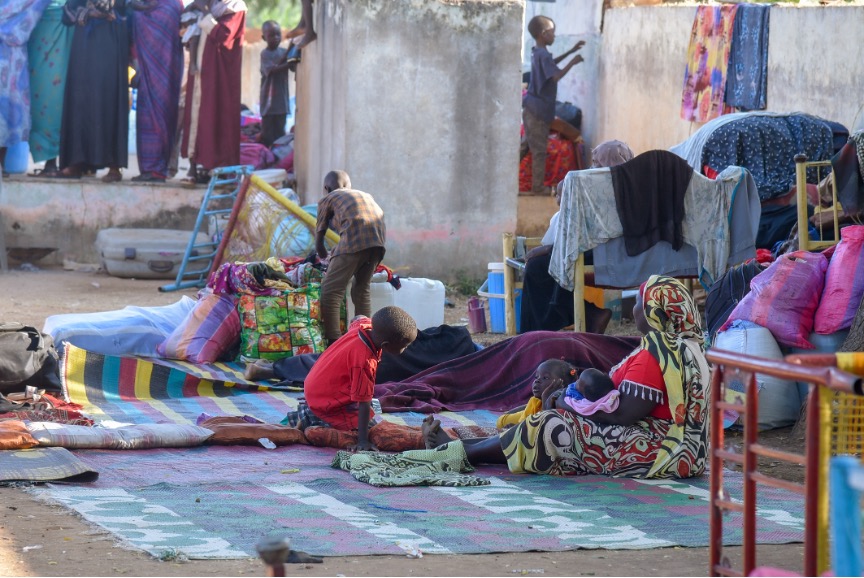
The families arriving now are mostly displaced, having fled the capital, Khartoum, or the central city of Wad Madani with nothing, and are now living in camps and settlements where food access is uncertain and clean water is not guaranteed.
Daily challenges
The symptoms of the children who arrive at the hospital’s stabilisation centre present in ways that are difficult to describe without clinical language, and the clinical language itself is hard to absorb.
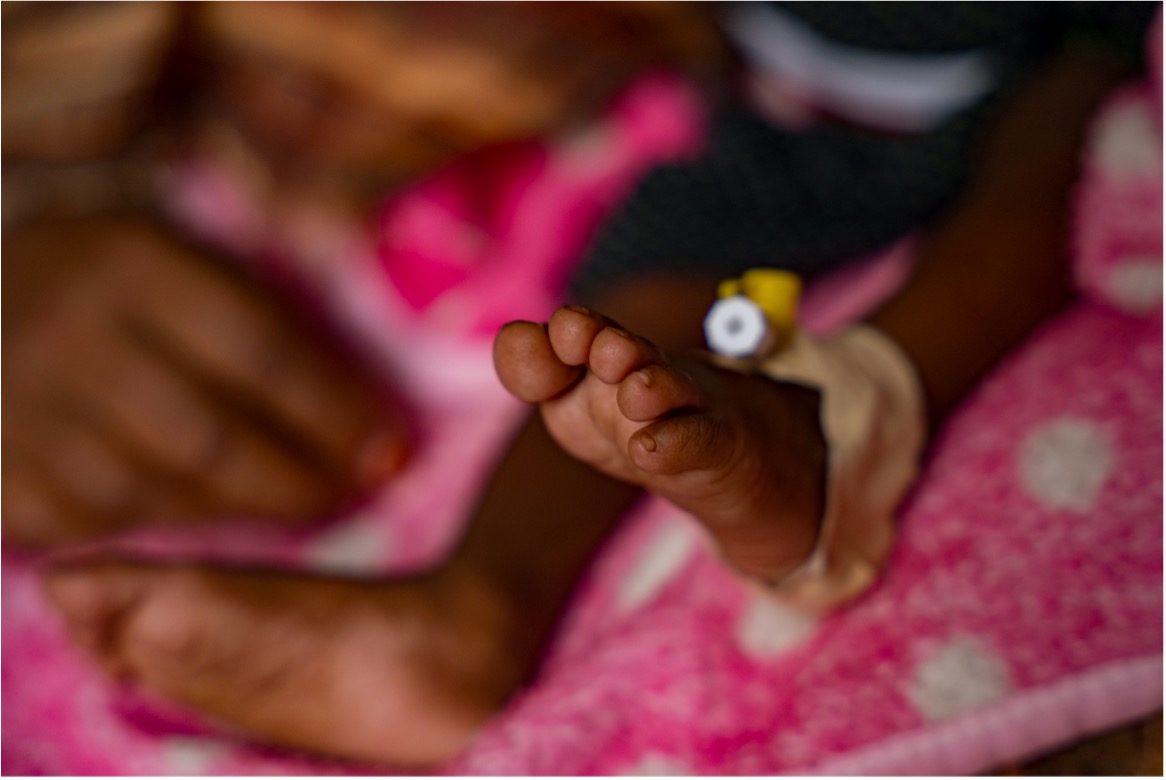
Emaciation, oedema (swelling caused by severe protein deficiency), skin that blisters and peels, diarrhoea and vomiting that persist regardless of what medicine is prescribed.
“The most common signs we see are emaciation and swelling,” Haleema explains. “Sometimes the children also have diarrhoea and vomiting. The diarrhoea and vomiting often don’t stop. The children suffer a lot.”
The ward also treats children with kala-azar (visceral leishmaniasis), a serious parasitic disease that is endemic to Gedaref and is significantly worsened by malnutrition.
Treatment for severe acute malnutrition cannot be rushed. The body of a child who has been malnourished for a prolonged period cannot safely absorb nutrients in normal quantities, so starting too aggressively can overwhelm the system and cause further harm.
The first formula given, F-75, is a low-protein starter milk, carefully calibrated to stabilise children without overloading their systems. Only once a child is stable does treatment move to F-100 or RUTF, which are higher in protein and energy and designed for the rehabilitation phase. The process moves in stages and requires constant monitoring.
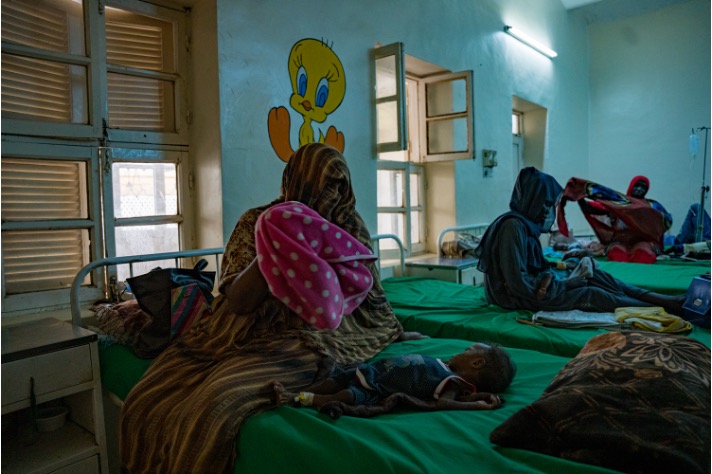
“We give F-75 and F-100 meals every 2 hours,” Haleema explains. “Some children get it every 3 or 4 hours. We give it to them in their beds. The children also receive their medications from the hospital pharmacy, free of charge.”
Teaching mothers is part of treating children
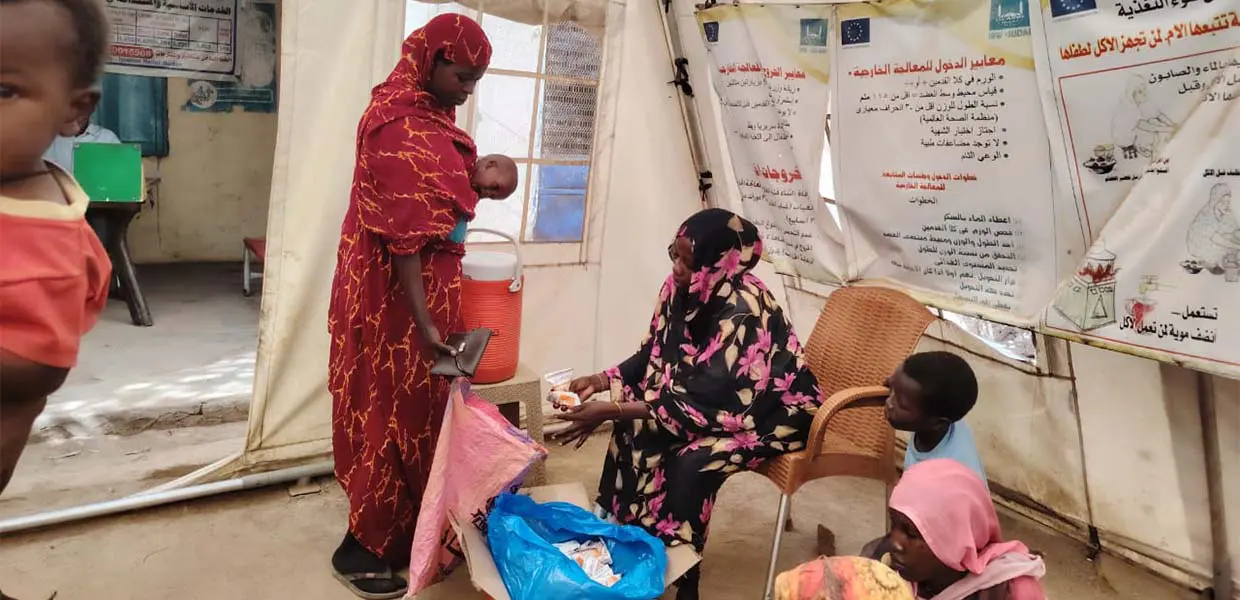
A significant part of Haleema’s days is spent sitting with mothers, explaining what treatment is required, demonstrating how to administer RUTF correctly, and teaching the principles of hygiene and feeding that will benefit the child after they are discharged.
“We work on health education for mothers,” Haleema says. “We show them how to give RUTF according to the child’s required portion [and] make sure they understand.”
This work is central to the child’s recovery. A child who leaves the ward and returns to a household where food is scarce and clean water is uncertain is at risk of relapse, so the knowledge a mother carries out of the ward with her is as important as the treatment her child received during their stay.
Medicine shortages and daily weighing
Medicine shortages add even more complexity to the delicate process of treating children with malnutrition.
More than 80% of hospitals in Sudan’s worst-affected areas are not fully functional. Power cuts are routine. While Haleema’s hospital is not in one of these areas, it still faces similar issues.
“We work day and night, without sleep,” Haleema says. “And we pray that God gives us the strength to continue supporting [our patients].”
Daily weigh-ins are the most reliable measure of progress when treating malnourished children.
As a child who arrived swollen and feverish, unable to keep food down, begins to stabilise, the oedema recedes, their skin heals and their weight increases. At a certain point, Haleema and the doctors make a judgment: this child is ready to leave.
What discharge means in practice is that treatment continues at home, with RUTF portions the child’s mother has been shown how to administer, follow-up appointments, and the knowledge that the ward is there if things deteriorate.
“Thankfully, many of our children recover,” Haleema says.
What Haleema hopes for amid Sudan’s war
When asked what she wishes for, Haleema does not speak about herself. She speaks about the ward.
“I hope that the nutrition department continues to be well supplied,” she says. “That the medicines, food and drinks do not run out. That all the basic needs and comforts for the children are always available, because we rely on them heavily.”
Islamic Relief has been working at Hussein Mustafa Children’s Hospital in Gedaref, providing food supplies and nutritional support for malnourished children and their mothers as part of its emergency health response. The supplies Haleema relies on – therapeutic milk, RUTF, medicines distributed free from the hospital pharmacy – depend on that support continuing.
Every day, children like Haleema’s patients are waiting for help. With your support, Islamic Relief can help ensure that children receive the supplies, medicines and therapeutic food they need for a chance at recovery.
Give relief to the people of Sudan
Help us continue reaching people like Haleema’s patients with the life-saving aid they desperately need.