UP TO DATE as of 19/8/2026

The monsoon season has brought another catastrophic flood to the people Pakistan.


At present, 147 people have lost their lives, with 437 injured. More than 1,260 houses have been damaged. Numbers expected to rise as the disaster response continues.


The disaster compound’s last year impact, where 1,739 people were killed and nearly 13,000 were injured. Over 2.2 million people lost their homes.


With yearly floods continuing to devastate Pakistan, help provide food, shelter, clean water, and medical care to families who have lost everything.

OUR TEAMS ARE DELIVERING Ongoing SUPPORT

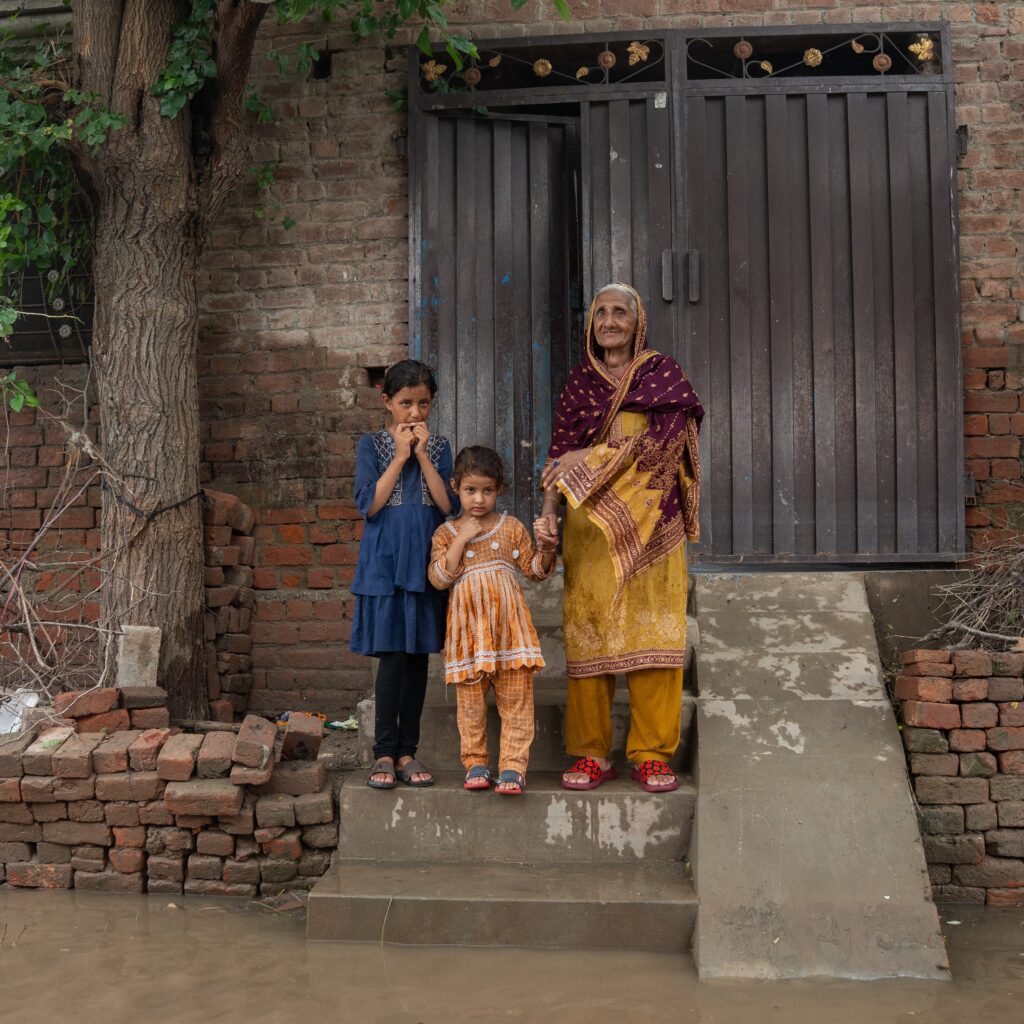
Photo: Pakistan family caught in the latest monsoon floods (2026)

Pakistan Sees Another Deadly Flood

Pakistan is once again reeling from a climate-fuelled disaster. Severe monsoon rains have unleashed widespread destruction across country.


Worst-hit areas includes Punjab, Sindh, Khyber Pakhtunkhwa, Balochistan, and Azad Jammu and Kashmir. Entire valleys have been inundated by flash floods, cloudbursts, landslides, and mudslides, leaving behind a trail of devastation.

Latest Disaster Update

Islamic Relief remains on high alert and continues to maintain emergency response capacity across Punjab, Sindh, Khyber Pakhtunkhwa, Balochistan, and AJK.


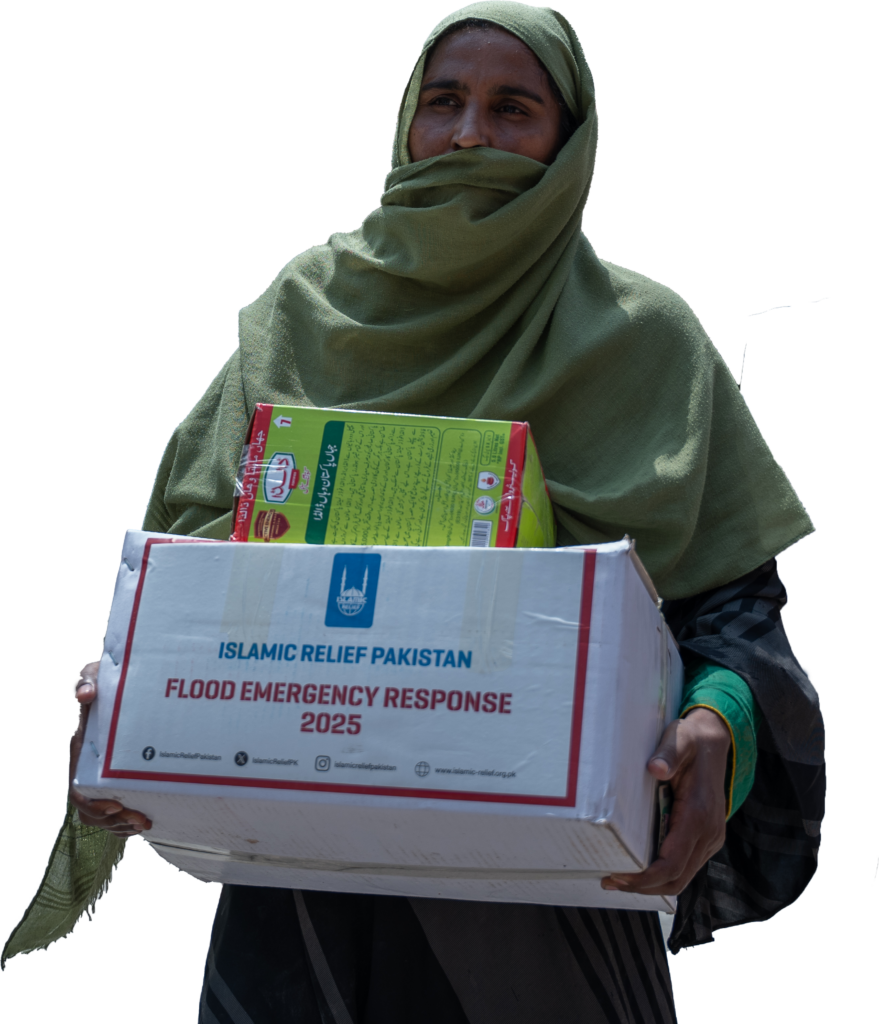
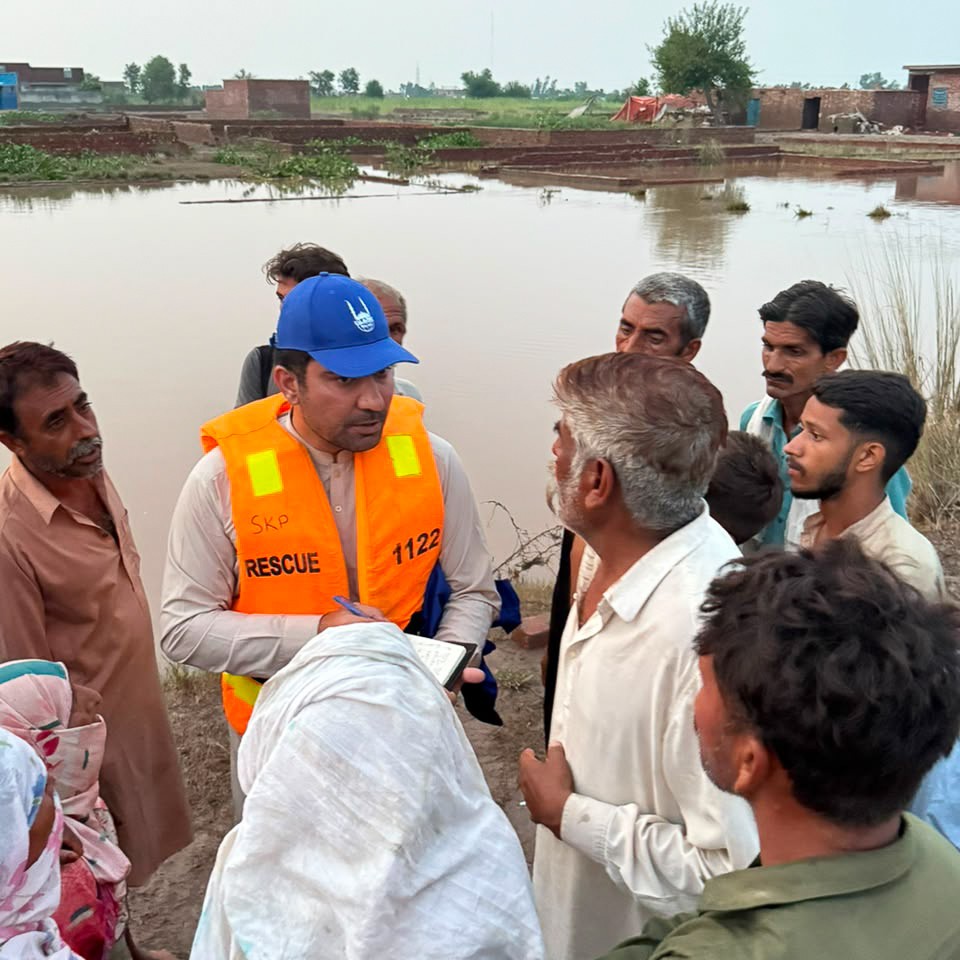
In Punjab, our teams has initiated emergency response activities, providing hot meals and clean drinking water to 400 flood-affected families in Sheikhupura.


Emergency response teams remain on standby, particularly in vulnerable areas of South Punjab, to conduct needs assessments and scale up assistance as required.

A Crisis Deepens

The floods have not only claimed lives but also stripped families of their homes, livelihoods, and sense of security.


In rural districts, where agriculture and livestock are the primary sources of income, the destruction of farmland and animals has left families without any means to recover.


Children, women, and the elderly remain the most vulnerable. With health services overwhelmed and clean water in short supply, there is an increased risk of disease outbreaks.


Displaced families are sheltering in overcrowded temporary camps or makeshift shelters, with little access to basic necessities.


Experts have once again highlighted how climate change is intensifying Pakistan’s vulnerability.


The country, despite contributing very little to global carbon emissions, remains among the most climate-affected nations.


Repeated cycles of flooding, drought, and heatwaves continue to undermine resilience, trapping millions of people in cycles of poverty and displacement.

 
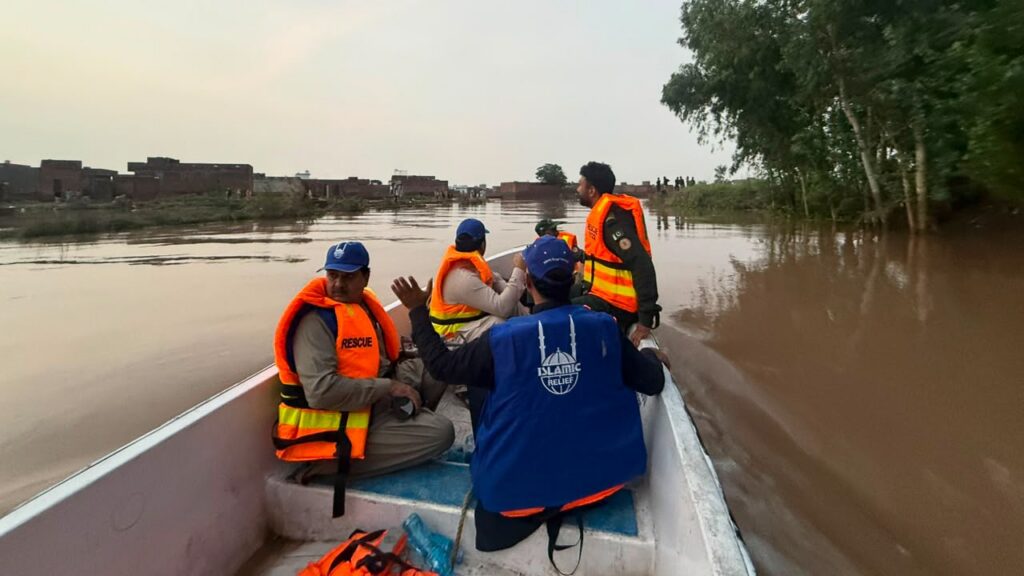
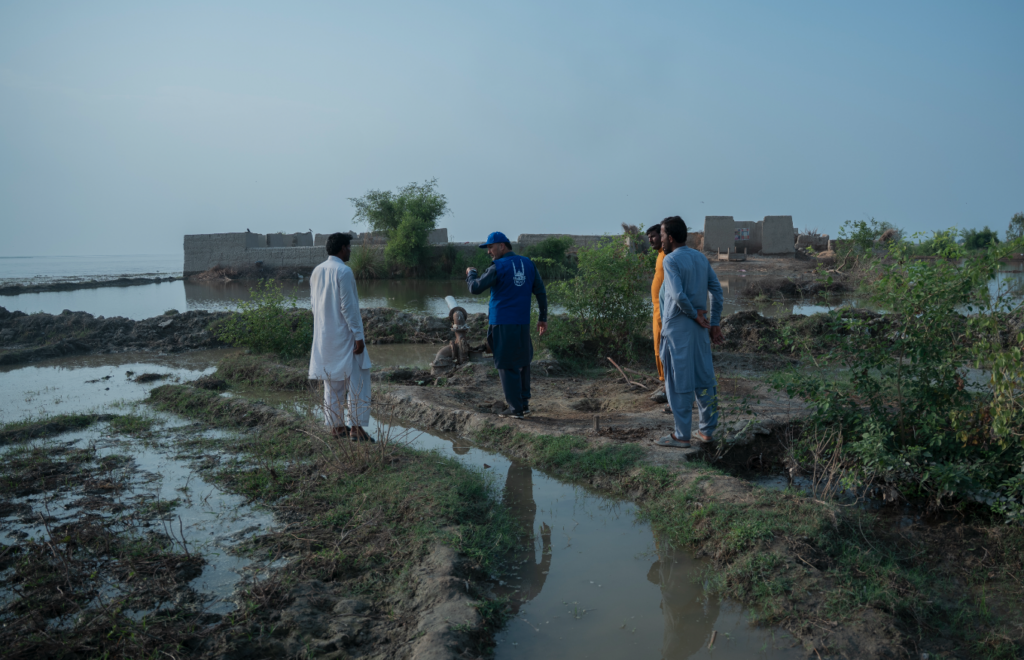
Photo: Islamic Relief staff on the ground surveying the floods' damage (2026)

Islamic Relief Emergency Response to Floods

Islamic Relief has been operating in Pakistan for more than 30 years, providing both immediate humanitarian relief and long-term development support.


Working in coordination with government authorities and humanitarian partners, Islamic Relief is:

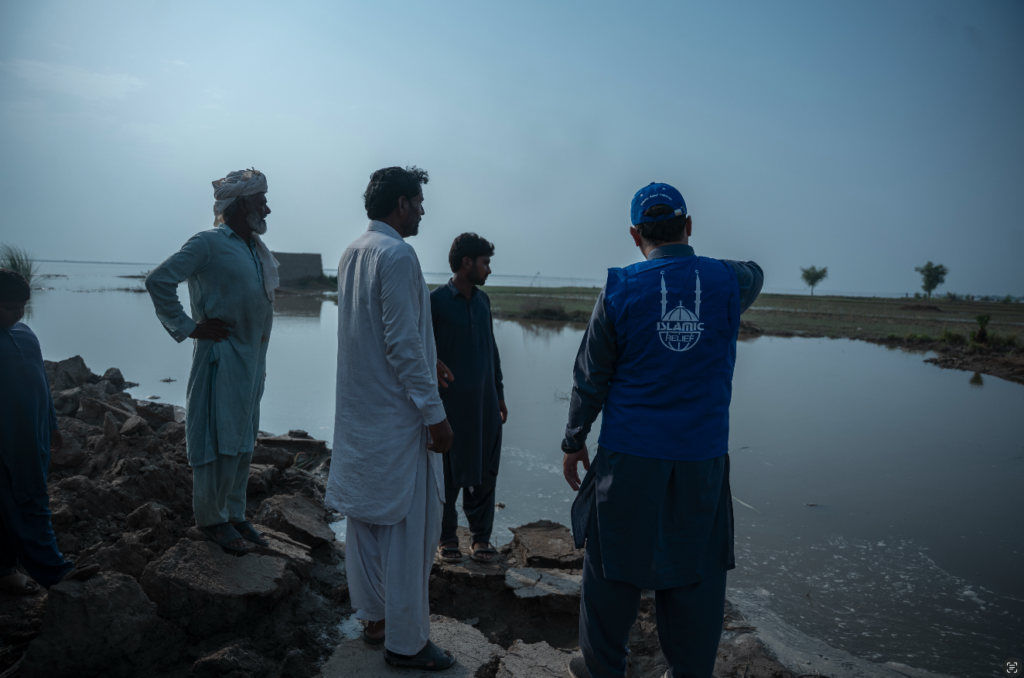
Photo: Islamic Relief staff with rightsholder, surveying the extent of the flood's damage and conducting needs' assessment.

Our response plan includes:

  1. Emergency Phase (0–3 months): Focused on saving lives through food, shelter, medical care, and water.

  2. Recovery and Rehabilitation (12–18 months): Supporting communities to rebuild homes, restore livelihoods, and regain stability.

  3. Long-Term Development: Addressing climate resilience, disaster preparedness, and sustainable livelihoods to reduce future vulnerability.

Pakistan Floods Emergency
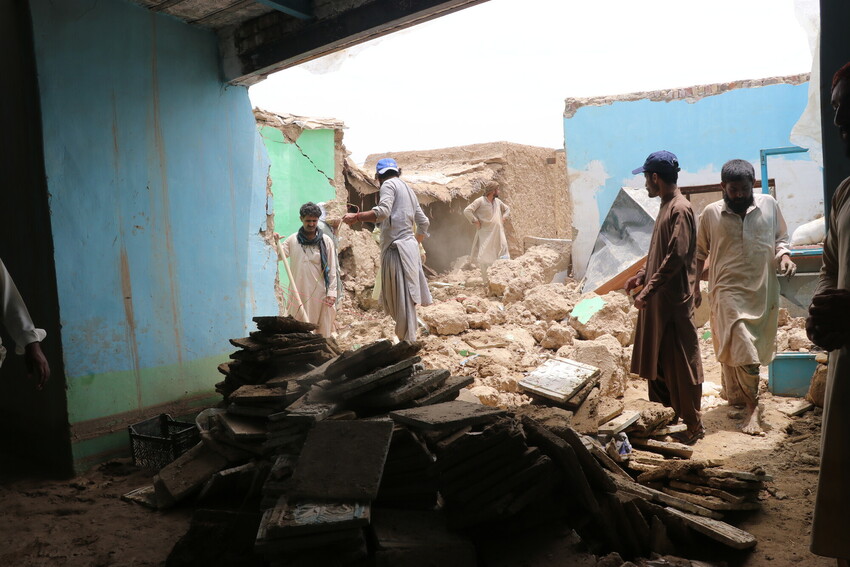
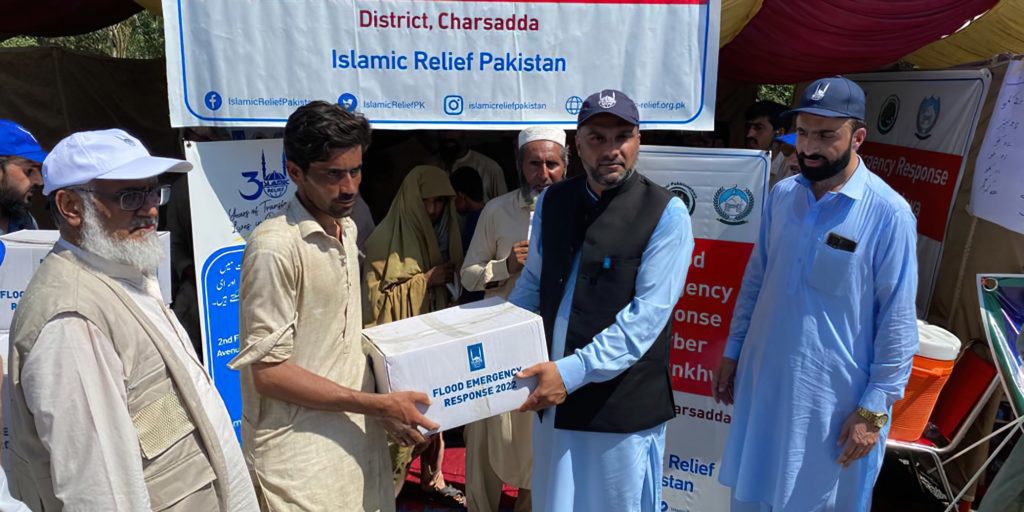
Photos: Islamic Relief teams on the ground supporting civilians with vital aid during the 2022 floods.

Previous Flood Response

In 2022, Pakistan experienced extremely heavy rainfall, resulting in catastrophic flash flooding across the country.


Almost 1,000 people tragically lost their lives, and approximately 1,300 people were injured. Over 95,350 homes perished.


Furthermore, in the hardest hit areas of Balochistan, Sindh, Khyber Pakhtunkhwa, and Punjab, especially, over 34,000 homes and tens of thousands of livestock perished.


In turn, across all regions, thousands of vulnerable people faced internal displacement, made worse by 977 km of road infrastructure and 61 bridges being destroyed by the floods.


In response, Islamic Relief provided cash grants to 3,000 families in 3 regions of Balochistan. These funds were used by families to buy essential items, including food, water, shelter, hygiene items, medical aid, and bedding. 


Our teams also focused on helping communities recover from the disaster as quickly as possible to ensure that vulnerable people do not continue to suffer the terrifying impact of the flash floods.


LATEST NEWS


STAY INFORMED

  • This field is for validation purposes and should be left unchanged.

Quick Donate