12.02.20

Share your warmth with families in Afghanistan this winter

  News

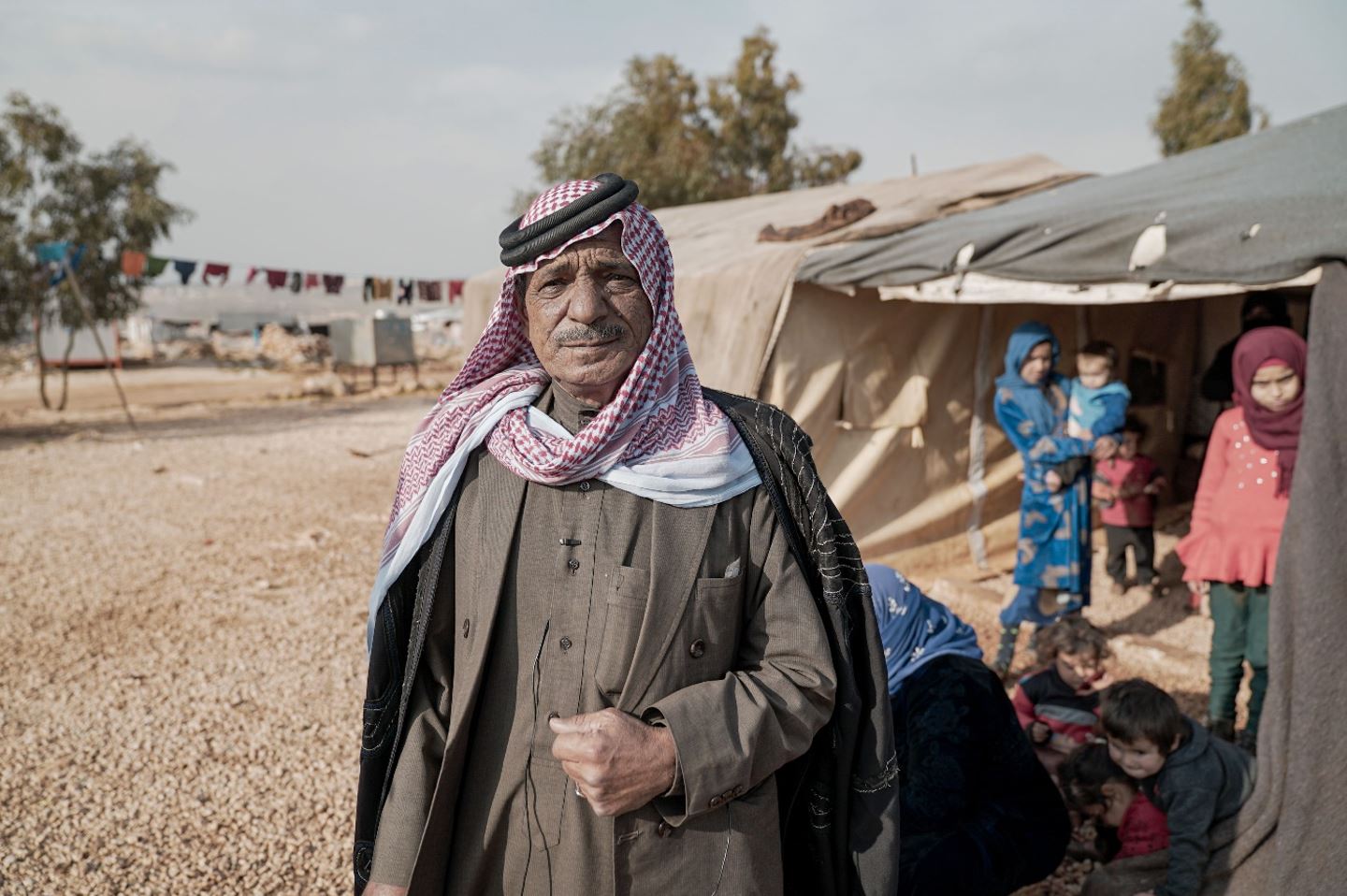
Winter can be a difficult time for anyone, however, it truly becomes a fight for survival without the basic provisions. Millions of refugees, displaced and vulnerable people face the prospect of having to survive winter without adequate shelter, food or clothing.  

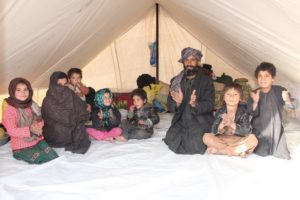
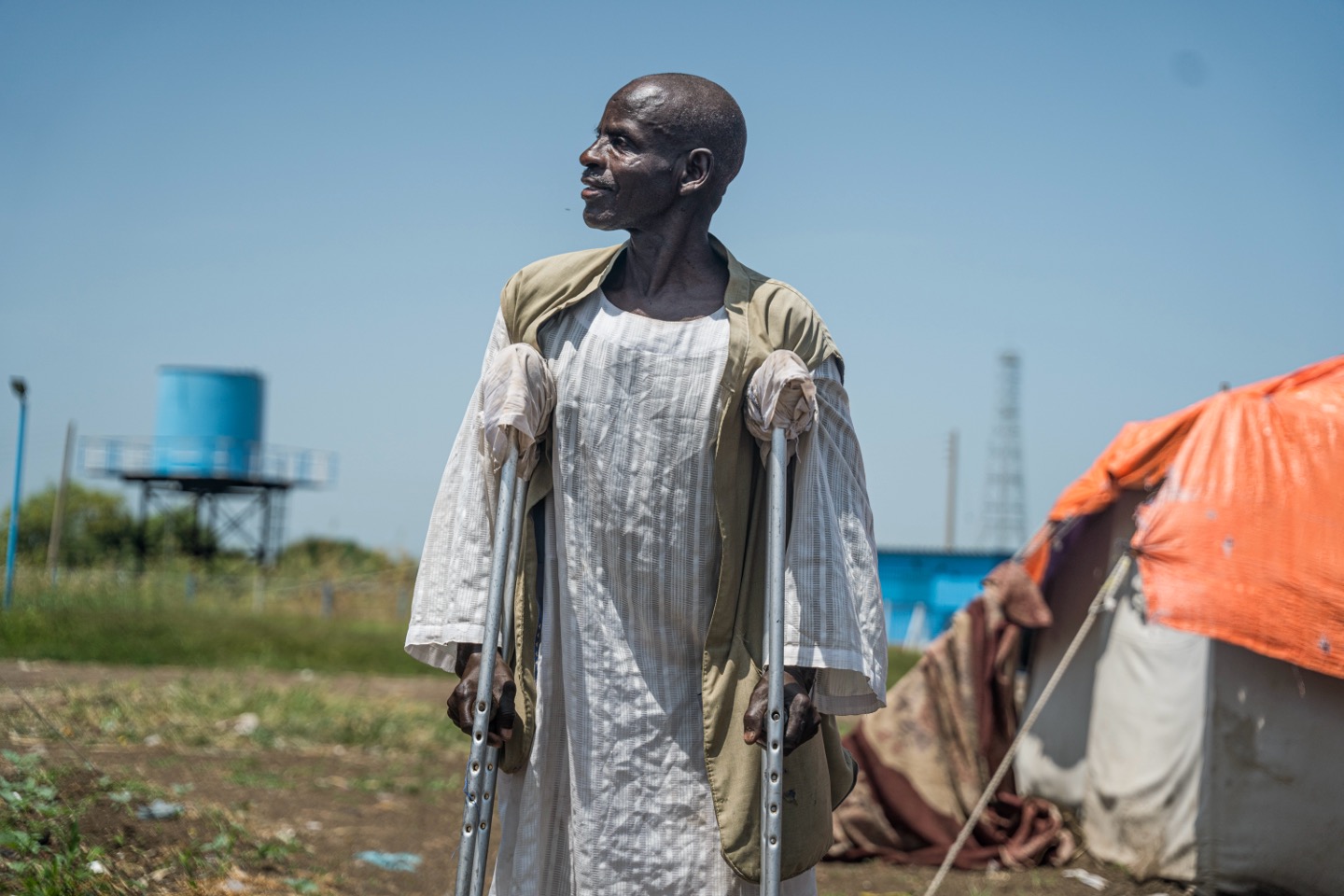
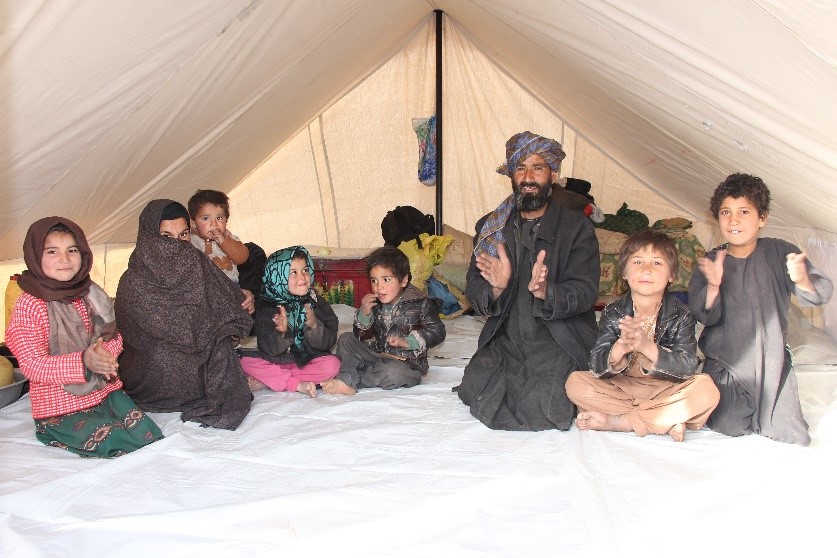
This is the case for Sanaullah and his family in Afghanistan. Experiencing ongoing armed conflict and drought in their local province, Badghis, they  had no choice but to flee their homes and resettle in a camp far from home. Without proper supplies, Sanaullah’s family was left stranded in freezing conditions. 

 “It was difficult to live and we had no choice but to move to Herat. Now, it has been five months that we live here (in the camps) 

 “During the winter, we had to live under the tents made from sacks. My children became sick due to the cold weather. Our tents were not strongly built and water came into them when it rained or snowed. 

This is when Islamic Relief stepped in to provide a helping hand for this family in Afghanistan. 

“Now, however, we are thankful for the tents and blankets we received from Islamic Relief in our time of need. We are glad that we can live a better life now.” 

Winter

The Islamic Relief family has been working in Afghanistan for more than 18 years, providing emergency relief and implementing life-changing development projects for some of the most vulnerable people in the country. Islamic Relief set up its Afghanistan field office in 1999.

Support families like Sanaullah’s this winter. 

11.06.20

Supporting bushfire recovery efforts

  News

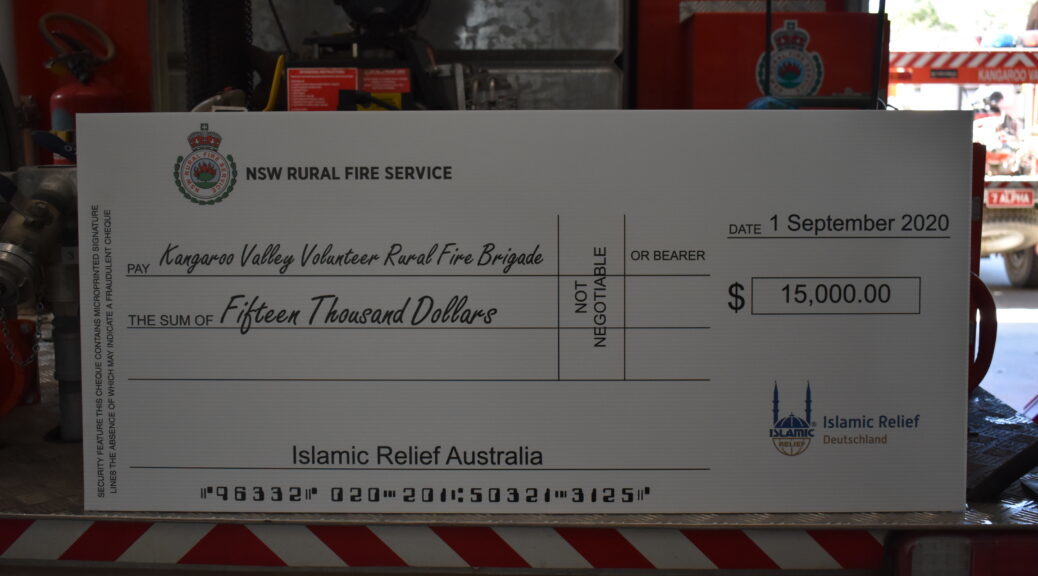
In response to the bushfires which ravaged parts of NSW, Queensland and Victoria earlier this yearwe recently headed down to Kangaroo Valley to hand over a $15,000 cheque to the Kangaroo Valley Volunteer Rural Fire Brigade to help support their bushfire recovery effortsWe would like to give a warm thanks to our partners at Islamic Relief Germany for their generous donations to support our local response. 

11.06.20

Lebanon: Two months on, our teams are still on the ground

  News


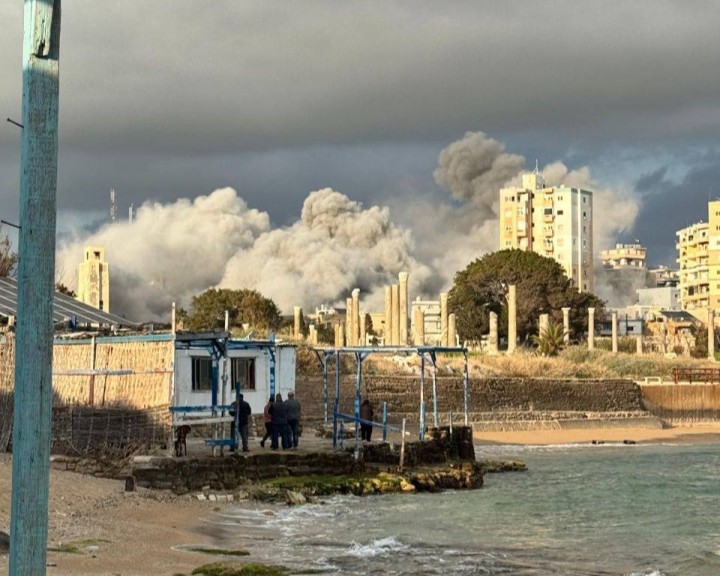
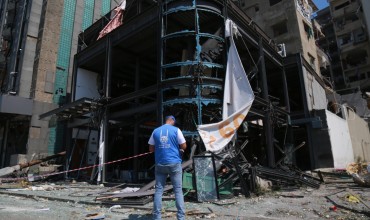
It’s been two months since Beirut was devastated by mass explosions at a port which sent blast waves through the city, causing severe destruction and taking the lives of over 180 people. Over 6,500 people are estimated to have been injured in the blast and at least a dozen people remain missing. 

As Lebanon imports nearly 85% of its food, the severe damage caused to the port, in addition to the devaluation of the Lebanese currency, has pushed food prices beyond the reach of many vulnerable families, and prompted fears of a looming food crisis. 

Beirut Disaster

Many people are now also struggling to provide for their families with over 70,000 workers thought to have lost their livelihoods as a result of the blast, impacting the income of over 12,000 households. 

Alongside the devastating impact of the explosion, COVID-19 cases in Lebanon have drastically increased over the past few weeks. Cases drastically increased following the explosion, due to overcrowded hospitals, increased numbers of funerals and crowding as people search through the rubble. 

This has led to authorities imposing local lockdowns in large areas of the country. To make matters worse, intensive care units are almost at capacity with COVID-19 patients, and there are fears that soon they will be unable to cope. 

We’re helping families get back on their feet 

Islamic Relief is on the ground in Beirut and offering support to those whose lives have been shattered by this disaster. 

So far, as a global family we have provided food parcels containing essential items such as rice, lentils and flour to almost 24, 000 people. 

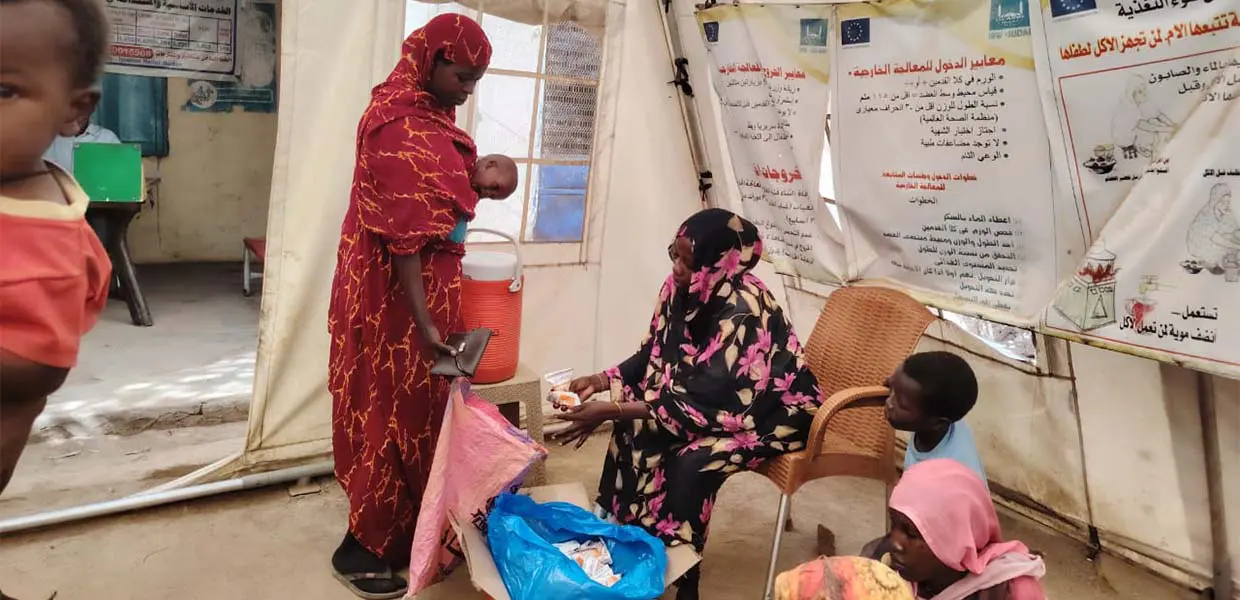
We’re also distributing hygiene kits, including personal protective equipment (PPE) to thousands of families in order to combat the spread of coronavirus, as well as distributing food to hospitals. 

Islamic Relief distributing food packages to patients in hospital 

Our teams on the ground have also been working hard to remove the vast amounts of rubble caused by the explosion and helping to restore the streets of Beirut. 

Clearing rubble in the aftermath of the explosion 

Islamic Relief Worldwide plans a long-term response to help those affected by the devastating events of 4 August, which will reach around 34,000 people. This will involve continuing immediate food, housing and livelihood support to those directly affected by the explosion, as well as establishing a recovery response to help rebuild lives, particularly for those who have already been affected by the pre-existing economic crisis in Lebanon. 

Islamic Relief staff member conducting assessment as part of long-term response planning 

We urgently need your support to help the people of Lebanon: Please donate now  

09.24.20

Clinging onto hope in Gaza

  News

“Securing good food for my children has become my greatest hope these days,” says Um Ali, from Gaza as she describes her struggle to provide food and medicine for her family members. 

“In recent years, I used to get aid from family, neighbours, and good people, but unfortunately the economic conditions have become very difficult in Gaza and no one can help us with money or provide us with food these days,” she added.

“We have come to the point of collecting the leftovers that we find on the streets,” she says sadly. “I try to pick out the good ones in order to feed my children.”

“I get very anxious when I collect leftovers for fear of food poisoning, but I don’t have any other solution,” she continues. “I previously benefited from the food aid provided by Islamic Relief. It was alleviating a lot of burden and helping me provide good food for my family. I hope that this aid returns as soon as possible; we are in a strong need to such assistance.”

Um Ali’s family depends on a simple food aid that she gets from a humanitarian institution in Gaza. She says, “With the voucher that I get, I only provide cheese and frying oil for my family, but unfortunately the amount is not enough to buy all the food needs that we are missing.”

Umm Ali’s family has no source of income: In the past, her husband worked as a laborer, but he had many health problems and has become unable to work.

But Umm Ali does not relent, and does what she can to secure money for her family. “I collect the remains of bread, then I dry it, and collect it in a large bag weighing about 25 kilograms, then I sell it for $ 2, so that people can use it to feed poultry and birds.”

“I need long days to collect bread and get this amount. The amount is very small, but it is better than nothing.”

“There is an open yard in my home, roofed by Asbestos sheets, so we get a lot of insects and flies. I need to use cleaning materials such as chlorine regularly to clean the house, but cleaning materials are expensive and I cannot buy them, so I buy small quantities, but unfortunately they are not enough.”

“I hope that in addition to the food aid, there will also be cleaning materials,” she added. “This will reduce a lot of expenses.”

The level of suffering experienced by Umm Ali varies every day, and her suffering increases in the schooling season, as she couldn’t fulfil her children’s stationary needs or buy school uniforms this year.

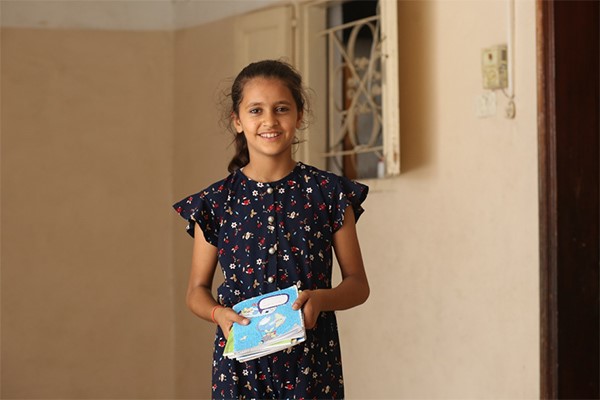
Her daughter says, “I did not feel the joy at the beginning of the new school year because I could not buy a new bag, uniform, or stationery. My mother gave me old notebooks of previous years to write on.”

Also, one of Um Ali’s sons was absent for two weeks from school because he did not have any shoes to wear for school.

With great sadness, she says, “I am also facing great suffering in saving the medical expenses. My husband and I are sick, and so is one of my sons who suffers from eye problems and needs glasses.”

“When we go to medical clinic and the doctor writes us some kind of medicine, I return home immediately without buying it, simply because I am struggling to save money for transportation, how will I be able to save the price of the medicine?”

“All I ask is to find someone who supports me in order to live a decent life for me and my children,” she says, “I hope Islamic Relief will be the agency that helps and supports me in that.”

Through the support of caring individuals like yourself, families like Umm Ali’s, can regain the resources they need to fulfil their immediate needs and set up longer-term solutions. Islamic Relief needs you to help make this happen. Every donation you give could provide a vulnerable family with vital aid and hope for a better future. Please, do what you can and share your compassion today through our Gaza Appeal today.

08.26.20

Lebanon Emergency – Everything you need to know about our response

  News

Due to the nature of this emergency, we’ve received a lot of questions about how we’re getting aid into Lebanon. So we’ve put together some of our most frequently asked questions about how your generous donations are supporting the people of Lebanon.

Does Islamic Relief have a program specifically for victims of the blast?
Yes

Is Islamic Relief working through the Lebanese government?
No

Is Islamic Relief being prevented from cleaning the streets?
No

Is Islamic Relief experiencing any bank hold or transfer issues?
No

Does Islamic Relief have long-term plans for survivors?
Yes

Does Islamic Relief have development projects for Lebanon?
Yes

How is the money being used?

All funds are directed to Islamic Relief’s humanitarian operations in Lebanon. We are providing food supplies, medical aid and hygiene kits for immediate relief.

How are you supplying food?

We are working with trusted suppliers who still have existing supplies in their warehouses. The more funds we raise, the more we can get these supplies out to support families through the impending food shortages that will soon start to hit.

How do you have access so fast?

Islamic Relief has been on the ground in Lebanon for the past 15 years. We have an office with staff and volunteers who work every day to deliver urgent support and implement development projects for vulnerable locals and refugee communities.

How is the money transferred to Lebanon?

Through our international Islamic Relief Worldwide office in the UK, which then transfers it to the Islamic Relief Lebanon office. It does not go through the Lebanese government and we have not experienced any holds or transfer issues.


What is Islamic Relief’s response time?

We started distributing aid on Friday 7 August for our Phase 1 Response. This includes food supplies, helping people clear debris to improve mobility and to support the 300,000 people currently homeless due to the blast. Phases 2 and 3 will seek to help those affected to rebuild their lives over the coming months.


How can we trust donations are delivered?

Transparency is our key value. This is why we post pictures, share videos and most importantly, we account for every dollar given through reports on our website. For more information on how your donation is used, please click here.

08.05.20

Lebanon: Islamic Relief Australia Statement on devastating explosions in Beirut

  News

The Islamic Relief Australia family is deeply saddened by the recent explosions in Beirut that tragically claimed the lives of over 78 people, left thousands injured and caused widespread damage.

We pray that those who have lost their lives in this tragedy are granted the highest ranks of Jannah (Paradise); that Allah (swt) grants those who are injured complete shifa (recovery); that families who have lost loved ones find sabr (patience) to deal with their loss; and that Allah (swt) grants the people of Lebanon ease as they face increasingly challenging times.

Islamic Relief Australia extends its utmost support, reflection, and prayers to the people of Lebanon and members of the Australian Lebanese community. We are assessing the humanitarian situation on the ground and we will be working with our Islamic Relief family to provide humanitarian assistance as necessary.

Inna lillahi wa inna ilayhi raji’un

We surely belong to Allah and to Him we shall return.

Walid Ali,

Islamic Relief Australia, CEO

07.10.20

Srebrenica genocide: 25 years on, let’s not forget the victims

  News

On the 25th anniversary of the Srebrenica genocide, it is important to remind ourselves of the consequences of not taking action against hate and dehumanisation.

This Saturday, 11 July, will mark 25 years since the beginning of the massacre of more than 8,000 Bosnian Muslims by Bosnian Serb forces in the town of Srebrenica, Bosnia-Herzegovina.

While the coronavirus pandemic is stopping survivors from physically coming together to mourn, many people in Bosnia-Herzegovina are commemorating the atrocity remotely.

Islamic Relief was one of the first international aid agencies to respond when the war broke out in 1992, delivering emergency food, water and medicine to people under siege. When the war ended, Islamic Relief began a long-term reconstruction project, renovating homes for 12,000 people and rebuilding schools and health centres. The charity continues to support survivors of the war, helping poor communities become self-sufficient again.

Emir Cica, Country Director of Islamic Relief Bosnia, said:

“The Srebrenica massacre is one of the most brutal and horrifying events of our lifetime.On the 25th Anniversary of the Srebrenica massacre we honour the victims and survivors of this horrific genocide and pledge ourselves to creating better, stronger and more cohesive societies wherever we are.

“Many in Bosnia-Herzegovina are still fighting for justice and to this day, bodies continue to be excavated and re-buried, giving some families an opportunity to finally grieve, and to perform a janazah prayer for their loved ones.

“The atrocity is a stark reminder of the consequences of not taking action against hate and dehumanisation – it is a lesson in how hatred and intolerance can flourish if left unchallenged.

“This mass murder of Bosnian Muslims happened only 25 years ago, on European soil. Coming after the massacre of 6 million Jews during the Second World War, it is clear that this kind of atrocity against a minority group can happen anywhere and at any time. In our fight against racism and prejudice, it is not enough to just champion tolerance and understanding – we must stand firmly against those who seek to divide us, whoever they may be.

“In remembering the Srebrenica Massacre, we continue to remember those who were murdered; we stand by those seeking justice; and we appeal to those with political power, the media and our fellow human beings to stop the hatred and intolerance which led to this appalling atrocity.”

About Islamic Relief

Islamic Relief is a faith-inspired, development and humanitarian agency working to transform and save the lives of some of the most vulnerable people in over 40 countries. Islamic Relief assists people according to need and does not discriminate in any way.

Set up in Birmingham, UK in 1984 by a group of volunteers, Islamic Relief has assisted over 117 million people all over the world. As a global charity, Islamic Relief a presence in over 40 countries – from Bangladesh to Bosnia, Pakistan to Palestine, Kenya to Kosovo.  Islamic Relief is on the ground in some of the world’s most dangerous and difficult places – including Gaza and Yemen – strengthening the most marginalised communities to withstand conflict and natural disasters and to build a brighter future.

Islamic Relief Australia is part of the Islamic Relief Worldwide network. We also support vulnerable people in Australia in partnership with local charities and organisations.

07.08.20

Yemen: Islamic Relief pledges additional $10m

  News     Press Releases

Fears of mass rising levels of hunger in Yemen, fuelled by a deepening currency collapse and massive donor funding shortfalls, have prompted Islamic Relief to inject millions in emergency funding into the war-ravaged country, where the death rates for those testing positive for COVID-19 at 27 per cent are the highest in the world.

Islamic Relief Worldwide today announced it will provide an additional $10 million targeting food, WASH, nutrition and health programming, in an attempt to plug a small part of the massive funding gaps left by international donors’ inability last month to meet the UN’s $2.4bn fundraising target. Only half of this amount was pledged, with three-quarters of UN-backed programs facing cuts or closures in the coming weeks.

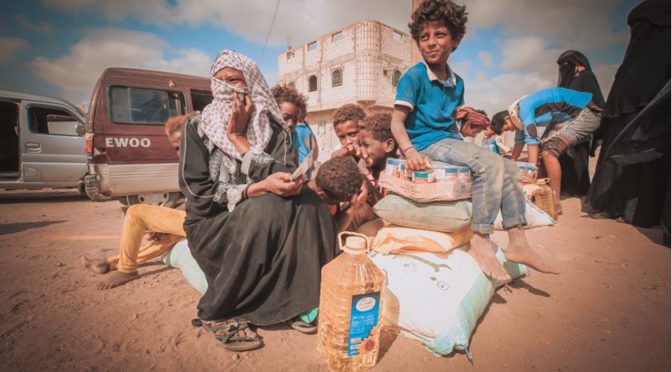
Prior to the cuts, Islamic Relief was working with the UN’s World Food Programme to deliver food packages to 2.3 million people every month. This has since been scaled back by 50 per cent with the same food pack, designed to provide enough food for a family for a month, having to last each family twice as long.

The shortfall comes even as the COVID epidemic has caused the health system to “in effect collapse” according to the UN.

Naser Haghamed, CEO of Islamic Relief Worldwide – who visited Yemen last year -said:

“The world’s worst humanitarian crisis is spiralling further into the abyss before our very eyes. What we’re seeing is a vicious cycle of violence, extreme poverty and hunger that we simply have not been able to break. The outbreak of COVID disease has only made things worse. Our teams are down to the bare bones in terms of both aid supplies and fuel.

“The UN is facing huge challenges to keep its partner aid organisations like Islamic Relief supplied with fuel for their operations. The UN’s World Food Programme is the lead logistics agency for the UN  in Yemen. It usually provides fuel for aid agencies during crises at a reasonable rate in the circumstances. But it is hugely challenging for them to continue to support all aid agencies at the same time in this way. And alongside this the ordinary citizens of Yemen, the small proportion of those who can afford it, have to queue for a whole day to buy a maximum of 30 litres of fuel at inflated prices.

The cuts come amidst a generalised spike in fuel and food prices which have risen by an estimated 20 per cent in the last three weeks alone, and 35 per cent since the COVID crisis intensified, leaving millions already on the brink of famine with even fewer places to turn. Islamic Relief’s field staff are using what little remains of their quota of fuel, at the moment, to carry on their operations on ground. They have an agreement with a private company to provide additional fuel in such crises.

Haghamed added:

“The desperation is unimaginable. Grown men and women have been brought to tears because they don’t have food to feed their families. Some tell us they are considering suicide because they don’t know how to cope and the pain of watching their children slowly starve to death is too much. Everywhere you now see elderly, frail women reduced to begging for themselves and their families, but no one has any money left to give.”

With more than 80 per cent of the population already reliant on aid to survive, the COVID crisis has hit Yemen extremely hard.

Remittances from Yemenis living abroad are estimated to have declined by up to $10 bn while out of the more than 1,150 confirmed COVID cases there have been more than 300 deaths, meaning that those diagnosed have a less than one in four chance of surviving.

Islamic Relief’s Country Director in Yemen, Zulqarnain Abbas, said:

“While woefully inadequate testing is highlighting the impact of the pandemic to some extent, it is not showing what our teams fear is the true extent of the crisis. We know it has made it to overcrowded IDP camps and to some rural communities. But with access to proper healthcare extremely limited and very few isolation facilities operational, we just don’t know for sure how many people are being impacted

“Our teams are seeing first-hand not only the suffering of the Yemeni people but also the health workers struggling to provide support.

“They don’t have PPE equipment and say they face an impossible choice – to stay at home and keep their family safe, or go to work and risk getting infected because there is no PPE kit and there is very little testing so it is sometimes hard to know who is ill.

“Some have resorted to using their already limited salaries – almost exclusively paid by NGOs like ours since the health system completely collapsed earlier this year – to buy their own protective gear. But this does not leave enough to feed their families. The hunger crisis is truly touching every household and family, and the scars will be felt for years to come.”

“We’re doing everything we can to keep delivering aid despite the restrictions on the ground. Every day we circumvent checkpoints, administrative delays and flare-ups in violence to ensure aid still reaches those in need. With 325 staff and over 3,000 volunteers we have unique local knowledge that allows us to operate in 17 out of the country’s 22 governorates and ensures our staff are always on the front line of this crisis.” 

06.18.20

Refugee Week 2020

  News

Welcoming, protecting and standing in solidarity with refugees and displaced people worldwide

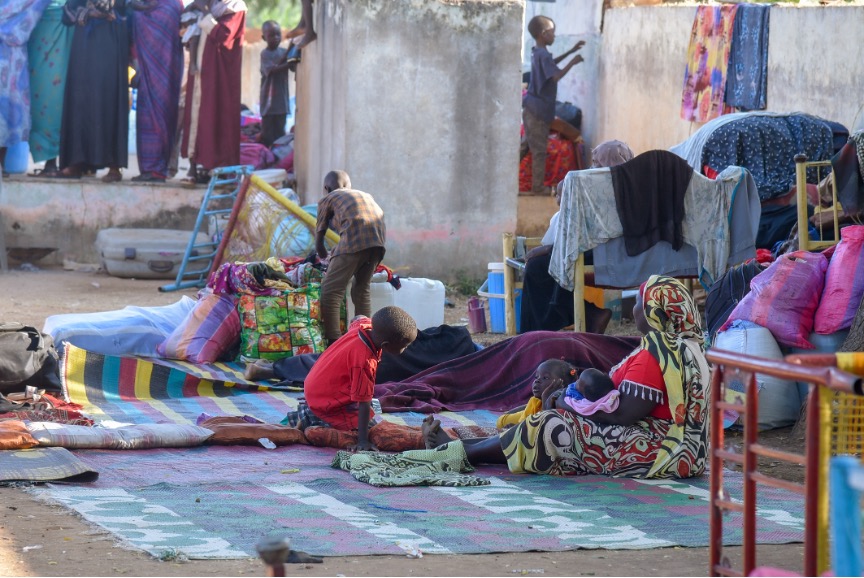
This week is Refugee Week 2020 and the theme is Celebrating the Year of Welcome! We join people across the world to celebrate the courage and resilience of the millions of refugees and other people forced to flee their homes, recognising the hardships they face and the new lives they create in the midst of displacement. This year, however, we are celebrating in the midst of a global health crisis.

COVID-19 has affected everyone around the world, but we can’t forget the most vulnerable at a time like this, which is why we stand in solidarity with refugees and displaced people around the world and commemorate Refugee Week and World Refugee Day on Saturday 20 June.

Refugee

05.29.20

Planting seeds of change in Myanmar

  News

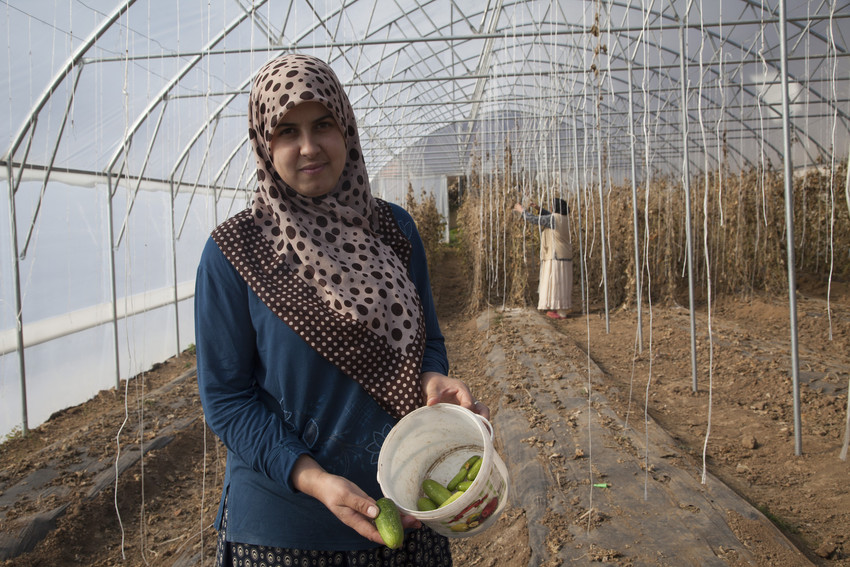
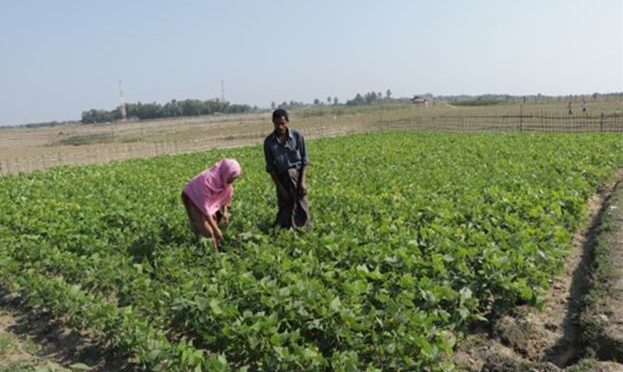
Gul Bar Har, and her husband, Ar Maut Char, are farmers who used to take loans from members of the community to cover their production costs at the start of the growing season. They would return the money once they harvest their vegetables. After returning the money borrowed, whatever they had left over would be used to meet the family’s basic needs.

When the next growing season would come around, they would need to borrow money again. In most situations, this process of taking loan after loan continues for years and years with debts being passed on from one generation to another.

For Gul Bar Har and her husband, the burden of always being in debt and the struggle to keep on top of their finances meant that their son had to drop out of school. On top of this, during the rainy season – with less harvest and fewer job opportunities – the family would often have to skip meals during the day. And sometimes, they would even have to borrow money from their relatives just to put some food on the table.

But in 2019, this cycle of debt stopped when Gul Bar Har received assistance from Islamic Relief to undertake agricultural training and a cash grant to cover her production costs.

Gul Bar Har’s family is now growing tomatoes, beans, watermelon, beans, chili and eggplant. After receiving the cash grant, they harvested tomatoes for 10 cycles within a year. Now, they harvest crops twice a week and their monthly income has almost doubled. They sell their produce at the markets and they still have enough plots of tomatoes that they can harvest at least 20 more times.
Gul Bar Har says the vegetable farm’s good produce is a result of the training she received, in which she learnt how to grow crops properly.

“We do our best to carefully use the assistance provided to us. We are slowly reaping small successes. The best thing that happened was that we’re free from debt to start farming this year,” she said, happily.


STAY INFORMED

  • This field is for validation purposes and should be left unchanged.

Quick Donate