05.08.19

Airstrikes destroy home of Yemeni orphans sponsored by Islamic Relief

  News

Already one of the poorest countries in the Middle East before the conflict escalated in March 2015, the Yemen War has now lead to what is now widely seen as the world’s worst humanitarian crisis. Extreme hunger is commonplace and many live in the shadow of starvation. Water is scarce. Basic but essential services have all but broken down. Livelihoods lie in ruins and children are growing up without access to formal education.

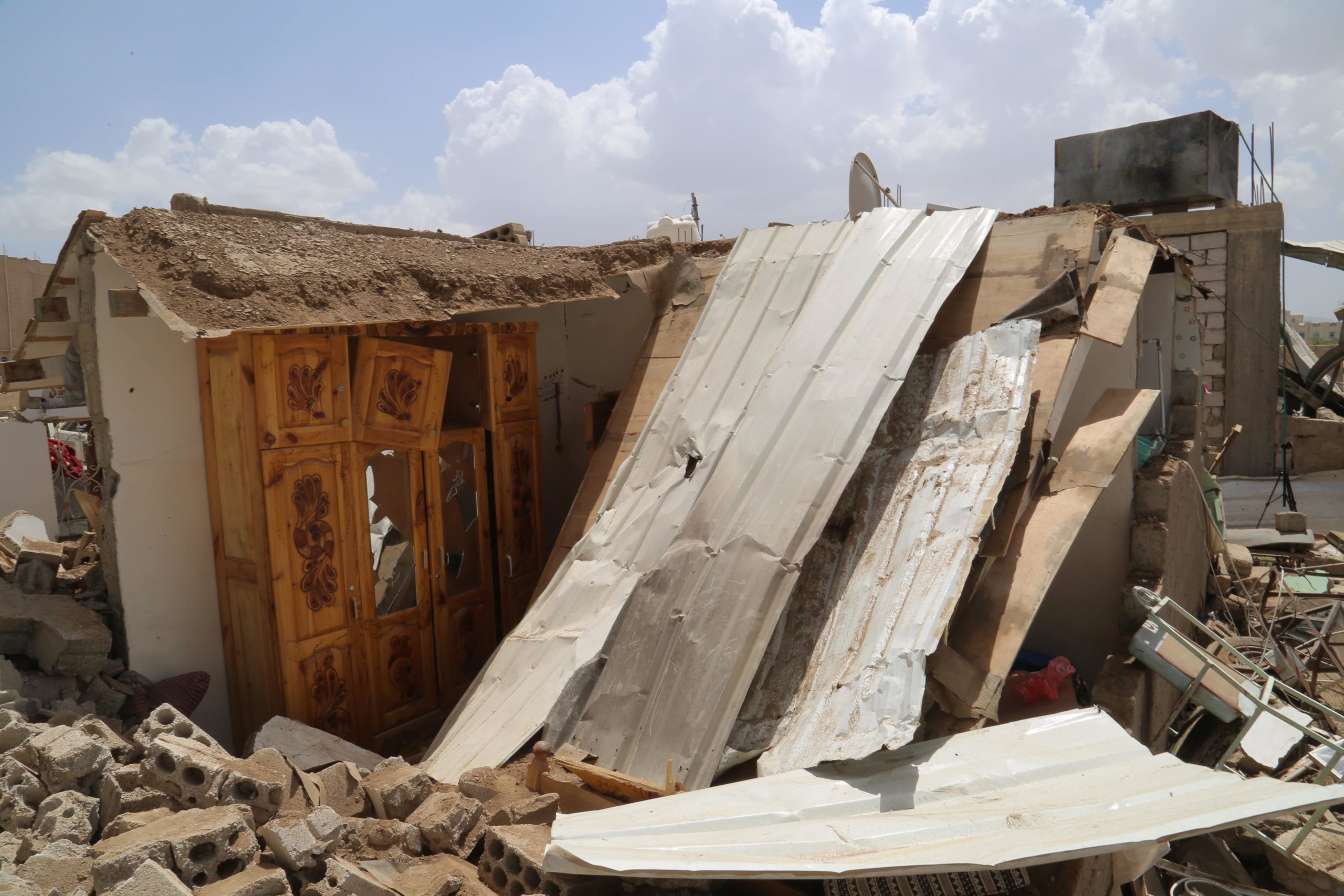
Home of Orphans Destroyed

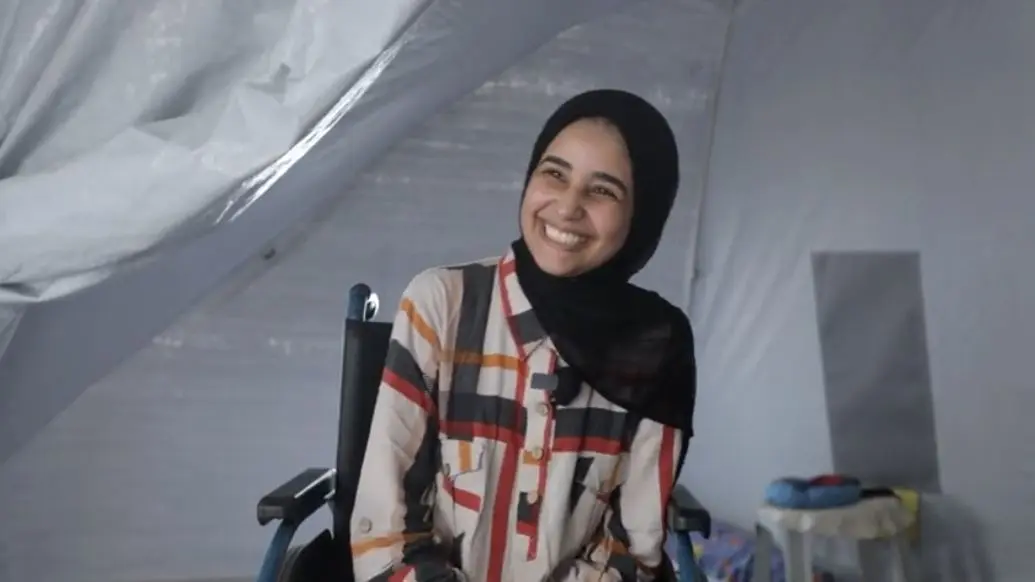
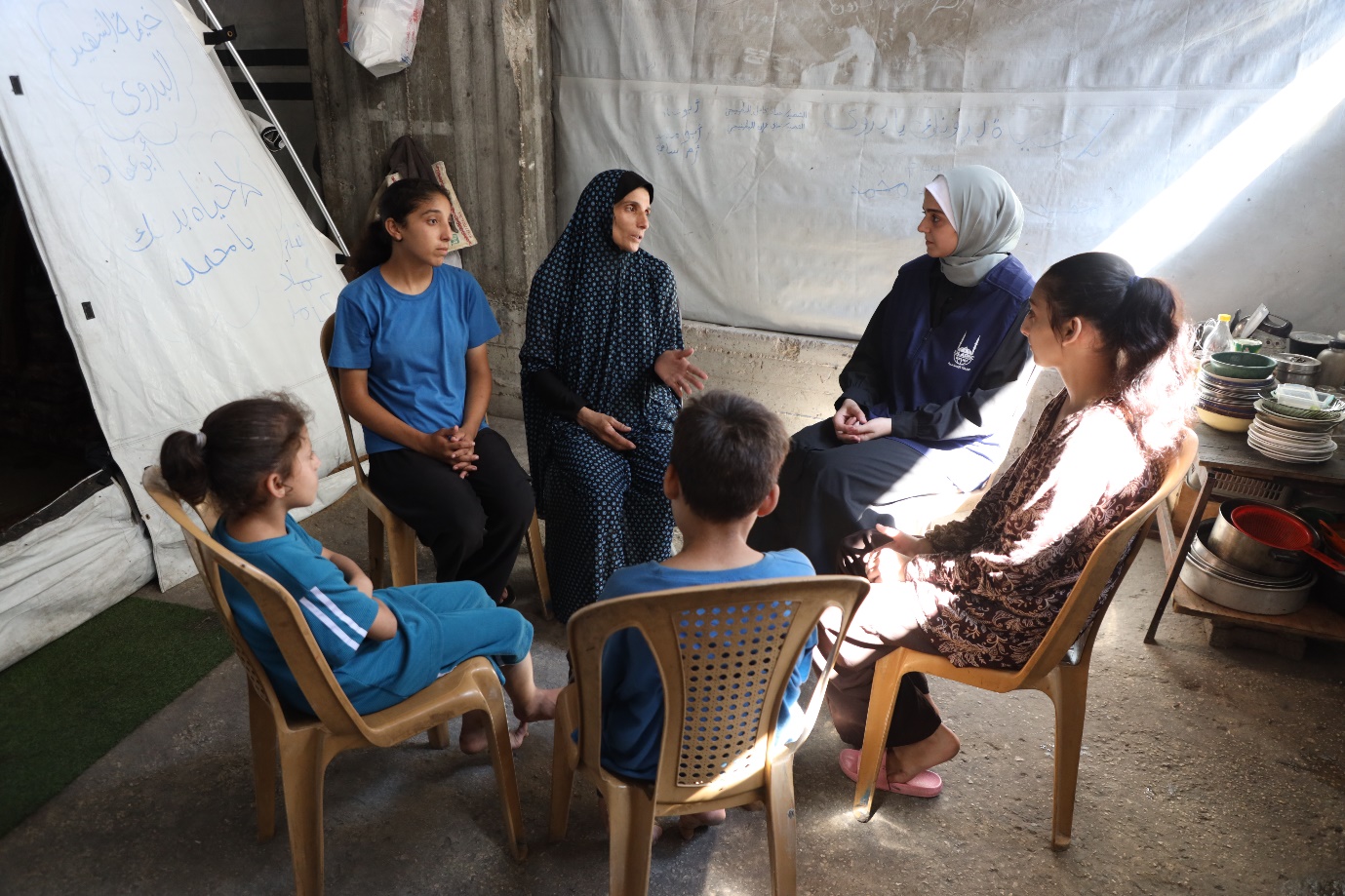
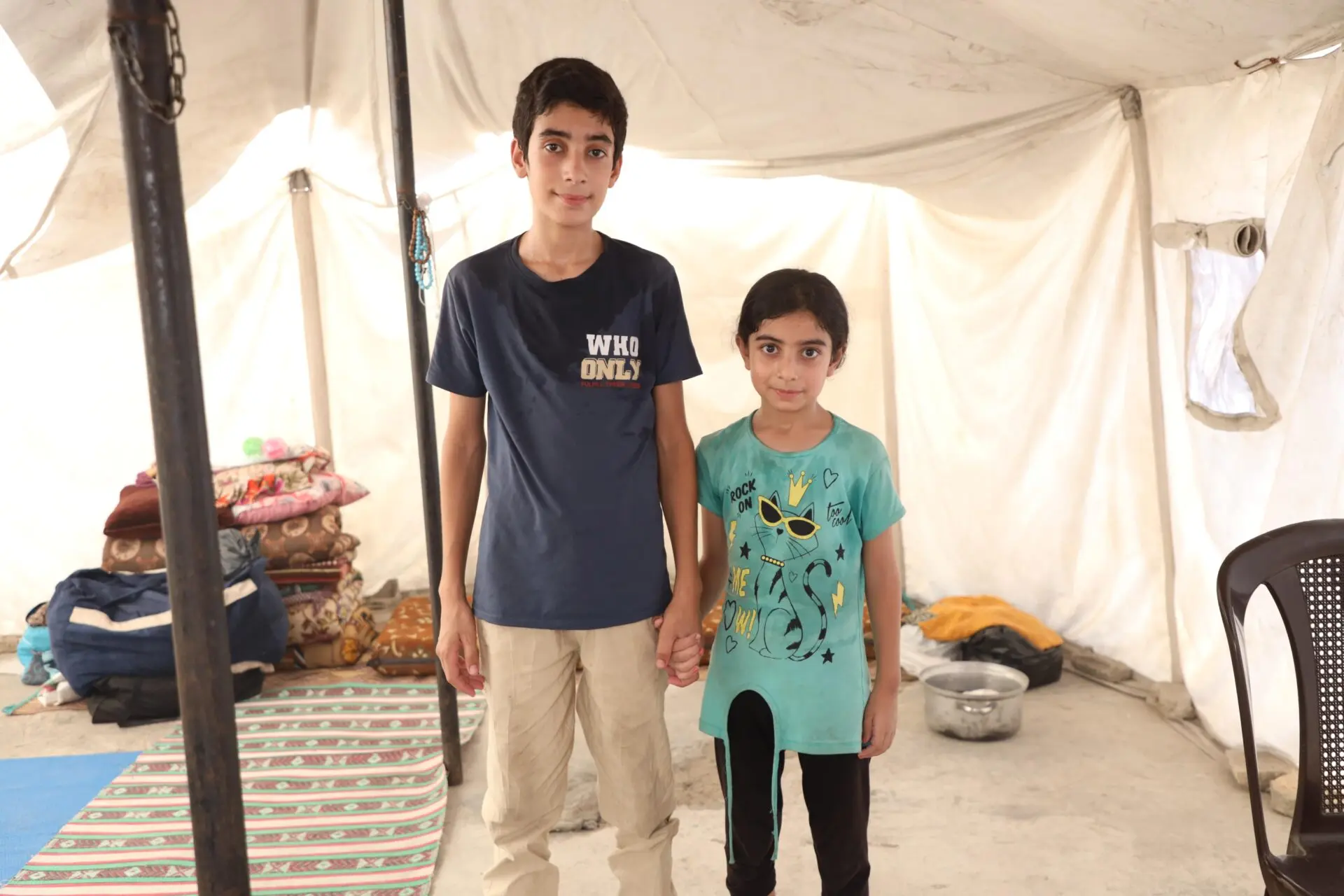
Zakaria and Elham are two  Islamic Relief sponsored Yemeni orphans who have been supported since 2013. They are living in a very difficult situation due to the war especially because their home is located within a conflict zone.

In mid-April, the family woke up on the morning of a week day and left their home to complete their plans.  Zakaria and Elham went to their college for studies, their nephews and nieces went to the school, their older brother had gone to work and  their mother went to visit her daughter. Some of the other family members remained at home.

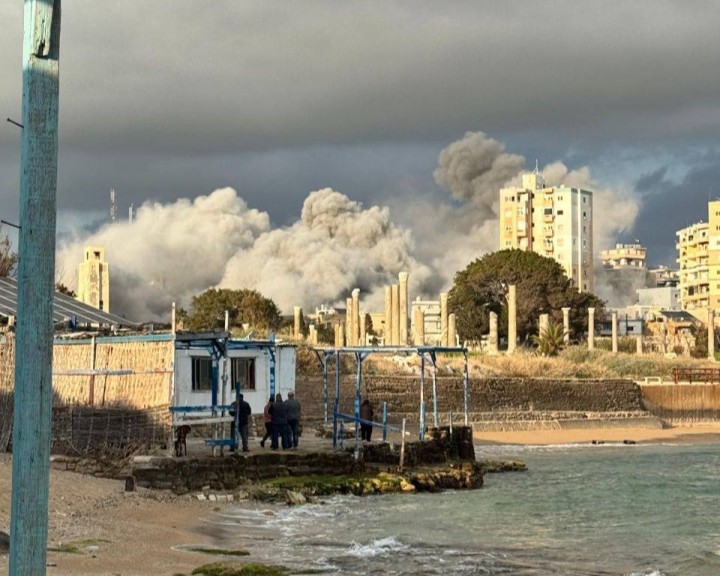
At around 10:30 A.M the store of weapons beside their home was  attacked by heavy airstrikes which caused a huge explosion. Their house is now completely destroyed and other houses in the same area were also damaged. Many were inside their homes when the airstrike occurred and later found themselves under the rubble. The ambulance and police came to get all family members out of the rubble and all of them are in good health alhamdulilah.

The mother had heard the sounds of the explosion as her daughter’s house is in the same area. She asked her neighbours about the sound and they responded that the explosion was beside her house. She became afraid and she harried up to her house.

When she arrived to her home she was saw that her entire home was damaged and instantly thought about the status of her daughters, sons and grandchildren.

The mother said, “There is No place to live in! No furniture, No ration, nothing! Everything is gone in few seconds!!”.

One of the older sons in the family used to work with motorcycles as a main source of income, unfortunately due to the airstrikes all of the motorcycles and equipment were damaged and and are now useless.

As the war grinds mercilessly on, the people of Yemen need your help today more than ever. With your support, we can continue to provide the lifeline they so desperately need during the Yemen War. Please donate to our Yemen Crisis Appeal now. 

04.08.19

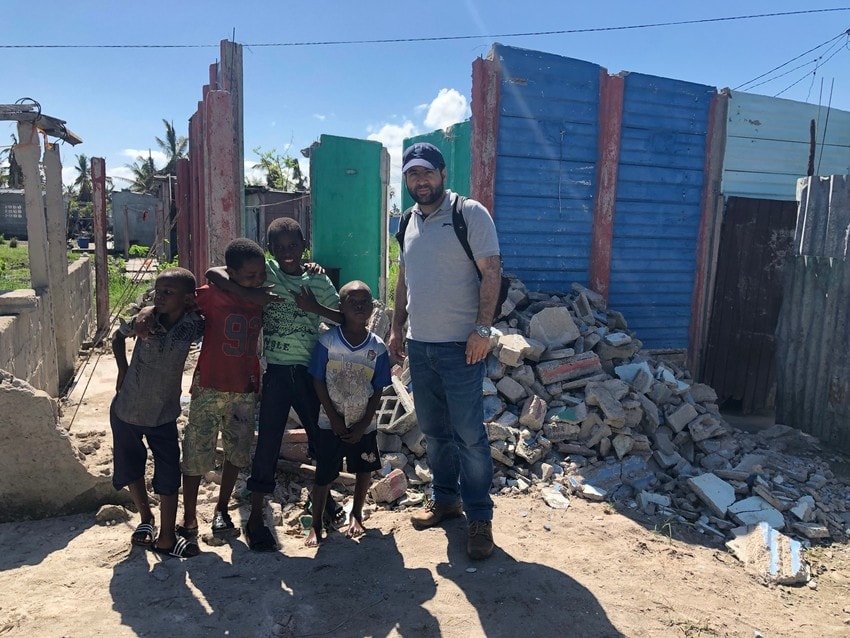
Cyclone Idai has killed 590 in Mozambique, 1.85 million people are in need

  News

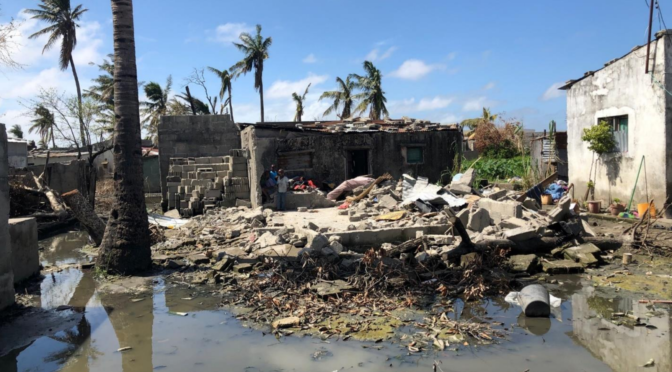
Cyclone Idai made landfall in Mozambique on 14th March, causing catastrophic flooding and strong winds which have so far killed 598 people in the country, and injured more than 1600.

Officials have warned that the death toll is likely to increase as more bodies are expected to be found when the flood waters recede.


What You Need To Know:


  • The United Nations has said that, as of 5th April, more than 1.85 million people are in need of urgent humanitarian assistance.
  • Latest figures from Mozambique’s National Institute of Disaster Management (INGC), indicate 142,000 individuals have been displaced and taken shelter in evacuation centres in the four central provinces of Sofala, Zambezia, Tete and Manica.
  • According to government reports, 97,424 houses have been completely destroyed, 103,537 houses have been partially destroyed and 15,784 have been flooded.
  • As of 5th April, 2094 cases of cholera have been recorded. There have been two deaths so far, according to the Ministry of Health. Of the recorded cases, 353 were reported in the last 24 hours.
  • At least 715,300 hectares of crop land has been destroyed; this will have significant impact on food insecurity levels over the coming months.
  • More than 3,300 classrooms have been damaged as well as 53 health facilities.


One of The Worst Tropical Cyclones to Strike Africa

In early March 2019, central and northern Mozambique experienced heavier than normal seasonal rains, leading to flooding and displacement of thousands of families. Then tropical cyclone Idai made landfall in Beira on 14 March, exacerbating an already serious situation and resulting in days of torrential rainfall, burst riverbanks, and subsequent flooding. Idai wreaked massive destruction, jeopardizing the lives and livelihoods of more than 1.7 million people along its path in Mozambique alone.

Millions Affected Across Four Countries

Cyclone Idai affected communities across Mozambique, Zimbabwe, Malawi and Madagascar. In Mozambique, the Cyclone forced a national state of damage,  including severe devastation struck upon homes, businesses and livelihood for hundreds of thousands of families. 100,000 homes have either been destroyed completely, partially destroyed or have been flooded. Farmers have lost thousands of hectares of cultivated farmland, although business are beginning to re-open the prices of commodities have increased dramatically.

Public Health Issues on the Rise

The damage of infrastructure, flood waters and the environment increases the chances of water contamination. This has exacerbated the risk of the spread of water-borne diseases such as cholera.  As of 5th April, 2094 cases of cholera have been recorded including two deaths, according to the Ministry of Health.  In response to the cholera outbreak, 7 cholera treatment centres have opened across affected areas.

Islamic Relief is currently supporting the victims of Cyclone Idai. There is rising demand for shelter, agricultural support and WASH services.


03.27.19

Yemen War Enters its Fifth Year | Hunger and Fear for Millions

  News

The Yemen War enters its fifth year as hunger and fear for millions grows amid a brutal war, food insecurity and human suffering.

On the ground in Yemen as the country enters a fifth year of fighting, Islamic Relief has renewed calls for world leaders to act to end the suffering.

Already one of the poorest countries in the Middle East before the conflict escalated in March 2015, the Yemen War has now lead to what is now widely seen as the world’s worst humanitarian crisis. Extreme hunger is commonplace and many live in the shadow of starvation. Water is scarce. Basic but essential services have all but broken down. Livelihoods lie in ruins and children are growing up without access to formal education.

“For the last four years, the people of Yemen have been held hostage to bombs, bullets and been forced to endure a near total collapse of basic services such as health and sanitation which have claimed tens of thousands of lives,” says Islamic Relief’s head of mission in Yemen, Muhammad Zulqarnain Abbas.

“As the conflict has lurched on and on, it has trapped families in an impossible situation of having to choose between feeding themselves or their children.”

The Yemen War has resulted in over 18 million people in need of basic healthcare.

No respite from war or hunger

Some 80% of the population have been affected by the Yemen war.

In one province after another, schools, factories, hospitals and farms have been destroyed. Some rural communities have for years been cut off from the outside world. The capital, Sanaa, has been repeatedly bombed and shelled. Roadblocks and restrictions in Taiz have pushed food prices to dangerous highs, whilst the sounds of battle have become the backdrop to life in Hodeida, where civilians fear the fragile ceasefire may not hold.

Juma’ah Quhri and her family fled the fighting but are still struggling to survive.

Grandmother Juma’ah Quhri is from Mandhar, now the frontline in the conflict. In June she fled with her son, who is a teacher, and her eight grandchildren.

“When the clashes arrived in our neighbourhood, we did not think to take anything with us and we fled with just the clothes on our back,” Juma’ah said. “Our houses were destroyed after we left the village.”

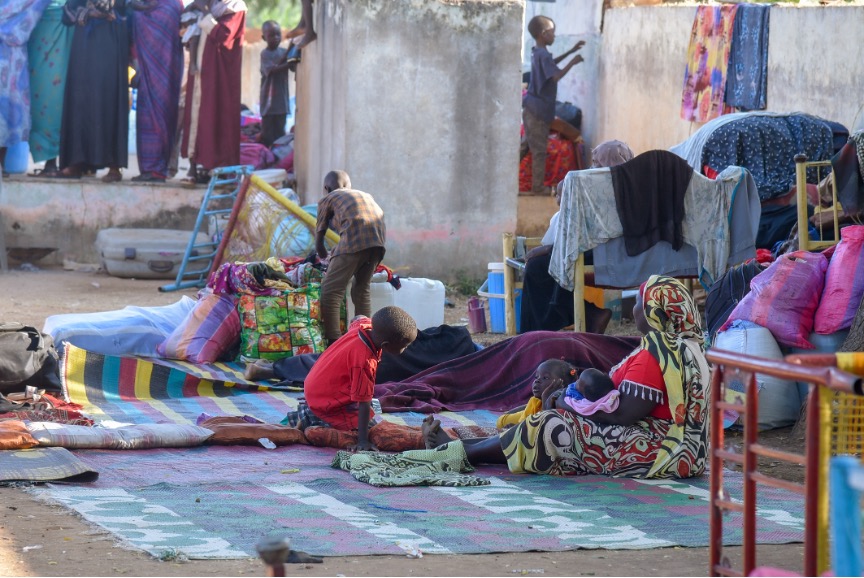
Now the family live in one room in Hudaydah. The children sleep in the hall, and instead of going to school they try to earn money to pay rent and buy food. Ahmed Mor’ie, also from Mandhar, is also struggling to feed his family after leaving behind his livelihood.

“My daughters were hiding under beds during the fighting, afraid they wer going to be hit,” he said, describing the day he fled with his family. “While people celebrated Eid we fled our house barefoot.

“After we fled our house, it was hit in the fighting and our belongings were stolen, but we are happy that we are still alive.”

Despite the fact that his village remains the frontline, and violence in Hudaydah continues in violation of a peace agreement signed in December, two of Mor’ie’s children were forced to return to the village a month ago, to fish: the family’s only source of income.

“We have been suffering since we left our house and we are struggling to stay alive. I hope to get food for me and my family and hope to return to my house in Mandhar as soon as the warring sides agree and stop the war.”

Sadly, there are millions more people like Juma’ah and Ahmed who are suffering in the war-torn country.
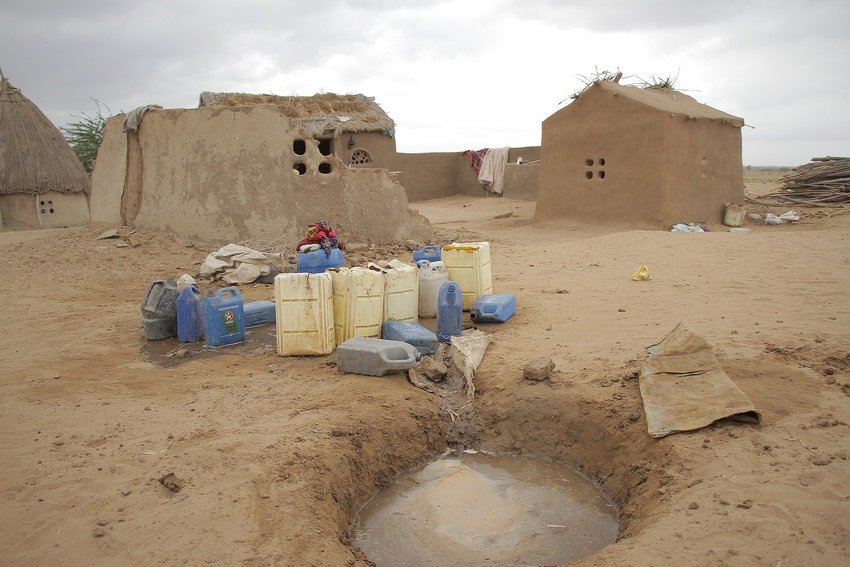
In 2019 the Yemen War has created a huge and growing demand for basic water and hygiene services.

Islamic Relief is on the ground in Yemen

Islamic Relief has been working in Yemen for over 20 years, and has continued its lifesaving work on the ground throughout the catastrophic conflict. With offices in Sanaa, Hodeida, Sa’ada, Amran, Raymah, Aden, Marib, Dhamar and Taiz, our incredible staff and volunteers provide critical humanitarian aid, often at great personal risk. Earlier this year, a stray bullet took the life of an Islamic Relief aid worker.

Working in 17 governorates, including in very remote areas, last year alone we assisted more than 2.6 million vulnerable people.

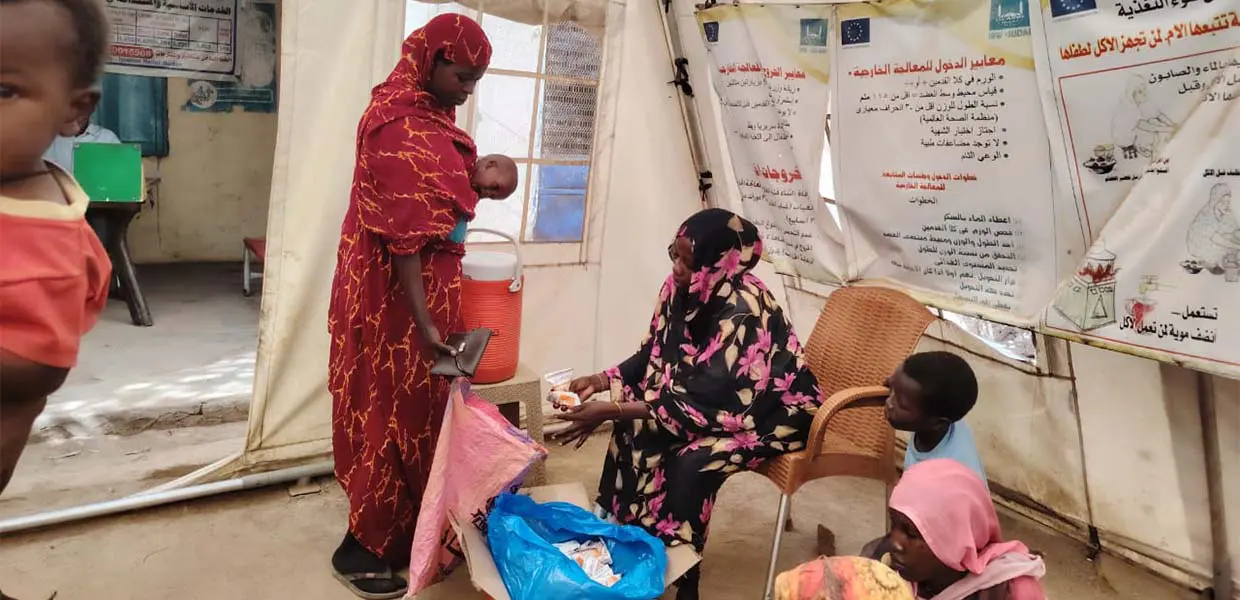
Thanks to your support, during the Yemen War we treated malnutrition, enabled families to rebuild livelihoods, provided clean drinking water and basic sanitation services and hygiene items – and made sure orphaned children received sponsorship to meet their basic needs.

We are now stepping up food distributions across Yemen and alongside the World Food Programme, will deliver much needed food supplies to 2.2 million people every month – up from 1.8 million that we were reaching previously.

Ongoing clashes in the Yemen War has caused major damages in civilian infrastructure leading to loss of homes.

More humanitarian aid and an end to the crisis urgently needed

Ahmed Mor’ie wants the war to stop, to be free from hunger, and to return home.

Islamic Relief is determined to carry on doing all we can to ease the suffering in Yemen, and recently pledged to spend $7.6 million on humanitarian efforts in the war-torn country. However, we know this is a fraction of what is needed and so we are renewing calls for world leaders to provide aid to Yemen – and to bring about a total ceasefire and peace talks that end this devastating crisis.

“After four years of war, an estimated 24 million people need humanitarian aid or protection – including a staggering ten million people are at risk of starvation. These are big numbers, almost impossible to comprehend,” adds the Yemen head of mission, Muhammad Zulqarnain Abbas.

“Every day, Islamic Relief aid workers and volunteers see the ordinary people who make up those extraordinary numbers. They are men, women and children who want nothing more than to live in peace and rebuild their shattered lives. An end to this horrendous suffering is long overdue.”

As the war grinds mercilessly on, the people of Yemen need your help today more than ever. With your support, we can continue to provide the lifeline they so desperately need during the Yemen War. Please donate to our Yemen Crisis Appeal now. 

03.18.19

Islamic Relief Australia Statement On The New Zealand Horrific Attacks

  News     Press Releases

Islamic Relief Australia Statement on the Horrific Mass Shooting in Christchurch, New Zealand

 Our sincerest thoughts and prayers are with the victims and their families. We received the news of the horrific mass shooting and terrorist act committed against innocent worshippers with deep sorrow and sadness. These attacks are an abhorrent act of violence against all of humanity – not just Muslims – and Islamic Relief Australia stands with all those who reject such hate and extremism.

At times like this, our core value of compassion is never more important and we call on you to stand in solidarity with our New Zealand brothers and sisters during this difficult times.

Islamic Relief Australia have reached out to the local community leaders to offer its solidarity and support. We are currently considering options for providing long-term, ongoing support for the victims and their grieving families. We hope to have more information about this to share with you in due course.

Our CEO, on behalf of the Islamic Relief Family, will be travelling to Christchurch to attend the funeral and visit the affected families, offering our condolences and solidarity with the families and the local communities affected.

In the meantime, we call upon our supporters to keep the victims and their families in their thoughts and prayers,

UPDATE 1- 19.03.2019: 

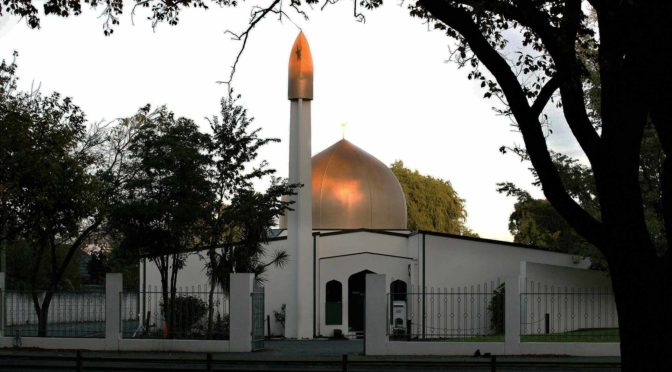
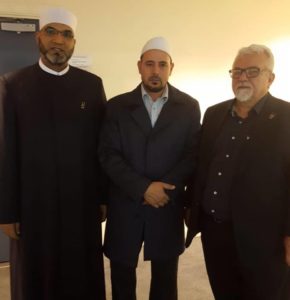
Salam Family, in the last 24 hours our CEO, Salwan Ameen, and Islamic Advisor, Shaykh Khamis, have been in New Zealand interacting and engaging with the community leaders including Imam Jamal as pictured below.

The aura is universal, one of grief, mourning and endless prayers.
Imam Jamal was giving the Friday sermon ( Khotba) on the 15 March. He told us the details of the day and we can see how gravely impacted he and his strong community is affected by this.

The leaders here are working non stop from 5:00 am till midnight to support and answer enquires of the peoples. Our thoughts and prayers continue to be with our brothers and sisters who have passed away.


03.01.19

There are Three Devastating Droughts Worldwide with Somalia having 1.6 Million People at Risk 

  News

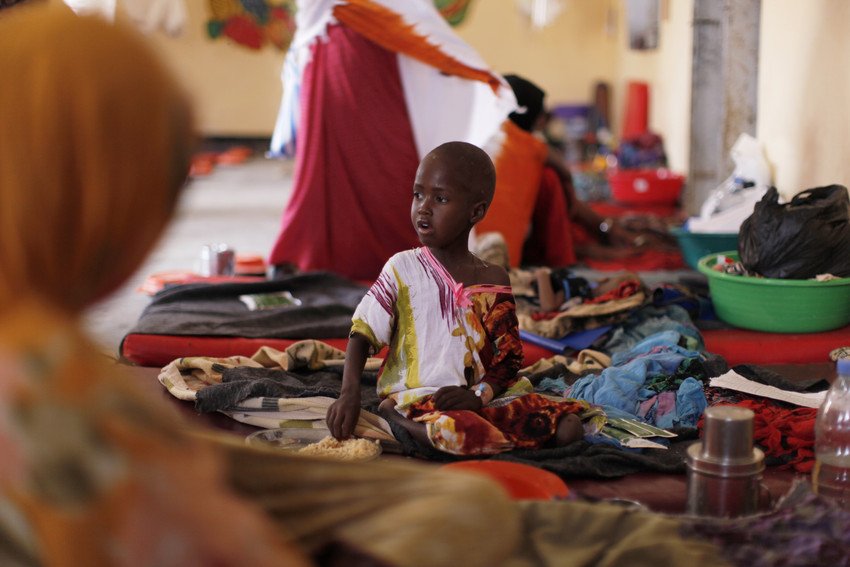
The absence of rains and increase in dry weather in the last few months of 2018 resulted has lead to drought affecting 9 countries in the region including 1.6 million people in Somaliland. 

 In Somaliland, more than 4.9 million people are thought to be going hungry or are directly affected by the drought. Over 100 villages in Lughaya, Zeila, Berbera, Sheik, Burao, Odwayne, Ainabo, Lasanod, Talex, Garadag, Elafweyn, Erigavo and Badhan are affected – many were already very vulnerable after the drought in 2016-17 , and tropical cyclone Sager which struck last year.

Islamic Relief is already helping, but more is needed 

Islamic Relief has improved access to water for many villages, and is launching further interventions to reach more people. 

Previous development projects by Islamic Relief are helping some families in the drought affected areas. In Kenya, for example, we have already drilled boreholes in three villages around Garissa town, repaired a borehole in Dujis, and fixed ten shallow wells in Wajir. In Somaliland’s Awdal region, we installed two boreholes in Lughaya and Zeylac. 

However, there are many more communities that still lack water. For example, right now we are drilling two new boreholes and building a mega dam in Marsabit but this intervention may not be able to help those in urgent need of water. 

Islamic Relief is to launch immediate water, lifesaving food support and livelihood activities in Somaliland and Kenya, with a focus on ensuring that women, older people, disabled people and other vulnerable communities receive assistance. We expect to mobilise other interventions too, including activities to boost community resilience to drought. 

02.22.19

Drought in Balochistan affects 1.9 million people and 3.4 million livestock

  News

Balochistan, which sits on the border of Pakistan, Afghanistan and Iran is currently experiencing a drought which is affecting under 2 million people and destroying farms.

1.9 million people have been impacted by the drought in Balochistan and 3.4 million livestock have also been severely affected.

Balochistan – is an arid desert and mountainous region in south-western Asia. It comprises the Pakistani province of Balochistan, Iranian province of Sistan and Baluchestan, and the southern areas of Afghanistan including Nimruz, Helmand and Kandahar provinces.

Families Are Being Left With No Option But to Leave

48 year old farmer and father, Mubarak Ali has been severely affected by the drought. Before the drought, his province was recognized for achieving record production of vegetables,

Mubarak Ali speaking to an Islamic Relief Officer.

I have 5 acres of land on which I used to grow wheat, cucumber, okra and other vegetables … Those were the good days. Islamic Relief gave off-season farming tunnels in our area, which have been destroyed due to drought.

Most of Mubaraks friends have relocated to Dalbandin, but he finds it difficult to leave his home. The drought has dried up wells and agricultural lands are barren.

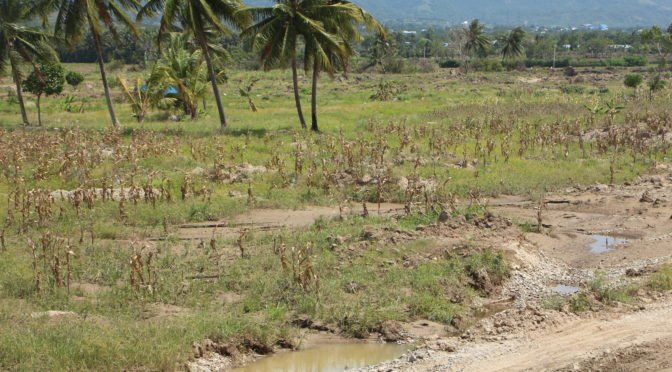
The drought in Balochistan has dried up agricultural lands, narrowing means of livelihoods for farmers living in local provinces.
With teary eyes Mubarak said,

“I love my area as I belong from here and I don’t want to migrate. There is no water in our area, not even for drinking. My children and I fetch water from nearby villages. We pray to Allah for rain. With every passing day, it is becoming difficult for us to survive. Even if I migrate, there is no place for me to live. There are no other livelihood opportunities for us. The cattle have died and the remaining will not survive this winter.”

Drought in Balochistan

Water is a scarce resource in Balochistan. The drought has thus resulted in severe shortages of drinking water, food and fodder.

Balochistan is primarily an arid mountainous region where 93% of the area is range land and approximately 21 million hectares is used for grazing. So livestock plays a significant contribution to the household food security needs of the communities.

Food insecurity, malnutrition and hunger is prominent in the drought prevailing areas. Families have sold their livestock or have witnessed their livestock die due to the food and water shortages.

Islamic Relief Response

Islamic Relief, which has been working in the region for nearly a decade, has launched an urgent intervention to repair water facilities and restore livelihoods for those affected.

Islamic Relief campaigns worldwide to protect the planet and its people from the devastating impacts of climate change. Islamic Relief is currently engaged in over 50 climate related relief and adaptation projects in more than 14 countries.

Islamic Relief Australia is currently responding to a series of droughts in Balochistan, Somaliland (Somalia) and in Kenya.

01.02.19

Emergency Relief for 1,300 Families affected by Indonesia’s December Tsunami

  News

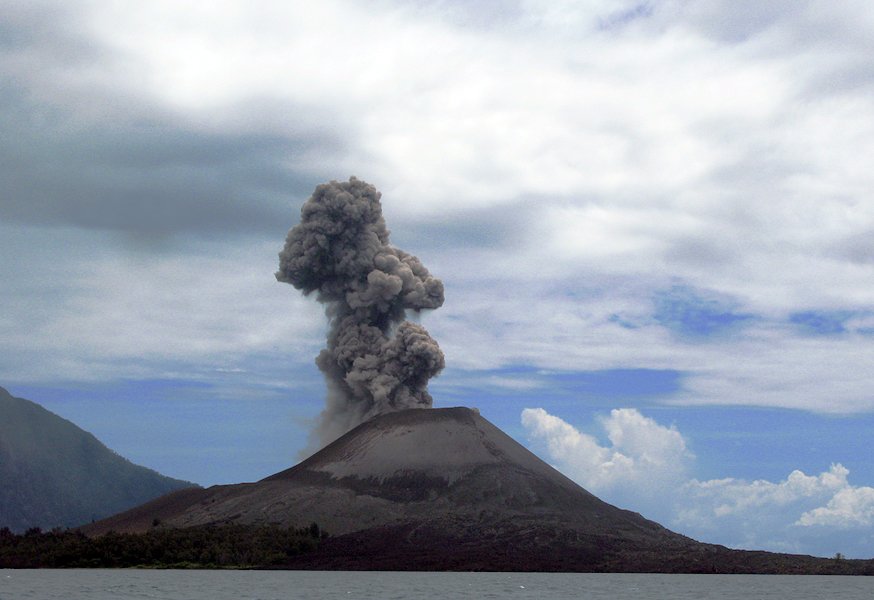
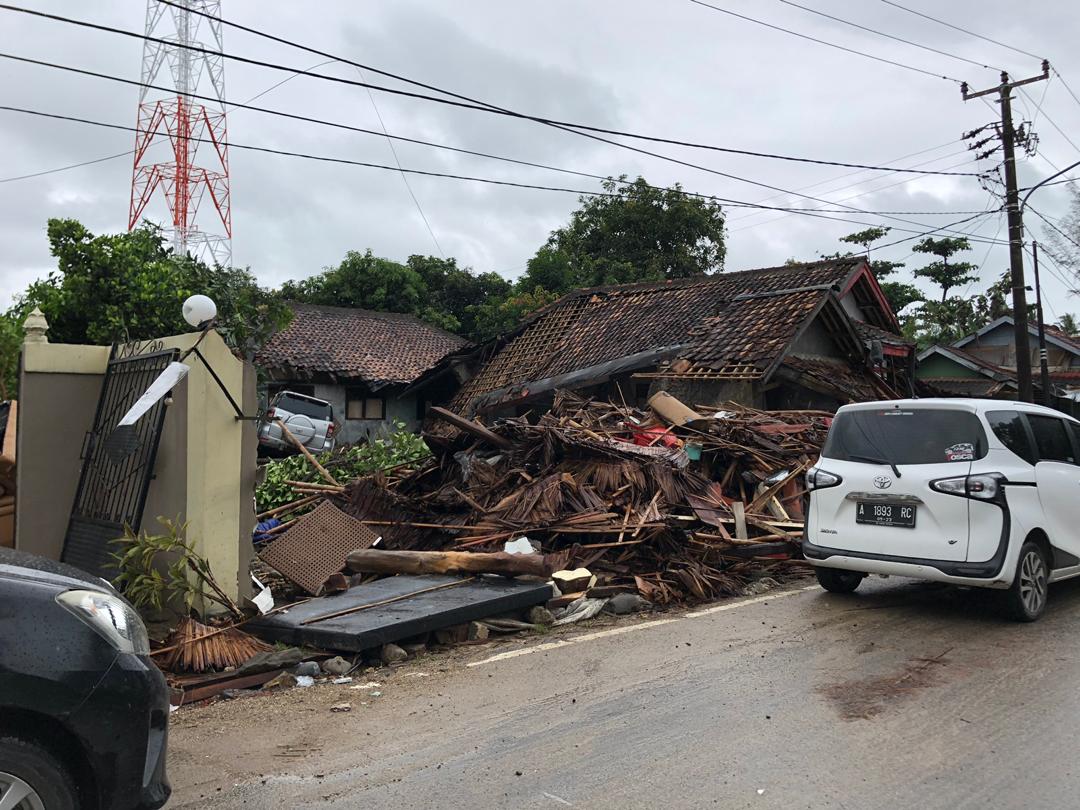
On the 22nd of December just before 9:30pm the Krakatoa Volcano erupted causing a tsunami to take effect on the Sunda Strait which took the lives of 430 civilians.

  • The tsunami triggered by the volcanos has killed over 400 people.

  • 924 houses, 73 hotels and villas, 60 culinary stalls, 434 boats and around 65 vehicles have been damaged.

  • Many children, babies, mothers, and elderly are sleeping outside of their homes without proper protection. 

  • IR is working with the local partner, PKPU, who is our current partner in emergency response and recovery in central Sulawesi.

The tsunami is thought to have been triggered by an underwater collapse as the nearby Anak Karaktau volcano erupted. The volcano has been erupting throughout the year and has remained active since the weekend. 

Over 430 people have died, 1,495 are injured and 154 are still missing. The tsunami has also affected over 900 homes and displaced 21,082 people from the five affected districts – Pandeglang and Serang in Banten Province, and Lampung Selatan, Tanggamus, and Pesawaran in Lampung Province. It is expected that the figures will increase as the assessment continues. 

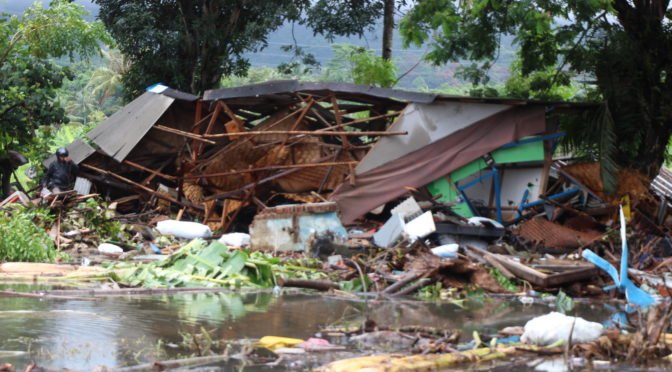
Pandeglang Tsunami survivors sleeping conditions inside Krakatau radio station

Within ten hours of the disaster, Islamic Relief deployed a small team in the Banten Province including an emergency coordinator, a logistician and a nutritionist. Within twenty four hours, boxes of hot food as well as mats, blankets, rice packs, biscuits, medicated oil for adults and babies, drinking water were distributed amongst the most vulnerable.  

IR distributed items and child kits in Desa Kalanganyer Banten province.
Islamic Relief, which has provided critical humanitarian support in Indonesia since 2000, remains on alert for further disasters. 

A statement has also been released from the Islamic Relief Indonesia Country Director here.

12.26.18

Volcano induced tsunami in Indonesia takes over 350 lives

  News

Three Months After Sulawesi volcano-induced tsunami in Indonesia takes over 350 lives and leaves 1,400 people injured. On Saturday the 22nd of December, a violent volcanic eruption caused a tsunami that struck three regions around the Sunda Strait.

With the recent Tsunami causing more devastation in Indonesia we have deployed a team to affected areas. There is a need for food, shelter, medical assistance & other basic items.


Islamic Relief Indonesia Country Director

My son was in the area, a popular weekend getaway for many Indonesians, when it happened. He ran for the hills, leaving all his belonging behind. I couldn’t get through to him or his friends for hours after. It was difficult to not think the worst.

Thankfully he is safe at home now but it was a real reminder of the constant danger that millions of people in Indonesia face every single day as we simply go about our lives. Most of the time you push it to the back of your mind, but every so often you are forced to face our sheer fragility in the face of natural disasters like earthquakes and volcanic eruptions.

This year alone, we have seen the Lombok earthquake in August in which more than 100 people died, the devastating Sulawesi earthquake and tsunami that claimed more than 2,000 lives, and now this latest tsunami in which a further 280 people have died. Tens of thousands have been injured and many more have lost their homes and been forcibly displaced.

Islamic Relief Response

Islamic Relief is on the ground delivering food, water & blankets to those displaced by the weekend’s tsunami in Tanjung Lesung-Benten province. We have been active in the four affected districts where there are over 600 damaged houses.


11.30.18

The Yemen War is breaking the people, Our Project Coordinator reports

  News

A message from our Salem Jaffer Baobid, the Islamic Relief Yemen  project coordinator in al-Hudaydah regarding the Yemen War: 

The last few months of 2018 we have seen the worst of the Yemen war. Death, famine and starvation is devastating the lives of families and their children. Fighting in many areas continues to result in the loss of lives and damage of infrastructure.

Last night there was fighting again, and I could hear bombing and heavy shelling in the direction of the port. The last few days have been quieter, but no one here really thinks that this will last. No one has faith in the peace process or believes that it will succeed. Islamic Relief has been using the lull to stockpile emergency supplies, mainly food rations, in the city.

We are hoping for the best – but know that we have to be prepared for the worst. If the fighting resumes and the city is cut off, it will be a living nightmare. I fear we will soon see an escalation and a further deterioration, which will be catastrophic.

People literally have nothing left. They have long ago sold jewellery and furniture. You walk into peoples’ homes now and their living rooms are empty. They will have just kept the very basics, mattresses, sheets and some clothes. Even the bed frames have been sold.

Middle class families who once had businesses, have become paupers and are now completely reliant on food aid. The other day we distributed 30,000 food packs containing enough food to feed 150,000 people for a month. But hundreds more people flocked to our offices begging for food, saying they had not received anything.

It was chaos. Everyone was pushing and from the corner of my eye I saw a disabled man that was carried in by two men who were propping him up as he was too weak to stand. I immediately rushed over to him to see what we could do to help, but the man was either too ill or simply too weak to even speak properly. It was not clear when he had last eaten or drunk something. We immediately found some supplies for him and his family but there are just far too many people in grave need like this and it is impossible to help everyone.

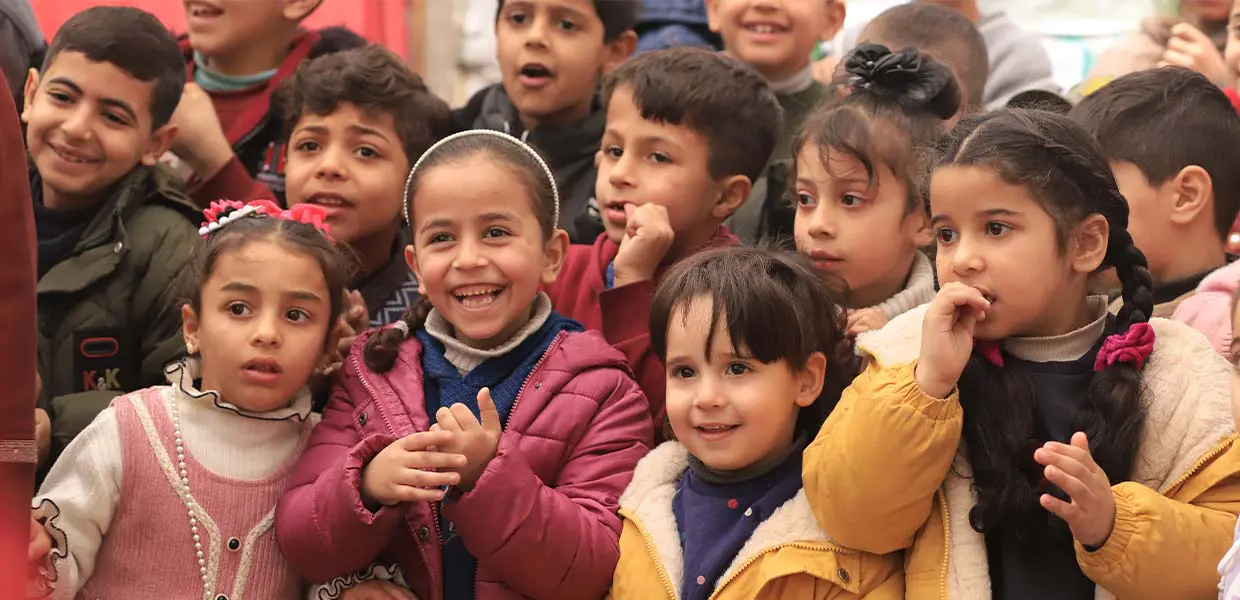
Yemeni Children receiving Aid

We are paying extra attention to those with disabilities. Our teams often go directly to their homes to make sure they get what they need or can make their way to a distribution but we cannot reach everyone. There are a lot of disabled people in Yemen – many have been injured, or have not been able to get the right medical care for injuries or diseases – so the needs are huge and people really struggle to travel to the distribution points.

Islamic Relief Yemen (IRY) is on the ground providing urgent food assistance for victims of the Yemen War. Through food assistance, we aim to save lives, prevent affected communities taking up detrimental coping mechanisms, and avert emergency rates of acute malnutrition. IRY also maintains water sanitation projects. Water sanitation is critical in the fight against cholera and other deadly diseases.

11.29.18

A family with a missing child struggles to recover after the 7.4 earthquake hit Indonesia

  News

Two months after a powerful earthquake and tsunami rocked Indonesia, life has been slow to return to normal for more than 170,000 people who remain displaced across Central Sulawesi.


In Sigi 70% of the population are farmers. The farms have been swallowed by muds and irrigation system has been damaged due to liquefaction.  

Farming Communities are affected and struggle to get back on their feet

Some 1,300 people are still missing and, in the countryside, entire villages still lie in ruins. Farmland has been decimated and irrigation systems that allowed the crops to grow completely destroyed.

Aslam, a 39-year-old father from a village some 15kilometres south of Palu, lost his home and his farmland. He now lives in a tent with his wife, 34-year-old Setriani and his two surviving children – his 16-year-old daughter Agustin and his 13-year-old son Safar.


Two months after, an Indonesia quake survivor continues to grapple as his family is still grieve from his missing child and struggle to recover after left homeless with no farm to go back to. Aslam, a farmer and father of three, and his family remain in pain as they still haven’t found his 10-year-old child, Siti. “I wish that one day my daughter, Siti, would come back and be with us. But I know, at some point, my wish is impossible,” 39-year-old Aslam says.

1,300 people including children are still missing

His youngest daughter, 10-year-old Siti, is missing. When the earthquake happened, the ground liquified, creating waves of molten mud. The family managed to cling onto a banana tree and survive, but they fear that Siti have been swallowed up by the mud. Sixty days after the catastrophe she is still missing and the family feels unable to go back to their home and their land.

“My name is Aslam. I have three children. Unfortunately, because of what happened, only two are left. My other child is missing. Her name is Siti. She is 10 years old. The last time I saw her was when she was gripping a huge banana trunk. It was when the ground started to melt. She was trying to survive the big waves of mud and debris from our house and our neighbours’ homes. I witnessed her struggling.

She was shouting for help but the big waves of mud took us to different direction. I wasn’t able to save her. I wasn’t able to save my child. When the liquefaction (of the mud) ended, I had to do a head count of my family. I found my wife and two children alive, but Siti was nowhere to be found.

We were searching for her everywhere. We asked around. We went to different tent sites. My two other children started digging the ground, hoping that we would be lucky and find her. But we were unsuccessful. After 10 days of searching, we decided to stop looking for her. We are afraid that she was buried alive. I wish that one day my daughter, Siti, would come back and be with us. But I know, at some point, it will become impossible. I miss her. I hope she is fine wherever she is.


Aslam, a farmer and father of three, and his family remain in pain as they still haven’t found his 10-year-old child, Siti. “I wish that one day my daughter, Siti, would come back and be with us. But I know, at some point, my wish is impossible,” 39-year-old Aslam says.

Aside from grieving for our missing child. I’m worried about how to start again.

How can I give my family a comfortable life when all the things we invested in are gone? Everything has been destroyed. All the equipment that we invested in has gone. We don’t even have a penny. We are dependent on the help given to us by different people and by aid organizations. I no longer have a place to grow food. I don’t know how to do any other work aside from farming. It’s what my family has done and lived off for decades.

I am not sure how I can provide the needs of my family, particularly my children who are in school… how much longer I can hold on in this situation. We don’t have anything to start again with. My family is in distress. We haven’t gotten back to where our house was erected. I haven’t visited my farm even. It feels ironic that the place where we used to feel comfortable now gives us so much discomfort. Our house and farm used to sustain us. But now, we are afraid to go back or even visit to check how it s.

We are more at peace living in the tent, for now, though it isn’t as comfortable as what we used to have. It gets hot at noon and very cold in the evening. We have been living here for two months now. Our bed is made out of bamboo that we salvaged after the liquefaction. We make use of makeshift rice sacks to cover the ground and protect our bodies.

I know what we have now is temporary. I hope things will get better soon, especially for my wife and children. I hope Siti is in a safe place – wherever she might be.”

Islamic Relief and its local partners are on the ground, providing much-needed aid for families affected by the tsunami and earthquake.

So far we have helped 9,000 people, including Aslam’s family, by distributing food kits water, hygiene kits, tarpaulin, blanket and cash grants in, Palu, Sigi, and Donggala, Central Sulawesi.

You can read more about our Sulawesi Emergency Response here.


STAY INFORMED

  • This field is for validation purposes and should be left unchanged.

Quick Donate