11.28.18

Victims of Cyclone Mora rebuild their lives after the destruction of 15,000 homes

  News

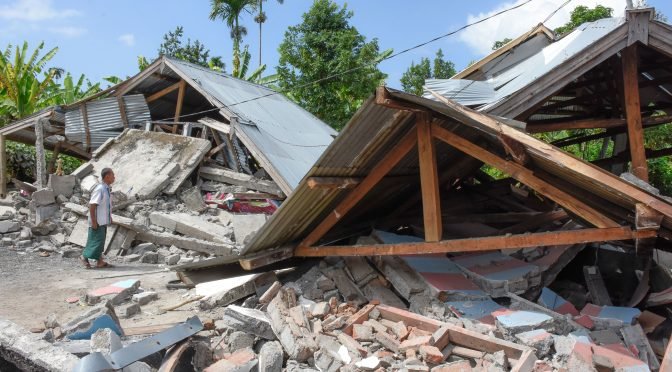
In 2017 Cyclone Mora destroyed over 4000 homes and damaged 13,000 homes in Myanmar. This resulted in a high demand of safe housing for affected families.

The damages caused by Cyclone Mora is estimated to cost $200 million USD. Massive family shelter and food security needs among vulnerable families.

The current poverty rate among the affected population in Myanmar stands at 78%. 25% of the population is facing food insecurity. Malnutrition is widespread amongst the children and the elderly.  

Internally displaced people (IDP) face stereotypes that have created restrictions on their lifestyle and movement. IDPs cannot travel to outside communities or to markets in cities for business activities due to travel restrictions. IDPs are unable to move to water areas for fishing, forest lands and agricultural lands. There is a shortage of basic needs and services amongst internally displaced people (IDPs) in Myanmar. Families are not able to obtain a cash flow due to the previously mentioned travel and work restrictions.  

Supporting Single Mothers and Vulnerable Families

Dawahr, a single mother of five children has spent the last few years of her life living in an impoverished camp in Sittwe. Her home was destroyed by Cyclone Mora.  Due to existing lifestyle restrictions, Dawahr and her children did not have access to school or employment opportunities.

Dawahr is one of our beneficiaries we provided with shelter and food packs. Her husband passed away in 2017 due to chronic diseases.

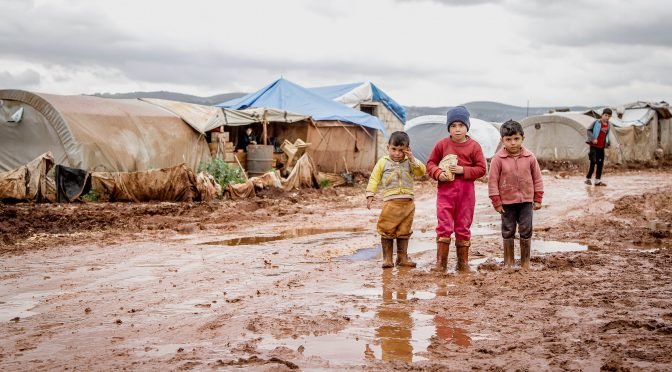
 We lost everything and for survival, we had to take shelter in camp, becoming dependent on relief. Cyclone Mora destroyed our shelter and after Mora we lost everything again. We were living in temporary tents and we were passing miserable days with children without safe and protected shelter.

Especially in the rainy season, we were facing an acute problem like; children can’t sleep whole night, they are crying due to the unsuitable situation and soaked bad with rainwater. Sometimes children and I also suffered from severe colds and fever due to the unsafe shelter.  

I have no ability to make a safe and protected shelter due to financial problems and no earning opportunities. In this situation, IR Myanmar came and discussed with the camp leader to construct a new shelter in Ohn Taw Gyi(North) camp and selected me as a beneficiary of the shelter project.  

IR Myanmar made a safe and protected shelter for me and I am very happy about the new shelter house. Now I have a protected new house within the camp. My children are very happy when we received new room from IR Myanmar.” 

Cyclone Mora left thousands homeless

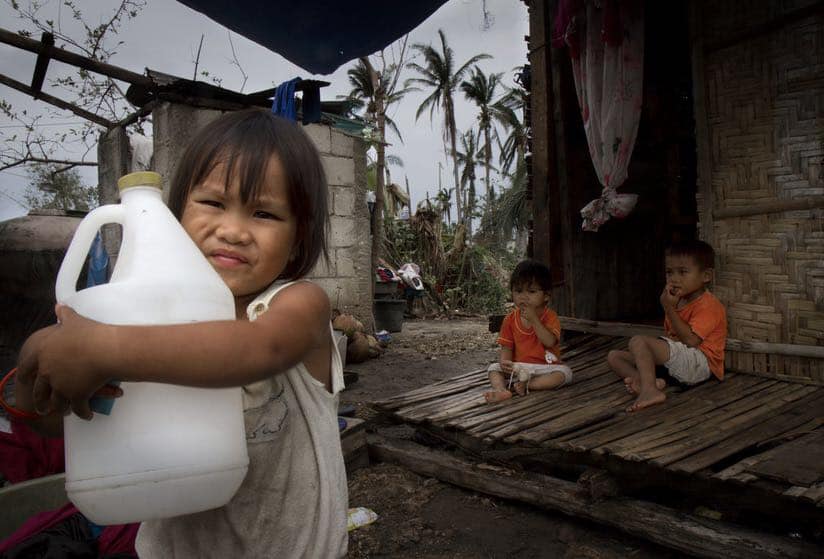
Shelter was a high need among families as the cyclone destroyed 4,000 homes. Families were forced to live under open skies with exposure to rain, sunlight and cold. Families, children and the elderly had been living under severe stressful conditions in fear of their safety, lifestyle and future.

Construction of Safe Shelters for Affected Families

In response to the poor living standards and food insecurity in the Rakhine State, Islamic Relief worked on the ground with two local partners to address the emergency issues. 

Islamic Relief built safe shelter and provided 6 months of food support to address the issues of destroyed homes and food insecurity.  Approximately 70% of the beneficiaries are women and children and almost 5% of the beneficiaries are individuals with special needs.

The IDP community were overly satisfied with the timely response. During the construction process, 100IDPs were involved and were able to obtain wages underneath skilled or unskilled workers. 
11.12.18

The worlds most lethal famine is fast developing in the Middle East: Yemen

  News     Press Releases

About 14 million people at risk of being severely food insecure.  

Sharp devaluation of the Yemeni Rial against the US dollar lead to increase of food cost by 25 per cent and 45 per cent in fuel cost.  

The situation in Al Hudaydah would likely lead to Famine (IPC Phase 5) in Yemen.

Fighting in the eastern and southern areas of Al Hudaydah city has made humanitarian support difficult for aid agencies. As of 17 October, Rapid Response Mechanism (RRM) partners in Al Hudaydah hub identified a total of 75,478 displaced families from the Al Hudaydah Governorate.  

The speed at which the Yemeni currency plunged in early September has forced food prices to soar. An additional 1.5 million to 2 million people are also at risk of famine.

Children will be worst hit in what is being forecast as the world’s most lethal famine in 100 years, with up to 14 million people at risk. According to the UN report, 70 per cent of the population now live on less than US$1 a day, and the hundreds of thousands of Yemenis that work in the government haven’t received their salaries or pensions since August 2016.

Islamic Relief Yemen (IRY) is on the ground providing urgent food assistance. Through food assistance, we aim to save lives, prevent affected communities taking up detrimental coping mechanisms, and avert emergency rates of acute malnutrition. IRY also maintains water sanitation projects. Water sanitation is critical in the fight against cholera and other deadly diseases.

10.23.18

Indonesia Emergency: A Chance to Return to Their Lives

  News

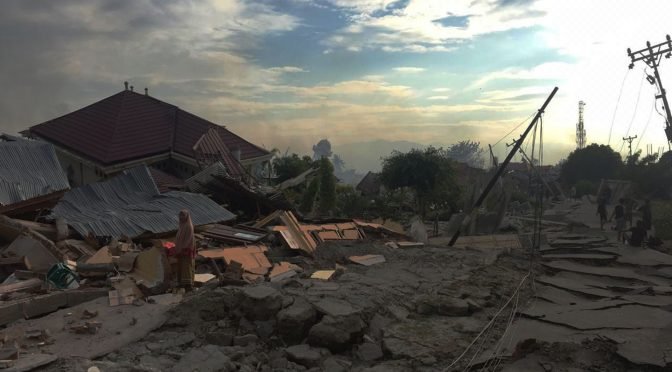
The Sulawesi Earthquake  forced 70,000 people into homelessness, after the devastating 7.7 magnitude earthquake and massive tsunami in Central Sulawesi, which took place on Friday the 28th of September 2017.

Reports from Indonesia reveal over 2000 people have been confirmed dead, over 10,000 injured, over 800 are officially reported missing.

Islamic Relief on the ground 

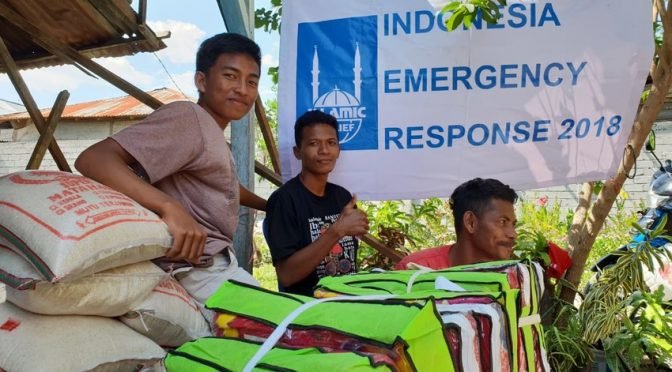
IRAUS has been on the ground supporting work in Indonesia since 2000, delivering humanitarian and development activities. Our partner, Islamic Relief Worldwide in Indonesia, is already responding in Earthquake-affected Lombok, and is now assessing and responding to immediate needs in Sulawesi. 

The relief efforts in Palu and Donggala are focused on supporting more than 400 affected-families (2,000 people) with life saving medical help, food packs, drinkable water, temporary shelters, sanitation and hygiene kits, as well as temporary latrine equipment, and establishing safe learning spaces for school children until schools can be rebuilt. 

10.10.18

Sulawesi Indonesia Earthquake & Tsunami Emergency Update

  News

Sulawesi Earthquake & Tsunami Emergency Update 

The latest reports from Indonesia reveal almost 2000 people have been confirmed dead, over 10,000 injured, over 800 are officially reported missing.

The Sulawesi Earthquake has forced 70,000 people into homelessness, with strong aftershocks continuing to rock the area, following a devastating 7.7 magnitude earthquake and massive tsunami in Central Sulawesi.  Sadly, although thousands are feared to be buried beneath rubble, authorities are preparing to officially end the search for those buried under rubble in the hardest hit neighbourhoods.  

Roads, bridges, homes, schools and medical facilities have been destroyed by the natural disaster, leaving over 200,000 people in desperate need of humanitarian assistance in the form of clean water, fuel, food, clothing, and sanitary and hygiene kits.  

There are increasing reports of violence and looting of markets and local businesses in the affected areas, and public health is continuing to be a major concern, with lack of access to clean water and food.

The most common diseases presenting to health posts are diarrhoea, fever, influenza-like illnesses and trauma injuries. The risk of increased transmission of vector borne diseases such as malaria is in the coming weeks, due to expected heavy rainfall.  Over 21 health and medical facilities have been affected by the earthquake, leaving many without general medical services, including children and pregnant women requiring maternal services.

Following the disaster, there is an urgent need for mental health and psychosocial services support for those affected.  

Rescue efforts continue to be undertaken however challenges are being faced in the form of difficulty accessing areas due to damaged roads, risks of landslides and mudslides, and lack of access to electricity.  

Islamic Relief on the ground 

IRAUS has been on the ground supporting work in Indonesia since 2000, delivering humanitarian and development activities. Our partner, Islamic Relief Worldwide in Indonesia, is already responding in Earthquake-affected Lombok, and is now assessing and responding to immediate needs in Sulawesi. 

The relief efforts in Palu and Donggala are focused on supporting more than 400 affected-families (2,000 people) with life saving medical help, food packs, drinkable water, temporary shelters, sanitation and hygiene kits, as well as temporary latrine equipment, and establishing safe learning spaces for school children until schools can be rebuilt. 

IRAUS is initially seeking to raise $100,000 AUD for the immediate response in supporting those affected by the Sulawesi Earthquake.  Our IRW Emergency Appeal document is currently being finalised and will be available via our website shortly. 


10.04.18

Indonesia Earthquake Leading to 1,400 Deaths

  News

On Friday 28th September 2018 a tsunami, triggered by a 7.5 earthquake, hit Sulawesi in Indonesia. This was followed  by a volcanic eruption nearby which took place on Wednesday 3rd October 2018

The number of deaths claimed by the disaster has sky-rocketed from 45 to 1,403 deaths in the last six days. At least 100 individuals are missing, followed by 150 people buried underneath debris.

Series of aftershocks and landslides have had an immediate and a long term impact on markets, businesses, roads and infrastructure. In Palu, a city in Sulawesi, Indonesia, over 85% of homes have been completely destroyed and the remaining number of standing homes are too dangerous for residents to return to.

Volcanic Eruption four days after Quake

Mount Soputan erupted on Wednesday morning and spewed 4,000 metres of fire and ash in the sky, in North Sulawesi. The Centre for Volcanology and Geological Hazard Mitigation in Indonesia, has set up a restricted radius zone between 4 to 6.5 kilometres.

Due to the massive losses and widespread destruction of homes, communities are lacking in personal hygiene items, clothing and food. This is resulting in reports documenting cases of fever, coughs, diarrhoea and itchy skin. 

In the next few days, mass graves are being prepared to bury the dead.  Families have lost everything. Thousands of homes have collapsed and power and communication lines are down. In the aftermath of the disaster, rescue efforts have begun though access is a major challenge.

Islamic Relief in Indonesia

Islamic Relief is currently working with local partners in undertaking an immediate emergency response and reaching those affected by the disaster. Islamic Relief has been working in Indonesia since 2000 providing critical aid to communities in need.

Following the tsunami, we’ll be focusing on providing emergency lifesaving aid which can include food, medical assistance and blankets.

As communities have been torn apart, your donations will enable us to provide critical relief in this time of crisis.

10.01.18

Indonesia Tsunami Claims Over 1,400 Lives

  News

On Friday 28th September 2018 a tsunami, triggered by a 7.5 earthquake, hit Sulawesi in Indonesia.

It is reported that more than 1,400 people have been confirmed dead, and these numbers are sadly expected to increase when new information becomes available, as some areas are still inaccessible. It is estimated that over 750,000 people are exposed to the effects of the earthquake.

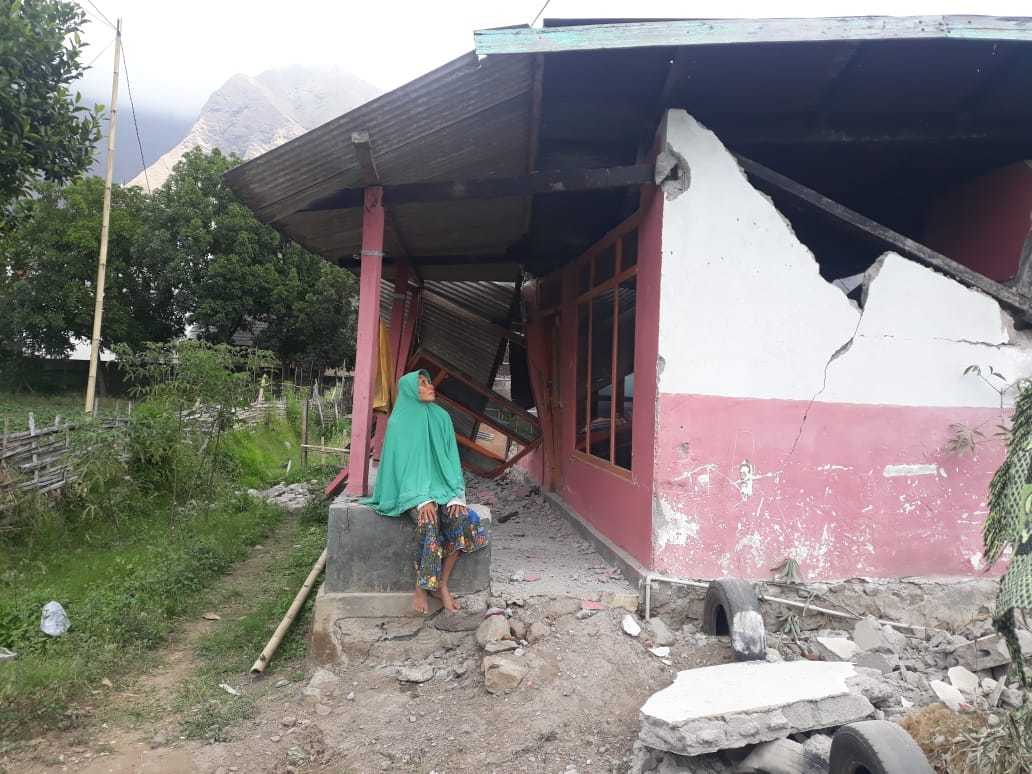
A lady with her damaged house – (Source: IR Digital – www.irdigital.org)

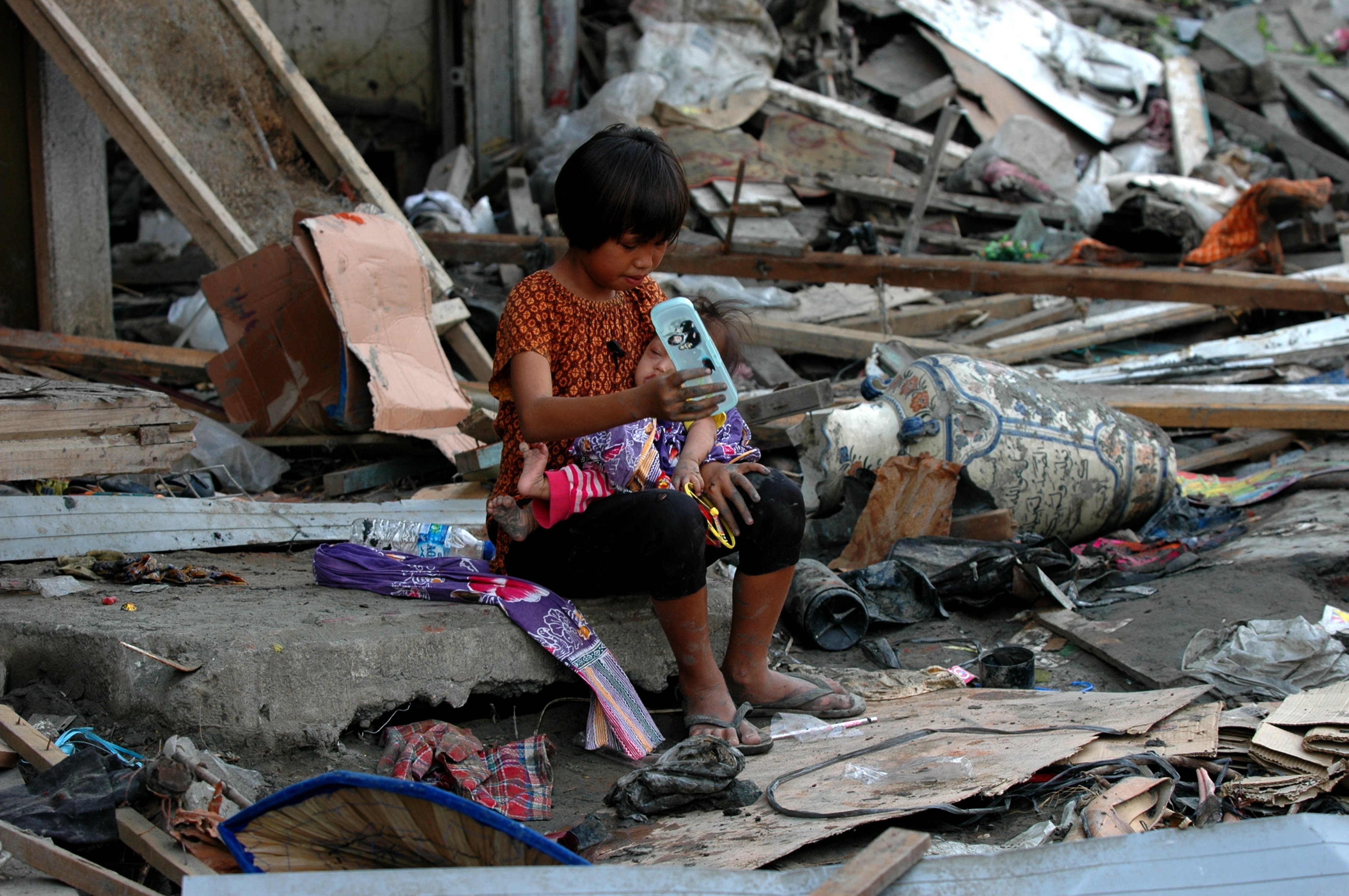
Families have lost everything. Thousands of homes have collapsed and power and communication lines are down. In the aftermath of the disaster, rescue efforts have begun though access is a major challenge.

For families whose loved ones are missing, the real magnitude of the disaster is yet to be known.

Islamic Relief on the ground

IRAUS has been supporting work in Indonesia since 2000 delivering humanitarian and development activities. Our partner, Islamic Relief Worldwide in Indonesia, is already responding in Earthquake-affected Lombok, and is now assessing and responding to immediate needs in Sulawesi.

The relief efforts in Palu and Donggala will focus on supporting more than 400 affected-families (2,000 people) with life saving medical help, food packs, drinkable water, temporary shelters, sanitation and hygiene kits, as well as temporary latrine equipment, and establishing safe learning spaces for school children until schools can be rebuilt.

IRAUS is initially seeking to raise $100,00 AUD for the immediate response.  Our IRW Emergency Appeal document is currently being finalised and will be available via our website shortly.

09.20.18

The Damage by Typhoon Mangkhut is estimated to cost Philippines at least 364 Million

  News

Typhoon Mangkhut has resulted in 550,000 families in potential need of humanitarian assistance, according to the UN. Millions more may be impacted by flooding.

Mangkhut was the strongest storm anywhere on the planet in 2018. It carrying gusts of 320 km/h before it made landfall in Cagayan province early in the hours of Saturday morning.

Humanitarian Costs of Natural Disaster

As the winds and rains begin to recede, the true extent of the damage caused by Typhoon Mangkhut is only just starting to come to light. More than 81 dead and dozens are missing. Thousands have been left homeless and acres of farmland submerged under water.

Typhoon Mangkhut, a grade 5 typhoon, lashed into the Philippines early morning on Saturday the 15th of September.

Over 1 million families have been affected by the Typhoon, according to the National Disaster Risk Reduction and Management Council (NDRRMC).

According to the Department of Agriculture (DA), the estimated damage to agriculture nationwide is 14.3 billion Philippine Pesos which is equivalent to 364 million Australian Dollars.

An Islamic Relief team, has been on the ground assessing the damage in Cagayan and Cordillera Region. The team has reported isolated communities receiving the hardest hit. Poorly built homes crumbled in the face of winds raging  241-kilometres-per-hour.

Fears are especially high for those living in rural areas, as roads are still blocked due to landslides and flooding. It is estimated 193,000 people are staying in 1,900 evacuation centres.

Field Response

Maryann Zamora, Islamic Relief’s rapid assessment team leader, says that many families feel helpless. They feel like they are in a never-ending cycle of devastation with typhoons in the region growing ever stronger.

“People have lost their homes, their crops and in extreme cases their loved ones. What makes it worse is that families here had only just started recovering from Typhoon Haima. Another Cat 5 storm, which wreaked havoc here two years ago – and now they are back to square one.

Farms they fought to bring back to life are once again devastated, their crops destroyed, their livelihoods and futures at risk. Everyone knows it is no longer a question of if, but simply when, they will be hit again.

This is the third time in ten years that I have had to come to the region of Cagayan in the wake of a disaster. The people here are no strangers to pain and they are extremely resilient. Every time they pick themselves up and start again. But as super storms become fiercer and more frequent, this just keeps getting harder and harder.”

Islamic Relief  continues to assess the needs of families and extent of damage brought by Typhoon Mangkhut in close coordination with other aid agencies, the UN and the government. Local communities will require support in restarting agricultural activities.

08.01.18

Earthquakes Seven Days Apart in Indonesia Take Over 100 Lives

  News

Emergency Update Tuesday 7th August 2018

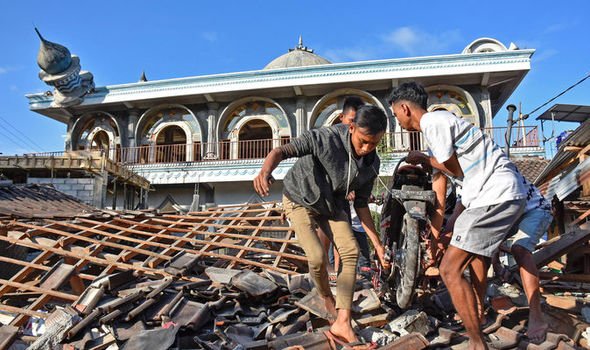
Before 10pm on Sunday a 7.0 Magnitude (RS) Earthquake hit Lombok following the 6.4 (RS) Earthquake that took place 7 days earlier. Over 100 lives have been lost in the last week and thousands of individuals have been displaced.

Image Source: Reuters
Image Source: EPA

The earthquake lead to residents and tourists to flee to higher grounds when a tsunami warning was issued. The warning was removed a few hours later.  The quake has caused damage to infrastructure including hospitals. In Despansar, Bali, a local hospital transported patients outside due to power cuts and damage to operations.

Islamic Relief and local partners are in Lombok providing immediate relief and emergency services to groups affected by the deadly quake.

Indonesia’s National Board for Disaster Management announced numbers of people who have been died and injured by the quake are only expected to increase.

Aulia Ahmad— AFP/Getty Images [/caption]


Islamic Relief Indonesia sent its emergency response team to the affected areas in East Lombok after the first earthquake which had taken place on the 29th of July. During the week, IR Indonesia joined with local partner KONSEPSI and conducted rapid needs assessment activities and distributed immediate assistance. This included the distribution of tarpaulin, hygiene items, and food. Injured people were assisted by helping them reach local medical centres or hospitals.

Whilst there are many International and local humanitarian organisations coordinating their relief activities on the ground, Islamic Relief has identified gaps that need to be urgently addressed.

Islamic Relief will procure and distribute hygiene and sanitation items. Other support include supporting medical checks for the most vulnerable people, and help them to recover from the effects of the disaster.

You can contribute to our immediate Emergency Relief Responses by clicking here.

We respond immediately to human suffering. At the moments notice we organize funds, staff and resources to actively work in areas to support those in need.

07.12.18

Impact of War in Bosnia: Children Hurt Most

  News

The Bosnian War had serious consequences on the population. The war left coldly continuing to inflict trauma onto children, women and men.

In the last two decades, vulnerable groups of the Bosnian population are made up of children. According to UNICEF, an estimated 170,000 children in Bosnia and Herzegovina are poor. A 2015 study conducted by UNICEF found that the majority of children ages five to 15 are deprived of one or more basic life necessities, such as nutrition, educational resources and housing.

Simple actions one easily executes to combat the winter cold such as wearing warm clothes and turning on heaters is not an easily accessible service for Bosnian children and families in poverty. The absence of vital resources forces those in most-need to become vulnerable to winter ailments.

In order to support children, Islamic Relief selected children and gave them gift vouchers for winter clothing to keep warm during winter. Giving children independence and right of choice to choose the clothing they liked was important because it reduced the risk of children wearing the same items, appearing “uniformed” hence decreasing the likelihood of social embarrassment or potential bullying.

In addition to supporting families through the provision of clothing, Islamic Relief also provided firewood to the families who are taking care of the orphans.

The current government does not cater for systemic measures to overcome situations of severe poverty. Levels of unemployment are still widespread among the population.

The image below is of one of the recipients of the project, Dejan, Dejan currently lives in a shack with his mother. His mother had left an abusive relationship under two decades ago and married another man who would be Dejans father. Dejan’s father passed away when he was only six years old.

Our Winterisation Emergency Relief varies from country to country depending on the needs of the locals.

We are thankful to our donors in Australia and the field officers in Bosnia who were crucial to the execution of Winterisation. We were able to be able to provide firewood and warm clothing for our orphans to keep themselves warm.

06.22.18

World Refugee Day: We Can do Better Than This

  News

With over 71 million people being displaced the current level of resources to assist and protect refugees are simply not enough.

This World Refugee Day, we urge national governments to take meaningful actions to resettle a larger numbers of refugees, and collaborate with faith groups in welcoming them to their country. 

Islamic Relief’s report “The Needs for Justice and Protection for Refugees” highlights key policies and best practice to address gaps in refugee protection. Increased funding, increasing the numbers of refugees resettled, quality education provision, psycho-social support, addressing sexual and gender-based violence and xenophobia are amongst the wide ranging recommendations.

Elements of these recommendations have been conducted in countries such as Kenya and Lebanon.

In the Dadaab refugee camp in Kenya, Islamic Relief Worldwide is managing 18 primary schools which caters for over 50,000 children. Improving the level of education infrastructure to cope with the numbers of children has been a key priority, with training over 100 teachers with new teaching approaches, renovation of over 30 classrooms and providing over 2,500 girls with sanitary pads with guidance from qualified nurses to educate the girls on personal development and hygiene and opening the opportunity for continued schooling.


In Gaza, where 70% of the population are refugees, the focus has been the critical gaps in humanitarian support, such as supporting children under five, children with disabilities, renovating schools and providing a social safety net for the most vulnerable families due to the dire economic situation. The current blockade is limiting the access to basic food supplies, school uniforms, or even nappies. One family has even resorted to selling the food they do have to pay rent. The social safety net is there to provide essentials and even home appliances so that food can be kept and stored safely.

CEO of Islamic Relief Worldwide, Naser Haghamed said,

“Collectively as an international community we are failing refugees all around the world. This is a case where those countries that have the means to support refugees, need to step up and make a commitment to do so. This report shows Islamic Relief’s programmes have shown the wealth of human, cultural, spiritual and social capital that mosques and local faith communities offer to refugees. Governments aren’t expected to do this alone and faith communities can provide a faith sensitive approach to the resettlement of refugees in countries all over the world.”

You can find a copy of the report The Needs for Justice and Protection for Refugees here.

Islamic Relief has been responding to forced migration crises since its beginnings in 1984. It is currently assisting refugees and internally displaced people in 26 countries around the world.

Between 2015 and 2017, Islamic Relief supported over 1.3 million refugees through 140 projects in 26 countries.  The organisation delivers both immediate life-saving assistance to refugees, by providing food, medicine, shelters and clean water, and long-term interventions, for example enabling refugee orphans to attend schools or providing displaced widows with livelihood opportunities.


STAY INFORMED

  • This field is for validation purposes and should be left unchanged.

Quick Donate