02.27.21

Yemen: Urgent support needed

  News

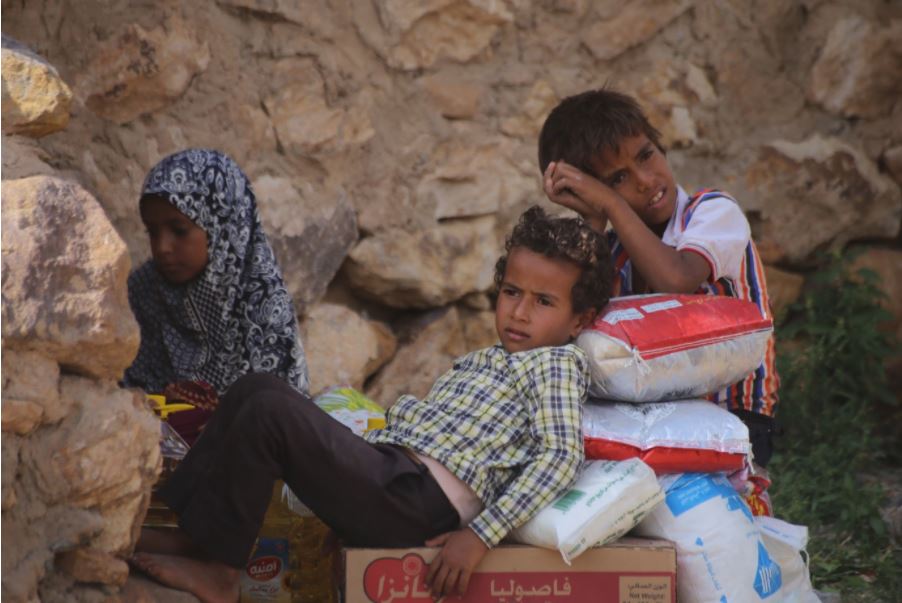
Six years since the outbreak of conflict in YemenYemeni men, women and children are struggling to survive. 

For local families, simply getting enough food to eat has become increasingly difficult across the country. People’s livelihoods have been destroyed by the conflict and opportunities to earn a living devastated by the fallout. With a lack of money and food, a staggering 9.6 million people are one step away from famine. 

With the ongoing impact of the war on local services and the economy, growing up in Yemen is immensely challenging. For babies and young children in particular, levels of malnutrition are incredibly high. This has increased with each year of conflict, and 2020 has seen the biggest deterioration in this situation. 

According to the latest figures from the Integrated Food Security Phase Classification (IPC) Acute Malnutrition Report, there are now fears that malnutrition is set to increase, with predictions that nearly 2.3 million children under the age of five will suffer from acute malnutrition this year. Of these, up to 400,000 are expected to suffer from severe acute malnutrition and could die if they do not receive urgent treatment. 

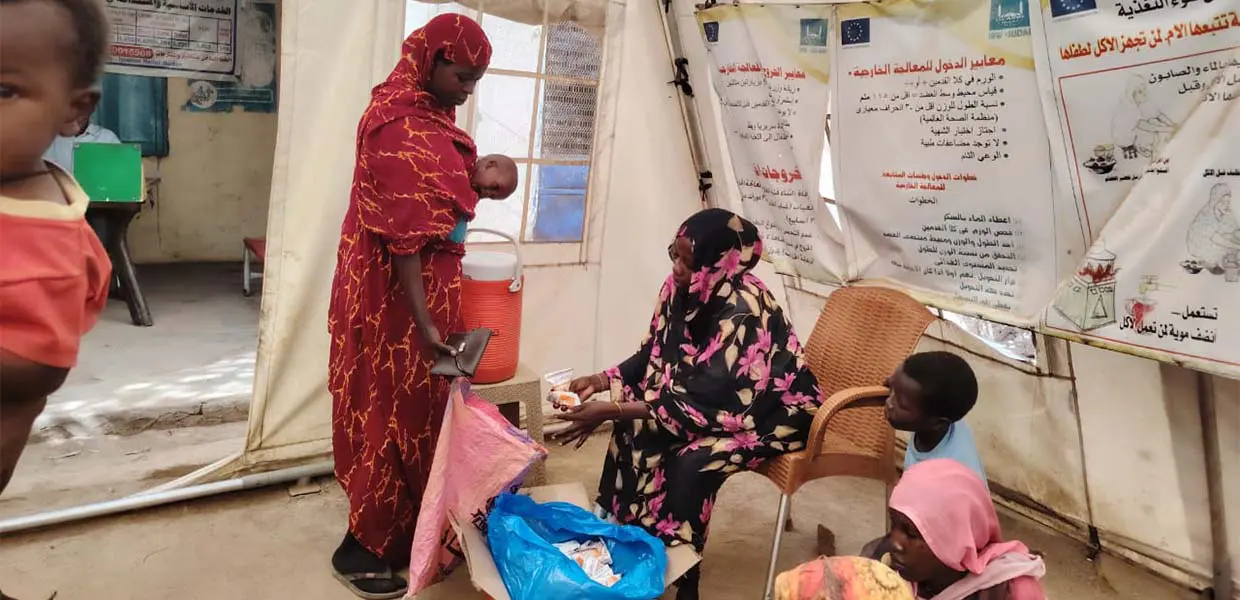
Islamic Relief is helping to reduce the effects of acute malnutrition among under five-year-olds and pregnant and breastfeeding women in refugee, internally displaced and host populations. 

We provide preventative and treatment nutrition services to 150 health facilities and in 484 food distribution points across Yemen. 

Yasmeen’s story 

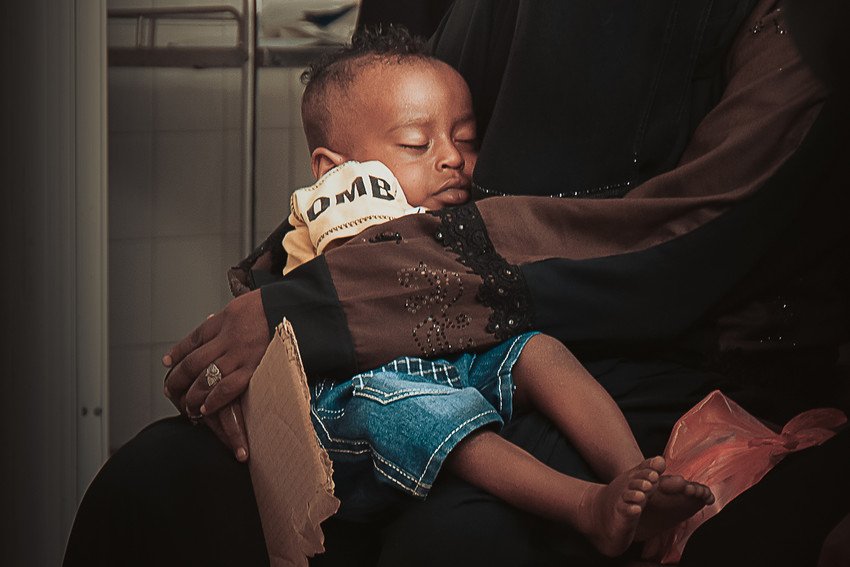
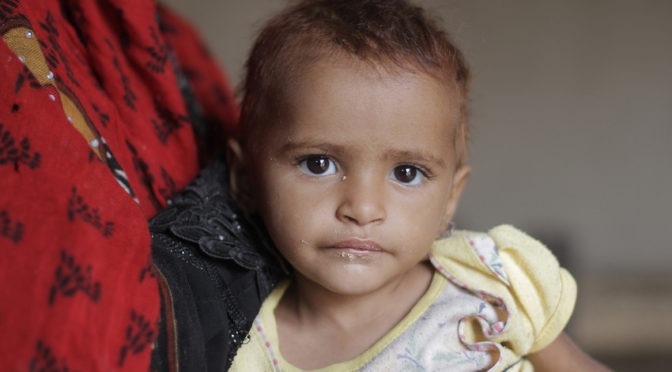
“When Yasmeen cries, I give her milk which is very diluted with water. I have no milk for her. I thought it was enough, however, she wasn’t getting the nourishment she needed and I nearly lost her,” says Layla, who describes how she could not breastfeed her 18-month-old daughter as a result of malnutrition. 

“My husband used to work in Saudi Arabia, but he came back to Yemen without a job, so we have no major source of income. This made our lives very tough. We had no basic necessities to feed our children, and if we were lucky, we would have one meal in the whole day.” 

“On top of this, we live in Althaher village which is very remote. We have to walk many kilometres to reach the health facility due to the fuel crisis. The ongoing war has meant our lives turned from bad to worse” says Yasmeen’s father. 

Yasmeen was admitted to an inpatient health clinic supported by Islamic Relief, where she was treated for severe malnutrition. She was given a course of antibiotics, as well as supplements which help children gain weight. As her condition began to improve, she was referred to Islamic Relief’s outpatient clinic, where she was regularly monitored and given the healthcare support she needed to make a full recovery. 

“My wife and I felt very hopeless and deeply sad when we saw Yasmeen struggling with poor health. Alhamdulillah now she is very healthy thanks to Allah and to the generous support of Islamic Relief. We thank them, and hope that they continue their support in order to save the lives of other children. Many children in Yemen are at the edge of death due to malnutrition and desperately need help,” says Yasmeen’s father. 

With the worsening food crisis in Yemen and fears of a very worrying future, we urgently need your help to increase our humanitarian support, which is helping to ease suffering for many children. 

With your support, we will be able to ensure vulnerable families have enough to eat, as many currently do not know where their next meal is coming from. 

Please donate now to help ease suffering in Yemen.  
07.29.20

Yemen: Providing essential nutritional support

  News

Yemen update: “I have difficulty getting enough food for my family,” says Ahmad. “Sometimes, I cannot provide even one meal a day. It has been very difficult for me to watch my children suffer due to lack of food.”

Due to the ongoing conflict in Yemen, hundreds of thousands of citizens are without jobs – including Ahmad. On top of this, the nutrition situation in Yemen remains alarming. An estimated 7.4 million people require services to treat or prevent malnutrition, including 4.4 million who are in acute need. This includes 3.2 million people who require treatment for acute malnutrition: two million children under the age of five and 1.14 million pregnant or breastfeeding women (Yemen Humanitarian Needs Overview – 2019).

With Ahmad’s family struggling with poverty, his 16-month-old daughter, Sumaia, had acute malnutrition until Islamic Relief intervened.

Once Sumaia was admitted to a health clinic supported by Islamic Relief, her treatment began and she was placed in a Targeted Supplementary Feeding Program. Since then, Sumaia’s health condition has improved significantly and her weight has stabilised.

“I am very thankful to Islamic Relief and their donors for providing such free services. You saved my daughter’s life and many others. Thank you so much,” says Ahmad.

What we’re doing to help

Islamic Relief is contributing to reduction of morbidity and mortality associated with acute malnutrition among under five year olds and pregnant and breastfeeding women in refugee, internally displaced and host populations. We provide preventative and curative nutrition services/interventions at health facilities and at community level targeting the most vulnerable groups in the community (children under the age of five, pregnant and breastfeeding women).

We need your support

The outbreak of COVID-19 has exacerbated the dire situation in Yemen, as almost 1,703* people have been confirmed to have the virus with 484* deaths and 840* recoveries. The pandemic is now at full blown community transmission while the health system is overwhelmed and now in danger of full collapse under the strain of COVID-19.

We urgently need your support to provide vital aid to those who do not have enough to feed their families and now fear the loss of their loved ones: Please donate here.

*Current as of 29 July 2020

07.08.20

Yemen: Islamic Relief pledges additional $10m

  News     Press Releases

Fears of mass rising levels of hunger in Yemen, fuelled by a deepening currency collapse and massive donor funding shortfalls, have prompted Islamic Relief to inject millions in emergency funding into the war-ravaged country, where the death rates for those testing positive for COVID-19 at 27 per cent are the highest in the world.

Islamic Relief Worldwide today announced it will provide an additional $10 million targeting food, WASH, nutrition and health programming, in an attempt to plug a small part of the massive funding gaps left by international donors’ inability last month to meet the UN’s $2.4bn fundraising target. Only half of this amount was pledged, with three-quarters of UN-backed programs facing cuts or closures in the coming weeks.

Prior to the cuts, Islamic Relief was working with the UN’s World Food Programme to deliver food packages to 2.3 million people every month. This has since been scaled back by 50 per cent with the same food pack, designed to provide enough food for a family for a month, having to last each family twice as long.

The shortfall comes even as the COVID epidemic has caused the health system to “in effect collapse” according to the UN.

Naser Haghamed, CEO of Islamic Relief Worldwide – who visited Yemen last year -said:

“The world’s worst humanitarian crisis is spiralling further into the abyss before our very eyes. What we’re seeing is a vicious cycle of violence, extreme poverty and hunger that we simply have not been able to break. The outbreak of COVID disease has only made things worse. Our teams are down to the bare bones in terms of both aid supplies and fuel.

“The UN is facing huge challenges to keep its partner aid organisations like Islamic Relief supplied with fuel for their operations. The UN’s World Food Programme is the lead logistics agency for the UN  in Yemen. It usually provides fuel for aid agencies during crises at a reasonable rate in the circumstances. But it is hugely challenging for them to continue to support all aid agencies at the same time in this way. And alongside this the ordinary citizens of Yemen, the small proportion of those who can afford it, have to queue for a whole day to buy a maximum of 30 litres of fuel at inflated prices.
The cuts come amidst a generalised spike in fuel and food prices which have risen by an estimated 20 per cent in the last three weeks alone, and 35 per cent since the COVID crisis intensified, leaving millions already on the brink of famine with even fewer places to turn. Islamic Relief’s field staff are using what little remains of their quota of fuel, at the moment, to carry on their operations on ground. They have an agreement with a private company to provide additional fuel in such crises.

Haghamed added:

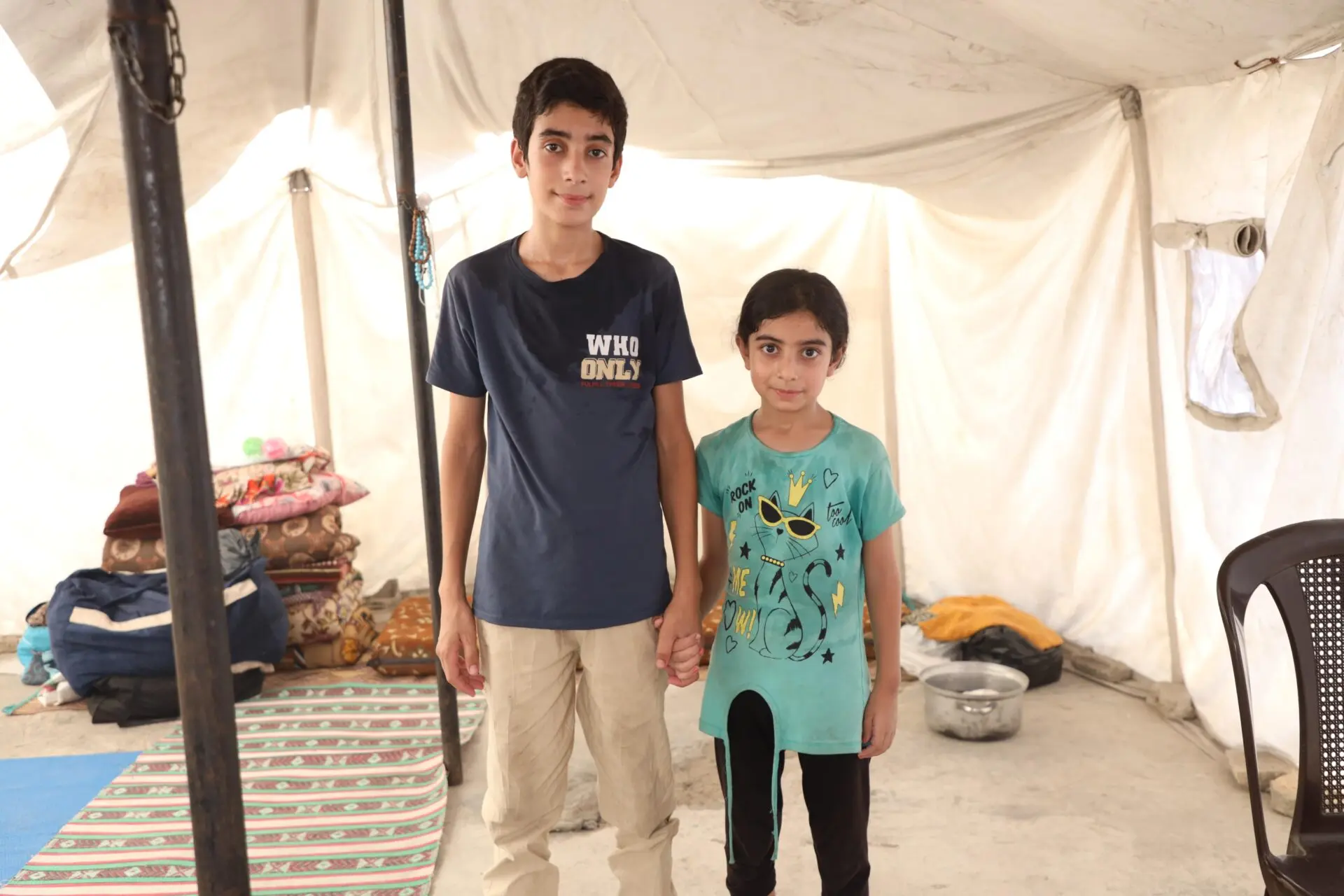
“The desperation is unimaginable. Grown men and women have been brought to tears because they don’t have food to feed their families. Some tell us they are considering suicide because they don’t know how to cope and the pain of watching their children slowly starve to death is too much. Everywhere you now see elderly, frail women reduced to begging for themselves and their families, but no one has any money left to give.”

With more than 80 per cent of the population already reliant on aid to survive, the COVID crisis has hit Yemen extremely hard.

Remittances from Yemenis living abroad are estimated to have declined by up to $10 bn while out of the more than 1,150 confirmed COVID cases there have been more than 300 deaths, meaning that those diagnosed have a less than one in four chance of surviving.

Islamic Relief’s Country Director in Yemen, Zulqarnain Abbas, said:

“While woefully inadequate testing is highlighting the impact of the pandemic to some extent, it is not showing what our teams fear is the true extent of the crisis. We know it has made it to overcrowded IDP camps and to some rural communities. But with access to proper healthcare extremely limited and very few isolation facilities operational, we just don’t know for sure how many people are being impacted

“Our teams are seeing first-hand not only the suffering of the Yemeni people but also the health workers struggling to provide support.

“They don’t have PPE equipment and say they face an impossible choice – to stay at home and keep their family safe, or go to work and risk getting infected because there is no PPE kit and there is very little testing so it is sometimes hard to know who is ill.

“Some have resorted to using their already limited salaries – almost exclusively paid by NGOs like ours since the health system completely collapsed earlier this year – to buy their own protective gear. But this does not leave enough to feed their families. The hunger crisis is truly touching every household and family, and the scars will be felt for years to come.”

“We’re doing everything we can to keep delivering aid despite the restrictions on the ground. Every day we circumvent checkpoints, administrative delays and flare-ups in violence to ensure aid still reaches those in need. With 325 staff and over 3,000 volunteers we have unique local knowledge that allows us to operate in 17 out of the country’s 22 governorates and ensures our staff are always on the front line of this crisis.” 

03.30.20

Yemen: Still praying for a lifeline

  News

Yemen

It has been five very long, frightening and sorrowful years since the lives of Yemeni citizens were quite literally turned upside down.

Today, the situation in Yemen is one of the worst humanitarian crises in decades. It is the world’s largest human-induced crisis and has seen armed conflict, displacement, risk of famine, disease outbreaks and severe economic decline.

Even before the escalation of the conflict in March 2015, Yemen was one of the poorest countries in the region. The many years of conflict have exacerbated this, leaving millions of Yemenis struggling to find food, water and basic health care.

After almost five years of intense conflict in Yemen, an estimated 24 million people (around 80% of the population) are in need of humanitarian aid to survive. This is more than any other country in the world.

Finding food security for Ahmed’s family

yemen

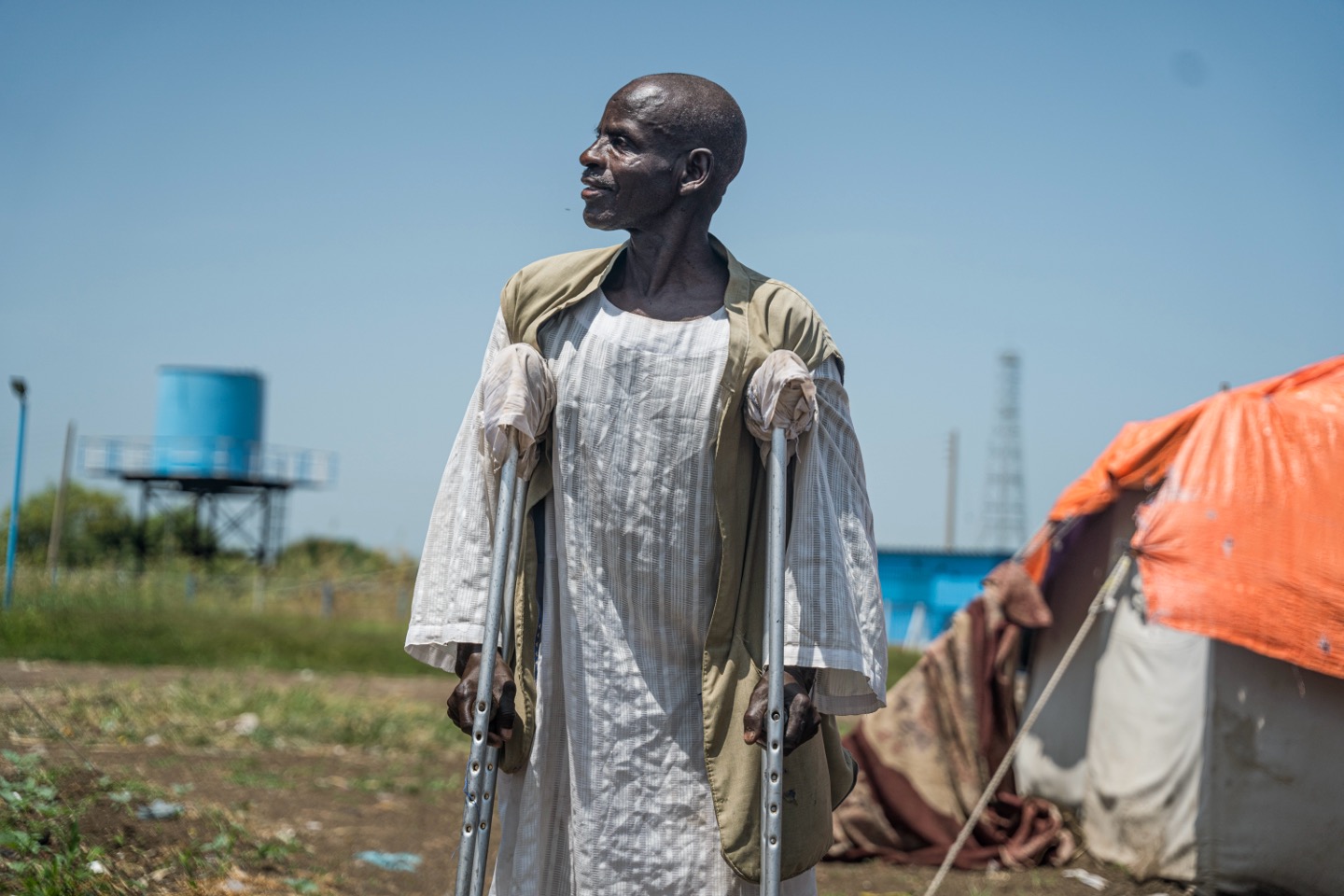
Ahmed Hussain Mor’ie is 55 years old, lives with a disability and has been unemployed for 18 years. Without any source of income, Ahmed and his family have been displaced from their home in Mandhar to Al-Hudaidah city, where the family of nine is forced to live in a rented one-bedroom house.

“While airstrikes were upon us, we managed to escape the village on the first day of Eid with only our clothes, walking long distances on foot and arrived at sunset unable to find transport to the nearest city, when a stranger showed kindness towards us and dropped us off”, says Ahmed.

What’s more, resources are extremely limited and the family struggle to meet their daily needs, which makes every aspect of life more of a challenge. When it comes to cooking, they struggle to find wood to light a fire and their only source of light at night comes from a single hand torch.

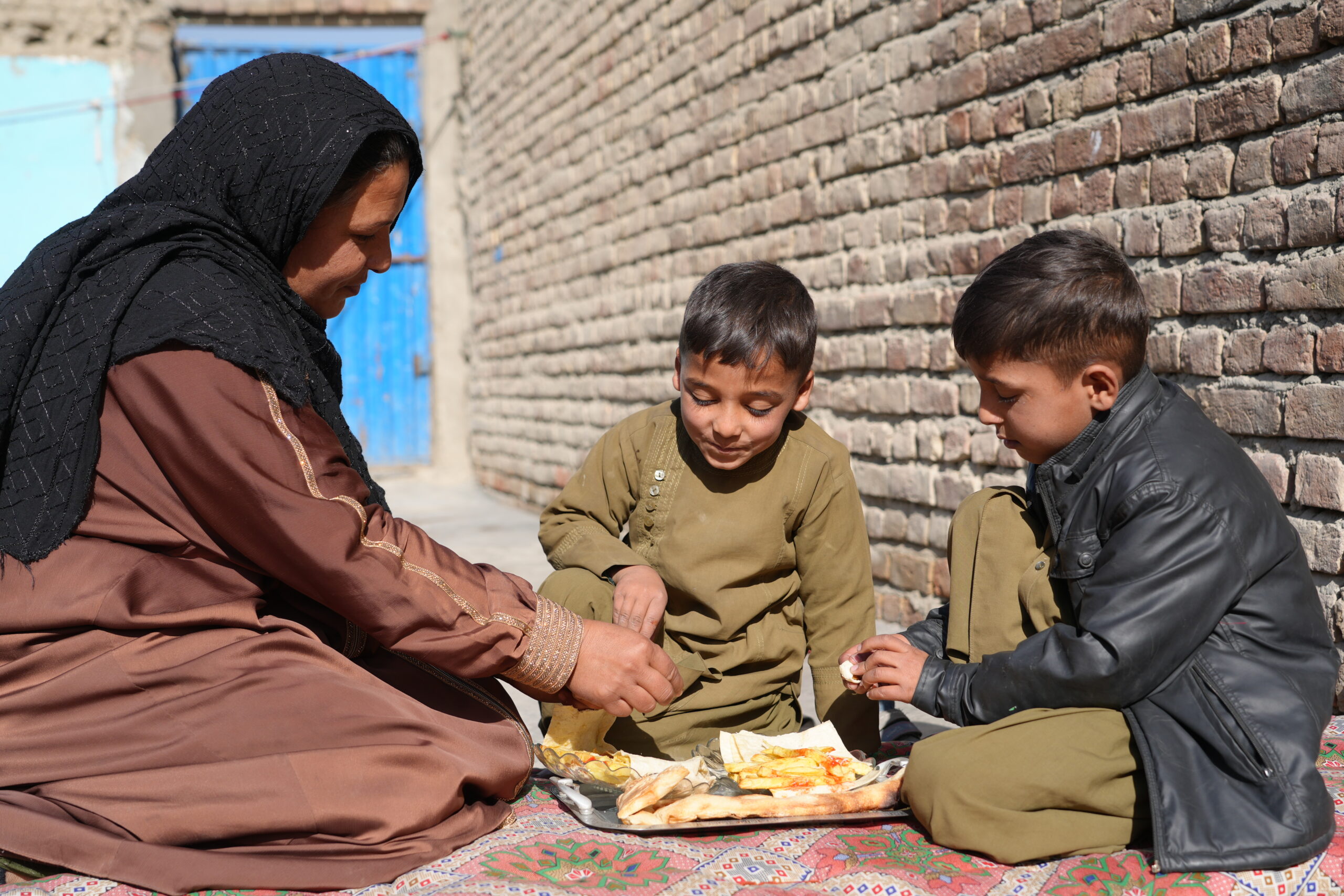
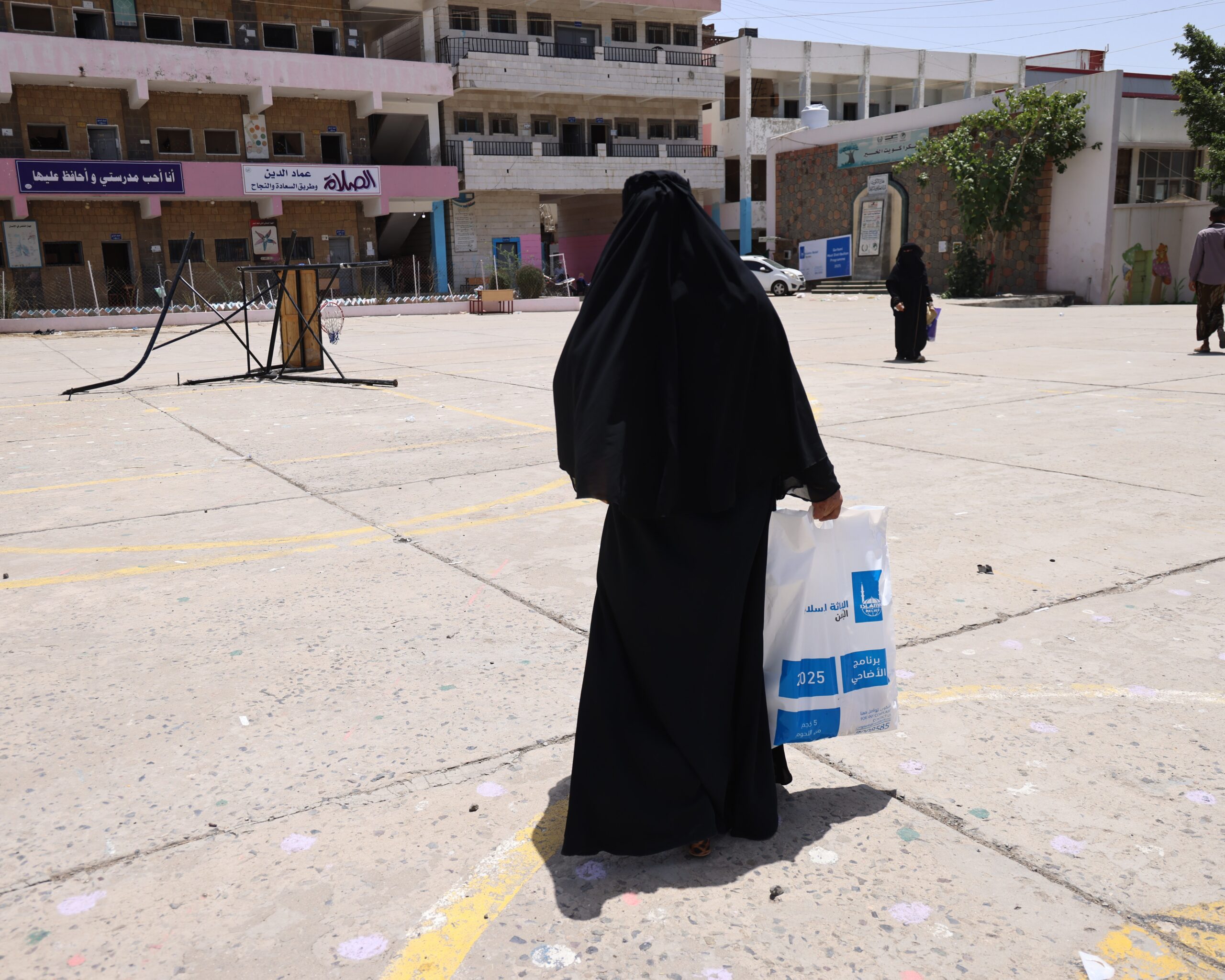
Working with the World Food Programme, Islamic Relief Yemen worked to ease Ahmed’s difficulties by providing his family with food packages every month. The packages, which consist of flour, beans, cooking oil, salt and sugar, are a lifeline for families like Ahmed’s. They’ve provided them with some security and hope for the future.

“The food we receive from this program is really helping us. Without it we would have been facing even more difficulties”, says Ahmed.

What we’re doing and why the world needs to be doing more

Islamic Relief has been providing an emergency response since the conflict in Yemen started. This work has reached more than 3.4 million people in 2019 alone, spanning across many sectors including food aid, water, sanitation and hygiene, nutrition and healthcare.

We’ve also worked hard to offer our help and support to orphans and to protect child welfare.

As a global family, we are working to combat the spread of Covid-19. Working with UN agencies and local authorities, Islamic Relief has supported 269 families in quarantine and provided 90, 000 families with sanitation facilities. For more information about the Islamic Relief family’s work in Yemen, please read this report.

There’s no doubt we still have a long way to go when it comes to supporting the people of Yemen.

We are in urgent need of a just and long-lasting solution to ensure that the people of Yemen finally see an end to their suffering. Help us to be a lifeline for these people by donating to our Yemen Appeal.

07.11.19

Thank you from Yemen! Qurban 2018

  Dhul Hijjah     News

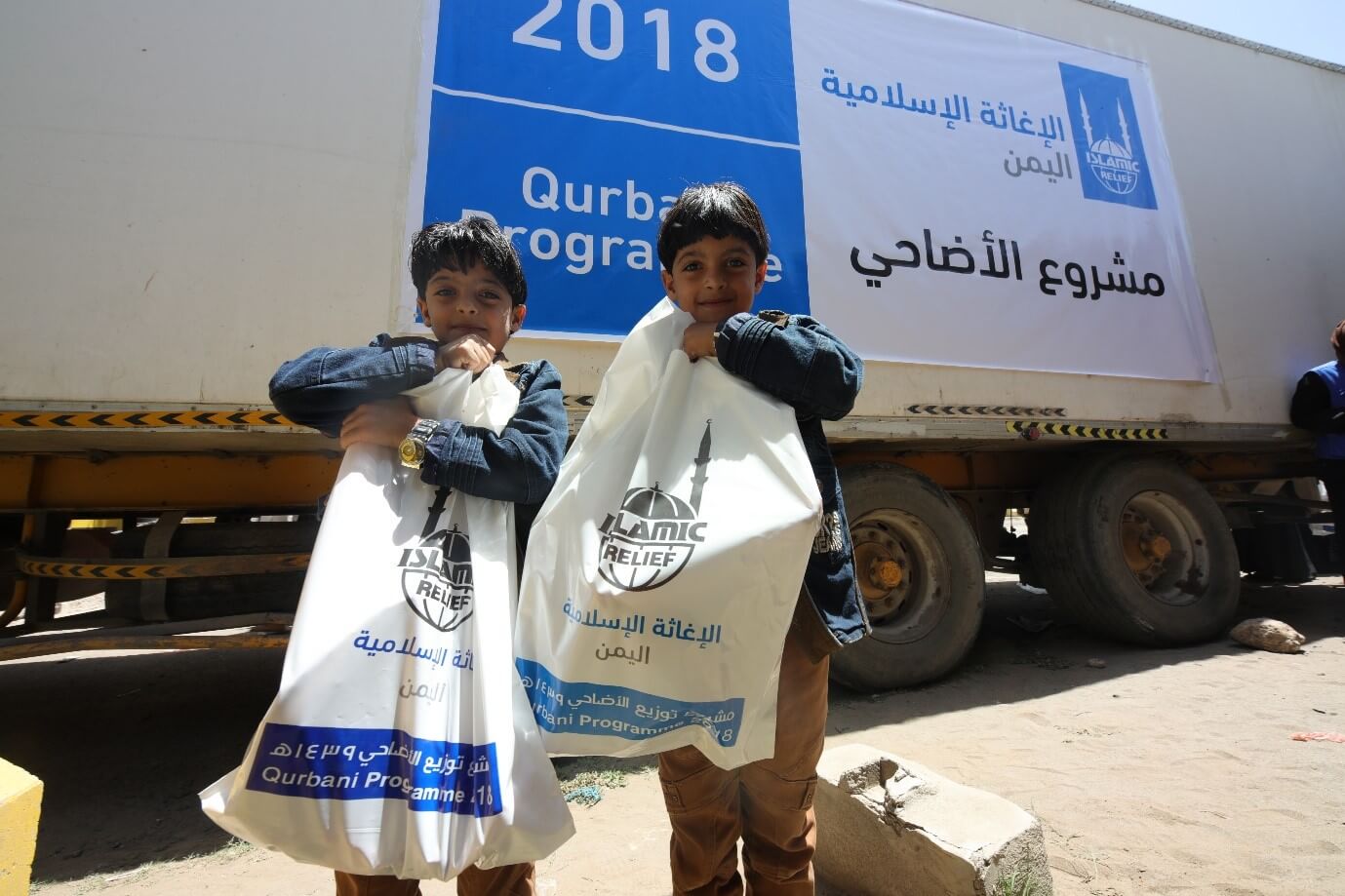
Nakhla’s seven-year-old twin boys, Jalal and Bilal, receiving meat packs during Eid al-Adha 2018.


Nakhla is a 35-year-old widow and mother of three young children from Yemen. Since losing her husband, the family breadwinner, seven years ago, Nakhla relies on loans from her family and neighbours as well as financial assistance from Islamic Relief to provide the basics for her family.

However, there are some days Nakhla still struggles to put nutritious meals on the table for her kids, often forgoing meat when she doesn’t have enough money for groceries.

“Lack of meat affects the health of my children…Most of the time we eat rice, potatoes and vegetables. If we lack the money we stay without food for one day or more. The hardest feeling [is] when my children go to school and they are hungry, I feel sad,” she says.

Last year, during Eid al-Adha, Islamic Relief provided fresh Qurban meat packs to Nakhla’s family and helped them make the most of the festive season. “The meat provided by Islamic Relief [was] enough for four days. My kids love meat and they become happy and enjoy Eid with their favourite dish…they [Islamic Relief] draw a smile in the faces of my children and other needy children.”

Remember, the charity you give today will be your legacy tomorrow. Give Qurban.

In 2018, Nakhla’s family in Yemen was just one of the many vulnerable families your gift of fresh Qurban meat helped during Eid al-Adha. With your generosity, we were able to create lasting memories for vulnerable families everywhere. This year again, they are relying on you to help make their Eid al-Adha a happy one.

05.08.19

Airstrikes destroy home of Yemeni orphans sponsored by Islamic Relief

  News

Already one of the poorest countries in the Middle East before the conflict escalated in March 2015, the Yemen War has now lead to what is now widely seen as the world’s worst humanitarian crisis. Extreme hunger is commonplace and many live in the shadow of starvation. Water is scarce. Basic but essential services have all but broken down. Livelihoods lie in ruins and children are growing up without access to formal education.

Home of Orphans Destroyed

Zakaria and Elham are two  Islamic Relief sponsored Yemeni orphans who have been supported since 2013. They are living in a very difficult situation due to the war especially because their home is located within a conflict zone.

In mid-April, the family woke up on the morning of a week day and left their home to complete their plans.  Zakaria and Elham went to their college for studies, their nephews and nieces went to the school, their older brother had gone to work and  their mother went to visit her daughter. Some of the other family members remained at home.

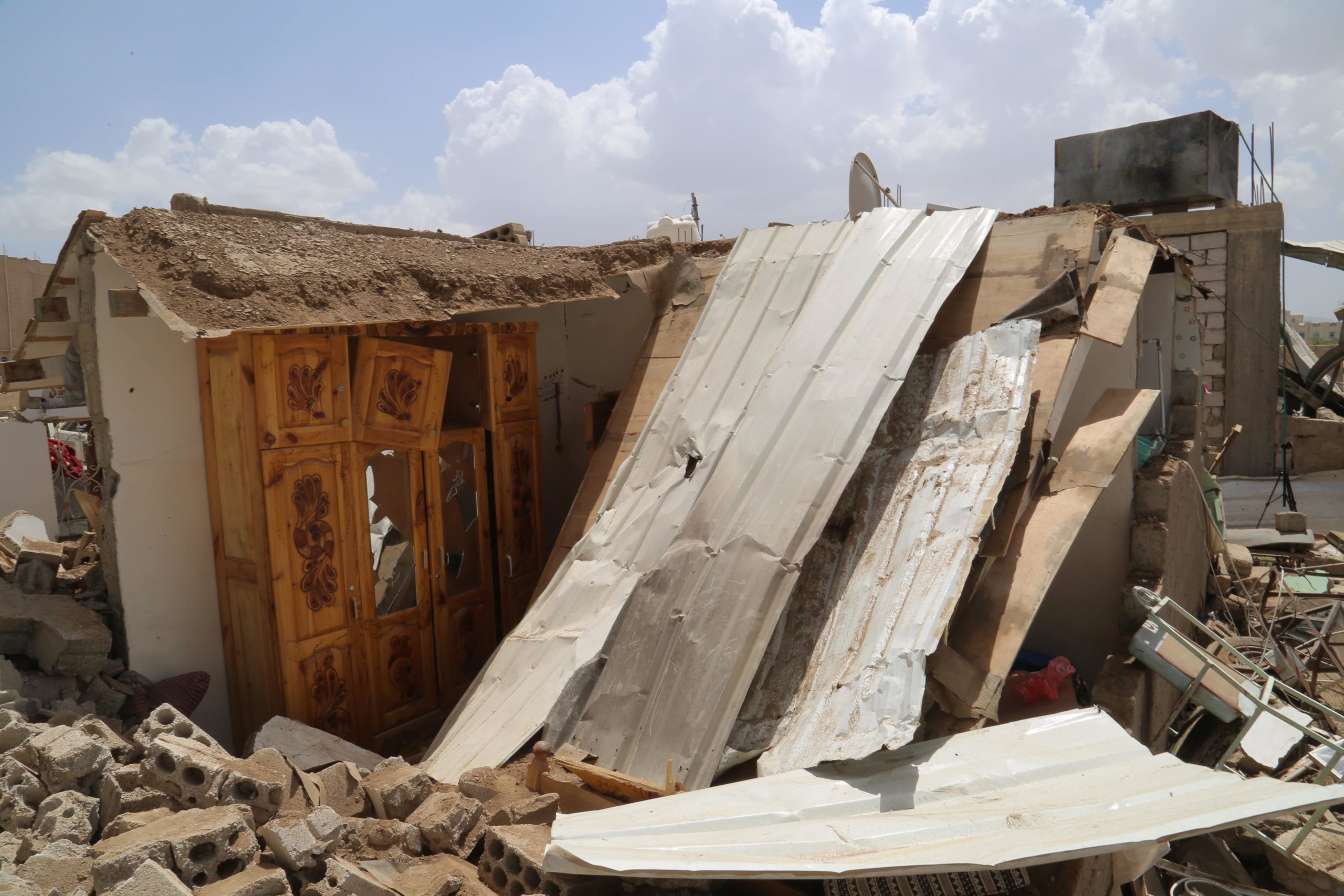
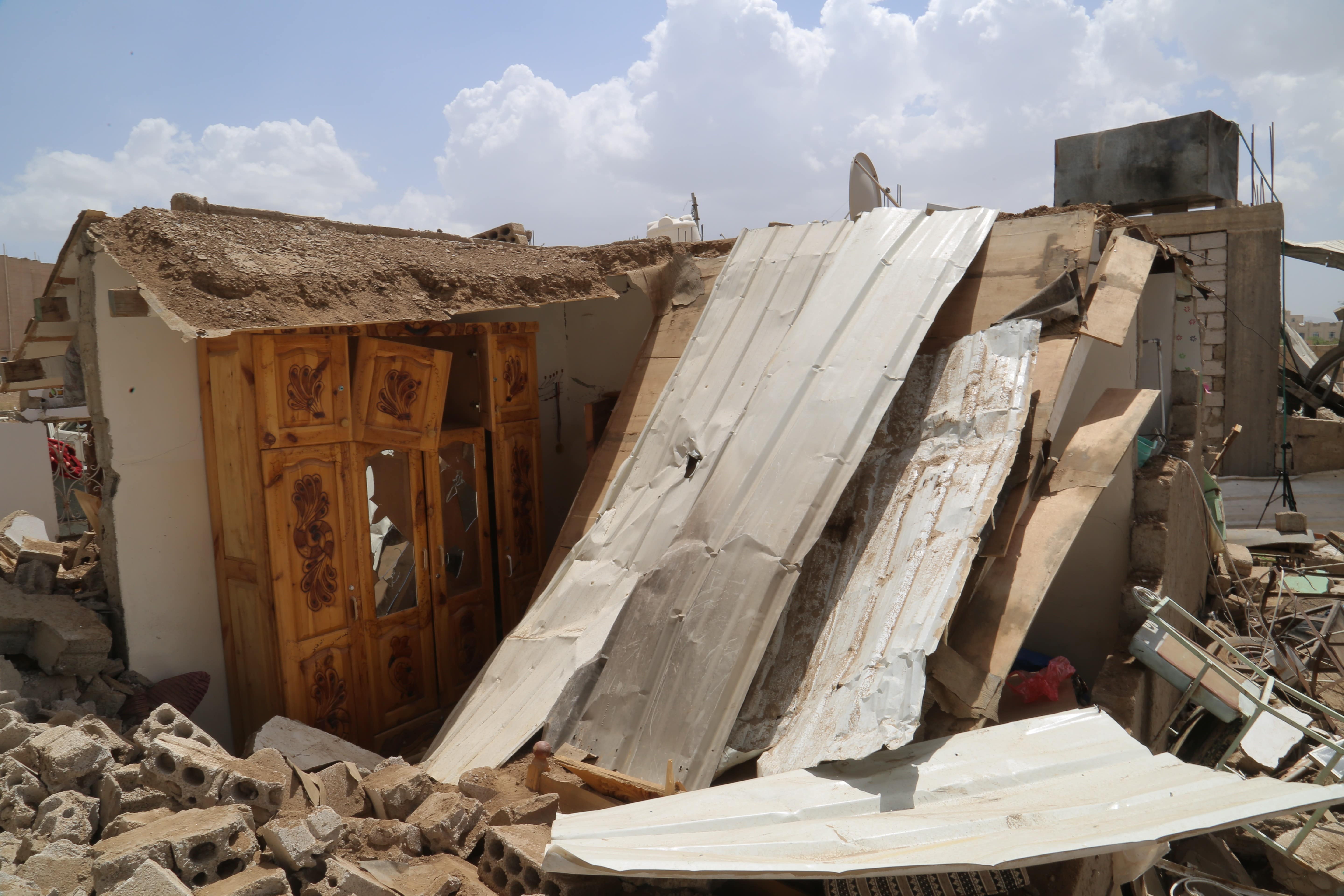
At around 10:30 A.M the store of weapons beside their home was  attacked by heavy airstrikes which caused a huge explosion. Their house is now completely destroyed and other houses in the same area were also damaged. Many were inside their homes when the airstrike occurred and later found themselves under the rubble. The ambulance and police came to get all family members out of the rubble and all of them are in good health alhamdulilah.

The mother had heard the sounds of the explosion as her daughter’s house is in the same area. She asked her neighbours about the sound and they responded that the explosion was beside her house. She became afraid and she harried up to her house.

When she arrived to her home she was saw that her entire home was damaged and instantly thought about the status of her daughters, sons and grandchildren.

The mother said, “There is No place to live in! No furniture, No ration, nothing! Everything is gone in few seconds!!”.

One of the older sons in the family used to work with motorcycles as a main source of income, unfortunately due to the airstrikes all of the motorcycles and equipment were damaged and and are now useless.

As the war grinds mercilessly on, the people of Yemen need your help today more than ever. With your support, we can continue to provide the lifeline they so desperately need during the Yemen War. Please donate to our Yemen Crisis Appeal now. 

03.27.19

Yemen War Enters its Fifth Year | Hunger and Fear for Millions

  News

The Yemen War enters its fifth year as hunger and fear for millions grows amid a brutal war, food insecurity and human suffering.

On the ground in Yemen as the country enters a fifth year of fighting, Islamic Relief has renewed calls for world leaders to act to end the suffering.

Already one of the poorest countries in the Middle East before the conflict escalated in March 2015, the Yemen War has now lead to what is now widely seen as the world’s worst humanitarian crisis. Extreme hunger is commonplace and many live in the shadow of starvation. Water is scarce. Basic but essential services have all but broken down. Livelihoods lie in ruins and children are growing up without access to formal education.

“For the last four years, the people of Yemen have been held hostage to bombs, bullets and been forced to endure a near total collapse of basic services such as health and sanitation which have claimed tens of thousands of lives,” says Islamic Relief’s head of mission in Yemen, Muhammad Zulqarnain Abbas.

“As the conflict has lurched on and on, it has trapped families in an impossible situation of having to choose between feeding themselves or their children.”

The Yemen War has resulted in over 18 million people in need of basic healthcare.

No respite from war or hunger

Some 80% of the population have been affected by the Yemen war.

In one province after another, schools, factories, hospitals and farms have been destroyed. Some rural communities have for years been cut off from the outside world. The capital, Sanaa, has been repeatedly bombed and shelled. Roadblocks and restrictions in Taiz have pushed food prices to dangerous highs, whilst the sounds of battle have become the backdrop to life in Hodeida, where civilians fear the fragile ceasefire may not hold.

Juma’ah Quhri and her family fled the fighting but are still struggling to survive.

Grandmother Juma’ah Quhri is from Mandhar, now the frontline in the conflict. In June she fled with her son, who is a teacher, and her eight grandchildren.

“When the clashes arrived in our neighbourhood, we did not think to take anything with us and we fled with just the clothes on our back,” Juma’ah said. “Our houses were destroyed after we left the village.”

Now the family live in one room in Hudaydah. The children sleep in the hall, and instead of going to school they try to earn money to pay rent and buy food. Ahmed Mor’ie, also from Mandhar, is also struggling to feed his family after leaving behind his livelihood.

“My daughters were hiding under beds during the fighting, afraid they wer going to be hit,” he said, describing the day he fled with his family. “While people celebrated Eid we fled our house barefoot.

“After we fled our house, it was hit in the fighting and our belongings were stolen, but we are happy that we are still alive.”

Despite the fact that his village remains the frontline, and violence in Hudaydah continues in violation of a peace agreement signed in December, two of Mor’ie’s children were forced to return to the village a month ago, to fish: the family’s only source of income.

“We have been suffering since we left our house and we are struggling to stay alive. I hope to get food for me and my family and hope to return to my house in Mandhar as soon as the warring sides agree and stop the war.”

Sadly, there are millions more people like Juma’ah and Ahmed who are suffering in the war-torn country.

In 2019 the Yemen War has created a huge and growing demand for basic water and hygiene services.

Islamic Relief is on the ground in Yemen

Islamic Relief has been working in Yemen for over 20 years, and has continued its lifesaving work on the ground throughout the catastrophic conflict. With offices in Sanaa, Hodeida, Sa’ada, Amran, Raymah, Aden, Marib, Dhamar and Taiz, our incredible staff and volunteers provide critical humanitarian aid, often at great personal risk. Earlier this year, a stray bullet took the life of an Islamic Relief aid worker.

Working in 17 governorates, including in very remote areas, last year alone we assisted more than 2.6 million vulnerable people.

Thanks to your support, during the Yemen War we treated malnutrition, enabled families to rebuild livelihoods, provided clean drinking water and basic sanitation services and hygiene items – and made sure orphaned children received sponsorship to meet their basic needs.

We are now stepping up food distributions across Yemen and alongside the World Food Programme, will deliver much needed food supplies to 2.2 million people every month – up from 1.8 million that we were reaching previously.

Ongoing clashes in the Yemen War has caused major damages in civilian infrastructure leading to loss of homes.

More humanitarian aid and an end to the crisis urgently needed

Ahmed Mor’ie wants the war to stop, to be free from hunger, and to return home.

Islamic Relief is determined to carry on doing all we can to ease the suffering in Yemen, and recently pledged to spend $7.6 million on humanitarian efforts in the war-torn country. However, we know this is a fraction of what is needed and so we are renewing calls for world leaders to provide aid to Yemen – and to bring about a total ceasefire and peace talks that end this devastating crisis.

“After four years of war, an estimated 24 million people need humanitarian aid or protection – including a staggering ten million people are at risk of starvation. These are big numbers, almost impossible to comprehend,” adds the Yemen head of mission, Muhammad Zulqarnain Abbas.

“Every day, Islamic Relief aid workers and volunteers see the ordinary people who make up those extraordinary numbers. They are men, women and children who want nothing more than to live in peace and rebuild their shattered lives. An end to this horrendous suffering is long overdue.”

As the war grinds mercilessly on, the people of Yemen need your help today more than ever. With your support, we can continue to provide the lifeline they so desperately need during the Yemen War. Please donate to our Yemen Crisis Appeal now. 

02.27.19

Islamic Relief Worldwide Pledges $7.6m For Yemen

  News     Press Releases

Addressing a high-profile pledging event for Yemen held in Geneva on Tuesday the 26th of February, Islamic Relief CEO Naser Haghamed  spoke movingly about what has become the worst humanitarian crisis in the world today.

“For the last four years, the people of Yemen have been subjected to a brutal cycle of violence, displacement, starvation and death,” he will tell the event in Geneva, which is hosted by the United Nations and the governments of Switzerland and Sweden.

“Almost all vital services and the economy have completely collapsed. Accessing even basic food staples like flour has become an unaffordable luxury for millions of people.

“Our staff have seen grown men carried into food distribution centres because they are too frail to stand and have grown delirious from thirst and hunger.

“Every single day we see hundreds of mothers bring their malnourished children into feeding centres, so weakened by hunger and preventable diseases like diarrhea that they are not sure if they will make it through the day.

“The needs are so huge that our staff are often working 18 hours a day, seven days a week, just so that at least some of these children who come in too weak to cry or even move will be given a fighting chance to recover.”

Two thirds of Yemen’s districts are at risk of famine, and some 15 million people are at risk of starvation.

To address this huge and unrelenting need, Islamic Relief will commit to spending $7.6million of the money donated to us by families worldwide to help the people of Yemen.

But sadly this is only a fraction of what is needed with the UN calling on the international community to provide $4 billion worth of aid to Yemen in 2019.

Islamic Relief staff working in Yemen face grave personal risks

With more than 75 per cent of Yemen’s population – some 24 million people – in need of humanitarian assistance, Islamic Relief is on the ground in the conflict-torn country. We deliver shelter materials and healthcare and work with the World Food Programme to distribute food to almost two million people every month.

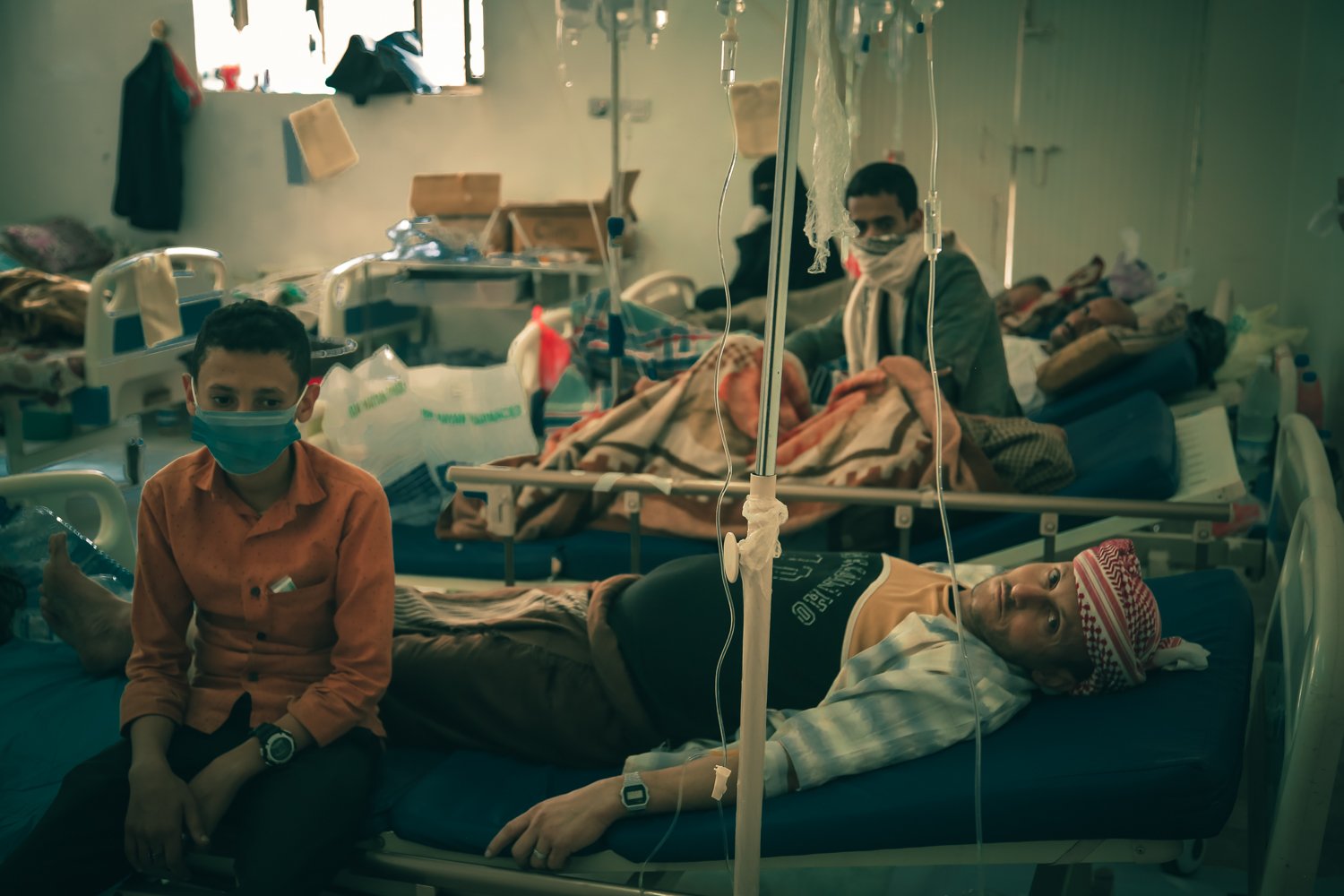
Responding to the cholera humanitarian situation in Yemen 2017

We work in 19 out of 22 governorates but to provide the life-saving aid that is so desperately needed in Yemen, our staff and volunteers face grave personal risks, Naser Haghamed will emphasise.

“Our battle to get aid to people who need it most is hampered every day by the extremely fragile security situation and the lack of humanitarian access. Last month, one of our aid workers was killed by a stray bullet while trying to deliver aid. He had simply stopped at a garage on the side of the road to change a tire, but in Yemen even the simplest of every-day tasks can prove deadly.”

More is needed to give hope to the people of Yemen

Until the security situation improves, our aid workers will be left fearing for their lives on a daily basis. This is why, in addition to lifesaving aid,  Islamic Relief’s CEO will urge the international community to take additional steps to stem the crisis.

“To stop Yemen from starving today, donors should also use their influence on parties to the conflict to ensure that our aid agencies have full, unfettered access to people in need.

“I call on all of you to do whatever you can to expand the fragile ceasefire throughout Yemen, do whatever is needed to ensure it is enforced and come together to seek a lasting political solution that will give the people of Yemen hope and dignity once again.”

With your support, we can continue helping vulnerable people in the war-torn country.

11.30.18

The Yemen War is breaking the people, Our Project Coordinator reports

  News

A message from our Salem Jaffer Baobid, the Islamic Relief Yemen  project coordinator in al-Hudaydah regarding the Yemen War: 

The last few months of 2018 we have seen the worst of the Yemen war. Death, famine and starvation is devastating the lives of families and their children. Fighting in many areas continues to result in the loss of lives and damage of infrastructure.

Last night there was fighting again, and I could hear bombing and heavy shelling in the direction of the port. The last few days have been quieter, but no one here really thinks that this will last. No one has faith in the peace process or believes that it will succeed. Islamic Relief has been using the lull to stockpile emergency supplies, mainly food rations, in the city.

We are hoping for the best – but know that we have to be prepared for the worst. If the fighting resumes and the city is cut off, it will be a living nightmare. I fear we will soon see an escalation and a further deterioration, which will be catastrophic.

People literally have nothing left. They have long ago sold jewellery and furniture. You walk into peoples’ homes now and their living rooms are empty. They will have just kept the very basics, mattresses, sheets and some clothes. Even the bed frames have been sold.

Middle class families who once had businesses, have become paupers and are now completely reliant on food aid. The other day we distributed 30,000 food packs containing enough food to feed 150,000 people for a month. But hundreds more people flocked to our offices begging for food, saying they had not received anything.

It was chaos. Everyone was pushing and from the corner of my eye I saw a disabled man that was carried in by two men who were propping him up as he was too weak to stand. I immediately rushed over to him to see what we could do to help, but the man was either too ill or simply too weak to even speak properly. It was not clear when he had last eaten or drunk something. We immediately found some supplies for him and his family but there are just far too many people in grave need like this and it is impossible to help everyone.

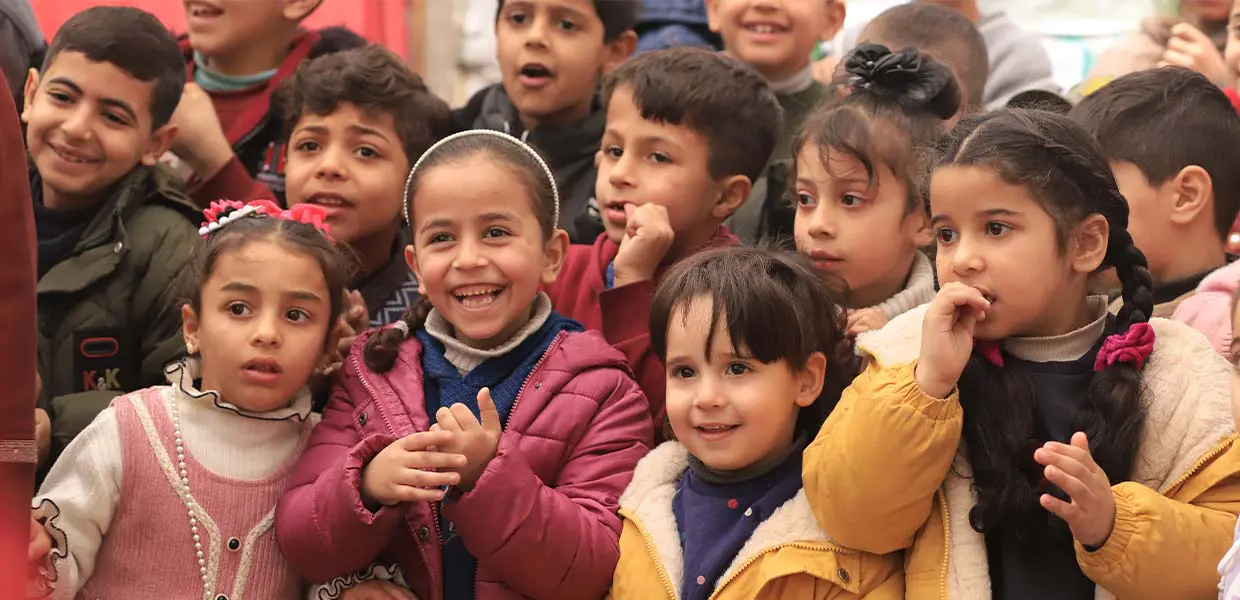
Yemeni Children receiving Aid

We are paying extra attention to those with disabilities. Our teams often go directly to their homes to make sure they get what they need or can make their way to a distribution but we cannot reach everyone. There are a lot of disabled people in Yemen – many have been injured, or have not been able to get the right medical care for injuries or diseases – so the needs are huge and people really struggle to travel to the distribution points.

Islamic Relief Yemen (IRY) is on the ground providing urgent food assistance for victims of the Yemen War. Through food assistance, we aim to save lives, prevent affected communities taking up detrimental coping mechanisms, and avert emergency rates of acute malnutrition. IRY also maintains water sanitation projects. Water sanitation is critical in the fight against cholera and other deadly diseases.

11.12.18

The worlds most lethal famine is fast developing in the Middle East: Yemen

  News     Press Releases

About 14 million people at risk of being severely food insecure.  

Sharp devaluation of the Yemeni Rial against the US dollar lead to increase of food cost by 25 per cent and 45 per cent in fuel cost.  

The situation in Al Hudaydah would likely lead to Famine (IPC Phase 5) in Yemen.
Fighting in the eastern and southern areas of Al Hudaydah city has made humanitarian support difficult for aid agencies. As of 17 October, Rapid Response Mechanism (RRM) partners in Al Hudaydah hub identified a total of 75,478 displaced families from the Al Hudaydah Governorate.  

The speed at which the Yemeni currency plunged in early September has forced food prices to soar. An additional 1.5 million to 2 million people are also at risk of famine.

Children will be worst hit in what is being forecast as the world’s most lethal famine in 100 years, with up to 14 million people at risk. According to the UN report, 70 per cent of the population now live on less than US$1 a day, and the hundreds of thousands of Yemenis that work in the government haven’t received their salaries or pensions since August 2016.

Islamic Relief Yemen (IRY) is on the ground providing urgent food assistance. Through food assistance, we aim to save lives, prevent affected communities taking up detrimental coping mechanisms, and avert emergency rates of acute malnutrition. IRY also maintains water sanitation projects. Water sanitation is critical in the fight against cholera and other deadly diseases.

STAY INFORMED

  • This field is for validation purposes and should be left unchanged.

Quick Donate