04.29.26

Yemen: ‘My Children Wait for Qurban Meat All Year Long’

  Dhul Hijjah     Publications

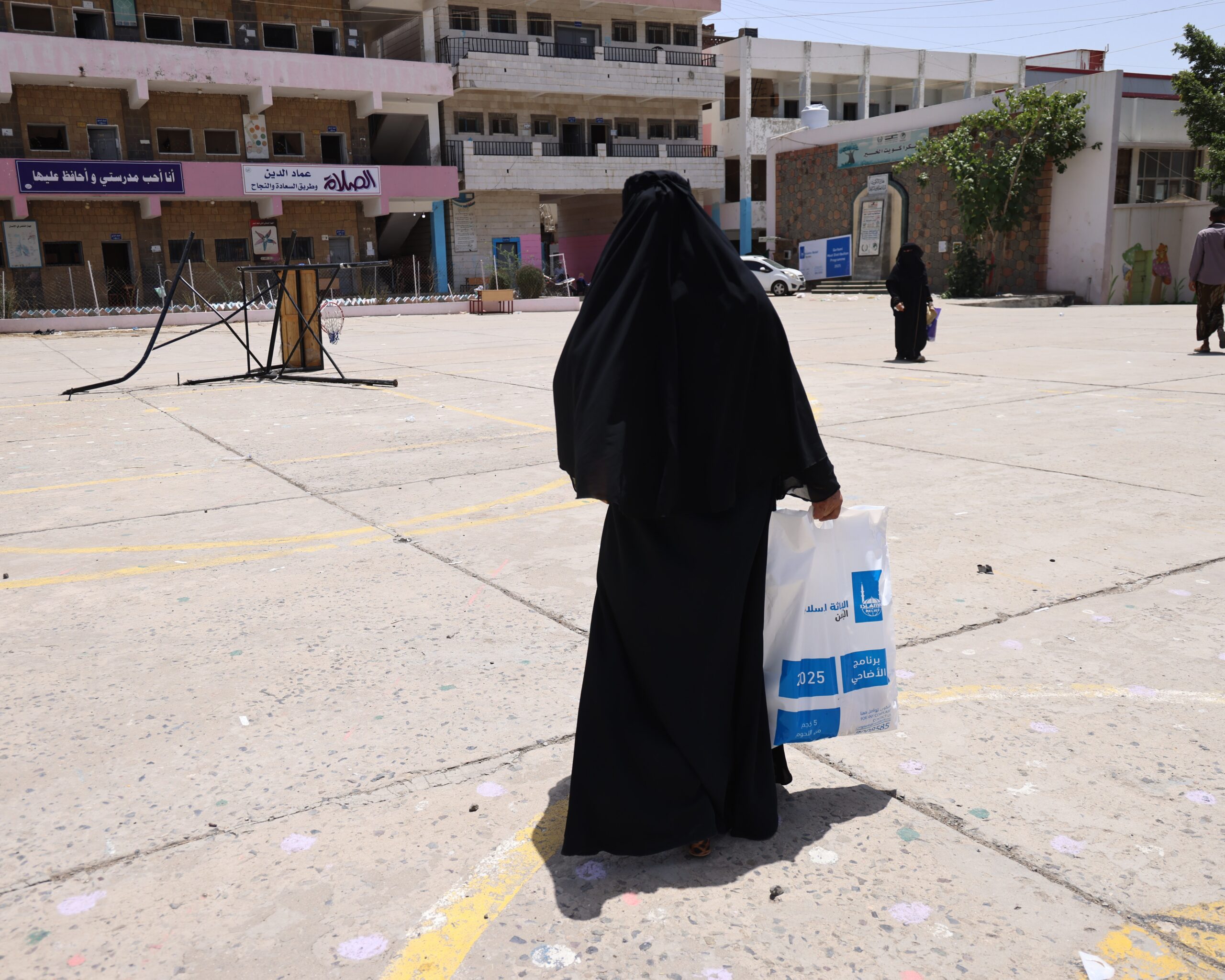
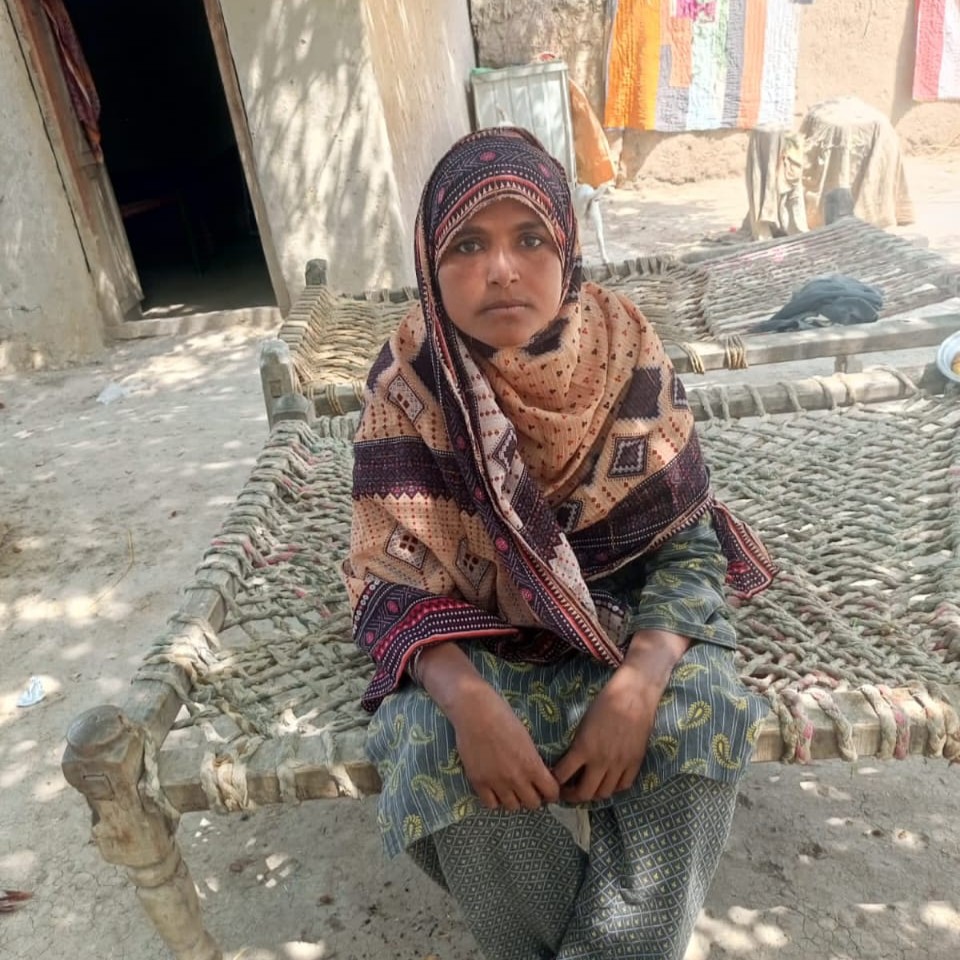
Saltanah, 50, lives in the southwestern city of Taiz, Yemen, with her 6 children. Outside of seasonal distributions such as qurban and Ramadan, the family also receives support from Islamic Relief’s Orphan Sponsorship Program.

“[Eid] is a special time of happiness because it’s the only time in the year when my children and I get to eat meat. They wait for this day all year long,” Saltanah says.

Suffering from an illness that prevents her from working, Saltanah has no option but to rely on aid to meet her family’s needs.

“We have no source of income and no family to support us. We survive on what Islamic Relief provides,” she explains. “Everything is too expensive… access to food, clean water and basic needs is a daily struggle.

“Meat is not part of our regular diet. We only eat it once a year when Islamic Relief provides it during Eid al-Adha… most days, we eat yoghurt because it’s all we can afford.”

Bringing joy, restoring dignity

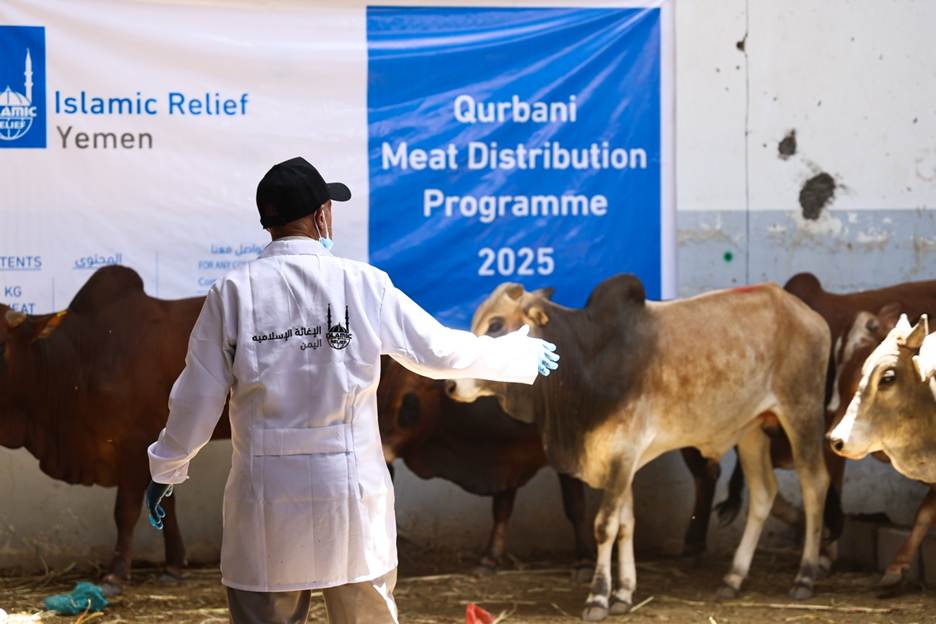
Saltanah was among the almost 70,000 people in Yemen that received a qurban meat parcel through Islamic Relief’s distribution in 2025.

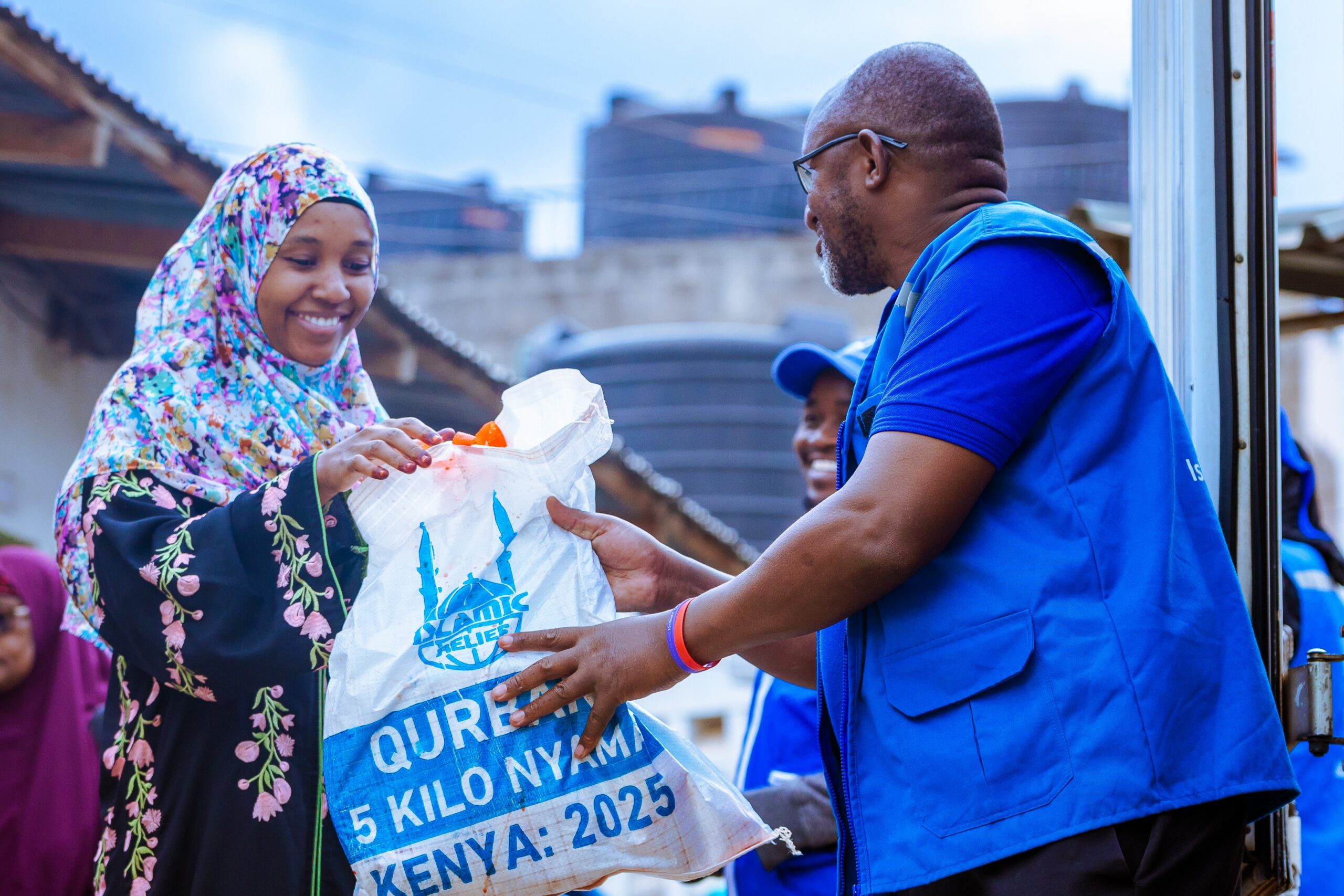
In 2025, Islamic Relief’s annual qurban distribution reached more than 3.2 million people in 29 countries, easing the burden on vulnerable families, supporting their nutrition and sharing the joy of Eid.

This year, needs in Yemen are even greater as families like Saltanah’s grapple with a severe hunger crisis and dwindling international support.

“It is extremely difficult [to buy meat] – impossible, really. We simply can’t afford it,” Saltanah says. “The lack of proper nutrition, including meat, has weakened my health and makes daily life even harder.”

Amid this hardship, your generosity allows Islamic Relief to provide families like Saltanah’s with a moment of respite during a special time of year.

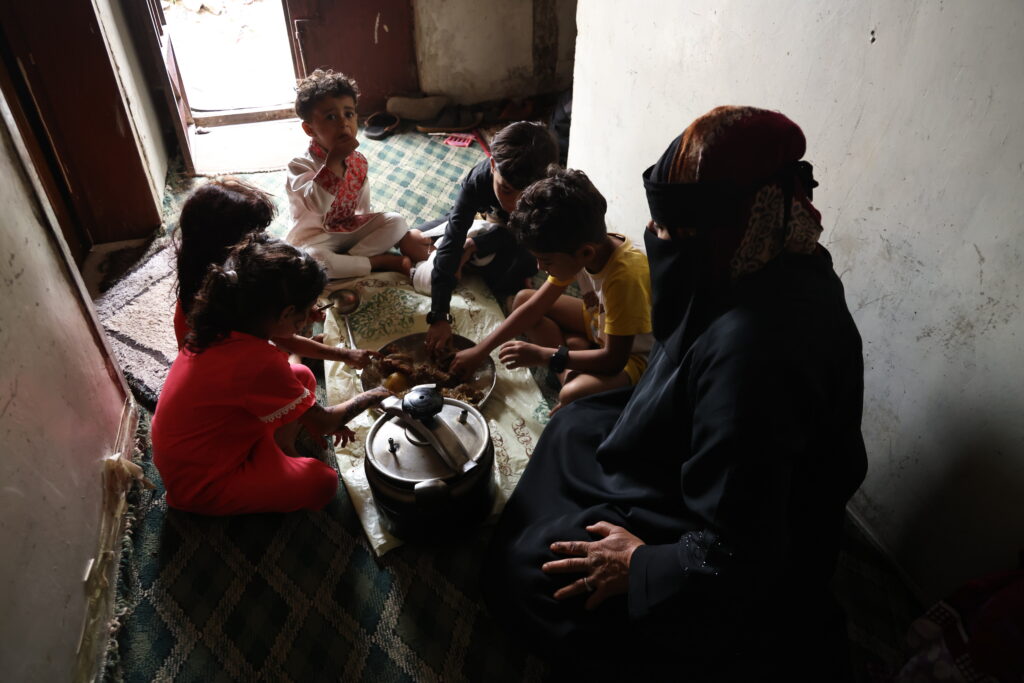
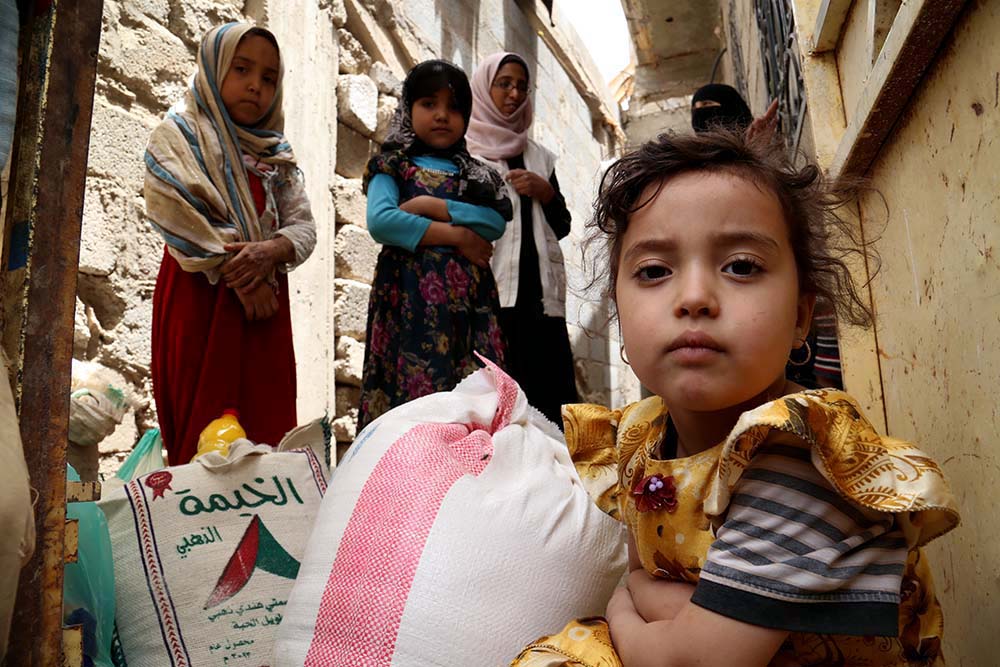
Saltanah's family in Yemen having a meal from the food provided by Islamic Relief

“[The meat pack] brought us joy and allowed my children to eat something they never get the chance to. It restored some of our dignity and gave us a reason to smile during Eid,” Saltanah says.

“May Allah bless Islamic Relief and our sponsor. They have restored some hope in our lives.”

Fulfil your Qurban this Eid. Give generously to our Qurban Appeal to help us reach even more families like Saltanah’s in Yemen and beyond this year.

This Dhul Hijjah, Share Your Blessings

Help the world’s most vulnerable families enjoy their Eid when you give Qurban with Islamic Relief.

03.27.26

Q&A: Famine Looms in Yemen After 11 Years of Crisis

  News     Publications

Yemen’s food security outlook remains extremely bleak, with serious challenges expected to continue through 2026, according to the United Nations. After 11 years of crisis, many families do not know where their next meal is coming from.

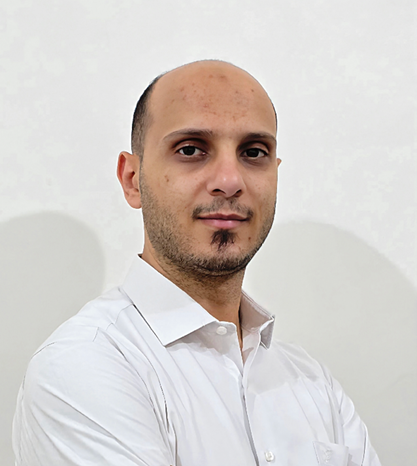
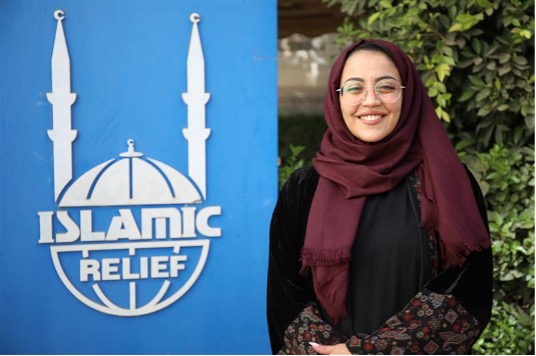
Here, Amr Amin, Islamic Relief Yemen’s Head of Food Security & Livelihoods (pictured below), discusses the challenges Yemeni families face.

Amr Amin, Islamic Relief Yemen’s Head of Food Security & Livelihoods

Q: How severe is Yemen’s food crisis right now?

A: The situation is extremely serious. According to the latest IPC (Integrated Food Security Phase Classification) analysis, over 18 million people – nearly half the population – were severely food insecure during February 2026. There’s a risk that this number will remain unchanged, or worsen, in March as pressures mount. If we look back to January, Famine Early Warning Systems Network (FEWS NET) estimates put Yemen among the world’s most foodinsecure countries in January 2026.

In government-controlled areas, recent central bank interventions have temporarily strengthened the Yemeni riyal. They have also lowered food prices, making food easier to buy. However, these improvements are highly fragile.

In other areas, agricultural production prospects are weak. The likelihood of restoring large-scale humanitarian food assistance or other sectoral support also remains very low.

Yemen remains at risk of famine conditions in 2026. This risk will only intensify if the decline in humanitarian assistance continues or if new shocks – economic, climatic, or conflict-related – occur in the coming months.

Q: How many people depend entirely on humanitarian aid for food?

A: The most recent IPC analysis (covering conditions up to February 2026) indicates an estimated 18.3 million people (52% of the population) are acutely food insecure, facing IPC Phase 3+. This means they are unable to meet their basic food needs without external assistance.

Q: Funding for Yemen has been cut significantly. What has that meant in real terms for families on the ground?

A: Funding cuts in 2025 have pushed families deeper into hunger. In 2025, Yemen’s humanitarian response came under severe strain as the UN’s Humanitarian Needs and Response Plan (HNRP) received only 28% of the required funding – the lowest level since 2015.

This unprecedented gap has forced all humanitarian clusters to scale back, including Islamic Relief. Alarmingly, contributions to the World Food Programme (WFP) fell by over 70% between 2024 and 2025.

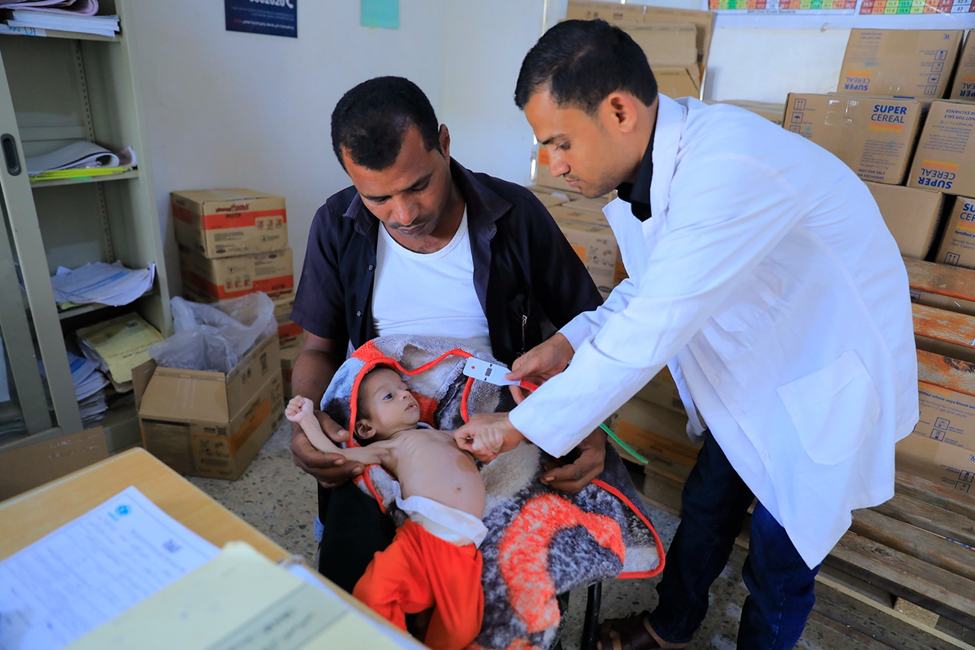
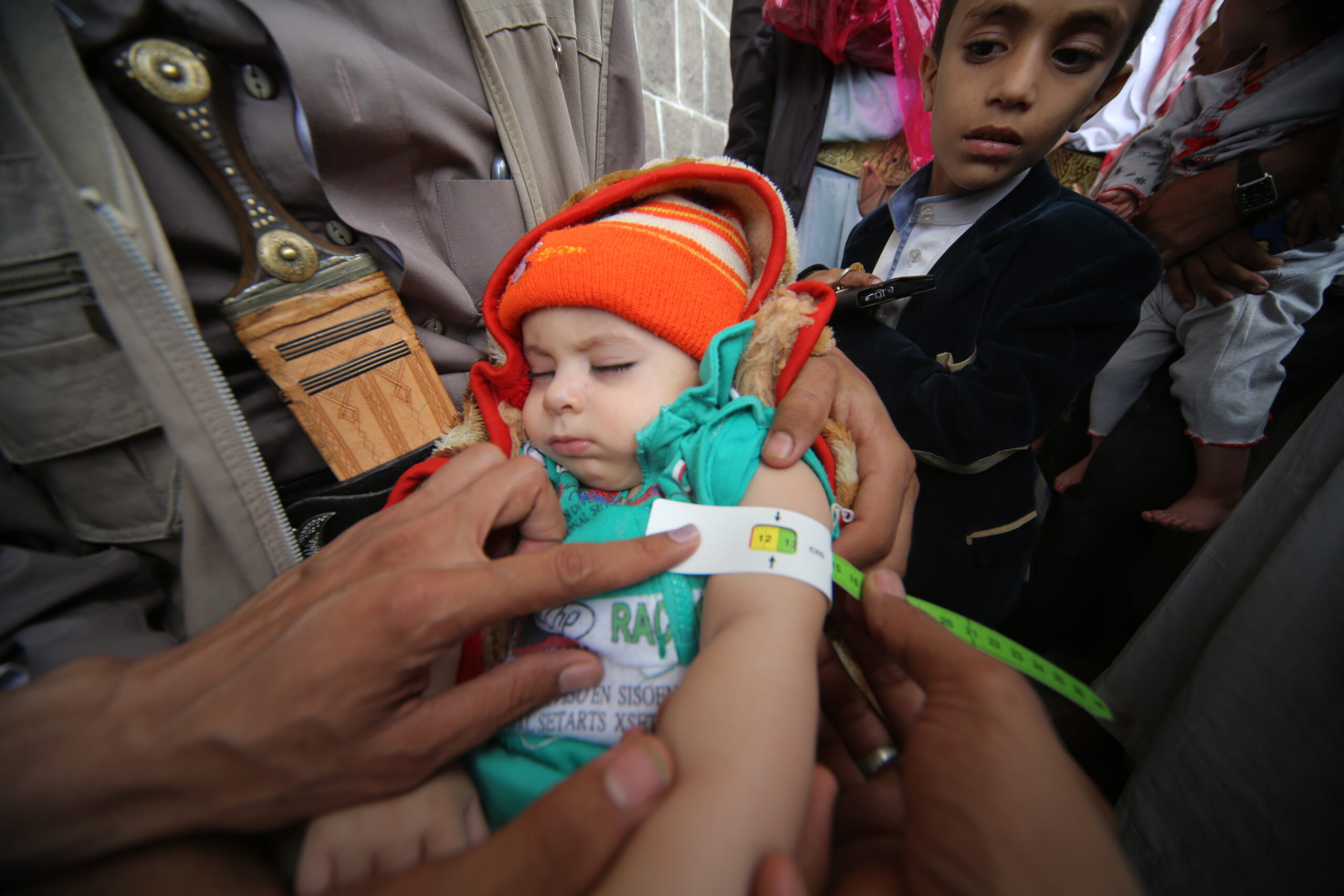
Islamic Relief has been working to enhance nutritional interventions to treat acute malnutrition in Yemen by distributing medicines and working with government health offices

Islamic Relief has been working to enhance nutritional interventions to treat acute malnutrition in Yemen by distributing medicines and working with government health offices

Many households are skipping meals, relying on poor‑quality food, pulling children out of school to work, and selling their last remaining assets just to survive.

In areas not controlled by the government, all WFP operations have remained suspended since September 2025 due to operational access constraints.

Q: Are you having to choose who eats and who doesn’t? How are those decisions made?

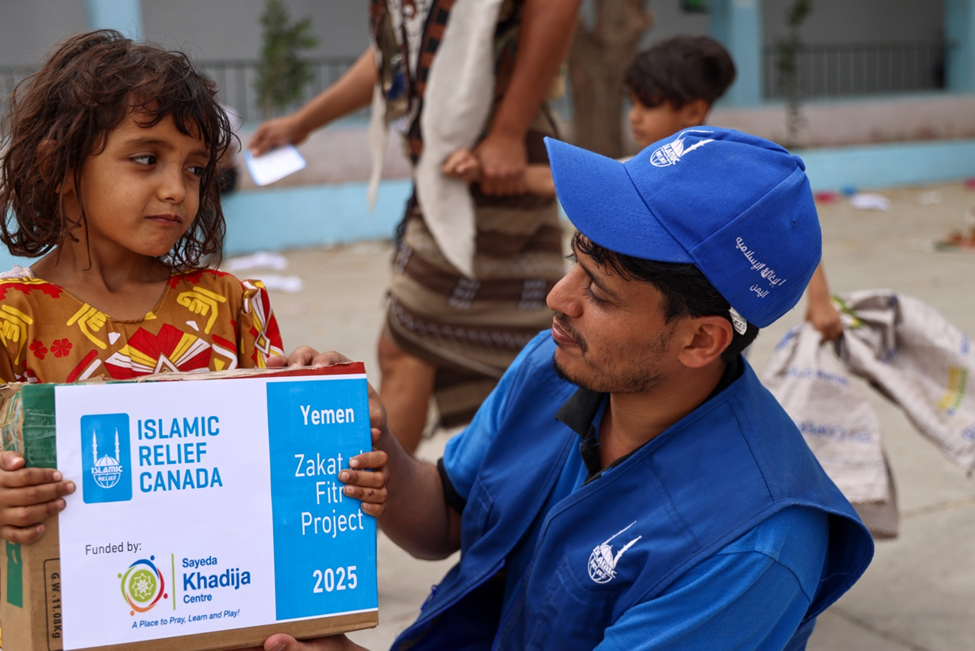
A: Islamic Relief provides food assistance to those in need in Yemen throughout the year. We also provide additional support through our seasonal programmes, including Ramadan and zakat-ul-fitr food packages and qurbani meat distributions.

However, with the level of funding received in 2025-2026, the humanitarian community simply cannot reach every person in need.

Support now focuses on areas facing the most severe food insecurity. Families with children under 5, pregnant or breastfeeding women, people with disabilities or chronic illnesses, and those in active conflict zones or flood‑affected areas are considered at the highest risk.

These decisions are not made lightly. Yet, the painful reality remains: every time one family is prioritised for assistance, another equally desperate family is left without help.

Q: Is donor fatigue setting in after years of conflict? Why is funding declining despite clear humanitarian need?

A: Yes, donor fatigue is increasingly evident. Around the world, multiple crises are stretching donor budgets thinner than ever.

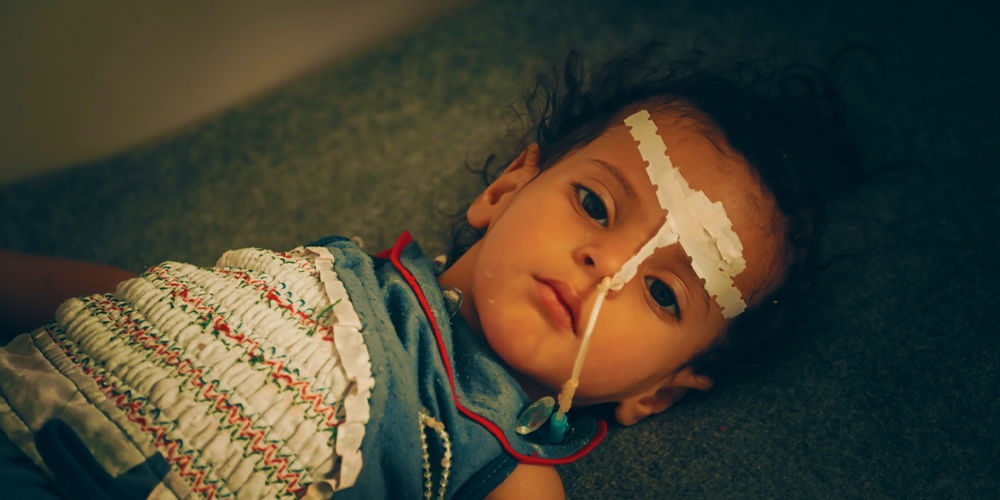
Islamic Relief is providing food assistance in Yemen throughout the year, as well as additional support through our seasonal programmes, including Ramadan and zakat-ul-fitr food packages and qurbani meat distributions

Islamic Relief is providing food assistance in Yemen throughout the year, as well as additional support through our seasonal programmes, including Ramadan and zakat-ul-fitr food packages and qurbani meat distributions

Within Yemen, operational challenges, particularly access restrictions, have made it harder for agencies to reach people in need, complicating donor engagement.

Q: If funding levels don’t improve, what will Yemen look like 6 months from now?

A: If current funding levels do not change, the outlook is deeply concerning.

Malnutrition rates are expected to worsen, particularly in the western coastal governorates, where vulnerabilities are already acute.

As resources shrink, more families will be driven toward harmful coping mechanisms – taking on unmanageable debt, moving in search of assistance, and resorting to early marriage or child labour for survival.

Q: What is your message to the international community watching this crisis unfold?

A: My message is both urgent and hopeful.

Yemen’s hunger crisis is severe, but it is not irresolvable.

Millions of people who once depended on humanitarian assistance are no longer receiving it, while food prices continue to rise and livelihoods continue to collapse.

However, with adequate funding, sustained humanitarian access, and support for livelihood recovery, the trajectory of this crisis can still be changed.

The window to prevent famine in Yemen is narrowing, but it has not yet closed. Now is the time to act and help ease suffering in Yemen.

Give Families in Yemen Hope

Help Islamic Relief continue to deliver life-saving medical support to families during times of crisis.

12.24.25

Ibrahim’s Story: Accessing Water and Improved Life Conditions in Yemen

  News     Publications

Ibrahim Haidar Ja’man, 60 years old, lives in the Al-Judhoor area of Al-Tarf Al-Shami in Bayt Al-Faqih District, Yemen.

His extended household consists of six immediate family members: three sons and three daughters, who are all married. The sons have six children, and the daughters have ten children. In total, the entire extended family lives together in one compound.

The family’s home is primarily constructed from bamboo reeds, mud, and basic materials. One of Ibrahim’s sons has managed to build a stone room, and Ibrahim himself has also added a
small room. However, the rest of the structure remains made of reeds, wood, mud, and simple
bricks.

Heavy rains pose a significant risk: without covering essential belongings and food with plastic sheets, everything becomes damaged. In the first year of heavy rainfall, all the small huts in the compound were destroyed.

The broader area in Yemen, which includes Al-Judhoor, Al-Jarmouzi, and Al-Baziq, has only one school and one health post. There is no doctor available. In the case of illness, families must travel for an hour by motorcycle to reach Bayt Al-Faqih to find medical assistance.

Due to the lack of healthcare services, community members often resort to buying antibiotics, tablets, and injections from pharmacies and administering them at home without medical supervision, which sometimes results in injury or complications.

Education is also limited. The nearest functioning school is in Al-Jarmouzi, about 3 km away. Children attend irregularly because there is effectively no accessible school in their immediate area.

There is no public electricity. Previously, the family relied on kerosene lamps, gas lamps, and handheld torches. Today, thanks to small solar panels, they have basic lighting, but they still lack appliances such as fans, which are essential during extreme heat.

Residents in the area have long suffered from difficult economic conditions. Families collect firewood and sometimes charcoal to sell at the market. However, income is uncertain. Sometimes buyers are available, and other times people cannot afford to purchase.

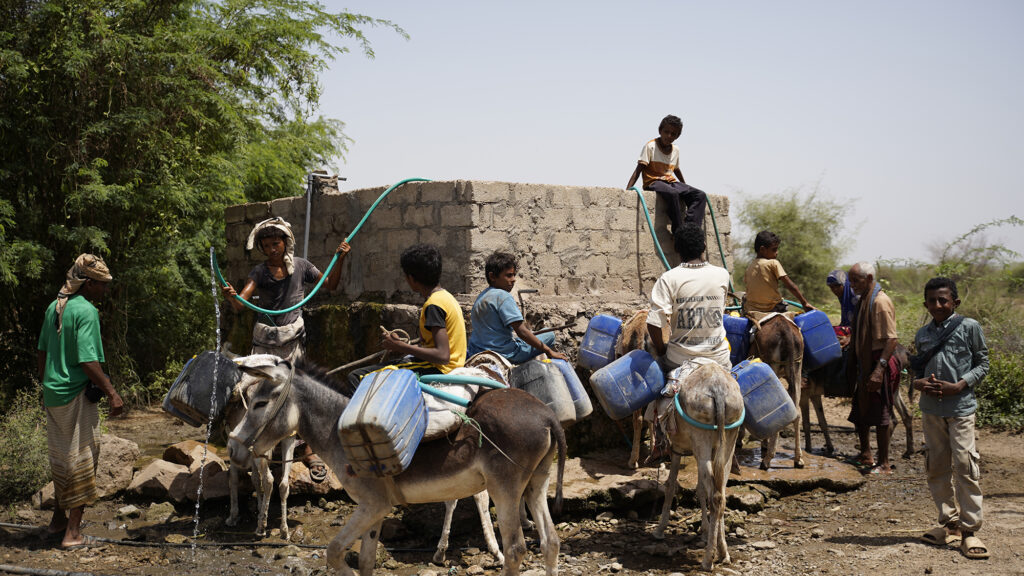
Since childhood, Ibrahim recalls his father walking long distances to fill water containers from public wells or distant sources. Water collection was physically exhausting and often dangerous. Containers frequently fell and broke during transport, worsening the hardship.

A displaced man from “Kilo 16” later observed the community’s difficult situation and donated a small solar-powered system with a water tank located 3 km away. Families used to make the trip twice a day to fetch water.
The government had once installed a large water tank for the village, promising piped water, but when the war broke out the system was never completed and the tank remained unused for 20 years.
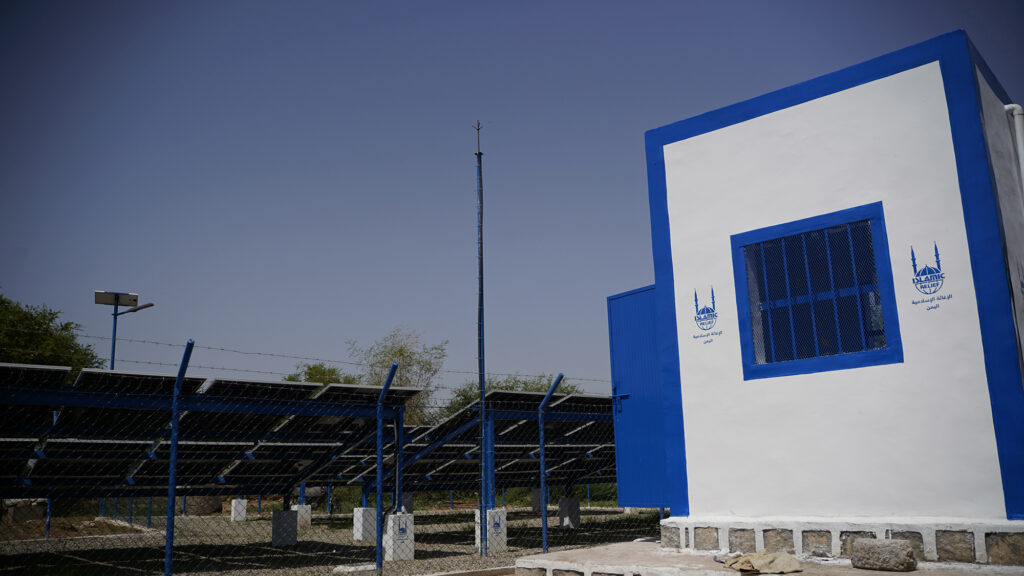
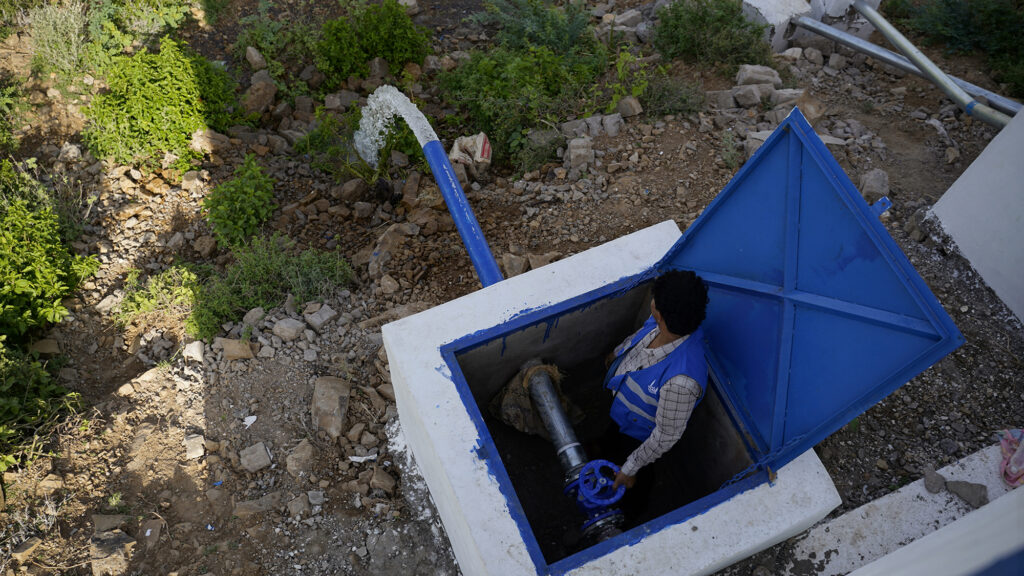
Recently, Islamic Relief assessed the abandoned tank and agreed to rehabilitate it. They repaired and
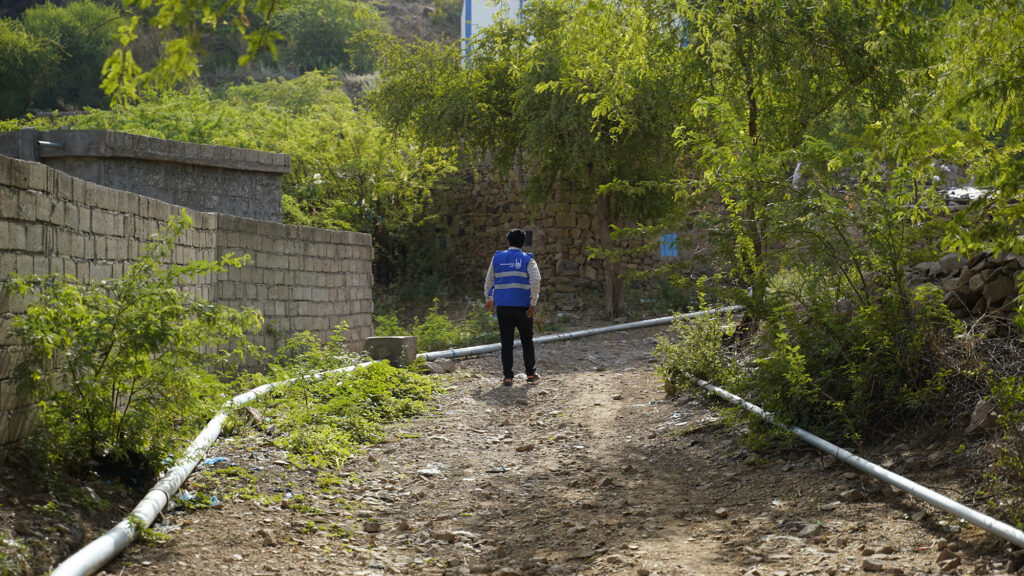
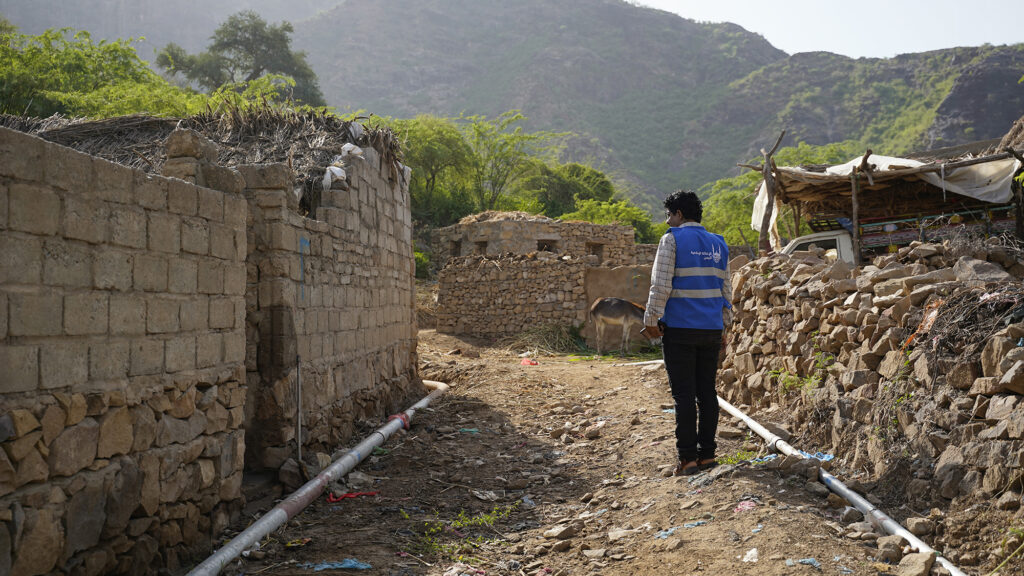
restored the structure, installed a solar pumping system, filled the tank, and connected pipelines to all the houses in the three nearby villages.

Islamic Relief repairing the abandoned water tank in Al-Judhoor area (Yemen) for Ibrahim's village
Children using the repaired water tank in their Yemen village

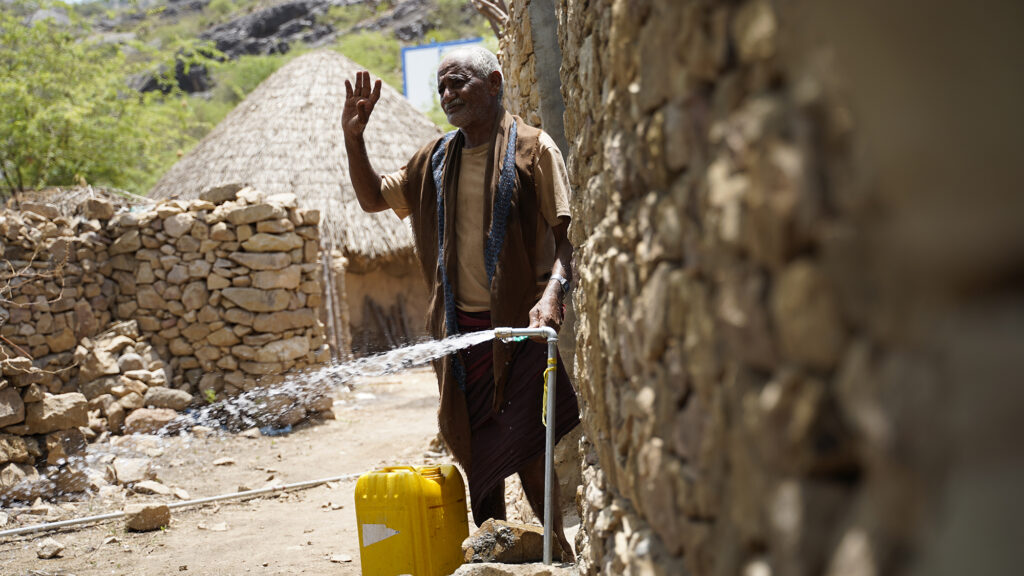
Today, water is available for every household, thanks to the functioning solar-powered water system. Only the installation of household taps remains to allow water to flow directly inside each home.

The new system has greatly eased the community’s suffering. Access to water, considered the most essential necessity of life, has brought significant relief, especially after years of walking long distances under the harsh sun.

Ibrahim expresses deep gratitude to the donor and Islamic Relief for providing water to every home:

“May God reward you and bless your path. Just as you provided us with water, may God provide you with goodness.”

Ibrahim retrieving water in his village in Yemen

Despite this major improvement, the community still faces significant needs related to: Food assistance, agricultural support, livestock support, and additional livelihood opportunities.

Islamic Relief has been supporting the people of Yemen since 1998. Please help us to continue this vital work.

Give Families in Yemen Hope

Help Islamic Relief continue to deliver life-saving medical support to families during times of crisis.

11.24.25

Yemen: Supporting Hospitals and Healthcare Sector

  News

Around the world, many people struggle to access healthcare. An Islamic Relief project in Yemen is helping to transform lives in a country where the decade-long crisis has put immense strain on the healthcare sector.

Facilities are critically under-resourced, and workers are in short supply thanks to low pay and mass displacement. Yemen has only around 10 healthcare workers per 10,000 people – far below the World Health Organisation’s benchmark of 22 per 10,000. 67 of Yemen’s 333 districts have no doctors at all.

Many health facilities are largely non-functional, with only 50% across the country fully operational. Since the escalation of the crisis in 2015, there have been more than 160 confirmed attacks on healthcare centres. The results of such violence – deaths of staff and destruction of facilities – further lessen the healthcare sector’s ability to meet the needs of Yemenis.

All this combines to exacerbate a health crisis in which vulnerable people, particularly children, are dying from preventable diseases at alarming rates. Malnutrition is also a major issue among children, with nearly 50% of under-fives suffering moderate to severe forms.

A multi-faceted approach to meeting needs

In late 2022, Islamic Relief began supporting four district hospitals in Hodeida and Amran governorates.

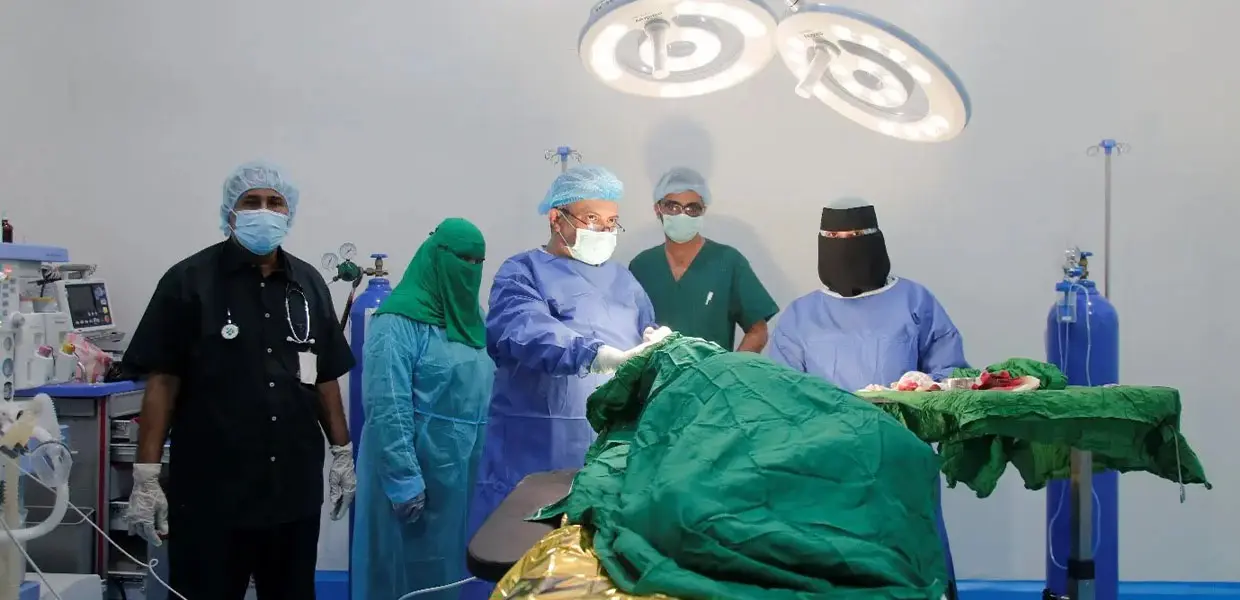
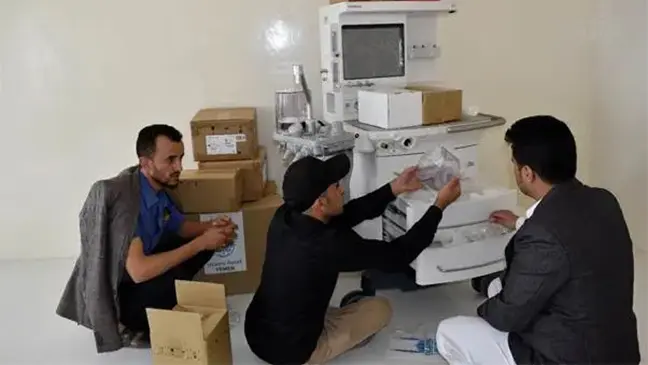
The project, which concluded in November 2024, saw Islamic Relief give funding, training, and equipment to the facilities, which provide services including general consultations, surgeries and emergency care.

Staff in Yemen unpack medical equipment provided by Islamic Relief.
Photo: Staff unpack medical equipment provided by Islamic Relief.

At the start of the project, we launched a training program for healthcare workers to boost their skills in maternal and newborn care. As part of the training, the 100 participants received monthly incentives to boost retention. Staff also began community outreach programs to raise awareness around health in more remote areas, reaching communities that are typically underserved.

Throughout the project, we monitored local cholera outbreaks, making urgent deliveries of cholera medicine when case numbers rose in 2024.

We also provided furniture, such as desks and cabinets, to professionals working in more remote areas, creating a more comfortable environment for staff and patients. With comfort and safety in mind, we also trucked clean water to facilities and supplied them with cleaning materials.

More and better services for communities in Yemen

The project led to significantly improved community access to healthcare, as well as an improvement in the quality of the care itself.

Evaluations revealed an uptick in the number of people using healthcare services at the facilities we supported, as well as an increase in patient satisfaction with these services.

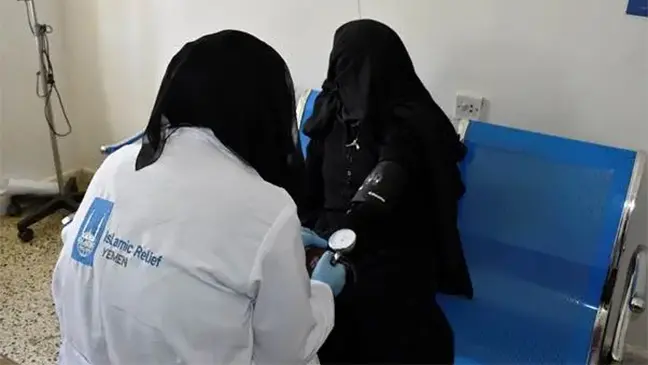
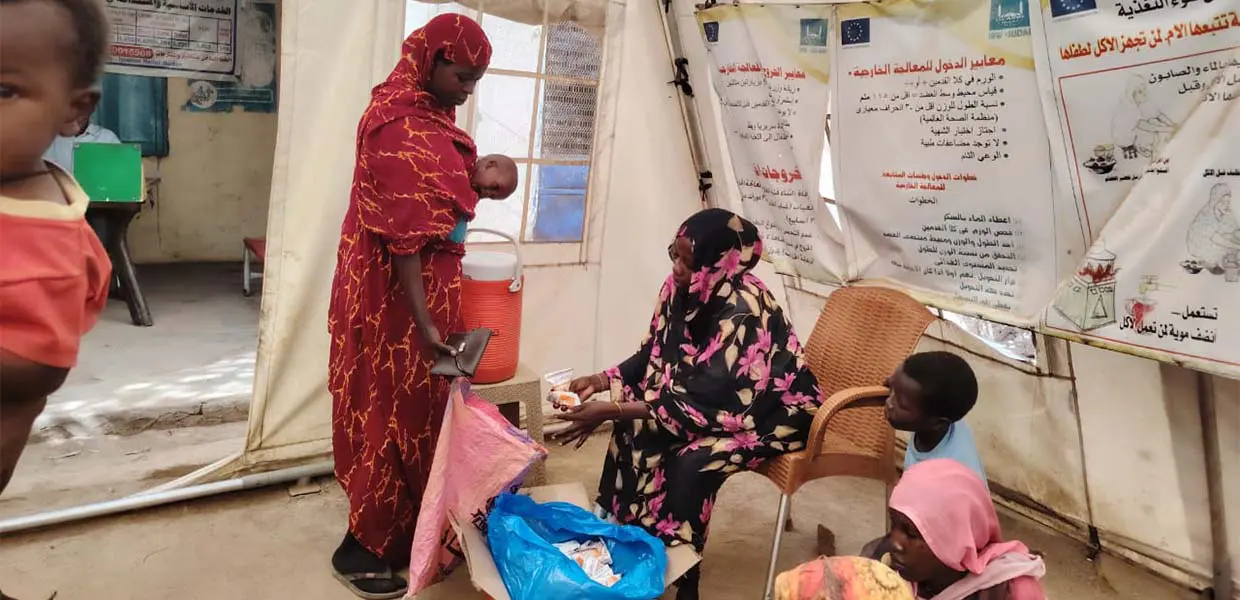
A woman in Yemen receives healthcare support from an Islamic Relief aid worker.
Photo: A woman in Yemen receives healthcare support from an Islamic Relief aid worker.

By the project’s conclusion, more than 268,920 people had received care, and more than 1,979 surgeries had been carried out.

Prior to the project, none of the 4 hospitals involved were able to provide 24/7 care due to differing levels of staff skills. However, after the staff completed training, all 4 facilities were able to deliver around-the-clock care.

This increase has led to reduced mortality and morbidity rates among communities, while testimonials from healthcare workers highlighted improved patient outcomes.

Islamic Relief has been supporting the people of Yemen since 1998. Please help us to continue this vital work.

Give Families in Yemen Hope

Help Islamic Relief continue to deliver life-saving medical support to families during times of crisis.

09.23.25

UNGA 80: Yemen’s Humanitarian Crisis Must Not Be Forgotten

  News     Press Releases

Monday 22 September 2025 — As world leaders gather in New York for the 80th UN General Assembly, we, the undersigned humanitarian organisations working in Yemen, urge urgent and decisive action to address the worsening crisis in Yemen threatening to push millions of families past the brink of catastrophe. Yemen’s crisis has stripped people down to the most basic of needs, making every day a struggle for survival.

Today, over 17 million people are facing hunger, with at least 41,000 of them being at risk of experiencing catastrophic levels of hunger – the toll on children being alarmingly staggering. At least 2.4 million children under five are suffering from acute malnutrition, including hundreds of thousands at risk of severe acute malnutrition – a life-threatening condition without immediate treatment. Tragically, based on known records, at least two children have already lost their lives to malnutrition in recent months.

These figures are far from static — hunger and malnutrition are projected to worsen sharply in the coming months as aid cuts, disease outbreaks, and economic decline continue to erode families’ ability to cope. In one out of five households, someone goes a full day and night without any food at all. This includes children going to bed hungry, while parents are skipping meals so their little ones can have whatever little is available, leaving them feeling helpless as their children grow ill and severely weak. Without urgent action in the remaining months of 2025, vulnerable areas in Yemen will likely plunge into famine.

In recent weeks, flash floods have torn through parts of Yemen, killing and injuring 157 people, destroying shelters, and washing away arable lands, which threatens livelihoods and risks worsening hunger. More than 50,600 families, many of whom are internally displaced, have now lost their homes and sources of income to the floods.1

Damaged water and sanitation infrastructure – already fragile as a result of the conflict, coupled with limited access to healthcare, continue to fuel the spread of the diseases. As of the end of July, over 58,000 suspected cases of cholera and acute watery diarrhoea, with 163 associated deaths, have been reported – making Yemen one of the worst-affected countries in the world2. In addition, reports of dengue fever cases indicate a concerning rise compared to 2024 figures. Epidemiological surveillance and response efforts are further hampered by the lack of funding, meaning the true scale of the outbreak is likely far higher than the reported figures. Women and girls continue to be disproportionately impacted.

This situation is forcing vulnerable and marginalised families and communities to adopt negative coping mechanisms such as early marriages, taking children out of school and child labour. Together with a reduction in services, the adoption of such strategies has long-term implications for the future generations of Yemen.

The regional tensions continue to spill over into Yemen, destabilising the country and further worsening the humanitarian situation. Attacks on civilians and civilian infrastructure remain widespread, with over 880 civilian casualties reported so far in 2025,3 alongside extensive damage to critical infrastructure.

Aid workers – the lifeline for millions – face constant threats. The recent round of detention targeting UN staff members, along with previous detentions of humanitarian staff since June 2024 and prior, has escalated risks and deeply obstructed lifesaving assistance.

The 2025 Yemen Humanitarian Response Plan is severely underfunded, standing at only 18 per cent as of early September – the lowest level of funding for the country’s appeal in a decade. Out of the 19.5 million people in need, the appeal was already only intended to assist 10.5 million,4 but current funding levels mean that even the vast majority of those will be left without planned assistance. The situation has forced humanitarian actors to make impossible choices, often described as taking food from the hungry to feed the starving.

Despite the immense challenges, hope remains as aid organisations continue reaching 3.7 million people each month – constituting less than 35 per cent of those targeted – with food, water, healthcare, protection, shelter, and cash assistance5. This demonstrates our commitment and ability to deliver aid where it is needed. We stand ready to reach far more people in crisis and to support the people in Yemen to recover and rebuild their lives, if funding is scaled up to meet the immense needs.

Yemen is at a breaking point. The international community must act decisively:

  • Scale up humanitarian funding: Donor governments must urgently provide sufficient resources to ensure that food, health, water, and protection programs continue without interruption for those in need.
  • Centrality of protection is ensured in all interventions, with adequate funding for protection-related services.
  • Link humanitarian aid with resilience and development: Donor governments and policymakers must ensure that immediate relief is paired with efforts to strengthen livelihoods, services, and recovery systems, laying the groundwork for long-term development and breaking Yemen’s cycle of recurring needs.
  • Protect civilians and civilian infrastructure: Member states should call for all parties to respect international humanitarian law, refrain from attacks on civilians and civilian infrastructure. Civilians are not a target.
  • Use diplomatic leverage to protect aid workers: Member states and regional actors should press for the immediate release of detained aid workers and advocate for unhindered movement of humanitarian personnel and supplies.
  • Reinforce commitment to peace: Member states should sustain diplomatic efforts to support the UN peace process and ensure Yemen is not forgotten as global and regional agendas compete for attention.

Yemen’s people cannot endure further suffering. The time to act for Yemen is now. Urgent, coordinated action at UNGA 80 is essential to save lives and prevent a deeper humanitarian catastrophe.

Signed by:

  • Action Contre la Faim (ACF)
  • Action for Humanity International
  • ADRA
  • Al Khair Women Association
  • AlMamoon Foundation for Development
  • Arab-European Center for Human Rights and International Law (Oslo) CARE
  • Caritas Poland in Yemen
  • CIVIC
  • Concern Worldwide
  • Danish Refugee Council (DRC)
  • Diakonie Katastrophenhilfe
  • Dorcas
  • Enqath Foundation for Development EFD
  • FARHM Network for Development and Peace
  • Field Medical Foundation (FMF)
  • Geneva Call
  • Handicap International – Humanity & Inclusion
  • Helpcode
  • Humanitarian Aid and Development Organization (HAD)
  • International Medical Corps
  • International Rescue Committee (IRC)
  • INTERSOS
  • Islamic Help UK
  • Islamic Relief Worldwide
  • Light Foundation for Development
  • Medglobal Yemen
  • Mercy Corps
  • Norwegian Refugee Council (NRC)
  • NPA OXFAM
  • Polish Humanitarian Action
  • Première Urgence Internationale (PUI)
  • Rafd Al-amajad Foundation for Development
  • READ Foundation UK – Yemen (RFY)
  • Relief International (RI)
  • Saferworld
  • Save the Children
  • Secours Islamique France (SIF)
  • Social Development – Hodeidah Girls Foundation
  • Super Novae
  • Triangle Generation Humanitaire
  • Union of Social Charitable and Developmental Associations and Foundations
  • War Child Alliance
  • Wings of Peace Charitable Foundation for Development and Humanitarian Response

1 OCHA Report on Yemen: Heavy Rains and Flooding, Situation Update No. 01

Yemen: Heavy Rains and Flooding, Situation Update No. 01 – Yemen | ReliefWeb

2 WHO, Multi-country outbreak of cholera, external situation report #29 -28 August 2025 , https://www.who.int/publications/m/item/multi-country-outbreak-of-cholera–external-situation-report–29–28-august-2025?utm

3According to the Civilian Impact Monitoring Project

4 OCHA, Yemen Humanitarian Needs and Response Plan 2025 (January 2025) [EN/AR], 15 January 2025
https://reliefweb.int/report/yemen/yemen-humanitarian-needs-and-response-plan-2025-january-2025-enar

5 OCHA, 68 aid organisations in Yemen call for solidarity and urgent action on World Humanitarian Day, 19 August 2025, https://reliefweb.int/report/yemen/68-aid-organizations-yemen-call-solidarity-and-urgent-action-world-humanitarian-day-enar

08.19.25

When hope is quiet: reflections from Yemen on World Humanitarian Day 

  News     Publications

Nada Abu Taleb has documented Yemen’s silent suffering as Islamic Relief’s Media and Communication Coordinator in the country. Now, she reveals what humanitarian work truly means in one of the world’s most neglected crises. 

World Humanitarian Day is a moment to pause, reflect, and remember why we choose to stand together amid crises. After nearly 15 years of humanitarian work, I have learned that to #ActForHumanity is not simply a theme; it’s a daily commitment, deeply personal and urgent, especially here in Yemen. 

As a Yemeni who has lived and worked through this crisis, I know that suffering is not a distant headline; it confronts us every day. I see it in the strained expressions of my neighbours, hear it in the despair of families struggling to survive. But amid these painful encounters are moments of profound dignity that stay etched in memory. 

I recall a mother who had just received a modest cash assistance package. Her hands held her child tightly. They were visibly malnourished, yet her eyes expressed overwhelming gratitude rather than complaint. In that moment, aid became about more than food or money; it became about dignity, it became about making people feel seen and valued. 

Another defining moment was my encounter with a displaced father living in a makeshift shelter after losing nearly everything: his home, livelihood, and even family members. Despite his burden, his greatest concern was maintaining his children’s sense of normality. “Even when we have nothing,” he said quietly, “I still make sure my children feel safe, clean, and believe things will get better.” This humble, steadfast courage reshaped my understanding of dignity. Humanitarian work is not merely about distributing aid; it’s about honouring people’s resilience, acknowledging their identity, and protecting the fragile sense of hope they still hold. 

Education: Yemen’s silent crisis 

While the world rightly recognises and responds to immediate crises like hunger and the need for shelter, Yemen’s overlooked crisis is the systematic erosion of our education system. Schools are emptying, teachers haven’t been paid, and children’s dreams are fading. I remember a classroom without doors or windows, children huddled together sharing torn notebooks. When asked about his dreams, one boy replied earnestly, “I want to be a pilot, but I don’t know if I will ever fly a plane. We can barely eat.” 

This stark realisation hit me deeply. Education is not a luxury, it’s the promise of a future. Without schooling, children lose more than knowledge; they lose structure, security, and the ability to envision a better tomorrow. Protecting education is protecting hope itself, yet this urgent truth rarely makes international headlines. That’s why Islamic Relief teams in Yemen are working to rebuild classrooms, train teachers, and create safe learning spaces in some of the hardest-hit communities. 

Finding strength in small acts 

Humanitarian workers frequently grapple with overwhelming despair. I recall one particularly difficult day, consumed by endless stories of families skipping meals, children leaving school, communities crushed by hardship. The scale of suffering was paralysing. 

But what pulled me back was the quiet joy of Eid celebrations. Families smiling because their children had new clothes, or because, for the first time in months, they had meat on their table. I remembered a father weeping quietly with relief as he watched his daughters recover from malnutrition, their laughter a testament to a small triumph. These moments of humanity remind me why this work matters, small gestures can reverberate deeply, sustaining hope amid despair. 

Innovating amid challenges 

The complexity of Yemen’s crisis, which is marked by checkpoints, instability, and dwindling funds, often hampers our physical presence in affected communities. Our office responds creatively, training colleagues in remote areas in photography and storytelling so the voices of the communities we support can be heard. This initiative ensures we can document, communicate, and respond swiftly, preserving transparency and maintaining critical connections even amid logistical nightmares. This adaptive resilience underscores the resourcefulness required to deliver impartial and dignified humanitarian assistance under seemingly impossible circumstances. 

Women’s silent strength 

Throughout this crisis, I have come to see my fellow Yemeni women quietly shoulder extraordinary burdens. Their courage often lies not in grand gestures but in daily persistence despite exhaustion, fear, or loss. Witnessing their quiet determination consistently reshapes my understanding of what true bravery looks like.  

But some of their strength also comes from Yemen’s extraordinary community solidarity. Where official systems fail, neighbours have stepped forward, sharing limited resources, organising responses, and ensuring no one is abandoned. This local strength profoundly shapes our humanitarian approach, reminding us that true assistance is collaborative, respectful, and humble. Our role is not to lead from above, but to support and amplify the resilience already thriving on the ground. 

The world’s shared responsibility 

Today, when global attention feels overstretched and crises rage everywhere, from Gaza to Sudan, solidarity is not a limited resource; it’s our shared responsibility. Acting for humanity means refusing to normalise suffering, no matter how frequent it becomes. It requires compassion, dignity, and fairness, consistently and urgently, even when no one is watching. 

Yemen is often misunderstood, painted simplistically as a land of endless conflict and helplessness. In reality, Yemenis are remarkably spirited and resourceful. Our task as humanitarian workers is not to save them, but to stand beside them, preserving dignity, amplifying their voices, and working towards sustainable recovery. 

On World Humanitarian Day, let us remember that behind every statistic, there’s a person with a story to tell. That is my job as a communicator. To act for humanity is to remain present, compassionate, and brave, even in the face of immense challenges. This work is not just our choice, but our collective answer to a world that desperately needs humanitarians. May our actions always reflect that calling. 

Families in Yemen are fighting for survival every day. With your support, Islamic Relief can deliver life-saving aid to those who need it most. Your donation can help provide food, medicine, and hope to vulnerable communities. Please donate to our Yemen Emergency Appeal today. 

07.22.25

A Father’s Hope: Saddam’s Journey to Save His Son from Malnutrition in Yemen

  Publications

Saddam, a father from the remote Al Zuhrah district in Al Hudaydah, Yemen, faced an unimaginable challenge when his son was born with severe health complications.

“His body was so weak,” Saddam recalls. “He was always sick, crying, his skin stuck to his bones.”

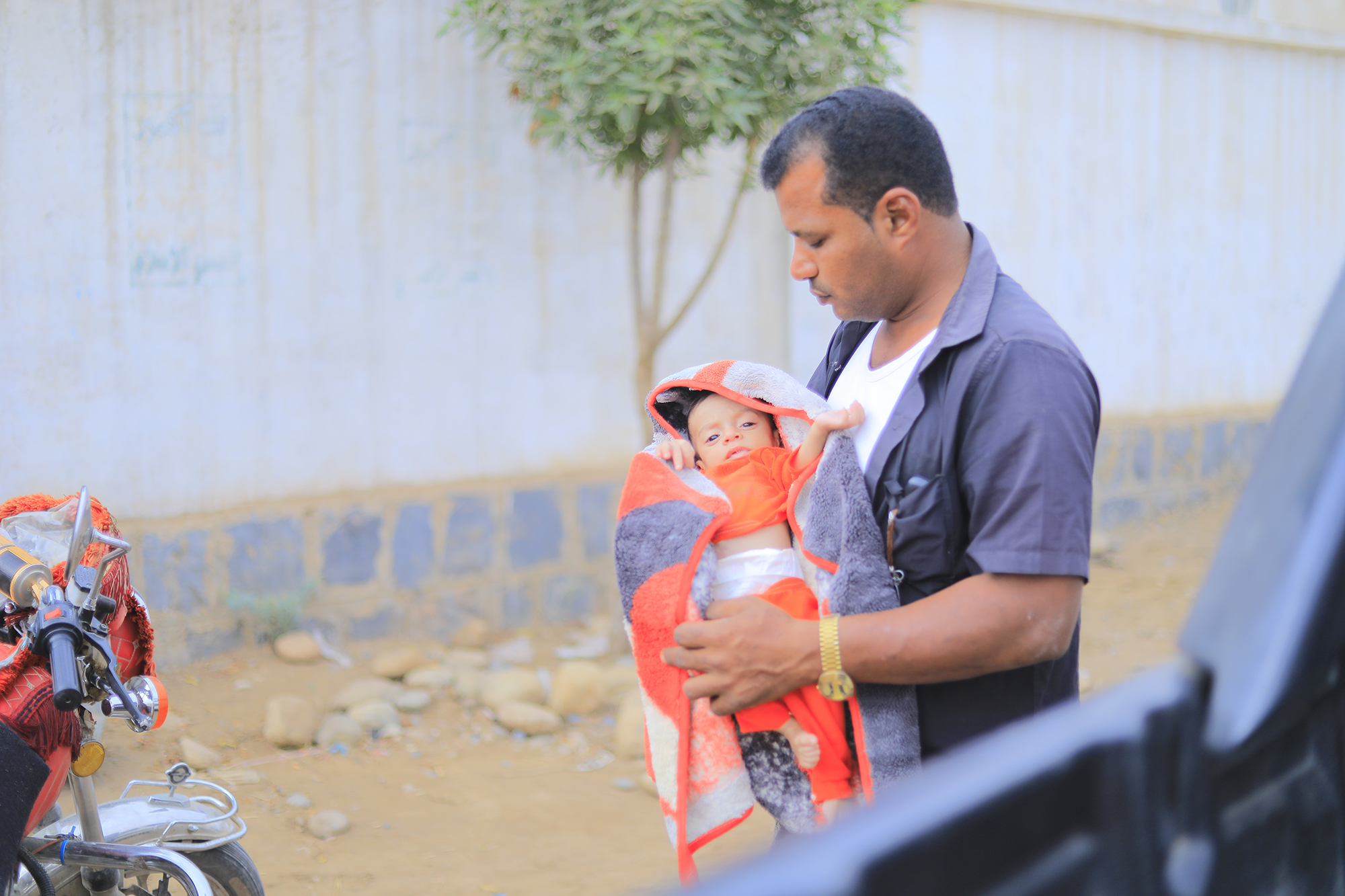
Yemen: Saddam and his infant son, in need of nutrition support

Despite his wife’s efforts to breastfeed their child, the boy’s condition continued to deteriorate. Living in a village where employment is unstable and access to healthcare is limited, Saddam struggled to find answers—or help.

“I don’t have a stable job. I work wherever I can, whenever the opportunity arises,” he explains. 

The nearest health centre is 10 kilometres away, serving over 20 villages. The burden on this facility is immense. In turn, for many families like Saddam’s, reaching it is a challenge in itself.

A ray of hope for families like Saddam’s

Yet when Islamic Relief began supporting malnutrition interventions in the area, a ray of hope appeared. 

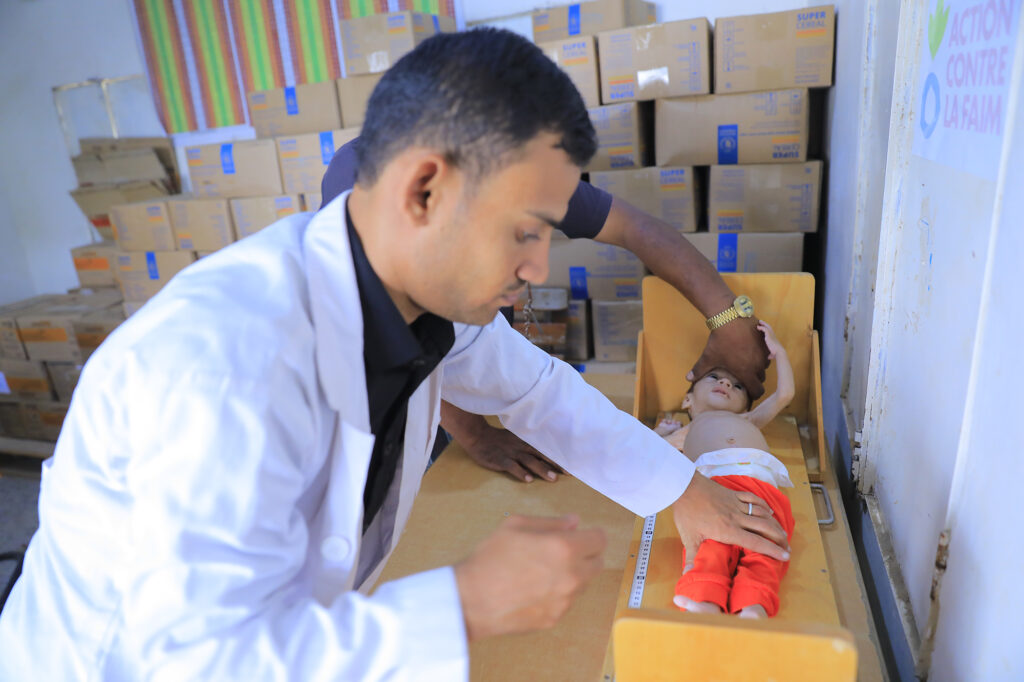
Saddam’s son was referred by Islamic Relief to a hospital in Abs. There, he was admitted into intensive care for close observation. Thanks to continuous follow-up, regular checkups, and the provision of proper medication and nutrition, his son’s condition began to improve.

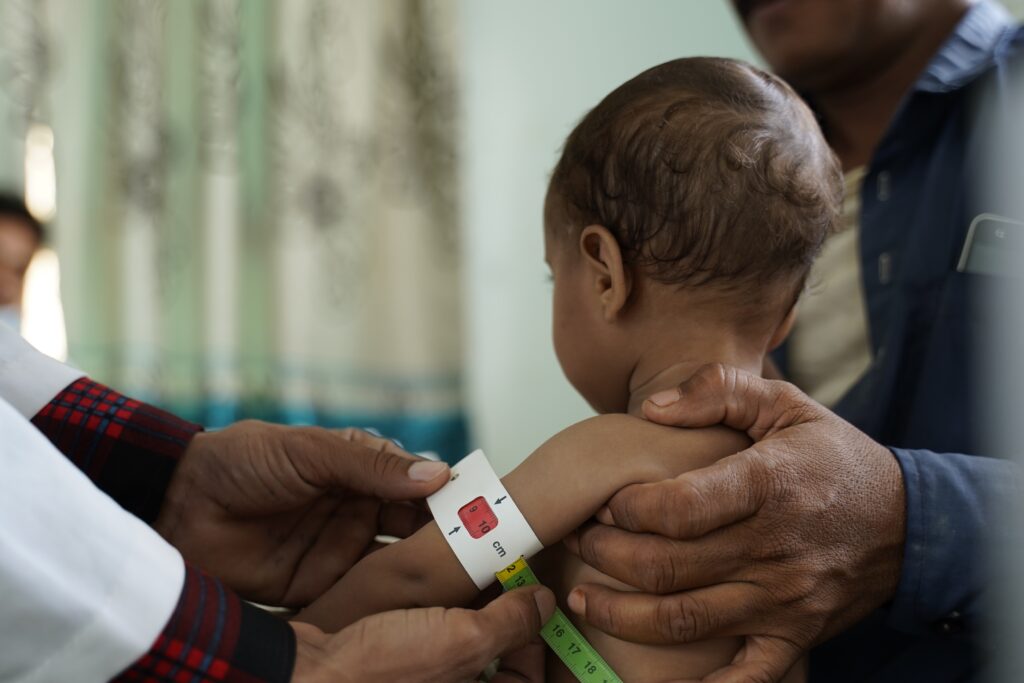
Saddam's son being measured by Islamic Relief staff in Yemen during medical check up

“We now have weekly appointments. They give him the right vitamins and nutrition every time we go,” Saddam says. “He’s doing much better than before. Alhamdulillah.” 

Though he admits he doesn’t fully understand the leading reasons behind malnutrition, Saddam speaks with clarity about its root causes: poverty, lack of employment, and the inability of parents to provide basic needs. “When fathers can’t find jobs, they can’t take care of their families. That’s what leads to illnesses like this.” 

Despite these hardships, Saddam’s gratitude is powerful and deeply felt. “I just want to say thank you to Islamic Relief for taking care of our children and listening to their suffering.” 

His story is a testament to the importance of accessible healthcare and nutrition support in crisis-affected communities. To the resilience of parents fighting to save their children, one small victory at a time.

Give Families in Yemen Hope

Help Islamic Relief continue to deliver life-saving nutrition and vital support to families during times of crisis.

03.25.24

Yemen: Aid Cuts Lead to Surge in Malnutrition

  News

As Yemen marks 9 years of war, one of the world’s worst humanitarian crises has only worsened. Malnutrition, especially, is spiralling in the country. A critical issue not helped by the recent cuts to humanitarian aid, affecting millions of lives.
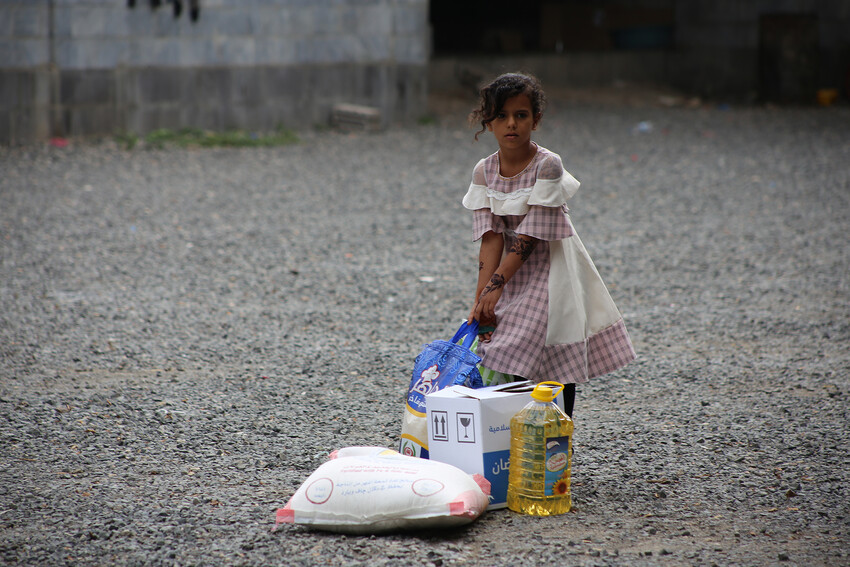
Islamic Relief is on the ground, working in 159 nutrition centres across Yemen. Over the past few months, our teams observed a surge in malnourished children. The price of essential food in the market is also rapidly rising, leaving many families unable to afford it.

The Impact of Aid Cuts

Since December, the UN World Food Programme (WFP) has paused its general food distributions in northern Yemen, which has been a lifeline for 9.5 million people. In addition, the WFP malnutrition prevention programme is facing a significant shortage of supplies which is affecting critical services.

In January 2024, more than half of UN-surveyed households in Yemen were unable to access adequate food. This represented an increase of 11% from November 2023.

After 9 years of war, malnutrition rates in Yemen are some of the highest ever recorded and are expected to worsen. 17.6 million people in the country are facing food insecurity. Nearly half of all its children are currently estimated to be experiencing moderate to severe stunting. Almost 80% of the population lives below the poverty line. Around 2.7 million women and 5 million children under 5 years old are estimated to require treatment for acute malnutrition in 2024.

Ammar Al-Dumini, Senior media and communications officer with Islamic Relief in Yemen, said:

“The impact of aid cuts to Yemen over the last few months are now clearly being felt and we see this impact in the appalling levels of hunger and malnutrition. These are some of the highest levels the country has ever seen. After 9 years of civil war, the economy is in crisis and inflation is out of control. People have lost their livelihoods and can’t afford to buy enough food. Yemen is one of the largest humanitarian crises in the world but it has been largely forgotten.”

“Aid has been vital in preventing Yemen falling into famine in recent years, and it saved countless lives. But if the international community continues to overlook the humanitarian situation in Yemen then we will see conditions badly deteriorate again.”

Islamic Relief advocating for Yemen

Islamic Relief are supporting the people of Yemen, providing relief to hunger and more. We urgently appeal to the international community to ensure the humanitarian response for the people of Yemen continues.

In addition to providing food, cash, vocational training, and income support, Islamic Relief is ensuring that vulnerable Yemenis have access to clean water, sanitation facilities, and hygiene kits. We also work in 159 health and nutrition centres across the country, supporting 77,719 children under five and 91,879 pregnant and lactating women who are admitted for treatment to regain a healthy weight.

Emergency Curative and Preventative Nutrition Action for Children and Women in Yemen

10.29.21

Yemen Cholera Crisis

  News

Yemen suffers from a cholera crisis

Yemen is suffering on many fronts, including with the spread of disease. Covid 19, cholera and other diseases such as diphtheria, dengue, and malaria are ravaging the country. Cholera is a particular problem, with the current outbreak in Yemen being the biggest in record time. At peak, a person died every hour of cholera. In the absence of adequate medical treatment, the death rate can exceed 50%, but with improved treatment and medication this can drop to below 1%.

The aim of the project is to contribute to the reduction of mortality and morbidity associated with the cholera outbreak and reduce the further spread of the epidemic in the targeted priority districts of Hodedah, Aden, Amran and Hajah Governorates.

Islamic Relief Australia is contributing to a massive initiative to manage cholera. The interventions include:

  • Early detection, case management, prevention measures and improved access to health care services in targeted locations.
  • Improved skills and knowledge among health workers, Community Health Volunteers and community at large on case management and prevention of Acute Water Diarrheal.

These health interventions will not stop the spread of cholera alone. Other members of the IR family and other aid agencies are contributing to WASH projects that support access to clean water and improved sanitation.

Number of direct beneficiaries:

  • 156 health service providers
  • 160 community health volunteer
  • 13,230 cholera cases of all community gender types.

To help alleviate the suffering of our brothers and sisters in Yemen, click here.

03.25.21

Yemen: 6 years of suffering

  News

Islamic Relief has supported 13 million people in Yemen amid a dire humanitarian situation 

As Yemen enters its seventh year of conflict, a new Islamic Relief publication highlights how we have remained by the sides of vulnerable people in the country throughout every difficulty.

Read more in our Yemen report here.

Even before the conflict began, Yemen was one of the poorest countries in the Arab region. Now, more people in Yemen need humanitarian aid than in any other country in the world.

Islamic Relief, which began working in Yemen in 1998, has continued providing vital assistance throughout the violence. Thanks to your support, we have been a lifeline for families facing conflict, famine and disease. So far, we have supported 13 million people, but today the humanitarian needs in the country are graver than ever.

A humanitarian crisis
The humanitarian situation in Yemen is dire: 80% of the population do not know where their next meal is coming from, 75% urgently need healthcare, unemployment is rife and 12 million children are considered vulnerable.
Islamic Relief works with communities to provide them with food, clean water, accommodation and essential medical care, as well as supporting vulnerable children.

Yemenis are facing a severe food crisis, with over 40% of the population at risk of starvation.
“My wife and I saw extremely difficult days, to the point that many times we would have nothing in the kitchen to feed our children… we were plunged into a devastating hunger,” says 62-year-old Abdulhakeem, from Taiz.

As one of the UN World Food Programme’s biggest partners, we distribute food vouchers and monthly food packages that are a lifeline for families like Abdulhakeem’s – reaching more than 2.3 million people last year alone.
“Islamic Relief have put happiness on our faces, and renewed our hope. While other organisations gave up on us, they never have,” he says.

Tackling malnutrition in children
We have been working with communities and health facilities to provide preventative care and treatment to help combat malnutrition in over 330,000 children.
Among them is 18-month-old Yasmeen, who was suffering from the effects of severe malnutrition until we assisted her family.
“When Yasmeen cries, I give her milk which is very diluted with water. I have no milk for her. I thought it was enough, however, she wasn’t getting the nourishment she needed and I nearly lost her,” says her mother, Layla.
Yasmeen was admitted to a health clinic supported by Islamic Relief, where she was treated for severe malnutrition. The infant was then regularly monitored and given the healthcare support she needed to make a full recovery.

Life-changing water and hygiene programmes
Over two-thirds of Yemenis require support to meet their basic water, sanitation and hygiene needs – including 12.6 million who are in acute need.
“The health facility where I work lacked access to safe and adequate water. There was no functional water source,” says Abdulmajeed, from Al-Batana, where clean water is scarce.Islamic Relief equipped the main water well of the health facility with a solar-powered system and repaired the broken water sources. It is a sustainable solution that is also helping the environment.
We provide communities with reliable water sources, which has helped change the lives of over 800,000 people. We teach people good hygiene practices, which help prevent the spread of water-borne diseases.

Islamic Relief has worked hard to prevent the spread of Covid-19 and will continue to do so, assisting healthcare facilities so they are better prepared to support patients. We have also been an economic lifeline for vulnerable families who have lost their livelihoods during the pandemic, with financial support to help to ease their burden.

Advocating for change in Yemen
As well as our lifesaving programmes in Yemen, we also work to address the root cause of the suffering, and advocate to restore peace in the country. We advocate to protect civilians and aid workers, to ensure there is enough funding for critical life-saving programmes and for food, fuel and humanitarian aid to be able to move safely across the country.
As one of the major agencies operating in Yemen, we use our position to call on the international community to press for an end to the conflict.

Islamic Relief welcomes the new US administration’s decision in February 2021 to reverse the previous US administration’s decision to designate the Ansarallah group that controls much of Yemen as a foreign terrorist organisation. This designation threatened to cut off foreign aid to millions of Yemenis. It would have restricted the movement of essential aid and could have had devastating consequences for all the communities we serve. We are proud to have been one of the many aid agencies working in Yemen who supported the call for the United States to revoke this decision.

‘Islamic Relief in Yemen’ is dedicated to the memory of our dear colleague Hamdi Abo Abdullah Al-ahmadi, an Islamic Relief aid worker who was killed in 2019 while trying to deliver aid in Hodeida, Yemen.


STAY INFORMED

  • This field is for validation purposes and should be left unchanged.

Quick Donate