Islamic Relief is sharing stories of some of the amazing women we support around the world.
Together, we strive to inspire inclusion. Where we celebrate the diversity and inclusion of women to create more equal societies and fairer environments where women feel empowered.
Stitching a future in Ethiopia
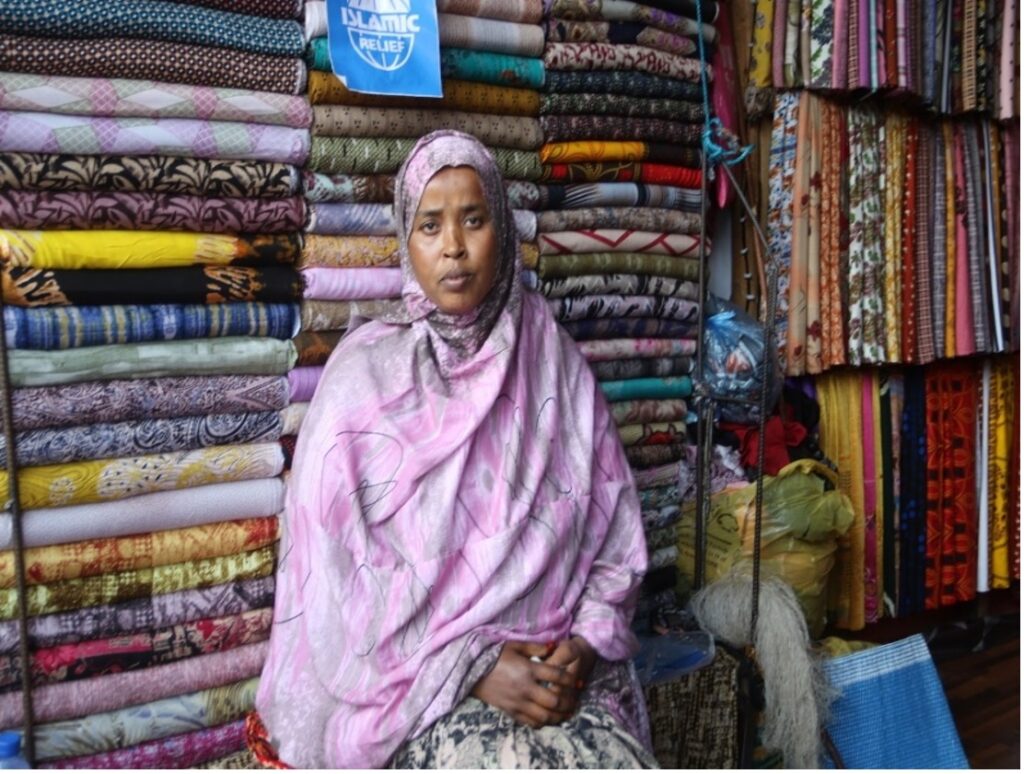
“Every stitch I make is a step towards a better future for my children,” says Ifrah, a young mother who had to rebuild her life in eastern Ethiopia after she was violently forced from her home.
Fleeing with her 5 children, Ifrah eventually settled in the town of Jigjiga. There, she planned to open a small shop selling clothing that she had handstitched.
Ifrah initially struggled to make her dream a reality. But, after coming into contact with Islamic Relief, she received funds and training to open her shop. Ifrah says the support she received from Islamic Relief’s Youth and Woman Empowerment Project (YWEP) went even deeper.
“It’s not just about the money. It’s about the trust that Islamic Relief placed in me, the belief that I could rise.”
Despite the challenges she faced launching a business in a period of economic uncertainty, Ifrah was able to turn her shop into a resounding success.
In the beginning, Ifrah would struggle to make as much as 100 ETB (approx. $2.65) a day. But, today, the business has grown to a position where she draws in 15,000 ETB (approx. $399.80) a month.
Image: Ifrah is hoping to inspire others with her shop.
“There were days when inflation hit us hard,” she recalls. “But with every challenge, I learned, I adapted. Islamic Relief’s training wasn’t just about business; it was about resilience.”
Ifrah hopes her shop will inspire others in Jigjiga.
“My dream? It’s to see a street lined with businesses run by women,” she says with a smile.
“Women who started with a small seed, just like I did.”
Harvesting Independence in Indonesia
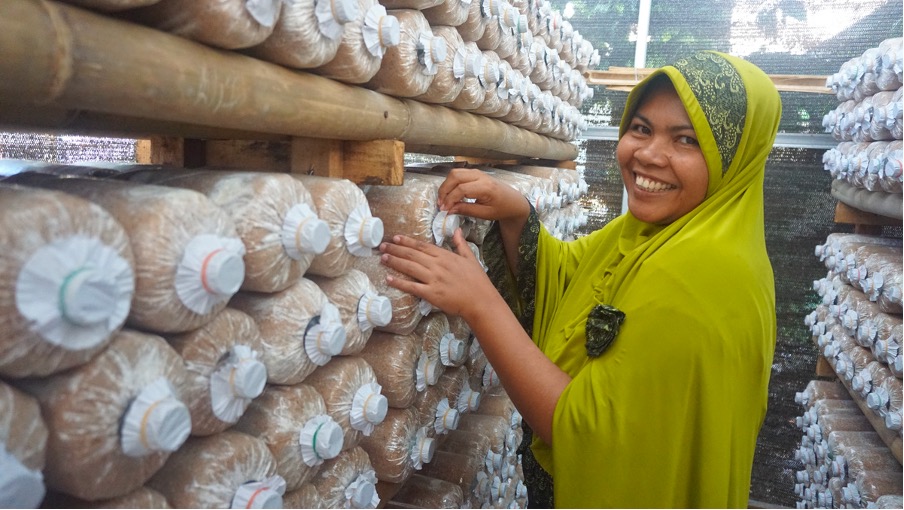
On the island of Lombok in Indonesia, the green mushroom houses of Uus’s farm are a testament to her hard work and the support of Islamic Relief’s Sustainable Livelihood Project.
“There was a time when uncertainty was the only certainty we had,” Uus recalls.
“Islamic Relief changed that for us; they gave us the tools and the confidence to grow, not just mushrooms, but our dreams.”
The Sustainable Livelihood project in Lombok provides women with training, tools and equipment, as well as financial support to launch enterprises such as mushroom cultivation.
Uus’s mushroom farm has become more than a source of income. It is now a beacon of collective achievement for the community.
“We’re not just growing mushrooms; we’re growing lives,” she says.
Image: Uus in one of her mushroom houses.
Her business now harvests up to 40 kilos of fresh mushrooms daily and employs 10 local workers.
“Islamic Relief taught us to cultivate hope, and now hope blooms in every corner of our farm. This farm is our heart,” she says warmly, “and it beats strong for our community.”
The training and financial support provided by Islamic Relief have helped Uus and her husband develop a thriving business, while also planting seeds of self-reliance in her neighbours.
For Uus, the message is clear:
“When one of us rises, we all rise. My success is our success, and I dream of a day when every woman in Lombok has the means to write her own story of triumph.”
Honouring Inspiring Women
Uus and Ifrah’s stories reflect a shared vision of a better future. A future where every woman has the opportunity to thrive and lead change in her community.
Islamic Relief celebrates the resilience and ambition of women like Ifrah and Uus, who are not only rebuilding their lives but also paving the way for others to follow.
Their journeys remind us that when women are given the chance to succeed, they create a stronger, more inclusive world.
Women in Bangladesh face many challenges to empowerment. From harmful social norms to a lack of access to education and employment opportunities, there are many barriers. For women with disabilities, life is even more difficult.
Piya lives in a remote village in the Rajarhat sub-district of Kurigram in northwestern Bangladesh. The 29-year-old has a hearing impairment. In turn, she, like many girls in rural Bangladesh, was a victim of early marriage, sometimes known as child marriage.
In rural Bangladesh, women and girls have few opportunities to earn an income and are often viewed as financial burdens. Marriage is the most common way to relieve that burden, prompting many families to marry off their daughters before the girls reach adulthood.
Piya’s parents were worried she might also face discrimination because of her hearing impairment. Thus, they thought marriage could shield her from that. So, at age 14, she began married life. Social norms around the role of a wife made it impossible for Piya to continue her education, forcing her to drop out of school.
Piya’s husband, Chand Mia, works as a day labourer but struggles to make ends meet with his limited income. Ensuring his wife and children received 3 nutritious meals a day was a constant struggle for him. The situation was difficult for Piya too.
“I experienced profound sadness as I could not contribute more to support my husband. I knew I had to take action, but I was unsure where to begin or what steps to take. The inability to provide meals for our children was particularly painful for me,” she says, reflecting on that challenging time.
A turning point
Piya’s life began to change when she became involved with Islamic Relief. Determined to change her family’s situation, she embraced the opportunity.
Piya is one of almost 3,500 people facing extreme poverty who will receive support through the “Promoting the Model for the Elimination of Extreme Poverty in Rural Bangladesh” (EEP) project. Through the 36-month-long project, she received training, seed money and technical support needed to launch a business. This helped her break the cycle of poverty and boosted her socioeconomic wellbeing.
With a seed fund of BDT 12,000 (approx. $165), she began raising goats, expanding her modest farm with Islamic Relief’s support.
Islamic Relief supported Piya’s farmwork through the “Elimination of Extreme Poverty Initiative in rural Bangladesh” in Rajarhat, Kurigram.
Empowered by growing confidence, Piya sought out other streams of income by joining a local self-help group. She found a community offering mutual support as well as sharing knowledge and resources, and became a cashier for the group.
Joining the self-help group opened the door for Piya to make use of Islamic microfinance services. She also took out interest-free loans from the group’s fund to expand her endeavours.
Her small home farm transformed into a diverse landscape, home to goats, chickens, and cows. Project initiatives, such as animal health camps, supported Piya in keeping her animals healthy and well.
Leasing a productive piece of land, Piya cultivated chilli and ginger, which led to substantial monthly profits. She also cultivated her own fodder, saving the money she would have spent buying it, and engaged in other cost-effective farming practices with support from Islamic Relief. Her husband supported her efforts to expand the farm, which became a collaborative effort for the couple.
Piya’s investments and hard work significantly improved her family’s financial situation. She transitioned from depending solely on her husband’s income to becoming a self-sufficient contributor. Beyond her farming activities, Piya became an inspiration within her self-help group, motivating others to pursue their ambitions.
Piya’s story epitomises determination, resilience, and triumph over adversity. Through her efforts and the right opportunities, she not only achieved financial security but also became an inspiration for those around her.
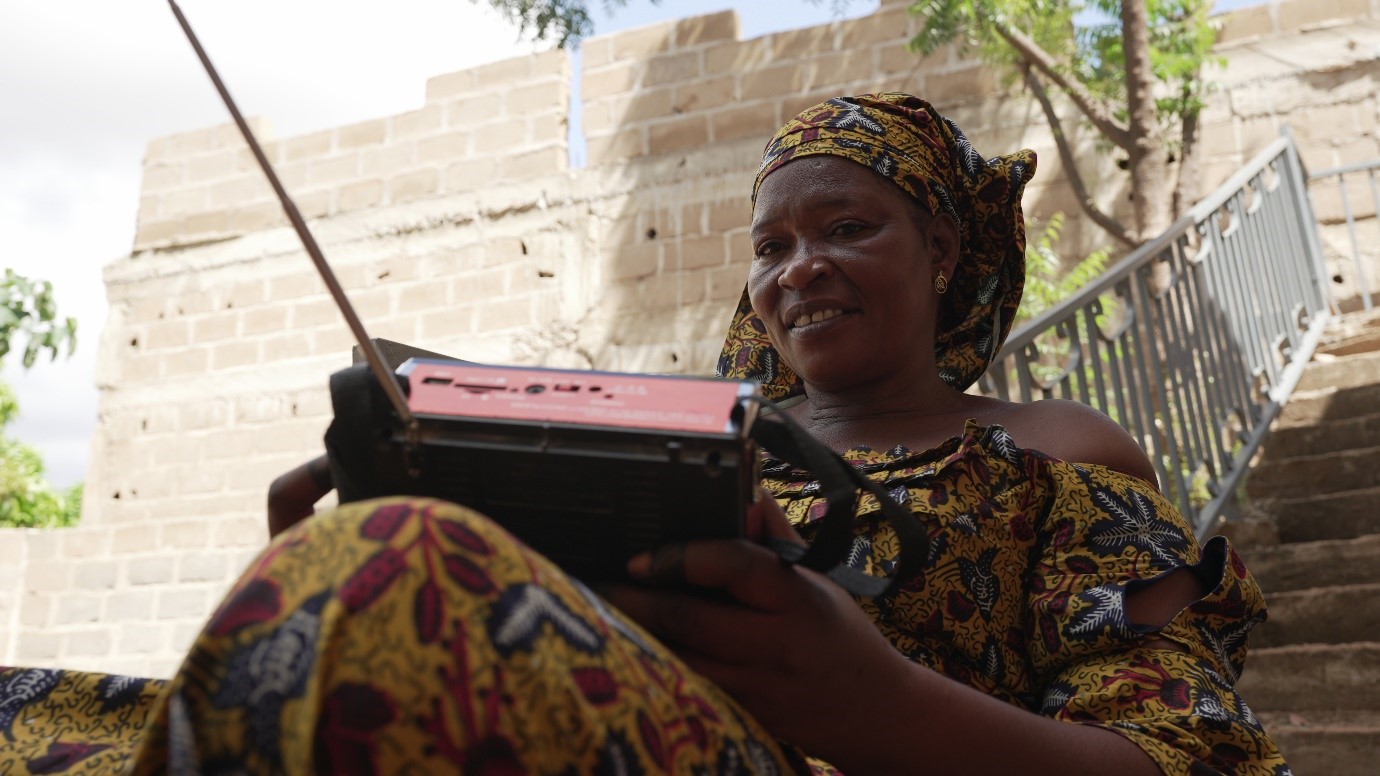
Domestic violence is commonplace in many parts of Western Africa, where men still largely dominate society. Determined to confront this, Oummou works at a radio station in the small town of Dio-Gare in southern Mali.
As a child, Oummou saw her father and the community around her mistreat her mother. Oummou’s mother had many daughters but only one son, which the community considered shameful.
Oummou was also deeply troubled by the other ways in which women were treated in her community. It was common for men to beat their wives.
The community would punish women for perceived disobedience by breaking their hands. But women suffering abuse were forbidden to tell anyone about their injuries, so they avoided going to the hospital.
Witnessing this, Oummou decided that if she were ever in a position to advocate for women, she would do so.
An uphill battle
Over the years, Oummou realised that her generation continued to perpetuate the same toxic and abusive behaviours she grew up with. To push back against the normalisation of harmful practices, she decided to run for election in the local government.
“In the past, women were forbidden to access any government positions, but I fought hard to change this,” says Oummou. “After a long, uphill battle, I was successful and was elected advisor to the mayor [on gender and women’s rights issues].”
Due to this, Oummou faced a lot of resistance within the government. Many of her colleagues had never worked with a woman before. Even the mayor disapproved of her presence among his staff.
“I resisted all of the naysayers, despite them giving me a very difficult time, because I had great ambition to see more women rise up to occupy frontline positions,” she says.
Oummou used her position in government and her job at the local radio station to reach as many people as possible. Through radio, she was able to speak to a large audience, helping others realise they weren’t alone.
However, Oummou‘s activism came with a heavy price. The community she cared for, initially shunned her, considering her to be rebellious. Believing those views, her husband divorced her.
Even so, Oummou persevered. She says, “I didn’t let this new setback stop me from achieving my dreams. I persevered and eventually gained respect and acceptance of my work within the local government.
“I became a fixture due to using my radio show as a platform to educate and advocate around issues facing the town, especially creating awareness about issues like gender-based violence and matters pertaining to women that were considered taboo.”
Making a difference
Oummou’s radio work and her work at the town hall complemented each other. Eventually, over the years the mayor came to see Oummou’s potential and her determination to make a difference. Despite the difficult start to their relationship, they now have mutual trust and respect.
“I endured a lot of conflict when I first started. Not only did the men [in government] keep things from me, I was not invited to meetings, I was spoken to rudely.”
“In time many men realised that I would not be stopped regardless of what they did to me. My mission was clear: I wanted to show men that a woman can do what they do too, and that I have the same entitlements as them. So, when they wanted to put me in my place, I made sure to stand tall.”
Standing up for women’s rights
Oummou says she is finally seeing the fruits of her labour. She sees it not only in the women who thank her for standing up for their rights, but also within her own family. She was reunited with her husband after many years, and he is now among her main supporters.
“The different roles we played in the past have come to an end, which has shown me that the advocacy I have been working on has been successful in our home. My husband now sits with our children and talks to them about the issues I cover in my radio show. The issues that used to divide us are now bringing us closer.”
Oummou’s story is a powerful reminder of the strides we can make through inclusion and celebrating those who are at the forefront of transformative change.
That’s why, in our life-saving work, Islamic Relief continues to champion Oummou and countless women like her. Women who are not only breaking barriers, but also paving the way for future generations of women leaders.
Support our vital work to empower women in Mali and around the world.
2022 has come to an end, and its end brings with it an opportunity to reflect on the year that was.
We as a team have been doing just that recently, and want to share some of our highlights and reflections with the broader community.
This year was the first true “post-pandemic” year, where we were able to focus on healing the poverty and hardship caused around the world by COVID-19 while also responding promptly to numerous global emergencies, including floods, earthquakes and more.
Islamic Relief Australia continues its ongoing efforts to address local needs, helping fundraise for numerous Muslim community initiatives, responding to natural disasters and actively engaging in important community forums.
We couldn’t have achieved what we did this year without the support of our fantastic team and volunteers, and the ongoing generosity of our donors. Here are some of the key highlights and notable events that made the year what it was for us.
A real highlight of 2022 was being able to come together as a team for in-person events, meetings and collaboration.
Supercharging our active community collaborations
One of the hallmarks of Islamic Relief Australia’s history to date has been our closeness to the Australian Muslim community.
We are by, of, and for our community. We share its struggles, celebrate its successes and have an important part to play in its progress as a uniquely international and mature full-scale NGO with a truly global presence.
With the most directly disruptive phase of the COVID-19 pandemic behind us, Islamic Relief Australia aits collaborations and activities with the community in a big way: we sponsored a landmark community event (see below) and helped fundraise and provide our experience for the benefit of various centres and mosques in the making.
Crescent Awards: A new, community-building partnership
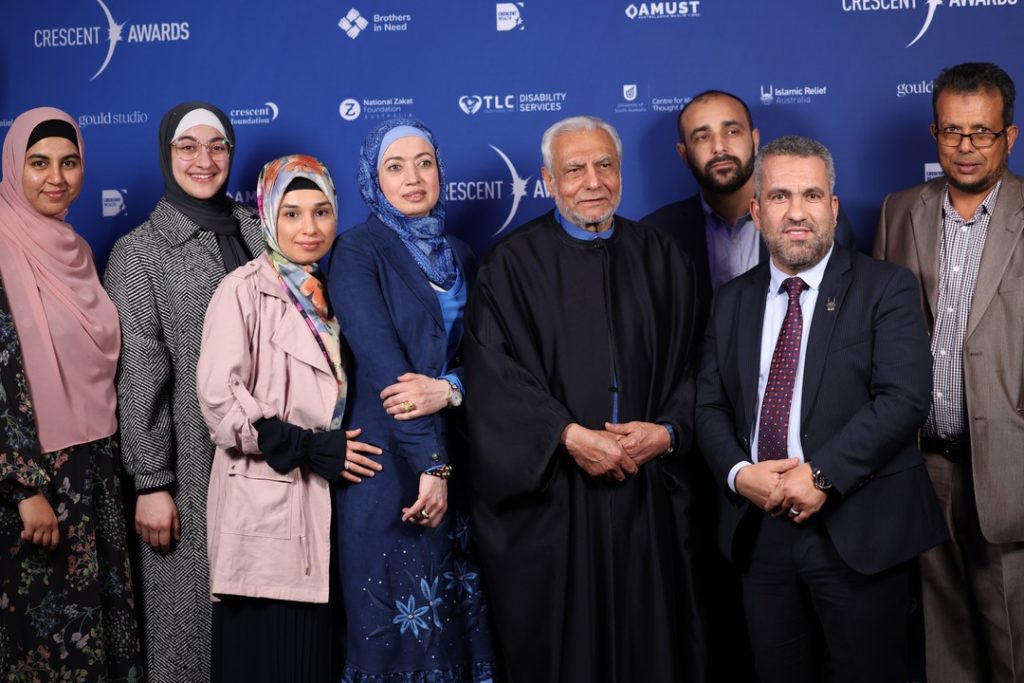
On Saturday the 6th of August 2022, Islamic Relief Australia was privileged to be a Principal Sponsor of the inaugural Crescent Awards.
The Awards were a notable, landmark event in our community’s history, bringing long-needed and overdue recognition to the efforts of incredible Muslims in the education sector: From teachers and educators to aspiring students and those giving back to the community.
The Awards were a fantastic evening, with the clear potential of our community on display for all to see. The Islamic Relief Australia team was there in support, and our CEO, br Samir Bennegadi, delivered an address on our relationship with Crescent Wealth and Crescent Foundation, as well as on our reasons for supporting the inaugural Awards night.
We look forward to an incredible, lasting relationship with the Crescent Awards as a landmark new event on the annual Muslim community calendar.
Being involved with the inaugural Crescent Awards was a real highlight of our year.
Partnership with key Centres and Mosques in the making
At Islamic Relief Australia, connecting with local communities and helping build brighter futures remains at the heart of work.
At the core of our community are its mosques and centres: hubs of activities that give life to the community and give opportunities to young and old to immerse themselves in the lived Muslim community experience.
We were actively involved in collaborating with some notable emerging centres and mosques in the fundraising and inception phases, including the magnificent Melbourne Grand Mosque and the landmark Al Nawawi Centre in Sydney.
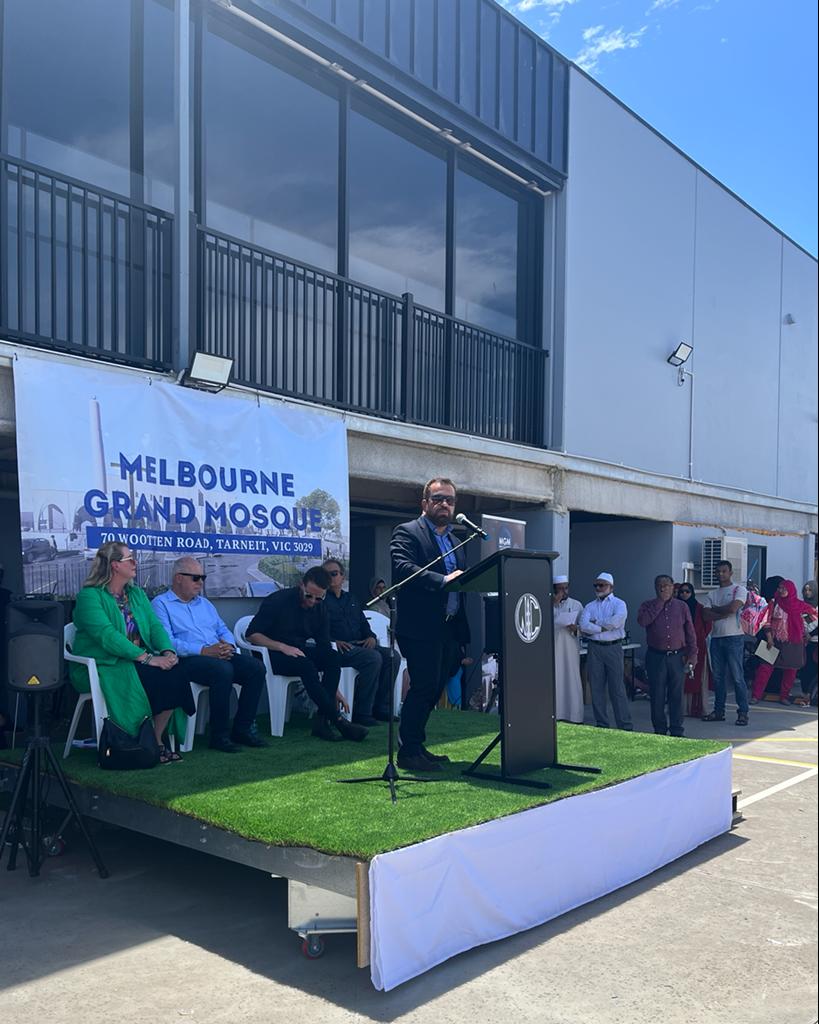
Our CEO, Br Samir Bennegadi, was delighted to speak about Islamic Relief’s community-building work at the Melbourne Grand Mosque volunteers event to an enthusiastic audience in November this year.
We look forward to continuing to collaborate with such emerging hubs of our community going forward.
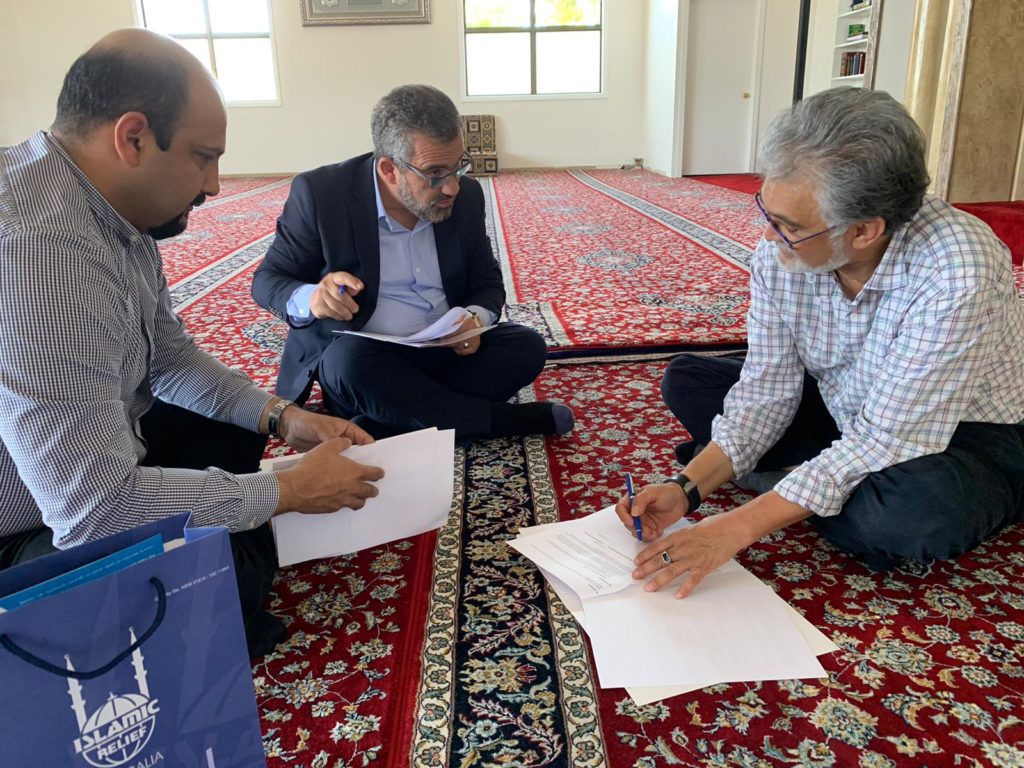
Our CEO, br Samir Bennegadi, addressing a Melbourne Grand Mosque event.Islamic Relief Australia signed an MOU with Southport Islamic Cenre and is honoured to be part of a visionary journey to fulfill the various needs of our Queensland Muslim community.
Ongoing intra-community events and collaboration
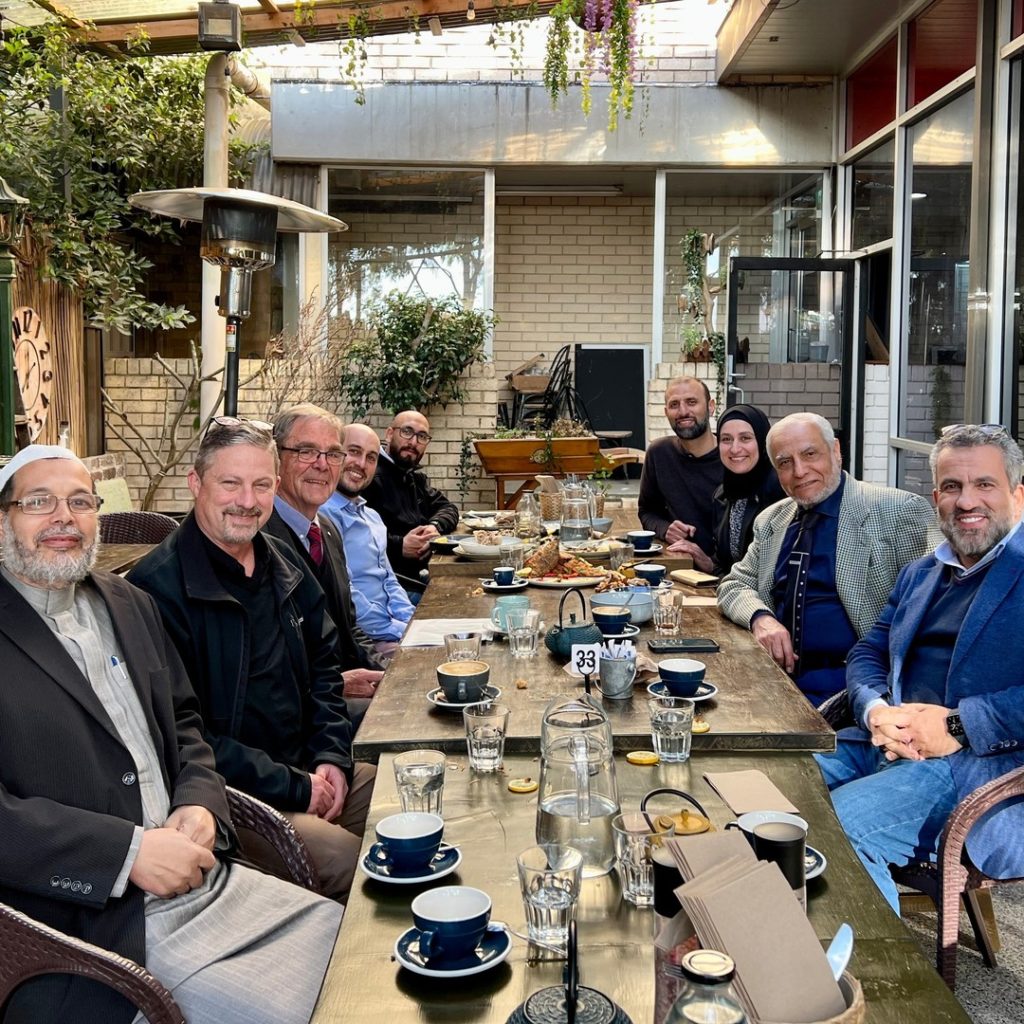
We were honoured to be invited by the Grand Mufti of Australia, Dr. Ibrahim Abu Mohammed, to a lunch with Bishop George Browning, bringing together these important faith leaders to discuss issues of mutual interest and concern.
The topic of discussion was inter-organisational cooperation and joint initiatives to support the people of Palestine – a cause close to the heart of our work at Islamic Relief Australia.
Bishop George Browning is the President of the Australia Palestine Advocacy Network (APAN), a very active and vocal advocacy organisation in Australia (https://apan.org.au).
Present from Islamic Relief was also our CEO Samir Bennegadi, and we were joined by other leading Muslim community leaders during the lunch. We believe such engagements are crucial and productive for the future of our community, and look forward to supporting more such engagements in 2023.
The Islamic Relief Australia team with Bishop George Browning and the Mufti of Australia, Mufti Ibrahim Abu Muhammad.
Bridge Walk for Charity: A Cause for Humanity
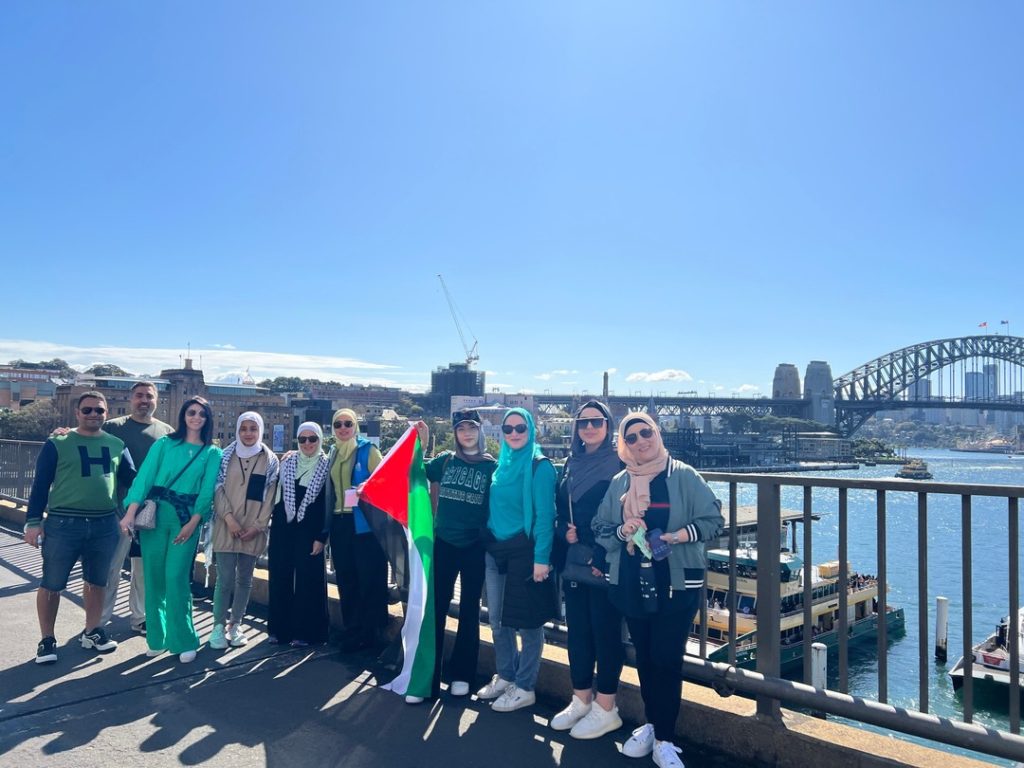
In August, Islamic Relief Australia hosted a charity walk through the heart of Sydney to raise awareness and funds for the ongoing tragic situation in Gaza.
The walk was organised in response to the humanitarian crisis that again impacted Gaza this year, where more than 44 people, including 17 children, were killed since the Israeli military launched attacks in early August 2022.
Islamic Relief Australia has always been determined to do everything to help those affected by the various crises in Palestine. The charity walk aimed to raise vital funds for a Medical Centre in Gaza to provide desperately needed medical care to support the voiceless affected by the conflict.
The walk took the participants on a scenic route through Sydney on a beautiful Sydney day, on a 3.2 km walk from Archibald Fountain, and ended at Milsons Point.
Palestine continues to be close to our minds and hearts always.
Working with global leaders to help the most vulnerable
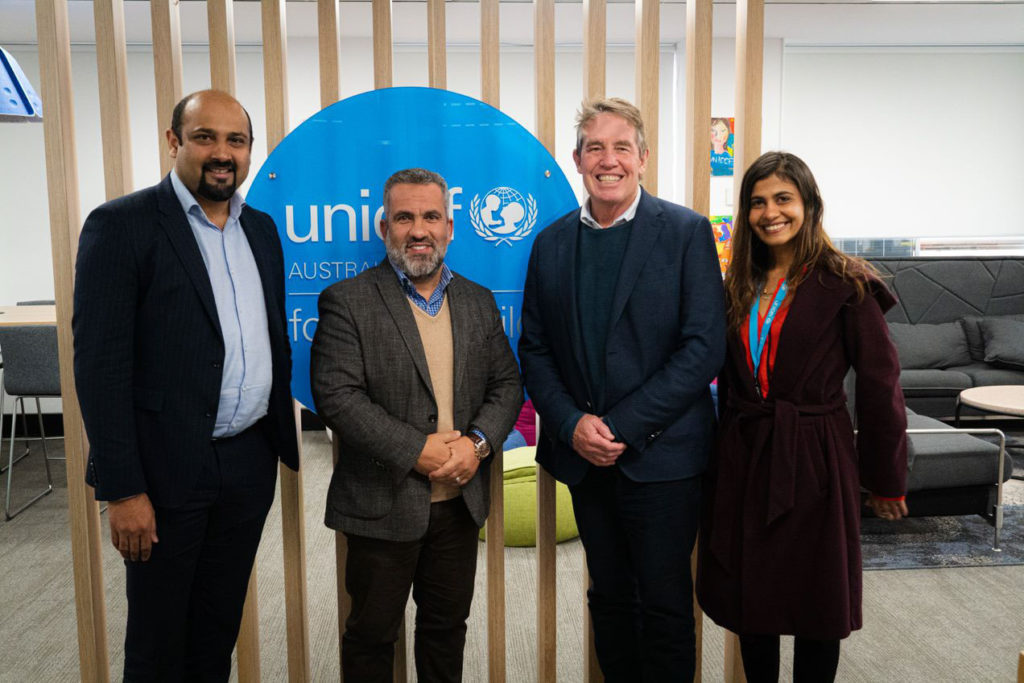
In October, Islamic Relief Australia was joined by UNICEF Australia for a workshop focused on Early Childhood Development (ECD) and our three joint ECD projects in Vanuatu, Cambodia and the Solomon Islands.
Our partnership with this leading charitable institution allows us to reach so many more children in the Asia Pacific that are in need.
Together, our projects empower disadvantaged families and give children a brighter future. We believe that the focus on giving children a chance in life is central to the ethos of our work at Islamic Relief Australia, and were proud to be working together with UNICEF Australia. In 2023, we look forward to continuing to do so to ensure that those most in need receive immediate aid and relief.
We were privileged to be joined by joined by UNICEF Australia for a workshop focused on Early Childhood Development (ECD).
Involvement in the Alliance of Australian Muslims
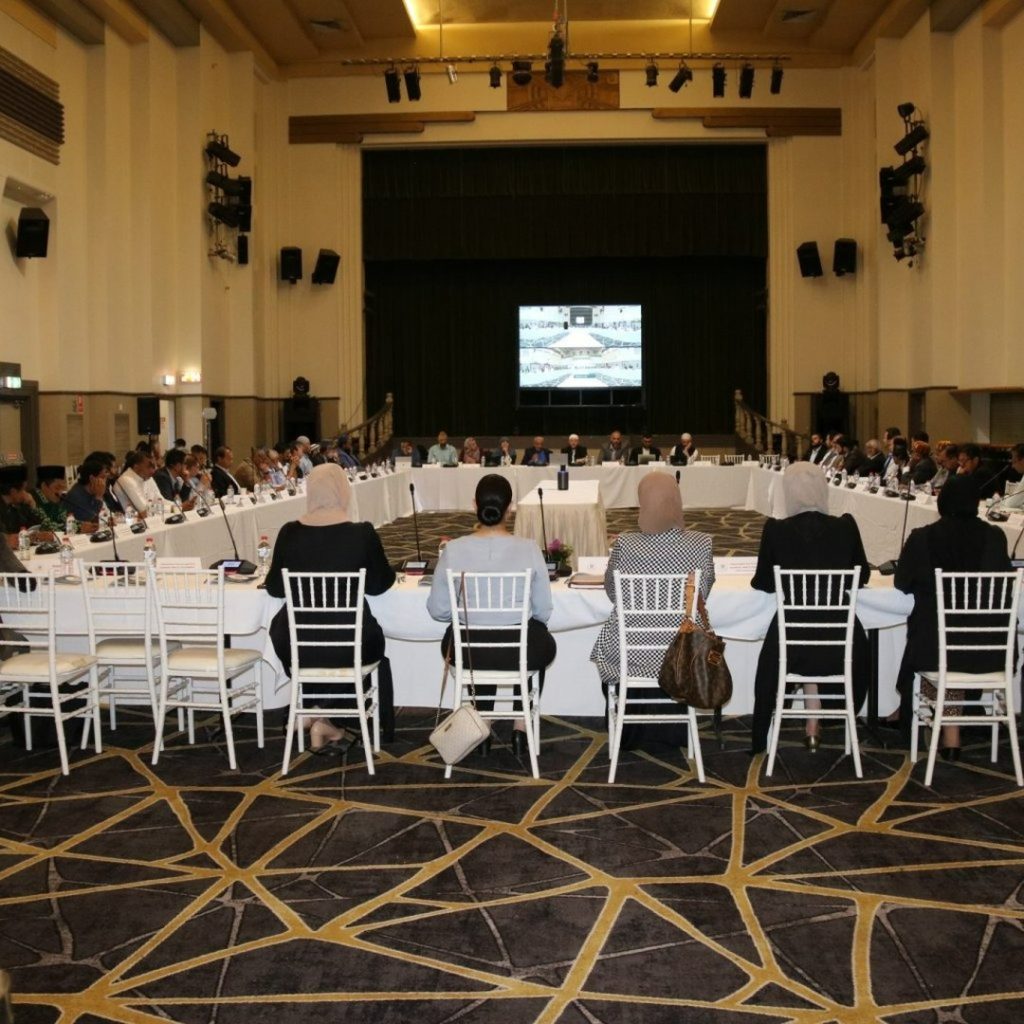
Islamic Relief Australia was honoured and privileged to be present at the 5th Alliance of Australian Muslims Summit 2022 in October.
Over 200 Muslim organisations were present on an important day for the Muslim community.
The National Summit focused on the key areas of promoting and preserving the Australian Muslim identity, enhancing media and political engagement, strengthening public relations, advocating for the protection of the civil rights of minority groups and religious freedom, countering Islamophobia and anti-Muslim sentiment, and matters of special interest to Australian Muslim women.
Muslim organisations from every corner of the country were gathered to bring their collective experience, energies and talents together for the long-term of our community.
The gathering was productive and extremely constructive, with great discussions on the needs of Muslims in Australia going forward.
We were represented by our CEO, Br Samir Bennegadi, who contributed on our behalf to the important conversations that happened on the day. He has also served on the Alliance’s steering committee for the last 5 years since its inception.
Islamic Relief Australia was honoured and privileged to be present at the 5th Alliance of Australian Muslims Summit 2022 in October.
Continued global impact as part of the Islamic Relief family
Islamic Relief has continued to actively help people in need. Throughout the year we were still able to help more than 13 million people in 34 countries, carrying out more than 770 significant projects*.
Thanks to the generosity of our donors over 85,000 orphans were sponsored in 26 different countries, almost 1.6 million people were fed with Ramadan food packs, and more than 4 million people received nutritious meals from your Qurbani donations.
We were able to provide water, sanitation, and hygiene to over 1.3 million people and helped almost 3.6 million others with specialist support for their livelihoods worldwide.
The distances we need to travel have increased, the logistics for delivering aid have become more complex, and humanitarian needs have required more urgent responses this year.
For 38 years Islamic Relief has been able to help people in need, reacting rapidly to emergencies and providing humanitarian assistance thanks to the generosity of our donors.
We would like to thank all of our donors; you have changed lives and you have saved lives.
*Figures shown are estimates as of November 2022, the final figures will be highlighted in our 2022 Annual Report.
Humanity, as living beings, needs water to survive. We need water to drink to survive. We need water for our crops and livestock to eat and earn a living. Yet, in so many parts of the world, communities struggle to find clean water. Especially in countries like Bangladesh, where water comes from a faraway source and families spend days seeking it from sources that may not be clean in the first place.
Historically, Bangladesh has been a water-rich nation. Home to a network of hundreds of rivers, the country boasts the world’s largest river delta, the Ganges Delta. But climate change and increasingly polluted waterways have left Bangladesh in a worsening water crisis.
Climate change takes its toll on Bangladesh
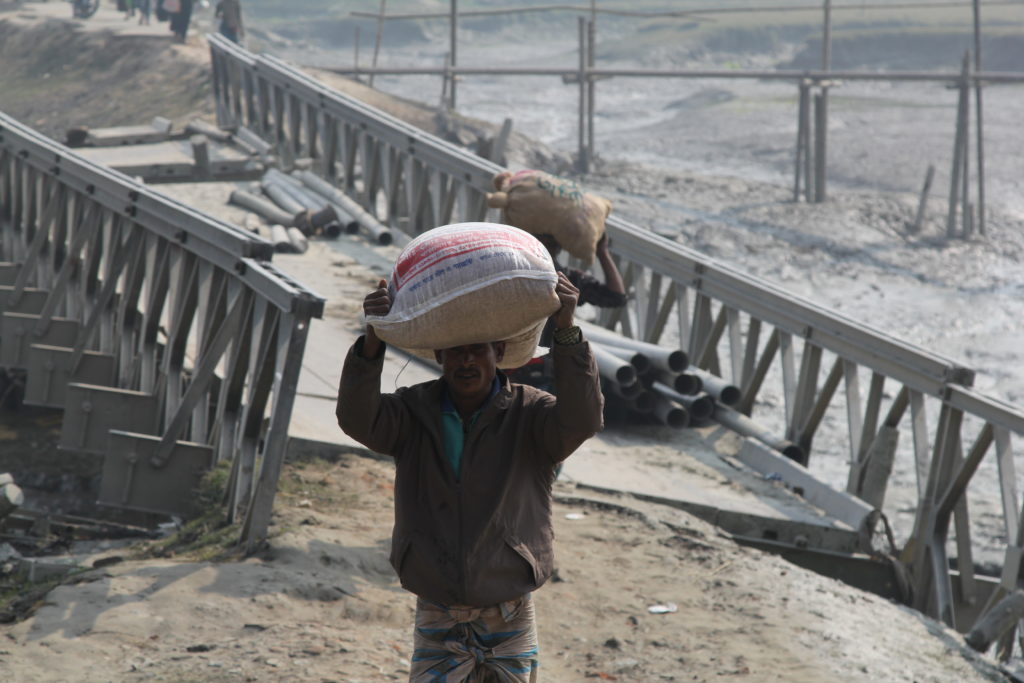
As the climate crisis worsens, Bangladesh faces a disastrous future of unpredictable rainfall and major flooding. In June this year, a massive flood killed at least 22 people in Bangladesh and stranded another 4 million. Yet, reports have shown rainfall rates in Bangladesh have only fallen each year in the past two decades, a worrying decline that has been noted since the early 1950s. Crops and poorly built housing and infrastructure cannot thrive in these uncertain weather conditions.
Photo: The effects of climate change continue to give the people of Bangladesh strife
The geographical makeup of Bangladesh has also left its population highly vulnerable to sea-level rise. As global warming continues to contribute to rising sea levels, many more Bangladeshis will be without homes and clean water as groundwater and surface water father inland become saltier as a result.
Millions of people in Bangladesh are without a reliable water supply
In addition to rising sea levels making natural water resources in Bangladesh undrinkable, these reserves are also severely polluted. Bangladesh’s rocks contain high levels of the poisonous substance arsenic, which leaches naturally into groundwater and contaminates irrigated crops and soils. Some 29 million people in Bangladesh have been found to be exposed to arsenic, mostly from contaminated shallow wells that constitute the backbone of the country’s rural water supply.
Sanitation is also an issue. Millions of litres of untreated sewage and industrial wastewater is is often released into surface waters and rivers across Dhaka, Bangladesh’s capital city, alone each day. A 2019 survey coordinated by Bangladesh’s government and the United Nations children’s charity UNICEF also concluded that 82% of the population is exposed to water contaminated with the bacteria, E.coli. Bangladesh urgently needs a solution to ensure its populations are able to access the clean water they deserve.
Islamic Relief Australia is launching a WASH Program to help the people of Bangladesh
Islamic Relief Australia is launching a WASH Program (Water, Sanitation and Hygiene) to help grant the people of Bangladesh their right to clean water and good health. WASH is an important aspect of any holistic development initiative and is recognised as part of Sustainable Development Goal 6 (SDG 6). Having access to clean water and proper sanitation facilities are important building blocks for further development initiatives such as education, health, nutrition, and livelihoods.
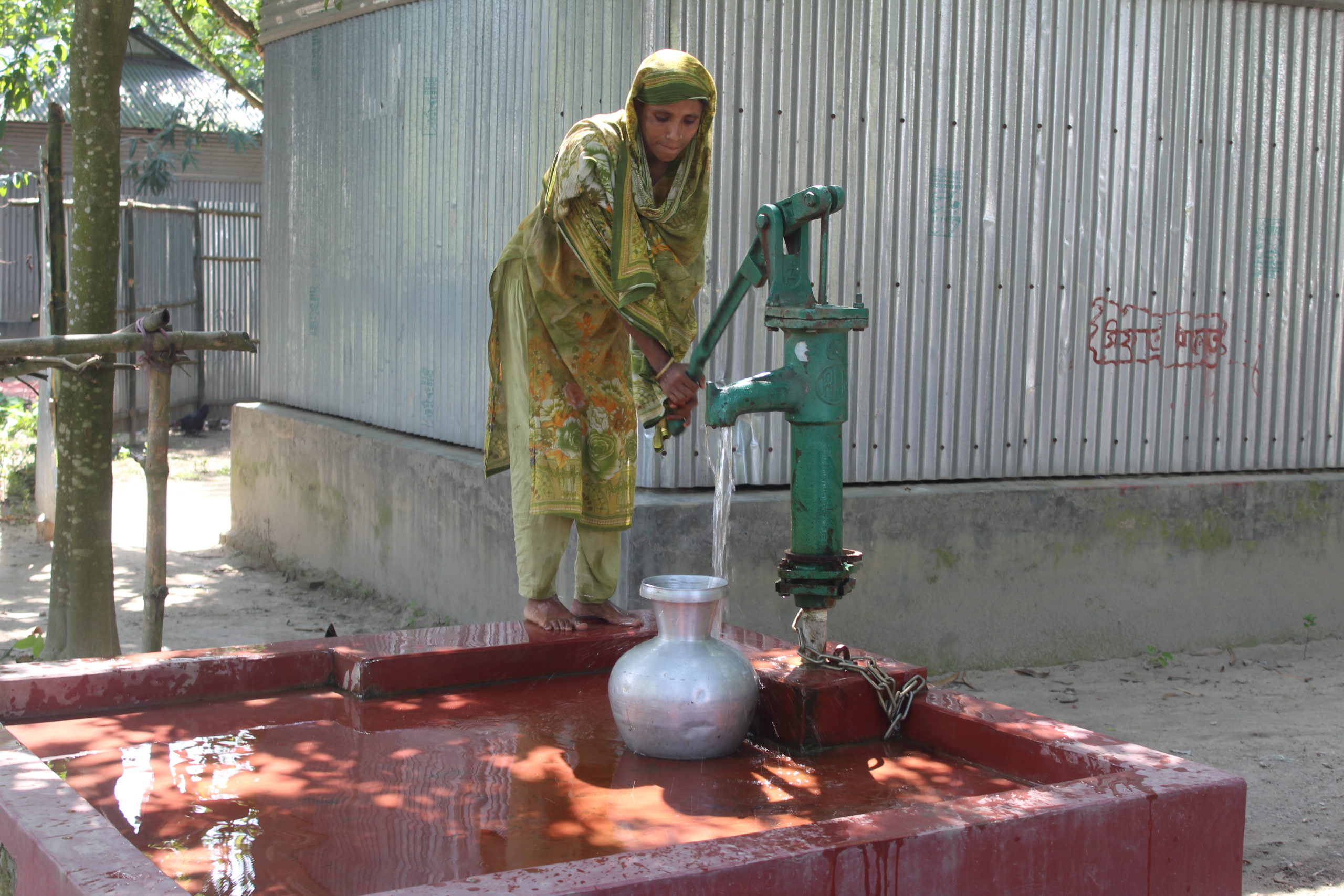
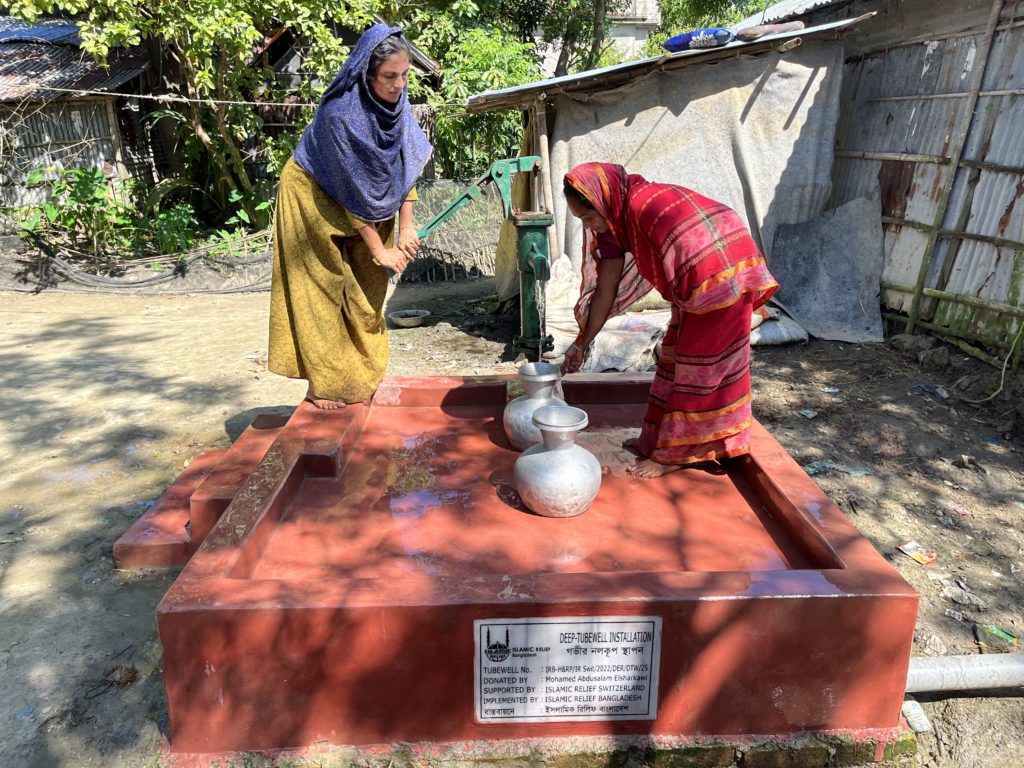
Photo: Through WASH, Islamic Relief provides even hard-to-reach areas in Bangladesh with facilities that help reduce water-related health vulnerabilities for poor families and communities.
Currently, Islamic Relief Australia is working closely with our branch in Bangladesh, to solve the nation’s chronic water and sanitation problems. This includes building stronger water wells that reach and grant better access to sanitation and hygiene benefits for more communities across Bangladesh.
Islamic Relief is building sustainable water wells in Bangladesh
Islamic Relief is committed to building better quality, more sustainable, safer and more durable wells across Bangladesh, even in hard-to-reach areas.
The quality of our wells standout above other charities for being rigorously checked, flood-proof and extremely long-lasting. In building wells, we also ensure that communities have a complete WASH solution that includes hygiene training, toilet facilities and clean water. Our water well price includes the construction of a toilet for the community, as well as hygiene kits and training on maintaining good hygiene.
Globally there are 2.3 billion people without sanitation facilities and 844 million people without access to safe and clean drinking water. We cannot solve the water crisis by simply drilling wells and installing low-quality water pumps. Vulnerable communities in countries like Bangladesh deserve long-term water solutions that help them achieve a brighter future.
In the words of the Prophet (PBUH), “The best charity is giving water to drink.” (Ahmad)
While there is a lot of talk about climate change at the moment because of COP26, it is hardly a new issue.
Islamic Relief is doing something about it and has done something about it. In particular, our climate policy focuses on the poor and marginalized who suffer from the effects of climate change around the world.
We are conducting cutting-edge research to reduce the impact of climate change events by preparing communities through disaster risk reduction projects, using appropriate technologies, designing climate-positive projects, and spreading awareness of climate change. We help communities already experiencing the negative effects of climate change. Islamic Relief is currently involved in over 50 climate-related relief and adaptation projects in more than 14 countries.
Many people, for example, are unaware that Pakistan is particularly vulnerable to the effects of climate change.
The impact of climate change on Pakistan will be significant, numerous, diverse, and long-term. Some areas will become completely uninhabitable. With extreme temperatures, consistent floods, droughts, and coastal erosion, many will swap their homes and livelihoods for a chance to survive. Millions of people will become what are being termed “Climate Induced Migrants”. People who have to move to survive because of climate change.
Islamic Relief research report opening statement on that pakistan remains one of the ten countries most vulnerable to climate change in the global climate risk index
Our staff in Pakistan are acutely aware of these challenges and have been working with top scientists and engineers to design projects that are not only climate sensitive, but also reduce the impact of severe weather events.
Photo: A farmer supported by the Islamic Relief climate change and resilience program.
Islamic Relief Pakistan is particularly well respected for their innovative approaches to water projects (WASH). Sustainable Water Management is the key approach they promote. Rather than promote crude water extraction technologies, they encourage water recycling, innovative drip irrigation, solar powered pumps, green houses, and water retention technologies (such as reservoirs and ponds).
Islamic Relief uses the ideas of leading academics, natural resource managers, engineers, and key government thinkers to make all our interventions more environmentally sustainable.
Act now, the fight against climate change is more important than ever.
Help combat climate change by supporting sustainable WASH projects through our Water For Life program.
Sustainable water solutions for communities in the southernmost province of Indonesia
Safe water is a valuable commodity. Across the world, millions of people face difficulties in accessing clean drinking water, others live in unsanitary conditions that cause disease and death. Islamic Relief believes in promoting sustainable water solutions to communities. Islamic Relief’s water and sanitation projects –both at the emergency and long-term levels –have been providing essential aid for many years. We build water systems that help communities to have a sustainable source of water. We recognize the risk of disasters, displacement and disease and with over thirty years of experience as a global relief organisation, we know that no intervention can be like another.
Indonesia
Indonesia is exposed to natural disasters, including earthquakes, tsunamis, cyclones and volcanic eruptions. So much so that every month since the 2004 tsunami, there has been at least one major natural disaster in Indonesia. Islamic Relief Australia has been assisting Islamic Relief Indonesia to strengthen its emergency response capacity. This was done by supporting the stockpiling of emergency supplies and equipment and the establishment of an emergency fund.
This capacity was mobilised when Tropical Cyclone Seroja caused severe damage to the Nusa Tenggara Timur Province. Heavy rains of more than nine hours caused dams to overflow, destroyed water systems, inundated houses and rice fields. More than 500,000 people have been affected, 180 dead and thousands in this district alone.
Islamic Relief Australia sent five SkyHydrant Water Filtration Systems to Islamic Relief Indonesia, with the support of our generous donors, as part of the development of emergency response capacity .
We are pleased to inform you that the filtration systems have been installed in the Nelelamadike Village in Nusa Tenggara Timur Province. The village water system was completely destroyed by the cyclone and the community has struggled to access clean drinking water.
Video: SkyHydrant filtration systems in Indonesia.
What is the SkyHydrant water filtration system?
The SkyHydrant water purification unit produces safe drinking water without the need for power or chemicals
The SkyHydrant is lightweight (18 kg) portable and easy to deploy in the field
A single unit can produce up to 1000 litres per hour.
Clean drinking water can be produced from the majority of non-saline surface and ground water.
How are the SkyHydrants helping?
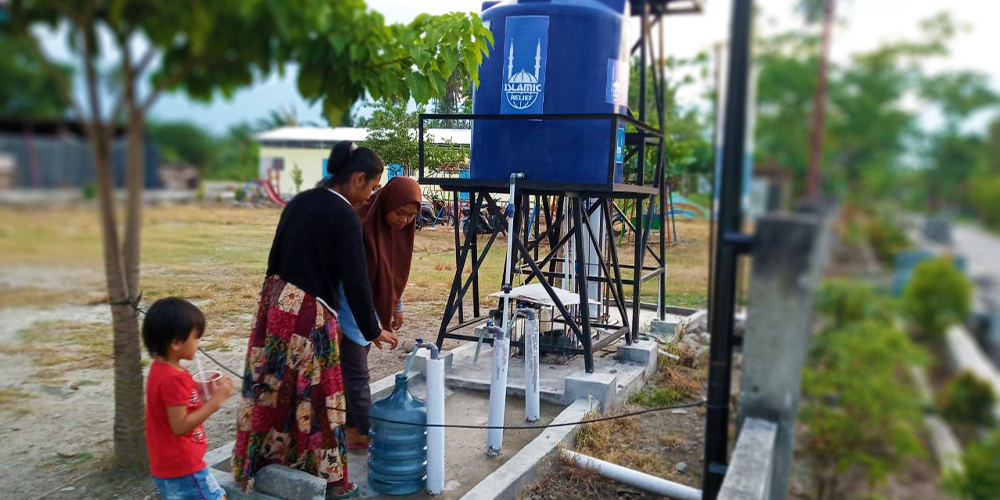
In addition to the five SkyHydrant filtration systems, Islamic Relief has helped to provide sustainable clean and safe water through the construction of 10 km of distribution piping, two deep wells equipped with solar panels, water towers, water containers and a distribution scheme to villages. The 2 deep wells of 110 meters deep each produce 60,000 litres per day. This will supply the five SkyHydrant filtration systems. The water system will benefit 900 direct and 3600 indirect beneficiaries.
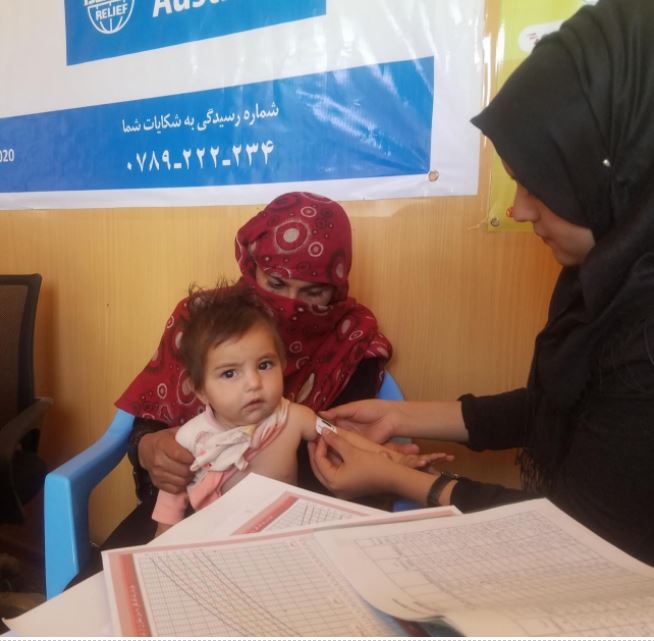
HIRA: Following decades of conflict and instability, the social systems in Afghanistan have been severely compromised. With a broken health system, access to quality healthcare has been a struggle for many, particularly internally displaced women and children. Alarmingly, Afghanistan’s maternal and child mortality rates are among the highest in the world. In partnership with the local government, since early 2020 Islamic Relief has been working to provide maternal healthcare, psychosocial support and nutrition activities to help vulnerable mothers better care for themselves and their children.
Ziba Gul, a 32-year-old mother of three, lives in a refugee camp and is just one of the people to benefit from this project. When she had her daughter, Golsum, Ziba struggled to breastfeed and meet Golsum’s nutritional needs. When Golsum got sick, Ziba thought the reason for her daughter’s illness was due to her family’s poverty. When she learnt about Islamic Relief’s health services for mothers, she got involved and learnt essentials about nutrition for children and ways to better meet her daughter’s needs.
“When I participate to your lesson I understand a lot, for example, we must cook different food each day from local ingredients. I [now] know about [the] benefit of vegetables, fruit and other cheaper locally available food. Golsum is 11 months now but I did not start giving complementary food to her yet and I understand that we should start complementary feeding at six month [along] with the breastfeeding [until she is] 2 years. It is about one month that I made this practice, so Golsum is [getting] better day by day…”
About the project
HIRA is a community-based healthcare project targeting the most vulnerable people in the Afghan community i.e. mothers and children who live in camps as internally displacement people and don’t have access to basic health services or life’s other essentials. The condition of these camps is shocking with poor hygiene and living standards. The project aims to improve the health and wellbeing of mothers and children in the targeted area by providing the essential health services, raising awareness about health and nutrition, prenatal care and psychological support. The project has been implemented in close collaboration with the local health department, health clusters, respective ministries and community groups.
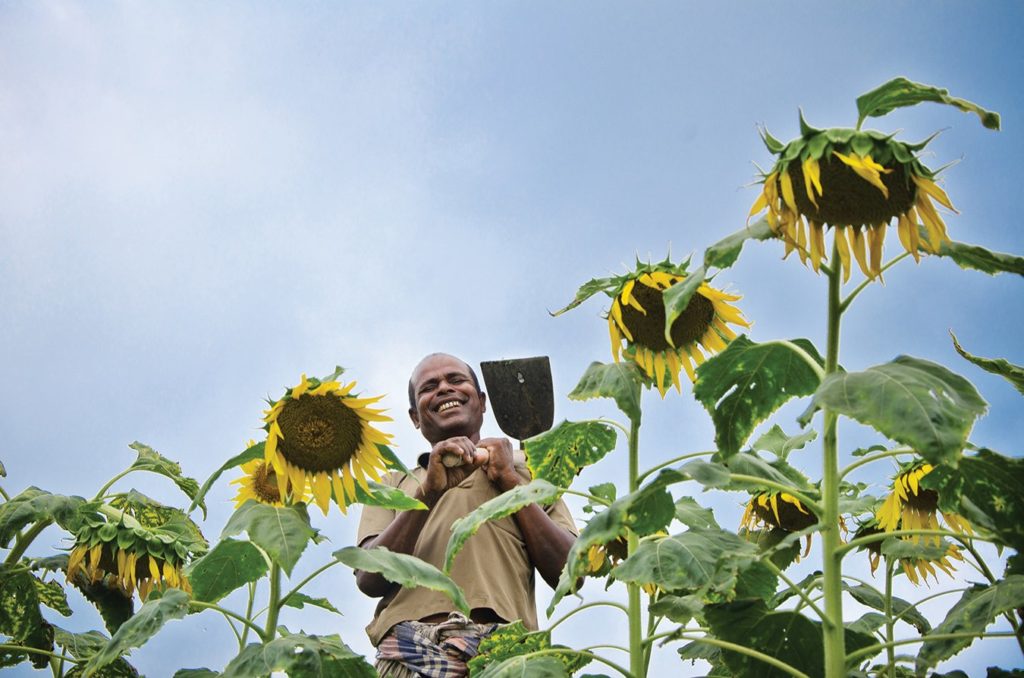
Gul Bar Har, and her husband, Ar Maut Char, are farmers who used to take loans from members of the community to cover their production costs at the start of the growing season. They would return the money once they harvest their vegetables. After returning the money borrowed, whatever they had left over would be used to meet the family’s basic needs.
When the next growing season would come around, they would need to borrow money again. In most situations, this process of taking loan after loan continues for years and years with debts being passed on from one generation to another.
For Gul Bar Har and her husband, the burden of always being in debt and the struggle to keep on top of their finances meant that their son had to drop out of school. On top of this, during the rainy season – with less harvest and fewer job opportunities – the family would often have to skip meals during the day. And sometimes, they would even have to borrow money from their relatives just to put some food on the table.
But in 2019, this cycle of debt stopped when Gul Bar Har received assistance from Islamic Relief to undertake agricultural training and a cash grant to cover her production costs.
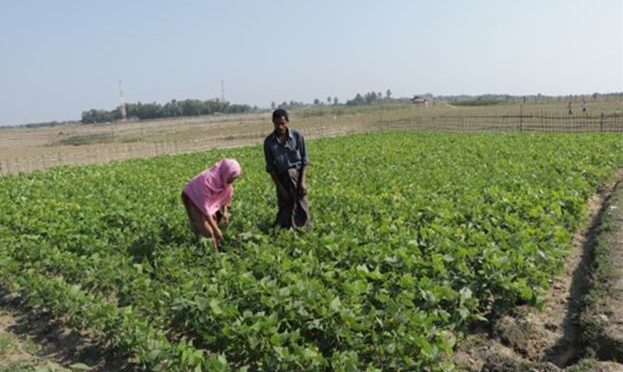
Gul Bar Har’s family is now growing tomatoes, beans, watermelon, beans, chili and eggplant. After receiving the cash grant, they harvested tomatoes for 10 cycles within a year. Now, they harvest crops twice a week and their monthly income has almost doubled. They sell their produce at the markets and they still have enough plots of tomatoes that they can harvest at least 20 more times.
Gul Bar Har says the vegetable farm’s good produce is a result of the training she received, in which she learnt how to grow crops properly.
“We do our best to carefully use the assistance provided to us. We are slowly reaping small successes. The best thing that happened was that we’re free from debt to start farming this year,” she said, happily.
In 2016, thirteen-year-old Jamila was one of many children left out of school after a devastating earthquake destroyed schools across Indonesia’s Aceh province. Not only was Jamila’s schooling disrupted but her family was left homeless and forced to live in tents.
“In my village three people died and…[many] were injured. We became displaced for quite long. We moved to a soccer field and made tents for three months, [staying] together with other communities who had also gathered there,” Jamila recalls.
It’s families living in poverty, like Jamila’s, that are hardest hit when disaster strikes. But your donations can help. Earlier this year, thanks to your support, we completed the development of an earthquake resistant multipurpose community centre in Pidie Jaya, Aceh.
Now, the centre is being used to host training sessions on disaster preparedness and risk reduction to equip vulnerable children like Jamila with the knowledge and skills they need to protect themselves during natural disasters.
“I have gained useful knowledge from simulation training and I [now] know how to react to earthquakes. If I am in school, when an earthquake occurs, the alarm bell will ring and we should follow the teacher’s instructions. If I am at home, I know what I should prepare…If my mother gets injured, I know how to treat her and my other family members. I will circulate the information to my schoolmates and to my family,” she says.
“I express my gratitude to donors and Islamic Relief [which] has given me training and wide knowledge. Thank you for giving us a multipurpose building… We are very grateful for this and only God can repay [you].”
Remember your support could change lives for the better and means the world to children like Jamila.