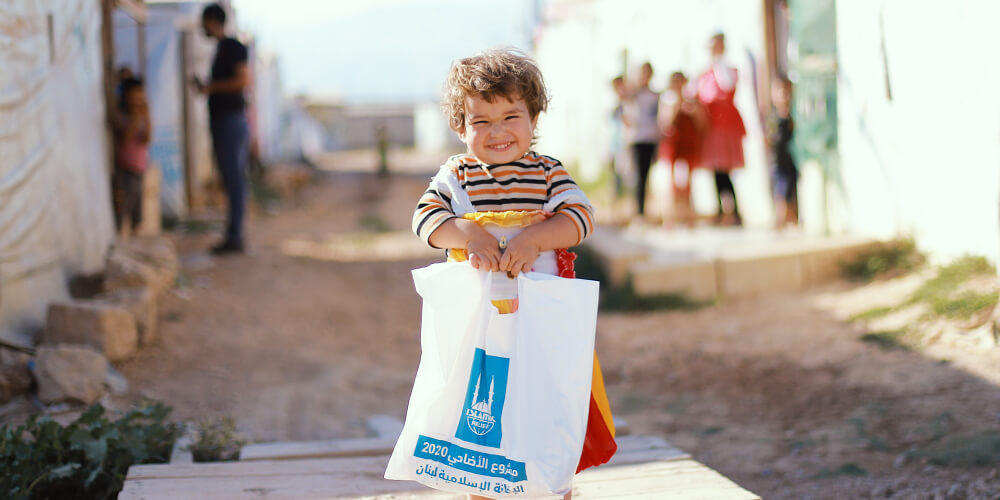
Gadarif state in Sudan was once a quiet agricultural region. Now, it is a reluctant refuge for thousands of families fleeing Sudan’s spiralling conflict.
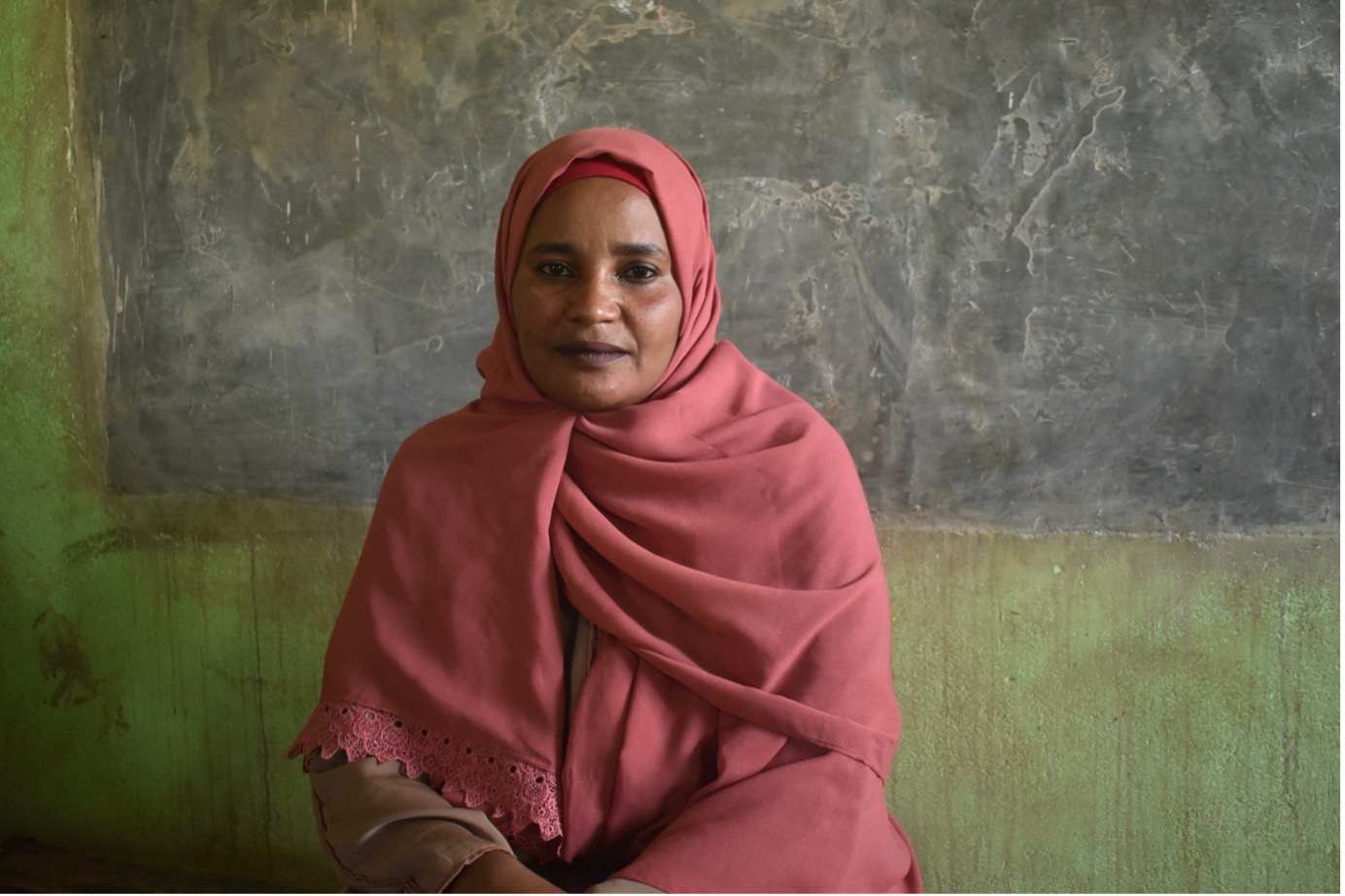
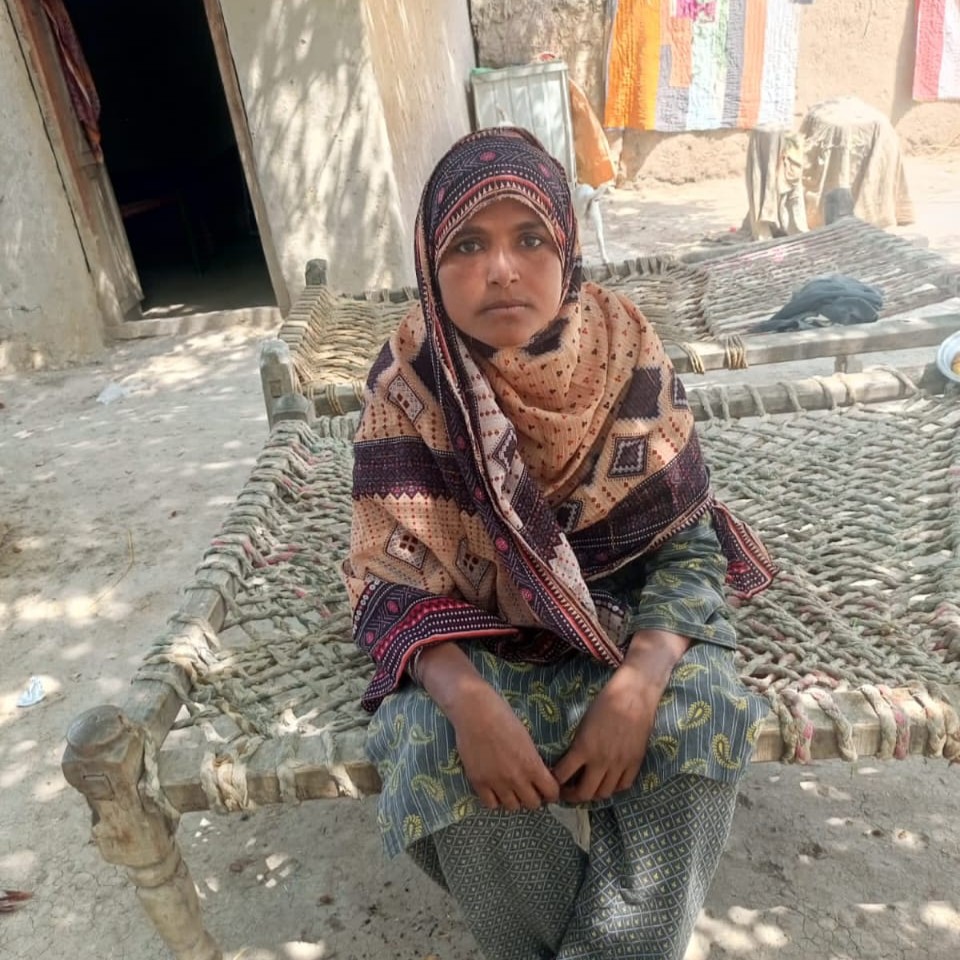
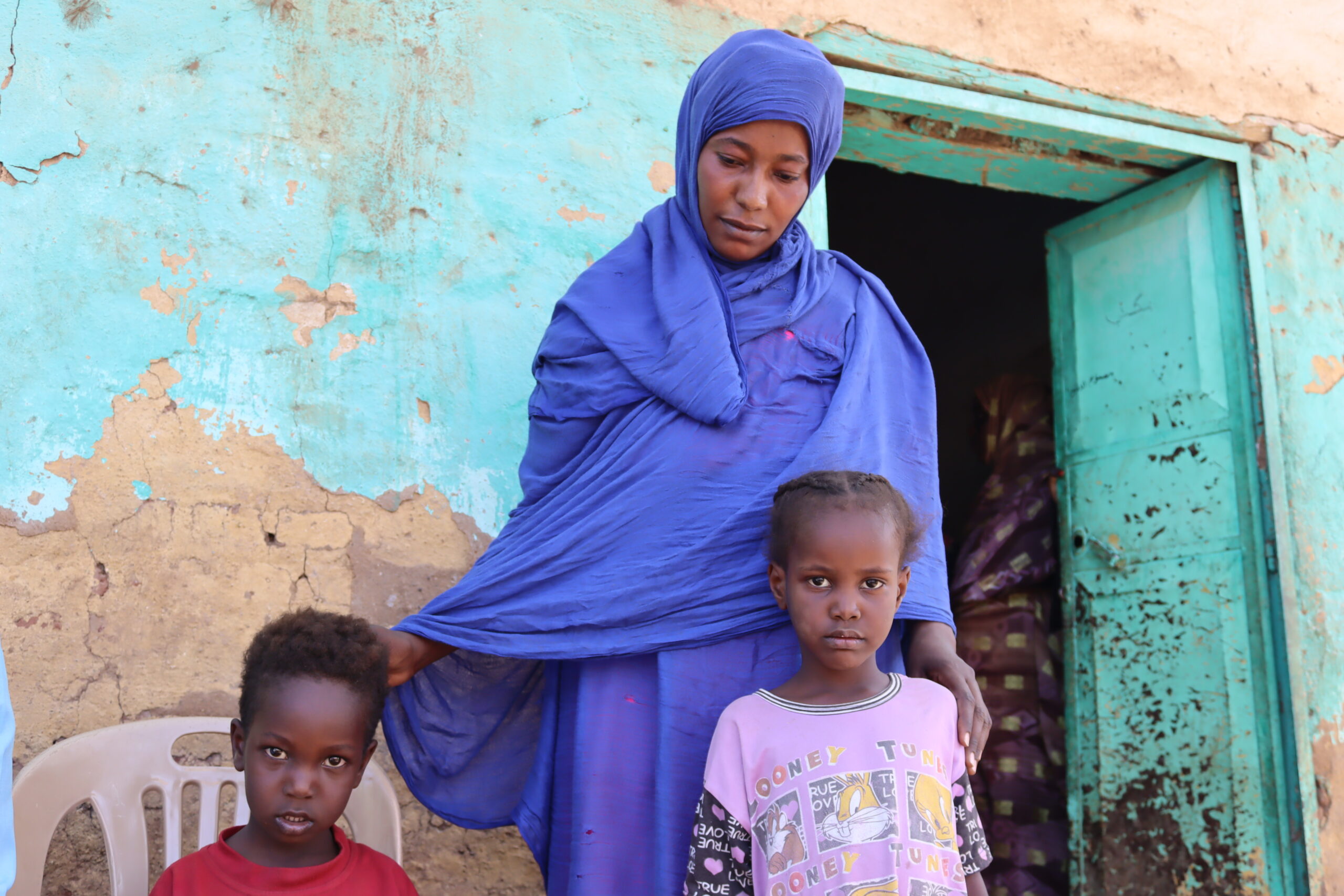
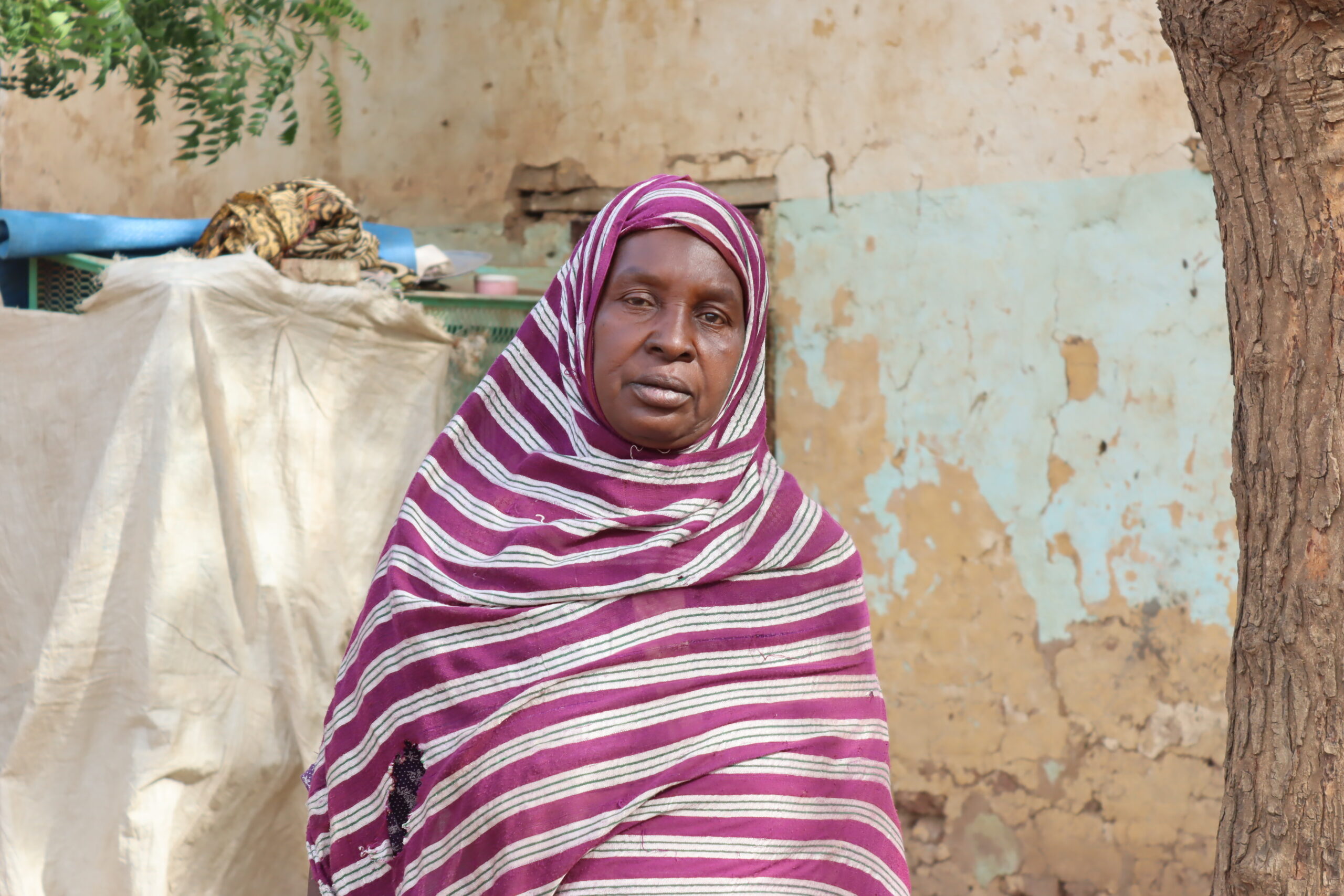
Among them is mother-of-5 Rayan, whose life has been reduced to a daily struggle for the most basic necessities: food, shelter and safety.
Her story is a snapshot of the global refugee crisis, one that forces us to confront the human cost of displacement, not as a distant tragedy, but as a relentless reality for millions.
The night everything changed in Sudan
Rayan’s family once had a home in Khartoum, a modest but stable life. Her husband ran a small business and her children went to school. “It was not luxury,” she recalls, “but it was ours.”
That changed overnight when fighting reached their neighbourhood last year. With bullets flying and shops ablaze, the family abandoned everything they had known. Joining the endless stream of displaced individuals searching for safety, they drove first to Singa in the Blue Nile region and then on to Gadarif after renewed clashes.
“We left with nothing,” she says. “No money, no belongings, no papers, just the clothes we were wearing.”
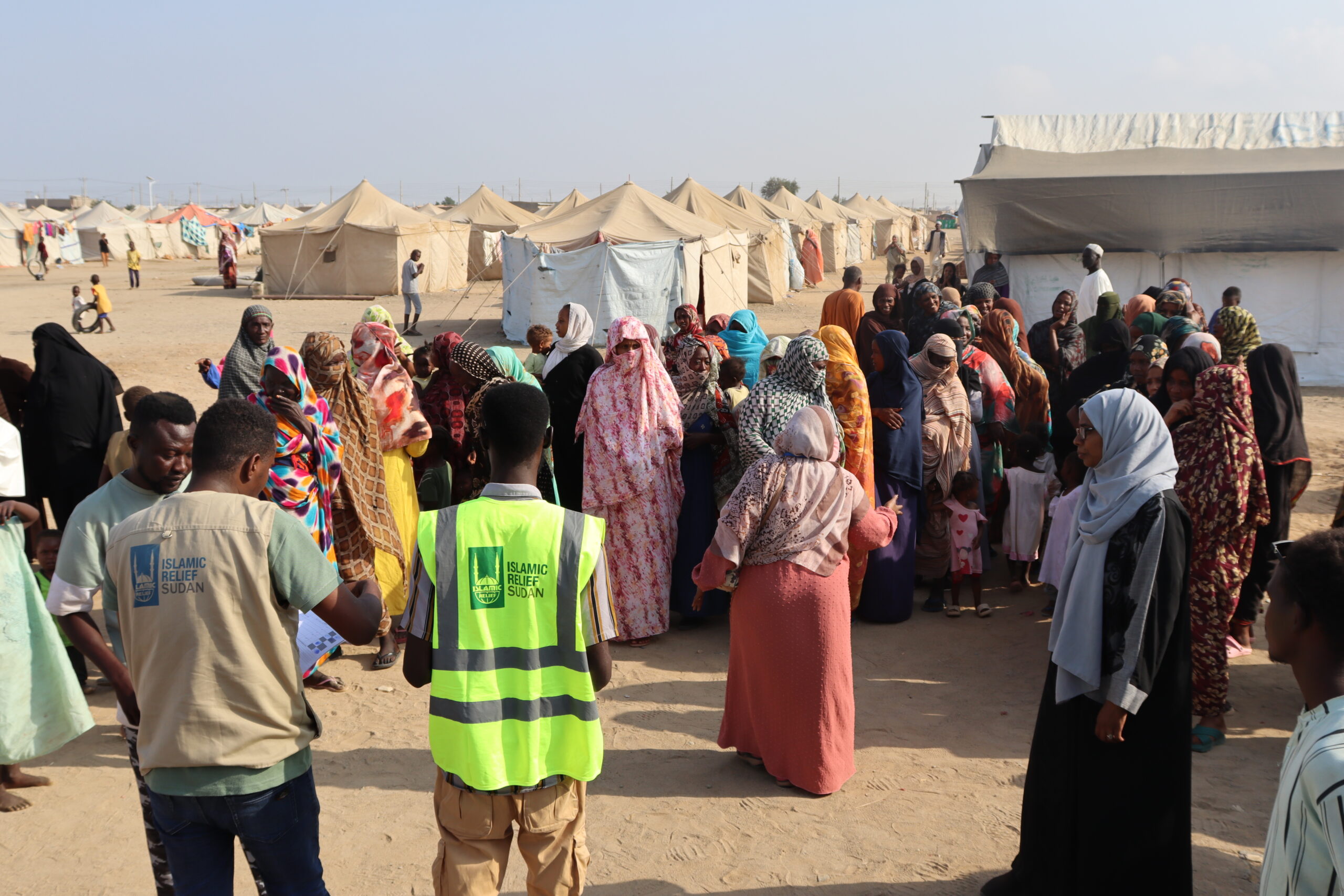
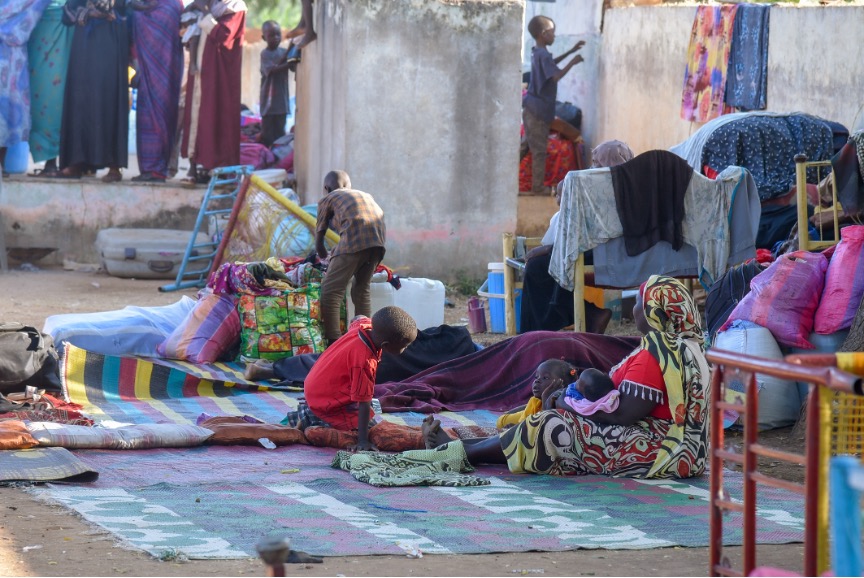
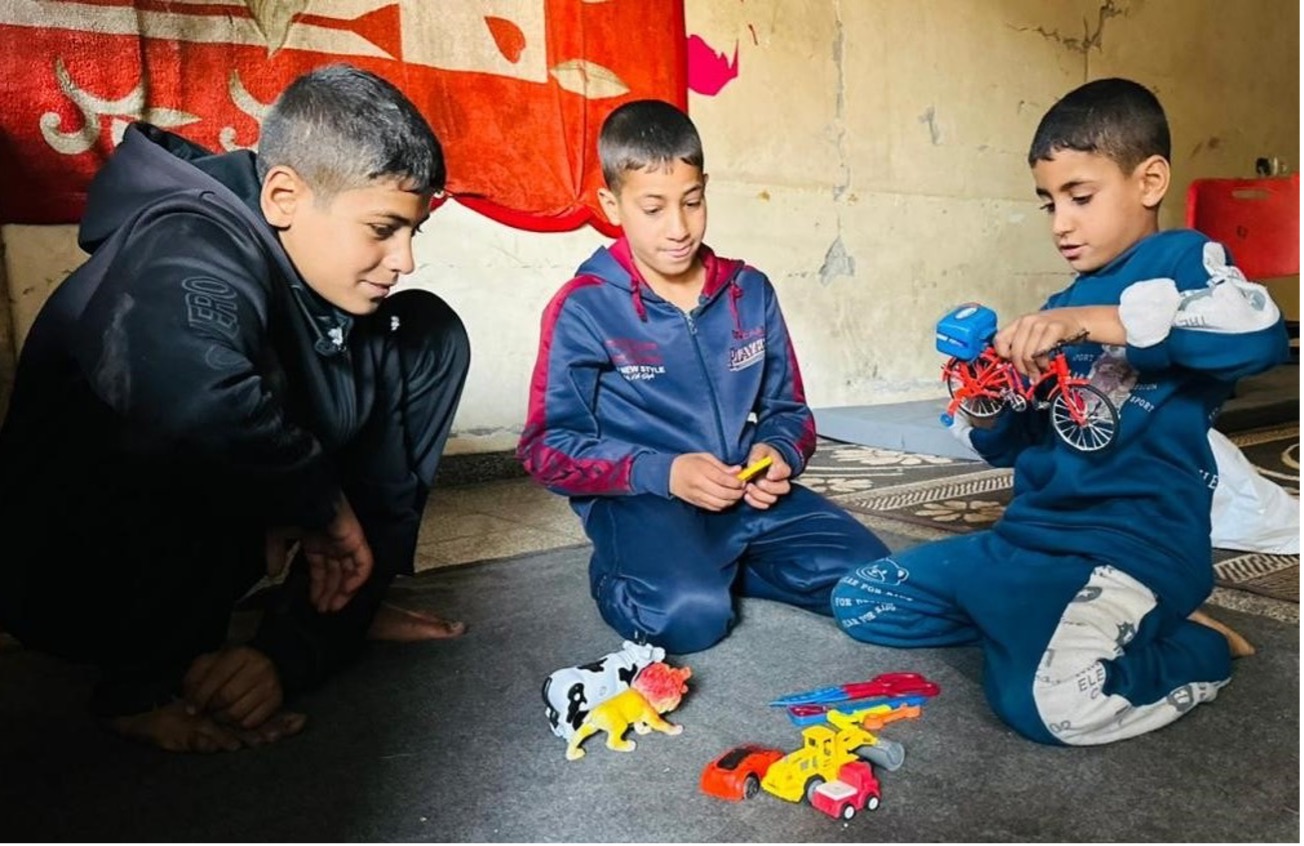
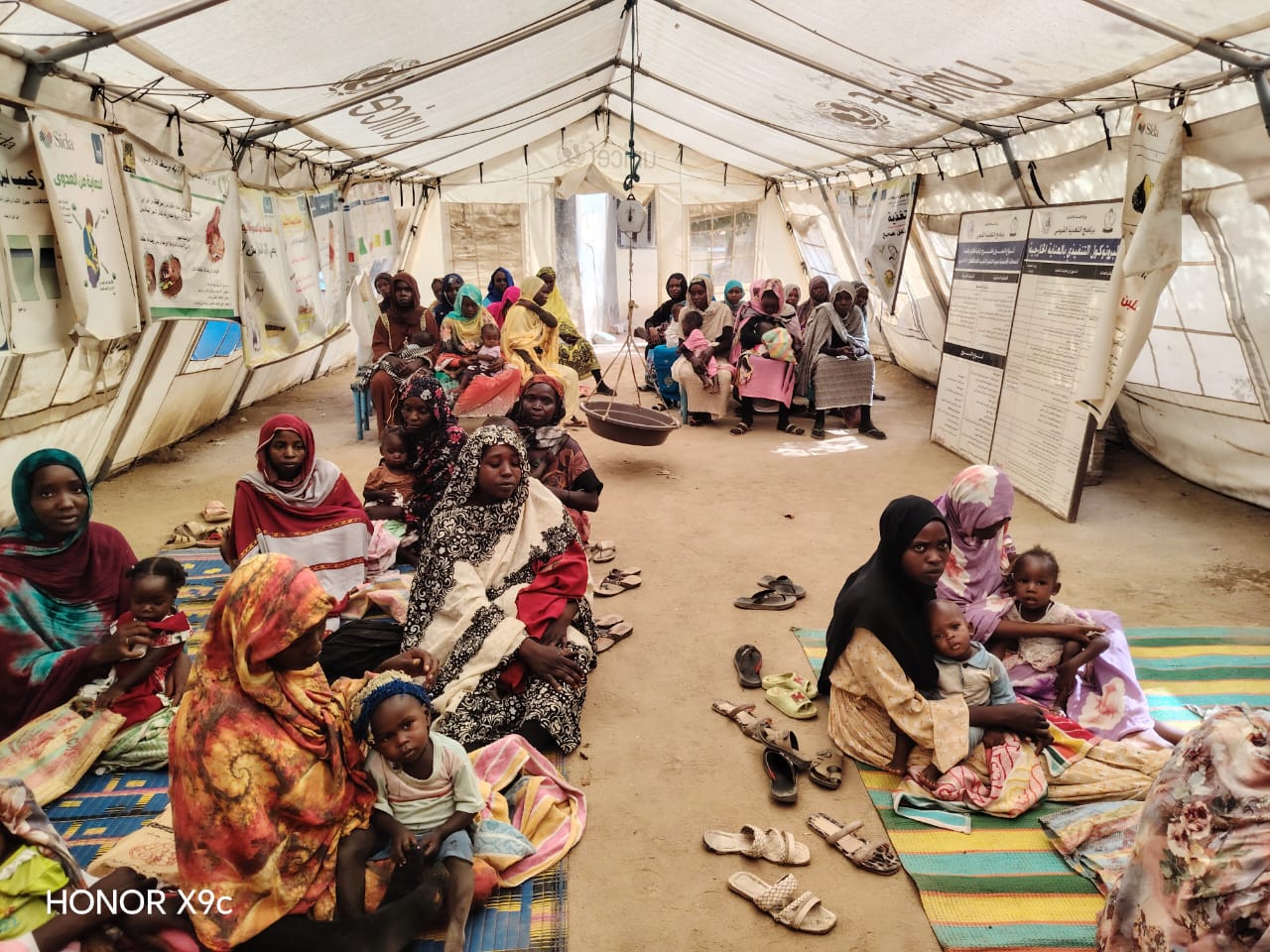
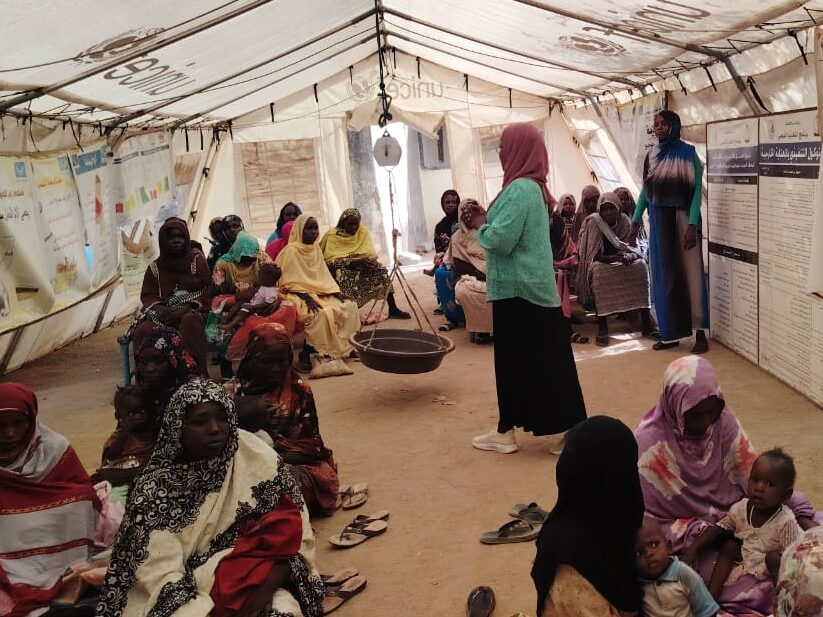
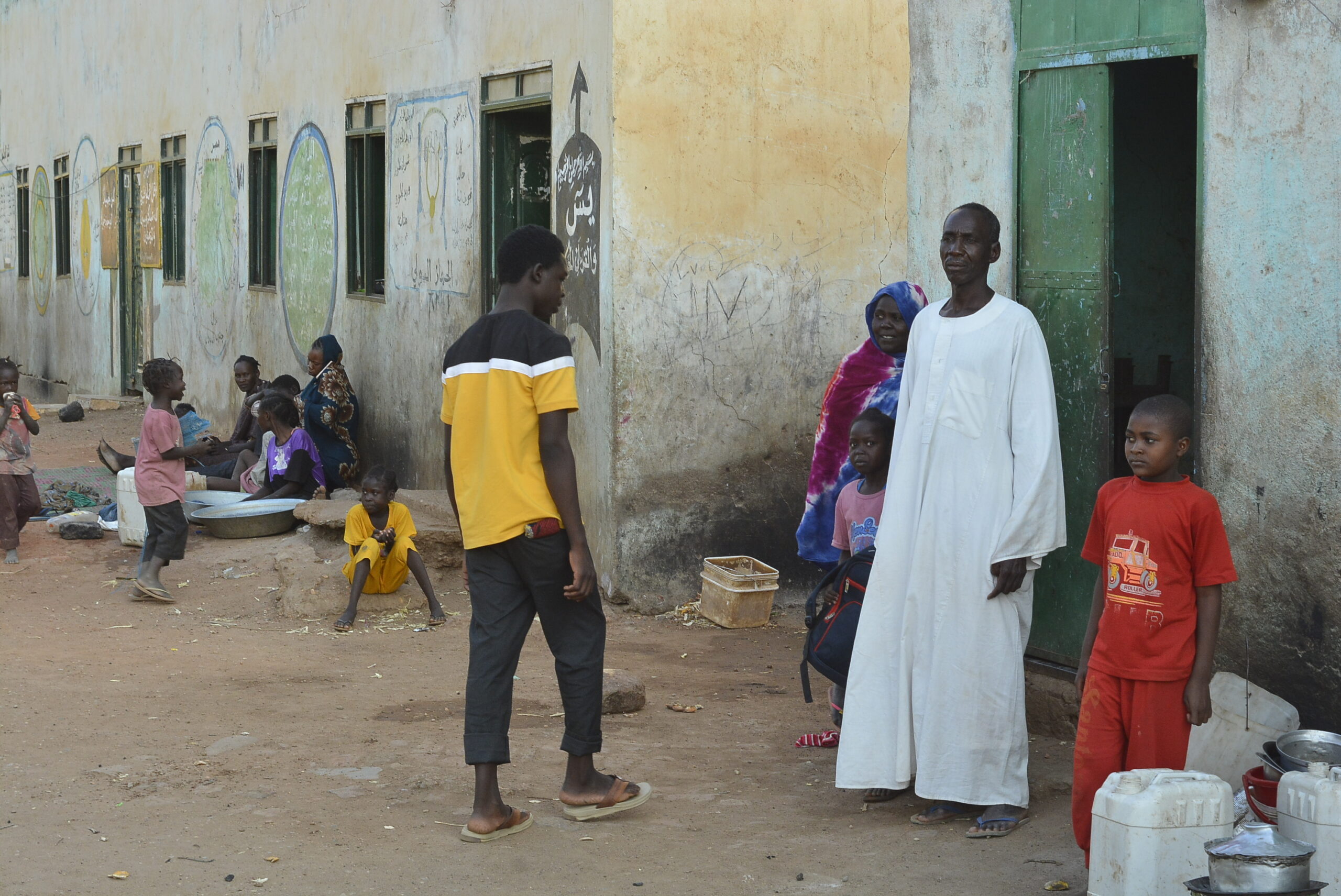
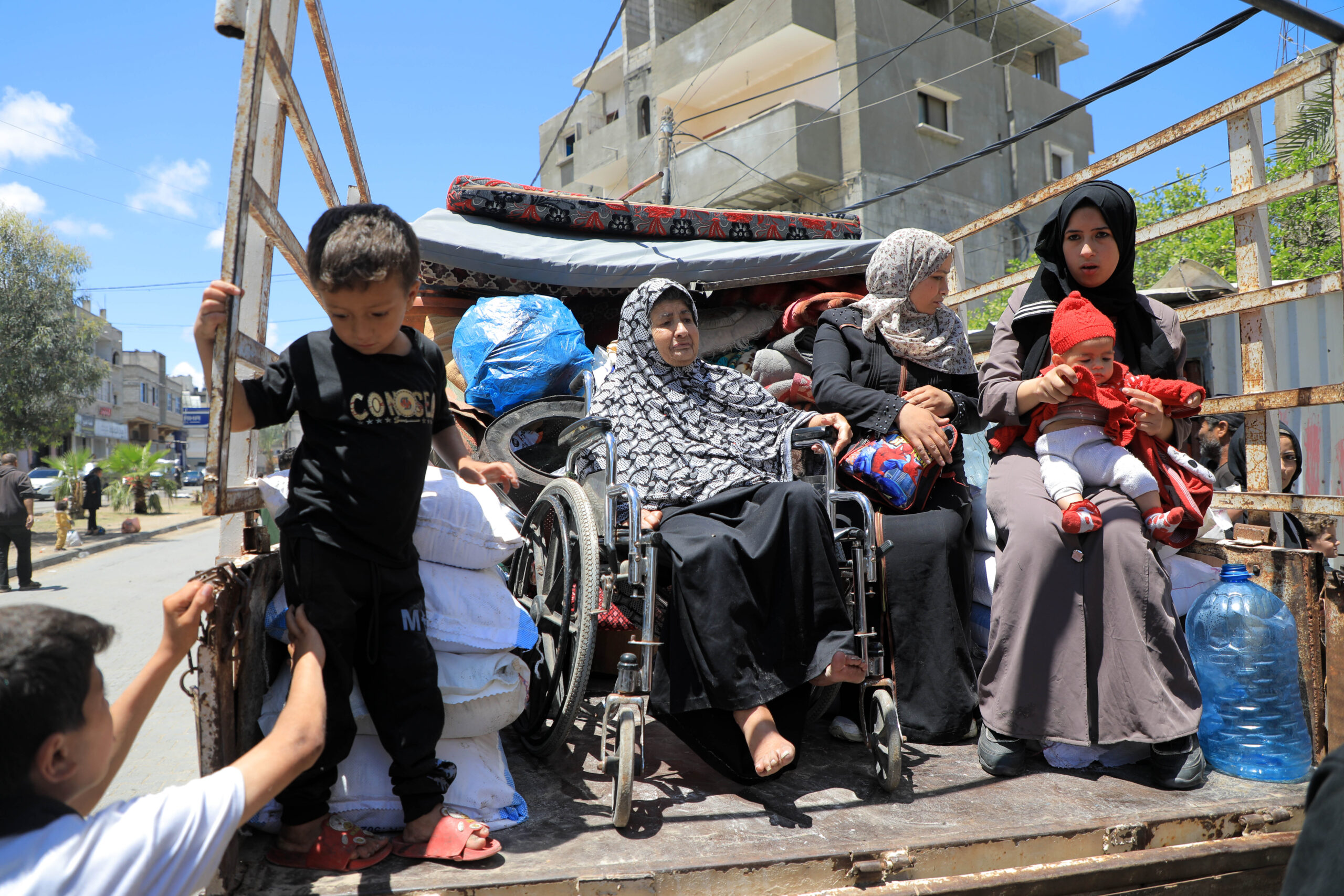
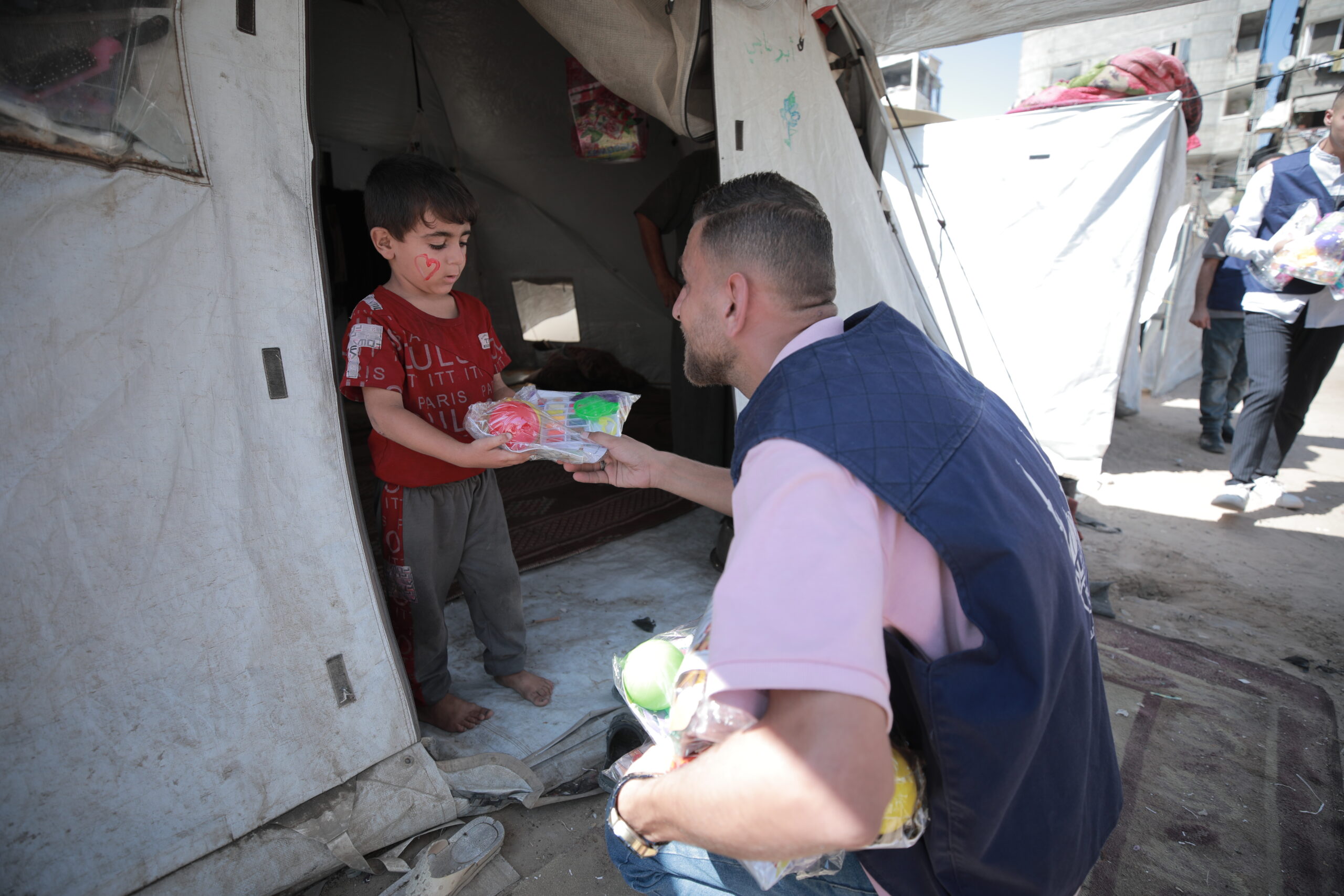
Photo: In Gadarif, thousands of displaced families live in cramped, improvised shelters, relying on humanitarian support to meet daily needs
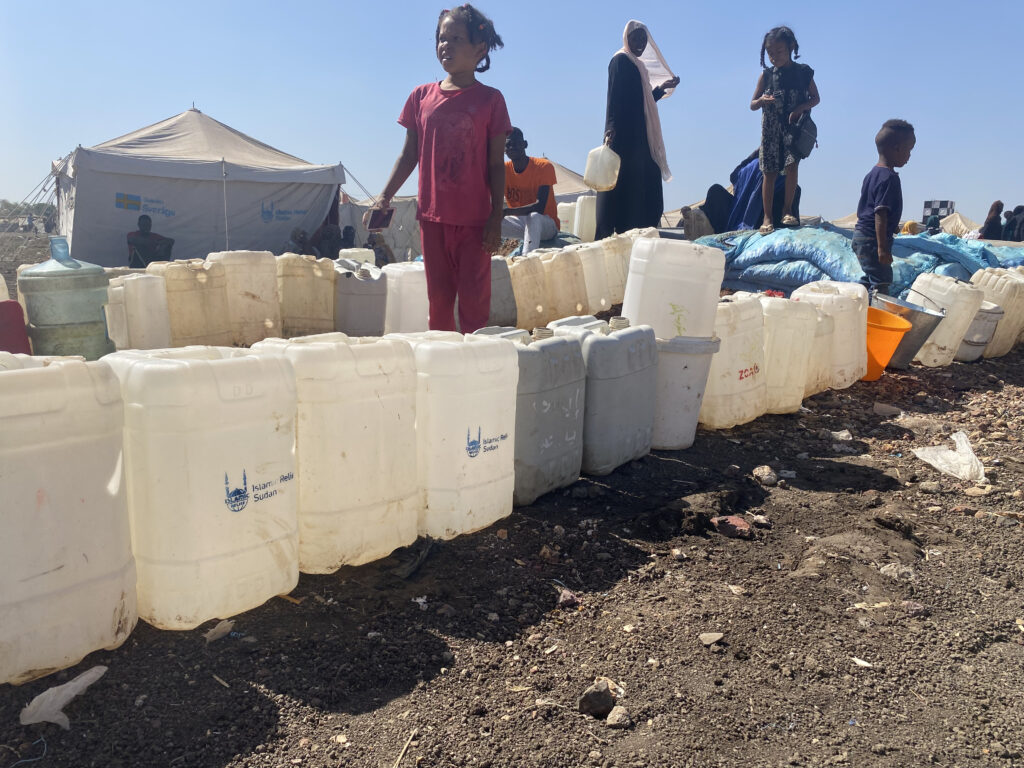
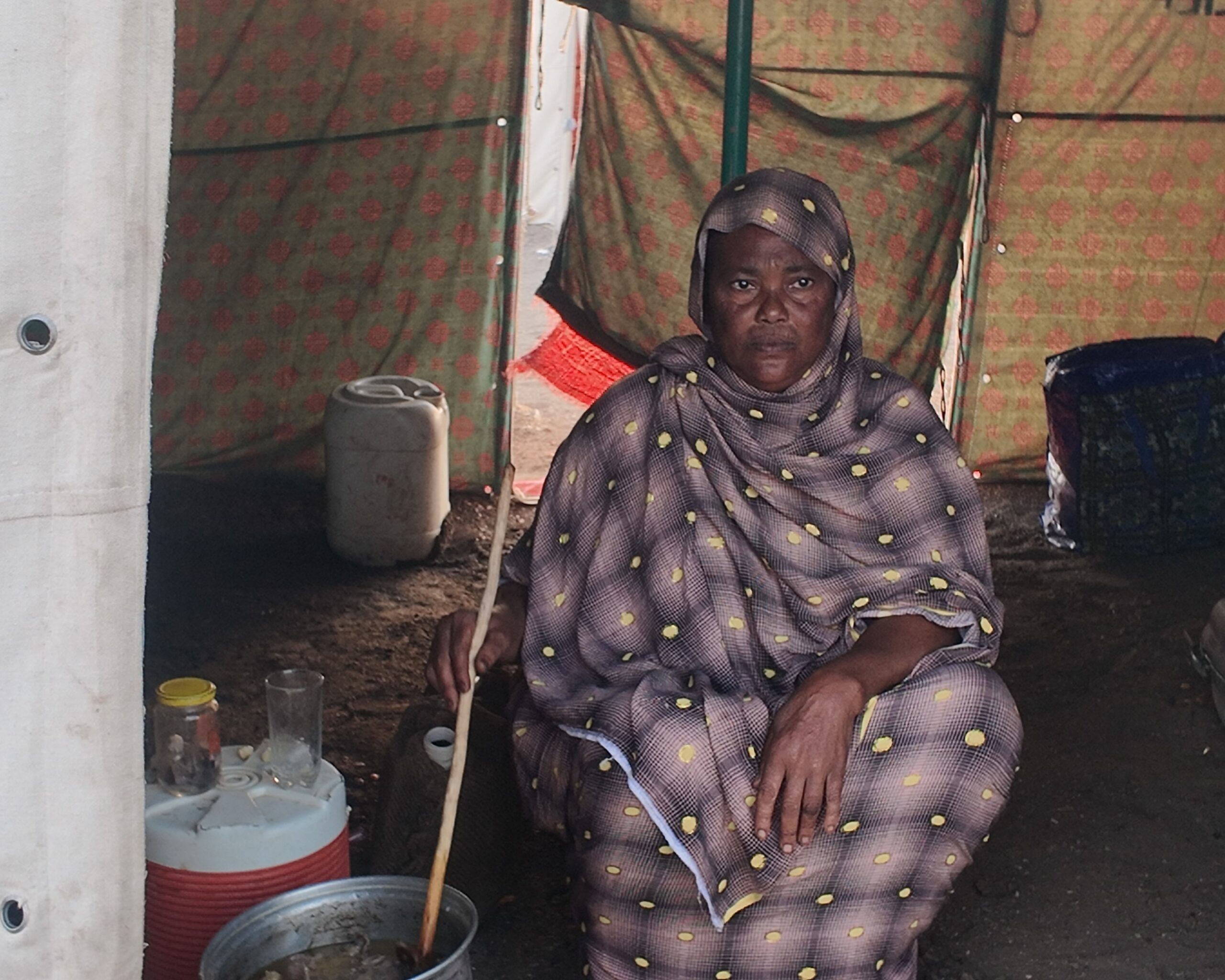
Today, the family of 7 live crammed into a host family’s compound. Plastic sheeting covers gaps in the walls; a single jerry can stands in place of household furniture.
Rayan’s husband searches the market each dawn for day labour. On good days, he earns approximately $5.20 AUD loading grain sacks and stacking produce carts. On the many bad days, he returns empty-handed.
The world’s largest displacement crisis
The speed of displacement in Sudan has been staggering: the United Nations estimates that over 11 million Sudanese are now uprooted, the largest internal displacement crisis on record.
Yet Sudan is only one fault line in a global pattern. Worldwide, 122.6 million people – three-quarters of them women and children – live in limbo after fleeing conflict, persecution, and disaster.
Displacement triggers a chain reaction of suffering. Children drop out of school, families sell all they have, and illness spreads where healthcare is scarce.
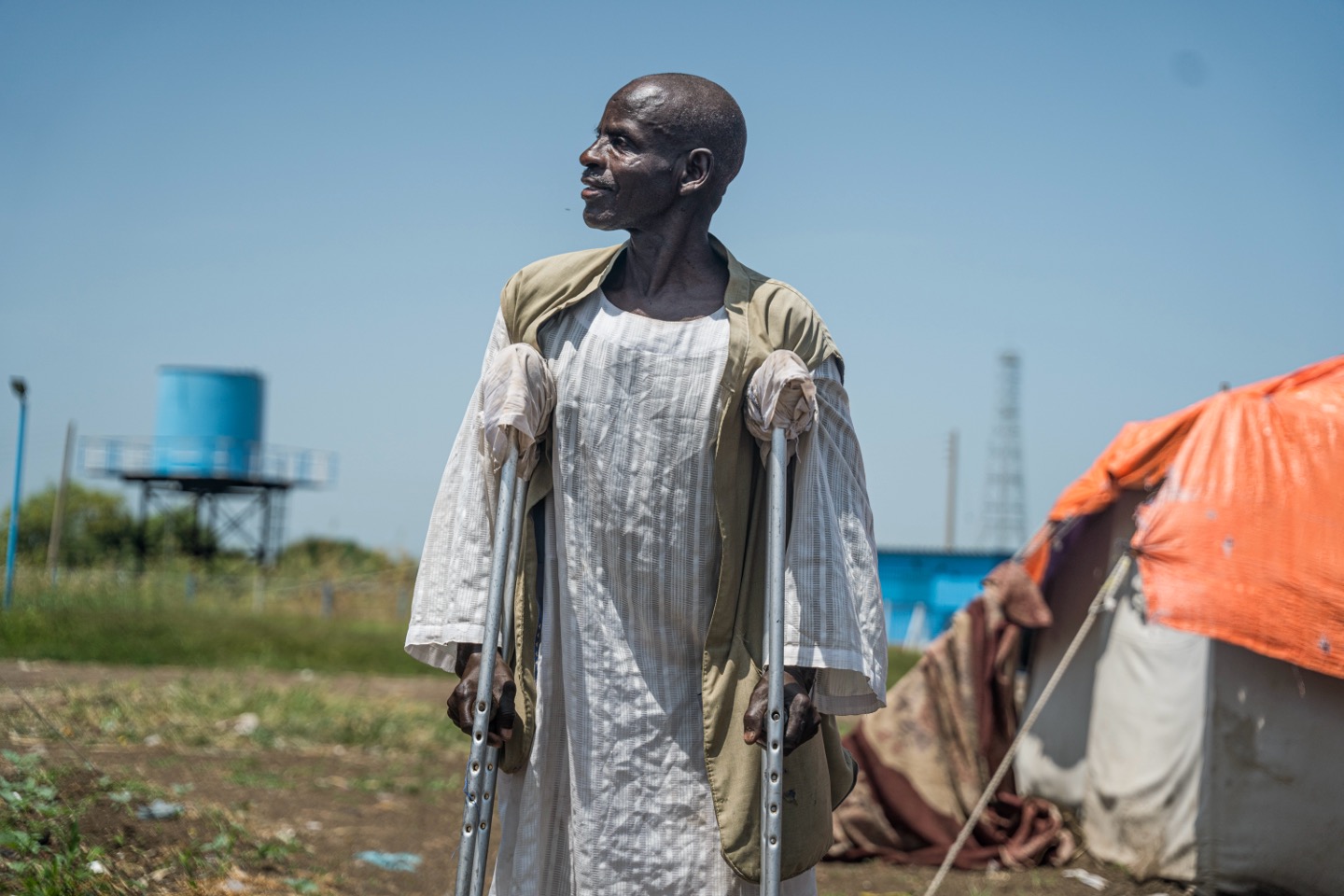
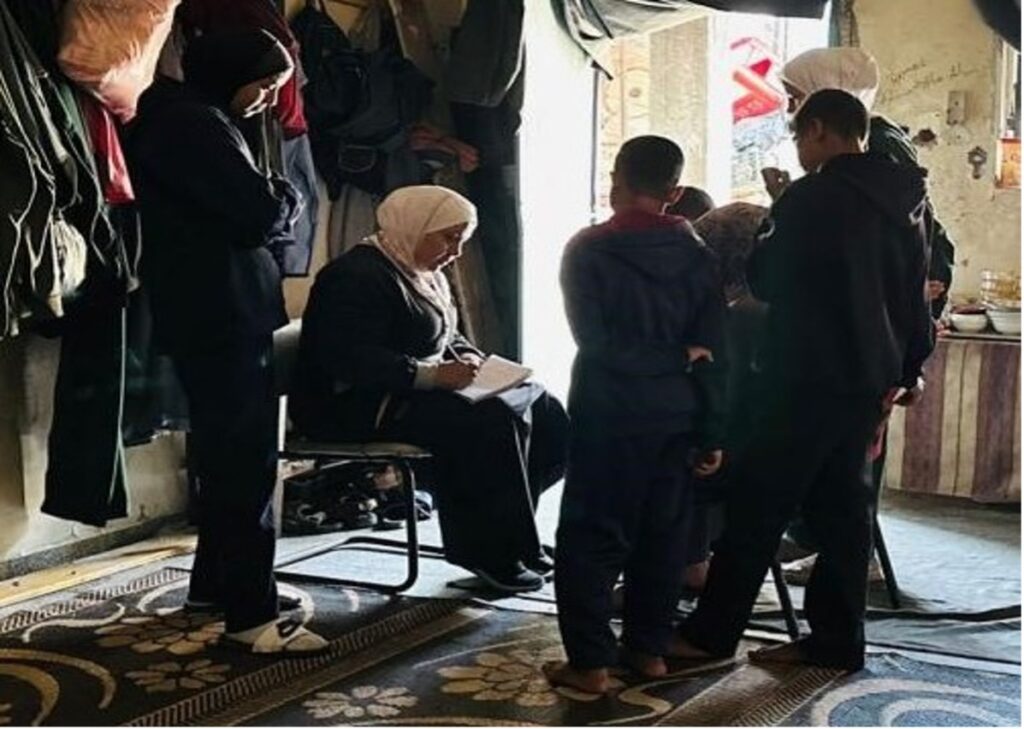
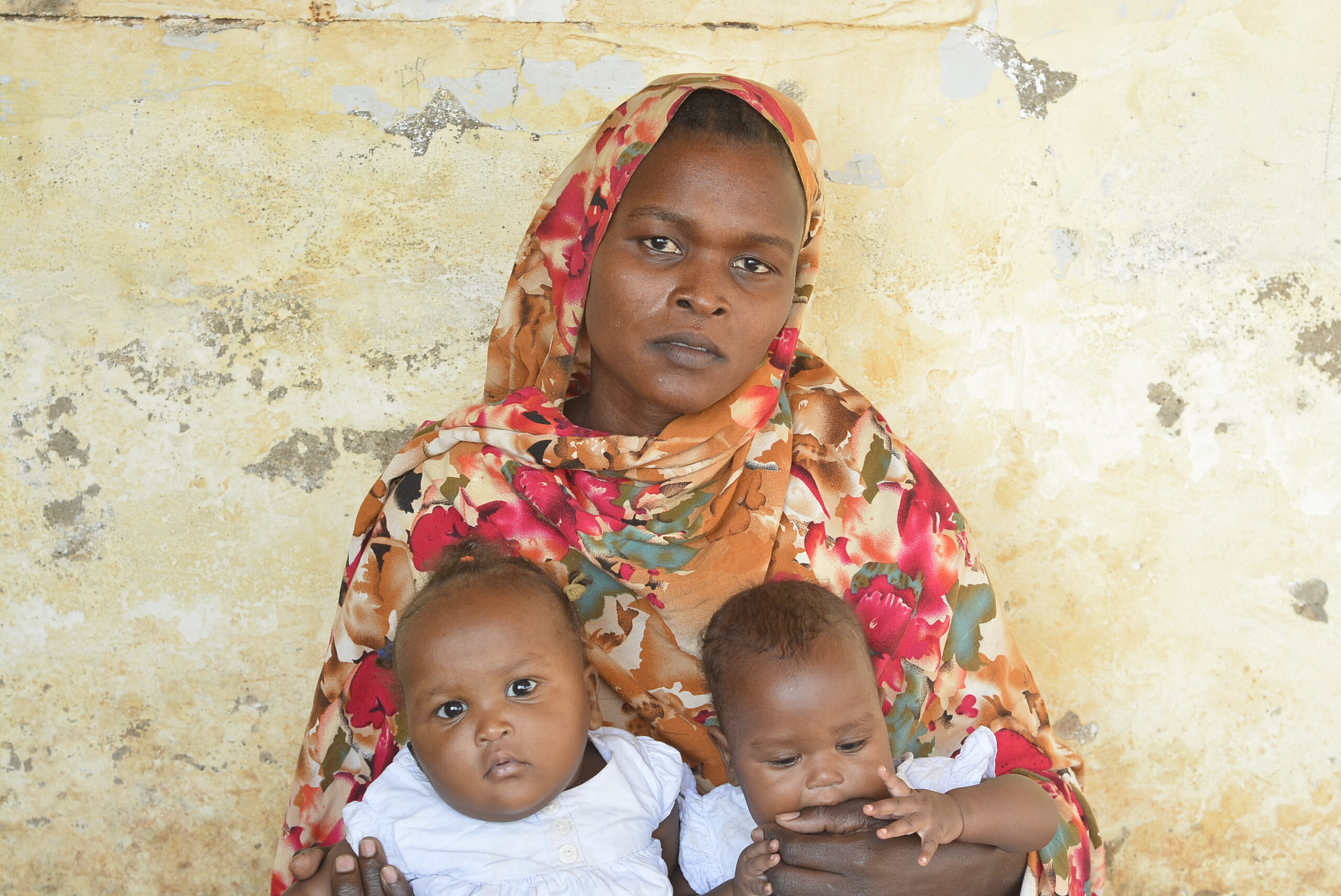
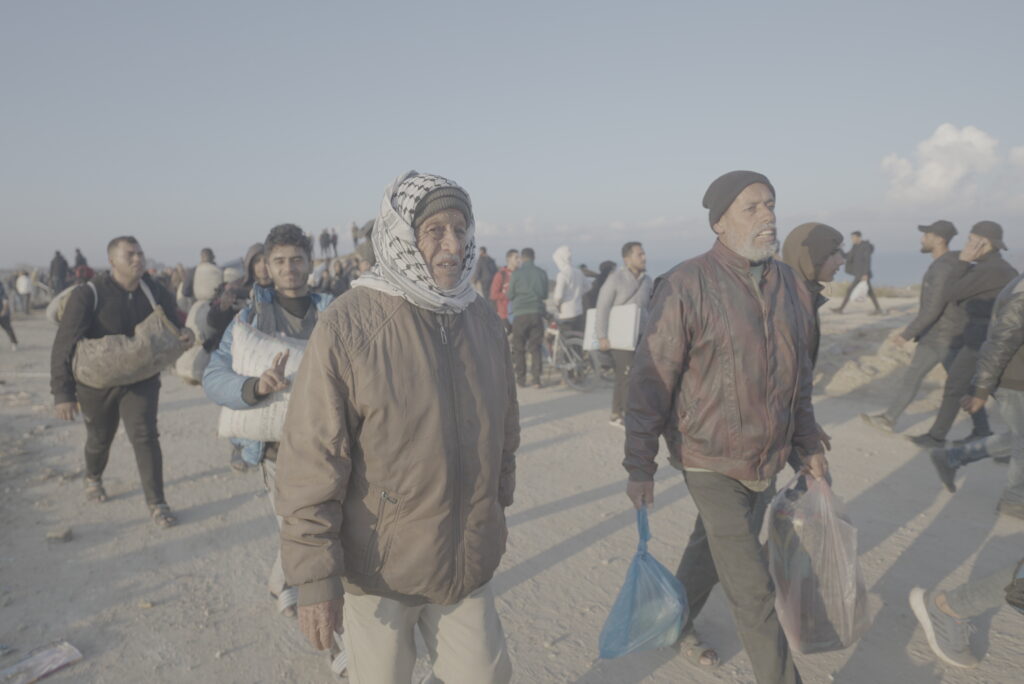
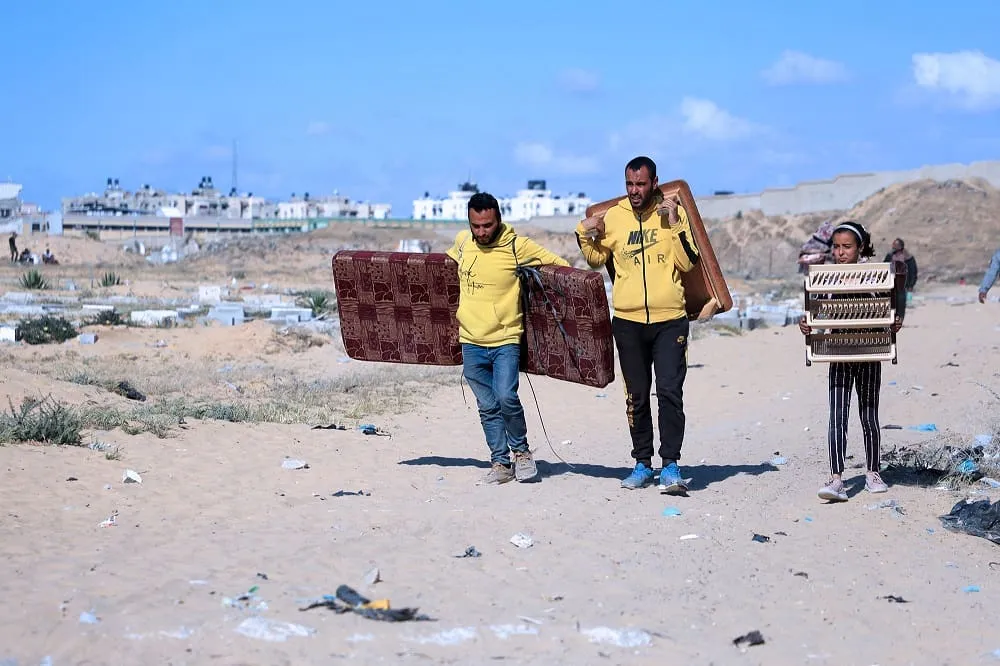
Photo: Sudan’s ongoing conflict has created a staggering displacement crisis.
In Gadarif, the hot nights lead to increased health risks for displaced families, including young children who are particularly vulnerable to malaria. Rayan’s 2 -year-old daughter has already fallen ill.
For adolescent girls, the crisis brings an additional layer of anxiety. Sanitary pads are expensive luxuries, and makeshift alternatives raise health risks and keep girls indoors.
Islamic Relief delivers lifesaving aid in Sudan
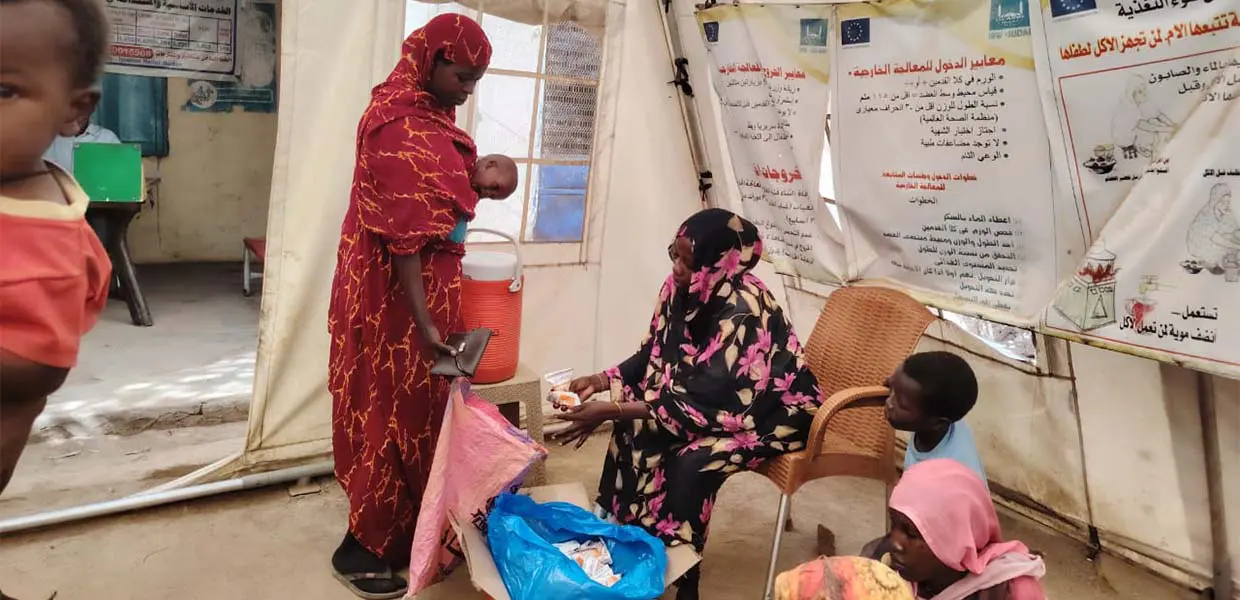
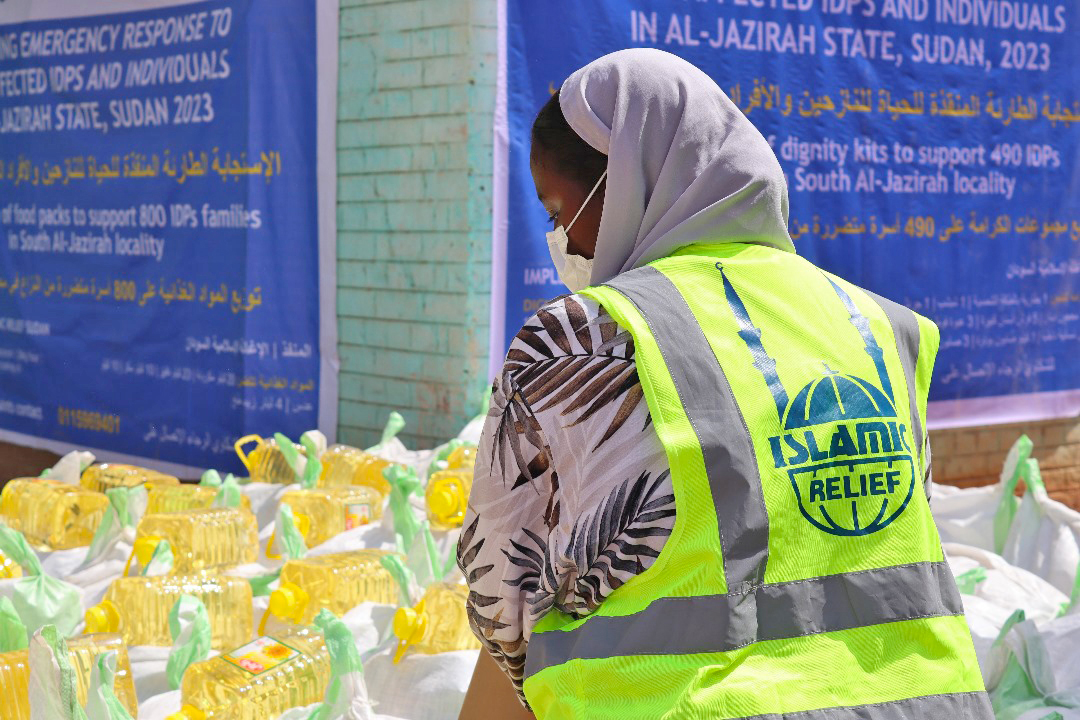
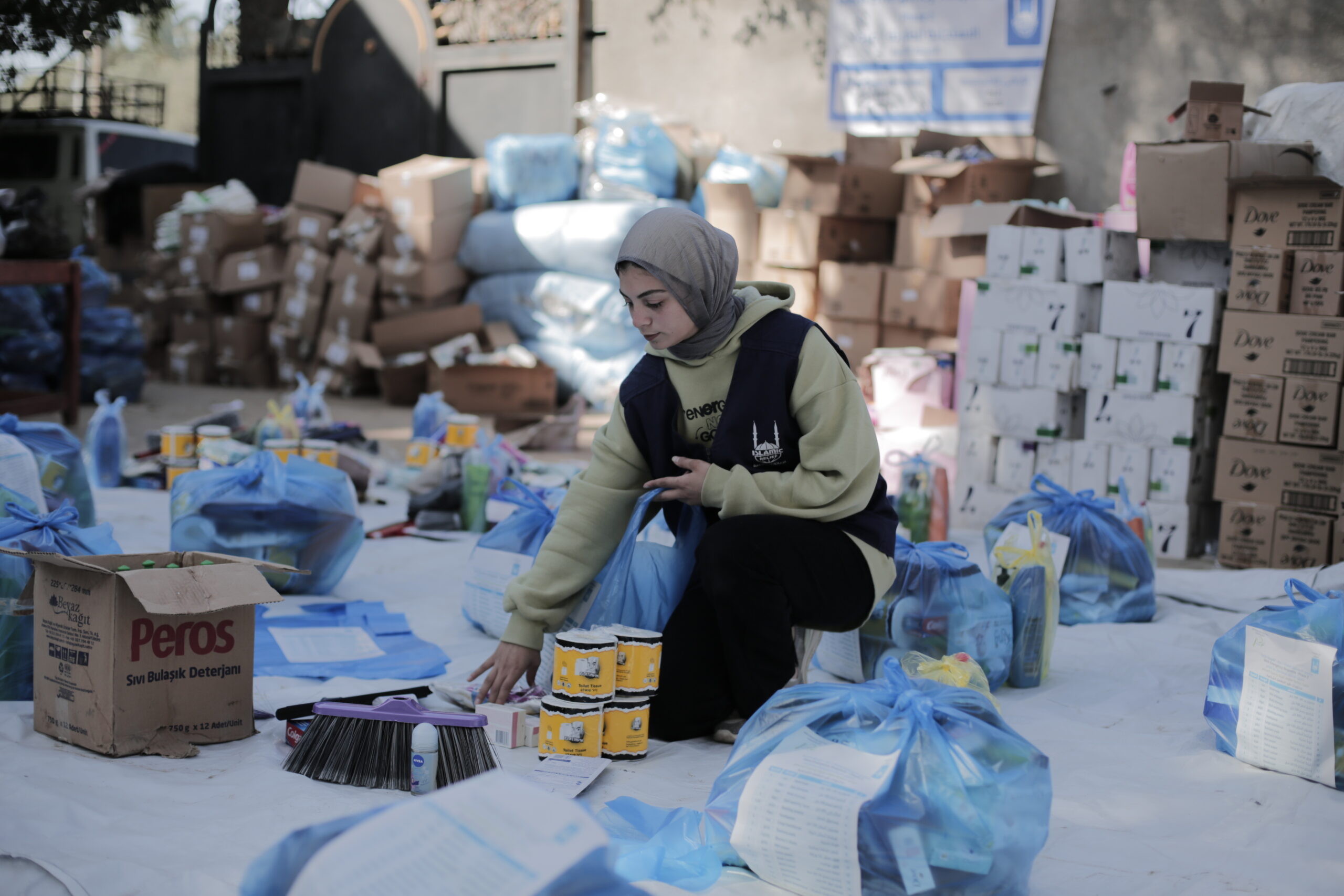
Islamic Relief distributed aid to Rayan’s neighbourhood supported by the Humanitarian Emergency Fund (HEF). Each household received a dignity kit, which included 2 mosquito nets, sanitary pads, toothbrushes, soap, blankets and headscarves, plus a cash grant.
“The mosquito net was a small thing that gave us much peace,” Rayan says. Her youngest now sleeps through the night. The cash covered a month’s rent and also stretched to cooking oil and lentils. “For the first time in many weeks,” she adds, “I bought meat.”
Islamic Relief colleagues in Sudan emphasise that cash restores choice and dignity. “It allows families to decide what they need most,” explains Adam Yagoub, Islamic Relief Sudan’s communication officer. “Some buy food, some pay medical bills, some save a little for the journey home, when return is possible.”
A fair chance at survival
Sudan’s conflict shows no sign of abating; humanitarian corridors remain volatile, and funding gaps widen as new crises compete for attention. Islamic Relief’s latest Sudan appeal is only 42% funded.
Rayan understands these numbers translate into rationed assistance. “We do not expect comfort,” she says, “just a fair chance.”
Her wish list is simple: regular food parcels, safe shelter, mosquito spraying across the settlement, and, above all, peace so her children can return to school.
Donate to our Sudan emergency appeal now to help families like Rayan’s survive with dignity.
On World Refugee Day, a mother and her children reveal the crushing reality of displacement: where every day is a battle for water, food, and hope.
The night the bombs came, Neda’a did not have time to gather shoes. She woke her 7 children in the dark, shouting over the explosions. They ran barefoot through streets strewn with broken glass and rubble, the younger ones crying as their feet bled.
Her eldest son, Ahmed, carried his 7-year-old brother Elyas on his back. By dawn, they reached a UN school-turned-shelter. It was the last time Ahmed would see his family.
The next day, he went to buy shoes for his siblings. He never returned.
Now, Neda’a sits on the floor of a crowded classroom that has become their shelter, recounting the moment she learned Ahmed was gone. “We lost our backbone,” she says.
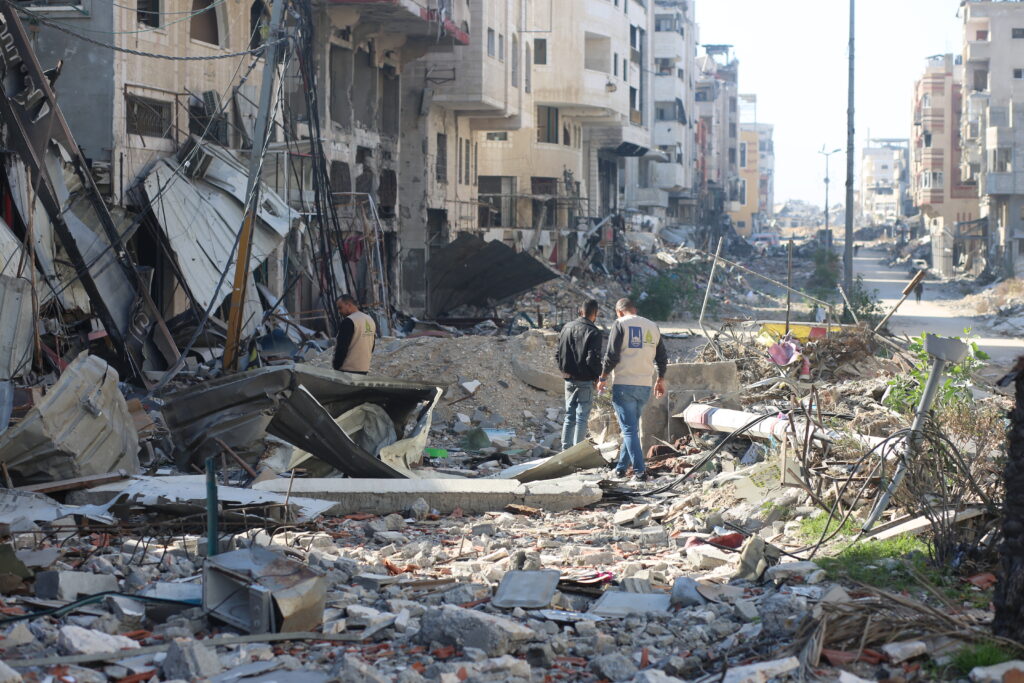
Around her, the walls are cracked from shelling. There is no running water, no privacy, no space to grieve. This is life for Gaza’s displaced. A relentless cycle of survival where death is routine, and the idea of home is reduced to a single question: How do we make it through today?
Photo: Neda’a and her familyin a shelter (Gaza)
Fighting for water
This World Refugee Day, 123.2 million people are forcibly displaced worldwide – the highest ever recorded. But displacement is not just a statistic. It’s often a sudden, devastating rupture that overturns entire lives, leaving families scrambling to rebuild amidst chaos.
In Gaza, at least 1.9 million people – about 90% of the population – have been forcibly displaced, many of them multiple times. People have fled to try and escape bombs, or have been ordered to leave by the Israeli military. Families sleep in tents, in the skeletons of bombed-out buildings, in hospital corridors where the smell of antiseptic cannot mask the stench of overcrowding.
For Neda’a and her children, displacement means waking before sunrise to join the scramble for water. Mousa, her 12-year-old son, describes the daily ritual. It is the long walk to the well, the fights that break out when the water runs low, the weight of the buckets cutting into his hands as he carries them back. “Before the war, we turned on a tap,” he says. “Now we fight for every drop.”
We have nothing left
Displacement does not end with losing a home. It seeps into every part of life, twisting the ordinary into the unbearable.
For Neda’a’s daughters, it means giving up school to scavenge for firewood, their hands hardened from gathering scraps to burn for cooking. The smoke fills their shelter, making the younger children cough. But there is no gas, no electricity, no other way to eat.
For Mousa, it means bearing the burdens of an adult. To haul water, comfort his siblings when the bombs start again, and try to fill the space left by his older brother.
And for Neda’a, it means waking each morning to the same crushing reality. No money, no safe place, no way to protect her children from the war outside or the despair creeping in.
“I just want to wake up to news that this is over,” she says. “But even if it ends tomorrow, what then? We have nothing left.”
Photo: One of Neda’a’s sons carrying wood among makeshift shelters in Gaza.
Islamic Relief delivers aid in Gaza
While the horror continues, Palestinians have shown incredible resilience. Islamic Relief’s team and local partners in Gaza work tirelessly to provide lifesaving aid, even when they are themselves bombed, displaced and grieving. Over the past 20 months, we’ve cooked millions of hot meals and distributed hygiene kits and emergency cash. Right now, we’re providing aid such as maternal care for pregnant women and cleaning shelters for displaced people to prevent deadly diseases from spreading.
But the need is overwhelming. “We’re not just fighting hunger,” says Program Officer Yasmin Al-Ashy. “We’re fighting the slow death of hope.”
For Neda’a, hope is fragile. She looks at Mousa, now too serious for his age. Ritag, whose hands are rough from gathering wood. Elyas, who is restless every night. She wonders what future awaits them. “I don’t know if they will ever recover from this,” she says.
They desperately need international governments and world leaders to demand an immediate ceasefire and pressure Israel to end its siege.
This World Refugee Day, stand with families like Neda’s. Donate to Islamic Relief’s Palestine emergency appeal to provide lifesaving aid and hope to those who have lost everything. And call on your politicians and governments to demand meaningful political action to end the atrocities.
Each year, the first ten days of Dhul Hijjah bring with them a wave of spiritual momentum, marked by prayer, fasting, remembrance of Allah (SWT), and the sacred sacrifice of Qurban.
These are the days the Prophet ﷺ described as the most beloved to Allah (SWT) for righteous deeds — the best 10 days of the year. Even better than Ramadan! (Sahih al-Bukhari)
But what happens when those ten days are over?
For many of us, the end of these ten days can feel like a spiritual dip. Like a sudden stillness after an intense period of reflection, giving, and worship.
But the truth is: the spirit of the best 10 days is not bound by the calendar. It’s a mindset, a state of the heart, and a way of life that we can carry forward.
Here are seven simple but powerful ways to keep the spirit of the most blessed days of the year alive — every single day of the year.
Keep Giving, Big and Small
One of the most beautiful aspects of Dhul Hijjah is the spirit of generosity, especially through Qurban. That spirit doesn’t need to end with Eid Al-Adha. In fact, continuing to give — even a small amount — is a way to keep the blessings going.
Even just $10 a month as Sadaqah can provide ongoing aid to those in need — in Gaza, Yemen, Sudan, and beyond. It’s not about the amount. It’s about the intention, the consistency, and the compassion behind it.
Prophet Muhammad ﷺ said:
“The most beloved deeds to Allah are those that are consistent, even if they are small.”
Bukhari and Muslim
Fast Sunnah Days
If you fasted on the Day of Arafah — a day the Prophet ﷺ said expiates sins of the past and coming year — consider maintaining that beautiful habit.
Fasting on Mondays and Thursdays or during the white days (13th–15th of each lunar month) can help you stay spiritually grounded and connected to Allah (SWT) throughout the year.
Keep Up Your Dhul Hijjah Dhikr Habits
During Dhul Hijjah, we increase our remembrance of Allah (SWT): Allahu Akbar, Alhamdulillah, La ilaha illa Allah.
Why stop now?
Set aside just five minutes a day for dhikr. You can do it anytime, maybe during your commute, your morning coffee, or before bed. Let these words echo in your heart and your home.
Maintain Your Connection to the Qur’an Beyond Dhul Hijjah
Many of us spend more time with the Qur’an during sacred times. Don’t let it gather dust until the next Ramadan or Dhul Hijjah.
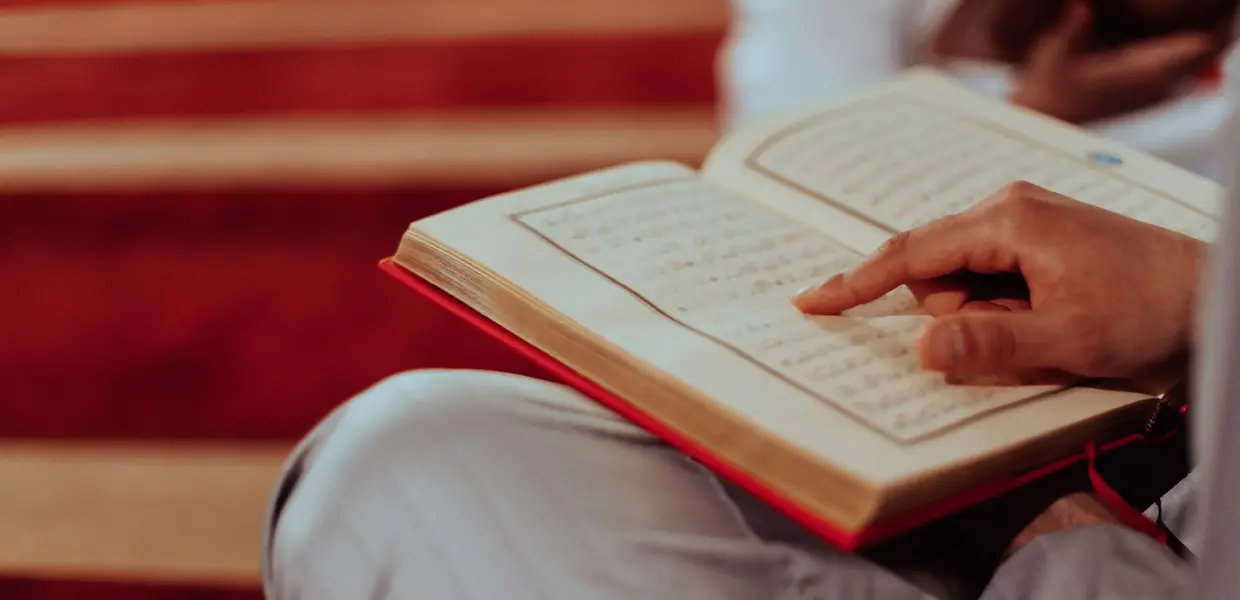
Even a few verses a day, with reflection, can keep your spiritual connection strong. Think of the Qur’an as your daily conversation with Allah (SWT), full of reminders, comfort, and clarity.
Keep a Dua Journal
During Dhul Hijjah, we pour our hearts out in dua — for forgiveness, for loved ones, for the world.
Start a dua journal where you keep track of what you’ve asked Allah (SWT) for. Revisit it regularly. Update it. Reflect on the ways Allah (SWT) may have already responded. It’s a beautiful way to stay spiritually engaged and hopeful.
Continue Serving Others Beyond Dhul Hijjah
The spirit of sacrifice in Dhul Hijjah reminds us to look beyond ourselves, to those struggling across the Ummah and in our own communities.
Acts of service don’t have to be grand. Helping a neighbour, checking in on someone lonely, volunteering a few hours a month — all of these are ways to live the message of Dhul Hijjah every day.
Reflect and Give Thanks
Gratitude is at the heart of worship. During Dhul Hijjah, we reflect on Ibrahim’s (AS) submission, Hajar’s trust, and the Ummah’s unity in pilgrimage and sacrifice.
Don’t let that sense of awe fade. Take a few moments weekly — even just on Jumu’ah — to reflect and give thanks, and ask for barakah (blessings).
Keep the Spirit of the Best 10 Days of Dhul Hijjah Alive Year Round
The sacred days of Dhul Hijjah remind us of what matters most: submission, sacrifice, unity, and compassion.
But you don’t need to wait for next year to feel that again. You can live the essence of Dhul Hijjah every single day — in how you remember Allah (SWT), give to others, serve your community, and purify your heart.
Let’s not close the chapter on Dhul Hijjah. Let’s carry its spirit forward — with consistency, sincerity, and love for Allah (SWT) and His creation.
Islamic Relief health workers in Sudan’s Darfur region are treating a massive increase in malnourished children as families flee horrific attacks on civilians. Survivors have told Islamic Relief shocking accounts of extreme violence and starvation.
At our clinic in Nertiti, in Central Darfur state, severe malnutrition cases among young children have almost trebled in recent weeks. More families arrive in a desperate state after escaping Zamzam camp in North Darfur, where attacks by the Rapid Support Forces (RSF) have killed hundreds of civilians and cut off humanitarian aid. Zamzam is one of five locations in Sudan now officially declared as being in a state of famine.
Hawa’s Story
Hawa* brought her malnourished 19-month-old son to our Nertiti clinic – one of 12 that we run across central Darfur – after fleeing Zamzam camp. She says:
“They attacked with drones and soldiers shooting, and military vehicles with weapons. I lost my uncle in a drone attack. We dug a hole to hide in, near the wall of the house. During the attack a gate was left open for women and kids to exit the camp, but young women aged around 20 or older were taken from their families and raped. Many girls are still missing. I decided we needed to leave to protect my sister from abuse.
“On the journey from Zamzam the conditions were harsh with not much food or water. I saw 10 children dead along the road to Tawila, and people abducted at checkpoints along the road. In Tawila I rented a vehicle to reach Nertiti, where the locals welcomed us. One of my children was referred to the Islamic Relief nutrition centre, where the staff and nutrition supplies saved my son’s life. He was thin and losing weight every day, but he’s since put on weight from the nutrition treatment.”
Rising Severe Acute Malnutrition in Darfur
Islamic Relief’s clinic in Nertiti has seen the number of children under 5 years old admitted with severe acute malnutrition (SAM) increase from 11 cases in April to 31 cases in May. Cases of moderate acute malnutrition (MAM) at the clinic have also almost doubled, from 104 in March to 197 in May. Most of the new cases have come from North Darfur and particularly Zamzam camp.
Islamic Relief’s nutrition centre in Nertiti has saved around 500 lives so far in 2025.
Mohammed Mohammed Yousif, a nutrition assistant at the clinic, said:
“We previously had 2 or 3 malnutrition cases admitted per week. But following the violence at Zamzam camp we’ve been admitting 2 or 3 cases a day. We’ve treated more than 500 children so far this year, and we treat all of them free of charge as families have almost nothing left. Most of them have been surviving on less than one meal a day. The war and lack of food supply to North Darfur is the main reason that we’re seeing such high levels of malnutrition.”
Sudan faces the world’s biggest hunger crisis
More than 2 years of war in Sudan have created the world’s biggest hunger crisis. More than 24 million people – more than half of Sudan’s population – are experiencing high levels of food shortages.
This week, five humanitarian aid workers were killed by a drone strike against their convoy. A convoy that was delivering critical nutritional supplies to famine-affected areas of north Darfur where hundreds of thousands of people are at high risk of malnutrition and starvation. Aid deliveries have frequently been blocked from reaching RSF-held north Darfur.
In Central Darfur, Islamic Relief operates 12 nutrition centres, 10 primary healthcare centres and 2 mobile health clinics, which reach the most remote areas in the mountainous Jabal Marra region. Across Sudan, Islamic Relief has delivered aid to 1.2 million people since the war broke out in April 2023.
*Names changed for their safety
Give relief to the people of Sudan
Help us provide urgent relief to our brothers and sisters suffering in Sudan due to the ongoing and devastating conflict. Be their lifeline today.
The first ten days of Dhul Hijjah are a time unlike any other in the Islamic calendar. A time when good deeds are beloved to Allah, when the legacy of Ibrahim (AS) is honoured, and when charity becomes a means of drawing closer to our Lord.
The Prophet Muhammad ﷺ said:
“There are no days in which righteous deeds are more beloved to Allah than these ten days.”
Sahih al-Bukhari
These are the days to give, to act, and to seek Allah (SWT)’s mercy. Here’s why giving charity during the first 10 days of Dhul Hijjah can help bring you nearer to Allah (SWT) and benefit those most in need.
You Give When Allah (SWT) Loves It Most
Giving—Sadaqah, Zakat, or Qurban—during the first 10 days of Dhul Hijjah is an opportunity to multiply reward in a way unmatched at any other time.
The Messenger of Allah (ﷺ) said, “There are no days during which the righteous action is so pleasing to Allah than these days (i.e. the first ten days of Dhul Hijjah).”
He was asked: “O Messenger of Allah, not even Jihad in the Cause of Allah?” He (ﷺ) replied, “Not even Jihad in the Cause of Allah, except in case one goes forth with his life and his property and does not return with either of it.” (Sahih al-Bukhari)
Help the Ummah in Their Hour of Need
The suffering our brothers and sisters in Gaza, Sudan, Yemen, and around the most devastated regions of the world face is immense. And our communities feel it wholeheartedly, especially those with a personal connection to our ummah in crises.
The Prophet ﷺ said:
“The parable of the believers in their affection, mercy, and compassion for each other is that of a body. When any limb aches, the whole body reacts with sleeplessness and fever.”
Bukhari and Muslim
Donating charity to emergency aid and development projects for those most affected in our Ummah is more than just giving. You’re answering to their cries. To heal them. And give them hope. And Allah (SWT) rewards you for your intention and sincerity.
Protect Yourself from Calamity
The Prophet ﷺ said:
“Charity extinguishes sins just as water extinguishes fire.”
Sunan ibn Majah, Tirmidhi
Sadaqah given in these ten days becomes a shield—not just for those suffering, but for yourself and your loved ones. Give it as a means of barakah, protection, healing, and closeness to Allah (SWT).
Be Among the Best of Believers
Allah (SWT) describes those He loves:
“They give food, out of love for Him, to the poor, the orphan, and the captive…”
Surah | Al-Insan | 76:8
The Prophet ﷺ also said:
“The most beloved people to Allah are those who are most beneficial to people…”
Al-Albani
When you give through a charity like Islamic Relief, you’re not only giving food or aid. You’re giving hope, dignity, and relief in places where people have almost nothing.
Reap the Blessings of the Day of Arafah, the 9th day of the first 10 days of Dhul Hijjah
The 9th day of Dhul Hijjah, the Day of Arafah (Arafat), is the pinnacle of these 10 days. It is a day of fasting, forgiveness, and duas answered.
“There is no day on which Allah frees more people from the Fire than the Day of Arafah.”
Muslim
Arrive at Arafah with your charity already given. Let your actions lead your duas. Let your Sadaqah or Zakat be your appeal for mercy.
Secure Reward That Continues in the Hereafter These First 10 Days of Dhul Hijjah
Whether you donate to an orphan program, build a water well, or provide food to a family, your gift may become Sadaqah Jariyah, a charity that continues long after you’ve left this world.
“When a man dies, his deeds come to an end except for three things: Sadaqah Jariyah (ceaseless charity); a knowledge which is beneficial, or a virtuous descendant who prays for him (for the deceased).”
Muslim
These are the days to invest in the Hereafter. Every day of Dhul Hijjah is a door. A door to forgiveness. To reward. To nearness to Allah (SWT). Whether it’s Qurban, Zakat, Sadaqah, or an Eid gift for an orphan, give before these days pass you by.
This Dhul Hijjah, Share Your Blessings
Help the world’s most vulnerable families enjoy their Eid when you give Qurban with Islamic Relief.
Every year, millions of Muslims gather in Makkah to perform Hajj during Dhul Hijjah, the 12th month of the Islamic Hijri Calendar. But why do Muslims make this pilgrimage?
Firstly, it is the fifth and final Pillar of Islam. It is a journey every adult, able Muslim must complete at least once in their lifetime.
But, secondly, why Hajj is so important in Islam is because its rituals come from one of the most important prophets. From a journey rooted in the legacy of the Prophet Ibrahim (AS), his family, and their profound trust in Allah (SWT).
Even if we cannot go to Hajj this year, the history behind this act of worship is a deep, timeless story full of lessons for every believer.
Here are 10 powerful lessons from the story of Hajj that we can all reflect on and apply in our lives today.
True Faith Means Absolute Trust in Allah (SWT)
When Ibrahim (AS) left Hajar and baby Isma’il (AS) in the barren desert of Makkah, Hajar asked him if Allah commanded it. Upon hearing “yes,” she responded with unwavering faith:
“Allah will not abandon us.”
This moment teaches us that trusting Allah, even in the most uncertain times, is the essence of true faith.
Patience Leads to Miracles
With her and her baby’s provisions almost depleted, Hajar made a desperate search for water. She ran between Safa and Marwa seven times before Allah (SWT) answered her plea with the miraculous spring of Zamzam that sprang beneath baby Isma’il (AS)’s feet. Her story teaches us that persistence and patience in hardship are never wasted. Whether now, soon, later, or in the Hereafter, Allah (SWT) always upholds His promise to reward those who strive.
Obedience Brings Divine Mercy
When Ibrahim (AS) prepared to sacrifice his son, both father and son agreed to the act without hesitation. Their obedience was rewarded, and Allah replaced the sacrifice with a ram. This teaches us that obedience to Allah (SWT) always brings mercy and reward, even when the test seems impossible.
Sacrifice Is the Heart of Worship
Hajj is full of symbolic acts of sacrifice—from giving up comfort to offering Qurbani. The story of Ibrahim (AS) reminds us that spiritual growth often comes when we’re willing to give up what we love for the sake of Allah.
Women Shaped the Legacy of Hajj
Hajar’s actions were so beloved that they were made part of Hajj forever. Her strength, faith, and struggle show the central role of women in the spiritual and historical legacy of Islam.
Rejecting Temptation from Bad Acts Takes Persistence
Iblis tried to tempt Ibrahim (AS) away from Allah’s command three times—and each time, Ibrahim (AS) responded by throwing stones at him. This act is now reflected in the ritual stoning of the devil during Hajj. We learn that resisting temptation is a lifelong battle, and we must be proactive in turning away from it.
Unity Is Found in Worship
The Ka’aba, built by Ibrahim (AS) and Isma’il (AS), is a symbol of unity. Muslims all over the world face it in prayer. During Hajj, Muslims of every race, language, and background gather around it. Worship unites us, reminding us we are one Ummah.
Spiritual Legacies Outlive Lifetimes
Though Ibrahim (AS), Hajar, and Isma’il (AS) have long passed, their story continues to be lived and honoured every year by millions. A righteous life builds a legacy that inspires generations.
The Rituals of Hajj Are Rooted in Real Struggles
Every act in Hajj—from Sa’i to Qurban (Qurbani) —represents a very human struggle. Hajj isn’t just symbolic; it’s a reenactment of devotion, pain, faith, and hope. These rituals help us connect deeply to our faith and our past.
You Don’t Have to Be in Makkah to Be Part of the Story of Hajj
Even if you’re not performing Hajj, you can still share in its spirit. Give charity. Fast. Offer Qurban. These days of Dhul Hijjah are the best of the year, and the lessons of Hajj are meant for all of us, wherever we are.
Hajj, A Legacy
The story of Hajj isn’t just a history—it’s a living tradition. One that calls us to trust, submit, persevere, sacrifice, and unite for the sake of Allah (SWT). Whether you’re walking between Safa and Marwa or sitting at home with your Qur’an, the lessons of Hajj can transform your heart.
This Dhul Hijjah, Let’s honour the legacy of Hajj—with our actions, our giving, and our intentions.
Read the Full Story of Hajj
Read the story behind Islam’s fifth pillar. Hajj is a profound journey rooted in the legacy of Prophet Ibrahim (AS) and his family.
Today is Nakba Day, an annual day of commemoration. A day of remembrance made especially poignant this year, as we mark over 200 days into ongoing bombardment, displacement, and blockade of Palestinians in Gaza. Here we look at the origins and significance of the day.
What is Nakba Day?
May 15 is Nakba Day. It marks the beginning of the destruction of the Palestinian homeland. The mass displacement in 1948 of the majority of the Palestinian population.
Nakba means ‘catastrophe’ in Arabic. It is the word Palestinians and others use to refer to this historic moment from over 75 years ago. For some, the term is also used to describe the subsequent and ongoing persecution of Palestinians and loss of territory.
In 1998, Nakba Day was officially inaugurated by Palestinian leader Yasser Arafat. But the date had been marked with protests of remembrance and resistance since 1949.
What happened in May 1948?
May 1948 saw the start of a mass displacement, which forced over 700,000 Palestinians out of their homes.
Over the course of the 1948 Palestine War, Israeli forces destroyed more than 530 Palestinian villages and carried out several massacres, killing some 15,000 people. This war lasted until January 1949.
78% of Palestine’s historic territory was captured and used to establish what is now Israel. The remaining land was divided into today’s Occupied West Bank and Gaza Strip.
Following Israeli victory in the war, abandoned homes were given to Jewish settlers. The descendants of many of the Palestinians who fled in 1948 remain displaced to this day, both within Palestine and around the world. Today, there are now some 6 million Palestinian refugees.
What led up to this?
From 1920 to May 1948, Britain ruled over a territory called Mandatory Palestine under an agreement by the League of Nations – a precursor to the United Nations.
Following the end of World War II and the Holocaust, the British announced their intention to end the mandate. Then, the newly created United Nations began seeking to redraw the boundaries of Palestine to allow for the creation of a Jewish state.
None of the various partition plans suggested received support from the Palestinians or the Arab League. However, when the mandate ended, the establishment of the state of Israel was declared. This triggered the 1948 Palestine War, also known as the 1948 Arab-Israeli War.
What happened after the Nakba?
In the 76 years since the Nakba, the Israeli state has continued to encroach on Palestinian territory. They displace families and violate international law in the process.
Among the major instances of this was the Six-Day War of 1967. This war saw Israeli forces occupy all of historic Palestine, including Gaza and the West Bank, expelling 300,000 people from their homes.
In the decades since, tensions in the region have remained high, with relatively frequent flare-ups.
However, the scale of the current escalation is truly unprecedented. Since October 7th, 2023, over 52,700 people have been killed. Many more have been displaced, among them people who moved to Gaza after the Nakba. A reported 450,000 people are said to have fled Rafah over the past week alone.
What was Palestine like before the Nakba?
Immediately before the Nakba, Palestine was administered by the British. The establishment of Mandatory Palestine took place in a period of intense European colonial expansion. It followed the expulsion of Ottoman forces from the Levant in the Arab Revolt (1916-18). Prior to the Mandatory period, Palestine had been part of the Ottoman Empire for 400 years.
During the Mandatory period, Palestine became a cohesive political unit with Jerusalem as its capital. The period saw advances in bureaucracy, infrastructure, and technology. It is also considered to have laid the groundwork for the establishment of Israel in part by promoting Jewish immigration and depriving Palestinians of self-rule.
What are the long-term consequences of the Nakba?
The Nakba resulted in the world’s longest-running unresolved refugee crisis. Some 6 million Palestinian refugees reside within Gaza and the West Bank, as well as in neighbouring countries such as Jordan and Lebanon. In some cases, Palestinian refugees in the Middle East have endured wars and further displacement in their host countries.
The enormous loss of territory that began with the Nakba continues to affect the everyday lives of Palestinians. Many valuable resources are located on land now claimed by Israel. This prevents Palestinians from accessing them and potentially growing their economy.
The Israeli occupation, which has been ruled illegal under international law, impacts every aspect of Palestinians’ lives. It denies their basic human rights, undermines their dignity and entrenches poverty. Restricts movement, trade, and access to water, services, farmland, markets, families and religious sites. Cuts Palestinians in Gaza, East Jerusalem and the West Bank off from each other.
Gaza has been under Israeli blockade since 2007. The blockade restricts the movement of goods and people in and out of the Strip. It devastates the economy and people’s futures and disrupts humanitarian efforts.
For years, thousands of essential items have been restricted from entering Gaza because Israel considers them to have a ‘dual use’. This means items that could potentially be used for both civilian and military purposes. In practice, this can include almost anything that people need—things like fuel, water filters, solar pumps and surgical scissors have been refused entry.
Since October 2023, Israel has tightened the blockade even further, preventing many more vital items from entering. On 2 March 2025, Israel completely closed all crossings into Gaza and stopped all food, medicine, fuel, and other lifesaving supplies from entering.
How is Nakba Day commemorated?
For many, Nakba Day is an opportunity to draw attention to the persecution of Palestinians, historic and ongoing. It is a struggle that is still very much ongoing, particularly in years such as this, when Nakba Day falls during an escalation in the crisis.
The day is also a time to celebrate Palestine’s rich culture and history outside a narrative of suffering, which for many defines the territory and its people. Palestinians are not only resilient. They are talented writers and dancers, gifted embroiderers and generous hosts.
In 2023, for the first time in history, the United Nations marked Nakba Day. The global body held an event to “serve as a reminder of the historic injustice suffered by the Palestinian people,” as well as to highlight the ongoing refugee crisis. The event included speeches, music, photos and personal testimonies.
More than 30 countries voted against the resolution to commemorate Nakba Day. This reflects the inability of many states to balance the acknowledgement of Palestinian suffering with their own support of Israel. Israel often opposes official and unofficial commemorations of Nakba Day, describing them as an obstacle to peace in the region.
Why is Islamic Relief talking about Nakba Day?
Islamic Relief has been working in the Occupied Palestinian Territory since 1997, supporting Palestinians in need through emergency response efforts and development programming.
Many of our staff and local partners have become displaced since October 2023 and are facing the same challenges as the communities we support. Our office in Gaza is among the almost 900,000 buildings destroyed or damaged by the ongoing bombing campaign.
Despite immense challenges, we continue to support vulnerable people in Gaza. Whenever and wherever we can, we provide them with food and water distributions, orphan sponsorship and other assistance. This support is a lifeline for thousands of families in a time of desperate need.
However, our work and the work of many global and local humanitarian organisations is being curtailed as a direct result of the ongoing violence and the tightened blockade. Every minute that supplies are prevented from entering Gaza puts more lives at risk.
Islamic Relief is taking the opportunity presented by Nakba Day to remind donors, decision-makers and the general public, of the longstanding struggle and suffering of the Palestinian people. Their suffering is not consigned to the history books: it is a deepening and devastating humanitarian crisis unfolding before the eyes of the world. We are calling on international governments to demand a ceasefire, an end to the siege and full humanitarian access. As we near 600 days of the current escalation, families are still being separated, starved and killed. International governments must ensure that Palestinians can stay on their land.
This is the present-day reality for everyone in Gaza, but whether it remains their future too depends on the decisions made by world leaders and international bodies today. Please help Islamic Relief to continue supporting families in desperate need in Gaza.
In the ongoing crisis, Gaza needs your help
Help us provide urgent medical supplies, food and other crucial, life-saving aid now to families in need by giving with Islamic Relief.
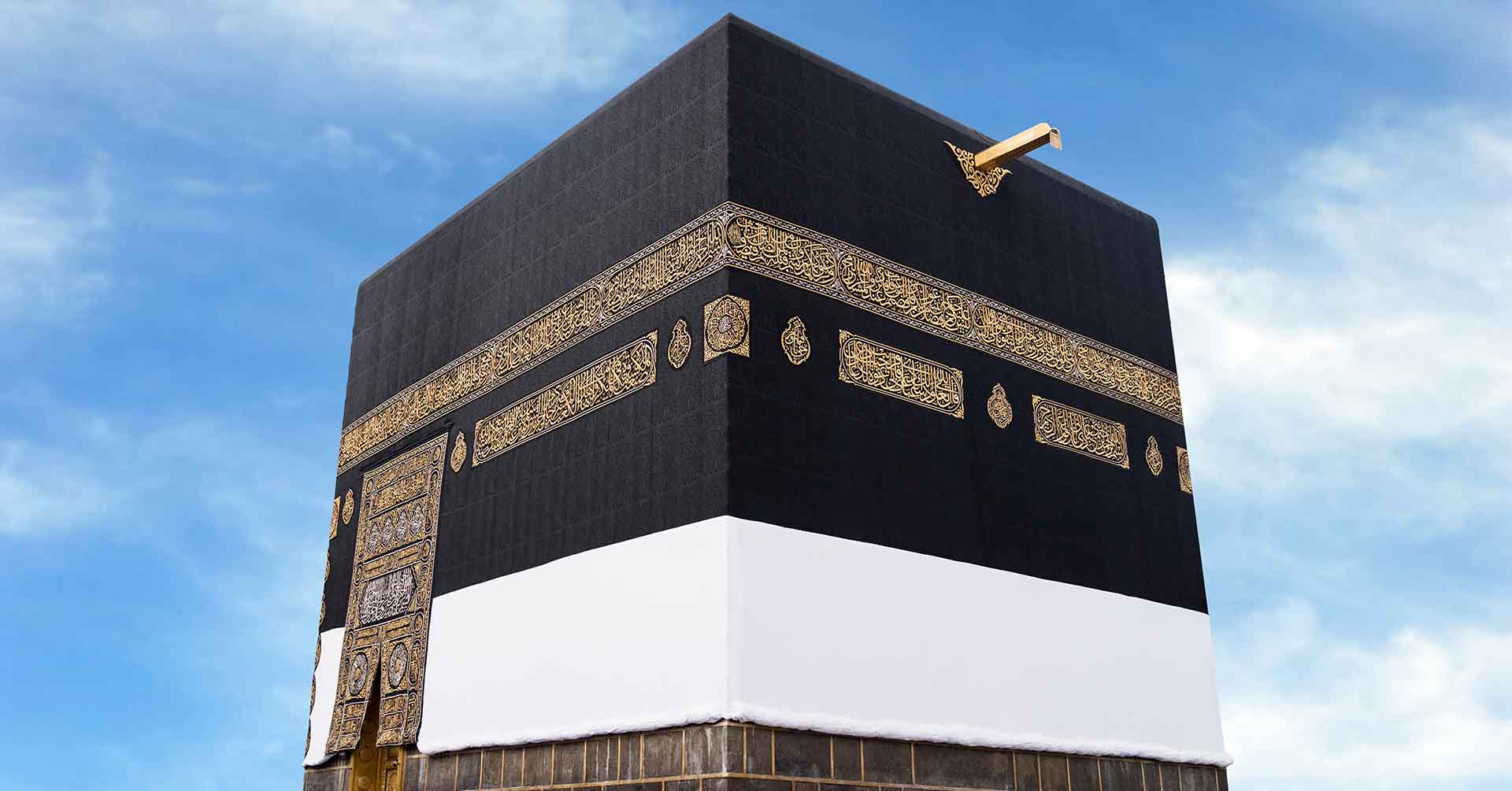
In Islam, the Ka’aba is central to a large part of the faith. But how and why is the Ka’aba important to Islam? As the first House of Worship, it is fundamental to Hajj (pilgrimage). It’s also the qibla (direction) towards which we turn towards in prayer five times a day.
What is the Ka’aba?
The Ka’aba (“cube”) is the most sacred site in Islam, known as the sacred bayt Allah (House of God). It is located at the heart of the sacred mosque Masjid al-Haram in Makkah (Mecca, Saudi Arabia).
Every day we pray facing the direction of Makkah. And, if we’re fortunate enough to undertake Hajj, we make tawaf around the Ka’aba.
History of the Qibla
In the early days of Islam, Muslims would pray facing Jerusalem. Now, we pray facing Makkah following the Qur’anic revelation to change direction.
And remember Ibrahim and Ismail raised the foundations of the House (With this prayer): “Our Lord! Accept (this service) from us: For Thou art the All-Hearing, the All-knowing.”
Quran | Al-Baqarah | 2:127
Who built the Ka’aba?
The Ka’aba was built by Prophet Ibrahim (AS) and his son Ismail (AS). As stated in the Quran:
And remember Ibrahim and Ismail raised the foundations of the House (With this prayer): “Our Lord! Accept (this service) from us: For Thou art the All-Hearing, the All-knowing.”
Quran | Al-Baqarah | 2:127
When it was first built, it was a simple rectangular structure with no roof.
The Quraysh tribe, who ruled Makkah, then rebuilt the Ka’aba in 608 CE with wood and stone.
Prophet Muhammad (SAW), Ka’aba and Hajj
Upon receiving the first revelation and sharing the message of Allah (SWT), Prophet Muhammad (ﷺ) faced ongoing persecution. Soon, he was forced to flee Makkah (Mecca) for Madina (Medina) in 622 CE.
After many years in Madina, following the call from Allah (SWT) to undertake Hajj,
Call all people to the pilgrimage. They will come to you on foot and on every lean camel from every distant path
Quran | Al-Hajj | 22:27
Prophet Muhammad (ﷺ) and his followers returned to Makkah in 629 CE. There, he back to the Ka’aba and removed the idols, declaring the Oneness of God:
Say, the Truth has come and falsehood gone. Verily falsehood is bound to vanish.
Quran | Al-Isra | 17:81
He, however, kept the Black Stone inside that was given to Prophet Ibrahim (AS) by the Angel Gabriel.
The Last Hajj of the Prophet (SAW)
In 632 CE, Prophet Muhammad (SAW) led his first and final Hajj. Realising this would be his last, he established the final steps of Hajj.
On the 9th of the month of Dhul Hijjah, Prophet Muhammad (SAW) delivered his final sermon on Mount Arafah.
Shortly after, aged 62/63, he then returned to our Creator, Allah (SWT).
During Eid al-Adha when we mark the end of Hajj and make our sacrifice (Qurban) for the sake of Allah (SWT), we replicate the sacrifice of Prophet Ibrahim (AS), ready to sacrifice his son Ismail (AS) for the sake of Allah.
By giving Qurban, we follow in the footsteps of Prophet Ibrahim (AS) and remember his devotion to Allah (SWT). Don’t forget to make your sacrifice and give your Qurban in time for Eid!
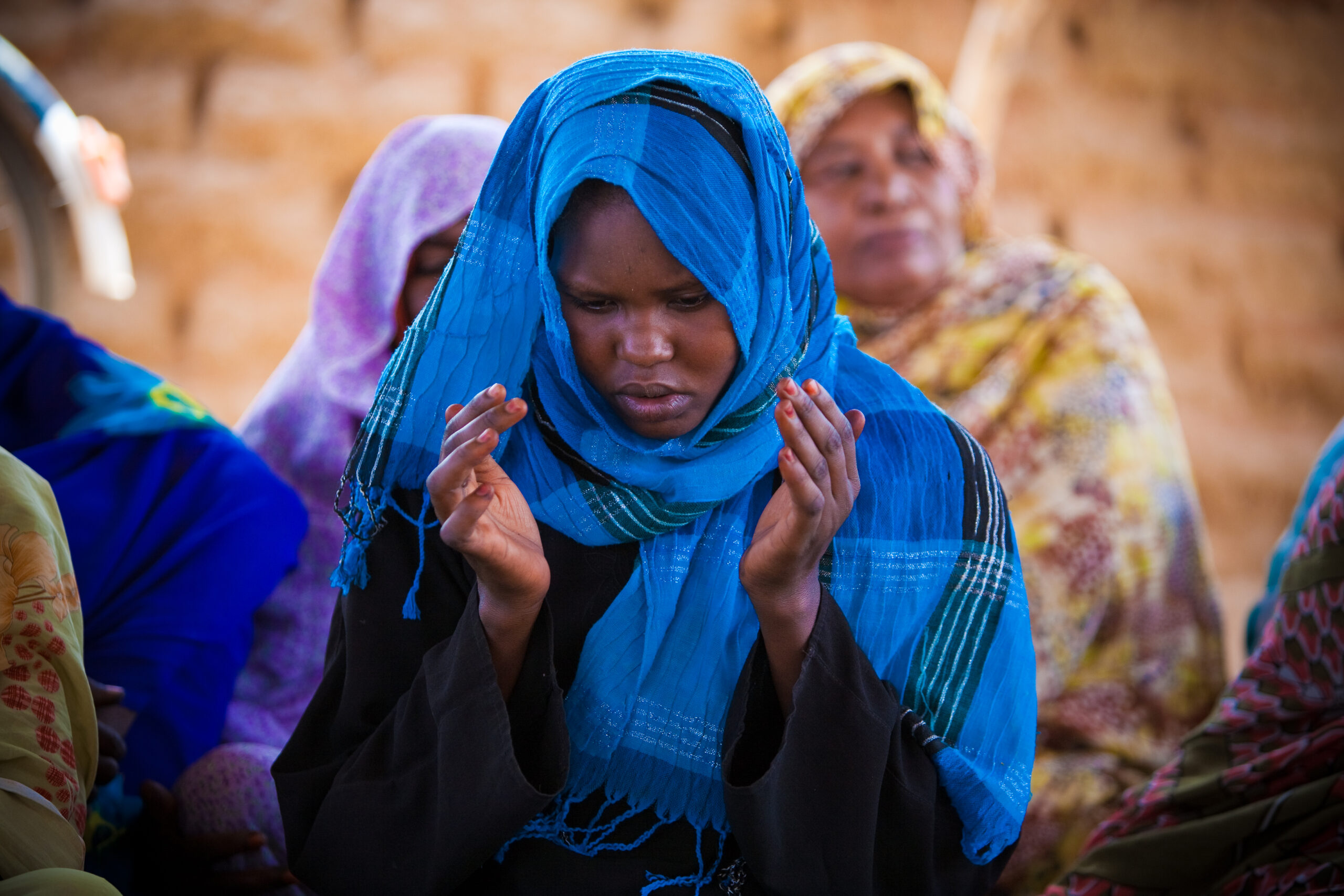
Making Du’a (supplication) is a powerful act of worship. We know that Allah loves it when we ask of Him, and He has promised to answer us quickly. With our brothers and sisters in Gaza still suffering beyond comprehension, now, more than ever, is the time to pray for Palestine.
When to say a Dua for Palestine?
You can make sincere Du’a for our brothers and sisters in Palestine at any time, but Du’a is more likely to be accepted at certain times.
Here are a few:
The last third of the night: It’s said this is a time when Allah (SWT) descends to the lowermost heaven. He says, “Who is calling Me, so that I may answer him? Who is asking Me so that I may grant him? Who is seeking forgiveness from Me so that I may forgive him?” [Hadith | Bukhari]
The last 10 days and nights of Ramadan: In particular, on Laylatul Qadr (the night of power)
Between the adhan and the Iqamah: Prophet (ﷺ) said, “A dua offered between the adhan and iqamah is not rejected.” [Hadith | Abu Dawud & Al-Tirmidhi]
On Fridays: There is an hour when, if a Muslim happens to pray at that time and ask Allah for something good, Allah will grant him whatever he is supplicating for. There are many views of the Ulama in regards to the exact moment of acceptance. Two of the most famous adopted opinions are: 1) After Asr until Maghrib, and 2) When the Imam sits for the Friday Khutbah until the completion of Salah.
When travelling or on a journey: The Messenger of Allah (ﷺ) said, “Three supplications will not be rejected [by Allah (SWT)], the supplication of the parent for his child, the supplication of the one who is fasting, and the supplication of the traveller.” [Hadith | Tirmidhi]
At the time of breaking the fast: As mentioned, the Prophet (ﷺ) said the Dua of a fasting person will not be rejected. [Hadith | Tirmidhi]
When supplicating for someone in their absence: The Prophet (ﷺ) said: “There is no believing servant who supplicates for his brother in his absence where the angels do not say, ‘the same be for you’” [Hadith | Muslim]
The Importance of Du’a
Prophet Muhammad (ﷺ) said:
The supplication of a Muslim for his (Muslim) brother in his absence will certainly be answered. Every time he makes a supplication for good for his brother, the angel appointed for this particular task says: ‘Ameen! May it be for you, too’.
Hadith | Muslim
It’s important to keep those suffering in Palestine and around the world in our Duas, as supplications made with sincerity and humility can earn us great benefits.
Dua for Palestine in Arabic
Here is a Du’a from the Qur’an that you can read to help our brothers and sisters in Palestine, as well as those in need around the world:
‘Allahumma aslih Ummata Muhammad. Allahumma farrij ‘an Ummati Muhammad. Allahumma Rham Ummata Muhammad [sallAllahu alayhi wasalam].
O Allah! Improve (help) the state of the Ummah of Muhammad. O Allah! Grant ease to the Ummah of Muhammad. O Allah! Have mercy on the Ummah of Muhammad.
Dua for Palestine in English
If making Dua in English, you can word your supplication like this, or make Dua from the heart:
“O Allah, help and protect the people of Palestine. O Allah, ease their pain and suffering. O Allah, bestower of Mercy, bestow your mercy on them. O Allah, open people’s hearts to give in this time of crisis. O Allah, help those who are in need, wherever they may be.”
Other Du’as to recite
In times of calamity, we are also advised to recite the following general Du’as from the Qur’an:
Hasbun Allahu wa ni’mal wakeel
حَسْبُنَا اللَّهُ وَنِعْمَ الْوَكِيلُ
Allah is sufficient for us, and He is the best disposer of affairs.
Quran | Ali Imran | 3:173
Inna lillahi wa inna ilayhi raji’oon
إِنَّا لِلَّهِ وَإِنَّا إِلَيْهِ رَاجِعُونَ
Indeed, to Allah we belong and to Him we shall return.
Quran | Al-Baqarah | 2:156
Palestine in the Quran
The following Qur’anic verses refer to Palestine:
Surah Al-Baqarah, Verse 58
And [recall] when We said, “Enter this city and eat from it wherever you will in [ease and] abundance, and enter the gate bowing humbly and say, ‘Relieve us of our burdens.’” We will [then] forgive your sins for you, and We will increase the doers of good [in goodness and reward].– This verse was addressed to Bani Israeel.
Surah Al-Anbya, Verse 71
“And We delivered him [Ibrahim] and Lut to the land which We had blessed for the worlds”
Surah Al-Mu’minun, Verse 50
“And We made the son of Mary and his mother a sign and sheltered them within a lofty place of lasting restfulness and unsullied springs”
Surah Al-Ma’idah, Verse 21
“O my people, enter the Holy Land which Allah has assigned to you and do not turn back [from fighting in Allah‘s cause] and [thus] become losers.” — These are the words of the Prophet Musa (AS).
Surah Yunus, Ayat 93
“And We had certainty settled the Children of Israel in a most goodly abode…” — this is said to refer to Shaam and Jerusalem.
Surah Al-Anbya, Verse 81
“And to Sulaymaan (Solomon) [We subjected] the wind, blowing forcefully, proceeding by his command toward the land which We had blessed. And We are ever, of all things, Knowing” – The Kingdom of Sulaymaan (AS) was in present-day Palestine, and had Al-Quds (Jerusalem) as its capital.
Surah Saba, Verse 18
And We placed between them and the cities which We had blessed [many] visible cities. And We determined between them the [distances of] journey, [saying], “Travel between them by night or day in safety.” — The reference to the blessed cities here refers to the cities of Shaam, including Al-Quds.
Surah Sad, verses 21-22
And has there come to you the news of the adversaries, when they climbed over the wall of [his] prayer chamber – When they entered upon David, and he was alarmed by them? They said, “Fear not. [We are] two adversaries, one of whom has wronged the other, so judge between us with truth and do not exceed [it] and guide us to the sound path” – The Mihrab, mentioned above, was situated within the Masjid Al-Aqsa Compound.
Surah Ali ‘Imran, verse 39
“So the angels called him while he was standing in prayer in the chamber, “Indeed, Allah gives you good tidings of Yahya (John), confirming a word from Allah and [who will be] honourable, abstaining [from women], and a prophet from among the righteous.” — Sayyidina Zakariyya (AS), who was an Imam of Masjid Al-Aqsa, beseeched Allah (SWT) to be blessed with a son, despite his advanced age. Allah (SWT) responded to his fervent Du’as, and the glad tidings of his offspring were conveyed to him as he stood at his Mihrab inside Masjid Al-Aqsa.
Surah Al-A’raf, verse 161
And [mention, O Muhammad], when it was said to them, “Dwell in this city and eat from it wherever you will and say, ‘Relieve us of our burdens,’ and enter the gate bowing humbly; We will [then] forgive you your sins. We will increase the doers of good [in goodness and reward].” – Reference here is to the City of Al-Quds
We ask Allah (SWT) to accept all our prayers and Duas, as we pray for Palestine and all those suffering around the world – Ameen.
Dhul Hijjah marks the twelfth and final month of the Islamic calendar. It holds immense significance for Muslims worldwide, especially in the first ten days, when Hajj and Eid Al-Adha (as well as the sacred act of Qurban) take place.
This year, the first day of Dhul Hijjah is expected to begin on Wednesday, May 28, 2025, depending on the sighting of the moon. But why exactly are the first 10 days of Dhul Hijjah and its events so special?
In this article, we learn about the month’s transformative and spiritual experiences. This includes the profound meaning behind the rituals of Hajj and Eid al-Adha (festival of sacrifice).
The Significance of the First 10 Days of Dhul Hijjah
Similar to the Holy month of Ramadan, the first 10 days of Dhul Hijjah are an extremely blessed time. After Ramadan, we often miss the spiritual high we felt and wish we could’ve done more. But these blessed ten days offer us another chance for us to gain immense rewards. To have our sins forgiven and reach great levels of piety, Insha’Allah.
Benefits of the first 10 days of Dhul Hijjah
In one particular hadith, the Prophet Muhammad (ﷺ) specifically highlights the first 10 days of Dhul Hijjah as better than all the other days of the year. Even better than the days of Ramadan, SubhanAllah!
He (peace and blessings be upon him) said:
“There are no days on which righteous deeds are more beloved to Allah than these ten days”
Sahih Bukhari
In the Qur’an, Allah (SWT) also swears by these first ten days. In Surah Al-Fajr, He states:
“By the dawn; And [by] the ten nights.”
Quran 89:1-2
According to many scholars, these days are the first 10 days of Dhul-Hijjah.
What Happens on the First 10 Days of Dhul Hijjah?
In addition to being the best days to do good deeds, we witness two very special events in Dhul Hijjah: Hajj and Eid al-Adha.
Hajj
Hajj is the fifth and final pillar of Islam. It is a staple of Islamic belief, alongside the Shahada (the belief that there is no god but Allah (SWT) and Muhammad (ﷺ) is His Messenger), Salah (prayer), Zakat (almsgiving) and Sawm (fasting).
Hajj is the pilgrimage Muslims make to Makkah in Saudi Arabia. It takes place from the 8th to the 12th or 13th of Dhul Hijjah each Islamic year. The pilgrimage is obligatory for all able-bodied and financially capable Muslims to perform at least once in their lifetime.
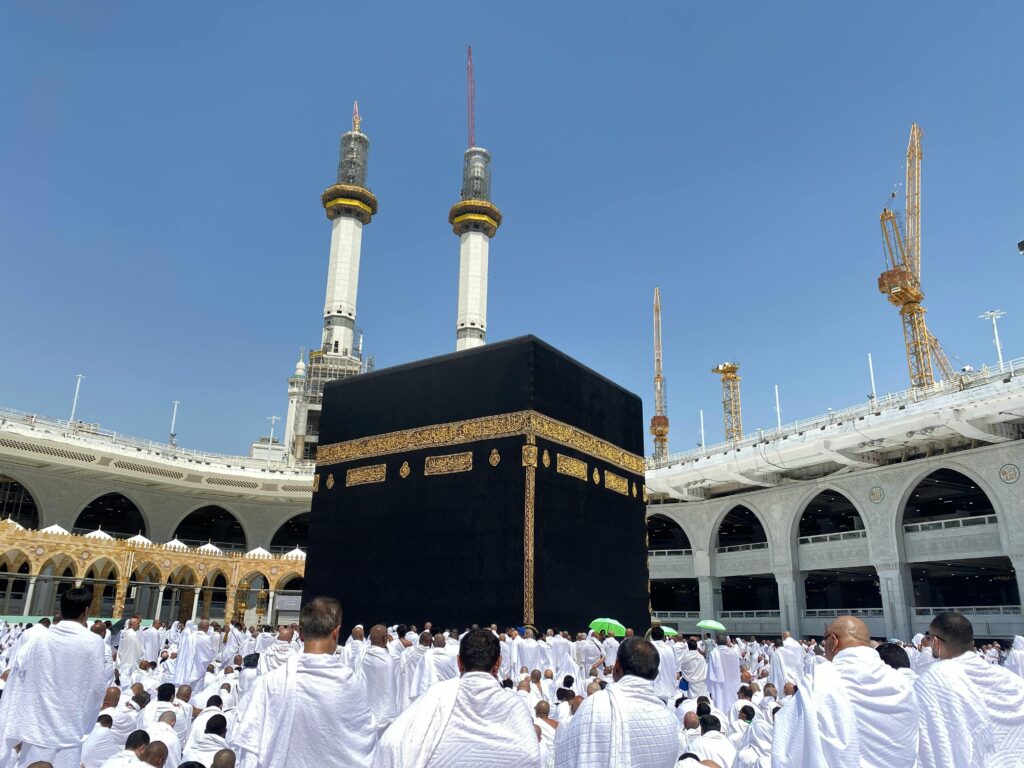
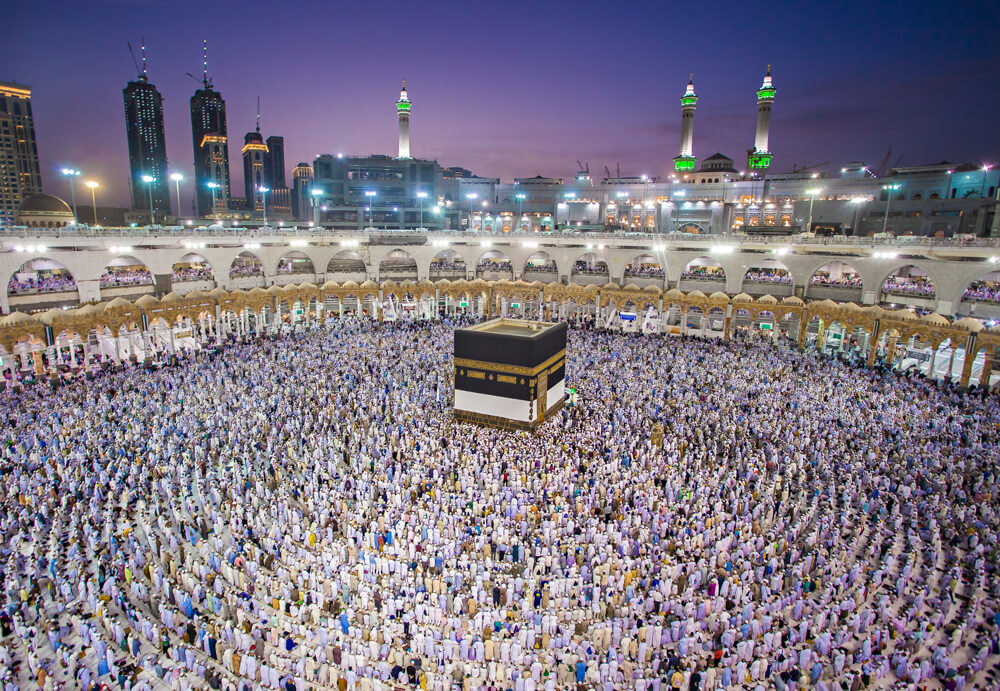
Photo: Muslims performing Tawaf during Hajj in Makkah, in the days of Dhul Hijjah
This year, Hajj is expected to take place between Wednesday, June 4, 2025, and Monday, June 9, 2025.
On the 9th of Dhul Hijjah, the blessed Day of Arafah (also Arafat) occurs. The Day of Arafah 2025 is expected to fall on the evening of Thursday, June 5, 2025.
Considered the most blessed day of the year, Arafah was the day when Allah (SWT) perfected Islam. The day He completed His favours upon His beloved Prophet Muhammad (ﷺ) and approved Islam as a way of life.
This day I have perfected for you your religion and completed My favour upon you and have approved for you Islam as religion.
Quran 5:3

On this day, pilgrims performing Hajj gather on the plain of Arafat, seeking forgiveness, supplicating to Allah and engaging in profound acts of worship.
Eid al-Adha
Eid al Adha (or Eid ul Adha), similar to Eid al Fitr (or Eid ul Fitr), is a joyous day Muslims celebrate with family and community. However, in addition to the rituals of Eid, Muslims, who are able to, also give Qurban on Eid Al-Adha.
Qurban (also known as Qurbani or Udhiyah) is an act of worship that involves the sacrifice of an animal, usually a sheep, goat, cow or camel, for the sake of Allah (SWT). The origins of this act of worship come from the story of Prophet Ibrahim (AS) and his willingness to sacrifice his son, Ismail (AS), as a demonstration of his faith, obedience, and trust in Allah (SWT).
What Else Can We Do on the First 10 Days of Dhul Hijjah?
Even for those of us not performing the Hajj pilgrimage this year, Dhul Hijjah is still a great time of blessing and immense reward.
Wherever we can, we should engage in good deeds such as giving charity, performing acts of kindness to family and community, fasting and remembrance of Allah (SWT)
Fasting
Fasting is especially encouraged during these first 10 days. The Prophet (ﷺ) used to fast on the first nine days of Dhul-Hijjah as one of his regular fasts.
He especially emphasised the importance of fasting on the 9th day, the Day of Arafah.
Fasting the day of `Arafah expiates the sins of two years: the past one and the coming one.
Sahih Muslim
Making Dhikr
Our Prophet (ﷺ) also said:
“There are no days that are greater before Allah or in which good deeds are more beloved to Him, than these ten days, so recite a great deal of tahleel, takbeer and tahmeed during them.”
Ahmad
When are the 10 days of Dhul Hijjah?
This year, the first day of Dhu al-Hijjah 1445 AH will fall on Wednesday, May 28, 2025, depending on the sighting of the moon. In turn, Eid al-Adha is expected to fall on Friday, June 6, 2025.
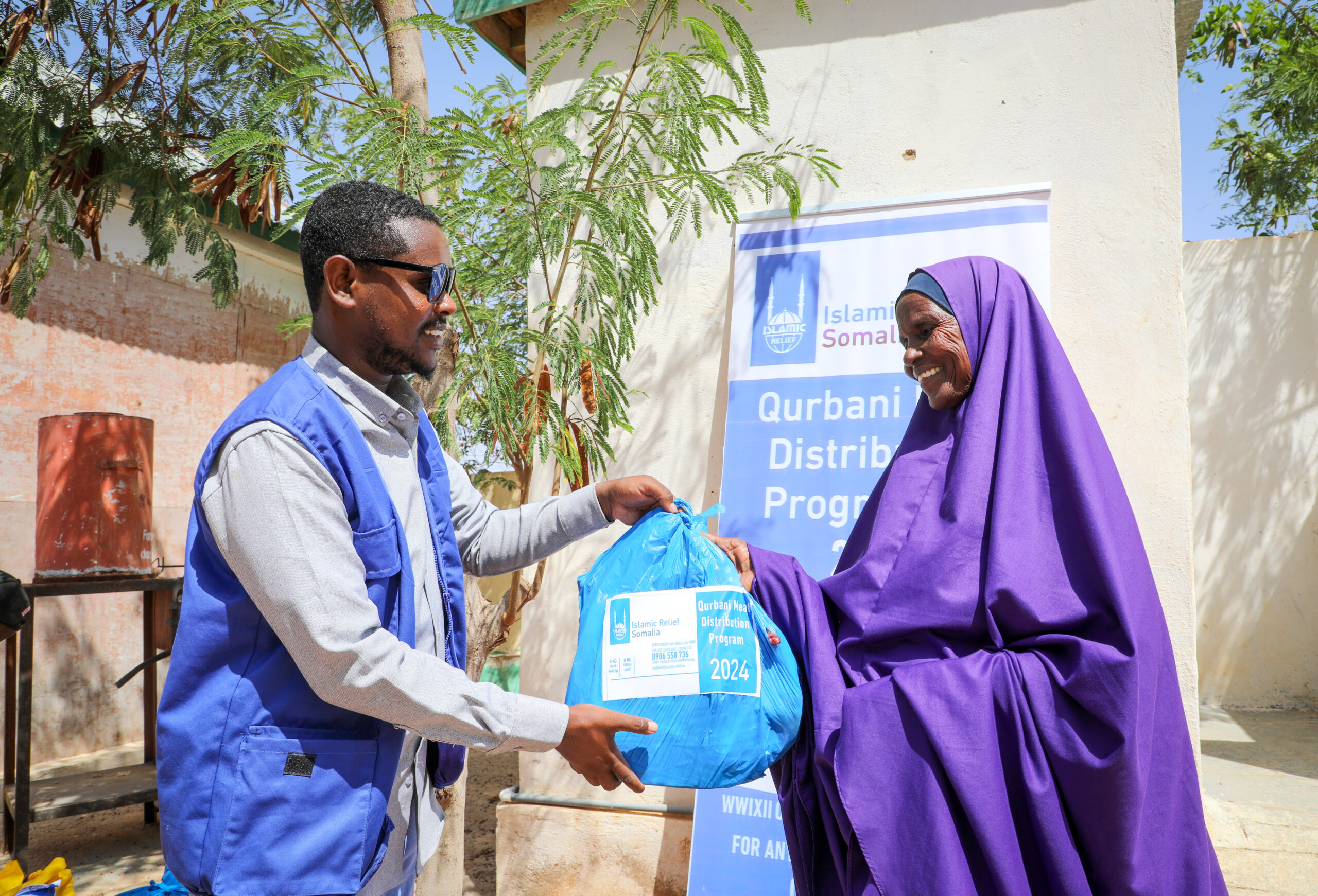
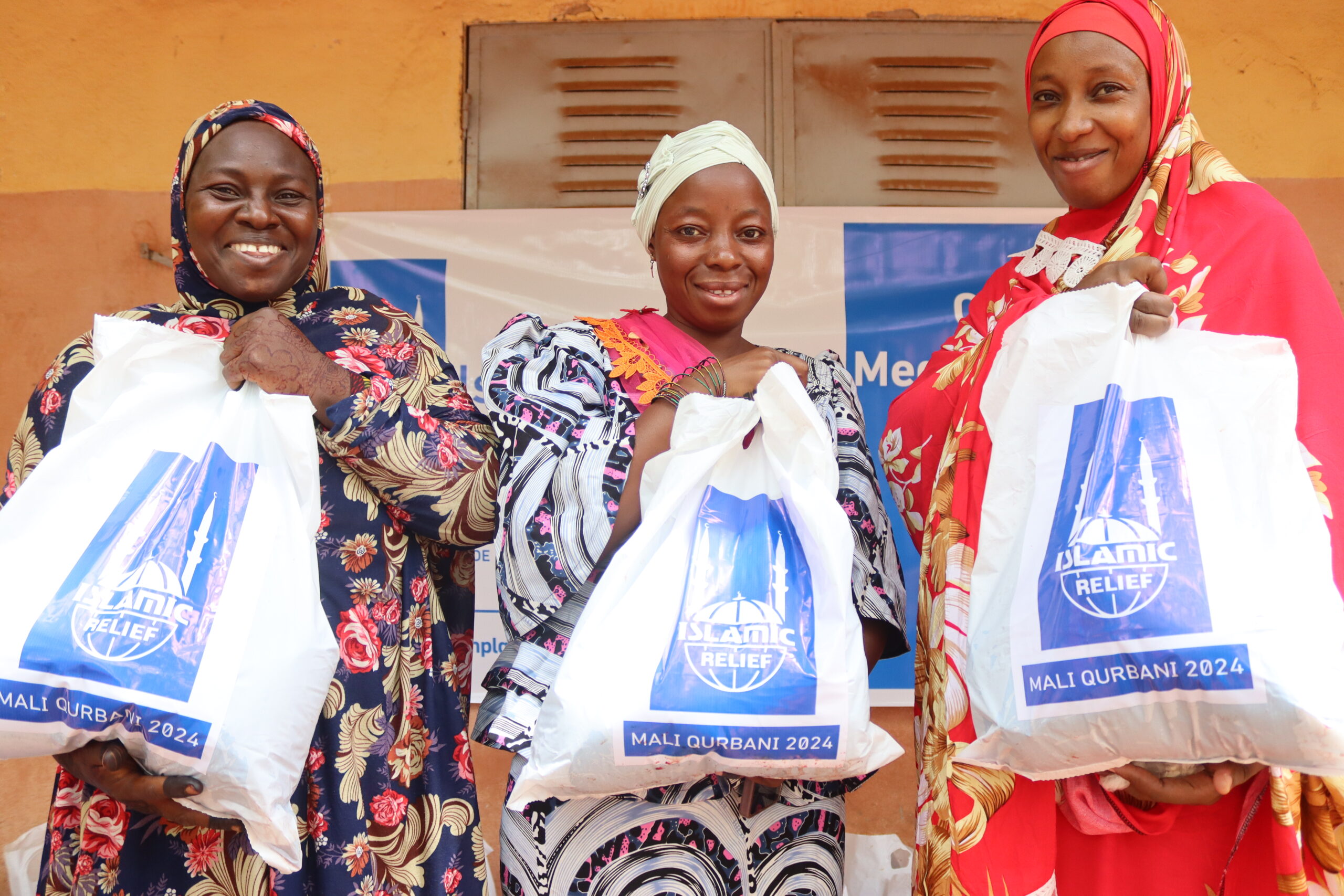
Photo: Your Qurban, helping the world’s most vulnerable thrive and build sustainable livelihoods.
Give Your Qurban On Time
At Islamic Relief, we work all year round to bring families relief and home. To combat food poverty and help communities build healthy and stable livelihoods.
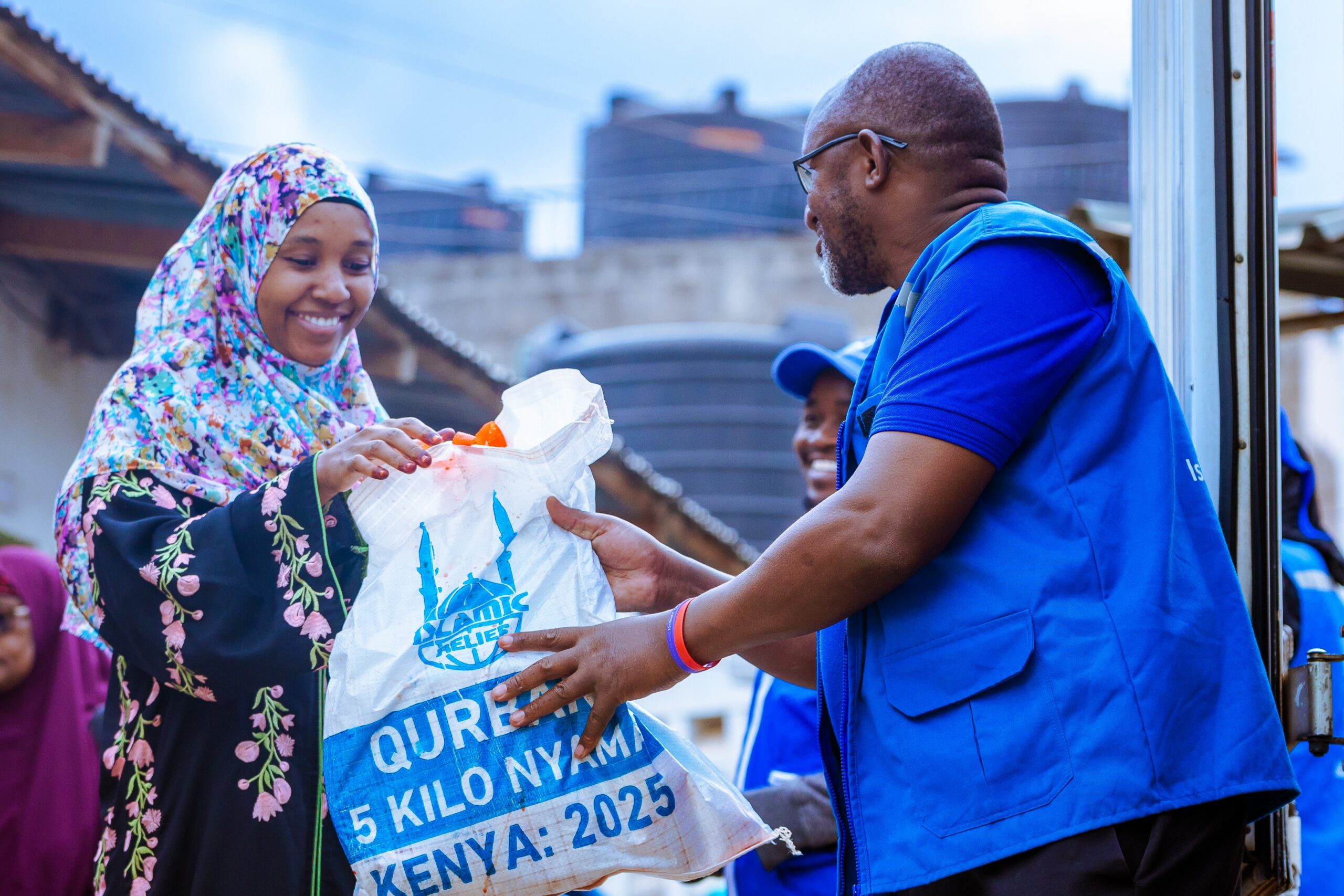
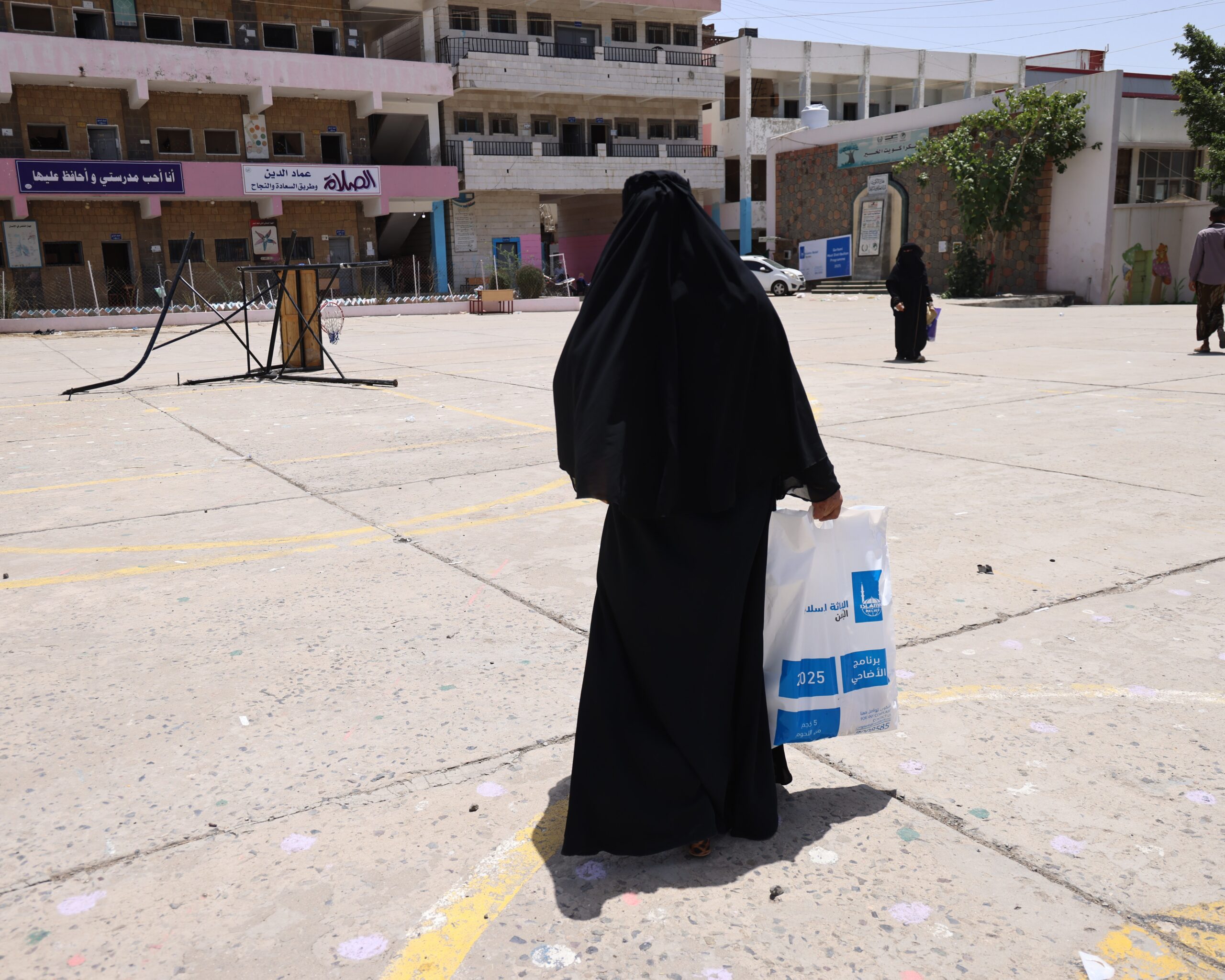
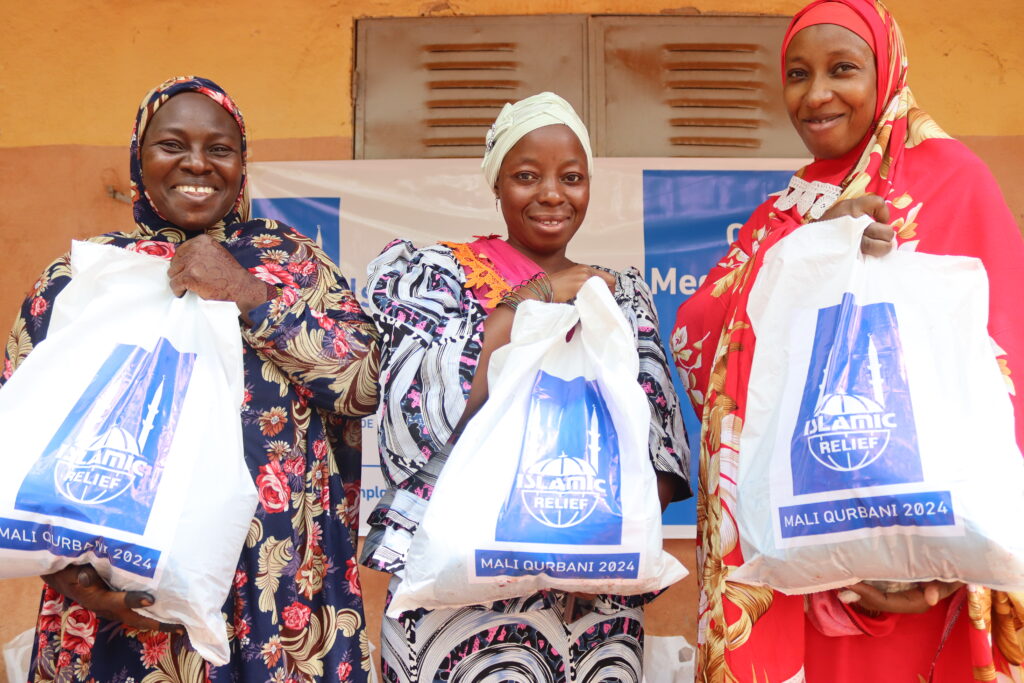
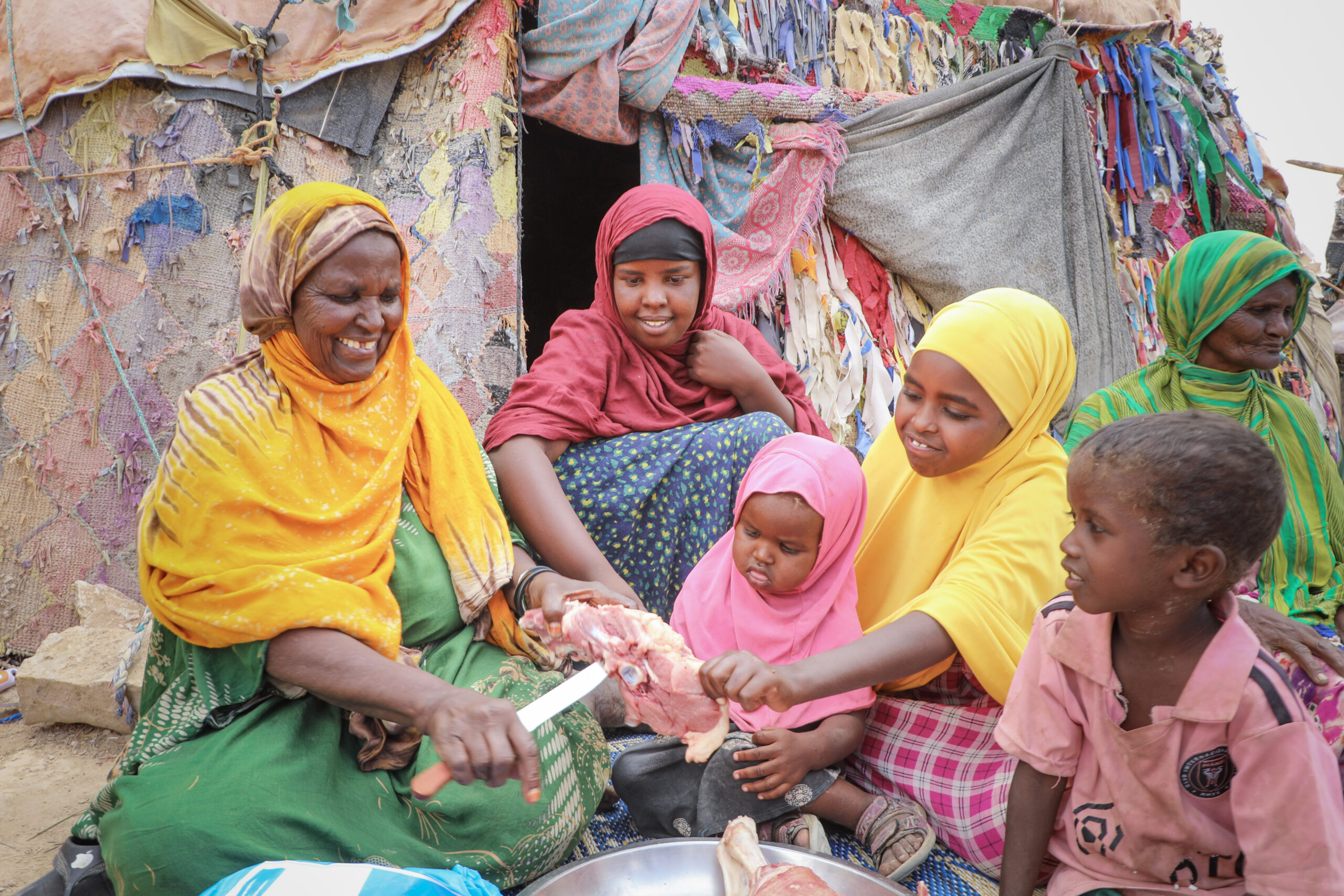
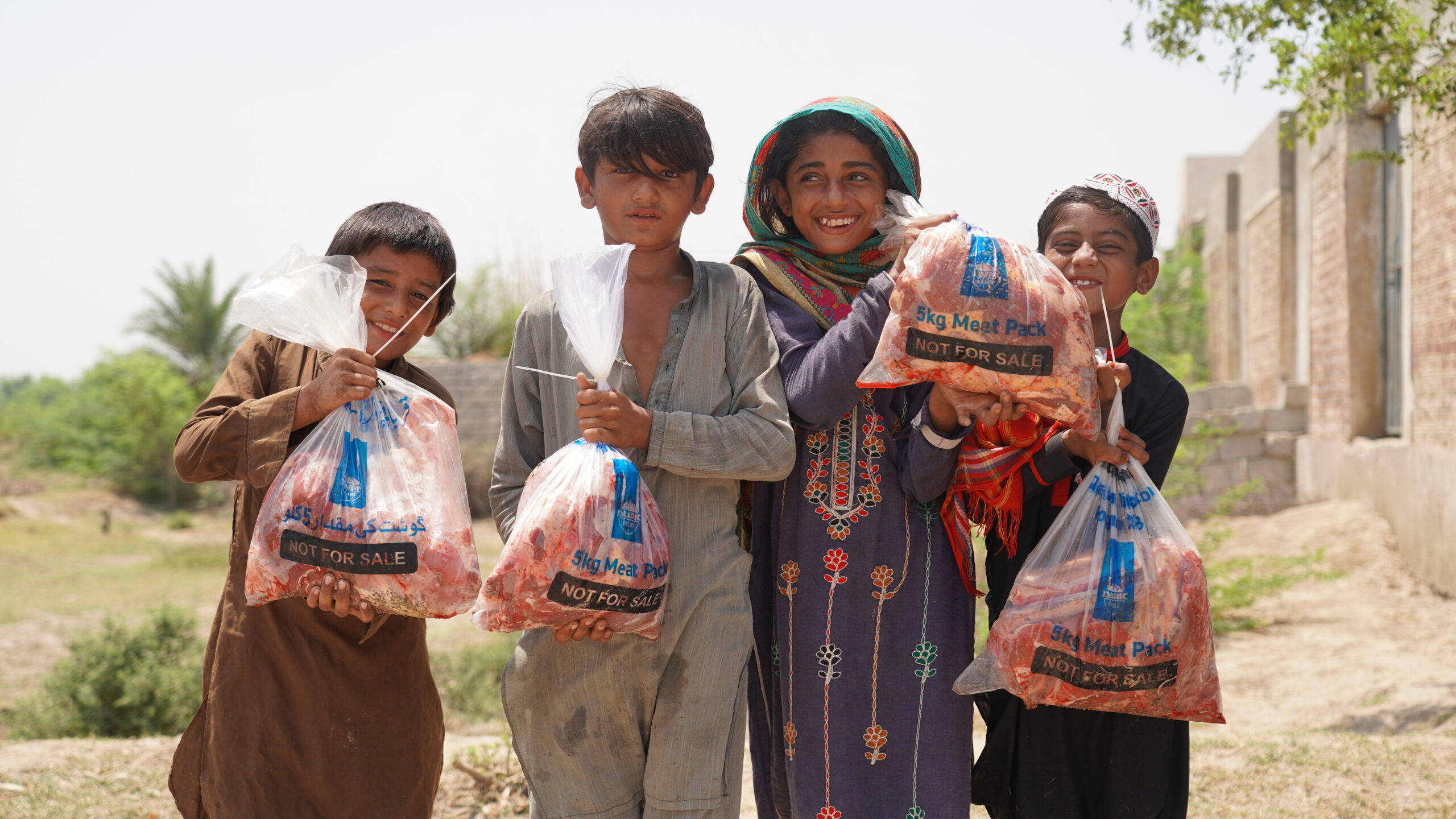
Every Eid al-Adha, Islamic Relief is at the forefront of distributing Qurban. This year, we strive to deliver nutritious, high-quality meat to the world’s most vulnerable and disadvantaged communities. For many, this is the only time they will be able to eat meat in the entire year.
In over 30 countries worldwide, your Qurban donation will not only bring happiness to the less fortunate, but also empower vulnerable communities. To ensure they can enjoy Eid without worrying about how and what they will feed their families.
Donate during this blessed time and increase your rewards. Help enable families and entire communities to have a happy Eid al-Adha and beyond.
This Dhul Hijjah, Share Your Blessings
Help the world’s most vulnerable families enjoy their Eid when you give Qurban with Islamic Relief.