
04.22.25

What is Tawakkul in Islam?

  Publications

Tawakkul is an essential concept in Islam. It refers to the act of placing complete trust and reliance on Allah in all aspects of life. Encouraging us to acknowledge that He is the ultimate controller of all affairs. While also taking necessary actions towards our goals.

Understanding the true meaning of Tawakkul can guide Muslims to live in peace and confidence, especially during challenging times.

Here, we explore the deeper meanings of this important quality, its significance in Islam, and how it can be applied in our daily lives.

What does Tawakkul mean?

Tawakkul is derived from the Arabic word تَوَكُّل (tawakkul). It means “to place trust’ or “to rely”.

Often, it refers to having full reliance on Allah after taking the necessary steps toward a goal. To trust Allah’s wisdom and acknowledge that whatever happens is part of His divine plan.

Thus, the concept of Tawakkul recognises that while we must make the best possible choices in a situation, ultimately, the outcome is in Allah’s hands. It is a balance between action and faith.

A well-known saying of Prophet Muhammad (ﷺ) explains this concept beautifully.

Umar ibn Al-Khattab narrated: A man came to the Prophet Muhammad (ﷺ) and asked if he should leave his camel untied and simply rely on Allah to protect it. The Prophet (ﷺ) responded:

This hadith reflects the essence of Tawakkul. To take necessary actions and make efforts, but leave the outcome to Allah.

The Power of Al-Wakeel

In Islam, Tawakkul is a deeply rooted concept that encourages us to place our complete trust in Allah. It acknowledges that He is the ultimate controller of all affairs. It also requires active participation and effort. For it is not just a passive action.

The Qur’an and Hadith emphasise the importance of Tawakkul. Where it teaches us that we must not only work hard, but also trust in Allah’s guidance and plan.

In the Qur’an, Allah says:

“When you are firm (in making a decision), then have tawakkul in Allah, for surely Allah loves the people of tawakkul.”

Qur’an | Surah Ali-Imran | 3:159

This is further highlighted in various hadiths, in which the Prophet (ﷺ) stated:

This is where the name of Allah, Al-Wakeel, becomes important. Al-Wakeel means “The Trustee” or “The Disposer of Affairs”. He is the one who manages and takes care of everything for His creation. Placing Tawakkul in Al-Wakeel means fully trusting Allah’s divine plan, knowing that He will take care of all our affairs in the best way possible. 

Through this concept, we can find peace and happiness, knowing that Allah’s plan is always better than our own.

Tawakkul meaning in English

In English, Tawakkul translates to “trust in Allah” or “reliance on Allah.” It reflects a state of heart and mind where a person gives up their worries and fears, having faith that Allah knows what is best for them.

Tawakkul is the belief that, after taking the necessary actions, the outcomes are ultimately in Allah’s hands.

This concept teaches us to strive with sincerity and determination, but also to be patient and content with whatever comes from Allah. Tawakkul nurtures inner peace, removes anxiety, and reinforces the idea that Allah is the best of planners.

Why do Muslims need to have Tawakkul?

By practicing Tawakkul, Muslims can achieve peace of mind, even in the face of uncertainty.

It encourages us to have a mindset of Sabr (patience), faith, and surrender to Allah’s will, knowing that the outcome will always be in His hands.

Understanding Tawakkul and incorporating it into our daily lives can lead to a stronger relationship with Allah, greater inner peace, a deeper connection to His divine wisdom, and increased trust in His eternal plan.

04.16.25

When is Hajj 2025?

  Dhul Hijjah     News

Hajj is the sacred pilgrimage Muslims perform at the holy mosque of Masjid al-Haram in Makkah, Saudi Arabia. It takes place during Dhul Hijjah, which is the twelfth and final month in the Islamic (Hijri) Calendar.

The beginning of Hajj starts on the starts the 8th of Dhul Hijjah. It then ends on the 12th or 13th of Dhul Hijjah, depending on the sighting of the moon. In 2025, this period is expected to fall between Wednesday, June 4, 2025, and Monday, June 9, 2025.

What is Hajj?

Hajj is one of the five pillars of Islam, alongside Shahada (profession of faith), Salah (prayer), Zakat (almsgiving) and Sawm (fasting).

As such, undertaking Hajj holds great importance in Islam. It is a spiritual duty. Every Muslim is required to perform it at least once in their lifetime, so long as they have the means. This includes being not only financially able, but also physically and emotionally.

The Significance of Hajj 

In the Holy Qur’an, Allah (SWT) commands Muslims to take this sacred journey: 

You will enter the Sacred Masjid, God willing, perfectly secure, and you will cut your hair or shorten it (as you fulfil the pilgrimage rituals) there. You will not have any fear. Since He knew what you did not know, He has coupled this with an immediate victory.

Qur’an 48:27 

Hajj also occurs in Dhul Hijjah during its first ten days, one of the most sacred periods of the entire Islamic calendar.  

As such, performing the pilgrimage offers Muslims the opportunity to refresh their spiritual selves. To cleanse themselves of their sins and draw closer to Allah (SWT). 

How Long Does Hajj Last? 

The pilgrimage is performed over five to six days, from the 8th to the 12th or 13th of Dhul Hijjah. The Day of Arafah (9th Dhul Hijjah) and Eid Al-Adha (10th Dhul Hijjah) also fall between these days.  

The pilgrimage includes a series of rites and rituals, some of which must be performed in order. It can be physically demanding, as pilgrims are required to travel between locations throughout. On average, one can expect to walk between 5km to 15km per day.  

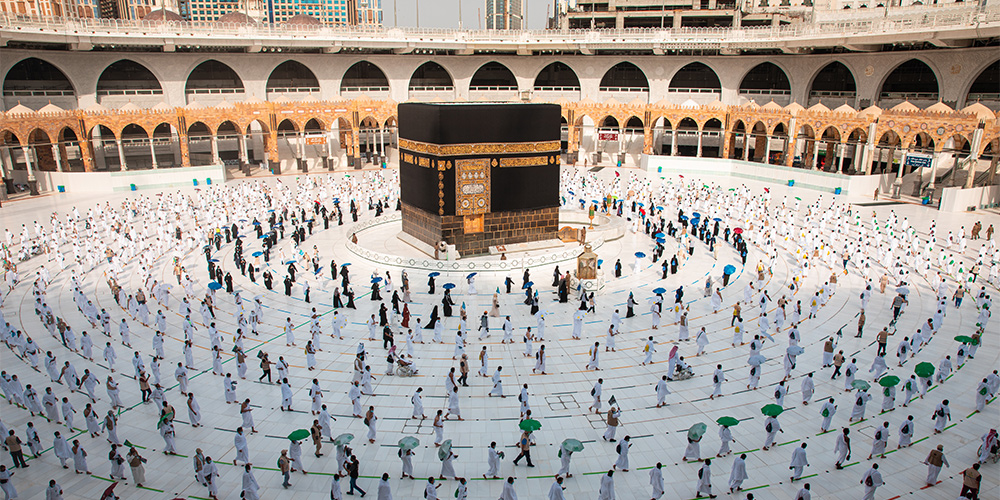
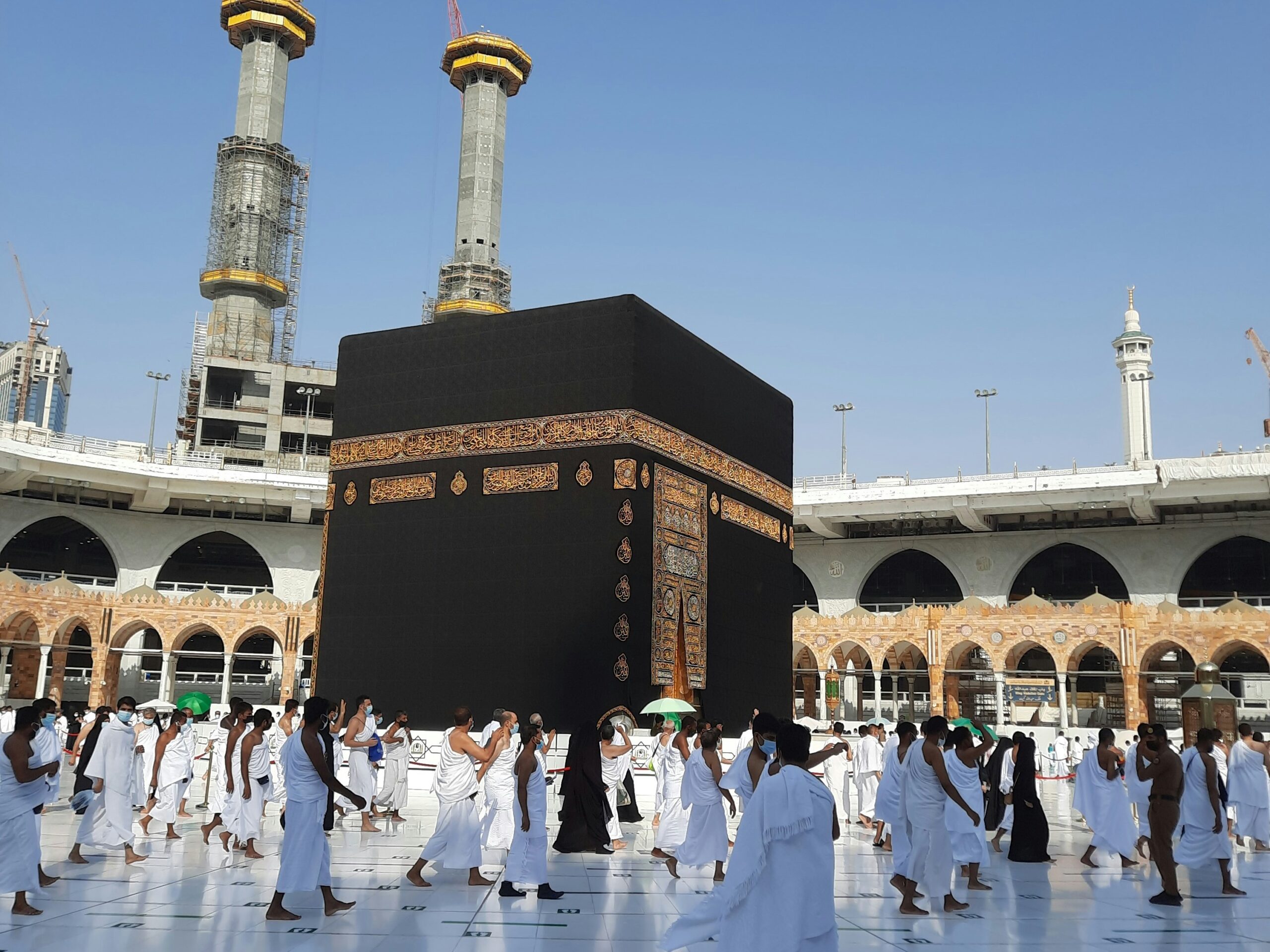
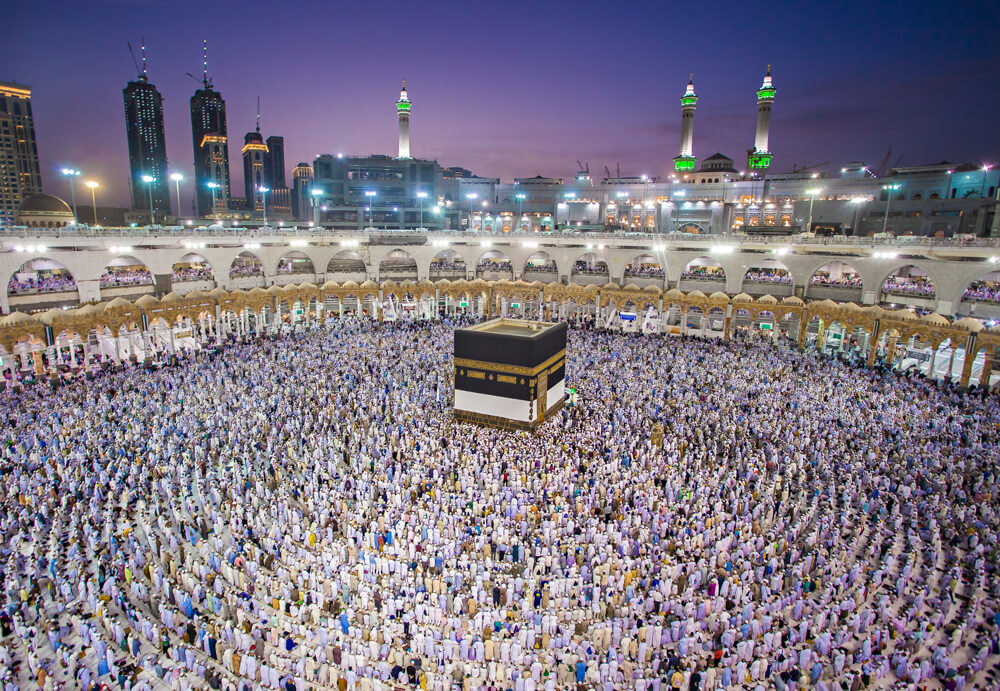
During Hajj, which takes place in Dhul Hijjah, Muslims travel to Masjid al-Haram in Makkah

Performing Hajj is a test of patience and temperament. It is a spiritual, emotional, and physical challenge and can take some preparation. That is why, for many, it is often a once-in-a-lifetime event. 

When Does Hajj Occur?

Hajj takes place between the 8th and the 12th or 13th of Dhul Hijjah each Islamic year, depending on the sighting of the moon.

Dates in the Islamic calendar appear to shift forward approximately 11-12 days as it corresponds to the Gregorian calendar, as the Islamic Calendar operates on the lunar cycle.

This year, the Hajj period is expected to fall between Wednesday, June 4, 2025, and Monday, June 9, 2025.

While Muslims are only required to perform Hajj at least once in their lifetimes, it can be performed multiple times, so long as they fall within the set dates. You can also perform Umrah, a voluntary pilgrimage to Makkah taken at any time of the year.

Where Does Hajj Take Place?

Hajj is performed in Makkah (also referred to as Mecca) in Saudi Arabia. The pilgrimage consists of a series of rites and rituals across five to six days and is performed across several locations within the vicinity of Makkah.

These locations include:

  • The city of Makkah
  • The tent settlement of Mina
  • Mount ‘Arafah
  • Muzdalifah

Who Is Excluded from Hajj? 

It is required of every Muslim to perform Hajj at least once in their lifetime. However, the Hajj is not intended as a burden upon Muslims. Muslims are only required to perform Hajj so long as it is within their capacity. 

Those who are exempt from Hajj are the following: 

  • Children. While they may go to Hajj, only Muslim adults (male or female) are required to perform Hajj. 
  • Very weak, sick, elderly, or otherwise physically incapable Muslims. 
  • Muslims who are financially unable to perform Hajj. However, if one is in debt, they may still perform Hajj if the person they owe money to permits it, they have time to pay off the debt and Hajj does not affect their ability to pay it.  

Brief History of Hajj 

In 628 CE, the Prophet Muhammad (ﷺ) and the early Muslims embarked on the first Islamic Pilgrimage (Hajj), re-establishing the traditions started by the Prophet Ibrahim (AS), who first began the tradition of Hajj millennia before. 

The Story of Hajar (AS) and Ismail (AS)  

The story of Hajj begins with Prophet Ibrahim (AS) receiving a commandment from Allah (SWT). Allah (SWT) orders Prophet Ibrahim (AS) to travel to the barren desert of Makkah and leave his wife Hajar and infant son Ismail (AS). Despite the trials ahead, the family trusted in the Divine Wisdom of Allah (SWT) and set out to follow His commandment.

While in the desert, Hajar (AS) and Ismail (AS) quickly ran out of resources. In a desperate effort to find water, Hajar (AS) ran between the two neighbouring hills of Safa and Marwa in search of someone who could help or nearby water. She did this seven times, only to return to a crying Ismail (AS) empty-handed. 

As the infant Ismail (AS) cried, he struck the ground with his leg and a stream of water burst forth at the commandment of Allah (SWT). This stream of water relieved the mother and son of their thirst and became a resource with which they traded for provisions of all kinds with travelling merchants. This stream of water is known today as the Well of Zam Zam. 

Years later, Allah (SWT) commanded Ibrahim (AS) to return to his family, where he found the miracle of his family alive and indeed thriving. A barren desert that had started with only Hajar and Ismail (AS) was now transforming into a thriving settlement that would become known as Makkah. 

Allah (SWT) then instructed Ibrahim (AS) to mark the space for a stone structure. This would be known as the Kaaba, which Ibrahim (AS) built with his son Ismail (AS).  

The Significance of the Kaaba and Masjid al-Haram

The space surrounding the Kaaba was created for worshippers of the one God to gather. In fact, the Kaaba simply marks the spot where Muslims unite. It is not something that is worshipped, as idolatry is prohibited in Islam. 

Over time, the Kaaba would be taken over by pagan Arabs, who filled it with idols. However, thousands of years later, when the Prophet Muhammad (ﷺ) was given revelation and the final message of Tawheed (monotheism), he was instructed to reinstate Ibrahim’s (AS) sacred tradition – the sacred pilgrimage we know as Hajj today. 

This Dhul Hijjah, Share Your Blessings

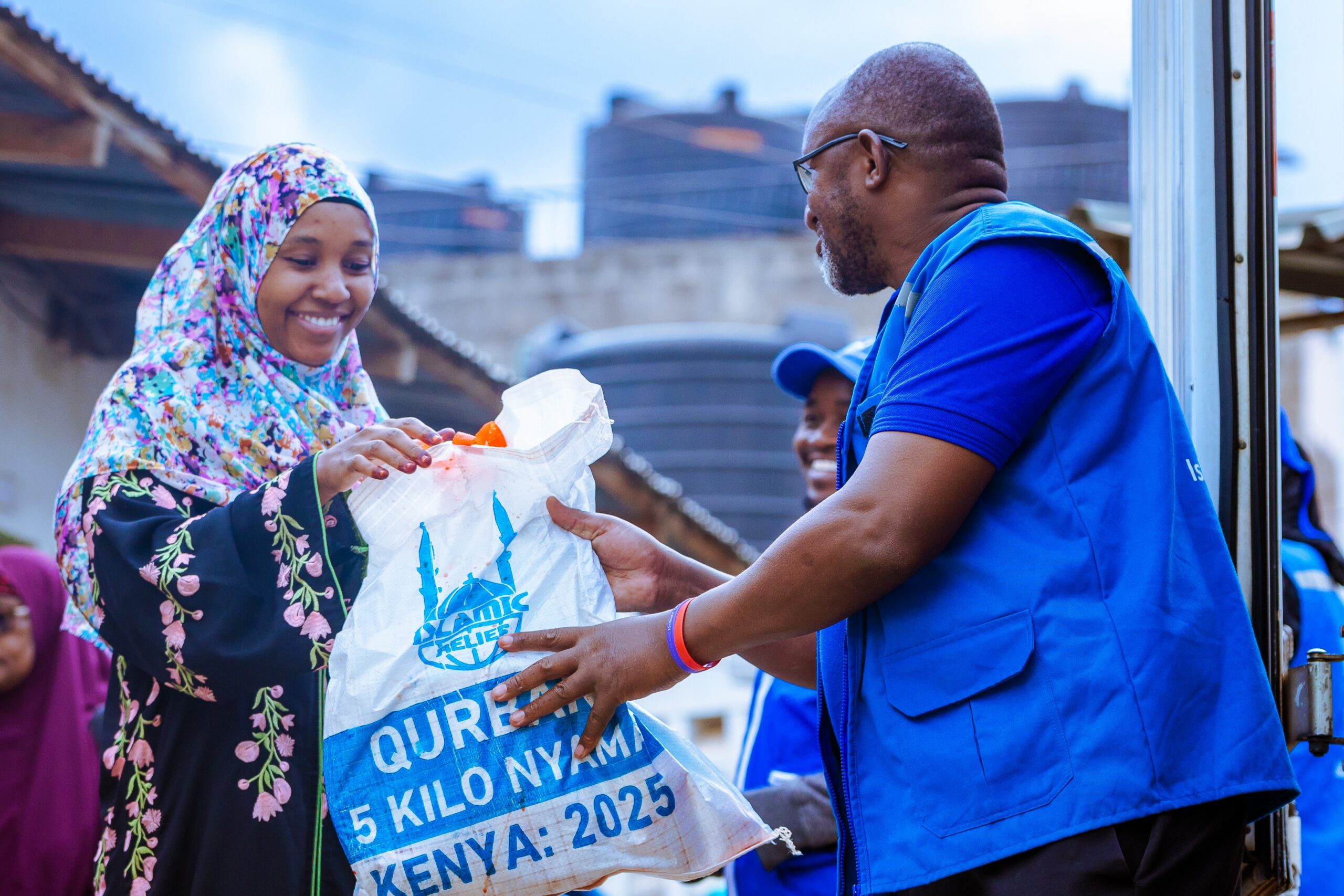
Help the world’s most vulnerable families enjoy their Eid when you give Qurban with Islamic Relief.

Frequently Asked Questions 

  • What does Hajj mean?

    The word Hajj, in Arabic, means ‘to intend a journey’. 

  • How many days is Hajj?

    The pilgrimage is performed over five to six days, from the 8th to the 12th or 13th of Dhul Hijjah. The Day of Arafah (9th Dhul Hijjah) and Eid Al-Adha (10th Dhul Hijjah) also fall between these days. 

  • Who is excused from Hajj?

    Those excused from Hajj are children (however, they can accompany their parents) the very weak, sick, elderly, or otherwise physically incapable and those who would be financially burdened if they make the pilgrimage.

04.16.25

What is Shahada in Islam?

  Publications

The Shahada is the very first pillar of Islam. It is the declaration of belief in one God (Allah) and His messenger, Prophet Muhammad (ﷺ).

What is the meaning of the Shahada?

The Shahada (shahadah) is the Arabic term for the declaration of faith. One that firmly believes that there is only one true God (Allah) and that Prophet Muhammad (ﷺ) is His (last and final) Messenger.

In practice, this is how to say the Shahada:

Ash-hadu an la ilaha illa Allah, Wa ash-hadu anna Muhammadan Rasulu-Allah

أَشْهَدُ أَنْ لَا إِلَـٰهَ إِلَّا اللهُ وَأَشْهَدُ أَنَّ مُحَمَّدًا رَسُولُ اللهِ

“I bear witness that there is no God but God (Allah – i.e. there is none worthy of worship but Allah), and Muhammad is the Messenger of Allah.”

It is the most sacred statement in Islam and must be recited with full understanding and mindfulness of its meaning.

A Staple of Muslim Life

The Shahada, being one of the five pillars of Islam, is a core aspect of a Muslim’s life. They hear it in the call to prayer (athan) and recite it during tashahhud in Salah (prayer).

It is also the first thing one hears when one enters the world as a Muslim. The Shahadah is spoken as the first words a Muslim baby hears upon entering the world as part of the adhan. Likewise, when someone wishes to convert to Islam as their religion, reciting the Shahadah marks their entrance into Islam and their life as a Muslim.

Why is the Shahada important?

The belief in one Allah is the central tenet of the Islamic faith, around which all else revolves. Muslims are continuously reminded of this foundational belief. This includes the recital of the Shahada during each of the five daily prayers. It also appears during many more pivotal moments of a Muslim’s life.

The second part of the Shahada requires Muslims to acknowledge and testify to the belief in the Prophet Muhammad (ﷺ) as Allah’s messenger. This serves as a reminder to Muslims of the importance of the Prophet Muhammad (ﷺ). It is also a reminder to never associate partners with Allah, as Allah remains one God alone.

Who is Allah (SWT) in Islam?

Allah is the Arabic (and universal among Muslims) term for the One True God. This term has no plural or gender, as nothing else can be called Allah.

In Islam, Allah is the Almighty, Creator, and Sustainer of the universe, who is similar to nothing, and nothing is comparable to Him. When asked about Allah, the Prophet Muhammad (ﷺ) gave the answer that came directly from Allah Himself from the Quran:

“Say: ‘He is Allah, (who is) One, Allah, the Eternal Refuge. He neither begets nor is born, nor is there to Him any equivalent.’”

Quran | Al Ikhlas | 112:1

The Shahada is more than a statement—it’s a lifelong commitment. It is the first pillar of Islam, laying the foundation for every act of worship and obedience that follows.

From birth to death, and in every moment in between, Muslims carry the Shahada in their hearts and on their tongues. It reminds them of their relationship with Allah, their devotion to His message, and their connection to a long tradition of faith and guidance.

04.14.25

What is Sabr in Islam?

  Publications

In Islam, Sabr holds deep significance. The word encompasses the action of having sincere patience, endurance, and submission to Allah’s decree. It teaches believers to remain steadfast during challenges and trials, placing complete trust in Allah’s wisdom. 

Through Qur’anic verses and teachings from the Hadith, believers are reminded of the power of patience in overcoming life’s hardships.

Here, we delve into the true meaning of Sabr and its vital role in nurturing faith, building resilience, and achieving Allah’s rewards. 

What does Sabr mean?

Sabr is an Arabic word, which directly translates to endurance, restraint and perseverance. More commonly, the word is considered to mean patience. However, this does not encompass all the meanings of the Arabic word. 

In Islam, Sabr refers to being patient in times of difficulty, as well as to be steadfast in practicing good deeds at all times.

It also means acceptance and submission – that is, to accept Allah’s decree in all matters. To submit to His plans, knowing He knows what is best for us. 

Why is Sabr important?

In Islam, Sabr is considered to be a good deed of the heart, and an integral part of one’s faith. It also refers to having patience in avoiding sin and all acts that are disliked by Allah.

Having Sabr means we stay firm and attached to Allah, even during difficult tests. It helps us overcome hardships, build more resilience, and improve self-discipline. Having it is essential to surviving life’s tests, as it reminds us to endure while aiming to gain Allah’s love and pleasure and being happy with His decree. 

Having Sabr also helps to improve our relationships with family, friends, and colleagues. As it means that we have patience and remember Allah when faced with challenges and in dealing with others.

Overall, Allah abundantly rewards those who have Sabr in all aspects of their lives. As when He sees those who remain steadfast, despite the hardships (such as the loss of friends and relatives, property and possessions), He gives those believers the opportunity to gain peace and ease in the hereafter, which is eternal. 

What does the Qur’an say?

The Qur’an refers to Sabr in many places. It highlights the rewards for having patience, endurance and showing submission to Allah’s decree. The following Ayah refers to this concept in the Holy Qur’an: 

This verse demonstrates that Sabr is integral to Allah’s tests. Will we remain steadfast or turn away from Him? It also demonstrates that through remaining patient during difficulties, we have passed Allah’s test.

This verse highlights the power of having Sabr. If we are patient and turn to Allah, He will help us to endure challenges and overcome difficulties. 

The Qur’an also states that patience leads us to victory over our enemies: 

The Qur’an reminds us of the immense rewards that are promised to us if we have Sabr in times of affliction: 

During times of difficulty, we should turn to the Quran. These reminders are extremely hopeful and are very comforting to read when we may feel we are in the depths of despair. 

Discover Du’as for Sabr and how to increase your it below, or expand your Islamic knowledge by visiting our Du’a Hub.
04.09.25

Shawwal: The Importance of the Month after Ramadan

  Publications     Ramadan

Shawwal. The 10th month of the Islamic calendar.
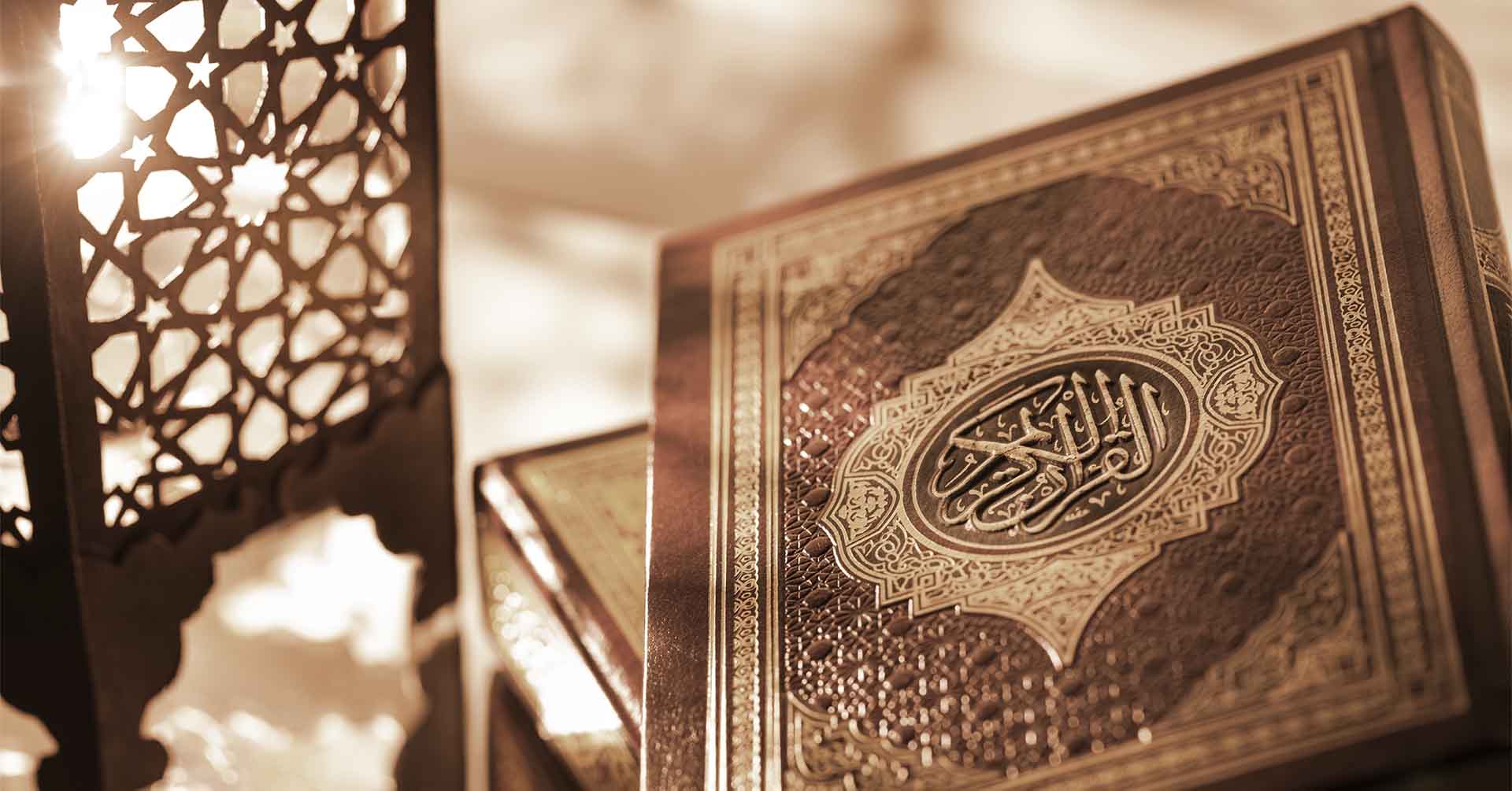
Many of us know it as the month after Ramadan. A month we begin by celebrating Eid Al-Fitr, a day filled with happiness and festivities.  

As it’s the first day of Shawwal we connect with family and friends on Eid al-Fitr. When we pray together, exchange greetings and gifts, and thank Allah (SWT) for allowing us to participate in and enjoy another blessed Ramadan. 

It’s also a month when many of us feel sad that Ramadan has passed. As we miss the opportunities for rewards and heightened spirituality we had during the month.  

However, there are also many ways to gain more Ramadan-like feelings and rewards in Shawwal.  

What is Shawwal? – A month to continue the goodness 

Shawwal is the 10th month of the Islamic (Hijri) calendar and begins its first day with Eid Al-Fitr.

It is also renowned for the six days of Shawwal. These are six voluntary fasts one can complete at any time throughout the month of Shawwal (except on Eid al-Fitr) and doing so holds immense rewards.

For the Prophet Muhammad (ﷺ) said:

“Whoever fasts Ramadan and follows it with six days of Shawwal, it will be as if he fasted for a lifetime.”

Muslim

Doing these six fasts is recommended as a means of redeeming any shortcomings in the quality of our fasts in the month of Ramadan. What’s more, they are equivalent to a year of fasting if accepted by Allah (SWT). 

Fasting in Shawwal holds many rewards

Scholars have also considered one’s intention to fast the six days of Shawwal as a sign that their observation of Ramadan has been accepted.

In fact, Ibn Rajab (RA) said that doing these fasts would be a way of demonstrating our gratitude to Allah (SWT). For the blessings, mercy, and reward that Ramadan has to offer. 

“[Allah wants] for you to complete the period and to glorify Allah for that [to] which He has guided you; and perhaps you will be grateful”

Qur’an 2:185

As such, Shawwal marks a precious time to reflect on and continue the good habits we gained in the preceding month: the blessed month of Ramadan. An important month to centre the mind, body and soul for the remainder of the year and beyond. 

Key Dates in Shawwal: Eid Al-Fitr

The first day of Shawwal is also when Muslims celebrate Eid Al-Fitr, one of the celebrations recognised in Islam. The other is Eid al-Adha, observed on the 10th day of Dhul Hijjah, the last month of the Islamic Calendar.

On Eid al-Fitr, Muslims come together to enjoy the reward of observing and completing the holy month of Ramadan. They attend the Eid prayer and pay Zakat al-Fitr. It is also a day of festivities. When community members dress their best and exchange greetings, gifts and food with family and friends.

The First Month of the Hajj Period

Shawwal is the first of three months (before the month of Dhul Hijjah) in which some of the acts of Hajj can begin to be performed, such as the Tawaf of Arrival. The period of Hajj also begins in Shawwal, which is otherwise called Ash-hur Al-Hajj or the months of Hajj. 

When does Shawwal begin and end?

The sighting of the new moon of Shawwal signifies the end of the holy month of Ramadan, and the beginning of Eid al-Fitr and its festivities.

This year, the first day of Shawwal began on the evening of Sunday, March 30, 2025. Eid prayer and the festivities of Eid al-Fitr took place the following day Monday, March 31, 2025. Shawwal 2025 will likely end on April 28, 2025, depending on the sighting of the moon.

The six voluntary fasts of Shawwal can take place at any time throughout the month. However, one cannot fast on the first day of the month, as it is forbidden to fast on Eid al-Fitr.

“The Prophet (ﷺ) forbade fasting on the day of al-Fitr and al-Nahr.”

Sahih Bukhari

Keep the blessings of Ramadan going

With our spirituality renewed, we all want to keep hold of that feeling at the end of Ramadan – that closeness to Allah (SWT). SubhanAllah, the deeds most loved by Allah are those done regularly – even if they are small. 

The Prophet Muhammad (ﷺ) said, “The most beloved deed to Allah is the most regular and constant even if it were little.”

Sahih Bukhari

So don’t let go of that feeling – hold on to Allah (SWT)’s love. Giving regularly, even just $10 a month can help transform the lives of communities suffering the effects of conflict and natural disasters.

Giving regularly in Shawwal and beyond can help support those most in need in Gaza and more.

Don’t miss out on the chance to earn immense rewards

Keep the blessings of Ramadan going. Make the most of month of Shawwal with your giving. In big and small ways, your support saves lives in Gaza, Sudan and more.

04.07.25

The Virtues of Fasting 6 Days in Shawwal 

  Publications     Ramadan

Many of us are feeling the post-Ramadan blues, so what can we do to maintain the blessed month’s spirit? Well, the Prophet (ﷺ) gave us the powerful solution: Fasting 6 days in Shawwal, the month that immediately follows Ramadan.  

Fasting the 6 days of Shawwal is not obligatory, but it carries great rewards. For the Prophet Muhammad (ﷺ) said:

“Whoever fasts Ramadan and follows it with six days of Shawwal, it will be as if he fasted for a lifetime.”

Muslim

In turn, you do not have to fast these days consecutively either. Fasting any six days (expect for Eid Al-Fitr) within the month is acceptable.  

Shawwal, a month to continue the goodness 

What is Shawwal? This is the 10th month of the Islamic (Hijri) calendar and begins on Eid Al-Fitr. It is likely to end this year on April 28, 2025, depending on the sighting of the moon.

The new moon, which signals the beginning of a new Islamic month, including Ramadan and Shawwal, on a dusty purple night sky above forest mountains
Photo: The new moon signals the beginning of a new Islamic month, including Ramadan and Shawwal.

There are also six voluntary fasts one can complete at any time throughout the month of Shawwal (except on the first day, Eid al-Fitr) and doing so holds immense rewards. Here are some of the benefits to fasting in Shawwal.

Maintains Your Momentum After Ramadan

After spending a month excelling in good deeds, many of us feel like it’s impossible to keep it up after Ramadan is over. But that’s why continuing our Ramadan habits in Shawwal, the very next month, is the best thing we can do to stay on track!

Ramadan is month where we have the opportunity to reset. To get rid of bad habits and gain good ones. To perfect our acts of worship, including how we fast.

That’s why fasting the six days of Shawwal is a chance to maintain the good habits we built during Ramadan. Fasting itself requires us to give up our physical needs (e.g. eating, drinking, and physical relations) from sunrise to sunset, as well as stay away from harmful acts (e.g. gossiping, backbiting).

Because we fasted during Ramadan, fasting six more days in the month afterwards is definitely achievable. You also don’t have to do it consecutively. If it helps, you can tie it to another sunnah fast to make it easier to remember. For example, fasting every Monday and Thursday, and/or during the three middle days of the month – both of which were practices of the Prophet (ﷺ).

Make Up for Shortcomings 

The Prophet (ﷺ) tells us, “The first thing for which a person will be brought to account on the Day of Resurrection will be their prayer. If it is complete, then the voluntary (prayers) will also be recorded for them (as an increase).

If it is not complete, then Allah will say to His angels: ‘Look and see whether you find any voluntary prayers for My slave, and take them to make up what is lacking from their obligatory prayers.’ Then all their deeds will be reckoned in like manner.” (Sunan Ibn Majah) 

The same can be said for our fasts. Our voluntary fasts will be used on the Day of Judgement to both increase us in our good deeds as well as make amends for any of our deficiencies when we fasted Ramadan. 

Build an Attitude of Gratitude 

One of the spiritual benefits of fasting is that it nurtures gratitude in the heart of the believer. The more often we fast, the more spiritually aware we become of Allah’s favours in our lives. Abstaining from food and drink reminds us that these too are blessings from Allah that we take for granted. And we do this for a month during Ramadan.

Through fasting the six days of Shawwal, we continue to nurture this attitude of gratitude. The additional fasting encourages a deeper sense of humility, thankfulness, and awareness of those who have less than us. It keeps our hearts soft, our tongues in remembrance, and our hands more generous, just as Ramadan taught us.

Keep the Spirit of Ramadan Alive in Shawwal

While Ramadan may come to an end, its spirit doesn’t have to. Fasting the six days of Shawwal offers us a great opportunity to keep the momentum going. To continue striving for spiritual growth, self-discipline, and gratitude. It’s a way to demonstrate that prefecting our worship is not limited to one month, but is a lifelong commitment to pleasing Allah (SWT).

Whether you choose to fast the six days consecutively or spread them out across the month, what matters most is the sincerity and effort you put forth. By taking on this simple yet highly rewarding Sunnah, you are building on the foundation laid in Ramadan and securing rewards equivalent to a lifetime of fasting.

So don’t let the post-Ramadan blues weigh you down. Embrace the days of Shawwal with renewed purpose, and continue walking the path of devotion and gratitude that Ramadan helped you rediscover.

04.03.25

Quality Assured Qurban: Why Give with Islamic Relief

  Dhul Hijjah     Publications

Qurban (or Udhiyah) is an act of worship most beloved to Allah (SWT) in the days of Sacrifice. These are the days of Eid Al-Adha, which include days of Tashreeq (11th, 12th and 13th of Dhul Hijjah). Therefore, it is important to provide the best possible offering for sacrifice during this sacred period. 

Islamic Relief Worldwide’s Quality Assured Qurban program upholds the Core Humanitarian Standard and Shariah compliance throughout its entire process. Used by all members of the Islamic Relief network, including Islamic Relief Australia, it ensures rightsholders receive quality, halal (permissible) and Tayyib (healthy, pure) Qurban meat.

With this program, Islamic Relief meets the needs of rightsholders. It also upholds the rules of Qurban, by ensuring Shariah compliance, regulatory standards and animal welfare standards.

Here are 6 reasons why giving Qurban with us means giving the best possible offering this Eid Al-Adha.

1. Specialised local team

One of our strengths is being close to our rightsholders. In every country where Islamic Relief distributes aid, we have field offices that allow us to be present on the ground. So we can act swiftly during times of crisis. We have dedicated staff employed in these countries who understand the local community. Often, especially during disasters, they also face the same struggles they do. This enables our teams to provide our rightsholders with the best possible support. And deliver this support with cultural sensitivity and care. 

back of islamic relief staff in yemen preparing for qurban distribution

2. Meeting the needs of rightsholders.

For all our projects, our field teams conduct a comprehensive needs assessment, collaborating with rightsholders, community leaders, and local authorities. This assessment helps identify and prioritise the most vulnerable individuals or groups. We also coordinate with other organisations involved in Qurban distribution to avoid duplication. It also ensures that our interventions reach underserved areas effectively. 

islamic relief staff in jordan helping a man walk while holding a bag of qurban meat local teams

The Qurban meat is transported in refrigerated trucks with a maintained cold chain until it reaches our rightholders. 

3. Upholding the rules of Qurban

Prior to slaughter, our livestock undergo rigorous inspections to ensure compliance with both veterinary and Shariah standards. These inspections guarantee that the animals meet the requirements for Qurbani according to Shariah principles. In turn, the inspection also ensures the resulting meat is of excellent quality and safe for human consumption. 

islamic relief staff preparing an animal (cow) for qurban inspection

Our approach for the Qurbani project is adaptable and tailored to the specific needs of each location. We prioritise collaboration with regulated slaughterhouses that uphold strict machinery and hygiene standards. Thus, ensuring the freshness and safety of the meat.

In the absence of regulated slaughterhouses, we adopt a community-led approach where trained volunteers and butchers actively engage the entire community under the close supervision of Islamic Relief staff.  

To maximise the impact and serve a greater number of households, our preference is to select larger animals for Qurbani, taking into consideration their availability in each country. This approach leads to a higher meat yield, allowing more households to receive Qurbani meat packs and benefit from our distribution efforts. 

4. Upholding Shariah compliance, regulatory standards and animal welfare with care and respect.

We prioritise adhering to the Core Humanitarian Standard and Shariah compliance throughout the entire Qurbani process. They conduct thorough inspections of the livestock and oversee the slaughter process. Our focus is to ensure the use of high-quality livestock suitable for this religious act, with supervision from veterinary doctors, local Imams, Ministry of Religious Affairs, Ulama, and other religious authorities.  

islamic relief staff preparing an animal (sheep) for qurban inspection

We maintain the well-being of the livestock and strictly follow best practices and compliance guidelines. Furthermore, we store the meat in refrigerators or transport it in refrigerated vehicles, adhering to local hygiene and food safety regulations. This commitment guarantees that the Qurbani process is conducted with care and respect, upholding religious and regulatory standards.

5. Ensuring minimal waste, and safe delivery of Qurbani to rights-holders in a timely manner.

Our dedicated staff members complete Islamic Relief Qurbani checklist declarations to ensure adherence to all Qurbani requirements. Waste disposal is carried out responsibly, following local regulations. In countries where all parts of the animal are consumed, such as offal and skin, waste is minimised. In other countries where only specific organs and meat are consumed, waste materials are appropriately disposed of either at the slaughterhouse or buried in designated community slaughter sites. 

Islamic Relief staff packing meat for qurban

To maintain efficiency and meet deadlines, we closely monitor the number of Qurbanis and the capacity of each field office. We establish contractual agreements with suppliers to accommodate any unexpected increase in Qurbani orders. With over 38 years of experience in conducting Qurbani, Islamic Relief Worldwide has cultivated strong relationships with local communities and suppliers, enabling us to fulfil Qurbanis promptly and efficiently. 

The Qurbani meat is transported in refrigerated trucks with a maintained cold chain until it reaches our rightsholders. 

6. Providing a high-quality service to our rightsholders.

Islamic Relief’s Qurbani prices may be slightly higher than those of other organisations, but this is because we prioritise providing a high-quality service to our right holders. We go the extra mile by purchasing healthy animals that yield more meat for our right holders.

islamic relief staff feeding an animal for qurban

For instance, in countries like Iraq, the cows we purchase have an average weight of 480kg, surpassing the weight of cows selected by our competitors. We strongly believe in investing in various components of the Qurbani project to ensure its effectiveness. This includes conducting needs assessments, collaborating with local authorities, sourcing higher-spec livestock, and implementing rigorous monitoring, evaluation, accountability, and learning (MEAL) processes. These additional efforts are reflected in our prices as they contribute to reaching the most vulnerable rightholders in the most effective way possible.

Our commitment is to serve right holders with dignity and respect, while also considering the well-being of the environment. When it comes to slaughter practices, we ensure that they are conducted in appropriate sites with proper drainage and waste disposal systems, avoiding the issue of leaving waste unattended. 

This Dhul Hijjah, Share Your Blessings

Help the world’s most vulnerable families enjoy their Eid when you give Qurban with Islamic Relief.

04.03.25

When is Eid Al-Adha 2025 in Australia?

  Dhul Hijjah     News

Eid al-Adha is one of the two blessed celebrations Muslims obverse, the other being Eid al-Fitr. There are many observances unique to Eid Al-Adha (and Dhul Hijjah in general), including Qurban.

This year, Eid Al Adha 2025 is expected to fall on Friday, June 6, 2025, depending on the sighting of the moon.

What is Eid Al-Adha?

Eid al-Adha (meaning “festival of sacrifice”) is an Islamic celebration occurring in Dhul Hijjah, the twelfth and final month of the Islamic (Hijri) Calendar. Depending on the country and lunar cycle for the year, the celebration can last two to four days.

Children with Eid gifts for Eid Al-Adha

Photo: Children with Eid gifts

The Eid of Sacrifice commemorates the ultimate act of sacrifice performed by our beloved Prophet Ibrahim (AS). The submission he made in his willingness to give up what he loved most, his son, Ismail (AS), for the sake of Allah (SWT). 

As such, Muslims, in turn, also offer a sacrifice, known as Qurban, on this day of celebration.

What is Qurban?

Qurban (also known as Qurbani or Udhiyah) means sacrifice. It is an act of worship unique to Eid al-Adha, commemorating the sacrifice Prophet Ibrahim (AS) made to Allah (SWT).

Following the Eid prayer on the first day of celebration, Muslims around the world slaughter an animal – typically a sheep, goat, camel or cow. The sacrificed animal is then divided into three equal portions. One-third shared goes to the needy, one-third goes to relatives and neighbours, and the remainder Muslims keep for their own families. 

Qurban reaching those most in need in countries like this young child in Somalia during Eid Al-Adha.
Photo: Qurban reaching those most in need in countries like Somalia during Eid Al-Adha.  

Who should give Qurban?

Qurban is an important act of worship that every Muslim who has reached the age of puberty should do if they can afford it. Typically, Muslims who are eligible for Zakat should also give Qurban.

When should I give my Qurban?

It is best practice to purchase your Qurban as early as possible so that it can be performed on time. While one can carry out the sacrifice on any day of Eid al-Adha (from the 10th to the 13th of Dhul Hijjah), performing it on the first day is Sunnah.

The Prophet Muhammad (ﷺ) used to carry out the sacrifice immediately after the Eid prayer. In turn, his first meal on the day of Eid was meat from the sacrifice. 

Islamic Relief staff inspecting animals for Qurban, to be sacrificed during Eid Al-Adha
Photo: Islamic Relief staff inspecting animals for Qurban

Other Observances of Eid Al-Adha

As with any festival and important occasion, we follow the example of Prophet Muhammad (ﷺ). There are various Sunnah acts of worship you can do on the day of Eid. These include performing ghusl, wearing one’s best clothes, reciting takbeer and offering Eid greetings.

Similar to Eid al-Fitr, Eid prayer is also an important part of Eid al-Adha. Attending the Eid prayer and walking to the Eid prayer are also Sunan of the Prophet (ﷺ).

Why donate your Qurban to Islamic Relief?

When you donate your Qurban to Islamic Relief, we prioritise providing meat to the most vulnerable families across the world during the Holy season. 

Our international teams work hard to get your donation to the hardest-to-reach regions and conflict-affected areas, including Myanmar, Palestine, and Yemen. 

Meat is sourced locally to support the local economy and distributed fresh. All logistics—from sacrifice to transportation—are handled in accordance with Islamic principles and with the best hygienic practices possible. Each pack contains 2-5 kilograms of meat and feeds a family of approximately 4-8 people.

Donate Qurban now and make your sacrifice. 

03.27.25

How to Pray Taraweeh

  Publications     Ramadan

Taraweeh (Tarawih) is a night prayer performed during Ramadan. It is prayed in sets of 2 until completion, which can be at 8, 12 or 20 raka’at. The act of worship can also pardon the past sins of a believer.

The Prophet Muhammad (ﷺ) said:

Here’s one variation, with a simple step-by-step breakdown of how to pray Tarawih:

  1. Pray 4 raka’at Fardh of Isha
  2. Pray 2 raka’at Sunnah of Isha.
  3. Set intention to start praying Tarawih/qiyam.
  4. Pray the first 4 raka’at of Tarawih, 2 raka’at at a time.
  5. Take a short break after each interval of 4 raka’at.
  6. Pray another 4 raka’at of Tarawih.
  7. Rest.
  8. Either end Tarawih here or pray the remainder until 8, 12 or 20 total raka’at are reached.
  9. End the night with Witr prayer.
Taraweeh prayer is a staple of Ramadan.

What is Taraweeh (Tarawih)?

Meaning rest or relaxation, Tarawih is a voluntary prayer performed after the evening prayer, Isha, every single night during Ramadan.

As it is a highly recommended Sunnah, mosques across the world hold congregational Tarawih prayers for men and women every night of this blessed month.

The Messenger of Allah (ﷺ) said:

How many raka’at are in Tarawih?

Taraweeh, like other voluntary prayers, is prayed in sets of 2 raka’at at a time with the ability to rest after every 4 raka’at.

When attending Taraweeh at a masjid, the most important aspect is to finish praying with the Imam regardless of the number of raka’at he prays and not leaving early. The number of raka’at prayed can differ from mosque to mosque. So it’s best to check beforehand to better prepare yourself.

When is Taraweeh performed?

Taraweeh prayer is observed at night. It can be prayed anytime after the obligatory Isha prayer but before Witr, as the Witr prayer is the last prayer of the night.

Can Taraweeh be performed at home?

Yes, Taraweeh can be performed at home. In fact, the Prophet Muhammad (ﷺ) performed most of his Taraweeh prayers at home. However, it is highly encouraged to be performed at the mosque for men as the reward is higher.

Du’a to recite during Tarawih

It’s encouraged to increase your supplications and remembrance of Allah (SWT) during Taraweeh. There isn’t a specific du’a that must be recited, but you can use this opportunity to ask Allah for forgiveness, guidance, and blessings. A commonly recited du’a for seeking forgiveness is:

‘Allahumma innaka afuwwun tuhibbul afwa fa’fu anni’

اللَّهُمَّ إِنَّكَ عَفُوٌّ تُحِبُّ العَفْوَ فَاعْفُ عَنِّي

O Allah, You are all Forgiving and love forgiveness, so forgive me.

This du’a is particularly powerful during Ramadan, as it is a month of mercy and forgiveness. You can also make personal du’as in your own language to connect with Allah sincerely.

Reciting the Qur’an during Taraweeh

Taraweeh is a wonderful opportunity to connect deeply with the Qur’an during Ramadan. Some mosques and homes follow the tradition of completing one Juz (chapter) each night, inspired by the practice of the Prophet Muhammad (ﷺ).

It was narrated from ‘A’isha that Fatimah, the daughter of Prophet Muhammad (ﷺ), said:

He [the Messenger of Allah (blessings and peace of Allah be upon him)] told me: Jibreel used to review the Qur’an every year with him once or twice, but this year he reviewed it with him twice. He said: “I think that my death has drawn near, so fear Allah and be patient, for what a good example I am for you.”

Hadith | Muslim

While completing the Qur’an during Taraweeh is a great goal, it is not compulsory. You can recite any surahs you know, whether long or short. If needed, you may also hold a Qur’an (mushaf) to read during prayer, according to the Hanbali, Maliki and Shafi’i schools of thought.

Ramadan is the month of the Qur’an, so focus on sincere recitation and reflection. Whether you recite a little or a lot, each effort brings you closer to Allah (SWT).

Find out more about the holy month of Ramadan here.

03.27.25

Tahajjud Duas: What You Can Recite During the Prayer

  Publications

The Tahajjud prayer is a Nafl (voluntary) but deeply rewarding night prayer to connect with Allah (SWT) during the peaceful hours of the night. There are also several tahajjud duas you can recite to enhance your experience and make the most of the prayer.

The Signficance of Reciting Dua During Tahajjud Prayer

Reciting dua during Tahajjud is a significant act of worship. For it allows us to present our deepest hopes and concerns to Allah in the stillness of the night.

woman making dua, making dua is a way to elevate your tahajjud

The sincerity of these supplications is amplified during this time, making it a powerful moment for seeking guidance, forgiveness, and divine blessings.

The Prophet Muhammad (ﷺ) emphasised the importance of dua during Tahajjud, encouraging believers to call upon Allah using both prescribed supplications and personal prayers. Whether recited during bowing, prostration, or between movements, it serves as a means of drawing closer to the Almighty and attaining His mercy and favour.

Tahajjud Duas to Recite During Prayer

Beyond general worship, Tahajjud duas can be tailored to specific needs, such as seeking success, knowledge, or marriage. The duas themselves also focus on seeking forgiveness, guidance, and blessings from Allah (SWT).

Here are some duas relating to various aspects of life to recite during Tahajjud, as derived from authentic Islamic sources.

General Tahajjud Dua

This dua is a comprehensive supplication that covers submission to Allah, seeking His protection, and asking for His guidance:

Allahumma laka aslamna, wa bika amanna, wa ‘alayka tawakkalna, wa ilayka anabna, wa bika khasamna. Allahumma inna na’udhu bi ‘izzatika la ilaha illa anta an tudillana, anta al-hayyu alladhi la yamutu, wal-jinnu wal-insu yamutun.

اللهم لك أسْلَمْنا، وبك آمَنَّا، وعليك تَوَكَّلنا، وإليك أَنَبْنَا، وبك خَاصَمْنَا. اللهم إنَّا نعوذُ بِعِزَّتِكَ لا إلهَ إلا أنتَ أن تُضِلَّنا، أنْتَ الحيُّ الذي لا يموتُ، والجِنُّ والإِنْسُ يَمُوتُون.

“O Allah, to You we have submitted, in You we have believed, upon You we have relied, to You we have turned, and with Your help we have disputed. O Allah, we seek refuge in Your might—there is no deity except You—that You do not lead us astray. You are the Ever-Living who does not die, while the jinn and mankind die.”

Dua for Seeking Good and Protection from Evil

This dua is a beautiful way to ask Allah for all forms of good and to seek refuge from all forms of evil:

Allahumma inna nas’aluka min al-khayri kullihi ‘ajilihi wa ajilihi ma ‘alimna minhu wa ma lam na’lam, wa na’udhu bika min ash-sharri kullihi ‘ajilihi wa ajilihi ma ‘alimna minhu wa ma lam na’lam. Wa nas’aluka al-jannata wa ma qarraba ilayha min qawlin aw ‘amal, wa na’udhu bika min an-nari wa ma qarraba ilayha min qawlin aw ‘amal.

اللهم إنا نَسأَلُكَ من الخيرِ كُلِّهِ عاجِلِهِ وآجِلِهِ ما عَلِمْنَا منه وما لم نَعْلَمْ، ونعوذُ بك من الشر كله عاجِلِهِ وآجِلِهِ ما عَلِمْنَا من وما لم نَعْلَمْ.. ونسألكَ الجَنَّة وما قَرَّبَ إليها مِنْ قولٍ أو عمل، ونعوذ بك من النارِ وما قَرَّب إليها مِنْ قولٍ أو عمل.

“O Allah, we ask You for all that is good, in this world and the next, what we know of it and what we do not know. We seek refuge in You from all that is evil, in this world and the next, what we know of it and what we do not know. We ask You for Paradise and for that which brings one closer to it, in word and deed. And we seek refuge in You from Hellfire and from that which brings one closer to it, in word and deed.”

Dua for Forgiveness, Well-Being, and Protection

This dua is a powerful supplication for seeking forgiveness, well-being, and protection from hardships:

Allahumma inna nas’aluka min khayri ma sa’alaka ‘abduka wa nabiyyuka, wa na’udhu bika min sharri ma ista’adhaka minhu ‘abduka wa nabiyyuka. Wa nas’aluka an taj’ala kulla qada’in qadaytahu lana khayran. Allahumma inna nas’aluka al-‘afwa wal-‘afiyata wal-mu’afata fid-dunya wal-akhirah, ya dhal-jalali wal-ikram, ya hayyu ya qayyum. Allahumma inna na’udhu bika min jahdi al-bala’, wa daraki ash-shaqa’, wa su’i al-qada’, wa shamatati al-a’da’.

اللهم إنا نسألك من خيرِ ما سألكَ عَبْدُكَ ونَبِيُّكَ، ونعوذُ بك من شر ما استعاذك منه عبدُكَ ونبيكُ، ونسألكَ أن تجعلَ كُلَّ قضاءٍ قَضَيْتَهُ لنا خيرًا.. اللهم إنا نسألكَ العَفْوَ والعافيةَ والمُعَافاةَ في الدنيا والآخرةِ، يا ذا الجَلالِ والإِكْرامِ، يا حيُّ يا قيوم، اللهم إنا نعوذُ بك من جَهْدِ البَلاءِ، ودَرَكِ الشَّقَاءِ، وسُوءِ القَضَاءِ، وشَمَاتَةِ الأعْدَاءِ.

“O Allah, we ask You for the good that Your servant and Prophet has asked of You, and we seek refuge in You from the evil from which Your servant and Prophet sought refuge. We ask You to make every decree You have ordained for us good. O Allah, we ask You for forgiveness, well-being, and protection in this world and the Hereafter. O Possessor of Majesty and Honor, O Ever-Living, O Self-Sustaining. O Allah, we seek refuge in You from the hardship of trials, the depths of misery, the evil of decrees, and the gloating of enemies.”

Dua for Help, Guidance, and Strength

This dua is a heartfelt plea for Allah’s assistance, guidance, and victory over challenges:

Rabbi a’inni wa la ta’in ‘alayya, wansurni wa la tansur ‘alayya, wamkur li wa la tamkur ‘alayya, wahdini wa yassir al-huda li, wansurni ‘ala man bagha ‘alayya. Rabbi ij’alni laka shakiran, laka dhakiran, laka rahiban, laka mitwa’an, ilayka mukhbitan aw muniban. Taqabbal tawbati, waghsil hawbati, wa ajib da’wati, wa thabbit hujjati, wahdi qalbi, wa saddid lisani, waslul sakhimata qalbi.

رَبّ أعني ولا تعن عَليَّ، وَانْصُرْنِي وَلا تَنْصُرْ عَلَيَّ، وَامْكُرْ لي وَلا تَمْكُرْ علي، واهدني ويسر الهدي لي، وَانْصُرْنِي على مَنْ بَغَى عَليَّ، رَبّ اجْعَلْنِي لَكَ شاكِرًا، لَكَ ذَاكِرًا، لَكَ رَاهِبًا، لَكَ مِطْوَاعًا، إليك مخبتا أوْ مُنيبًا، تَقَبَّلْ تَوْبَتِي، وَاغْسِلْ حَوْبَتي، وَأجِبْ دَعْوَتي، وَثَبِّتْ حُجَّتِي، وَاهْدِ قَلْبِي، وَسَدّدْ لِساني، وَاسْلُلْ سَخِيمَةَ قَلْبِي.

“My Lord, help me and do not help anyone against me. Grant me victory and do not grant victory to anyone over me. Plan for me and do not plan against me. Guide me and make guidance easy for me. Grant me victory over those who wrong me. My Lord, make me grateful to You, remembering You, fearing You, obedient to You, humble before You, and turning to You in repentance. Accept my repentance, wash away my sins, answer my supplication, strengthen my argument, guide my heart, make my tongue firm, and remove the malice from my heart.”

Tahajjud Duas from the Sunnah

Central to Tahajjud prayer is the act of dua, or supplication. Muslims use this intimate time to converse with Allah, seeking guidance, forgiveness, and blessings.

Let’s explore some of the supplications the Prophet (ﷺ) recited during prayer.

Remembrances of Bowing (Ruku’)

As believers bow before their Lord in humility and submission, they glorify Allah with profound reverence. Prophetic traditions encourage the recitation of phrases such as “Subhana Rabbiyal Azeem” (Glory be to my Lord, the Great) or “Subhana Rabbiyal Azeem wa bihamdih” (Glory be to my Lord, the Great, and praise be to Him). 

Additionally, heartfelt expressions of submission and trust in Allah’s sovereignty are recommended, such as :

اللهمَّ لك ركعتُ، وبك آمنتُ، ولك أسلمتُ، خشع لك سمعي، وبصري، ومُخِّي، وعظمي، وعَصَبي

O Allah, it is for You that I bowed, it is in You that I believed, and it is to You that I submitted. Humbled to You are my hearing, my eyesight, my mind, my bones, and my tendons.” 

Muslim

Remembrances After Rising from Bowing (Rising from Ruku’)

Upon rising from bowing, believers express gratitude and praise to Allah, acknowledging His infinite mercy and blessings. Prophetic traditions suggest reciting phrases like “Rabbana wa lakal hamd” (Our Lord, praise be to You) or “Subhana Rabbiyal A’la” (Glory be to my Lord, the Most High).

And you may add: 

اللَّهُم ربَّنا لك الحَمد، مِلْءَ السَّماوات ومِلْءَ الأرض، ومِلْءَ ما شِئت من شَيء بعد، أهْل الثَّناء والمَجد، لا مانع لما أعْطَيت، ولا مُعْطِي لما مَنعت، ولا يَنفع ذَا الجَدِّ مِنْك الجَدِّ

“O Allah, our Lord, praise is due to You, (praise) that fills the heavens and the earth, that fills what exists between them, and that fills anything You desire afterward. All praise and glory belong to You. No one can withhold what You have given and no one can give what You have withheld. And the good fortune of a person will not avail him before You.” 

Muslim

Remembrances of Prostration (Sujood)

Prostration is a moment of profound closeness to Allah, where believers humble themselves before their Creator. Prophetic teachings emphasise the importance of frequent supplication during prostration, as it is a time when prayers are readily accepted. 

اللَّهُم ربَّنا لك الحَمد، مِلْءَ السَّماوات ومِلْءَ الأرض، ومِلْءَ ما شِئت من شَيء بعد، أهْل الثَّناء والمَجد، لا مانع لما أعْطَيت، ولا مُعْطِي لما مَنعت، ولا يَنفع ذَا الجَدِّ مِنْك الجَدِّ

“O Allah, our Lord, praise is due to You, (praise) that fills the heavens and the earth, that fills what exists between them, and that fills anything You desire afterward. All praise and glory belong to You. No one can withhold what You have given and no one can give what You have withheld. And the good fortune of a person will not avail him before You.” 

Muslim

Abu Hurayrah (RA) reported that the Messenger of Allah (ﷺ) said:

Believers may recite phrases like “Subhana Rabbiyal A’la” (Glory be to my Lord, the Most High) or “Rabbighfir li” (O Lord, forgive me), expressing their devotion and seeking Allah’s forgiveness and mercy.

The Prophet (ﷺ) would add:

اللهم لك سجدتُ، وبك آمنتُ، ولك أسلمتُ، سجد وجهي للذي خلقه، وصوَّره، وشقَّ سمعَه وبصرَه، تبارك الله أحسنُ الخالقين

“O Allah, it is to You that I prostrated myself, it is in You that I affirmed my faith, and it is to You that I submitted. My face has prostrated to the One who created it and shaped it and split open its faculties of hearing and seeing. Blessed is Allah, the best of Creators.” [Sahih]

Muslim

Remembrances for Sitting Between Two Prostrations

In the brief moment between the two prostrations, believers seize the opportunity to seek Allah’s forgiveness and mercy.

Prophetic traditions recommend reciting phrases like “Rabbighfir li” (O Lord, forgive me) or “Allahumma inni a’udhu bika min ‘adhabika” (O Allah, I seek refuge in You from Your punishment), expressing repentance and reliance on Allah’s infinite compassion.

Tahajjud Duas for Success

For those striving for success in worldly endeavors or seeking fulfillment in personal aspirations, Tahajjud prayer serves as a potent means of seeking Allah’s assistance.

Through earnest supplication and devotion in the stillness of the night, believers entrust their aspirations and dreams to the mercy and guidance of the Most Merciful.

Here are Quranic verses that you can use as Tahajjud Duas for Success:

Rabbana atina fid-dunya hasanatan wa fil ‘akhirati hasanatan waqina ‘adhaban-nar.

رَبَّنَآ ءَاتِنَا فِى ٱلدُّنْيَا حَسَنَةًۭ وَفِى ٱلْـَٔاخِرَةِ حَسَنَةًۭ وَقِنَا عَذَابَ ٱلنَّارِ

“Our Lord, give us in this world [that which is] good and in the Hereafter [that which is] good and protect us from the punishment of the Fire.”

Qur’an | Al-Baqarah | 2:201

Rabbana afrigh ‘alayna sabran wa thabbit aqdamana wansurna ‘alal-qawmil-kafirin.

رَبَّنَآ أَفْرِغْ عَلَيْنَا صَبْرًۭا وَثَبِّتْ أَقْدَامَنَا وَٱنصُرْنَا عَلَى ٱلْقَوْمِ ٱلْكَـٰفِرِينَ

“Our Lord, pour upon us patience and plant firmly our feet and give us victory over the disbelieving people.”

Qur’an | Al-Baqarah | 2:250

Rabbi zidni ‘ilma.

رَّبِّ زِدْنِى عِلْمًۭا

“My Lord, increase me in knowledge.”

Qur’an | Ta-ha | 20:114

Tahajjud Duas for Marriage

Marriage is a sacred bond in Islam. For those seeking righteous spouses or strengthening their marriage, making dua during Tahajjud prayer holds profound significance. Here are some duas to recite:

Rabbana hablana min azwajina wa dhurriyatina qurrata ‘ayunin waj’alna lil-muttaqina imama

رَبَّنَا هَبْ لَنَا مِنْ أَزْوَٰجِنَا وَذُرِّيَّـٰتِنَا قُرَّةَ أَعْيُنٍۢ وَٱجْعَلْنَا لِلْمُتَّقِينَ إِمَامًا

Our Lord, grant us from among our wives and offspring comfort to our eyes and make us an example for the righteous.

Qur’an | Al-Furqan | 25:74

Rabbi inni lima anzalta ilayya min khairin faqeer.

 رَبِّ إِنِّى لِمَآ أَنزَلْتَ إِلَىَّ مِنْ خَيْرٍ فَقِيرٌۭ

“My Lord, indeed I am, for whatever good You would send down to me, in need.”

Qur’an | Al-Qasas | 28:24

Rabbi habli mina assaliheen

رَبِّ هَبْ لِى مِنَ ٱلصَّـٰلِحِينَ

“My Lord, grant me [a child] from among the righteous.”

Qur’an | Al-Saffat | 37:100

Rabbi la tadharni fardan wa anta khayrul-warithin.

رَبَّهُۥ رَبِّ لَا تَذَرْنِى فَرْدًۭا وَأَنتَ خَيْرُ ٱلْوَٰرِثِينَ

“My Lord, do not leave me alone [with no heir], while You are the best of inheritors.”

Qur’an | Al-Anbiya | 21:89

Elevate Your Tahajjud with Many Duas

In conclusion, the Tahajjud prayer is a profound means of strengthening one’s connection with Allah (SWT), offering an intimate space for supplication and spiritual reflection.

Reciting dua during Tahajjud amplifies the sincerity of one’s prayers, making it a powerful moment for seeking guidance, forgiveness, and blessings.

May Allah (SWT) grant us the strength to establish Tahajjud and recite heartfelt duas within it as a consistent part of our worship, Ameen!


STAY INFORMED

  • This field is for validation purposes and should be left unchanged.

Quick Donate