07.03.25

How one Afghan clinic is keeping families healthy and looking forward to bright futures

  Impact     Publications

What would you do if your child needed urgent medical care, but the nearest clinic was an exhausting hour-and-a-half’s walk away? Would you risk the journey in the rain, through snow, harsh mountain winds or scorching sun? Would you carry a sick child in your arms in the hopes of getting there safely?

In Lailour Pain village, a remote part of Yakawlang district in Afghanistan’s Bamyan province, these questions were once part of everyday life. For Khadija and many other mothers, accessing healthcare was an uphill battle. But all that is changing now.

Living with uncertainty

Khadija, 45, has spent her entire life in Lailour Pain, a village her family has called home for generations. Together with her husband, Abdullah, she cares for a large family of 14: 3 sons, 4 daughters, 2 daughters-in-law, and 3 grandchildren.

“My husband is 58 and works as a farmer. Our income comes from the crops we grow on our farm. If the crops grow well and there is enough water, we manage. But if there’s a drought, we have nothing. It becomes very difficult to survive.”

The family’s modest 4-room mud house provides shelter but lacks the comfort and warmth of a proper home. They struggle with poor harvests year after year, leaving them with no choice but to purchase food from Yakawlang city, around 20 kilometers away — a journey that is both expensive and physically demanding. Access to clean drinking water remains limited, with the family relying on a shared community well from which they must draw water each day by hand. While Khadija’s daughters are continuing their education at a nearby primary school, access to even the most basic health services has always been out of reach for the family.

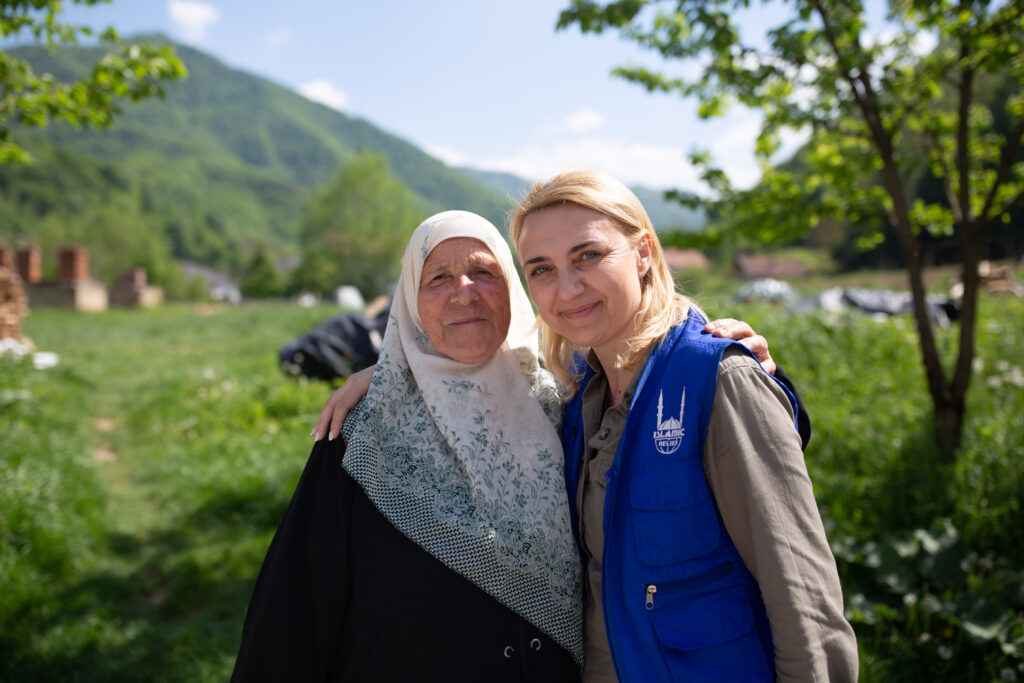
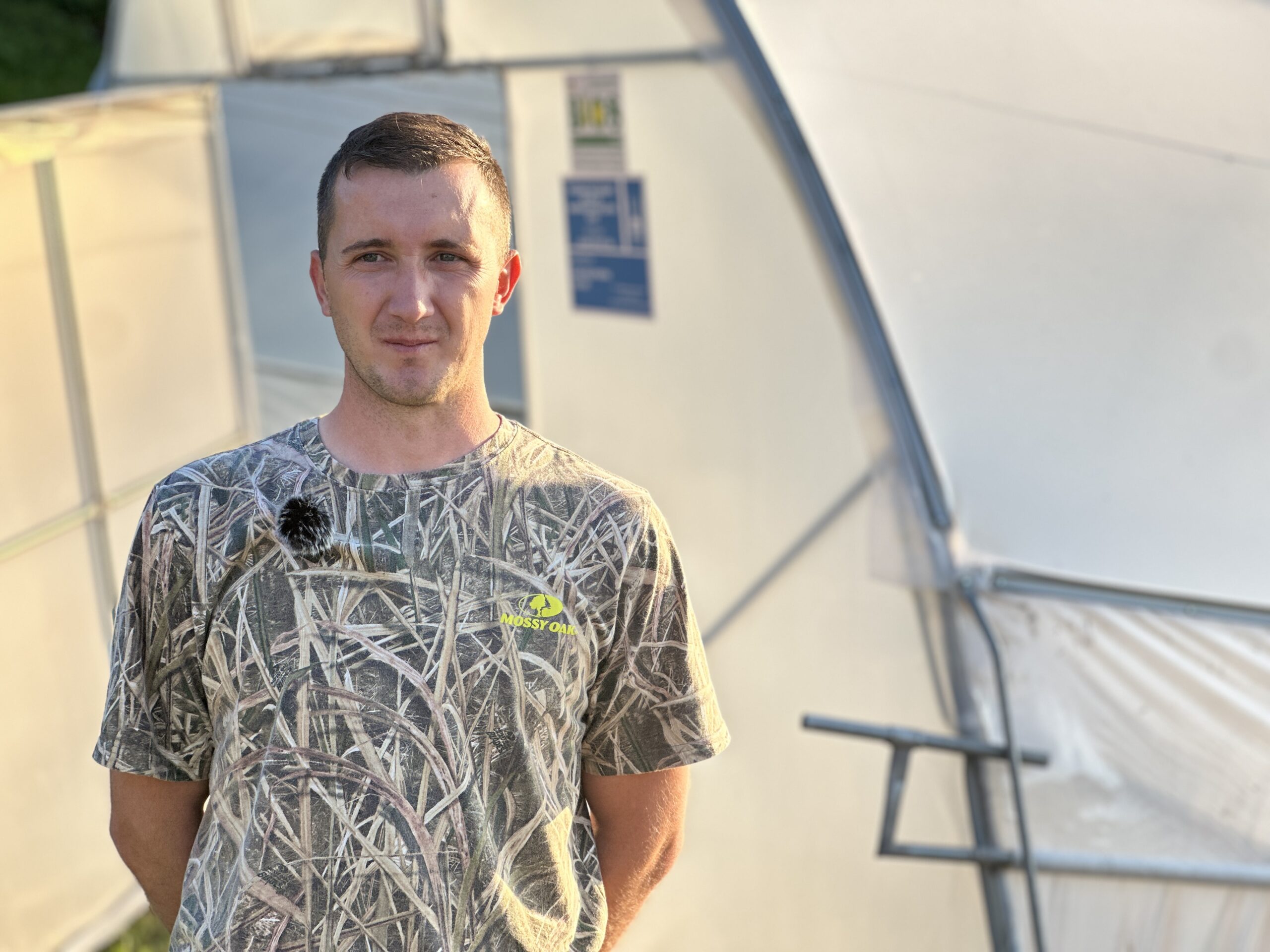
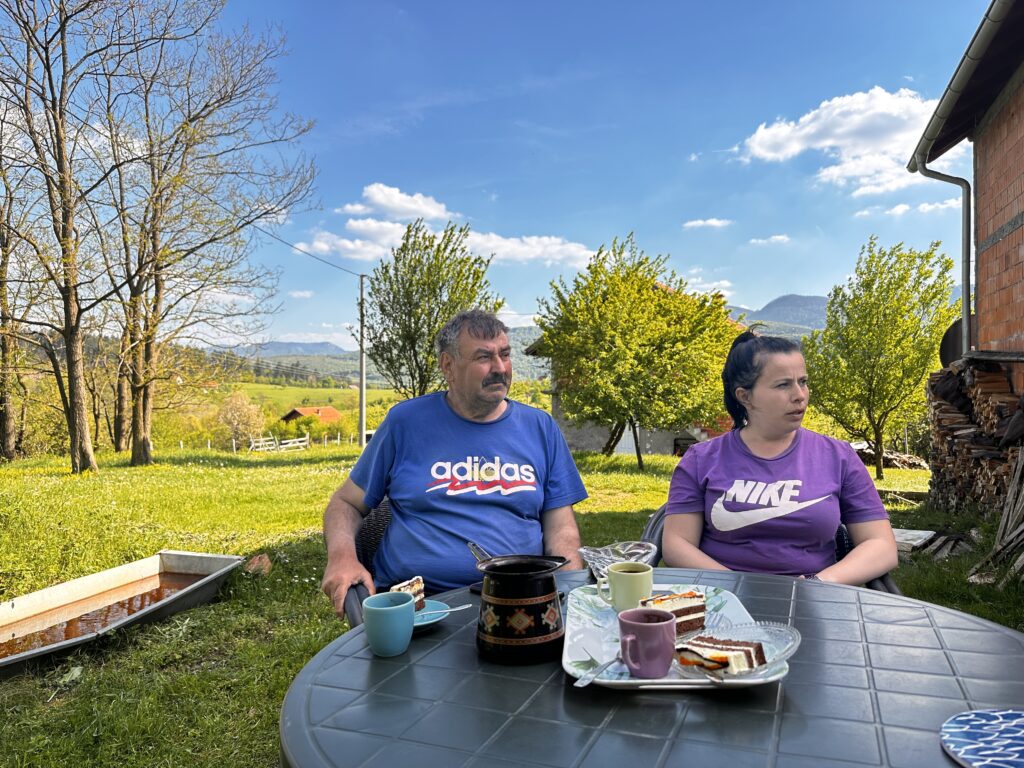
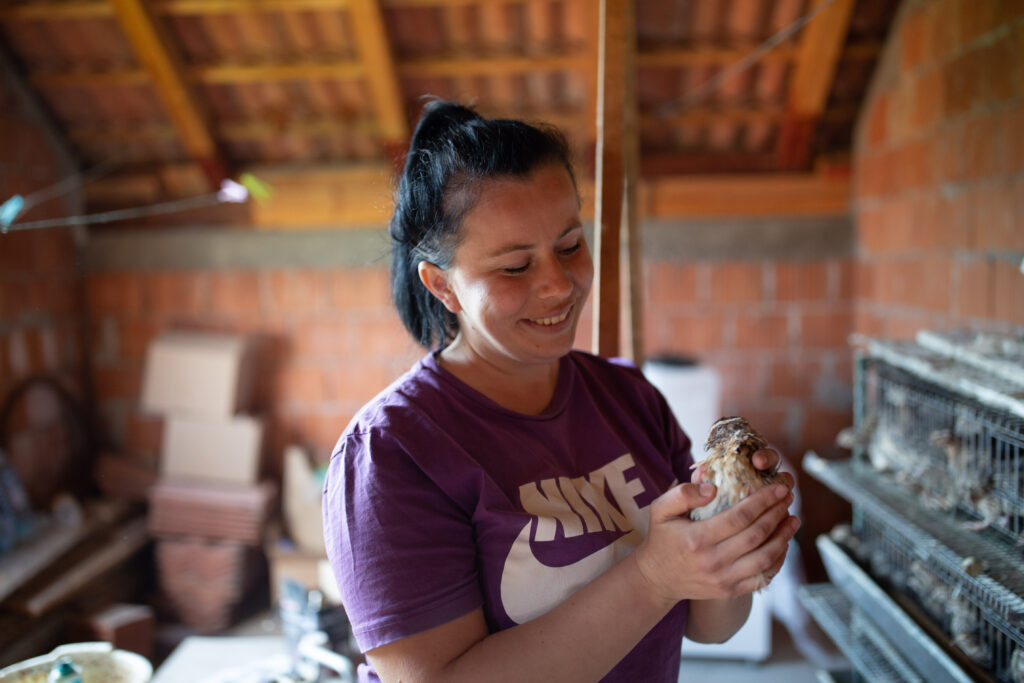
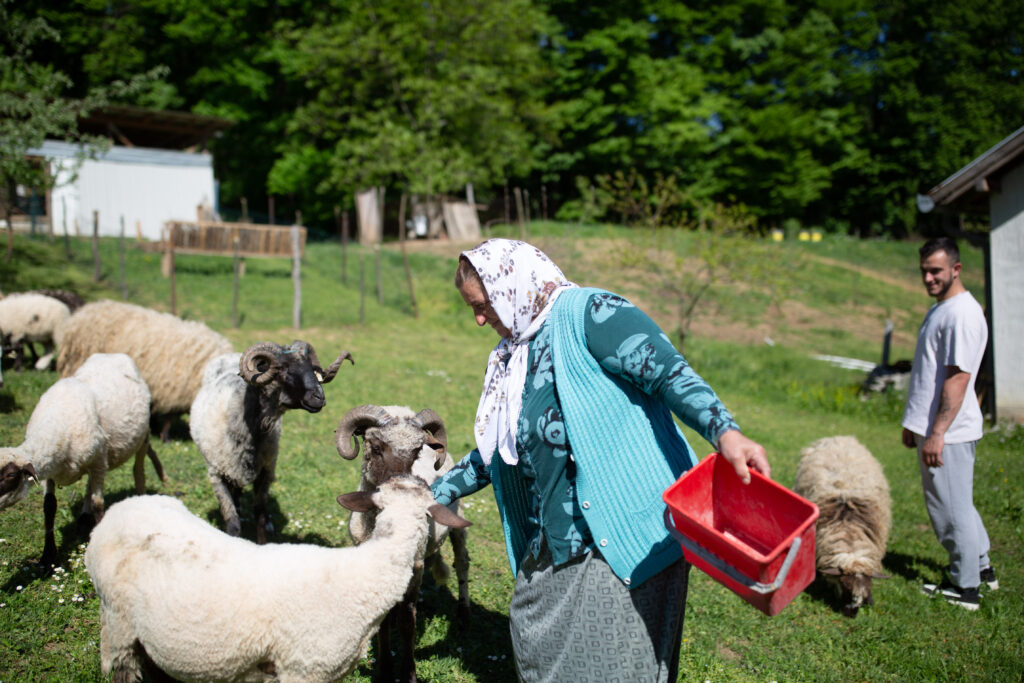
Photo: With improved access to medical services, Khadija’s family is now receiving treatment and care under Islamic Relief’s HeLP project

A new beginning for the community

In September 2024, with support from the Health and Livelihoods Promotion (HeLP) project, Islamic Relief built a clinic in Khadija’s village. Every day, the facility serves around 100 patients, not only from Lailour Pain but also from several neighbouring villages who previously had no access to nearby healthcare.

For family’s like Khadija’s, the new clinic has been life-changing.

“My eldest daughter, who is 25, has kidney problems and needs regular medical attention. Before, it was a long journey to get her help,” Khadjia says.

“We had to walk for an hour and a half to reach the nearest health centre. It was very tiring. I have back pain myself, and making that journey was hard.”

Many villagers, especially mothers and elderly people, were unable to make the long trip. Even when they did, there was no guarantee that the clinic would have the medicine they needed. Illnesses, particularly among children, went untreated. Health education was non-existent.

“There were times we had to cut back on food just to afford a trip to the city for medical treatment. It was painful, especially in winter,” Khadija recalls.

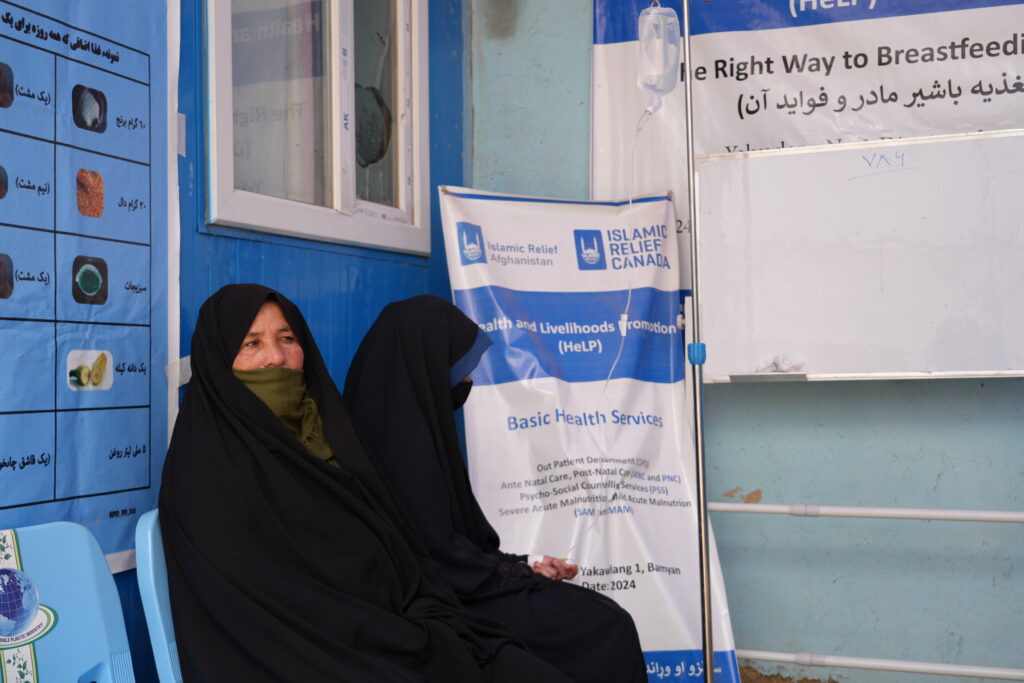
The new clinic offers a wide range of services. It includes outpatient consultations, antenatal and postnatal care, psychosocial support, and nutrition programs. Children who need specialised care are referred for treatment, and families receive counselling on hygiene and wellbeing.

For months, Khadija lived with chronic back pain. Even simple chores such as cleaning and cooking became a struggle for her. After visiting the clinic, she received pain relief medication and advice on how to manage her condition at home.

“It changed our lives,” Khadija says quietly. “Now, when we’re sick, we go to the clinic nearby. We receive medicine, guidance, and care. I feel better, and I can do my daily chores without pain.”

Women in the village, who once hesitated to seek care, now feel safe and confident visiting the clinic. Health awareness has also improved, and with it, the overall quality of life has improved.

Khadija emphasises the importance of expanding the services. “We need delivery care. Complications during childbirth are common, and these services would save lives.”

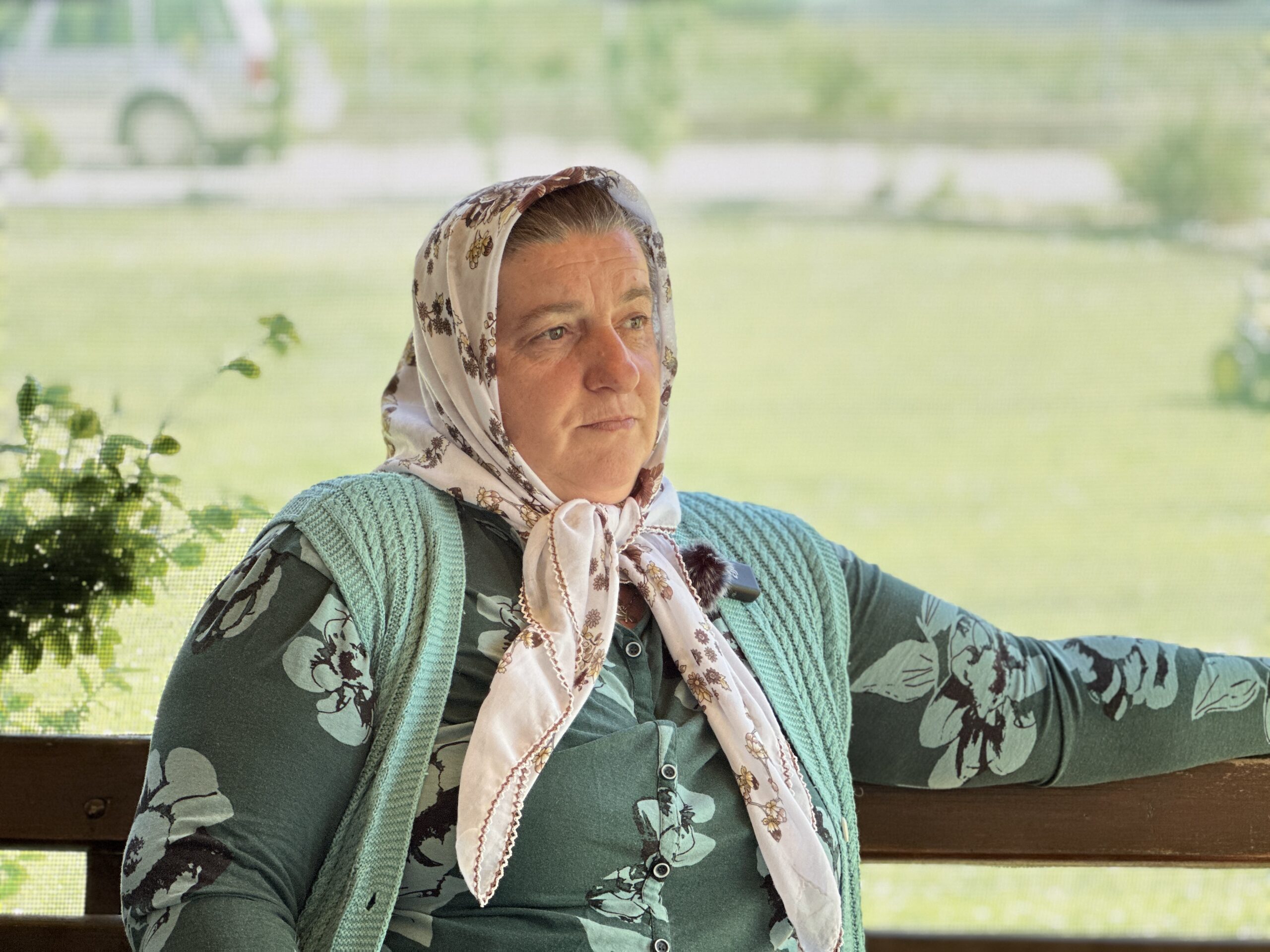
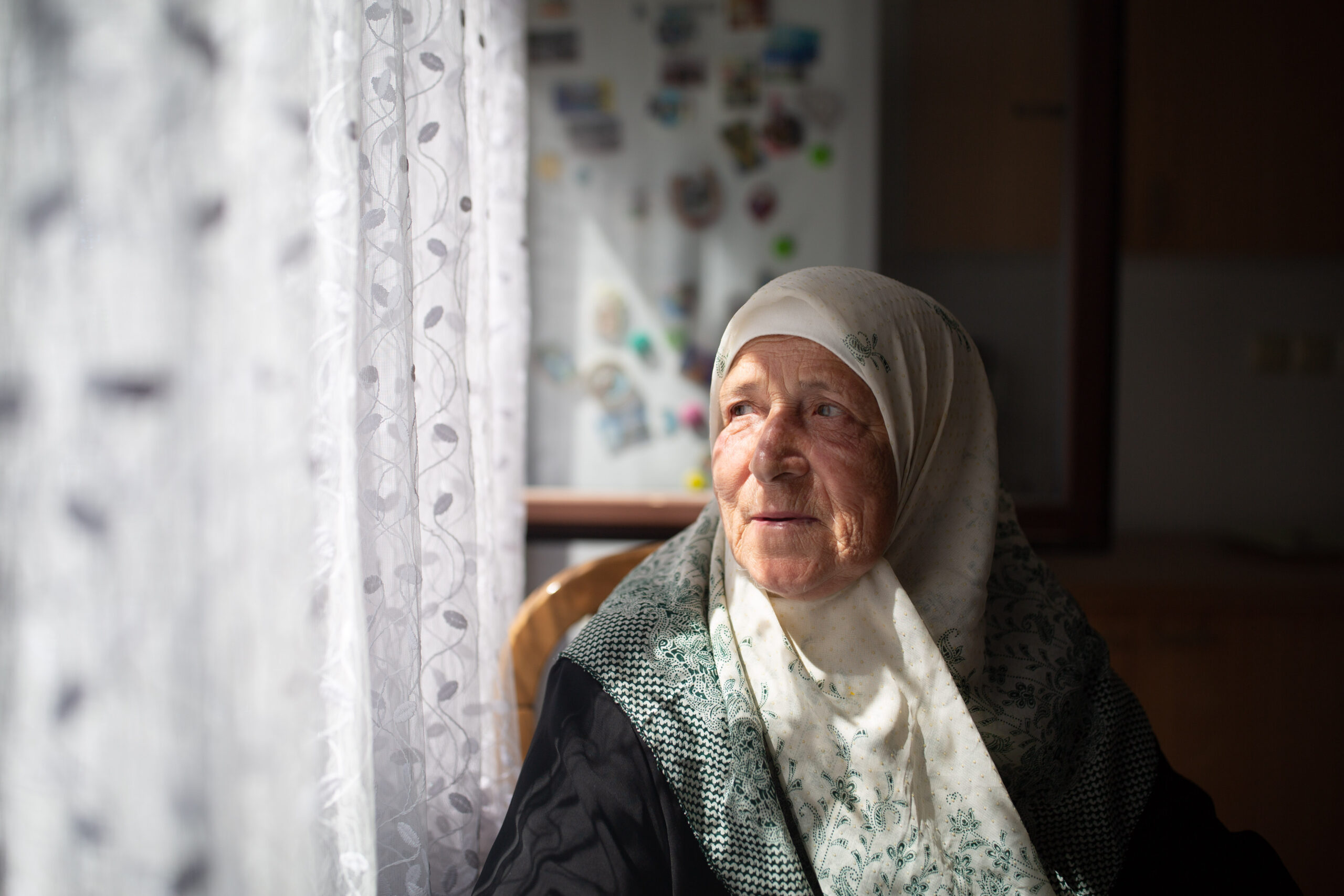
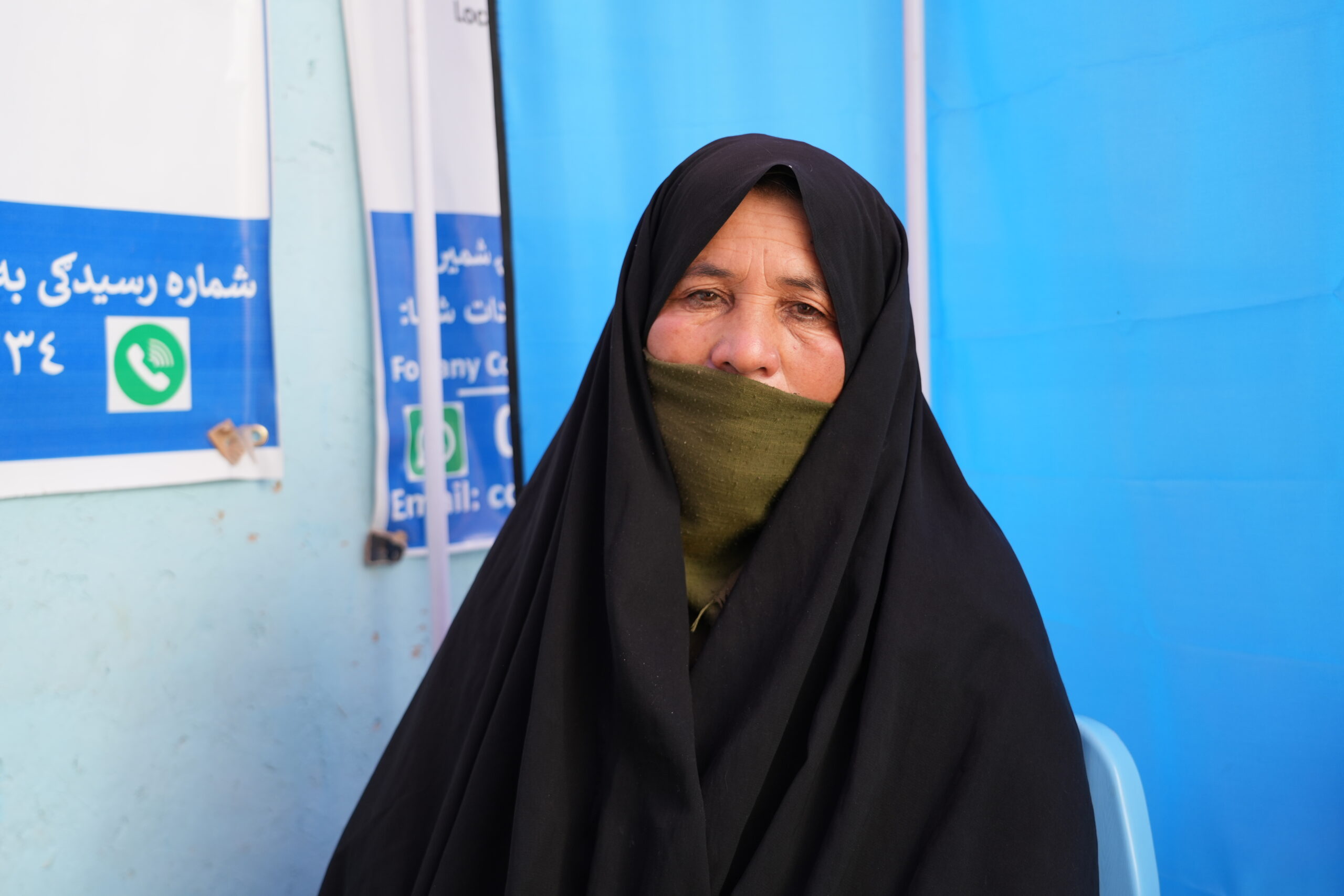
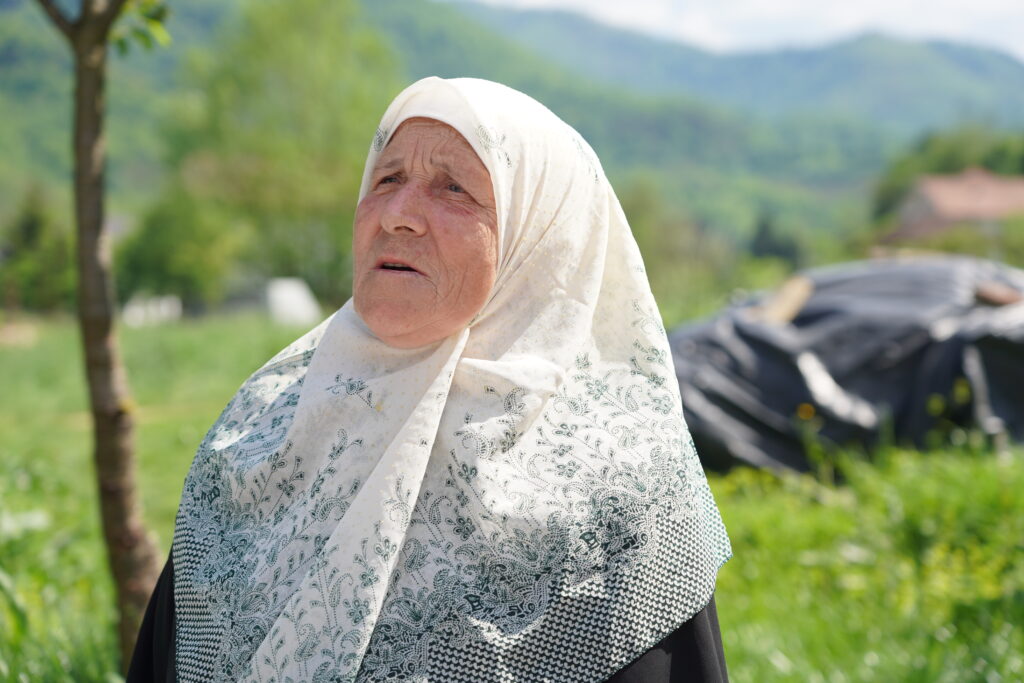
Photo: Khadija sitting at the clinic established by the Islamic Relief in her village. Like many women in the area, she now has access to healthcare thanks to Islamic Relief’s clinic

A mother’s wish

For Khadija, the clinic is more than a health centre—it’s a promise of a brighter future.

“I want my children to be healthy. I want them to study, grow, and have better lives than we had. This clinic gives me hope that it’s possible.”

She sits quietly, her dark green and black shawl wrapped tightly around her shoulders, her voice soft but steady. “We are thankful to Islamic Relief. What you’ve done here has changed our lives.”

Across Afghanistan, countless families like Khadija’s continue to face major challenges in accessing basic healthcare. Long distances, poverty, and a lack of local services put lives at risk, especially for women and children. With your support, Islamic Relief is working to change that by building clinics, training staff, and delivering life-saving care to some of the most remote communities.

Give Families Hope and Relief

Help Islamic Relief continue to deliver life-saving health services and hope to families like Khadija’s in Afghanistan.

06.26.25

Muharram 2025: The Month of Allah (SWT)

  News

Muharram is the first month of the Islamic calendar. It marks the start of the Islamic New Year.  

Beyond being the start of another Hijri year, Muharram is also a sacred month. One with great opportunities to increase our rewards. So how do we make the most of it?  

What is Muharram? 

In Arabic, “Muharram” means “forbidden”. This refers to it being one of the four sacred months in which warfare is forbidden. In Surah At-Tawbah, it says:  

“Indeed, the number of months with Allah is twelve [lunar] months in the register of Allah [from] the day He created the heavens and the earth; of these, four are sacred. That is the correct religion, so do not wrong yourselves during them. And fight against the disbelievers collectively as they fight against you collectively. And know that Allah is with the righteous [who fear Him].”

Quran 9:36

The four months are mentioned by name in this hadith, where the Prophet (ﷺ) said:  

 “…The year is of twelve months, out of which four months are sacred: Three are in subsequent Dhul Qadah, Dhul Hijjah and Muharram, and (the fourth is) Rajab of (the tribe of) Mudar which comes between Jumada Al-Thani and Sha’ban.”  

Sahih Al-Bukhari 

As such, in these months, Muslims are encouraged to engage in increased worship, for the rewards for good deeds are multiplied.

In the sacred month of Muharram, Muslims are encouraged to do acts such as dhikr, reading qur'an and voluntary salah

When is Muharram 2025? 

Muharram is the first month of the Islamic (Hijri) calendar. Based on a lunar cycle, the sighting of a new moon determines the start of a new Islamic month. 

Last year, Muharram 2024 began on Sunday, 7th July 2024. In 2025, the first Islamic month begins on the evening of Thursday, 26th June 2025, depending on the sighting of the moon.  

Key dates in Muharram 

There are 12 months in the Islamic calendar, but we tend to know more about some months than we do about others.  

While everybody knows that we fast in Ramadan and about the sacrifice of Dhul Hijjah, Muharram is a bit less well-known.  

However, its religious and historical significance is extensive, as many important events have occurred in this month.  

1st Muharram 

The 1st Muharram marks the beginning of the new Islamic Year. This lunar calendar (also called the Hijri calendar) starts from the hijrah (emigration) of the Muslims to Medina and the establishment of the first Islamic state in 622CE. 

There are no prescribed acts of worship for Muslims to observe on the 1st of Muharram. However, as the beginning of a sacred month, Muslims may use it as a time to renew their intentions to do good for the year ahead.  

It can also be a day to reflect on the journey and struggle of our beloved Prophet Muhammad (ﷺ) and his Sahabah (companions), and other Prophets throughout history as several significant historical events occurred during this month.  

The Day of Ashura 

The Day of Ashura falls on the 10th of Muharram. It is one of the most virtuous days of the Islamic year.  

One of the reasons for its significance is the many events in Islamic history that take place on this day.  

The Battle of Karbala 

The battle of Karbala (680CE/61 AH) that occurred on Ashura marks a conflict of many great tragedies.  

It was fought between a small army of the supporters and family of the Prophet (ﷺ) and the army of Yazid, the Umayyad Caliph who had a significantly larger army. There, the martyrdom of Husayn (AS) (also referred to as Imam Hussain ibn Ali), one of the Prophet (ﷺ)’s grandsons, took place.  

In a hadith, the Prophet (ﷺ) once said:   

“Husayn is from me, and I am from Husayn. Allah loves anyone who loves al-Hasan and al-Husayn. They are two of my distinguished descendants.” 

Al-Albani

Many of Prophet (ﷺ)’s family members and companions were also martyred during the battle. In their martyrdom, we reflect on these tragedies and their struggles in striving for the cause of God.

The Prophets (AS) and Ashura 

The Day of Ashura also commemorates when Allah (SWT) freed the Prophet Musa (AS) and his people (Bani Isra’il) from the Pharaoh (Fir’aun) and his army.  

Some narrations also mention significant events from other Prophets (may peace be upon them all).  

On this day, Allah (SWT) returned Prophet Nuh (AS)’s arc to dry land after the flooding stopped.  

For Prophet Adam (AS), it was the day he repented and was forgiven by Allah (SWT) after eating the forbidden fruit.  

While, for Prophet Yunus (AS), it was the day Allah (SWT) released him from the belly of the whale and forgave his people. 

As such, the Day of Ashura is a great day for reflection and increasing in good deeds – and one we should not miss out on! 

What should we do in Muharram? 

Muslims commemorate Muharram as one of the four sacred months. It also holds the title of ‘the month of Allah’, (shahr Allah al-Muharram شَهْرُ اللَّهِ الْمُحَرَّمُ) making it one of the most blessed months in the Islamic calendar. (Muslim

Muharram is mentioned in hadith as the month of Allah (SWT).

Therefore, it is a good time for Muslims to engage in acts of worship. This includes reflecting, giving Sadaqah, increasing nafl (voluntary) prayers, reciting Qur’an, and fasting.

Fasting during Muharram 

Muharram is one of the best Islamic months to fast in. Many ahadith report about the importance of fasting in Muharram, especially on the Day of Ashura.  

The Messenger of Allah (ﷺ) said, “…The best fast after the month of Ramadan is fasting in the month of Allah, al-Muharram.”  

Muslim 

Ibn Abbas, may Allah be pleased with him, said, “I did not see the Prophet, peace and blessings be upon him, as eager to fast a day and preferring it over others except for this Day of Ashura and this month of Ramadan.” 

Bukhari and Muslim 

The Prophet was asked about fasting on the Day of Ashura, and he said, “It will expiate the sins of the past year.” 

Muslim  

Fasting on 9th Muharram 

The Prophet also recommended his people to fast on the day before Ashura (9th Muharram). This is due to the Hadith: 

When the Messenger of Allah (ﷺ) fasted on the day of ‘Ashura and told the people to fast, they said, “O Messenger of Allah, this is a day that is venerated by the Jews and Christians.” The Messenger of Allah (ﷺ) said, “Next year, if Allah wills, we will fast on the ninth day.” But by the time the following year came, the Messenger of Allah (ﷺ) had passed away.

Muslim

Thus, the Prophet (ﷺ) wanted Muslims to also fast on the 9th to differ from the People of the Book. If one misses the 9th, one can fast on the 10th and 11th of Muharram. However, it is also okay to only fast on the 10th, if one is unable to also fast the day after or before it.  

Build a Muharram Action Plan

The sacred months offer us the opportunity to seek the mercy and favour of Allah (SWT). Thus, there is an opportunity to gain more rewards every day.  

There are many simple virtues we can do to take advantage of the benefits of Muharram. This month, try to…

  • Fast: Keep a fast on the 9th and 10th Muharram (the Day of Ashura), or on the 10th and 11th Muharram. Fasting expiates sins. 
  • Reflect: If you are unable to fast, reading the Qur’an or doing Dhikr can help you to feel the blessings of Muharram. Remember, any gathering for the sake of Allah SWT will also be filled with barakah and the Angels will join you.
  • Give: Muharram marks the beginning of the Islamic New Year, so it’s the perfect time to make resolutions and establish good habits like giving regular Sadaqah (charity), so that you can gain blessings all year round.

Make the most of Muharram

Give and change the lives of the most needy and vulnerable of our Ummah on one of the most blessed of months.

06.20.25

World Refugee Day: A Mother’s Fight for Survival in Sudan

  News     Publications

Gadarif state in Sudan was once a quiet agricultural region. Now, it is a reluctant refuge for thousands of families fleeing Sudan’s spiralling conflict.  

Among them is mother-of-5 Rayan, whose life has been reduced to a daily struggle for the most basic necessities: food, shelter and safety. 

Her story is a snapshot of the global refugee crisis, one that forces us to confront the human cost of displacement, not as a distant tragedy, but as a relentless reality for millions. 

The night everything changed in Sudan

Rayan’s family once had a home in Khartoum, a modest but stable life. Her husband ran a small business and her children went to school. “It was not luxury,” she recalls, “but it was ours.”  

That changed overnight when fighting reached their neighbourhood last year. With bullets flying and shops ablaze, the family abandoned everything they had known. Joining the endless stream of displaced individuals searching for safety, they drove first to Singa in the Blue Nile region and then on to Gadarif after renewed clashes.  

“We left with nothing,” she says. “No money, no belongings, no papers, just the clothes we were wearing.”  

A displacement camp in Sudan
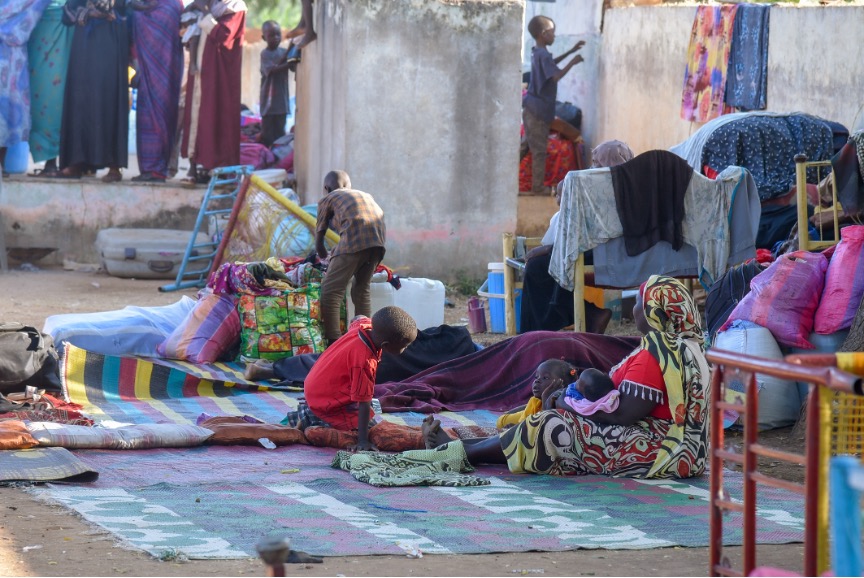
Photo: In Gadarif, thousands of displaced families live in cramped, improvised shelters, relying on humanitarian support to meet daily needs 

Today, the family of 7 live crammed into a host family’s compound. Plastic sheeting covers gaps in the walls; a single jerry can stands in place of household furniture.  

Rayan’s husband searches the market each dawn for day labour. On good days, he earns approximately $5.20 AUD loading grain sacks and stacking produce carts. On the many bad days, he returns empty-handed.

The world’s largest displacement crisis  

The speed of displacement in Sudan has been staggering: the United Nations estimates that over 11 million Sudanese are now uprooted, the largest internal displacement crisis on record.  

Yet Sudan is only one fault line in a global pattern. Worldwide, 122.6 million people – three-quarters of them women and children – live in limbo after fleeing conflict, persecution, and disaster. 

Displacement triggers a chain reaction of suffering. Children drop out of school, families sell all they have, and illness spreads where healthcare is scarce.  

Sudan’s ongoing conflict has created a staggering displacement crisis
Photo: Sudan’s ongoing conflict has created a staggering displacement crisis.  

In Gadarif, the hot nights lead to increased health risks for displaced families, including young children who are particularly vulnerable to malaria. Rayan’s 2 -year-old daughter has already fallen ill. 

For adolescent girls, the crisis brings an additional layer of anxiety. Sanitary pads are expensive luxuries, and makeshift alternatives raise health risks and keep girls indoors.  

Islamic Relief delivers lifesaving aid in Sudan

Islamic Relief distributed aid to Rayan’s neighbourhood supported by the Humanitarian Emergency Fund (HEF). Each household received a dignity kit, which included 2 mosquito nets, sanitary pads, toothbrushes, soap, blankets and headscarves, plus a cash grant.  

“The mosquito net was a small thing that gave us much peace,” Rayan says. Her youngest now sleeps through the night. The cash covered a month’s rent and also stretched to cooking oil and lentils. “For the first time in many weeks,” she adds, “I bought meat.” 

Islamic Relief colleagues in Sudan emphasise that cash restores choice and dignity. “It allows families to decide what they need most,” explains Adam Yagoub, Islamic Relief Sudan’s communication officer. “Some buy food, some pay medical bills, some save a little for the journey home, when return is possible.” 

A fair chance at survival  

Sudan’s conflict shows no sign of abating; humanitarian corridors remain volatile, and funding gaps widen as new crises compete for attention. Islamic Relief’s latest Sudan appeal is only 42% funded. 

Rayan understands these numbers translate into rationed assistance. “We do not expect comfort,” she says, “just a fair chance.”  

Her wish list is simple: regular food parcels, safe shelter, mosquito spraying across the settlement, and, above all, peace so her children can return to school. 

Donate to our Sudan emergency appeal now to help families like Rayan’s survive with dignity.  

06.20.25

No Home nor Peace: Barely Surviving the Endless Attacks on Gaza 

  News     Publications

On World Refugee Day, a mother and her children reveal the crushing reality of displacement: where every day is a battle for water, food, and hope.  

The night the bombs came, Neda’a did not have time to gather shoes. She woke her 7 children in the dark, shouting over the explosions. They ran barefoot through streets strewn with broken glass and rubble, the younger ones crying as their feet bled.

Her eldest son, Ahmed, carried his 7-year-old brother Elyas on his back. By dawn, they reached a UN school-turned-shelter. It was the last time Ahmed would see his family. 

The next day, he went to buy shoes for his siblings. He never returned. 

Now, Neda’a sits on the floor of a crowded classroom that has become their shelter, recounting the moment she learned Ahmed was gone. “We lost our backbone,” she says.  

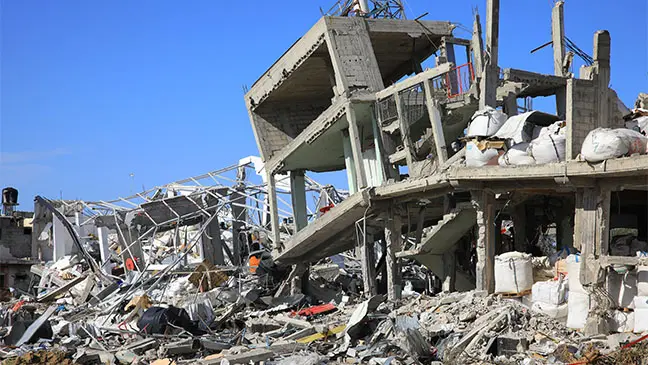
Around her, the walls are cracked from shelling. There is no running water, no privacy, no space to grieve. This is life for Gaza’s displaced. A relentless cycle of survival where death is routine, and the idea of home is reduced to a single question: How do we make it through today? 

Neda'a and her family under shelter (Gaza)
Photo: Neda’a and her family in a shelter (Gaza)

Fighting for water  

This World Refugee Day, 123.2 million people are forcibly displaced worldwide – the highest ever recorded. But displacement is not just a statistic. It’s often a sudden, devastating rupture that overturns entire lives, leaving families scrambling to rebuild amidst chaos. 

In Gaza, at least 1.9 million people – about 90% of the population – have been forcibly displaced, many of them multiple times. People have fled to try and escape bombs, or have been ordered to leave by the Israeli military. Families sleep in tents, in the skeletons of bombed-out buildings, in hospital corridors where the smell of antiseptic cannot mask the stench of overcrowding. 

For Neda’a and her children, displacement means waking before sunrise to join the scramble for water. Mousa, her 12-year-old son, describes the daily ritual. It is the long walk to the well, the fights that break out when the water runs low, the weight of the buckets cutting into his hands as he carries them back. “Before the war, we turned on a tap,” he says. “Now we fight for every drop.” 
We have nothing left  

Displacement does not end with losing a home. It seeps into every part of life, twisting the ordinary into the unbearable. 

For Neda’a’s daughters, it means giving up school to scavenge for firewood, their hands hardened from gathering scraps to burn for cooking. The smoke fills their shelter, making the younger children cough. But there is no gas, no electricity, no other way to eat.

For Mousa, it means bearing the burdens of an adult. To haul water, comfort his siblings when the bombs start again, and try to fill the space left by his older brother. 

And for Neda’a, it means waking each morning to the same crushing reality. No money, no safe place, no way to protect her children from the war outside or the despair creeping in. 

“I just want to wake up to news that this is over,” she says. “But even if it ends tomorrow, what then? We have nothing left.” 

One of Neda’a's sons carrying wood among makeshift shelters in Gaza.
Photo: One of Neda’a’s sons carrying wood among makeshift shelters in Gaza.

Islamic Relief delivers aid in Gaza  

While the horror continues, Palestinians have shown incredible resilience. Islamic Relief’s team and local partners in Gaza work tirelessly to provide lifesaving aid, even when they are themselves bombed, displaced and grieving. Over the past 20 months, we’ve cooked millions of hot meals and distributed hygiene kits and emergency cash. Right now, we’re providing aid such as maternal care for pregnant women and cleaning shelters for displaced people to prevent deadly diseases from spreading.  

But the need is overwhelming. “We’re not just fighting hunger,” says Program Officer Yasmin Al-Ashy. “We’re fighting the slow death of hope.” 

For Neda’a, hope is fragile. She looks at Mousa, now too serious for his age. Ritag, whose hands are rough from gathering wood. Elyas, who is restless every night. She wonders what future awaits them. “I don’t know if they will ever recover from this,” she says. 

They desperately need international governments and world leaders to demand an immediate ceasefire and pressure Israel to end its siege.  

This World Refugee Day, stand with families like Neda’s. Donate to Islamic Relief’s Palestine emergency appeal to provide lifesaving aid and hope to those who have lost everything. And call on your politicians and governments to demand meaningful political action to end the atrocities.  
06.13.25

Keeping the Spirit of the First 10 Days of Dhul Hijjah Alive

  Dhul Hijjah     Publications

Each year, the first ten days of Dhul Hijjah bring with them a wave of spiritual momentum, marked by prayer, fasting, remembrance of Allah (SWT), and the sacred sacrifice of Qurban.

These are the days the Prophet ﷺ described as the most beloved to Allah (SWT) for righteous deeds — the best 10 days of the year. Even better than Ramadan! (Sahih al-Bukhari)

But what happens when those ten days are over?

For many of us, the end of these ten days can feel like a spiritual dip. Like a sudden stillness after an intense period of reflection, giving, and worship.

But the truth is: the spirit of the best 10 days is not bound by the calendar. It’s a mindset, a state of the heart, and a way of life that we can carry forward.

Here are seven simple but powerful ways to keep the spirit of the most blessed days of the year alive — every single day of the year.

Keep Giving, Big and Small

One of the most beautiful aspects of Dhul Hijjah is the spirit of generosity, especially through Qurban. That spirit doesn’t need to end with Eid Al-Adha. In fact, continuing to give — even a small amount — is a way to keep the blessings going.

Even just $10 a month as Sadaqah can provide ongoing aid to those in need — in Gaza, Yemen, Sudan, and beyond. It’s not about the amount. It’s about the intention, the consistency, and the compassion behind it.

Prophet Muhammad ﷺ said:

“The most beloved deeds to Allah are those that are consistent, even if they are small.”

Bukhari and Muslim

Fast Sunnah Days 

If you fasted on the Day of Arafah — a day the Prophet ﷺ said expiates sins of the past and coming year — consider maintaining that beautiful habit. 
Fasting on Mondays and Thursdays or during the white days (13th–15th of each lunar month) can help you stay spiritually grounded and connected to Allah (SWT) throughout the year. 

Keep Up Your Dhul Hijjah Dhikr Habits

During Dhul Hijjah, we increase our remembrance of Allah (SWT): Allahu Akbar, Alhamdulillah, La ilaha illa Allah

Why stop now? 

Set aside just five minutes a day for dhikr. You can do it anytime, maybe during your commute, your morning coffee, or before bed. Let these words echo in your heart and your home. 

Maintain Your Connection to the Qur’an Beyond Dhul Hijjah

Many of us spend more time with the Qur’an during sacred times. Don’t let it gather dust until the next Ramadan or Dhul Hijjah. 

Even a few verses a day, with reflection, can keep your spiritual connection strong. Think of the Qur’an as your daily conversation with Allah (SWT), full of reminders, comfort, and clarity. 

connecting with the quran can carry forward the the goodness of the first 10 days of dhul hijjah

Keep a Dua Journal 

During Dhul Hijjah, we pour our hearts out in dua — for forgiveness, for loved ones, for the world. 

Start a dua journal where you keep track of what you’ve asked Allah (SWT) for. Revisit it regularly. Update it. Reflect on the ways Allah (SWT) may have already responded. It’s a beautiful way to stay spiritually engaged and hopeful. 

Continue Serving Others Beyond Dhul Hijjah

The spirit of sacrifice in Dhul Hijjah reminds us to look beyond ourselves, to those struggling across the Ummah and in our own communities. 

Acts of service don’t have to be grand. Helping a neighbour, checking in on someone lonely, volunteering a few hours a month — all of these are ways to live the message of Dhul Hijjah every day. 

Reflect and Give Thanks 

Gratitude is at the heart of worship. During Dhul Hijjah, we reflect on Ibrahim’s (AS) submission, Hajar’s trust, and the Ummah’s unity in pilgrimage and sacrifice. 

Don’t let that sense of awe fade. Take a few moments weekly — even just on Jumu’ah — to reflect and give thanks, and ask for barakah (blessings).

Keep the Spirit of the Best 10 Days of Dhul Hijjah Alive Year Round

The sacred days of Dhul Hijjah remind us of what matters most: submission, sacrifice, unity, and compassion. 

But you don’t need to wait for next year to feel that again. You can live the essence of Dhul Hijjah every single day — in how you remember Allah (SWT), give to others, serve your community, and purify your heart. 

Let’s not close the chapter on Dhul Hijjah.  Let’s carry its spirit forward — with consistency, sincerity, and love for Allah (SWT) and His creation. 

06.12.25

Tax Deductions and EOFY Charity Giving 2025

  Publications

Make the most of the End of Financial Year (EOFY) 2024-25

As the end of the financial year draws near, so does the dreaded tax season. Many of us have started sorting through our receipts, trying to figure out which purchases we can claim as a deduction on our tax return. These include any significant charitable donations made towards an ACNC-registered charity with DGR status, such as Islamic Relief Australia.

However, as Muslims, is it possible for us to claim any donations (Sadaqah, etc.) we make as tax deductions? The short answer? Yes! But to help you further, here are answers to some commonly asked questions on claiming a tax deduction for your donations.

FAQs: Tax Deductions and EOFY Charity Giving

How do tax deductions work for Australian charities?

The Australian Taxation Office (ATO) lists “gifts and donations” as eligible for tax deductions. If you make a donation over $2 AUD to a charity that has DGR status (as Islamic Relief Australia does), you can claim that back as a deduction on your tax return. This means you get a component of what you gave before the end-of-financial-year (EOFY).

What are EOFY donations? 

End of financial year (EOFY) donations are charitable donations made before midnight on 30 June. In Australia, donations of $2 or more to a registered charity with Deductible Gift Recipient (DGR) status can be claimed as a deduction on your tax return. EOFY donations can help reduce your taxable income (allowing you to pay tax on a lower income) while supporting the causes you care about most. 

To qualify, your donation must: 

  • Be made before 11:59 pm AEST on 30 June 
  • Be to an organisation with DGR status (like most registered charities) 
  • Be a true gift, not a contribution (you don’t receive anything in return) 
  • Have a receipt or proof of the donation 

How do EOFY donations help with your taxes?

While you won’t be able to get a refund for all your EOFY donations, they can reduce how much tax you pay.

Here’s how it works.

When you lodge your tax return, you can claim any eligible donations made during the financial year.  

For example, if your income is $70,000, and you donate $1,000 to a DGR-endorsed charity, you may only be taxed as if you earned $69,000. 

How much return you get back depends on your income and marginal tax rate, but the principle is simple: the more you give (within your means), the less tax you may owe. 

calculator and calculating tax for EOFY

How to make an EOFY donation

Making an end-of-financial-year donation doesn’t have to be complicated. It’s just takes five simple steps. 

EOFY Giving Checklist 

  • Choose a registered charity 
  • Donate $2 or more 
  • Give before 30 June 
  • Keep your receipt 
  • Claim it on your tax return.

Does claiming donations as a tax deduction affect the intention with which you gave?

No, it doesn’t take away in any way from the initial donation you gave. It has achieved its intention and reached its beneficiary, insha Allah!

Rather, what this means is that you are reclaiming a portion of the money that is rightly owed back to you by Australian tax law. That is then extra money back in your pocket.

If I give what I receive back, is that extra reward?

Yes, insha Allah! It is wealth you could have done something else with, so if you give it back in charity yet again, that is yet another sadaqah for you, insha Allah!

Should I increase my donations at this time of year (at the EOFY)?

You can and should if your situation allows. It means you could claim back more as deductions, and your charity will go further than it may have otherwise.

Where should I donate?

To ANY cause you wish. With Islamic Relief Australia, all your donations are going to be eligible for these tax deductions. In turn, as a signatory to the ACFIC code of conduct, we commit to upholding transparency, effectiveness, and ethical development practices in all our programs, ensuring the support of donors like you reaches those most in need, effectively and sustainably.

Islamic Relief staff with child; Give to a cause you care about the most this eofy

We encourage you to look at all our appeals and giving options. Medical aid for Gaza and Sudan are the most important emergency relief campaigns we are running.

May Allah (SWT) reward you for your generosity!

Let Your Generosity Go Further

Make the most of tax season. By giving more before the end of this June, you can increase you impact, supporting more of our brothers and sisters in need.

General EOFY donations FAQ 

06.11.25

Darfur: Severe Malnutrition Cases Multiply, 100,000s Flee Attacks 

  News     Press Releases

Islamic Relief health workers in Sudan’s Darfur region are treating a massive increase in malnourished children as families flee horrific attacks on civilians. Survivors have told Islamic Relief shocking accounts of extreme violence and starvation. 

At our clinic in Nertiti, in Central Darfur state, severe malnutrition cases among young children have almost trebled in recent weeks. More families arrive in a desperate state after escaping Zamzam camp in North Darfur, where attacks by the Rapid Support Forces (RSF) have killed hundreds of civilians and cut off humanitarian aid. Zamzam is one of five locations in Sudan now officially declared as being in a state of famine.

Hawa’s Story

Hawa* brought her malnourished 19-month-old son to our Nertiti clinic – one of 12 that we run across central Darfur – after fleeing Zamzam camp. She says:

“They attacked with drones and soldiers shooting, and military vehicles with weapons. I lost my uncle in a drone attack. We dug a hole to hide in, near the wall of the house. During the attack a gate was left open for women and kids to exit the camp, but young women aged around 20 or older were taken from their families and raped. Many girls are still missing. I decided we needed to leave to protect my sister from abuse.

“On the journey from Zamzam the conditions were harsh with not much food or water. I saw 10 children dead along the road to Tawila, and people abducted at checkpoints along the road. In Tawila I rented a vehicle to reach Nertiti, where the locals welcomed us. One of my children was referred to the Islamic Relief nutrition centre, where the staff and nutrition supplies saved my son’s life. He was thin and losing weight every day, but he’s since put on weight from the nutrition treatment.”

Rising Severe Acute Malnutrition in Darfur

Islamic Relief’s clinic in Nertiti has seen the number of children under 5 years old admitted with severe acute malnutrition (SAM) increase from 11 cases in April to 31 cases in May. Cases of moderate acute malnutrition (MAM) at the clinic have also almost doubled, from 104 in March to 197 in May. Most of the new cases have come from North Darfur and particularly Zamzam camp.  

displaced civilians at Islamic Relief’s clinic in Nertiti in Darfur

Islamic Relief’s nutrition centre in Nertiti has saved around 500 lives so far in 2025. 

Mohammed Mohammed Yousif, a nutrition assistant at the clinic, said: 

“We previously had 2 or 3 malnutrition cases admitted per week. But following the violence at Zamzam camp we’ve been admitting 2 or 3 cases a day. We’ve treated more than 500 children so far this year, and we treat all of them free of charge as families have almost nothing left. Most of them have been surviving on less than one meal a day. The war and lack of food supply to North Darfur is the main reason that we’re seeing such high levels of malnutrition.” 

Sudan faces the world’s biggest hunger crisis

More than 2 years of war in Sudan have created the world’s biggest hunger crisis. More than 24 million people – more than half of Sudan’s population – are experiencing high levels of food shortages.

This week, five humanitarian aid workers were killed by a drone strike against their convoy. A convoy that was delivering critical nutritional supplies to famine-affected areas of north Darfur where hundreds of thousands of people are at high risk of malnutrition and starvation. Aid deliveries have frequently been blocked from reaching RSF-held north Darfur.

In Central Darfur, Islamic Relief operates 12 nutrition centres, 10 primary healthcare centres and 2 mobile health clinics, which reach the most remote areas in the mountainous Jabal Marra region. Across Sudan, Islamic Relief has delivered aid to 1.2 million people since the war broke out in April 2023.

*Names changed for their safety 

Give relief to the people of Sudan

Help us provide urgent relief to our brothers and sisters suffering in Sudan due to the ongoing and devastating conflict. Be their lifeline today.

06.02.25

The Importance of Giving in the First 10 Days of Dhul Hijjah

  Dhul Hijjah     Publications

The first ten days of Dhul Hijjah are a time unlike any other in the Islamic calendar. A time when good deeds are beloved to Allah, when the legacy of Ibrahim (AS) is honoured, and when charity becomes a means of drawing closer to our Lord. 

The Prophet Muhammad ﷺ said: 

“There are no days in which righteous deeds are more beloved to Allah than these ten days.” 

Sahih al-Bukhari

These are the days to give, to act, and to seek Allah (SWT)’s mercy. Here’s why giving charity during the first 10 days of Dhul Hijjah can help bring you nearer to Allah (SWT) and benefit those most in need. 

You Give When Allah (SWT) Loves It Most 

Giving—Sadaqah, Zakat, or Qurban—during the first 10 days of Dhul Hijjah is an opportunity to multiply reward in a way unmatched at any other time. 

giving qurban is done on eid al adha, the 10th day of the first 10 days of dhul hijjah

The Messenger of Allah (ﷺ) said, “There are no days during which the righteous action is so pleasing to Allah than these days (i.e. the first ten days of Dhul Hijjah).”

He was asked: “O Messenger of Allah, not even Jihad in the Cause of Allah?” He (ﷺ) replied, “Not even Jihad in the Cause of Allah, except in case one goes forth with his life and his property and does not return with either of it.” (Sahih al-Bukhari)

Help the Ummah in Their Hour of Need 

The suffering our brothers and sisters in Gaza, Sudan, Yemen, and around the most devastated regions of the world face is immense. And our communities feel it wholeheartedly, especially those with a personal connection to our ummah in crises.

The Prophet ﷺ said: 

“The parable of the believers in their affection, mercy, and compassion for each other is that of a body. When any limb aches, the whole body reacts with sleeplessness and fever.”

Bukhari and Muslim

Donating charity to emergency aid and development projects for those most affected in our Ummah is more than just giving. You’re answering to their cries. To heal them. And give them hope. And Allah (SWT) rewards you for your intention and sincerity.  

Protect Yourself from Calamity 

The Prophet ﷺ said: 

“Charity extinguishes sins just as water extinguishes fire.” 

Sunan ibn Majah, Tirmidhi

Sadaqah given in these ten days becomes a shield—not just for those suffering, but for yourself and your loved ones. Give it as a means of barakah, protection, healing, and closeness to Allah (SWT). 

Be Among the Best of Believers 

Allah (SWT) describes those He loves: 

“They give food, out of love for Him, to the poor, the orphan, and the captive…” 

Surah | Al-Insan | 76:8

The Prophet ﷺ also said: 

“The most beloved people to Allah are those who are most beneficial to people…”

Al-Albani

When you give through a charity like Islamic Relief, you’re not only giving food or aid. You’re giving hope, dignity, and relief in places where people have almost nothing. 

Reap the Blessings of the Day of Arafah, the 9th day of the first 10 days of Dhul Hijjah

The 9th day of Dhul Hijjah, the Day of Arafah (Arafat), is the pinnacle of these 10 days. It is a day of fasting, forgiveness, and duas answered. 

“There is no day on which Allah frees more people from the Fire than the Day of Arafah.”

Muslim

Arrive at Arafah with your charity already given. Let your actions lead your duas. Let your Sadaqah or Zakat be your appeal for mercy. 

Secure Reward That Continues in the Hereafter These First 10 Days of Dhul Hijjah

Whether you donate to an orphan program, build a water well, or provide food to a family, your gift may become Sadaqah Jariyah, a charity that continues long after you’ve left this world. 

“When a man dies, his deeds come to an end except for three things: Sadaqah Jariyah (ceaseless charity); a knowledge which is beneficial, or a virtuous descendant who prays for him (for the deceased).”

Muslim

These are the days to invest in the Hereafter. Every day of Dhul Hijjah is a door. A door to forgiveness. To reward. To nearness to Allah (SWT). Whether it’s Qurban, Zakat, Sadaqah, or an Eid gift for an orphan, give before these days pass you by. 

This Dhul Hijjah, Share Your Blessings

Help the world’s most vulnerable families enjoy their Eid when you give Qurban with Islamic Relief.

05.27.25

7 Reasons to Give Qurban with Islamic Relief

  Dhul Hijjah     Publications

Dhul Hijjah is upon us! The sacred month that holds the ten best days of the year. It’s a time when Muslims around the world reflect on the legacy of Prophet Ibrahim (AS). A time to embrace spiritual renewal and perform one of the most profound acts of devotion: Qurban (sacrifice).  

At Islamic Relief Australia, Qurban is more than a distribution project. It’s a globally coordinated, compassion-driven, Shariah-compliant program that changes lives—and hearts. It’s your opportunity to take the story of Ibrahim (AS) and turn it into real impact for those who need it most. 

Here’s a deeper look into why giving your Qurban through Islamic Relief is one of the most meaningful choices you can make this Dhul Hijjah. 

You Bring the Spirit of Eid to the Doorstep of the Forgotten

Imagine Eid without food on the table. For millions of families in crisis-affected countries—those facing famine, war, displacement, or extreme poverty—meat is a luxury they only dream of.

When you give Qurban through Islamic Relief, you’re not just feeding a family. You’re saying, “You’re not forgotten. You’re part of our Ummah. You are loved.” You’re delivering dignity.

Our Qurban Goes Where Others Don’t—Or Can’t

Islamic Relief reaches all corners of the world. From the drought-stricken plains of Somalia to war-ravaged Yemen, the refugee camps of Bangladesh, and remote villages in Mali—Islamic Relief works in some of the hardest-to-reach and highest-need regions in the world. 

And we don’t just deliver—we serve. Our teams live and work within these communities. We know the terrain, the culture, and the needs. This means your Qurban reaches those most vulnerable, in the right way, at the right time. 

Shariah Compliant, Quality Assured, Ethically Delivered Qurban

Our Quality Assured Qurban Program is not a slogan—it’s a promise. 

Every step of the Qurban process is designed to reflect Islamic values and humanitarian ethics.

We raise healthy animals that meet Islamic standards (no defects, minimum age, well cared for). These animals also go through a humane slaughtering process, where they are treated with dignity and care.

Islamic Relief staff checking goats for Qurban

At the slaughtering of an animal, we ensure clean and hygienic meat handling, with minimal waste. Once the meat is prepared for Qurban it is delivered to those most in need in time for Eid Al-Adha.

This means your Qurban isn’t just halal—it’s tayyib (pure, wholesome, ethical). Because, at Islamic Relief, we strive to honour both the letter and the spirit of the Sunnah for Qurban.

Every Pack Feeds. Every Pack Matters. 

Each Qurban pack contains approximately 2.5 kg of fresh meat, providing enough to feed a family of four for up to a week. But it’s more than just sustenance. 

In Sudan, for an elderly widow, it’s relief. For a single mother in Afghanistan, it’s celebration. And for a displaced child in Yemen, it’s the joy of Eid. 

Your Qurban turns a ritual into restored hope. 

A Thoughtful System That Prioritises the Most Vulnerable

We don’t distribute meat randomly. Islamic Relief uses a scoring system to ensure your Qurban reaches the families who need it the most, including: 

You’ll need a certain number of pebbles for each of the three days. The breakdown is as follows:

  • Families living below their country’s poverty line 
  • Female-headed households
  • Families with elderly or disabled members
  • Households with children under five
  • Pregnant and lactating mothers
  • Families with no access to local markets
 

This ensures your donation isn’t just symbolic—it’s strategic. 

Transparent Qurban Options to Match Your Heart and Budget 

Islamic Relief offers four Qurban groups based on region and cost. This includes: Group A – $99 (Mali, Niger), Group B – $150 (Kenya, Somalia, Bangladesh, Rohingya refugees), Group C – $250 (Pakistan, Afghanistan, Indonesia, Sudan), and Group D – $350 (Yemen) 

Want to spread more joy? You can also donate an Eid Gift for a child for just $25—a simple way to share Eid happiness with little ones who’ve endured hardship. 

Reviving the Sunnah, Right Where You Are 

Not everyone can go to Hajj—but everyone can partake in the spirit of sacrifice. 

By offering Qurban through Islamic Relief, you honour the legacy of Prophet Ibrahim (AS), support communities in need, and reap the immense rewards of the best days of the year—all from wherever you are. 

The Prophet ﷺ said, “There are no days during which righteous deeds are more beloved to Allah than these days,” meaning the (first) ten days of Dhul- Hijjah.

Sunan Ibn Majah

Give with Heart, Trust, and Purpose with Islamic Relief 

Since 1984, Islamic Relief has been saving lives and restoring dignity in over 40 countries. We handle your Qurban with integrity, compassion, and professionalism. Because we know it’s not just a donation—it’s an amanah.  

This Dhul Hijjah, let your Qurban go further—to the places others can’t reach, to the people who need it most. 

This Dhul Hijjah, Share Your Blessings

Help the world’s most vulnerable families enjoy their Eid when you give Qurban with Islamic Relief.

05.20.25

10 Lessons to Learn from the Story of Hajj 

  Dhul Hijjah     Publications

Every year, millions of Muslims gather in Makkah to perform Hajj during Dhul Hijjah, the 12th month of the Islamic Hijri Calendar. But why do Muslims make this pilgrimage?

Firstly, it is the fifth and final Pillar of Islam. It is a journey every adult, able Muslim must complete at least once in their lifetime.

Pilgrims gathering for Hajj at the Kaaba in Makkah

But, secondly, why Hajj is so important in Islam is because its rituals come from one of the most important prophets. From a journey rooted in the legacy of the Prophet Ibrahim (AS), his family, and their profound trust in Allah (SWT).

Even if we cannot go to Hajj this year, the history behind this act of worship is a deep, timeless story full of lessons for every believer. 

Here are 10 powerful lessons from the story of Hajj that we can all reflect on and apply in our lives today.

True Faith Means Absolute Trust in Allah (SWT) 

When Ibrahim (AS) left Hajar and baby Isma’il (AS) in the barren desert of Makkah, Hajar asked him if Allah commanded it. Upon hearing “yes,” she responded with unwavering faith: 

“Allah will not abandon us.” 

This moment teaches us that trusting Allah, even in the most uncertain times, is the essence of true faith. 

Patience Leads to Miracles 

With her and her baby’s provisions almost depleted, Hajar made a desperate search for water. She ran between Safa and Marwa seven times before Allah (SWT) answered her plea with the miraculous spring of Zamzam that sprang beneath baby Isma’il (AS)’s feet. Her story teaches us that persistence and patience in hardship are never wasted. Whether now, soon, later, or in the Hereafter, Allah (SWT) always upholds His promise to reward those who strive.

Obedience Brings Divine Mercy 

When Ibrahim (AS) prepared to sacrifice his son, both father and son agreed to the act without hesitation. Their obedience was rewarded, and Allah replaced the sacrifice with a ram. This teaches us that obedience to Allah (SWT) always brings mercy and reward, even when the test seems impossible. 

Sacrifice Is the Heart of Worship

Hajj is full of symbolic acts of sacrifice—from giving up comfort to offering Qurbani. The story of Ibrahim (AS) reminds us that spiritual growth often comes when we’re willing to give up what we love for the sake of Allah. 

Women Shaped the Legacy of Hajj

Hajar’s actions were so beloved that they were made part of Hajj forever. Her strength, faith, and struggle show the central role of women in the spiritual and historical legacy of Islam. 

Rejecting Temptation from Bad Acts Takes Persistence

Iblis tried to tempt Ibrahim (AS) away from Allah’s command three times—and each time, Ibrahim (AS) responded by throwing stones at him. This act is now reflected in the ritual stoning of the devil during Hajj. We learn that resisting temptation is a lifelong battle, and we must be proactive in turning away from it. 

Unity Is Found in Worship 

The Ka’aba, built by Ibrahim (AS) and Isma’il (AS), is a symbol of unity. Muslims all over the world face it in prayer. During Hajj, Muslims of every race, language, and background gather around it. Worship unites us, reminding us we are one Ummah. 

Spiritual Legacies Outlive Lifetimes 

Though Ibrahim (AS), Hajar, and Isma’il (AS) have long passed, their story continues to be lived and honoured every year by millions. A righteous life builds a legacy that inspires generations. 

The Rituals of Hajj Are Rooted in Real Struggles 

Every act in Hajj—from Sa’i to Qurban (Qurbani) —represents a very human struggle. Hajj isn’t just symbolic; it’s a reenactment of devotion, pain, faith, and hope. These rituals help us connect deeply to our faith and our past. 

You Don’t Have to Be in Makkah to Be Part of the Story of Hajj

Even if you’re not performing Hajj, you can still share in its spirit. Give charity. Fast. Offer Qurban. These days of Dhul Hijjah are the best of the year, and the lessons of Hajj are meant for all of us, wherever we are. 

Hajj, A Legacy

The story of Hajj isn’t just a history—it’s a living tradition. One that calls us to trust, submit, persevere, sacrifice, and unite for the sake of Allah (SWT). Whether you’re walking between Safa and Marwa or sitting at home with your Qur’an, the lessons of Hajj can transform your heart. 

This Dhul Hijjah, Let’s honour the legacy of Hajj—with our actions, our giving, and our intentions. 

Read the Full Story of Hajj

Read the story behind Islam’s fifth pillar. Hajj is a profound journey rooted in the legacy of Prophet Ibrahim (AS) and his family.


STAY INFORMED

  • This field is for validation purposes and should be left unchanged.

Quick Donate