What do you do in Australia when faced with an emergency? For refugees and new immigrants in Australia, it can be challenging to find disaster recovery programs that cater to diverse cultural and linguistic needs.
At Islamic Relief, we firmly believe in giving everyone the right to feel empowered and protected, especially during times of crisis. From what numbers to call and who to turn to, all communities should have the ability to rebuild and recover after any natural disaster, whether it be floods, droughts or bushfires.
That’s why, with the support of the NSW Government’s Community Resilience Innovation Program (CRIP), Islamic Relief is here to provide programs that provide communities with the tools they need to navigate through local emergencies end-to-end, from prevention to recovery. And we’re delighted to share with you a video of this journey so far.
A big shout out to the Muslim community at the Garden City Mosque in Toowoomba, Queensland.
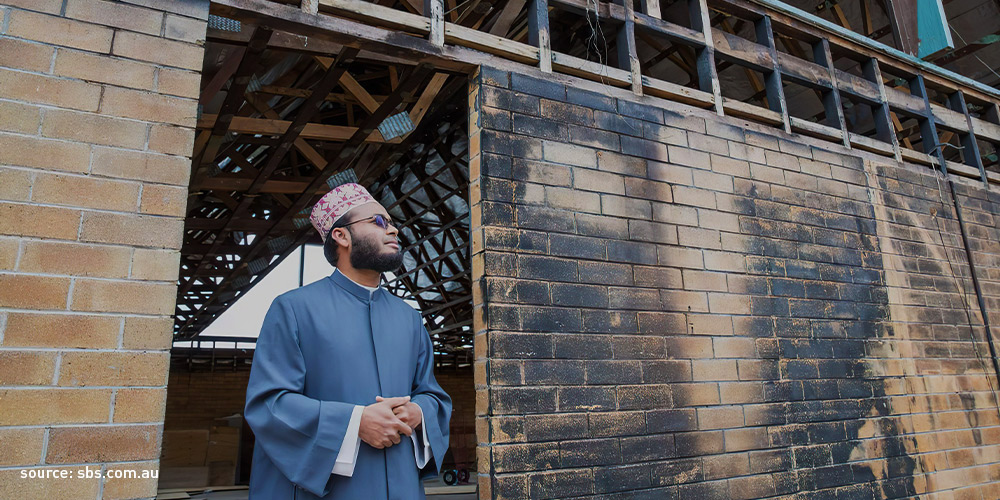
The community has experienced a series of serious setbacks in establishing itself. Arsonists burnt down their mosque, TWICE! But they have been undaunted and are currently completing their new mosque, bigger and better.
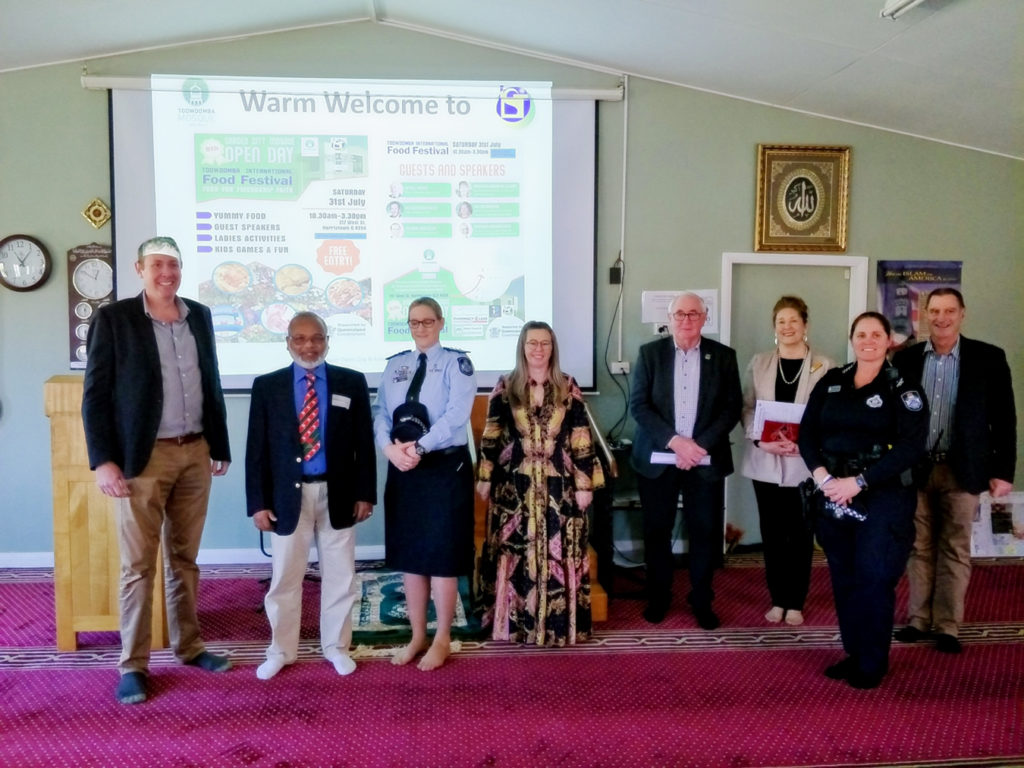
Between all these obstacles, the Mosque congregation has maintained its faith and continued to support those in need. The Garden City Mosque congregation consists of members of at least 12 CALD communities, many of which have recently arrived. This diverse community sticks together and looks out for each other. The Mosque leadership has also made a concerted effort to be active members of the community by participating in various civic structures and events, including interfaith groups, an annual International Food Festival and open mosque days.
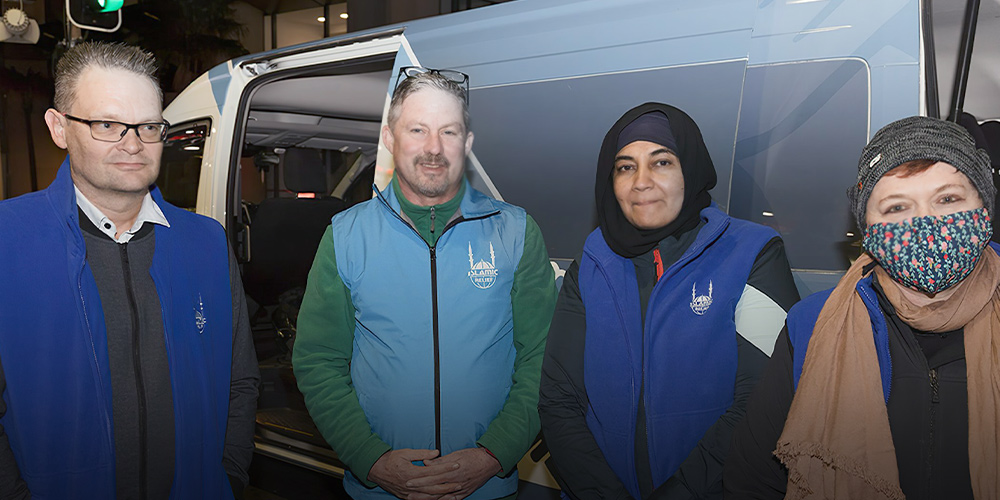
Photo: Community leaders in Toowoomba come together at the Garden City Mosque.
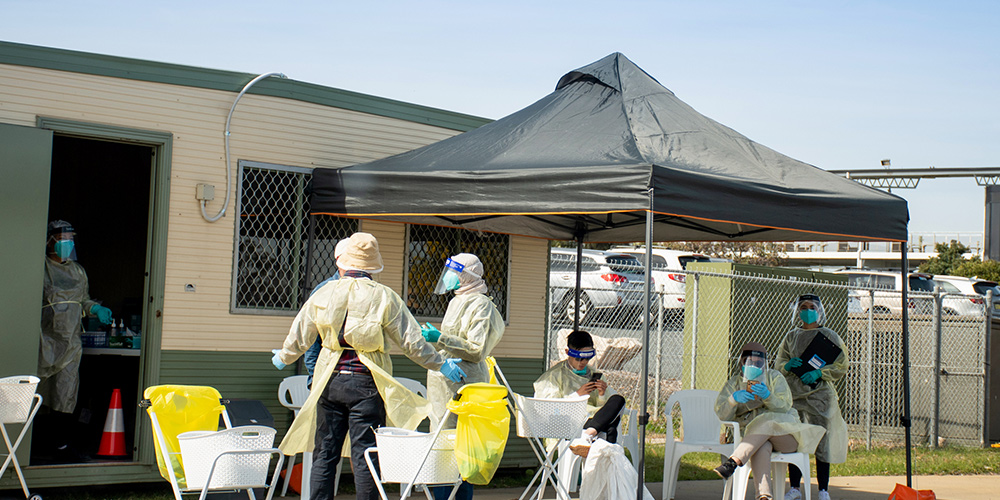
The Mosque held a Covid clinic on consecutive Saturdays to encourage and facilitate public vaccination at the height of the Covid crisis. This is a community that cares and is steadfast in their faith.
All of this is worth it. Local and state bodies have recognized the Garden City Mosque community for its inclusiveness, kindness, kindness, and civic participation.
The Chairperson, Prof Khan, leads a dedicated and enthusiastic team who are always looking for ways to support the community. Islamic Relief Australia is proud to be associated with the Garden City Mosque community and in helping them build the Muslim community in Queensland.
Help families in Toowoomba
We’re striving to support as many people as possible to improve their lives and ease suffering here at home.
The journey through the Covid 19 pandemic has been extremely difficult.
The recent lockdown has been particularly difficult for residents of Sydney’s twelve Local Government Areas, which have been most affected.
For many, the Covid 19 pandemic has been financially and emotionally devastating. The restrictions have limited their ability to work.
For others in difficult circumstances, such as those with disabilities or limited mobility, such as older people, the lockdowns can be very distressing.
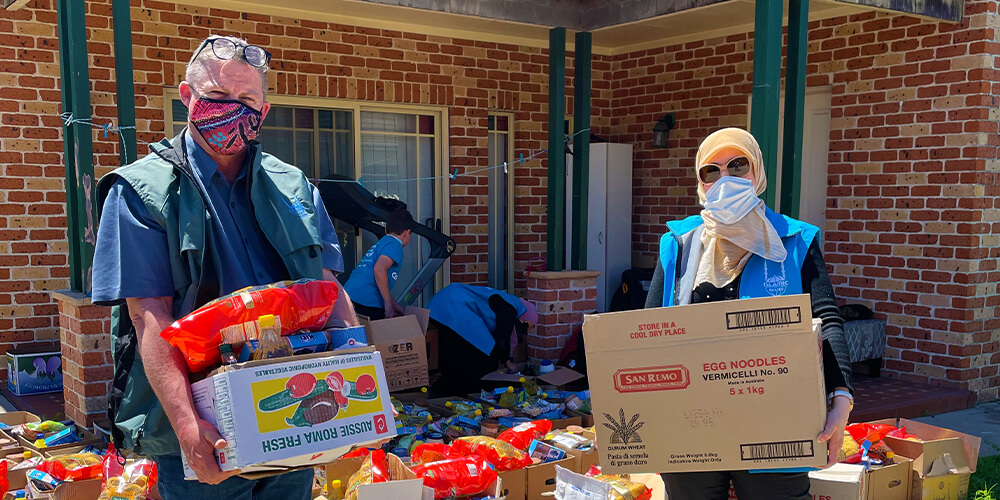
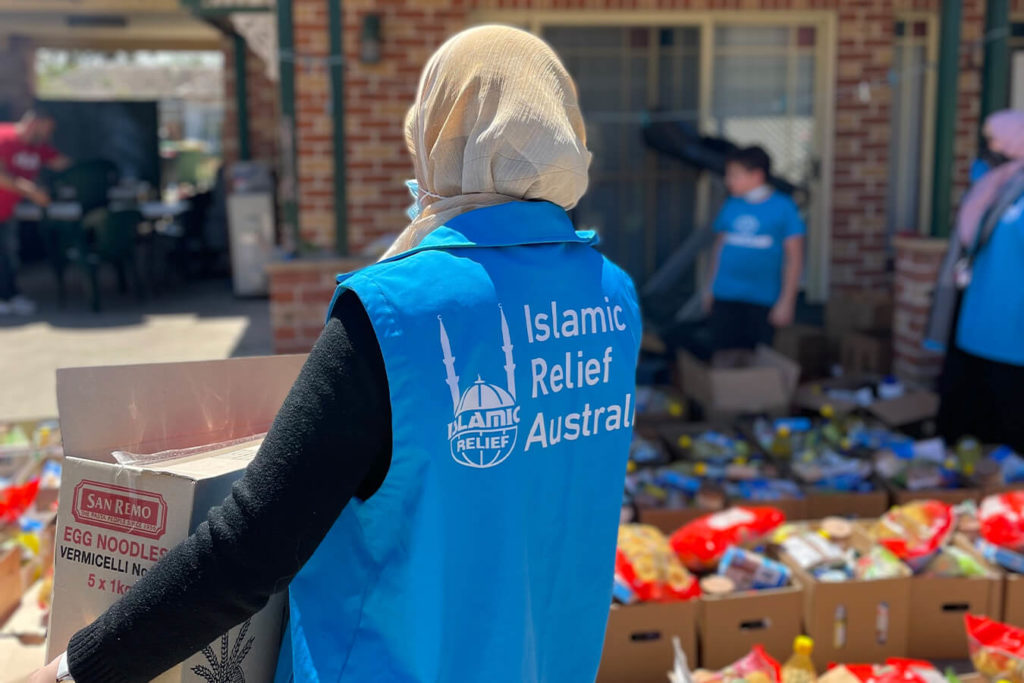
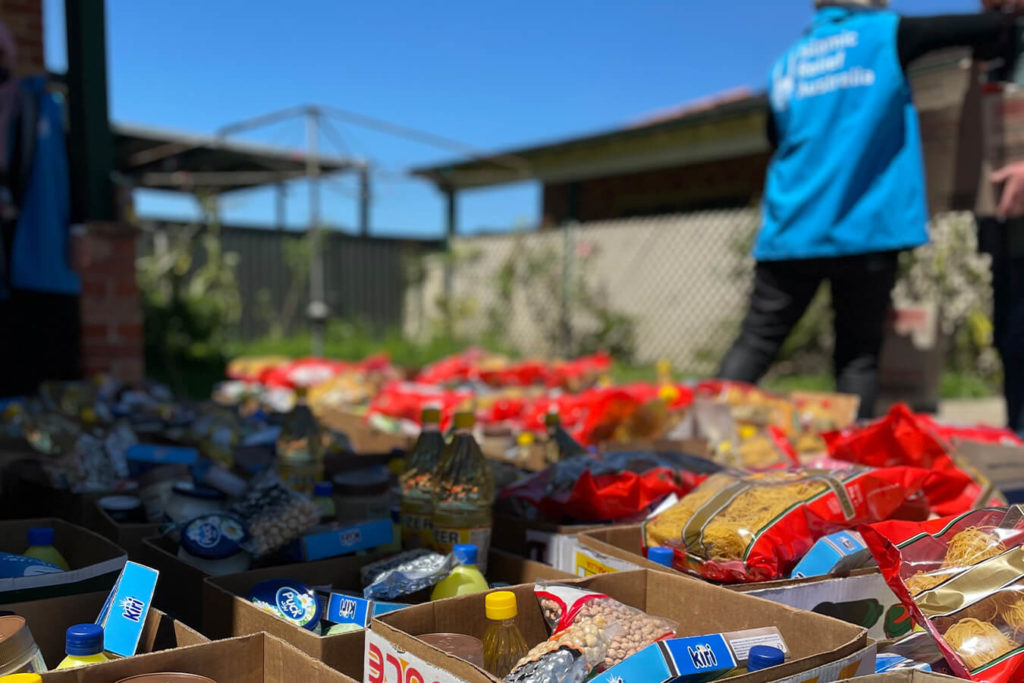
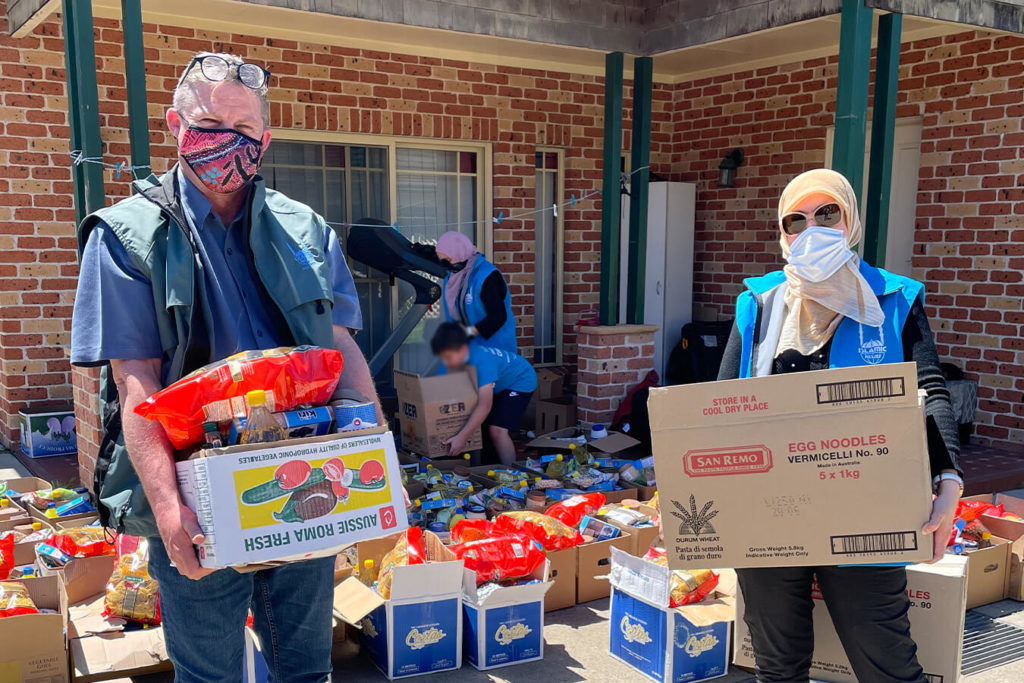
Photo: Maie from Islamic Relief Australia helps pack food and non-food items in care packs for 70 families affected by the recent Covid-19 lockdown.
Islamic Relief Australia and Brothers In Need join forces
While the government has provided some assistance to many people, there are those who do not qualify. Some refugees and asylum seekers on particular visas are not able to access State support.
Islamic Relief Australia has joined up with Brothers in Need to organise a drive to distribute care packs, food and non-food items to support those in need. The project is supplying packs for distribution to those:
In quarantine and unable to get supplies
Those not eligible for State support (some refugees and asylum seekers)
Single parents
Those with disabilities
The elderly
Beneficiaries have been checked to ensure they meet the criteria and are logged into a database. Beneficiaries received a weekly basket of assistance.
Besides providing economic support, the packs also provide a sense of belonging and the knowledge that someone cares for them.
This feeling of community belonging is a valuable factor in maintaining mental health.
Photo: Care packs to be distributed among 70 families affected by the recent Covid-19 lockdown.
The Covid 19 Relief Project has been reaching 1400 people per month.
Photo: Peter and Maie from Islamic Relief Australia help with the distribution of care packs.
The project is only possible through the generous support of our donors and volunteers.
Although the lockdowns are over, the pandemic financially shattered many families, leaving them with no reserves. They still struggle to get by.
Islamic Relief Australia and Brothers in Need will still be there and help ease their suffering.
COVID-19 has been a major disruptor of our lives. Millions of people have lost their lives and loved ones; families have been separated and livelihoods lost. Yet this disruption has not been alike for any two people or communities. The pandemic has particularly impacted those living in poverty, struggling with drought, famine or in war-torn situations. It has also impacted humanitarian relief and rehabilitation work for communities impacted by disasters.
But the Islamic cultural, spiritual and theological dimensions offer Muslims myriad ways of coping. One of the most in-visible impact of this has been the centre-place of philanthropic giving during this pandemic. But what is Islamic philanthropy? Why is it different from other forms of philanthropy?
In a largely divisive world driven by Islamophobia, the narrative has largely been of extremist violence. While Islam rejects all forms of violence and Prophetic wisdom, underpinned by Divine decree, urges all Muslims to give part of their income and time in charity, this element of giving; built- in as a necessary pre-condition of faith, is not given its due. Islamic philanthropy embedded in the concepts of Zakat, Qurban, Ramadan giving and Sadaqah and every -day life and occurring is hardly even recognised for the scale and impact of its outreach.
In this paper, we look at the various components of Islamic Philanthropy and in particular its role in a pandemic hit world.
Zakat to aid humanitarian work
Today Zakat, the mandatory giving of a Muslim’s income in charity, is one of the largest pots for humanitarian work across the world. A study by the World Bank and the Islamic Research and Training Institute (IRTI) of the Islamic Development Bank (IDB) estimated global zakat fund reached $550 billion to $600 billion per year. In a paper titled Zakat for SDGs, the UN bodies evaluate that close to one trillion dollars collected as Zakat can be utilised to help communities from hunger and poverty and provide humanitarian assistance.
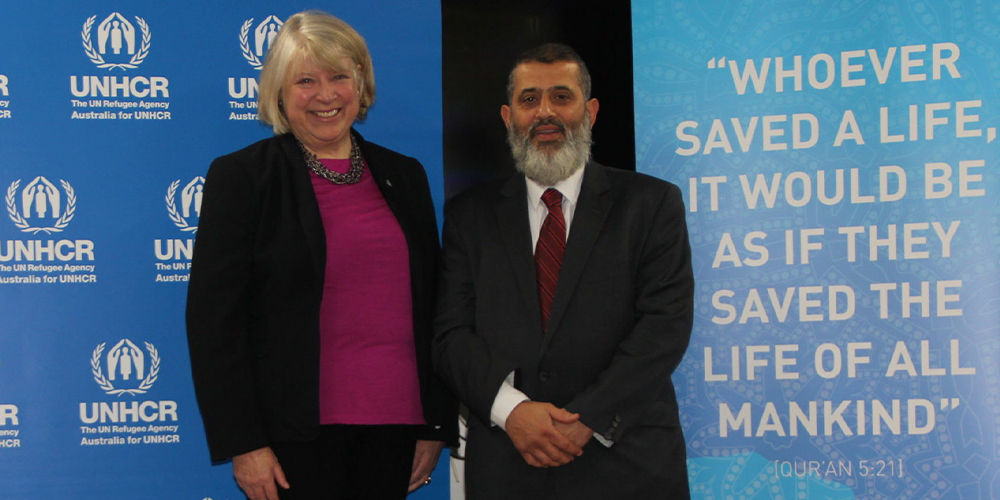
Islamic Relief Australia has recently partnered with Australia for UNHCR to support refugees across the world. Similar partnerships exists with UNICEF for supporting Maternal and Child health programs in the Pacific. In Australia, partnerships with local organisations has helped reach some of the most under-privileged and crisis hit communities. Read more about our programs here.
We at Islamic Relief Australia believe that innovation, collaboration and partnerships are the way forward in a world mired by inequalities, conflicts, disasters and ravaged by the COVID-19 pandemic that has tolled 5 million deaths and counting. Economies have been devastated, industries have collapsed and people’s livelihood are on the peril. Disasters ranging from floods to climate induced famines, droughts and military occupations, and the rise of extremist forces have taken thousands as collaterals.
Almost every metric of the sustainable development goals seems far from its target, as regions across the world are plunged in conflict, war, droughts, floods and COVID-19. Resources are stretched and accessibility, magnitude as well as frequency determine where work is taken up.
Islamic Philanthropy for the poorest
Islamic Relief Australia is a decade old humanitarian organisation that works with communities living in war zones, civilians suffering from government excesses, people affected by internal displacement, poverty, and ill-health. In Lebanon, Gaza and Yemen, it works with internally displaced people, suffering from decades of protracted war and destitution through emergency relief and development programs. In Afghanistan, Indonesia and Pakistan, the focus is on relief and programs for Water, Sanitation and Hygiene. In Africa, it supports the poorest for food, nutrition and water. It supports Rohingya refugees in Bangladesh and refugees in Lebanon and communities affected by Bushfires and COVID-19 in Australia. The focus; leveraging the principles of Islamic teachings through innovative programs, to reach the under-served through partnerships and collaborations to build lives, livelihoods and futures. Read about our work.
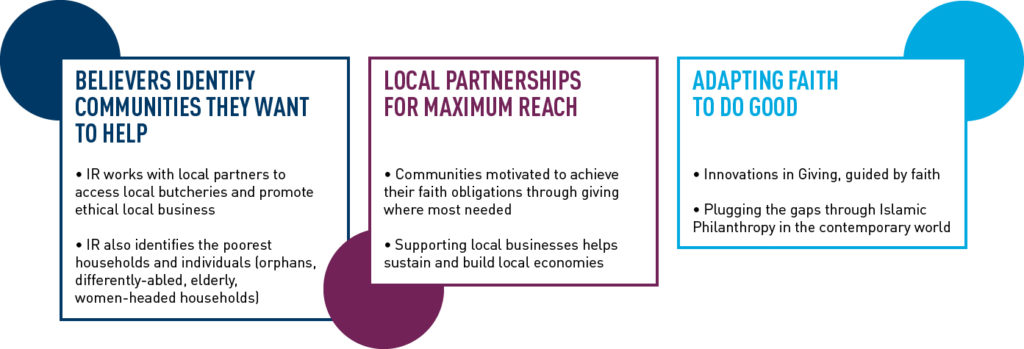
Islamic philanthropy, embraced by Islamic Relief Australia, encapsulates faith-driven giving. It is built on a community of believers and supporters who follow and identify with Islamic Relief Australia and its humanitarian and development projects across the world.
But what is the precedence to this belief?
Charity in Islam
In Arabic, charity means purity. Islam makes the practice of charity compulsory because it recognises the right of the poor in the wealth that God has bestowed upon the rich, and the practice of charity in Islam is not an act of benevolence carried by on the individual level but a compulsory tax collected to be spent on the poor.
Charitable foundations (Waqfs) and endowments are fundamental to the conceptualisation and manifestation of the Islamic faith. The institutionalisation of charity in Islam dominates every aspect of life, from as early as the 9th century. From animal welfare to foundations set up for women, pre-modern Islamic societies developed creative mechanisms to cultivate an atmosphere of inclusion and belonging for those on the margins of society.
Islam encourages charitable actions on a daily basis through a myriad of practices, ranging from very easy and simple to grand and socially transformational, such as speaking out against injustice. Furthermore, charity is codified in the Islamic calendar during various days, nights, weeks, and even months.
The principle of charitable giving is also central to early childhood education, where the believer is obligated to instruct their child in generosity and charity. In Islam, from birth throughout a person’s lifespan, charitable giving fashions a person’s daily, nightly, and monthly routine. Even the body itself is included in the expectation of charitable giving, for the Islamic faith and tradition encourage a person to engage all their bodily limbs in charitable acts.
Many believe the encompassing atmosphere of charity insulates the community from the blows of natural calamities, while allowing for the exchange of material blessings between various members, which increases feelings of community and brotherhood.
While this paper is limited in its exploration of Islamic philanthropy as a social institution, here is an article that is a fascinating read on the subject.
Adapting to New Norms
In a pioneering paper that looks at Islamic ethics and responses to the COVID-19 pandemic[1], the author looks at the Islamic normative tradition with regard to the pandemic situations in the past. An example of this is the mention of plague as a mercy of God, and specific guidelines to self-isolate and cleanse. Islamic ethical discussions often include recommended manners and etiquette that a Muslim should follow during the time of a plague.
While prayers and remembrance of God are a strong element of the faith, it is seen as an anchor for many striving with mental health issues, brought on by a lack of human interaction. In a cross-sectional study in Brazil this year, evidence shows that religiosity and spirituality (R/S) are highly used in critical moments of life and that these beliefs are associated with clinical outcomes.[2]
There are many examples of guidelines from the faith adapted to support communities. Take the example of Islamic charitable clinics that provide viable health access to destitute families in poor urban and rural areas in Indonesia. The community-based initiative, using Zakat resources, is without doubt a consequence of emerging interpretations of the meaning and functioning of Islamic aid in contemporary society. [3]
Islamic Relief’s Qurban, faith-based giving, is another unique example of the juxtaposition of faith and service to the poorest. A principle of faith that calls for the sacrifice of an animal that is to be served and shared in the community is a tool for poverty alleviation and supplementary nutrition for the neediest and brings economic benefits to the whole community. This is how it works.
Faith-based giving
The United Nations and the Islamic Development Bank recently launched an initiative to assist finance efforts to recover better as the world continues to grapple with the COVID-19 pandemic.
Coming at a time when the global health and economic crisis has pushed millions of people into extreme poverty, Islamic social financing has the potential to provide urgently needed support for poverty alleviation, economic recovery, pandemic response, and sustainable development. Take the case of Zakat; if applied systematically, it has the potential to become a fiscal policy instrument at the macroeconomic level, enhancing institutional capability in the social and welfare sectors. At the microeconomic level, its allocation to the needy serves income re-distribution, additionally reducing overall indebtedness.
Says Mr Abdulla Rahhal, Director Fundraising and Community Relations, Islamic Relief Australia, “During the past several years, we are witnessing a general increase in Islamic charitable giving, especially Zakat Al Mal, which has attracted many major charities to launch their own Zakat-focused fundraising appeals and programs.”
Islamic faith-based giving is based on the core framework of social justice and an ethical framing of the market system. For Islamic Relief, the root causes of inequalities and socio-economic injustices lie in the unequal distribution of wealth. Data indicates that the ever-widening gap in wealth distribution within and among nations influences access to resources. A research study done by the Agence France-Presse [1] indicates the unfair distribution of vaccine doses. With 16 per cent of the global population, people in high-income nations have received 47 per cent of all vaccine doses. That is in contrast to people in lower-income nations, who have gotten just 0.2 per cent of all vaccine doses, despite making up 9 per cent of the world’s population.
Islamic Financing for Moral Economy
The promotion of social justice is a common thread of many faiths, and Islamic Relief Australia operates on the understanding that Islam views social justice as setting out the balance of rights and obligations, and freedoms and responsibilities within a framework of equality and solidarity.
At the local, national and global level, promoting social justice translates to addressing inequities of wealth by creating sustainable futures, by investing in livelihood programs and building environmentally conscious communities. One of the tools offered to promote social justice is voluntary charity or Sadaqah (that is different from the obligatory nature of Zakat) which can be financial or deed-related. A critical element of this is charity for protecting human dignity, by encouraging “giving” discreetly.
The principle of Zakat institutionalises the rights of the poor and needy through the provision of a wealth distribution mechanism. While there has been significant interest in leveraging Islamic financing and opportunities, what has been missing is the interest and engagement with the moral and underlying ethos; social reforms that change the status quo and address the fundamentals of inequities.
At Islamic Relief, we believe that the achievement of SDGs requires the mobilisation of unprecedented resources, including monetary resources. The discussions on financing should not be limited to alternative sources of finance, but should also embrace alternative means of financing. Islamic financial mechanisms provide important lessons to achieve both.
Giving Trends on the Rise
With the COVID-19 pandemic worsening inequalities both between and within countries, the need for charitable funding has increased, necessitating the convergence of resources between different state, multilateral and charitable actors.
While many global development organisations have seen their income and fundraising efforts suffer due to the financial fallout from the COVID-19 pandemic, Islamic Relief finds itself in a different position.
The world’s largest Islamic charity has seen its income increase during the global crisis, largely driven by individual donors with a different perspective on giving, says Islamic Relief Australia Director of Fundraising, Mr. Abdulla Rahhal.
“Back in March last year, the COVID-19 pandemic was predicted to have a catastrophic impact on the charitable secto,r with many experts predicting a 30 to 40% drop in revenue from the 2019 levels. However, we have seen a strong uptake in charitable giving and, like many Islamic charities, we are reporting a 13% growth in our community fundraising income compared to 2019 levels.”
But there is a caveat here, while globally the numbers of disasters and humanitarian crises are on the rise, managing fundraising with a small team is a challenge. Accountability of donors’ giving is the top priority, and because all giving is project-related, administration overheads have to be really small. This effectively means small teams stretched for resources.
The Delta variant of the virus hit Australia late, and much of the data on giving is awaited. A report by Social Ventures Australia[1] (SVA) and the Centre for Social Impact (CSI) found many organisations in a vulnerable financial position, with retrenchment as high as 12 per cent. The same research indicated that while 44 per cent of charities have experienced increased demand for services during the coronavirus crisis, just 4 per cent have been able to increase revenue.
According to the Social Research Agency McCrindle, in the Australian Communities Report 2021, many Australians fear a fall in their giving status due to the prolonged hardships and losses incurred because of the new variant of the virus.
Faith-based giving is not new, but different times bring in different perspectives that reflect giving trends. While there is a large movement of giving among the millennials, it is mostly one-time giving. So while opportunity giving exists, the number of committed givers is on the decline.
“I think this is where faith has a big part to play. In Islam, one will say that you are not truly Muslim if you go with your stomach full when your neighbour is hungry,” Says CEO, Mr Walid Ali, Islamic Relief Australia, adding that people have seen the effects of lockdown and economic distress in their communities and around the world, and responded with generosity.
“We do rely on individual giving. Around 90% of our income comes from individuals. We have our committed donors who act out of faith,” he continues.
In conclusion, Islamic faith-based giving is embedded in faith that clearly delineates the roles of individuals in doing charity. It classifies the different tools and opportunities of giving, codified by law and enforces a framework of social justice and a moral economy, which addresses the unequal distribution of wealth.
While Islamic financing is increasingly being leveraged by others, who view it as a funding source, it is necessary for them to understand the underlying value and ethos of financing for social justice.
Across the world, certain communities continue to be more disadvantaged than others. The pandemic provides us with goals to focus funding needs of the poorest and most disempowered. The path ahead is through collaborative giving.
“Whoever kills an innocent life it is as if he has killed all of humanity.”
Surat al-ma’idah 5:32 – Qur’an
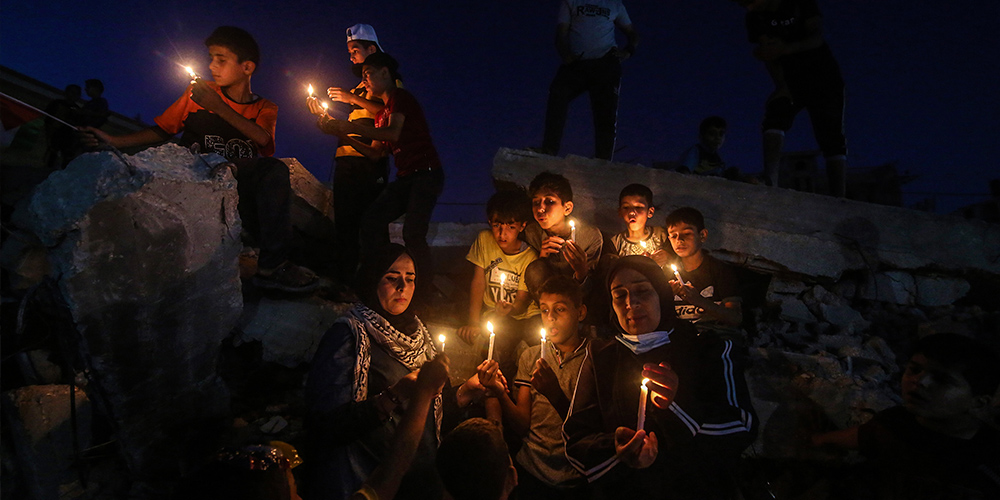
Many years of protracted war, skirmishes have all but destroyed the economy and life in Gaza, but the latest violence and destruction has brought life to a standstill.
More than 254 people have lost their lives, among them 66 children and 38 women. Almost 2000 Palestinians have been injured, including 600 children and 400 women, significant numbers of them suffering from long term disability requiring rehabilitation, in the latest violence1.
More than 2,000 homes have been destroyed or severely damaged, and nearly 15,000 suffered some degree of damage. Shops, industrial units and offices have crumbled, rendering large scale unemployment. Access to supplies remains hugely challenging because of blockages, hampering the re-construction work.
Sewage systems, drinking water, educational facilities have been severely damaged. Power supply has been critically affected. Nine hospitals and 19 primary healthcare centres have collapsed. All this has severely undermined the living conditions and access to basic services. Of particular concern is Gaza’s health system, already overwhelmed by chronic drug shortages, inadequate equipment and the on-going COVID-19 pandemic, which is now struggling to meet the needs of those injured during the hostilities.
In the words of Muneeb Abu Ghazaleh, Islamic Relief Country Director working in Gaza, “It was so difficult and frustrating both as an individual trying to protect my family and a humanitarian worker to see the city crippled. We have never seen this scale of destruction.”
Distribution of Food Packs
Ten year old Amina* ran out of her home in the middle of the night. “As the bombings got closer my father decided we needed to leave our home. We barely managed to eat anything that night. My school certificates are all missing,” said the tearful 10 year old.
No other community or people have seen homelessness as the people of Palestine. The long years of war has seen them losing their homes, their families and their dignity. Over and over Palestinians have faced multitudes of losses and curtailed freedom. Gaza has been described as ‘the largest open-air jail in the world’. However, the reality is that life in Gaza often feels far worse than jail.Even those in jail have access to electricity, a continuous clean water supply and the right to receive visitors. These are basic needs which innocent people in Gaza lack.
The Islamic Relief team in Gaza were on the ground immediately in the aftermath of the bombing. As one of the first organisations on the ground, Islamic Relief was able to distribute urgent food packets and provide medical aid and supplies to those suffering. We were able to reach out to 100, 000 people.
The Cost of Rebuilding Gaza
As we now set out to build Gaza, newer challenges surmount us. For many in Gaza, the latest violence has been the last nail in their coffin. Wajid* is a vegetable vendor, who has seen his home destroyed the third time. “I lost my house in 2014 and it took me 3 years to build it. I put all my saving in it. As it is, I am barely able to feed my family. How can I build my house?” says the distraught father of 6.
Long wars, destroyed schools and homes have meant severe mental health impact, particularly on children and young people. “There are children, who have only grown up seeing violence and destruction, Is that normal or okay?” questions Salma*, who works as a volunteer with Islamic Relief in Gaza and was there to see the destruction unfold before her eyes.
Islamic Relief Australia stands with the people of Gaza in re-building their lives. We continue to work building hospitals and schools and water systems that will help people get back their lives. These systems are not built overnight, but through long prolonged work and persistence, surmounting political and geographical challenges.
The situation is particularly critical with a looming pandemic that has killed thousands. The escalation of violence, destroyed homes and people driven to shelters has meant increased risks of transmission. The damage to health care facilities such as the Hala Al Shawa has meant a disruption of vaccination drives and treatment for patients. Additionally, the COVID-19 diagnostic centres was heavily impacted by the bombardment, which made it difficult for people to move, and the damage to the Gaza public health laboratory has to stop its functioning.
Help Islamic Relief to deliver vital humanitarian aid in the Occupied Palestinian Territory.
School closures, working remotely, remote learning and physical distancing is a lot to navigate for anyone; kids and parents alike. These are stressful times and the lockdown has meant that we are all stuck at home, not able to meet our beloved family and friends or do our prayers in our Masjid, our sanctuary to remember Allah (SWT) and walk on the path he has shown us.
In the words of our great Prophet (PUBH), “Whoever builds a mosque for the sake of Allah will build something similar for him in Paradise.” (Hadith: Ibn Majah 736)
In this post, we help you find the best resources to build a mosque at home with your kids and some stories of inspiration.
Read More
The Covid-19 pandemic has led to increasing anxiety, stress and fears of uncertainty. It is normal to feel like this. In these difficult times, you should make sure to be in tune with your emotions and mental well-being. If you are feeling overwhelmed, remember to turn to Allah (SWT).
Our Prophet (PBUH) said, If anyone constantly seeks pardon from Him, He will appoint for him a way out of every distress and a relief from every anxiety and will provide sustenance for him where he expects not” ( Abu Dawud)
Abu Sa’id al-Khudri reported: The Messenger of Allah, peace and blessings be upon him, said, “The entire earth has been made a place of prayer (Sunan al-Tirmidhī 317) and although our prayer place is not confined to a particular building or room, there is something so meaningful about allocating a special a place in your home for prayer.
This special place that can be built by little hands and visited by little feet to remember Allah (SWT) for this pandemic has meant that we cannot go to our mosque and do congregations and prayers.
Making the little Mosque
Here is a list of common household items you will need to make the mosque:
1. Large cardboard box (find the largest you can find)
2. Box cutter or knife
3. Pencil, eraser, glue stick
4. Parchment paper or colourful tissue paper
5. Paint- any colour you want
Prior to building your Little Masjid, take a moment to do some rough designs and get inspiration. Sit down with your little one and draw the minarets and domes and also decide on the colour scheme. Make sure you work within the dimensions of your space and cut the cardboard accordingly. Depending on how big your little Masjid, make sure your little ones help you build it.
Make it a meaningful journey filled with anecdotes and stories that will help them remember why they are making the Masjid.
Australia for UNHCR and Islamic Relief Australia announce strategic collaboration in support of 82.4 million globally displaced people
The UN Refugee Agency’s national partner, Australia for UNHCR, and humanitarian and development organisation, Islamic Relief Australia, have announced a three-year strategic collaboration for their work in support of refugees and aslyum seekers.
Australia for UNHCR and Islamic Relief Australia will leverage their respective areas of expertise and networks of generous Australian donors, corporates and civil society to raise much-needed funds for UNHCR’s emergency assistance and humanitarian relief programs.
Joint projects and initiatives that acknowledge key Islamic charitable giving practices will be identified and developed to raise awareness about the situation and needs of refugees worldwide and connect the Islamic and wider Australian community in support of the 82.4 million people displaced globally.
The collaboration is part of a wider Islamic Philanthropy initiative by UNHCR. Since starting the UNHCR Refugee Zakat fund in 2019, UNHCR globally has raised over $90 million dollars for refugees. Zakat is the mandatory alms given by Muslims who meet the necessary criteria of wealth each year, particularly to the poor and most vulnerable.
To commence the collaboration, projects to assist with the humanitarian crisis in Yemen will be of the highest priority. Currently two out of three Yemenis require humanitarian assistance, due to six years of conflict, food insecurity, natural disasters, and disease.
Naomi Steer, National Director of Australia for UNHCR, said: “This alignment of our two organisations in a time of unprecedented global displacement acknowledges the significant impact the Islamic community plays in global humanitarian relief, and we look forward to working with Islamic Relief Australia to reach new supporters for UNHCR’s vital work and right now helping provide critical lifesaving support to suffering people in Yemen.”
Walid Ali, Chief Executive Officer of Islamic Relief Australia said: “Islamic Relief Australia’s collaboration with Australia for UNHCR is an important strategic commitment to supporting refugees and displaced people around the world. We believe that this collaboration will enable both charities to enhance their respective humanitarian programs in support of refugees, pursuant of their mission and core values.”
Peter Gould, Islamic Philanthropy Ambassador of Australia for UNHCR, said: “I’m delighted to see the work of Australia for UNHCR and Islamic Relief Australia come together in this collaborative effort. It reflects the Australian Muslim community’s desire to be part of UNHCR’s global effort to support refugees and displaced people. UNHCR is a trusted and efficient organisation, fully Zakat complaint and donors can have peace of mind that it will maximise support for those who are counting on us.”
For more information about Australia for UNHCR’s Islamic Philanthropy work please see here. To learn more about Islamic Relief Australia’s humanity Relief work and programs please clickhere .
How you can maximise your tax return by donating to charity this end of financial year
End of Financial Year (EOFY)
WHAT DOES THE END OF THE END OF FINANCIAL YEAR (EOFY) MEAN AND HOW DO YOU BENEFIT?
With the end of financial year around 30th of June 2025 drawing closer, there’s no better time to donate to charity, fulfill your religious obligations and help vulnerable communities across the world – all while maximising your tax refund!
HOW DO DONORS BENEFIT FROM EOFY?
For every gift you give to a charity (the charity must have DGR status), you’re able get a tax deduction. Simply put, a donation to a charity allows working Australians to get the most out of tax time by paying less tax. So, not only is it rewarding but effective in reducing your taxable income!
Check out our WORK sections to learn more about some of the programs you can give to before the end of the financial year!
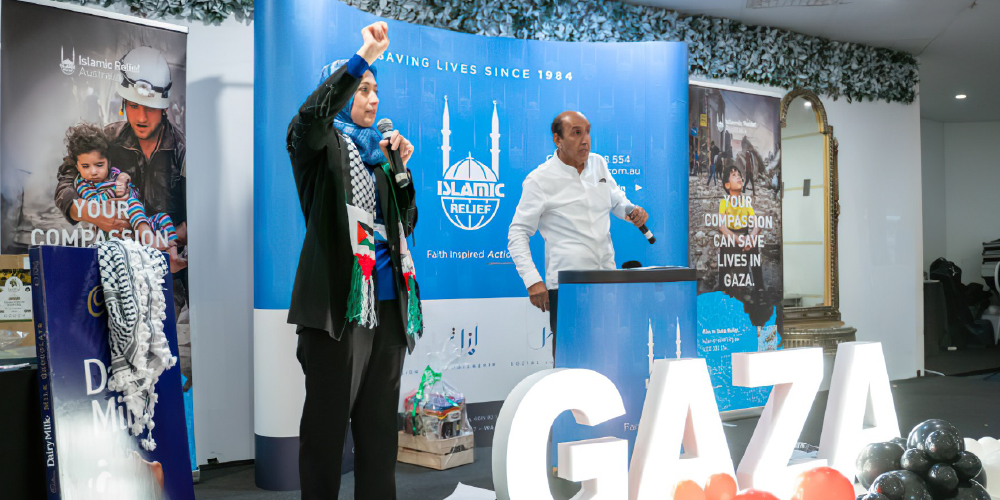
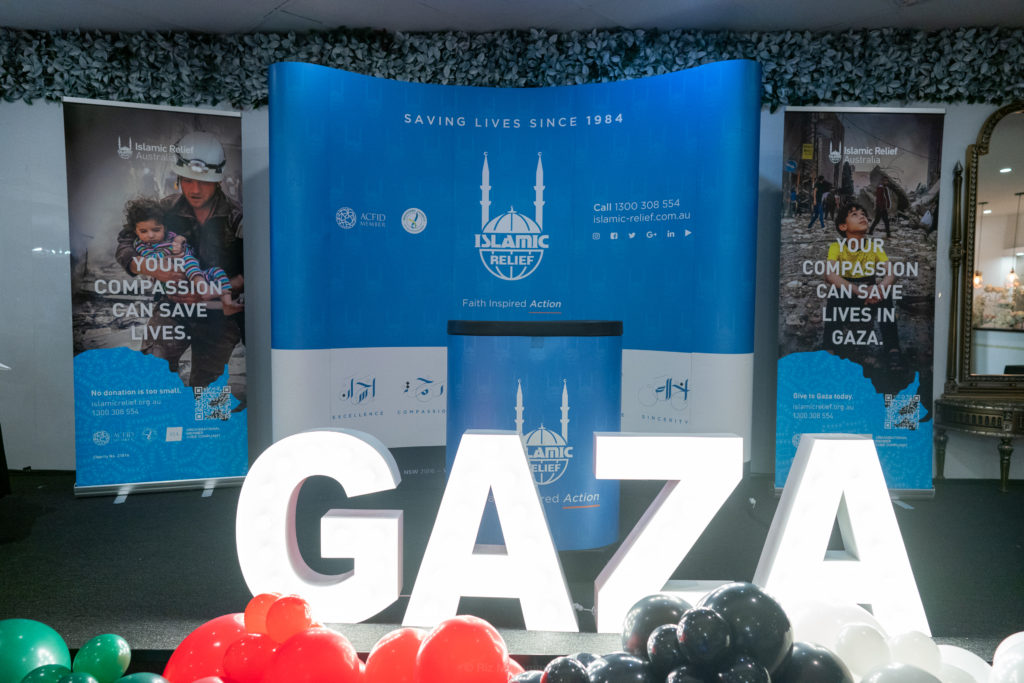
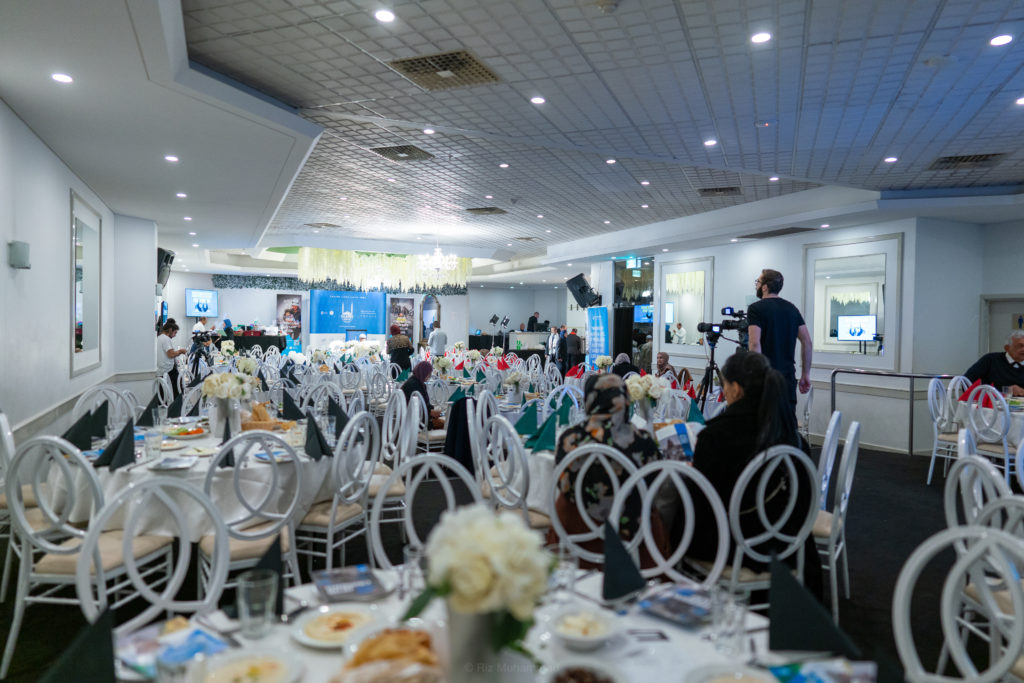
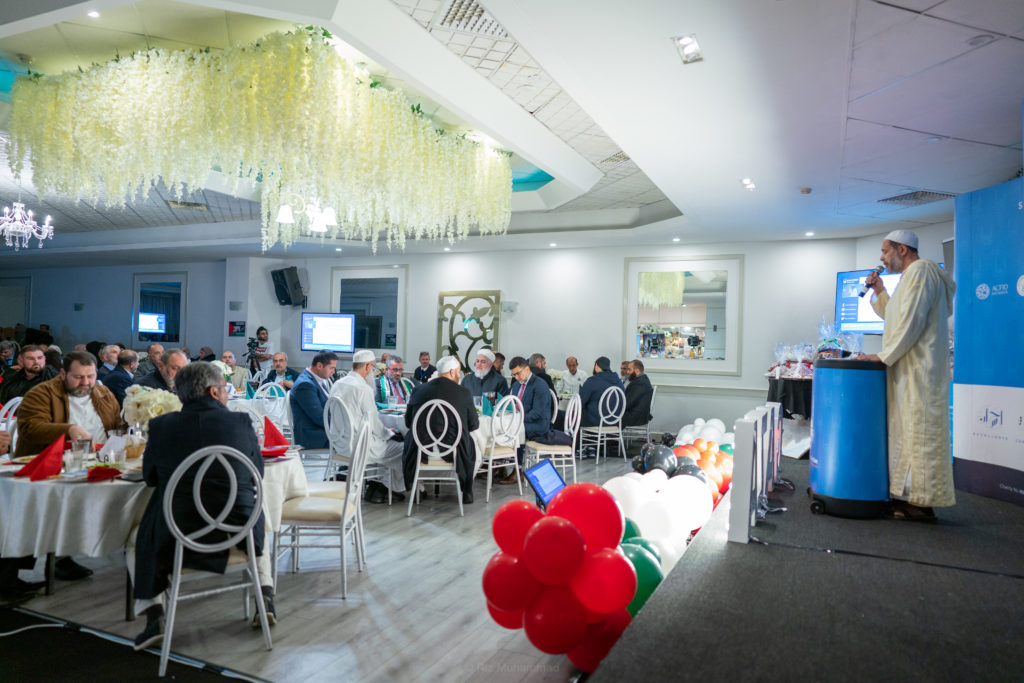
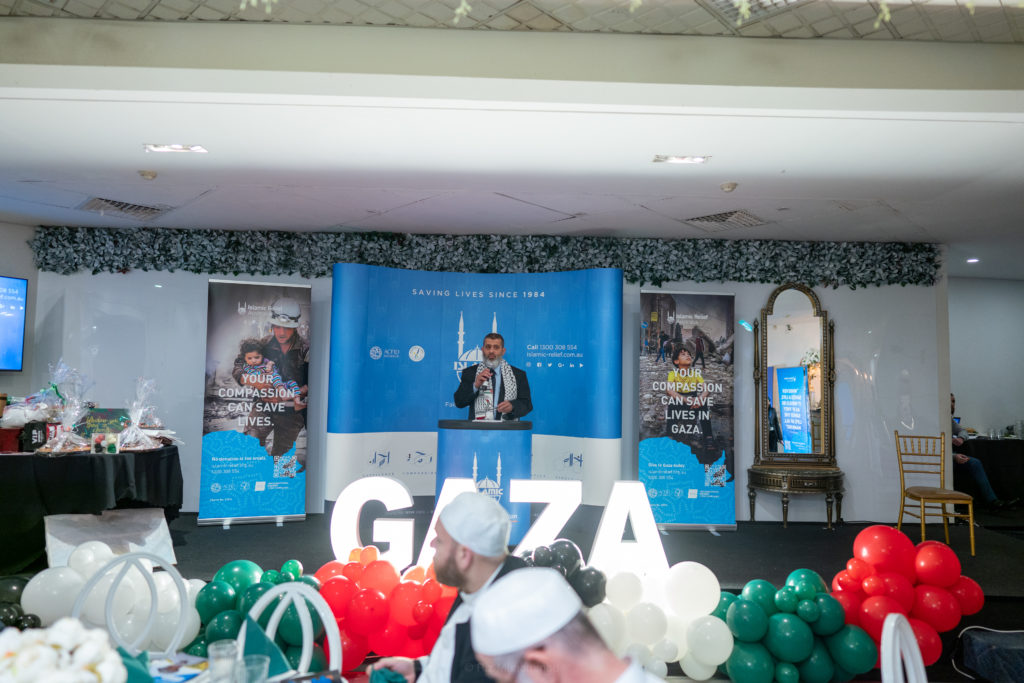
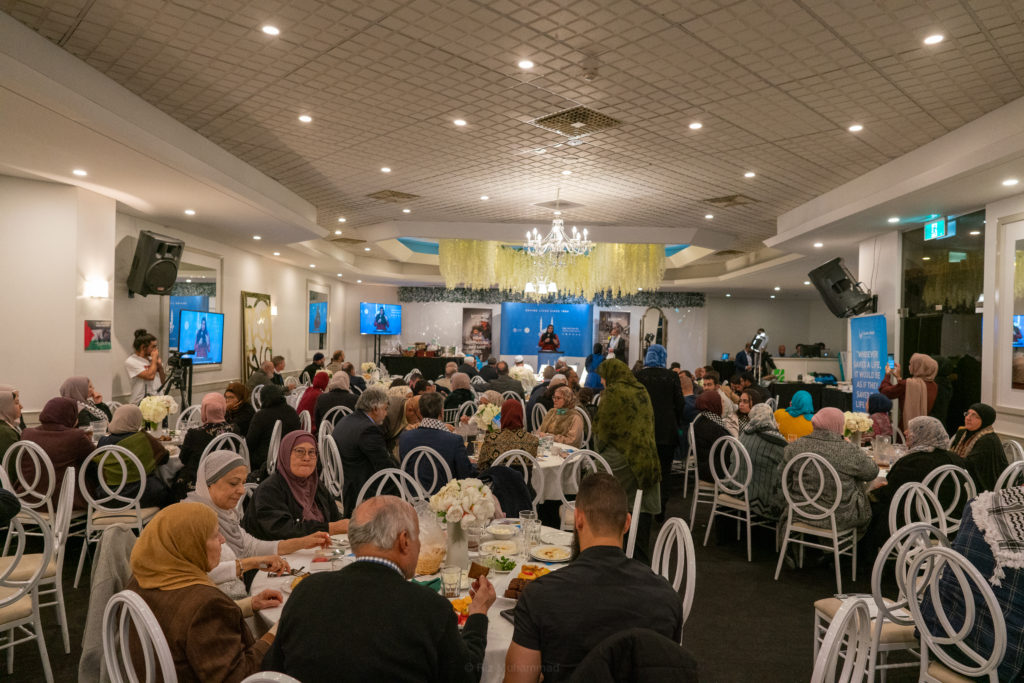
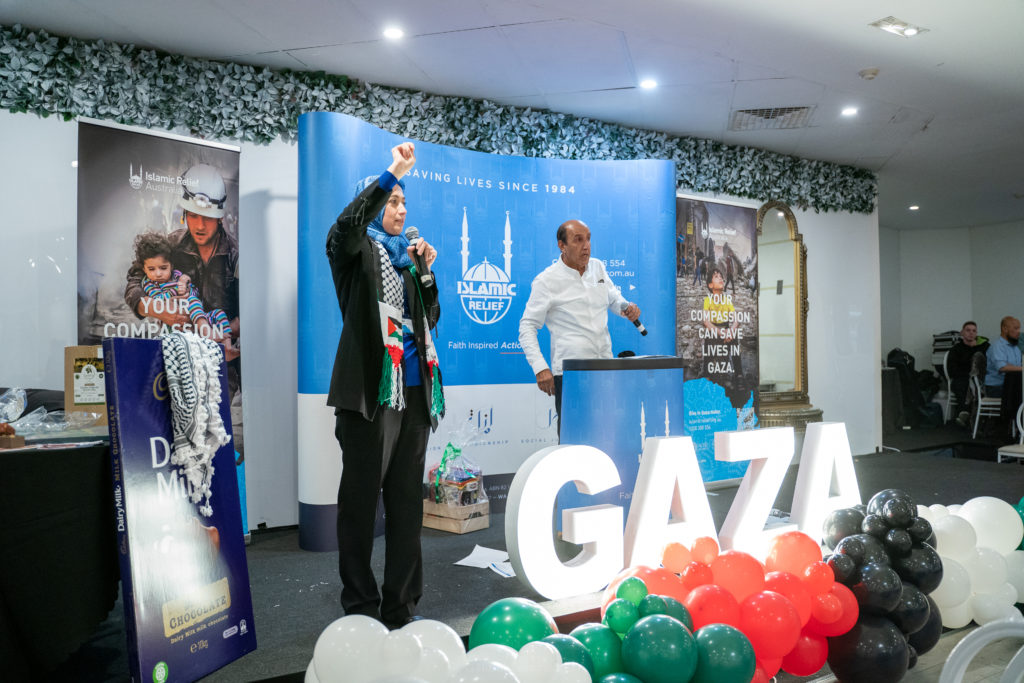
On 28 May 2021, Islamic Relief Australia held a Fundraising Dinner in Support of our Gaza Emergency Appeal.
The event raised awareness of the Gaza crisis and featured our Palestine field staff live from Gaza, they informed us of the latest developments on the ground and all our ongoing work and needs.
We hosted a range of local and international speakers, and the event was live streamed to a global audience.
Alhamdulillah’s, with your support we managed to raise more than $350k on the night, so thank you to everyone who supported in the making of this event and may Allah SWT reward you all and allow us to continue to support our brothers and sisters in Gaza, For more information please visit our Gaza Emergency Appeal: HERE
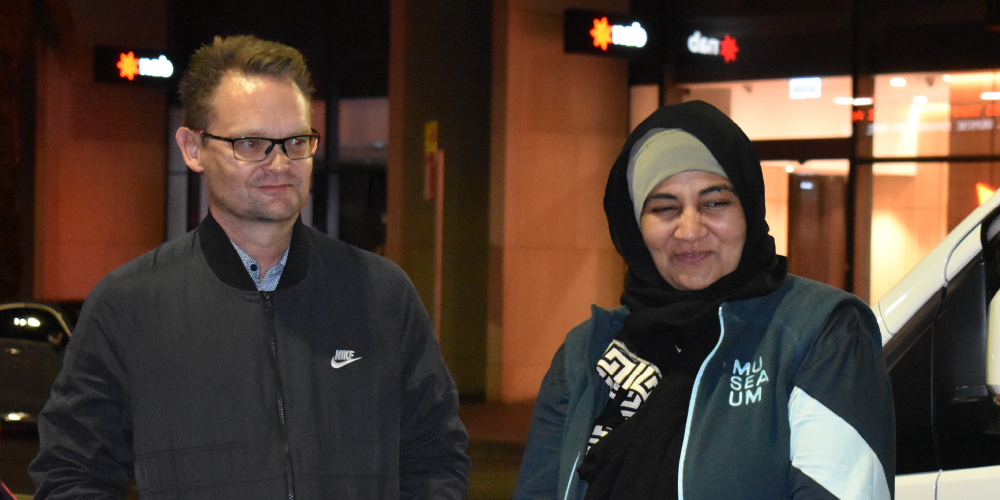
A BIG shout out to the Australian National Maritime Museum who have been joining us and Brothers in Need for the Homeless Program. The Museum staff volunteer with us and donate warm clothes and blankets for distribution to the homeless. It is rewarding and humbling to be of service to the community, particularly those who are having it tough. The Australian National Maritime Museum staff are now regular supporters and volunteers in the Program.
The Museum is not just about Maritime history, but is for example a living acknowledgement to all migrants and refugees that have come to Australia in search of a better life. The museum welcomes refugees and other new arrivals to Australia with an inscription on a special wall – The National Monument to Migration. The Monument stands in honour of all those who have migrated to live in Australia with their registered names engraved in bronze. They also have regular exhibitions on various subjects.
Check out their website HERE or better still visit the Museum at 2 Murray Street, Darling Harbour.