08.19.25

When hope is quiet: reflections from Yemen on World Humanitarian Day 

  News     Publications

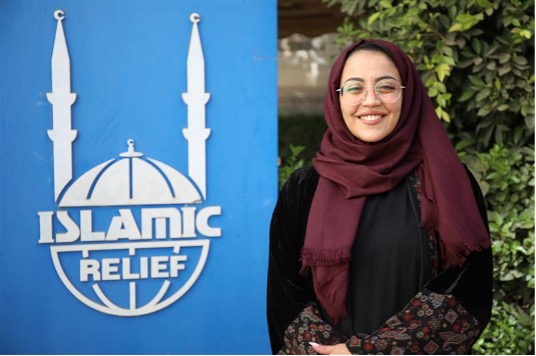
Nada Abu Taleb has documented Yemen’s silent suffering as Islamic Relief’s Media and Communication Coordinator in the country. Now, she reveals what humanitarian work truly means in one of the world’s most neglected crises. 

World Humanitarian Day is a moment to pause, reflect, and remember why we choose to stand together amid crises. After nearly 15 years of humanitarian work, I have learned that to #ActForHumanity is not simply a theme; it’s a daily commitment, deeply personal and urgent, especially here in Yemen. 

As a Yemeni who has lived and worked through this crisis, I know that suffering is not a distant headline; it confronts us every day. I see it in the strained expressions of my neighbours, hear it in the despair of families struggling to survive. But amid these painful encounters are moments of profound dignity that stay etched in memory. 

I recall a mother who had just received a modest cash assistance package. Her hands held her child tightly. They were visibly malnourished, yet her eyes expressed overwhelming gratitude rather than complaint. In that moment, aid became about more than food or money; it became about dignity, it became about making people feel seen and valued. 

Another defining moment was my encounter with a displaced father living in a makeshift shelter after losing nearly everything: his home, livelihood, and even family members. Despite his burden, his greatest concern was maintaining his children’s sense of normality. “Even when we have nothing,” he said quietly, “I still make sure my children feel safe, clean, and believe things will get better.” This humble, steadfast courage reshaped my understanding of dignity. Humanitarian work is not merely about distributing aid; it’s about honouring people’s resilience, acknowledging their identity, and protecting the fragile sense of hope they still hold. 

Education: Yemen’s silent crisis 

While the world rightly recognises and responds to immediate crises like hunger and the need for shelter, Yemen’s overlooked crisis is the systematic erosion of our education system. Schools are emptying, teachers haven’t been paid, and children’s dreams are fading. I remember a classroom without doors or windows, children huddled together sharing torn notebooks. When asked about his dreams, one boy replied earnestly, “I want to be a pilot, but I don’t know if I will ever fly a plane. We can barely eat.” 

This stark realisation hit me deeply. Education is not a luxury, it’s the promise of a future. Without schooling, children lose more than knowledge; they lose structure, security, and the ability to envision a better tomorrow. Protecting education is protecting hope itself, yet this urgent truth rarely makes international headlines. That’s why Islamic Relief teams in Yemen are working to rebuild classrooms, train teachers, and create safe learning spaces in some of the hardest-hit communities. 

Finding strength in small acts 

Humanitarian workers frequently grapple with overwhelming despair. I recall one particularly difficult day, consumed by endless stories of families skipping meals, children leaving school, communities crushed by hardship. The scale of suffering was paralysing. 

But what pulled me back was the quiet joy of Eid celebrations. Families smiling because their children had new clothes, or because, for the first time in months, they had meat on their table. I remembered a father weeping quietly with relief as he watched his daughters recover from malnutrition, their laughter a testament to a small triumph. These moments of humanity remind me why this work matters, small gestures can reverberate deeply, sustaining hope amid despair. 

Innovating amid challenges 

The complexity of Yemen’s crisis, which is marked by checkpoints, instability, and dwindling funds, often hampers our physical presence in affected communities. Our office responds creatively, training colleagues in remote areas in photography and storytelling so the voices of the communities we support can be heard. This initiative ensures we can document, communicate, and respond swiftly, preserving transparency and maintaining critical connections even amid logistical nightmares. This adaptive resilience underscores the resourcefulness required to deliver impartial and dignified humanitarian assistance under seemingly impossible circumstances. 

Women’s silent strength 

Throughout this crisis, I have come to see my fellow Yemeni women quietly shoulder extraordinary burdens. Their courage often lies not in grand gestures but in daily persistence despite exhaustion, fear, or loss. Witnessing their quiet determination consistently reshapes my understanding of what true bravery looks like.  

But some of their strength also comes from Yemen’s extraordinary community solidarity. Where official systems fail, neighbours have stepped forward, sharing limited resources, organising responses, and ensuring no one is abandoned. This local strength profoundly shapes our humanitarian approach, reminding us that true assistance is collaborative, respectful, and humble. Our role is not to lead from above, but to support and amplify the resilience already thriving on the ground. 

The world’s shared responsibility 

Today, when global attention feels overstretched and crises rage everywhere, from Gaza to Sudan, solidarity is not a limited resource; it’s our shared responsibility. Acting for humanity means refusing to normalise suffering, no matter how frequent it becomes. It requires compassion, dignity, and fairness, consistently and urgently, even when no one is watching. 

Yemen is often misunderstood, painted simplistically as a land of endless conflict and helplessness. In reality, Yemenis are remarkably spirited and resourceful. Our task as humanitarian workers is not to save them, but to stand beside them, preserving dignity, amplifying their voices, and working towards sustainable recovery. 

On World Humanitarian Day, let us remember that behind every statistic, there’s a person with a story to tell. That is my job as a communicator. To act for humanity is to remain present, compassionate, and brave, even in the face of immense challenges. This work is not just our choice, but our collective answer to a world that desperately needs humanitarians. May our actions always reflect that calling. 

Families in Yemen are fighting for survival every day. With your support, Islamic Relief can deliver life-saving aid to those who need it most. Your donation can help provide food, medicine, and hope to vulnerable communities. Please donate to our Yemen Emergency Appeal today. 
08.19.25

Sudan’s collapse, carried on local shoulders

  News     Publications

As systems fail, displaced doctors operate without pay, families shelter strangers, and aid workers navigate chaos. Ahead of World Humanitarian Day, their #ActForHumanity in Sudan defies despair.

Two years of war have shattered Sudan’s already limited health services, leaving communities to shoulder the crisis. In Gedaref’s Alameen Hospital, an eastern Sudanese facility near the Ethiopian border, overcrowded wards force two patients to share a single bed. A third rests on a couch. Others, with nowhere else to go, receive treatment and vanish back into the streets they walked in from, carrying wounds and illnesses back to makeshift shelters.  

“The responsibility grows heavier every day,” says Dr. Abdalbasit Alameen, the hospital’s director. “People arrive having lost everything: homes, livelihoods, even the certainty of their next meal. Now imagine they also need lifesaving antibiotics we cannot provide.” 

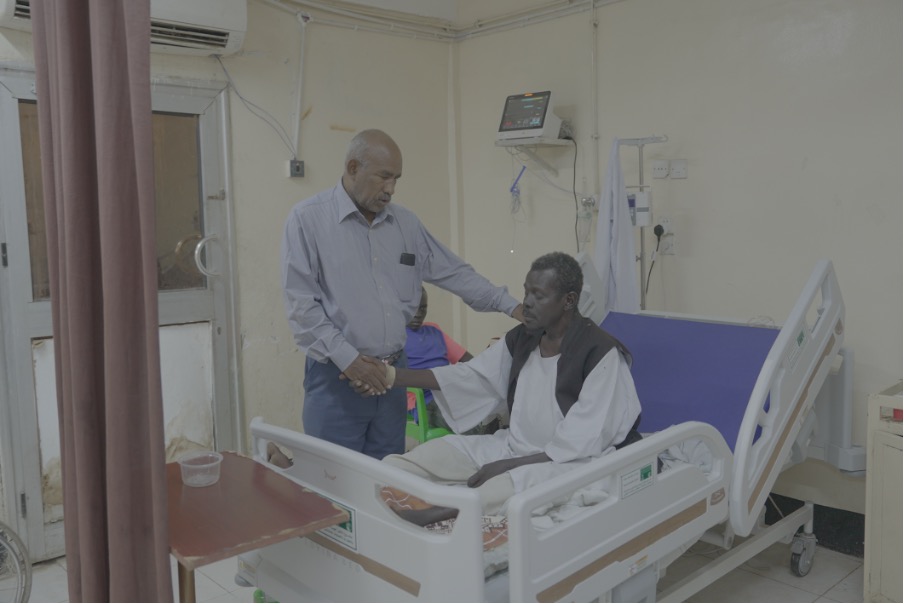
Photo: Head of Alameen Hospital, Dr. Abdalbasit Alameen, visits patients in one of Sudan’s many overstretched hospitals. 

A health system on life support 

When Khartoum’s medical factories were bombed, supply chains snapped. Now, Dr. Alameen’s hospital – serving 200,000+ displaced people - functions at 30% capacity. His team reuses gloves, rations anaesthesia, and faces impossible choices: “Repair the last infant incubator or buy malaria pills for 50 children?” Across conflict-affected areas, many facilities have shut or can no longer function safely, forcing families to travel long distances or go without care.  

As World Humanitarian Day approaches under the banner #ActforHumanity, the stories emerging from Gedaref, a border state absorbing wave after wave of displacement, reveal a painful truth: when institutions collapse, only the compassion of people and the persistence of aid workers keep the system going. Our organisation, alongside other international NGOs, works hand-in-hand with local communities to patch together what remains. 

Filling cracks in a system that is shattered 

From Islamic Relief’s field office in Gedaref, country director Elsadig Elnour witnesses both the desperation and determination. “We are not saviours but partners in a collective effort,” he says. “Our goal is to fill the gaps left by the shattered infrastructure, and ensure essential supplies and support reach those trying to survive in displacement camps and overstretched hospitals.” 

The complexity of Elsadig’s role mirrors the crisis itself: ensuring his staff coordinates deliveries of scarce medical supplies, emergency nutritional support, and logistical aid through fractured routes and volatile zones. “Every shipment we deliver represents days of negotiation, planning, and risk management,” he explains. “But the relief in exhausted doctors’ eyes and the quiet thanks from families remind us why we stay.” 

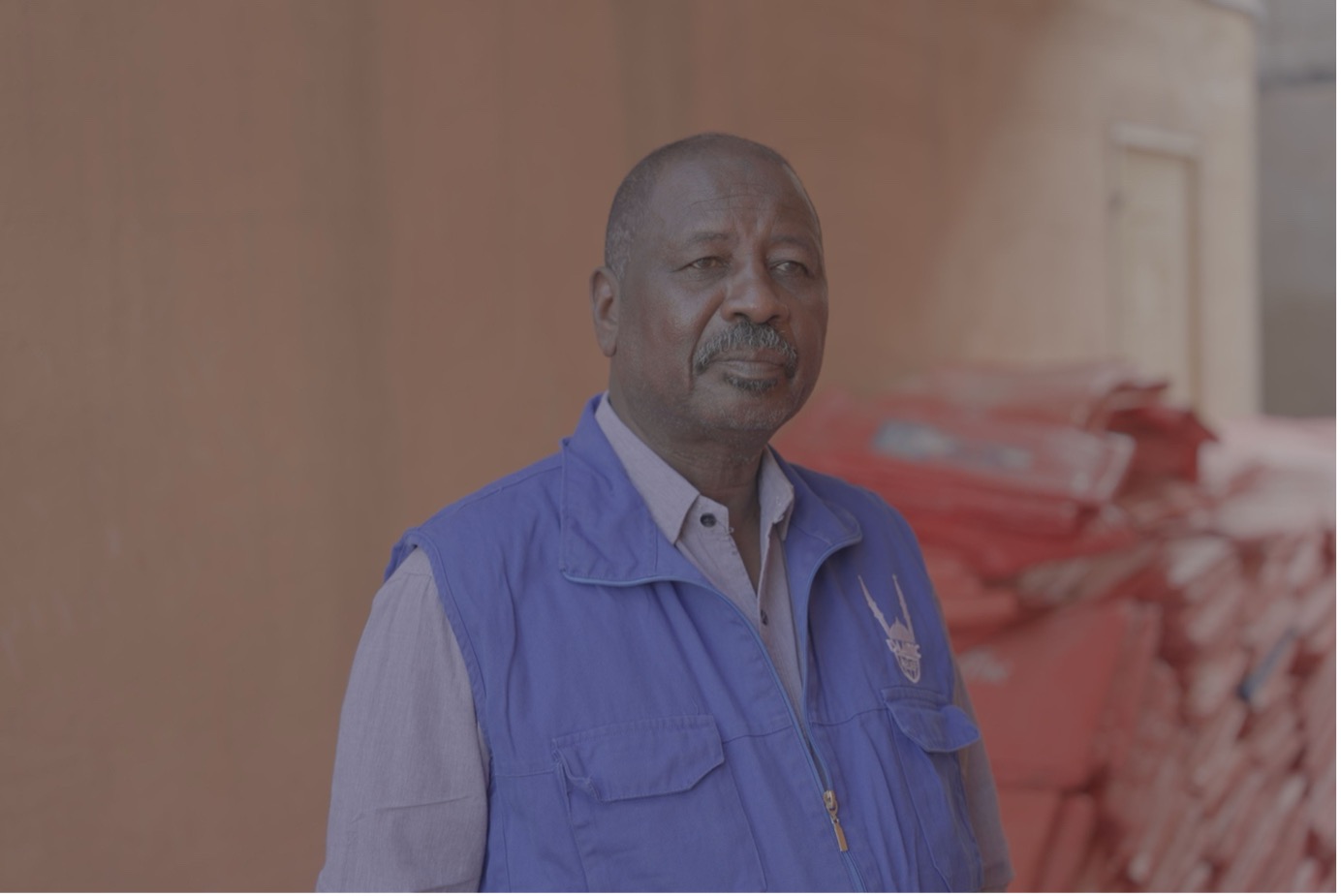
Photo: Islamic Relief Sudan Country Director Elsadig Elnour inspects aid distribution efforts in Port Sudan, where humanitarian needs continue to rise amid the ongoing crisis.

Communities as first responders 

About 70 kilometres from Gedaref town, in the village of Hamra in Gedaref State, Rabha Saeed has rebuilt a life in displacement.  “When displaced people approach your home, you simply take them in. You share your bread,” says Rabha, herself displaced from Omdurman after burying her sister amid airstrikes. She now shares a cramped home with 7 family members. “We arrived with nothing. No money, no food. But thank God, the community welcomed us.” 

This grassroots compassion defines Gedaref’s response. University students ran Ramadan campaigns collecting clothes, mosquito nets, and sorghum for new arrivals. Locals converted schools into shelters despite overcrowded classrooms and children sleeping on mud floors during the rains. Still, as Rabha notes, solidarity has limits: “If displaced people cannot find work, the burden falls on those who host them.” Rabha says. She is among many who lost government employment during the crisis. “INGOs gave us monthly support. When they left, we were left crying for ourselves.” We need organisations like Islamic Relief that stay back when most leave.  

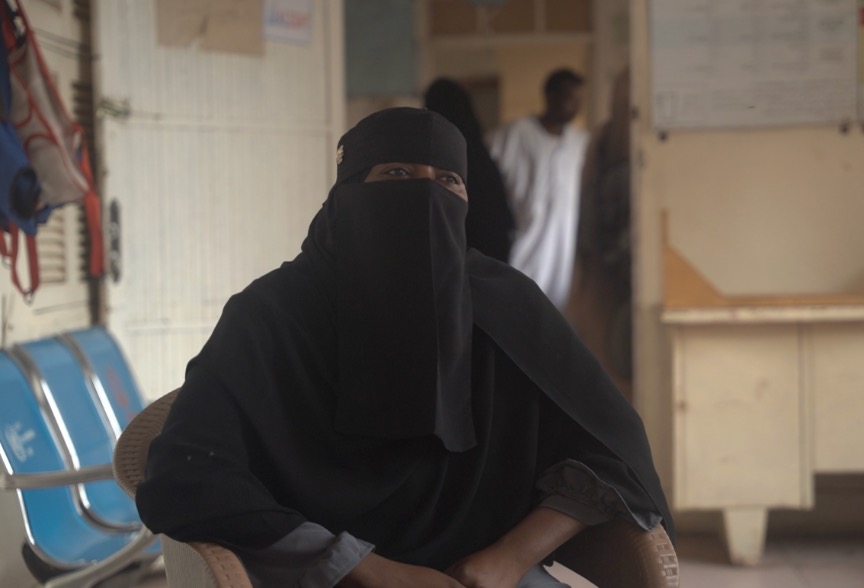
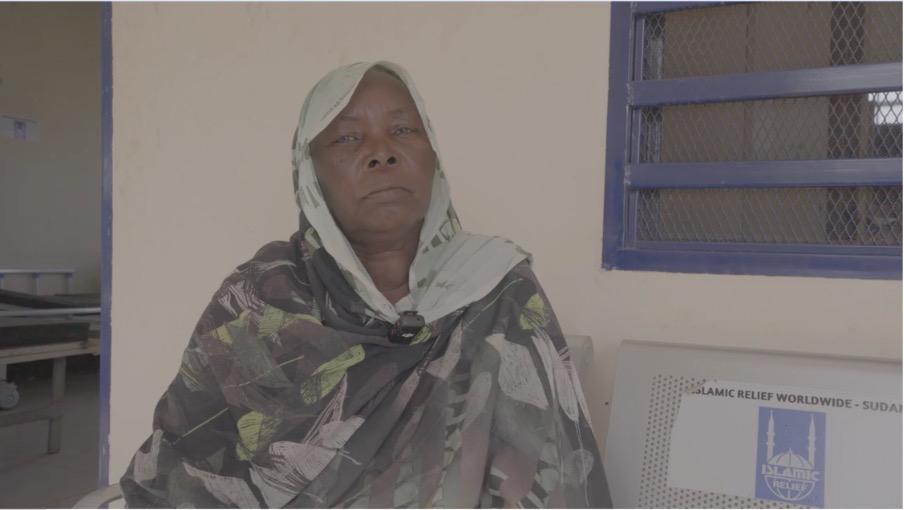
Photo: A patient waits for medical care in one of Sudan’s overwhelmed hospitals, where shortages of staff, supplies, and space leave many struggling to access treatment. 

Stand for humanity 

Elsadig echoes her call for action. “Humanitarian response isn’t just about immediate relief,” he says. “It’s about helping communities stand on their own again. Islamic Relief is committed to staying, but this work needs sustained investment and collective global action.” 

“The international community must act, not tomorrow, now. Our shared humanity demands it.” 

Donate to our Sudan emergency appeal now to help empower Sudan’s communities as they rebuild their own future. 

08.19.25

World Humanitarian Day: An aid worker from Gaza reflects on a desperate situation 

  News     Publications

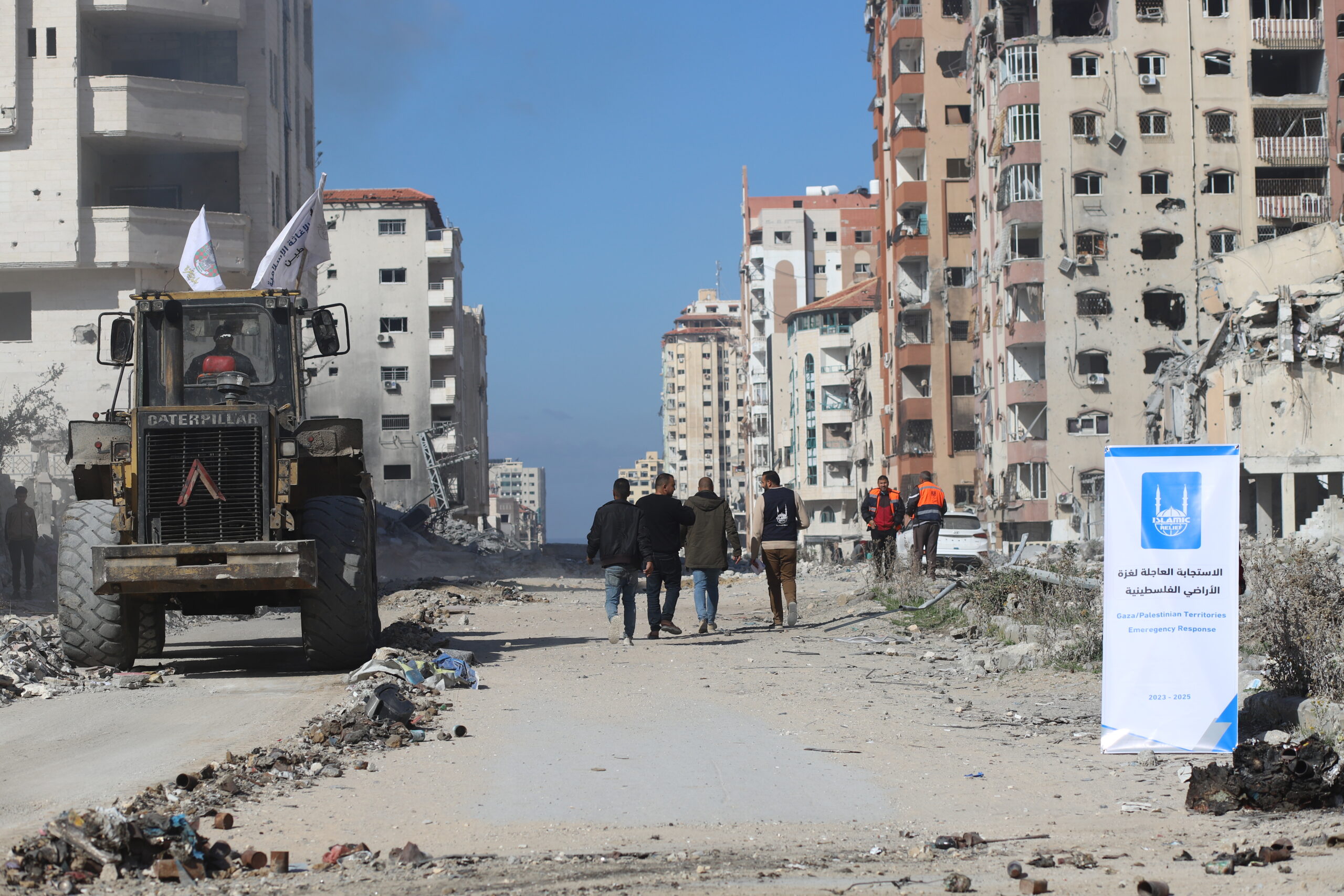
Displaced from Gaza and now living in another country in the Middle East, Islamic Relief’s Mariam* continues working tirelessly to support vulnerable people back home in Gaza, including her colleagues, who are facing incredible hardship. This World Humanitarian Day, we pay tribute to humanitarian workers doing all they can to support the people of Gaza. 

Mariam carries the weight of 2 wars.  

By day, she documents Gaza’s collapse in stark statistics: 90% of the population displaced, often multiple times; 71,000 children under 5 years old acutely malnourished, and critically, over 100 confirmed deaths from malnutrition so far – deaths that include children under 5. and no hospitals in North Gaza functioning as they either have been destroyed or forced to cease operations.  

By night, she counts personal losses: How many days since she last heard from her brother in northern Gaza, how long it’s been since her husband – also still in Gaza – last ate, how many nights she’s spent lying awake worrying about her sister and family. 

Since Mariam left Gaza 16 months ago, 2 phones are her tether to home. While a work device blinks with constant reports from colleagues, her personal phone holds precious voice notes from her husband. 

“This is my reality now, supporting and monitoring food distributions while wondering if my husband ate today,” says Mariam, who has been working for Islamic Relief for 16 years.  

“I review reports of infants starving to death in northern Gaza, then make breakfast for my own children.” 

When the helpers need help 

Now displaced and still supporting Islamic Relief’s response remotely, Mariam embodies both the extraordinary strength and impossible choices facing Palestinian aid workers.  

“My colleagues who are still in Gaza work under bombs with no safe place to sleep. All of them have been displaced – most more than once – yet they continue their work. I sit here with a roof and running water, supporting their efforts remotely. But we hold our breath every day until we know they are safe. We try to take as much workload off them as possible, even though we are under pressure ourselves, because we know they are working under unimaginable conditions. They are exhausted, traumatised, yet still show up every single day. How can I not do the same?”  

Over 483 aid workers, including 326 UN staff, have been killed in Gaza since October 2023. Mariam recounts an attack on a UN school sheltering displaced families – one of numerous such incidents targeting civilian shelters this year. In July this year, 3 staff members from Human Appeal were killed while doing their job.  

“That could have easily been one of us”, Mariam says. “I was working inside Gaza under the same risks, moving between distribution points and shelters, fully aware that any moment could be my last. The only difference between me and those we lost is chance. 

“This isn’t collateral damage, it is targeted,” Mariam adds. Among those killed were colleagues she once worked closely with, people she considered friends. One was Aseel Khudr, a nurse who lost her life while treating patients at Al-Sahaba Medical Centre. Another was a healthcare worker at an organisation Islamic Relief partners with, killed while fulfilling their humanitarian duty. 

The statistics Mariam monitors tell the story of Gaza’s collapse as a result of Israel’s systematic and deliberate destruction of everything people need for survival. Even after Israel allowed aid into Gaza in July, only 40% of UN-led convoys were completed. The rest were either denied or impeded by Israeli forces or suspended due to insecurity. 2 million people – almost everyone in Gaza – face acute food insecurity. People have been gunned down and bombed while trying to get food, with over 1,239 civilians killed and more than 8,152 wounded while seeking humanitarian assistance since May 2025. 

But numbers alone can’t capture what it means to deliver aid when the rules of war are being completely ignored with impunity. 

The women keeping Gaza alive 

What sustains Mariam is the women of Gaza — the doctors performing surgeries by the light of their phones, the teachers holding lessons in bombed-out buildings, the mothers inventing ways to stretch a cup of flour into 3 meals. She describes colleagues who spend mornings documenting war crimes and afternoons searching for firewood. 

“Before this war, we had washing machines, universities, and cinemas,” Mariam says. “Now, women wash clothes in sewage-contaminated water and teach maths in rubble.”  

Mariam pushes back against the stereotype that Palestinian women are somehow ‘used to’ hardship – that’s simply not true. “People looking from the outside might think we had lived like this all our lives, but in reality, [since October 2023] we have had to reinvent everything just to survive.” 

Mariam shares the story of Fatema, a graduate of Islamic Relief’s Orphan Sponsorship Program, who is now an aid worker herself.  

“I first met her when she was 12, when I was starting my own career. She was bright, writing poetry despite losing both parents,” Mariam says. “Years later, she joined our team.”  

Fatema’s husband and son were killed in an airstrike while she was at work.  

“When I saw her on TV crying, holding the toy she just bought for her son, my heart broke into pieces. Later, I learned she went back to work, with even more determination, because somehow, she didn’t let it break her. For me, she is the true meaning of strength and dignity in the middle of so much pain. Whenever I feel like giving in to exhaustion or despair, I think of her, and she reminds me why we keep going. 

What acting for humanity really requires 

For Mariam, this World Humanitarian Day’s slogan, #ActForHumanity, isn’t just a hashtag, but a daily practice with concrete demands: 

First, stop the weapons fuelling this catastrophe. “No more ‘deep concern’ statements while bombs keep falling. We need enforceable arms embargoes now.” 

Second, pressure Israel to end its blockade and guarantee unfettered aid access. “Every day our convoys are blocked means more children like Fatema’s son are buried in mass graves.” 

Right now, people are starving, drinking polluted water, and dying, not just from bombs but from hunger and preventable diseases. No hashtag can replace trucks filled with food, medicine, and fuel. Nor can it rebuild the homes, schools, and hospitals, reduced to rubble. 

Mariam adds that “acting for humanity also means seeing us as people, not numbers. For Gaza, it means listening to communities, respecting their dignity, and ensuring aid reaches the most vulnerable, in a fair and dignified way. It also means holding those who violate humanitarian law accountable, because silence in the face of this suffering is complicity.” 

And finally, she says, remember the displaced. “Whether in neighbouring countries or elsewhere, many Palestinians outside of Gaza are living without residency rights, school access, and healthcare. Survival shouldn’t be the endpoint of dignity.” And for those forced to flee Gaza, the right to return must never be forgotten.  

On World Humanitarian Day, Mariam hopes her message cuts through the noise: because true solidarity means showing up, not just when it is trending, but when it is terrifying and the world looks away.  

Islamic Relief continues delivering lifesaving aid in Gaza against almost-impossible odds. Support our Palestine Emergency Appeal today. 

*Name has been changed to protect confidentiality 


STAY INFORMED

  • This field is for validation purposes and should be left unchanged.

Quick Donate