The future of Albania is hanging by a thread. Astronomical cost of living, widespread corruption, a massive earthquake and the aftermath of a global pandemic have driven people out of the country in droves. And, with winter coming, mass emigration is only looking to increase as citizens struggle to find work and enough food to feed their families.
Since the fall of communism in 1991, nearly 40% of Albania’s population has left the country, heading for countries like Greece, Italy, Germany, the Nordic countries, the UK and the US. Many Albanian cities, towns and villages that used to be bustling with stable economies are now becoming ghost towns. Kukësi in the north of Albania has seen more than 53% of its citizens leave. The cities of Shkodra, Fieri, Durrësi and Vlorë have each lost more than 15% of their population in the past ten years. Villages, in particular, have seen massive numbers leave, from Narta in the south to Zogaj in the north.
Photo: Empty and rundown houses and streets line the cities of Albania. Islamic Relief is delivering urgent aid and essential items to those in need.
The Albanian government provides little support
Throughout the years, the government has offered very little support for people who were struggling. More and more of Albania’s population are below the poverty line, as costs and inflation, particularly with respect to food, electricity, oil and gas, continue to rise. Even as hundreds of people were injured, killed and left homeless from a mass earthquake in 2019, corruption and nepotism within the country have left limited domestic aid for the Albanian population during times of crisis.
Likewise, property rights in Albania are also extremely precarious and are a major cause of economic and social strife in the country. Through legal loopholes or political connections, the state can claim any land back or destroy any investment in the land without much notice. People are having to pay bribes to keep their property. Organised crime, corruption and loan sharking have flourished. And European companies are not investing in Albania because of these issues surrounding land.
With the lack of local and international government investment to invest in alternative industries, many people are without jobs and the younger generation leaving as they see no future here. Albanians have lost hope that things will get better any time soon. Many educated and ambitious Albanians are looking for a better life elsewhere, while those too poor to move are left to bear the brunt of Albania’s spiralling economy and a sombre winter.
Winter has pushed the world’s most vulnerable people to the brink of survival
This winter, many of the world’s most vulnerable people will be pushed to the edge of survival. In our mission to alleviate suffering from the poor and needy, Islamic Relief Australia is providing over 72,000 winter kits, packed with essential survival items, and supporting over 455,000 people this winter season. With our Winter Appeal, we aim to provide a lifeline for thousands of families in 17 countries, including Albania, where mother-of-3 Valbona lives with her parents.
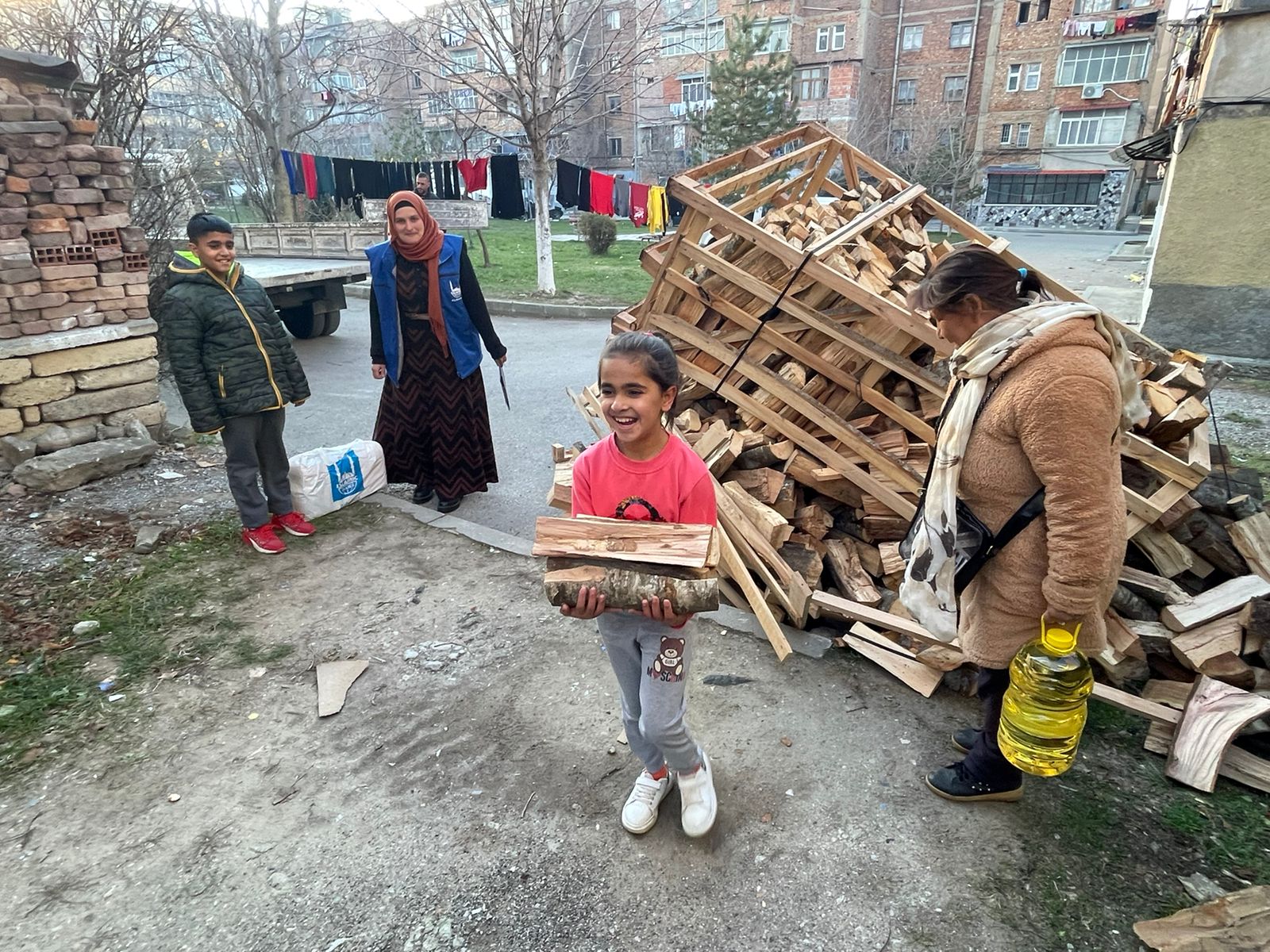
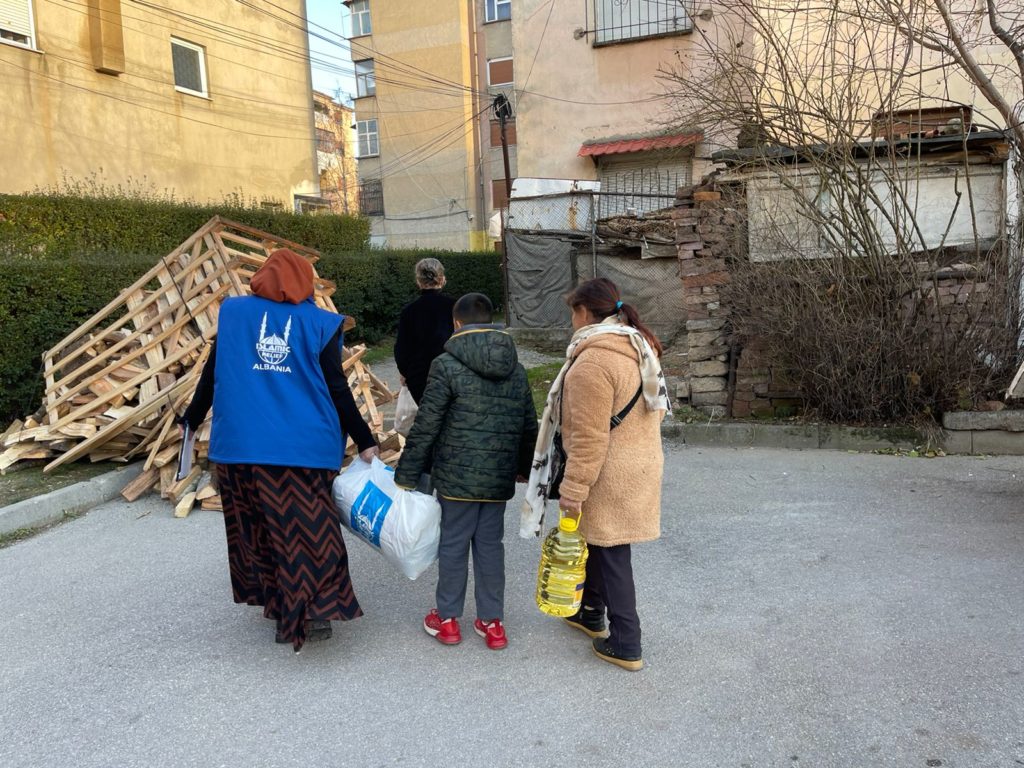
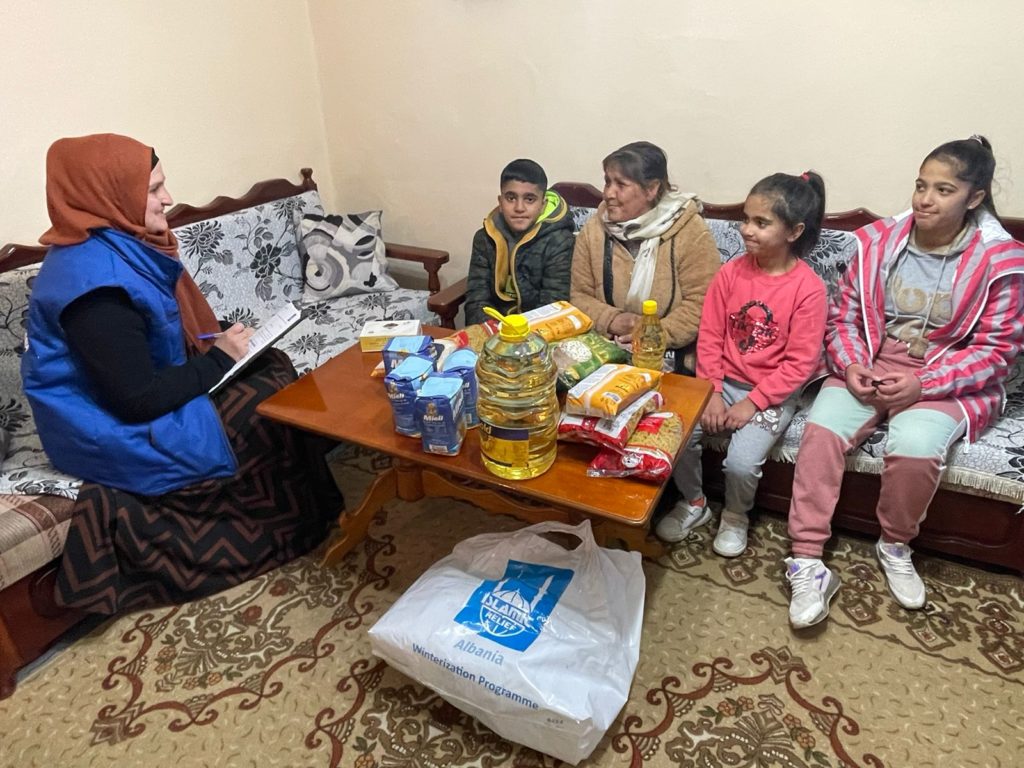
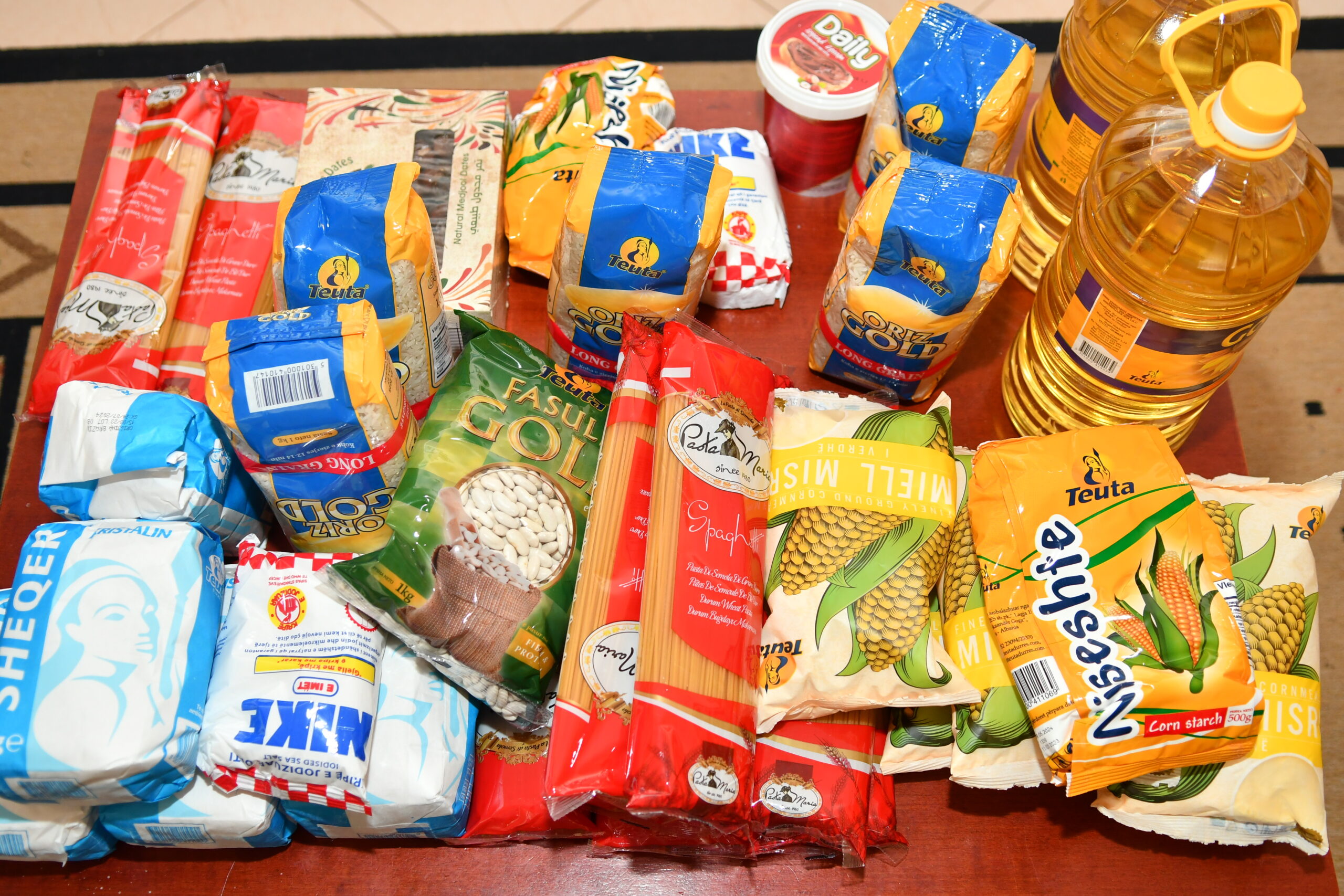
Photo: Islamic Relief is providing families like Valbona’s with enough food, warm clothes, blankets and essentials to last the harsh winter in Albania.
“We face challenges with warmth, food, and shelter,” says 33-year-old Valbona, who has been struggling to provide for her children. “Every morning I wake up to prepare food, and sometimes I do not eat myself because there is not enough food for all of us. There is a social centre where the children can sometimes get lunch.
“We had to move into my parent’s home as I can’t afford to live in a rented house. Now, we share 2 small rooms between 6 family members. As my children grow, they need stationery, clothes, and food which I can’t provide as I don’t have a job.
“My children and I do not receive any orphan-related support from the state, nor do we get any social assistance for being unemployed. The only consistent income we get is my mother’s 90 Euro disability assistance. My mother also sells some crafts, handmade products like socks, on the street, despite her health not being good.”
“I was scared about this winter, but now our home can be warm”
Last winter, Valbona was desperately worried for her family – until Islamic Relief stepped in.
“The only help my family has received is from Islamic Relief. Before we got the wood for heating, I was scared about this winter, but now our home can be warm. Feeling warmth during the long, dark winter is a joy.
“My family and I are very happy. We have been in need, and you have supported us. I don’t have enough words to express what the food and wood distribution means to us. I don’t have to worry for a month, and I can save money for medicines for my children.
“We would like to express our deep gratitude to all the donors, and pray for your health, happiness, and success in everything. May your kindness and generosity return to you a hundredfold, may your strength and energy grow, and may your hopes become a reality.”
Help us save lives from the harsh winter cold
We are providing winter survival essentials to vulnerable people in need. Please help people like Valbona and her family survive this season: give generously to our Winter Appeal.
In Nepal, winter marks a season of further suffering within a country with low economic prospects, hard-to-reach areas, natural disasters and severe underemployment.
Of the people living in Nepal, 25 per cent are living below the poverty line. High food prices, earthquakes, unemployment and limited access to resources have left around 5 million people in Nepal undernourished and devastated. People are out of homes, children are dying and women are becoming more vulnerable to gender-based crimes.
During winter, the effects of Nepal’s poor economy are especially pronounced. Nepal’s poor struggle with limited resources to survive the cold and hardly any access to health care. Their children often miss school because they don’t have proper warm clothes, leaving them vulnerable to serious cold weather-related illnesses. As a result, each year, these poor families in Nepal are unable to meet their basic needs nor protect their children and elderly from the elements.
Emergency aid is essential to their survival
Thanks to the generosity and kindness of our supporters, Islamic Relief is delivering vital items to 455,000 vulnerable people to help them survive the harsh winter weather. Among them are people like Suggani Nesha, 73, who faces a bleak winter in Nepal.
“My husband and I get some money from the social security fund from the government which helps us survive,” says Suggani. “We also work as labourers to earn money when we can.
“We own a small piece of land near a riverbank, but we are unable to grow crops as flooding destroys our crops during the rainy season. We don’t have a proper home, we live in a hut which cannot protect us from the cold, wind, or rain.”
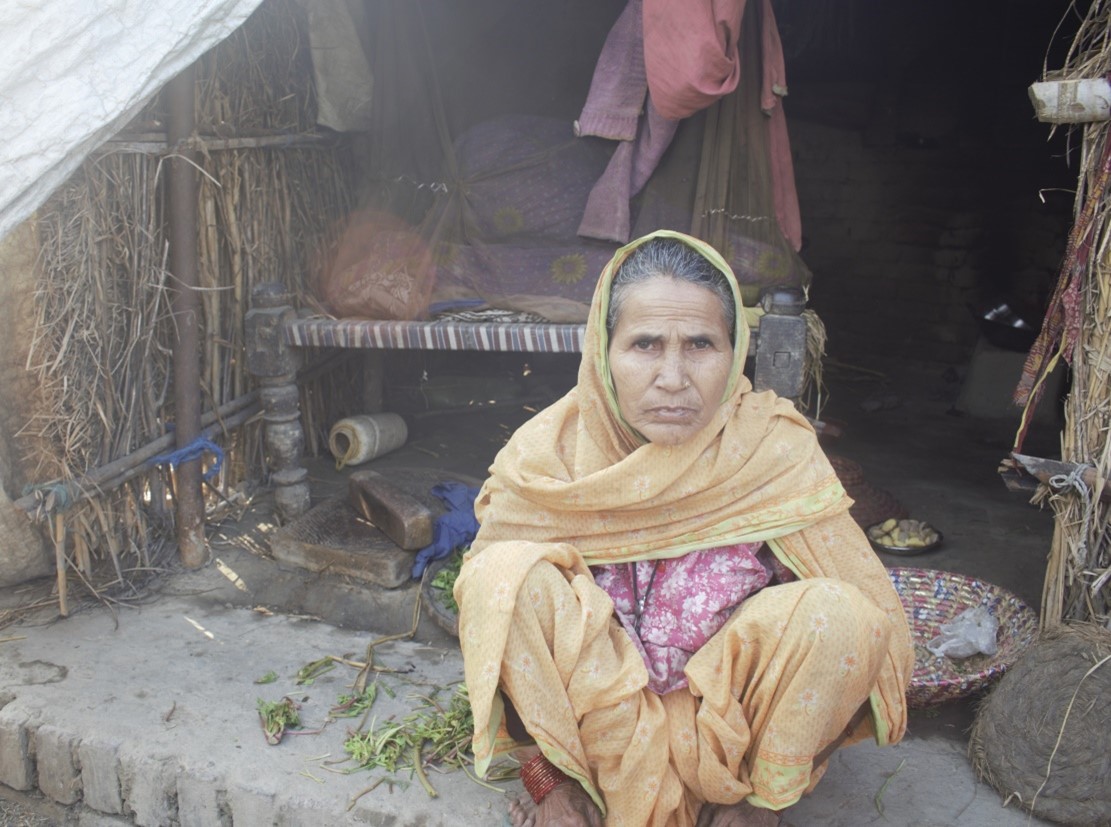
Photo: Poor families in Nepal like Suggani’s struggle and are in desperate need of international aid during the cold winter months.
The older couple’s lives become even more difficult when temperatures plummet in winter.
“During the winter our life gets very hard due to the extreme cold. We cannot wake up early and work outside. We spend time in our hut, we light a fire in the nearby field to help warm our bodies. As we have grown old the winters have become hard for us. Winter is an enemy for people in their old age like us: we get sick, and our lives become more painful than normal.”
“Winter has become our enemy, but Islamic Relief is our friend”
The winter survival items the couple received from Islamic Relief last year made a big difference, Suggani says.
“The support we got from Islamic Relief helps poor people like us. We would not be able to afford such good quality winter kit, we can now have warm water and sleep in a warm bed. I would like to say thanks to all the people supporting us.”
This winter, more people than ever before are in desperate need. Islamic Relief is working tirelessly to ease their suffering by distributing vital winter survival items to vulnerable families in 17 countries.
Help people like Suggani survive this cold winter season
The changing of the seasons can be challenging for all of us, especially the most vulnerable among us. With energy and food prices rocketing, more and more people have been pushed into poverty.
The United Nations has estimated that, since the pandemic, an additional 75 million people may have been pushed into living in extreme poverty by the end of the year. The overall number of people living in extreme poverty could reach 800 million this year. For these people, winter’s plummeting temperatures and harsh weather mean an ever-greater struggle for survival.
However, there is hope. Last year, through your generous support, Islamic Relief provided winter kits to more than 435,000 people in 17 countries. Kits contain vital survival items such as warm clothes, blankets, and heaters. Support and donate to the winter appeal to help vulnerable families stay warm as they make their way through harsh winter months.
Help us save lives from the harsh Winter cold
This winter, you can be a lifeline for vulnerable families. By giving to our Winter Appeal, you are helping people in countries like Nepal pushed to the brink of survival. Please donate today.
As the first winter showers hit the Gaza Strip, Palestinian families are struggling to keep themselves warm and gain access to essential aid and resources.
In Gaza, the advent of winter marks a season of infrastructure problems, rainwater flooding and massive power cuts. Per day, people receive just 40 per cent of required power as a result of the city power plant’s inability to operate at full capacity due to a lack of fuel, placing the continuation of basic essential services at risk.
This, combined with the lack of funding and successive sieges that have further worn-out the infrastructure of houses and buildings within the Gaza Strip, has left Palestinians suffering through another winter season.
Palestine needs external aid to survive the winter weather
Islamic Relief teams are on the ground in the Gaza Strip, distributing survival items to help more than 455,000 vulnerable people get through the harsh winter season. The intervention is assisting people like Yasser, who lives in the Occupied Palestinian Territory.
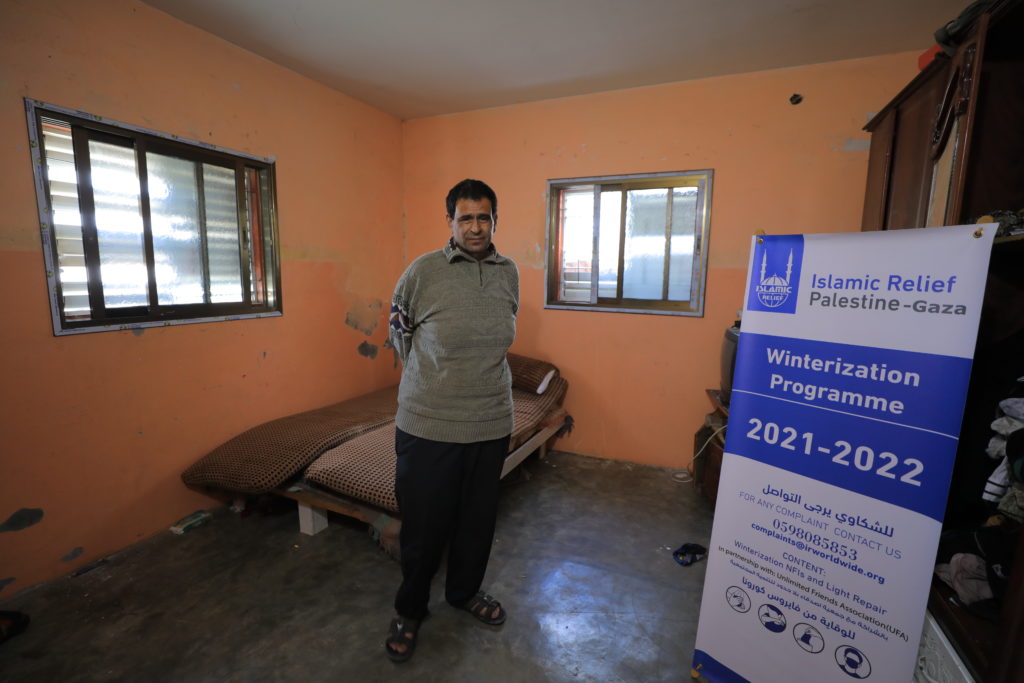
Photo: Like many people living within the Occupied Palestinian Territory, Yasser and his family have suffered through successive winters struggling to stay warm without enough winter essentials and winter-proof housing.
“I have a heart condition, so I am not able to work and therefore we rely on social affairs and other aid to survive,” says Yasser, who lives with his wife and 5 children in a dangerously dilapidated house in Gaza.
“It has been hard living in my house. It didn’t have windows or doors and we were even afraid to move around the house as the ceiling could fall. There were too many cracks in it, this made us suffer from the extreme heat in the summer and the cold in the winter.”
Wintry weather meant more misery for the family
“My family always suffers a lot in the winter. Cold air comes in everywhere, and when it rained the whole house would flood. I would spend the night moving around, making sure my children would stay warm. During the daytime, I would move from one hospital to another to get treatment for my children who got ill during the winter due to their poor immune systems.”
It was a worrying, exhausting way to live, Yasser adds, “This has made me so tired and worried and makes me feel sad for my children.”
But thanks to Islamic Relief, the father-of-5 was able to improve his family’s living conditions.
“I was so worried for my children: thank God for Islamic Relief’s winter assistance.”
Yasser says: “Thank God for Islamic Relief’s winterisation project: it has allowed me to buy the tools needed for the house. Before I only had 3 mattresses between a family of 8, and now we have enough mattresses and blankets for all of us.
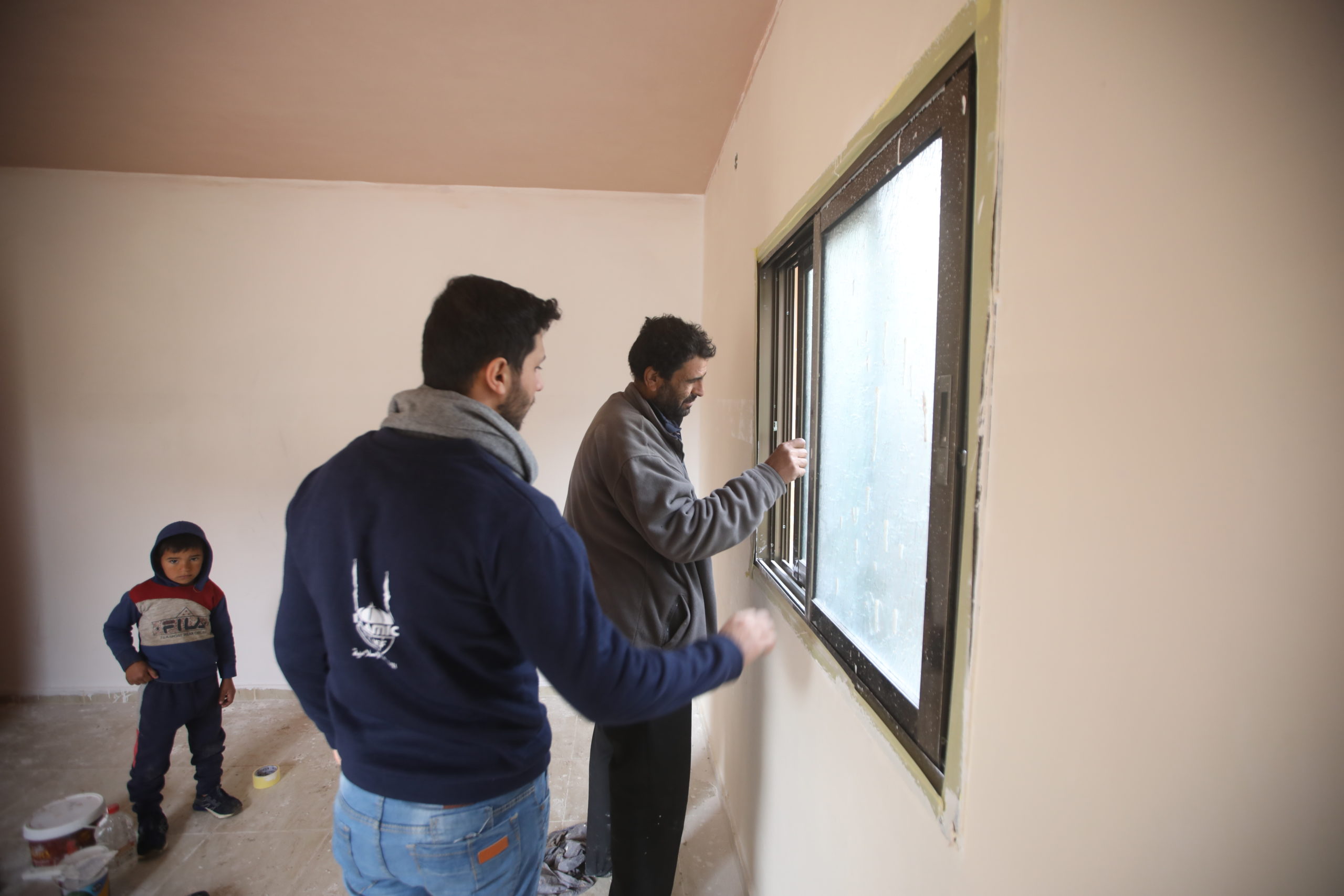
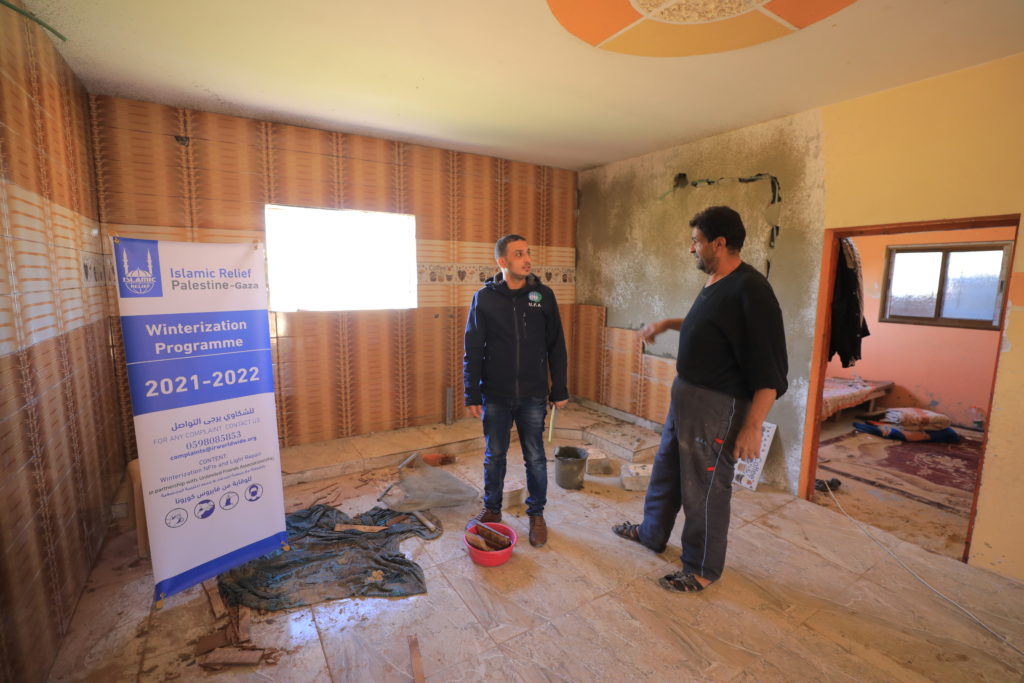
“Thank God, they have installed windows and doors, and worked on tiling the floor and repairing the cracks in the wall. I am optimistic that this winter my children will not drown from the rainwater flooding our home as they sleep.
“Through the Islamic Relief project, we were able to make so many repairs which will make our lives better this winter.”
Photo: Islamic Relief is working with people like Yasser to provide their families with winter-proof housing to help them stay safe and warm through a season of harsh cold weather.
You could change the lives of more families like Yasser’s
Imagine the fear and feeling of helplessness that would grip you as bombs fall on your neighbourhood, while you struggled to find enough food and medicine for your family in harsh cold weather.
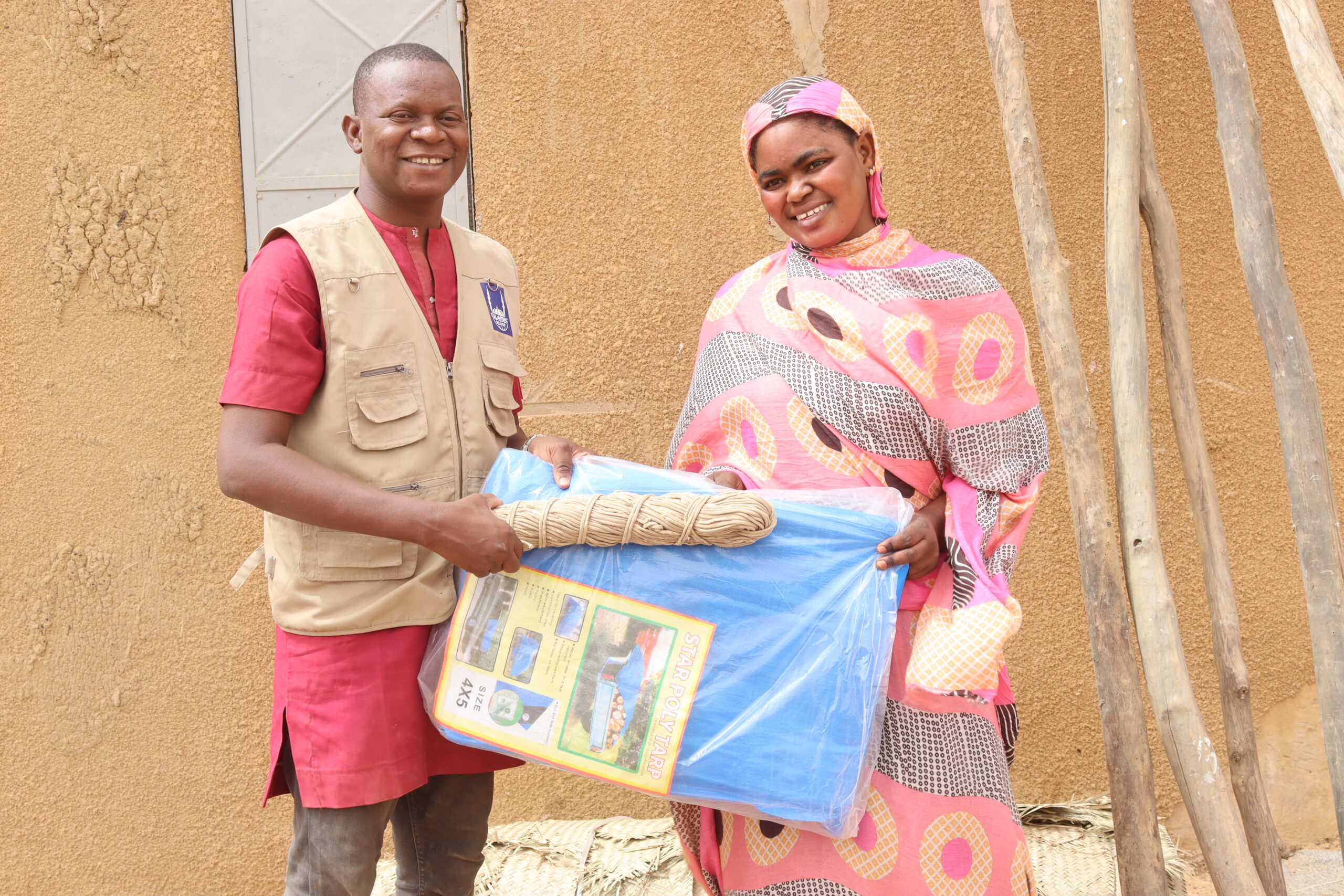
Islamic Relief Australia is helping vulnerable families in 17 countries to survive the harsh winter elements. In worst-hit regions like the Gaza Strip in Palestine, Islamic Relief is on the ground, delivering food packs, blankets, mattresses, winter clothes and other heating items to those who need them most.
Your donation would give fathers like Yasser the basic essentials and proper housing infrastructure he needs to help his family stay warm this winter. Ensure that they get the relief they need by showing your support.
Keep someone warm this winter appeal
Support and donate to the winter appeal to help vulnerable families stay warm as they make their way through harsh winter months.
Islamic Relief has a long and ongoing commitment to the Rohingya and the host communities in Cox’s Bazar.
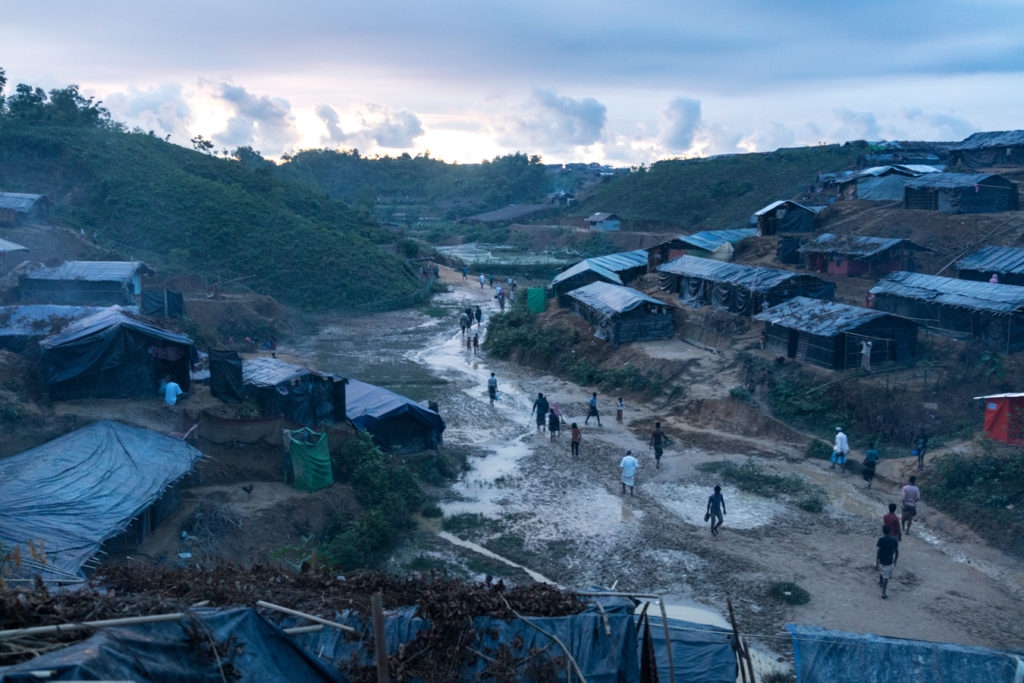
Through the torment of fleeing their homeland, to fires and floods, we have stood side by side with them. Since Cox’s Bazar is the largest refugee camp in the world and now has a population of more than 1 million, this support is desperately needed.
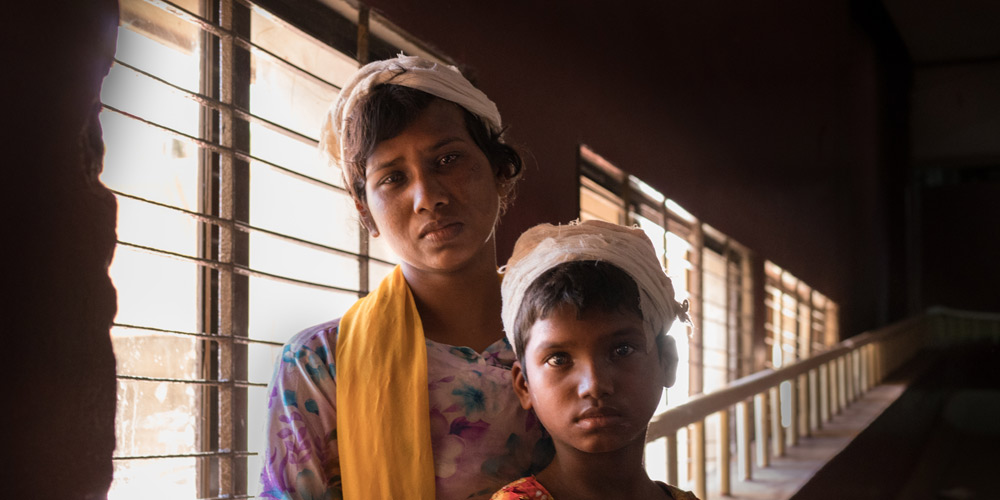
Photo: Cox Bazar is the largest refugee camp in the world.
The Islamic Relief family is uniquely placed to help them over the long term. Islamic Relief Bangladesh has a satellite office in Cox’s Bazar, so we’re on the ground with the people. When disasters occur, Islamic Relief can mobilize quickly and effectively. So, when a massive fire broke out in Ukhiya Camp in Cox’s Bazar, burning more than 50 000 shelters, Islamic Relief was there to help.
Many residents of the camp took temporary shelter in nearby camps and adjacent areas where WASH, shelter and food crisis were already a problem.
The UN World Food Program and other agencies responded with government agencies, but this was not enough to meet all needs.
People had severe needs for non-food items, WASH facilities, emergency shelters and food security. The Islamic Relief Family and Islamic Relief Bangladesh combined to create a comprehensive support package that includes all these elements.
Islamic Relief Australia was asked to help the shelter component rebuild homes safer and sturdier. Through you, our donors, we have responded to the call for shelter and rebuilt lost homes.
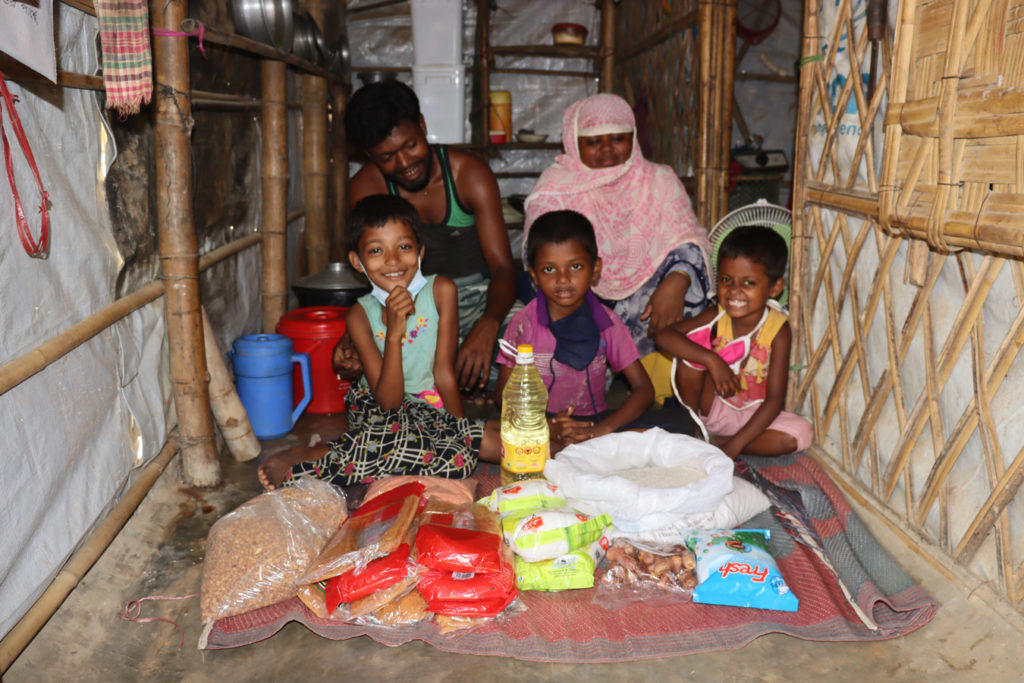
Photo: Family in the Cox Bazar refugee camp, supported by the Islamic Relief family.
Islamic Relief Australia’s shelter intervention led to 2726 individuals having greater access to safe and appropriate shelters in host communities and the Rohingya makeshifts. IRAUS supported the following:
Permanent Shelters (Refugee community)
Permanent Shelters (Host community)
Disaster Risk Reduction (DRR)
Small Scale DRR activities to strengthen shelter sites
How to help Rohinya families in Cox’s Bazar refugee camp
Donations will help provide funding for building a more robust, safe, and durable permanent shelters that are long-lasting.
COVID-19 has been a major disruptor of our lives. Millions of people have lost their lives and loved ones; families have been separated and livelihoods lost. Yet this disruption has not been alike for any two people or communities. The pandemic has particularly impacted those living in poverty, struggling with drought, famine or in war-torn situations. It has also impacted humanitarian relief and rehabilitation work for communities impacted by disasters.
But the Islamic cultural, spiritual and theological dimensions offer Muslims myriad ways of coping. One of the most in-visible impact of this has been the centre-place of philanthropic giving during this pandemic. But what is Islamic philanthropy? Why is it different from other forms of philanthropy?
In a largely divisive world driven by Islamophobia, the narrative has largely been of extremist violence. While Islam rejects all forms of violence and Prophetic wisdom, underpinned by Divine decree, urges all Muslims to give part of their income and time in charity, this element of giving; built- in as a necessary pre-condition of faith, is not given its due. Islamic philanthropy embedded in the concepts of Zakat, Qurban, Ramadan giving and Sadaqah and every -day life and occurring is hardly even recognised for the scale and impact of its outreach.
In this paper, we look at the various components of Islamic Philanthropy and in particular its role in a pandemic hit world.
Zakat to aid humanitarian work
Today Zakat, the mandatory giving of a Muslim’s income in charity, is one of the largest pots for humanitarian work across the world. A study by the World Bank and the Islamic Research and Training Institute (IRTI) of the Islamic Development Bank (IDB) estimated global zakat fund reached $550 billion to $600 billion per year. In a paper titled Zakat for SDGs, the UN bodies evaluate that close to one trillion dollars collected as Zakat can be utilised to help communities from hunger and poverty and provide humanitarian assistance.
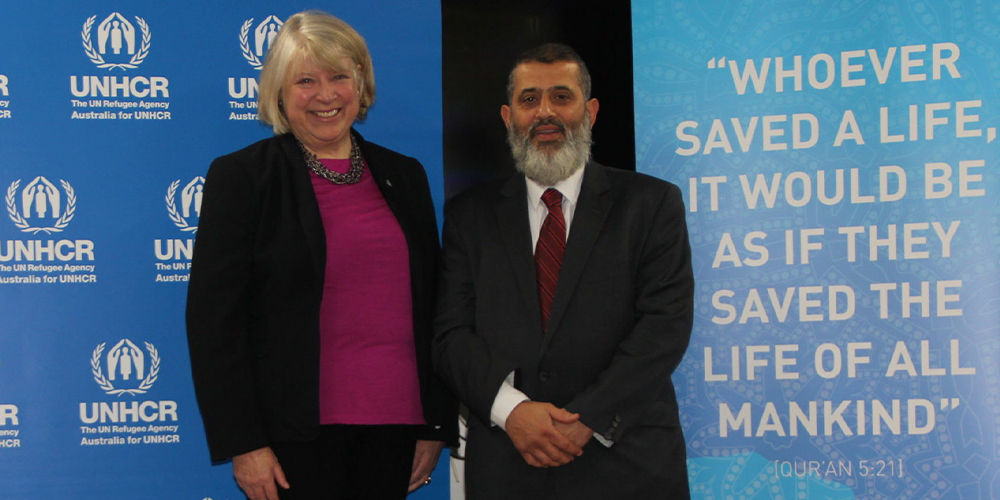
Islamic Relief Australia has recently partnered with Australia for UNHCR to support refugees across the world. Similar partnerships exists with UNICEF for supporting Maternal and Child health programs in the Pacific. In Australia, partnerships with local organisations has helped reach some of the most under-privileged and crisis hit communities. Read more about our programs here.
We at Islamic Relief Australia believe that innovation, collaboration and partnerships are the way forward in a world mired by inequalities, conflicts, disasters and ravaged by the COVID-19 pandemic that has tolled 5 million deaths and counting. Economies have been devastated, industries have collapsed and people’s livelihood are on the peril. Disasters ranging from floods to climate induced famines, droughts and military occupations, and the rise of extremist forces have taken thousands as collaterals.
Almost every metric of the sustainable development goals seems far from its target, as regions across the world are plunged in conflict, war, droughts, floods and COVID-19. Resources are stretched and accessibility, magnitude as well as frequency determine where work is taken up.
Islamic Philanthropy for the poorest
Islamic Relief Australia is a decade old humanitarian organisation that works with communities living in war zones, civilians suffering from government excesses, people affected by internal displacement, poverty, and ill-health. In Lebanon, Gaza and Yemen, it works with internally displaced people, suffering from decades of protracted war and destitution through emergency relief and development programs. In Afghanistan, Indonesia and Pakistan, the focus is on relief and programs for Water, Sanitation and Hygiene. In Africa, it supports the poorest for food, nutrition and water. It supports Rohingya refugees in Bangladesh and refugees in Lebanon and communities affected by Bushfires and COVID-19 in Australia. The focus; leveraging the principles of Islamic teachings through innovative programs, to reach the under-served through partnerships and collaborations to build lives, livelihoods and futures. Read about our work.
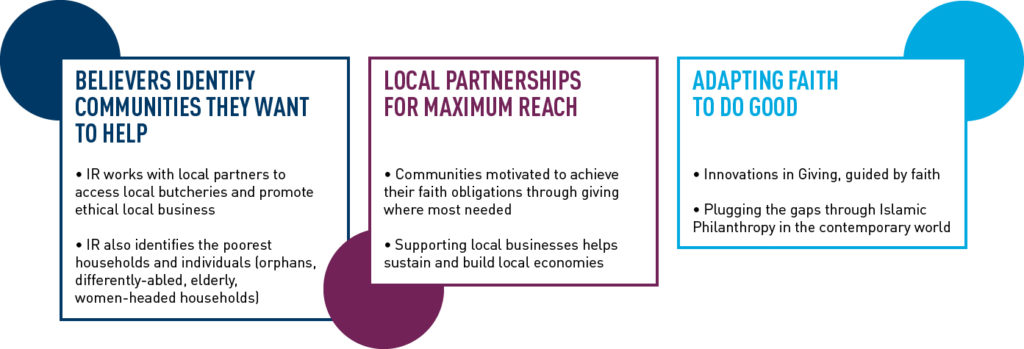
Islamic philanthropy, embraced by Islamic Relief Australia, encapsulates faith-driven giving. It is built on a community of believers and supporters who follow and identify with Islamic Relief Australia and its humanitarian and development projects across the world.
But what is the precedence to this belief?
Charity in Islam
In Arabic, charity means purity. Islam makes the practice of charity compulsory because it recognises the right of the poor in the wealth that God has bestowed upon the rich, and the practice of charity in Islam is not an act of benevolence carried by on the individual level but a compulsory tax collected to be spent on the poor.
Charitable foundations (Waqfs) and endowments are fundamental to the conceptualisation and manifestation of the Islamic faith. The institutionalisation of charity in Islam dominates every aspect of life, from as early as the 9th century. From animal welfare to foundations set up for women, pre-modern Islamic societies developed creative mechanisms to cultivate an atmosphere of inclusion and belonging for those on the margins of society.
Islam encourages charitable actions on a daily basis through a myriad of practices, ranging from very easy and simple to grand and socially transformational, such as speaking out against injustice. Furthermore, charity is codified in the Islamic calendar during various days, nights, weeks, and even months.
The principle of charitable giving is also central to early childhood education, where the believer is obligated to instruct their child in generosity and charity. In Islam, from birth throughout a person’s lifespan, charitable giving fashions a person’s daily, nightly, and monthly routine. Even the body itself is included in the expectation of charitable giving, for the Islamic faith and tradition encourage a person to engage all their bodily limbs in charitable acts.
Many believe the encompassing atmosphere of charity insulates the community from the blows of natural calamities, while allowing for the exchange of material blessings between various members, which increases feelings of community and brotherhood.
While this paper is limited in its exploration of Islamic philanthropy as a social institution, here is an article that is a fascinating read on the subject.
Adapting to New Norms
In a pioneering paper that looks at Islamic ethics and responses to the COVID-19 pandemic[1], the author looks at the Islamic normative tradition with regard to the pandemic situations in the past. An example of this is the mention of plague as a mercy of God, and specific guidelines to self-isolate and cleanse. Islamic ethical discussions often include recommended manners and etiquette that a Muslim should follow during the time of a plague.
While prayers and remembrance of God are a strong element of the faith, it is seen as an anchor for many striving with mental health issues, brought on by a lack of human interaction. In a cross-sectional study in Brazil this year, evidence shows that religiosity and spirituality (R/S) are highly used in critical moments of life and that these beliefs are associated with clinical outcomes.[2]
There are many examples of guidelines from the faith adapted to support communities. Take the example of Islamic charitable clinics that provide viable health access to destitute families in poor urban and rural areas in Indonesia. The community-based initiative, using Zakat resources, is without doubt a consequence of emerging interpretations of the meaning and functioning of Islamic aid in contemporary society. [3]
Islamic Relief’s Qurban, faith-based giving, is another unique example of the juxtaposition of faith and service to the poorest. A principle of faith that calls for the sacrifice of an animal that is to be served and shared in the community is a tool for poverty alleviation and supplementary nutrition for the neediest and brings economic benefits to the whole community. This is how it works.
Faith-based giving
The United Nations and the Islamic Development Bank recently launched an initiative to assist finance efforts to recover better as the world continues to grapple with the COVID-19 pandemic.
Coming at a time when the global health and economic crisis has pushed millions of people into extreme poverty, Islamic social financing has the potential to provide urgently needed support for poverty alleviation, economic recovery, pandemic response, and sustainable development. Take the case of Zakat; if applied systematically, it has the potential to become a fiscal policy instrument at the macroeconomic level, enhancing institutional capability in the social and welfare sectors. At the microeconomic level, its allocation to the needy serves income re-distribution, additionally reducing overall indebtedness.
Says Mr Abdulla Rahhal, Director Fundraising and Community Relations, Islamic Relief Australia, “During the past several years, we are witnessing a general increase in Islamic charitable giving, especially Zakat Al Mal, which has attracted many major charities to launch their own Zakat-focused fundraising appeals and programs.”
Islamic faith-based giving is based on the core framework of social justice and an ethical framing of the market system. For Islamic Relief, the root causes of inequalities and socio-economic injustices lie in the unequal distribution of wealth. Data indicates that the ever-widening gap in wealth distribution within and among nations influences access to resources. A research study done by the Agence France-Presse [1] indicates the unfair distribution of vaccine doses. With 16 per cent of the global population, people in high-income nations have received 47 per cent of all vaccine doses. That is in contrast to people in lower-income nations, who have gotten just 0.2 per cent of all vaccine doses, despite making up 9 per cent of the world’s population.
Islamic Financing for Moral Economy
The promotion of social justice is a common thread of many faiths, and Islamic Relief Australia operates on the understanding that Islam views social justice as setting out the balance of rights and obligations, and freedoms and responsibilities within a framework of equality and solidarity.
At the local, national and global level, promoting social justice translates to addressing inequities of wealth by creating sustainable futures, by investing in livelihood programs and building environmentally conscious communities. One of the tools offered to promote social justice is voluntary charity or Sadaqah (that is different from the obligatory nature of Zakat) which can be financial or deed-related. A critical element of this is charity for protecting human dignity, by encouraging “giving” discreetly.
The principle of Zakat institutionalises the rights of the poor and needy through the provision of a wealth distribution mechanism. While there has been significant interest in leveraging Islamic financing and opportunities, what has been missing is the interest and engagement with the moral and underlying ethos; social reforms that change the status quo and address the fundamentals of inequities.
At Islamic Relief, we believe that the achievement of SDGs requires the mobilisation of unprecedented resources, including monetary resources. The discussions on financing should not be limited to alternative sources of finance, but should also embrace alternative means of financing. Islamic financial mechanisms provide important lessons to achieve both.
Giving Trends on the Rise
With the COVID-19 pandemic worsening inequalities both between and within countries, the need for charitable funding has increased, necessitating the convergence of resources between different state, multilateral and charitable actors.
While many global development organisations have seen their income and fundraising efforts suffer due to the financial fallout from the COVID-19 pandemic, Islamic Relief finds itself in a different position.
The world’s largest Islamic charity has seen its income increase during the global crisis, largely driven by individual donors with a different perspective on giving, says Islamic Relief Australia Director of Fundraising, Mr. Abdulla Rahhal.
“Back in March last year, the COVID-19 pandemic was predicted to have a catastrophic impact on the charitable secto,r with many experts predicting a 30 to 40% drop in revenue from the 2019 levels. However, we have seen a strong uptake in charitable giving and, like many Islamic charities, we are reporting a 13% growth in our community fundraising income compared to 2019 levels.”
But there is a caveat here, while globally the numbers of disasters and humanitarian crises are on the rise, managing fundraising with a small team is a challenge. Accountability of donors’ giving is the top priority, and because all giving is project-related, administration overheads have to be really small. This effectively means small teams stretched for resources.
The Delta variant of the virus hit Australia late, and much of the data on giving is awaited. A report by Social Ventures Australia[1] (SVA) and the Centre for Social Impact (CSI) found many organisations in a vulnerable financial position, with retrenchment as high as 12 per cent. The same research indicated that while 44 per cent of charities have experienced increased demand for services during the coronavirus crisis, just 4 per cent have been able to increase revenue.
According to the Social Research Agency McCrindle, in the Australian Communities Report 2021, many Australians fear a fall in their giving status due to the prolonged hardships and losses incurred because of the new variant of the virus.
Faith-based giving is not new, but different times bring in different perspectives that reflect giving trends. While there is a large movement of giving among the millennials, it is mostly one-time giving. So while opportunity giving exists, the number of committed givers is on the decline.
“I think this is where faith has a big part to play. In Islam, one will say that you are not truly Muslim if you go with your stomach full when your neighbour is hungry,” Says CEO, Mr Walid Ali, Islamic Relief Australia, adding that people have seen the effects of lockdown and economic distress in their communities and around the world, and responded with generosity.
“We do rely on individual giving. Around 90% of our income comes from individuals. We have our committed donors who act out of faith,” he continues.
In conclusion, Islamic faith-based giving is embedded in faith that clearly delineates the roles of individuals in doing charity. It classifies the different tools and opportunities of giving, codified by law and enforces a framework of social justice and a moral economy, which addresses the unequal distribution of wealth.
While Islamic financing is increasingly being leveraged by others, who view it as a funding source, it is necessary for them to understand the underlying value and ethos of financing for social justice.
Across the world, certain communities continue to be more disadvantaged than others. The pandemic provides us with goals to focus funding needs of the poorest and most disempowered. The path ahead is through collaborative giving.
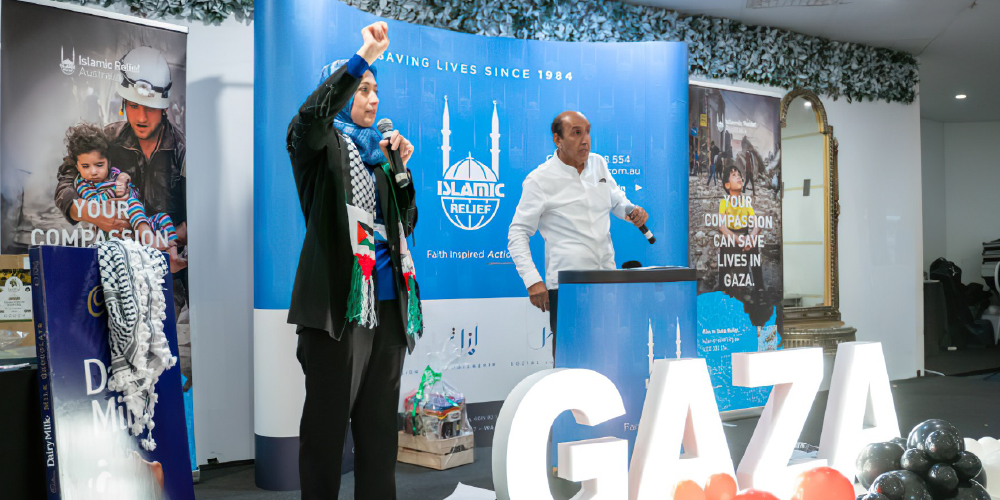
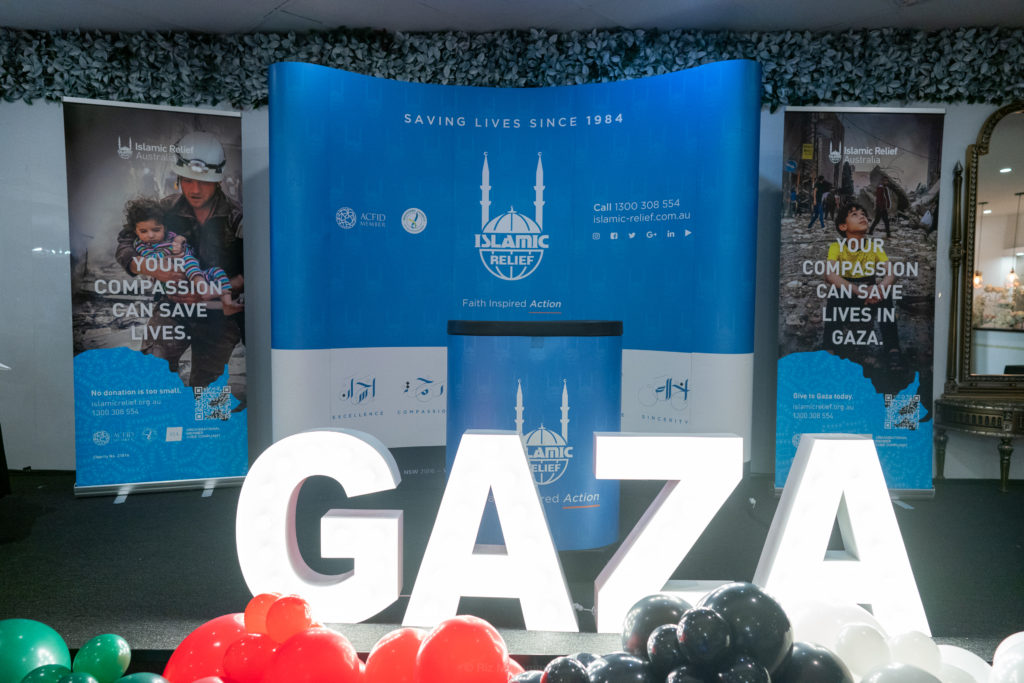
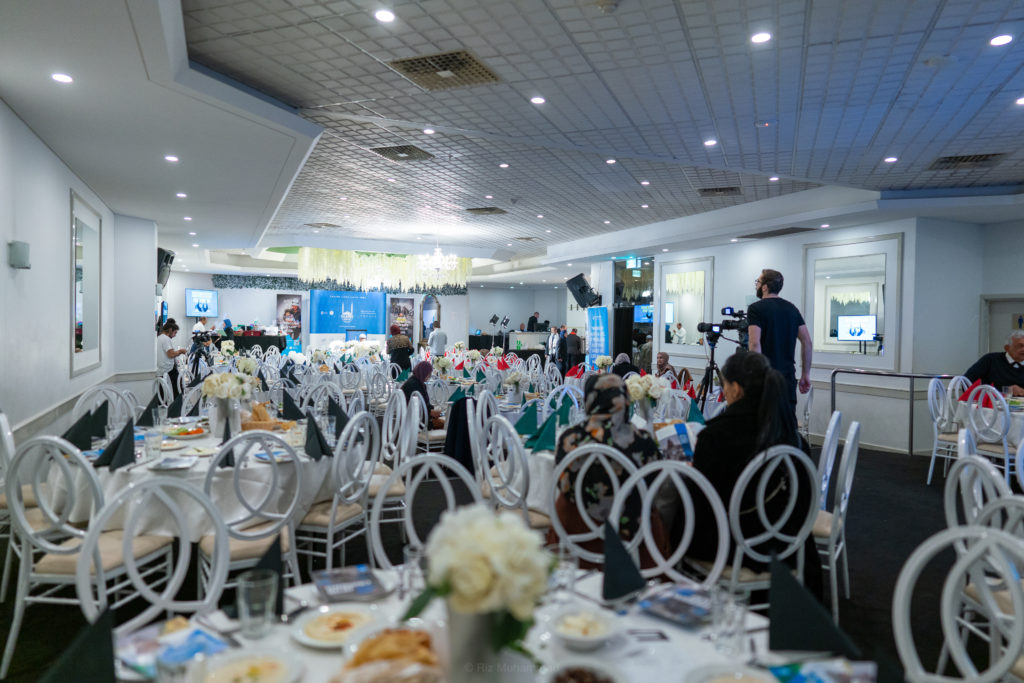
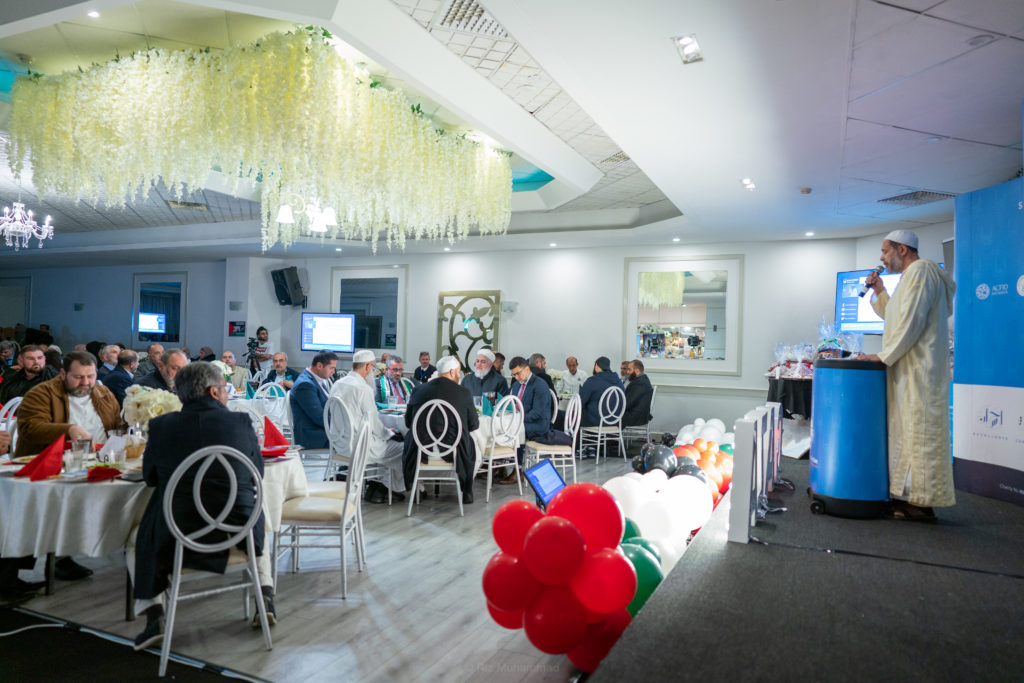
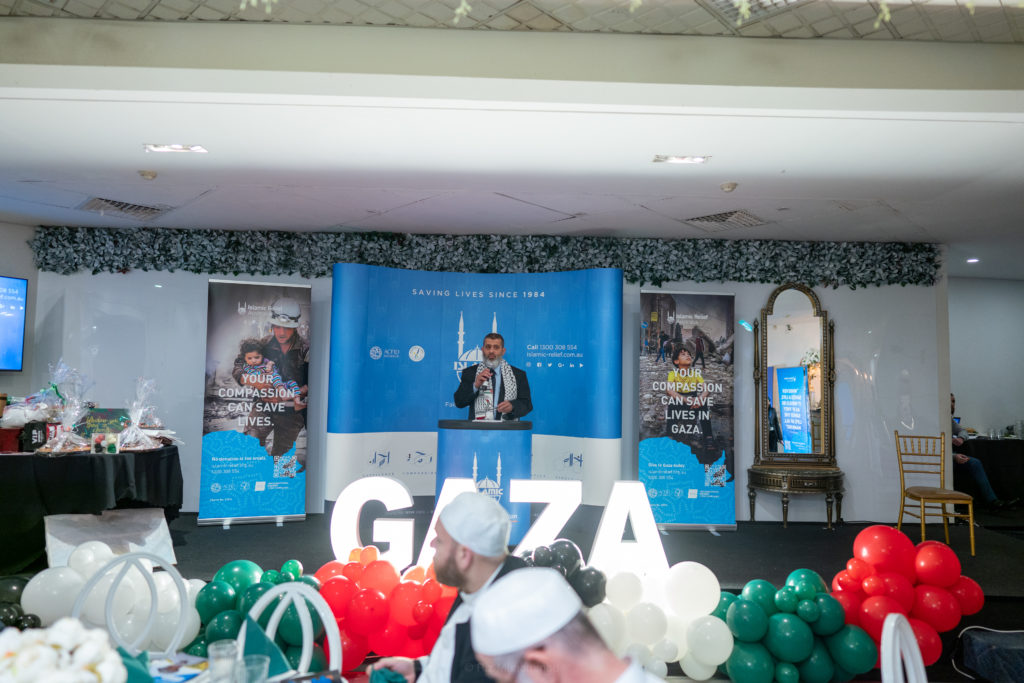
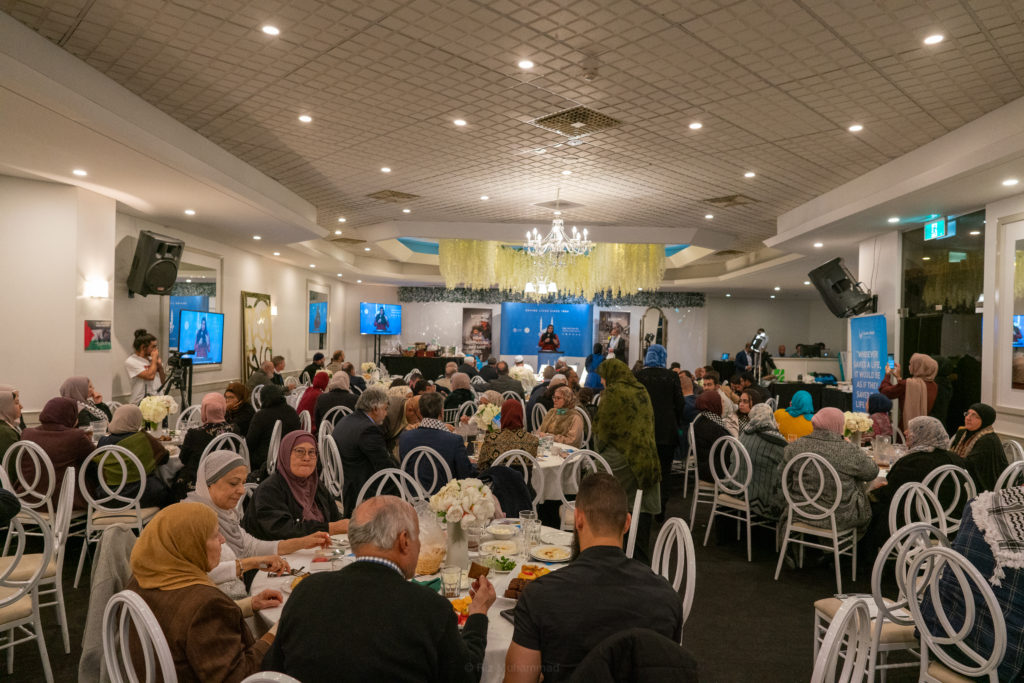
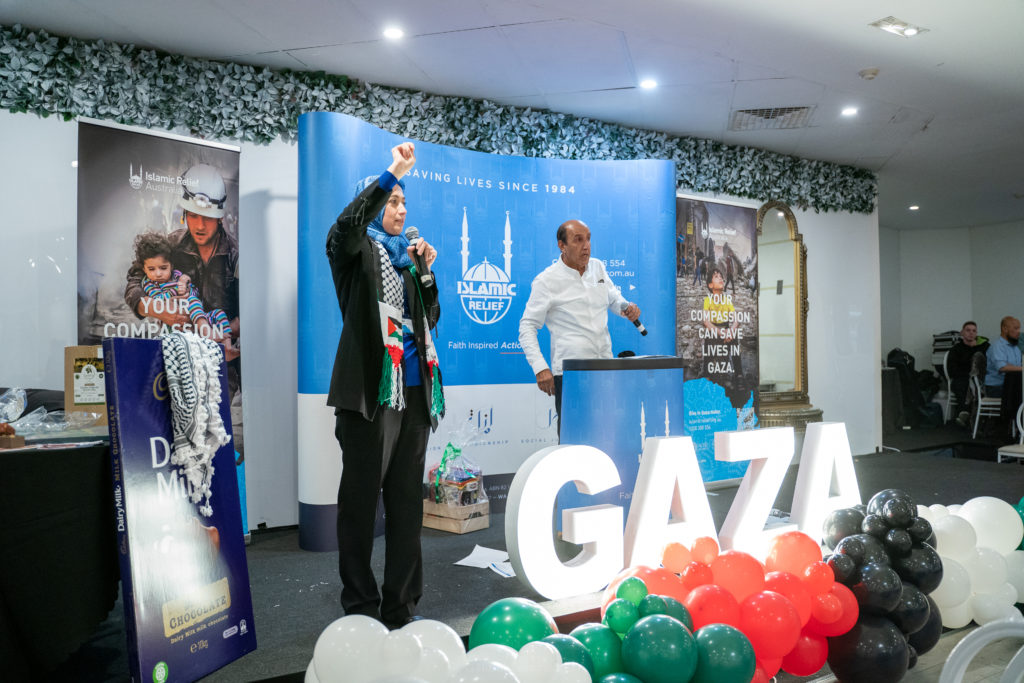
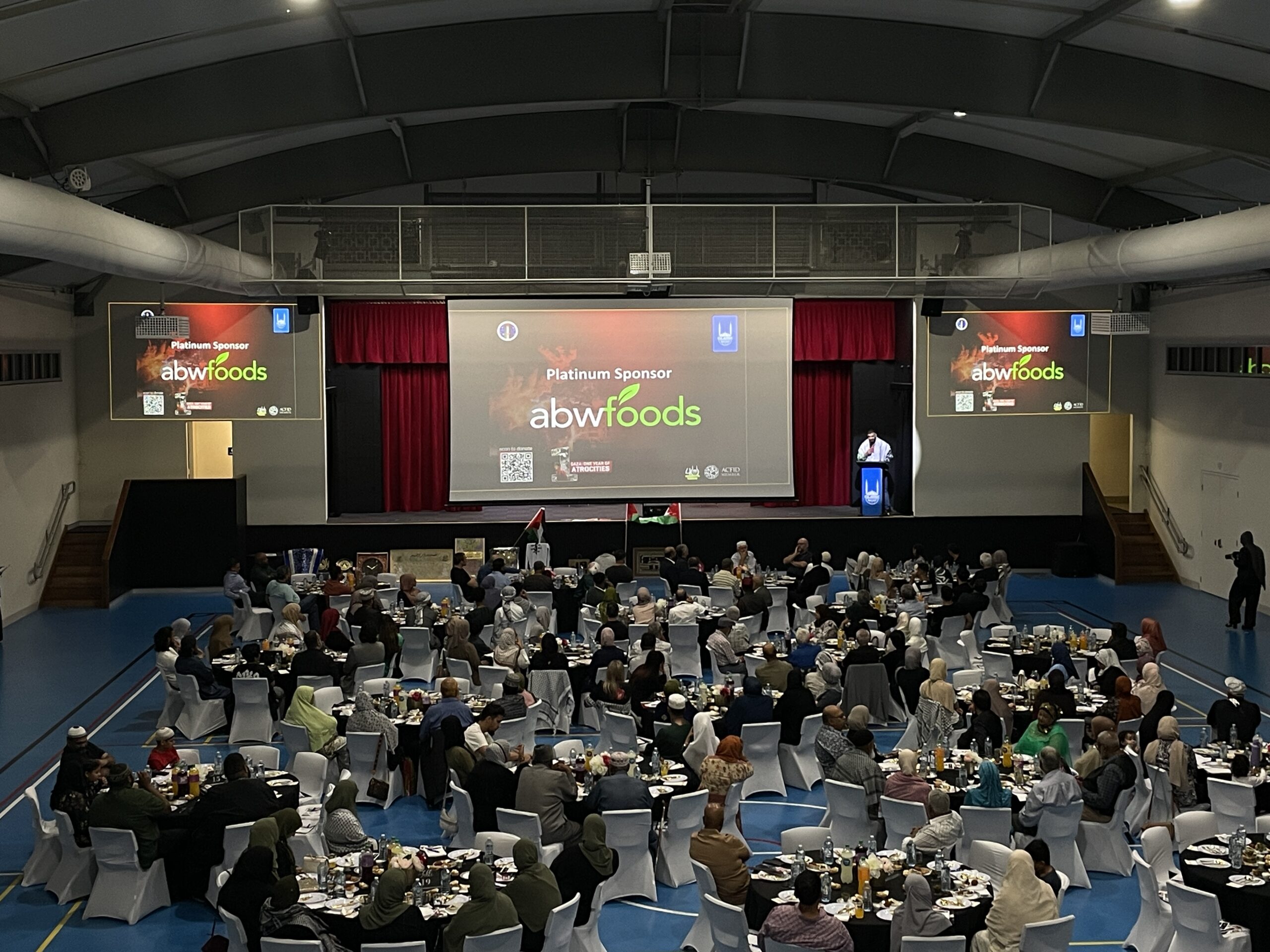
On 28 May 2021, Islamic Relief Australia held a Fundraising Dinner in Support of our Gaza Emergency Appeal.
The event raised awareness of the Gaza crisis and featured our Palestine field staff live from Gaza, they informed us of the latest developments on the ground and all our ongoing work and needs.
We hosted a range of local and international speakers, and the event was live streamed to a global audience.
Alhamdulillah’s, with your support we managed to raise more than $350k on the night, so thank you to everyone who supported in the making of this event and may Allah SWT reward you all and allow us to continue to support our brothers and sisters in Gaza, For more information please visit our Gaza Emergency Appeal: HERE
Rumaysah is a vibrant and bubbly 23-year-old marketing student who recently joined us at our Sydney headquarters. After working for a global brand for more than six months, Rumaysah knew she wanted to pursue something more meaningful and decided that the 9-5 grind of a corporate job just wouldn’t cut it. So, when an internship position came up with Islamic Relief, Rumaysah knew she couldn’t pass up the exciting opportunity. Learn more about Rumaysah in our interview with her below.
Can you tell us a bit about yourself?
My name is Rumaysah. I am a 23–year–old marketing student, currently working as a Marketing and Communications Intern at Islamic Relief Australia.
Alittle bit about me… I was born in Pakistan. My family moved to Oman a few years after I was born due to better work opportunities. I went to school there and was raised in a small city called Salalah. My family immigrated to Brisbane, Australia in 2012. We moved to Australia because my father wanted to provide us with better educational and professional opportunities. I went to a state high school in Brisbane and went to Queensland University of Technology (QUT) to study a Bachelor of Biological Sciences.I got married two years into my bachelor’s in 2016, and then moved to Sydney with my husband. I decided I wanted to pursue a career in business instead of science, so I enrolled in a Bachelor of Business, majoring in marketing at Western Sydney University in 2018. I am graduating at the end of this year and I hope to work and pursue a master’s degree next year Insha’Allah.
What attracted you to Islamic Relief Australia?
As I have completed marketing internships in corporate companies previously, nearing the end of my bachelor’s, I realised I wanted to work for an organisation where I could make a positive difference in this world.Islamic Relief Australia is one of most prominent charity organisations in the world and now, in Australia. I grew up seeing the impact their programs have overseas and in Australian communities; I have always admired the work they do. I have wanted to volunteer and work for the organisation for the last two years so when the opportunity to intern with the organisation presented itself, I grabbed it with both hands!
What do you do in your spare time?
I like using my spare time to learn new things. Recently, I have taken up painting and I’m learning how to swim. I also believe it is incredibly important to nurture one’s soul, so I like to learn about my religion through short courses and weekend classes in my spare time as well. On weekends, I like to spend time with my husband, going on hikes and picnics and hanging out with our friends.
Where do you see yourself in five years?
Over the next few years, I want to explore and develop different skills in marketing and community engagement. In five years, I want to have gained enough experience to lead projects from start to finish; projects that have the potential to really change lives for the better. To further this goal, I’ll continue to seek opportunities, particularly in the not-for-profit space, to expand my skillset and responsibilities. I’m hoping to achieve this with Islamic Relief, so watch this space!
Last of all, what do you enjoy most about working at Islamic Relief?
The thing I enjoy about working at Islamic Relief the most is the organisational culture. I feel like I’m a part of a family that is working towards very inspirational humanitarian goals. The commitment of my team and my managers inspires me to do my best in my role.
VIC Community Engagement & Fundraising Coordinator, Islamic Relief Australia
It’s been 12 weeks since the second wave of COVID-19 hit Melbourne and strict social distancing and lockdown restrictions were reimposed on us. As one of the longest and strictest lockdowns in the world, it has been particularly tough to continue a normal routine and stay positive. As the only Victorian Community Engagement and Fundraising Coordinator for Islamic Relief Australia, the nature of my work has changed substantially. Working from home has become the new normal, bringing with it pros and cons. Some of the pros include: not having to dress formally unless I have a video meeting, and not needing to drive long distances to meet people. On the other hand, face-to-face interaction is necessary in building relationships and showcasing the work we do. The closure of mosques and businesses has made it harder for me to meet community members, participate in events (all of which have been cancelled) and rally support for our work. Instead of going to visit donors in person and having face-to-face meetings, I now resort to phone calls, emails or online meetings.
My reliance on social media has also increased to keep connected with friends, colleagues and the community. It is also tool for me to keep people informed on the current humanitarian situation: the devastating impact of COVID-19 on vulnerable communities globally; natural disasters – like flooding in Sudan – uprooting people from their homes and disrupting lives; explosions in Beirut, crippling the people of Lebanon, who are already suffering with the ongoing economic crisis.
With the current state of the world, I’m always reminding myself: ‘if COVID-19 is hard on us, it is definitely harder on these people who are already vulnerable or in need’. This is what motivates me to keep going and doing everything that is needed to continue my work in lockdown. I’m continuing to fundraise – albeit in a new format. Traditional fundraisers have now turned into online ones – in Melbourne we recently hosted a fundraising event on WhatsApp for Islamic Relief’s Sudan Flood Appeal, and Alhamdulillah the response so far, has been great!
In terms of work, like most people, it has been quite a challenge for me to work in the same space (at home) as my three young children – especially when they’re attending online Zoom classes, while I’m trying to call donors! But, Alhamdulillah, I’m blessed that my house includes a separate bungalow, where I have set up a home office away from all the distractions. My wife has also been a great support, looking after the children and keeping them away from me while I work (but, they still manage to distract me sometimes!).
Overall, this whole crisis is a reminder that everything in life is subject to change and all things are temporary. Alhamdulillah, in the midst of this crisis, we have been able to continue our life-changing work to help people in need. This is only possible thanks to Allah – the Almighty, our donors and technology – which has facilitated our work and provided donors with various secure and rapid options to continue giving.
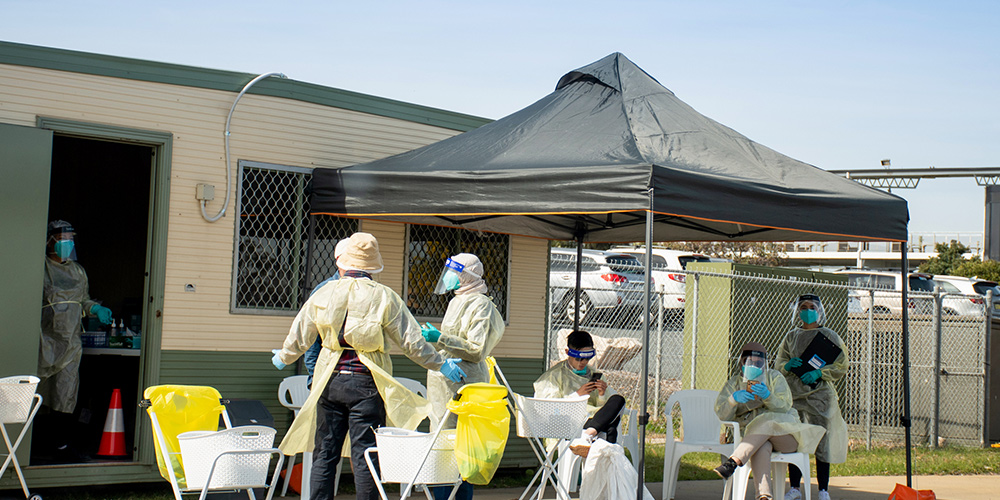
Although we are counting the days to return back to normal operations, we will continue to help people however we can. For instance, our support to those affected by COVID-19 all over Victoria still continues. We have obtained relevant work permits that allow us to distribute essentials to people in need – wherever they are.
Once again, this month was jam-packed with volunteer activities run jointly with our local partner Brothers in Need. We started the month with our regular monthly visit to My Home Disability Services in Birrong where we celebrated the birthday of SrMaliha – a regular at the centre. To mark the occasion, our good friends at Brothers in Need hosted a fun-filled barbeque in which residents shared some great conversations, good laughs and delicious food. SrMaliha enjoyed her special day with family and friends. Look at her beautiful smile!
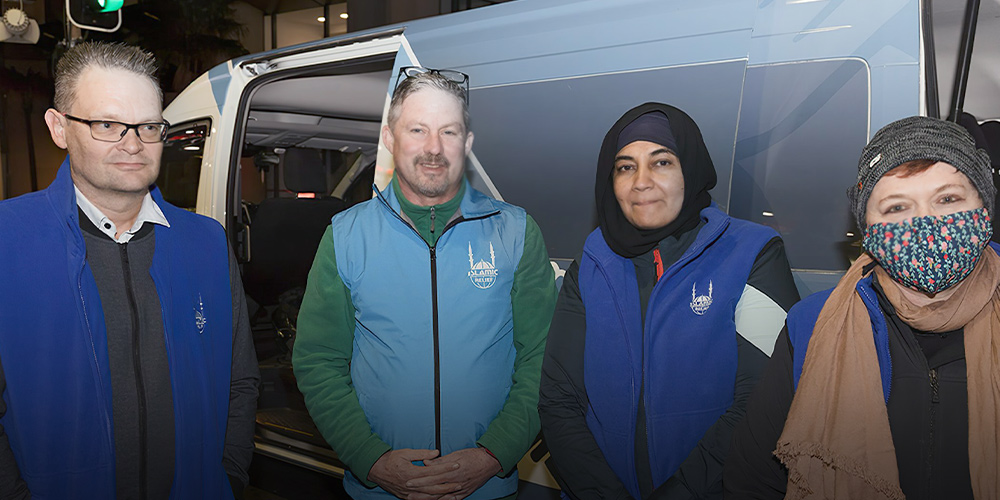
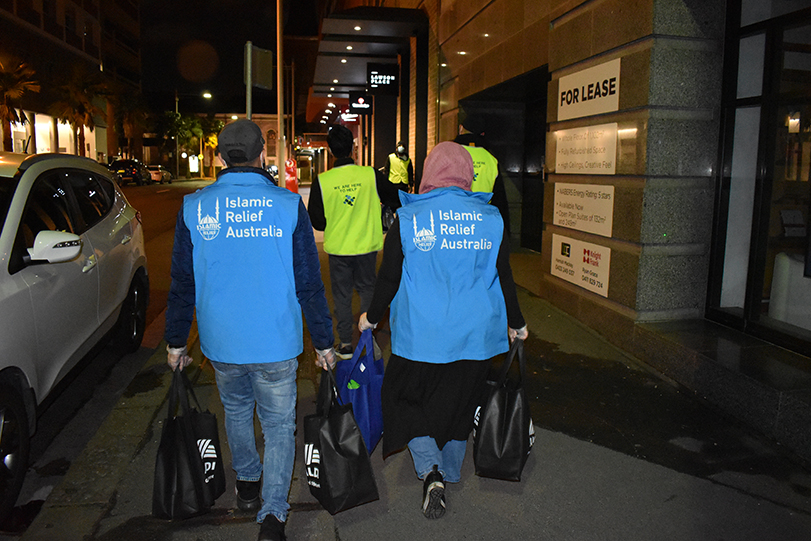
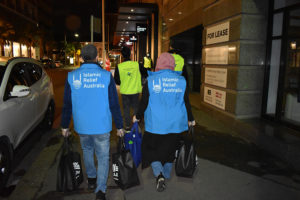
We also continued our Saturday night homeless food program. This month our volunteers gathered at Martin Place to distribute hot meals, hygiene kits and non-perishable food items – delivering some much-needed food relief to our homeless on a cold Saturday night. Check out some pics from the night below.
We also started a new initiative with Brothers in Need at the Culinary School in Punchbowl. Our volunteers Akifah, Mona and Ayesha helped to supervise our friends from Tender Loving Care (TLC) while they cooked up a storm. The Culinary School runs cooking classes specifically designed for people with special needs – encouraging greater independence while promoting social and community participation.
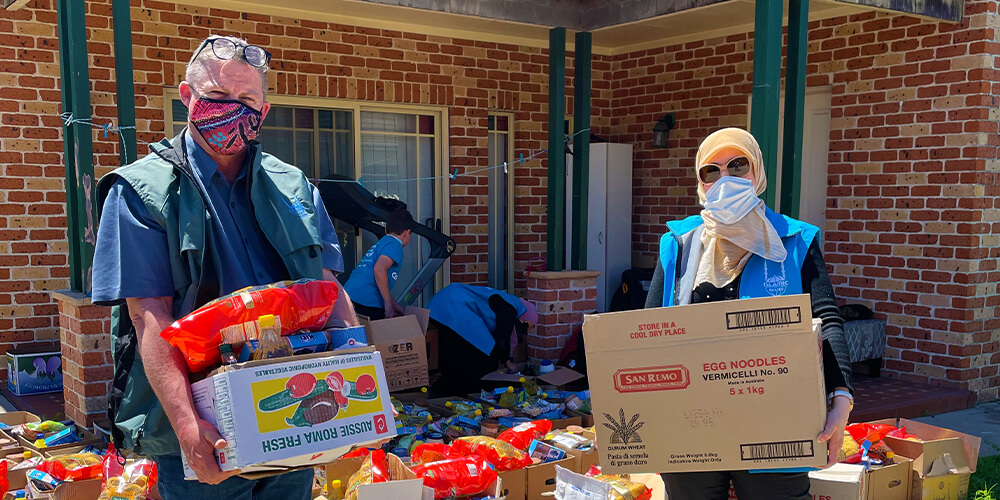
With restrictions easing in NSW over the past month, we’ve ramped up our efforts to help vulnerable communities locally as part of our partnership with Brothers in Need. During the pandemic we’ve worked alongside Brothers in Need to provide warm meals, hygiene packs and non-perishable food items to those most at risk, including the homeless, frontline workers and families doing it tough during this difficult time.
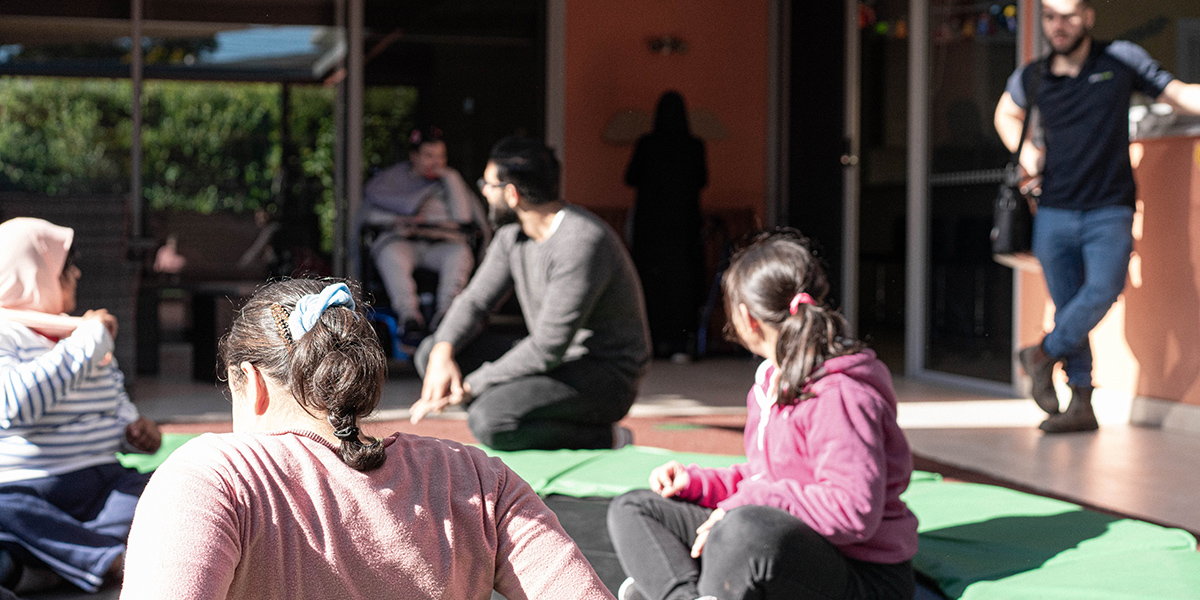
Recently, we’ve also joined the Brother in Need team in monthly visits to the Birrong Respite Centre, which provides short-term accommodation and support to young adults with disabilities. During these visits, volunteers spend quality time with residents, socialising and engaging in recreational activities.
In our last visit to the Birrong Respite Centre, our friends at Brothers in Need generously donated two new wheelchairs to the centre – to help them continue doing the fantastic work they do. We are proud to collaborate with local community organisations, like Brothers in Need, which are committed to helping those in need, here at home.
We will continue to expand the types of activities that we are involved in, so stay in touch if you are interested in volunteering. Part of our partnership with Brothers in Need involves visiting the Birrong Respite Centre on the first Wednesday of each month and feeding the homeless once a month on Saturdays. Watch this space.
Please remember that you can help us continue our work helping those impacted by Covid 19 by donating to Help at Home