As Muslims, we often seek protection from Allah (SWT) in different aspects of life. We ask Allah to safeguard us against all forms of harm, evil and danger, and make various du’as for protection.
Allah is Al-Muhaymin (ٱلْمُهَيْمِنُ), meaning the one who ensures wellbeing and protection over His creation.
Here are a few du’as and supplications you can recite to seek protection.
Du’as for Protection
There are some du’as we can recite when seeking protection from general harm. These can be for a range of situations including:
When seeking protection from evil
A’udhu billahi minash-shaytanir-rajim
أعوذ بالله من الشيطان الرجيم
I seek refuge in Allah from Satan the accursed.
Protection from evil eye
It is recommended that individuals recite du’as for protection from the evil eye regularly, seeking Allah’s help and healing in times of need.
Rabbi ‘a`outhubika min hamazaatish-shayaateeni, wa ‘a`outhu bika rabbi ‘ay-yahdhuroon.
My Lord! I seek refuge with You from the whisperings (suggestions) of the Shayatin (devils). And I seek refuge with You, My Lord! lest they may attend (or come near) me.
Qur’an | Surah Al-Mu’minūn | 23:97-98
Protection from calamities
This du’a can be recited for protection against calamities, asking Allah to help us through any crisis:
Allah humma‘h fathny min bayne yaday wa min khalfi, wa‘an yameeny wa ‘an shimaly, wa min fawqi, wa a’uthu bi ‘athamatika an ughtaala min tahty.
O Allah protect me from my front, behind me, from my right and my left, and from above me, and I seek refuge in Your Magnificence from being taken unaware from beneath me.
Hadith | Ibn Majah
Du’as for Protection from Illness
According to Abu Dawud, the Prophet (peace be upon him) used to supplicate this du’a for protection from illness. This du’a carries an important reminder that our refuge is always in Allah (SWT):
Allah humma inni a’udhu bika minal-barasi, wal-jununi, wal-judhaami, wa min sayyi’il-asqaami
O Allah, I seek refuge in You from leprosy, insanity, elephantiasis, and the worst of diseases.
Hadith | Abu Dawud
It is also narrated that Aisha, the third wife of the Prophet (PBUH) said that when anyone among them had an illness, the Prophet would rub the area of the pain and recite the following du’a:
اللَّهُمَّ ربَّ النَّاسِ ، أَذْهِب الْبَأسَ ، واشْفِ ، أَنْتَ الشَّافي لا شِفَاءَ إِلاَّ شِفَاؤُكَ ، شِفاءً لا يُغَادِرُ سقَماً
O Allah, Lord of mankind, do away with my suffering. Heal (me) as You are the only Healer and there is no cure except that of Yours, it is that which leaves no ailment behind.
Hadith | Sahih Al-Bukhari
May Allah forgive us all for our shortcomings and make us among the righteous people, Ameen! Explore our du’a hub and find out more about essential du’as here.
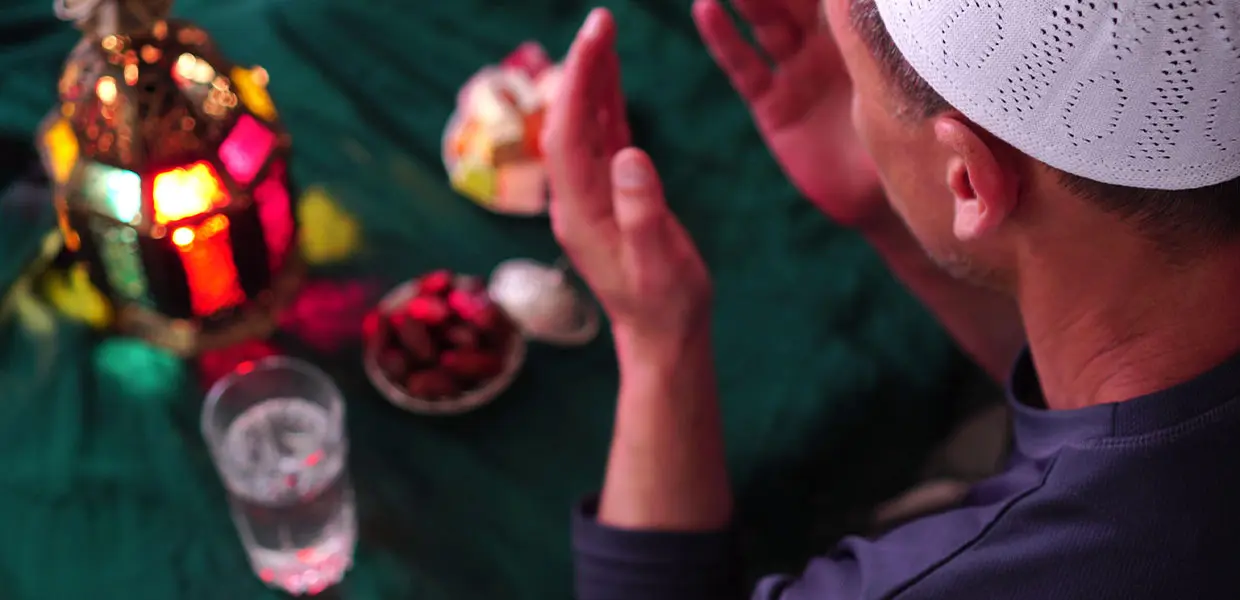
During the month of Ramadan, Muslims fast from the hours between sunrise to sunset, refraining from eating, drinking and looking to better ourselves in this blessed month for the sake of Allah (SWT). There are various du’as for fasting which we recite during this month.
Prophet Muhammad (peace be upon him) said:
There are three whose du’as are not rejected: a just ruler, the fasting person when he breaks his fast and the prayer of the oppressed person.
Hadith | Tirmidhi
While fasting and breaking our fast, it’s important to remember our reasons for doing it, and increase our remembrance of Allah.
Below are some du’as for fasting.
Du’a for breaking fast
As mentioned, the du’a of the fasting person at the time of breaking their fast is not rejected. It’s important to take this opportunity during Iftar time to put aside a few minutes to praise Allah and make sincere du’a.
When breaking your fast, you can recite the following du’a:
Dhahabadh-dhama’, wabtillatil ‘urooq, wa thabatal ajru inshaa’Allah.
As Muslims, we all commit sins and may sometimes stray from the right path, but it’s important to recognise when we have sinned and make sincere efforts to ask Allah (SWT) to forgive us. There are a few powerful du’as for forgiveness that we can recite.
Being able to recognise when we have sinned is a blessing from Allah and serves as guidance to repent.
Istighfar is the act of seeking forgiveness in Allah. In a Hadith, Abu Hurairah (RA), a companion of the Prophet (peace be upon him) reported:
I heard the Messenger of Allah (ﷺ) saying: “By Allah, I seek Allah’s forgiveness and repent to Him more than seventy times a day.”
Hadith | Sahih Al-Bukhari
It has been narrated that the Prophet (ﷺ) sought forgiveness a hundred times daily, showing us the significance of this act.
Here are some du’as to recite when asking Allah for forgiveness.
Du’as for forgiveness
There are many supplications you can recite for forgiveness, here are just a few:
Recite Astaghfirullah more than 100 times
Seeking forgiveness is usually done by saying “Astaghfirullah” or the longer version “Astaghfirullāha rabbī wa-atūbu ilayhi)”.
As a beloved Sunnah, the Prophet (ﷺ) would say ‘Astaghfirullah’ more than 100 times daily, and this simple but powerful du’a is one of the best du’as for forgiveness.
I heard the Messenger of Allah (ﷺ) saying: “By Allah, I seek Allah’s forgiveness and repent to Him more than seventy times a day.”
Hadith | Sahih Al-Bukhari
Recite the following:
Astaghfirullāh
أَسْتَغْفِرُ ٱللَّٰه
I seek forgiveness in God
Or the longer version:
Astaghfirullāha rabbī wa-atūbu ilayhi
أَسْتَغْفِرُ ٱللَّٰهَ رَبِّي وَأَتُوبُ إِلَيْهِ
I seek the forgiveness of God, my Lord, and turn to Him (in repentance).
Recite this verse from Surah Al-A’raf
You can recite the following verse from the Qur’an for forgiveness and mercy:
Rabbana zalamna anfusana wa-in lam taghfir lana wa-tarhamna la-nakunanna minal-khasirin
Our Lord, forgive me, my parents, and the believers on the Day of Reckoning.
Du’a for seeking forgiveness for your parents
To seek forgiveness for your parents, recite the following:
Rabbir hamhumaa kamaa rabbayaanee sagheera
رَبِّ ارْحَمْهُمَا كَمَا رَبَّيَانِي صَغِيرًا
My Lord, have mercy upon them as they brought me up [when I was] small.
Qur’an | Surah Al-Isra | 17:24
Du’a for forgiveness of past and future sins, those committed privately and publicly, and those we may not be aware of
Allahumma-ghfir lii maa qaddamtu wa maa akh-khortu wa maa asrortu wa maa a’lantu wa maa anta a’lamu bihi minnii, anta Al-Muqaddimu wa anta Al-Muakh-khiru wa anta alaa kulli shai-in qadir.
O Allah! Forgive me for those sins which I committed in the past and that which I may commit in the future, the sins that I have committed in privacy or in public and all the sins of which You are better aware of it than I am of myself. You are The One who bring forward and reprieve as You wish and indeed You are over all things capable.
Sahih Muslim
Du’a for forgiveness, removal of misdeeds and to join the righteous when we die
Rabbana fa-ghfir lana zunuubana wa-kaffir anna sayyi-aatina wa-tafawwafaa maal-abrar
Our Lord! Forgive our sins, remove from us our misdeeds, and grant that we join the righteous when we die.
Qur’an | Surah Al-Imran | 3:193
May Allah forgive us all for our shortcomings and make us among the righteous people, Ameen! Explore our du’a hub and find out more about essential du’as here.
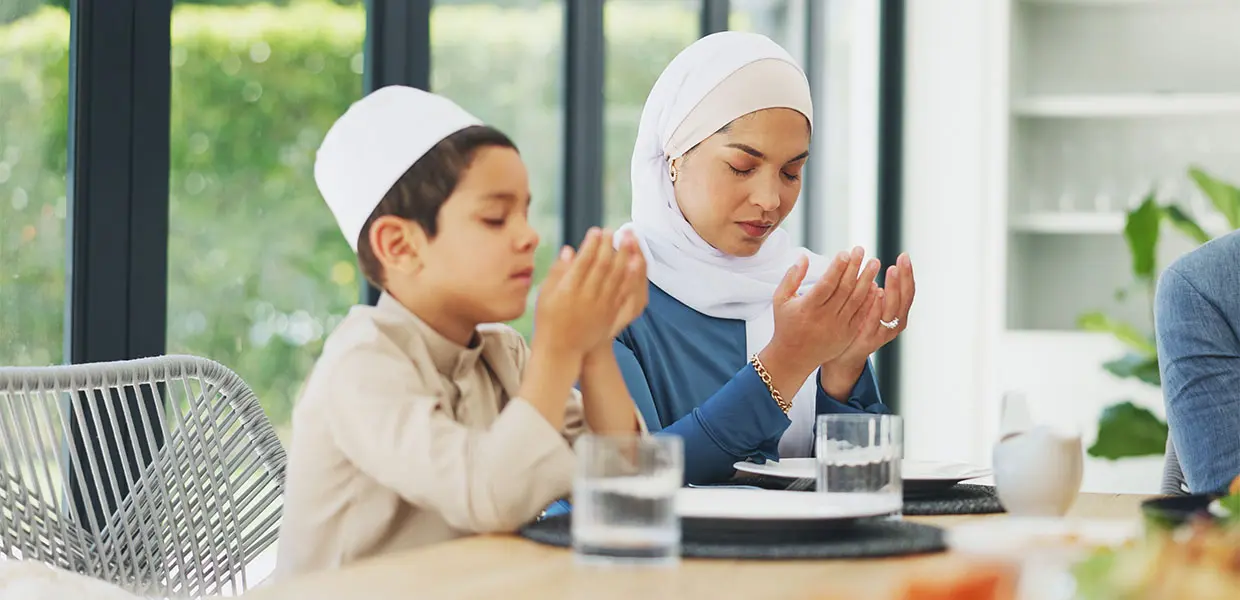
Eating and drinking are essential to our lives and survival, but as Muslims, it’s important to remember that Allah (SWT) provided us with sustenance and the means for food and drink. It is recommended to recite du’as for before and after eating to show our appreciation and gratitude to Allah.
Anas ibn Malik narrates that the Prophet Muhammad (peace be upon him) said:
“Allah is pleased with a servant who eats a meal and praises Him for it, and drinks a drink and praises Him for it.”
Hadith | Muslim, Tirmidhi
Du’as for Before Eating
Umar ibn Abi Salama narrates, “I was a young boy in the care of the Messenger of Allah (ﷺ), and my hand would wander around the dish. The Messenger of Allah (ﷺ) said to me, ‘O boy, mention the name of Allah, eat with your right hand, and eat from what is in front of you.’ That became my eating habit thereafter.” [Hadith | Bukhari, Muslim]
The Prophet (ﷺ) said: “When any one of you eats food, let him say ‘Bismillah’”
Bismillah
بِسْمِ اللَّهِ
In the name of Allah
If you forget so say Bismillah before you eat, recite the following:
Bismillah fi awwalihi wa akhirihi
بِسْمِ اللَّهِ فِي أَوَّلِهِ وَآخِرِه
In the Name of Allah at the beginning and at the end.
Du’as for After Eating
You should recite this du’a after finishing a meal or drinking:
Alhamdulillahil-ladhi at’amana wa saqana, wa ja’alana minal muslimin
In Islam, making du’a (supplication) is a deeply spiritual act and is considered a direct means of communication between an individual and Allah.
Scholars advise adhering to certain practices when making du’a. Here, we will explore some of the etiquettes to bear in mind when making du’a.
“Supplication is the essence of worship”
Hadith | Tirmidhī
Displaying sincerity, humility, and submission before Allah
Displaying sincerity, humility, and submission before Allah can help deepen the connection with Allah and increase the likelihood of a supplication being accepted and answered.
A good way to do this is by first purifying our intentions and ensuring the supplication is primarily for a purpose to assist in earning the pleasure of Allah. Having complete tawaakal in Allah (trust in Allah) shows a sincere belief that it is only through Allah’s guidance and mercy that the prayer will be answered.
Sincerely submitting entirely to His will; with trust and contentment that whatever outcome He decrees is the best outcome, even if it doesn’t align with the immediate desires of the prayer, is a mark of faith and humility.
Engaging in heartfelt supplication with unwavering focus
Approaching du’a with sincerity, focus, and unwavering trust in Allah, helps in making heartfelt prayers that strengthen the relationship with Him, and brings one closer to His mercy and blessings.
To help focus and develop khushoo, or a still serenity, it’s recommended to find a peaceful and quiet place where you can concentrate without interruption. This may open pathways to acts of worship such as prayer, dhikr through Allah’s Beautiful Names (Asma ul-Husna), and reflection. This may open pathways to acts of worship such as prayer (Salah), remembrance (Dhikr) through Allah’s Beautiful Names (Asma ul-Husna), recitation of Quran (Qira’a) and reflection (Fikr).
Be completely vulnerable before Allah, in this quiet space, and share your heartfelt prayers. Be completely vulnerable and present before Allah.
Facing towards the Qiblah
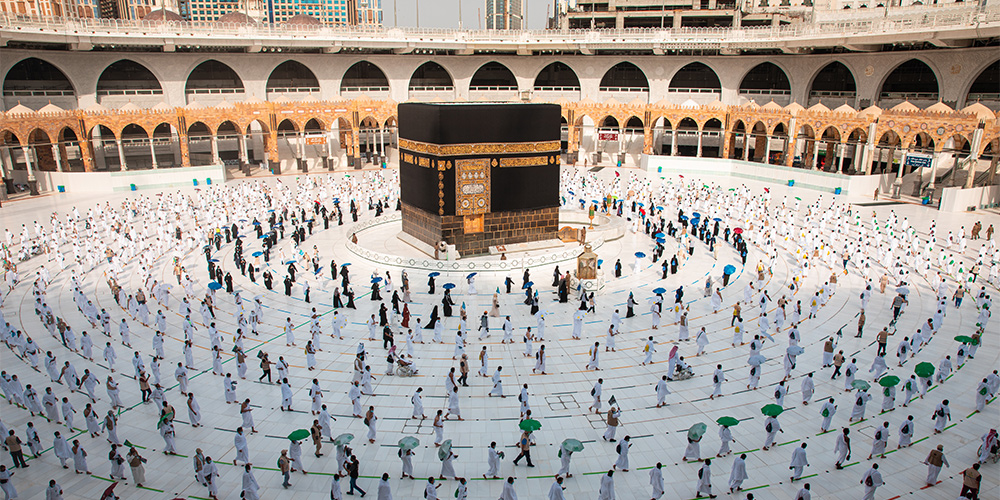
Facing the Qiblah when making du’a is a recommended but not obligatory practice in Islam. Muslims can make du’a in any direction and at any time. However, facing the Qiblah is considered a praiseworthy practice for several reasons as it serves as the focal point of Muslim worship and can increase a sense of spiritual connection and awareness.
It is also Sunnah (tradition) of the Prophet Muhammad (ﷺ) to face the Qiblah when making supplication, and Muslims try to follow the Prophet’s exemplary conduct.
“Everything has a master, and the master of religious circles is to face the Qibla.”
Hadith I Muslim and Bukhari
Directing towards the Qiblah during du’a is believed to increase the likelihood of one’s supplication being accepted by Allah. It is a way of demonstrating humility, obedience, and devotion to Allah, which are qualities that are conducive to having one’s prayers answered.
Observing wudhu before making the dua
Performing wudhu (ablution) before making du’a is encouraged but not obligatory in Islam. The ritual of wudhu itself is also a rewardable act. Being in this state can help individuals to approach Allah with a pure heart and soul, allowing for a more intimate and sincere interaction during supplication.
By performing wudhu before making du’a, Muslims humble themselves before Allah and acknowledge His greatness and authority.
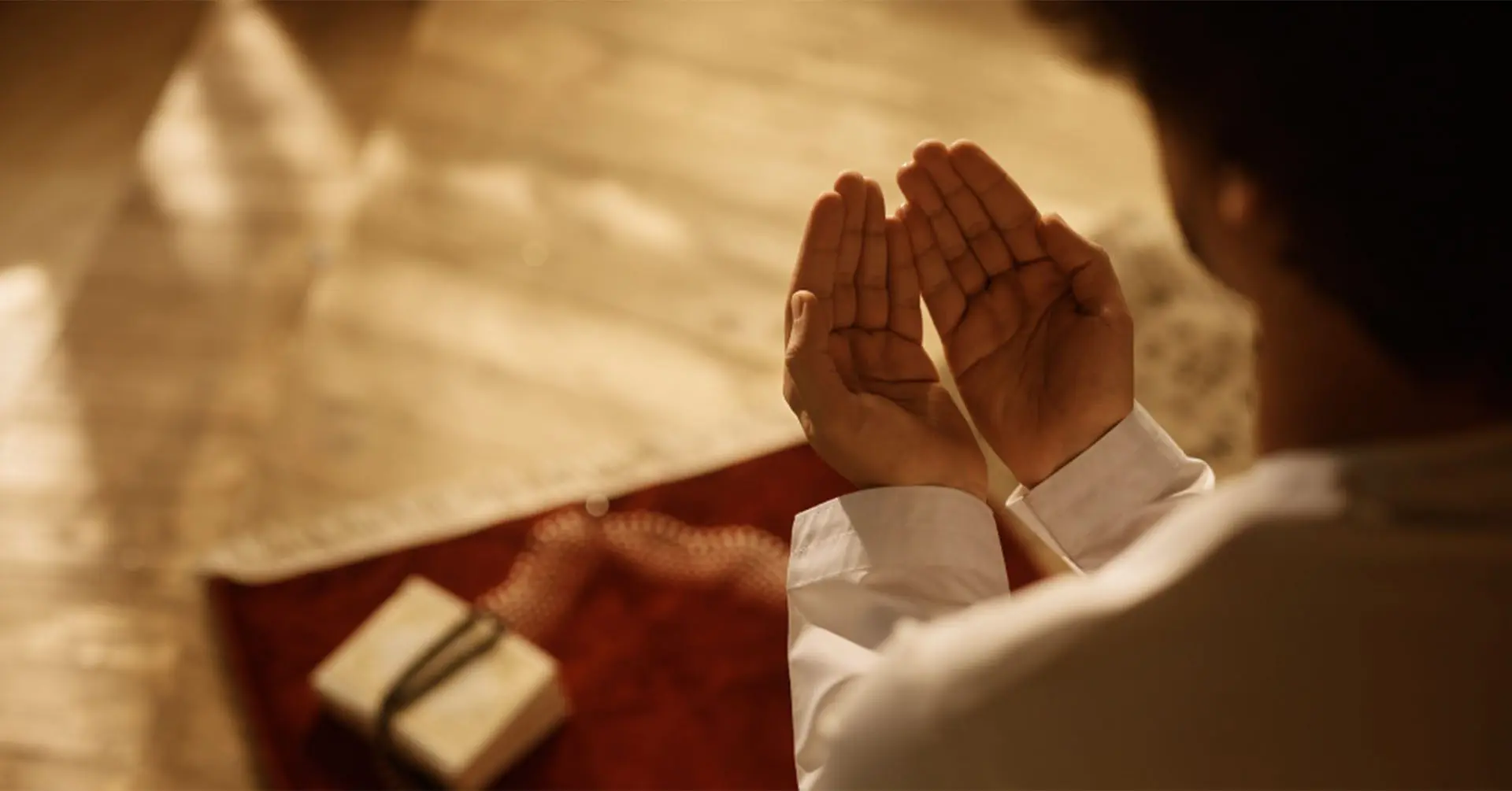
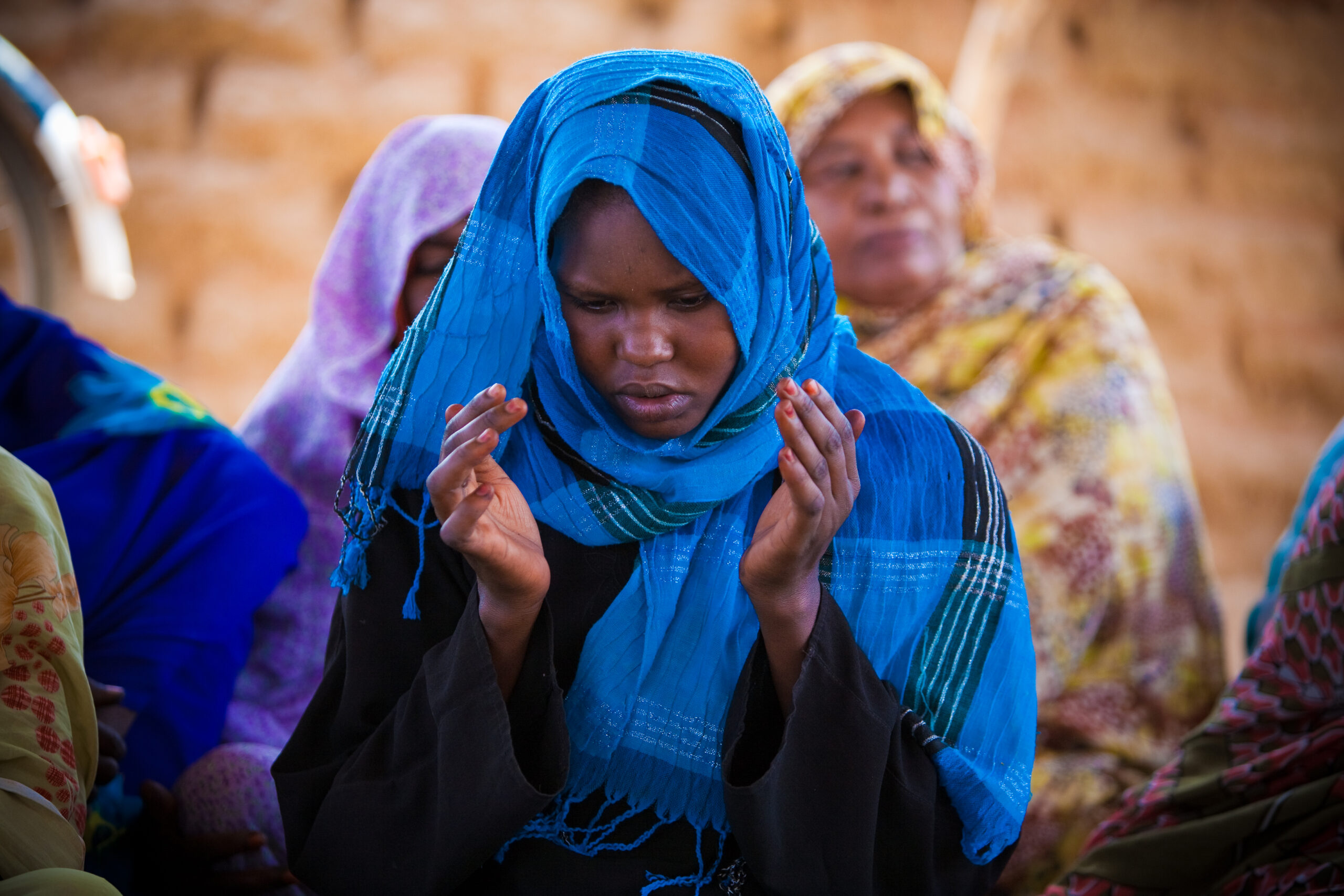
Extending one’s hands towards Allah as a gesture of supplication
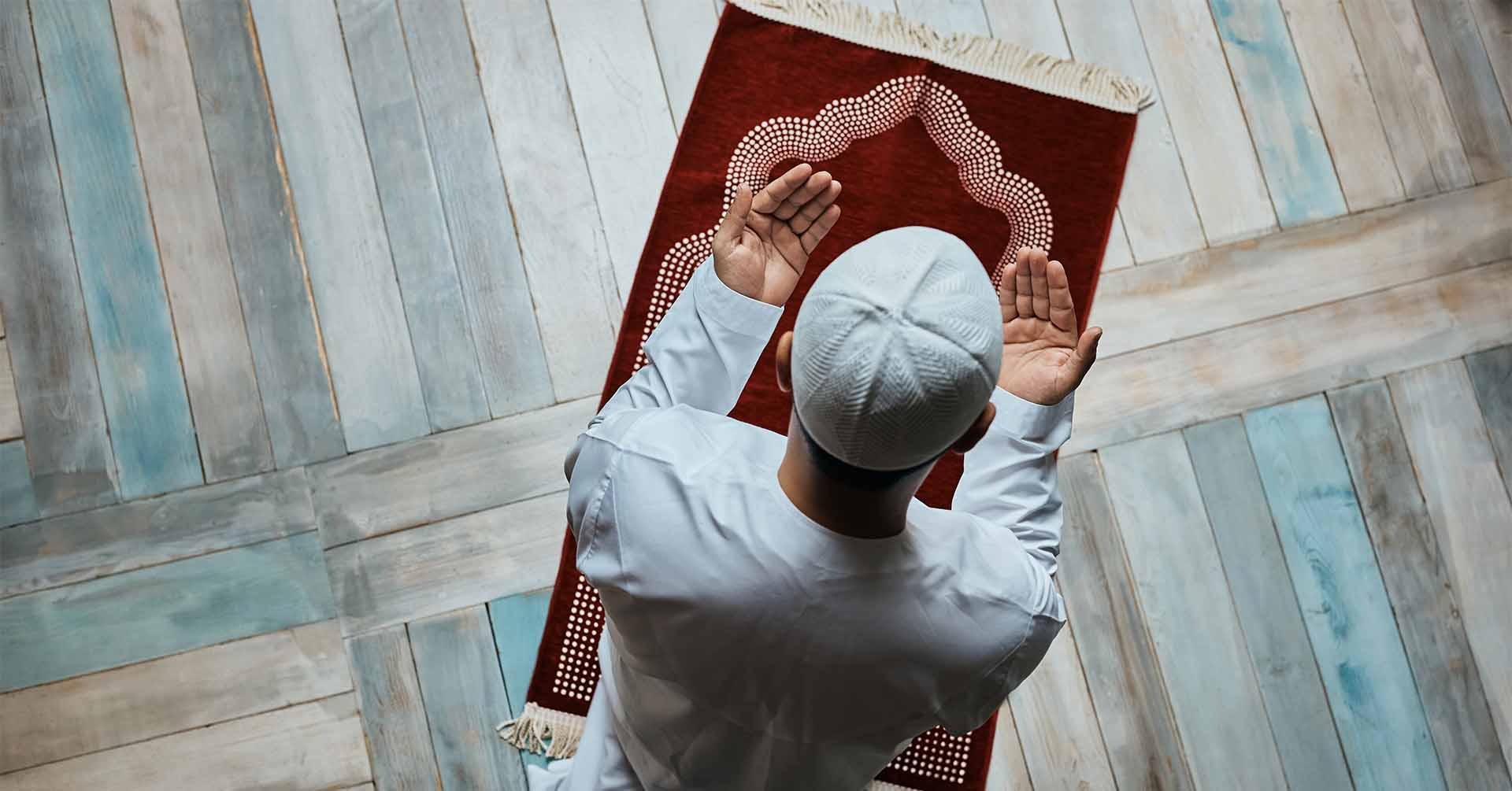
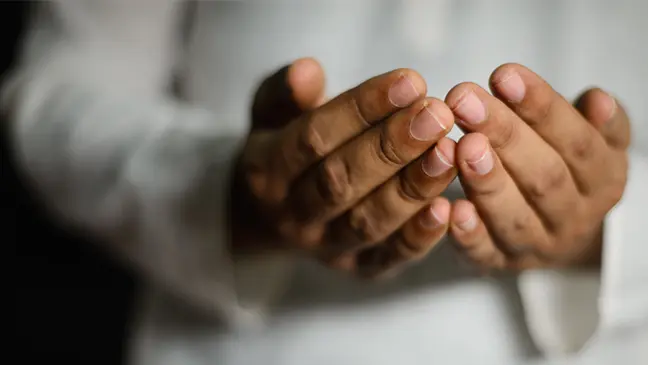
Extending one’s hands towards Allah as a gesture of supplication is a practice which is encouraged but is not compulsory. The act symbolises humility and neediness before the Creator. By physically raising one’s hands and palms upward, a person acknowledges their dependency on Allah and their humble submission to His will.
“Verily, your Lord is Generous and Shy. If His servant raises his hands to Him (in supplication) He becomes shy to return them empty”.
Hadith | Tirmidhi
Muslims emulate the actions of the Prophet as a means of following his Sunnah (traditions) and seeking closeness to Allah.
Commencing the du’a with words of praise for Allah and sending blessings upon the Prophet Muhammad (ﷺ)
Commencing dua with words of praise for Allah and sending blessings upon our beloved Prophet Muhammad (ﷺ) is a deeply ingrained practice in Islam. It reflects gratitude, reverence, and adherence to the Prophetic tradition.
Offering praise to Allah before making supplication is an expression of gratitude and also demonstrates acknowledgment of His countless blessings, mercy, and favours upon His servants. By praising Allah, Muslims express their recognition of His benevolence and their unwavering trust in His guidance and wisdom.
Muslims hold a deep love and reverence for the Prophet, and invoking blessings upon him is a way of expressing this love and seeking his help and intercession before Allah. By sending Salawat upon Allah’s beloved, our dua’s are much more likely to be answered.
Employing a variety of Allah’s Beautiful names to invoke Him during du’a
Reciting Allah’s beautiful names, or Asma al-Husna, to invoke Him during du’a is a highly recommended practice in Islam and was also a sunnah of Prophet Muhammad (ﷺ).
It helps Muslims deepen their understanding of Allah’s attributes and qualities, with each name signifying a unique attribute of God’s divine nature.
Some even recite different names according to the intent of their du’a, like saying “Ar-Rahman” (the Most Merciful) to seek Allah’s mercy and compassion, or “Al-Qadir” (the All-Powerful) in times of difficulty. By using Allah’s names in du’a, believers seek blessings and assistance tailored to their specific needs and circumstances.
Seeking repentance and forgiveness for sins and wrongdoings
Seeking repentance (tawbah) and forgiveness (istighfar) for sins and wrongdoings before making dua is an important practice as it’s believed to purify the soul, and also remove any barriers that may hinder the acceptance of supplications.
Prophet Muhammad (ﷺ) is reported to have frequently sought forgiveness and repentance from Allah, even though he was free from sin. Muslims strive to emulate the actions and teachings of the Prophet (ﷺ) as a means of drawing closer to Allah and following his exemplary conduct.
Maintaining unwavering faith that Allah listens to and accepts the du’a
Allah has explicitly promised in the Quran that He listens to the prayers of those who call upon Him.
“And when My servants ask you concerning Me, indeed I am near. I respond to the invocation of the supplicant when he calls upon Me.”
Quran | 2:186
Prophet Muhammad (ﷺ) also emphasised the importance of having faith in the acceptance of du’a.
“Call upon Allah while being certain of being answered and know that Allah does not respond to a supplication from the heart of one heedless and occupied by play.” [Hadith I Tirmidhi].
The Prophetic assurance encourages believers to maintain unwavering faith in the efficacy of du’a.
Concluding the du’a by offering salutations to the Prophet (ﷺ)
Ending a du’a by offering salutations to the Prophet Muhammad (ﷺ) is a practice deeply rooted in Islamic tradition.
Muslims hold a deep love and reverence for Prophet Muhammad (ﷺ) as the messenger of divine guidance and mercy. Ending du’a with salutations is a way of expressing this love and respect and honouring the Prophet’s status as the best of creation and a mercy to all mankind.
Du’a (supplication) is a tool for Muslims to establish a profound connection and engage in direct communication with Allah (SWT). Du’a holds immense power – it serves as a means to seek His (SWT)’s guidance, assistance, and mercy.
Du’a involves invoking and calling upon Allah, showing our humility, and acknowledging our reliance on His boundless power and wisdom. Muslims use du’a during moments of joy, sorrow, hardship, or contentment, being fully aware that Allah is the ultimate source of solace and support.
Why do Muslims make Du’a?
Du’a is like having a personal conversation with our Creator. It allows us to express our thoughts and feelings directly to Allah. Just as we would regularly communicate with someone we love, du’a is our form of communication with our creator. We can use any language or words to ask for blessings and protection in this life and the Hereafter.
When someone we love continuously make requests from us, we may become distant from them. However Allah Almighty loves when we turn to Him and our earnest requests and supplications are accepted.
Du’a is a chance to share our deepest thoughts and seek Allah’s favour not only for ourselves but also for others, including our loved ones, those in need, and humanity.
Du’a is more than just communication or routine practice. It is considered the essence of worship because it shows that we believe only Allah has the power to grant or deny our wishes, desires, and ambitions. When we make du’a, we acknowledge our dependence on Allah and recognise His ultimate authority and control.
Allah (SWT) loves to hear His servant’s voice. He is constantly attentive to our prayers and supplications. Formal acts of worship, such as Salah, are not the only exclusive means of communicating with our Lord. Du’a has no timeframe, limit, or conditions- we are never disconnected or isolated from Him.
Ibn ʿAta’illah (may Allah be pleased with him) beautifully expressed that whenever Allah grants you the ability to speak and make a request, understand that He desires to bestow something upon you. Implying that wouldn’t have permitted you to make that duʿa (supplication) unless He intended to answer it. The greatest blessing of that supplication is that Allah loves to hear it, and as a result, you draw closer to Him.
Why is Du’a important?
“And when my servants ask you about Me, then tell them I am near. I answer the call of every believer when they call upon me so let them also answer my call and believe in me so they may find rightful guidance.”
Quran | Surah Al-Baqarah | 2:186
When we invoke Allah, He is near to us. This is the first gift. The second gift is that He answers our prayers in a manner that is suitable for us, in a way that benefits our worldly life and Hereafter, without putting us in harm’s way due to our limited understanding.
We can see how Merciful and Loving our Lord is, just by calling upon Him. Du’a is considered “the weapon of a believer” and it has the power to change fate with His help. Prophet (ﷺ) said:
“Dua diverts fate and good deeds lengthen the age”
Hadith | Tirimdhi
When to make du’a
In Islam, there are no specific time restrictions for making general dua. Muslims are encouraged to make supplications to Allah (SWT) at any time.
However, certain times are considered more auspicious for supplication. These times are mentioned in the teachings of Islam and are believed to hold special significance. Here are some of the optimal times for making dua:
The Night of ‘Qadr’ (Decree)
Abu Hurairah (RA) narrated that Allah’s Messenger (ﷺ) said: “In the last third of every night our Rabb (Cherisher and Sustainer) (Allah (SWT)) descends to the lowermost heaven and says; ‘Who is calling Me, so that I may answer him? Who is asking Me so that may I grant him? Who is seeking forgiveness from Me so that I may forgive him?.’” [Sahih al-Bukhari, Hadith Qudsi]
Late at night
When people are sleeping and busy with worldly pleasures Allah (SWT) gives the believers an opportunity, or an answer hour if they can fight sleep and invoke Allah (SWT) for whatever they need. The Prophet (ﷺ) said: ‘There is at night an hour, no Muslim happens to be asking Allah any matter of this world or the Hereafter, except that he will be given it, and this (occurs) every night.” [Hadith | Muslim]
Abu Hurairah (RA) narrated that Allah’s Messenger (ﷺ) said: ‘In the last third of every night our Rabb (Cherisher and Sustainer) (Allah (SWT)) descends to the lowermost heaven and says; “Who is calling Me, so that I may answer him? Who is asking Me so that may I grant him? Who is seeking forgiveness from Me so that I may forgive him?.”‘ [Hadith| Bukhari]
Whilst travelling
The Messenger of Allah (ﷺ) said; Three supplications will not be rejected (by Allah (SWT)), the supplication of the parent for his child, the supplication of the one who is fasting, and the supplication of the traveller. [Hadith | Tirmidhi]
A Muslim supplicating for a brother in their absence
The Prophet (ﷺ) said: “There is no believing servant who supplicates for his brother in his absence where the angels do not say, ‘the same be for you’” [Hadith | Muslim]

On the Day of Arafat
The Messenger of Allah (ﷺ) said: “The best supplication is the supplication on the day of Arafat.” [Hadith | Tirmidhi and Malik]
Dua after sending salawat (salutations) on the Prophet (ﷺ)
“When anyone of you makes du’a, let him start by glorifying his Lord and praising Him, then let him send blessings upon the Prophet (ﷺ), then let him pray for whatever he wants.” (Hadith | Tirmidhi).
An Hour On Friday
Narrated Abu Hurairah (RA): Allah’s Messenger (ﷺ) talked about Friday and said: “There is an hour on Friday and if a Muslim gets it whilst praying and asks something from Allah (SWT), then Allah (SWT) will definitely meet his demand.” And he (the Prophet (ﷺ) pointed out the shortness of that particular time with his hands. [Hadith | Bukhari].
While Drinking Zamzam Water
Jaber (RA) narrated that Allah’s Messenger (ﷺ) said: “Zamzam water is for what it is drunk for.” [Hadith | Ahmad]. This means that when you drink Zamzam water you may ask Allah (SWT) for anything you’d like to gain or benefit from this water such as healing from illness, etc.
First Ten days of Dhul-Hijjah
The Prophet (ﷺ) said: “There are no days during which good deeds are more beloved to Allah than during these ten days.” [Hadith | Bukhari]
Etiquettes of Du’a
Scholars advise adhering to certain practices when making Du’a. These etiquettes encompass:
Displaying sincerity, humility, and submission before Allah.
Engaging in heartfelt supplication with unwavering focus.
Facing towards the Qiblah (the direction of the Kaaba in Makkah).
Observing ritual purification (wudhu) before making the dua.
Extending one’s hands towards Allah as a gesture of supplication.
Commencing the du’a with words of praise for Allah and sending blessings upon the Prophet Muhammad(ﷺ).
Employing a variety of Allah’s Beautiful names to invoke Him during the du’a.
Seeking repentance and forgiveness for sins and wrongdoings.
Maintaining unwavering faith that Allah listens to and accepts the du’a.
Concluding the du’a by offering salutations to the Prophet (ﷺ).
Islam is a comprehensive, and complete way of life.It recognises the importance of maintaining a deep connection with Allah in every situation and at every moment. As a testament to this, we have special dua’s (supplications) for nearly every occasion, ensuring that we seek Allah’s blessings, protection, and guidance.
From the simple act of wearing new clothes to the profound experience of losing a loved one, Islam offers specific dua’s to be recited, reflecting the comprehensive nature of our relationship with Allah.
Here are some examples of important Du’as:
Du’a when waking up
Alhamdu lillaahil-lathee ‘ahyaanaa ba’da maa ‘amaatanaa wa’ilayhin-nushoor.
I bear witness that none has the right to be worshipped but Allah alone, Who has no partner; and I bear witness that Muhammad is His slave and His Messenger.
Du’a when getting dressed
Alhamdu lillaahil-lathee kasaanee haathaa (aththawba) wa razaqaneehi min ghayri hawlim-minnee wa laa quwwatin.
I bear witness that none has the right to be worshipped but Allah alone, Who has no partner; and I bear witness that Muhammad is His slave and His Messenger.
Du’a when it rains
Allaahumma sayyiban naafi’an
اللّهُمَّ صَيِّـباً نافِـعاً
O Allah, (bring) beneficial rain clouds.
Du’a for Anger
A’oothu billaahi minash-Shaytaanir-rajeem
أعوذُ بِٱللَّهِ مِنَ ٱلشَّيۡطَٰنِ ٱلرَّجِيمِ
I seek refuge in Allah from Satan the outcast from that which You provide for us
Du’a for Worry and Grief
Allaahumma ‘innee ‘abduka, ibnu ‘abdika, ibnu ‘amatika, naasiyatee biyadika, maadhin fiyya hukmuka, ‘adlun fiyya qadhaa’uka, ‘as’aluka bikulli ismin huwa laka, sammayta bihi nafsaka, ‘aw ‘anzaltahu fee kitaabika, ‘aw ‘allamtahu ‘ahadan min khalqika, ‘awista’tharta bihi fee ‘ilmil-ghaybi ‘indaka, ‘an taj’alal-Qur’aana rabee’a qalbee, wa noora sadree, wa jalaa’a huznee, wa thahaaba hammee.
O Allah, I am Your slave and the son of Your male slave and the son of Your female slave . My forehead is in Your Hand (i.e. you have control over me) . Your Judgment upon me is assured and Your Decree concerning me is just. I ask You by every Name that You have named Yourself with, revealed in Your Book , taught any one of Your creation or kept unto Yourself in the knowledge of the unseen that is with You , to make the Qur’an the spring of my heart, and the light of my chest, the banisher of my sadness and the reliever of my distress.
May Allah make us amongst His Slaves whose prayers and supplications are accepted. Ameen!
Suhoor (also known as sehri, suhur, or sahur) is one of the most important aspects of fasting in Ramadan. This is the pre-dawn meal that helps sustain energy levels throughout the day and brings spiritual blessings.
It is a time for nourishment, hydration, and quiet reflection before the fast begins. The Prophet Muhammad (ﷺ) himself encouraged eating this pre-dawn meal, calling it a source of barakah (blessings).
What is Suhoor?
Suhoor refers to the pre-dawn meal eaten before beginning the daily fast in Ramadan. It is a vital part of fasting, as it provides energy and hydration for the day ahead.
The meaning of the name in Arabic comes from the root word sahr, meaning “the last part of the night,” emphasising its timing just before Fajr prayer.
Suhoor time is not just about physical nourishment—it is also a spiritual practice. The Prophet Muhammad (ﷺ) encouraged Muslims to eat it, calling it a blessed meal:
“Eat suhoor, for in suhoor there is blessing.”
Bukhari and Muslim
In turn, this meal helps maintain strength throughout the fast, prevents dehydration, and gives an opportunity to seek Allah (SWT)’s blessings before the day begins.
What is the Significance of the pre-dawn meal?
Suhoor time is important for both physical and spiritual reasons.
Physically, it allows us to sustain energy levels, prevent dehydration, and reduce hunger and fatigue throughout the day.
Spiritually, eating suhoor is following the sunnah, gives more time to make du’a, and allows us to mentally prepare for the fasting day ahead.
When Does Suhoor End?
Suhoor ends at Fajr time, just before the call to prayer. Once the adhan for Fajr sounds out, eating and drinking must stop immediately.
The best practice is to eat the male as close to Fajr time as possible rather than hours before. As the Prophet (ﷺ) said,
“My ummah will always be upon goodness as long as they hasten to break their fast and delay their suhoor.”
Ahmad
This means delaying suhoor toward the end of its time ensures the maximum benefits for fasting. However, it’s important to be cautious of the exact time in your location and stop eating a few minutes before Fajr to avoid accidentally eating after the time has passed.
What happens if we miss Suhoor?
In Islam, there are no consequences for you if you miss suhoor, and is not a requirement for your fast to be valid. The fast begins at Fajr, and is valid as long as you have the Niyyah (intention) to fast and follow the rules of fasting throughout the day.
However, skipping suhoor can make fasting more challenging. As it can lead to exhaustion and difficulty focusing. That’s why it’s recommended to eat something before Fajr—even if it’s just a few dates and water.
Best Foods to Eat Before Fasting
To make the most of suhoor, it’s important to choose nutritious and hydrating foods that will sustain energy and keep you full.
Foods to try to avoid include salty, fried, or overly processed foods. This is because they can cause thirst and fatigue later in the day.
On the other hand, some of the best foods include:
Complex Carbohydrates – Oats, whole grains, and brown rice provide long-lasting energy.
Proteins – Eggs, yogurt, and nuts help keep you full for longer.
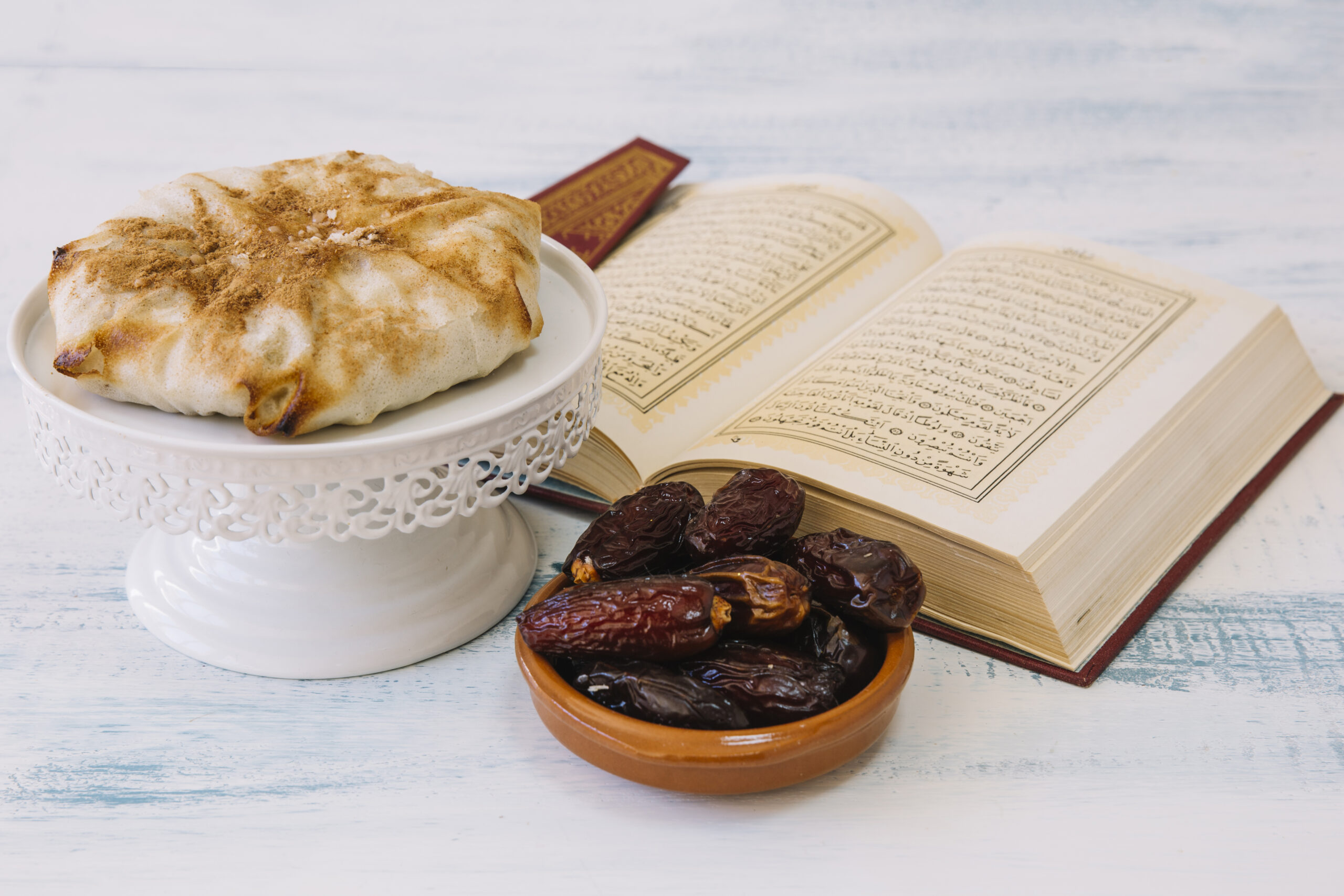
Fruits and Vegetables – Bananas, dates, cucumbers, and watermelon help with hydration.
Water – Drinking plenty of water at suhoor prevents dehydration throughout the day.
Suhoor, More Than a Meal
Suhoor is not just a meal. It is a blessed opportunity to nourish the body and soul before fasting.
So, in Ramadan, remember to make this meal a priority. For it is a simple yet powerful way to gain both physical strength and spiritual rewards.
Five Pillars of Islam are core obligations that serve as a guide for every Muslim. Ones that nurtures their spiritual growth, self-discipline and devotion to Allah (SWT).
Together, these pillars form the foundation of Islamic belief and practice. It unites Muslims around the world in a shared commitment to the deen (faith).
What are the 5 pillars of Islam?
The five pillars of Islam include: Shahada (faith), Salah (prayer), Zakat (almsgiving), Sawm (fasting), and Hajj (pilgrimage).
Shahada (Faith)
The Shahada is the first and most fundamental pillar of Islam, serving as the very foundation of a Muslim’s faith. This is the declaration of faith in one God (Allah) and His messenger (ﷺ).
Ash-hadu an la ilaha illa Allah, Wa ash-hadu anna Muhammadan Rasulu-Allah
أشهد أن لا إله إلا الله وأشهد أن محمدًا رسول الله
“I bear witness that there is no god but God, and I bear witness that Muhammad is the Messenger of God”
This testimony affirms the core belief of Tawheed (the oneness of God), rejecting any association of partners with Him. It also acknowledges Prophet Muhammad (ﷺ) as the final messenger of Allah (SWT). As his legacy is one that follows a long line of prophets sent to guide humanity.
Salah (Prayer)
Salah is the second pillar of Islam and a fundamental act of worship. This is the ritual prayer every Muslim must perform five times a day (at fixed times) throughout their lifetime. It establishes a direct and personal connection between a Muslim and Allah (SWT).
The prescribed times for Salah are:
Fajr – Before dawn
Dhuhr – After midday
Asr – Afternoon
Maghrib – Just after sunset
Isha – Night
These prayers are a constant reminder of a Muslim’s faith, reinforcing discipline, humbleness, and mindfulness of Allah (SWT) throughout the day.
Zakat (Almsgiving)
Zakat, the third pillar of Islam, purifies a Muslim’s wealth and soul. It is an obligatory form of charity that requires Muslims who are of age, sound mind, and meet the Nisab (minimum wealth threshold) to give 2.5% of their savings annually to those in need.
The Quran outlines eight eligible recipients, as stated in Surah At-Tawbah, in this verse (ayat).
Alms-tax is only for the poor and the needy, for those employed to administer it, for those whose hearts are attracted ˹to the faith˺, for ˹freeing˺ slaves, for those in debt, for Allah’s cause, and for ˹needy˺ travellers. ˹This is˺ an obligation from Allah. And Allah is All-Knowing, All-Wise.
Quran 9:60
By fulfilling Zakat, Muslims uphold social responsibility and deepen their faith, ensuring that wealth benefits the entire community.
Sawm (Fasting)
Sawm, the fourth pillar of Islam, is a compulsory act of worship observed during Ramadan. It requires Muslims to abstain from food, drink, and other physical needs from dawn (Fajr) to sunset (Maghrib). As the blessed month of Ramadan is a time of spiritual purification, self-discipline, and devotion to Allah (SWT).
Key aspects of fasting include suhoor, the meal eaten before fajr prayer, and iftar, breaking the fast at sunset.
Every Muslim who are of age (i.e. has reached puberty) must fast during Ramadan. But there are also exemptions, such as those who are sick, elderly, travellers, and others with valid reasons (such as pregnancy or menstruation). However, they must also make up their fast once able to, if possible. If not, then they should pay compensation, called fidya, to the needy.
Beyond Ramadan, voluntary fasting on special days, such as Mondays and Thursdays or the Day of Arafah, is encouraged for extra rewards.
Hajj (Pilgrimage)
Hajj, the fifth and final pillar of Islam, is the sacred pilgrimage to Makkah (Mecca). It is required once in a lifetime for Muslims who are physically and financially able.
Taking place in Dhul Hijjah, it symbolises submission to Allah (SWT) and unity among believers. Key aspects of hajj include:
Ihram – Entering a state of purity and wearing simple white garments.
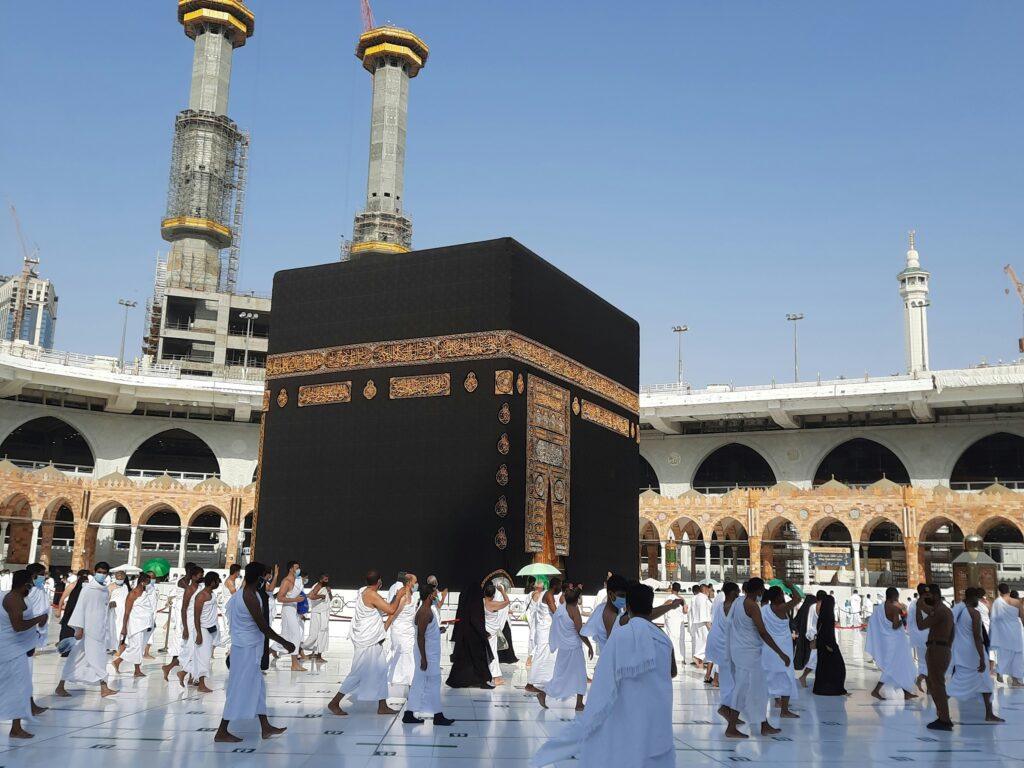
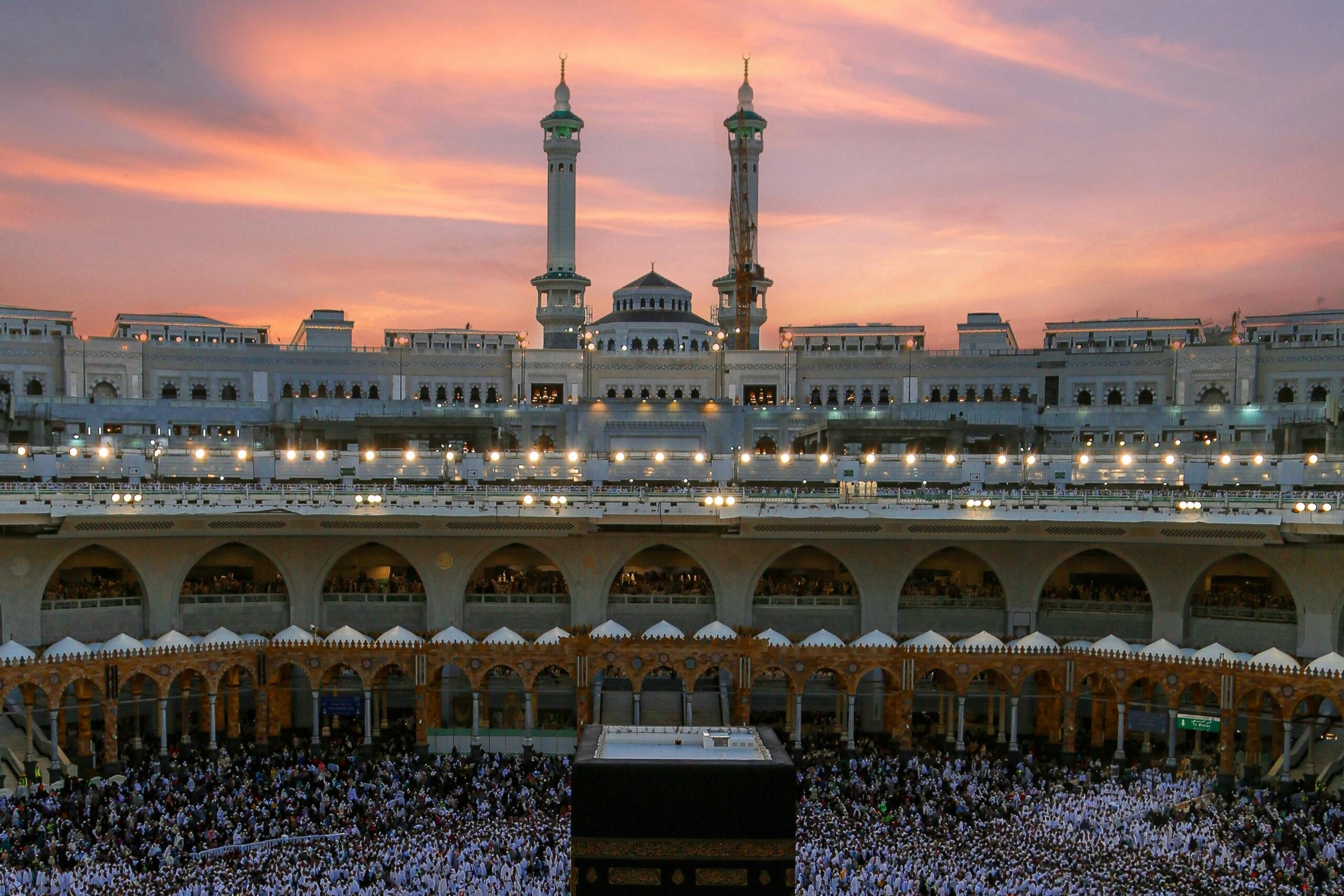
Tawaf – Circling the Kaaba seven times in devotion.
Sa’i – Walking between Safa and Marwah, honoring Hajar’s struggle.
Arafah – The most significant day, spent in deep prayer and repentance.
Rami al-Jamarat – Stoning the pillars representing Shaytan.
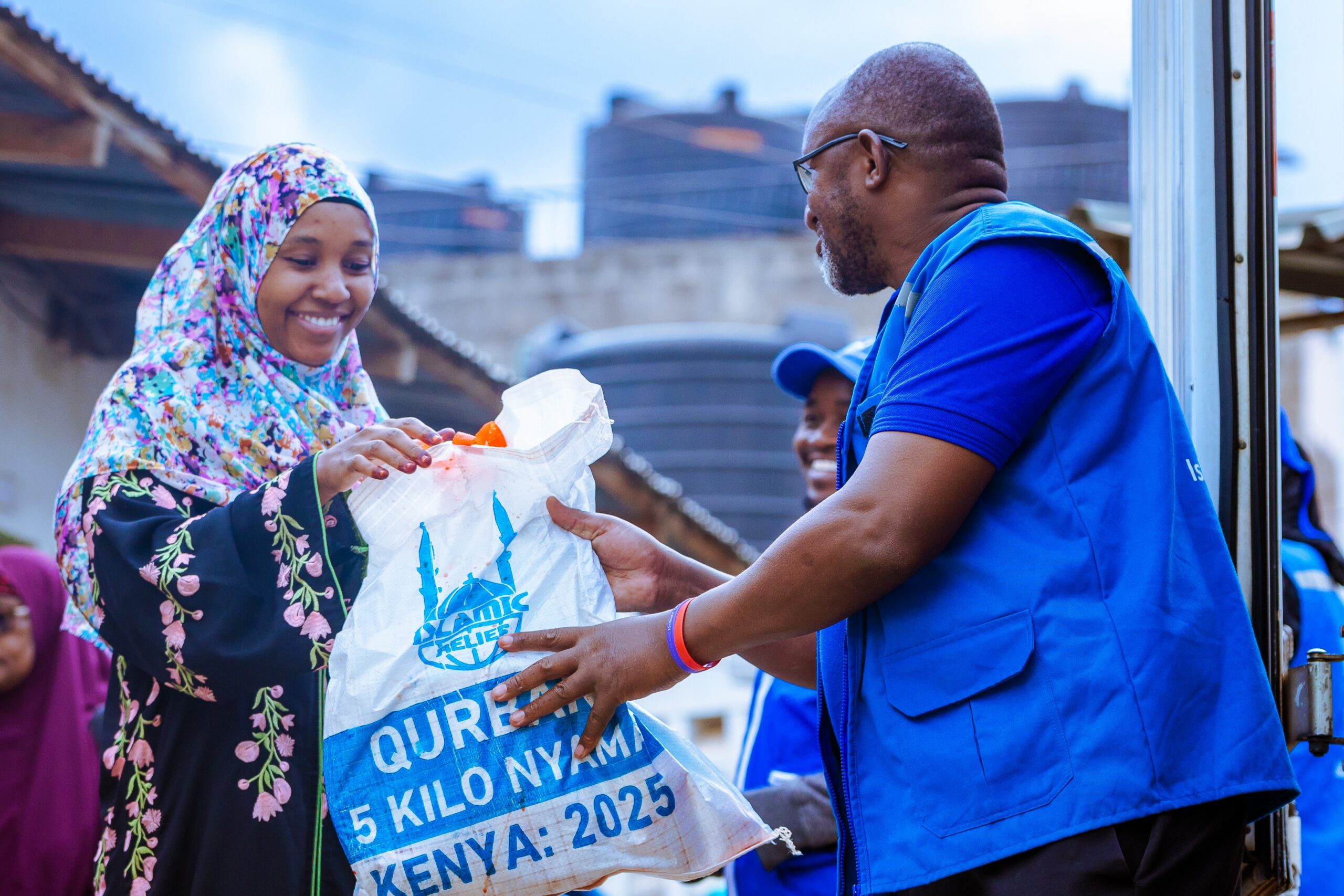
Qurban – Sacrificing an animal in remembrance of Prophet Ibrahim (AS).
What do the 5 pillars of Islam mean?
Overall, the five pillars of Islam are Shahada, Salah, Zakat, Sawm, and Hajj. They are the five key practices that all Muslims are obligated to fulfil throughout their lifetime. These practices are referred to as pillars because they form the foundation of Muslim life.
Why are the five pillars of Islam important?
Each of the five pillars works in tandem with one another to bring the essence of Islam into the lives of every Muslim:
Monotheism and the belief in Prophet Muhammad (peace be upon him) as the last messenger of God is the central tenet of Islam around which everything else revolves. Thus, reciting the Shahada (shahadah) in prayer each day serves to remind Muslims of this integral belief.
Salah (salat) occurs five times a day. This, hence, offers five different opportunities for remembrance of Allah (SWT) and our purpose in this life to worship Him.
The month of Ramadan requires every Muslim to abstain from their most basic needs and desires, like food, drink and physical relations for a period of time each day. Every year, the Sawm (fasting) gives Muslims the opportunity to gather control over their human needs. Without these distractions, Muslims can instead nurture good conduct and their connection to Allah (SWT).
While Sadaqah (charity) is greatly encouraged to be a part of everyday Muslim life, it is obligatory to offer Zakat (alms) once a year. This ensures that wealth is continuously redistributed to those who are in need of it.
During the Hajj (pilgrimage), Muslims must each wear the same simple garments and perform the same ritual acts of devotion to Allah. Stripped of worldly distinction, people are reminded that all are equal before God.
Knowing the Key Facts about the Five Pillars of Islam
The Five Pillars of Islam form the foundation of a Muslim’s faith and practice, guiding their spiritual and daily lives. While these obligations are essential, Islam also recognises individual circumstances, offering exemptions and alternatives for those unable to fulfil certain pillars due to health, financial, or other valid reasons.
By embracing these pillars, Muslims strengthen their connection with Allah (SWT), helping build a just and compassionate society.
By donating to Islamic Relief Australia, you are helping us create a world that is free from poverty and injustice – one where communities are empowered and people are able to fulfil their God-given purpose. With you on board, we believe we can end suffering.
How much would you like to give per month? Allah (SWT) loves deeds that are done consistently, even if they are small. Beyond Ramadan, continue to empower our Ummah. Help us provide those in need with critical support and relief.
Shaban (or Sha’ban, Shaaban), is the eighth month in the Islamic calendar. Coming before the ninth month, Ramadan, it is a bridge to the blessings the holy month brings.
Thus, we explore, “What is Shaban?”, as a time to prepare for the important month ahead, and one we must not neglect.
When is Shaban 2026?
Shaban, this year, begins on the evening of Monday, January 19, 2026, according to the new moon’s sighting. This makes the first day of Shaban, Tuseday, January 20, 2026.
This Islamic month may end on the evening of Friday, February 17, 2026, depending on the moon’s sighting for the start of Ramadan.
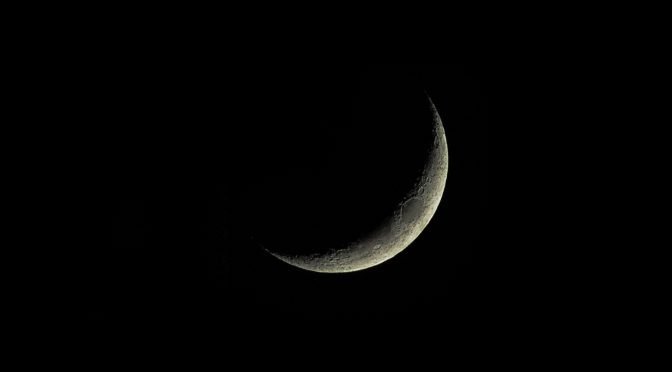
Photo: The sighting of the moon is used to determine the dates of the Islamic months of the lunar calendar.
What is the Significance of Shaban?
Imam Abu Bakr al-Warraq al-Balkhi (RA), the uncle of Imam Tirmidhi (RA), said: “The month of Rajab is the month of planting (your seeds), Sha‘ban is the month of irrigating / watering (them), and Ramadan is the month of harvesting the crop.”
Lataiful Ma’arif
Shaban, being the month just before Ramadan, is a perfect time to prepare for the blessed month. But it too, holds great importance on its own. Here are key reasons why:
More Fasting Than Any Other Month (Except Ramadan)
The Prophet Muhammad (ﷺ) would fast in Shaban more than any other month except Ramadan. Aisha (RA) said:
“I never saw the Messenger of Allah ﷺ fasting for an entire month except in Ramadan, and I never saw him fasting more than he did in Sha’ban.”
Sahih Al-Bukhari
He (ﷺ) also loved to fast in this month. So much so, that it was recorded in hadith. In Sunan Abu Dawud, it states, “The most beloved of months for the Messenger of Allah ﷺ to fast in was Sha’ban, and his fasting in Sha’ban was continuous with his fasting in Ramadan.”
More Opportunity for Rewards
Many scholars of the past (Salaf) also believed that fasting in Shaban was better than fasting in other months, even the sacred ones.
Ibn Rajab (RA) said, “Fasting in Sha’ban is better than fasting in the Sacred Months, and the best of voluntary fasts are those that are (observed in the months) closest to Ramadan, before or after.”
A hadith in Silsilat ul-Ahadith-as Sahiha also states, “Allah forgives all the believers in general; except the polytheists and the jealous people on the middle night of Sha’ban.” Some Muslims refer to this night as a Shab-e-Barat, however no Quranic verses specifically mention it.
Good Deeds to Do on Sha’ban
There are a lot of good deeds you can perform in the month of Shaban to make the most of it. Here are some simple acts of worship (ibadah) to add to your daily routine to earn good deeds AND prepare for Ramadan.
1. Do Voluntary Fasts
Prophet Muhammad (ﷺ) used to fast most of the days of Shaban. Thus, we should follow his Sunnah (actions and way of living) and keep as many voluntary fasts as we can in Shaban too. If it is hard to fast most of the month, try to fast on the 13th, 14th, and 15th as they are the White Days (Al-Ayyam al-Bid) of the Islamic month.
However, there are also exceptions to fasting in Shaban. Abu Hurayrah (RA) mentioned that the Messenger of Allah (ﷺ) said, “Do not anticipate Ramadan by fasting one or two days before it begins, but if a man habitually fasts, then let him fast.” (Sahih Muslim) He also reported that the Prophet (ﷺ) said to not fast if Sha’ban is half over. (Tirmidhi)
The exception to this would be someone who fasted regularly, such as the Prophet (ﷺ) and many of his companions. Thus, if you are someone who regularly observes the sunnah fast, then you may still observe them in the second half of Sha’ban. It is also permissible to make up a Ramadan fast at this time, if necessary, as Aisha (RA), one of the wives of the Prophet (ﷺ), herself said she would make up fasts in Shaban.
2. Recite the Quran
Ramadan is the month of revelation of the Quran. Naturally, it is the month when we recite it the most. Thus, to help us get ready and see the best results in Ramadan, we should start the habit of reciting it more, starting from Shaban.
Salamah ibn Kuhayl (RA) said, “It was said that Sha’ban was the month of the Quran readers.” (Lataiful Ma’arif)
3. Make Lots of Duas
Apart from obligatory prayers and observing fasting in Shaban, reciting different duas, tasbeeh, and staying engaged in remembrance of Allah (SWT) is also a good way of making the most of this month.
Here are some duas you can say to seek forgiveness and blessings from Allah (SWT).
“O Allah (SWT), I seek refuge in Your pleasure from Your anger and in Your forgiveness from Your punishment. I seek refuge in You from You. I cannot praise You enough. You are as You have praised Yourself.”
“Our Lord! Take us not to task if we forget or fall into error”
Qur’an 2:286
4. Perform Voluntary Prayers
To make it easier to do more voluntary prayers in Ramadan, start the practice of praying Tahajjud from Shaban. It will help you get used to the Ramadan schedule quicker and also bring you many rewards.
5. Start Preparing Money for Ramadan
The Prophet Muhammad (ﷺ) was the most generous in giving charity (Zakat and Sadaqah) during Ramadan. To prepare for giving in Ramadan, we should start getting ready in Shaban, including finding Zakat calculations.
Like other forms of Ibadah, charity in Shaban is also an act of worship as you show kindness to others. For every good deed, specifically charity during Shaban, you can gain blessings in abundance.
Shaban: A Pathway to Blessings and Rewards
The Prophet Muhammad (ﷺ) said, “(Shaban) is a month to which people do not pay much attention, between Rajab and Ramadan. It is a month in which the deeds are taken up to the Lord of the worlds, and I like that my deeds be taken up when I am fasting.” (An-Nasa’i).
With this in mind, it is important not to neglect this blessed time. To make the most of it by increasing worshipping, observing fasting, reciting Quran and duas, and engaging in charitable activities.
Thus, it will be a month that not only strengthens your bond with Allah (SWT), but also help you prepare for the sacred month of Ramadan.
Your Zakat Heals Our Ummah
Make the most of Shaban by preparing for Ramadan. Give the gift of happiness and hope to our brothers and sisters in need with Islamic Relief.
Isra’ and Mi’raj is an important night occurring on the 27th of Rajab. One that we should not slip by without reflecting on its lessons and its significance.
This year, Al Isra’ wal-Mi’raj 2025 is predicted to take place on the evening of January 26th 2025, depending on the sighting of the moon.
What is Isra’ and Mi’raj (Al-Isra’ wal-Mi’raj)?
Isra’ and Mi’raj, known as Al-Isra’ wal-Mi’raj in Arabic, is a miracle second only to the revelation of the Qur’an.
Translated, it means the Night Journey and Ascension. It refers to the event when that transported Prophet Muhammad (ﷺ) from al-Masjid al-Haram to al-Masjid al-Aqsa, from where he (ﷺ) ascended to heaven. It was an incredible journey, filled with many wonders and miracles.
Photo: Night, when the Prophet (ﷺ) embarked on the incredible night journey and ascension.
When did the Night Journey and Ascension (Al-Isra’ wal-Mi’raj) Happen?
Isra’ and Mi’raj took place during a time when Prophet Muhammad (ﷺ) was facing intense hardship and pain.
The Quraysh constantly ridiculed, humiliated and oppressed the Prophet (ﷺ) and his followers. Moreover, he (ﷺ) had just faced the Year of Sorrow (’Aam al-Huzn), during which he (ﷺ) lost his beloved wife Khadijah (RA) and his uncle Abu Talib, his protector and ally.
In addition to all these struggles, when the Prophet (ﷺ) travelled to Ta’if to spread the message of Islam, the people of Ta’if rejected him, sending their children after him to stone him until he left the city.
Having gone through so much grief and suffering, Al-Isra’ wal-Mi’raj came to the Prophet (ﷺ) as a beautiful and comforting gift.
He was transported not only through the skies but ultimately into the presence of Allah (SWT), the source of all comfort and hope.
Al-Isra’: From the Ka’bah to Al-Aqsa
When the Prophet (ﷺ) was sleeping in the house of Umm Hani (ra) in Makkah when the roof of his house opened and the Angel Jibril (AS) descended (Bukhari).
He (ﷺ) was then taken to the Hijr, the semi-circular wall of the Ka‘bah. It was there that Jibril (AS) opened the Prophet (ﷺ)’s chest and washed it with Zamzam water. Jibril then brought a golden tray full of wisdom and faith, and having poured its contents into the Prophet (ﷺ)’s chest, he closed it. (Bukhari)
Jibril then brought to the Prophet (ﷺ) a white beast called al-Buraq (from the Arabic word barq, meaning lightning). It was bigger than a donkey and smaller than a mule. Its stride was as long as the eye could reach. (Muslim)
Buraq first shied from the Prophet (ﷺ) before they set off. So Jibril (AS) said to a saddled and reined Buraq, “Is it from Muhammad (ﷺ) that you do this? For nobody has ridden you who is more honourable to Allah than him! Then Buraq started sweating profusely. (Tirmidhi)
At several points along the journey, Jibril (AS) stopped Buraq and told the Prophet (ﷺ), “Dismount and pray”. The first stop was at “the place of emigration”, Madinah. Soon, after this night, the Prophet (ﷺ) would meet the Ansar and migrate to Madinah.
The second stop was on Mount Sinai, where Allah (SWT) revealed the Torah to Musa (AS). The third stop was at Bethlehem, where ’Isa (AS) was born.
The fourth stop was the grave of Musa (AS), located “a stone’s throw” away from the holy land of the Blessed Masjid Al-Aqsa (Bukhari).
The Prophet (ﷺ) said: “On the night on which I was taken on the Night Journey, I passed by Musa and he was praying in his grave.”
Sunan an-Nasai
Arriving at Al-Aqsa
When Messenger of Allah (ﷺ) arrived in the holy city of Al-Quds (Jerusalem), they approached Masjid Al-Aqsa. There, Jibril (AS) pointed to the Masjid with his finger, causing a crack in the rock, and tied Buraq to the western wall of the noble sanctuary. (Tirmidhi).
Waiting inside were all 124,000 Prophets (AS), and among them included Musa (AS), Isa (AS) and Ibrahim. Jibril (AS) led the Prophet (ﷺ) to the front, and he (ﷺ) led them all in prayer in this blessed space.
When the Prophet (ﷺ) completed the prayer, someone said, “Here is Malik (AS), the keeper of Hellfire, so convey Salams to him”. So, he (ﷺ) turned to him, but the angel Malik preceded him in Salams’ (Muslim).
The Prophets (AS) also discussed, after praising Allah (SWT), about “the Hour”. Both Ibrahim (AS) and Musa (AS) stated that they “did not have any knowledge of it”. Whilst ’Isa (AS) ’mentioned the Dajjal (anti-Christ). (Ibn Majah)
Following the discussion, the Prophet (ﷺ) came out and Jibril (AS) brought him (ﷺ) a vessel of wine and a vessel of milk. When the Prophet (ﷺ) chose the milk Jibril (AS) said, “You have chosen the natural state (Fitrah)” (Muslim).
The Prophet (ﷺ), with Jibril (AS), then proceeded to the Noble Rock (as-Sakhrah al-Musharrafah), currently housed by the holy Dome of the Rock Masjid, at the centre of the noble sanctuary (al-Haram ash-Sharif) of the Blessed Masjid Al-Aqsa.
He (ﷺ) then ascended into the heavens for the next part of this incredible journey – the Mi‘raj, the Ascension!
What is the Mi’raj?
He (ﷺ) certainly saw some of his Lord’s greatest signs.
Qur’an 53:18
The word Al-Mi’raj is a noun of instrument in Arabic morphology, which literally means ‘an instrument you use to ascend’. But how does this relate to the Prophet (ﷺ)’s night journey?
In the Prophet’s Night Journey and Heavenly Ascent by Sayyid Muhammad ibn Alawi al-Maliki, it states that:
The Prophet (ﷺ), “saw the wide-eyed maidens of Paradise at the left of the Rock (at the Dome of the Rock Masjid). He greeted them and they returned his greeting.
“Then he asked them something and they replied with an answer that cools the eyes. Then the Prophet (ﷺ) was brought the ladder by which the spirits of the children of Adam (AS) ascend.
“It had alternate stairs of silver and gold and came down from the Highest Garden of Paradise, Jannat al-Firdaus. It was encrusted with pearls and surrounded (by) angels on its right and left”
As recorded in The Life of Muhammad (ﷺ) Ibn Ishaq, the Prophet (ﷺ) also said the ladder was finer than any he had ever seen, and that this was the ladder which “the dying man looks when death approaches”.
Then the Prophet (ﷺ), accompanied by Jibril (AS), ascended into the layers of sky.
The First Sky
Allah ascended the Prophet (ﷺ) from the Dome of the Rock through the skies, where he saw many miraculous sights reaching heaven, the first layer of the sky and the end of the known universe.
Jibril (AS) then asked the (gate of heaven) to be opened (by knocking on one of its doors). (Bukhari)
The dwellers of Paradise asked, ‘Who is it?’ He said, ” Jibril.” They said, “Who is accompanying you?” He said, “Muhammad (ﷺ).” They said, “Has he (ﷺ ) been called?” He said, “Yes,” They said, “He (ﷺ) is welcomed.” (Bukhari)
The Prophet (ﷺ) also reported that when (the door of heaven) was opened for them “…suddenly I was with (the Prophet) Adam (AS). Then he welcomed me and supplicated for good for me”. (Muslim)
The Second to Seventh Sky
The Prophet (ﷺ) continued to ascend the layers of the skies with Jibril (AS). Each time, they again sought permission to enter, and the angelic guards were delighted and welcomed the Messenger of Allah (ﷺ).
It was also through passing these skies that the Prophet (ﷺ) met many of the prophets (AS) who came before him. At the second sky, he met prophets Isa (AS) and Yahya (AS). In the third sky, the Prophet (ﷺ) met the Prophet Yusuf (AS).
At the fourth sky, the Prophet (ﷺ) met the Prophet Idris (AS). In the fifth sky, he met the Prophet Harun (AS), before meeting Prophet Musa (AS) in the next sky – the sixth.
At each one of these levels, these Prophets (AS) welcomed the Prophet (ﷺ) and supplicated good for him saying, “Welcome O pious Prophet and pious brother!” (Bukhari)
At the seventh sky, the Prophet (ﷺ) met his greatest ancestor, the Prophet Ibrahim (AS) who was “reclining his back against al-Bayt al-Ma‘mur. And there enter into it seventy thousand angels every day ever to return to it (again)”. [Muslim]
(Bayt al-Ma’mur, in Arabic, means “the much-visited House”. It is the heavenly Ka‘bah directly above the one on earth). Like Adam (AS), Ibrahim (AS) also greeted the Prophet (ﷺ).
The Lote Tree
As the Prophet (ﷺ) carried on his journey, he reached the Furthest Lote Tree, known, in Arabic, as “Sidrah al-Muntaha” (Qur’an 53:14).
In several ahadith, the Prophet (ﷺ) described the tree in great detail.
“(Its) leaves were like elephant ears and its fruit like big earthenware vessels”. (Muslim)
“Then when it was covered by the Command of Allah, it underwent such a change that none amongst the creation has the power to praise its beauty” (Muslim)
“A rider will travel in the shade of one of its branches for a hundred years,” or “a hundred riders will seek to shade themselves with its shade”. (Tirmidhi)
The tree is surrounded (by) “golden butterflies”. (Tirmidhi)
He (ﷺ) further said: “many a colour had covered it which I do not know (i.e. the colours of this tree were indescribable)”. (Muslim)
He also stated that, “There terminates everything that ascends from the earth, and everything that descends from above”. (Tirmidhi)
The Divine Meeting
Then Allah revealed to His servant (ﷺ) what He revealed
Qur’an 53:10
At the end of this journey, the Prophet (ﷺ) was brought to Allah (SWT), the ultimate source of strength and relief.
Regarding this important meeting, the Prophet (ﷺ) said, ‘Then Allah revealed to me what he revealed to me and then He made obligatory for me fifty prayers every day and night’. [Muslim]
It was here that Allah gave this Ummah the gift of compulsory Salah. A daily source of strength to Muslims, giving them the opportunity to communicate with Allah (SWT) directly and draw closer to Him.
We also know, that through the Prophet Musa (AS)’s intervention and advice that fifty prayers were eventually reduced to five, but still rewarded as fifty, subhanAllah!
Returning Home
Finally, the Prophet (ﷺ) was taken back down to the Blessed Masjid Al-Aqsa and returned to Makkah on the Buraq.
As he was transported home, he saw various caravans heading towards Makkah, which he would later describe to the Quraysh as proof that he really had made this miraculous journey.
Allah (SWT) even displayed Bayt al-Maqdis to the Prophet (ﷺ), while the Quraish were cross-examining him in the Hijr of the Ka‘bah [Bukhari].
The entire journey had taken place in a small portion of a night, and there were many who would mock the Prophet (ﷺ) for making such a claim.
For the Muslims, however, the story was a source of wonder and hope, as it continues to be for us today.
On this night, the Prophet (ﷺ) was given the honour of travelling to various blessed places on earth, then ascending the levels of sky and being finally welcomed by Allah (SWT)! All this to honour the beloved Prophet (saw) and “to show him some of Our signs!” (Qur’an 17:1)
Your Zakat Heals Our Ummah
Make the most of Rajab by preparing for Ramadan. Give the gift of happiness and hope to our brothers and sisters in need with Islamic Relief.