03.23.26

World Water Day: Why Millions Still Struggle for Safe Water

  Publications     Ramadan

On World Water Day, we are reminded of a simple yet powerful truth:

Water is life.

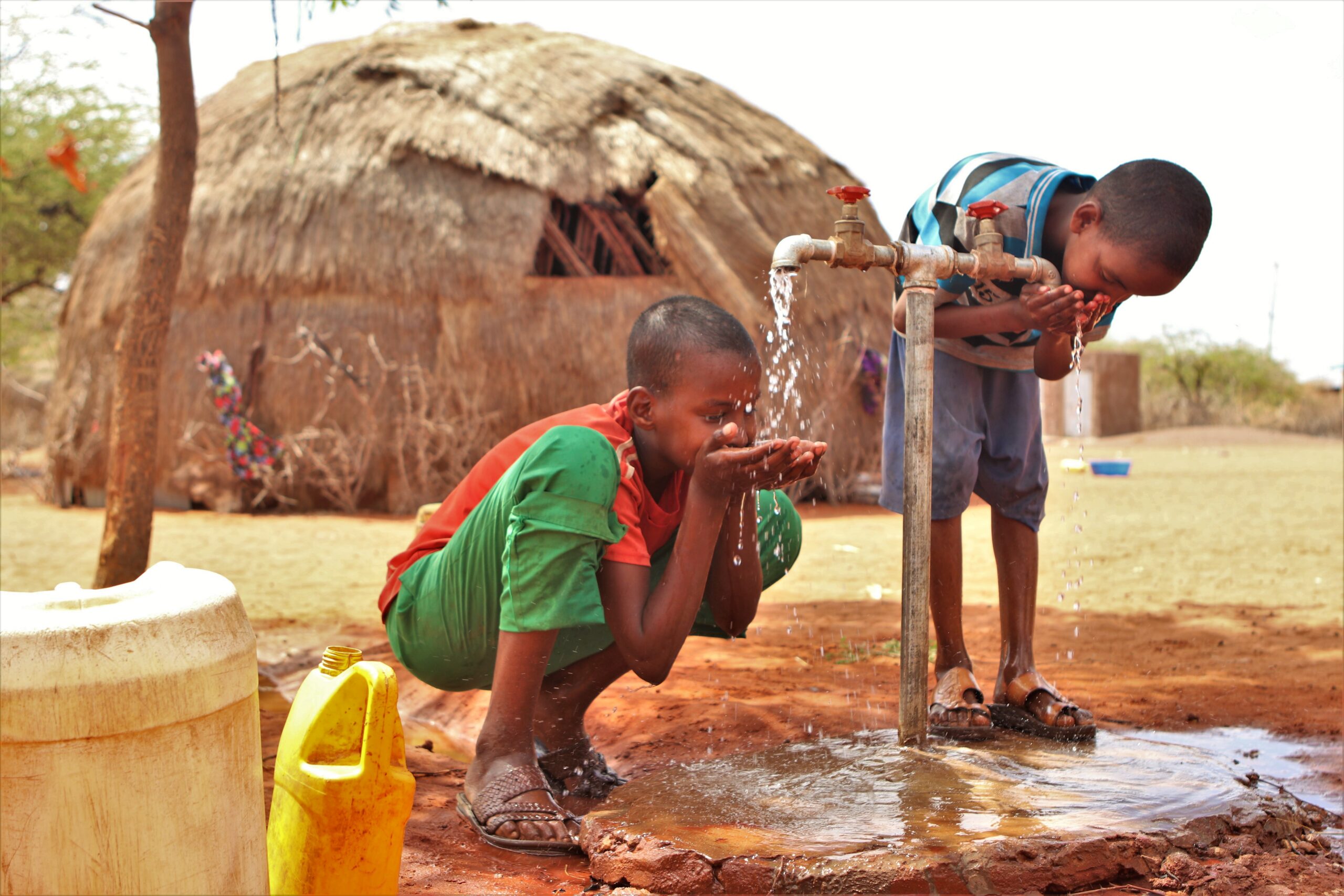
Yet today, millions of people around the world still wake up without access to something many of us in Australia take for granted — safe, clean water.

Across the world, 2.2 billion people — 1 in 4 — lack access to safe drinking water.

For many communities, this is not just an inconvenience, it is a daily struggle for survival.

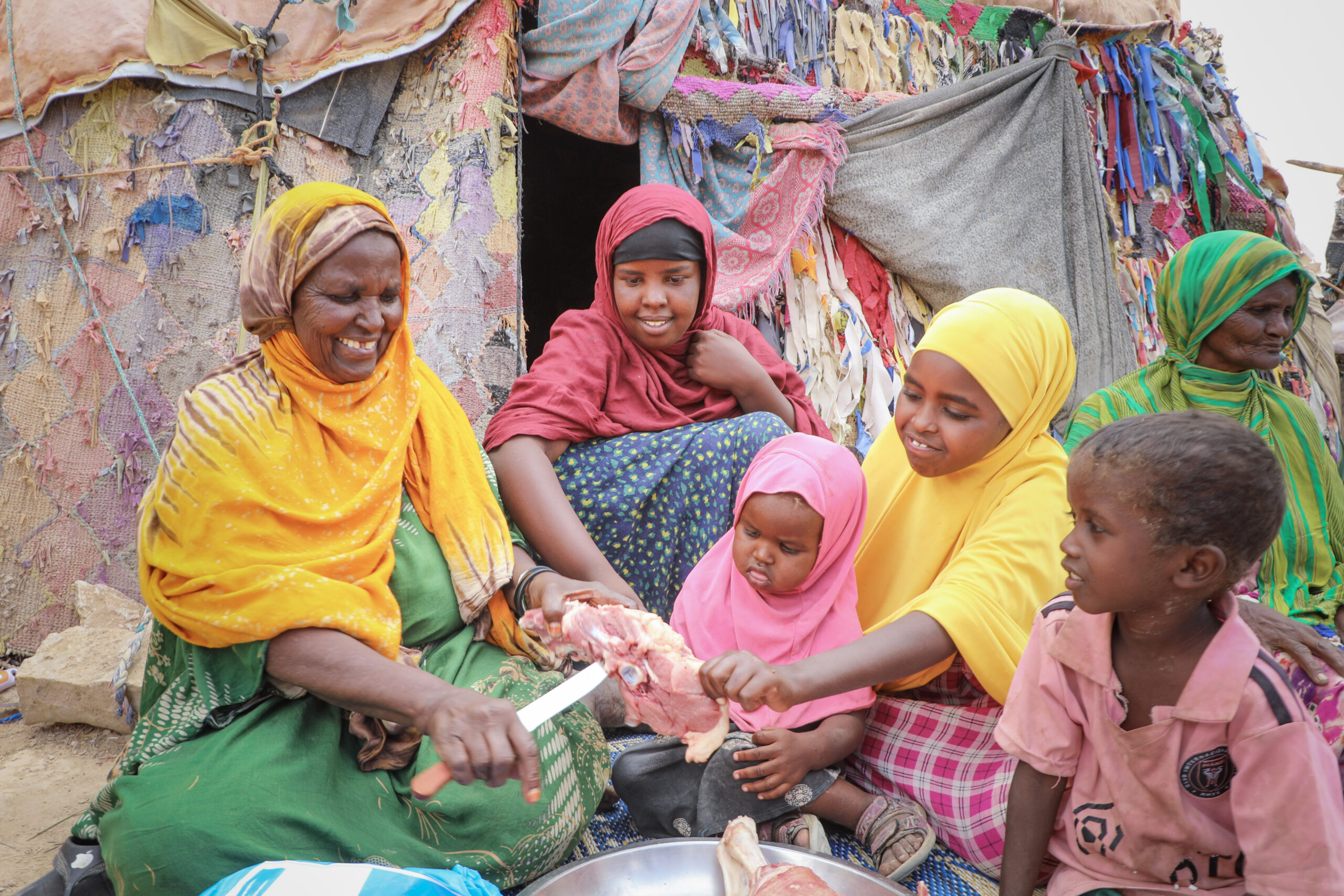
In countries such as Ethiopia, Kenya, and Somalia, families often rely on unsafe water sources. Women and children walk kilometres every day just to collect water — time that could otherwise be spent in school, work, or with family.

In fact, it is estimated that women and girls collectively spend over 200 million hours every day collecting water.

As Muslims, we are reminded that water is not just a resource — it is a divine blessing from Allah (SWT).

“And We send down blessed rain from the sky, bringing forth gardens and grains for harvest, and towering palm trees loaded with clustered fruit, as a provision for Our servants. And with this We revive a lifeless land. Such is the resurrection.”

Qur’an | Surah Qaf | 50:9–11

“Do the disbelievers not realize that the heavens and the earth were once one mass then We split them apart? And We created from water every living thing. Will they not then believe?”

Qur’an | Surah Al-Anbya | 21:30
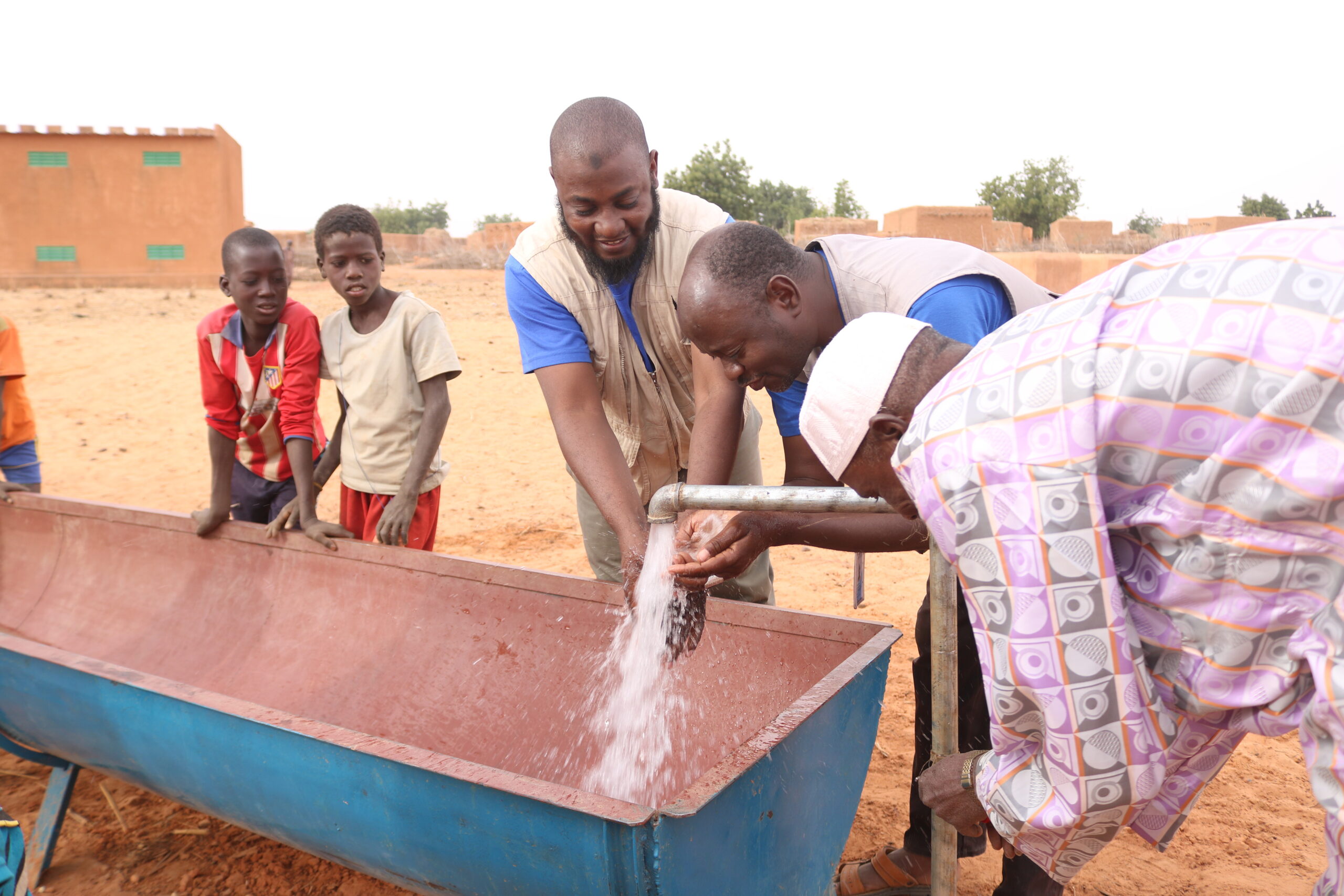
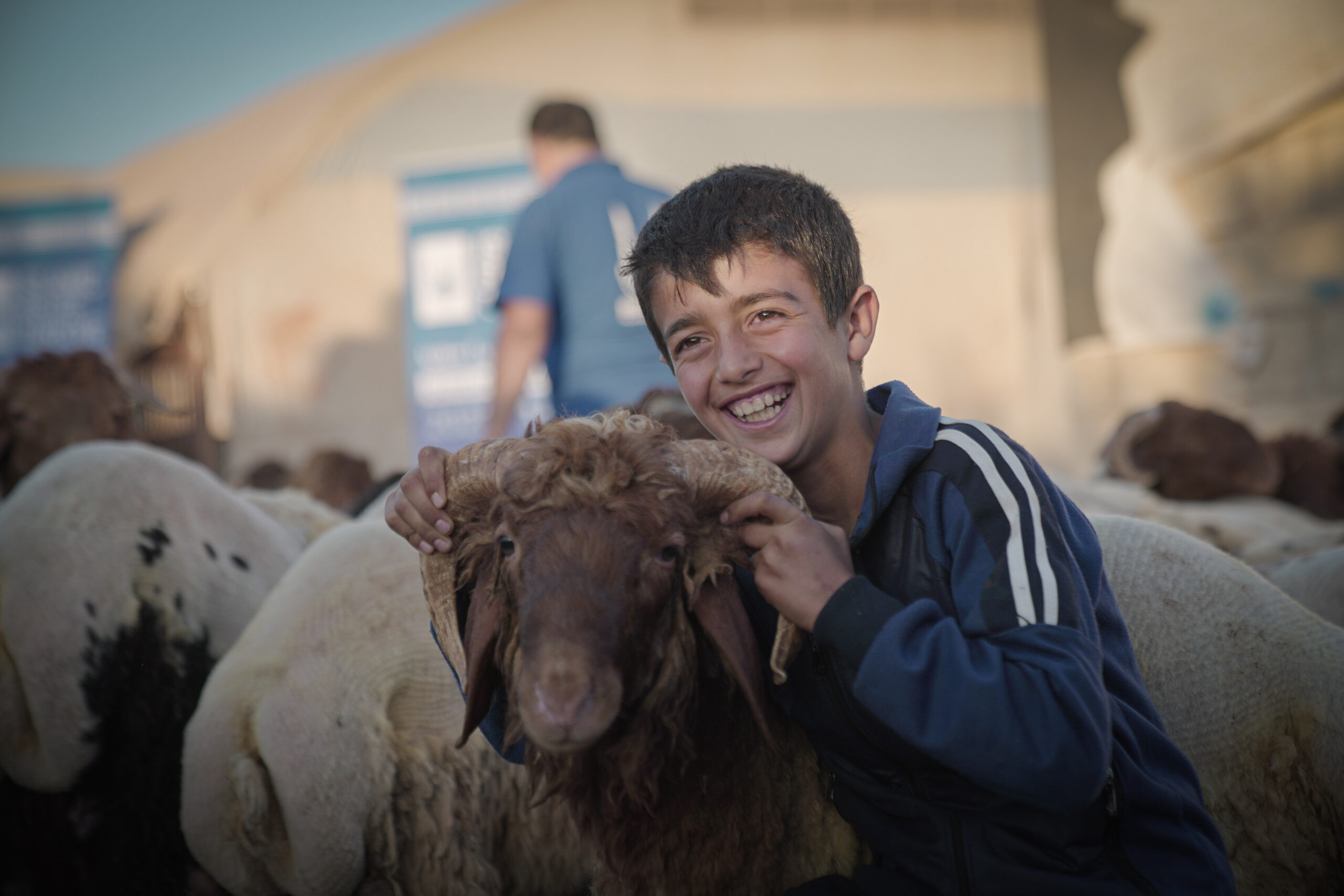
Photo: An Image of an Islamic Relief Water project

The disproportionate impact on women and girls

The global water crisis is closely linked to gender inequality. Women and girls bear the greatest burden due to existing social and economic disparities.
In countries such as Ethiopia and Kenya, girls frequently travel several kilometres to fetch water. This responsibility often prevents them from attending school, limiting their access to education and future opportunities.
In addition, the journey to collect water can expose women and girls to significant safety risks, including harassment and violence. These challenges highlight how access to clean water is not only a matter of health, but also of dignity, safety, and equality.

Climate change is intensifying water scarcity across many regions of the world. Prolonged droughts are affecting millions of people, particularly those who depend on agriculture for their livelihoods. Without reliable access to water, crops fail, incomes are lost, and food insecurity increases.

At the same time, extreme weather events such as flooding are becoming more frequent and severe, damaging infrastructure and contaminating water sources. Communities already facing poverty are often the most vulnerable to these impacts.

Islamic Relief has been working for over three decades to support vulnerable communities with access to safe and sustainable water solutions.

Our work goes beyond short-term interventions. We focus on long-term impact by:

  • Developing sustainable water supply systems
  • Installing solar-powered boreholes
  • Supporting irrigation for agriculture
  • Improving sanitation and hygiene facilities
  • Training communities to manage and maintain water resources

Across countries such as Somalia, Afghanistan, Pakistan, and Nepal, Islamic Relief continues to deliver solutions that strengthen resilience and support communities for the future.

On World Water Day, we are reminded of the importance of collective action in addressing the global water crisis.

Islamic Relief Australia continues to work with communities around the world to deliver sustainable water solutions that improve health, livelihoods, and long-term resilience.

Through continued support, it is possible to help ensure that more communities gain access to safe and reliable water sources for generations to come.

“The best charity is giving water to drink.”

Hadith | Musnad Ahmad
01.29.26

Laylatul Qadr: How to Make the Most of the Night of Power

  Publications     Ramadan

Laylatul Qadr, the “Night of Power”, is one of the most significant nights in the Islamic calendar. It is a night that carries immense spiritual weight and is described in the Qur’an as being better than a thousand months.

During the last ten nights of Ramadan, many Muslims increase their worship, prayers, and charitable giving in the hope of seeking the blessings of the Night of Qadr. Understanding its significance and how to approach it can help make this time more meaningful and focused.

What Is Laylatul Qadr?

Laylatul Qadr marks the night on which the Qur’an was first revealed. Its importance is highlighted in Surah al-Qadr, which describes the night as one filled with peace, mercy, and divine decree.

The exact date of the Night of Qadr is not known, but it is widely believed to fall on one of the odd-numbered nights during the last ten nights of Ramadan.

In the Quran, the whole of Surah Al-Qadr mentions Laylatul Qadr:

“Indeed, We sent the Qur’an down during the Night of Decree And what can make you know what is the Night of Decree? The Night of Decree is better than a thousand months. The angels and the Spirit descend therein by permission of their Lord for every matter. Peace it is until the emergence of dawn”- Qur’an 97:1-5

Why Is Laylatul Qadr So Important?

Worship performed on Laylatul Qadr is described as being better than worship carried out over a thousand months.

And it is also a night on which forgiveness is guaranteed for the sincere worshipper who “catches” its reward.

The Prophet ﷺ said: “Whoever stands in prayer on Laylatul Qadr out of faith and seeking reward, his previous sins will be forgiven.” (Agreed upon by Bukhari, Muslim, Sunan An-Nasai and others)

This makes the night a unique opportunity for reflection, prayer, repentance, and drawing closer to Allah. Many people choose to dedicate extra time during the last ten nights to maximise the chance of benefiting from this night.

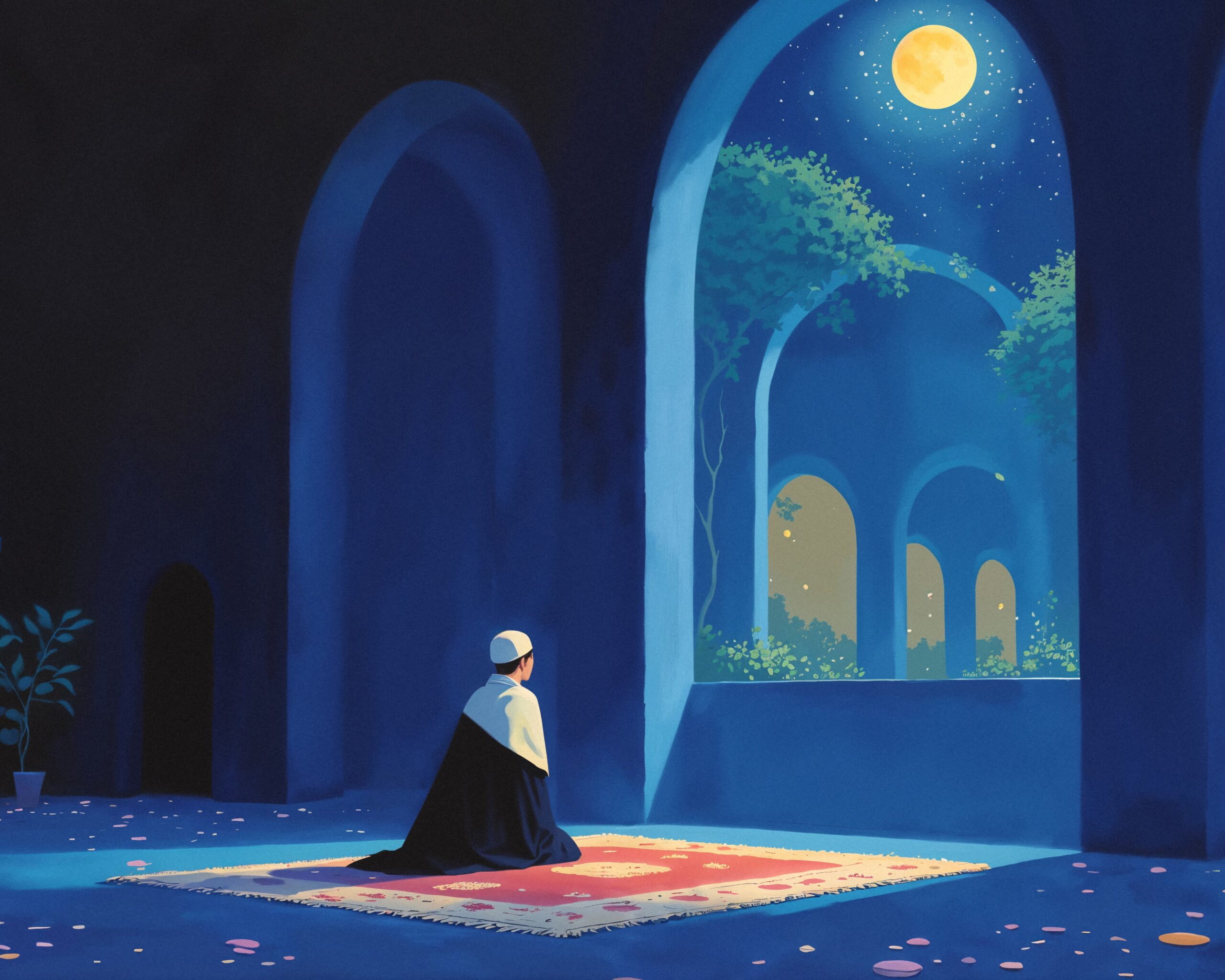
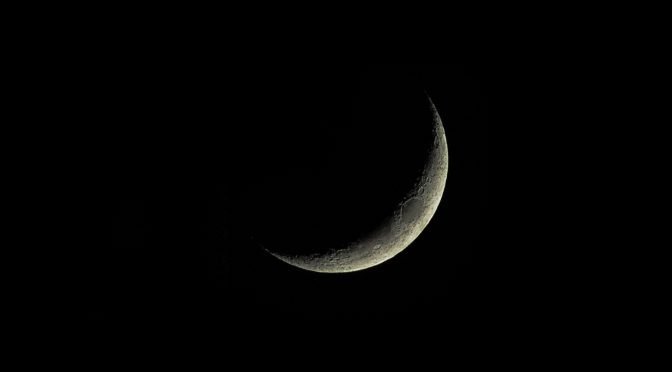
The moon in the last 10 days of Ramadan, where laylatul qadr happens

How to Prepare for Laylatul Qadr

Preparing for Laylatul Qadr begins with intention and awareness.

Practical steps may include:

  • Setting aside time during the last ten nights
  • Planning to attend night prayers
  • Increasing recitation of the Qur’an
  • Making du‘a with focus and sincerity.

Consistency during the final nights can help ensure that worship is not limited to a single night.

Du‘a and Worship on Laylatul Qadr

Du‘a is a central part of worship on Laylatul Qadr. The Prophet Muhammad (peace be upon him) encouraged making sincere supplication during this night.
Many people focus on seeking forgiveness, guidance, and ease for themselves and others. Acts of worship such as prayer, remembrance, and recitation are all emphasised during the final nights of Ramadan.

Giving Charity on Laylatul Qadr

Giving charity during Laylatul Qadr carries special significance. Because deeds performed on this night are multiplied, many people choose to give Zakat or Sadaqah during the last ten nights of Ramadan.

Planning charitable giving in advance can help ensure that obligations are fulfilled correctly and that support reaches those in need during this blessed time.

Final Thoughts: Make it Count!

Laylatul Qadr is a gift within Ramadan, offering a chance to seek immense reward and spiritual renewal.

By preparing thoughtfully, increasing worship, and giving generously during the last ten nights, you can approach this time with purpose and hope, trusting in the mercy and generosity of Allah.

01.29.26

A Simple Ramadan Plan: How to Prepare for a Meaningful Month

  Publications     Ramadan

Ramadan is a deeply meaningful time, but for many people it can also feel overwhelming.

Balancing work, family, worship, and daily responsibilities while fasting is not always easy, especially when the month arrives quickly.

Having a simple Ramadan plan can help bring clarity and calm. Rather than trying to do everything at once, a thoughtful plan allows you to approach Ramadan with intention, consistency, and balance.

This guide offers a simple, realistic way to plan for Ramadan, focusing on what truly matters and showing how existing Islamic Relief Australia resources can support you throughout the month.

Why Having a Ramadan Plan Matters

Ramadan is not just about changing meal times. It is a month of spiritual focus, self-reflection, and generosity.

Allah SWT tells us in the Qur’an:

فَاتَّقُوا اللَّهَ مَا اسْتَطَعْتُمْ


“So be mindful of Allah as much as you are able” (Surah At-Taghābun 64)

As the month of months, Ramadan is the time to increase in our mindfulness of Allah, with a deliberate plan.

Ramadan plan

Without a plan, it is easy for the days to pass quickly without making the most of the opportunity Ramadan offers. A simple plan helps you:

  • Set clear intentions for worship
  • Stay consistent rather than rushed
  • Balance spiritual goals with daily responsibilities
  • Approach Ramadan with calm rather than pressure.

A plan does not need to be detailed or rigid. Even a light structure can make a meaningful difference.

Start With Intention

Every meaningful plan begins with intention.

Before thinking about schedules or goals, take a moment to reflect on what you want Ramadan to be for you this year. This may include strengthening prayer, improving character, reconnecting with the Qur’an, or increasing generosity.

Clear intentions help guide decisions throughout the month and keep focus on purpose rather than perfection.

A good Ramaadn plan starts with intention

Keep Your Plan Simple and Realistic

A simple Ramadan plan works best when it is realistic.

The Prophet ﷺ said: “The most beloved deeds to Allah are those that are consistent, even if they are small.” (Agreed upon).

This famous hadith is nowhere more relevant than in Ramadan. Despite our lofty targets, consistency through the month is often more key to having a transformative month.

Rather than setting many ambitious goals, focus on a small number of practices you can sustain. Consistency is more valuable than intensity.

This might include:

  • Committing to regular prayer times
  • Setting aside time for Qur’an recitation
  • Choosing one habit to improve
  • Planning regular moments of reflection.

Plan Around Your Daily Routine

A practical Ramadan plan fits into your existing routine rather than fighting against it.

Consider your work hours, family commitments, and energy levels. Planning worship around these realities makes consistency more achievable.

Using a Ramadan calendar can help you structure your days around prayer times, fasting hours, and important nights, while still allowing flexibility.

Prepare for the Last Ten Nights

The last ten nights of Ramadan hold special significance, including the possibility of Laylatul Qadr.

Rather than waiting until they arrive, include them in your plan early. This may involve reducing optional commitments, prioritising worship, or planning charity in advance.

Approaching the last ten nights with preparation helps ensure they are not rushed or overlooked.

Make Du’a Part of Your Plan

Supplication is a central part of Ramadan. Rather than viewing du’a as something to do only when time allows, consider making it a consistent part of your daily routine. This could be after prayers, before breaking the fast, or during quiet moments at night.

Islamic Relief Australia’s Dua Hub brings together a wide range of supplications for different moments and needs, offering guidance without the need to search elsewhere.

There are many du'as in the Qur'an

Plan Your Giving With Purpose

Ramadan is a time when many people increase their charitable giving.

Including generosity in your Ramadan plan helps ensure that giving is thoughtful and intentional rather than rushed. This may involve calculating Zakat early, planning regular donations, or choosing causes that align with your values.

Islamic Relief Australia supports a range of humanitarian programs, allowing your giving to have meaningful impact throughout the month.

Use Existing Resources to Support You

You do not need to plan Ramadan alone.

Islamic Relief Australia has created a range of resources designed to support individuals and families throughout the month, including:

  • Preparing for Ramadan: How to Build Your Action Plan
  • The Ramadan Resources Hub
  • The Ramadan Journal.

Using these tools can help bring structure and clarity to your Ramadan without adding pressure.

A Balanced Approach to Ramadan

A simple Ramadan plan is not about doing everything perfectly. It is about approaching the month with sincerity, balance, and intention.

Small, consistent acts performed with focus often carry greater benefit than ambitious plans that cannot be sustained.

By keeping your plan realistic and centred on what matters most, you can experience Ramadan as a time of renewal, reflection, and generosity.

Ramadan offers a unique opportunity each year to reset, reflect, and reconnect.

With a simple plan and the support of existing resources, you can approach the month with confidence and calm, making the most of its spiritual and personal significance.

01.29.26

How to Prepare for Ramadan Spiritually and Practically

  Publications     Ramadan

Ramadan is a month of worship, reflection, and generosity. While its arrival is eagerly anticipated, many people reach the start of Ramadan feeling unprepared or unsure how to balance spiritual goals with daily responsibilities.

Preparing for Ramadan does not require dramatic changes or complex plans. Thoughtful preparation, both spiritual and practical, helps create space for focus, consistency, and calm throughout the month.

This guide explores how to prepare for Ramadan in a balanced and realistic way, while also pointing to existing Islamic Relief Australia resources that can support you before and during the month.

Why Preparation Matters

Ramadan arrives whether we are ready or not. Without preparation, the days can pass quickly, leaving little room for reflection or meaningful change.

Allah (SWT) tells us:

وَسَارِعُوا إِلَىٰ مَغْفِرَةٍ مِّن رَّبِّكُمْ وَجَنَّةٍ عَرْضُهَا السَّمَاوَاتُ وَالْأَرْضُ أُعِدَّتْ لِلْمُتَّقِينَ


“And hasten to forgiveness from your Lord and a Garden as wide as the heavens and the earth, prepared for the righteous” [Surah Aal Imran 133]

Preparing in advance allows you to:

  • Approach Ramadan with intention rather than urgency
  • Reduce stress around daily routines – focus on consistency instead of perfection
  • Make space for worship alongside work and family life.
Preparation is not about doing more. It is about doing what matters with clarity and the best of intentions.

Prepare for Ramadan through making a planner

Spiritual Preparation: Setting the Foundation

The Prophet ﷺ said:

“Whoever fasts Ramadan out of faith and seeking reward, his previous sins will be forgiven.” [Agreed upon]

This incredible hadith informs us about the sheer weight of reward on offer in this blessed month.

Spiritual preparation begins with intention. Taking time to reflect on what you hope to gain from Ramadan helps guide your actions throughout the month.

This may include:

  • Renewing intention for fasting and worship
  • Reflecting on areas of personal growth
  • Seeking forgiveness and reconciliation
  • Making du’a for a meaningful Ramadan

Simple acts of reflection before Ramadan begins can shape the tone of the entire month.

Reconnecting With Prayer

Prayer is central to Ramadan, yet it can be challenging to maintain focus during busy periods.

Preparing spiritually may involve:

  • Reviewing prayer routines
  • Setting realistic expectations around additional nawafil (supererogatory) prayers
  • Identifying quiet moments for reflection.

Approaching prayer with consistency and sincerity is more beneficial than placing pressure on oneself to do everything at once.

Preparing Your Relationship With the Qur’an

Ramadan is closely connected to the Qur’an. Many people aim to increase their recitation or understanding during the month for this reason. The Qur’an began to be revealed in the month of Ramadan, and the Prophet (peace be upon him) and his companions increased their recitation of the Qur’an to much higher levels during the blessed month.

Preparation can be as simple as:

  • Setting a manageable recitation goal
  • Choosing a translation or commentary to reflect on
  • Identifying a regular time for reading every day.

Small, consistent engagement with the Qur’an often leads to a deeper connection than ambitious goals that cannot be sustained.

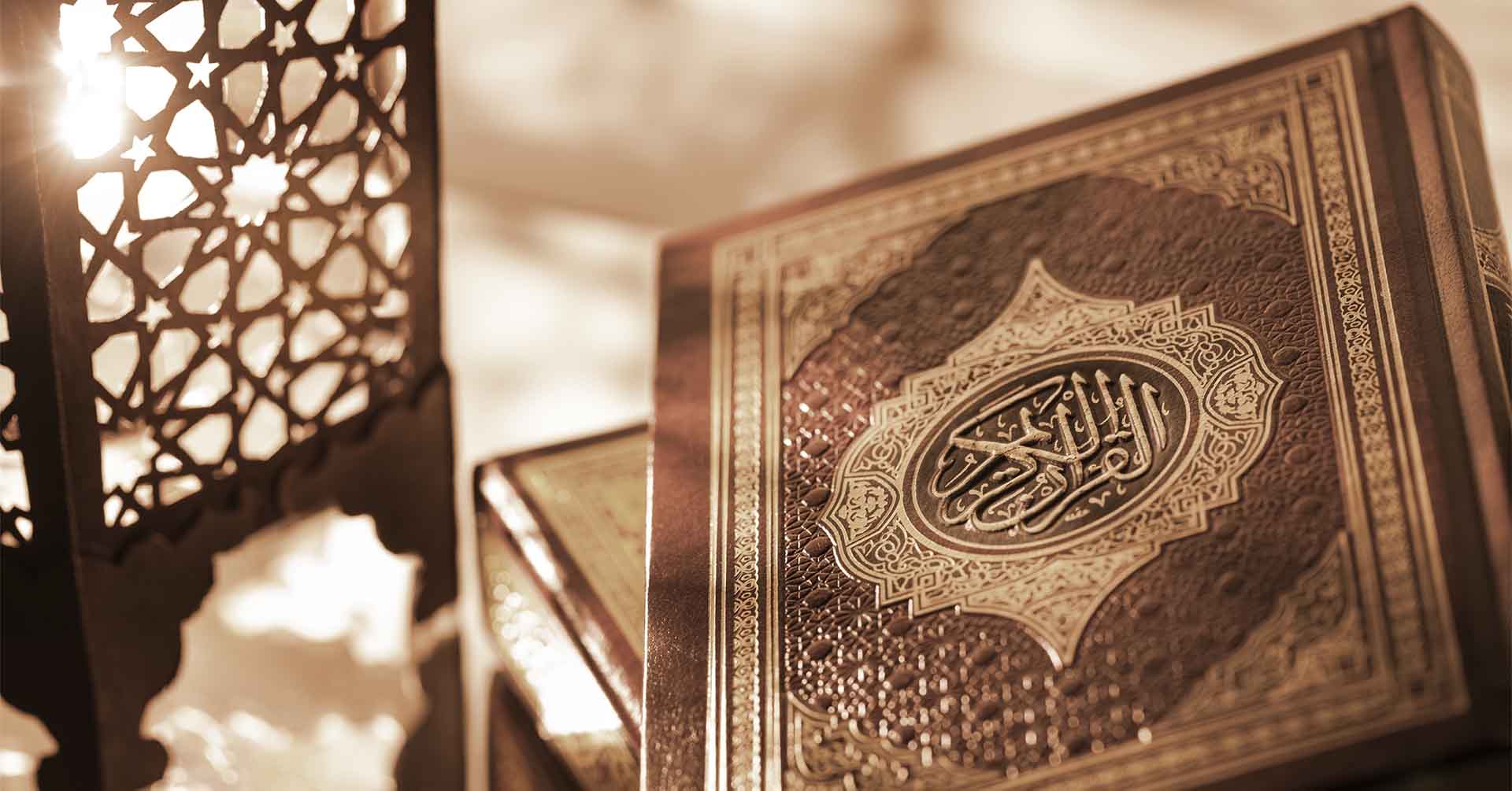
We can prepare for Ramadan by strengthening our relationship with the Qur'an

Practical Preparation: Simplifying Daily Life

Practical preparation supports spiritual focus.

This may include:

  • Adjusting sleep routines gradually
  • Planning meals ahead of time
  • Reviewing work and family commitments
  • Reducing unnecessary obligations where possible.

Simplifying daily life creates space for worship without adding pressure.

Using a Ramadan calendar can help you visualise prayer times, fasting hours, and important nights, making daily planning easier.

Preparing for the Last Ten Nights

The last ten nights of Ramadan hold special significance. Preparing for them early helps ensure they are approached with intention rather than exhaustion.

This may involve:

  • Planning lighter schedules where possible
  • Setting aside time for additional worship
  • Reflecting on personal goals for this period.

Preparation allows these nights to be experienced with focus and calm.

Incorporating Du’a Into Daily Life

Increasing in supplication is an essential part of Ramadan.

Rather than viewing du’a as something to do only at specific times, preparation may involve integrating it into daily routines, such as after prayers or before breaking the fast.

Islamic Relief Australia’s Dua Hub offers a collection of supplications for different moments, providing guidance and inspiration without the need to search elsewhere.

Planning Your Giving

Charitable giving is an important aspect of Ramadan. Preparing in advance helps ensure generosity is intentional and aligned with personal values.

This may include:

  • Calculating Zakat before Ramadan begins
  • Planning how and when to give throughout the month
  • Learning about causes you wish to support

Islamic Relief Australia provides opportunities to support people in need locally and internationally, allowing generosity to be part of your Ramadan preparation.

prepare for Ramadan by managing your money for charity well

Using Existing Resources to Support Preparation

You do not need to prepare for Ramadan alone.

Islamic Relief Australia has developed a range of resources to support individuals and families, including:

  • Preparing for Ramadan: How to Build Your Action Plan
  • The Ramadan Resources Hub
  • The Ramadan Journal.

These tools can help bring structure to preparation while keeping the focus on intention and balance.

A Balanced Approach to Preparation

Preparing for Ramadan is not about achieving perfection. It is about approaching the month with sincerity, realism, and care.

Small steps taken before Ramadan begins can make the month more meaningful and less overwhelming.

Ramadan preparation is both spiritual and practical.

By setting intentions early, simplifying daily routines, and making use of existing resources, you can approach Ramadan with confidence and calm, ready to engage with the month in a way that is meaningful and sustainable.

01.16.26

Al Isra’ wal Mi’raj 2026: The Night Journey (27th Rajab)

  Publications     Ramadan

What is Al Isra’ Wal Mi’raj (27th Rajab*)

Al Isra wal Miraj is believed to be the night in which the beloved Prophet (peace be upon him) embarked on the famous night journey and ascension, also known as Shab-e-Miraj. The night is commemorated on the 27th of Rajab.

The night journey and ascension of Prophet Muhammad (PBUH) was a miraculous occurrence during which he travelled from Makkah to Masjid Al-Aqsa in Jerusalem before ascending to heaven, all in one night. Isra’ is the night journey from Makkah to Masjid Al-Aqsa. Mi’raj is the journey from Masjid Al-Aqsa to the heavens.

While in Arabic, this is known as Al Isra’ Wal Mi’raj, in Bangla, Persian, Iranian, Pakistani and Indian dialects, this famous journey is sometimes referred to as Shab-e-Miraj, or, the Night of Miraj.

It was when the Prophet (PBUH) was first given the five prescribed daily prayers. He also led the other Prophets in prayer and met some of them. Many extraordinary sights were witnessed by the Prophet (PBUH) on this journey.

It was also a test of faith for the believers at the time and an opportunity for the true believers to shine.

The historical period when the night journey and ascension took place, was a period in which Prophet Muhammad (PBUH) was facing intense hardship and grief after the consecutive deaths of some of his dearest family members and supporters, whilst also facing the cruel rejection of the people of Ta’if. It is thought to have taken place one year before the Hijrah (migration) from Makkah to Madinah.

Allah (SWT) blessed the Prophet (PBUH) with this miracle that significantly impacted the Prophet’s (PBUH) life and Islam as we know it.

“Exalted is He who took His Servant (Prophet Muhammad (PBUH)) by night from al-Masjid al-Haram to al-Masjid al-Aqsa, whose surroundings We have blessed, to show him of Our signs. Indeed, He is the Hearing, the Seeing.”

Qur’an | Surah Al-Isra | 17:1

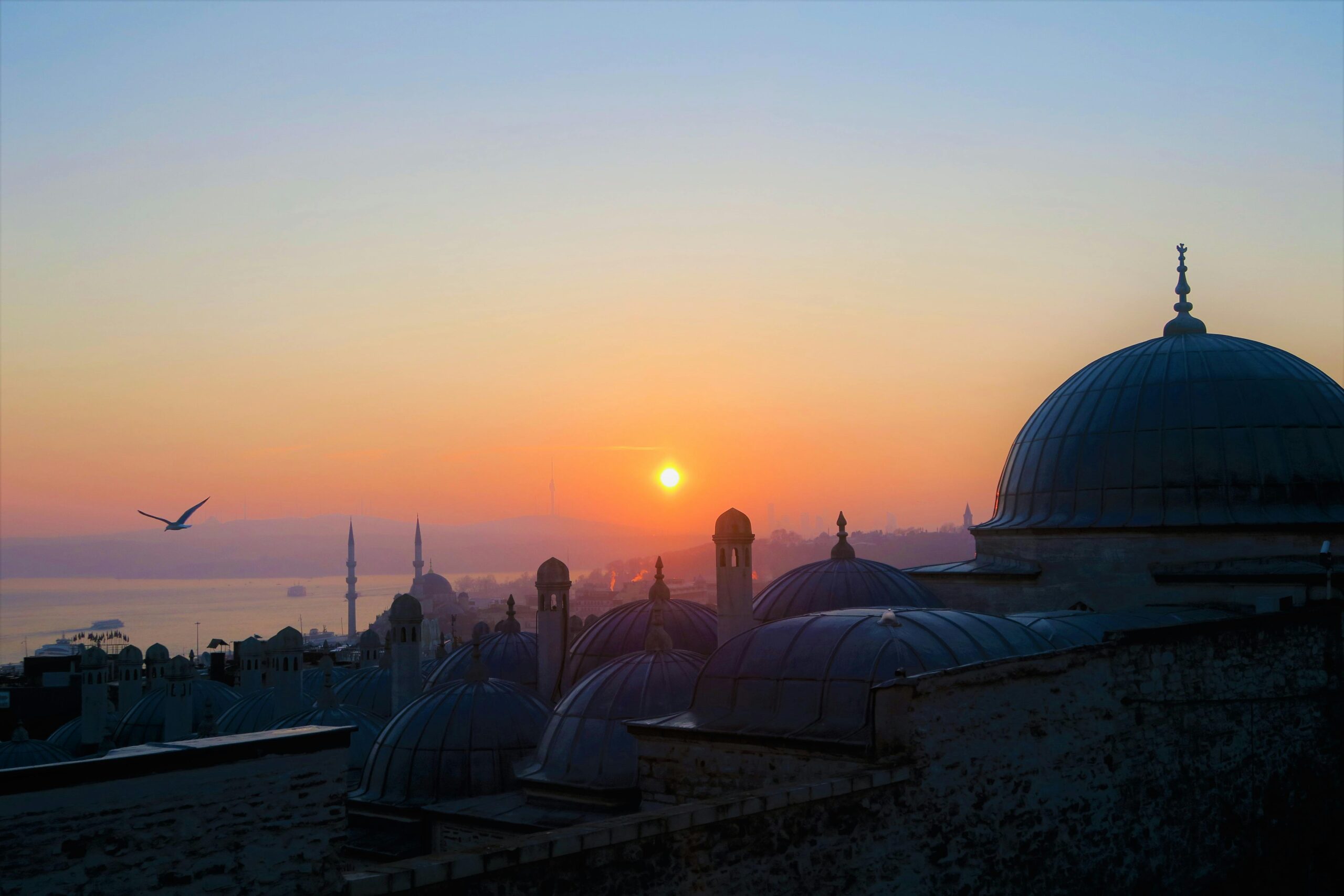
Photo: An Image of masid Al-Aqsa with a an amazing sunset.

When is Al Isra’ wal Mi’raj (27th Rajab) 2026?

The night of Al Isra’ wal Mi’raj is expected to fall on the evening of Thursday 15th January 2026, depending on the sighting of the moon. The Gregorian date that coincides with the 27th of Rajab in 2026 is 16th January 2026.

What is the significance of Al Isra’ wal Mi’raj (27th Rajab)?

The night journey (Al Isra’ wal Mi’raj) has many lessons and virtues for us to reflect on, especially in the lead up to the holy month of Ramadan.

The context in which it took place is crucial, as the Prophet (PBUH) was experiencing a period of great hardship and suffering.

His (PBUH) beloved wife and the first Muslim, Khadijah (RA), passed away.

His (PBUH) uncle Abu Talib, who was one of his greatest supporters against the Quraysh also passed away during that period in what became known as the Year of Sorrow. This was 10 years after the Prophet (PBUH) began to preach his message. He was also, cruelly rejected by the people of Ta’if around this time, who he had hoped to spread the message of Islam to.

“After the Prophet (PBUH) was miraculously taken by night to the furthest mosque in Jerusalem, the people began to talk about it. Some of them renounced their faith and belief in him. They looked for Abu Bakr and they said, ‘Have you heard that your friend imagined he was taken by night to the sacred house?’ Abu Bakr said, ‘Did he say that?’ They said, ‘Yes.’ Abu Bakr said, ‘If he said it, then it is the truth.’ They said, ‘Do you believe he went by night to the sacred house and returned before morning?’ Abu Bakr said, ‘Yes. Verily, I believe something even more astonishing than that. I believe he has received revelations from heaven for everything he does.’ For this reason, Abu Bakr was named the Truthful, al-Siddiq.”

Aisha (R.A) — Dalā’il al-Nubuwwah, al-Bayhaqī (2/361)

Duas to read on Al Isra’ wal Mi’raj (27th Rajab)

On any virtuous night like Al Isra wal Mi’raj, it’s important to increase our supplications to Allah, and to ask Allah to fulfil our needs and the needs of our Muslim brothers and sisters across the world.

It’s also important to pray nafl (optional) prayers, send salutations (Salawat) upon the Prophet (PBUH), and increase recitation of the holy Qur’an. 

Virtues of the night of Al Isra wal Miraj (27th Rajab*)

The night of Al Isra wal Mi’raj holds great spiritual significance for Muslims and is an extremely important event. It has a direct impact on our daily lives, as this was the night that the Prophet (PBUH) was commanded to establish Salah (prayer). 

The miracle of Al Isra’ wal Mi’raj also shows us a glimpse of  the infinite power and glory of Allah, what is beyond the unseen eye, and the dearness of the Prophet (PBUH) to Allah.  

On the night of Al Isra wal Miraj (27th Rajab*), as well as offering nafl prayers, giving Sadaqah and increasing other forms of worship. It’s important to reflect on Al Isra wal Mi’raj and draw lessons from the blessed event which may help us greatly. 

For example, the blessed journey reminds us of the spiritual heavenly world which we cannot see, but exists for righteous believers.

For those who may be experiencing a difficult period of time in their lives, Al Isra’ wal Mi’raj is a reminder of what Allah tells us in the Qur’an: 

“For indeed, with hardship [will be] ease. Indeed, with hardship [will be] ease.”

Qur’an | Surah Ash-Sharh | 94:5–6

Your Zakat Heals Our Ummah

Make the most of Shaban by preparing for Ramadan. Give the gift of happiness and hope to our brothers and sisters in need with Islamic Relief.

*Please note that the exact date of Al Isra wal Mi’raj is debated and not conclusively agreed among all scholars. 

01.02.26

What is Shaban 2026?

  Publications     Ramadan

Shaban (or Sha’ban, Shaaban), is the eighth month in the Islamic calendar. Coming before the ninth month, Ramadan, it is a bridge to the blessings the holy month brings.

Thus, we explore Shaban as a time to prepare for the important month ahead, and one we must not neglect.

When is Shaban 2026?

Shaban, this year, begins on January 20, 2026, according to the new moon’s sighting. This Islamic month may end on February 18, 2026, depending on the moon’s sighting for the start of Ramadan.

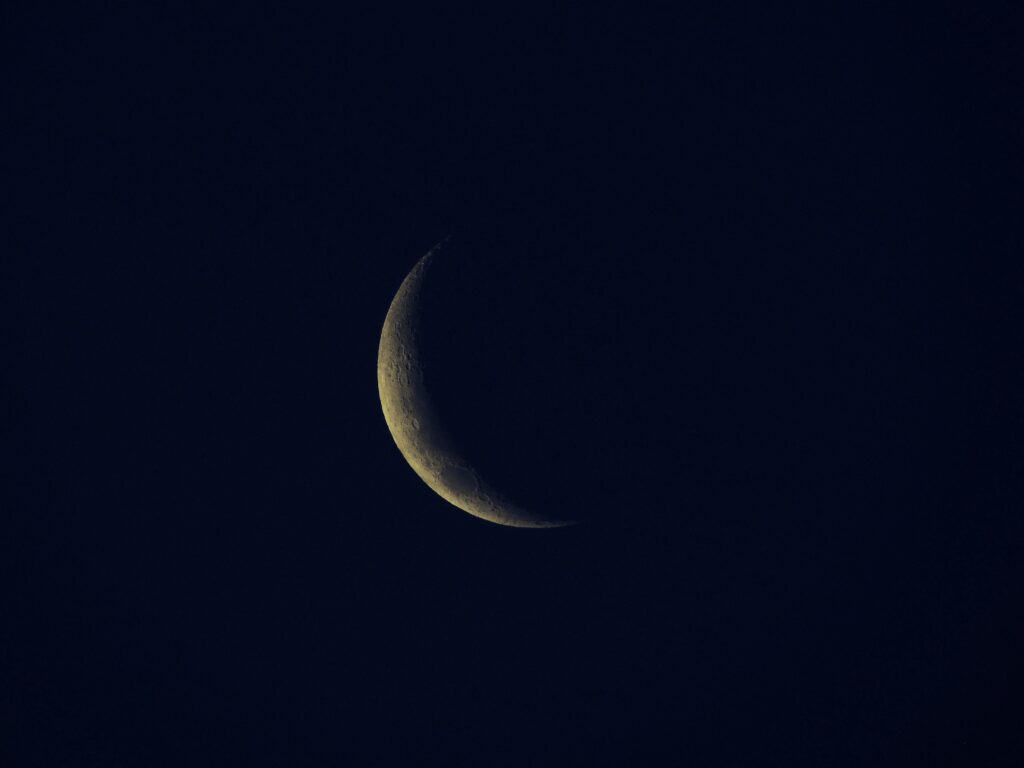
A crescent moon in the night sky, the sighting of which can be used to determine the dates for the Islamic months, such as Shaban
Photo: The sighting of the moon is used to determine the dates of the Islamic months of the lunar calendar.

What is the Significance of Shaban?

Imam Abu Bakr al-Warraq al-Balkhi (RA), the uncle of Imam Tirmidhi (RA), said: 
“The month of Rajab is the month of planting (your seeds), Sha‘ban is the month of irrigating / watering (them), and Ramadan is the month of harvesting the crop.”

Lataiful Ma’arif

Shaban, being the month just before Ramadan, is a perfect time to prepare for the blessed month. But it too, holds great importance on its own. Here are key reasons why:

More Fasting Than Any Other Month (Except Ramadan)

The Prophet Muhammad (ﷺ) would fast in Shaban more than any other month except Ramadan. Aisha (RA) said:

“I never saw the Messenger of Allah ﷺ fasting for an entire month except in Ramadan, and I never saw him fasting more than he did in Sha’ban.”

Sahih Al-Bukhari

He (ﷺ) also loved to fast in this month. So much so, that it was recorded in hadith. In Sunan Abu Dawud, it states, “The most beloved of months for the Messenger of Allah ﷺ to fast in was Sha’ban, and his fasting in Sha’ban was continuous with his fasting in Ramadan.”

More Opportunity for Rewards

Many scholars of the past (Salaf) also believed that fasting in Shaban was better than fasting in other months, even the sacred ones.

Ibn Rajab (RA) said, “Fasting in Sha’ban is better than fasting in the Sacred Months, and the best of voluntary fasts are those that are (observed in the months) closest to Ramadan, before or after.”

A hadith in Silsilat ul-Ahadith-as Sahiha also states, “Allah forgives all the believers in general; except the polytheists and the jealous people on the middle night of Sha’ban.” Some Muslims refer to this night as a Shab-e-Barat, however no Quranic verses specifically mention it.

Good Deeds to Do on Sha’ban

There are a lot of good deeds you can perform in the month of Shaban to make the most of it. Here are some simple acts of worship (ibadah) to add to your daily routine to earn good deeds AND prepare for Ramadan.

1. Do Voluntary Fasts

Prophet Muhammad (ﷺ) used to fast most of the days of Shaban. Thus, we should follow his Sunnah (actions and way of living) and keep as many voluntary fasts as we can in Shaban too. If it is hard to fast most of the month, try to fast on the 13th, 14th, and 15th as they are the White Days (Al-Ayyam al-Bid) of the Islamic month.  

However, there are also exceptions to fasting in Shaban. Abu Hurayrah (RA) mentioned that the Messenger of Allah (ﷺ) said, “Do not anticipate Ramadan by fasting one or two days before it begins, but if a man habitually fasts, then let him fast.” (Sahih Muslim)
He also reported that the Prophet (ﷺ) said not to fast if Sha’ban is half over. (Tirmidhi)

The exception to this would be someone who fasted regularly, such as the Prophet (ﷺ) and many of his companions. Thus, if you are someone who regularly observes the sunnah fast, then you may still observe them in the second half of Sha’ban. It is also permissible to make up a Ramadan fast at this time, if necessary, as Aisha (RA), one of the wives of the Prophet (ﷺ), herself said she would make up fasts in Shaban.

2. Recite the Quran

Ramadan is the month of the revelation of the Quran. Naturally, it is the month when we recite it the most. Thus, to help us get ready and see the best results in Ramadan, we should start the habit of reciting it more, starting from Shaban. 

Salamah ibn Kuhayl (RA) said, “It was said that Shaban was the month of the Quran readers.” (Lataiful Ma'arif)
Salamah ibn Kuhayl (RA) said, “It was said that Sha’ban was the month of the Quran readers.” (Lataiful Ma’arif)

3. Make Lots of Duas

Apart from obligatory prayers and observing fasting in Shaban, reciting different duas, tasbeeh, and staying engaged in remembrance of Allah (SWT) is also a good way of making the most of this month.

Here are some duas you can say to seek forgiveness and blessings from Allah (SWT).

“O Allah (SWT), I seek refuge in Your pleasure from Your anger and in Your forgiveness from Your punishment. I seek refuge in You from You. I cannot praise You enough. You are as You have praised Yourself.”

(Sahih Muslim)

Rabbanā lā tuākhidh’nā in nasīnā aw akh ta’na

رَبَّنَا لاَ تُؤَاخِذْنَا إِن نَّسِينَا أَوْ أَخْطَأْنَا

“Our Lord! Take us not to task if we forget or fall into error”

Qur’an 2:286

4. Perform Voluntary Prayers

To make it easier to do more voluntary prayers in Ramadan, start the practice of praying Tahajjud from Shaban. It will help you get used to the Ramadan schedule quicker and also bring you many rewards. 

5. Start Preparing Money for Ramadan

The Prophet Muhammad (ﷺ) was the most generous in giving charity (Zakat and Sadaqah) during Ramadan. To prepare for giving in Ramadan, we should start getting ready in Shaban, including finding Zakat calculations.

Like other forms of Ibadah, charity in Shaban is also an act of worship as you show kindness to others. For every good deed, specifically charity during Shaban, you can gain blessings in abundance.

Shaban: A Pathway to Blessings and Rewards

The Prophet Muhammad (ﷺ) said, “(Shaban) is a month to which people do not pay much attention, between Rajab and Ramadan. It is a month in which the deeds are taken up to the Lord of the worlds, and I like that my deeds be taken up when I am fasting.” (An-Nasa’i).

With this in mind, it is important not to neglect this blessed time. To make the most of it by increasing worshipping, observing fasting, reciting Quran and duas, and engaging in charitable activities.

Thus, it will be a month that not only strengthens your bond with Allah (SWT), but also helps you prepare for the sacred month of Ramadan.

Your Zakat Heals Our Ummah

Make the most of Shaban by preparing for Ramadan. Give the gift of happiness and hope to our brothers and sisters in need with Islamic Relief.

07.15.25

Key Islamic Phrases and Their Meanings

  Publications

In Islam, words hold great power. Whether it’s greeting one another, expressing gratitude, or making Du’a (supplication), the Islamic phrases we use every day reflect our faith and connection to Allah (SWT).

The Qur’an and Sunnah encourage us to embody kindness and compassion to others. To use our words and deeds to spread goodness.

“Do you not see how Allah compares a good word to a good tree? Its root is firm and its branches reach the sky, ˹always˺ yielding its fruit in every season by the Will of its Lord. This is how Allah sets forth parables for the people, so perhaps they will be mindful.”

Qur’an | Surah Ibrahim | 14:24-25

Likewise, Abu Huraira narrated that the Prophet Muhammad (ﷺ) said:

 “Whoever believes in Allah and the Last Day, should not hurt his neighbor and whoever believes in Allah and the Last Day, should serve his guest generously and whoever believes in Allah and the Last Day, should speak what is good or keep silent.”  

Hadith | Sahih al-Bukhari 6136

Here, you’ll find a guide to common Islamic phrases and when to say them.

Whether you’re looking to deepen your understanding or simply incorporate them into daily life, this resource will help guide you through the key phrases we say often.

List of Key Islamic Phrases and Their Meanings

ISLAMIC PHRASEARABICENGLISH TRANSLATIONWHEN TO SAY IT
La ilaha illa Allah (muhammadur rasool allah)لَا إِلَٰهَ إِلَّا ٱلله (مُحَمَّدٌ رَسُولُ ٱلله)There is none worthy of worship except Allah (and Muhammad (ﷺ) is the messenger of God).Part of the Shahada, the fundamental declaration of faith in Islam. This phrase is often recited to affirm faith and during Dhikr (remembrance).
As-salamu alaykum‏اَلسَلامُ عَلَيْكُمPeace be upon you.Muslims use this phrase as a greeting when first seeing one another. It is a way of offering peace and blessings upon someone. We also use a longer variation of this phrase to end our five daily Salahs.
Wa-ʿalaykumu salam وَعَلَيْكُمُ ٱلسَّلَامAnd peace be upon you.This is the response to “Assalamu Alaikum”, returning the greeting and peace. It is a form of respect and kindness.
Insha’Allahإِنْ شَاءَ اللهIf Allah wills it.We use this phrase when speaking about future events or plans, acknowledging that everything happens according to Allah’s will.
Alhamdulillahٱلْحَمْدُ لِلهAll praise is due to Allah.Muslims say this to express gratitude, contentment, or relief. It can be used in response to good news or after completing something successfully. It also serves as a form of Dhikr.
Masha’Allah مَا شَاءَ اللهWhat Allah has willed has happened.This phrase is used to express admiration or appreciation for something good while acknowledging that it is by Allah’s will. It also serves as a way to prevent envy.
Allahumma Barik اللّهُـمَّ بارِكْOh Allah bless him/her.A supplication asking Allah to bless something or someone. Often said when complimenting others to avoid envy.
SubhanAllah سُبْحَانَ اللهGlory be to Allah.Used to express amazement or wonder at something. This also serves as a form of Dhikr.
Astagh’firullah أَسْتَغْفِرُ اللهI seek forgiveness from Allah.This is said when repenting for a sin, after making a mistake, or when hearing something inappropriate. This can also be recited as part of Dhikr.
Allahu Akbarٱللهُ أَكْبَرAllah is the Greatest.Said in Salah, in moments of awe, gratitude, or as a reminder of Allah’s supreme power. Also recited during the Adhan (the call to prayer).
Bismillahبِسْمِ اللهIn the name of Allah.Said before starting something, such as eating, working, or any important task, seeking blessings from Allah.
Bismillahir Rahmanir Raheemبِسْمِ اللهِ الرَّحْمٰنِ الرَّحِيْمIn the name of Allah, the Most Gracious, the Most Merciful.A longer and more formal version of “Bismillah,” often used before reciting the Qur’an, beginning prayers, or starting something significant.
AmeenآمِينO Allah, accept it.Said at the end of a du’a to affirm and hope that Allah grants the request.
Jazakum Allahu Khayranجَزَاكُمُ ٱللهُ خَيْرًMay Allah reward you with goodness.Used to express gratitude or thank someone by making Du’a for them.
La Hawla wa La Quwwata illa Billahلَا حَوْلَ وَلَا قُوَّةَ إِلَّا بِاللهThere is no power or strength except with Allah.Said in times of difficulty or as a reminder of Allah’s power.
Hasbunallahu wa ni’mal wakeelحَسْبُنَا ٱللَّهُ وَنِعْمَ ٱلْوَكِيلُ‘Sufficient for us is Allah, and [He is] the best Disposer of affairs.’Said in times of difficulty, or when making or awaiting the outcome of a decision.

07.03.25

When is Ashura 2025?

  News

In the Islamic (Hijri) Calendar, certain days are more virtuous than others. One such day is the 10th of Muharram, the Day of Ashura, which falls in the first month of the Hijri year.

Last year, the Day of Ashura fell on July 16, 2024. This year, Ashura 2025 is projected to occur on July 5, 2025. This is subject to change depending on the sighting of the moon.

What is the Day of Ashura? 

“Ashura” comes from the word “Asharah”, which means ten in Arabic. Fittingly, it falls on the 10th of Muharram.  

The Day of Ashura commemorates various significant historical events. This includes the day when Allah (SWT) saved Prophet Musa (AS) and his people from the tyranny of Pharaoh (Fir’aun) in Egypt. 

Ashura is also a solemn occasion. It marks the martyrdom of Imam Husayn (AS) (also referred to as Imam Hussein ibn Ali), the grandson of Prophet Muhammad (ﷺ), along with his family members and companions, in the Battle of Karbala in 680 CE. 

The Historical Significance of the Day of Ashura 

The Battle of Karbala 

The Battle of Karbala took place in Iraq in Muharram, 61 AH. It was fought between a small army consisting of the family and companions of Imam Husayn (AS). As well as a much larger army sent by Yazid ibn Muawiyah, the Umayyad Caliph at that time. 

The battle took place because Imam Husayn (AS) refused to pledge allegiance to Yazid ibn Muawiyah. Yazid was tyrannical and had taken it upon himself to assume the Muslim leadership after the death of his father.  

On the 10th of Muharram, Imam Husayn (AS) and 72 of his companions were brutally martyred by the enemy camp. Imam Husayn (AS) was brutally decapitated, and many of the others lost were male relatives of the Prophet (ﷺ). They nobly sacrificed their lives as a stand against oppression and to preserve Islam.  

As one of his beloved grandsons, Imam Husayn (AS) was very close to the Prophet (ﷺ). He would climb on his back during prayer as a child. His significant position in Islam is highlighted in the following Hadith: 

“Husayn is from me, and I am from Husayn. Allah loves whoever loves Husayn.”

Tirmidhi 

The Story of Musa 

On the Day of Ashura in the time of Prophet Musa (AS), Allah saved the Prophet and his people (Bani Isra’il) from the tyrannical Pharaoh (Fir’aun) and his army.  

The Pharaoh was extremely violent and corrupt in his rule. He spread blasphemy as he declared himself as God. The Prophet Musa (AS) refused to follow the Pharaoh and tried to encourage him to worship Allah (SWT). However, the Pharaoh would not accept that there was a power higher than himself. Fuelled by rage and arrogance, he sent a large army to destroy the Prophet and his followers.  

As the army chased Prophet Musa (AS) and his followers, he made the following famous Dua, as mentioned in Surah Ash-Shu’ara:

“Truly my Lord is with me, He will guide me through.” 

Quran 26:62

As a result of his patience and firm faith, Allah (SWT) parted the Red Sea so that Prophet Musa (AS) and his followers could reach safety. He then sent a punishment to the Pharaoh and his army. This allowed the waves to crash upon them and submerge them into the sea. 

As Allah (SWT) says in the Qur’an:

Then We inspired to Moses, “Strike with your staff the sea,” and it parted, and each portion was like a great towering mountain. And We drew forward the others [i.e., the pursuers]. And We saved Moses and those with him, all together. Then We drowned the others. Indeed in that is a sign, but most of them were not to be believers. And indeed, your Lord – He is the Exalted in Might, the Merciful. 

Quran 26:63-68

The Story of Ashura and Other Prophets (AS) 

The Day of Ashura was also significant in the time of other prophets. For example, in the time of Prophet Nuh (AS), some narrations say that on the day of Ashura, Allah (SWT) returned his ark to dry land after the flooding stopped. It was a day of relief and celebration for the Prophet and his devoted companions.  

Some narrations also say that Ashura was the day that Prophet Adam (AS) repented and was forgiven by Allah (SWT) after eating the forbidden fruit. Others say it was the day Prophet Yunus (AS) was released from the belly of the whale and Allah (SWT) forgave his people.  

Virtues of Ashura 

Ashura is a virtuous day when the rewards of good deeds are multiplied. Some recommended actions include reading the Qur’an, doing nafl (voluntary) prayers, and making Dhikr.  

Two deeds, in particular, are mentioned in ahadith to especially perform on Ashura. These are fasting and giving charity. 

Fasting on the Day of Ashura  

The tradition of fasting on the Day of Ashura began when Prophet Muhammad (ﷺ) observed the Jewish people fasting on this day to commemorate their deliverance.  

He (ﷺ) said: “We are closer to Musa than you are,” referring to the Jewish people, and advised Muslims to fast on ‘Ashura’. (Sahih Al-Bukhari) 

The Prophet (ﷺ) also made fasting on Ashura a priority. As mentioned in this Hadith, where one of his companions, Ibn ‘Abbas, said, 

I never saw the Messenger of Allah (ﷺ) so keen to fast any day and give it priority over any other than this day, the day of ‘Ashura’, and this month, meaning Ramadan. 

Sahih al-Bukhari 

Fasting also on Ashura is also an opportunity to earn more rewards from Allah (SWT). When asked about fasting on this day, the Prophet (ﷺ) said, “It expiates [wipes out the minor sins of] the past year.” (Sahih Muslim)  

Fasting is an important aspect of Ashura

Prophet (ﷺ) on fasting the day before Ashura 

Scholars recommended to fast on the 9th of Muharram along with the 10th of Muharram (‘Ashura). This is due to the Hadith: 

When the Messenger of Allah (ﷺ) fasted on the day of ‘Ashura and told the people to fast, they said, “O Messenger of Allah, this is a day that is venerated by the Jews and Christians.” The Messenger of Allah (ﷺ) said, “Next year, if Allah wills, we will fast on the ninth day.” But by the time the following year came, the Messenger of Allah (ﷺ) had passed away.

Sahih Muslim

The Prophet (ﷺ) wanted to fast on the 9th, to differ from the People of the Book. If one misses the 9th, some scholars also recommend fasting on the 11th of Muharram. Fasting on the day after Ashura could also be done to ensure one catches the 10th of Muharram, as it depends on the moon sighting.  

Therefore, it is virtuous to fast:  

  • Just the Day of Ashura 
  • or to fast the 9th and 10th, 
  • or to fast the 10th and 11th. 
  • Some scholars would even fast the 9th, 10th and 11th of Muharram. 
 

Any one of these options is recommended. 

Giving Charity on the Day of Ashura 

As well as fasting on the Day of Ashura, giving charity is another beneficial deed you can do to earn great rewards on the blessed day.  Prophet Muhammed (ﷺ) said,

‘One who generously spends on his family on the Day of Ashura, Allah (SWT) will be generous on him for the entire year.

Baihaqi

They are many ways to give charity, including paying Zakat if you haven’t done so this (hawl) year. You can give Sadaqah to help those in need across the world, as well as spend money on your family.  

You can also give Zakat or Sadaqah through organisations such as Islamic Relief. These funds then gets distributed to our Muslim brothers and sisters suffering across the world, helping them work towards a brighter future.

All in all, it’s important to make the most the Day of Ashura. As a blessed time with great opportunities for rewards from Allah (SWT), take this day to engage in more acts of worship and reflect on the significant events that took place on the day.

Make the most of the Day of Ashura

Give and change the lives of the most needy and vulnerable of our Ummah on one of the most blessed of days.

06.26.25

Muharram 2025: The Month of Allah (SWT)

  News

Muharram is the first month of the Islamic calendar. It marks the start of the Islamic New Year.  

Beyond being the start of another Hijri year, Muharram is also a sacred month. One with great opportunities to increase our rewards. So how do we make the most of it?  

What is Muharram? 

In Arabic, “Muharram” means “forbidden”. This refers to it being one of the four sacred months in which warfare is forbidden. In Surah At-Tawbah, it says:  

“Indeed, the number of months with Allah is twelve [lunar] months in the register of Allah [from] the day He created the heavens and the earth; of these, four are sacred. That is the correct religion, so do not wrong yourselves during them. And fight against the disbelievers collectively as they fight against you collectively. And know that Allah is with the righteous [who fear Him].”

Quran 9:36

The four months are mentioned by name in this hadith, where the Prophet (ﷺ) said:  

 “…The year is of twelve months, out of which four months are sacred: Three are in subsequent Dhul Qadah, Dhul Hijjah and Muharram, and (the fourth is) Rajab of (the tribe of) Mudar which comes between Jumada Al-Thani and Sha’ban.”  

Sahih Al-Bukhari 

As such, in these months, Muslims are encouraged to engage in increased worship, for the rewards for good deeds are multiplied.

In the sacred month of Muharram, Muslims are encouraged to do acts such as dhikr, reading qur'an and voluntary salah

When is Muharram 2025? 

Muharram is the first month of the Islamic (Hijri) calendar. Based on a lunar cycle, the sighting of a new moon determines the start of a new Islamic month. 

Last year, Muharram 2024 began on Sunday, 7th July 2024. In 2025, the first Islamic month begins on the evening of Thursday, 26th June 2025, depending on the sighting of the moon.  

Key dates in Muharram 

There are 12 months in the Islamic calendar, but we tend to know more about some months than we do about others.  

While everybody knows that we fast in Ramadan and about the sacrifice of Dhul Hijjah, Muharram is a bit less well-known.  

However, its religious and historical significance is extensive, as many important events have occurred in this month.  

1st Muharram 

The 1st Muharram marks the beginning of the new Islamic Year. This lunar calendar (also called the Hijri calendar) starts from the hijrah (emigration) of the Muslims to Medina and the establishment of the first Islamic state in 622CE. 

There are no prescribed acts of worship for Muslims to observe on the 1st of Muharram. However, as the beginning of a sacred month, Muslims may use it as a time to renew their intentions to do good for the year ahead.  

It can also be a day to reflect on the journey and struggle of our beloved Prophet Muhammad (ﷺ) and his Sahabah (companions), and other Prophets throughout history as several significant historical events occurred during this month.  

The Day of Ashura 

The Day of Ashura falls on the 10th of Muharram. It is one of the most virtuous days of the Islamic year.  

One of the reasons for its significance is the many events in Islamic history that take place on this day.  

The Battle of Karbala 

The battle of Karbala (680CE/61 AH) that occurred on Ashura marks a conflict of many great tragedies.  

It was fought between a small army of the supporters and family of the Prophet (ﷺ) and the army of Yazid, the Umayyad Caliph who had a significantly larger army. There, the martyrdom of Husayn (AS) (also referred to as Imam Hussain ibn Ali), one of the Prophet (ﷺ)’s grandsons, took place.  

In a hadith, the Prophet (ﷺ) once said:   

“Husayn is from me, and I am from Husayn. Allah loves anyone who loves al-Hasan and al-Husayn. They are two of my distinguished descendants.” 

Al-Albani

Many of Prophet (ﷺ)’s family members and companions were also martyred during the battle. In their martyrdom, we reflect on these tragedies and their struggles in striving for the cause of God.

The Prophets (AS) and Ashura 

The Day of Ashura also commemorates when Allah (SWT) freed the Prophet Musa (AS) and his people (Bani Isra’il) from the Pharaoh (Fir’aun) and his army.  

Some narrations also mention significant events from other Prophets (may peace be upon them all).  

On this day, Allah (SWT) returned Prophet Nuh (AS)’s arc to dry land after the flooding stopped.  

For Prophet Adam (AS), it was the day he repented and was forgiven by Allah (SWT) after eating the forbidden fruit.  

While, for Prophet Yunus (AS), it was the day Allah (SWT) released him from the belly of the whale and forgave his people. 

As such, the Day of Ashura is a great day for reflection and increasing in good deeds – and one we should not miss out on! 

What should we do in Muharram? 

Muslims commemorate Muharram as one of the four sacred months. It also holds the title of ‘the month of Allah’, (shahr Allah al-Muharram شَهْرُ اللَّهِ الْمُحَرَّمُ) making it one of the most blessed months in the Islamic calendar. (Muslim

Muharram is mentioned in hadith as the month of Allah (SWT).

Therefore, it is a good time for Muslims to engage in acts of worship. This includes reflecting, giving Sadaqah, increasing nafl (voluntary) prayers, reciting Qur’an, and fasting.

Fasting during Muharram 

Muharram is one of the best Islamic months to fast in. Many ahadith report about the importance of fasting in Muharram, especially on the Day of Ashura.  

The Messenger of Allah (ﷺ) said, “…The best fast after the month of Ramadan is fasting in the month of Allah, al-Muharram.”  

Muslim 

Ibn Abbas, may Allah be pleased with him, said, “I did not see the Prophet, peace and blessings be upon him, as eager to fast a day and preferring it over others except for this Day of Ashura and this month of Ramadan.” 

Bukhari and Muslim 

The Prophet was asked about fasting on the Day of Ashura, and he said, “It will expiate the sins of the past year.” 

Muslim  

Fasting on 9th Muharram 

The Prophet also recommended his people to fast on the day before Ashura (9th Muharram). This is due to the Hadith: 

When the Messenger of Allah (ﷺ) fasted on the day of ‘Ashura and told the people to fast, they said, “O Messenger of Allah, this is a day that is venerated by the Jews and Christians.” The Messenger of Allah (ﷺ) said, “Next year, if Allah wills, we will fast on the ninth day.” But by the time the following year came, the Messenger of Allah (ﷺ) had passed away.

Muslim

Thus, the Prophet (ﷺ) wanted Muslims to also fast on the 9th to differ from the People of the Book. If one misses the 9th, one can fast on the 10th and 11th of Muharram. However, it is also okay to only fast on the 10th, if one is unable to also fast the day after or before it.  

Build a Muharram Action Plan

The sacred months offer us the opportunity to seek the mercy and favour of Allah (SWT). Thus, there is an opportunity to gain more rewards every day.  

There are many simple virtues we can do to take advantage of the benefits of Muharram. This month, try to…

  • Fast: Keep a fast on the 9th and 10th Muharram (the Day of Ashura), or on the 10th and 11th Muharram. Fasting expiates sins. 
  • Reflect: If you are unable to fast, reading the Qur’an or doing Dhikr can help you to feel the blessings of Muharram. Remember, any gathering for the sake of Allah SWT will also be filled with barakah and the Angels will join you.
  • Give: Muharram marks the beginning of the Islamic New Year, so it’s the perfect time to make resolutions and establish good habits like giving regular Sadaqah (charity), so that you can gain blessings all year round.

Make the most of Muharram

Give and change the lives of the most needy and vulnerable of our Ummah on one of the most blessed of months.

05.25.25

Eid Day: Reviving Its Sunan (How the Prophet (PBUH) Celebrated It)

  Dhul Hijjah     Publications     Ramadan

The day of Eid is a time of joy, gratitude, and togetherness for Muslims around the world. It is an occasion that celebrates the successful completion of Ramadan, for Eid al-Fitr or Hajj, for Eid al-Adha.

To truly appreciate the beauty of the festival, we should understand and follow its Sunan. These are the traditions of Prophet Muhammad (ﷺ) performed on this special day. In this article, we explore the Sunan of Eid Day and discuss its significance.

Performing Ghusl (Ritual Bath)

One of the first Sunnah is to perform ghusl, a full-body ritual bath, before leaving for the Eid prayer. This act of purification signifies physical and spiritual cleanliness as Muslims gather to offer their gratitude and prayers to Allah.

Wearing One’s Best Clothes

On Eid, it is a sunnah to wear our best clothes, or even purchase new clothes for the occasion. This practice symbolises respect and honour for the day. It is also a way to exhibit gratitude to Allah (SWT) for His countless blessings.

Eating Before Leaving for Eid Prayer (Eid al-Fitr)

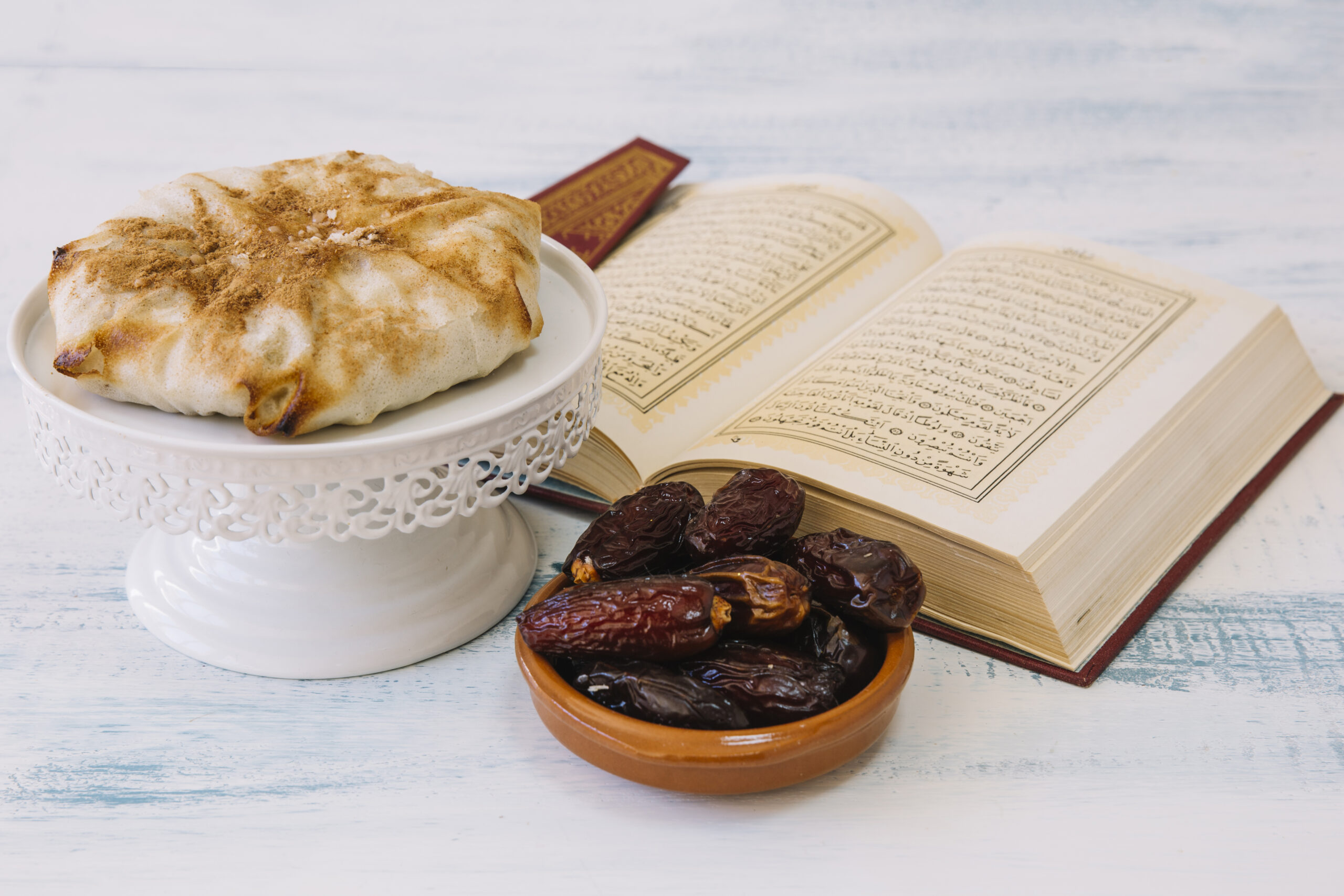
For Eid al-Fitr, it is sunnah to eat an odd number of dates or something sweet before leaving for the Eid prayer. This act breaks the fast and marks the end of Ramadan, signifying that Muslims are no longer fasting and can now enjoy the festive celebration.

Fasting Before Leaving for Eid Prayer (Eid al-Adha)

On Eid al-Adha, it is recommended not to eat anything until one comes back from the prayer. As it is Sunnah to eat part of the sacrifice (Qurban or Udhiyah) one had offered after Eid prayer.

Reciting Takbeer

The recitation of takbeer is an essential sunnah for Eid day. Muslims should recite the takbeer (“Allahu Akbar, Allahu Akbar, La ilaha illallah, Allahu Akbar, Allahu Akbar, wa Lillahil Hamd”) while leaving their homes for the Eid prayer and until the prayer begins. The takbeer is a proclamation of Allah’s greatness and a way to glorify Him for the successful completion of Ramadan or Hajj.

Attending the Eid Prayer

The Eid prayer is a significant part of the day’s celebration. It is an opportunity for the entire Muslim community to come together in unity and thankfulness. Muslims should attend the prayer, including women, children, and the elderly, to foster a sense of community and togetherness.

Walking to the Eid Prayer

It is recommended to walk to the Eid prayer, if possible, as this was the practice of the Prophet (PBUH). Walking to the prayer symbolises humility and submission to Allah (SWT).

Offering the Eid Greeting

After the Eid prayer, Muslims should greet one another with the traditional greeting, “Taqabbal Allahu minna wa minkum” (May Allah accept (our good deeds) from us and you). This greeting fosters a sense of unity and love among the community and reminds Muslims of their shared faith and devotion.

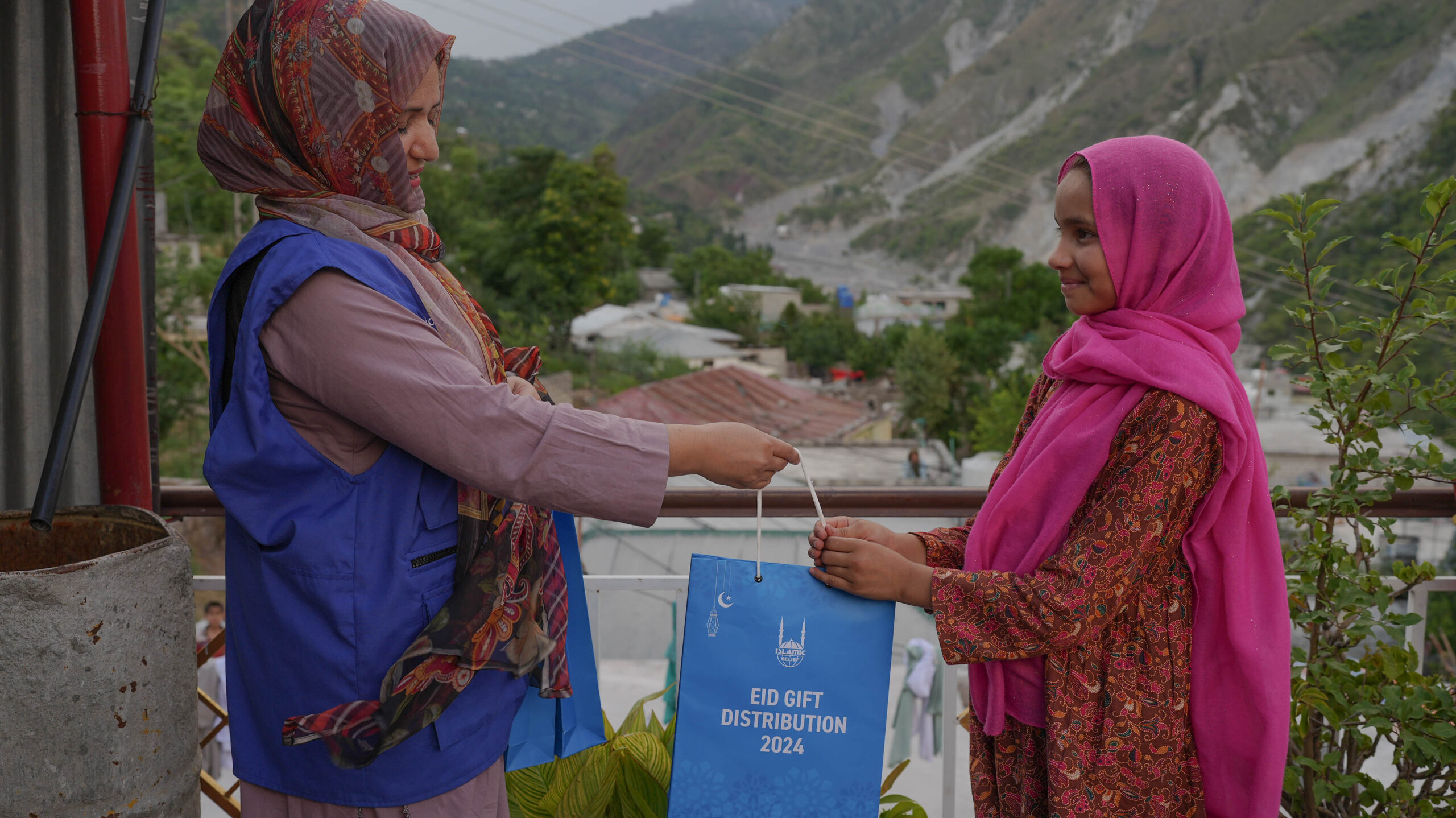
Pakistan Eid day gifts distribution

Are You Ready for Eid Day?

All in all, Eid is a joyous occasion that brings Muslims together in celebration and gratitude. By reviving and practising the Sunan of Eid day, as exemplified by Prophet Muhammad (ﷺ), Muslims can strengthen their faith, enhance the spirit of unity, and experience the true essence of this blessed day.

Spread joy with a Eid Gift

Give happiness to a needy child on Eid by sending them a Eid gift from just $25!


STAY INFORMED

  • This field is for validation purposes and should be left unchanged.

Quick Donate