05.20.25

10 Lessons to Learn from the Story of Hajj 

  Dhul Hijjah     Publications

Every year, millions of Muslims gather in Makkah to perform Hajj during Dhul Hijjah, the 12th month of the Islamic Hijri Calendar. But why do Muslims make this pilgrimage?

Firstly, it is the fifth and final Pillar of Islam. It is a journey every adult, able Muslim must complete at least once in their lifetime.
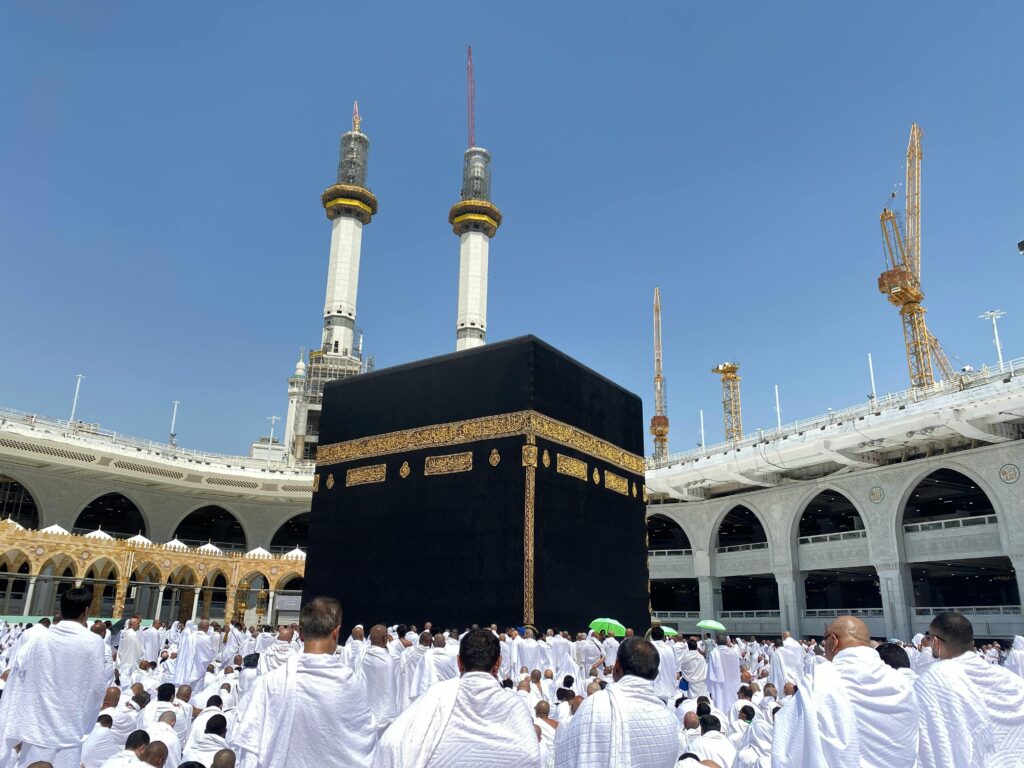
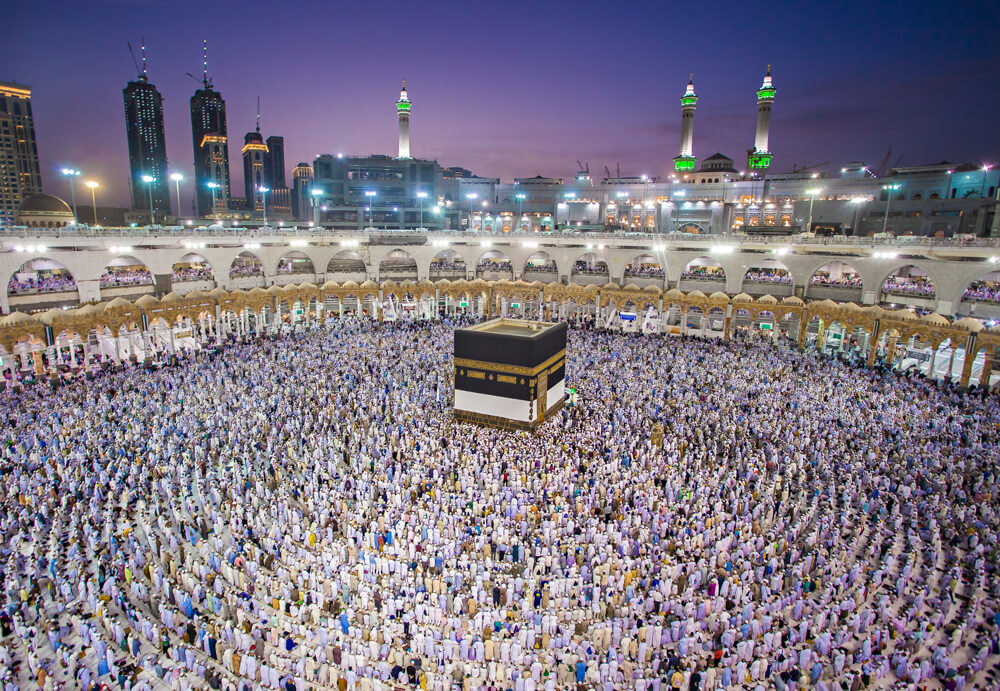
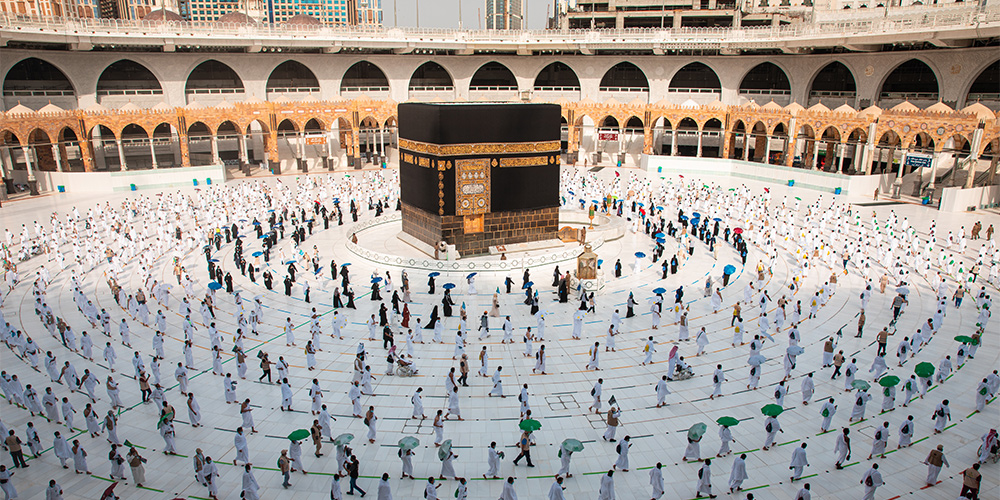
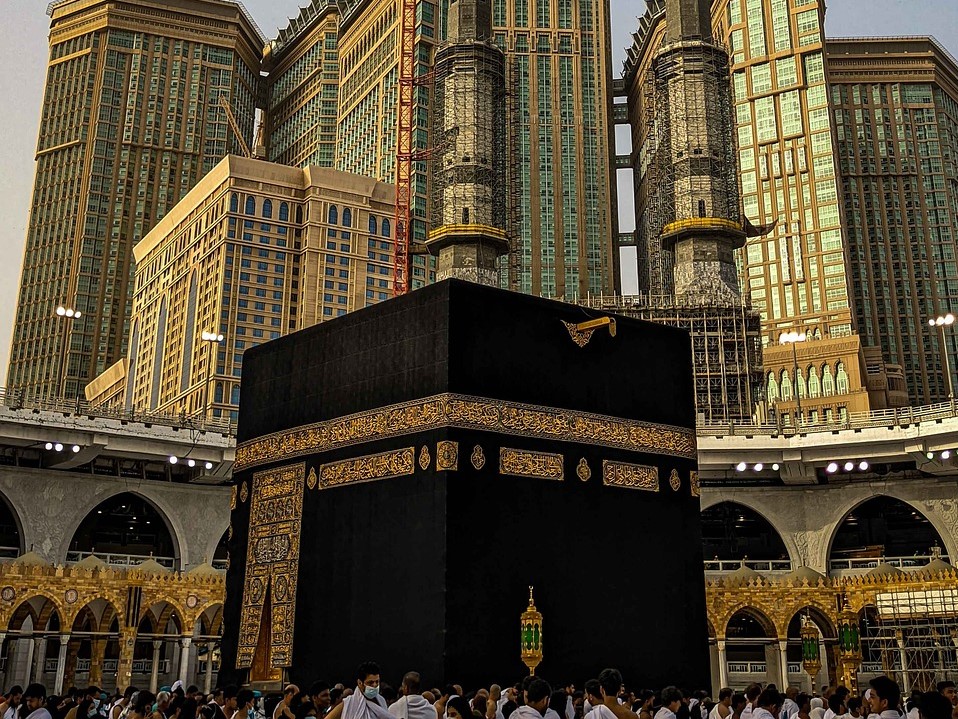
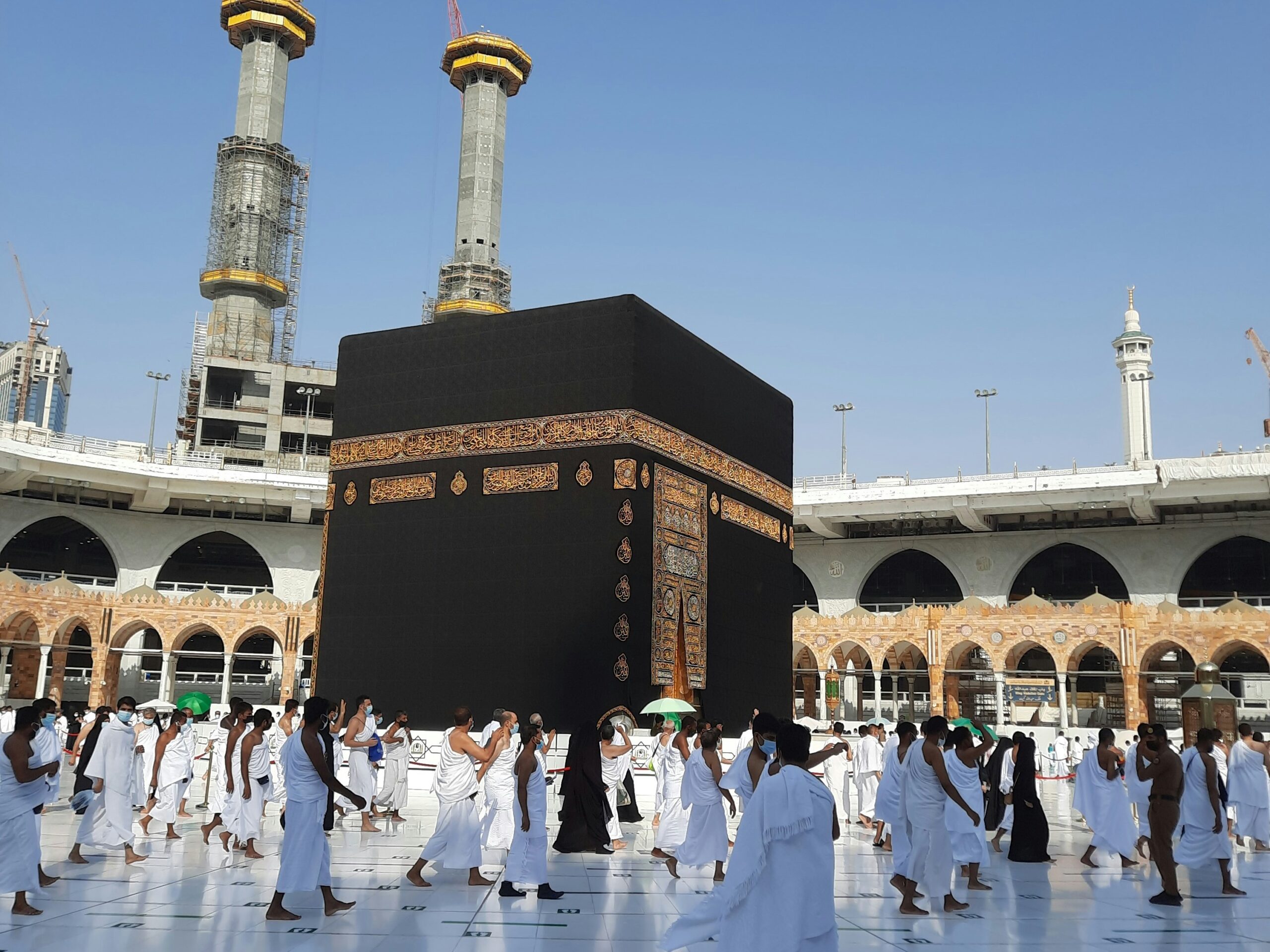
Pilgrims gathering for Hajj at the Kaaba in Makkah

But, secondly, why Hajj is so important in Islam is because its rituals come from one of the most important prophets. From a journey rooted in the legacy of the Prophet Ibrahim (AS), his family, and their profound trust in Allah (SWT).

Even if we cannot go to Hajj this year, the history behind this act of worship is a deep, timeless story full of lessons for every believer. 

Here are 10 powerful lessons from the story of Hajj that we can all reflect on and apply in our lives today.

True Faith Means Absolute Trust in Allah (SWT) 

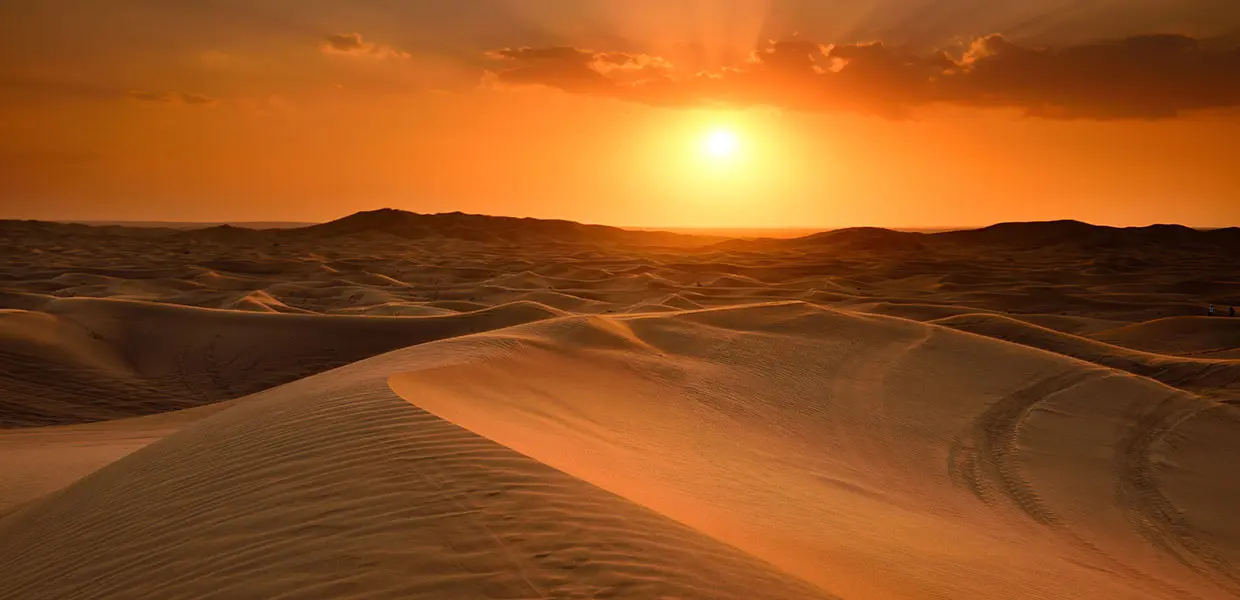
When Ibrahim (AS) left Hajar and baby Isma’il (AS) in the barren desert of Makkah, Hajar asked him if Allah commanded it. Upon hearing “yes,” she responded with unwavering faith: 

“Allah will not abandon us.” 

This moment teaches us that trusting Allah, even in the most uncertain times, is the essence of true faith. 

Patience Leads to Miracles 

With her and her baby’s provisions almost depleted, Hajar made a desperate search for water. She ran between Safa and Marwa seven times before Allah (SWT) answered her plea with the miraculous spring of Zamzam that sprang beneath baby Isma’il (AS)’s feet. Her story teaches us that persistence and patience in hardship are never wasted. Whether now, soon, later, or in the Hereafter, Allah (SWT) always upholds His promise to reward those who strive.

Obedience Brings Divine Mercy 

When Ibrahim (AS) prepared to sacrifice his son, both father and son agreed to the act without hesitation. Their obedience was rewarded, and Allah replaced the sacrifice with a ram. This teaches us that obedience to Allah (SWT) always brings mercy and reward, even when the test seems impossible. 

Sacrifice Is the Heart of Worship

Hajj is full of symbolic acts of sacrifice—from giving up comfort to offering Qurbani. The story of Ibrahim (AS) reminds us that spiritual growth often comes when we’re willing to give up what we love for the sake of Allah. 

Women Shaped the Legacy of Hajj

Hajar’s actions were so beloved that they were made part of Hajj forever. Her strength, faith, and struggle show the central role of women in the spiritual and historical legacy of Islam. 

Rejecting Temptation from Bad Acts Takes Persistence

Iblis tried to tempt Ibrahim (AS) away from Allah’s command three times—and each time, Ibrahim (AS) responded by throwing stones at him. This act is now reflected in the ritual stoning of the devil during Hajj. We learn that resisting temptation is a lifelong battle, and we must be proactive in turning away from it. 

Unity Is Found in Worship 

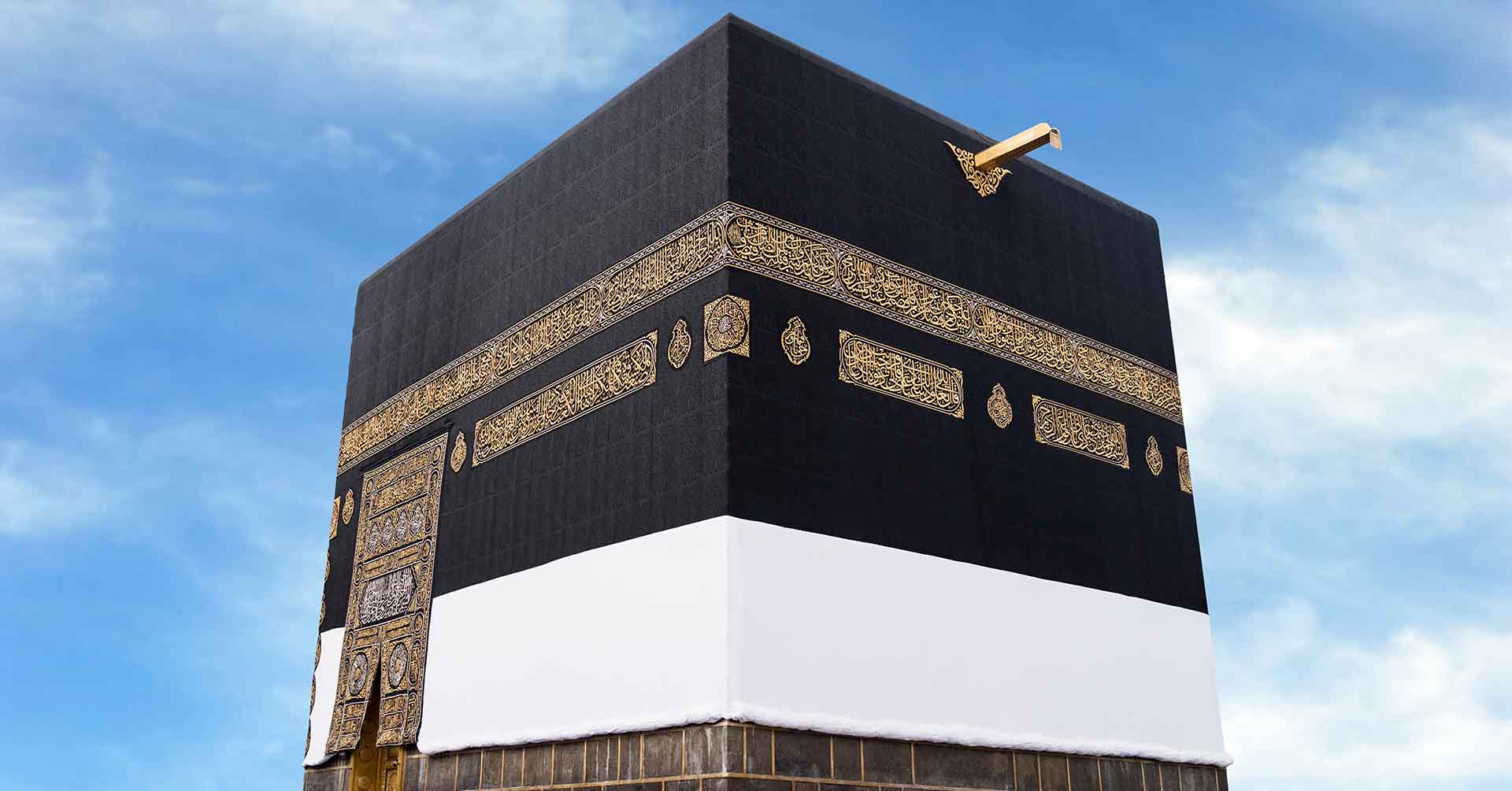
The Ka’aba, built by Ibrahim (AS) and Isma’il (AS), is a symbol of unity. Muslims all over the world face it in prayer. During Hajj, Muslims of every race, language, and background gather around it. Worship unites us, reminding us we are one Ummah. 

Spiritual Legacies Outlive Lifetimes 

Though Ibrahim (AS), Hajar, and Isma’il (AS) have long passed, their story continues to be lived and honoured every year by millions. A righteous life builds a legacy that inspires generations. 

The Rituals of Hajj Are Rooted in Real Struggles 

Every act in Hajj—from Sa’i to Qurban (Qurbani) —represents a very human struggle. Hajj isn’t just symbolic; it’s a reenactment of devotion, pain, faith, and hope. These rituals help us connect deeply to our faith and our past. 

You Don’t Have to Be in Makkah to Be Part of the Story of Hajj

Even if you’re not performing Hajj, you can still share in its spirit. Give charity. Fast. Offer Qurban. These days of Dhul Hijjah are the best of the year, and the lessons of Hajj are meant for all of us, wherever we are. 

Hajj, A Legacy

The story of Hajj isn’t just a history—it’s a living tradition. One that calls us to trust, submit, persevere, sacrifice, and unite for the sake of Allah (SWT). Whether you’re walking between Safa and Marwa or sitting at home with your Qur’an, the lessons of Hajj can transform your heart. 

This Dhul Hijjah, Let’s honour the legacy of Hajj—with our actions, our giving, and our intentions. 

Read the Full Story of Hajj

Read the story behind Islam’s fifth pillar. Hajj is a profound journey rooted in the legacy of Prophet Ibrahim (AS) and his family.
05.01.25

Best Duas for the First 10 Days Dhul Hijjah

  Dhul Hijjah     Publications

Within Dhul Hijjah, the twelfth and final month of the Islamic (Hijri) Calendar, falls one of the holiest times of the year. As the first ten days of the Islamic month are considered the best days of the year and the most beloved to Allah (SWT).

For Prophet Muhammad (ﷺ) said:

After Ramadan, many of us feel as though we might’ve fallen short of our spiritual goals. Maybe we haven’t read as much of the Qur’an as we were supposed to. Or, we struggled to find time to do extra prayers or supplications.

That’s why these blessed ten days are the best time to make up for that. To strengthen our relationship with Allah (SWT) by maximising our worship. And one of the best ways to do this is to make lots of Du’a!

The Importance of Dua During Dhul Hijjah

When we perform Dua with sincere intention and faith in Allah’s (SWT) acceptance, we have great opportunities to receive immense rewards from Him.

As Prophet Muhammad (ﷺ) said:

To make the most of this blessed period, we should strive to increase our dua, supplicating to Allah (SWT) for His Mercy, forgiveness and blessings. But what are the duas we should especially consider during the first ten days of Dhul Hijjah?

What are the best Duas for Dhul Hijjah?

Here are some of the most beneficial Duas to help you reap the rewards of the first ten days of Dhul Hijjah:

Dua for Fasting

Fasting on the first nine days of Dhul Hijjah is an important Sunnah. Fasting itself is one of the most beloved acts of worship. But fasting on these blessed days, especially on the 9th day, the Day of Arafah, in particular, brings great rewards and forgiveness of sins.

When you open your fast, recite the following Dua:

ذهب الظمأ وابتلت العروق وثبت الأجر إن شاء ال:له
Dhahaba adh-Dhama’ wabtallatil-urooq wa thabatal-ajr inshaa’Allah
Thirst is gone, the veins are wet, and the reward is confirmed by the will of God.

Sunan Abi Dawud

Dua for Forgiveness

Allah extends his Divine Mercy to all those who turn to Him with sincerity and supplicate for forgiveness, especially during the first ten days of Dhul Hijjah.

From the Qur’an, one Dua for forgiveness is:

رَبَّنَآ إِنَّنَآ ءَامَنَّافَٱغْفِرْ لَنَا ذُنُوبَنَا وَقِنَا عَذَابَ ٱلنَّارِ
Rabbanaaa innanaaa aamannaa faghfir lanaazunoobanaa wa qinaa ‘azaaban Naar’
Our Lord! surely we believe, therefore forgive us our faults and save us from the chastisement of the fire

Al-Imran, 3:16

Dua for protection

In these first ten days of Dhul Hijjah that are most beloved to Allah, it’s important to remember our Akhirah when making Dua, and to ask for protection.

Making dua during the first 10 days of Dhul Hijjah is a powerful act of worship

During this blessed period, you can make this Dua for protection:

اللَّهُمَّ إِنِّي أَسْأَلُكَ رِضَاكَ وَالجَنَّةَ ، وَأَعُوذُ بِكَ مِنْ سَخَطِكَ وَالنَّارِ
Allaahumma innee as-aluka Ridaaka wal Jannah wa a’audhu’bika min sakhatika wan-naar
O Allah, I ask of Your pleasure and for Paradise, and I seek refuge from Your displeasure and from the Hellfire.

Dua for Divine Guidance

We have the best opportunity to gain closeness to Allah (SWT) during the first ten days of Dhul Hijjah. To receive His guidance by asking Him to change the direction of our lives so that we are focused on gaining His pleasure.

One Du’a for Allah’s guidance is:

اللَّهُمَّ إِنِّي أَسْأَلُكَ الهُدَى وَ التُّقَى وَ العَفَافَ وَ الغِنَى
Allāhumma Innī As’aluka al-Hudā Wat-Tuqā Wal-Afāfa Wal-Ghinā
O Allah, I ask You for guidance and piety, and abstinence (from the unlawful) and modesty, and contentment and sufficiency.

Sahih Muslim

Dua for the Ummah

Dhul Hijjah is the time when Hajj, the fifth and final pillar of Islam, takes place. When Muslims from across the globe unite at Makkah with the same goal of pleasing Allah and fulfilling their duty to Him. During these blessed days, it’s important to remember our brothers and sisters from across the globe – in Gaza, Sudan and more – and ask Allah (SWT) to grant them ease and patience and fulfil their needs.

اللَّهُمَّ أَصْلِحْ أُمَّةَ مُحَمَّدٍ اللَّهُمَّ فَرِّجْ عَنْ أُمَّةِ مُحَمَّدٍ اللَّهُمَّ ارْحَمْ أُمَّةَ مُحَمَّدٍ
Allahumma aslih Ummata Muhammad. Allahumma farrij ‘an Ummati Muhammad. Allahumma Rham Ummata Muhammad [sallAllahu alayhi wasalam]
O Allah! Improve (help) the state of the Ummah of Muhammad. O Allah! Grant ease to the Ummah of Muhammad. O Allah! Have mercy on the Ummah of Muhammad.

Dua for Acceptance

During Dhul Hijjah, on Eid al-Adha, Qurban takes place across the globe. It is an act of worship where Muslims sacrifice an animal (goat, cow, sheep or camel) for the sake of Allah (SWT), reflecting the Prophet Ibrahim (AS)’s willingness to sacrifice his son, Ismail (AS), for His sake.

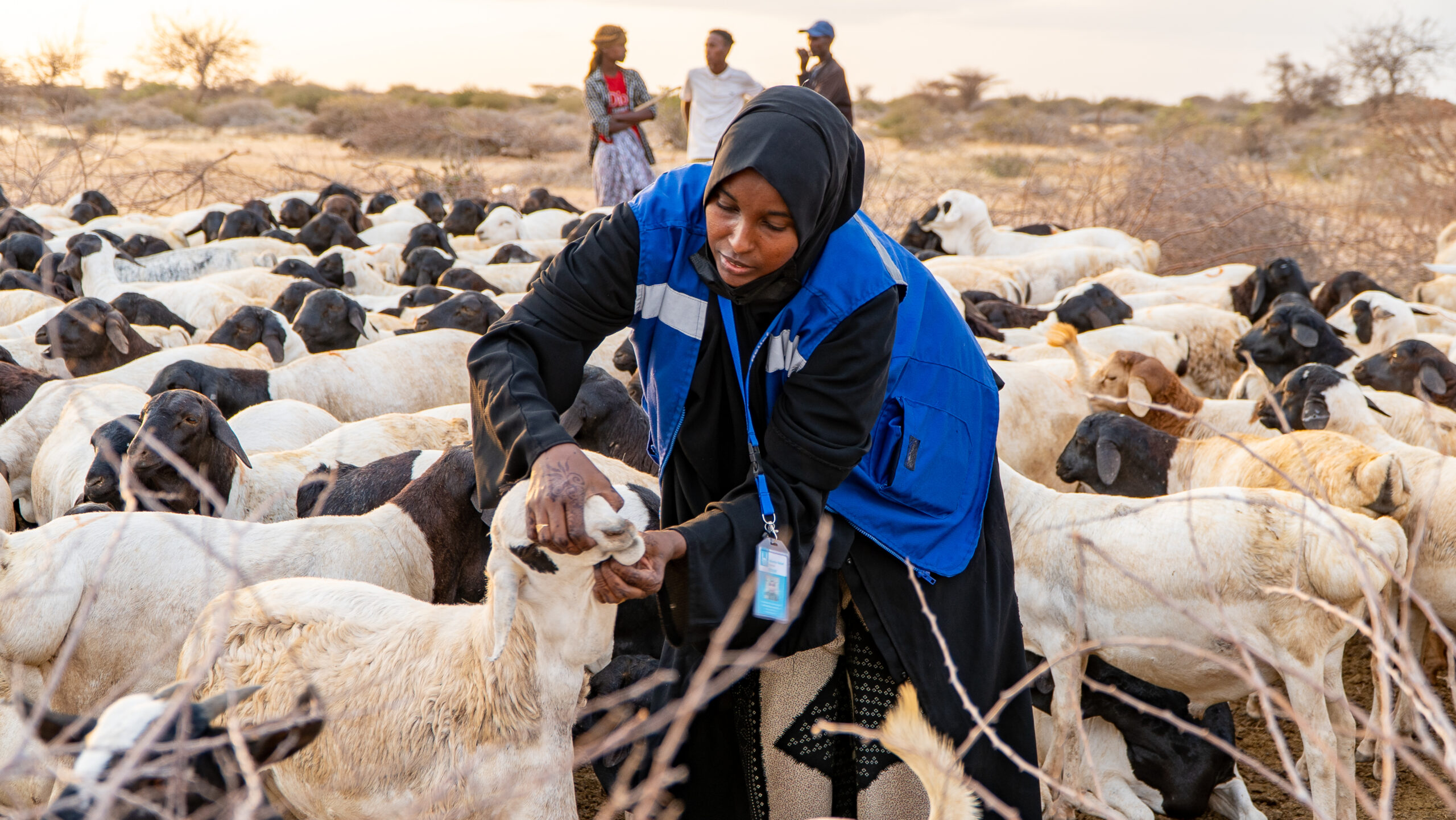
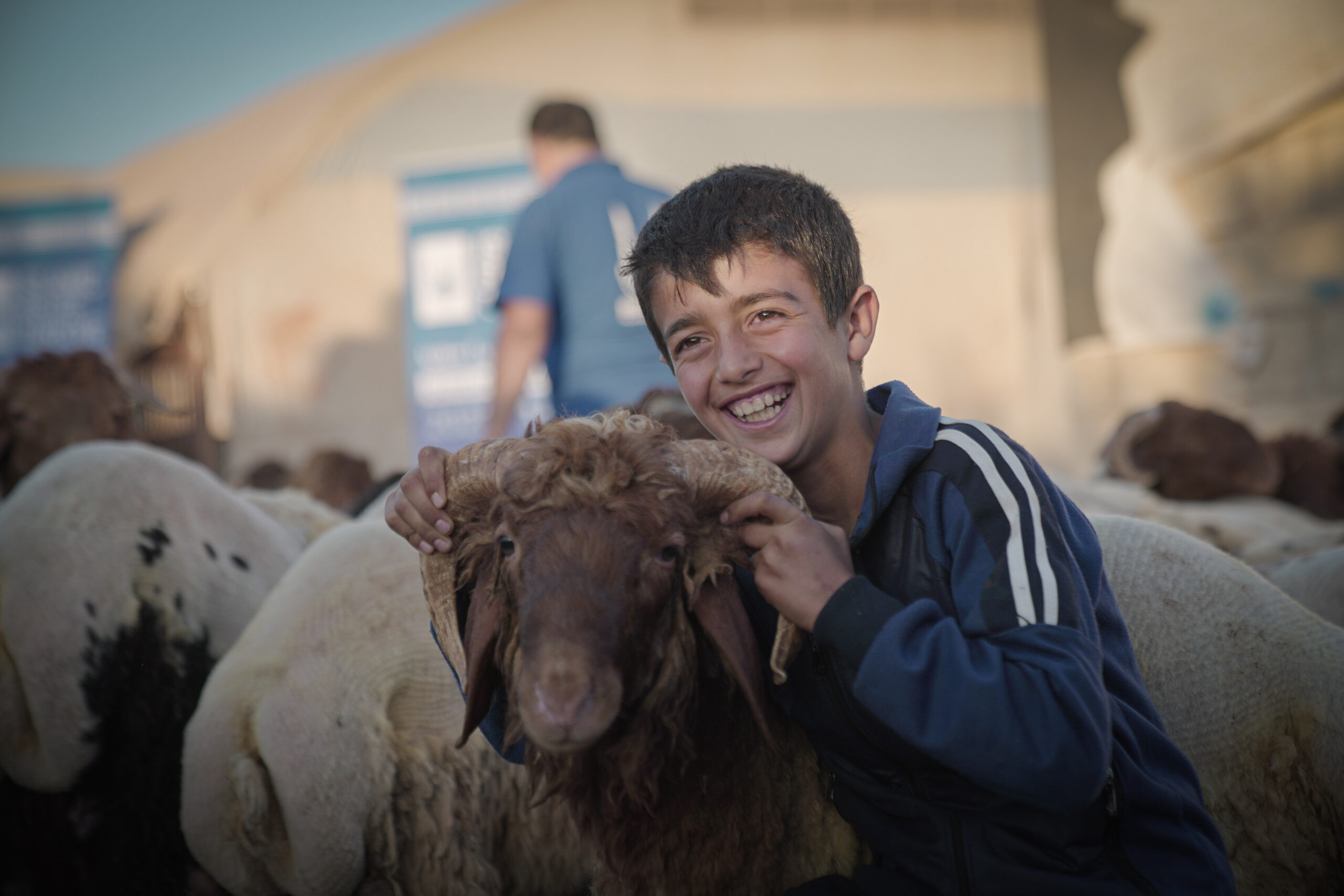
qurban inspection in preparation for dhul hijjah

After increasing our worship and fulfilling Qurban in Dhul Hijjah, it’s important to make Dua for the acceptance of our good deeds.

As we reflect on Prophet Ibrahim (AS)’s story and sacrifice, we can recite the Dua that he made while he and Ismail (AS) completed building the Holy Ka’aba:

رَبَّنَا تَقَبَّلْ مِنَّا إِنَّكَ أَنتَ السَّمِيعُ الْعَلِيم
Rabbana taqabbal minna, innaka antas-Sami’ul-‘Aleem.
Our Lord! Accept (this service) from us. Verily! You are the All-Hearer, the All-Knower.

Al-Baqarah, 2:127

Duas for Day of Arafah

In Islam, the Day of Arafah is one of the holiest days of the year. It’s the day on which Allah (SWT) perfected Islam, completing His favours onto His beloved Prophet Muhammad (ﷺ).

Whether we are performing Hajj and standing on the plains of Arafah on this day or at home, it’s important to make the most of the blessed day. We should make lots of Du’a, asking Allah (SWT) for forgiveness, and include our friends, relatives, neighbours and the wider Ummah in our Duas on this special day.

For Prophet Muhammad (ﷺ) said,

There is also a special Dua to recite on the Day of Arafah, which is best made during the last hour of the day before Maghrib prayer:

لَا إِلَهَ إِلَّا اللَّهُ وَحْدَهُ لَا شَرِيكَ لَهُ لَهُ الْمُلْكُ وَلَهُ الْحَمْدُ وَهُوَ عَلَى كُلِّ شَيْءٍ قَدِيرٍ
Lailaha illalahu wahadahu lasharikalahu lahulmulku walahu hamdu wahuva alakulli shayin kadir
There is no God but Allah alone Who has no partner, to whom dominion belongs, to whom praise is due, and who has power over everything.

Hisnul Muslim

It is also the Sunnah of Prophet Muhammad (ﷺ) to recite Tahleel (‘Laillaha illalah’), Takbeer (‘Allahuakbar’), Tahmeed (‘Allhamdulillah’), and Tasabeeh(‘Subhanallah’) as many times as possible on this day (Ahmad).

Dua to recite on Eid al Adha (10th of Dhul Hijjah)

It is highly recommended for every Muslim adult to recite the Takbeer-e-Tashreeq after prayer from the 9th-13th Dhul Hijjah.

اللَّهُ أَكْبَرُ اللَّهُ أَكْبَرُ لَا إلَهَ إلَّا اللَّهُ وَاَللَّهُ أَكْبَرُ اللَّهُ أَكْبَرُ وَلِلَّهِ الْحَمْد
Allahu Akbar, Allahu Akbar, Laa ilaaha illallahu Wallahu Akbar, Allahu Akbar, Wa lillahil Hamd
Allah is the greatest, Allah is the greatest. There is no deity besides Allah and Allah is the greatest. Allah is the greatest and all praises are for Allah only.

Make the most of Dhul Hijjah with your dua and other acts of worship

Overall, the blessed month of Dhul Hijjah is our opportunity to strengthen our connection with Allah (SWT) through increasing our acts of worship, including making an abundance of dua.

This year, the start of Dhul Hijjah will begin on Wednesday, May 28, 2025, depending on the sighting of the moon. Let us make these blessed 10 days a time to reflect on our lives and ask Allah (SWT) for His forgiveness and guidance.

May Allah (SWT) bless us all with the opportunity to make the most of the blessed time, and may our dua be a source of solace, hope and positive change, ameen!

04.30.25

The Ka’aba

  Dhul Hijjah     Publications

In Islam, the Ka’aba is central to a large part of the faith. But how and why is the Ka’aba important to Islam? As the first House of Worship, it is fundamental to Hajj (pilgrimage). It’s also the qibla (direction) towards which we turn towards in prayer five times a day. 

What is the Ka’aba?

The Ka’aba (“cube”) is the most sacred site in Islam, known as the sacred bayt Allah (House of God). It is located at the heart of the sacred mosque Masjid al-Haram in Makkah (Mecca, Saudi Arabia).

Every day we pray facing the direction of Makkah. And, if we’re fortunate enough to undertake Hajj, we make tawaf around the Ka’aba.

History of the Qibla

In the early days of Islam, Muslims would pray facing Jerusalem. Now, we pray facing Makkah following the Qur’anic revelation to change direction.


And remember Ibrahim and Ismail raised the foundations of the House (With this prayer): “Our Lord! Accept (this service) from us: For Thou art the All-Hearing, the All-knowing.”

Quran | Al-Baqarah | 2:127

Who built the Ka’aba?

The Ka’aba was built by Prophet Ibrahim (AS) and his son Ismail (AS). As stated in the Quran:

And remember Ibrahim and Ismail raised the foundations of the House (With this prayer): “Our Lord! Accept (this service) from us: For Thou art the All-Hearing, the All-knowing.”

Quran | Al-Baqarah | 2:127

When it was first built, it was a simple rectangular structure with no roof.

The Quraysh tribe, who ruled Makkah, then rebuilt the Ka’aba in 608 CE with wood and stone.

Prophet Muhammad (SAW), Ka’aba and Hajj

Upon receiving the first revelation and sharing the message of Allah (SWT), Prophet Muhammad (ﷺ) faced ongoing persecution. Soon, he was forced to flee Makkah (Mecca) for Madina (Medina) in 622 CE.

After many years in Madina, following the call from Allah (SWT) to undertake Hajj,

Call all people to the pilgrimage. They will come to you on foot and on every lean camel from every distant path

Quran | Al-Hajj | 22:27

Prophet Muhammad (ﷺ) and his followers returned to Makkah in 629 CE. There, he back to the Ka’aba and removed the idols, declaring the Oneness of God:

Say, the Truth has come and falsehood gone. Verily falsehood is bound to vanish.

Quran | Al-Isra | 17:81

He, however, kept the Black Stone inside that was given to Prophet Ibrahim (AS) by the Angel Gabriel.

The Last Hajj of the Prophet (SAW)

In 632 CE, Prophet Muhammad (SAW) led his first and final Hajj. Realising this would be his last, he established the final steps of Hajj.

On the 9th of the month of Dhul Hijjah, Prophet Muhammad (SAW) delivered his final sermon on Mount Arafah.

Shortly after, aged 62/63, he then returned to our Creator, Allah (SWT).

During Eid al-Adha when we mark the end of Hajj and make our sacrifice (Qurban) for the sake of Allah (SWT), we replicate the sacrifice of Prophet Ibrahim (AS), ready to sacrifice his son Ismail (AS) for the sake of Allah.

By giving Qurban, we follow in the footsteps of Prophet Ibrahim (AS) and remember his devotion to Allah (SWT). Don’t forget to make your sacrifice and give your Qurban in time for Eid!

04.29.25

When is Dhul Hijjah 2025 in Australia?

  Dhul Hijjah     News

Dhul Hijjah marks the twelfth and final month of the Islamic calendar. It holds immense significance for Muslims worldwide, especially in the first ten days, when Hajj and Eid Al-Adha (as well as the sacred act of Qurban) take place.

This year, the first day of Dhul Hijjah is expected to begin on Wednesday, May 28, 2025, depending on the sighting of the moon. But why exactly are the first 10 days of Dhul Hijjah and its events so special?

In this article, we learn about the month’s transformative and spiritual experiences. This includes the profound meaning behind the rituals of Hajj and Eid al-Adha (festival of sacrifice).

The Significance of the First 10 Days of Dhul Hijjah

Similar to the Holy month of Ramadan, the first 10 days of Dhul Hijjah are an extremely blessed time. After Ramadan, we often miss the spiritual high we felt and wish we could’ve done more. But these blessed ten days offer us another chance for us to gain immense rewards. To have our sins forgiven and reach great levels of piety, Insha’Allah.

Benefits of the first 10 days of Dhul Hijjah

In one particular hadith, the Prophet Muhammad (ﷺ) specifically highlights the first 10 days of Dhul Hijjah as better than all the other days of the year. Even better than the days of Ramadan, SubhanAllah!

He (peace and blessings be upon him) said:

“There are no days on which righteous deeds are more beloved to Allah than these ten days”

Sahih Bukhari

In the Qur’an, Allah (SWT) also swears by these first ten days. In Surah Al-Fajr, He states:

“By the dawn; And [by] the ten nights.”

Quran 89:1-2

According to many scholars, these days are the first 10 days of Dhul-Hijjah.

What Happens on the First 10 Days of Dhul Hijjah?

In addition to being the best days to do good deeds, we witness two very special events in Dhul Hijjah: Hajj and Eid al-Adha.

Hajj

Hajj is the fifth and final pillar of Islam. It is a staple of Islamic belief, alongside the Shahada (the belief that there is no god but Allah (SWT) and Muhammad (ﷺ) is His Messenger), Salah (prayer), Zakat (almsgiving) and Sawm (fasting).

Hajj is the pilgrimage Muslims make to Makkah in Saudi Arabia. It takes place from the 8th to the 12th or 13th of Dhul Hijjah each Islamic year. The pilgrimage is obligatory for all able-bodied and financially capable Muslims to perform at least once in their lifetime.

Muslim pilgrims performing Hajj in Makkah, in the days of Dhul Hijjah
Photo: Muslims performing Tawaf during Hajj in Makkah, in the days of Dhul Hijjah

This year, Hajj is expected to take place between Wednesday, June 4, 2025, and Monday, June 9, 2025.

On the 9th of Dhul Hijjah, the blessed Day of Arafah (also Arafat) occurs. The Day of Arafah 2025 is expected to fall on the evening of Thursday, June 5, 2025.

Considered the most blessed day of the year, Arafah was the day when Allah (SWT) perfected Islam. The day He completed His favours upon His beloved Prophet Muhammad (ﷺ) and approved Islam as a way of life.

This day I have perfected for you your religion and completed My favour upon you and have approved for you Islam as religion.

Quran 5:3


On this day, pilgrims performing Hajj gather on the plain of Arafat, seeking forgiveness, supplicating to Allah and engaging in profound acts of worship.

Eid al-Adha

Eid al Adha (or Eid ul Adha), similar to Eid al Fitr (or Eid ul Fitr), is a joyous day Muslims celebrate with family and community. However, in addition to the rituals of Eid, Muslims, who are able to, also give Qurban on Eid Al-Adha.

Qurban (also known as Qurbani or Udhiyah) is an act of worship that involves the sacrifice of an animal, usually a sheep, goat, cow or camel, for the sake of Allah (SWT). The origins of this act of worship come from the story of Prophet Ibrahim (AS) and his willingness to sacrifice his son, Ismail (AS), as a demonstration of his faith, obedience, and trust in Allah (SWT).

What Else Can We Do on the First 10 Days of Dhul Hijjah?

Even for those of us not performing the Hajj pilgrimage this year, Dhul Hijjah is still a great time of blessing and immense reward.

Wherever we can, we should engage in good deeds such as giving charity, performing acts of kindness to family and community, fasting and remembrance of Allah (SWT)

Fasting

Fasting is especially encouraged during these first 10 days. The Prophet (ﷺ) used to fast on the first nine days of Dhul-Hijjah as one of his regular fasts.

He especially emphasised the importance of fasting on the 9th day, the Day of Arafah.

Fasting the day of `Arafah expiates the sins of two years: the past one and the coming one.

Sahih Muslim

Making Dhikr

Our Prophet (ﷺ) also said:

“There are no days that are greater before Allah or in which good deeds are more beloved to Him, than these ten days, so recite a great deal of tahleel, takbeer and tahmeed during them.”

Ahmad

When are the 10 days of Dhul Hijjah?

This year, the first day of Dhu al-Hijjah 1445 AH will fall on Wednesday, May 28, 2025, depending on the sighting of the moon. In turn, Eid al-Adha is expected to fall on Friday, June 6, 2025.

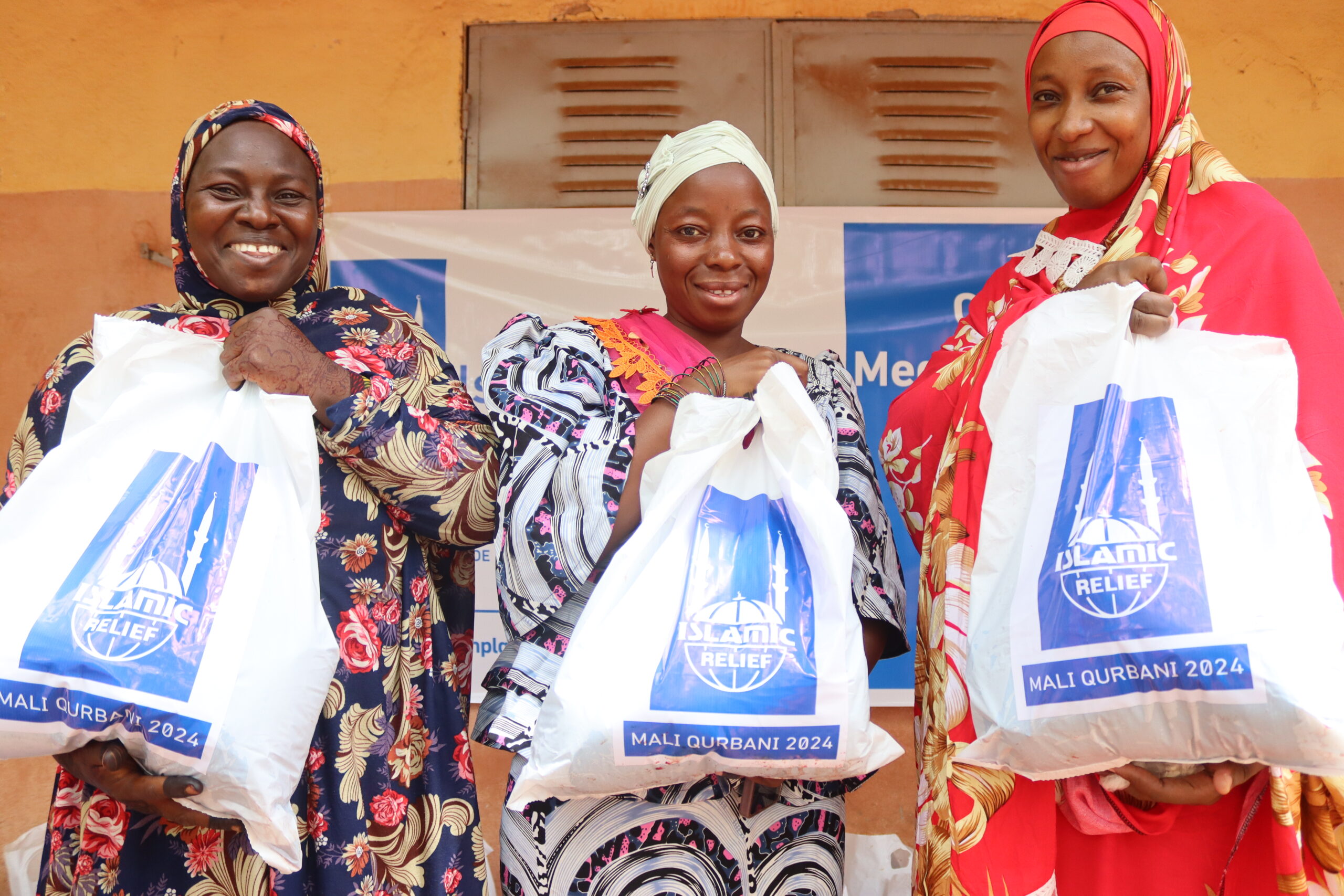
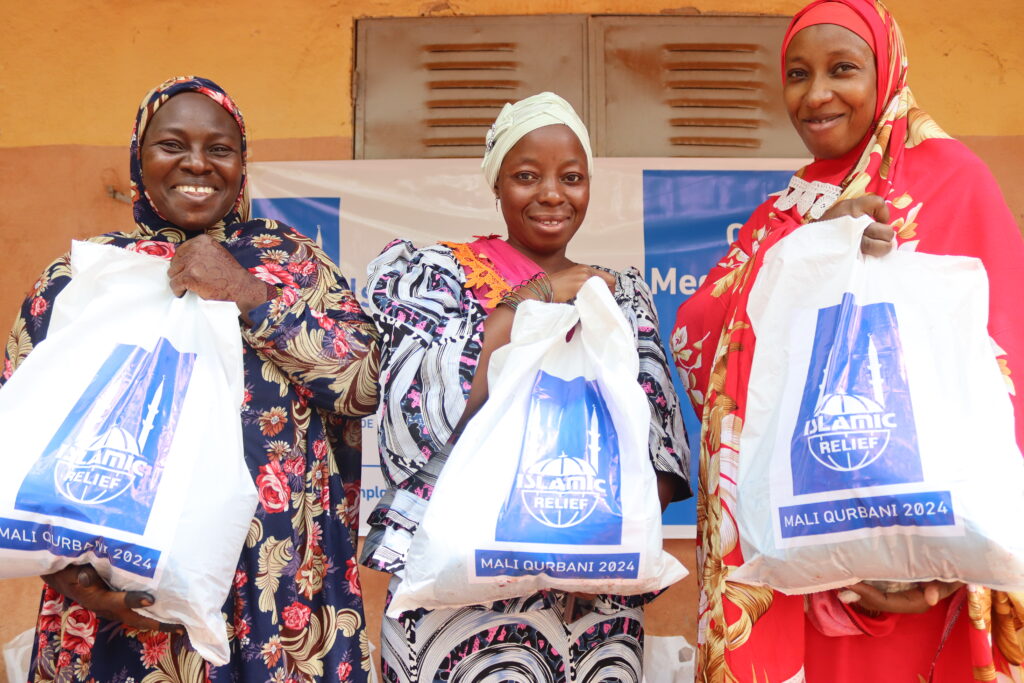
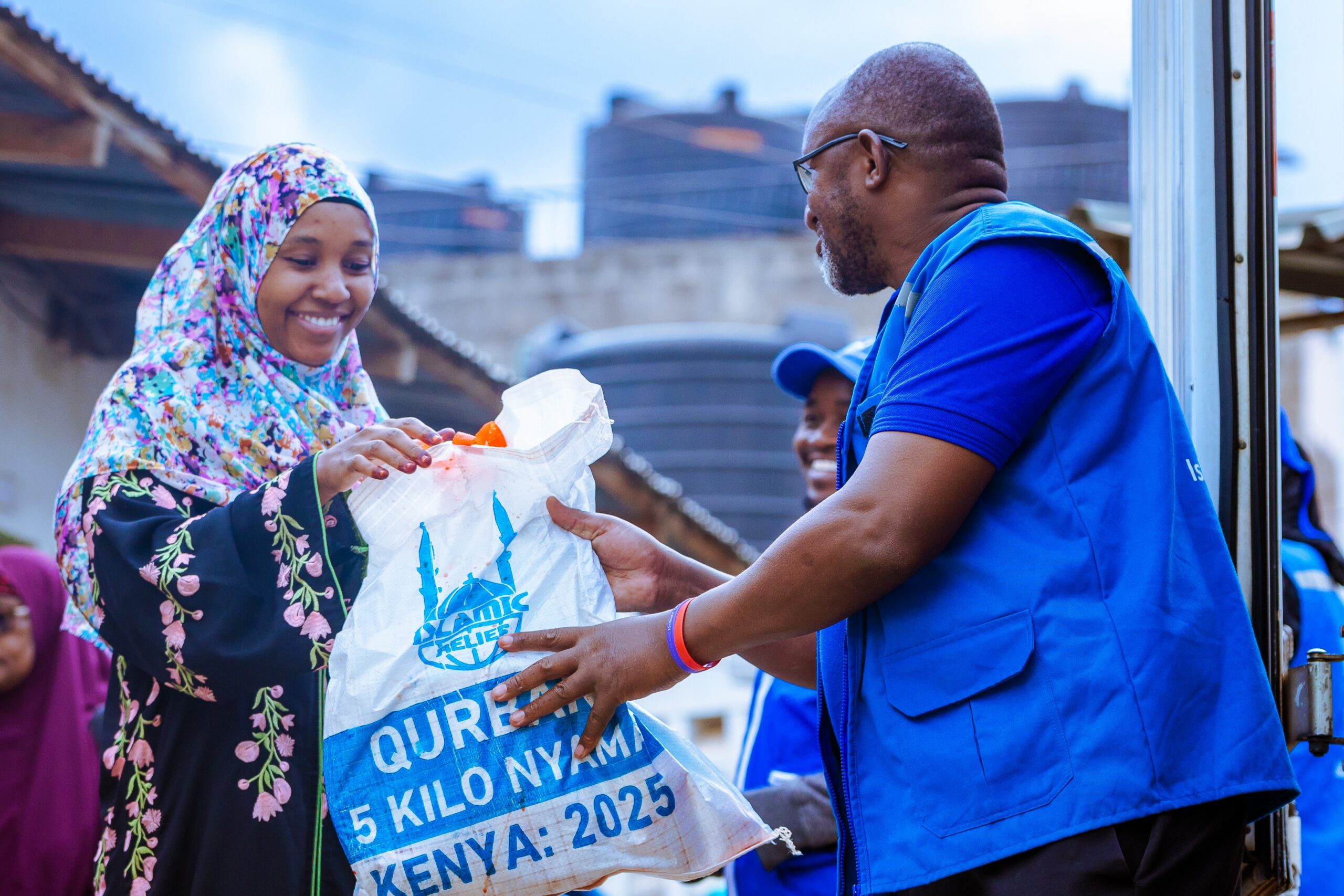
Your Qurban during Dhul Hijjah, helping the world's most vulnerable thrive and build sustainable livelihoods.
Photo: Your Qurban, helping the world’s most vulnerable thrive and build sustainable livelihoods.

Give Your Qurban On Time

At Islamic Relief, we work all year round to bring families relief and home. To combat food poverty and help communities build healthy and stable livelihoods.

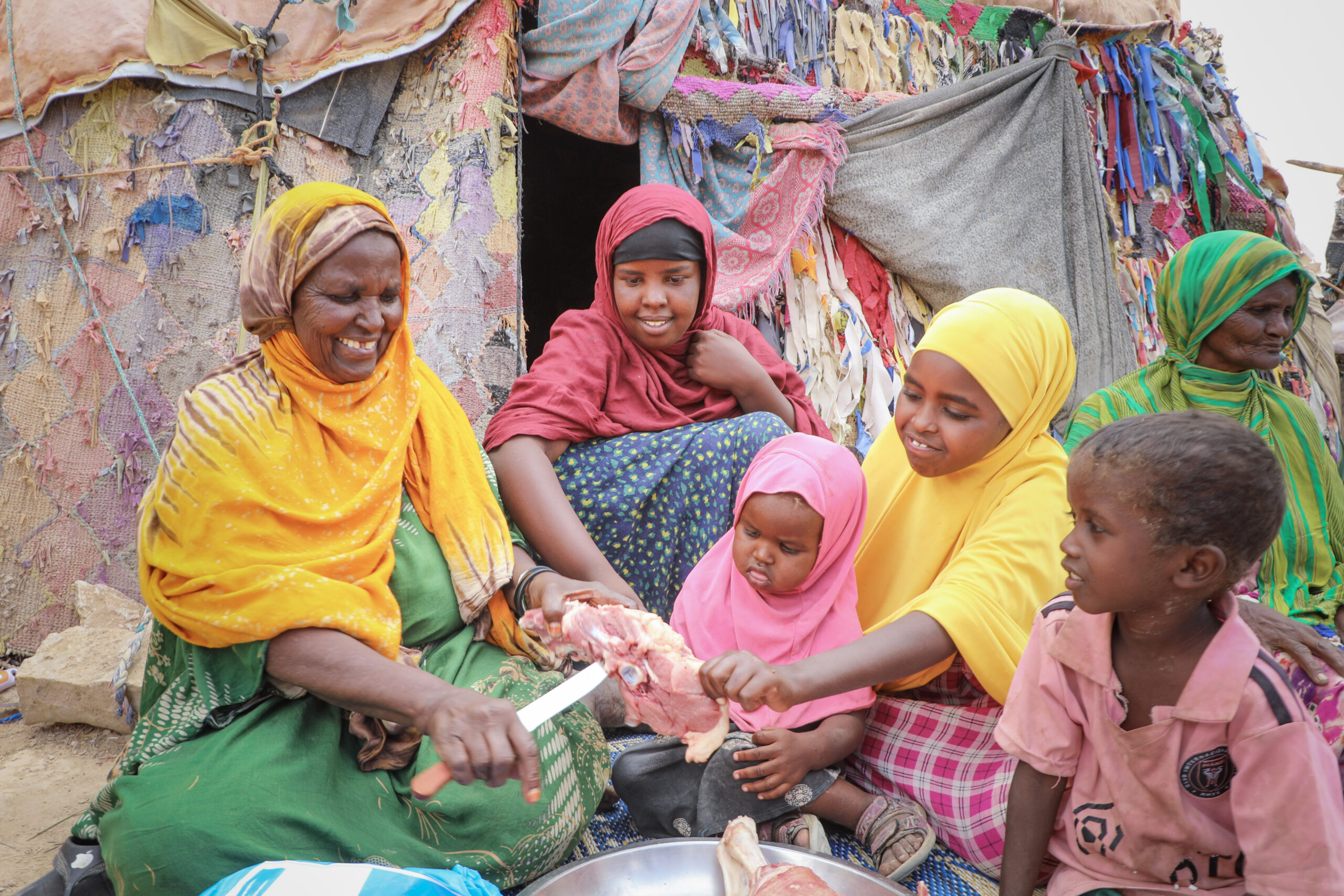
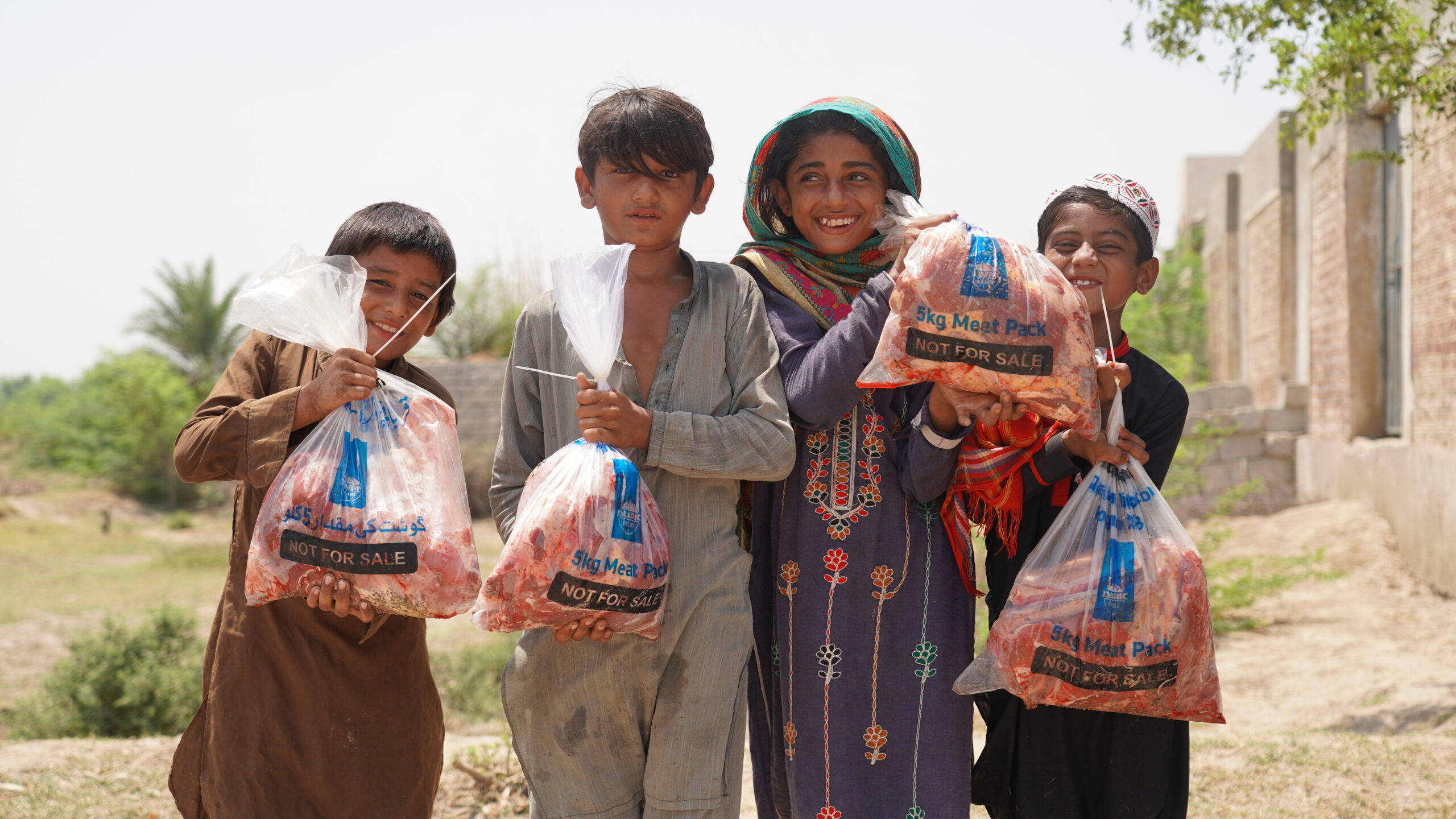
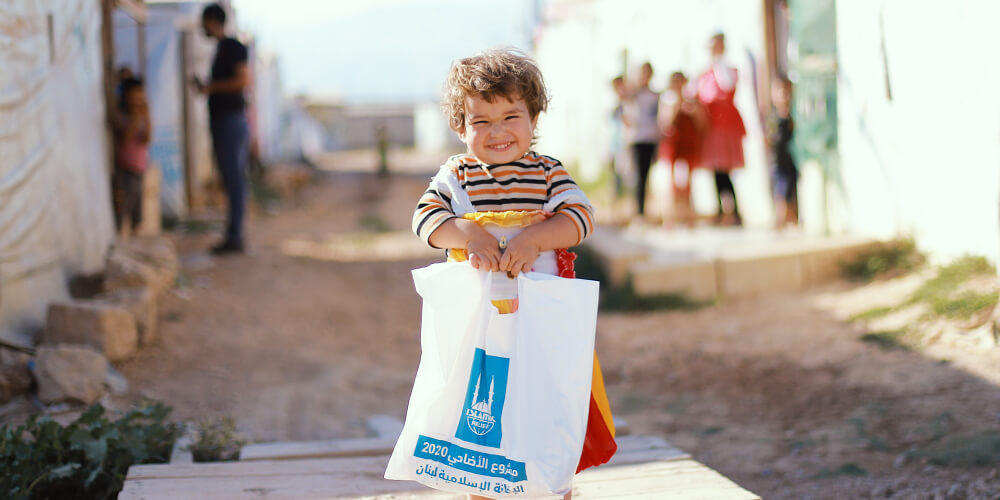
Every Eid al-Adha, Islamic Relief is at the forefront of distributing Qurban. This year, we strive to deliver nutritious, high-quality meat to the world’s most vulnerable and disadvantaged communities. For many, this is the only time they will be able to eat meat in the entire year.

In over 30 countries worldwide, your Qurban donation will not only bring happiness to the less fortunate, but also empower vulnerable communities. To ensure they can enjoy Eid without worrying about how and what they will feed their families.

Donate during this blessed time and increase your rewards. Help enable families and entire communities to have a happy Eid al-Adha and beyond.

This Dhul Hijjah, Share Your Blessings

Help the world’s most vulnerable families enjoy their Eid when you give Qurban with Islamic Relief.

04.22.25

Stories of Tawakkul – Prophet Ibrahim (AS) and his deep faith

  Publications

Prophet Ibrahim (AS), known by many as the father of the Prophets, is an example of unwavering Tawakkul (trust in Allah). 

His life is filled with instances where he relied completely on Allah, even when faced with the most challenging trials. 

Here, we explore key moments in his life where his complete trust in Allah shone through, serving as an inspiration for believers today.

Prophet Ibrahim and his journey to Islam

As a child in the kingdom of Babylon, Ibrahim (AS) noticed that idols were worshipped as though they were gods, with his own father Aazer crafting idols from stone or wood.

Growing up, Ibrahim (AS) believed that the idols which his people worshipped were false, and questioned how these lifeless statues, which were incapable of seeing, hearing or helping themselves, could be deities.

Determined to find the truth, Ibrahim (AS) reflected on the world around him. One night, he climbed a mountain and observed the sky. 

This instance was outlined in the Qur’an:

“We also showed Abraham the wonders of the heavens and the earth, so he would be sure in faith. When the night grew dark upon him, he saw a star and said, “This is my Lord!” But when it set, he said, “I do not love things that set.” Then when he saw the moon rising, he said, “This one is my Lord!” But when it disappeared, he said, “If my Lord does not guide me, I will certainly be one of the misguided people.” Then when he saw the sun shining, he said, “This must be my Lord—it is the greatest!” But again when it set, he declared, “O my people! I totally reject whatever you associate ˹with Allah in worship˺.”

Qur’an | Surah Al-An’am | 6:75-78

At that moment, he proclaimed:

Prophet Ibrahim (AS) put his full trust in Allah, despite being alone in his belief. 

In a society where idol worship was the norm, rejecting these false gods meant facing rejection, ridicule, and even danger. Yet, Ibrahim (AS) remained steadfast, knowing that Allah alone was his guide and protector. 

This unwavering Tawakkul and trust in Allah’s plan became a defining trait of his life and mission.

The fire of Nimrod

Prophet Ibrahim (AS) sought to guide his people away from idol worship. During a festival, he entered their temple and destroyed all the idols except the largest. 

The Qur’an outlines what happened when the people returned and saw their so-called gods in ruins:

The townspeople replied saying that Ibrahim (AS) knew the idols cannot talk, to which Ibrahim (AS) replied:

Enraged, they called for Ibrahim (AS) to be burned alive. A massive fire was prepared, following commands by Nimrod, the King of Babylon. 

Ibrahim (AS) was placed in a giant catapult to be thrown into the flames. At that moment, Angel Jibreel (AS) appeared and asked if he needed anything. Ibrahim (AS) replied that his only need was for Allah to be pleased with him.

Then Allah commanded:

The fire obeyed, only burning his chains and leaving him unharmed. Ibrahim (AS) walked out of the flames untouched, leaving the crowd in shock. Some realised the power of Allah, while others stubbornly refused to believe.

This event serves as a powerful example of Tawakkul. Despite facing death, Ibrahim (AS) remained unwavering, seeking only His pleasure. 

This story reminds us that when we place our trust in Allah, He is sufficient for us.

The sacrifice of Ismail (AS)

One of Prophet Ibrahim (AS)’s greatest tests of Tawakkul was when Allah commanded him in a dream to sacrifice his beloved son, Ismail (AS). 

As a father, this was an unimaginable test, yet Ibrahim (AS) did not waver. He trusted that Allah’s command was for a greater purpose.

When he told Ismail (AS) about the dream, his son displayed the same level of trust in Allah:

At the last moment before the sacrifice, Allah replaced Ismail (AS) with a ram, showing that Ibrahim’s (AS) unwavering trust and obedience had been accepted. This act of Tawakkul is commemorated each year by Muslims during Eid al-Adha.

Leaving Hajar and Ismail (AS) in the desert

Another powerful example of Tawakkul is when Allah commanded Ibrahim (AS) to leave his wife, Hajar, and Ismail (AS), in the barren desert of Makkah. 

There was no food, water, or shelter – just dry and empty land.

Bewildered, Hajar asked Ibrahim (AS):

“Has Allah ordered you to do so?” He said, “Yes.” She said, “Then He will not neglect us.”

Hadith | Sahih al-Bukhari

As Ibrahim (AS) walked away, he made a heartfelt supplication:

With complete trust in Allah, Hajar tirelessly ran between the hills of Safa and Marwa in search of water for her thirsty son. 

By Allah’s mercy, she then heard a voice. She called out and saw Angel Jibreel where the well of Zamzam now stands. Angel Jibreel had dug through the sand and unearthed a well of water, providing them with sustenance and turning the barren land into a place of life. 

Today, the act of walking between Safa and Marwa is part of the Hajj pilgrimage, a lasting reminder of Hajar’s unwavering faith.

A legacy of Tawakkul

Prophet Ibrahim (AS)’s life was a testament to pure Tawakkul – trusting in Allah even when faced with unimaginable hardship. 

Whether standing firm against idol worship, preparing to sacrifice his son, or leaving his family in the desert, he remained steadfast, knowing that Allah’s wisdom surpasses human understanding.

His story teaches us that no matter how difficult our trials may seem, placing complete trust in Allah will always lead to guidance, provision, and ultimate success.

04.22.25

What is Tawakkul in Islam?

  Publications

Tawakkul is an essential concept in Islam. It refers to the act of placing complete trust and reliance on Allah in all aspects of life. Encouraging us to acknowledge that He is the ultimate controller of all affairs. While also taking necessary actions towards our goals.

Understanding the true meaning of Tawakkul can guide Muslims to live in peace and confidence, especially during challenging times.

Here, we explore the deeper meanings of this important quality, its significance in Islam, and how it can be applied in our daily lives.

What does Tawakkul mean?

Tawakkul is derived from the Arabic word تَوَكُّل (tawakkul). It means “to place trust’ or “to rely”.

Often, it refers to having full reliance on Allah after taking the necessary steps toward a goal. To trust Allah’s wisdom and acknowledge that whatever happens is part of His divine plan.

Thus, the concept of Tawakkul recognises that while we must make the best possible choices in a situation, ultimately, the outcome is in Allah’s hands. It is a balance between action and faith.

A well-known saying of Prophet Muhammad (ﷺ) explains this concept beautifully.

Umar ibn Al-Khattab narrated: A man came to the Prophet Muhammad (ﷺ) and asked if he should leave his camel untied and simply rely on Allah to protect it. The Prophet (ﷺ) responded:

This hadith reflects the essence of Tawakkul. To take necessary actions and make efforts, but leave the outcome to Allah.

The Power of Al-Wakeel

In Islam, Tawakkul is a deeply rooted concept that encourages us to place our complete trust in Allah. It acknowledges that He is the ultimate controller of all affairs. It also requires active participation and effort. For it is not just a passive action.

The Qur’an and Hadith emphasise the importance of Tawakkul. Where it teaches us that we must not only work hard, but also trust in Allah’s guidance and plan.

In the Qur’an, Allah says:

“When you are firm (in making a decision), then have tawakkul in Allah, for surely Allah loves the people of tawakkul.”

Qur’an | Surah Ali-Imran | 3:159

This is further highlighted in various hadiths, in which the Prophet (ﷺ) stated:

This is where the name of Allah, Al-Wakeel, becomes important. Al-Wakeel means “The Trustee” or “The Disposer of Affairs”. He is the one who manages and takes care of everything for His creation. Placing Tawakkul in Al-Wakeel means fully trusting Allah’s divine plan, knowing that He will take care of all our affairs in the best way possible. 

Through this concept, we can find peace and happiness, knowing that Allah’s plan is always better than our own.

Tawakkul meaning in English

In English, Tawakkul translates to “trust in Allah” or “reliance on Allah.” It reflects a state of heart and mind where a person gives up their worries and fears, having faith that Allah knows what is best for them.

Tawakkul is the belief that, after taking the necessary actions, the outcomes are ultimately in Allah’s hands.

This concept teaches us to strive with sincerity and determination, but also to be patient and content with whatever comes from Allah. Tawakkul nurtures inner peace, removes anxiety, and reinforces the idea that Allah is the best of planners.

Why do Muslims need to have Tawakkul?

By practicing Tawakkul, Muslims can achieve peace of mind, even in the face of uncertainty.

It encourages us to have a mindset of Sabr (patience), faith, and surrender to Allah’s will, knowing that the outcome will always be in His hands.

Understanding Tawakkul and incorporating it into our daily lives can lead to a stronger relationship with Allah, greater inner peace, a deeper connection to His divine wisdom, and increased trust in His eternal plan.

04.16.25

When is Hajj 2025?

  Dhul Hijjah     News

Hajj is the sacred pilgrimage Muslims perform at the holy mosque of Masjid al-Haram in Makkah, Saudi Arabia. It takes place during Dhul Hijjah, which is the twelfth and final month in the Islamic (Hijri) Calendar.

The beginning of Hajj starts on the starts the 8th of Dhul Hijjah. It then ends on the 12th or 13th of Dhul Hijjah, depending on the sighting of the moon. In 2025, this period is expected to fall between Wednesday, June 4, 2025, and Monday, June 9, 2025.

What is Hajj?

Hajj is one of the five pillars of Islam, alongside Shahada (profession of faith), Salah (prayer), Zakat (almsgiving) and Sawm (fasting).

As such, undertaking Hajj holds great importance in Islam. It is a spiritual duty. Every Muslim is required to perform it at least once in their lifetime, so long as they have the means. This includes being not only financially able, but also physically and emotionally.

The Significance of Hajj 

In the Holy Qur’an, Allah (SWT) commands Muslims to take this sacred journey: 

You will enter the Sacred Masjid, God willing, perfectly secure, and you will cut your hair or shorten it (as you fulfil the pilgrimage rituals) there. You will not have any fear. Since He knew what you did not know, He has coupled this with an immediate victory.

Qur’an 48:27 

Hajj also occurs in Dhul Hijjah during its first ten days, one of the most sacred periods of the entire Islamic calendar.  

As such, performing the pilgrimage offers Muslims the opportunity to refresh their spiritual selves. To cleanse themselves of their sins and draw closer to Allah (SWT). 

How Long Does Hajj Last? 

The pilgrimage is performed over five to six days, from the 8th to the 12th or 13th of Dhul Hijjah. The Day of Arafah (9th Dhul Hijjah) and Eid Al-Adha (10th Dhul Hijjah) also fall between these days.  

The pilgrimage includes a series of rites and rituals, some of which must be performed in order. It can be physically demanding, as pilgrims are required to travel between locations throughout. On average, one can expect to walk between 5km to 15km per day.  

During Hajj, which takes place in Dhul Hijjah, Muslims travel to Masjid al-Haram in Makkah

Performing Hajj is a test of patience and temperament. It is a spiritual, emotional, and physical challenge and can take some preparation. That is why, for many, it is often a once-in-a-lifetime event. 

When Does Hajj Occur?

Hajj takes place between the 8th and the 12th or 13th of Dhul Hijjah each Islamic year, depending on the sighting of the moon.

Dates in the Islamic calendar appear to shift forward approximately 11-12 days as it corresponds to the Gregorian calendar, as the Islamic Calendar operates on the lunar cycle.

This year, the Hajj period is expected to fall between Wednesday, June 4, 2025, and Monday, June 9, 2025.

While Muslims are only required to perform Hajj at least once in their lifetimes, it can be performed multiple times, so long as they fall within the set dates. You can also perform Umrah, a voluntary pilgrimage to Makkah taken at any time of the year.

Where Does Hajj Take Place?

Hajj is performed in Makkah (also referred to as Mecca) in Saudi Arabia. The pilgrimage consists of a series of rites and rituals across five to six days and is performed across several locations within the vicinity of Makkah.

These locations include:

  • The city of Makkah
  • The tent settlement of Mina
  • Mount ‘Arafah
  • Muzdalifah

Who Is Excluded from Hajj? 

It is required of every Muslim to perform Hajj at least once in their lifetime. However, the Hajj is not intended as a burden upon Muslims. Muslims are only required to perform Hajj so long as it is within their capacity. 

Those who are exempt from Hajj are the following: 

  • Children. While they may go to Hajj, only Muslim adults (male or female) are required to perform Hajj. 
  • Very weak, sick, elderly, or otherwise physically incapable Muslims. 
  • Muslims who are financially unable to perform Hajj. However, if one is in debt, they may still perform Hajj if the person they owe money to permits it, they have time to pay off the debt and Hajj does not affect their ability to pay it.  

Brief History of Hajj 

In 628 CE, the Prophet Muhammad (ﷺ) and the early Muslims embarked on the first Islamic Pilgrimage (Hajj), re-establishing the traditions started by the Prophet Ibrahim (AS), who first began the tradition of Hajj millennia before. 

The Story of Hajar (AS) and Ismail (AS)  

The story of Hajj begins with Prophet Ibrahim (AS) receiving a commandment from Allah (SWT). Allah (SWT) orders Prophet Ibrahim (AS) to travel to the barren desert of Makkah and leave his wife Hajar and infant son Ismail (AS). Despite the trials ahead, the family trusted in the Divine Wisdom of Allah (SWT) and set out to follow His commandment.

While in the desert, Hajar (AS) and Ismail (AS) quickly ran out of resources. In a desperate effort to find water, Hajar (AS) ran between the two neighbouring hills of Safa and Marwa in search of someone who could help or nearby water. She did this seven times, only to return to a crying Ismail (AS) empty-handed. 

As the infant Ismail (AS) cried, he struck the ground with his leg and a stream of water burst forth at the commandment of Allah (SWT). This stream of water relieved the mother and son of their thirst and became a resource with which they traded for provisions of all kinds with travelling merchants. This stream of water is known today as the Well of Zam Zam. 

Years later, Allah (SWT) commanded Ibrahim (AS) to return to his family, where he found the miracle of his family alive and indeed thriving. A barren desert that had started with only Hajar and Ismail (AS) was now transforming into a thriving settlement that would become known as Makkah. 

Allah (SWT) then instructed Ibrahim (AS) to mark the space for a stone structure. This would be known as the Kaaba, which Ibrahim (AS) built with his son Ismail (AS).  

The Significance of the Kaaba and Masjid al-Haram

The space surrounding the Kaaba was created for worshippers of the one God to gather. In fact, the Kaaba simply marks the spot where Muslims unite. It is not something that is worshipped, as idolatry is prohibited in Islam. 

Over time, the Kaaba would be taken over by pagan Arabs, who filled it with idols. However, thousands of years later, when the Prophet Muhammad (ﷺ) was given revelation and the final message of Tawheed (monotheism), he was instructed to reinstate Ibrahim’s (AS) sacred tradition – the sacred pilgrimage we know as Hajj today. 

This Dhul Hijjah, Share Your Blessings

Help the world’s most vulnerable families enjoy their Eid when you give Qurban with Islamic Relief.

Frequently Asked Questions 

  • What does Hajj mean?

    The word Hajj, in Arabic, means ‘to intend a journey’. 

  • How many days is Hajj?

    The pilgrimage is performed over five to six days, from the 8th to the 12th or 13th of Dhul Hijjah. The Day of Arafah (9th Dhul Hijjah) and Eid Al-Adha (10th Dhul Hijjah) also fall between these days. 

  • Who is excused from Hajj?

    Those excused from Hajj are children (however, they can accompany their parents) the very weak, sick, elderly, or otherwise physically incapable and those who would be financially burdened if they make the pilgrimage.

04.16.25

What is Shahada in Islam?

  Publications

The Shahada is the very first pillar of Islam. It is the declaration of belief in one God (Allah) and His messenger, Prophet Muhammad (ﷺ).

What is the meaning of the Shahada?

The Shahada (shahadah) is the Arabic term for the declaration of faith. One that firmly believes that there is only one true God (Allah) and that Prophet Muhammad (ﷺ) is His (last and final) Messenger.

In practice, this is how to say the Shahada:

Ash-hadu an la ilaha illa Allah, Wa ash-hadu anna Muhammadan Rasulu-Allah

أَشْهَدُ أَنْ لَا إِلَـٰهَ إِلَّا اللهُ وَأَشْهَدُ أَنَّ مُحَمَّدًا رَسُولُ اللهِ

“I bear witness that there is no God but God (Allah – i.e. there is none worthy of worship but Allah), and Muhammad is the Messenger of Allah.”

It is the most sacred statement in Islam and must be recited with full understanding and mindfulness of its meaning.

A Staple of Muslim Life

The Shahada, being one of the five pillars of Islam, is a core aspect of a Muslim’s life. They hear it in the call to prayer (athan) and recite it during tashahhud in Salah (prayer).

It is also the first thing one hears when one enters the world as a Muslim. The Shahadah is spoken as the first words a Muslim baby hears upon entering the world as part of the adhan. Likewise, when someone wishes to convert to Islam as their religion, reciting the Shahadah marks their entrance into Islam and their life as a Muslim.

Why is the Shahada important?

The belief in one Allah is the central tenet of the Islamic faith, around which all else revolves. Muslims are continuously reminded of this foundational belief. This includes the recital of the Shahada during each of the five daily prayers. It also appears during many more pivotal moments of a Muslim’s life.

The second part of the Shahada requires Muslims to acknowledge and testify to the belief in the Prophet Muhammad (ﷺ) as Allah’s messenger. This serves as a reminder to Muslims of the importance of the Prophet Muhammad (ﷺ). It is also a reminder to never associate partners with Allah, as Allah remains one God alone.

Who is Allah (SWT) in Islam?

Allah is the Arabic (and universal among Muslims) term for the One True God. This term has no plural or gender, as nothing else can be called Allah.

In Islam, Allah is the Almighty, Creator, and Sustainer of the universe, who is similar to nothing, and nothing is comparable to Him. When asked about Allah, the Prophet Muhammad (ﷺ) gave the answer that came directly from Allah Himself from the Quran:

“Say: ‘He is Allah, (who is) One, Allah, the Eternal Refuge. He neither begets nor is born, nor is there to Him any equivalent.’”

Quran | Al Ikhlas | 112:1

The Shahada is more than a statement—it’s a lifelong commitment. It is the first pillar of Islam, laying the foundation for every act of worship and obedience that follows.

From birth to death, and in every moment in between, Muslims carry the Shahada in their hearts and on their tongues. It reminds them of their relationship with Allah, their devotion to His message, and their connection to a long tradition of faith and guidance.

04.14.25

What is Sabr in Islam?

  Publications

In Islam, Sabr holds deep significance. The word encompasses the action of having sincere patience, endurance, and submission to Allah’s decree. It teaches believers to remain steadfast during challenges and trials, placing complete trust in Allah’s wisdom. 

Through Qur’anic verses and teachings from the Hadith, believers are reminded of the power of patience in overcoming life’s hardships.

Here, we delve into the true meaning of Sabr and its vital role in nurturing faith, building resilience, and achieving Allah’s rewards. 

What does Sabr mean?

Sabr is an Arabic word, which directly translates to endurance, restraint and perseverance. More commonly, the word is considered to mean patience. However, this does not encompass all the meanings of the Arabic word. 

In Islam, Sabr refers to being patient in times of difficulty, as well as to be steadfast in practicing good deeds at all times.

It also means acceptance and submission – that is, to accept Allah’s decree in all matters. To submit to His plans, knowing He knows what is best for us. 

Why is Sabr important?

In Islam, Sabr is considered to be a good deed of the heart, and an integral part of one’s faith. It also refers to having patience in avoiding sin and all acts that are disliked by Allah.

Having Sabr means we stay firm and attached to Allah, even during difficult tests. It helps us overcome hardships, build more resilience, and improve self-discipline. Having it is essential to surviving life’s tests, as it reminds us to endure while aiming to gain Allah’s love and pleasure and being happy with His decree. 

Having Sabr also helps to improve our relationships with family, friends, and colleagues. As it means that we have patience and remember Allah when faced with challenges and in dealing with others.

Overall, Allah abundantly rewards those who have Sabr in all aspects of their lives. As when He sees those who remain steadfast, despite the hardships (such as the loss of friends and relatives, property and possessions), He gives those believers the opportunity to gain peace and ease in the hereafter, which is eternal. 

What does the Qur’an say?

The Qur’an refers to Sabr in many places. It highlights the rewards for having patience, endurance and showing submission to Allah’s decree. The following Ayah refers to this concept in the Holy Qur’an: 

This verse demonstrates that Sabr is integral to Allah’s tests. Will we remain steadfast or turn away from Him? It also demonstrates that through remaining patient during difficulties, we have passed Allah’s test.

This verse highlights the power of having Sabr. If we are patient and turn to Allah, He will help us to endure challenges and overcome difficulties. 

The Qur’an also states that patience leads us to victory over our enemies: 

The Qur’an reminds us of the immense rewards that are promised to us if we have Sabr in times of affliction: 

During times of difficulty, we should turn to the Quran. These reminders are extremely hopeful and are very comforting to read when we may feel we are in the depths of despair. 

Discover Du’as for Sabr and how to increase your it below, or expand your Islamic knowledge by visiting our Du’a Hub.

04.07.25

The Virtues of Fasting 6 Days in Shawwal 

  Publications     Ramadan

Many of us are feeling the post-Ramadan blues, so what can we do to maintain the blessed month’s spirit? Well, the Prophet (ﷺ) gave us the powerful solution: Fasting 6 days in Shawwal, the month that immediately follows Ramadan.  

Fasting the 6 days of Shawwal is not obligatory, but it carries great rewards. For the Prophet Muhammad (ﷺ) said:

“Whoever fasts Ramadan and follows it with six days of Shawwal, it will be as if he fasted for a lifetime.”

Muslim

In turn, you do not have to fast these days consecutively either. Fasting any six days (expect for Eid Al-Fitr) within the month is acceptable.  

Shawwal, a month to continue the goodness 

What is Shawwal? This is the 10th month of the Islamic (Hijri) calendar and begins on Eid Al-Fitr. It is likely to end this year on April 28, 2025, depending on the sighting of the moon.

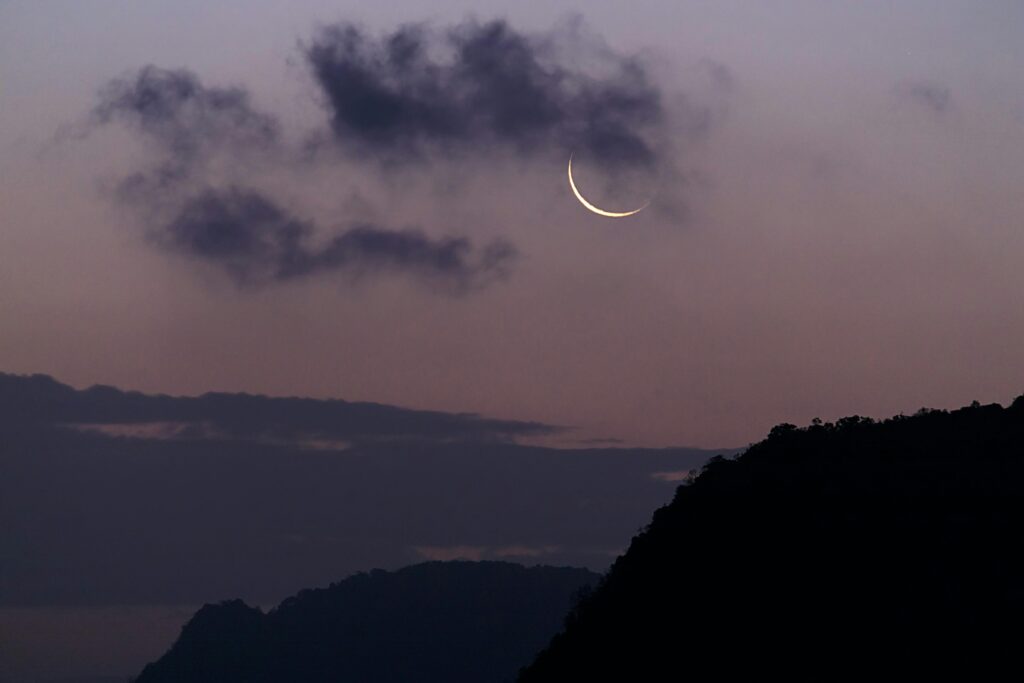
The new moon, which signals the beginning of a new Islamic month, including Ramadan and Shawwal, on a dusty purple night sky above forest mountains
Photo: The new moon signals the beginning of a new Islamic month, including Ramadan and Shawwal.

There are also six voluntary fasts one can complete at any time throughout the month of Shawwal (except on the first day, Eid al-Fitr) and doing so holds immense rewards. Here are some of the benefits to fasting in Shawwal.

Maintains Your Momentum After Ramadan

After spending a month excelling in good deeds, many of us feel like it’s impossible to keep it up after Ramadan is over. But that’s why continuing our Ramadan habits in Shawwal, the very next month, is the best thing we can do to stay on track!

Ramadan is month where we have the opportunity to reset. To get rid of bad habits and gain good ones. To perfect our acts of worship, including how we fast.

That’s why fasting the six days of Shawwal is a chance to maintain the good habits we built during Ramadan. Fasting itself requires us to give up our physical needs (e.g. eating, drinking, and physical relations) from sunrise to sunset, as well as stay away from harmful acts (e.g. gossiping, backbiting).

Because we fasted during Ramadan, fasting six more days in the month afterwards is definitely achievable. You also don’t have to do it consecutively. If it helps, you can tie it to another sunnah fast to make it easier to remember. For example, fasting every Monday and Thursday, and/or during the three middle days of the month – both of which were practices of the Prophet (ﷺ).

Make Up for Shortcomings 

The Prophet (ﷺ) tells us, “The first thing for which a person will be brought to account on the Day of Resurrection will be their prayer. If it is complete, then the voluntary (prayers) will also be recorded for them (as an increase).

If it is not complete, then Allah will say to His angels: ‘Look and see whether you find any voluntary prayers for My slave, and take them to make up what is lacking from their obligatory prayers.’ Then all their deeds will be reckoned in like manner.” (Sunan Ibn Majah) 

The same can be said for our fasts. Our voluntary fasts will be used on the Day of Judgement to both increase us in our good deeds as well as make amends for any of our deficiencies when we fasted Ramadan. 

Build an Attitude of Gratitude 

One of the spiritual benefits of fasting is that it nurtures gratitude in the heart of the believer. The more often we fast, the more spiritually aware we become of Allah’s favours in our lives. Abstaining from food and drink reminds us that these too are blessings from Allah that we take for granted. And we do this for a month during Ramadan.

Through fasting the six days of Shawwal, we continue to nurture this attitude of gratitude. The additional fasting encourages a deeper sense of humility, thankfulness, and awareness of those who have less than us. It keeps our hearts soft, our tongues in remembrance, and our hands more generous, just as Ramadan taught us.

Keep the Spirit of Ramadan Alive in Shawwal

While Ramadan may come to an end, its spirit doesn’t have to. Fasting the six days of Shawwal offers us a great opportunity to keep the momentum going. To continue striving for spiritual growth, self-discipline, and gratitude. It’s a way to demonstrate that prefecting our worship is not limited to one month, but is a lifelong commitment to pleasing Allah (SWT).

Whether you choose to fast the six days consecutively or spread them out across the month, what matters most is the sincerity and effort you put forth. By taking on this simple yet highly rewarding Sunnah, you are building on the foundation laid in Ramadan and securing rewards equivalent to a lifetime of fasting.

So don’t let the post-Ramadan blues weigh you down. Embrace the days of Shawwal with renewed purpose, and continue walking the path of devotion and gratitude that Ramadan helped you rediscover.


STAY INFORMED

  • This field is for validation purposes and should be left unchanged.

Quick Donate