07.11.19

Thank you from Yemen! Qurban 2018

  Dhul Hijjah     News

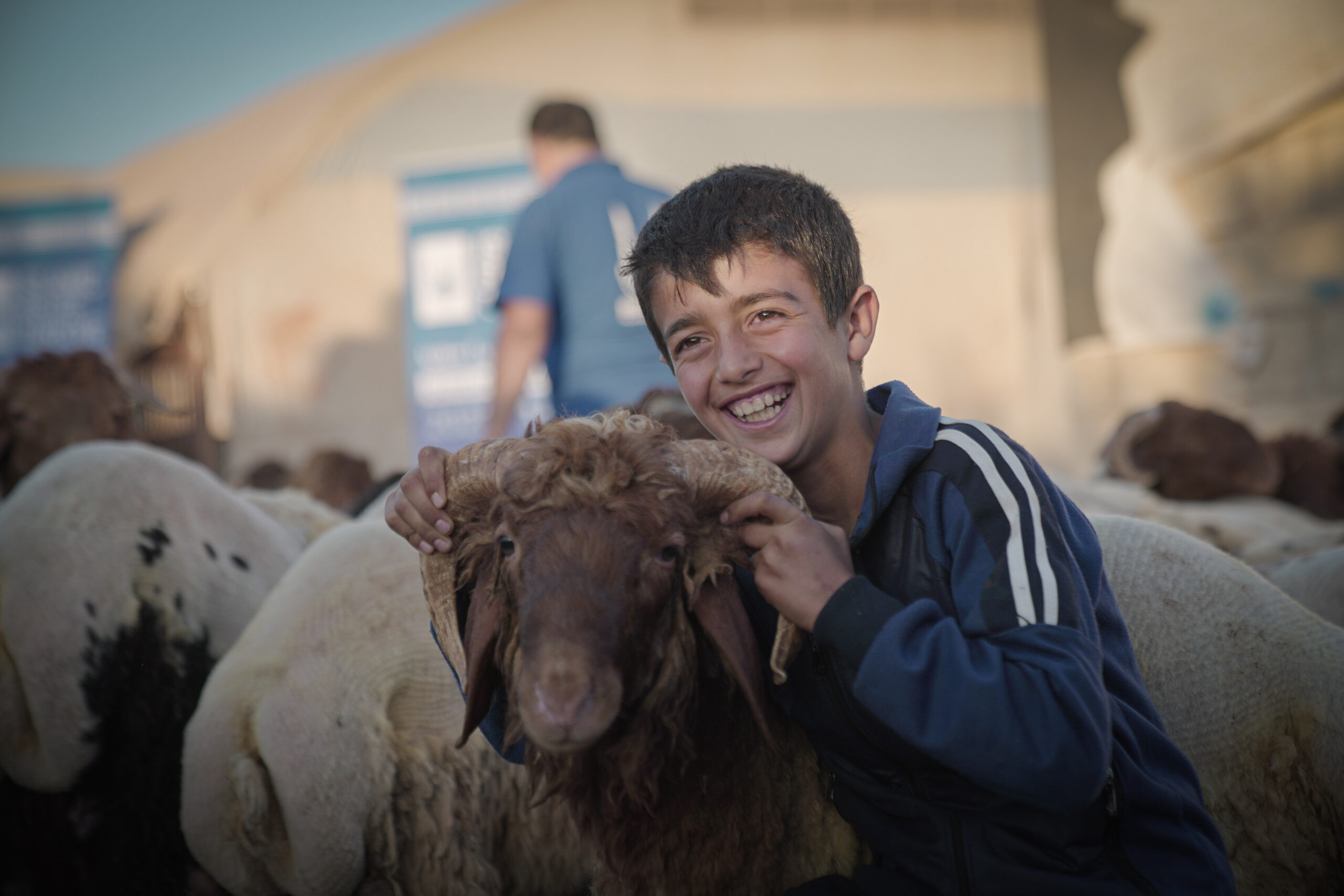
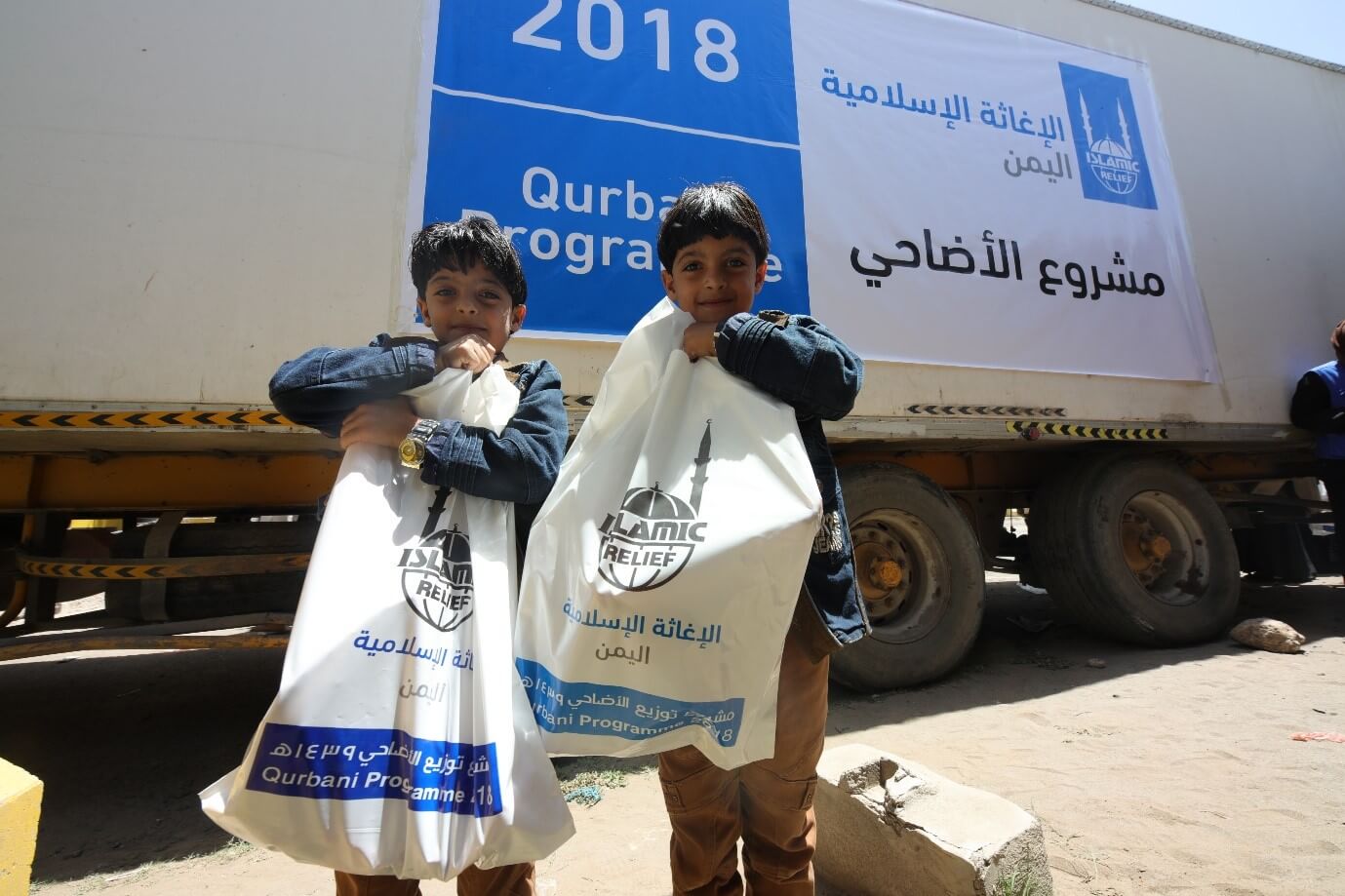
Nakhla’s seven-year-old twin boys, Jalal and Bilal, receiving meat packs during Eid al-Adha 2018.

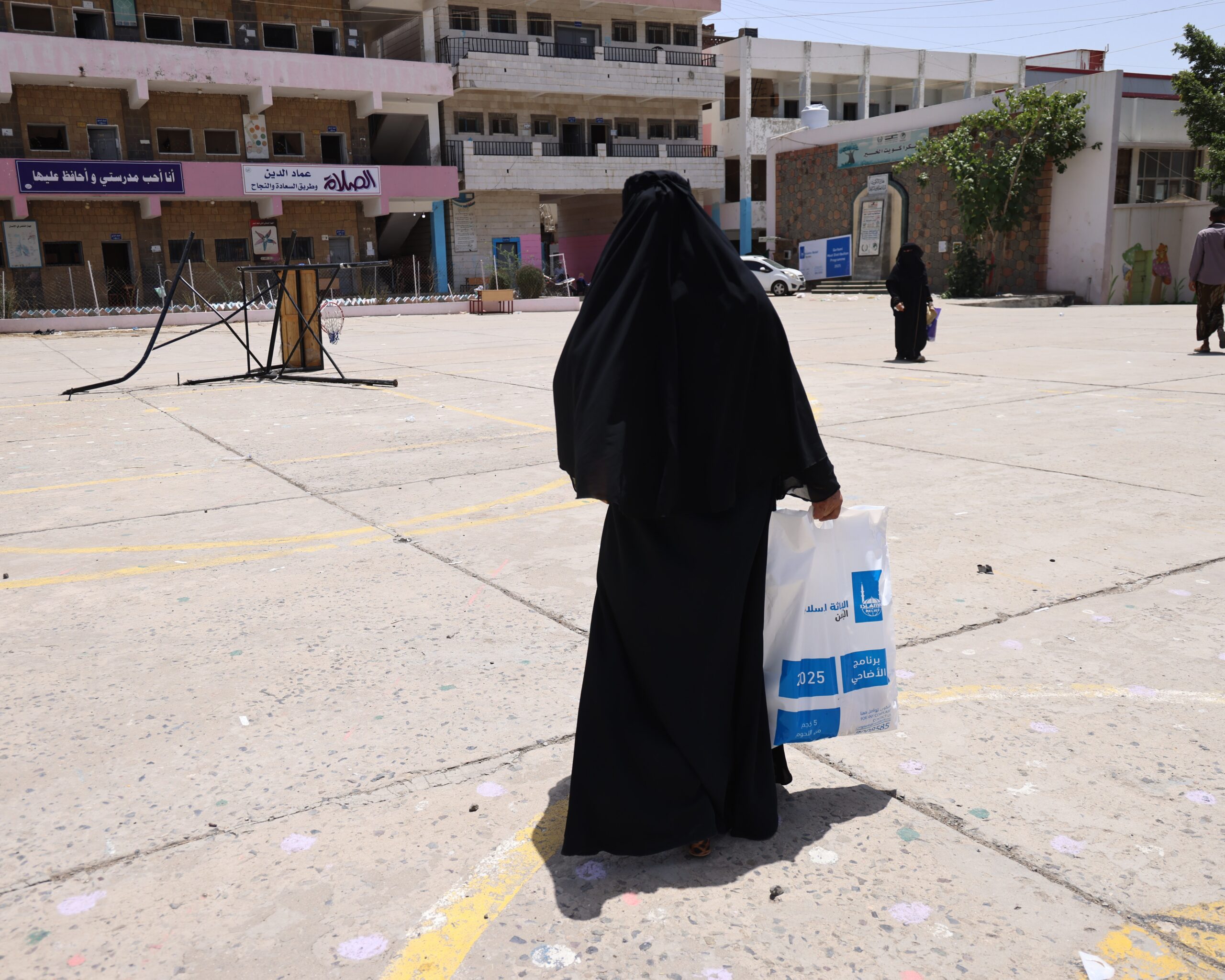
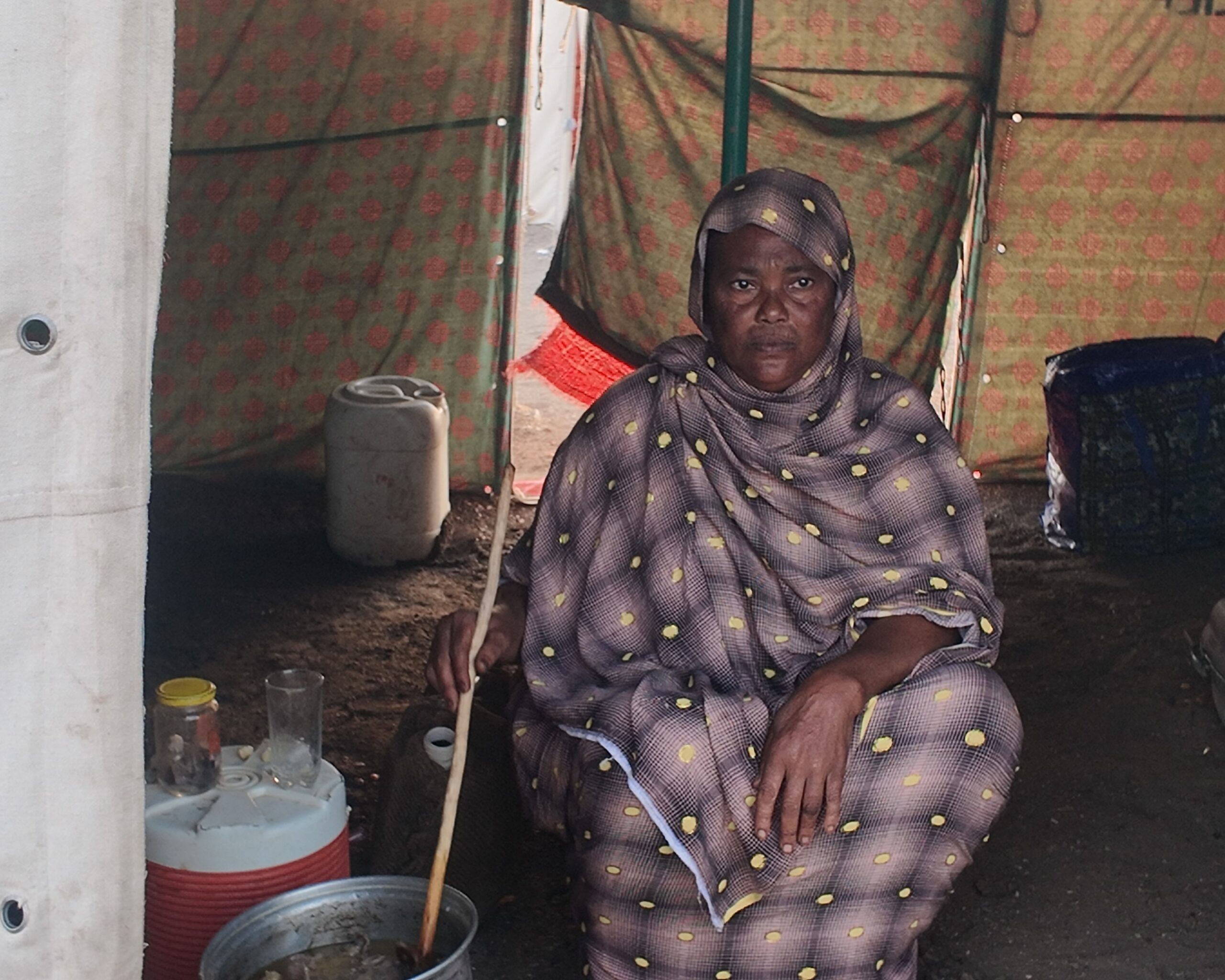
Nakhla is a 35-year-old widow and mother of three young children from Yemen. Since losing her husband, the family breadwinner, seven years ago, Nakhla relies on loans from her family and neighbours as well as financial assistance from Islamic Relief to provide the basics for her family.

However, there are some days Nakhla still struggles to put nutritious meals on the table for her kids, often forgoing meat when she doesn’t have enough money for groceries.

“Lack of meat affects the health of my children…Most of the time we eat rice, potatoes and vegetables. If we lack the money we stay without food for one day or more. The hardest feeling [is] when my children go to school and they are hungry, I feel sad,” she says.

Last year, during Eid al-Adha, Islamic Relief provided fresh Qurban meat packs to Nakhla’s family and helped them make the most of the festive season. “The meat provided by Islamic Relief [was] enough for four days. My kids love meat and they become happy and enjoy Eid with their favourite dish…they [Islamic Relief] draw a smile in the faces of my children and other needy children.”

Remember, the charity you give today will be your legacy tomorrow. Give Qurban.

In 2018, Nakhla’s family in Yemen was just one of the many vulnerable families your gift of fresh Qurban meat helped during Eid al-Adha. With your generosity, we were able to create lasting memories for vulnerable families everywhere. This year again, they are relying on you to help make their Eid al-Adha a happy one.

06.03.19

When is Eid al Fitr 2019?

  News     Ramadan

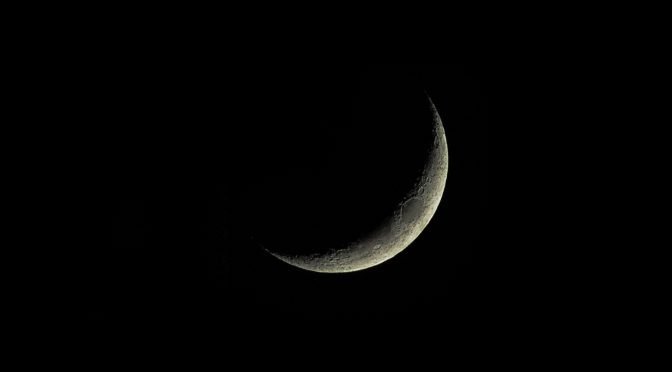
With the holiest month of the Islamic calendar drawing to a close, Muslims around the world will await the sight of the new moon to signify the start of Eid al Fitr 2019.

When is Eid al Fitr 2019?

Eid al Fitr 2019 is predicted to begin on the evening of Tuesday the 4th of June, indicating that the Eid al Fitr prayer will occur on the morning of Wednesday the 5th of June.

Eid al Fitr can be translated to as, ‘the celebration of breaking the fast’, and comes after Muslims fast the Islamic month of Ramadan. Eid al Fitr takes places on the first day of the Islamic month of Shawaal.

Before the Eid al Fitr prayer takes place, Muslims are advised to donate Zakat al Fitr.

What is Zakat al Fitr?

Abdullah Ibn ‘Umar said that the Holy Prophet (Allah bless him and give him peace) ordered the people to pay Zakat al Fitr before going to the Eid prayer. (al-Bukhari)

Before the Eid al-Fitr prayer at the end of Ramadan, every adult Muslim who possesses food in excess of their needs must pay zakat al-fitr (fitrana). The head of household can also pay zakat al-fitr for their dependants such as children, servants and any dependent relatives.

Zakat al-Fitr can be paid during Ramadan, before Eid al-Fitr prayers at the latest, so that the poor can enjoy the day of Eid.

The minimum amount due is the equivalent of about 2 kg of wheat flour, rice or other staple foodstuff, per member of the household, including dependants, even if they do not live in the same house.

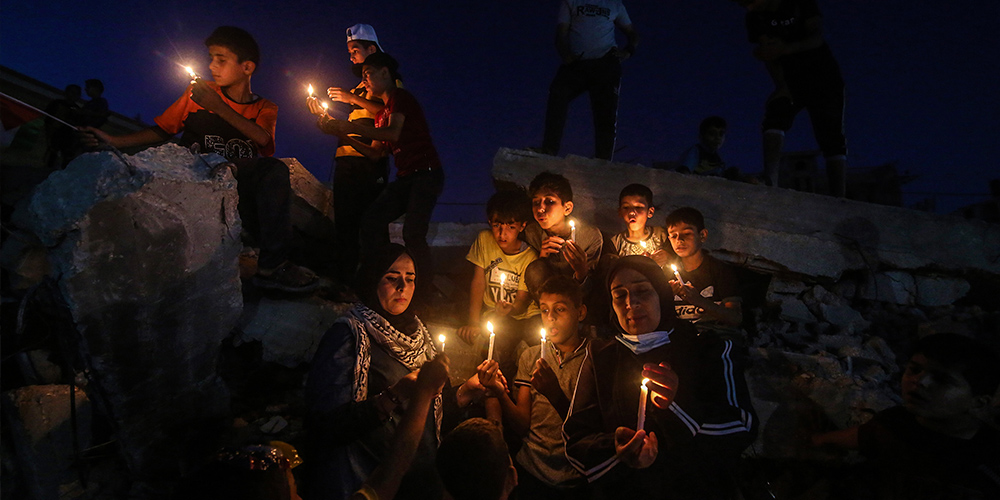
Eid Celebrations ( Gaza) 

Eid with Islamic Relief

As communities come together to celebrate the end of Ramadan with prayer, feasts and charity, for Islamic Relief Worldwide, Eid al Fitr marks the end of a successful distribution campaign delivering 311,000 food-packs in 34 countries, benefiting 1.7 million people.

We pray that our Muslim brothers and sisters all around the world  experience a joyful and loving Eid among their families, neighbours and communities.

Eid Ul Fitr clothes and school package distribution in Niger

05.24.19

The Last Ten Days of Ramadan

  Publications     Ramadan

What Are The Last Ten Days of Ramadan and When do They Take Place 

The Last Ten Days of Ramadan are recognised as the most virtuous and blessed ten nights in Islam. The Last Ten Days take place from the beginning of the 20th night in Ramadan until Eid al-Fitr. A great reward is given to those who performed acts of goodness and worship on that night.  

“The Night of Decree is better than a thousand months. The angels and the Spirit descend therein by permission of their Lord for every matter. Peace it is until the emergence of dawn”  

[Qur’an: 97:3-5]

(Sahih International Translation) 


There has come to you Ramadan, a blessed month which Allah has enjoined you to fast, during which the gates of heaven are opened and the gates of Hell are closed, and the rebellious devils are chained up. In it there is a night which is better than a thousand months, and whoever is deprived of its goodness is indeed deprived.  

(Hadith Bukhari) 


The Best Dua to Recite on The Last Ten Days  

للَّهُمَّ اِنَّكَ عَفُوٌّ ، تُحِبُّ الْعَفْوَ فَاعْفُ عَنِّي 

Allahumma innaka `Afuwwun TuHibbul `Afwa Fa`fu `Annii. 

O Allah, You are Most Forgiving, and You love forgiveness; so forgive me 

Here’s some context, Aisha, the wife of the Prophet (pbuh) reported 

I asked: “O Messenger of Allah! If I realize Lailat-ul-Qadr (Night of Decree), what should I supplicate in it?” He ṣallallāhu ‘alayhi wa sallam (peace and blessings of Allāh be upon him) replied, “You should supplicate: Allahumma innaka ‘afuwwun, tuhibbul-‘afwa, fa’fu ‘anni (O Allah, You are Most Forgiving, and You love forgiveness; so forgive me).” [At-Tirmidhi].

During this time, men and women can do I’tikaf, in which they spend their last ten nights in their mosques and worship Allah (swt).

The last ten days of Ramadan are upon us.

Around the world we’re creating positive changes in the lives of the most vulnerable.

This Ramadan we’re calling on you to help us create positive change in the lives of the most vulnerable ?

05.13.19

The 10 Quirks That Make Ramadan

  Publications     Ramadan

It’s that time of year again – yes it’s Ramadan! It’s the holiest month of the year in which the Holy Qur’an was revealed and when Muslims across the globe commit to fasting from sunrise to sunset in remembrance of the poor and needy and in worship to Allah Almighty. Yes, this sacred month has arrived and with that comes the hunger pangs, nights at the mosque, dedicated reading of the Qur’an and of course – the little quirks! The questions, the jokes, yep we’ve heard them all before. Ramadan wouldn’t be the same without them!

Here’s our ten quirks which sum up the blessed month!

1.  Non-Muslims asking if you go without food and drink for a whole month

We can almost guarantee that unless your non-Muslim friends, neighbours and colleagues are familiar with your faith and fasting, you’ve been asked this question at least once. Yep, we may fast for many hours at a time but alhamdulillah, we enjoy a good meal at the end of each day! We can’t even begin to imagine what state we’d be in if we stopped eating and drinking completely – in fact, even thinking about it makes daily fasting sound a bit of a breeze. Astaghfirullah!

2.  All the date jokes making their regular appearance

“Fancy a date?”, “I’ve got a date for every night throughout Ramadan”, “My dates are all halal!” and on and on. Yes – just as the Sunnah of breaking your fast with dates is a great custom we enjoy throughout Ramadan, so too are the jokes about dates. Would it even be Ramadan if there wasn’t a date joke flying around? We think no! Ramadan: “Keeping it halal!”

3.  Becoming a seasoned siesta-aficionado

Well, well, well – we never knew we were so Mediterranean, did we? During Ramadan, a siesta is a must! From adapting the medical room at work or popping home for a nap, we make that afternoon nap a must. Don’t ask us to go without it or we may just struggle to function or keep our eyes open. Well, what else is our lunch break going to be used for (other than prayer of course!)? Yep, bring on the siesta for that mini energy boost!

4.  Bringing a new meaning to the word “hangry”!

Allah loves to test us and Ramadan is definitely a test in itself! If the struggle to remain calm and collected when you’ve not had your lunch wasn’t difficult enough, we’ve got to fight those nafs (urges, desires and bouts of irritability)! There’s no point in fasting if we’re rude, unpleasant and unbearable towards others. So on with the fight against “hanger”!

5.  Finding everyone’s fixated on the moon

Is it Ramadan yet? Is it Eid? Has the moon been sighted? No that’s Saudi, I follow X, Y Z. Yes, never before does the appearance of the moon become so exciting, yet also so contentious. From disagreements on which country/location to follow (home or abroad) and the need to explain to your non-Muslim boss that you’d like time off work but aren’t really sure what day(s) you need off, it’s all about the moon!

6.  Eating in the office becoming a secret activity

For anyone unable to fast (menstruating and breastfeeding women, diabetics, our non-Muslim colleagues etc.), there’s always that niggling feeling of guilt and well-meaning questions: should I eat in the office? Can I eat here? From congregations of women gathering to eat in the prayer room to the office exodus at lunch-time, eating becomes the elephant in the room quietly trying to remain inconspicuous. Hey, guys, it’s fine! As long as you’re not salivating with a gigantic beef burger before our eyes, licking your lips and telling us how mouth-wateringly scrumptious it is, then go for it!

7.  “What, not even water?!”

A bit like #1, the other BIG question of the month and the draw-dropping answer is around water. Yep, it’s no food or drink during daylight hours for the full month. Yes, that’s no water, no tea, no coffee, no juice, no fizzy drinks; nothing except toothpaste, or lip balm can touch our lips – definitely not anything edible or refreshing!

8.  Forgetting what a full-night’s sleep feels like

With suhur, fajr prayers, iftar, late night maghreb, ishah and taraweeh prayers* – not to mention the urge to go to the toilet whilst you’re in bed after drinking all that water – sleep becomes somewhat of a distant memory during Ramadan. So, when we’re at work blurry-eyed and not feeling our freshest, it’s not often the lack of food or drink, it’s the fact that we’re lacking a full night’s sleep due to our new eating, drinking and additional worship habits (as well as all the social iftars!) that makes us a little slower than usual. Unless you’re one of those insane people who can get by on four hours sleep each night, we’re definitely not going to be our usual spritely selves!

9.  The mistrust of the clock!

So you’ve got your alarm clock, your watch, your phone – in fact, so many ways of telling the time but when it comes to suhur and iftar, which one can you really trust?! And so that feeling of panic sets in. Shall I wait longer to break my fast? How much longer? Has the time passed? Yes, you’re hungry, you’re starving….ahh! We’ve all been there. With so much technology nowadays and no public athan (call to prayer) as we’re living in a non-Muslim country, you’d think we’d have worked out a way to know what time it is.  But we’re never quite sure which device to trust…

10.  Discovering you’ve put on weight…

“You must lose so much weight!” gasps our non-Muslim neighbour, friend, colleague etc. Well… You’d think that eating significantly less food than usual for a whole month would mean we’d get rid of quite a few extra kilos wouldn’t you? But no… many of us even put on weight! How, you may ask? Well it’s those darn samosas, cakes, baklawa and all. Don’t blame us – we were invited to the iftar. It’s rude to turn down food, don’t you know!

Jokes aside, Ramadan is a special time for us all. As the holiest period of the year, we’re able to give thanks to Allah Almighty for all we’ve been blessed with and remember those in need across the globe. As we break our fast or tuck into our suhur, let’s remember the millions of people across the world who are struggling to survive due to poverty, famine, disasters, climate change and conflict. Let’s be their support.

Allah (SWT) tells us: “Whosoever saves a life, saves the whole of mankind.” (Qur’an 5: 32)

The original article was posted by Islamic Relief UK and written by Junaid Ahmed

04.17.19

7 Tips For a Productive Ramadan 

  Publications


“All the deeds of the son of Adam are for him, except fasting, which is for Me and I shall reward for it.”’ (Hadith Qudsi, Bukhari) 

Ramadan is our divine and holy period in which we are instructed to fast from dawn to sunset. Fasting Ramadan is one of the five pillars of Islam. During this month all Muslims, regardless of age, gender, race and ethnicity are invited to ‘Change 

Yes, we want to change this month. We want to be the better versions of ourselves in spirituality, emotionally and physically. 

The wisdom, power, and impact of Ramadan is beyond our understanding. We are blessed with a time to reflect, renew and improve ourselves. We are blessed with a time to be self-disciplined, caring, compassionate and visionary. 

Here are some sweet tips you can perform this Ramadan to reap easy rewards.

1. Performing Consistent Tasbeeh 

“Allah, the Most High said: ‘I am as My slave of Me, and I am with him when he remembers Me. If he remembers Me to himself, I remember him to Myself, and if he remembers Me in a gathering, I remember him in a gathering better than that. And if he seeks to draw nearer to Me by a hand span, I draw nearer to him by a forearm’s length, and if he comes to Me by a forearm’s length, I draw nearer to him by an arm’s length. And if he comes to Me walking, I come to him quickly.’” (Al-Bukhari 7405).

You can say tahmeed, tahleel and tasbeeh as a form of dhikr.

Tahmeed: Al-hamdu Lillah (All praises be to God).
Tahleel: Laa ilaha ill-Allah (There is no god but Allah).
TasbeehSubhaan-Allah (Glory be to God). 

 2. Nutrition 

Eating a nutritious suhoor and a light Iftar. Ramadan should be our opportunity to enhance our eating habits and enable us to see positive changes in our spirituality as well as our body. Intermittent fasting has been making a global impact encompassing major similarities to Muslims fasting in Ramadan. 

The benefits of fasting has proven to initiate positive changes in cellular processes and hormone levels in the body. Alongside healthy eating, fasting can cause weight loss of 3-8% over 3-24 weeks. Fasting has been shown to have major benefits for insulin resistance and lead to an impressive reduction in blood sugar levels.


3. Praying In Congregation 

 “Salat in congregation is twenty-seven times more meritorious than a Salat performed individually.” (Bukhari & Muslim) 


4. Tarawih 

“Whoever prays at night in Ramadan out of faith and the hope of reward, all his previous sins will be forgiven.” (Bukhari)


5. Reading Qur’an  

[This is] a blessed Book which We have revealed to you, [O Muhammad], that they might reflect upon its verses and that those of understanding would be reminded. (Quran 38:29) 

The reward for reading Suratul Ikhlaas three times is the same as the reward for reading the entire Qur’an! 


 6. Sharing your Iftaar with other fasting Muslims!

When you share your plate or table with someone else who is fasting, Allah (swt) rewards you with the reward of fasting!

7. Share This Article With Someone You Know! 

“Whoever guides someone to goodness will have a similar reward.” (Muslim) 


On the behalf of the Islamic Relief Team, we pray that your Ramadan will be full of prayers, prosperity and blessings. May Allah (swt) forgive your sins, fill up your banks with good deeds and accept your prayers to be among the residents of Paradise.


04.05.19

Islamic Relief Australia (IRAUS) launches the 2019/1441 Ramadan Campaign

  News

Islamic Relief Australia (IRAUS) launches the 2019/1441 Ramadan Campaign 


We are excited to announce the launch of our Ramadan 2019 Campaign ‘Change begins with you. With the holy month of Ramadan about to visit us in the next few weeks in sha AllahWe take this opportunity to thank all our ongoing supporters and welcome our new supporters to the Islamic Relief Family. 

Ramadan 2019

We know that Ramadan is a divine and holy period in which Muslims are instructed to fast from dawn to sunset. Fasting Ramadan is one of the five pillars of Islam. During this month all Muslims, regardless of age, gender, race and ethnicity are invited to ‘Change 

Yes, we want to change this month. We want to be the better versions of ourselves in spirituality, emotionally and physically. 

The wisdom, power, and impact of Ramadan is beyond our understanding. We are blessed with a time to reflect, renew and improve ourselves. We are blessed with a time to be self-disciplined, caring, compassionate and visionary. 

 “Change, It Begins With You”  

You’re in control of the words you say, the people you meet, the things that you do. You don’t realize the impact your words and actions have on those around you, and most importantly, yourself. 

Change begins with you. Run directly at change. 

Change begins with Bismillah. It Begins with a simple intention.  

Change begins with Ramadan.  Ramadan is your opportunity to create positive change in your life, and the lives of the world’s most vulnerable. 

The Islamic Relief Family this Ramadan  

Your Zakat 

Zakat means ‘growth’ and ‘purification’. We purify our wealth by giving a proportion of it to those that need it. As with the pruning of plants, when we cut back we create balance and encourage new growth. 

Many people choose to pay their zakat during Ramadan, a blessed month in which the reward for good deeds is multiplied. 

Find out more on Zakat here. 

Learn More About How Our Zakat Projects Creates Long Term Positive Change Here


We’re distributing food packs to 100,000 more people this Ramadan 


IRAUS in partnership with Islamic Relief Worldwide aims to distribute 311,000 food packs in 34 countries to benefit over 1.7 million people this Ramadan. This is an additional 100,000 people we are reaching in comparison to last year.  


04.05.19

When Is Ramadan 2019?

  News     Ramadan

When is Ramadan 2019?  

Ramadan 2019 is due to begin on either Sunday the 5th of May or Monday the 6th of May. 

 Ramadan 2019 will be officially determined by the sighting of the new moon. Ramadan is the ninth month of the Islamic year and encompasses significant religious reverence. 

During the month of Ramadan, Muslims are obligated to fast from pre-dawn to sunset every single day for 29 or 30 days. The fasting of Ramadan makes up the fourth pillar of Islam. 

A Background to Ramadan 

The word ‘Ramadan’, comes from the Arabic word ‘Ramad’. This word means being burnt by the sun. Scholars have said this word is used because during this month, the sins of the believers are being burnt. 

The Prophet Muhammad is reported to have said,  

Whoever draws nearer to Allah by performing any of the (optional) good deeds  shall receive the same reward as performing an obligatory deed at any other time, and whoever discharges an obligatory deed in (this month) shall receive the reward of performing seventy obligations at any other time.

Following the sunnah 

The Prophet (pbuh), embodied the spirit of the Qur’an. Muslims try to follow his example – or sunnah – in drawing closer to God. In Ramadan, these include eating suhur, a pre-dawn meal – even if it is just water – and breaking the fast on time. Muslims usually break their fast with dates, choosing an odd number as the Prophet (pbuh) did, or water. 


What We Are Doing in Ramadan 2019 

Across the world, many families will struggle to put food on the table at iftar time. We work with people and communities to ensure that families have enough food for the month of Ramadan. Across the globe, we distribute family food packs with essentials such as flour, rice, and lentils to last the whole month. The food packs are dynamic and contents change according to the country and the preferred nutritious intake.  


08.16.18

What Qurban Means for a Single Mother with Special Needs Children

  Dhul Hijjah     Publications

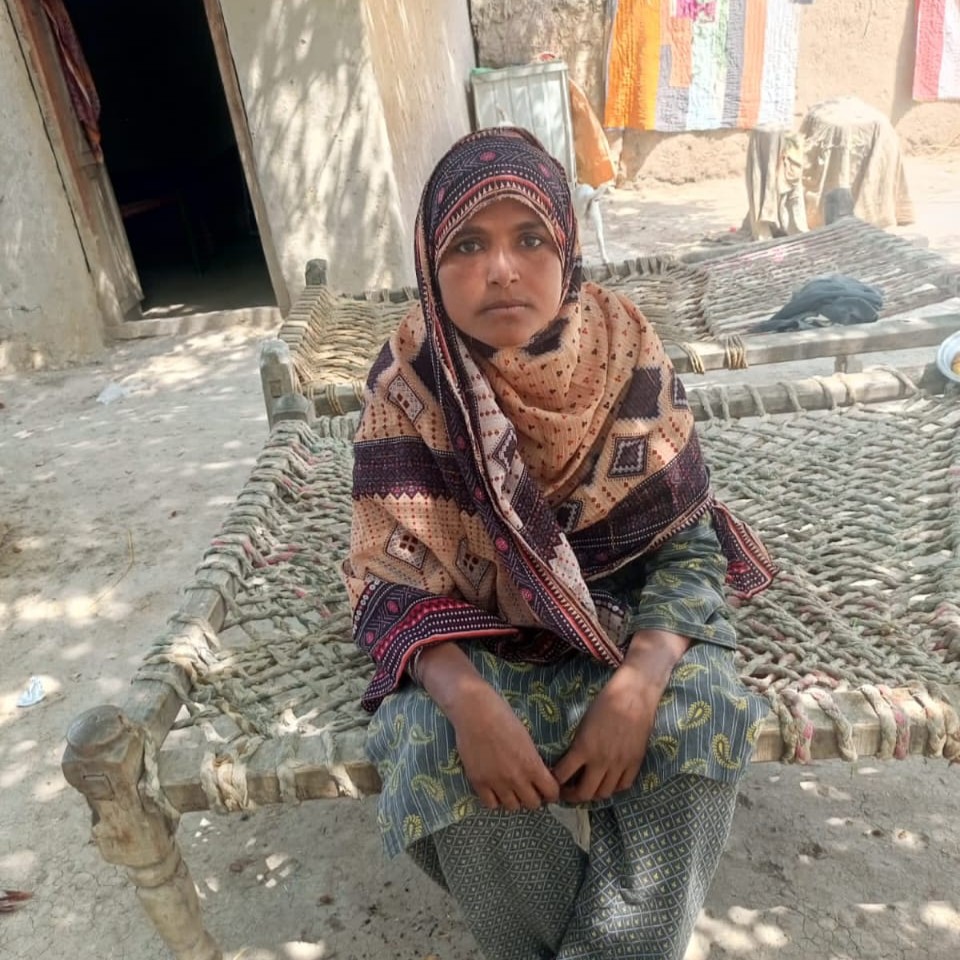
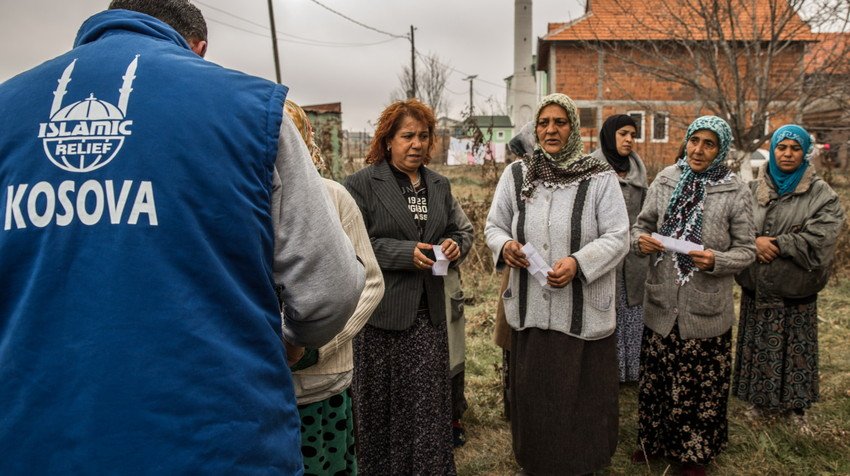
In Kosovo, Hafize, 55 years of age, runs a female headed household. Hafize has six children and her youngest child is disabled.

The annual Udhiya/Qurbani Project provides an opportunity for people who cannot afford to receive meat products gaining the nutritional benefit of an Islamic Relief Meat Packet.

The project involves the distribution of fresh packets to the most vulnerable people – women, children, the elderly and refugees.

Life in a Female-Headed Household

Hafize does not have access to a steady flow of income. Purchasing meat is rare, she mentions,

My children, one of whom is disabled, associate meat with special holidays like Qurbani as those are the times we have meat in our diets.

As a female head of household, having children with a disability, life has challenged me a lot. Most of the time we cook with flour as it is cheap. So our main meals are usually pastry. Alhamdulillah my children do not complain and enjoy it.

Meat is not part of our regular diet, we rarely consume it. My children, one of whom is disabled, associate meat with special holidays like Qurbani as those are the times we have meat in our diets.

The Expense of Meat

Buying meat is very challenging and expensive for us. Some local families try to help us out every now and then. We live in a village and I try to plant vegetables in order to avoid buying things. We are a large family and things are hard, my youngest children are going to school and my eldest had to stop because we cannot afford it.

Eid-al-Adha, for me and family, means solidarity and bliss. On that day people come and visit us and we feel united and close to each other. The meat pack from Islamic Relief gives us an opportunity to access foods with higher nutritional value. The Qurbani meat lasts a while for us. We divide the meat into small pieces and put it in the freezer so we can have it with other meals.

I am thankful for the Islamic Relief staff for Qurbani, and also helping my children with schoolbags, stationary, and all  our difficulties.

For More Information about our Qurbani Guidelines you can click here or here for our Qurban Projects.

08.08.18

When is Dhul Hijjah 2018?

  Dhul Hijjah     News

Dhul Hijjah 2018 is due to begin on either Sunday the 12th August or Monday the 13th of August.

Dhul Hijjah 2018 will be officially determined by the sighting of the new moon. The Islamic month encompasses significant religious reverence. During the first ten days of Dhul Hijjah, Muslims are advised to increase their acts of goodness and spirituality to reap the rewards of this exalted period.

A Background to Dhul Hijjah

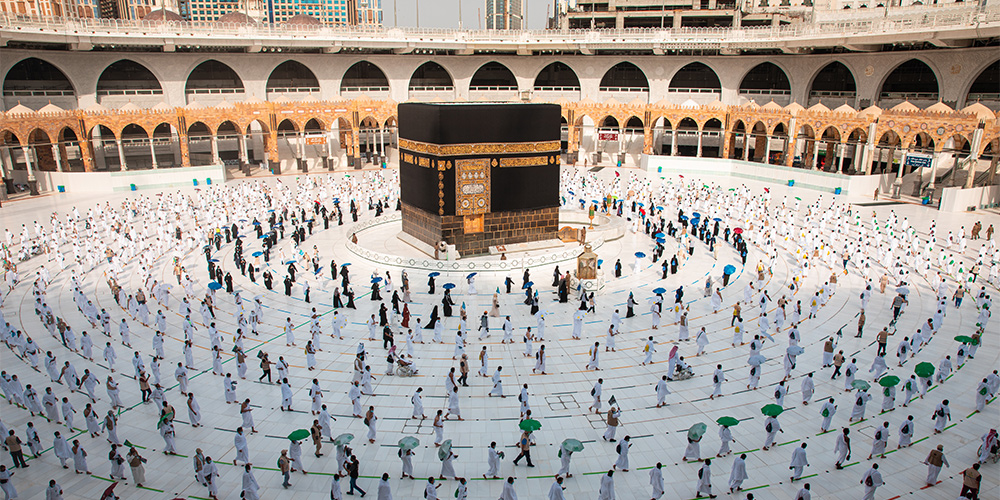

The word “Dhul Hijjah” can be translated to “Month of Pilgrimage”. During the month of Dhul Hijjah, Muslims perform the Hajj.

In  Surat Al-Fajr, Allah says:

fajr

“By the dawn; And [by] the ten nights.” (Qur’an 89:1-2)

According to many scholars of the Qur’an, the days mentioned as significant enough for Allah to swear by them are the first ten days of Dhul-Hijjah.

During this month, Muslims around the world are excited and happy. Millions of Muslims will be travel to Makkah to pursue Hajj. 

The Ten Days serve a reminder to worship and reflect upon the value of life. Islam has emphasised upon the virtue of these days. They are special because they contain significant Islamic events. Such as the history of the prophet Ibrahim, the pilgrimage to Makkah  and the celebratory days of Eid.

Whoever is not able to go to Hajj during Dhul Hijjah should use this blessed time to complete even more righteous deeds. These can include anything. Such as giving charity, honouring one’s parents and enjoining what is good and forbidding what is evil. It is also important to enhance our obligatory acts of worship.

For those of us who have not yet completed the pilgrimage of Hajj, this is an ideal time to make duaa that Allah grants us the opportunity to do so.

The Virtue of Istighfaar During The 10 Days

Our Prophet  said: “There are no days that are greater before Allah or in which good deeds are more beloved to Him than these ten days. So recite a great deal of tahleel,  takbeer  and tahmeed during them.” (Ahmad)

  • Tahmeed: Al-hamdu Lillah (All praises be to God)

  • Tahleel: Laa ilaha ill-Allah (There is no god but Allah)

  • Tasbeeh: Subhaan-Allah (Glory be to God).

Do not forget to send your Qurban this year.  Islamic Relief aims to distribute Qurban in 34 countries to over 3 million people in the month of Dhul Hijjah 2018.

On the behalf of the Islamic Relief Team, we pray your 10 days of Dhul Hijjah will be full of prayers, prosperity and blessings.

08.02.18

“We don’t eat meat every day in our meals, it is not affordable”

  Dhul Hijjah     Publications

The Cadre Harmonise, the current regional framework that assesses food insecurity situations in affected populations, announced in 2018 that “4.1 million people in Mali will be food insecure this year”.

Islamic Relief began working in Mali in 1997, helping people affected by the civil war in the northern regions.

Mali continues to be affected by food insecurity coercing families into vulnerable situations. The Qurban/Udhiya meat distribution targets the most vulnerable people in the countries Islamic Relief is implementing the Qurban within. The key groups are usually women, children, the elderly and refugees.

In Mali, Fanta, a 38 year old widow with eight children works in the market. She sells traditional medicines, a low-paying occupation and struggles to receive enough money to purchase rice and vegetables.

SOURCE Islamic Relief Mali

“We don’t eat meat every day in our meals, it is not affordable! Some days I don’t even have enough money for rice let alone meat. Some days, when I earn a little more money, I like buy some meat because I know that the children enjoy eating it.
 
Meat is full of vitamins. It is good for the development of the body. Children crave it and it makes them happy when they get to eat it. The day I cook meat they say: “Mum, we’re so happy we cooked meat today!”
 
I don’t earn much and I have to cope with what I get. I swear by Allah, I don’t even have a grain of rice in my house right now. Eid is meant to be a happy day, a day to enjoy nice food with your children and be happy. To eat meat along with rice to your heart’s content.
 
When children see this Qurbani meat they become so excited. We can spend a few days enjoying it by cooking it bit by bit.
 
When my husband passed away, my neighbour told me about Islamic Relief and how they can help sponsor my children and thanks to that I was able to send them to school.
 
We would like to thank all the people who donate from the bottom of our hearts. May Allah reward them all.”

In 2018, Islamic Relief aims to distribute meat to over 3 million people in over 34 countries. Each meat packet distributed contains a sufficient amount of meat (4 kg on average), for a family of four for one week. Each meat packet is designed to consist of fresh meat that is appropriate and acceptable for the dietary culture of the region.

You can learn More about our Qurban campaign here.


STAY INFORMED

  • This field is for validation purposes and should be left unchanged.

Quick Donate