10.07.25

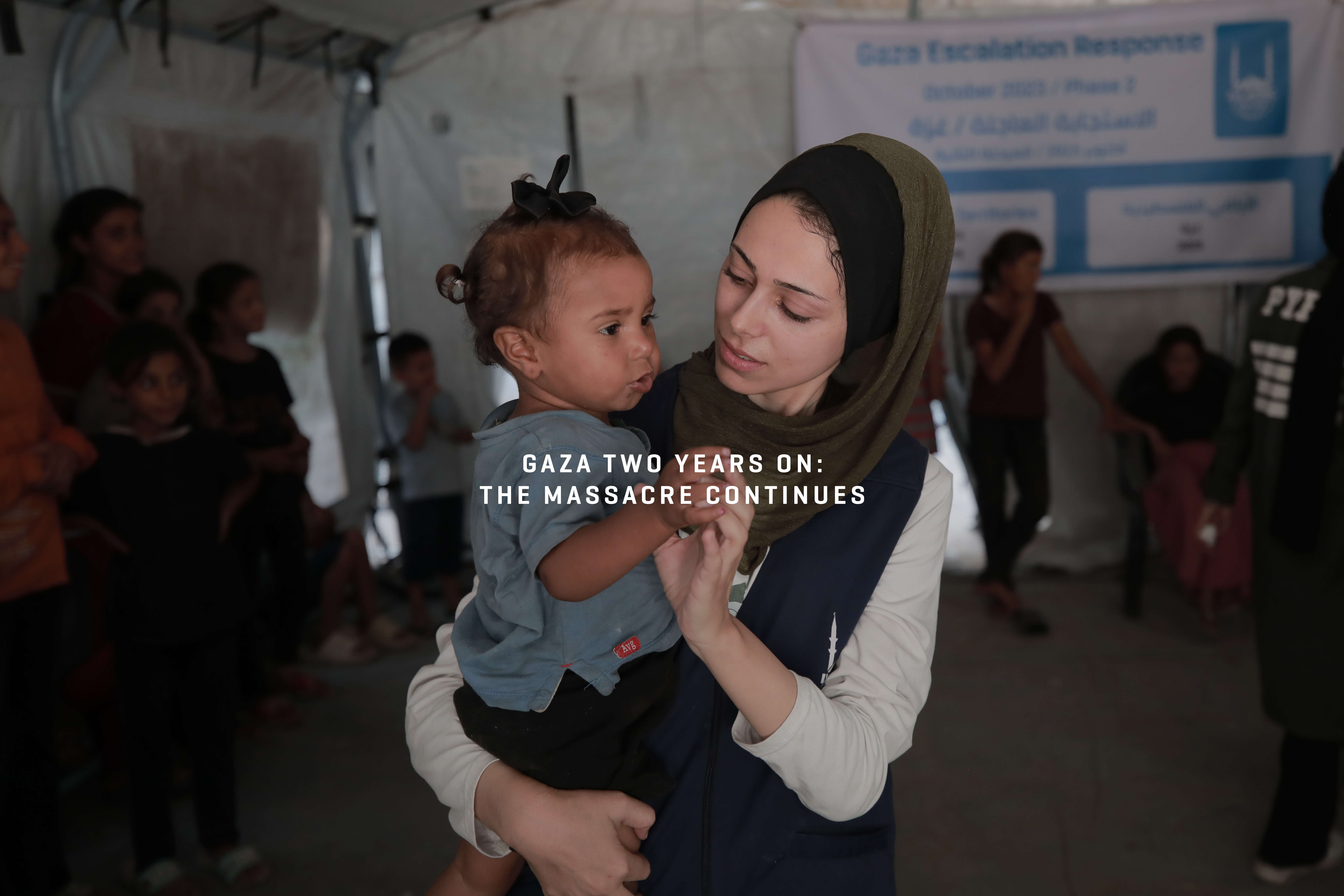
Gaza 2 Years On: The Massacre Continues

  Publications

October marks 2 years of Israel’s relentless assault on Gaza. That we’ve reached this grim milestone is testimony to the complicity of world leaders who have failed to stop the daily war crimes being carried out on Gaza.

More than 66,200 people have been killed – including some 20,000 children – and over 168,900 injured since the onslaught began.

Life in Gaza today is clouded by danger and uncertainty. Children are starving to death in a man-made famine and, each day, more civilians are massacred. The Israeli blockade traps families in a daily struggle to get food, medicine, shelter, water – everything they need to survive.

Uprooted repeatedly

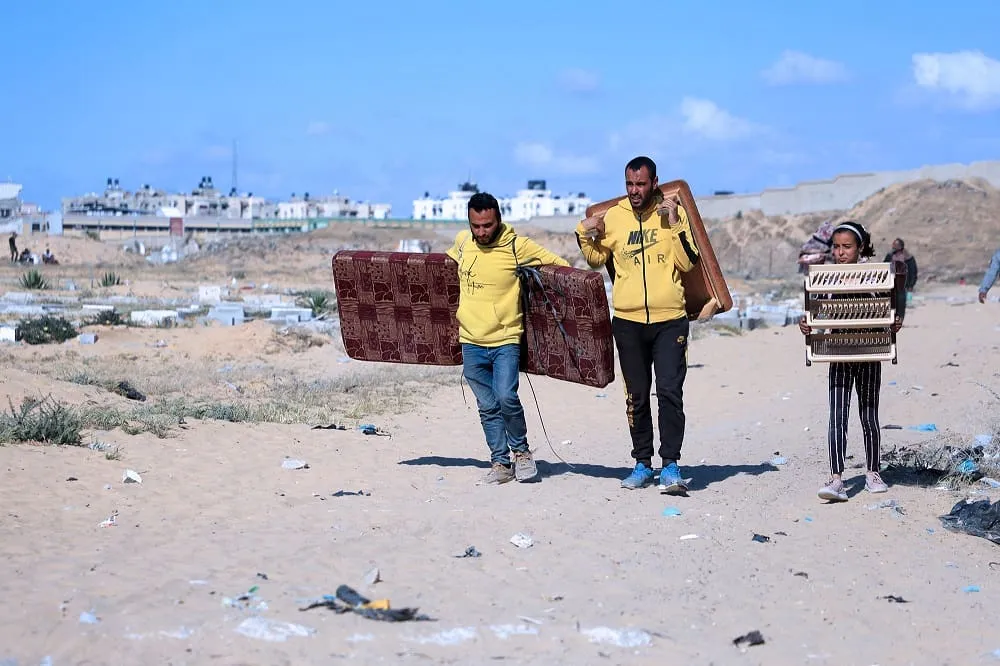
Almost everyone in Gaza has been forced from their homes, often multiple times. 90% of families have been displaced an average of 6 times, while others have been forced to flee many more times – including Islamic Relief’s own staff.

The situation is getting even worse, with Israel intensifying its attack on Gaza City and ordering people to leave.

For some, leaving Gaza City is just not an option. Relocating is extremely expensive, and many say they have nowhere else to go. Others fear that if they leave, they’ll never be able to return. With famine declared in Gaza City and the surrounding areas, others are too sick or weak to survive another journey. Those who have left are being forced into increasingly overcrowded camps, where diseases and starvation are rife.

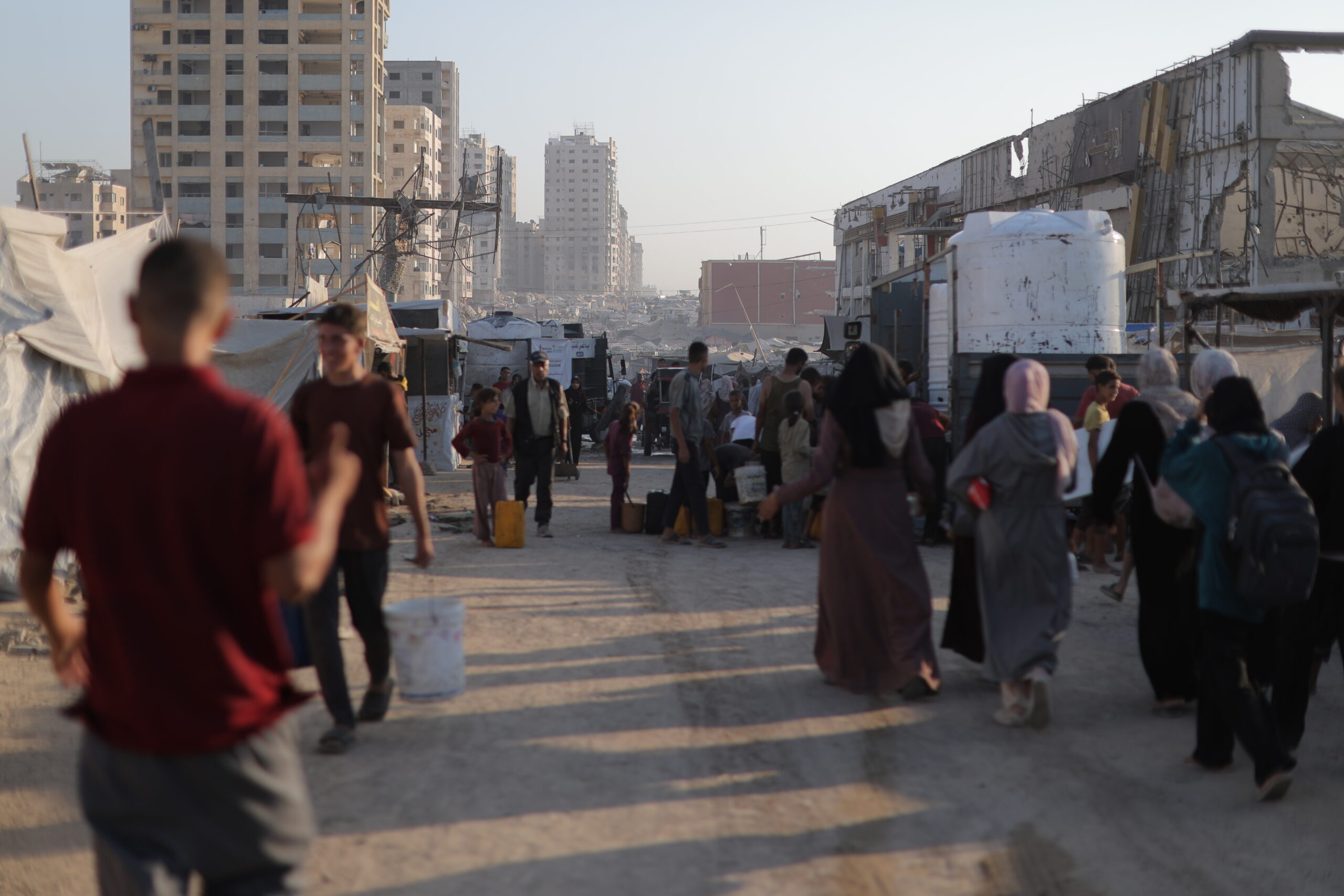
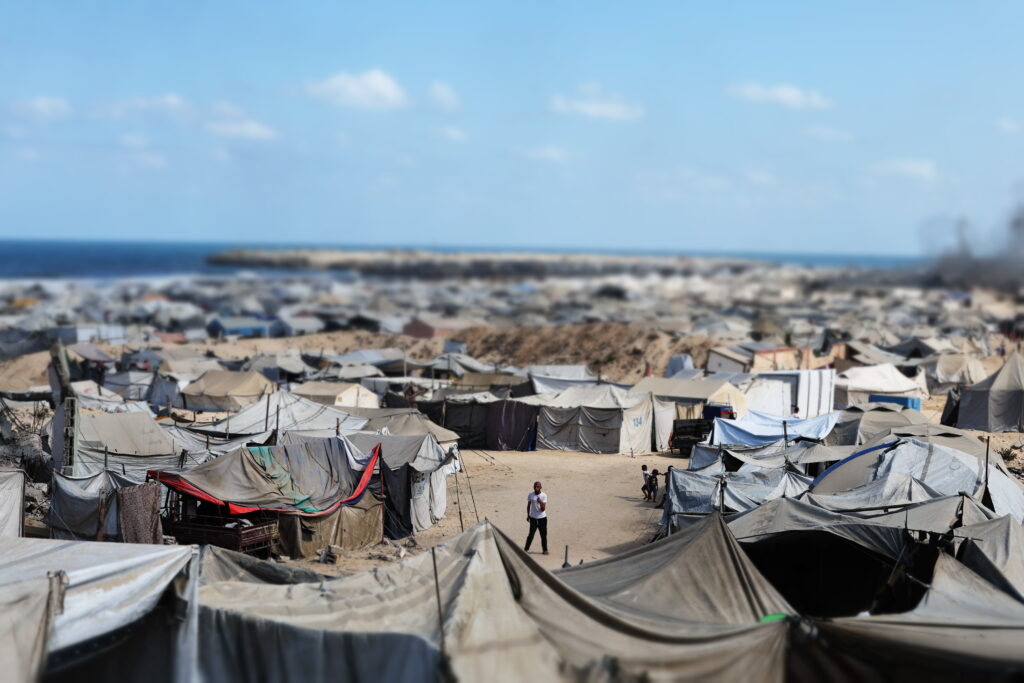
Hundreds of thousands of people are squeezed into tents along the beach, in the wreckage of bombed buildings and along the streets.

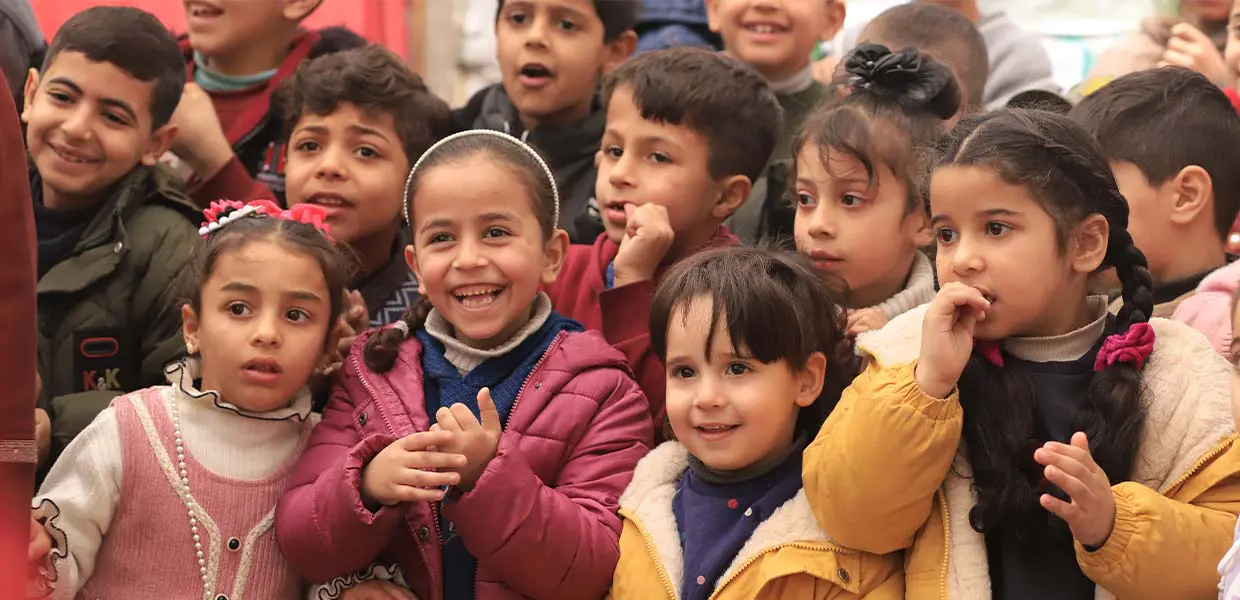
Perhaps no one is suffering more than Gaza’s children. Struggling to survive, they are also seeing their hopes for the future being snuffed out. Famine threatens the lives of over 132,000 children, and all children under 5 are at risk of severe malnourishment, which can lead to long-term health issues, even for those who manage to get treatment. An entire generation of children is now in their third year out of school, and we are seeing rising mental health issues due to the extreme suffering and grief.

Your impact, their resilience 

Israel’s illegal blockade continues to restrict humanitarian aid, but amid so much hardship, Islamic Relief continues to be a lifeline to people in desperate need in Gaza.

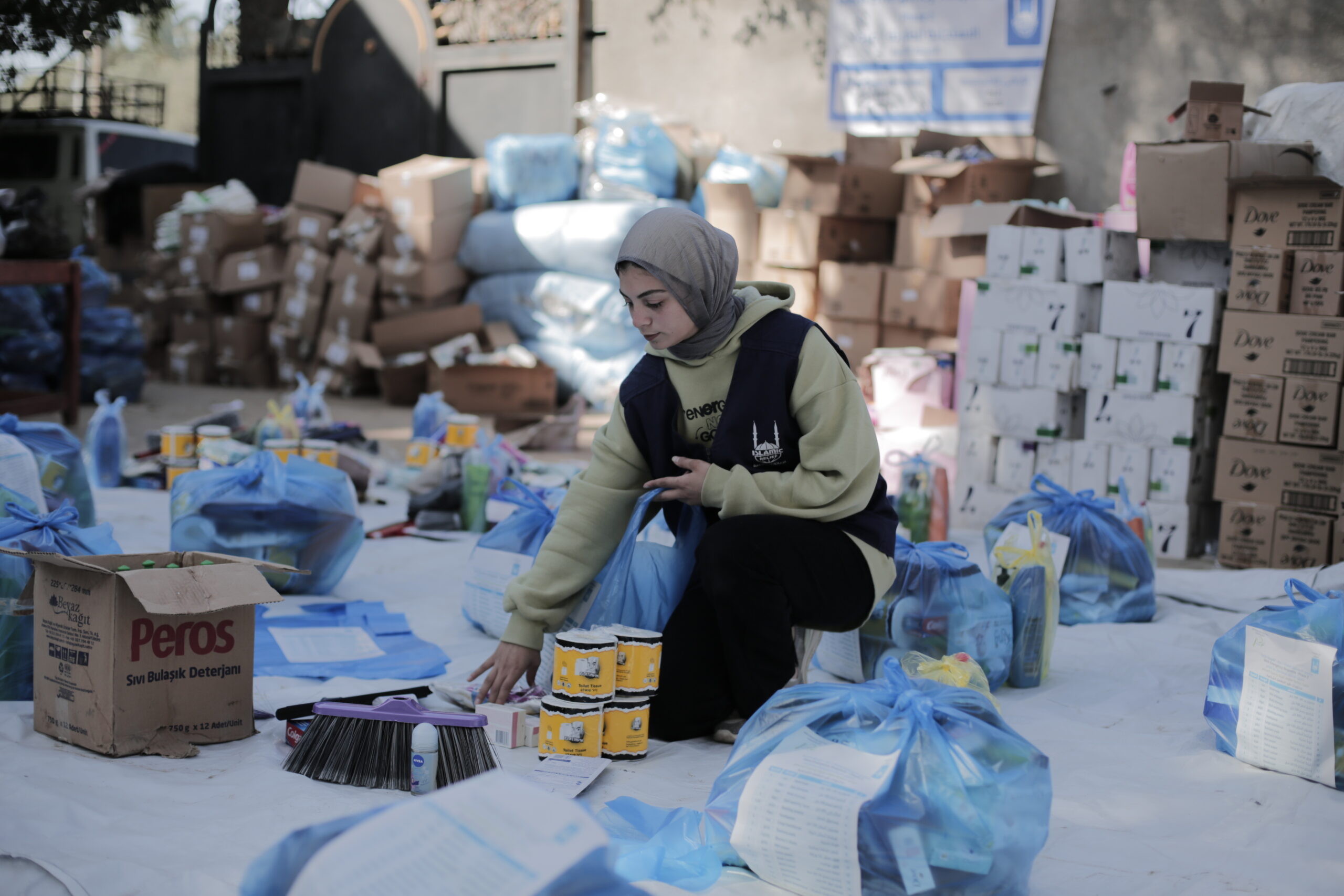
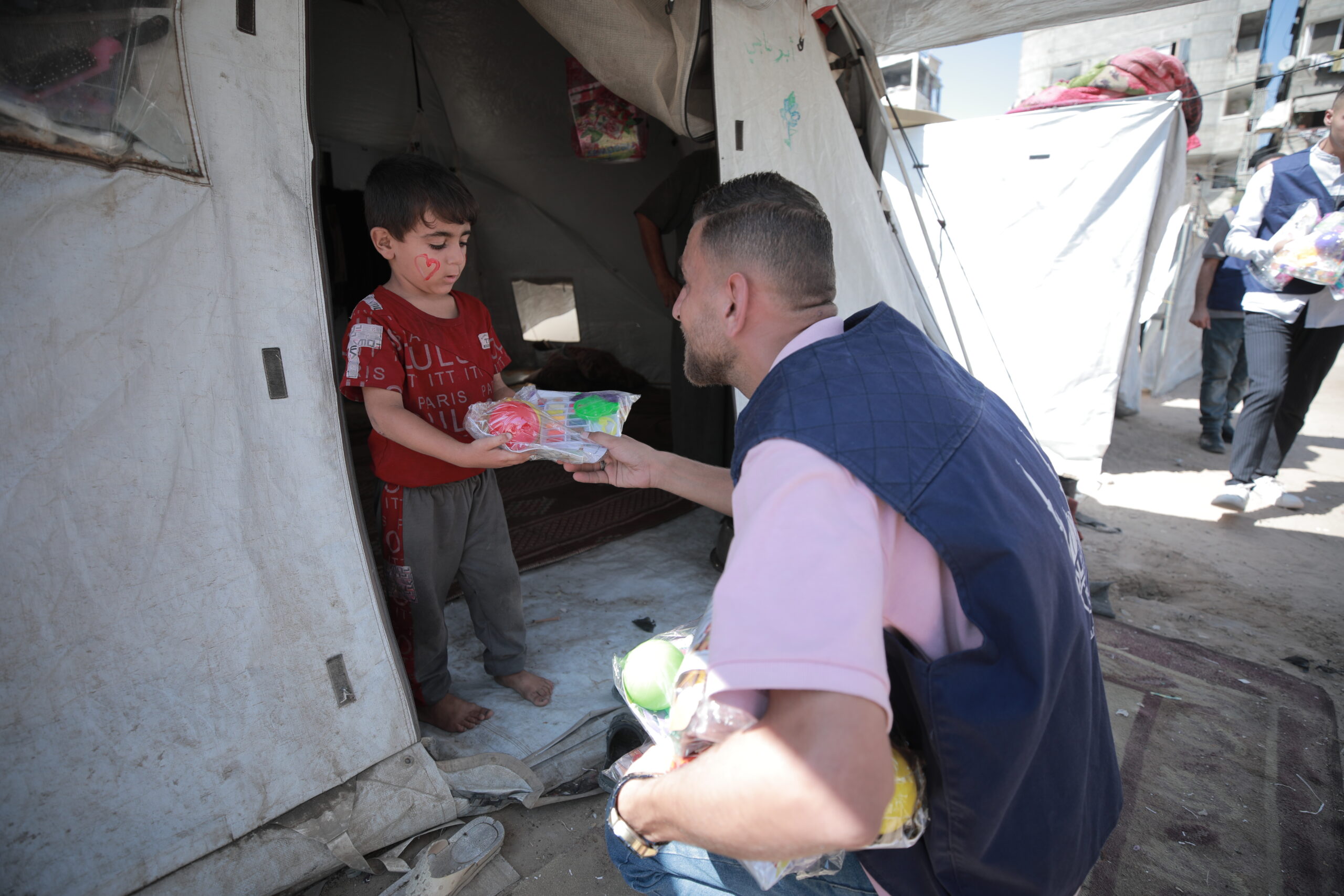
Thanks to your support, our staff and partners have been delivering life-saving aid. Most recently, we have delivered clean drinking water to more than 37,500 displaced people in shelters.

In addition, we have expanded our programs supporting new and expectant mothers and babies. We have carried out almost 400 medical check-ups for pregnant women and supported deliveries, including C-sections.

Over the last 2 years, we have constantly adapted our response in light of the highly fluid situation on the ground, striving to ensure that our staff, partners, and the communities we serve are not endangered. Our response has included:

  • Distributing fresh fruit and vegetables to families living in temporary shelters
  • Providing hot meals and hygiene kits to displaced people
  • Distributing ready-to-eat meals, food packs and qurbani meat
  • Providing psychosocial care to children experiencing trauma
  • Trucking in clean drinking water
  • Delivering medical supplies to hospitals and healthcare centres
  • Setting up medical points and supporting these with medications and supplies
  • Providing lipid-based nutritional supplements in partnership with the World Food Programme
  • Cleaning shelters
  • Providing multi-purpose cash assistance so families can buy what they need most
  • Expanding our Orphan Sponsorship Programme to reach more than 21,000 children

Speaking up for Gaza

These efforts are helping to ease suffering, but the people of Gaza need more than aid.

Palestinians have shown incredible resilience, but there is a limit to what humans can endure. World leaders must finally act to demand a ceasefire and pressure Israel to fully reopen all land crossings so that sufficient supplies can arrive before it’s too late for those struggling for survival.

More paltry words of condemnation will not make any difference now. To save lives, governments must apply meaningful economic and diplomatic pressure, such as ending all arms sales, suspending trade agreements, and banning trade and investment with illegal Israeli settlements.

We continue to call for action. Help Islamic Relief to continue supporting people in desperate need in Gaza.

In the endless terror, Gaza needs your help

Help us provide urgent medical aid and other crucial, life-saving support now to families in need by giving with Islamic Relief.
09.29.25

Sources for Struggle & Sumud Infographics

  Publications

Timeline of Struggle & Sumud Brochure

Deliberate Targeting of Hospitals by Israel Infographic

09.01.25

Sumud and Palestine

  Publications

Sumud, or steadfastness, is a word that has become synonymous with the people of Palestine. As they face ongoing occupation and mounting adversity, their collective resilience and perseverance of their cultural identity deeply embody the concept of sumud.

What is Sumud?

Sumud (صمود) is an Arabic word meaning steadfastness or perseverance. It is a term that embodies the concept of everyday resistance. One of non-violent, collective resilience, and maintaining dignity, identity, and connection despite ongoing oppression. 

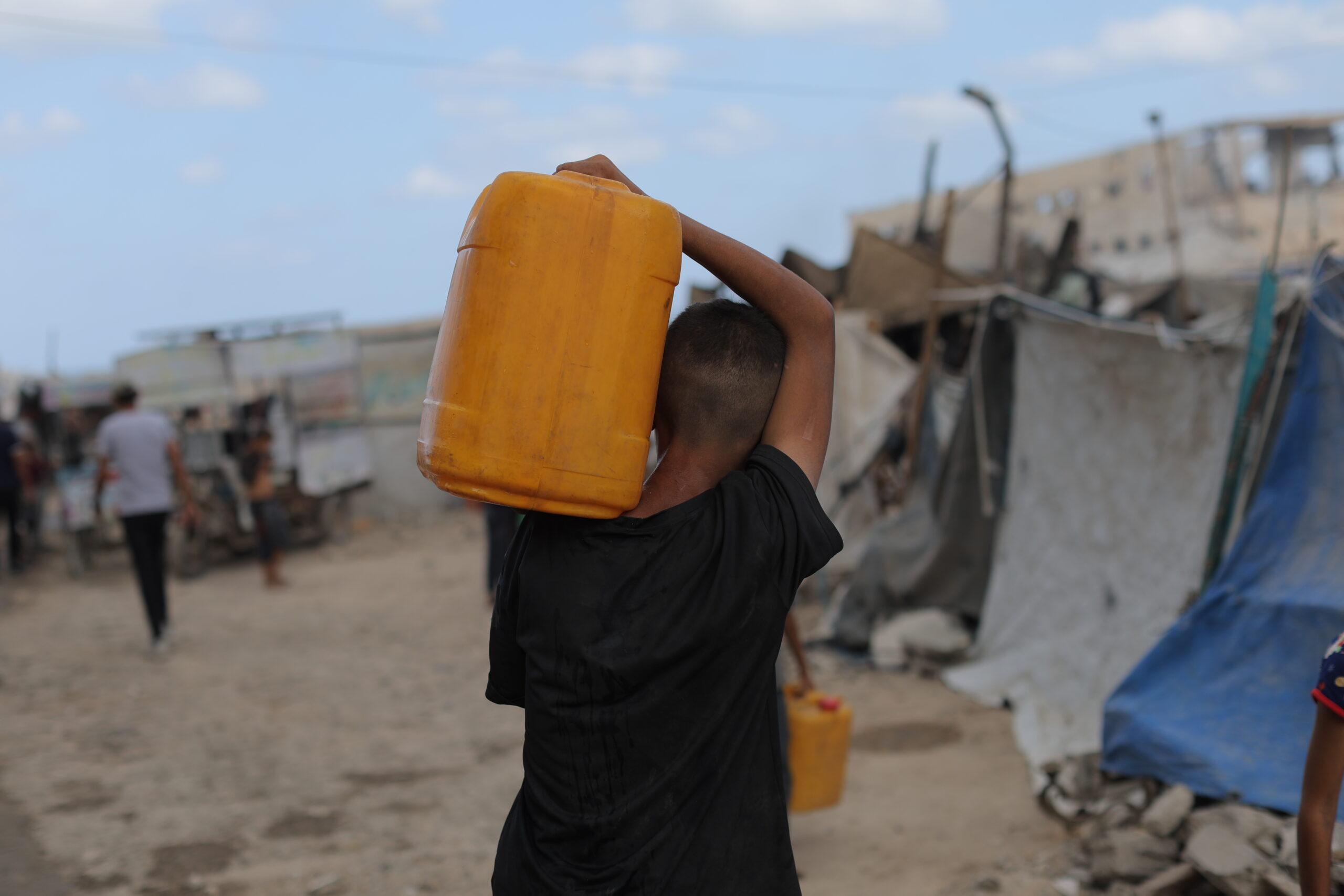
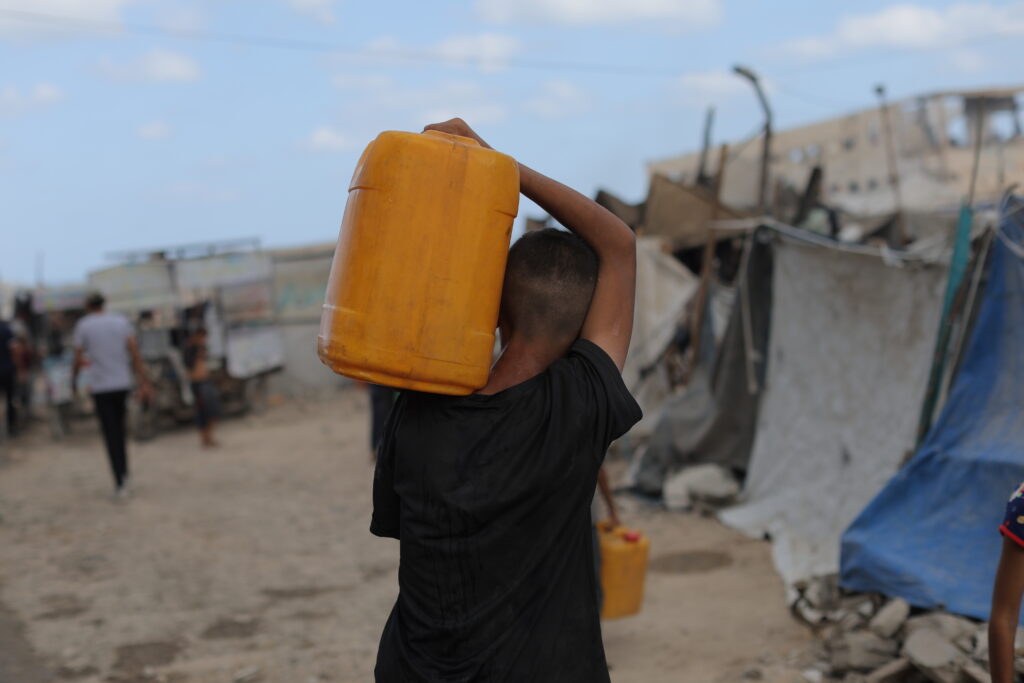
Sumud means a displaced Palestinian carrying water to their makeshift shelter
Photo: Displaced Palestinian carrying water to their makeshift shelter

In turn, Palestinians use sumud to interpret, cope and respond to ongoing injustice and traumatic experiences. For them, it is both a value and an action. Sumud strengthens their sense of purpose and meaning. It manifests through individual and collective action. Actions that protect family and community survival, wellbeing, dignity, Palestinian identity and culture, and a determination to remain on the land.  

History of Steadfastness in Palestine 

From when their homeland was seized by occupying forces in 1948, Palestinians have continually show resilience, both actively and passively.  

The establishment of Israel led to the Nakba (catastrophe). This was a massive destruction that the terrorist Zionist movement committed on Palestinian lands. With more than 530 Palestinian cities and villages entirely demolished, and hundreds of thousands of Palestinians killed and expelled from their homes.  

In 1967, the Naksa (setback in English) occurred, and Palestinians lost new parts of their lands – the West Bank, Gaza Strip and East Jerusalem. Other Arab countries also came under direct Israeli occupation, such as Sinai and the Golan Heights. The Nakba and Naksa taught the Palestinians sumud, and that leaving their lands was not a viable alternative for their future. 

Palestine and Sumud Today  

Today, as Palestinians remain targeted by occupying forces in every aspect of life, sumud has become a way of resistance.  

To Palestinians, sumud is when bombs destroy your house. But you still stand up on the rubble of the house and say that this is my homeland, and it will be so forever. Sumud when the Israeli settlers burn the olive trees. But you still plant new ones. Because the more the Zionists destroy, the more the Palestinian people rebuild.  

Sumud means displaced persons setting a makeshift camp amid ongoing conflict
Photo: Displaced persons camp in Gaza

Because sumud is the action of standing against all kinds of injustice and discrimination and the protection of the Palestinian identity, culture, tradition, and custom. It is the way Palestinians maintain their homeland as well as the continuation of the struggle against the Israeli occupation. 

Where the occupying regime tries to devastate and destroy the Palestinian people, sumud gives Palestinians hope and determination. Sumud focuses on preserving the self in the present to open up new horizons, perspectives, and desires in the future for self-determination, liberty, and equality. 

Struggle and Sumud

Both struggle and Sumud, in Palestinian culture, have become intertwined. Struggle, or resistance, for Palestinians is their physical actions against the Israeli occupation. Sumud is the structure and framework in which these actions are organised. It is their determination and confidence not to lose again. To prevent another Nakba and Naksa. It is a style of life and ethical responsibility in which an individual sacrifices themselves tirelessly.

In other words, Sumud is to give up what you love and embrace patience for the coming pain. That this is all for the sake of the homeland as well as for others. 

This is why Sumud, for Palestinians, is a core cultural and national concept. One that means more than steadfastness, but staying strong in all possible ways. Even in the face of unimaginable cruelty and injustice.

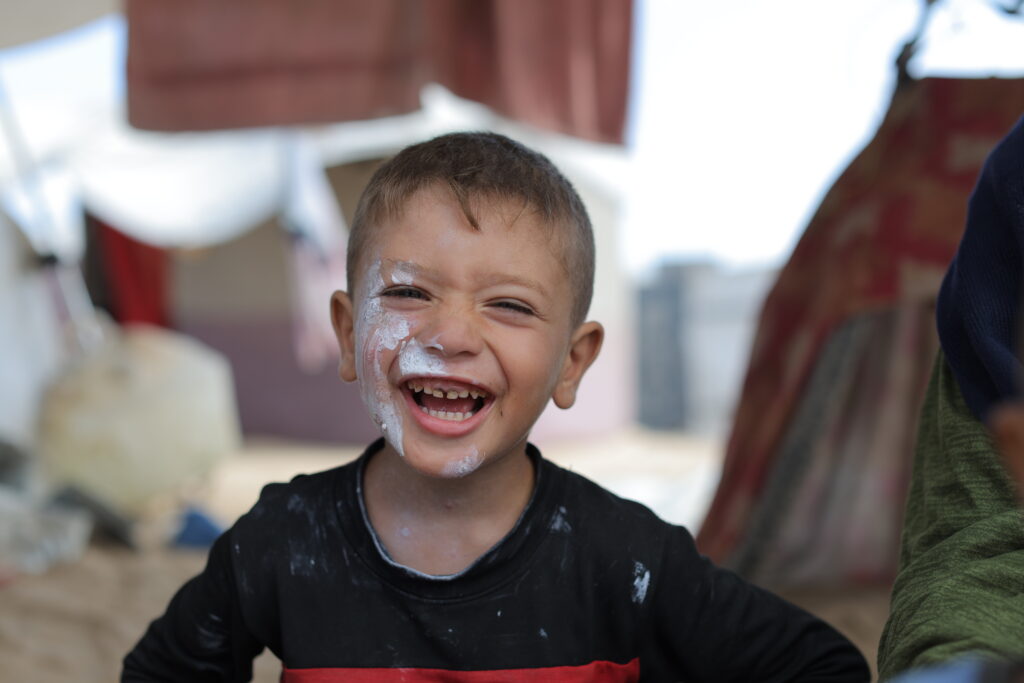
Sumud means a displaced Palestinian boy still smiling
Photo: Displaced Palestinian boy smiling

It presents a form of social solidarity and coherence against injustice and oppression. One that can be a model for emancipation for other nations that suffer persecution in the world. A symbol of resistance against colonisation, hegemony and suppression, and as a means to achieve self‑determination, freedom and justice. 

In a time when the Israeli regime restricts every single aspect of Palestinian freedom and liberty, Sumud presents a solution as a way of surviving in the struggle against Israeli colonisation and hegemony. Both in the way individuals stand up as one person against the whole Israeli apartheid, sacrificing themselves for the sake of others. As well as collective organised resistance and fighting Israeli injustice. The profound term has deep and well-established roots for Palestinians and their land, reflecting their strength and perseverance as a nation and culture.  


STAY INFORMED

  • This field is for validation purposes and should be left unchanged.

Quick Donate