07.30.25

Orphan Care: Its Transformative Impact on Ahlam Dayib Abdillahi

  News

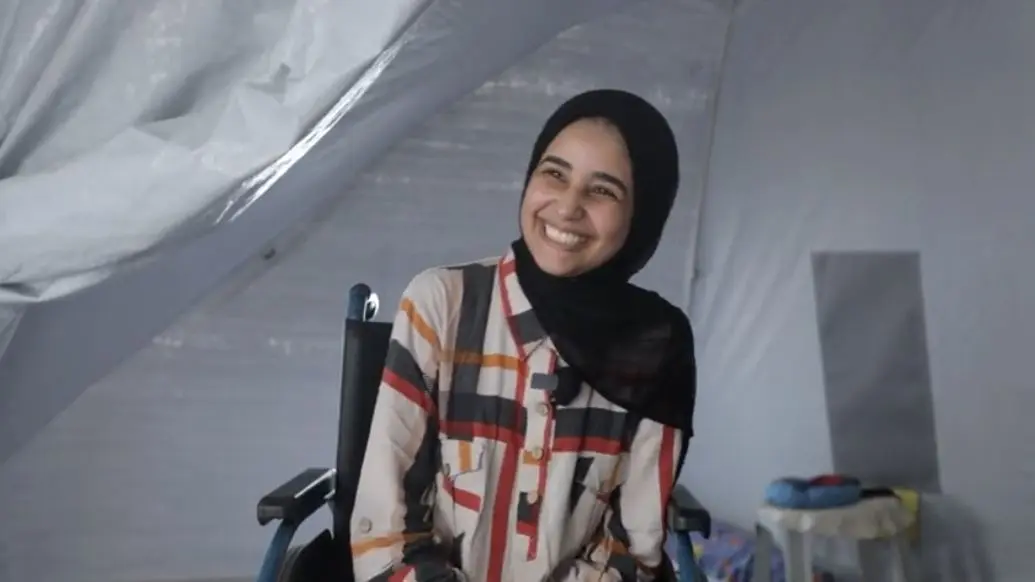
Islamic Relief’s Orphan Sponsorship Program (OSP) had a profound impact on Ahlam Dayib Abdillahi, a 13-year-old girl residing in Hargeisa, Somaliland.

The program, initiated in 1986 with a mission to provide financial support to orphans in various countries. It expanded its reach to Somalia in 2010 and now supports nearly 4800 orphans currently.

Ahlam’s life has been shaped by hardship. She lives with her mother, Kos, and eight siblings in a modest two-room shack house made of tin sheets.

The family’s struggles began with the passing of Ahlam’s father in 2017. This left Kos as the sole provider for her large family.

Before joining the OSP, the family faced immense difficulties meeting their basic needs. Kos tirelessly worked at a stall alongside a street, selling cooked food to support her children. It made it incredibly challenging to afford school fees, uniforms, and essential educational supplies for Ahlam and her siblings.

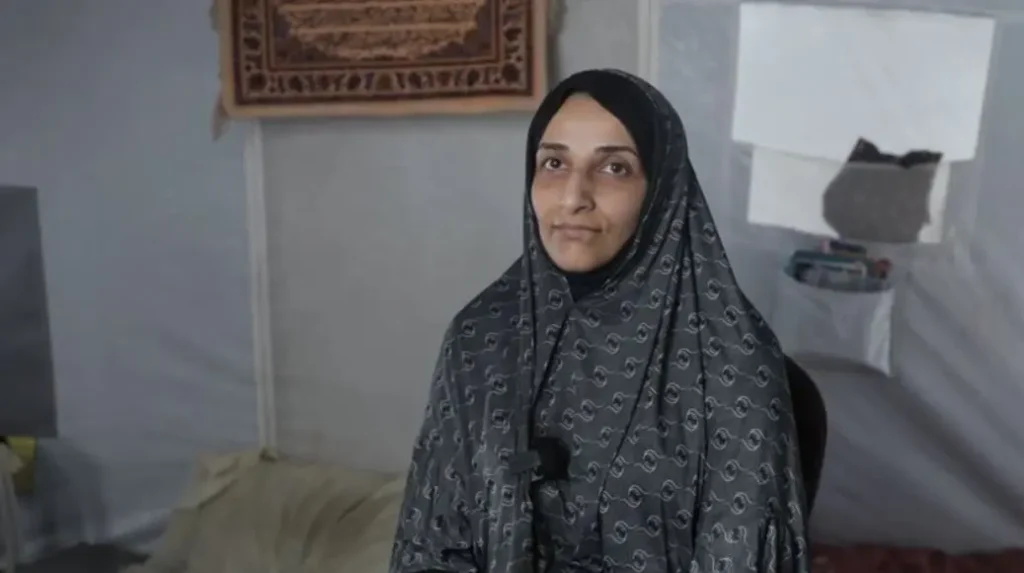
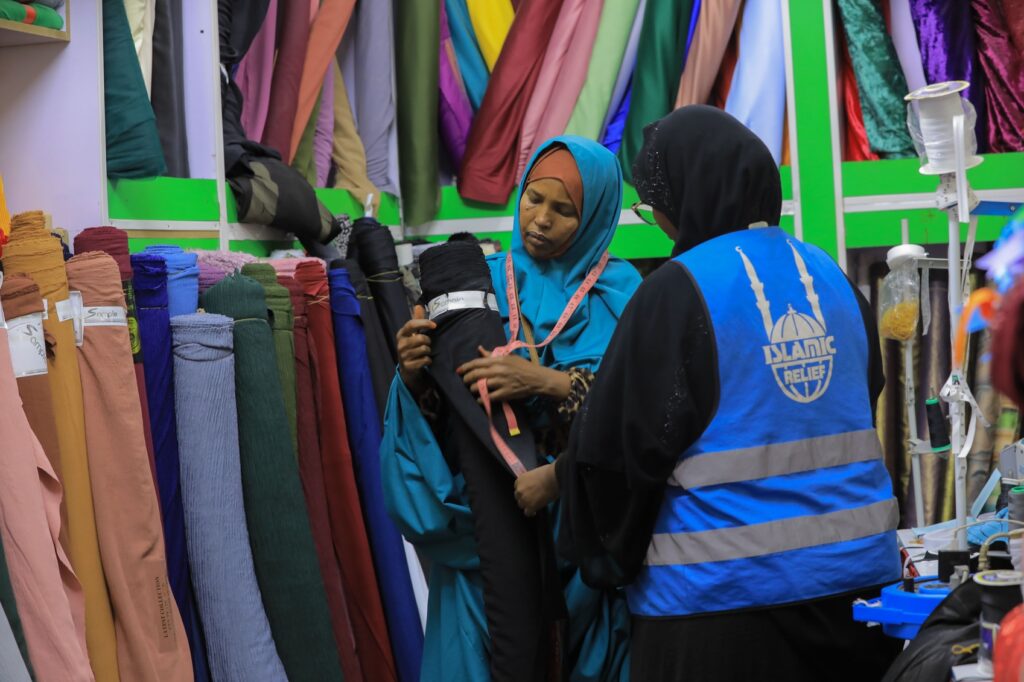
She afterward transitioned to a clothes and tailoring shop after getting support from Islamic Relief Somalia’s Orphan Sponsorship Program.

Kos, orphan Ahlam's mother, in her clothes and tailoring shop
Photo: Kos, Ahlam’s mother, in her clothes and tailoring shop

The OSP became a lifeline for Ahlam and her family. The program has provided consistent quarterly financial support, covering the crucial expenses of education, transportation, uniforms, and books.

This timely assistance has dramatically improved Ahlam’s academic performance. It enabled her to excel in her studies and rise to the top of her class for the past two years.

Ahlam is a bright young girl with a keen interest in science and mathematics. Her dreams extend beyond academic success. She aspires to become a businesswoman, a testament to her ambition and desire to create a better life for herself and her family. Ahlam envisions a future where she can make meaningful contributions to her community and provide stability for those she loves.

How the new pricing for orphan care sponsorship provides more support

The OSP’s recent implementation of a new pricing plan has been a game-changer for Ahlam and other orphans within the program. The plan increased the quarterly support per orphan, significantly amplifying the impact on their lives.

This generous increase has resulted in a comprehensive support system, encompassing enhanced educational resources, improved healthcare, better access to nutritious food, and additional resources for daily living.

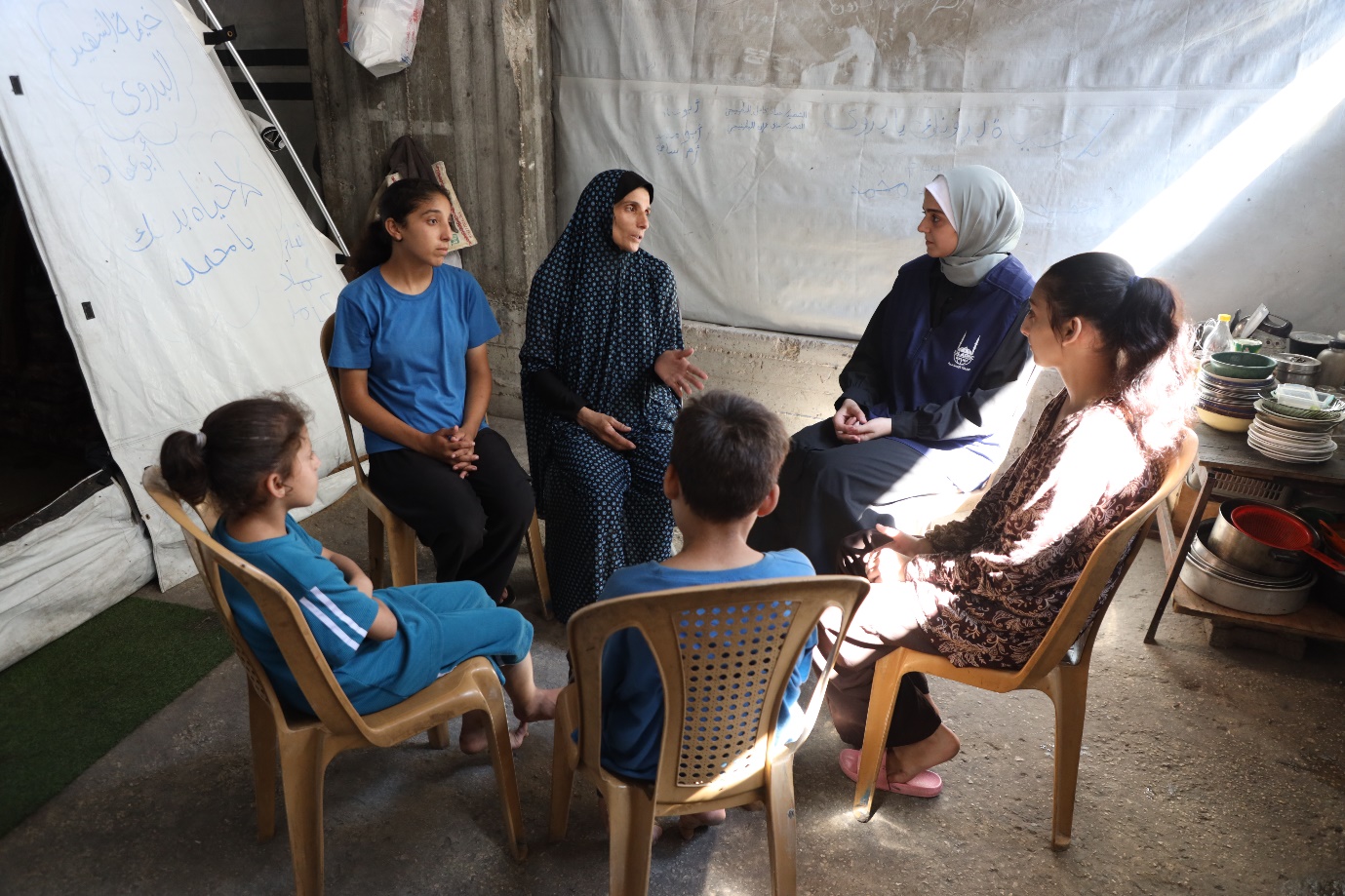
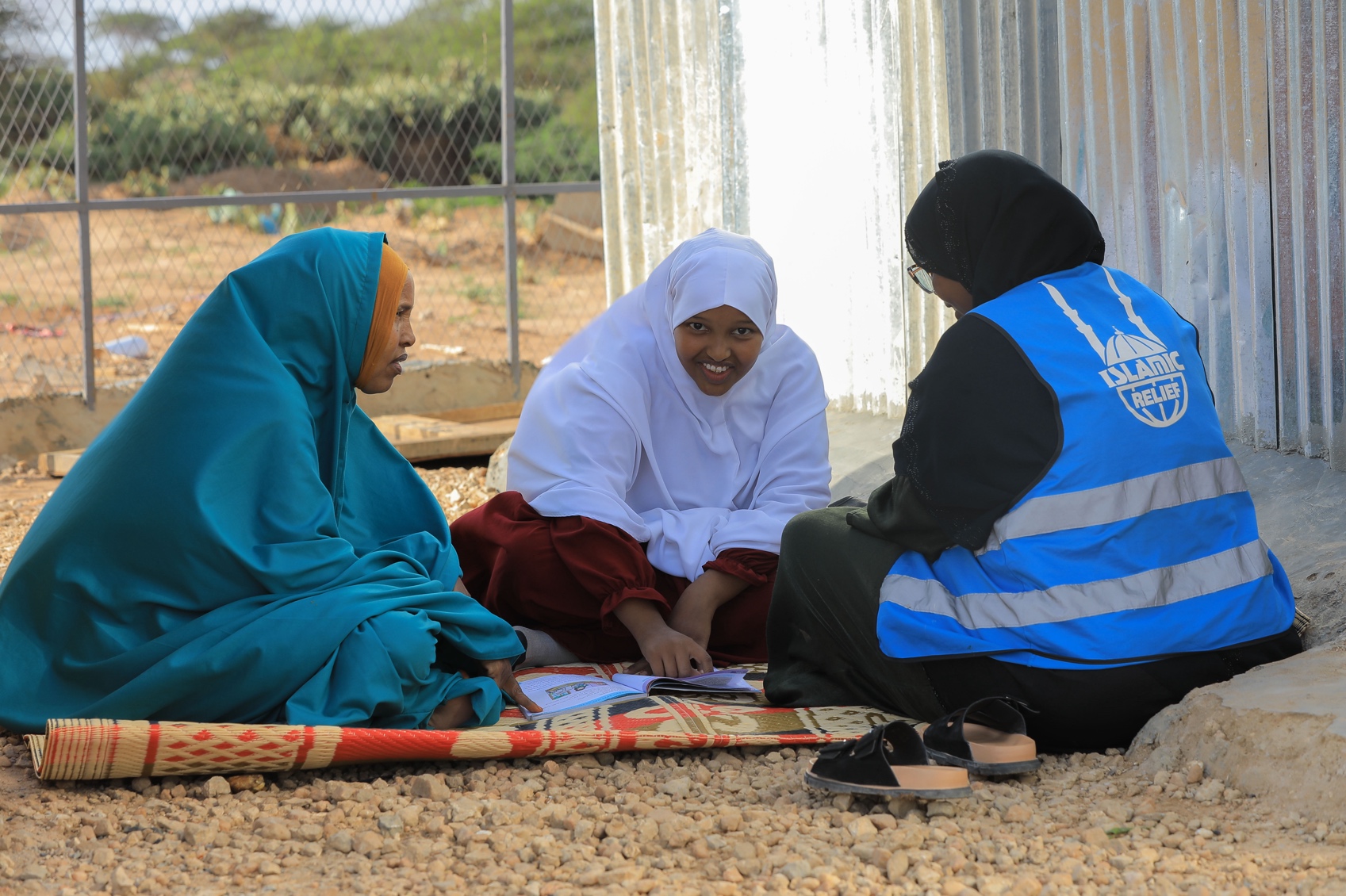
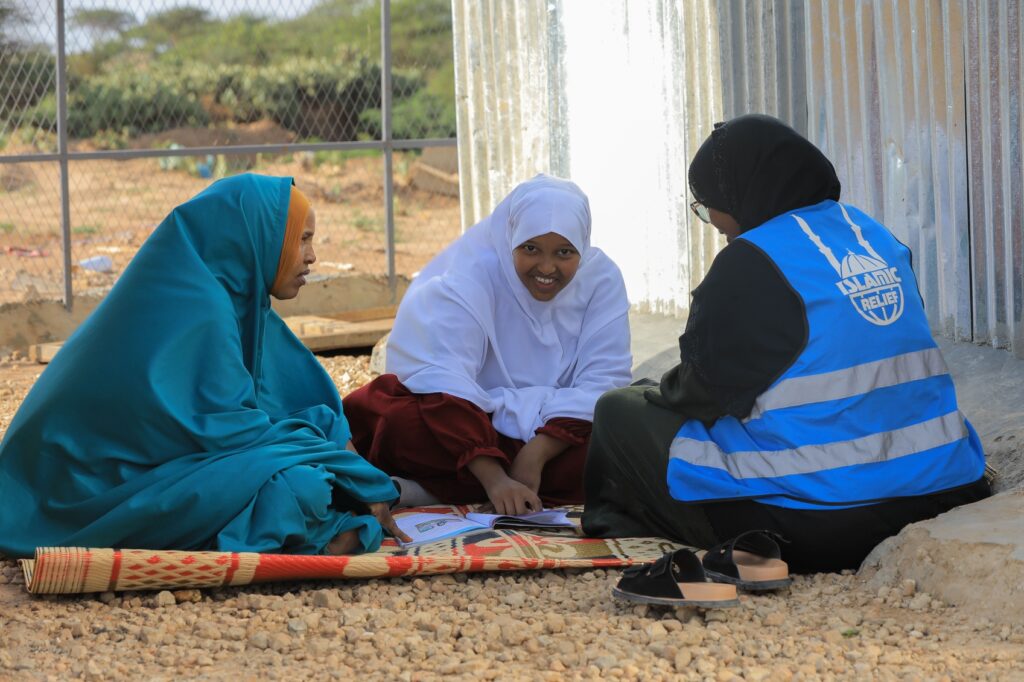
Ahlam and her mother Kos conversing with one of the Islamic Relief orphan staff
Photo: Ahlam and her mother, Kos, conversing with one of the Islamic Relief orphan staff

The new pricing plan has alleviated the financial burdens on Kos, allowing her to better manage her livelihood issues while focusing on providing for her children. This increased stability has created a ripple effect, positively impacting the overall well-being of Ahlam and her siblings.

Kos expresses her profound gratitude for the OSP’s unwavering support. She emphasises its transformative impact on her family’s financial situation, educational opportunities, and overall well-being.

How Islamic Relief’s OSP Continues to Save Lives

The program has not only provided essential financial assistance but also extended crucial emotional and psychological support. Thus, creating a more stable and hopeful environment for the family.

The new pricing plan has not only benefited Ahlam. But has also had a widespread positive impact on other orphans under the program.

It has fostered a significant enhancement in educational opportunities, improved healthcare access, increased access to nutritious food, and provided emotional and psychological support.

These improvements have led to better academic performance, improved health outcomes, and a more stable home environment for these children, creating a brighter future for them.

Given the economic challenges faced by Somalia, donors’ increased support for the vulnerable orphan families is better appreciated. This investment is not merely about providing immediate relief. It is about laying the foundation for a brighter future for these children and their communities.

By contributing to the new pricing plan, donors can be a catalyst for lasting change in the lives of those who need it most. We empower them to reach their full potential and contribute to a better tomorrow.
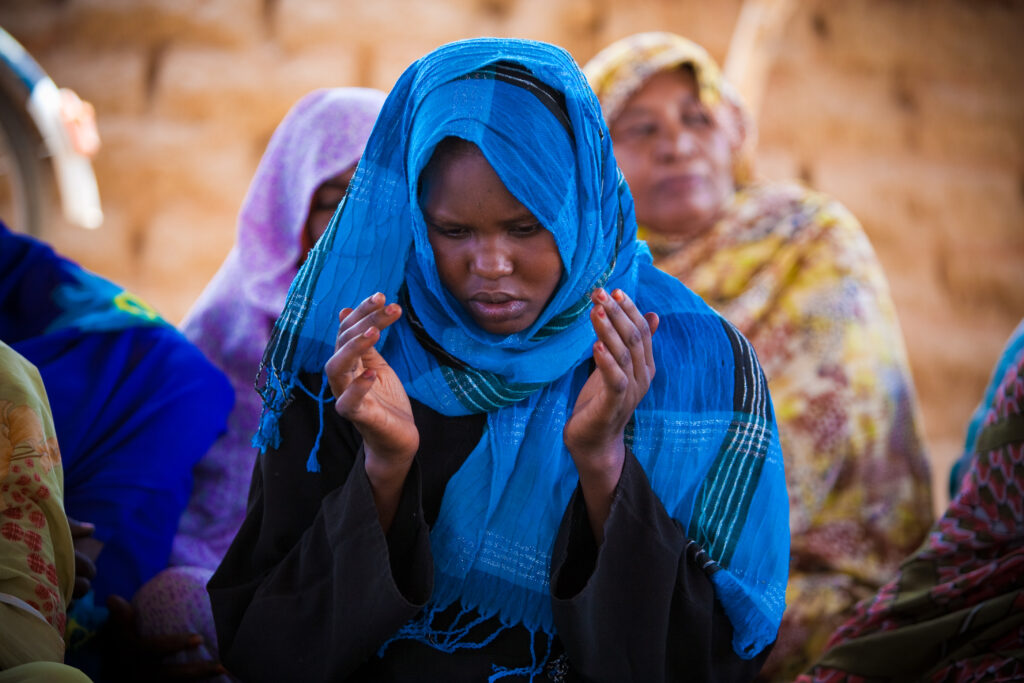
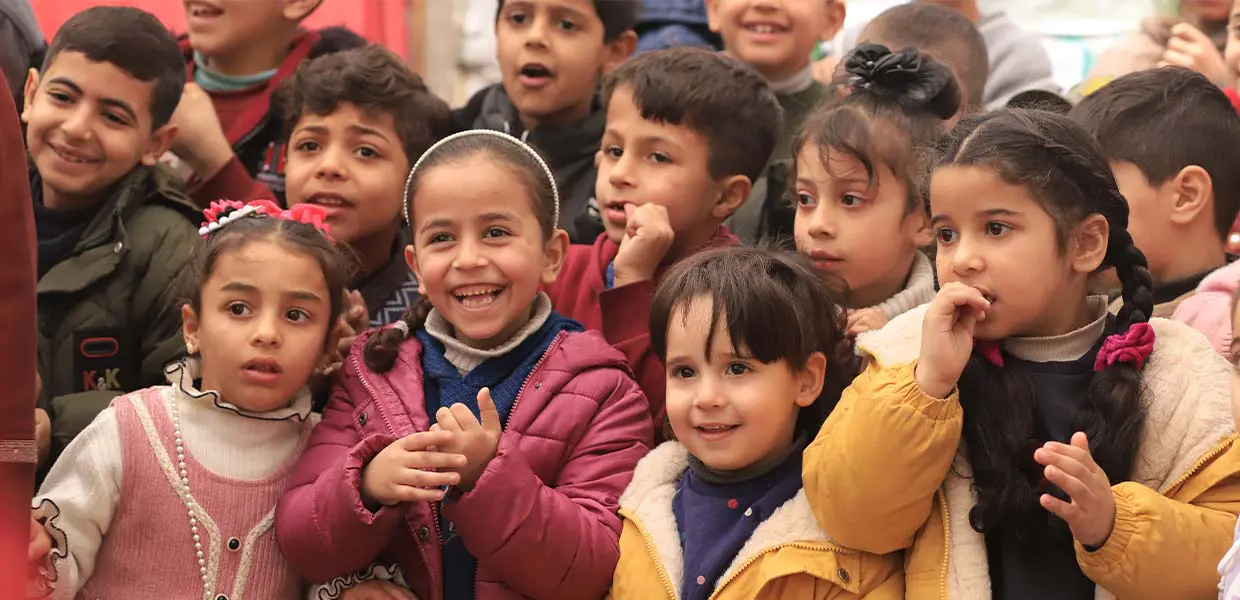
Help support an orphan and change their lives

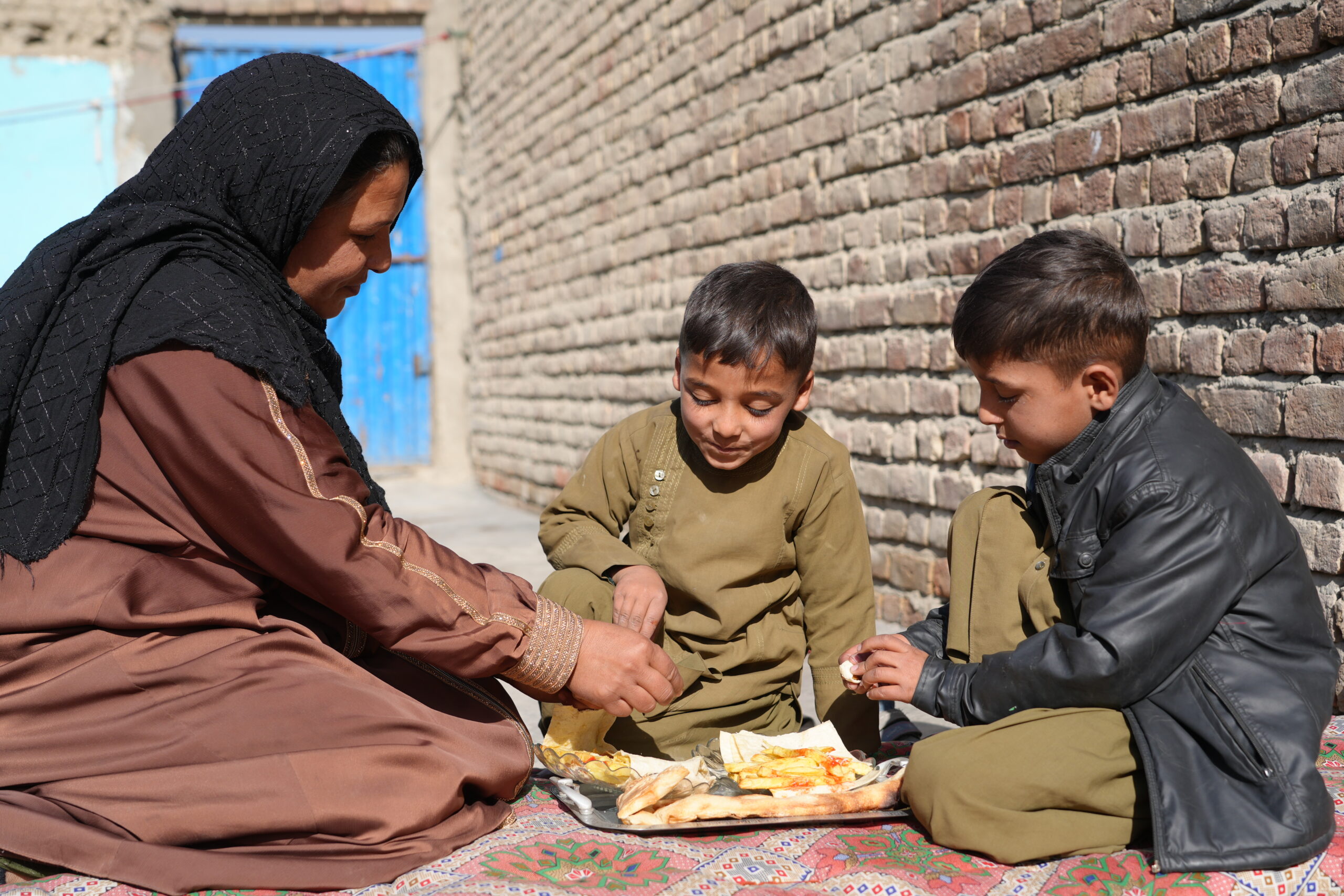
By donating just $100 a month, you can give a child like Soad the chance to pursue their dreams and build a brighter future.
07.03.25

When is Ashura 2025?

  News

In the Islamic (Hijri) Calendar, certain days are more virtuous than others. One such day is the 10th of Muharram, the Day of Ashura, which falls in the first month of the Hijri year.

Last year, the Day of Ashura fell on July 16, 2024. This year, Ashura 2025 is projected to occur on July 5, 2025. This is subject to change depending on the sighting of the moon.

What is the Day of Ashura? 

“Ashura” comes from the word “Asharah”, which means ten in Arabic. Fittingly, it falls on the 10th of Muharram.  

The Day of Ashura commemorates various significant historical events. This includes the day when Allah (SWT) saved Prophet Musa (AS) and his people from the tyranny of Pharaoh (Fir’aun) in Egypt. 

Ashura is also a solemn occasion. It marks the martyrdom of Imam Husayn (AS) (also referred to as Imam Hussein ibn Ali), the grandson of Prophet Muhammad (ﷺ), along with his family members and companions, in the Battle of Karbala in 680 CE. 

The Historical Significance of the Day of Ashura 

The Battle of Karbala 

The Battle of Karbala took place in Iraq in Muharram, 61 AH. It was fought between a small army consisting of the family and companions of Imam Husayn (AS). As well as a much larger army sent by Yazid ibn Muawiyah, the Umayyad Caliph at that time. 

The battle took place because Imam Husayn (AS) refused to pledge allegiance to Yazid ibn Muawiyah. Yazid was tyrannical and had taken it upon himself to assume the Muslim leadership after the death of his father.  

On the 10th of Muharram, Imam Husayn (AS) and 72 of his companions were brutally martyred by the enemy camp. Imam Husayn (AS) was brutally decapitated, and many of the others lost were male relatives of the Prophet (ﷺ). They nobly sacrificed their lives as a stand against oppression and to preserve Islam.  

As one of his beloved grandsons, Imam Husayn (AS) was very close to the Prophet (ﷺ). He would climb on his back during prayer as a child. His significant position in Islam is highlighted in the following Hadith: 

“Husayn is from me, and I am from Husayn. Allah loves whoever loves Husayn.”

Tirmidhi 

The Story of Musa 

On the Day of Ashura in the time of Prophet Musa (AS), Allah saved the Prophet and his people (Bani Isra’il) from the tyrannical Pharaoh (Fir’aun) and his army.  

The Pharaoh was extremely violent and corrupt in his rule. He spread blasphemy as he declared himself as God. The Prophet Musa (AS) refused to follow the Pharaoh and tried to encourage him to worship Allah (SWT). However, the Pharaoh would not accept that there was a power higher than himself. Fuelled by rage and arrogance, he sent a large army to destroy the Prophet and his followers.  

As the army chased Prophet Musa (AS) and his followers, he made the following famous Dua, as mentioned in Surah Ash-Shu’ara:

“Truly my Lord is with me, He will guide me through.” 

Quran 26:62

As a result of his patience and firm faith, Allah (SWT) parted the Red Sea so that Prophet Musa (AS) and his followers could reach safety. He then sent a punishment to the Pharaoh and his army. This allowed the waves to crash upon them and submerge them into the sea. 

As Allah (SWT) says in the Qur’an:

Then We inspired to Moses, “Strike with your staff the sea,” and it parted, and each portion was like a great towering mountain. And We drew forward the others [i.e., the pursuers]. And We saved Moses and those with him, all together. Then We drowned the others. Indeed in that is a sign, but most of them were not to be believers. And indeed, your Lord – He is the Exalted in Might, the Merciful. 

Quran 26:63-68

The Story of Ashura and Other Prophets (AS) 

The Day of Ashura was also significant in the time of other prophets. For example, in the time of Prophet Nuh (AS), some narrations say that on the day of Ashura, Allah (SWT) returned his ark to dry land after the flooding stopped. It was a day of relief and celebration for the Prophet and his devoted companions.  

Some narrations also say that Ashura was the day that Prophet Adam (AS) repented and was forgiven by Allah (SWT) after eating the forbidden fruit. Others say it was the day Prophet Yunus (AS) was released from the belly of the whale and Allah (SWT) forgave his people.  

Virtues of Ashura 

Ashura is a virtuous day when the rewards of good deeds are multiplied. Some recommended actions include reading the Qur’an, doing nafl (voluntary) prayers, and making Dhikr.  

Two deeds, in particular, are mentioned in ahadith to especially perform on Ashura. These are fasting and giving charity. 

Fasting on the Day of Ashura  

The tradition of fasting on the Day of Ashura began when Prophet Muhammad (ﷺ) observed the Jewish people fasting on this day to commemorate their deliverance.  

He (ﷺ) said: “We are closer to Musa than you are,” referring to the Jewish people, and advised Muslims to fast on ‘Ashura’. (Sahih Al-Bukhari) 

The Prophet (ﷺ) also made fasting on Ashura a priority. As mentioned in this Hadith, where one of his companions, Ibn ‘Abbas, said, 

I never saw the Messenger of Allah (ﷺ) so keen to fast any day and give it priority over any other than this day, the day of ‘Ashura’, and this month, meaning Ramadan. 

Sahih al-Bukhari 

Fasting also on Ashura is also an opportunity to earn more rewards from Allah (SWT). When asked about fasting on this day, the Prophet (ﷺ) said, “It expiates [wipes out the minor sins of] the past year.” (Sahih Muslim)  

Fasting is an important aspect of Ashura

Prophet (ﷺ) on fasting the day before Ashura 

Scholars recommended to fast on the 9th of Muharram along with the 10th of Muharram (‘Ashura). This is due to the Hadith: 

When the Messenger of Allah (ﷺ) fasted on the day of ‘Ashura and told the people to fast, they said, “O Messenger of Allah, this is a day that is venerated by the Jews and Christians.” The Messenger of Allah (ﷺ) said, “Next year, if Allah wills, we will fast on the ninth day.” But by the time the following year came, the Messenger of Allah (ﷺ) had passed away.

Sahih Muslim

The Prophet (ﷺ) wanted to fast on the 9th, to differ from the People of the Book. If one misses the 9th, some scholars also recommend fasting on the 11th of Muharram. Fasting on the day after Ashura could also be done to ensure one catches the 10th of Muharram, as it depends on the moon sighting.  

Therefore, it is virtuous to fast:  

  • Just the Day of Ashura 
  • or to fast the 9th and 10th, 
  • or to fast the 10th and 11th. 
  • Some scholars would even fast the 9th, 10th and 11th of Muharram. 
 

Any one of these options is recommended. 

Giving Charity on the Day of Ashura 

As well as fasting on the Day of Ashura, giving charity is another beneficial deed you can do to earn great rewards on the blessed day.  Prophet Muhammed (ﷺ) said,

‘One who generously spends on his family on the Day of Ashura, Allah (SWT) will be generous on him for the entire year.

Baihaqi

They are many ways to give charity, including paying Zakat if you haven’t done so this (hawl) year. You can give Sadaqah to help those in need across the world, as well as spend money on your family.  

You can also give Zakat or Sadaqah through organisations such as Islamic Relief. These funds then gets distributed to our Muslim brothers and sisters suffering across the world, helping them work towards a brighter future.

All in all, it’s important to make the most the Day of Ashura. As a blessed time with great opportunities for rewards from Allah (SWT), take this day to engage in more acts of worship and reflect on the significant events that took place on the day.

Make the most of the Day of Ashura

Give and change the lives of the most needy and vulnerable of our Ummah on one of the most blessed of days.

06.26.25

Muharram 2025: The Month of Allah (SWT)

  News

Muharram is the first month of the Islamic calendar. It marks the start of the Islamic New Year.  

Beyond being the start of another Hijri year, Muharram is also a sacred month. One with great opportunities to increase our rewards. So how do we make the most of it?  

What is Muharram? 

In Arabic, “Muharram” means “forbidden”. This refers to it being one of the four sacred months in which warfare is forbidden. In Surah At-Tawbah, it says:  

“Indeed, the number of months with Allah is twelve [lunar] months in the register of Allah [from] the day He created the heavens and the earth; of these, four are sacred. That is the correct religion, so do not wrong yourselves during them. And fight against the disbelievers collectively as they fight against you collectively. And know that Allah is with the righteous [who fear Him].”

Quran 9:36

The four months are mentioned by name in this hadith, where the Prophet (ﷺ) said:  

 “…The year is of twelve months, out of which four months are sacred: Three are in subsequent Dhul Qadah, Dhul Hijjah and Muharram, and (the fourth is) Rajab of (the tribe of) Mudar which comes between Jumada Al-Thani and Sha’ban.”  

Sahih Al-Bukhari 

As such, in these months, Muslims are encouraged to engage in increased worship, for the rewards for good deeds are multiplied.

In the sacred month of Muharram, Muslims are encouraged to do acts such as dhikr, reading qur'an and voluntary salah

When is Muharram 2025? 

Muharram is the first month of the Islamic (Hijri) calendar. Based on a lunar cycle, the sighting of a new moon determines the start of a new Islamic month. 

Last year, Muharram 2024 began on Sunday, 7th July 2024. In 2025, the first Islamic month begins on the evening of Thursday, 26th June 2025, depending on the sighting of the moon.  

Key dates in Muharram 

There are 12 months in the Islamic calendar, but we tend to know more about some months than we do about others.  

While everybody knows that we fast in Ramadan and about the sacrifice of Dhul Hijjah, Muharram is a bit less well-known.  

However, its religious and historical significance is extensive, as many important events have occurred in this month.  

1st Muharram 

The 1st Muharram marks the beginning of the new Islamic Year. This lunar calendar (also called the Hijri calendar) starts from the hijrah (emigration) of the Muslims to Medina and the establishment of the first Islamic state in 622CE. 

There are no prescribed acts of worship for Muslims to observe on the 1st of Muharram. However, as the beginning of a sacred month, Muslims may use it as a time to renew their intentions to do good for the year ahead.  

It can also be a day to reflect on the journey and struggle of our beloved Prophet Muhammad (ﷺ) and his Sahabah (companions), and other Prophets throughout history as several significant historical events occurred during this month.  

The Day of Ashura 

The Day of Ashura falls on the 10th of Muharram. It is one of the most virtuous days of the Islamic year.  

One of the reasons for its significance is the many events in Islamic history that take place on this day.  

The Battle of Karbala 

The battle of Karbala (680CE/61 AH) that occurred on Ashura marks a conflict of many great tragedies.  

It was fought between a small army of the supporters and family of the Prophet (ﷺ) and the army of Yazid, the Umayyad Caliph who had a significantly larger army. There, the martyrdom of Husayn (AS) (also referred to as Imam Hussain ibn Ali), one of the Prophet (ﷺ)’s grandsons, took place.  

In a hadith, the Prophet (ﷺ) once said:   

“Husayn is from me, and I am from Husayn. Allah loves anyone who loves al-Hasan and al-Husayn. They are two of my distinguished descendants.” 

Al-Albani

Many of Prophet (ﷺ)’s family members and companions were also martyred during the battle. In their martyrdom, we reflect on these tragedies and their struggles in striving for the cause of God.

The Prophets (AS) and Ashura 

The Day of Ashura also commemorates when Allah (SWT) freed the Prophet Musa (AS) and his people (Bani Isra’il) from the Pharaoh (Fir’aun) and his army.  

Some narrations also mention significant events from other Prophets (may peace be upon them all).  

On this day, Allah (SWT) returned Prophet Nuh (AS)’s arc to dry land after the flooding stopped.  

For Prophet Adam (AS), it was the day he repented and was forgiven by Allah (SWT) after eating the forbidden fruit.  

While, for Prophet Yunus (AS), it was the day Allah (SWT) released him from the belly of the whale and forgave his people. 

As such, the Day of Ashura is a great day for reflection and increasing in good deeds – and one we should not miss out on! 

What should we do in Muharram? 

Muslims commemorate Muharram as one of the four sacred months. It also holds the title of ‘the month of Allah’, (shahr Allah al-Muharram شَهْرُ اللَّهِ الْمُحَرَّمُ) making it one of the most blessed months in the Islamic calendar. (Muslim

Muharram is mentioned in hadith as the month of Allah (SWT).

Therefore, it is a good time for Muslims to engage in acts of worship. This includes reflecting, giving Sadaqah, increasing nafl (voluntary) prayers, reciting Qur’an, and fasting.

Fasting during Muharram 

Muharram is one of the best Islamic months to fast in. Many ahadith report about the importance of fasting in Muharram, especially on the Day of Ashura.  

The Messenger of Allah (ﷺ) said, “…The best fast after the month of Ramadan is fasting in the month of Allah, al-Muharram.”  

Muslim 

Ibn Abbas, may Allah be pleased with him, said, “I did not see the Prophet, peace and blessings be upon him, as eager to fast a day and preferring it over others except for this Day of Ashura and this month of Ramadan.” 

Bukhari and Muslim 

The Prophet was asked about fasting on the Day of Ashura, and he said, “It will expiate the sins of the past year.” 

Muslim  

Fasting on 9th Muharram 

The Prophet also recommended his people to fast on the day before Ashura (9th Muharram). This is due to the Hadith: 

When the Messenger of Allah (ﷺ) fasted on the day of ‘Ashura and told the people to fast, they said, “O Messenger of Allah, this is a day that is venerated by the Jews and Christians.” The Messenger of Allah (ﷺ) said, “Next year, if Allah wills, we will fast on the ninth day.” But by the time the following year came, the Messenger of Allah (ﷺ) had passed away.

Muslim

Thus, the Prophet (ﷺ) wanted Muslims to also fast on the 9th to differ from the People of the Book. If one misses the 9th, one can fast on the 10th and 11th of Muharram. However, it is also okay to only fast on the 10th, if one is unable to also fast the day after or before it.  

Build a Muharram Action Plan

The sacred months offer us the opportunity to seek the mercy and favour of Allah (SWT). Thus, there is an opportunity to gain more rewards every day.  

There are many simple virtues we can do to take advantage of the benefits of Muharram. This month, try to…

  • Fast: Keep a fast on the 9th and 10th Muharram (the Day of Ashura), or on the 10th and 11th Muharram. Fasting expiates sins. 
  • Reflect: If you are unable to fast, reading the Qur’an or doing Dhikr can help you to feel the blessings of Muharram. Remember, any gathering for the sake of Allah SWT will also be filled with barakah and the Angels will join you.
  • Give: Muharram marks the beginning of the Islamic New Year, so it’s the perfect time to make resolutions and establish good habits like giving regular Sadaqah (charity), so that you can gain blessings all year round.

Make the most of Muharram

Give and change the lives of the most needy and vulnerable of our Ummah on one of the most blessed of months.

06.13.25

Keeping the Spirit of the First 10 Days of Dhul Hijjah Alive

  Dhul Hijjah     Publications

Each year, the first ten days of Dhul Hijjah bring with them a wave of spiritual momentum, marked by prayer, fasting, remembrance of Allah (SWT), and the sacred sacrifice of Qurban.

These are the days the Prophet ﷺ described as the most beloved to Allah (SWT) for righteous deeds — the best 10 days of the year. Even better than Ramadan! (Sahih al-Bukhari)

But what happens when those ten days are over?

For many of us, the end of these ten days can feel like a spiritual dip. Like a sudden stillness after an intense period of reflection, giving, and worship.

But the truth is: the spirit of the best 10 days is not bound by the calendar. It’s a mindset, a state of the heart, and a way of life that we can carry forward.

Here are seven simple but powerful ways to keep the spirit of the most blessed days of the year alive — every single day of the year.

Keep Giving, Big and Small

One of the most beautiful aspects of Dhul Hijjah is the spirit of generosity, especially through Qurban. That spirit doesn’t need to end with Eid Al-Adha. In fact, continuing to give — even a small amount — is a way to keep the blessings going.

Even just $10 a month as Sadaqah can provide ongoing aid to those in need — in Gaza, Yemen, Sudan, and beyond. It’s not about the amount. It’s about the intention, the consistency, and the compassion behind it.

Prophet Muhammad ﷺ said:

“The most beloved deeds to Allah are those that are consistent, even if they are small.”

Bukhari and Muslim

Fast Sunnah Days 

If you fasted on the Day of Arafah — a day the Prophet ﷺ said expiates sins of the past and coming year — consider maintaining that beautiful habit. 

Fasting on Mondays and Thursdays or during the white days (13th–15th of each lunar month) can help you stay spiritually grounded and connected to Allah (SWT) throughout the year. 

Keep Up Your Dhul Hijjah Dhikr Habits

During Dhul Hijjah, we increase our remembrance of Allah (SWT): Allahu Akbar, Alhamdulillah, La ilaha illa Allah

Why stop now? 

Set aside just five minutes a day for dhikr. You can do it anytime, maybe during your commute, your morning coffee, or before bed. Let these words echo in your heart and your home. 

Maintain Your Connection to the Qur’an Beyond Dhul Hijjah

Many of us spend more time with the Qur’an during sacred times. Don’t let it gather dust until the next Ramadan or Dhul Hijjah. 

Even a few verses a day, with reflection, can keep your spiritual connection strong. Think of the Qur’an as your daily conversation with Allah (SWT), full of reminders, comfort, and clarity. 

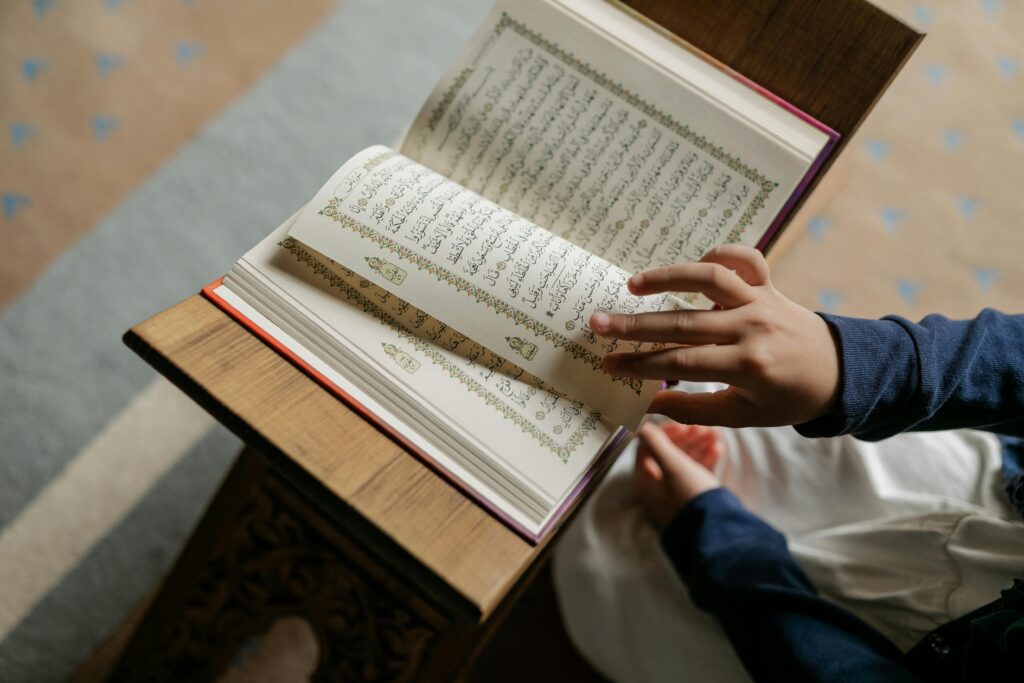
connecting with the quran can carry forward the the goodness of the first 10 days of dhul hijjah

Keep a Dua Journal 

During Dhul Hijjah, we pour our hearts out in dua — for forgiveness, for loved ones, for the world. 

Start a dua journal where you keep track of what you’ve asked Allah (SWT) for. Revisit it regularly. Update it. Reflect on the ways Allah (SWT) may have already responded. It’s a beautiful way to stay spiritually engaged and hopeful. 

Continue Serving Others Beyond Dhul Hijjah

The spirit of sacrifice in Dhul Hijjah reminds us to look beyond ourselves, to those struggling across the Ummah and in our own communities. 

Acts of service don’t have to be grand. Helping a neighbour, checking in on someone lonely, volunteering a few hours a month — all of these are ways to live the message of Dhul Hijjah every day. 

Reflect and Give Thanks 

Gratitude is at the heart of worship. During Dhul Hijjah, we reflect on Ibrahim’s (AS) submission, Hajar’s trust, and the Ummah’s unity in pilgrimage and sacrifice. 

Don’t let that sense of awe fade. Take a few moments weekly — even just on Jumu’ah — to reflect and give thanks, and ask for barakah (blessings).

Keep the Spirit of the Best 10 Days of Dhul Hijjah Alive Year Round

The sacred days of Dhul Hijjah remind us of what matters most: submission, sacrifice, unity, and compassion. 

But you don’t need to wait for next year to feel that again. You can live the essence of Dhul Hijjah every single day — in how you remember Allah (SWT), give to others, serve your community, and purify your heart. 

Let’s not close the chapter on Dhul Hijjah.  Let’s carry its spirit forward — with consistency, sincerity, and love for Allah (SWT) and His creation. 

06.02.25

The Importance of Giving in the First 10 Days of Dhul Hijjah

  Dhul Hijjah     Publications

The first ten days of Dhul Hijjah are a time unlike any other in the Islamic calendar. A time when good deeds are beloved to Allah, when the legacy of Ibrahim (AS) is honoured, and when charity becomes a means of drawing closer to our Lord. 

The Prophet Muhammad ﷺ said: 

“There are no days in which righteous deeds are more beloved to Allah than these ten days.” 

Sahih al-Bukhari

These are the days to give, to act, and to seek Allah (SWT)’s mercy. Here’s why giving charity during the first 10 days of Dhul Hijjah can help bring you nearer to Allah (SWT) and benefit those most in need. 

You Give When Allah (SWT) Loves It Most 

Giving—Sadaqah, Zakat, or Qurban—during the first 10 days of Dhul Hijjah is an opportunity to multiply reward in a way unmatched at any other time. 

giving qurban is done on eid al adha, the 10th day of the first 10 days of dhul hijjah

The Messenger of Allah (ﷺ) said, “There are no days during which the righteous action is so pleasing to Allah than these days (i.e. the first ten days of Dhul Hijjah).”

He was asked: “O Messenger of Allah, not even Jihad in the Cause of Allah?” He (ﷺ) replied, “Not even Jihad in the Cause of Allah, except in case one goes forth with his life and his property and does not return with either of it.” (Sahih al-Bukhari)

Help the Ummah in Their Hour of Need 

The suffering our brothers and sisters in Gaza, Sudan, Yemen, and around the most devastated regions of the world face is immense. And our communities feel it wholeheartedly, especially those with a personal connection to our ummah in crises.

The Prophet ﷺ said: 

“The parable of the believers in their affection, mercy, and compassion for each other is that of a body. When any limb aches, the whole body reacts with sleeplessness and fever.”

Bukhari and Muslim

Donating charity to emergency aid and development projects for those most affected in our Ummah is more than just giving. You’re answering to their cries. To heal them. And give them hope. And Allah (SWT) rewards you for your intention and sincerity.  

Protect Yourself from Calamity 

The Prophet ﷺ said: 

“Charity extinguishes sins just as water extinguishes fire.” 

Sunan ibn Majah, Tirmidhi

Sadaqah given in these ten days becomes a shield—not just for those suffering, but for yourself and your loved ones. Give it as a means of barakah, protection, healing, and closeness to Allah (SWT). 

Be Among the Best of Believers 

Allah (SWT) describes those He loves: 

“They give food, out of love for Him, to the poor, the orphan, and the captive…” 

Surah | Al-Insan | 76:8

The Prophet ﷺ also said: 

“The most beloved people to Allah are those who are most beneficial to people…”

Al-Albani

When you give through a charity like Islamic Relief, you’re not only giving food or aid. You’re giving hope, dignity, and relief in places where people have almost nothing. 

Reap the Blessings of the Day of Arafah, the 9th day of the first 10 days of Dhul Hijjah

The 9th day of Dhul Hijjah, the Day of Arafah (Arafat), is the pinnacle of these 10 days. It is a day of fasting, forgiveness, and duas answered. 

“There is no day on which Allah frees more people from the Fire than the Day of Arafah.”

Muslim

Arrive at Arafah with your charity already given. Let your actions lead your duas. Let your Sadaqah or Zakat be your appeal for mercy. 

Secure Reward That Continues in the Hereafter These First 10 Days of Dhul Hijjah

Whether you donate to an orphan program, build a water well, or provide food to a family, your gift may become Sadaqah Jariyah, a charity that continues long after you’ve left this world. 

“When a man dies, his deeds come to an end except for three things: Sadaqah Jariyah (ceaseless charity); a knowledge which is beneficial, or a virtuous descendant who prays for him (for the deceased).”

Muslim

These are the days to invest in the Hereafter. Every day of Dhul Hijjah is a door. A door to forgiveness. To reward. To nearness to Allah (SWT). Whether it’s Qurban, Zakat, Sadaqah, or an Eid gift for an orphan, give before these days pass you by. 

This Dhul Hijjah, Share Your Blessings

Help the world’s most vulnerable families enjoy their Eid when you give Qurban with Islamic Relief.

05.27.25

7 Reasons to Give Qurban with Islamic Relief

  Dhul Hijjah     Publications

Dhul Hijjah is upon us! The sacred month that holds the ten best days of the year. It’s a time when Muslims around the world reflect on the legacy of Prophet Ibrahim (AS). A time to embrace spiritual renewal and perform one of the most profound acts of devotion: Qurban (sacrifice).  

At Islamic Relief Australia, Qurban is more than a distribution project. It’s a globally coordinated, compassion-driven, Shariah-compliant program that changes lives—and hearts. It’s your opportunity to take the story of Ibrahim (AS) and turn it into real impact for those who need it most. 

Here’s a deeper look into why giving your Qurban through Islamic Relief is one of the most meaningful choices you can make this Dhul Hijjah. 

You Bring the Spirit of Eid to the Doorstep of the Forgotten

Imagine Eid without food on the table. For millions of families in crisis-affected countries—those facing famine, war, displacement, or extreme poverty—meat is a luxury they only dream of.

When you give Qurban through Islamic Relief, you’re not just feeding a family. You’re saying, “You’re not forgotten. You’re part of our Ummah. You are loved.” You’re delivering dignity.

Our Qurban Goes Where Others Don’t—Or Can’t

Islamic Relief reaches all corners of the world. From the drought-stricken plains of Somalia to war-ravaged Yemen, the refugee camps of Bangladesh, and remote villages in Mali—Islamic Relief works in some of the hardest-to-reach and highest-need regions in the world. 

And we don’t just deliver—we serve. Our teams live and work within these communities. We know the terrain, the culture, and the needs. This means your Qurban reaches those most vulnerable, in the right way, at the right time. 

Shariah Compliant, Quality Assured, Ethically Delivered Qurban

Our Quality Assured Qurban Program is not a slogan—it’s a promise. 

Every step of the Qurban process is designed to reflect Islamic values and humanitarian ethics.

We raise healthy animals that meet Islamic standards (no defects, minimum age, well cared for). These animals also go through a humane slaughtering process, where they are treated with dignity and care.

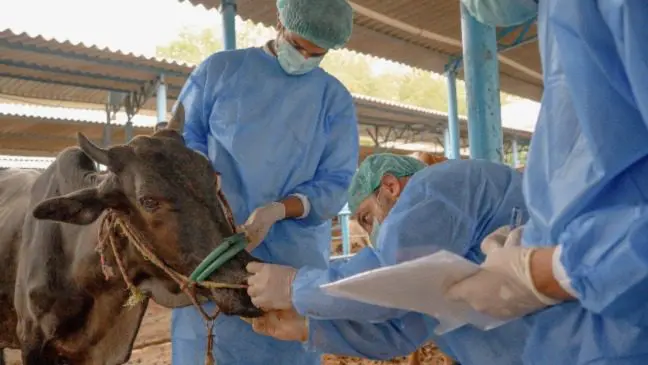
Islamic Relief staff checking goats for Qurban

At the slaughtering of an animal, we ensure clean and hygienic meat handling, with minimal waste. Once the meat is prepared for Qurban it is delivered to those most in need in time for Eid Al-Adha.

This means your Qurban isn’t just halal—it’s tayyib (pure, wholesome, ethical). Because, at Islamic Relief, we strive to honour both the letter and the spirit of the Sunnah for Qurban.

Every Pack Feeds. Every Pack Matters. 

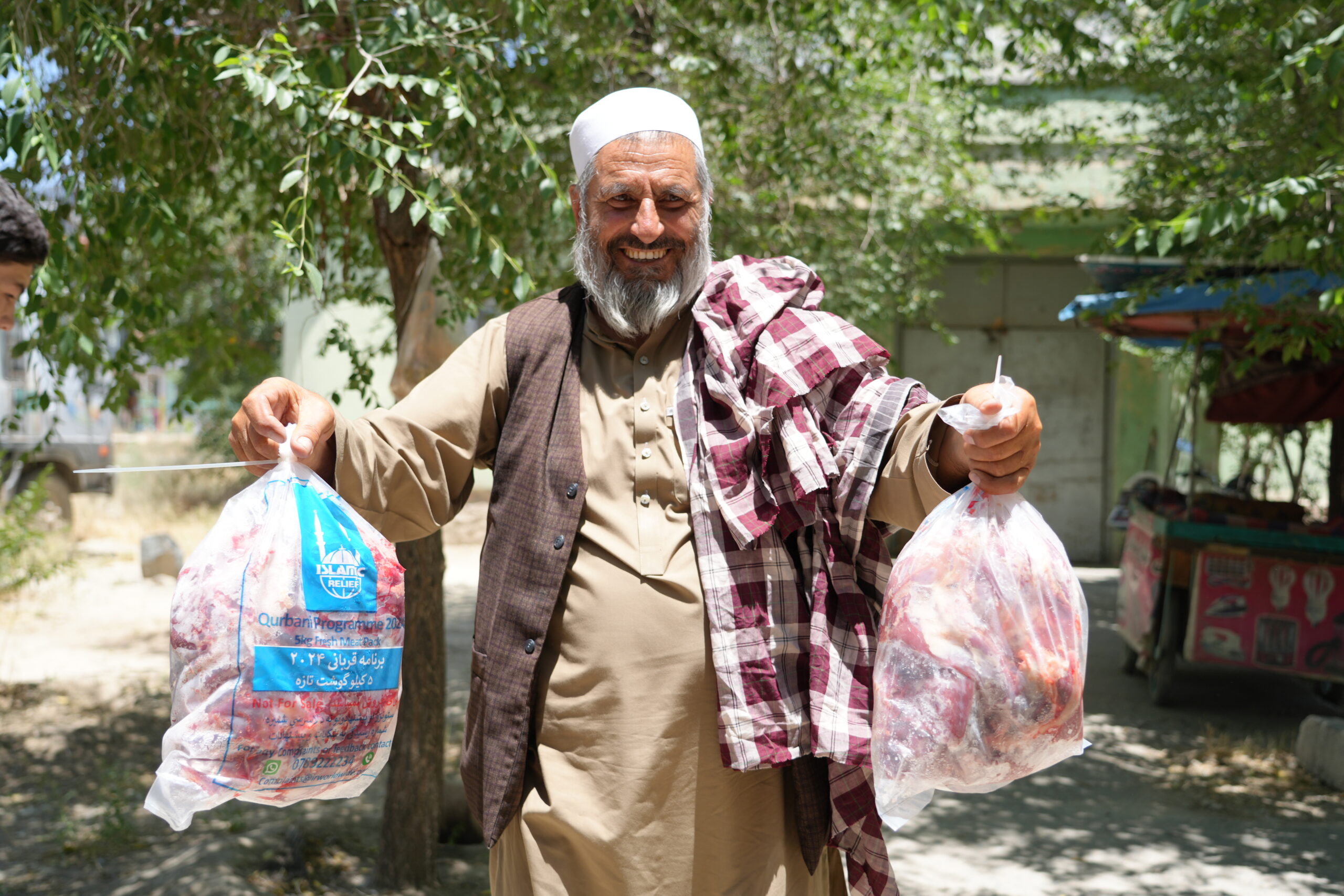
Each Qurban pack contains approximately 2.5 kg of fresh meat, providing enough to feed a family of four for up to a week. But it’s more than just sustenance. 

In Sudan, for an elderly widow, it’s relief. For a single mother in Afghanistan, it’s celebration. And for a displaced child in Yemen, it’s the joy of Eid. 

Your Qurban turns a ritual into restored hope. 

A Thoughtful System That Prioritises the Most Vulnerable

We don’t distribute meat randomly. Islamic Relief uses a scoring system to ensure your Qurban reaches the families who need it the most, including: 

You’ll need a certain number of pebbles for each of the three days. The breakdown is as follows:

  • Families living below their country’s poverty line 
  • Female-headed households
  • Families with elderly or disabled members
  • Households with children under five
  • Pregnant and lactating mothers
  • Families with no access to local markets
 

This ensures your donation isn’t just symbolic—it’s strategic. 

Transparent Qurban Options to Match Your Heart and Budget 

Islamic Relief offers four Qurban groups based on region and cost. This includes: Group A – $99 (Mali, Niger), Group B – $150 (Kenya, Somalia, Bangladesh, Rohingya refugees), Group C – $250 (Pakistan, Afghanistan, Indonesia, Sudan), and Group D – $350 (Yemen) 

Want to spread more joy? You can also donate an Eid Gift for a child for just $25—a simple way to share Eid happiness with little ones who’ve endured hardship. 

Reviving the Sunnah, Right Where You Are 

Not everyone can go to Hajj—but everyone can partake in the spirit of sacrifice. 

By offering Qurban through Islamic Relief, you honour the legacy of Prophet Ibrahim (AS), support communities in need, and reap the immense rewards of the best days of the year—all from wherever you are. 

The Prophet ﷺ said, “There are no days during which righteous deeds are more beloved to Allah than these days,” meaning the (first) ten days of Dhul- Hijjah.

Sunan Ibn Majah

Give with Heart, Trust, and Purpose with Islamic Relief 

Since 1984, Islamic Relief has been saving lives and restoring dignity in over 40 countries. We handle your Qurban with integrity, compassion, and professionalism. Because we know it’s not just a donation—it’s an amanah.  

This Dhul Hijjah, let your Qurban go further—to the places others can’t reach, to the people who need it most. 

This Dhul Hijjah, Share Your Blessings

Help the world’s most vulnerable families enjoy their Eid when you give Qurban with Islamic Relief.

05.01.25

Best Duas for the First 10 Days Dhul Hijjah

  Dhul Hijjah     Publications

Within Dhul Hijjah, the twelfth and final month of the Islamic (Hijri) Calendar, falls one of the holiest times of the year. As the first ten days of the Islamic month are considered the best days of the year and the most beloved to Allah (SWT).

For Prophet Muhammad (ﷺ) said:

After Ramadan, many of us feel as though we might’ve fallen short of our spiritual goals. Maybe we haven’t read as much of the Qur’an as we were supposed to. Or, we struggled to find time to do extra prayers or supplications.

That’s why these blessed ten days are the best time to make up for that. To strengthen our relationship with Allah (SWT) by maximising our worship. And one of the best ways to do this is to make lots of Du’a!

The Importance of Dua During Dhul Hijjah

When we perform Dua with sincere intention and faith in Allah’s (SWT) acceptance, we have great opportunities to receive immense rewards from Him.

As Prophet Muhammad (ﷺ) said:

To make the most of this blessed period, we should strive to increase our dua, supplicating to Allah (SWT) for His Mercy, forgiveness and blessings. But what are the duas we should especially consider during the first ten days of Dhul Hijjah?

What are the best Duas for Dhul Hijjah?

Here are some of the most beneficial Duas to help you reap the rewards of the first ten days of Dhul Hijjah:

Dua for Fasting

Fasting on the first nine days of Dhul Hijjah is an important Sunnah. Fasting itself is one of the most beloved acts of worship. But fasting on these blessed days, especially on the 9th day, the Day of Arafah, in particular, brings great rewards and forgiveness of sins.

When you open your fast, recite the following Dua:

ذهب الظمأ وابتلت العروق وثبت الأجر إن شاء ال:له
Dhahaba adh-Dhama’ wabtallatil-urooq wa thabatal-ajr inshaa’Allah
Thirst is gone, the veins are wet, and the reward is confirmed by the will of God.

Sunan Abi Dawud

Dua for Forgiveness

Allah extends his Divine Mercy to all those who turn to Him with sincerity and supplicate for forgiveness, especially during the first ten days of Dhul Hijjah.

From the Qur’an, one Dua for forgiveness is:

رَبَّنَآ إِنَّنَآ ءَامَنَّافَٱغْفِرْ لَنَا ذُنُوبَنَا وَقِنَا عَذَابَ ٱلنَّارِ
Rabbanaaa innanaaa aamannaa faghfir lanaazunoobanaa wa qinaa ‘azaaban Naar’
Our Lord! surely we believe, therefore forgive us our faults and save us from the chastisement of the fire

Al-Imran, 3:16

Dua for protection

In these first ten days of Dhul Hijjah that are most beloved to Allah, it’s important to remember our Akhirah when making Dua, and to ask for protection.

Making dua during the first 10 days of Dhul Hijjah is a powerful act of worship

During this blessed period, you can make this Dua for protection:

اللَّهُمَّ إِنِّي أَسْأَلُكَ رِضَاكَ وَالجَنَّةَ ، وَأَعُوذُ بِكَ مِنْ سَخَطِكَ وَالنَّارِ
Allaahumma innee as-aluka Ridaaka wal Jannah wa a’audhu’bika min sakhatika wan-naar
O Allah, I ask of Your pleasure and for Paradise, and I seek refuge from Your displeasure and from the Hellfire.

Dua for Divine Guidance

We have the best opportunity to gain closeness to Allah (SWT) during the first ten days of Dhul Hijjah. To receive His guidance by asking Him to change the direction of our lives so that we are focused on gaining His pleasure.

One Du’a for Allah’s guidance is:

اللَّهُمَّ إِنِّي أَسْأَلُكَ الهُدَى وَ التُّقَى وَ العَفَافَ وَ الغِنَى
Allāhumma Innī As’aluka al-Hudā Wat-Tuqā Wal-Afāfa Wal-Ghinā
O Allah, I ask You for guidance and piety, and abstinence (from the unlawful) and modesty, and contentment and sufficiency.

Sahih Muslim

Dua for the Ummah

Dhul Hijjah is the time when Hajj, the fifth and final pillar of Islam, takes place. When Muslims from across the globe unite at Makkah with the same goal of pleasing Allah and fulfilling their duty to Him. During these blessed days, it’s important to remember our brothers and sisters from across the globe – in Gaza, Sudan and more – and ask Allah (SWT) to grant them ease and patience and fulfil their needs.

اللَّهُمَّ أَصْلِحْ أُمَّةَ مُحَمَّدٍ اللَّهُمَّ فَرِّجْ عَنْ أُمَّةِ مُحَمَّدٍ اللَّهُمَّ ارْحَمْ أُمَّةَ مُحَمَّدٍ
Allahumma aslih Ummata Muhammad. Allahumma farrij ‘an Ummati Muhammad. Allahumma Rham Ummata Muhammad [sallAllahu alayhi wasalam]
O Allah! Improve (help) the state of the Ummah of Muhammad. O Allah! Grant ease to the Ummah of Muhammad. O Allah! Have mercy on the Ummah of Muhammad.

Dua for Acceptance

During Dhul Hijjah, on Eid al-Adha, Qurban takes place across the globe. It is an act of worship where Muslims sacrifice an animal (goat, cow, sheep or camel) for the sake of Allah (SWT), reflecting the Prophet Ibrahim (AS)’s willingness to sacrifice his son, Ismail (AS), for His sake.

qurban inspection in preparation for dhul hijjah

After increasing our worship and fulfilling Qurban in Dhul Hijjah, it’s important to make Dua for the acceptance of our good deeds.

As we reflect on Prophet Ibrahim (AS)’s story and sacrifice, we can recite the Dua that he made while he and Ismail (AS) completed building the Holy Ka’aba:

رَبَّنَا تَقَبَّلْ مِنَّا إِنَّكَ أَنتَ السَّمِيعُ الْعَلِيم
Rabbana taqabbal minna, innaka antas-Sami’ul-‘Aleem.
Our Lord! Accept (this service) from us. Verily! You are the All-Hearer, the All-Knower.

Al-Baqarah, 2:127

Duas for Day of Arafah

In Islam, the Day of Arafah is one of the holiest days of the year. It’s the day on which Allah (SWT) perfected Islam, completing His favours onto His beloved Prophet Muhammad (ﷺ).

Whether we are performing Hajj and standing on the plains of Arafah on this day or at home, it’s important to make the most of the blessed day. We should make lots of Du’a, asking Allah (SWT) for forgiveness, and include our friends, relatives, neighbours and the wider Ummah in our Duas on this special day.

For Prophet Muhammad (ﷺ) said,

There is also a special Dua to recite on the Day of Arafah, which is best made during the last hour of the day before Maghrib prayer:

لَا إِلَهَ إِلَّا اللَّهُ وَحْدَهُ لَا شَرِيكَ لَهُ لَهُ الْمُلْكُ وَلَهُ الْحَمْدُ وَهُوَ عَلَى كُلِّ شَيْءٍ قَدِيرٍ
Lailaha illalahu wahadahu lasharikalahu lahulmulku walahu hamdu wahuva alakulli shayin kadir
There is no God but Allah alone Who has no partner, to whom dominion belongs, to whom praise is due, and who has power over everything.

Hisnul Muslim

It is also the Sunnah of Prophet Muhammad (ﷺ) to recite Tahleel (‘Laillaha illalah’), Takbeer (‘Allahuakbar’), Tahmeed (‘Allhamdulillah’), and Tasabeeh(‘Subhanallah’) as many times as possible on this day (Ahmad).

Dua to recite on Eid al Adha (10th of Dhul Hijjah)

It is highly recommended for every Muslim adult to recite the Takbeer-e-Tashreeq after prayer from the 9th-13th Dhul Hijjah.

اللَّهُ أَكْبَرُ اللَّهُ أَكْبَرُ لَا إلَهَ إلَّا اللَّهُ وَاَللَّهُ أَكْبَرُ اللَّهُ أَكْبَرُ وَلِلَّهِ الْحَمْد
Allahu Akbar, Allahu Akbar, Laa ilaaha illallahu Wallahu Akbar, Allahu Akbar, Wa lillahil Hamd
Allah is the greatest, Allah is the greatest. There is no deity besides Allah and Allah is the greatest. Allah is the greatest and all praises are for Allah only.

Make the most of Dhul Hijjah with your dua and other acts of worship

Overall, the blessed month of Dhul Hijjah is our opportunity to strengthen our connection with Allah (SWT) through increasing our acts of worship, including making an abundance of dua.

This year, the start of Dhul Hijjah will begin on Wednesday, May 28, 2025, depending on the sighting of the moon. Let us make these blessed 10 days a time to reflect on our lives and ask Allah (SWT) for His forgiveness and guidance.

May Allah (SWT) bless us all with the opportunity to make the most of the blessed time, and may our dua be a source of solace, hope and positive change, ameen!

04.03.25

Quality Assured Qurban: Why Give with Islamic Relief

  Dhul Hijjah     Publications

Qurban (or Udhiyah) is an act of worship most beloved to Allah (SWT) in the days of Sacrifice. These are the days of Eid Al-Adha, which include days of Tashreeq (11th, 12th and 13th of Dhul Hijjah). Therefore, it is important to provide the best possible offering for sacrifice during this sacred period. 

Islamic Relief Worldwide’s Quality Assured Qurban program upholds the Core Humanitarian Standard and Shariah compliance throughout its entire process. Used by all members of the Islamic Relief network, including Islamic Relief Australia, it ensures rightsholders receive quality, halal (permissible) and Tayyib (healthy, pure) Qurban meat.

With this program, Islamic Relief meets the needs of rightsholders. It also upholds the rules of Qurban, by ensuring Shariah compliance, regulatory standards and animal welfare standards.

Here are 6 reasons why giving Qurban with us means giving the best possible offering this Eid Al-Adha.

1. Specialised local team

One of our strengths is being close to our rightsholders. In every country where Islamic Relief distributes aid, we have field offices that allow us to be present on the ground. So we can act swiftly during times of crisis. We have dedicated staff employed in these countries who understand the local community. Often, especially during disasters, they also face the same struggles they do. This enables our teams to provide our rightsholders with the best possible support. And deliver this support with cultural sensitivity and care. 

back of islamic relief staff in yemen preparing for qurban distribution

2. Meeting the needs of rightsholders.

For all our projects, our field teams conduct a comprehensive needs assessment, collaborating with rightsholders, community leaders, and local authorities. This assessment helps identify and prioritise the most vulnerable individuals or groups. We also coordinate with other organisations involved in Qurban distribution to avoid duplication. It also ensures that our interventions reach underserved areas effectively. 

islamic relief staff in jordan helping a man walk while holding a bag of qurban meat local teams

The Qurban meat is transported in refrigerated trucks with a maintained cold chain until it reaches our rightholders. 

3. Upholding the rules of Qurban

Prior to slaughter, our livestock undergo rigorous inspections to ensure compliance with both veterinary and Shariah standards. These inspections guarantee that the animals meet the requirements for Qurbani according to Shariah principles. In turn, the inspection also ensures the resulting meat is of excellent quality and safe for human consumption. 

islamic relief staff preparing an animal (cow) for qurban inspection

Our approach for the Qurbani project is adaptable and tailored to the specific needs of each location. We prioritise collaboration with regulated slaughterhouses that uphold strict machinery and hygiene standards. Thus, ensuring the freshness and safety of the meat.

In the absence of regulated slaughterhouses, we adopt a community-led approach where trained volunteers and butchers actively engage the entire community under the close supervision of Islamic Relief staff.  

To maximise the impact and serve a greater number of households, our preference is to select larger animals for Qurbani, taking into consideration their availability in each country. This approach leads to a higher meat yield, allowing more households to receive Qurbani meat packs and benefit from our distribution efforts. 

4. Upholding Shariah compliance, regulatory standards and animal welfare with care and respect.

We prioritise adhering to the Core Humanitarian Standard and Shariah compliance throughout the entire Qurbani process. They conduct thorough inspections of the livestock and oversee the slaughter process. Our focus is to ensure the use of high-quality livestock suitable for this religious act, with supervision from veterinary doctors, local Imams, Ministry of Religious Affairs, Ulama, and other religious authorities.  

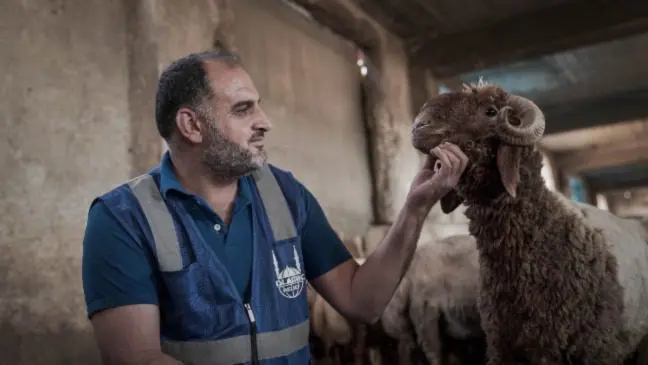
islamic relief staff preparing an animal (sheep) for qurban inspection

We maintain the well-being of the livestock and strictly follow best practices and compliance guidelines. Furthermore, we store the meat in refrigerators or transport it in refrigerated vehicles, adhering to local hygiene and food safety regulations. This commitment guarantees that the Qurbani process is conducted with care and respect, upholding religious and regulatory standards.

5. Ensuring minimal waste, and safe delivery of Qurbani to rights-holders in a timely manner.

Our dedicated staff members complete Islamic Relief Qurbani checklist declarations to ensure adherence to all Qurbani requirements. Waste disposal is carried out responsibly, following local regulations. In countries where all parts of the animal are consumed, such as offal and skin, waste is minimised. In other countries where only specific organs and meat are consumed, waste materials are appropriately disposed of either at the slaughterhouse or buried in designated community slaughter sites. 

Islamic Relief staff packing meat for qurban

To maintain efficiency and meet deadlines, we closely monitor the number of Qurbanis and the capacity of each field office. We establish contractual agreements with suppliers to accommodate any unexpected increase in Qurbani orders. With over 38 years of experience in conducting Qurbani, Islamic Relief Worldwide has cultivated strong relationships with local communities and suppliers, enabling us to fulfil Qurbanis promptly and efficiently. 

The Qurbani meat is transported in refrigerated trucks with a maintained cold chain until it reaches our rightsholders. 

6. Providing a high-quality service to our rightsholders.

Islamic Relief’s Qurbani prices may be slightly higher than those of other organisations, but this is because we prioritise providing a high-quality service to our right holders. We go the extra mile by purchasing healthy animals that yield more meat for our right holders.

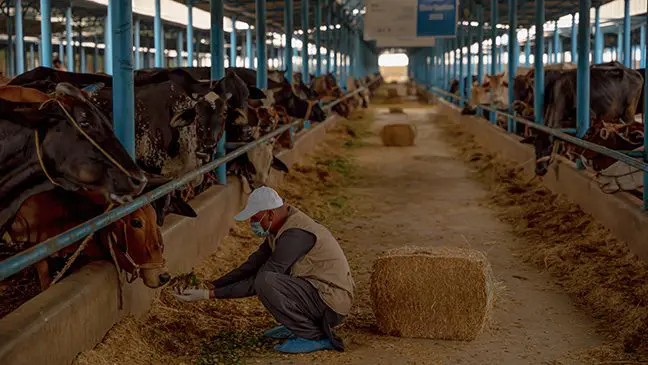
islamic relief staff feeding an animal for qurban

For instance, in countries like Iraq, the cows we purchase have an average weight of 480kg, surpassing the weight of cows selected by our competitors. We strongly believe in investing in various components of the Qurbani project to ensure its effectiveness. This includes conducting needs assessments, collaborating with local authorities, sourcing higher-spec livestock, and implementing rigorous monitoring, evaluation, accountability, and learning (MEAL) processes. These additional efforts are reflected in our prices as they contribute to reaching the most vulnerable rightholders in the most effective way possible.

Our commitment is to serve right holders with dignity and respect, while also considering the well-being of the environment. When it comes to slaughter practices, we ensure that they are conducted in appropriate sites with proper drainage and waste disposal systems, avoiding the issue of leaving waste unattended. 

This Dhul Hijjah, Share Your Blessings

Help the world’s most vulnerable families enjoy their Eid when you give Qurban with Islamic Relief.

02.18.25

Five Pillars of Islam

  Publications

Five Pillars of Islam are core obligations that serve as a guide for every Muslim. Ones that nurtures their spiritual growth, self-discipline and devotion to Allah (SWT). 

Together, these pillars form the foundation of Islamic belief and practice. It unites Muslims around the world in a shared commitment to the deen (faith).

What are the 5 pillars of Islam?

The five pillars of Islam include: Shahada (faith), Salah (prayer), Zakat (almsgiving), Sawm (fasting), and Hajj (pilgrimage).

Shahada (Faith)

The Shahada is the first and most fundamental pillar of Islam, serving as the very foundation of a Muslim’s faith. This is the declaration of faith in one God (Allah) and His messenger (ﷺ).

Ash-hadu an la ilaha illa Allah, Wa ash-hadu anna Muhammadan Rasulu-Allah

أشهد أن لا إله إلا الله وأشهد أن محمدًا رسول الله

“I bear witness that there is no god but God, and I bear witness that Muhammad is the Messenger of God”

This testimony affirms the core belief of Tawheed (the oneness of God), rejecting any association of partners with Him. It also acknowledges Prophet Muhammad (ﷺ) as the final messenger of Allah (SWT). As his legacy is one that follows a long line of prophets sent to guide humanity.

Salah (Prayer)

Salah is the second pillar of Islam and a fundamental act of worship. This is the ritual prayer every Muslim must perform five times a day (at fixed times) throughout their lifetime. It establishes a direct and personal connection between a Muslim and Allah (SWT).

The prescribed times for Salah are:

  1. Fajr – Before dawn
  2. Dhuhr – After midday
  3. Asr – Afternoon
  4. Maghrib – Just after sunset
  5. Isha – Night

These prayers are a constant reminder of a Muslim’s faith, reinforcing discipline, humbleness, and mindfulness of Allah (SWT) throughout the day.

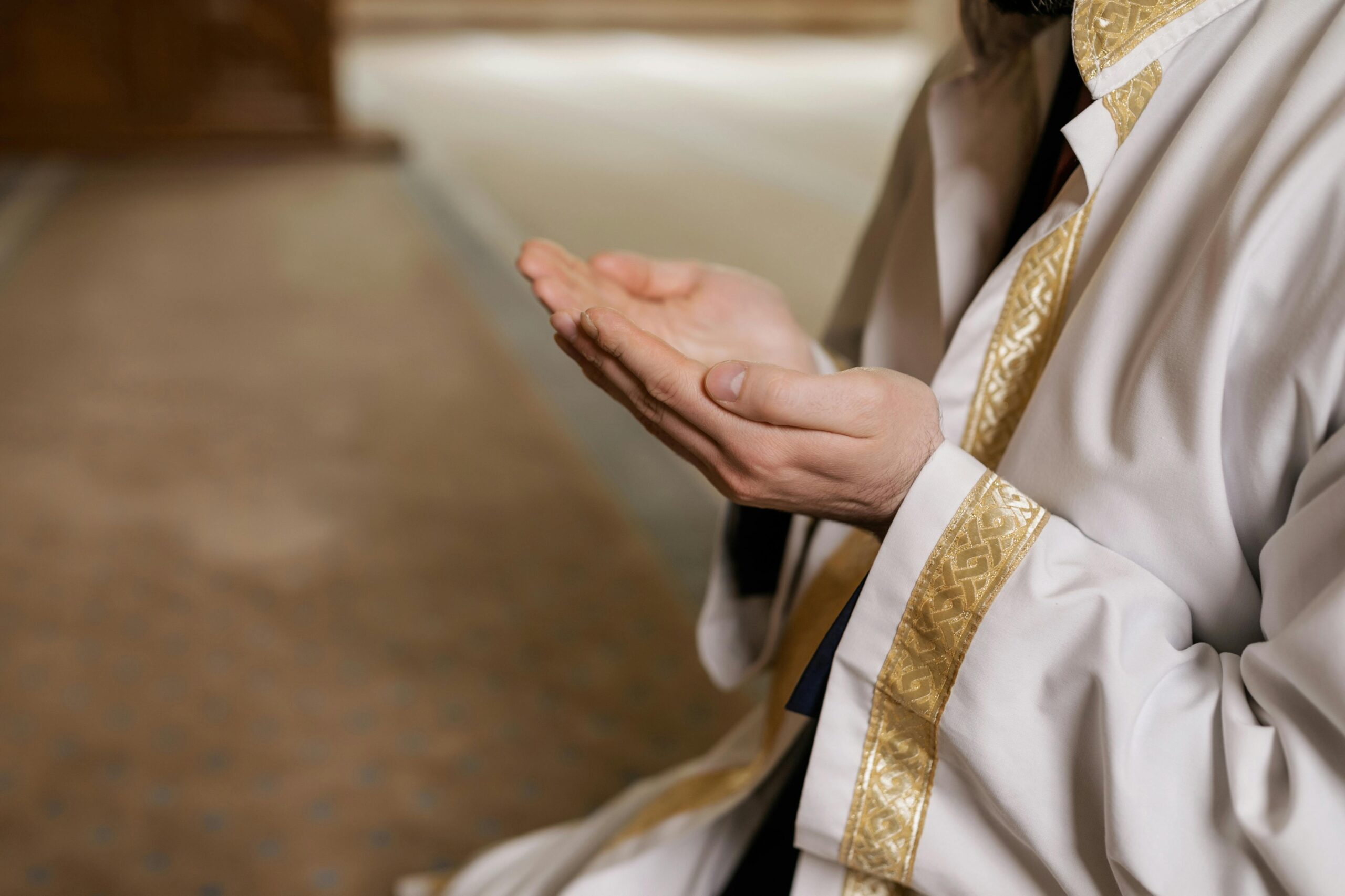
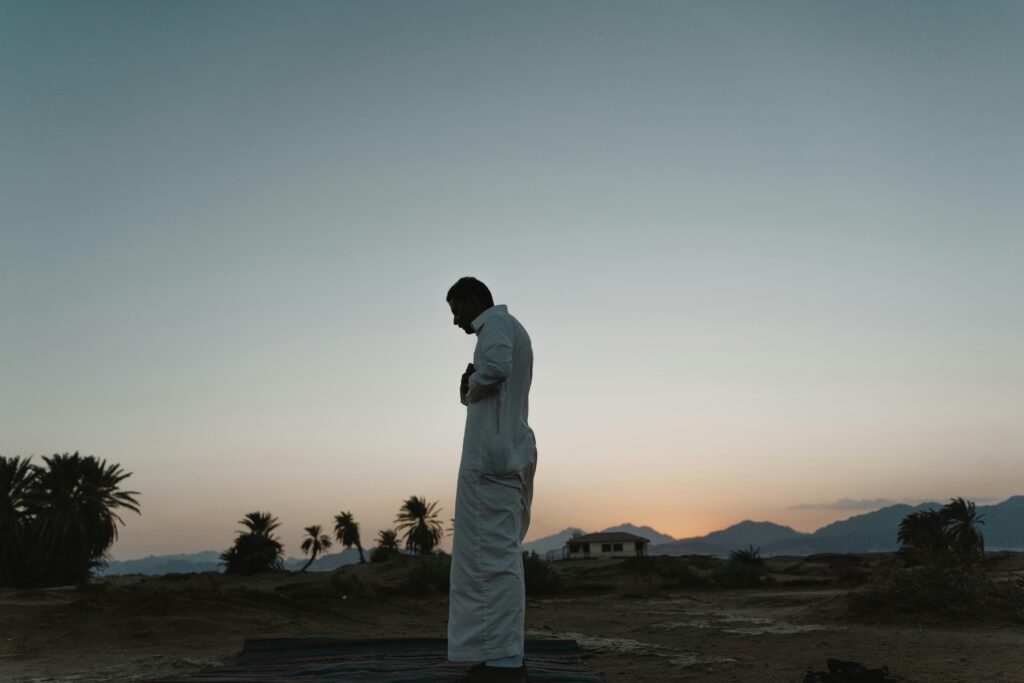
Muslim man standing in prayer (salah), one of the five pillars of Islam

Zakat (Almsgiving)

Zakat, the third pillar of Islam, purifies a Muslim’s wealth and soul. It is an obligatory form of charity that requires Muslims who are of age, sound mind, and meet the Nisab (minimum wealth threshold) to give 2.5% of their savings annually to those in need.

The Quran outlines eight eligible recipients, as stated in Surah At-Tawbah, in this verse (ayat).

Alms-tax is only for the poor and the needy, for those employed to administer it, for those whose hearts are attracted ˹to the faith˺, for ˹freeing˺ slaves, for those in debt, for Allah’s cause, and for ˹needy˺ travellers. ˹This is˺ an obligation from Allah. And Allah is All-Knowing, All-Wise.

Quran 9:60

By fulfilling Zakat, Muslims uphold social responsibility and deepen their faith, ensuring that wealth benefits the entire community.

Sawm (Fasting)

Sawm, the fourth pillar of Islam, is a compulsory act of worship observed during Ramadan. It requires Muslims to abstain from food, drink, and other physical needs from dawn (Fajr) to sunset (Maghrib). As the blessed month of Ramadan is a time of spiritual purification, self-discipline, and devotion to Allah (SWT).

Key aspects of fasting include suhoor, the meal eaten before fajr prayer, and iftar, breaking the fast at sunset.

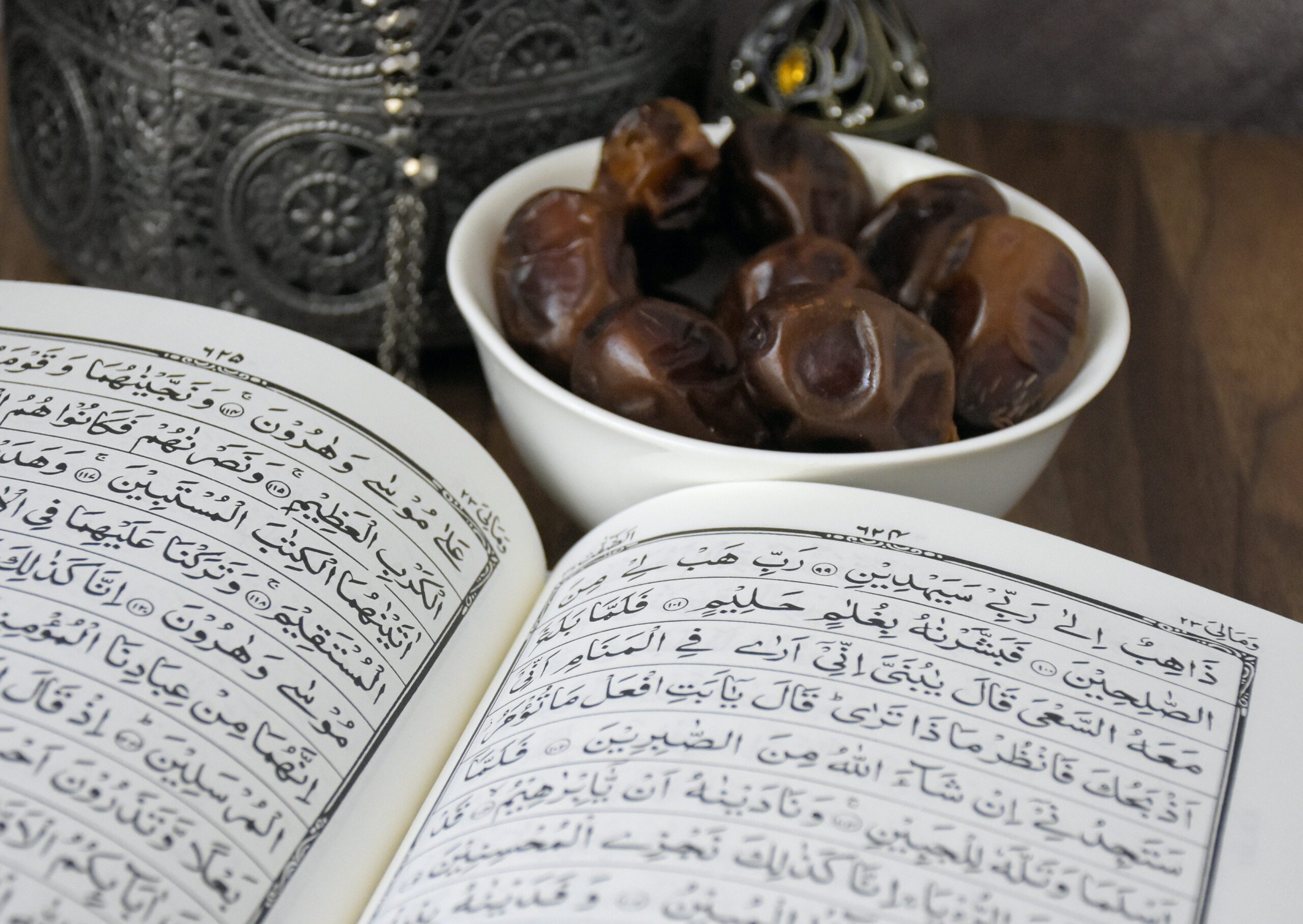
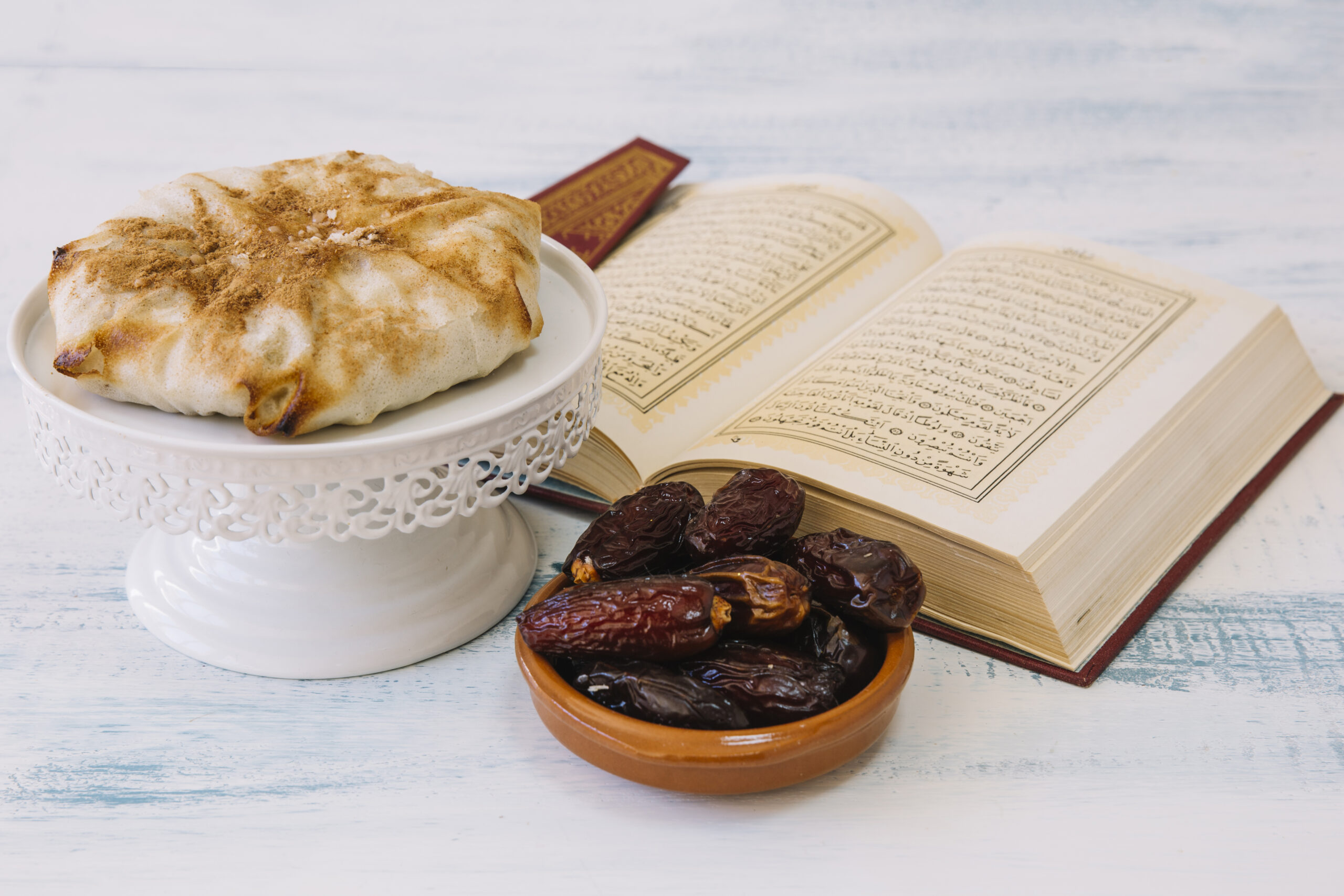
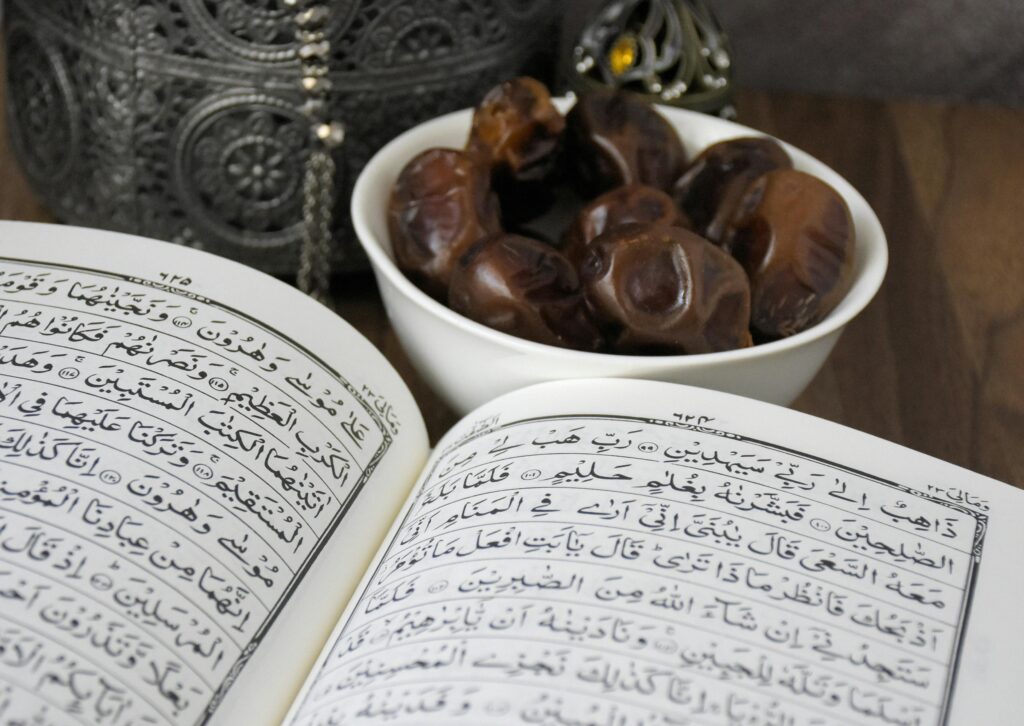
Eating dates for iftar and reading Quran are some of the recommended acts when fasting (one of the five pillars of Islam) for Ramadan

Every Muslim who are of age (i.e. has reached puberty) must fast during Ramadan. But there are also exemptions, such as those who are sick, elderly, travellers, and others with valid reasons (such as pregnancy or menstruation). However, they must also make up their fast once able to, if possible. If not, then they should pay compensation, called fidya, to the needy.

Beyond Ramadan, voluntary fasting on special days, such as Mondays and Thursdays or the Day of Arafah, is encouraged for extra rewards.

Hajj (Pilgrimage)

Hajj, the fifth and final pillar of Islam, is the sacred pilgrimage to Makkah (Mecca). It is required once in a lifetime for Muslims who are physically and financially able.

Taking place in Dhul Hijjah, it symbolises submission to Allah (SWT) and unity among believers. Key aspects of hajj include:

  • Ihram – Entering a state of purity and wearing simple white garments.
  • Tawaf – Circling the Kaaba seven times in devotion.
  • Sa’i – Walking between Safa and Marwah, honoring Hajar’s struggle.
  • Arafah – The most significant day, spent in deep prayer and repentance.
  • Rami al-Jamarat – Stoning the pillars representing Shaytan.
  • Qurban – Sacrificing an animal in remembrance of Prophet Ibrahim (AS).

What do the 5 pillars of Islam mean?

Overall, the five pillars of Islam are Shahada, Salah, Zakat, Sawm, and Hajj. They are the five key practices that all Muslims are obligated to fulfil throughout their lifetime. These practices are referred to as pillars because they form the foundation of Muslim life.

Why are the five pillars of Islam important?

Each of the five pillars works in tandem with one another to bring the essence of Islam into the lives of every Muslim:

Monotheism and the belief in Prophet Muhammad (peace be upon him) as the last messenger of God is the central tenet of Islam around which everything else revolves. Thus, reciting the Shahada (shahadah) in prayer each day serves to remind Muslims of this integral belief.

Salah (salat) occurs five times a day. This, hence, offers five different opportunities for remembrance of Allah (SWT) and our purpose in this life to worship Him.

The month of Ramadan requires every Muslim to abstain from their most basic needs and desires, like food, drink and physical relations for a period of time each day. Every year, the Sawm (fasting) gives Muslims the opportunity to gather control over their human needs. Without these distractions, Muslims can instead nurture good conduct and their connection to Allah (SWT).

While Sadaqah (charity) is greatly encouraged to be a part of everyday Muslim life, it is obligatory to offer Zakat (alms) once a year. This ensures that wealth is continuously redistributed to those who are in need of it.

During the Hajj (pilgrimage), Muslims must each wear the same simple garments and perform the same ritual acts of devotion to Allah. Stripped of worldly distinction, people are reminded that all are equal before God.

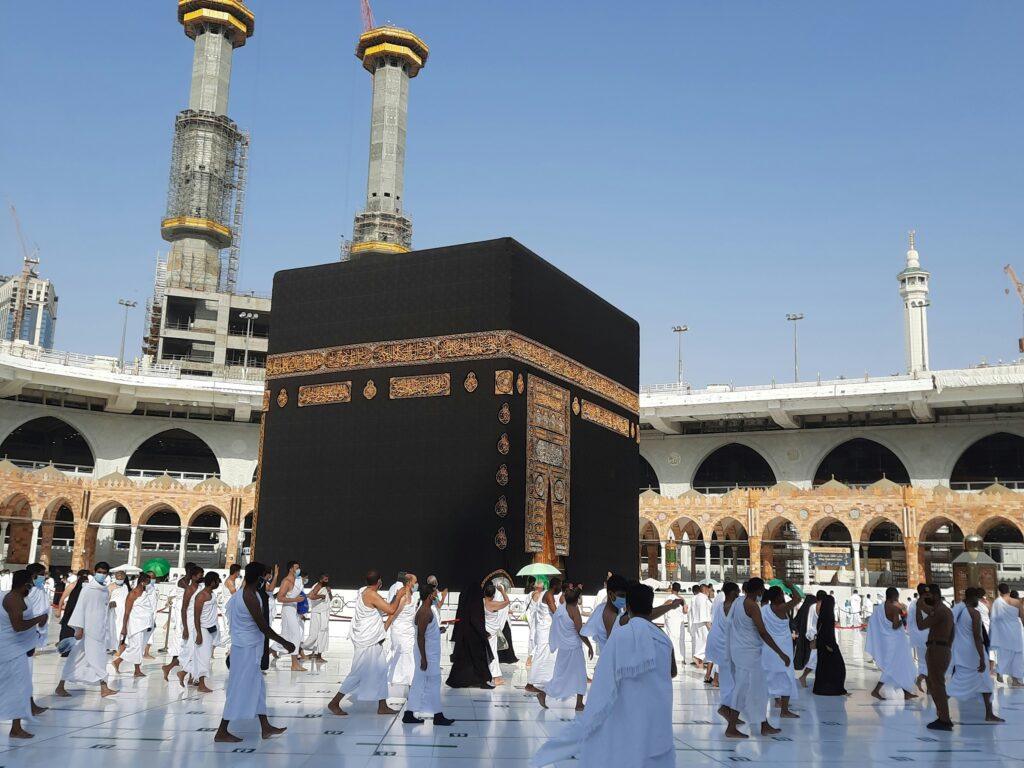
Muslims in Makkah circling the Kabaa (doing Tawaf) for Hajj, the last of the five pillars of Islam

Knowing the Key Facts about the Five Pillars of Islam

The Five Pillars of Islam form the foundation of a Muslim’s faith and practice, guiding their spiritual and daily lives. While these obligations are essential, Islam also recognises individual circumstances, offering exemptions and alternatives for those unable to fulfil certain pillars due to health, financial, or other valid reasons.

By embracing these pillars, Muslims strengthen their connection with Allah (SWT), helping build a just and compassionate society.

02.05.25

Shaban 2026: The Month of Nurturing and Growing

  News     Ramadan

Shaban (or Sha’ban, Shaaban), is the eighth month in the Islamic calendar. Coming before the ninth month, Ramadan, it is a bridge to the blessings the holy month brings.

Thus, we explore, “What is Shaban?”, as a time to prepare for the important month ahead, and one we must not neglect.

When is Shaban 2026?

Shaban, this year, begins on the evening of Monday, January 19, 2026, according to the new moon’s sighting. This makes the first day of Shaban, Tuseday, January 20, 2026.

This Islamic month may end on the evening of Friday, February 17, 2026, depending on the moon’s sighting for the start of Ramadan.

A crescent moon in the night sky, the sighting of which can be used to determine the dates for the Islamic months, such as Shaban
Photo: The sighting of the moon is used to determine the dates of the Islamic months of the lunar calendar.

What is the Significance of Shaban?

Imam Abu Bakr al-Warraq al-Balkhi (RA), the uncle of Imam Tirmidhi (RA), said: 
“The month of Rajab is the month of planting (your seeds), Sha‘ban is the month of irrigating / watering (them), and Ramadan is the month of harvesting the crop.”

Lataiful Ma’arif

Shaban, being the month just before Ramadan, is a perfect time to prepare for the blessed month. But it too, holds great importance on its own. Here are key reasons why:

More Fasting Than Any Other Month (Except Ramadan)

The Prophet Muhammad (ﷺ) would fast in Shaban more than any other month except Ramadan. Aisha (RA) said:

“I never saw the Messenger of Allah ﷺ fasting for an entire month except in Ramadan, and I never saw him fasting more than he did in Sha’ban.”

Sahih Al-Bukhari

He (ﷺ) also loved to fast in this month. So much so, that it was recorded in hadith. In Sunan Abu Dawud, it states, “The most beloved of months for the Messenger of Allah ﷺ to fast in was Sha’ban, and his fasting in Sha’ban was continuous with his fasting in Ramadan.”

More Opportunity for Rewards

Many scholars of the past (Salaf) also believed that fasting in Shaban was better than fasting in other months, even the sacred ones.

Ibn Rajab (RA) said, “Fasting in Sha’ban is better than fasting in the Sacred Months, and the best of voluntary fasts are those that are (observed in the months) closest to Ramadan, before or after.”

A hadith in Silsilat ul-Ahadith-as Sahiha also states, “Allah forgives all the believers in general; except the polytheists and the jealous people on the middle night of Sha’ban.” Some Muslims refer to this night as a Shab-e-Barat, however no Quranic verses specifically mention it.

Good Deeds to Do on Sha’ban

There are a lot of good deeds you can perform in the month of Shaban to make the most of it. Here are some simple acts of worship (ibadah) to add to your daily routine to earn good deeds AND prepare for Ramadan.

1. Do Voluntary Fasts

Prophet Muhammad (ﷺ) used to fast most of the days of Shaban. Thus, we should follow his Sunnah (actions and way of living) and keep as many voluntary fasts as we can in Shaban too. If it is hard to fast most of the month, try to fast on the 13th, 14th, and 15th as they are the White Days (Al-Ayyam al-Bid) of the Islamic month.  

However, there are also exceptions to fasting in Shaban. Abu Hurayrah (RA) mentioned that the Messenger of Allah (ﷺ) said, “Do not anticipate Ramadan by fasting one or two days before it begins, but if a man habitually fasts, then let him fast.” (Sahih Muslim)
He also reported that the Prophet (ﷺ) said to not fast if Sha’ban is half over. (Tirmidhi)

The exception to this would be someone who fasted regularly, such as the Prophet (ﷺ) and many of his companions. Thus, if you are someone who regularly observes the sunnah fast, then you may still observe them in the second half of Sha’ban. It is also permissible to make up a Ramadan fast at this time, if necessary, as Aisha (RA), one of the wives of the Prophet (ﷺ), herself said she would make up fasts in Shaban.

2. Recite the Quran

Ramadan is the month of revelation of the Quran. Naturally, it is the month when we recite it the most. Thus, to help us get ready and see the best results in Ramadan, we should start the habit of reciting it more, starting from Shaban. 

Salamah ibn Kuhayl (RA) said, “It was said that Shaban was the month of the Quran readers.” (Lataiful Ma'arif)
Salamah ibn Kuhayl (RA) said, “It was said that Sha’ban was the month of the Quran readers.” (Lataiful Ma’arif)

3. Make Lots of Duas

Apart from obligatory prayers and observing fasting in Shaban, reciting different duas, tasbeeh, and staying engaged in remembrance of Allah (SWT) is also a good way of making the most of this month.

Here are some duas you can say to seek forgiveness and blessings from Allah (SWT).

“O Allah (SWT), I seek refuge in Your pleasure from Your anger and in Your forgiveness from Your punishment. I seek refuge in You from You. I cannot praise You enough. You are as You have praised Yourself.”

(Sahih Muslim)

Rabbanā lā tuākhidh’nā in nasīnā aw akh ta’na

رَبَّنَا لاَ تُؤَاخِذْنَا إِن نَّسِينَا أَوْ أَخْطَأْنَا

“Our Lord! Take us not to task if we forget or fall into error”

Qur’an 2:286

4. Perform Voluntary Prayers

To make it easier to do more voluntary prayers in Ramadan, start the practice of praying Tahajjud from Shaban. It will help you get used to the Ramadan schedule quicker and also bring you many rewards. 

5. Start Preparing Money for Ramadan

The Prophet Muhammad (ﷺ) was the most generous in giving charity (Zakat and Sadaqah) during Ramadan. To prepare for giving in Ramadan, we should start getting ready in Shaban, including finding Zakat calculations.

Like other forms of Ibadah, charity in Shaban is also an act of worship as you show kindness to others. For every good deed, specifically charity during Shaban, you can gain blessings in abundance.

Shaban: A Pathway to Blessings and Rewards

The Prophet Muhammad (ﷺ) said, “(Shaban) is a month to which people do not pay much attention, between Rajab and Ramadan. It is a month in which the deeds are taken up to the Lord of the worlds, and I like that my deeds be taken up when I am fasting.” (An-Nasa’i).

With this in mind, it is important not to neglect this blessed time. To make the most of it by increasing worshipping, observing fasting, reciting Quran and duas, and engaging in charitable activities.

Thus, it will be a month that not only strengthens your bond with Allah (SWT), but also help you prepare for the sacred month of Ramadan.

Your Zakat Heals Our Ummah

Make the most of Shaban by preparing for Ramadan. Give the gift of happiness and hope to our brothers and sisters in need with Islamic Relief.


STAY INFORMED

  • This field is for validation purposes and should be left unchanged.

Quick Donate