04.14.26

When is the Day of Arafah and Why is it Important?

  Dhul Hijjah     News

The Day of Arafah (also spelt Day of Arafat) is on the 9th of Dhul Hijjah, the day before Eid Al Adha. This year, Arafah is expected to fall on the evening of Monday, May 25, 2026.

Arafah is also one of the most important days in the Islamic calendar. It was on this day that Allah (SWT) perfected His religion, completed His favours upon His beloved Prophet Muhammad (ﷺ), and approved Islam as a way of life. As Allah (SWT) stated in Surah Al-Ma’idah:

This day I have perfected for you your religion and completed My favour upon you and have approved for you Islam as religion.

Quran 5:3

What is the Day of Arafah?

The Day of Arafah is the 9th day of Dhul Hijjah in the annual Islamic (Hijri) Calendar. It falls on the first 10 days of Dhul Hijjah, which, similar to Ramadan, holds significant meaning in Islam.

In many ahadith, the Prophet (ﷺ) made several references to the importance, virtues and rewards of these blessed 10 days. In one particular hadith, he said:
“No good deeds are better than what is done in these first ten days of Dhul-Hijjah…Not even jihad in the way of Allah, except for a man who goes out with his life and wealth at risk and he returns with nothing.”

Sahih Al Bukhari

The Importance of the Day of Arafah

For Muslims, Arafah is a day of immense divine forgiveness, mercy and blessings. For many of us, we often worry that we fell short during Ramadan. Hence, this day marks another chance for us to improve our character and behaviour and become closer to Allah (SWT). 

Arafah is also the day in which the Prophet Muhammad (ﷺ) made his farewell sermon during his final pilgrimage. A day he bore witness that Allah (SWT) perfected His religion, completed His favours upon him, and approved Islam as a way of life.

The Day of Arafah is also known as Yawm Al-Waqf (the Day of Standing). It refers to the fact that pilgrims stand in front of their Lord for long periods of time, asking for His Divine Mercy.

Prophet Muhammad (ﷺ) also said:

There is no day on which Allah frees people from the Fire more so than on the day of ‘Arafah. He comes close to those (people standing on ‘Arafah), and then He reveals before His Angels saying, ‘What are these people seeking.

Sahih Al Muslim

For those performing Hajj, the 5th Pillar of Islam, the Day of Arafah is the most important day.

Hajj is a pilgrimage every financially able and healthy Muslim must make at least once in their lifetime. During the pilgrimage, Arafah marks the essence and heart of it. As the Prophet Muhammad (ﷺ) said: “Hajj is Arafat” (Abu Dawud).

When is the Day of Arafah 2025?

The Day of Arafah is on the 9th day of Dhul Hijjah, the twelfth and final month of the Islamic calendar. This year, it is expected to fall on Thursday, 5th June 2025, depending on the sighting of the moon.

As the Islamic calendar is based on the lunar calendar, the Day of Arafah occurs ten days earlier each year. 

What to do on the Day of Arafah?

The Day of Arafah is extremely blessed. It is a chance for us to receive more rewards by devoting ourselves to Allah (SWT), seeking His forgiveness and performing many good deeds for His sake.

In turn, these following acts of worship are highly encouraged on the Day of Arafah.

Arafah Rituals During Hajj

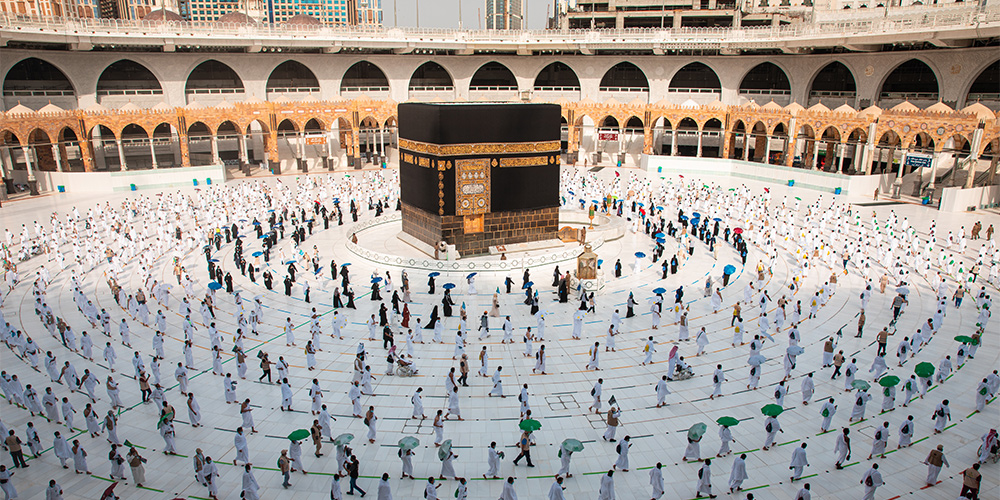

After praying Fajr Salah in Mina, pilgrims performing Hajj head to the plains of Mount Arafat. Pilgrims stand on the Plains of Arafat and make lots of Dua, asking Allah (SWT) for forgiveness. They also observe shortened Dhuhr and Asr prayers (two rakat instead of four).

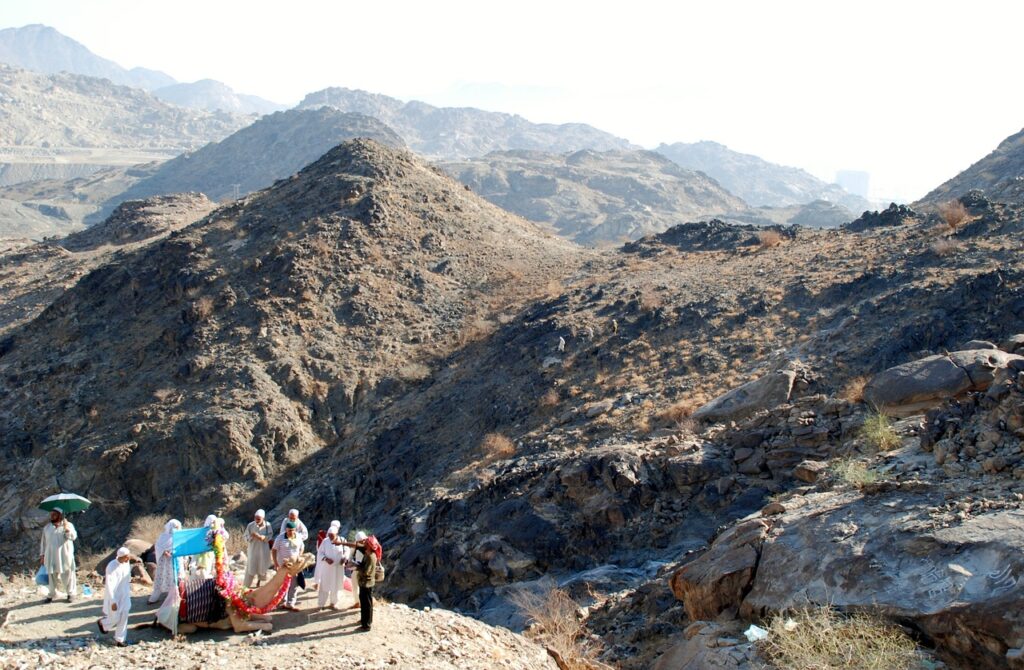
hajj, going to arafat mountains

There is also a sermon delivered from Masjid al-Nimra on Mount Arafat. If you are performing Hajj, remember to listen to the khutbah if possible.

Fasting on the Day of Arafah

“The people of knowledge consider it recommended to fast on the Day of ’Arafah, except for those at ‘Arafat’.

Tirmidhi

If one is not performing Hajj, fasting on the Day of Arafah is a way to make the most of the blessed day’s rewards. While fasting on the Day of Arafah is not mandatory, it is highly recommended, according to all Madhabs (schools of thought).

The Prophet (ﷺ) emphasised the great rewards of fasting on the day of Arafah, as stated in this hadith:

“It will expiate the sins of the previous and upcoming years.”

Sahih Muslim

In general, it is also Sunnah for a Muslim to fast on the first nine days of Dhul-Hijjah.

“The Prophet used to fast on the first nine days of Dhul-Hijjah and the day of Ashura, and three days each month, the first Monday of the month and two Thursdays.”

Abu Dawood

Increasing in Acts of Worship

Afarah is the most virtuous day of the year for Muslims. The Day of Arafah is a day of acceptance of dua and Allah (SWT) showers His mercy and forgiveness to those who turn to Him.

Therefore, it is important to increase in our good deeds to make the most of the blessings of the day. Whether we are performing Hajj or at home this year, we can reap rewards by performing acts of worship. This includes devoting ourselves to Dhikr (Remembrance of God), making Istighfaar (seeking forgiving) and seeking nearness to Allah (SWT).

making dua is a good way of making the most of day of Arafah (arafat)

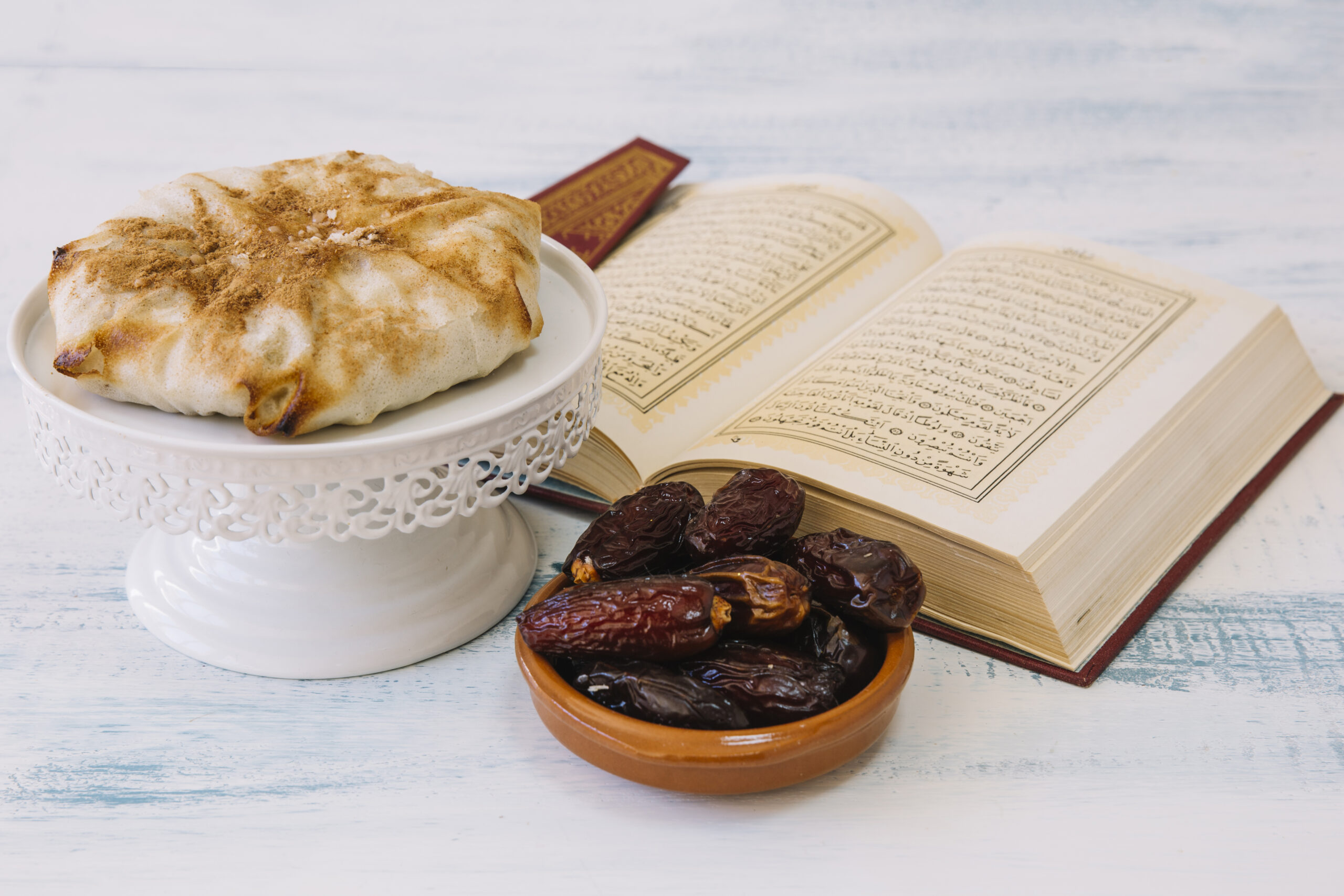
The best acts of worship on this day include offering Nafl (optional) prayers, reading Qur’an and sending Salawat (salutations) upon the Prophet (peace be upon him).

It is also Sunnah to recite the Tahleel (Laa ilaaha il-lal-laah), Takbeer (Allahu Akbar) and Tahmeed (Alhamdulillaah) frequently on the Day of Arafah, and on the days of Eid – 11th, 12th and 13th of Dhul Hijjah. As our Prophet (ﷺ) said:

“There are no days that are greater before Allah or in which good deeds are more beloved to Him than these ten days. So recite a great deal of tahleel, takbeer and tahmeed during them.”
Ahmad

Give Sadaqah

It’s important to remember our brothers and sisters in need across the globe on this blessed day. Giving Sadaqah is one of the most virtuous acts of worship, and giving Sadaqah on this holy day can help us gain blessings.

The Prophet Muhammad (ﷺ) said:

“Sadaqah extinguishes sin as water extinguishes fire”

Timidhi

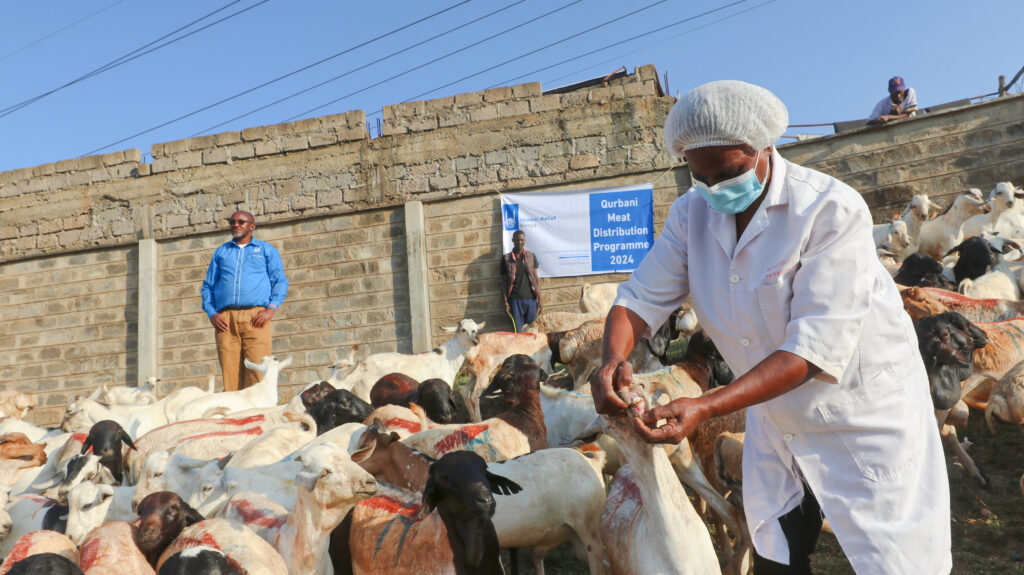
Remember to Give Qurban for Eid al-Adha

Qurban is obligatory upon every sane Muslim who has wealth in excess of his/her needs. Normally those who are eligible to pay Zakat and Fitrana (Zakat al-Fitr) have to give a Qurban.

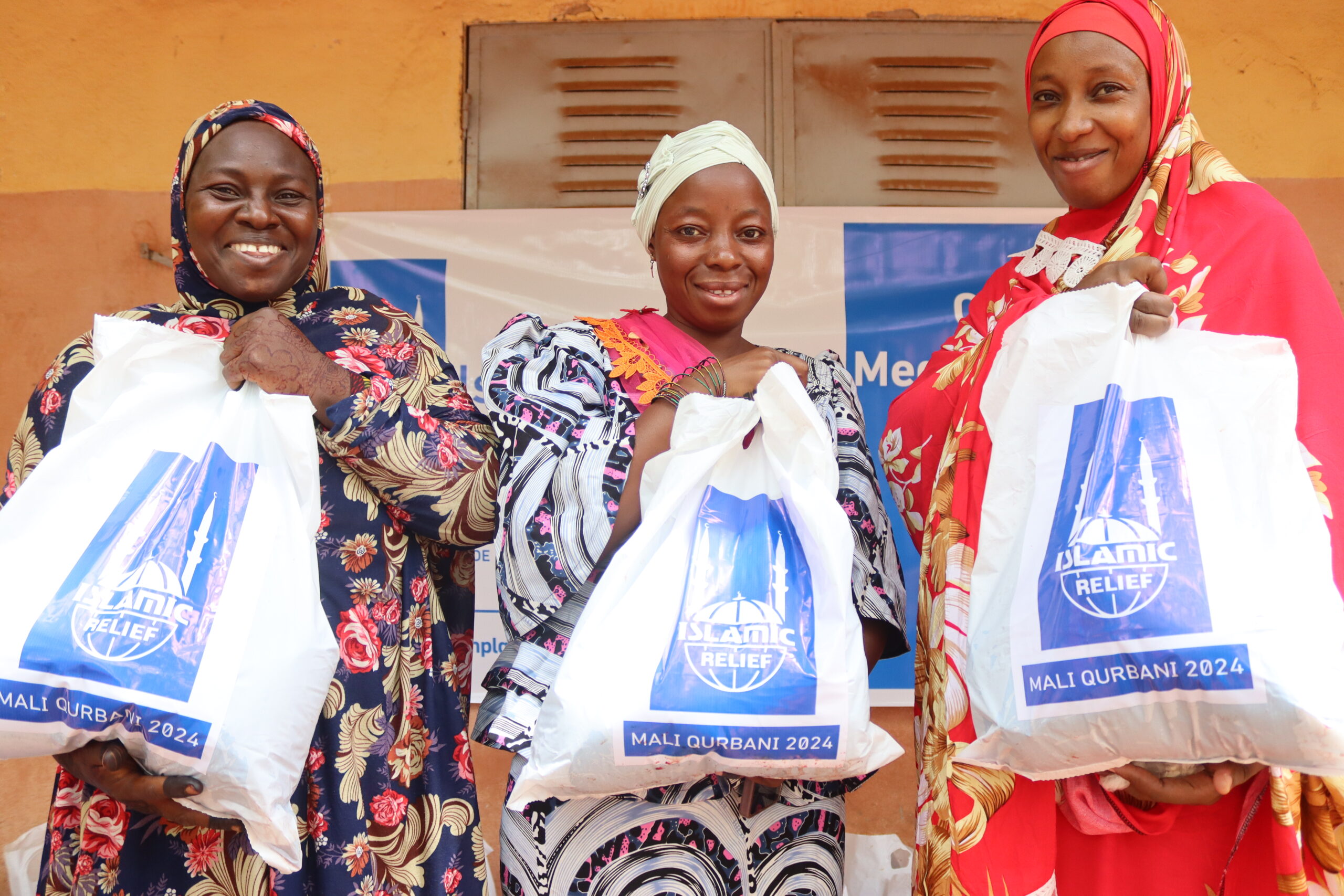
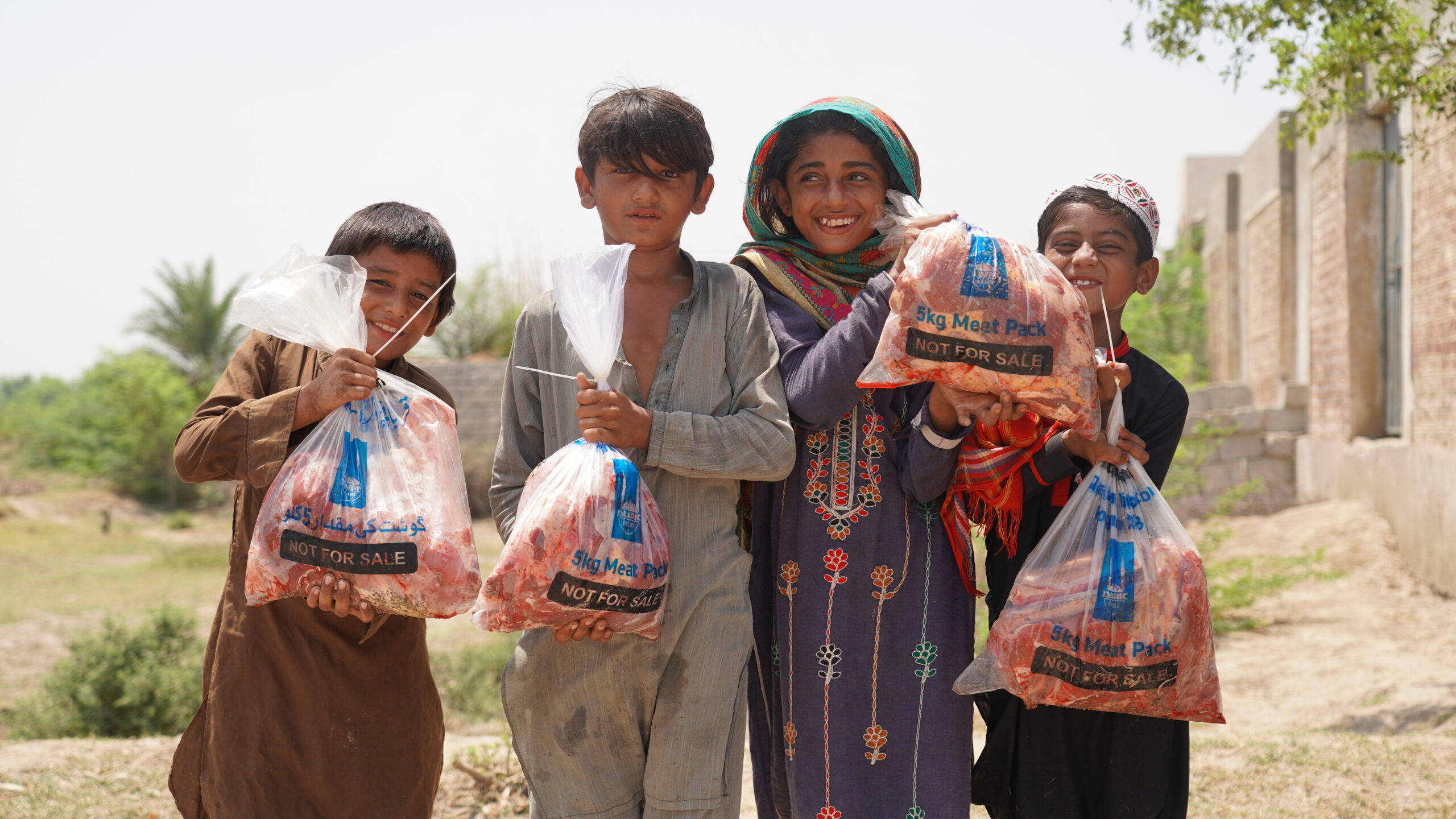
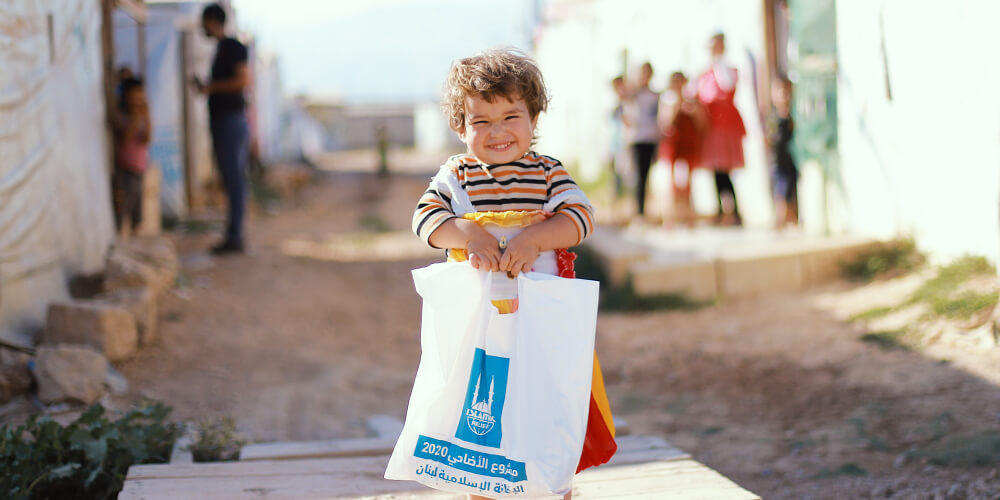
If you haven’t given it yet, join us this Dhul Hijjah by donating your Qurban or sending an Eid Gift to a child.

03.23.26

World Water Day: Why Millions Still Struggle for Safe Water

  Publications     Ramadan

On World Water Day, we are reminded of a simple yet powerful truth:

Water is life.

Yet today, millions of people around the world still wake up without access to something many of us in Australia take for granted — safe, clean water.

Across the world, 2.2 billion people — 1 in 4 — lack access to safe drinking water.

For many communities, this is not just an inconvenience, it is a daily struggle for survival.

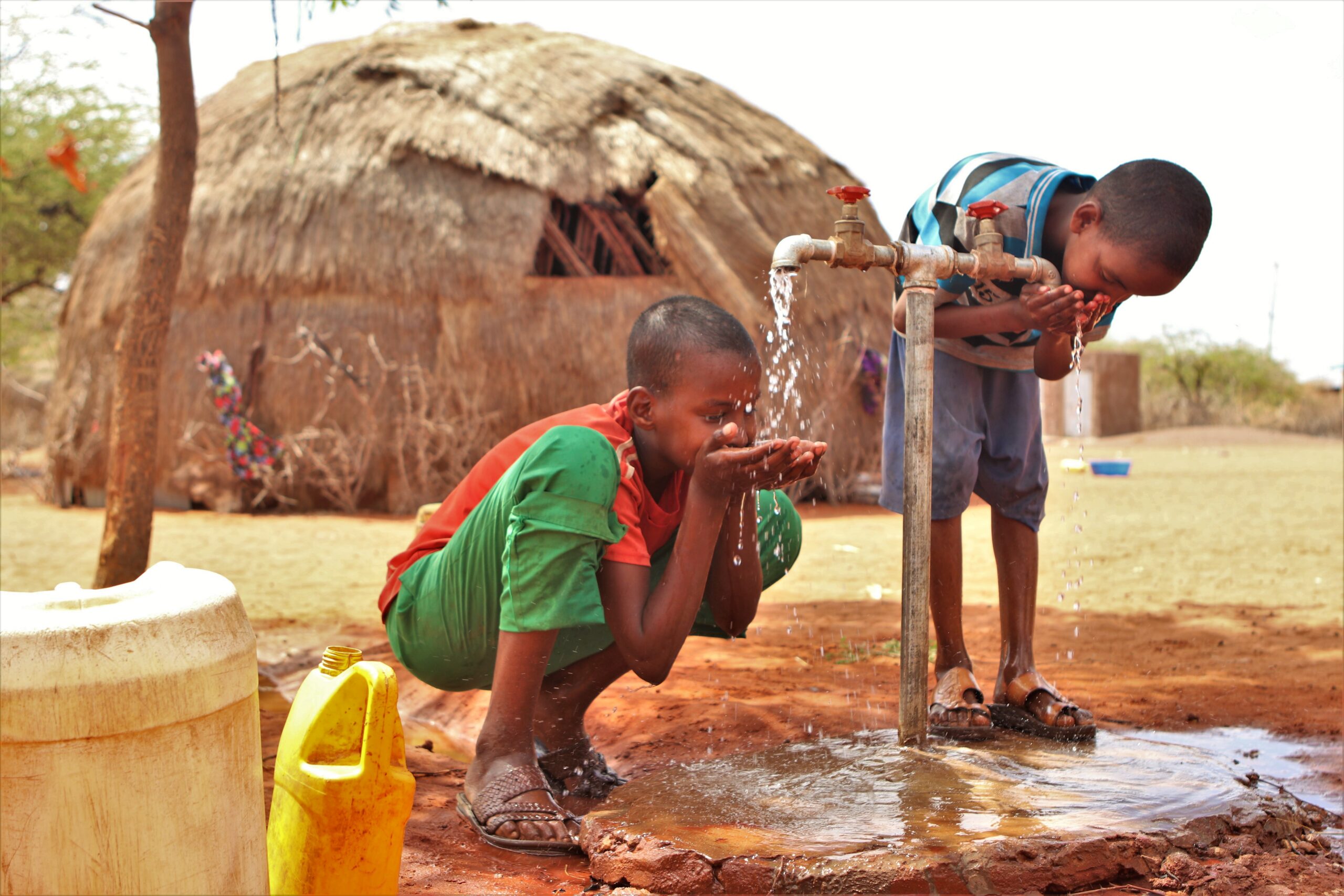
In countries such as Ethiopia, Kenya, and Somalia, families often rely on unsafe water sources. Women and children walk kilometres every day just to collect water — time that could otherwise be spent in school, work, or with family.

In fact, it is estimated that women and girls collectively spend over 200 million hours every day collecting water.

As Muslims, we are reminded that water is not just a resource — it is a divine blessing from Allah (SWT).

“And We send down blessed rain from the sky, bringing forth gardens and grains for harvest, and towering palm trees loaded with clustered fruit, as a provision for Our servants. And with this We revive a lifeless land. Such is the resurrection.”

Qur’an | Surah Qaf | 50:9–11

“Do the disbelievers not realize that the heavens and the earth were once one mass then We split them apart? And We created from water every living thing. Will they not then believe?”

Qur’an | Surah Al-Anbya | 21:30

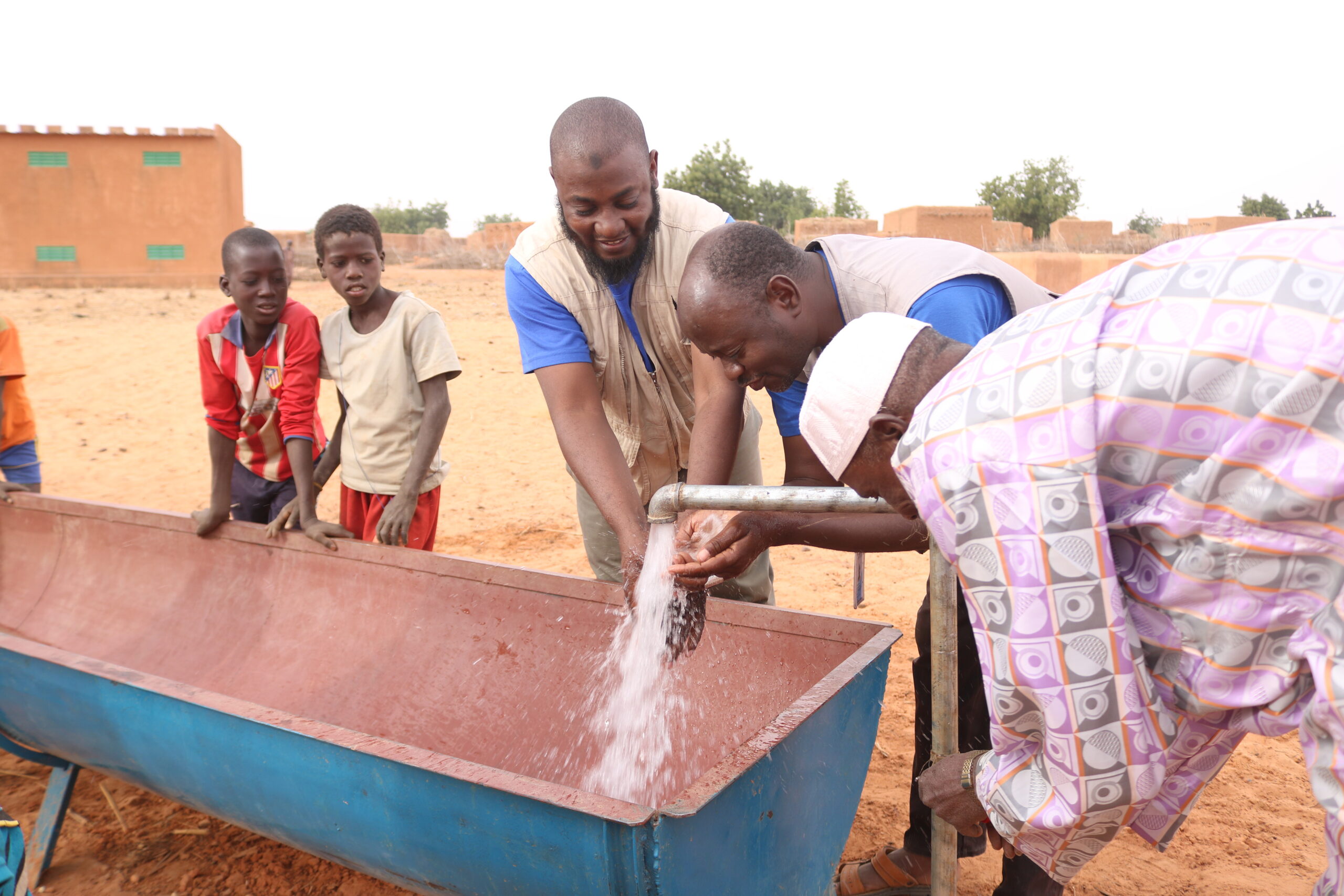
Photo: An Image of an Islamic Relief Water project

The disproportionate impact on women and girls

The global water crisis is closely linked to gender inequality. Women and girls bear the greatest burden due to existing social and economic disparities.
In countries such as Ethiopia and Kenya, girls frequently travel several kilometres to fetch water. This responsibility often prevents them from attending school, limiting their access to education and future opportunities.
In addition, the journey to collect water can expose women and girls to significant safety risks, including harassment and violence. These challenges highlight how access to clean water is not only a matter of health, but also of dignity, safety, and equality.

Climate change is intensifying water scarcity across many regions of the world. Prolonged droughts are affecting millions of people, particularly those who depend on agriculture for their livelihoods. Without reliable access to water, crops fail, incomes are lost, and food insecurity increases.

At the same time, extreme weather events such as flooding are becoming more frequent and severe, damaging infrastructure and contaminating water sources. Communities already facing poverty are often the most vulnerable to these impacts.

Islamic Relief has been working for over three decades to support vulnerable communities with access to safe and sustainable water solutions.

Our work goes beyond short-term interventions. We focus on long-term impact by:

  • Developing sustainable water supply systems
  • Installing solar-powered boreholes
  • Supporting irrigation for agriculture
  • Improving sanitation and hygiene facilities
  • Training communities to manage and maintain water resources

Across countries such as Somalia, Afghanistan, Pakistan, and Nepal, Islamic Relief continues to deliver solutions that strengthen resilience and support communities for the future.

On World Water Day, we are reminded of the importance of collective action in addressing the global water crisis.

Islamic Relief Australia continues to work with communities around the world to deliver sustainable water solutions that improve health, livelihoods, and long-term resilience.

Through continued support, it is possible to help ensure that more communities gain access to safe and reliable water sources for generations to come.

“The best charity is giving water to drink.”

Hadith | Musnad Ahmad

01.16.26

Al Isra’ wal Mi’raj 2026: The Night Journey (27th Rajab)

  Publications     Ramadan

What is Al Isra’ Wal Mi’raj (27th Rajab*)

Al Isra wal Miraj is believed to be the night in which the beloved Prophet (peace be upon him) embarked on the famous night journey and ascension, also known as Shab-e-Miraj. The night is commemorated on the 27th of Rajab.

The night journey and ascension of Prophet Muhammad (PBUH) was a miraculous occurrence during which he travelled from Makkah to Masjid Al-Aqsa in Jerusalem before ascending to heaven, all in one night. Isra’ is the night journey from Makkah to Masjid Al-Aqsa. Mi’raj is the journey from Masjid Al-Aqsa to the heavens.

While in Arabic, this is known as Al Isra’ Wal Mi’raj, in Bangla, Persian, Iranian, Pakistani and Indian dialects, this famous journey is sometimes referred to as Shab-e-Miraj, or, the Night of Miraj.

It was when the Prophet (PBUH) was first given the five prescribed daily prayers. He also led the other Prophets in prayer and met some of them. Many extraordinary sights were witnessed by the Prophet (PBUH) on this journey.

It was also a test of faith for the believers at the time and an opportunity for the true believers to shine.

The historical period when the night journey and ascension took place, was a period in which Prophet Muhammad (PBUH) was facing intense hardship and grief after the consecutive deaths of some of his dearest family members and supporters, whilst also facing the cruel rejection of the people of Ta’if. It is thought to have taken place one year before the Hijrah (migration) from Makkah to Madinah.

Allah (SWT) blessed the Prophet (PBUH) with this miracle that significantly impacted the Prophet’s (PBUH) life and Islam as we know it.

“Exalted is He who took His Servant (Prophet Muhammad (PBUH)) by night from al-Masjid al-Haram to al-Masjid al-Aqsa, whose surroundings We have blessed, to show him of Our signs. Indeed, He is the Hearing, the Seeing.”

Qur’an | Surah Al-Isra | 17:1

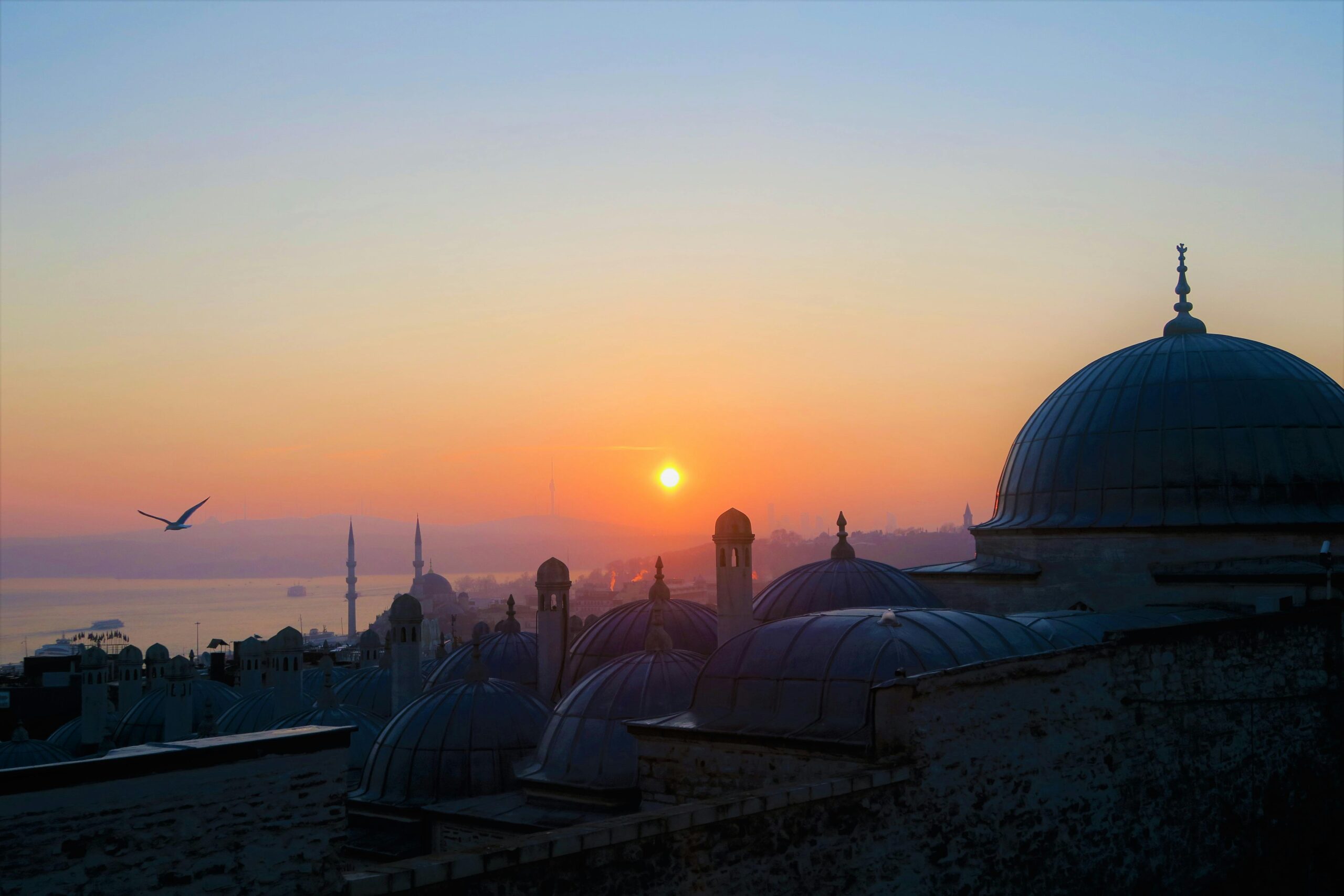
Photo: An Image of masid Al-Aqsa with a an amazing sunset.

When is Al Isra’ wal Mi’raj (27th Rajab) 2026?

The night of Al Isra’ wal Mi’raj is expected to fall on the evening of Thursday 15th January 2026, depending on the sighting of the moon. The Gregorian date that coincides with the 27th of Rajab in 2026 is 16th January 2026.

What is the significance of Al Isra’ wal Mi’raj (27th Rajab)?

The night journey (Al Isra’ wal Mi’raj) has many lessons and virtues for us to reflect on, especially in the lead up to the holy month of Ramadan.

The context in which it took place is crucial, as the Prophet (PBUH) was experiencing a period of great hardship and suffering.

His (PBUH) beloved wife and the first Muslim, Khadijah (RA), passed away.

His (PBUH) uncle Abu Talib, who was one of his greatest supporters against the Quraysh also passed away during that period in what became known as the Year of Sorrow. This was 10 years after the Prophet (PBUH) began to preach his message. He was also, cruelly rejected by the people of Ta’if around this time, who he had hoped to spread the message of Islam to.

“After the Prophet (PBUH) was miraculously taken by night to the furthest mosque in Jerusalem, the people began to talk about it. Some of them renounced their faith and belief in him. They looked for Abu Bakr and they said, ‘Have you heard that your friend imagined he was taken by night to the sacred house?’ Abu Bakr said, ‘Did he say that?’ They said, ‘Yes.’ Abu Bakr said, ‘If he said it, then it is the truth.’ They said, ‘Do you believe he went by night to the sacred house and returned before morning?’ Abu Bakr said, ‘Yes. Verily, I believe something even more astonishing than that. I believe he has received revelations from heaven for everything he does.’ For this reason, Abu Bakr was named the Truthful, al-Siddiq.”

Aisha (R.A) — Dalā’il al-Nubuwwah, al-Bayhaqī (2/361)

Duas to read on Al Isra’ wal Mi’raj (27th Rajab)

On any virtuous night like Al Isra wal Mi’raj, it’s important to increase our supplications to Allah, and to ask Allah to fulfil our needs and the needs of our Muslim brothers and sisters across the world.

It’s also important to pray nafl (optional) prayers, send salutations (Salawat) upon the Prophet (PBUH), and increase recitation of the holy Qur’an. 

Virtues of the night of Al Isra wal Miraj (27th Rajab*)

The night of Al Isra wal Mi’raj holds great spiritual significance for Muslims and is an extremely important event. It has a direct impact on our daily lives, as this was the night that the Prophet (PBUH) was commanded to establish Salah (prayer). 

The miracle of Al Isra’ wal Mi’raj also shows us a glimpse of  the infinite power and glory of Allah, what is beyond the unseen eye, and the dearness of the Prophet (PBUH) to Allah.  

On the night of Al Isra wal Miraj (27th Rajab*), as well as offering nafl prayers, giving Sadaqah and increasing other forms of worship. It’s important to reflect on Al Isra wal Mi’raj and draw lessons from the blessed event which may help us greatly. 

For example, the blessed journey reminds us of the spiritual heavenly world which we cannot see, but exists for righteous believers.

For those who may be experiencing a difficult period of time in their lives, Al Isra’ wal Mi’raj is a reminder of what Allah tells us in the Qur’an: 

“For indeed, with hardship [will be] ease. Indeed, with hardship [will be] ease.”

Qur’an | Surah Ash-Sharh | 94:5–6

Your Zakat Heals Our Ummah

Make the most of Shaban by preparing for Ramadan. Give the gift of happiness and hope to our brothers and sisters in need with Islamic Relief.

*Please note that the exact date of Al Isra wal Mi’raj is debated and not conclusively agreed among all scholars. 

01.02.26

What is Shaban 2026?

  Publications     Ramadan

Shaban (or Sha’ban, Shaaban), is the eighth month in the Islamic calendar. Coming before the ninth month, Ramadan, it is a bridge to the blessings the holy month brings.

Thus, we explore Shaban as a time to prepare for the important month ahead, and one we must not neglect.

When is Shaban 2026?

Shaban, this year, begins on January 20, 2026, according to the new moon’s sighting. This Islamic month may end on February 18, 2026, depending on the moon’s sighting for the start of Ramadan.

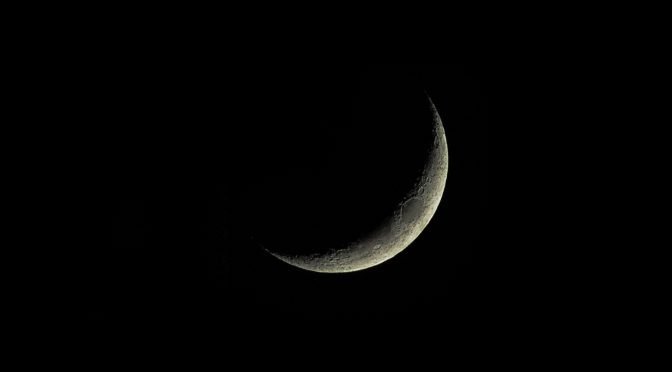
A crescent moon in the night sky, the sighting of which can be used to determine the dates for the Islamic months, such as Shaban
Photo: The sighting of the moon is used to determine the dates of the Islamic months of the lunar calendar.

What is the Significance of Shaban?

Imam Abu Bakr al-Warraq al-Balkhi (RA), the uncle of Imam Tirmidhi (RA), said: 
“The month of Rajab is the month of planting (your seeds), Sha‘ban is the month of irrigating / watering (them), and Ramadan is the month of harvesting the crop.”

Lataiful Ma’arif

Shaban, being the month just before Ramadan, is a perfect time to prepare for the blessed month. But it too, holds great importance on its own. Here are key reasons why:

More Fasting Than Any Other Month (Except Ramadan)

The Prophet Muhammad (ﷺ) would fast in Shaban more than any other month except Ramadan. Aisha (RA) said:

“I never saw the Messenger of Allah ﷺ fasting for an entire month except in Ramadan, and I never saw him fasting more than he did in Sha’ban.”

Sahih Al-Bukhari

He (ﷺ) also loved to fast in this month. So much so, that it was recorded in hadith. In Sunan Abu Dawud, it states, “The most beloved of months for the Messenger of Allah ﷺ to fast in was Sha’ban, and his fasting in Sha’ban was continuous with his fasting in Ramadan.”

More Opportunity for Rewards

Many scholars of the past (Salaf) also believed that fasting in Shaban was better than fasting in other months, even the sacred ones.

Ibn Rajab (RA) said, “Fasting in Sha’ban is better than fasting in the Sacred Months, and the best of voluntary fasts are those that are (observed in the months) closest to Ramadan, before or after.”

A hadith in Silsilat ul-Ahadith-as Sahiha also states, “Allah forgives all the believers in general; except the polytheists and the jealous people on the middle night of Sha’ban.” Some Muslims refer to this night as a Shab-e-Barat, however no Quranic verses specifically mention it.

Good Deeds to Do on Sha’ban

There are a lot of good deeds you can perform in the month of Shaban to make the most of it. Here are some simple acts of worship (ibadah) to add to your daily routine to earn good deeds AND prepare for Ramadan.

1. Do Voluntary Fasts

Prophet Muhammad (ﷺ) used to fast most of the days of Shaban. Thus, we should follow his Sunnah (actions and way of living) and keep as many voluntary fasts as we can in Shaban too. If it is hard to fast most of the month, try to fast on the 13th, 14th, and 15th as they are the White Days (Al-Ayyam al-Bid) of the Islamic month.  

However, there are also exceptions to fasting in Shaban. Abu Hurayrah (RA) mentioned that the Messenger of Allah (ﷺ) said, “Do not anticipate Ramadan by fasting one or two days before it begins, but if a man habitually fasts, then let him fast.” (Sahih Muslim)
He also reported that the Prophet (ﷺ) said not to fast if Sha’ban is half over. (Tirmidhi)

The exception to this would be someone who fasted regularly, such as the Prophet (ﷺ) and many of his companions. Thus, if you are someone who regularly observes the sunnah fast, then you may still observe them in the second half of Sha’ban. It is also permissible to make up a Ramadan fast at this time, if necessary, as Aisha (RA), one of the wives of the Prophet (ﷺ), herself said she would make up fasts in Shaban.

2. Recite the Quran

Ramadan is the month of the revelation of the Quran. Naturally, it is the month when we recite it the most. Thus, to help us get ready and see the best results in Ramadan, we should start the habit of reciting it more, starting from Shaban. 

Salamah ibn Kuhayl (RA) said, “It was said that Shaban was the month of the Quran readers.” (Lataiful Ma'arif)
Salamah ibn Kuhayl (RA) said, “It was said that Sha’ban was the month of the Quran readers.” (Lataiful Ma’arif)

3. Make Lots of Duas

Apart from obligatory prayers and observing fasting in Shaban, reciting different duas, tasbeeh, and staying engaged in remembrance of Allah (SWT) is also a good way of making the most of this month.

Here are some duas you can say to seek forgiveness and blessings from Allah (SWT).

“O Allah (SWT), I seek refuge in Your pleasure from Your anger and in Your forgiveness from Your punishment. I seek refuge in You from You. I cannot praise You enough. You are as You have praised Yourself.”

(Sahih Muslim)

Rabbanā lā tuākhidh’nā in nasīnā aw akh ta’na

رَبَّنَا لاَ تُؤَاخِذْنَا إِن نَّسِينَا أَوْ أَخْطَأْنَا

“Our Lord! Take us not to task if we forget or fall into error”

Qur’an 2:286

4. Perform Voluntary Prayers

To make it easier to do more voluntary prayers in Ramadan, start the practice of praying Tahajjud from Shaban. It will help you get used to the Ramadan schedule quicker and also bring you many rewards. 

5. Start Preparing Money for Ramadan

The Prophet Muhammad (ﷺ) was the most generous in giving charity (Zakat and Sadaqah) during Ramadan. To prepare for giving in Ramadan, we should start getting ready in Shaban, including finding Zakat calculations.

Like other forms of Ibadah, charity in Shaban is also an act of worship as you show kindness to others. For every good deed, specifically charity during Shaban, you can gain blessings in abundance.

Shaban: A Pathway to Blessings and Rewards

The Prophet Muhammad (ﷺ) said, “(Shaban) is a month to which people do not pay much attention, between Rajab and Ramadan. It is a month in which the deeds are taken up to the Lord of the worlds, and I like that my deeds be taken up when I am fasting.” (An-Nasa’i).

With this in mind, it is important not to neglect this blessed time. To make the most of it by increasing worshipping, observing fasting, reciting Quran and duas, and engaging in charitable activities.

Thus, it will be a month that not only strengthens your bond with Allah (SWT), but also helps you prepare for the sacred month of Ramadan.

Your Zakat Heals Our Ummah

Make the most of Shaban by preparing for Ramadan. Give the gift of happiness and hope to our brothers and sisters in need with Islamic Relief.

12.25.25

Orphan Care: Its Transformative Impact on Hijran and His Family

  News

The Orphan Sponsorship Program (OSP) in Afghanistan started in 2004 in Kabul, Mazar, Nangarhar, and Bamyan provinces. The program helps destitute orphaned children gain access to elementary and secondary school.

Currently, 5,015 orphans from Afghanistan are enrolled in the program. This support aims to fulfil the educational, nutritional, health, and other basic needs of the orphaned children.

Hijran’s story of hope is one of many from vulnerable families in Afghanistan with children under the Orphan Sponsorship Program. One where sustainable support can provide stability and transform lives, enabling children like Hijran to continue their education, contribute to household income, and nurture hope for the future.

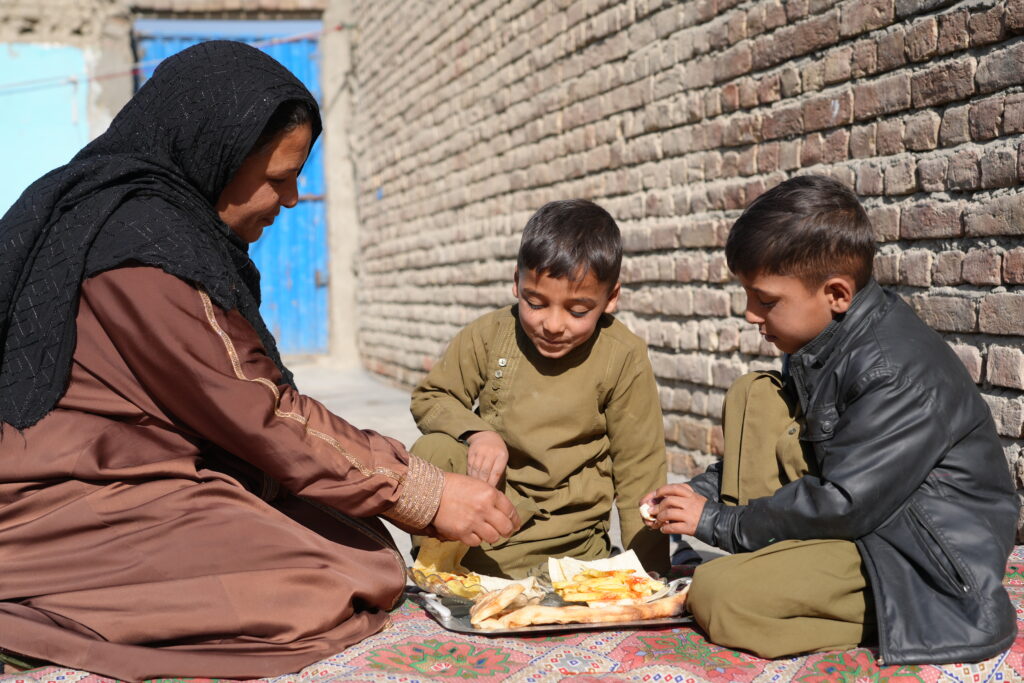
Hijran, his older brother and mother sharing a meal, made possible by Islamic Relief's Orphan Care program.
Photo: Hijran, his mother, and his older brother sharing a meal, made possible by Islamic Relief’s Orphan Care program.

A Young Boy’s Hope

Hijran Sardar Agha, 9 year old, and his family lives in Qabel Bay in Kabul province. There are six members in his family: his widowed mother, his three brothers, his only sister Safa, and himself. His father passed away five years ago after being killed by thieves, and the loss has deeply affected their lives, both emotionally and financially.

No one in his family is able to work. His eldest brother is 14 years old and currently studying in grade six. The only way his mother can provide for them is through the assistance they receive from Islamic Relief. With part of that support, his mother was able to buy a tricycle and rent it out to others, the money from which helps cover some of the family’s daily expenses.

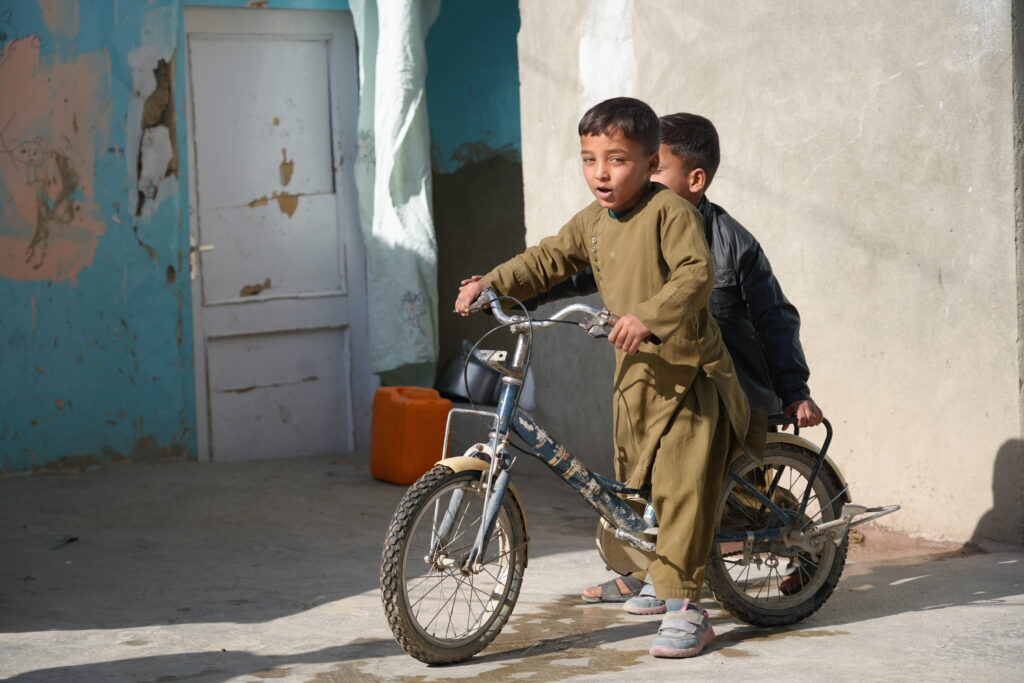
Hijran and his eldest brother on the to-rent tricycle Hijran's mother bought with the orphan care support
Photo: The to-rent tricycle Hijran’s mother bought with the orphan care support

Daily Life as an Orphan Family in Afghanistan

Hijran’s daily routine is quite simple. He goes to school, studies mathematics, and focuses on his lessons. Most of his time is spent studying, completing his homework, and playing with his siblings. His mother takes care of the groceries with the money his sponsorship provides.

Hijran and all his siblings go to school. His dream is to become an engineer one day. It’s a dream he and his mother share, as he wants to support her when he grows up.

One of his family’s biggest fears is that his sister Safa, being a girl, will graduate from the 6th grade and may not be able to continue her education afterwards. They wish for her to keep going to school, just like him and his brothers, so she can have the same opportunities to learn and grow.

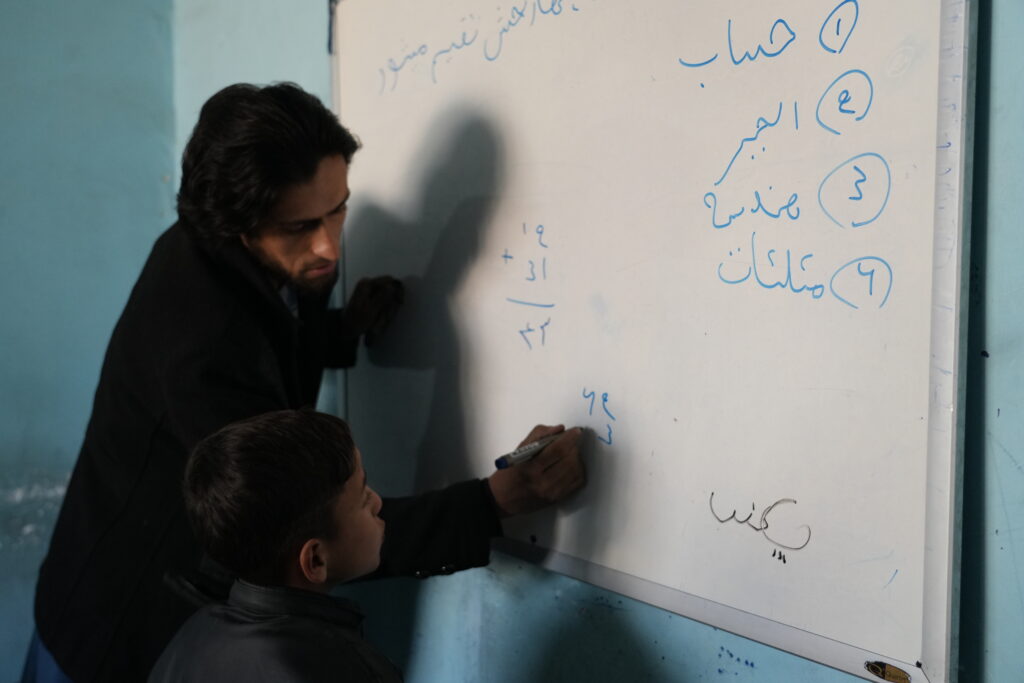
Hijran in school, learning mathematics, watching his teacher write a formula
Photo: Hijran in school, learning mathematics, watching his teacher write a formula

Sometimes, on long winter nights, when the family gathers together, his mother shares stories from the past. How life became incredibly difficult after their father passed away. After which, she had the immense responsibility of raising five young children entirely on her own.

During those times, she often struggled to provide for the family, even for their most basic necessities, food, clothing, and shelter, as the family had no stable source of income.

How Islamic Relief Helps Orphan Families Like Hijran’s

Hijran’s orphan sponsorship started 4 years ago. His mother says that Islamic Relief has changed their lives since then and brought her a deep sense of relief and hope. With the support they receive from the program, she is now able to better meet the family’s essential needs.

This includes improving well-being, such as painting the children’s rooms, transforming the dark spaces into bright, welcoming ones with shades of blue and white. His mother also used the cash support to buy three sheep, which have now grown to four, as one of them has had a lamb.

The Orphan Sponsorship Program has not only eased their hardships but has also given their family a renewed sense of hope and stability.

Hijran and his family are sincerely grateful to Islamic Relief and all the generous donors for their continuous support to orphaned families during these difficult times in Afghanistan. Your kindness and assistance have brought hope and comfort to many families like his.

Help support an orphan and change their lives

By donating just $100 a month, you can give a child like Soad the chance to pursue their dreams and build a brighter future.

11.13.25

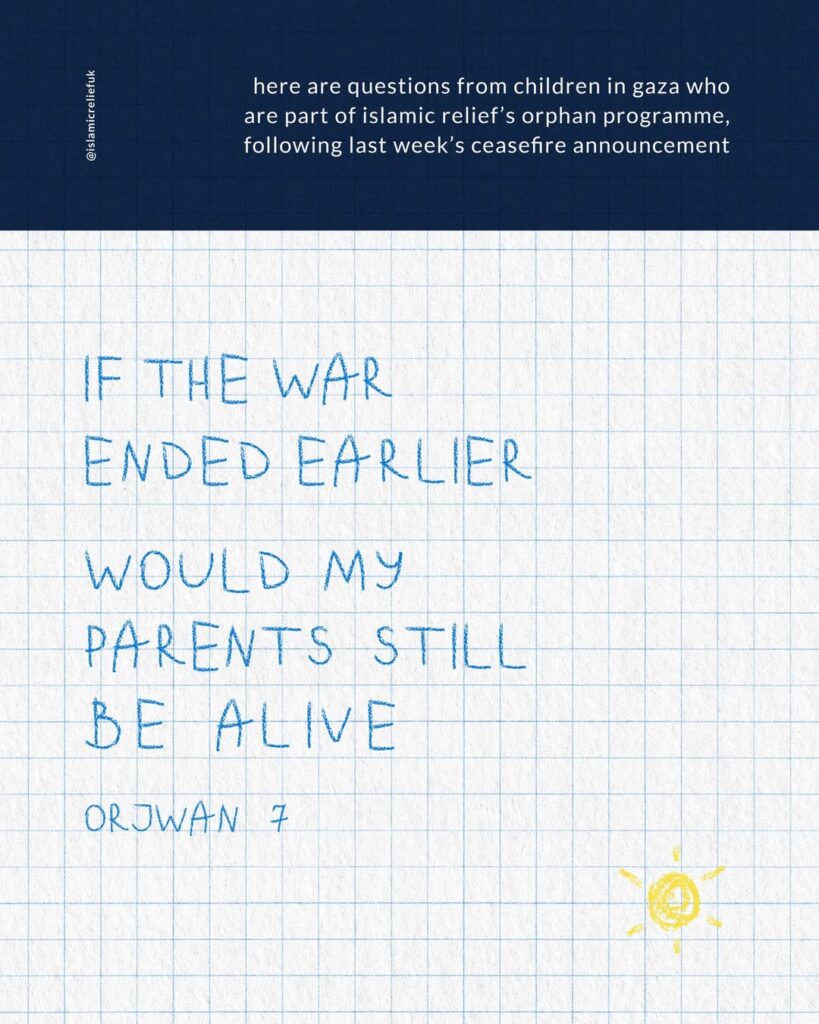
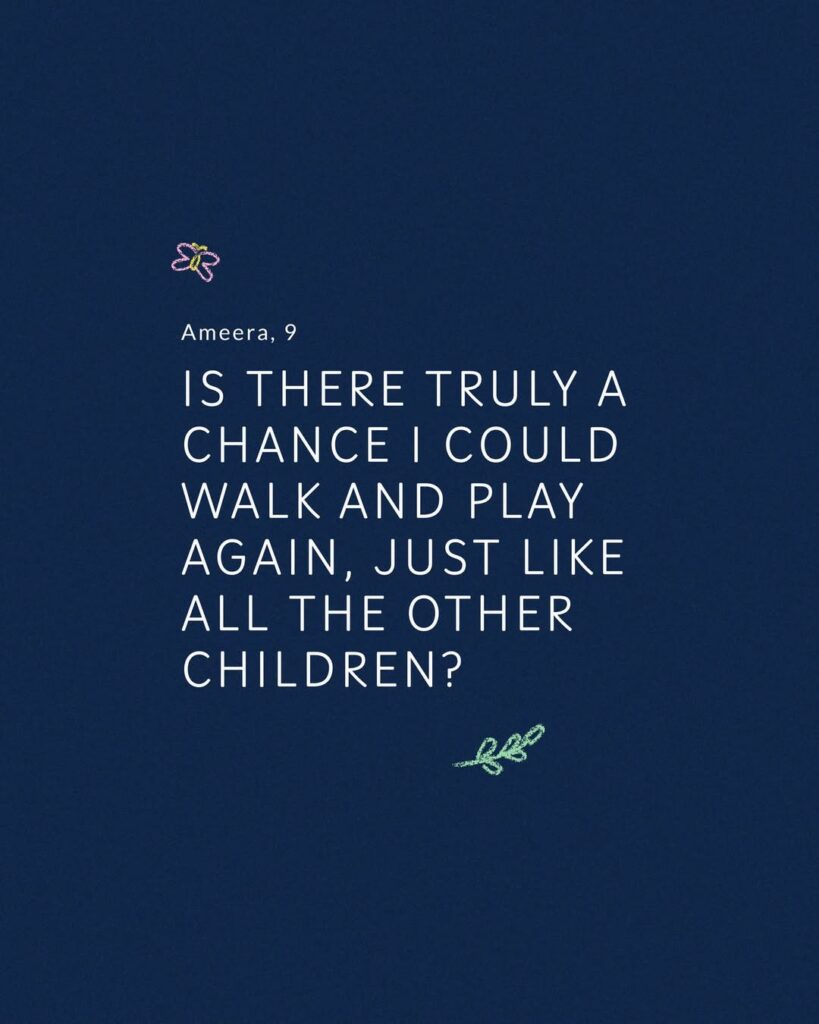
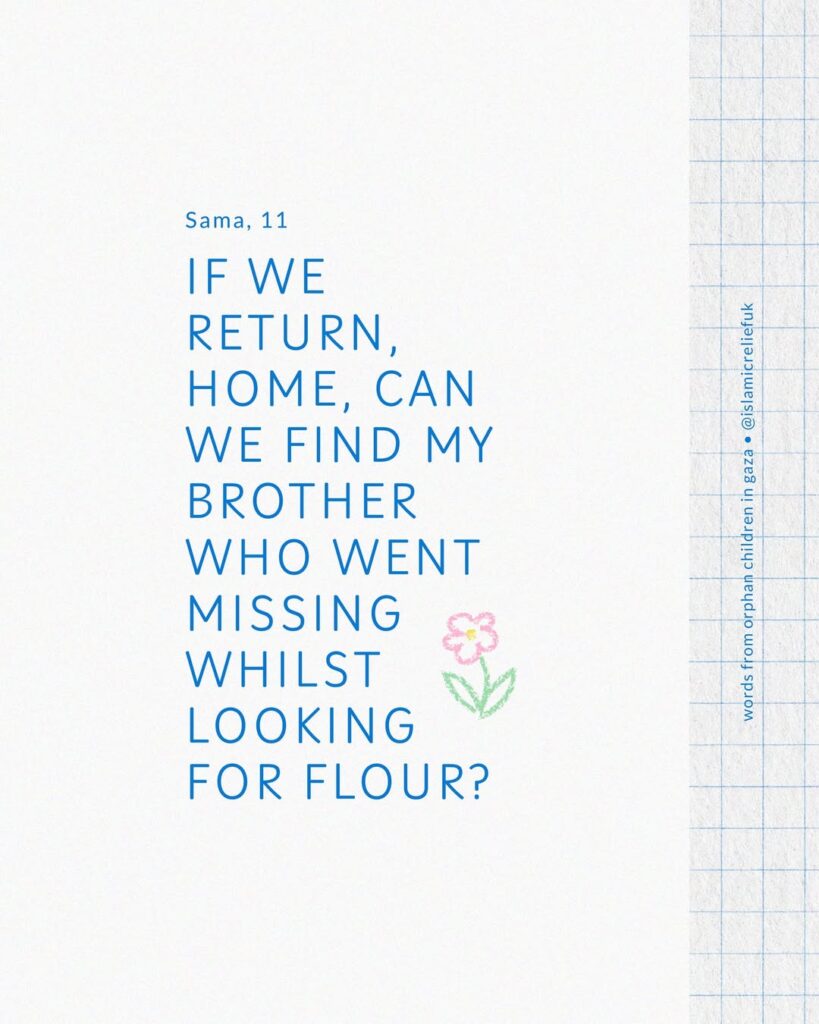
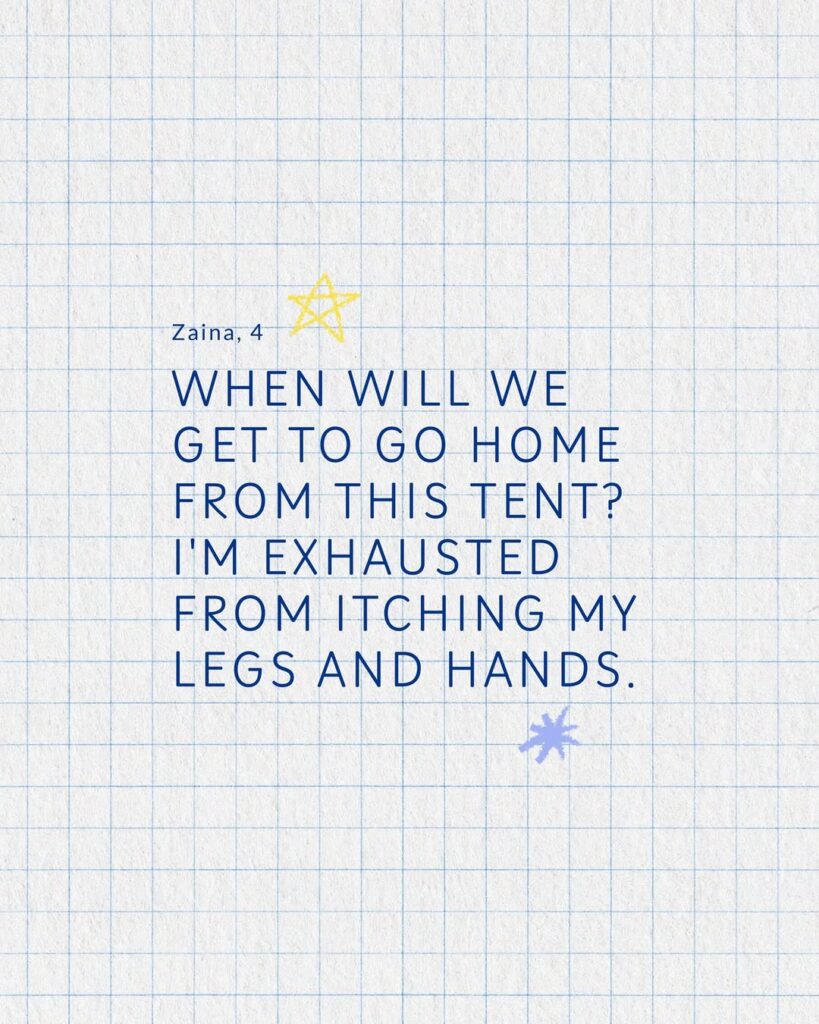
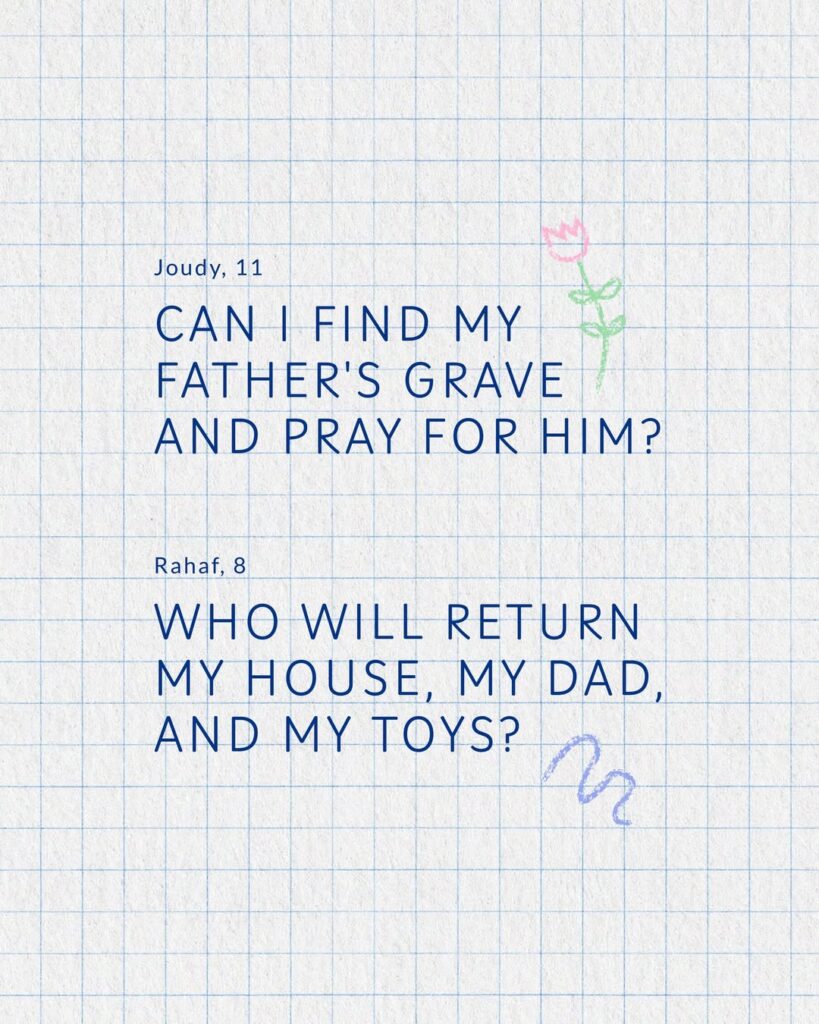
“If the war ended earlier, would my parents still be alive?”: Voices from Gaza’s orphan children

  News     Publications

After more than two years of relentless atrocities, a ceasefire deal has been agreed. But for Palestinians in Gaza this is not an end to the nightmare. The toll on children has been devastating.

Homes, hospitals, and schools lie in ruins, and countless families remain displaced. More than 65,000 people have been killed. Furthermore, 39,000 children have been left without parents or guardians to care for them.

Grieving, exhausted, and hungry, they have been shattered and are facing a man-made famine.

Among them are children supported through Islamic Relief’s Orphan Sponsorship Program – young lives marked by unimaginable loss and pain.

Recently, our teams received questions from some of these children following the ceasefire announcement last month. Their words lay bare the trauma of the bombardment, and the longing for safety, home, and family.

Here, we hear from some of Gaza’s most vulnerable.

The questions no child should have to ask

Each question reflects a child’s attempt to understand what has been taken from them. Despite their pain, they hold onto the possibility of a future beyond loss, and here at Islamic Relief, we’re here to support them through some of their hardest moments.

A lifeline of hope

For over 22 years, Islamic Relief has been supporting orphans in Gaza. Since October 2023, the scale of need has grown unimaginably. But thanks to your support and generosity, our Orphan Sponsorship Program has been a lifeline for thousands of children – giving them hope when everything else has been taken away from them.

Islamic Relief has been able to expand our Orphan Sponsorship Program to reach over 21,000 children in Gaza – including 13,500 who have been newly sponsored since the escalation began.

However, we are devastated to report that since October 2023, 175 of our sponsored orphans and 72 guardians have been killed.

Your orphan sponsorship has continued to be a lifeline for the children of Gaza, in the midst of blockade and bombardment.

These vital cash grants help families with access to urgent funds, providing orphan families with access to food , and more importantly, hope.

Supporting Gaza’s orphan children

Now, Gaza’s children continue to face extraordinary hardship. Yet, through your generosity, they are finding strength and hope.

Together, we can ensure that orphans in Gaza are cared for, protected, and given the chance to rebuild their lives.

Help support an orphan and change their lives

For just $100 a month, you can give the children of Gaza a chance to rebuild and see a brighter tomorrow.

10.08.25

‘Insha’Allah, I will find a sponsor so I can work on myself and my dreams’

  Publications

Rama, 16, is an orphaned child waiting to be matched with a sponsor. Like so many children in Gaza, her world has completely changed since October 2023.

In September last year, Rama’s father and 4 of her siblings were killed when their home in Gaza City was bombed. Rama lost one of her legs and suffered third-degree burns in the attack.

“Tala was 17 years old, Ahmed was 15 years old, Abdul Kareem was 9 years old, and the youngest, Maraam, was two-and-a-half years old,” the children’s mother, Fadia, who also lost a leg in the blast, recalls.

The family is now just Fadia, Rama, 2 other daughters and 3 sons. The survivors have suffered psychological trauma and life-altering injuries.

“I was injured and came out from under the rubble,” Rama says, adding that the family had to stay in hospital for almost 2 weeks. “There was a lack of medication… it was very hard for us to get treatments, so our wounds took longer to heal. We had no food or drink, so we suffered a lot.”

Fadia, mother of Rama, is waiting for a sponsor to be matched to her children

For Fadia, who is struggling to get by with an ill-fitting prosthetic, meeting her children’s needs is extremely challenging. Rama’s burns require intensive dermatological treatment.

“My daughter needs to see a doctor almost weekly,” Fadia says. “Honestly, her condition is taking its toll. I go to bed crying for her and wake up crying for her.”
Fouad, Rama’s 12-year-old brother, was thrown onto the roof of a neighbour’s home by the force of the blast. Emergency surgery saved his leg from amputation, but he has problems with his spine and knee that require physiotherapy. Fouad helps his mother out by fetching water, but he can’t walk far or carry heavy loads. Like Rama, Fouad is waiting to be matched with a sponsor.

Now living in a tent without any source of income, the family are struggling to make ends meet, while grieving their loved ones and coping with their own injuries. The children miss school, and Fadia feels hopeless at times.

“The situation is very difficult, and I don’t know how to sort it out,” she says. “There are days when we can’t find food. Sometimes, we have only a cup of bitter tea to keep going. If good people give us food, we have something to eat, if no one gives us anything, we don’t eat. The situation is very difficult.”
Sponsorship won’t heal the family’s physical and emotional scars, but we can help ease their burden, providing money that they can use to buy food and seek much-needed medical care. As they struggle to keep surviving and piece their lives back together, Rama still dreams of her future. With your support, we can help her get there.

“Now I am struggling a lot with education. All my friends are carrying on with their studies, but in my current condition, I cannot go to the temporary education tents – the roads in Gaza are not suitable for my wheelchair.

“I don’t have a mobile and we have no internet. My academic level has dropped from before, I’m not able to maintain it. I used to memorise the Qur’an, and I learned many chapters. Now I’m unable to keep up with learning. I’m sad when I think about how I used to be and how I am now.
“My ambition was to become a translator and learn a lot of languages. Insha’Allah, we find a sponsor for me so I can work on myself and achieve my dreams.”

Islamic Relief is already a lifeline for more than 21,000 orphaned children in Gaza, but more than 7,000 children like Rama are in our system waiting to be matched with a sponsor.

Be a lifeline for Gaza’s orphans. Palestinian children need your help now.

Help support an orphan and change their lives

For just $100 a month, you can give the children of Gaza a chance to rebuild and see a brighter tomorrow.

10.01.25

“I wanted my scream to reach the world” – Be a lifeline for Gaza’s orphans

  Publications

The ongoing crisis has deeply affected children in Gaza. For almost 2 years, they have faced displacement, loss, starvation and been forced to live through horrific violence.

For tens of thousands of children, these dire conditions are made even worse by the loss of their parents.

Noor is 17 years old and is one of the many children who have been robbed of a childhood, of an education and of her loved ones.

A good life in Gaza ruined by Israeli bombs

Noor lived with her family in Al-Shejaiea, one of the largest neighbourhoods in Gaza. The family lived a simple life, surrounded by farmland and trees, Noor’s two older sisters attended university, while she and her other siblings all attended school.

Every day at noon, the family would return home from their schools, universities and work, to gather around the table for lunch. 

Summaya, Noor’s mother, describes their life together:

“We were a close family before the war. We lived in a very nice house.

“We had a land, a farm, we used to grow vegetables. My husband used to grow tomatoes. Me and the kids used to help him every day. It provided for the children and the house expenses.”

Sumayya, Noor's mother, who's been widowed and her children made orphans after the bombs killed Noor's father
Photo: Sumayya and her children have been displaced multiple times over the past year

When the bombs began to fall, Noor and her family fled while her father stayed behind to protect the house and his crops. He was killed by Israeli bombs a week later.

“He called me 3 days before his death,” Sumayya says.

“He checked on the children, his mother and me. SubhanAllah, coincidentally, it was like he was giving me his final words.

“‘Forgive me and look after the children.’”

After the death of her father, Noor and her family began an exhausting journey, moving from shelter to shelter as the bombs continued to fall around them. They fled south, moving from Rafah to Khan Younis, and then to the Middle governorate, all the while carrying a simple tent with them for shelter.

Children turned to orphans, forced to face nightmare conditions in Gaza Strip

The total death toll in Gaza has now surpassed 65,000. Tens of thousands of Palestinian children have been robbed of their parents.

Children like Noor have been forced to live through horrifying conditions, confronted with trauma no one should experience.

Noor and her siblings have been forced to live through famine, queuing at charity kitchens just to get a small portion of lentils or pasta, barely enough to prevent starvation.

The children are also missing out on education. There is a single mobile phone in the family, meaning they must take it in turns to complete their online lessons and exams. Poor internet connection and electricity outages only make the situation worse.

Noor and siblings are now orphans and her family have been forced to live through horrific conditions

After months of displacement, moving from town to town, Noor experienced more trauma when her siblings, Nada and Mohamed, along with their cousins, went to collect wood and experienced a direct missile strike.

“Nada saw the rocket coming down on top of them,” Sumayya said.

“May Allah have mercy on their souls; they bought the 3 of them to me. We carried him [Mohamed] with our hands to the hospital.

Mohamed and some of his cousins were killed. Nada was left traumatised.

“I wanted my scream to reach the whole world.” Sumayya said.

Noor was once a child who loved to play and dreamed of the future, she was looking forward to attending university, but displacement, fear, and the loss of loved ones have completely changed her life.

“I would like to study and continue forward with my life,” Noor tells us.

“I would like to finish my secondary education so I can get to higher education. I would like for a lot of things to be available to me so I can carry on with my education and become a medical secretary.

“I would like for my life to be better than this.”

You can help orphans in Gaza like Noor

Their situation may feel hopeless, but, with your help, Islamic Relief can do more to help children like Noor.

For almost 3 decades, Islamic Relief has been supporting orphaned children in Gaza through one-to-one sponsorship. The Israeli blockade means that much aid is restricted, but our Orphan Sponsorship Program is now one of the few remaining ways to get real support into the hands of suffering Palestinian families.

Noor’s younger sister, Nada, is enrolled in our Orphan Sponsorship Program. The regular stipend gives their mother the means to buy food and other essentials for the family, when goods are available.

“I would like to thank Islamic Relief.” Noor says, “because they support our needs a lot. They provide us with everything. Thank you, Islamic Relief.”

Support orphaned Palestinian children

With many children in dire need as conditions in Gaza continue to deteriorate, generous sponsors are eager to help more than one child in a family. Therefore, we now offer the option to sponsor multiple children within a family.

Gaza’s rising death tolls mean more children than ever are becoming orphans. Heartbreakingly, more than 7,300 orphaned children are now in our system, waiting to be matched with sponsors.

Find out more about how you can be a lifeline for Gaza’s orphans and act today. Palestinian children need your help now.

Help support an orphan and change their lives

For just $100 a month, you can give the children of Gaza a chance to rebuild and see a brighter tomorrow.

09.15.25

Orphan Care: A Lifeline for Gaza’s Children

  Publications

The Orphan Sponsorship Program is a lifeline for families in Gaza. It supports them with a monthly stipend paid directly into their accounts. This enables families to buy the items they need most when they are available.  

In response to the ongoing crisis in Gaza, Islamic Relief have massively expanded the program. Prior to October 2023, our family supported 7,200 children in Gaza through orphan sponsorship.  

Now, thanks to our generous supporters, more than 21,000 are receiving desperately-needed support.  

But, with the still unpredicable situation in Gaza, many more children need help. Currently, over 7,300 children registered on our system are in urgent need of sponsorship.   

Gaza’s children face unimaginable hardship 

Gaza is one of the most dangerous places in the world to be a child, especially for an orphan. 

More than 67,000 people have been killed in Gaza and thousands more injured since October 2023. It’s a devastation that has left tens of thousands of children without one or both of their parents.  

Every day, for two years, orphaned children and their remaining family members in Gaza face starvation, water scarcity and displacement. Many now live in overcrowded shelters or makeshift tents, which do not protect them from the harsh weather.  

They are living through trauma that most people can barely imagine. The impact of the crisis on their long term physical and mental health is devastating and, in some cases, irreversible. 

Amid so much suffering, we ask, how will our donation make a difference? 

The answer is: a lot.  

Why Sponsor an Orphan 

Since 1998, Islamic Relief has been supporting orphaned children in Gaza. In turn, because of the unpredicable nature of Gaza’s situation, sponsorship is one of the few reliable and sustainable ways donors can help. 

The prices of basic goods have skyrocketed and livelihoods have been destroyed. Orphans and their families are increasingly reliant on support from humanitarian organisations to survive. 

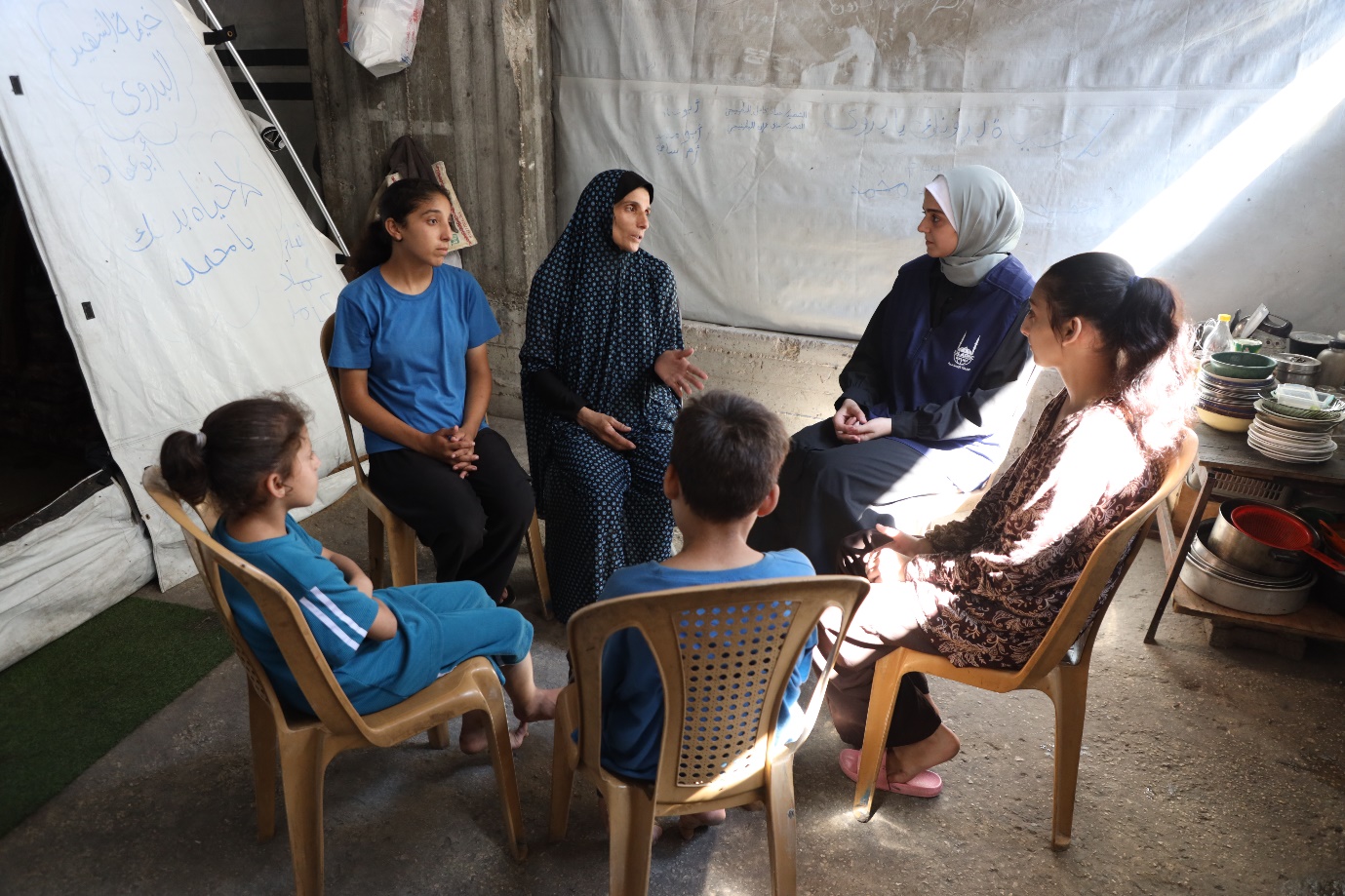
Islamic Relief aid worker and a sponsored orphan girl

This includes through initiatives such as Islamic Relief’s Orphan Sponsorship Program. In our program, donors are matched with orphaned children in need of support. The families looking after the orphan then receive a monthly stipend, where they have the flexibility to use funds to buy what they most need, when available. 

Orphan Sponsorship Program donors can support vulnerable children in Gaza in three ways. Through a one-to-one sponsorship, sponsor multiple children from the same family, or donating to the General Orphans Fund.  

What is a one-to-one-sponsorship?  

A one-to-one sponsorship is where a donor sponsors the needs of a single child. The orphan child receives the donation in the form of a monthly stipend entrusted to their guardian. 

We use electronic cash transfers to put money directly into the accounts of families, making funds available to allow them to circumvent the cash crisis.  

Prior to the current crisis, the stipends were limited to covering health and education expenses. But we now give the money on an unconditional basis, meaning families can use it to buy what they most need when it is available. 

Through the payment system, families are notified that payments have been made to their e-Wallets, which they are able to use to withdraw money from functioning supermarket.  

The system allows Islamic Relief to see which families have redeemed their codes, and has become a helpful tool in checking in on the welfare of families enrolled in the program. 

Donors will also receive updates on the child they’ve sponsored. It is our aim to provide annual updates, but the situation on the ground has meant that there can be delays in gathering this information and sharing it with donors. 

What is multiple child sponsorship?  

The ongoing bombardment of Gaza has tragically often orphaned multiple children within the same family. Many of our donors have expressed their kind wish to sponsor more than one child from the same family, which we have now made possible.  

 Multiple child sponsorship allows donors to do more to alleviate the suffering of one family by supporting up to 3 children.  

 Multiple child sponsorship fundamentally operates in the same way one-to-one sponsorship does.   

Donors are matched with orphaned children from the same family who are in need of support. The family then receives the donation in the form of a monthly stipend.  

We also provide donors with regular updates on the children and families they sponsor, but due to the situation on the ground we often experience delays in gathering this information and sharing it with donors. 

How many orphans in Gaza need sponsors? 

More than 7,300 orphaned children are in our system, waiting to be matched with sponsors. With a tentative ceasefire and blockade that could return at any moment, it’s very possible that the number of orphans in Gaza will continue to rise. 

Islamic Relief has been working tirelessly to upscale our Orphan Sponsorship Program to reach as many children as we possibly can. With your donations, we can reach even more orphans and their families with much needed support. 

Help support an orphan and change their lives

For just $100 a month, you can give the children of Gaza a chance to rebuild and see a brighter tomorrow.

07.30.25

Orphan Care: Its Transformative Impact on Ahlam Dayib Abdillahi

  News

Islamic Relief’s Orphan Sponsorship Program (OSP) had a profound impact on Ahlam Dayib Abdillahi, a 13-year-old girl residing in Hargeisa, Somaliland.

The program, initiated in 1986 with a mission to provide financial support to orphans in various countries. It expanded its reach to Somalia in 2010 and now supports nearly 4800 orphans currently.

Ahlam’s life has been shaped by hardship. She lives with her mother, Kos, and eight siblings in a modest two-room shack house made of tin sheets.

The family’s struggles began with the passing of Ahlam’s father in 2017. This left Kos as the sole provider for her large family.

Before joining the OSP, the family faced immense difficulties meeting their basic needs. Kos tirelessly worked at a stall alongside a street, selling cooked food to support her children. It made it incredibly challenging to afford school fees, uniforms, and essential educational supplies for Ahlam and her siblings.

She afterward transitioned to a clothes and tailoring shop after getting support from Islamic Relief Somalia’s Orphan Sponsorship Program.

Kos, orphan Ahlam's mother, in her clothes and tailoring shop
Photo: Kos, Ahlam’s mother, in her clothes and tailoring shop

The OSP became a lifeline for Ahlam and her family. The program has provided consistent quarterly financial support, covering the crucial expenses of education, transportation, uniforms, and books.

This timely assistance has dramatically improved Ahlam’s academic performance. It enabled her to excel in her studies and rise to the top of her class for the past two years.

Ahlam is a bright young girl with a keen interest in science and mathematics. Her dreams extend beyond academic success. She aspires to become a businesswoman, a testament to her ambition and desire to create a better life for herself and her family. Ahlam envisions a future where she can make meaningful contributions to her community and provide stability for those she loves.

How the new pricing for orphan care sponsorship provides more support

The OSP’s recent implementation of a new pricing plan has been a game-changer for Ahlam and other orphans within the program. The plan increased the quarterly support per orphan, significantly amplifying the impact on their lives.

This generous increase has resulted in a comprehensive support system, encompassing enhanced educational resources, improved healthcare, better access to nutritious food, and additional resources for daily living.

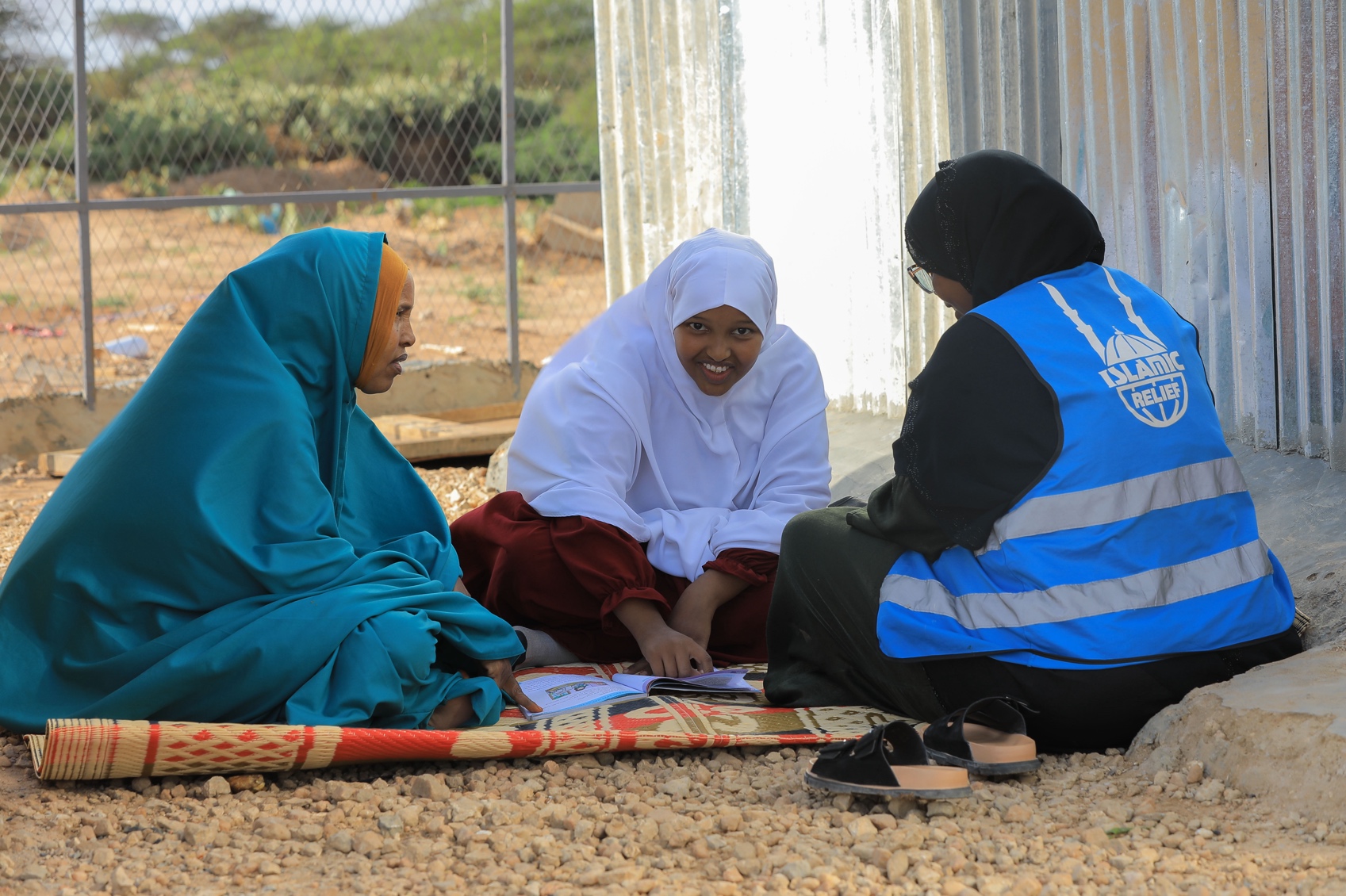
Ahlam and her mother Kos conversing with one of the Islamic Relief orphan staff
Photo: Ahlam and her mother, Kos, conversing with one of the Islamic Relief orphan staff

The new pricing plan has alleviated the financial burdens on Kos, allowing her to better manage her livelihood issues while focusing on providing for her children. This increased stability has created a ripple effect, positively impacting the overall well-being of Ahlam and her siblings.

Kos expresses her profound gratitude for the OSP’s unwavering support. She emphasises its transformative impact on her family’s financial situation, educational opportunities, and overall well-being.

How Islamic Relief’s OSP Continues to Save Lives

The program has not only provided essential financial assistance but also extended crucial emotional and psychological support. Thus, creating a more stable and hopeful environment for the family.

The new pricing plan has not only benefited Ahlam. But has also had a widespread positive impact on other orphans under the program.

It has fostered a significant enhancement in educational opportunities, improved healthcare access, increased access to nutritious food, and provided emotional and psychological support.

These improvements have led to better academic performance, improved health outcomes, and a more stable home environment for these children, creating a brighter future for them.

Given the economic challenges faced by Somalia, donors’ increased support for the vulnerable orphan families is better appreciated. This investment is not merely about providing immediate relief. It is about laying the foundation for a brighter future for these children and their communities.

By contributing to the new pricing plan, donors can be a catalyst for lasting change in the lives of those who need it most. We empower them to reach their full potential and contribute to a better tomorrow.

Help support an orphan and change their lives

By donating just $100 a month, you can give a child like Soad the chance to pursue their dreams and build a brighter future.


STAY INFORMED

  • This field is for validation purposes and should be left unchanged.

Quick Donate