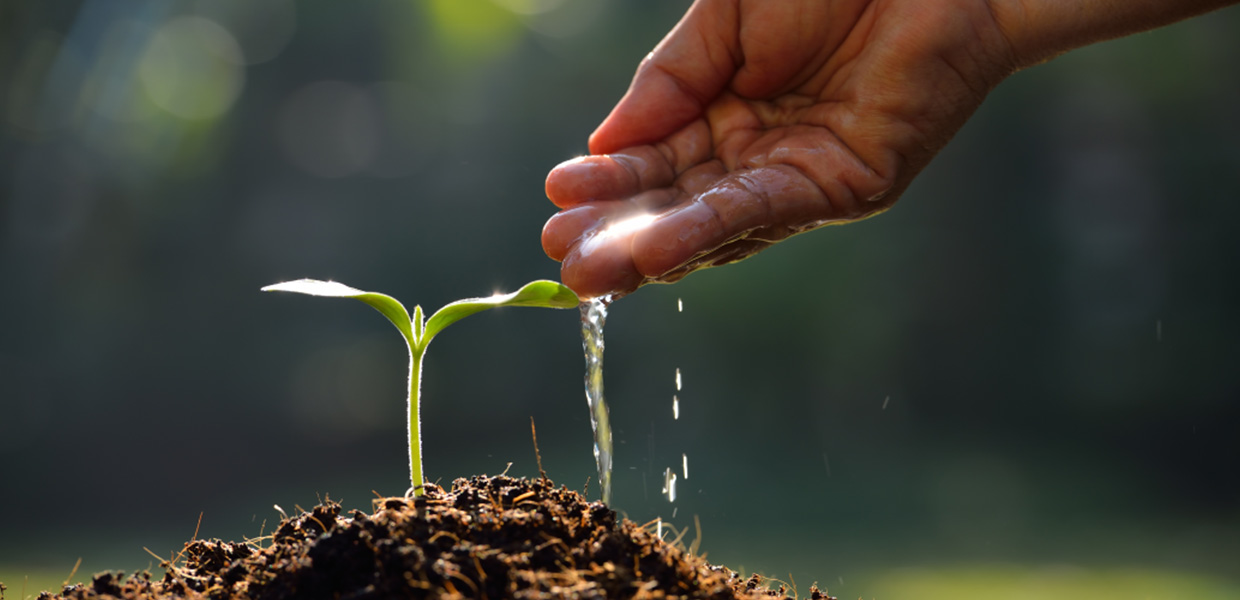
Imam Abu Bakr al-Warraq al-Balkhi (RA), the uncle of Imam Tirmidhi (RA), said: ‘The month of Rajab is the month of planting (your seeds), Sha‘ban is the month of irrigating / watering (them), and Ramadan is the month of harvesting the crop’.
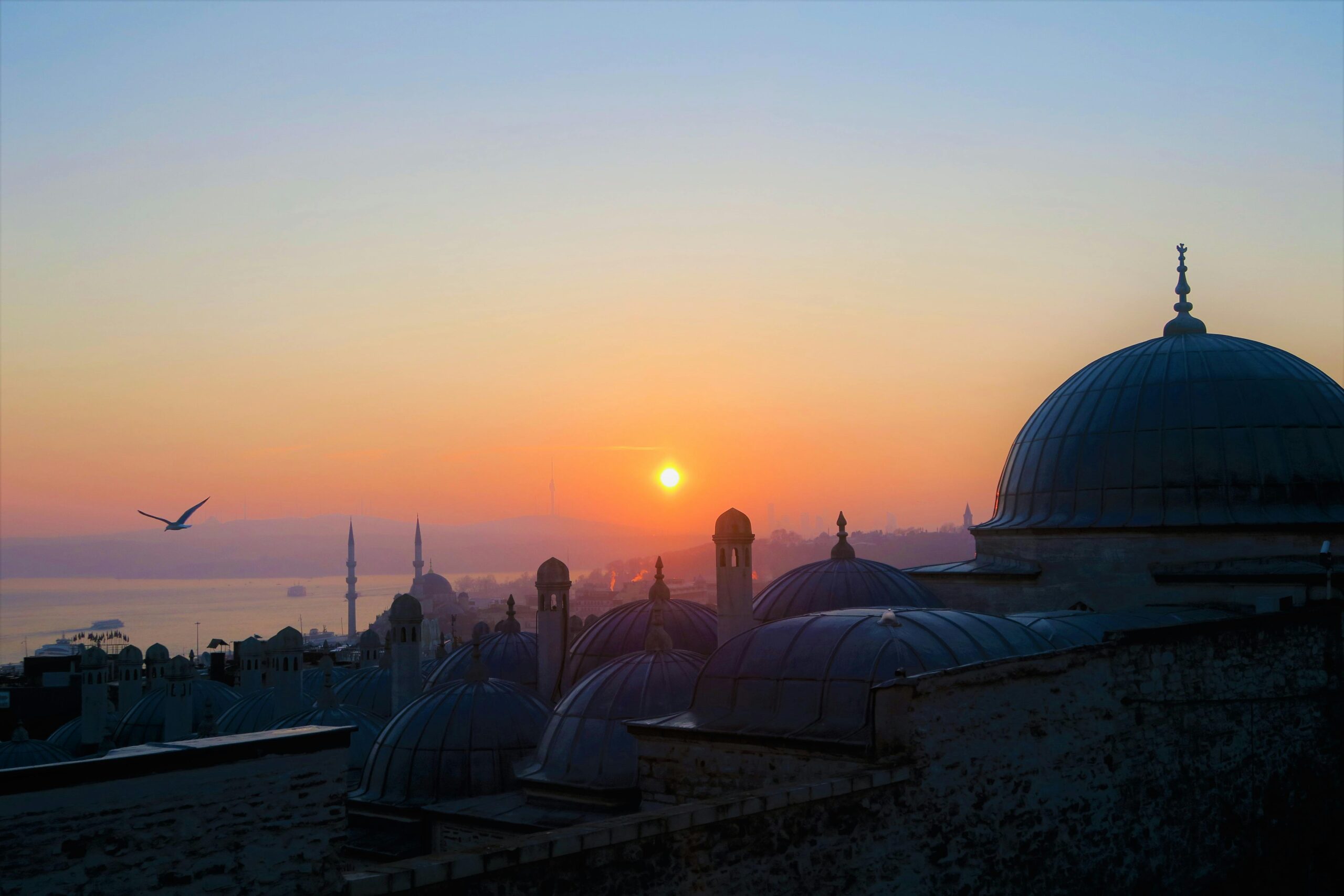
It’s now the sacred month of Rajab, the seventh month of the Islamic calendar. The beginning of the spiritual season. It is when the miraculous events of Isra’ (the Night Journey) and Mi’raj (Ascension) took place – a journey that Prophet Muhammad (ﷺ) took from Mecca to Jerusalem, and then ascended to the heavens.
The month of Rajab also means that Ramadan is around the corner. Thus, it reminds us to prepare for the holiest month in the entire year – spiritually, mentally and physically.
So how can we use this month to prepare for Ramadan 2025?
Start to self-reflect and purify your intentions in Rajab
Spend some time alone and reflect on how you can improve spiritually. Ask yourself questions like:
Would Allah SWT be pleased with me if I died today?
What could I do to improve spiritually?
Am I sincere in my words and actions? Am I conscious of how I treat those around me?
Am I doing my best to prepare for Ramadan? What can I do better?
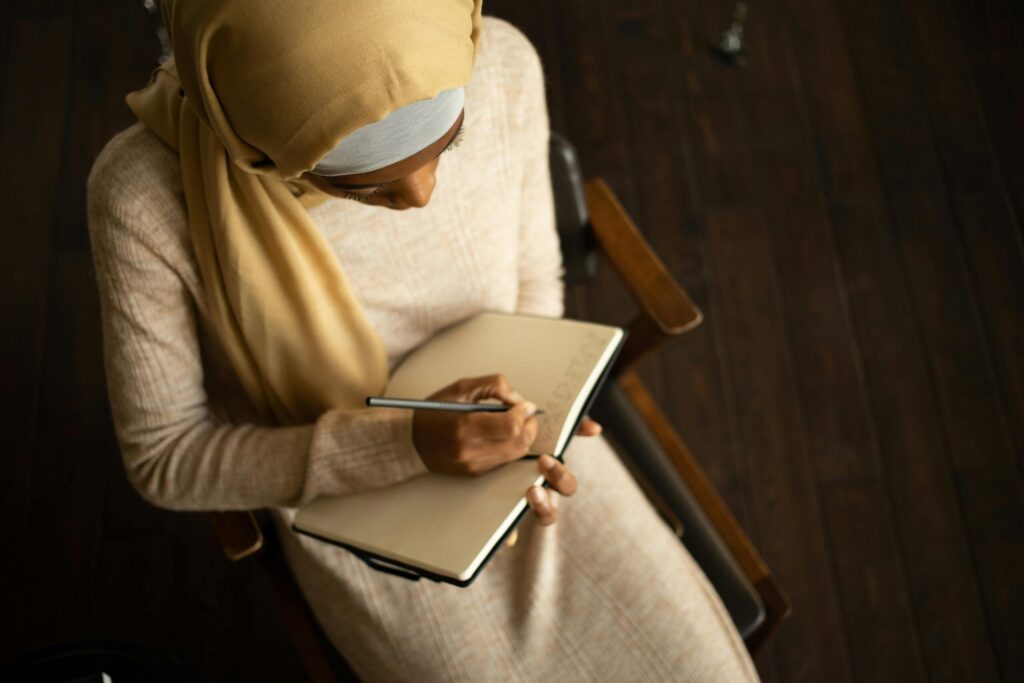
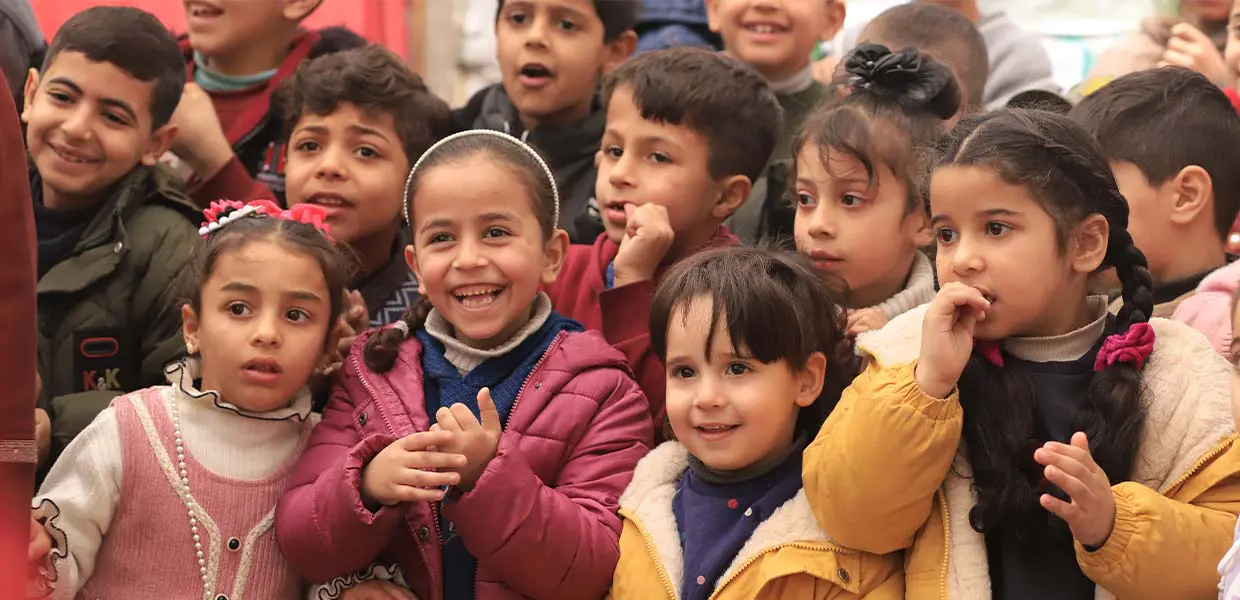
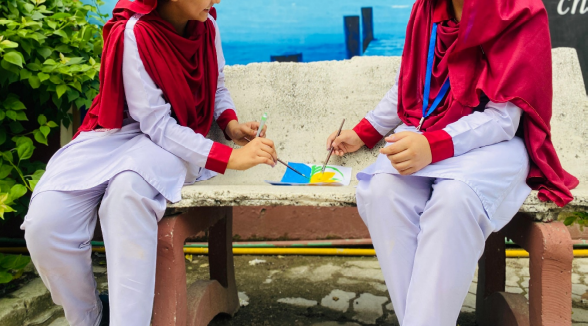
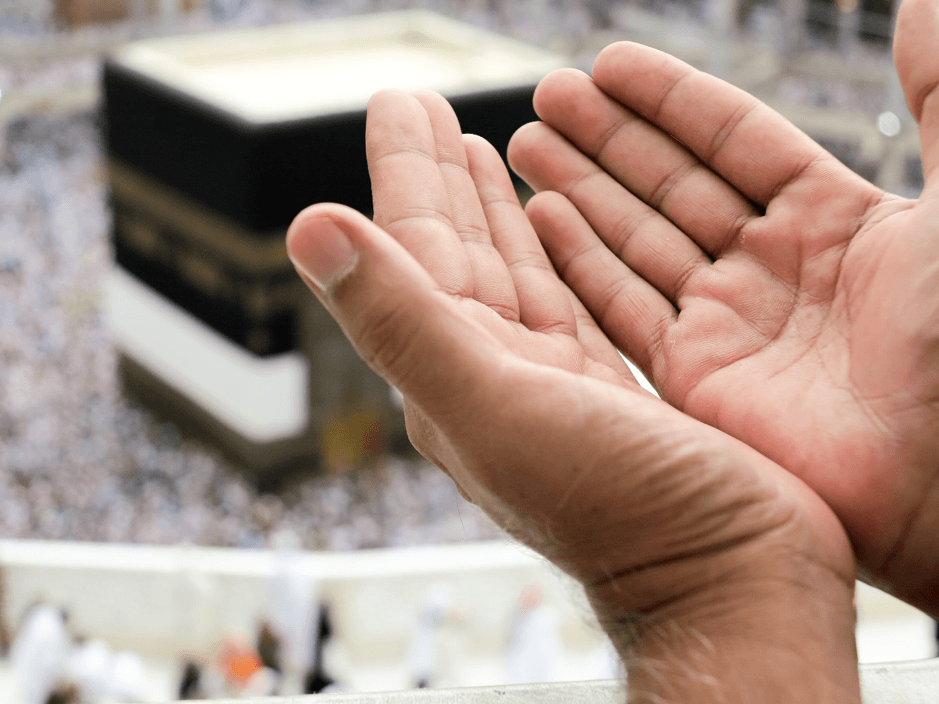
Photo: Preparing well is the key to making the most of Ramadan. Rajab is a time to sow the seeds of self-reflection and purified intentions.
Seek forgiveness and make dua’a
We all make mistakes and it is always the right time to seek Allah SWT’s forgiveness. After all, He is the most forgiving and merciful. Strive for sincere repentance and ask those you may have wronged to forgive you.
The Prophet ﷺ said: “All the children of Adam constantly err, but the best of those who constantly err are those who constantly repent.”
Tirmidhi
Fast extra days in Rajab
To get yourself into a routine for Ramadan, start fasting those extra fasts or making up your missed fasts from last Ramadan.
The best way to prepare fasting for a whole month is to start fasting often, in order to gain control over your actions, stomach, and desires.
Fast Mondays and Thursdays
Abu Hurairah reported that the most the Prophet (ﷺ) would fast would be Monday and Thursday. He was asked about that and he said: “The deeds of people are presented to Allah on every Monday and Thursday. Allah forgives every Muslim except for those who are deserting each other.” (Hasan)
Follow the Sunnah and pray extra prayers
Learn more about the Prophet Muhammad (ﷺ) and follow him by emulating his actions.
“Say, [Oh Muhammad], If you should love Allah, then follow me, [so] Allah will love you and forgive you your sins. And Allah is Forgiving and Merciful.”
The Prophet Muhammad (ﷺ) said: “Allah is in the aid of His servant as long as His aide is in the assistance of others.” (Muslim)
This world can only be a better place if we help each other. In return, Allah SWT rewards us in both worlds.
“Who is it that would loan Allah a goodly loan so He will multiply it for him and he will have a noble reward?”
Qur’an 57:11
Start your spiritual growth for Ramadan in Rajab
Ramadan is right around the corner. This year, Ramadan is expected to begin on the evening of Friday, February 28, 2025.
Rajab is the time to plant seeds of intention, nurture them with acts of worship, and prepare our souls for the harvest of Ramadan. Each step we take this month, from fasting to prayer to giving charity, brings us closer to Allah SWT and prepares us for the spiritual marathon ahead.
By planting these seeds now, we build habits and intentions that will flourish during the holy month. May Allah SWT grant us the strength to use this time wisely, forgive our shortcomings, and bless us with the ability to enter Ramadan with hearts full of imaan and readiness.
Your Zakat Heals Our Ummah
Make the most of Rajab by preparing for Ramadan. Give the gift of happiness and hope to our brothers and sisters in need with Islamic Relief.
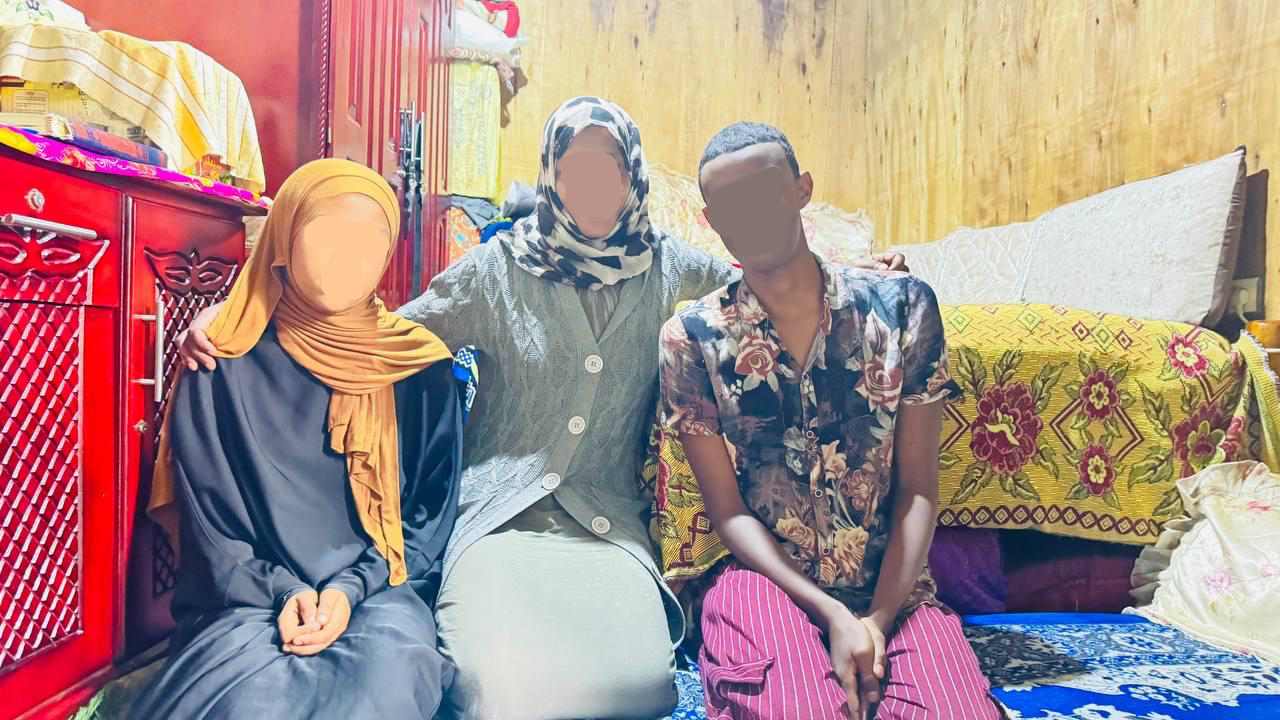
Salahuddin’s story is one of spirit, hope, and the transformative power of an orphan care sponsorship. Born into a family led by a hardworking father, Salahuddin’s early years were filled with the love and support of a supportive family. His father, a courageous labourer, was the sole breadwinner, working tirelessly to provide for his wife, Beheriya Fereja, and their two children, Salahuddin and his younger sister, Amira.
Unfortunately, their world turned upside down when Salahuddin was just three years old. His father passed away due to an illness, leaving the family in a vulnerable state.
Before his father’s passing, the family lived in a modest rental home, paying 3,000 ETB per month. However, after his death, Beheriya found it increasingly difficult to cover the rent and meet other basic needs.
The situation became very bad as the family struggled to secure even two meals a day. The future seemed miserable for Salahuddin, Amira, and their mother, as they faced devastating challenges.
How an Orphan Care Sponsorship Changes Lives
In July 2015, a shine of hope appeared when Salehuddin’s sponsorship began through Islamic Relief. This sponsorship marked a turning point for the family, bringing immediate and significant changes. With the support, Beheriya could finally provide regular meals for her children, and the stress of daily survival started to simplicity. The sponsorship not only covered essential needs like food but also helped in purchasing educational materials, clothing, shoes, and other necessities for Salahuddin and Amira.
Despite the ongoing challenges of high inflation and the economic impacts of COVID-19, the sponsorship supports enabled Beheriya to begin participating in labour work alongside her neighbours, generating a small but vital income to bridge the financial gaps. The family’s situation improved gradually, but a more significant change came with the introduction of the new pricing model for sponsorship.
The Impact of the Updated Orphan Sponsorship Pricing
The increase in sponsorship payments brought a meaningful improvement to the family’s finances. This change motivated Beheriya to explore additional income-generating opportunities. Inspired by the increased support, she began saving a small portion of the funds and invested in a small business selling butter. This undertaking proved to be a game-changer, allowing her to diversify the family’s income sources and achieve a more stable and sustainable livelihood.
Today, Salahuddin and his family are successful, and their future looks brighter than ever. The new pricing structure not only provided immediate financial relief but also inspired Beheriya to take practical steps toward self-reliance.
The story of Salahudin and his family is evidence of the thoughtful impact of sponsorship and how, with a little support, lives can be transformed. The new pricing model has empowered them to move beyond simple survival and into a future filled with possibilities. It is a powerful reminder of the importance of community and the transformative power of giving.
Help support an orphan and change their lives
By donating just $100 a month, you can give a child like Soad the chance to pursue their dreams and build a brighter future.
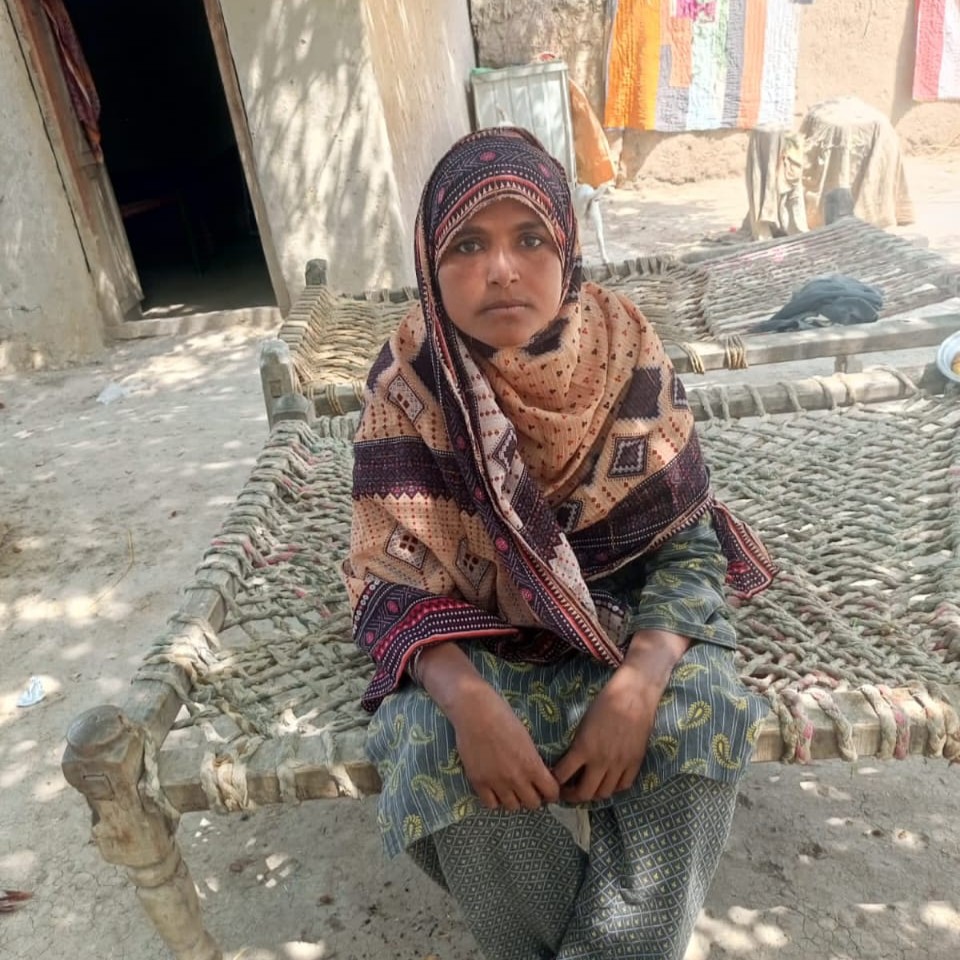
How does an orphan care sponsorship change the life of a child in need? This is the heartwarming story of Rubab, a bright and determined young girl from Pakistan, whose life has been profoundly impacted by your generous support.
Over the past year, Rubab has blossomed in many aspects of her life, and this transformation is a testament to the life-changing difference your contributions have made.
Orphan Care Helped Her Thrive in School
Rubab’s educational journey has been nothing short of remarkable. Before orphan sponsorship, she attended a government school. While she was always a hardworking and dedicated student, the limited resources and opportunities at the government school did not fully allow her to reach her potential.
But now, thanks to your continued generosity, Rubab and her elder sister have transitioned to a well-reputed school. One that offers a much higher standard of education.
This change has had an extraordinary impact on Rubab’s academic performance. She now excels in her studies, consistently achieves high marks, and shows a newfound enthusiasm for learning. Her teachers have noted her active participation in class, her inquisitive nature, and her eagerness to take on challenges.
Moreover, Rubab has embraced extracurricular activities with great enthusiasm. This has not only enhanced her academic experience, but also helped her develop essential life skills such as teamwork, leadership, and time management. These activities have further boosted her confidence, allowing her to express herself more freely and explore her interests beyond the classroom.
Orphan Care Gave Her Family Proper Shelter
The positive changes in Rubab’s life extend beyond her education and health. The new sponsorship pricing has significantly improved the living conditions for Rubab and her family.
They currently live in a modest single-room home. However, before this support, the family faced considerable financial challenges. Rubab’s mother, the sole provider for the family, often struggled to make ends meet. Simple pleasures, such as buying new clothes for Rubab, were luxuries that could only be afforded during Eid.
However, the financial relief provided by the new pricing structure has eased these burdens considerably. Rubab’s mother can now manage the household expenses more effectively, allowing Rubab to enjoy the small joys of childhood, such as wearing new clothes more often. This has not only improved their living standard, but has also brought a sense of security and stability to their lives.
Rubab’s Mother Thanks You For Your Support
Rubab’s mother has expressed her deep and heartfelt gratitude for the difference your support has made. She is incredibly thankful for the new sponsorship pricing, which has lifted a significant weight off her shoulders.
The financial stability it has provided has allowed her to focus more on nurturing her children and less on the day-to-day worries of making ends meet. She is overjoyed to see Rubab thriving in her new school and is confident that this opportunity will pave the way for a brighter future for her daughter.
Your generous contributions have had a transformative impact on Rubab’s life. Because of you, she is receiving an education without obstacles, living in a more stable and supportive environment, and growing up with the hope and determination to achieve her dreams.
The positive ripple effect of your support is evident not only in Rubab’s life but also in the lives of her family members, who are all benefiting from the improved circumstances.
We cannot thank you enough for the difference you have made in Rubab’s life. Your support is not just an investment in her education but in her future, and we are deeply grateful for your continued generosity.
Help support an orphan and change their lives
By donating just $100 a month, you can give a child like Soad the chance to pursue their dreams and build a brighter future.
Kindness towards the orphan is a significant part of Islam. A core part of Islamic values is social justice. We each have a responsibility to protect and uphold the rights of Allah (SWT)’s creations, especially the vulnerable.
In poverty-stricken and war-torn countries, many children are left vulnerable and orphaned. In these harsh conditions, they struggle to survive. They lack the support and stability they need to thrive and live a fulfilled life.
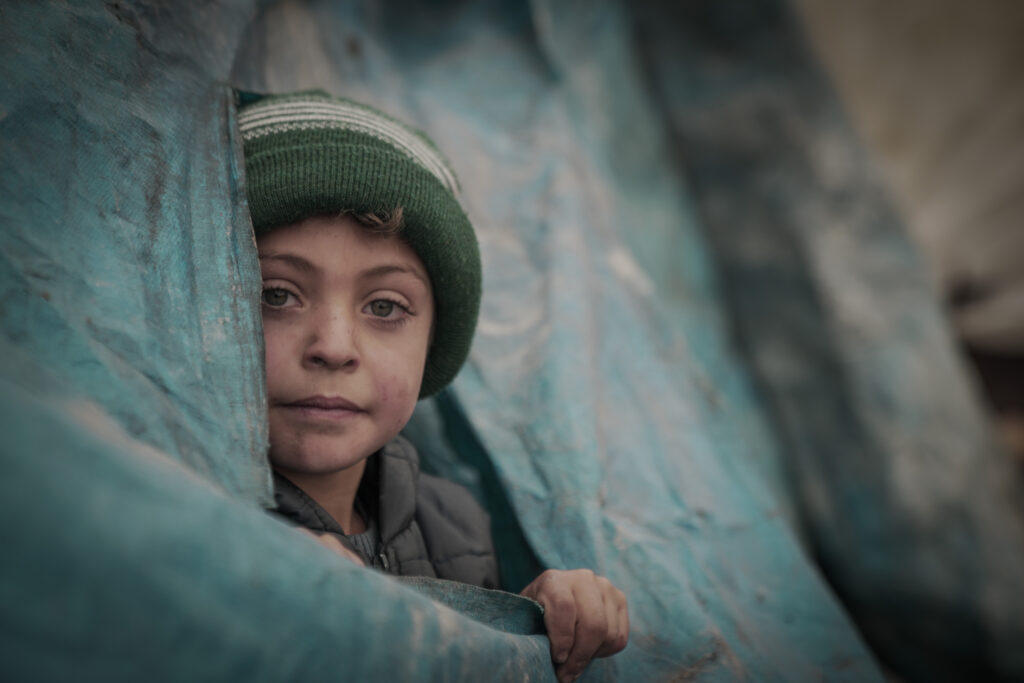
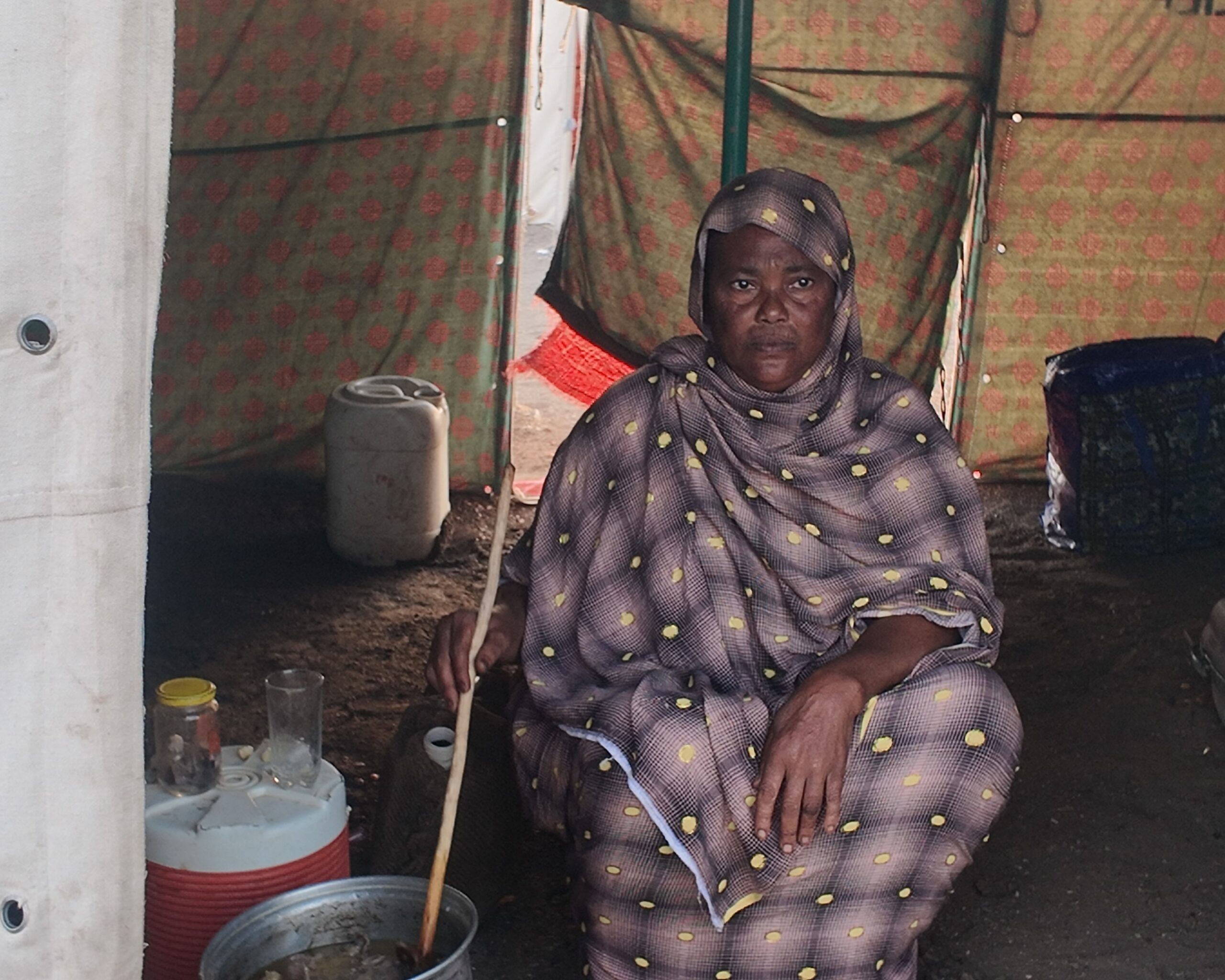
Photo: Displaced child facing the harsh winter in camps.
The orphan is mentioned a total of 23 times in the Qur’an. Many of these verses emphasise the importance of protecting their rights, treating them with kindness, or providing for them.
Orphan sponsorship fulfils many of these responsibilities. It provides an orphan with their basic rights – food and water, education and medical care – and more. It allows them to stay with their families, where they can receive the love and emotional support they need as they work towards a brighter future.
Hence, there are many rewards associated with sponsoring an orphan, both in this life and the next. Here are ten rewards you can earn if you care for orphans in this way.
Closeness to Prophet Muhammad (ﷺ)
The act of caring for the orphan is particularly dear to the Prophet Muhammad (ﷺ)’s heart. He himself (ﷺ) was also an orphan. His father passed away before he was even born, and his mother passed away when he was a young child.
In a famous hadith, the Prophet (ﷺ) also said, “The one who cares for an orphan and myself will be together in Paradise like this”, and he (saw) held his two fingers together to illustrate. (Bukhari)
Having ‘The Best House’
The Messenger of Allah (ﷺ) said, “The best house among the Muslims is the house in which orphans are well-treated. The worst house among the Muslims is the house in which orphans are ill-treated”.
Bukhari (Al-Adab ul-Mufrad)
Ultimately, having the ‘best house’ in Islam isn’t about its material value – how much it costs or how beautiful it looks. The best home is one filled with kindness and love. One that welcomes angels, remembers the Name of Allah (SWT) and loves the Sunnah. This includes showing care and concern for orphans, whether it be through giving charity or spreading awareness of the hardships orphans face.
Being Among the Righteous
In his Last Sermon given on Hajj, the Prophet Muhammad (saw) taught us that all human beings are completely equal in status ‘except in piety and good deeds’.
Our status in the eyes of Allah is dependent upon our righteous actions — and one of the ways we can achieve righteousness is by giving to orphans:
“…[true] righteousness is [in] one who believes in Allah, the Last Day, the angels, the Book, and the prophets and gives wealth, in spite of love for it, to relatives, orphans, the needy, the traveller, those who ask [for help]…”
In this verse of Surah Al-Baqarah, Allah (SWT) says spending wealth for His sake is a righteous quality. He (SWT) also specifically mentions orphans as people deserving of our wealth. Hence, sponsoring an orphan is a righteous deed that has been given a truly high status by Allah (SWT).
Blessed Wealth
With the cost of living rising, many of us struggle to give as generously as we once did. However, giving for the sake of Allah (SWT) can actually increase our wealth, rather than deplete it.
“If you were able to rely on Allah properly, you would be provided for just like birds who leave their nests hungry and return full.”
It is important to remember that Allah (SWT) controls our rizq (provision). When we give towards noble causes and put full trust in Him with our wealth, even with our worries about our finances, Allah (SWT) blesses that wealth, and ensures we are provided for.
“Blessed is the wealth of the Muslim, from which he gives to the poor, the orphan and the wayfarer.”
Zakat (almsgiving) is an obligatory charity in Islam. Every sane Muslim with wealth above a certain threshold (nisab) must give Zakat. Giving Zakat also has many benefits, including purifying our hearts and being one of the keys for us to enter paradise.
Many orphans in poor and needy communities fall under the category of Zakat. You can fulfil your Zakat through orphan sponsorship.
Orphan sponsorship can be paid yearly or in monthly instalments. Scholars accept that it is possible to pay Zakat in monthly installments if it is done well before your Zakat is due. If your monthly installments end up being short of the total amount of Zakat you owe on this due date, you must make up for the gap.
Opens Doors to the Beauty of Jannah
In the Qur’an, Allah (SWT) describes in detail the beautiful things we will earn in Jannah by doing good deeds, such as giving food to the needy and orphans, purely for His sake:
“And they give food, in spite of love for it, to the needy, the orphan, and the captive. [Saying], “We feed you only for the countenance of Allah. We don’t want from you either reward or gratitude. Indeed, we fear from our Lord a Day austere and distressful
So, Allah will deliver them from the horror of that Day, and grant them radiance and joy, and reward them for their perseverance with a Garden ˹in Paradise˺ and ˹garments of˺ silk. There they will be reclining on ˹canopied˺ couches, never seeing scorching heat or bitter cold. The Garden’s shade will be right above them, and its fruit will be made very easy to reach.”
SubhanAllah, Allah (SWT) is truly the Most Generous. By doing such a simple, kind deed as giving some food to the orphans and needy in this world, Allah (SWT) promises us the luxuries of Jannah, multiplying what we gave many times over.
Provides a Sadaqah Jariyah
When you sponsor an orphan, your support stays with them for the long term. Even when they stop needing sponsorship, you’ve helped build this foundation for them to go to school, make a living and empower the next generation.
The Messenger of Allah (ﷺ) said, “When a man dies, his deeds come to an end except for three things: Sadaqah Jariyah (ceaseless charity); a knowledge which is beneficial, or a virtuous descendant who prays for him (for the deceased).”
When a sponsorship provides continuous benefit to the child and, potentially, their future generations to come, it becomes a Sadaqah Jariyah. An ongoing charity that gives you many rewards, even after death.
Every time the orphan you sponsored uses something they learnt at school, you will be rewarded. Every time they make du’a for you, you will benefit. Because YOU transformed an orphan’s life and helped them fulfil their potential.
Countless Opportunities for Barakah
Islamic Relief’s orphan sponsorship program provides one-to-one support for the orphan and their family. We have a field officer assigned to each sponsored child who is informed of any issues the family or the community faces, allowing us to help solve these problems effectively.
For example, we can provide widows with a sustainable livelihood. Or we can construct proper hygiene and sanitation facilities within the community. This way, a single orphan sponsorship sets off a chain reaction of Sadaqah Jariyah. Thus, providing more barakah to not only the donor and the orphan they sponsor, but also the whole community!
Entrance Through Jannah’s Gate of Joy
The Prophet (ﷺ) said, “Paradise has a door which is called “Joy” – only those who bring joy to children will pass through it.“
When we support an orphan, Allah (SWT) recognises not only the practical help we give, but also the happiness. Every child deserves to grow up in a loving and supportive environment that allows them to reach their full potential.
By providing orphan sponsorship for the sake of Allah (SWT), we pray to bring so much joy to children in need. So that, someday, we can be called through the gate of Joy into Jannah.
Saves Lives
Sponsoring an orphan goes beyond simply improving their life. It can be a lifeline, potentially saving children in need from poverty, illness, and death. It can positively affect not only the orphan, but also their family and entire community.
As it says in the Quran, “And whoever saves a life it is as though he had saved the lives of all mankind” (5:32).
Thus, when you sponsor an orphan, you not only save their life. But you also protect countless future generations of children, ensuring they can still thrive and build livelihoods amid hardship.
Beautiful Benefits of Orphan Sponsorship
All in all, sponsoring an orphan can bring many rewards that benefit us in this life and the Hereafter.
It brings us closer to the Prophet (ﷺ), gives you ‘the best house’, and is a noble deed – one that can be done as Zakat or Sadaqah.
A Sadaqah Jariyah that contains incredible barakah. One that blesses your wealth and allows you to be called through the gate of Joy into Jannah and enjoy the (literally) heavenly luxuries. On top of all this, it can save lives!
You can sponsor an orphan for $100 a month (or $1,200 a year), providing them with all their basic needs and more! An orphan sponsorship is truly life-changing, for you, us and the child we support.
Help support an orphan and change their lives
By donating just $100 a month, you can give an orphan child in need the chance to pursue their dreams and build a brighter future.
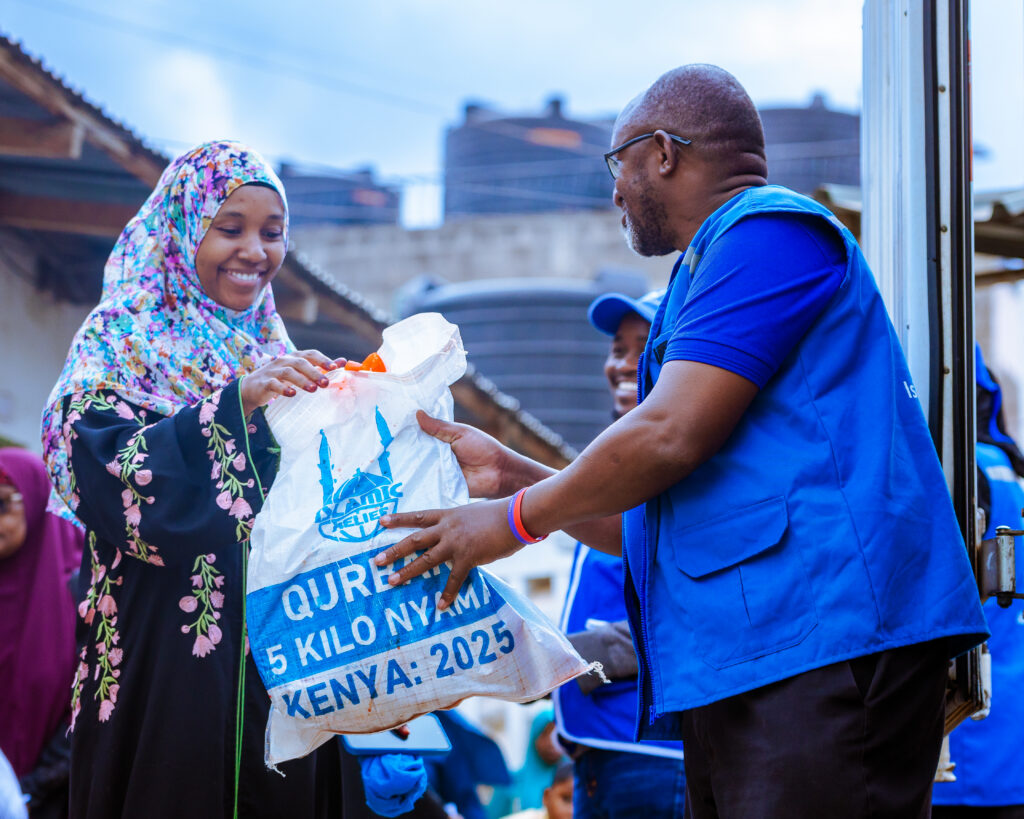
Thank you for supporting our Qurban Program for Dhul Hijjah 2024!
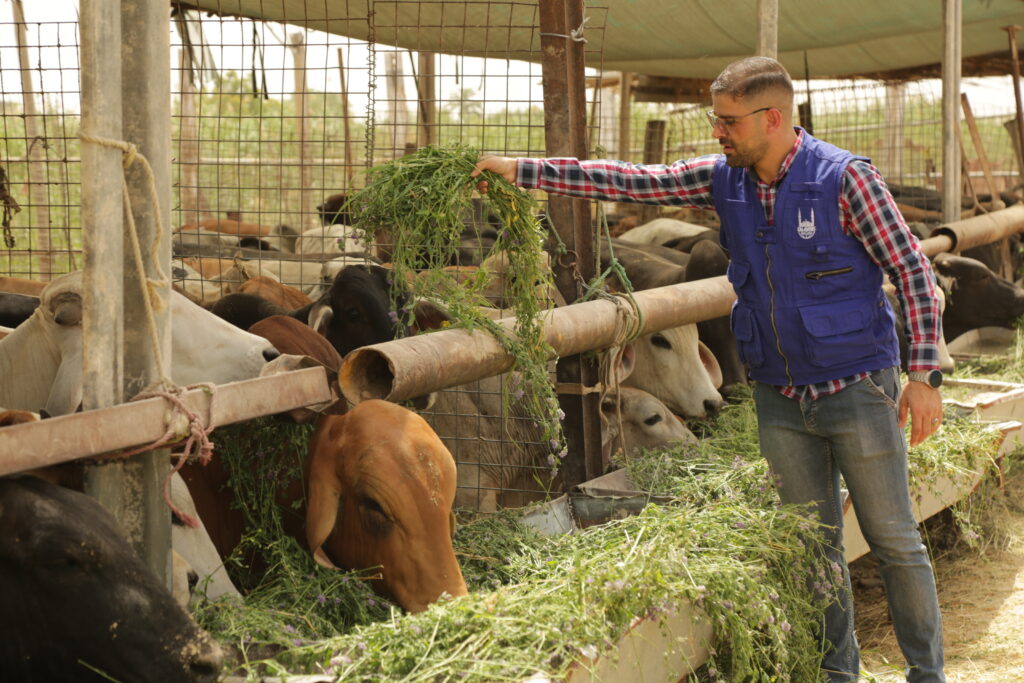
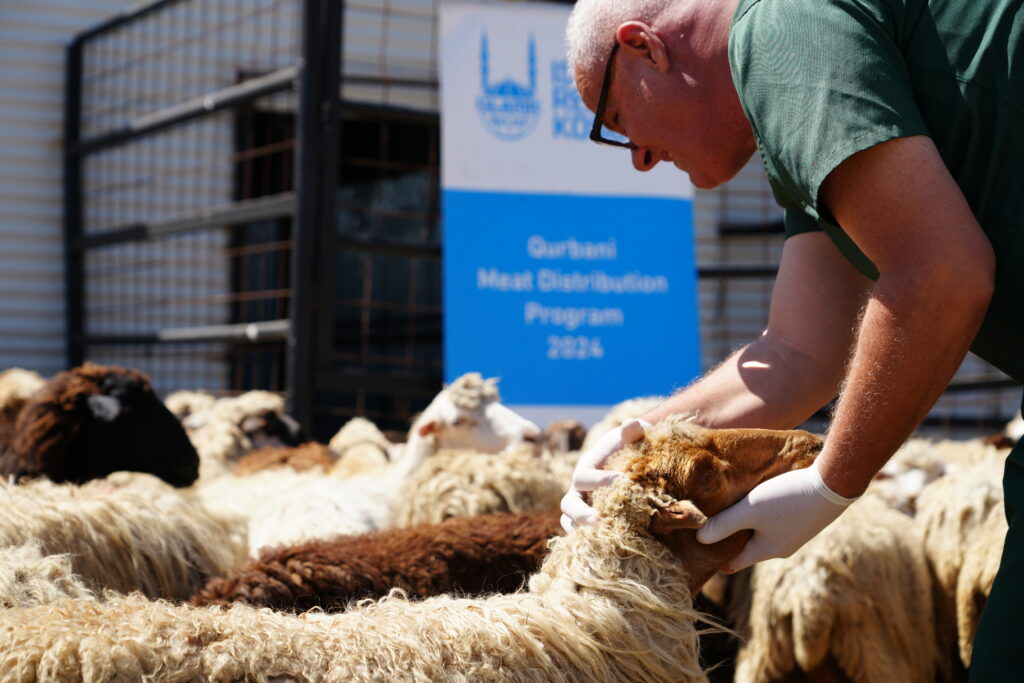
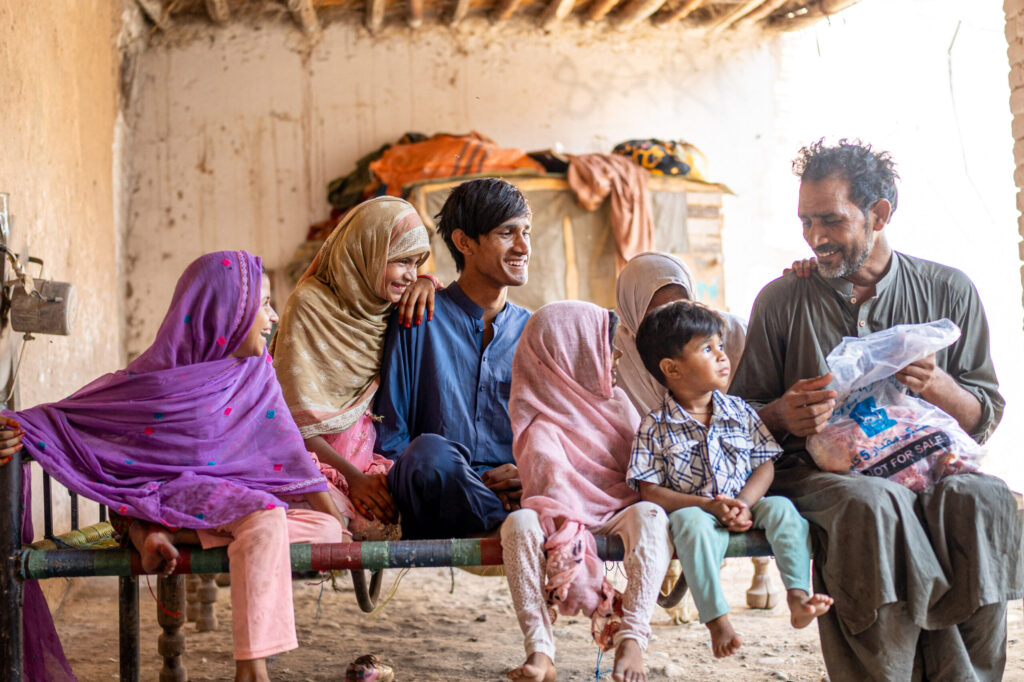
During Eid Al-Adha, you helped Islamic Relief provide food to 2,824,393 people. By supporting our annual Qurban distributions, you brought relief to many affected by the world’s worst hunger crises and are on the verge of famine.
Eid al-Adha falls in Dhul Hijjah, the twelfth and final month of the Islamic (Hijri) Calendar. It involves the tradition of Qurban. An act of worship where Muslims perform a sacrificial slaughter of an animal – traditionally goats, sheep, cows or camels. This action reflects upon the Prophet Ibrahim (AS)’s willingness to sacrifice his son Ismail for the sake of Allah (SWT).
Following the sacrifice, the meat is then distributed to people in need. For many, it is also the only meat they will get to eat this year.
Where Islamic Relief Distributed Its Qurban Programs for 2024
Islamic Relief’s Qurban distributions this year took place in 27 countries. These include Sudan, Afghanistan, Niger, Bangladesh, Kenya, Pakistan and many more.
In Sudan, more than a year of brutal conflict has left the country on the verge of famine. Farmers have been unable to plant and harvest crops and markets have been looted. Islamic Relief distributed Qurban fresh meat packs to help 80,000 people there.
In Gaza, Israel’s ongoing attacks and restrictions on aid mean children and elderly people are starving to death. Islamic Relief’s team and partners in Gaza distributed thousands of meat packs, in addition to our ongoing daily distributions of cooked meals for tens of thousands of families.
Some of the biggest Qurban distributions this year were in Mali and Niger, which are among the world’s most neglected crises, with rising numbers of children suffering from malnutrition. This year, we distributed more than 75,000 Qurban fresh meat packs in Mali and more than 70,000 in Niger.
In Bangladesh, Qurban distributions reached over 40,000 families – including both impoverished rural Bangladeshis and Rohingya communities who have fled violence in Myanmar.
More Eid al-Adha Giving
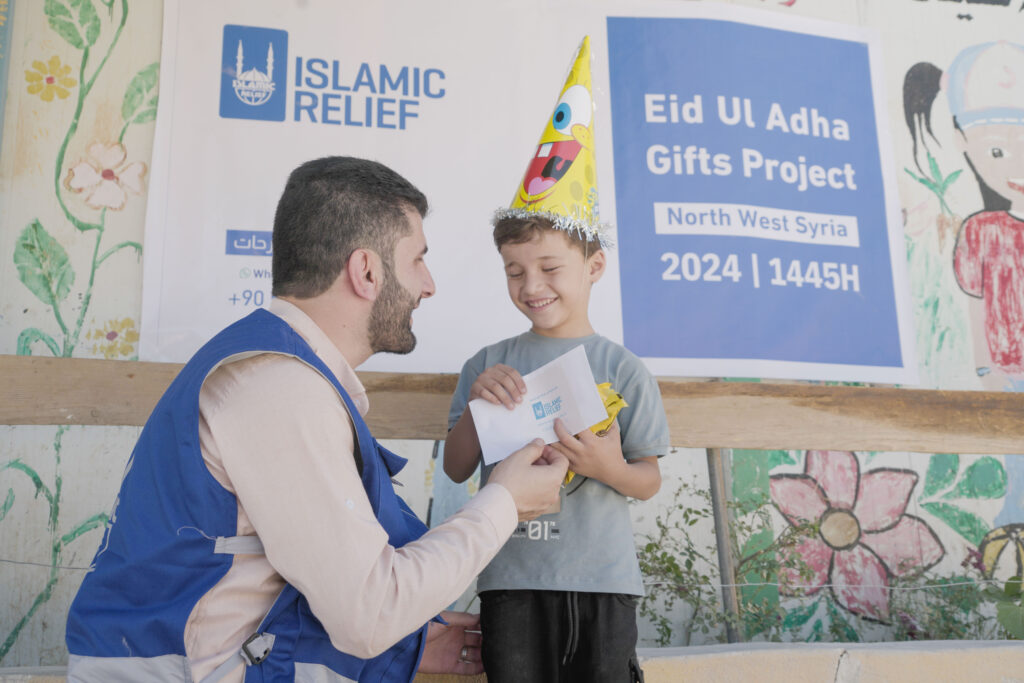
Eid al-Adha is also a time of joy and gift-giving. Islamic Relief teams also distributed over 18,000 Eid gifts such as clothes, shoes, school uniforms and school bags to children and families in 18 countries.
Zaheer Afzal, manager of Islamic Relief Worldwide’s Qurban and seasonal programs, says:
“Conflict, climate change and inequality are driving hunger worldwide. Thanks to generous donations from our supporters, Islamic Relief hopes to provide nutritious meat to at least 2 million vulnerable people in 27 countries during Eid al-Adha. This may be the only meat they get to eat this year.”
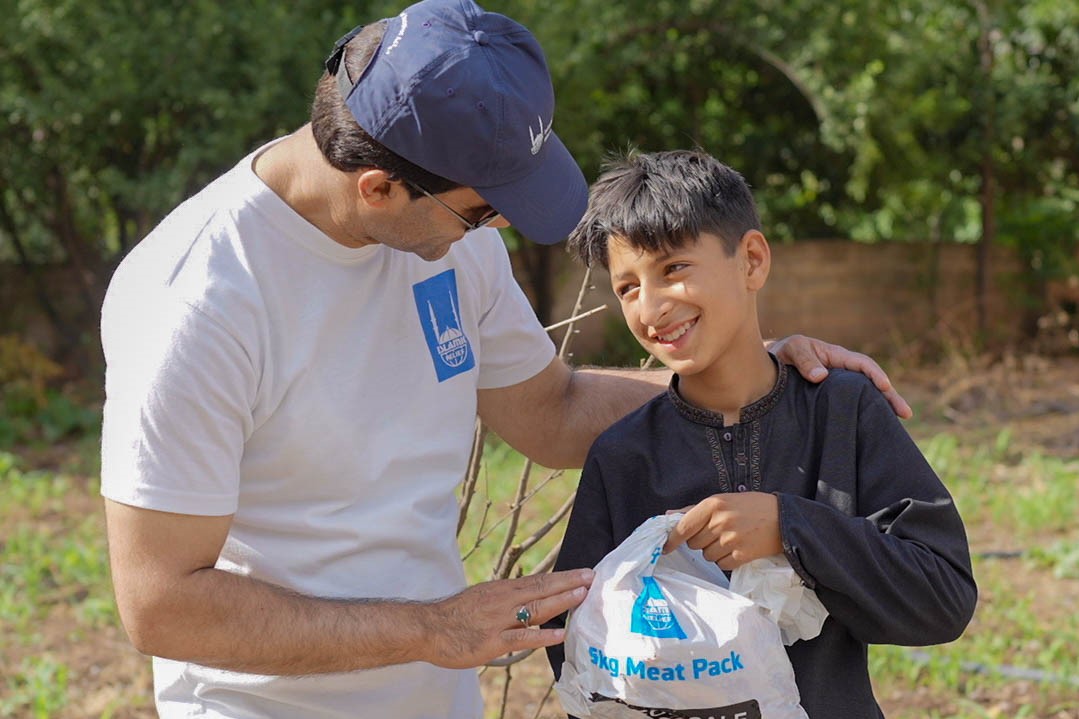
Each Qurban pack contains approximately 5kg of meat on average. Islamic Relief ensures that all distributions comply with Islamic guidelines and national laws, ensuring animal wellbeing and strict criteria on the age and health of animals.
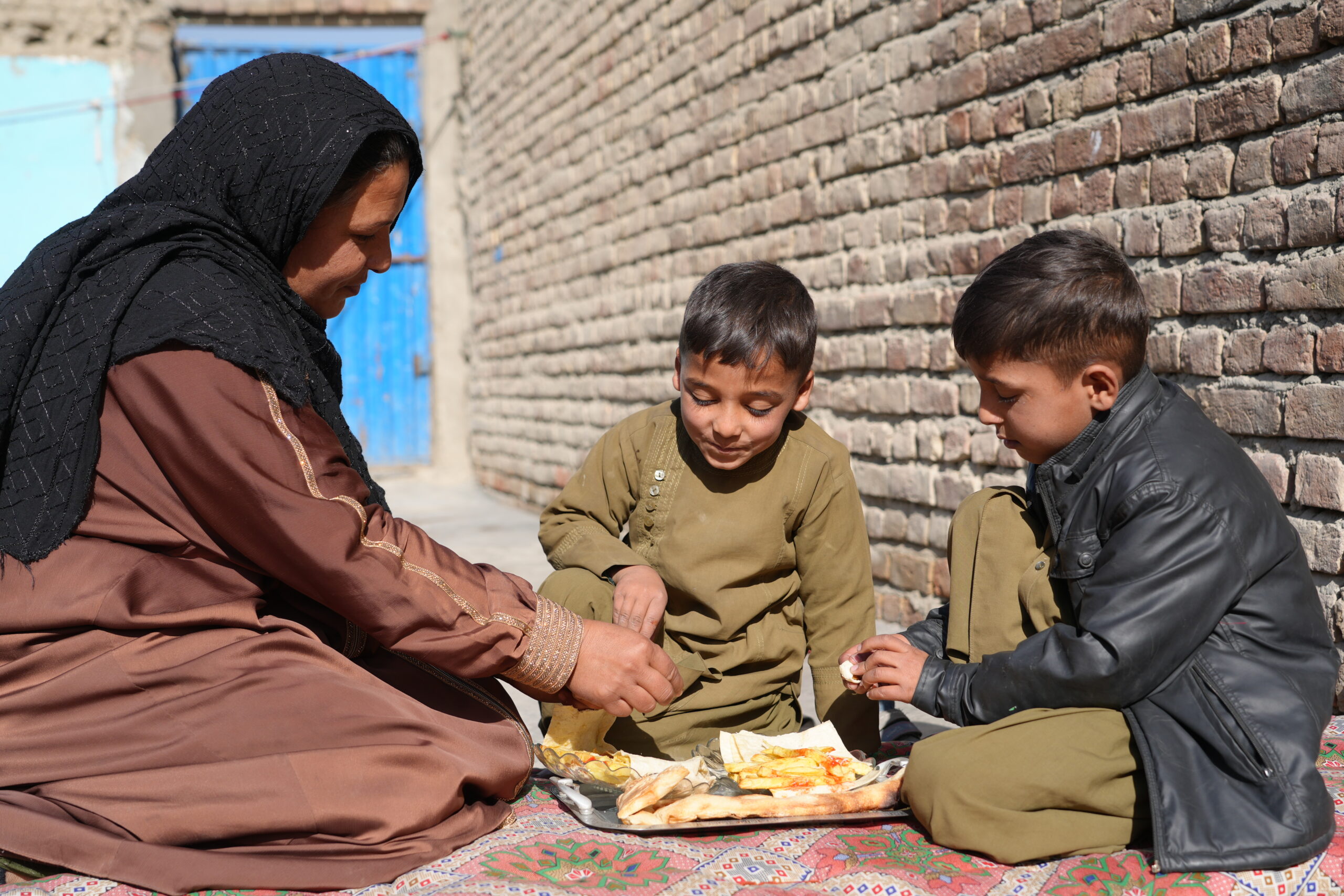
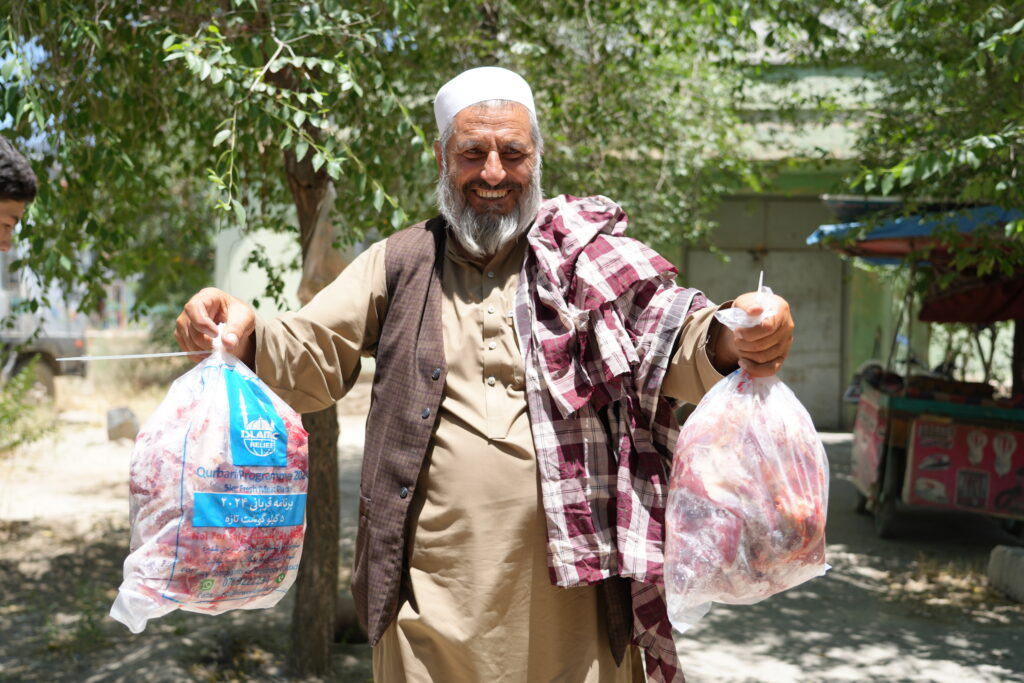
Islamic Relief Afghanistan distributed 10,676 fresh meat packs to 8 provinces of Afghanistan in Eid Ul-Adha 2024 for Orphans, Widows, and Elderly families.
Giving Qurban is one of our greatest opportunities, as Muslims, to empower those most in need. As an important duty for every able Muslim, fulfilling this great act of worship allows us to share our blessings with our brothers and sisters suffering the most. And give them the nutrition they need to enjoy Eid Al Adha without worry and look toward a better tomorrow.
As members of humanity, of one Ummah, we all want to empower one another. We all wish everyone in the world, especially our brothers and sisters in need in countries like Gaza and Sudan, to have fair access to basic rights and opportunities. Access to quality education, employment, food, healthcare and more.
That’s why, one of the greatest opportunities we have as Muslims, is to empower others through the power of giving. Especially through Qurban, in these blessed first 10 days of Dhul Hijjah.
What is Qurban?
Qurban is an Islamic tradition specific to Eid Al-Adha. It takes place annually on the Islamic (Hijri) Calendar, in the 12th and final month, Dhul Hijjah.
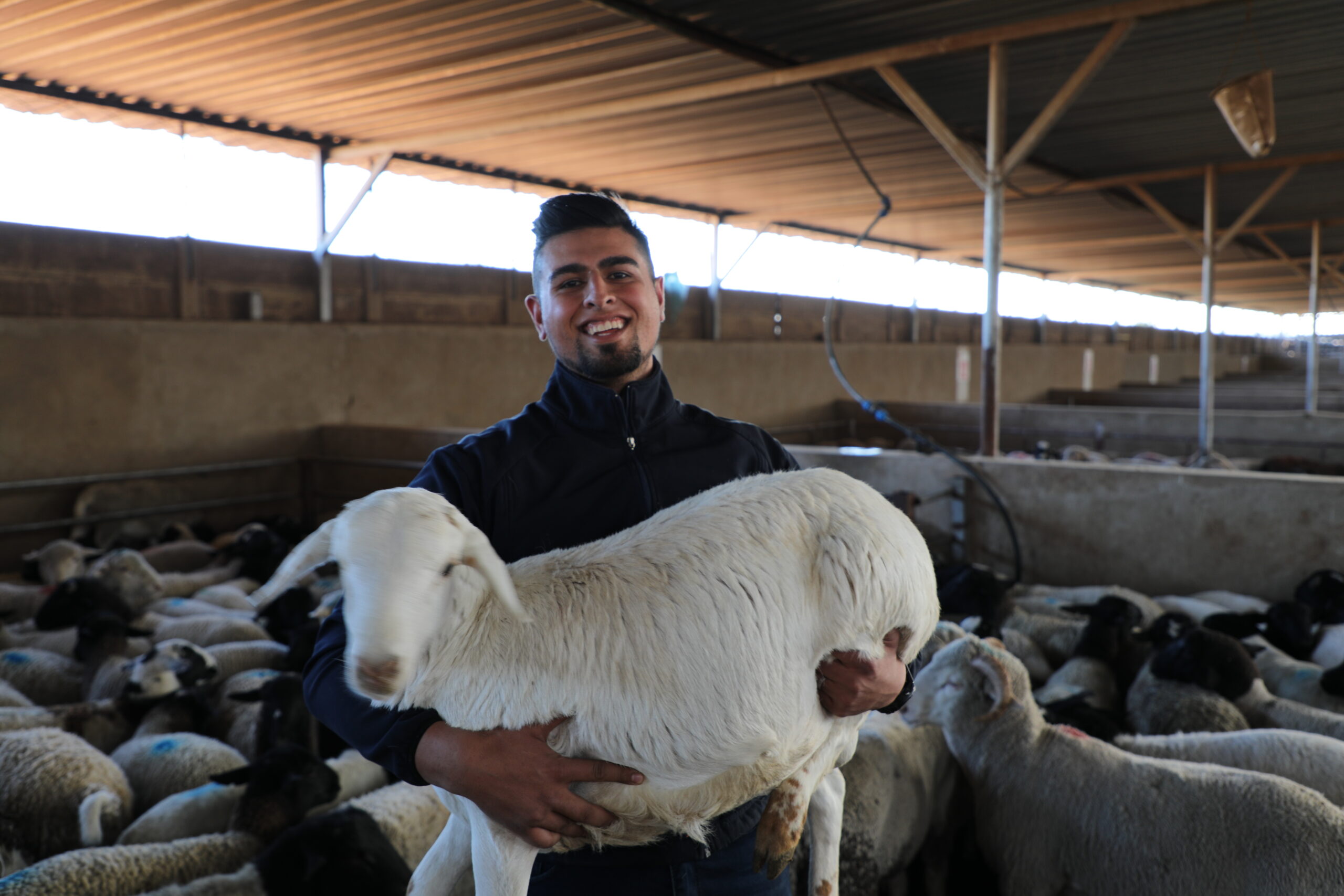
Performing Qurban means to sacrifice an animal, either a goat, sheep, cow (or buffalo) or camel, for the sake of Allah (SWT). This is done in commemoration of the sacrifice of the Prophet Ibrahim (AS). When Ibrahim (AS) showed his willingness to sacrifice his beloved son, Ismail (AS), for Allah (SWT)’s sake despite his heavy heart, Allah (SWT) rewarded them by replacing Ismail (AS) with a sheep to sacrifice instead.
Qurban is an important duty for anyone who has the means to do so. With how important this duty is to our supporters, we, at Islamic Relief Australia, take your Qurban as an Amanah. An Amanah to ensure it is given to those most in need with Ihsan and empowers their community for generations to come.
How Does Qurban Empower Communities?
Every year Islamic Relief’s Qurban program catches international recognition. Why? Because we work to ensure our program has the most impact.
Since the campaign began in 1986, it has been part of our greater mission to eradicate food insecurity from the world’s most needy.
Today, as many as 783 million people globally face chronic hunger. Conflict, spiralling economies, climate extremes and rising costs of living are combining to create an escalating food crisis. By distributing fresh, high-quality meat to millions of the world’s most vulnerable, we help relieve thousands of families from food insecurity, thereby reducing world hunger.
However, Qurban provides more than just immediate aid. In the long term, we also empower and develop communities with our Qurban projects so they no longer have to be dependent on direct aid, steering them towards a sustainable future.
Sustainable Development with Islamic Relief
Islamic Relief looks at Qurban as a way of supporting a local community. The meat product is just a part of a more significant process. It strengthens local economies and feeds its most vulnerable. It also empowers local livelihoods through employment.
Qurban gathers and empowers local livelihoods. Farmers and locals prepare and raise the animals in advance, ensuring they meet the right criteria per prophetic tradition. Local butchers will assist in cleaning and packaging the meat. Transporters will distribute the meat to families in need.
Where, thanks to your support, last year, our global family was able to reach over 3.4 million vulnerable people with Qurban across over 28 countries. Allowing those in need to not only receive the nutrition they need to relieve their hunger, but also realise their full potential, paving their pathway to a brighter future.
This Dhul Hijjah, Share Your Blessings
Help the world’s most vulnerable families enjoy their Eid when you give Qurban with Islamic Relief.
The first ten days of Dhul Hijjah hold great religious significance. It is a special period in the annual Islamic (Hijri) calendar. A time when Muslims are advised to increase their acts of goodness and spirituality to reap the rewards of the most blessed days.
For our noble Prophet Muhammad ﷺ said,
“There is no deed more precious in the sight of Allah, nor greater in reward, than a good deed done during the ten days of Sacrifice.”
He (Prophet Muhammad ﷺ) was then asked,
“Not even jihaad for the sake of Allah?”
To which he ﷺ replied,
“Not even jihaad for the sake of Allah, except in the case of a man who went out to fight giving himself and his wealth up for the cause, and came back with nothing.”
Sahih Al-Bukhari
The Meaning of Dhul Hijjah

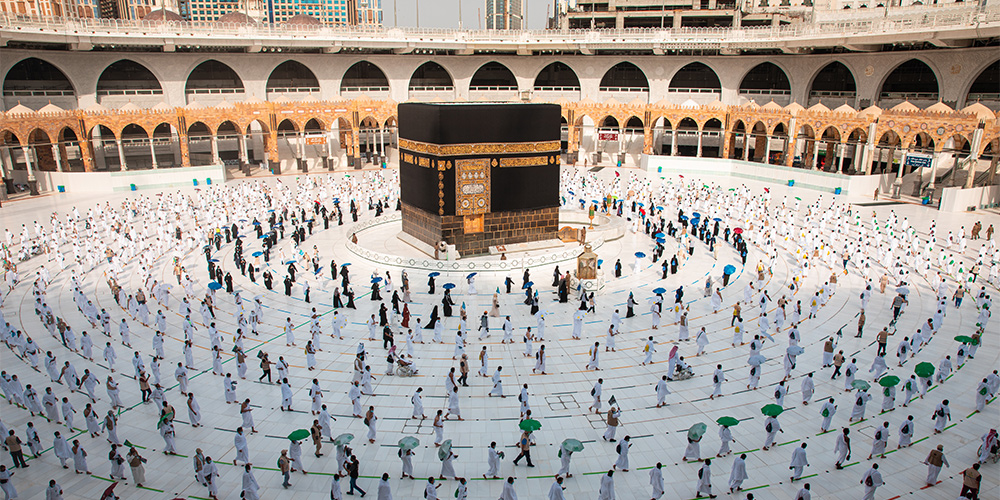
The word “Dhul Hijjah” can be translated to “Month of Pilgrimage”. During the month of Dhul Hijjah, Muslims perform the Hajj. Hajj, also known as the pilgrimage, is one of the five pillars of Islam.
The pilgrimage involves Muslims travelling to Makkah in Saudi Arabia to fulfil this religious obligation and its rituals. Every Muslim, who is of age and physically, financially and spiritually able to go on Hajj, must perform it at least once in their lifetime.
However, even for Muslims not going on Hajj, there are still numerous ways to benefit from the first ten days of Dhul Hijjah. Here are 10 actions anyone can do during this blessed period to maximise their rewards!
Fasting the First 9 Days of Dhul Hijjah
It is a Sunnah of the Prophet (ﷺ) to fast on the first nine days of this month. Fasting is also one of the best acts of worship. As reported by the Prophet (ﷺ), Allah said,
“All the deeds of the son of Adam are for him, except fasting, which is for Me and I shall reward (the fasting person) for it.”
Sahih Al-Bukhari
Even if you cannot fast for all of the first 9 days of Dhul Hijjah, try to at least fast on the 9th day. This is the day of Arafah – the greatest day of the year. By fasting on this day, you gain immense rewards.
“Fasting on the Day of ‘Arafah absolves the sins for two years. The previous year and the coming year, and fasting on ‘Ashura, (the tenth day of Muharram) atones for the sins of previous years.”
Sahih Muslim
Increasing Daily Prayers (Salah)
On these blessed days, take this time to perfect and increase the daily practice of Salah.
If you haven’t been praying the five fardh (obligatory) prayers – Fajr, Dhuhr, Asr, Maghrib and Isha – on time, now is the time to start. Try to pray together with your friends and family, as there are more rewards for praying together.
“Salat in congregation is twenty-seven times more meritorious than a Salat performed individually.”
Bukhari and Muslim
If you’ve already been praying the fardh prayers, take this opportunity to start praying the sunnah and nafl (voluntary) prayers. You can also start building the habit of praying tahajjud (night prayer done in the last third portion of the night prayers), especially if you’re already fasting for the first 9 days.
Reading Quran
Reciting the Quran is one of the best forms of worship. The Prophet ﷺ said,
“The one who is proficient in the recitation of the Quran will be with the honourable and obedient scribes (angels) and he who recites the Quran and finds it difficult to recite, doing his best to recite it in the best way possible, will have a double reward.”
Bukhari and Muslim
Try to recite the Quran as often in these blessed 10 days. Set up a schedule or attach the recitation to some other activity that you already do regularly. For example, set a goal to recite one page of the Quran after a fardh prayer, as you have to pray these regularly everyday.
Once you build up the habit for the 10 days, you can make it so that you carry this habit for the rest of your life!
Dhikr (Remembering Allah SWT)
Making Dhikr is a powerful act of worship and one you can do virtually any time. There are many types of Dhikr you can make to help put your mind at ease and bring you closer to Allah (SWT). Within the first 10 days the Prophet Muhammad emphasised to especially to recite this dhikr:
“There are no days that are greater before Allah or in which good deeds are more beloved to Him than these ten days. So recite a great deal of tahleel, takbeer and tahmeed during them.”
Ahmad
The meaning of Tahmeed, Tahleel and Tasbeeh as are follows:
Tahmeed: Al-hamdu Lillah (All praises be to God)
Tahleel: Laa ilaha ill-Allah (There is no god but Allah)
Tasbeeh: Subhaan-Allah (Glory be to God).
Performing Charity
In these blessed 10 days of Dhul Hijjah, one of the best ways to earn rewards is through Sadaqah (voluntary charity).
The Prophet (ﷺ) said:
“Sadaqah (charity) extinguishes sins just as water extinguishes fire.”
Tirmidhi
Making Istighfar (Seeking Forgiveness from Allah SWT)
It’s part of our human nature to be forgetful and make mistakes. Allah (SWT) understands this, so He says in Surah Al-Baqarah,
“And seek Allah’s forgiveness. Surely Allah is All-Forgiving, Most Merciful.”
Quran 2:199
In the 10 days of Dhul Hijjah, make lots of istighfar, including by saying “Astaghfirullah” (meaning “I seek forgiveness of Allah”). May Allah forgive us for our sins and guide us to the right path.
Strengthening bonds with loved ones
Islam emphasises the importance of having good relationships (Silaturrahim) with our family and fellow Muslims for the sake of Allah (SWT). Abu Hurairah narrated that the Prophet (ﷺ) said,
“Learn enough about your lineage to facilitate keeping your ties of kinship. For indeed keeping the ties of kinship encourages affection among the relatives, increases the wealth, and increases the lifespan.”
Tirmidhi
So, whenever you can these 10 days of Dhul Hijjah, reach out to your loved ones and reconnect.
Letting go of our bad habits
Allah (SWT) loves those who quit their sins and bad habits for His sake. The Prophet Muhammad (ﷺ) said:
“Allah says, ‘If My slave intends to do a bad deed then (O Angels) do not write it unless he does it; if he does it, then write it as it is, but if he refrains from doing it for My Sake, then write it as a good deed (in his account)…
Sahih Al-Bukhari
Make use of these 10 days of Dhul Hijjah to start small and try to overcome one of your bad habits. Once you consistently keep off the sin, you can eventually build on the momentum to address the more difficult habits. In this way, we earn Allah’s pleasure by sacrificing our desires for His sake.
Performing Qurban (Sacrifice)
“For every hair of the Qurban you receive a reward from Allah.”
Tirmidhi
Qurban (also known as Qurbani or Udhiyah) is an Islamic tradition that takes place on the Eid Al-Adha, which starts on the 10th of Dhul Hijjah. During Eid Al-Adha (the “festival of sacrifice”) Muslims slaughter an animal (either a goat, sheep, cow, bull, buffalo or camel). This action is to commorate Prophet Ibrahim (AS)’s willingness to sacrifice his son, Ismail (AS), for the sake of God.
It is recommended that Qurban is offered after Eid prayer. But if this is not possible, it can also be done on the days of Tashreeq, the three days after Eid Al-Adha. In most cases, Muslims who have not offered Qurban yet will schedule a sacrifice on the 11th or 12th of Dhul Hijjah.
“The first thing we will do on this day of ours, is to offer the (`Id) prayer and then return to slaughter the sacrifice. Whoever does so, he acted according to our Sunna (tradition), and whoever slaughtered (the sacrifice) before the prayer, what he offered was just meat he presented to his family, and that will not be considered as Nusak (sacrifice).”
Sahih Al Bukhari
According to most scholars, every sane, adult Muslim with wealth in excess of his or her needs should give Qurban. It is such an important act of worship during these blessed days. So much so that the Prophet (ﷺ) once said:
Whoever can afford it, but does not offer a sacrifice, let him not come near our prayer place.
Normally those who are eligible to pay Zakat have to give a Qurban. Your Qurban also provides poverty-stricken families meat for Eid al-Adha. As, often, this celebration is the only time that they get to enjoy a meal with meat.
Celebrating Eid
Eid al-Adha, much like Eid Al-Fitr, is a celebration filled with joy, blessings and connecting with loved ones. However, unlike the other Eid, it also commemorates the greatest divine sacrifice in history. Where, in obedience and full submission to Allah (SWT), Prophet Ibrahim agreed to sacrifice his beloved son, Ismail (AS), whom he was only bestowed upon in his old age, after many years of longing for a child.
As reward for obeying His orders, Allah (SWT) replaced the son with a ram as a Qurban (sacrifice), and his Ismail (AS) was left unharmed. The order was a test from Allah to His beloved servant, in which Prophet Ibrahim (AS) had passed with flying colours.
Like with Eid al-Fitr, follow the sunnah acts of Eid. This includes taking ghusl (bath) in the morning, putting on perfume, performing the Eid prayer and more.
Bonus: Share This Article With Someone You Know!
“Whoever guides someone to goodness will have a similar reward.”
Sahih Muslim
May your 10 days of Dhul Hijjah be full of prayers, prosperity and blessings, ameen!
In the Islamic calendar, there are certain days in the year that are more virtuous than others. One such day is the 10th of Muharram (the first month of the Islamic calendar), the Day of Ashura.
When is the Day of Ashura 2023?
The Day of Ashura is the 10th day of Muharram. In 2023, the Day of Ashura will be on the 28th July, depending on the sighting of the moon.
What is the Significance of the Day of Ashura?
On the Day of Ashura in the time of Prophet Musa (AS), Allah (SWT) saved the Prophet and Bani Israel from the tyrannical Pharaoh (Firaun) and his army.
The Pharaoh was an extremely violent and corrupt ruler and spread blasphemy as he declared himself as God. Despite Prophet Musa (AS)’s attempts to encourage the Pharaoh to worship Allah (SWT), the Pharaoh would not accept that there was a power higher than himself.
Enranged by Prophet Musa (AS)’s and his followers’ refusal to bend to his will, the Pharaoh sent a large army to destroy Bani Israel when they fled Egypt. This was on the Day of Ashura. But Prophet Musa (AS) didn’t despair and made the following famous Dua which was later revealed in the Holy Quran:
“Truly my Lord is with me, He will guide me through.”
Ash-Shu’ara, 26:62
As a result of his patience and firm faith in Allah (SWT), Allah (SWT) parted the Red Sea so that Prophet Musa (AS) and his followers could pass to safety. As punishment, the Pharaoh and his army were then submerged in the sea.
How to Commemorate the Day of Ashura
When Prophet Muhammad (peace and blessings be upon him) spoke about the Day of Ashura, he said:
‘This is a great day when Allah saved Musa and his people and drowned Pharaoh and his people.’
Sahih Muslim
The Prophet (PBUH) also fasted on the Day of Ashura (as well as the day before and after it). While this fasting is not compulsory, it is encouraged for the immense blessings and benefits it brings:
“I seek from Allah that fasting on the day of Arafah may atone for the sins of the preceding and the coming years, and I seek from Allah that fasting on the day of Ashura may atone for the sins of the preceding year.”
Narrated by Abu Qatadah (Sahih Muslim)
Likewise, the Sahabah, his (PBUH) companions also noted that:
I never saw the Messenger of Allah (peace and blessings of Allah be upon him) so keen to fast any day and give it priority over any other than this day, the day of ‘Ashura’, and this month, meaning Ramadhan.
Sahih Bukhari
Other Good Deeds to Do on the Day of Ashura
As well as fasting on the day of Ashura, there are many other beneficial deeds you can do which can earn immense rewards on the blessed day.
These include giving Sadaqah and Zakat to help those in need across the world, as well as spending money on one’s family.
As Prophet Muhammed (PBUH) said:
‘’…one who generously spends on his family on the day of Ashura, Allah (SWT) will be generous on him for the entire year”
Baihaqi
It’s also important to increase worship on the Day of Ashura, such as reading more Qur’an, sending salutations to the Prophet (PBUH) and offering nafl (optional) prayers. It’s also a good time to reflect on the significant events which took place on the Day of Ashura. To draw important lessons from them which can help us in our lives, including remembering to rely on the power of Allah (SWT) to help us in our time of need.
As Muharram marks the beginning of the Islamic New Year, let us make the most of the opportunity to establish good habits like fulfilling the Sunnah of our Prophet (PBUH) and giving regular charity, especially on blessed occasions like the Day of Ashura.
May we continue to strive to please Allah (SWT) and seek His forgiveness and blessings in this new year and the next!
Sadaqah Jariyah is an ongoing charity. It is one of the most rewarding deeds we can do in our lives, as it is a gift that not only benefits others in this life. It also benefits us and our loved ones in the next, as we can gain rewards for it both while we are alive and after we have passed.
For the Prophet Muhammad (ﷺ) said:
“When a person dies, all their deeds end except three: a continuing charity, beneficial knowledge and a child who prays for them.”
Sahih Muslim
What are the Benefits of Ongoing Charity?
Allah tells us in Surah Al-Baqarah that the reward of spending charity is like:
“A grain of corn which grows seven ears, and each ear has a hundred grains…”
Qur’an, 2:261
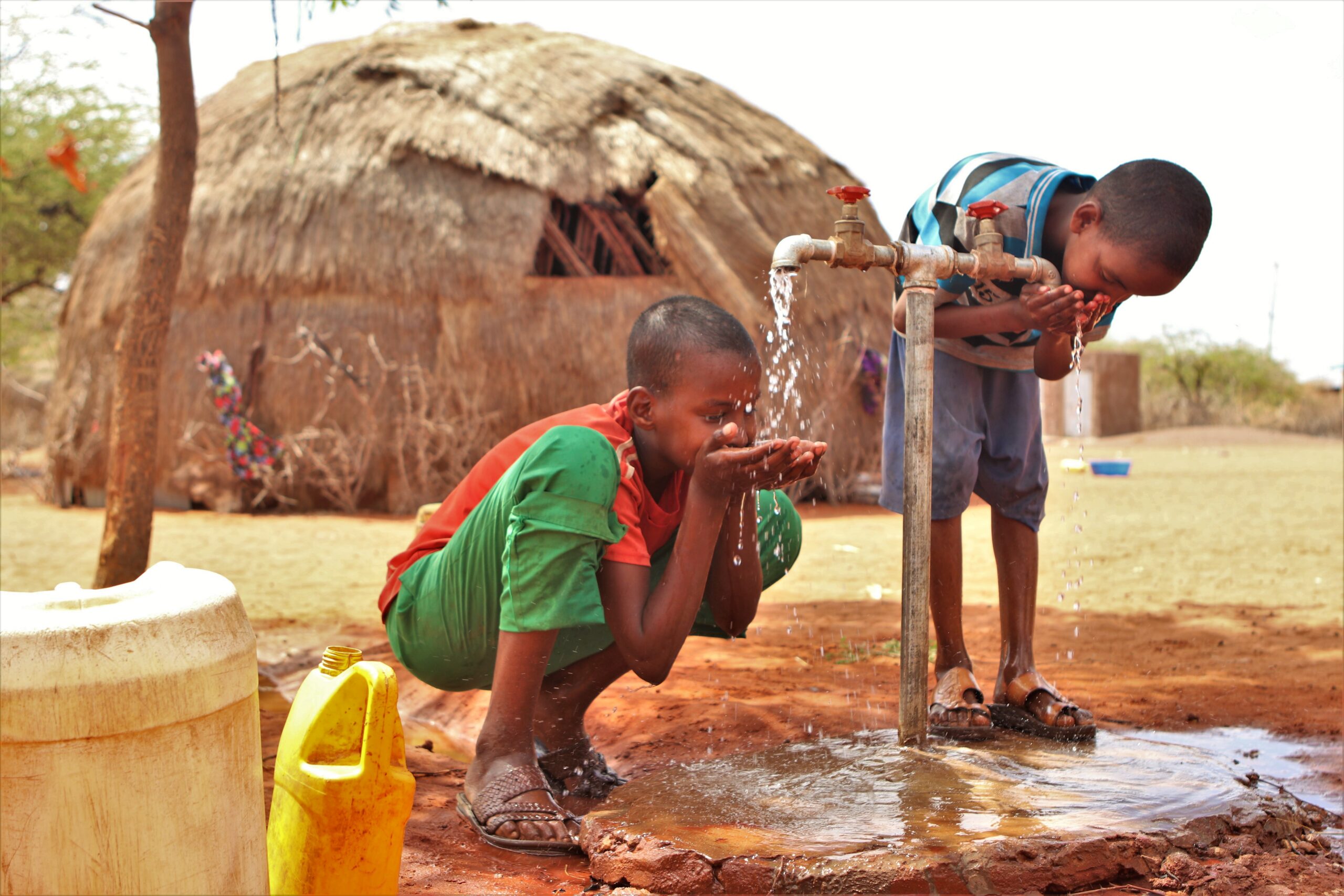
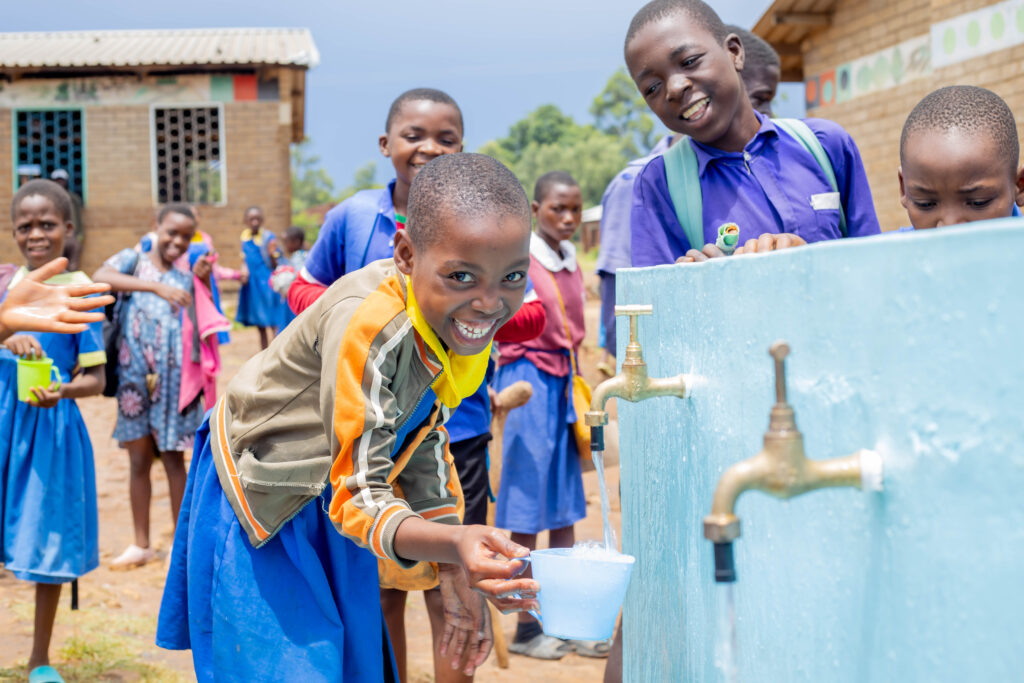
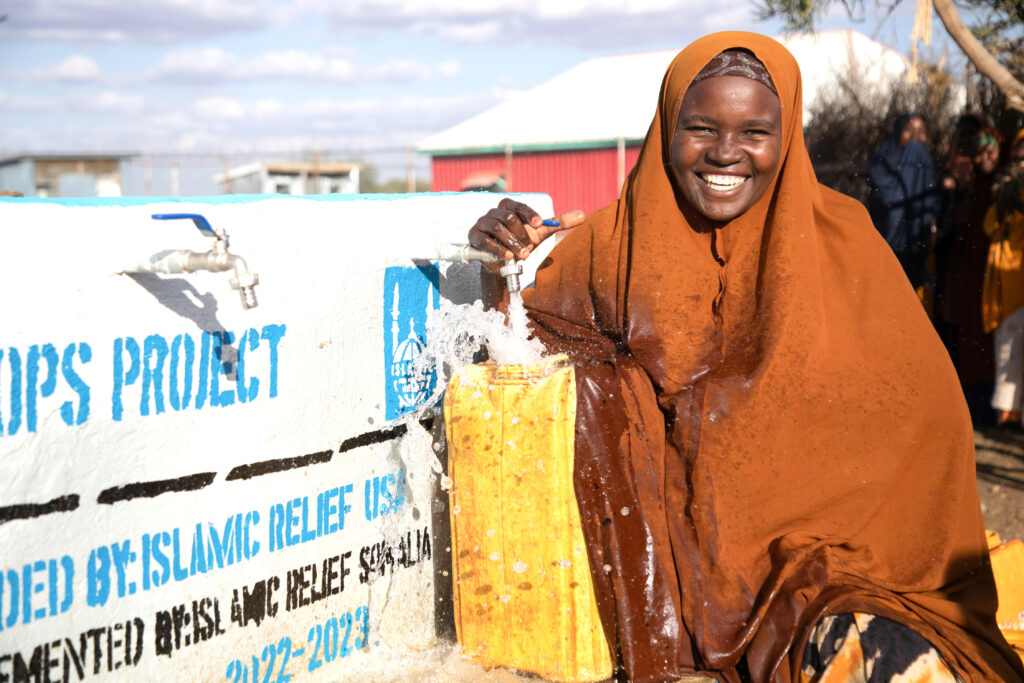
For example, water projects are one act of charity that keeps on giving, bringing more and more benefits and rewards to the receiver and giver. As a result, when a community has water, we see families grow food, healthy children attend school, clean hospitals and more!
Insha’Allah, when we provide water, we hope that these projects will remain sustainable. That they not only provide water in the present, but also for years to come. As well as provide beneficial knowledge for communities to pass on to future generations.
What is the difference between Sadaqah and Sadaqah Jariyah?
Sadaqah is an act of kindness that you donate. It can be anything from money to your time towards helping a cause.
Sadaqah Jariyah is a long-term kindness that accumulates ongoing rewards from Allah (SWT). For example, when someone decides to build a well, Allah (SWT) rewards them for the act. But He also rewards the believer who carried out that good deed each time someone or something uses or drinks from the well, even after their death. By giving Sadaqah Jariyah you can accrue rewards from Allah (SWT) beyond your lifetime.
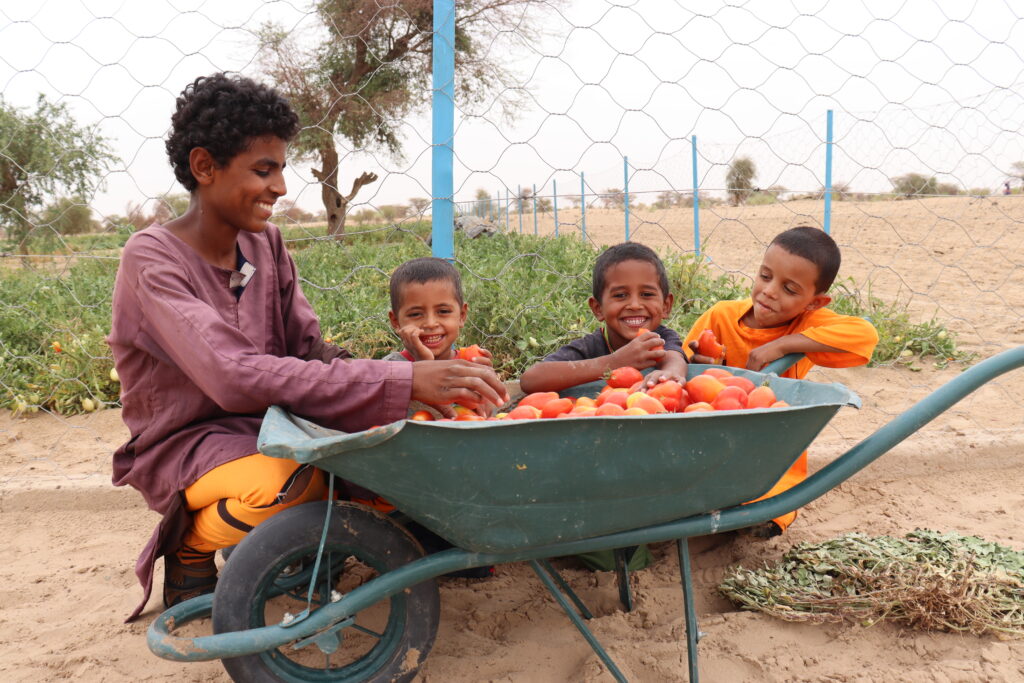
Other examples include teaching someone an ayah of the Qur’an, or supporting our sustainable water projects, like drip irrigation systems, to ensure that families are able to grow crops for years to come.
Why do Muslims give Ongoing Charity?
Helping those who are less fortunate is an important aspect of the Islamic faith. Muslims give Sadaqah Jariyah because it helps our sisters and brothers in humanity, and in doing so, we gain the reward of Allah (SWT). Muslims are encouraged to give Sadaqah Jariyah for as long as the donation continues to benefit others. The donor will reap the reward of it, whatever it may be. This could last beyond the donor’s lifetime, and potentially even generations.
Examples of Sadaqah Jariyah
Sadaqah Jariyah is any form of ongoing charity (gesture or donation) that benefits others. Examples include:
Teaching someone a valuable skill
Building an institution of good, such as a mosque, school, hospital or orphanage
Building a means of provision, such as a well
Teaching someone valuable knowledge, through books, lessons etc.
Planting a tree
Creating farmland
Creating a home or shelter for people or animals
Inventing something of use for people or animals
How Islamic Relief uses your Sadaqah Jariyah donations
For many of the world’s most vulnerable, your Sadaqah Jariyah donations are a lifeline. When you provide this everlasting Sadaqah to Islamic Relief, you can change the future of an orphan in need, who, through your vital donations, is provided with a way home to food, shelter, an education, and a chance at a brighter future.
It can help provide sustainable long-term water provisions that can benefit individuals, families, and entire communities for many years to come.
Your donations can also provide livelihoods to thousands of people and communities, helping to break the poverty cycle and lifting individuals in need into wellbeing. Sadaqah Jariyah is what today’s international development sector calls ‘sustainable development’. Something Islam promoted over 1400 years ago. It encompasses the majority of the sustainable development programmes carried out by both Islamic Relief and other NGOs today.
Your Sadaqah Jariyah donations are simply transformative.
When should you give Sadaqah Jariyah?
At any time of the year you can give Sadaqah Jariyah. It is often common to give in the name of a loved one after their death or when ill to bless their record of good deeds in the next life without taking away from your good deeds either.
Good deeds undertaken in the months of Ramadan and Dhul Hijjah are also particularly special.
Sadaqah Jariyah is used towards our global projects here at Islamic Relief. These are for the benefit of the poor and needy (both Muslim and non-Muslim).
Sadaqah Jariyah is a beautiful act of charity because of the multitude of benefits inherent in the act.
It benefits the donor, who gains reward in this life and as long as the charity benefits others – this could be beyond their lifetime. Giving charity of any kind, is also known to enhance the wellbeing of human beings.
It also benefits those in need and beyond. For some, an act of Sadaqah Jariyah can provide immediate and long-lasting relief. It can impact and shape the lives and futures of individuals and communities, potentially for generations.
Yes. Whether you wish to give on behalf of someone who is alive or has passed away, if you make the intention of doing it on their behalf, it will be accepted with the permission of Allah (SWT).
It also benefits those in need and beyond. For some, an act of Sadaqah Jariyah can provide immediate and long-lasting relief. It can impact and shape the lives and futures of individuals and communities, potentially for generations.
Sadaqah Jariyah can be given to a mosque. This includes in the form of assistance to construct buildings/services, provide educational materials, plant trees/gardens or any other long-term feature.
There are limitless forms of Sadaqah Jariyah – our imagination is our limit! In short, as long as your project provides ongoing benefit to others, using halal sources/means.
Zakat is an obligatory charity for those who meet the threshold (Nisab), as ordained by Allah (SWT) in the Holy Qur’an. It can be used for both short-term and long-term purposes.
Sadaqah Jariyah is a voluntary form of charity that refers to ongoing charity only.
Whilst many people give Sadaqah Jariyah when something bad happens for example the death of a loved one (offering charity in their name), this is not a requirement. However, it does offer multiple blessings and can help with the grieving process. In addition, offering a memorial to a loved one and giving charity in Islam is important during happier, more prosperous times as a gesture of thanks to Allah (SWT).
The month of Dhul Hijjah is one of the holiest periods of the Islamic year SubhanAllah. A month of increased spirituality, we witness two very special events (Hajj and Eid ul Adha) – all in devotion to Allah (SWT).
The first 10 days of Dhul Hijjah are often referred to as the best 10 days of the year, and a second chance after Ramadan. This year, even if we can’t make the sacred journey of Hajj, there is still a great opportunity for us to earn countless blessings and rewards – at home.
The Prophet (pbuh) said: “There are no days in which righteous deeds are more beloved to Allah than these ten days.” [Bukhari]
So, how can we make the most of these 10 days?
1. Increase your Dhikr (remembrance of Allah) during these 10 days. Seeking forgiveness, increasing your prayers, making lots of du’a (supplication), and spiritual reflection are strongly encouraged during this time.
Our Prophet Muhammad (pbuh) said: “There are no days that are greater before Allah or in which good deeds are more beloved to Him than these ten days. So recite a great deal of tahleel, takbeer and tahmeed during them.” [Ahmad]
Tahmeed: Al-hamdu Lillah (All praises be to God)
Tahleel: Laa ilaha ill-Allah (There is no god but Allah)
Tasbeeh: Subhaan-Allah (Glory be to God).
2. Fast, especially on the Day of Arafah
The Prophet said, “One fast during these days is equal to the fasting of one complete year, and the worship of one night during this period is equal to the worship in the Lailatul-Qadr” [Tirmidhi].
Fasting any or all of the first 10 days Dhul Hijjah brings immense rewards. It is said that for each day you fast in these 10 days, Allah rewards you as if you have fasted a whole year. But those who fast on the ninth day (the Day of Arafah) will have their reward doubled: fasting on this day brings with it a reward of up to two years.
The Prophet said: “Fasting the day of Arafah expiates the sins of two years: the past one and the coming one.” [Muslim]
3. Give Sadaqah (voluntary charity)
The rewards for giving charity are multiplied many times over during this special time so don’t miss this opportunity to be as generous as possible.
4. Perform the obligatory sacrifice – Qurban
“For every hair of the Qurban you receive a reward from Allah.” [Tirmidhi]
This is an Islamic tradition in which Muslims around the world slaughter an animal – a goat, sheep, cow or camel – to commemorate the Prophet Ibrahim (AS) for his willingness to sacrifice his son Ismail, for the sake of God. This takes place on the 10th, 11th or 12th day of Dhul Hijjah.
Maintaining the ties of kinship is from the best of deeds. The Propet Muhammad (pbuh) said “Whoever would like his provision to be increased and his lifespan to be extended, let him maintain the ties of kinship.” [Bukhari].