01.29.26

A Simple Ramadan Plan: How to Prepare for a Meaningful Month

  Publications     Ramadan

Ramadan is a deeply meaningful time, but for many people it can also feel overwhelming.

Balancing work, family, worship, and daily responsibilities while fasting is not always easy, especially when the month arrives quickly.

Having a simple Ramadan plan can help bring clarity and calm. Rather than trying to do everything at once, a thoughtful plan allows you to approach Ramadan with intention, consistency, and balance.

This guide offers a simple, realistic way to plan for Ramadan, focusing on what truly matters and showing how existing Islamic Relief Australia resources can support you throughout the month.

Why Having a Ramadan Plan Matters

Ramadan is not just about changing meal times. It is a month of spiritual focus, self-reflection, and generosity.

Allah SWT tells us in the Qur’an:

فَاتَّقُوا اللَّهَ مَا اسْتَطَعْتُمْ


“So be mindful of Allah as much as you are able” (Surah At-Taghābun 64)

As the month of months, Ramadan is the time to increase in our mindfulness of Allah, with a deliberate plan.
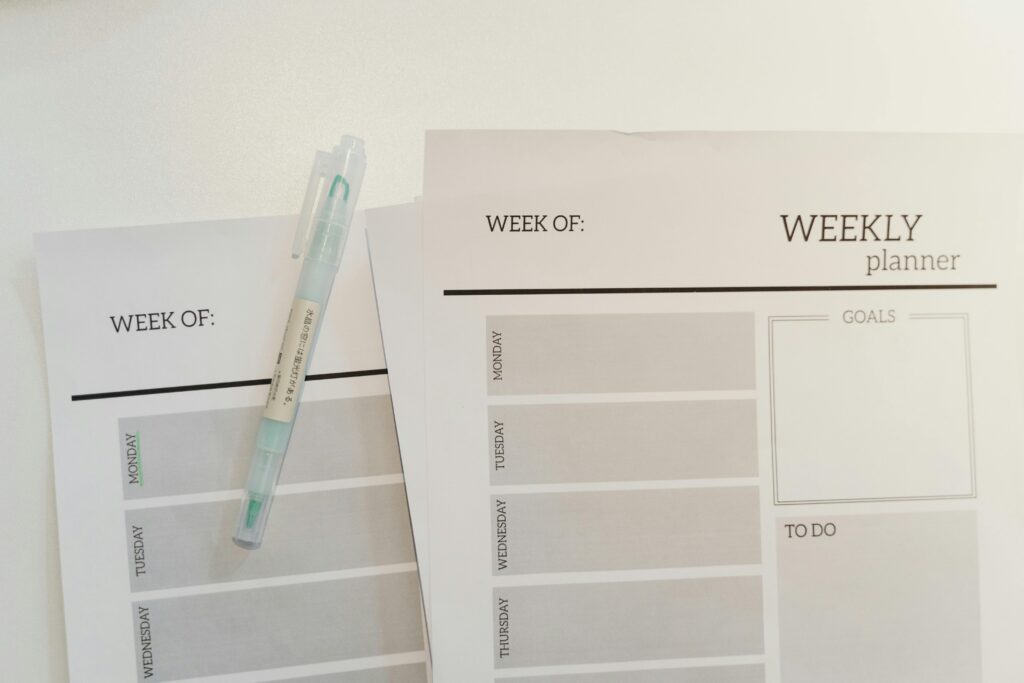
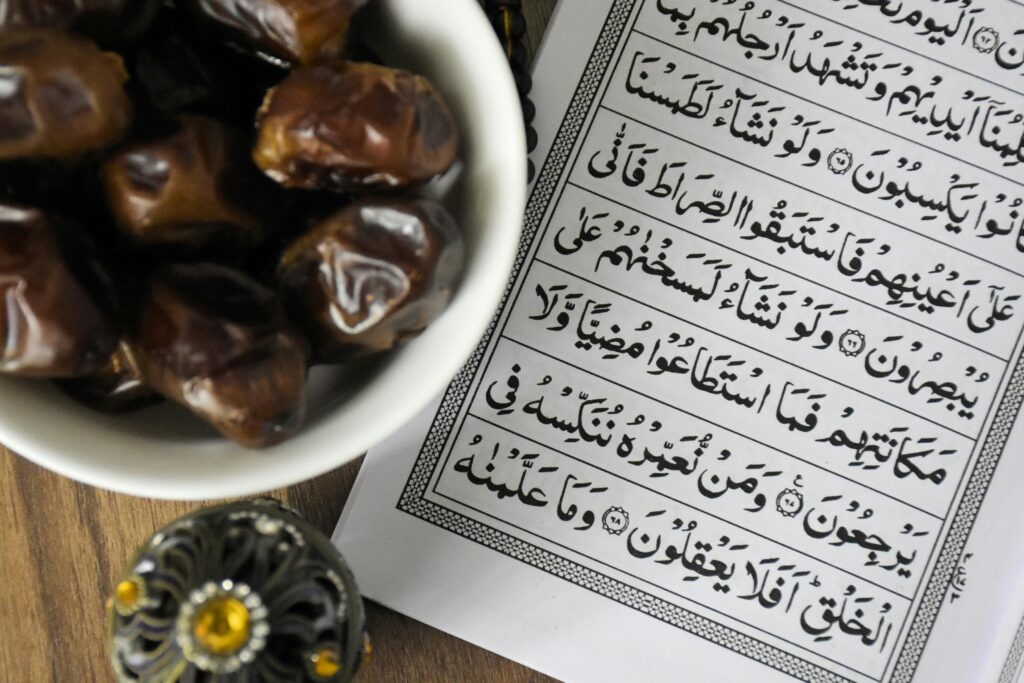
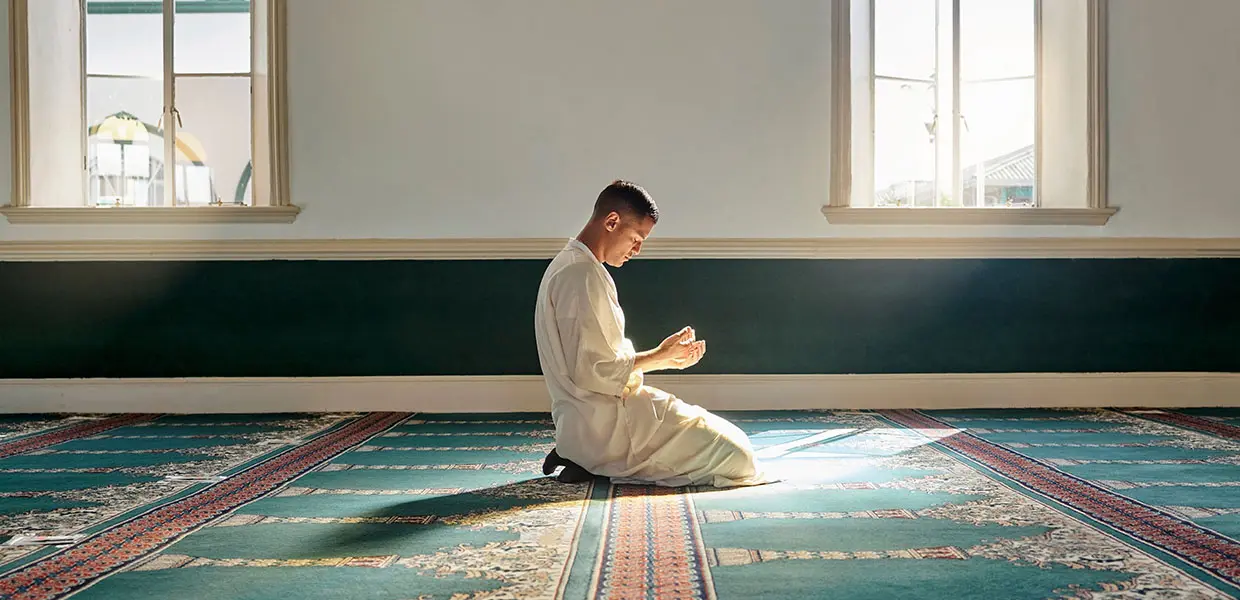
Ramadan plan

Without a plan, it is easy for the days to pass quickly without making the most of the opportunity Ramadan offers. A simple plan helps you:

  • Set clear intentions for worship
  • Stay consistent rather than rushed
  • Balance spiritual goals with daily responsibilities
  • Approach Ramadan with calm rather than pressure.

A plan does not need to be detailed or rigid. Even a light structure can make a meaningful difference.

Start With Intention

Every meaningful plan begins with intention.

Before thinking about schedules or goals, take a moment to reflect on what you want Ramadan to be for you this year. This may include strengthening prayer, improving character, reconnecting with the Qur’an, or increasing generosity.

Clear intentions help guide decisions throughout the month and keep focus on purpose rather than perfection.
A good Ramaadn plan starts with intention

Keep Your Plan Simple and Realistic

A simple Ramadan plan works best when it is realistic.

The Prophet ﷺ said: “The most beloved deeds to Allah are those that are consistent, even if they are small.” (Agreed upon).

This famous hadith is nowhere more relevant than in Ramadan. Despite our lofty targets, consistency through the month is often more key to having a transformative month.

Rather than setting many ambitious goals, focus on a small number of practices you can sustain. Consistency is more valuable than intensity.

This might include:

  • Committing to regular prayer times
  • Setting aside time for Qur’an recitation
  • Choosing one habit to improve
  • Planning regular moments of reflection.

Plan Around Your Daily Routine

A practical Ramadan plan fits into your existing routine rather than fighting against it.

Consider your work hours, family commitments, and energy levels. Planning worship around these realities makes consistency more achievable.

Using a Ramadan calendar can help you structure your days around prayer times, fasting hours, and important nights, while still allowing flexibility.

Prepare for the Last Ten Nights

The last ten nights of Ramadan hold special significance, including the possibility of Laylatul Qadr.

Rather than waiting until they arrive, include them in your plan early. This may involve reducing optional commitments, prioritising worship, or planning charity in advance.

Approaching the last ten nights with preparation helps ensure they are not rushed or overlooked.

Make Du’a Part of Your Plan

Supplication is a central part of Ramadan. Rather than viewing du’a as something to do only when time allows, consider making it a consistent part of your daily routine. This could be after prayers, before breaking the fast, or during quiet moments at night.

Islamic Relief Australia’s Dua Hub brings together a wide range of supplications for different moments and needs, offering guidance without the need to search elsewhere.
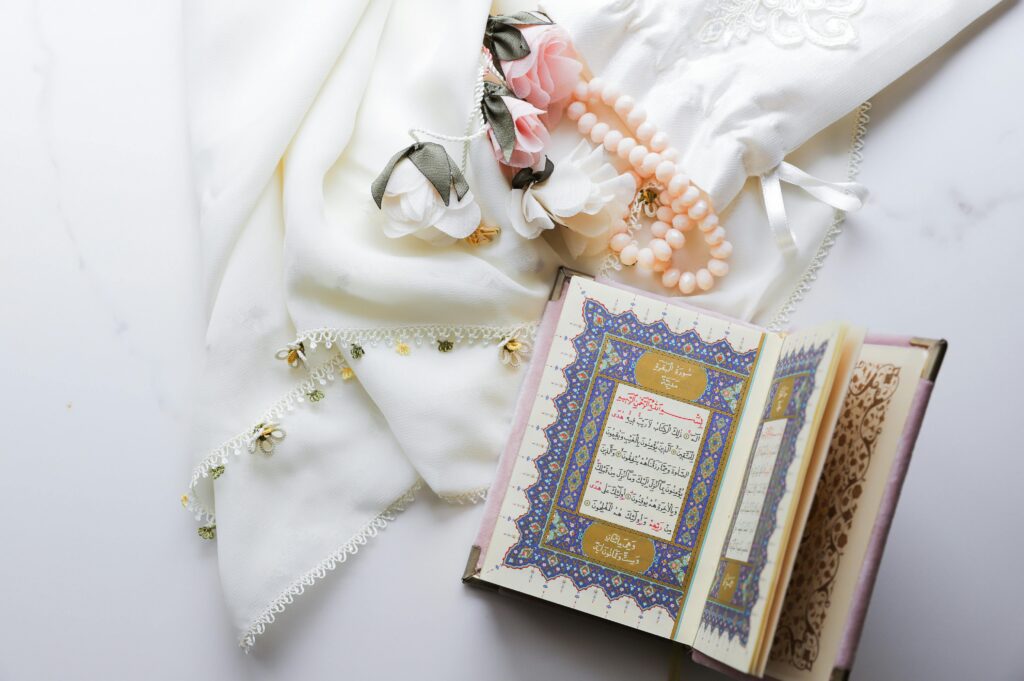
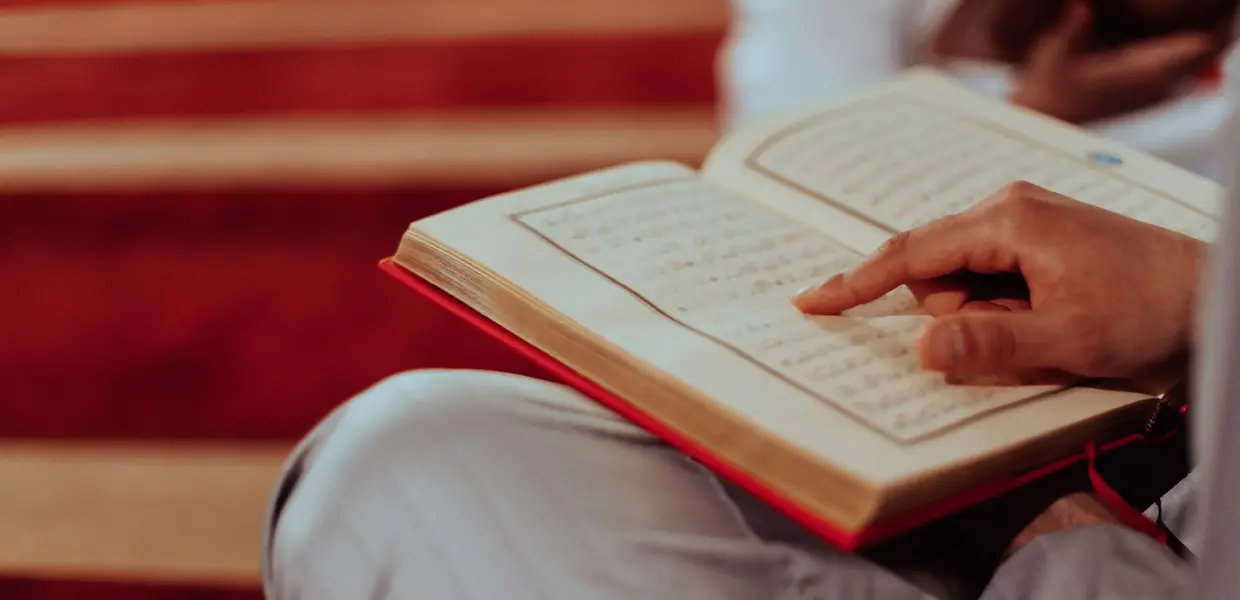
There are many du'as in the Qur'an

Plan Your Giving With Purpose

Ramadan is a time when many people increase their charitable giving.

Including generosity in your Ramadan plan helps ensure that giving is thoughtful and intentional rather than rushed. This may involve calculating Zakat early, planning regular donations, or choosing causes that align with your values.

Islamic Relief Australia supports a range of humanitarian programs, allowing your giving to have meaningful impact throughout the month.

Use Existing Resources to Support You

You do not need to plan Ramadan alone.

Islamic Relief Australia has created a range of resources designed to support individuals and families throughout the month, including:

  • Preparing for Ramadan: How to Build Your Action Plan
  • The Ramadan Resources Hub
  • The Ramadan Journal.

Using these tools can help bring structure and clarity to your Ramadan without adding pressure.

A Balanced Approach to Ramadan

A simple Ramadan plan is not about doing everything perfectly. It is about approaching the month with sincerity, balance, and intention.

Small, consistent acts performed with focus often carry greater benefit than ambitious plans that cannot be sustained.

By keeping your plan realistic and centred on what matters most, you can experience Ramadan as a time of renewal, reflection, and generosity.

Ramadan offers a unique opportunity each year to reset, reflect, and reconnect.

With a simple plan and the support of existing resources, you can approach the month with confidence and calm, making the most of its spiritual and personal significance.
01.29.26

How to Prepare for Ramadan Spiritually and Practically

  Publications     Ramadan

Ramadan is a month of worship, reflection, and generosity. While its arrival is eagerly anticipated, many people reach the start of Ramadan feeling unprepared or unsure how to balance spiritual goals with daily responsibilities.

Preparing for Ramadan does not require dramatic changes or complex plans. Thoughtful preparation, both spiritual and practical, helps create space for focus, consistency, and calm throughout the month.

This guide explores how to prepare for Ramadan in a balanced and realistic way, while also pointing to existing Islamic Relief Australia resources that can support you before and during the month.

Why Preparation Matters

Ramadan arrives whether we are ready or not. Without preparation, the days can pass quickly, leaving little room for reflection or meaningful change.

Allah (SWT) tells us:

وَسَارِعُوا إِلَىٰ مَغْفِرَةٍ مِّن رَّبِّكُمْ وَجَنَّةٍ عَرْضُهَا السَّمَاوَاتُ وَالْأَرْضُ أُعِدَّتْ لِلْمُتَّقِينَ


“And hasten to forgiveness from your Lord and a Garden as wide as the heavens and the earth, prepared for the righteous” [Surah Aal Imran 133]

Preparing in advance allows you to:

  • Approach Ramadan with intention rather than urgency
  • Reduce stress around daily routines – focus on consistency instead of perfection
  • Make space for worship alongside work and family life.

Preparation is not about doing more. It is about doing what matters with clarity and the best of intentions.

Prepare for Ramadan through making a planner

Spiritual Preparation: Setting the Foundation

The Prophet ﷺ said:

“Whoever fasts Ramadan out of faith and seeking reward, his previous sins will be forgiven.” [Agreed upon]

This incredible hadith informs us about the sheer weight of reward on offer in this blessed month.

Spiritual preparation begins with intention. Taking time to reflect on what you hope to gain from Ramadan helps guide your actions throughout the month.

This may include:

  • Renewing intention for fasting and worship
  • Reflecting on areas of personal growth
  • Seeking forgiveness and reconciliation
  • Making du’a for a meaningful Ramadan

Simple acts of reflection before Ramadan begins can shape the tone of the entire month.

Reconnecting With Prayer

Prayer is central to Ramadan, yet it can be challenging to maintain focus during busy periods.

Preparing spiritually may involve:

  • Reviewing prayer routines
  • Setting realistic expectations around additional nawafil (supererogatory) prayers
  • Identifying quiet moments for reflection.

Approaching prayer with consistency and sincerity is more beneficial than placing pressure on oneself to do everything at once.

Preparing Your Relationship With the Qur’an

Ramadan is closely connected to the Qur’an. Many people aim to increase their recitation or understanding during the month for this reason. The Qur’an began to be revealed in the month of Ramadan, and the Prophet (peace be upon him) and his companions increased their recitation of the Qur’an to much higher levels during the blessed month.

Preparation can be as simple as:

  • Setting a manageable recitation goal
  • Choosing a translation or commentary to reflect on
  • Identifying a regular time for reading every day.

Small, consistent engagement with the Qur’an often leads to a deeper connection than ambitious goals that cannot be sustained.

We can prepare for Ramadan by strengthening our relationship with the Qur'an

Practical Preparation: Simplifying Daily Life

Practical preparation supports spiritual focus.

This may include:

  • Adjusting sleep routines gradually
  • Planning meals ahead of time
  • Reviewing work and family commitments
  • Reducing unnecessary obligations where possible.

Simplifying daily life creates space for worship without adding pressure.

Using a Ramadan calendar can help you visualise prayer times, fasting hours, and important nights, making daily planning easier.

Preparing for the Last Ten Nights

The last ten nights of Ramadan hold special significance. Preparing for them early helps ensure they are approached with intention rather than exhaustion.
This may involve:

  • Planning lighter schedules where possible
  • Setting aside time for additional worship
  • Reflecting on personal goals for this period.

Preparation allows these nights to be experienced with focus and calm.

Incorporating Du’a Into Daily Life

Increasing in supplication is an essential part of Ramadan.

Rather than viewing du’a as something to do only at specific times, preparation may involve integrating it into daily routines, such as after prayers or before breaking the fast.

Islamic Relief Australia’s Dua Hub offers a collection of supplications for different moments, providing guidance and inspiration without the need to search elsewhere.

Planning Your Giving

Charitable giving is an important aspect of Ramadan. Preparing in advance helps ensure generosity is intentional and aligned with personal values.

This may include:

  • Calculating Zakat before Ramadan begins
  • Planning how and when to give throughout the month
  • Learning about causes you wish to support

Islamic Relief Australia provides opportunities to support people in need locally and internationally, allowing generosity to be part of your Ramadan preparation.

prepare for Ramadan by managing your money for charity well

Using Existing Resources to Support Preparation

You do not need to prepare for Ramadan alone.

Islamic Relief Australia has developed a range of resources to support individuals and families, including:

  • Preparing for Ramadan: How to Build Your Action Plan
  • The Ramadan Resources Hub
  • The Ramadan Journal.

These tools can help bring structure to preparation while keeping the focus on intention and balance.

A Balanced Approach to Preparation

Preparing for Ramadan is not about achieving perfection. It is about approaching the month with sincerity, realism, and care.

Small steps taken before Ramadan begins can make the month more meaningful and less overwhelming.

Ramadan preparation is both spiritual and practical.

By setting intentions early, simplifying daily routines, and making use of existing resources, you can approach Ramadan with confidence and calm, ready to engage with the month in a way that is meaningful and sustainable.

01.16.26

Al Isra’ wal Mi’raj 2026: The Night Journey (27th Rajab)

  Publications     Ramadan

What is Al Isra’ Wal Mi’raj (27th Rajab*)

Al Isra wal Miraj is believed to be the night in which the beloved Prophet (peace be upon him) embarked on the famous night journey and ascension, also known as Shab-e-Miraj. The night is commemorated on the 27th of Rajab.

The night journey and ascension of Prophet Muhammad (PBUH) was a miraculous occurrence during which he travelled from Makkah to Masjid Al-Aqsa in Jerusalem before ascending to heaven, all in one night. Isra’ is the night journey from Makkah to Masjid Al-Aqsa. Mi’raj is the journey from Masjid Al-Aqsa to the heavens.

While in Arabic, this is known as Al Isra’ Wal Mi’raj, in Bangla, Persian, Iranian, Pakistani and Indian dialects, this famous journey is sometimes referred to as Shab-e-Miraj, or, the Night of Miraj.

It was when the Prophet (PBUH) was first given the five prescribed daily prayers. He also led the other Prophets in prayer and met some of them. Many extraordinary sights were witnessed by the Prophet (PBUH) on this journey.

It was also a test of faith for the believers at the time and an opportunity for the true believers to shine.

The historical period when the night journey and ascension took place, was a period in which Prophet Muhammad (PBUH) was facing intense hardship and grief after the consecutive deaths of some of his dearest family members and supporters, whilst also facing the cruel rejection of the people of Ta’if. It is thought to have taken place one year before the Hijrah (migration) from Makkah to Madinah.

Allah (SWT) blessed the Prophet (PBUH) with this miracle that significantly impacted the Prophet’s (PBUH) life and Islam as we know it.

“Exalted is He who took His Servant (Prophet Muhammad (PBUH)) by night from al-Masjid al-Haram to al-Masjid al-Aqsa, whose surroundings We have blessed, to show him of Our signs. Indeed, He is the Hearing, the Seeing.”

Qur’an | Surah Al-Isra | 17:1

Photo: An Image of masid Al-Aqsa with a an amazing sunset.

When is Al Isra’ wal Mi’raj (27th Rajab) 2026?

The night of Al Isra’ wal Mi’raj is expected to fall on the evening of Thursday 15th January 2026, depending on the sighting of the moon. The Gregorian date that coincides with the 27th of Rajab in 2026 is 16th January 2026.

What is the significance of Al Isra’ wal Mi’raj (27th Rajab)?

The night journey (Al Isra’ wal Mi’raj) has many lessons and virtues for us to reflect on, especially in the lead up to the holy month of Ramadan.

The context in which it took place is crucial, as the Prophet (PBUH) was experiencing a period of great hardship and suffering.

His (PBUH) beloved wife and the first Muslim, Khadijah (RA), passed away.

His (PBUH) uncle Abu Talib, who was one of his greatest supporters against the Quraysh also passed away during that period in what became known as the Year of Sorrow. This was 10 years after the Prophet (PBUH) began to preach his message. He was also, cruelly rejected by the people of Ta’if around this time, who he had hoped to spread the message of Islam to.

“After the Prophet (PBUH) was miraculously taken by night to the furthest mosque in Jerusalem, the people began to talk about it. Some of them renounced their faith and belief in him. They looked for Abu Bakr and they said, ‘Have you heard that your friend imagined he was taken by night to the sacred house?’ Abu Bakr said, ‘Did he say that?’ They said, ‘Yes.’ Abu Bakr said, ‘If he said it, then it is the truth.’ They said, ‘Do you believe he went by night to the sacred house and returned before morning?’ Abu Bakr said, ‘Yes. Verily, I believe something even more astonishing than that. I believe he has received revelations from heaven for everything he does.’ For this reason, Abu Bakr was named the Truthful, al-Siddiq.”

Aisha (R.A) — Dalā’il al-Nubuwwah, al-Bayhaqī (2/361)

Duas to read on Al Isra’ wal Mi’raj (27th Rajab)

On any virtuous night like Al Isra wal Mi’raj, it’s important to increase our supplications to Allah, and to ask Allah to fulfil our needs and the needs of our Muslim brothers and sisters across the world.

It’s also important to pray nafl (optional) prayers, send salutations (Salawat) upon the Prophet (PBUH), and increase recitation of the holy Qur’an. 

Virtues of the night of Al Isra wal Miraj (27th Rajab*)

The night of Al Isra wal Mi’raj holds great spiritual significance for Muslims and is an extremely important event. It has a direct impact on our daily lives, as this was the night that the Prophet (PBUH) was commanded to establish Salah (prayer). 

The miracle of Al Isra’ wal Mi’raj also shows us a glimpse of  the infinite power and glory of Allah, what is beyond the unseen eye, and the dearness of the Prophet (PBUH) to Allah.  

On the night of Al Isra wal Miraj (27th Rajab*), as well as offering nafl prayers, giving Sadaqah and increasing other forms of worship. It’s important to reflect on Al Isra wal Mi’raj and draw lessons from the blessed event which may help us greatly. 

For example, the blessed journey reminds us of the spiritual heavenly world which we cannot see, but exists for righteous believers.

For those who may be experiencing a difficult period of time in their lives, Al Isra’ wal Mi’raj is a reminder of what Allah tells us in the Qur’an: 

“For indeed, with hardship [will be] ease. Indeed, with hardship [will be] ease.”

Qur’an | Surah Ash-Sharh | 94:5–6

Your Zakat Heals Our Ummah

Make the most of Shaban by preparing for Ramadan. Give the gift of happiness and hope to our brothers and sisters in need with Islamic Relief.

*Please note that the exact date of Al Isra wal Mi’raj is debated and not conclusively agreed among all scholars. 

01.02.26

What is Shaban 2026?

  Publications     Ramadan

Shaban (or Sha’ban, Shaaban), is the eighth month in the Islamic calendar. Coming before the ninth month, Ramadan, it is a bridge to the blessings the holy month brings.

Thus, we explore Shaban as a time to prepare for the important month ahead, and one we must not neglect.

When is Shaban 2026?

Shaban, this year, begins on January 20, 2026, according to the new moon’s sighting. This Islamic month may end on February 18, 2026, depending on the moon’s sighting for the start of Ramadan.

A crescent moon in the night sky, the sighting of which can be used to determine the dates for the Islamic months, such as Shaban
Photo: The sighting of the moon is used to determine the dates of the Islamic months of the lunar calendar.

What is the Significance of Shaban?

Imam Abu Bakr al-Warraq al-Balkhi (RA), the uncle of Imam Tirmidhi (RA), said: 
“The month of Rajab is the month of planting (your seeds), Sha‘ban is the month of irrigating / watering (them), and Ramadan is the month of harvesting the crop.”

Lataiful Ma’arif

Shaban, being the month just before Ramadan, is a perfect time to prepare for the blessed month. But it too, holds great importance on its own. Here are key reasons why:

More Fasting Than Any Other Month (Except Ramadan)

The Prophet Muhammad (ﷺ) would fast in Shaban more than any other month except Ramadan. Aisha (RA) said:

“I never saw the Messenger of Allah ﷺ fasting for an entire month except in Ramadan, and I never saw him fasting more than he did in Sha’ban.”

Sahih Al-Bukhari

He (ﷺ) also loved to fast in this month. So much so, that it was recorded in hadith. In Sunan Abu Dawud, it states, “The most beloved of months for the Messenger of Allah ﷺ to fast in was Sha’ban, and his fasting in Sha’ban was continuous with his fasting in Ramadan.”

More Opportunity for Rewards

Many scholars of the past (Salaf) also believed that fasting in Shaban was better than fasting in other months, even the sacred ones.

Ibn Rajab (RA) said, “Fasting in Sha’ban is better than fasting in the Sacred Months, and the best of voluntary fasts are those that are (observed in the months) closest to Ramadan, before or after.”

A hadith in Silsilat ul-Ahadith-as Sahiha also states, “Allah forgives all the believers in general; except the polytheists and the jealous people on the middle night of Sha’ban.” Some Muslims refer to this night as a Shab-e-Barat, however no Quranic verses specifically mention it.

Good Deeds to Do on Sha’ban

There are a lot of good deeds you can perform in the month of Shaban to make the most of it. Here are some simple acts of worship (ibadah) to add to your daily routine to earn good deeds AND prepare for Ramadan.

1. Do Voluntary Fasts

Prophet Muhammad (ﷺ) used to fast most of the days of Shaban. Thus, we should follow his Sunnah (actions and way of living) and keep as many voluntary fasts as we can in Shaban too. If it is hard to fast most of the month, try to fast on the 13th, 14th, and 15th as they are the White Days (Al-Ayyam al-Bid) of the Islamic month.  

However, there are also exceptions to fasting in Shaban. Abu Hurayrah (RA) mentioned that the Messenger of Allah (ﷺ) said, “Do not anticipate Ramadan by fasting one or two days before it begins, but if a man habitually fasts, then let him fast.” (Sahih Muslim)
He also reported that the Prophet (ﷺ) said not to fast if Sha’ban is half over. (Tirmidhi)

The exception to this would be someone who fasted regularly, such as the Prophet (ﷺ) and many of his companions. Thus, if you are someone who regularly observes the sunnah fast, then you may still observe them in the second half of Sha’ban. It is also permissible to make up a Ramadan fast at this time, if necessary, as Aisha (RA), one of the wives of the Prophet (ﷺ), herself said she would make up fasts in Shaban.

2. Recite the Quran

Ramadan is the month of the revelation of the Quran. Naturally, it is the month when we recite it the most. Thus, to help us get ready and see the best results in Ramadan, we should start the habit of reciting it more, starting from Shaban. 

Salamah ibn Kuhayl (RA) said, “It was said that Shaban was the month of the Quran readers.” (Lataiful Ma'arif)
Salamah ibn Kuhayl (RA) said, “It was said that Sha’ban was the month of the Quran readers.” (Lataiful Ma’arif)

3. Make Lots of Duas

Apart from obligatory prayers and observing fasting in Shaban, reciting different duas, tasbeeh, and staying engaged in remembrance of Allah (SWT) is also a good way of making the most of this month.

Here are some duas you can say to seek forgiveness and blessings from Allah (SWT).

“O Allah (SWT), I seek refuge in Your pleasure from Your anger and in Your forgiveness from Your punishment. I seek refuge in You from You. I cannot praise You enough. You are as You have praised Yourself.”

(Sahih Muslim)

Rabbanā lā tuākhidh’nā in nasīnā aw akh ta’na

رَبَّنَا لاَ تُؤَاخِذْنَا إِن نَّسِينَا أَوْ أَخْطَأْنَا

“Our Lord! Take us not to task if we forget or fall into error”

Qur’an 2:286

4. Perform Voluntary Prayers

To make it easier to do more voluntary prayers in Ramadan, start the practice of praying Tahajjud from Shaban. It will help you get used to the Ramadan schedule quicker and also bring you many rewards. 

5. Start Preparing Money for Ramadan

The Prophet Muhammad (ﷺ) was the most generous in giving charity (Zakat and Sadaqah) during Ramadan. To prepare for giving in Ramadan, we should start getting ready in Shaban, including finding Zakat calculations.

Like other forms of Ibadah, charity in Shaban is also an act of worship as you show kindness to others. For every good deed, specifically charity during Shaban, you can gain blessings in abundance.

Shaban: A Pathway to Blessings and Rewards

The Prophet Muhammad (ﷺ) said, “(Shaban) is a month to which people do not pay much attention, between Rajab and Ramadan. It is a month in which the deeds are taken up to the Lord of the worlds, and I like that my deeds be taken up when I am fasting.” (An-Nasa’i).

With this in mind, it is important not to neglect this blessed time. To make the most of it by increasing worshipping, observing fasting, reciting Quran and duas, and engaging in charitable activities.

Thus, it will be a month that not only strengthens your bond with Allah (SWT), but also helps you prepare for the sacred month of Ramadan.

Your Zakat Heals Our Ummah

Make the most of Shaban by preparing for Ramadan. Give the gift of happiness and hope to our brothers and sisters in need with Islamic Relief.

12.08.25

Ramadan Preparation: Making the Most of Rajab and Sha’ban

  Publications     Ramadan

With Ramadan fast approaching, many of us are thinking about how to make the most of it. How to truly ready our hearts, homes, and routines for the most blessed month of the year.

In Islamic tradition, this preparation doesn’t begin with the first sighting of the crescent moon. It actually starts much earlier. In fact, the Sahabah, the companions of the Prophet (ﷺ), even prepared for it six months in advance!

The new moon signals the coming of the next Islamic month, including Ramadan.
Photo: The new moon signals the coming of the next Islamic month, including Ramadan.

In our busy, unpredictable lives, half a year ahead might be hard to plan around. But even with two months to Ramadan, there’s still a lot we can do to prepare well.

The two months before Ramadan, Rajab and Sha’ban, provide us with many opportunities to cleanse our hearts with worship and discipline, and build habits that flourish in the Holiest month.

Imam Abu Bakr al-Warraq al-Balkhi (RA) said:

“Rajab is the month of planting the seeds, Sha’ban is the month of irrigating them, and Ramadan is the month of harvesting the crop.”

The Importance of Rajab: Planting the Seeds of Ramadan

Rajab holds a special position in the Islamic calendar. As one of the four sacred months, it carries extra weight in both worship and conduct. Allah (SWT) says:

“Verily, the number of months with Allah is twelve… four of them are sacred.”

Qur’an 9:36

A hadith in Sahih al-Bukhari further identifies these months: Dhul-Qa’dah, Dhul-Hijjah, Muharram, and Rajab.

In these sacred months, good deeds are elevated while sinful actions are more serious. Fighting was traditionally prohibited during this time, a reminder of the sanctity and peace associated with these periods.

Key Events in Rajab

Rajab is also remembered for significant historical and spiritual moments:

  • Birth of Ali (RA) – Born on the 13th of Rajab, he was both a cousin and close companion of the Prophet Muhammad (ﷺ).
  • Al Isra’ wal Mi’raj – The miraculous night journey and ascension of the Prophet (ﷺ), commonly believed to have occurred on the 27th of Rajab.
  • Battle of Tabuk (9 AH) – A major campaign where the Prophet (ﷺ) led 30,000 Muslims against the Roman forces, resulting in the Romans retreating and a peaceful resolution.
  • Liberation of Jerusalem (1187 CE) – Salahuddin al-Ayyubi reclaimed Jerusalem in Rajab after 88 years under Crusader occupation.

Fasting and Worship in Rajab

Rajab offers a precious chance to build momentum for Ramadan by nurturing one’s character, repentance, and devotion.

While no specific obligatory worship is prescribed for Rajab, many Muslims increase their voluntary acts during this sacred period. Recommended practices include:

  • Fasting on Mondays and Thursdays
  • Fasting on the White Days (13th, 14th, 15th of each lunar month)
  • Increasing du’a, Sadaqah Jariyah, and voluntary prayers

Understanding the Significance of Sha’ban, the Month Before Ramadan

If Rajab is for planting, Sha’ban is the month when those seeds are tenderly cared for. It is a month often overlooked, yet the Prophet (ﷺ) paid it great attention. Aisha (RA) said:

“I never saw the Messenger of Allah ﷺ fasting more in any month than in Sha’ban.”

Sahih al-Bukhari

In fact, he loved fasting in Sha’ban so much that his fasting would almost join with Ramadan.

Why Sha’ban Matters

  • It contains the Prophet (ﷺ)’s most frequent voluntary fasting after Ramadan
  • Scholars considered fasting in Sha’ban more virtuous than in the sacred months
  • It is a time when, as mentioned in hadith, deeds are presented to Allah (SWT), and the Prophet (ﷺ) preferred to be fasting when this occurred
  • Some Muslims also recognise the middle night of Sha’ban, although no Qur’anic verses specify it.

Good Deeds to Prioritise in Sha’ban

1. Increase Voluntary Fasting

Following the Sunnah, try to fast as much as is manageable, especially on Mondays and Thursdays and the White Days (13th, 14th, 15th).

However, the Prophet (ﷺ) instructed not to fast one or two days before Ramadan begins, unless it is part of one’s regular routine. Those who habitually fast may continue even in the second half of Sha’ban, and it is also permissible to complete missed fasts from the previous Ramadan.

2. Recite More Qur’an

Sha’ban was known as “the month of Qur’an reciters.” Increasing your recitation now helps you enter Ramadan with spiritual focus and stamina.

3. Make Abundant Du’a and Dhikr

Use this time to refresh your relationship with Allah (SWT). Simple daily du’as and tasbeeh can gradually expand your worship habits before Ramadan starts.

4. Perform Voluntary Prayers

Night prayer (Tahajjud) is especially powerful. Beginning this practice in Sha’ban makes it easier to maintain during Ramadan.

5. Prepare Your Charity

Charity given in Sha’ban can be a meaningful source of blessing. As the Prophet (ﷺ) was most generous in Ramadan, Sha’ban is an ideal time to:

  • Calculate your Zakat
  • Organise your Sadaqah plan
  • Set aside funds for Ramadan giving

A Pathway to Ramadan

Sha’ban sits between Rajab and Ramadan — a time when many people become distracted. But the Prophet (ﷺ) reminded us:

“It is a month to which people do not pay much attention, between Rajab and Ramadan…”
(An-Nasa’i)

By honouring this time, you strengthen your spiritual foundation, boost your ibadah, and prepare your heart for the mercy, forgiveness, and salvation that Ramadan brings.

Reading more Qur'an is one of the many ways to prepare for Ramadan.
Photo: Reading more Qur’an is one of the many ways to prepare for Ramadan.

Final Reflection Before Ramadan

Rajab and Sha’ban are precious months to strengthen our spirituality for the most blessed month of the year.

By engaging in worship, fasting, charity, Qur’an recitation, and sincere repentance, we prepare ourselves not only for Ramadan but for deeper connection with Allah (SWT) throughout the year.

May Allah bless our Rajab and Sha’ban, allow us to reach Ramadan, and help us reap its rewards, ameen!

12.08.25

What is Rajab 2026

  Publications     Ramadan

Rajab is the seventh month of the Islamic (Hijri) calendar and is one of the four sacred months.

It precedes the month of Sha’ban and Holy month of Ramadan. It also contains many benefits and virtues, as some of the most precious days of the Islamic calendar occur within this month.

When is Rajab 2026? 

This sacred month is expected to begin on December 21, 2025, depending on the sighting of the moon.

There is also Isra’ and Mi’raj on 27th Rajab. This is expected to occur on January 16, 2026. 

A crescent moon in the night sky, the sighting of which can be used to determine the dates for the Islamic months, such as Rajab
Photo: The sighting of the moon is used to determine the dates of the Islamic months of the lunar calendar.

Why is Rajab Important in Islam? 

Rajab is one of the four sacred months of the year. In Surah At-Tawbah, it states:

Verily, the number of months with Allah is twelve in the book of Allah, since the day He created the Heavens and the Earth. Four of them, they are sacred. 

Qur’an 9:36 

Likewise, the names of these four sacred months are listed in this hadith.

Time has come back to its original state which it had when Allah created the Heavens and the Earth; the year is twelve months, four of which are sacred. Three of them are in succession: Dhul-Qa‘dah, Dhul-Hijjah, Al-Muharram and Rajab of Mudar, which stands between Jumada (ath-Thani) and Sha‘ban. 

Sahih al-Bukhari 

These months are sacred as there are many virtues attached to them. Fighting is prohibited during these four months. In turn, all transgressions during these months weigh heavier as wrong deeds, while all sincere acts of worship become elevated in their good deeds.

Significant Events Taking Place in Rajab 

The birth of Ali (RA) 

On the 13th Rajab, Ali (RA), the cousin and companion of the Prophet Muhammad (ﷺ), was born.

Al Isra’ wal Miraj 

The Prophet’s (SAW) night journey Al Isra’ wal Miraj is thought to have taken place on the 27th Rajab. 

Battle of Tabuk 

In 9AH, the Battle of Tabuk took place during Rajab. During this battle, the Prophet (ﷺ) took 30,000 men to face the Roman army. As a result, the Romans retreated. Then, afterwards, a peace agreement was made. 

Salahuddin al-Ayyubi liberated Jerusalem 

In Rajab of 583 AH (1187 CE), Salahuddin al-Ayyubi liberated Jerusalem after 88 years of Crusader occupation. 

Fasting in Rajab 

The sacred months are an excellent time to do sunnah (supererogatory) acts of worship, fasting included. Voluntary (nafl) prayers, du’a and Sadaqah Jariyah, are also other virtuous acts that weigh more on the scale as good deeds due to the sacredness of this month.

Whcih days should I fast in Rajab? 

There are many days on which it is Sunnah to fast. The Prophet Muhammad (ﷺ) used to fast on Mondays and Thursdays. It is also recommended to fast on the white days (13th, 14th and 15th of the Islamic lunar month).

Make the most of this sacred month

Rajab is one of the four sacred months of the year. It is also the month when Al Isra’ wal-Mi’raj took place. This makes it a month of many opportunities for blessings.  

This month is a time, when we, as Muslims, should increase worship and devotion to Allah (SWT). By working on improving our character and becoming more motivated to earn good deeds, we can earn immense rewards and better prepare for Ramadan (which is coming soon at the end of February!) in these coming months.

As Imam Abu Bakr al-Warraq al-Balkhi (RA), the uncle of Imam Tirmidhi (RA), said, ‘The month of Rajab is the month of planting (your seeds), Sha‘ban is the month of irrigating/watering (them), and Ramadan is the month of harvesting the crop’.  

Rajab is the time to prepare for Ramadan – spiritually, mentally and physically. Remember to make the most of this sacred time by performing as many good deeds as you can and seeking forgiveness from Allah (SWT). May He accept and reward your efforts, ameen!

Your Zakat Heals Our Ummah

Make the most of Rajab by preparing for Ramadan. Give the gift of happiness and hope to our brothers and sisters in need with Islamic Relief.

11.11.25

When is Ramadan 2026 in Australia?

  News     Ramadan

Alhamdulillah! The blessed month of Ramadan is approaching soon! For Muslims across the globe, the holy month of Ramadan is a sacred time for worshipping Allah (SWT).

It is an opportunity for new beginnings. An opportunity for spiritual renewal and reflection, increased devotion, and celebration of the mercy and love of Allah (SWT).

What is Ramadan? 

Ramadan is the ninth month of the Islamic lunar calendar.

During this sacred period, healthy adult Muslims are required to fast each day from dawn until dusk. This includes abstaining from drinking, eating, sexual relations, displeasing behaviours and anger. At the same time, other acts of worship such as prayer, reading the Quran and giving charity are encouraged during the Holy Month.

Ramadan lasts 29 or 30 days, depending on the sighting of the moon, as the Islamic calendar follows the lunar cycle.

As such, the time the month takes place each year varies. Generally, it roughly moves back 10 or 11 days from its previous date in the more commonly used Gregorian calendar. 

This year, Ramadan is expected to begin on the evening of Wednesday, February 18, 2026, and end on Friday, March 20, 2026, depending on the sighting of the moon.

Why is Fasting Important During Ramadan?

As revealed in the Quran in Surah Al-Baqarah, Allah (SWT) has made it obligatory for Muslims to fast during the month of Ramadan.

“O believers! Fasting is prescribed for you—as it was for those before you—so perhaps you will become mindful (of Allah). (Fast a) prescribed number of days…Ramadan is the month in which the Quran was revealed as a guide for humanity with clear proofs of guidance and the decisive authority. So whoever is present this month, let them fast.”

Quran, 2:183-185

In these verses, Allah (SWT) establishes fasting during Ramadan as an important act of worship. He also emphasises the sacredness of Ramadan as the month the Quran was revealed and gifted to humanity.

The first day of fasting is expected to start on Thursday, February 19, 2026.

More Ramadan Acts: Giving Zakat and Other Donations

Ramadan is filled with many opportunities to earn rewards through good deeds and providing charity is one of them. From fulfilling Zakat to giving more Sadaqah, paying Fitrana (Zakat al-Fitr) or repaying missed fasts through Fidya (Fidyah) or Kaffarah, there are many ways to give during this month.

The Prophet Muhammad (ﷺ) himself also gave more charity during this blessed month than at any other time. As narrated by Ibn Abbas:

“The Prophet (ﷺ) was the most generous of people in charity, but he was generous to the utmost in the month of Ramadan…giving charity like the blowing wind.”

Sahih Muslim

Important Dates in Ramadan

The Night of Power – Laylatul Qadr

In Ramadan, Allah (SWT)’s great love and mercy towards us have made it so that every good deed we do in this blessed month is multiplied by many.

This is especially true in the last 10 nights of the blessed month, which are full of even greater rewards and blessings. This is because it contains the most blessed of nights: Laylatul Qadr.

In the Qur’an, Allah (SWT) says this about Laylatul Qadr:

“What will make you realise what the Night of Power is like? The Night of Power is better than a thousand months. Angels and the Spirit descend upon it with their Lord´s permission with every command; There is peace that night until the coming of dawn.” 

Qur’an (97:1-5)
As narrated by A’isha (ra), Prophet Muhammad (ﷺ) said, “Do good deeds properly, sincerely and moderately and know that your deeds will not make you enter Paradise, and that the most beloved deed to Allah is the most regular and constant even if it were little.

Eid al-Fitr 2026

Eid al-fitr marks the end of the blessed month of Ramadan. This year, Eid al-Fitr day is expected to be celebrated on Saturday, March 21, 2026. However, the exact date depends on the sighting of the moon for Shawwal, the 10th month of the Islamic Calendar.

Your Zakat, Our Ummah

Multiply your rewards from Allah (SWT) this Ramadan. Give the gift of happiness and hope to our brothers and sisters in need with Islamic Relief.

07.03.25

How one Afghan clinic is keeping families healthy and looking forward to bright futures

  Impact     Publications

What would you do if your child needed urgent medical care, but the nearest clinic was an exhausting hour-and-a-half’s walk away? Would you risk the journey in the rain, through snow, harsh mountain winds or scorching sun? Would you carry a sick child in your arms in the hopes of getting there safely?

In Lailour Pain village, a remote part of Yakawlang district in Afghanistan’s Bamyan province, these questions were once part of everyday life. For Khadija and many other mothers, accessing healthcare was an uphill battle. But all that is changing now.

Living with uncertainty

Khadija, 45, has spent her entire life in Lailour Pain, a village her family has called home for generations. Together with her husband, Abdullah, she cares for a large family of 14: 3 sons, 4 daughters, 2 daughters-in-law, and 3 grandchildren.

“My husband is 58 and works as a farmer. Our income comes from the crops we grow on our farm. If the crops grow well and there is enough water, we manage. But if there’s a drought, we have nothing. It becomes very difficult to survive.”

The family’s modest 4-room mud house provides shelter but lacks the comfort and warmth of a proper home. They struggle with poor harvests year after year, leaving them with no choice but to purchase food from Yakawlang city, around 20 kilometers away — a journey that is both expensive and physically demanding. Access to clean drinking water remains limited, with the family relying on a shared community well from which they must draw water each day by hand. While Khadija’s daughters are continuing their education at a nearby primary school, access to even the most basic health services has always been out of reach for the family.

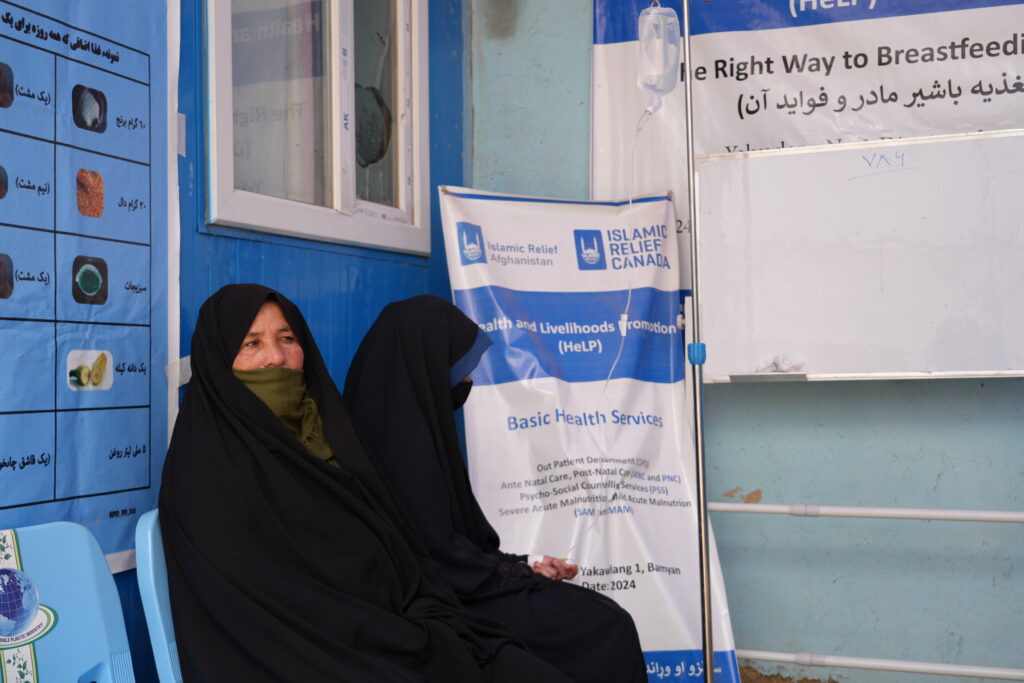
Photo: With improved access to medical services, Khadija’s family is now receiving treatment and care under Islamic Relief’s HeLP project

A new beginning for the community

In September 2024, with support from the Health and Livelihoods Promotion (HeLP) project, Islamic Relief built a clinic in Khadija’s village. Every day, the facility serves around 100 patients, not only from Lailour Pain but also from several neighbouring villages who previously had no access to nearby healthcare.

For family’s like Khadija’s, the new clinic has been life-changing.

“My eldest daughter, who is 25, has kidney problems and needs regular medical attention. Before, it was a long journey to get her help,” Khadjia says.

“We had to walk for an hour and a half to reach the nearest health centre. It was very tiring. I have back pain myself, and making that journey was hard.”

Many villagers, especially mothers and elderly people, were unable to make the long trip. Even when they did, there was no guarantee that the clinic would have the medicine they needed. Illnesses, particularly among children, went untreated. Health education was non-existent.

“There were times we had to cut back on food just to afford a trip to the city for medical treatment. It was painful, especially in winter,” Khadija recalls.

The new clinic offers a wide range of services. It includes outpatient consultations, antenatal and postnatal care, psychosocial support, and nutrition programs. Children who need specialised care are referred for treatment, and families receive counselling on hygiene and wellbeing.

For months, Khadija lived with chronic back pain. Even simple chores such as cleaning and cooking became a struggle for her. After visiting the clinic, she received pain relief medication and advice on how to manage her condition at home.

“It changed our lives,” Khadija says quietly. “Now, when we’re sick, we go to the clinic nearby. We receive medicine, guidance, and care. I feel better, and I can do my daily chores without pain.”

Women in the village, who once hesitated to seek care, now feel safe and confident visiting the clinic. Health awareness has also improved, and with it, the overall quality of life has improved.

Khadija emphasises the importance of expanding the services. “We need delivery care. Complications during childbirth are common, and these services would save lives.”

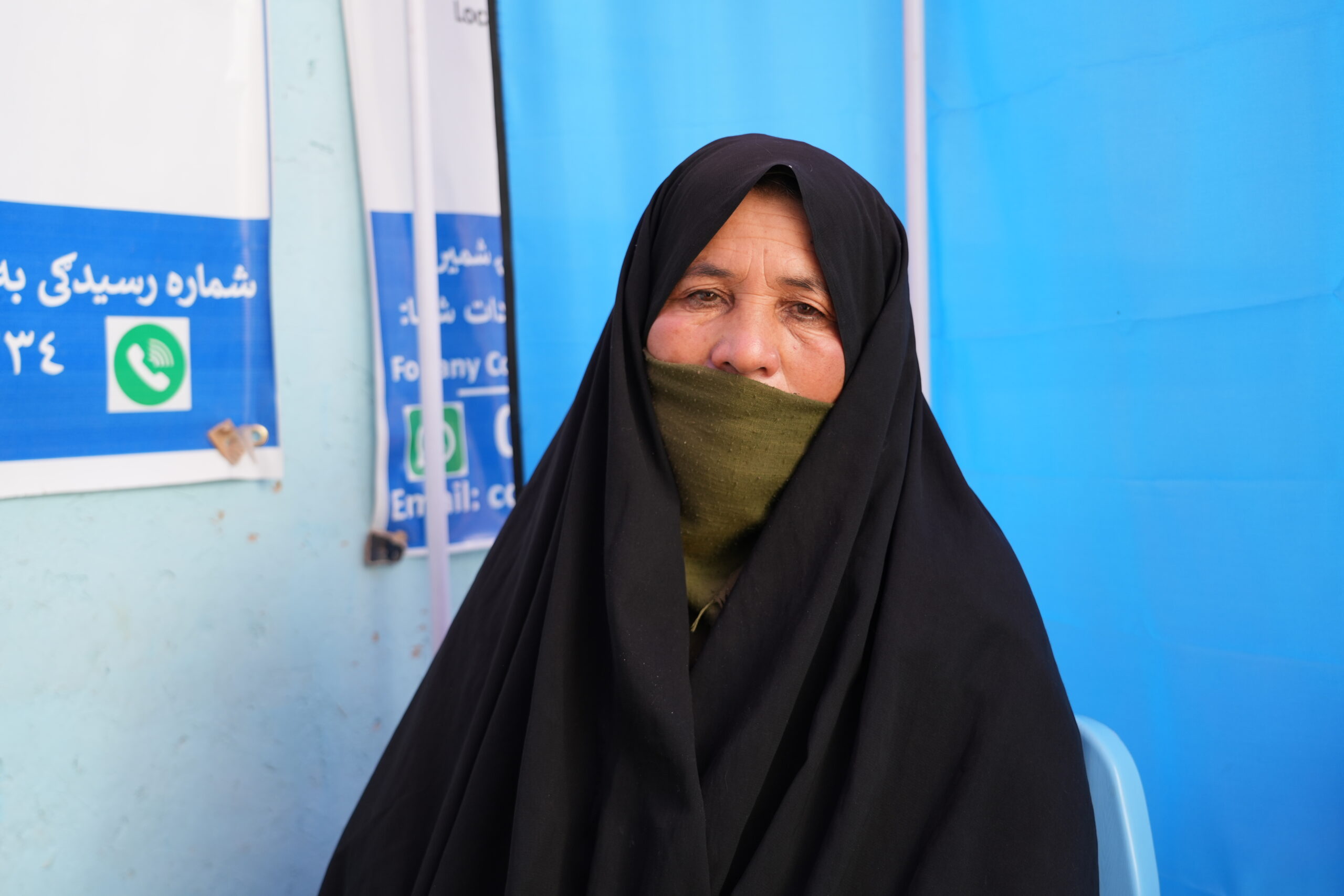
Photo: Khadija sitting at the clinic established by the Islamic Relief in her village. Like many women in the area, she now has access to healthcare thanks to Islamic Relief’s clinic

A mother’s wish

For Khadija, the clinic is more than a health centre—it’s a promise of a brighter future.

“I want my children to be healthy. I want them to study, grow, and have better lives than we had. This clinic gives me hope that it’s possible.”

She sits quietly, her dark green and black shawl wrapped tightly around her shoulders, her voice soft but steady. “We are thankful to Islamic Relief. What you’ve done here has changed our lives.”

Across Afghanistan, countless families like Khadija’s continue to face major challenges in accessing basic healthcare. Long distances, poverty, and a lack of local services put lives at risk, especially for women and children. With your support, Islamic Relief is working to change that by building clinics, training staff, and delivering life-saving care to some of the most remote communities.

Give Families Hope and Relief

Help Islamic Relief continue to deliver life-saving health services and hope to families like Khadija’s in Afghanistan.

05.25.25

Eid Day: Reviving Its Sunan (How the Prophet (PBUH) Celebrated It)

  Dhul Hijjah     Publications     Ramadan

The day of Eid is a time of joy, gratitude, and togetherness for Muslims around the world. It is an occasion that celebrates the successful completion of Ramadan, for Eid al-Fitr or Hajj, for Eid al-Adha.

To truly appreciate the beauty of the festival, we should understand and follow its Sunan. These are the traditions of Prophet Muhammad (ﷺ) performed on this special day. In this article, we explore the Sunan of Eid Day and discuss its significance.
Performing Ghusl (Ritual Bath)

One of the first Sunnah is to perform ghusl, a full-body ritual bath, before leaving for the Eid prayer. This act of purification signifies physical and spiritual cleanliness as Muslims gather to offer their gratitude and prayers to Allah.

Wearing One’s Best Clothes

On Eid, it is a sunnah to wear our best clothes, or even purchase new clothes for the occasion. This practice symbolises respect and honour for the day. It is also a way to exhibit gratitude to Allah (SWT) for His countless blessings.

Eating Before Leaving for Eid Prayer (Eid al-Fitr)

For Eid al-Fitr, it is sunnah to eat an odd number of dates or something sweet before leaving for the Eid prayer. This act breaks the fast and marks the end of Ramadan, signifying that Muslims are no longer fasting and can now enjoy the festive celebration.

Fasting Before Leaving for Eid Prayer (Eid al-Adha)

On Eid al-Adha, it is recommended not to eat anything until one comes back from the prayer. As it is Sunnah to eat part of the sacrifice (Qurban or Udhiyah) one had offered after Eid prayer.

Reciting Takbeer

The recitation of takbeer is an essential sunnah for Eid day. Muslims should recite the takbeer (“Allahu Akbar, Allahu Akbar, La ilaha illallah, Allahu Akbar, Allahu Akbar, wa Lillahil Hamd”) while leaving their homes for the Eid prayer and until the prayer begins. The takbeer is a proclamation of Allah’s greatness and a way to glorify Him for the successful completion of Ramadan or Hajj.

Attending the Eid Prayer

The Eid prayer is a significant part of the day’s celebration. It is an opportunity for the entire Muslim community to come together in unity and thankfulness. Muslims should attend the prayer, including women, children, and the elderly, to foster a sense of community and togetherness.

Walking to the Eid Prayer

It is recommended to walk to the Eid prayer, if possible, as this was the practice of the Prophet (PBUH). Walking to the prayer symbolises humility and submission to Allah (SWT).

Offering the Eid Greeting

After the Eid prayer, Muslims should greet one another with the traditional greeting, “Taqabbal Allahu minna wa minkum” (May Allah accept (our good deeds) from us and you). This greeting fosters a sense of unity and love among the community and reminds Muslims of their shared faith and devotion.

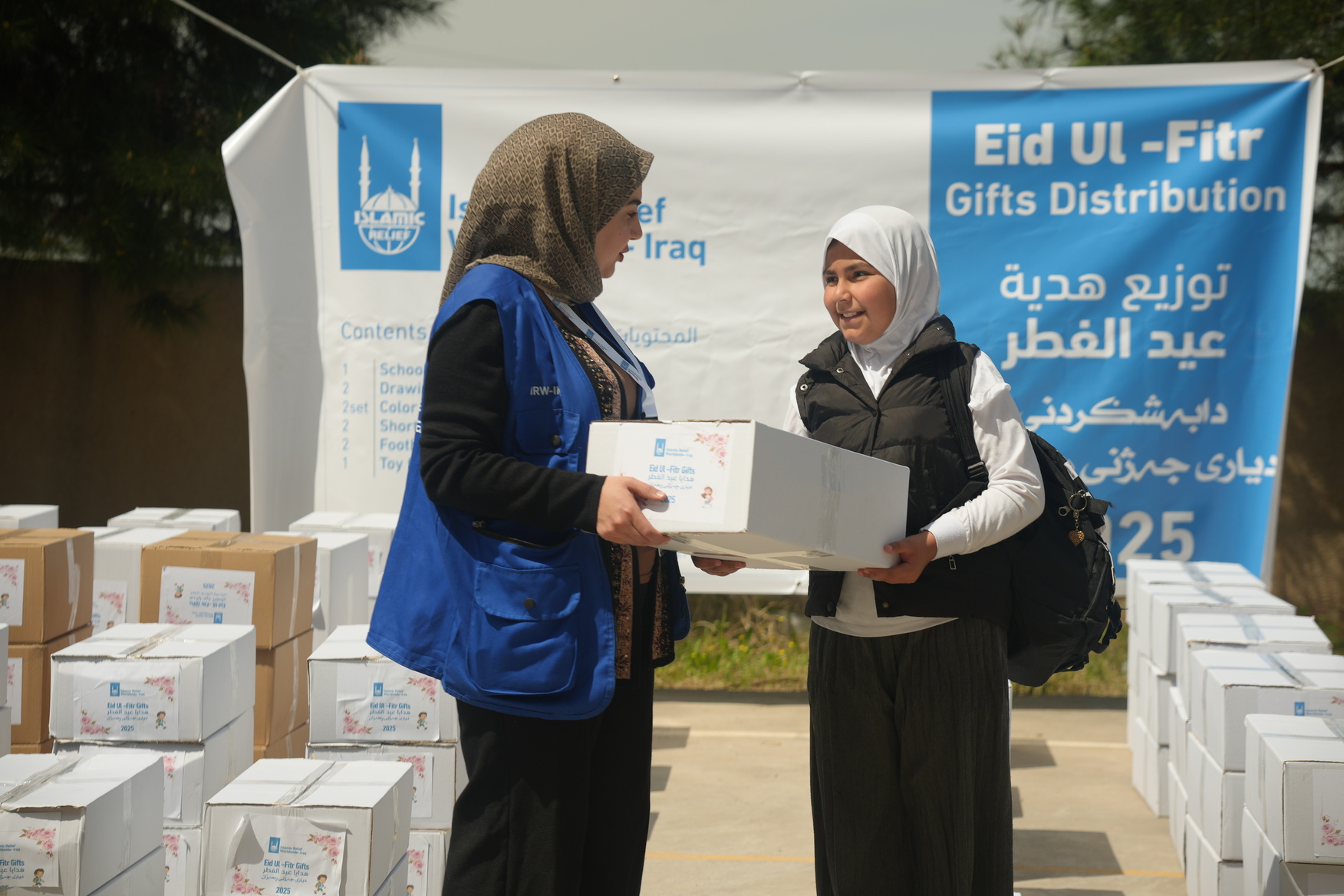
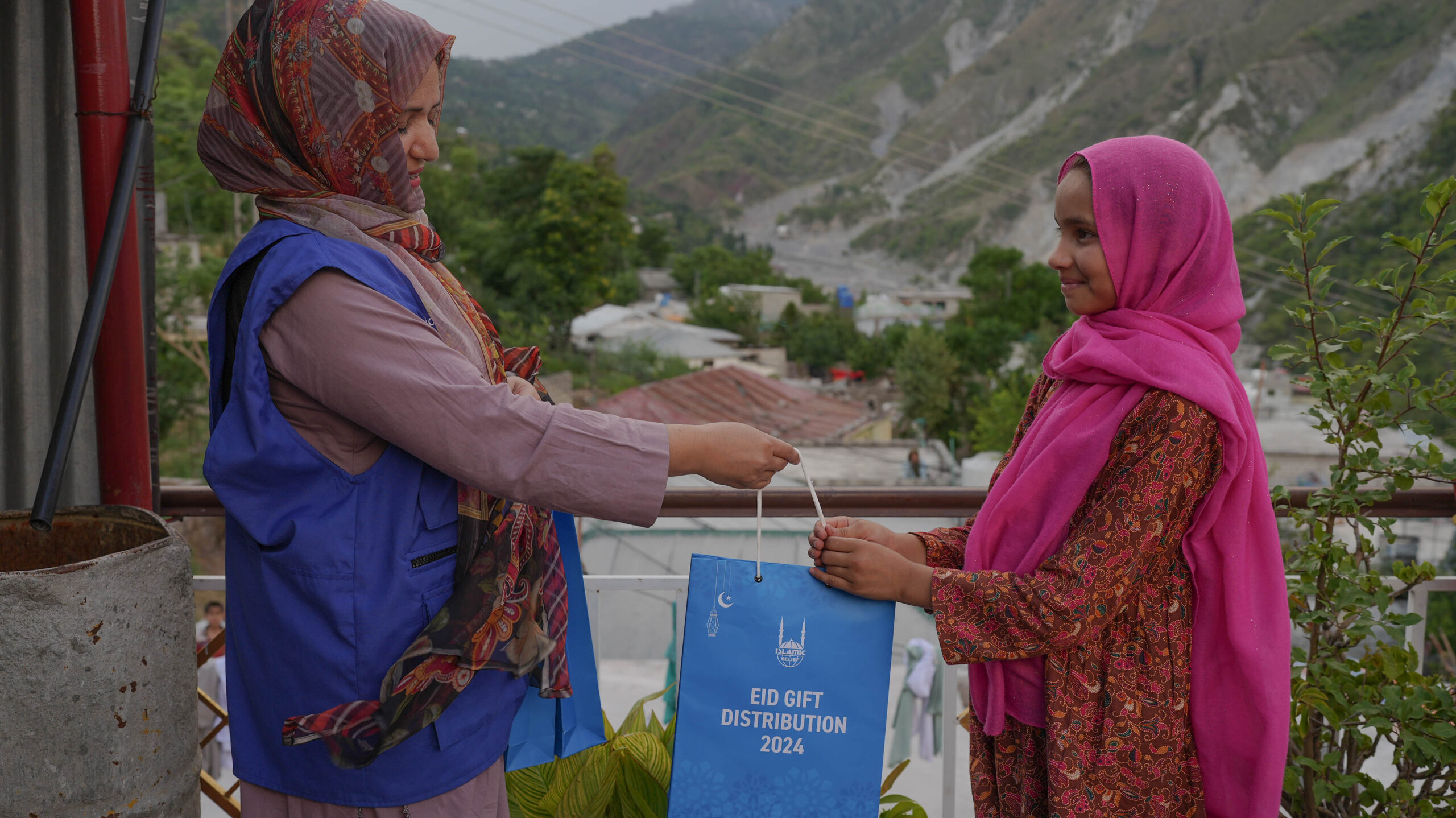
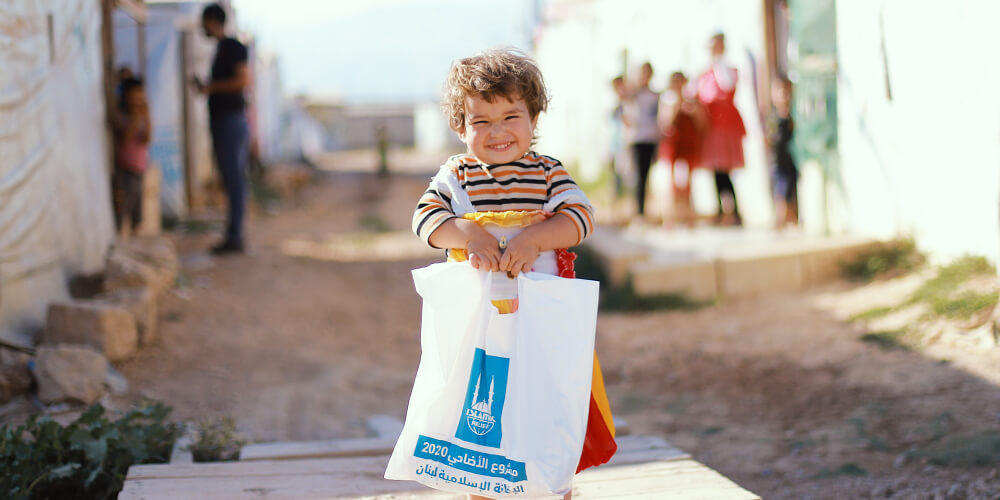
Pakistan Eid day gifts distribution

Are You Ready for Eid Day?

All in all, Eid is a joyous occasion that brings Muslims together in celebration and gratitude. By reviving and practising the Sunan of Eid day, as exemplified by Prophet Muhammad (ﷺ), Muslims can strengthen their faith, enhance the spirit of unity, and experience the true essence of this blessed day.

Spread joy with a Eid Gift

Give happiness to a needy child on Eid by sending them a Eid gift from just $25!

04.22.25

Afghanistan: Lifting Afghan children’s spirits through the joy of Eid

  Impact     Publications

Eid al-Fitr is a time of joy, feasting and celebration, but for many orphaned children in Afghanistan, it can be a painful reminder of what they’ve lost.

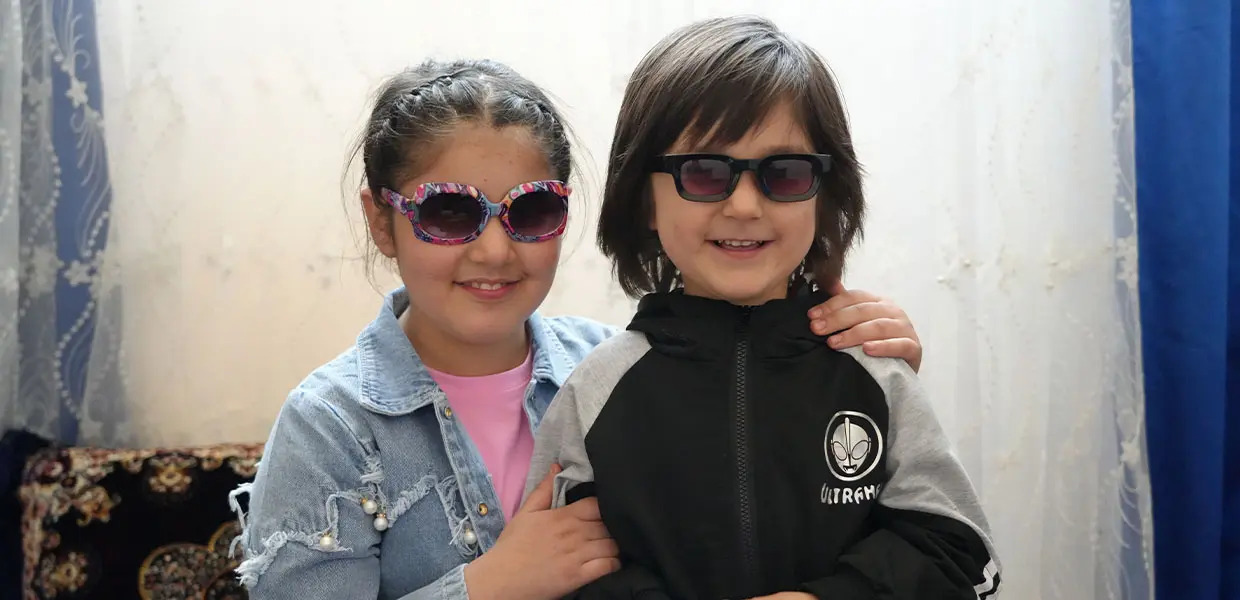
Amid the vibrant decorations and celebratory gatherings, 2 orphaned children, Maryam and Ali*, share a glimpse into their lives, highlighting both the struggles they face, and the happiness brought by Islamic Relief’s Eid Gift distribution.

‘I was the happiest person in the world’

Maryam, a 9-year-old girl from Kabul, knows these conflicting feelings all too well. After losing her father to illness 4 years ago, Maryam and her family have faced numerous challenges. With her mother struggling to provide for 7 family members, the simple joys of Eid seemed out of reach.

However, this year, a glimmer of hope arrived, thanks to Islamic Relief’s Eid Gifts project.

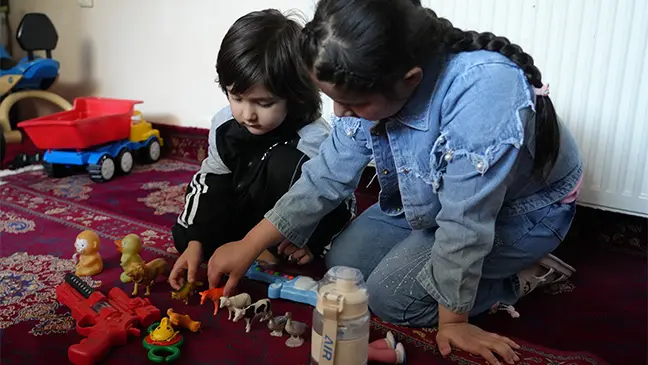
Maryam and her younger brother play with toys bought with Eid Gift cash assistance, in their home in Kabul, Afghanistan
Photo: Maryam and her younger brother play with toys bought with Eid Gift cash assistance, in their home in Kabul.

Before receiving the Eid Gift in the form of cash assistance, Maryam’s mother was anxious about being able to afford new clothes for the occasion. But just days before Eid, the family was selected to receive cash assistance.
When my mother told us the news, my siblings and I were overjoyed!
Maryam, a 9-year-old orphan in Afghanistan.

‘This Eid has been truly special and unlike any I’ve experienced before’

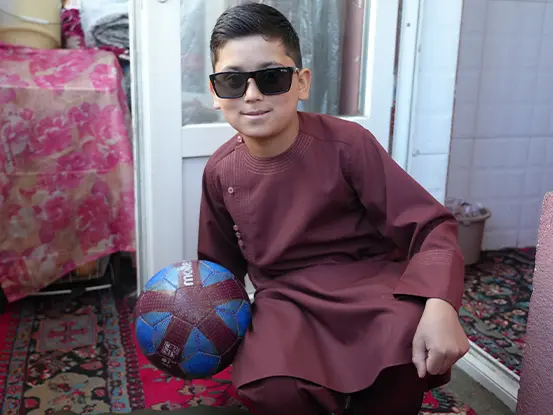
Ali, a 12-year-old boy from a neighbouring community, also experienced the transformative power of these Eid gifts. An orphan like Maryam, Ali shared his excitement about the kindness of our supporters.

Ali, a 12-year-old orphan in Afghanistan.

Ali headed to the Eid ground (an open-air space reserved for Eid prayers) in his neighbourhood early in the morning, bubbling with excitement and joy. He was dressed in a traditional outfit — a matching maroon shirt and trousers — complemented by his favourite sports shoes and stylish sunglasses.

“This Eid has been truly special and unlike any I’ve experienced before.” The joy of wearing new clothes filled his heart with happiness, making the celebrations unforgettable. “May Allah bless all those who have contributed to our happiness,” he says.
Both Maryam and Ali embody the resilience and hope that shine through even the most challenging circumstances. Islamic Relief’s support not only brought smiles to their faces but also eased their families’ worries during a time of celebration.

*Names changed to protect confidentiality

Give Families Hope and Relief

Keep the blessings of Ramadan going. Give families in need the opportunity to enjoy nutritious food, rebuild their livelihoods and more.


STAY INFORMED

  • This field is for validation purposes and should be left unchanged.

Quick Donate