03.23.26

World Water Day: Why Millions Still Struggle for Safe Water

  Publications     Ramadan

On World Water Day, we are reminded of a simple yet powerful truth:

Water is life.

Yet today, millions of people around the world still wake up without access to something many of us in Australia take for granted — safe, clean water.

Across the world, 2.2 billion people — 1 in 4 — lack access to safe drinking water.

For many communities, this is not just an inconvenience, it is a daily struggle for survival.

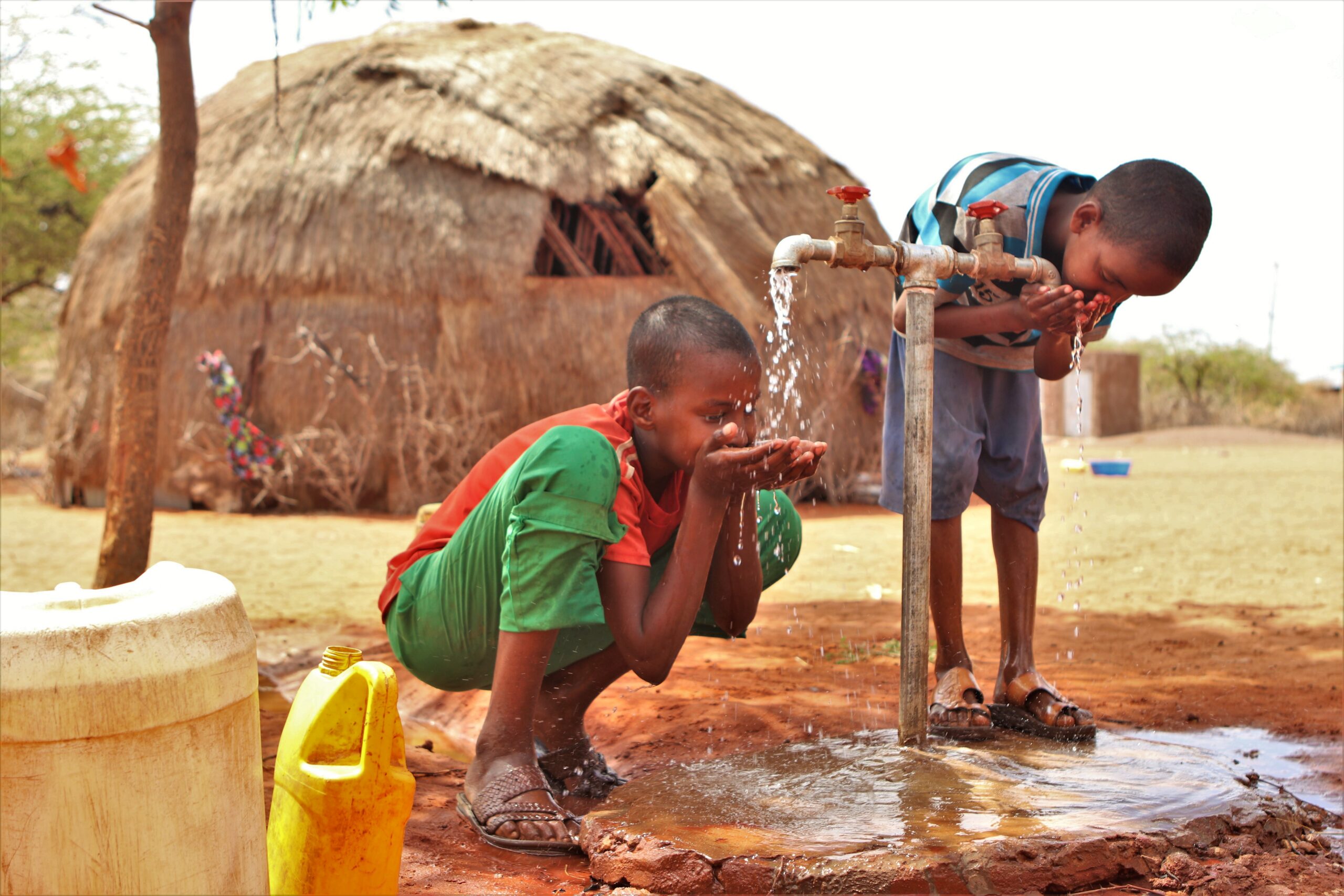
In countries such as Ethiopia, Kenya, and Somalia, families often rely on unsafe water sources. Women and children walk kilometres every day just to collect water — time that could otherwise be spent in school, work, or with family.

In fact, it is estimated that women and girls collectively spend over 200 million hours every day collecting water.

As Muslims, we are reminded that water is not just a resource — it is a divine blessing from Allah (SWT).

“And We send down blessed rain from the sky, bringing forth gardens and grains for harvest, and towering palm trees loaded with clustered fruit, as a provision for Our servants. And with this We revive a lifeless land. Such is the resurrection.”

Qur’an | Surah Qaf | 50:9–11

“Do the disbelievers not realize that the heavens and the earth were once one mass then We split them apart? And We created from water every living thing. Will they not then believe?”

Qur’an | Surah Al-Anbya | 21:30
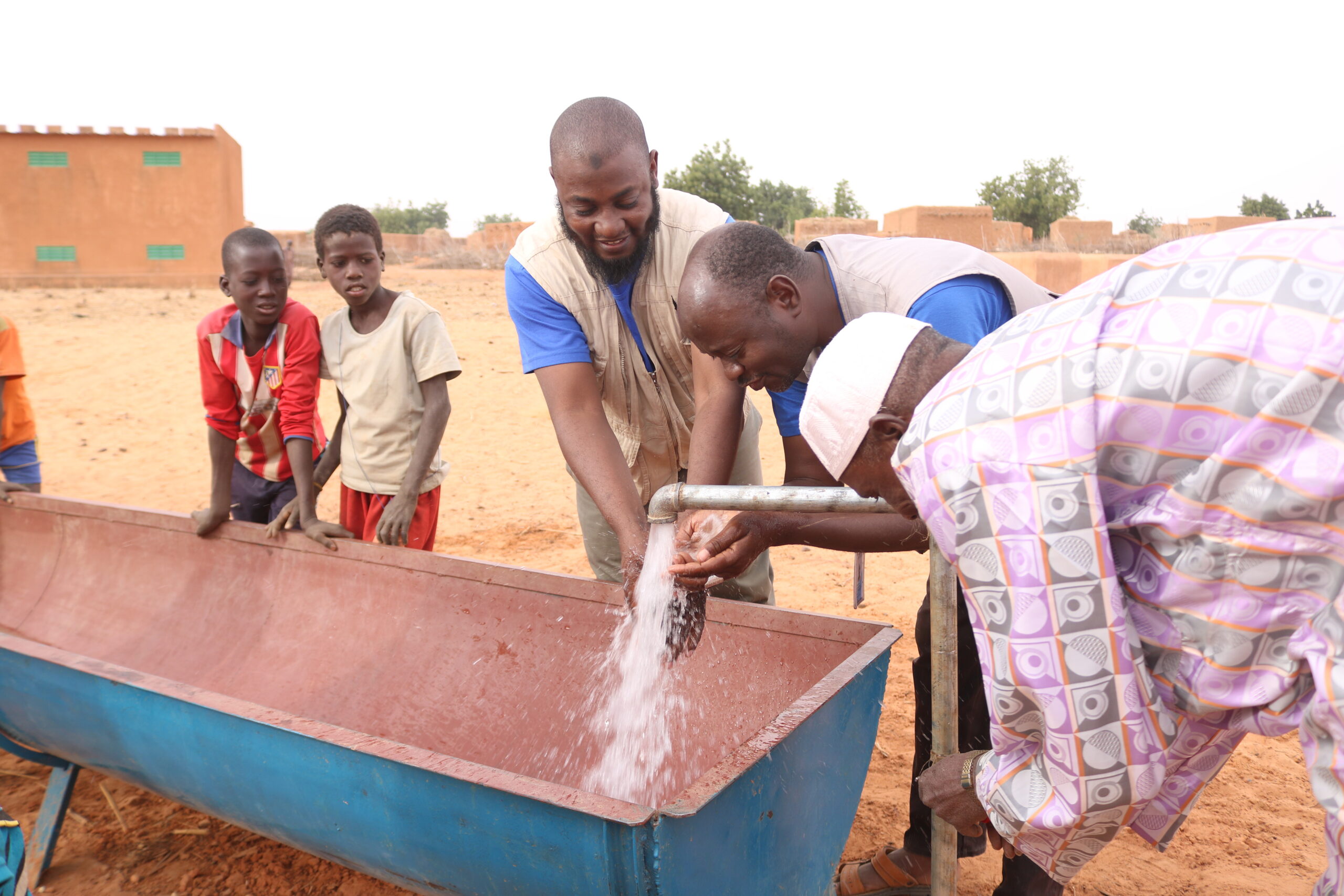

Photo: An Image of an Islamic Relief Water project

The disproportionate impact on women and girls

The global water crisis is closely linked to gender inequality. Women and girls bear the greatest burden due to existing social and economic disparities.
In countries such as Ethiopia and Kenya, girls frequently travel several kilometres to fetch water. This responsibility often prevents them from attending school, limiting their access to education and future opportunities.
In addition, the journey to collect water can expose women and girls to significant safety risks, including harassment and violence. These challenges highlight how access to clean water is not only a matter of health, but also of dignity, safety, and equality.

Climate change is intensifying water scarcity across many regions of the world. Prolonged droughts are affecting millions of people, particularly those who depend on agriculture for their livelihoods. Without reliable access to water, crops fail, incomes are lost, and food insecurity increases.

At the same time, extreme weather events such as flooding are becoming more frequent and severe, damaging infrastructure and contaminating water sources. Communities already facing poverty are often the most vulnerable to these impacts.

Islamic Relief has been working for over three decades to support vulnerable communities with access to safe and sustainable water solutions.

Our work goes beyond short-term interventions. We focus on long-term impact by:

  • Developing sustainable water supply systems
  • Installing solar-powered boreholes
  • Supporting irrigation for agriculture
  • Improving sanitation and hygiene facilities
  • Training communities to manage and maintain water resources

Across countries such as Somalia, Afghanistan, Pakistan, and Nepal, Islamic Relief continues to deliver solutions that strengthen resilience and support communities for the future.

On World Water Day, we are reminded of the importance of collective action in addressing the global water crisis.

Islamic Relief Australia continues to work with communities around the world to deliver sustainable water solutions that improve health, livelihoods, and long-term resilience.

Through continued support, it is possible to help ensure that more communities gain access to safe and reliable water sources for generations to come.

“The best charity is giving water to drink.”

Hadith | Musnad Ahmad
03.03.26

Eid al-Fitr: Celebrating the End of Ramadan

  Publications     Ramadan

Eid al-Fitr, also known as the “Festival of Breaking the Fast,” is a significant celebration in Islam. This year, it is expected to fall on the evening of March 19, 2026, pending the sighting of the moon.

The celebration occurs at the end of Ramadan, the Islamic month of fasting, when the new moon for the following month, Shawwal, is sighted. But why and how do Muslims celebrate Eid al-Fitr?

What is Eid al-Fitr?

In Islam, Muslims celebrate two Eids, one at the end of Ramadan and another on the 10th day of Dhul Hijjah. Eid al-Fitr is a festival that marks the end of Ramadan.

Muslims celebrate it on the first day of Shawwal, the tenth month of the Islamic calendar, upon the sighting of the new moon. This differs from Eid al-Adha, the “Festival of the Sacrifice”, which occurs in Dhul-Hijjah, the last month of the Islamic Calendar.

It’s also a celebration that serves as a reward to Muslims for fasting from dawn to dusk and abstaining from physical needs and bad deeds for Allah (SWT)’s sake. Ramadan is a long spiritual journey Muslims take to purify their souls and strengthen their faith in Allah (SWT).

Therefore, we celebrate this Eid as a way of expressing gratitude to Allah for allowing us to fast during Ramadan, seek forgiveness in it and earn numerous blessings from it. This is what makes the festival a time of joy, celebration and community.

How do Muslims celebrate Eid al-Fitr?

Eid al-Fitr is a time of joy and celebration. A time when Muslims gather with family and friends, exchange gifts, share food and engage in other festivities.

Some of the common traditions associated with the blessed day include:

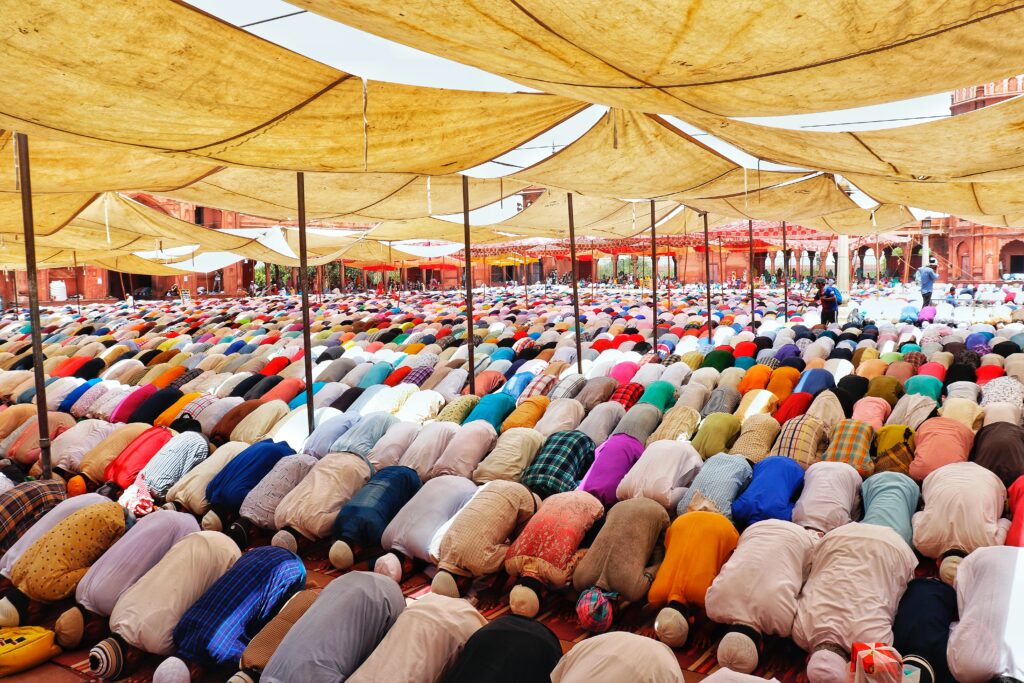
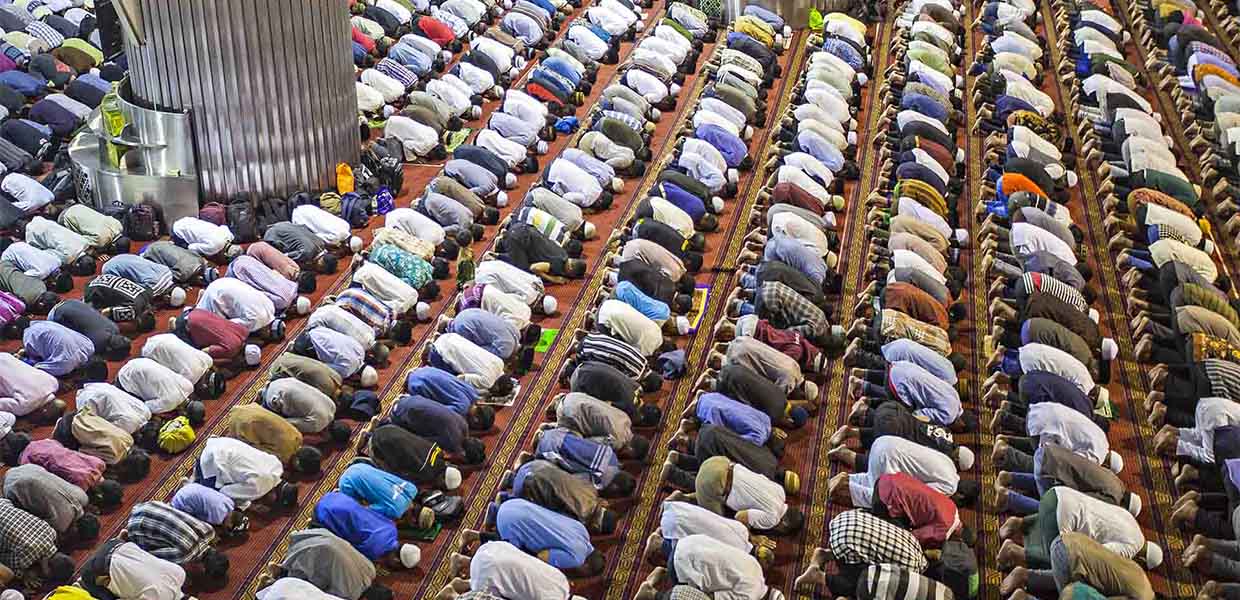
Eid prayer – Muslims gather in large congregations in mosques or open spaces to perform the Eid prayer, which is a special prayer consisting of two units (rak’ahs).

Eid al-Fitr prayer

Giving gifts – Muslims exchange gifts with family and friends, especially children, as a way of expressing love and gratitude.

Sharing food – Muslims prepare and share feasts with family and friends, often featuring traditional dishes and sweets.

Dressing one’s best – Muslims dress up in their best clothes, often traditional clothing, to mark the special occasion.

Visiting loved ones – Muslims visit relatives, friends, and neighbours to exchange greetings and share food and sweets.

The Importance of Zakat al-Fitr

Zakat al-Fitr (also known as Fitrana) is a compulsory form of charity specific to Eid al-Fitr. Muslims must give it before the Eid prayer on the day of Eid.

This way, we can ensure the poor and needy of our Ummah around the world can also enjoy the festivities of Eid al-Fitr with loved ones. If one fails to give it before Eid prayer, then the payment is Sadaqah and the reward for it is lesser.

Zakat al-Fitr is mandatory for every adult Muslim with wealth beyond their basic needs, such as food, clothing, and shelter. Typically, the head of the household gives the payment on behalf of all dependents, including children and elderly parents.

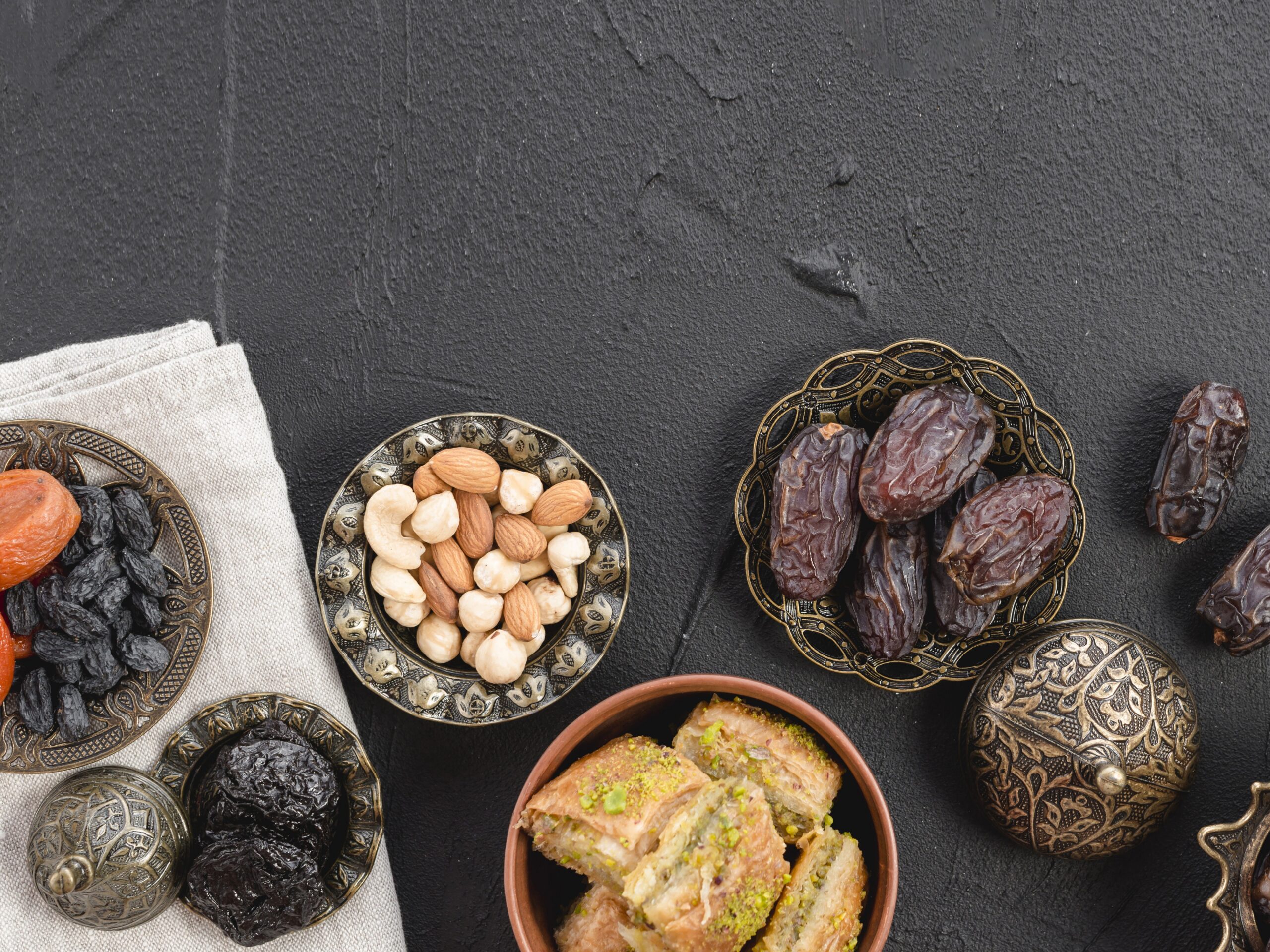
The amount of Zakat al-Fitr is typically equivalent to one saa (approximately 2.5 kg) of food per person. It can be given in the form of food, such as wheat, barley, dates or raisins. You can also give money equivalent to the value of these food items.

Where to Pay Zakat al-Fitr

At Islamic Relief, your Zakat al-Fitr is connected to thousands of communities around the world, granting families and children the means to enjoy their Eid al-Fitr free from hardship.

By giving your Zakat al-Fitr through Islamic Relief, you can help make a lasting difference in the lives of those in need, on Eid and in the future to come.

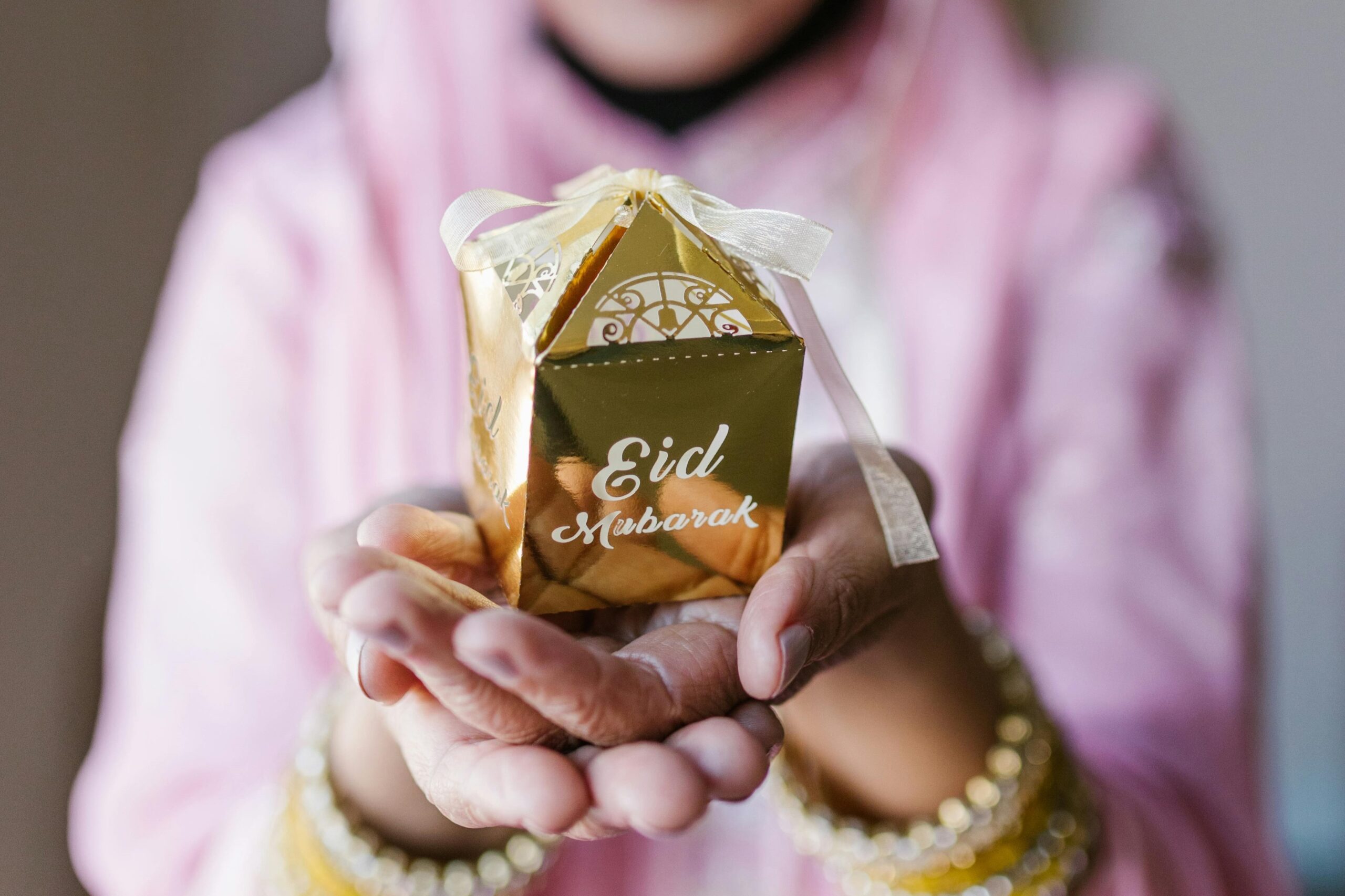
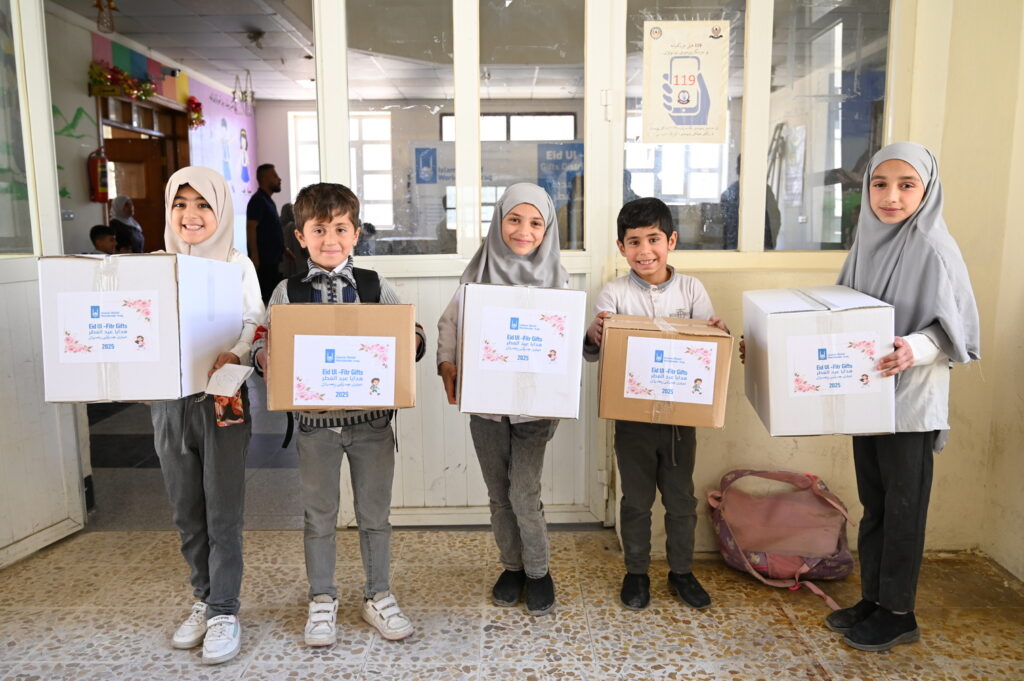
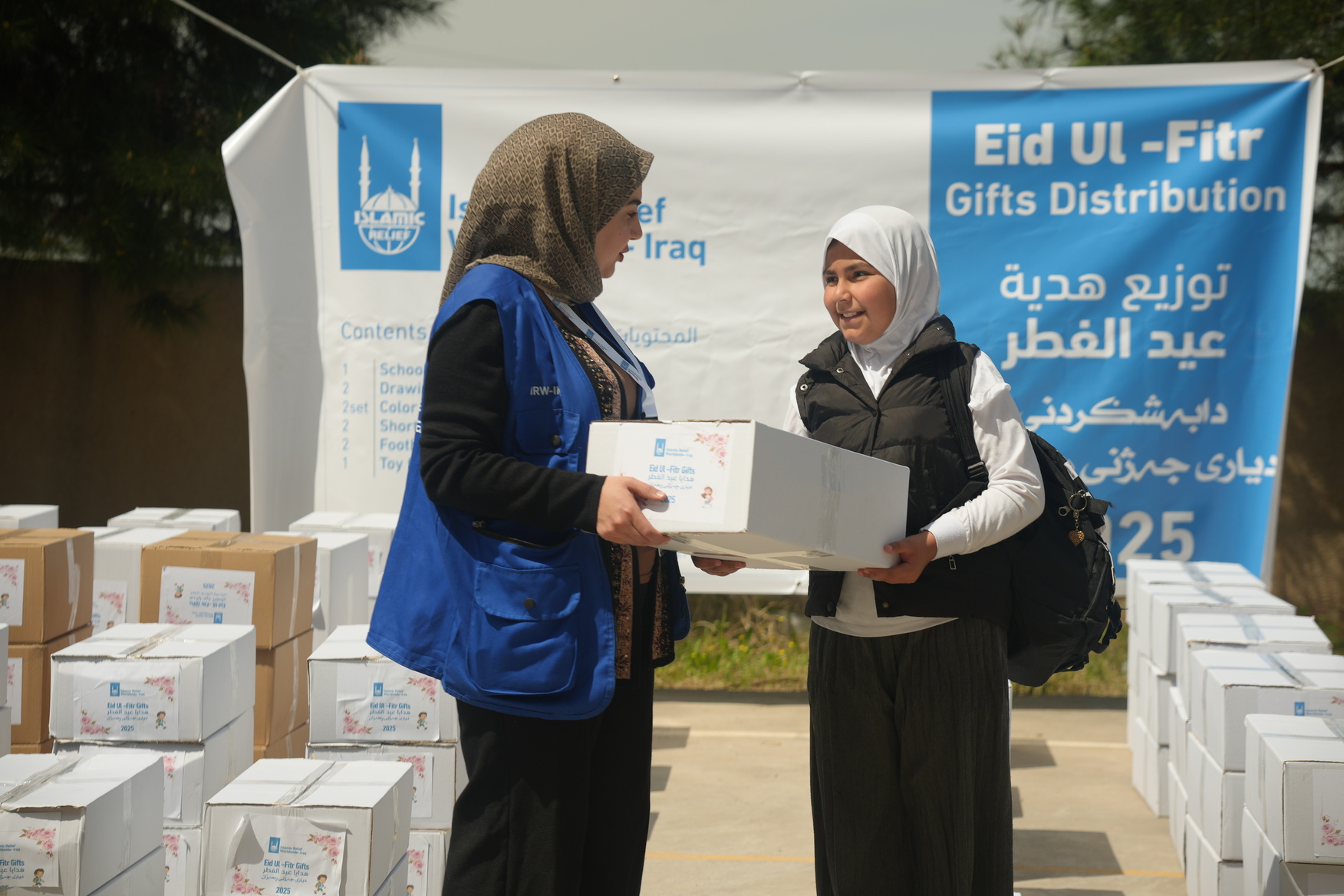
Kids receiving eid al fitr gifts

All in all, Eid al-Fitr is an important festival in the Islamic calendar that marks the end of the holy month of Ramadan. It celebrates the completion of our month-long spiritual journey during the month of fasting. It is a time of joy and community. When Muslims express gratitude to Allah (SWT) and come together with family and friends.

Regardless of when or where you are celebrating Eid al-Fitr, may the blessed festival be one of happiness, peace and immense blessings for you and your loved ones.

Have you paid your Zakat al-Fitr yet?

Multiply your rewards from Allah (SWT) this Eid. Give the gift of happiness and hope to our brothers and sisters in need with Islamic Relief.

01.29.26

Best Charity to Give During Ramadan: How to Choose With Confidence

  Publications     Ramadan

Ramadan is a time when generosity comes naturally. Many people look for ways to give that are meaningful, responsible, and aligned with the values of the month.

With so many charities and appeals active during Ramadan, choosing where to give can sometimes feel overwhelming. People often ask what makes one charity better than another, or how to ensure their donation is used effectively.

This guide does not aim to rank charities or make comparisons. Instead, it offers clear principles to help you choose a charity with confidence, intention, and peace of mind during Ramadan.

Why Giving in Ramadan Matters

Charitable giving is an important part of Ramadan. It reflects compassion, responsibility, and care for others, particularly those facing hardship.

Allah (SWT) informed us in the Qur’an:

لَن تَنَالُوا الْبِرَّ حَتَّىٰ تُنفِقُوا مِمَّا تُحِبُّونَ
“You will never attain righteousness until you give from that which you love” (Surah Aal Imran 92).

Many people choose to increase their giving during this month, seeing it as an opportunity to support those in need while strengthening their own sense of gratitude and purpose.

Giving during Ramadan is not about pressure or obligation. It is about intention and impact.

The Prophet ﷺ said: “When a man dies, his deeds come to an end except for three: ongoing charity, beneficial knowledge, or a righteous child who prays for him” (Sahih Muslim).

What to Look for in a Charity

When choosing a charity to support during Ramadan, several factors can help guide your decision.

Trust and Transparency

A trustworthy charity is clear about how donations are used. This includes providing information about programs, governance, and accountability.

Transparency builds confidence and allows donors to give knowing their contribution is being handled responsibly.

Alignment With Values

Many people prefer to give to charities that align with their values and priorities. This may include a focus on humanitarian relief, long-term development, or faith-based principles.

Choosing a charity that reflects what matters to you helps ensure giving feels intentional rather than transactional.

Impact and Reach

Understanding how a charity delivers support can be helpful. Some organisations work locally, others internationally, and many do both.

A charity with established programs and partnerships is often better positioned to respond effectively, particularly during high-demand periods like Ramadan.

The Importance of Dignity in Giving

One important consideration is how a charity approaches the people it supports.

Giving that preserves dignity and respects the needs of communities helps ensure assistance is meaningful and empowering. Responsible charities prioritise listening to communities and delivering support in ways that respect local context.

Planning Your Giving

Planning charitable giving ahead of time can help ensure generosity is consistent and thoughtful throughout Ramadan.

This may involve:

  • calculating Zakat early
  • deciding how to spread donations across the month
  • identifying causes that matter most to you.

Planning removes pressure and allows giving to remain calm and purposeful.

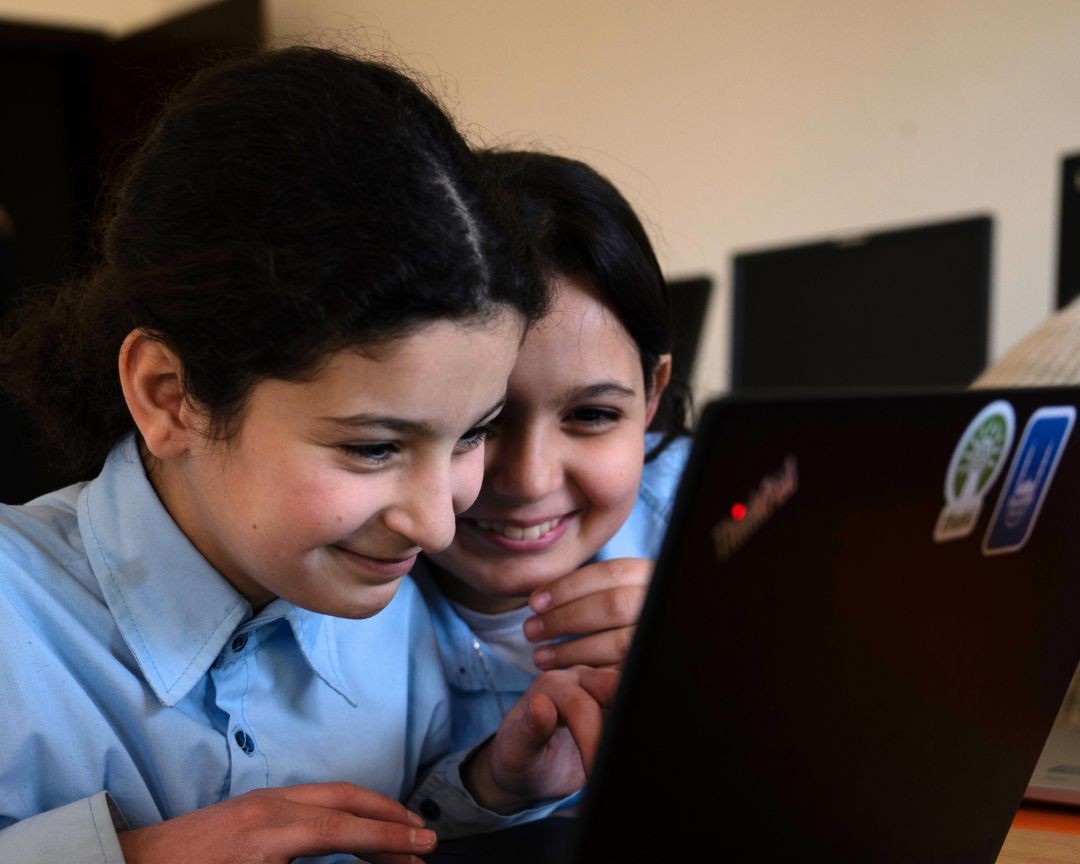
Muslim lady writing with a laptop, deciding what is the best charity to give during Ramadan

Supporting Humanitarian Causes During Ramadan

Many people choose to support humanitarian causes during Ramadan, including emergency relief, food assistance, healthcare, and education.

Giving to established humanitarian organisations allows donations to be delivered efficiently and responsibly, particularly in complex or crisis-affected contexts.

Islamic Relief Australia supports a range of humanitarian programs locally and internationally, responding to both immediate needs and long-term challenges.

Using Existing Resources to Guide Your Giving

Islamic Relief Australia provides a range of resources to help donors understand how their support is used.

Exploring program information, impact updates, and Ramadan resources can help donors give with clarity and confidence.

The Ramadan Resources Hub offers guidance and tools designed to support thoughtful giving throughout the month.

A Balanced Approach to Charity in Ramadan

Choosing the best charity to give to is not about finding a perfect option. It is about giving with sincerity, care, and intention.

Supporting one or more charities consistently can often be more meaningful than spreading donations too thinly.

Ramadan offers a unique opportunity to give with purpose and compassion.

By choosing a charity based on trust, values, and impact, you can approach your giving with confidence and peace of mind, knowing your support is making a meaningful difference.

01.29.26

Giving in Ramadan: Timing, Intention, and Consistency

  Publications     Ramadan

Ramadan is widely known as a month of generosity. For many Muslims, giving during Ramadan feels natural and deeply connected to the spirit of the month.

At the same time, questions often arise around when to give, how to give, and what intention should guide that generosity. Some people wonder whether it is better to give early or to wait for the last ten nights. Others worry about whether giving outside Ramadan carries less value.

This article reframes the question away from simple comparisons and instead explores how Muslims can think about timing, intention, and consistency in charitable giving during Ramadan, grounded in the Qur’an, the Sunnah, and the guidance of scholars.

The Virtue of Charity in Islam

Charity holds a central place in Islam. Giving is not only a means of supporting others, but also a way of purifying wealth and nurturing gratitude.

Allah reminds believers in the Qur’an that generosity is never lost:

مَثَلُ الَّذِينَ يُنفِقُونَ أَمْوَالَهُمْ فِي سَبِيلِ اللَّهِ كَمَثَلِ حَبَّةٍ أَنبَتَتْ سَبْعَ سَنَابِلَ فِي كُلِّ سُنبُلَةٍ مِّائَةُ حَبَّةٍ ۗ وَاللَّهُ يُضَاعِفُ لِمَن يَشَاءُ

“The example of those who spend their wealth in the way of Allah is like a seed of grain that grows seven ears; in every ear is a hundred grains” (Surah al-Baqarah 2:261)

This verse highlights that giving is multiplied by Allah beyond what is visible, reinforcing the spiritual dimension of charity.

Why Ramadan Holds Special Weight

Ramadan carries a unique spiritual status. It is the month in which the Qur’an was revealed, and it is a time marked by increased worship, reflection, and mercy.

Scholars have unanimously noted that charitable deeds performed during Ramadan carry greater reward, not because Allah needs the deeds, but because the hearts of believers are more receptive and sincere during this time.

Charity given in Ramadan, therefore, aligns with a broader atmosphere of devotion and selflessness.

Giving in Ramadan lets Islamic Relief support a child in need

The Generosity of the Prophet ﷺ in Ramadan

The example of the Prophet Muhammad ﷺ offers powerful guidance on giving during Ramadan.

Ibn ’Abbas (may Allah be pleased with him) reported:

“The Messenger of Allah ﷺ was the most generous of people, and he was most generous during Ramadan.”

This narration highlights that while the Prophet ﷺ was always generous, his generosity increased during Ramadan. Scholars explain that this reflects both the special nature of the month and the heightened spiritual awareness it brings.

The Prophet’s example encourages Muslims to expand their generosity during Ramadan without neglecting consistency throughout the year.

Giving in the Last Ten Nights

The last ten nights of Ramadan hold particular significance, as they include Laylatul Qadr, a night described in the Qur’an as being better than a thousand months.

Allah says:

“The Night of Decree is better than a thousand months.” (Surah al-Qadr 97:3)

Many scholars encourage increased charity during these nights, recognising the immense potential reward.

For this reason, some people choose to concentrate their giving in the last ten nights, hoping to coincide with Laylatul Qadr.

At the same time, scholars caution against delaying charity entirely in anticipation of one night. The opportunity to give exists throughout Ramadan, and delaying may lead to missed opportunities.

Timing Versus Intention

While timing matters, intention remains central.

The Prophet ﷺ taught that actions are judged by intentions, reminding believers that the sincerity behind giving is more important than the moment alone.

Scholars often advise that giving earlier in Ramadan can be just as virtuous, particularly when it allows support to reach those in need at a critical time.

Spreading generosity across the month also helps maintain consistency and prevents charity from becoming rushed or impulsive.

Consistency Beyond Ramadan

Although Ramadan is a special time for giving, Islam encourages generosity throughout the year.

Islam emphasises that Ramadan should be a training ground for habits that continue beyond the month itself. Charity given consistently, even in small amounts, reflects sincerity and long-term commitment.

This balanced approach helps ensure that generosity does not end when Ramadan does.

Practical Ways to Approach Giving in Ramadan

A thoughtful approach to giving may include:

  • calculating Zakat early so it can be distributed in a timely way
  • spreading sadaqah across the days or nights of Ramadan
  • increasing giving during the last ten nights without delaying earlier opportunities
  • choosing causes that align with personal values and community needs.

Islamic Relief Australia provides opportunities to support people facing hardship locally and internationally, allowing generosity to be expressed with purpose throughout Ramadan.

A Balanced Perspective

Rather than asking whether charity is better at one specific moment, scholars encourage believers to think more broadly about intention, consistency, and responsiveness to need.

Giving during Ramadan is virtuous, and giving during the last ten nights carries special significance. At the same time, every act of generosity offered sincerely is valued by Allah.

Ramadan invites believers to deepen their generosity, refine their intentions, and strengthen habits of giving.

By approaching charity with balance, awareness, and sincerity, Muslims can make the most of Ramadan while carrying its spirit beyond the month itself.

May Allah (SWT) accept your generosity in the month of months!

01.29.26

Zakat al-Fitr in Australia: What It Is, How Much to Pay, and When to Give

  Publications     Ramadan

Zakat al-Fitr is a form of charity that is given at the end of Ramadan, before the Eid prayer. It is an obligation that applies to Muslims who are able to give. Likewise, it plays an important role in ensuring that everyone can take part in the joy of Eid.

Each year, many people in Australia have practical questions about Zakat al-Fitr. In particular, they revolve around how much to pay, who it applies to, and when it should be given.

This guide explains Zakat al-Fitr in a clear and simple way, so you can fulfil this obligation correctly and with confidence.

What Is Zakat al-Fitr?

Zakat al-Fitr, also known as Fitrana, is a compulsory charity that is given on behalf of each member of a household at the end of Ramadan.

Its purpose is to purify any shortcomings in a person’s fasting. It also serves to help those in need take part in the celebrations of Eid. But unlike Zakat on wealth, Zakat al-Fitr is linked to people rather than assets.

Who Needs to Pay Zakat al-Fitr?

Zakat al-Fitr is required from Muslims who have enough food or wealth beyond their basic needs on the day of Eid.

Ibn ‘Umar رضي الله عنهما reported that the “Messenger of Allah ﷺ made Zakat al-Fitr obligatory at the end of Ramadan upon every Muslim, free or slave, male or female, young or old…” (Agreed upon).

It is paid by the head of the household on behalf of:

  • themselves
  • their spouse
  • their children
  • any dependents under their care.

If someone is genuinely unable to afford it, Zakat al-Fitr is not required of them.

How Much Is Zakat al-Fitr in Australia?

For Ramadan this year, Zakat al-Fitr has been set at $20 per person. This amount represents the cost of providing staple food to someone in need, in line with the purpose of Zakat al-Fitr.

Zakat al-Fitr is paid on behalf of each member of the household, including children and dependants, and should be given before the Eid prayer so it reaches those in need in time.

A recipient of Zakat al Fitr from Australia

When Should Zakat al-Fitr Be Paid?

Zakat al-Fitr should be given before the Eid prayer. This ensures it reaches those in need in time for them to benefit from it on Eid.

Many people choose to give Zakat al-Fitr during the last few days of Ramadan to avoid missing the deadline. It is also permissible to give it earlier in the month so that it can be distributed on time.

How Is Zakat al-Fitr Distributed?

Zakat al-Fitr is given to people who are eligible to receive Zakat. Its focus is on supporting those who may struggle to meet basic needs, particularly at the time of Eid.

Giving through a trusted charity can help ensure that Zakat al-Fitr is distributed correctly and reaches those who need it most.

Islamic Relief Australia works with local and international partners to distribute Zakat al-Fitr responsibly, in line with Islamic guidelines.

Giving Zakat al-Fitr Through Islamic Relief Australia

By giving Zakat al-Fitr through Islamic Relief Australia, you can be confident that your donation will be handled with care and delivered according to Islamic principles in important parts of the world where Muslims are in difficulty.

Just as we handle your Zakat al-Maal with the greatest care and diligence, we do the same for Zakat al-Fitr. We strive to help bring comfort and joy to millions of Muslims around the world each year. This helps ensure that families in need can prepare for Eid with dignity and support.

An Obligation that Brings Joy Every Eid

Zakat al-Fitr is a simple but meaningful obligation that helps bring communities together at the end of Ramadan.

By understanding what it is, how much to give, and when to give it in Australia, you can fulfil this duty correctly and help ensure that Eid is a time of joy for everyone.

We ask Allah (SWT) to accept your deeds in Ramadan, and allow your shortcomings to be perfected by the blessings of Zakat al-Fitr!

01.29.26

Who Can Receive Zakat? Understanding the Eligible Categories

  Publications     Ramadan

When giving Zakat, many Muslims want to be confident that their donation is reaching people who are eligible to receive it.

Islam sets out clear guidelines for who can receive Zakat, helping ensure that this form of charity supports those who are most in need. Understanding these categories can provide reassurance that your Zakat is being given correctly and in line with Islamic principles.

This guide explains who can receive Zakat in a clear and practical way, so you can give with confidence and peace of mind.

Why Eligibility Matters

Zakat is different from voluntary charity. It is an obligation with specific rules around how it is collected and distributed. It must only be executed in line with these rules.

Giving Zakat to eligible recipients helps ensure that this obligation is fulfilled properly and that Zakat reaches people who are facing genuine hardship.

Needy children from Pakistan, part of the people who can receive zakat

The Eight Categories of Zakat Recipients

The Qur’an outlines eight categories of people who are eligible to receive Zakat. These categories cover a range of needs and circumstances and were mentioned in the famous verse of Surah Al-Tawbah:
إِنَّمَا الصَّدَقَاتُ لِلْفُقَرَاءِ وَالْمَسَاكِينِ وَالْعَامِلِينَ عَلَيْهَا وَالْمُؤَلَّفَةِ قُلُوبُهُمْ وَفِي الرِّقَابِ وَالْغَارِمِينَ وَفِي سَبِيلِ اللَّهِ وَابْنِ السَّبِيلِ ۖ فَرِيضَةً مِّنَ اللَّهِ ۗ وَاللَّهُ عَلِيمٌ حَكِيمٌ

 “Zakat is only for the poor, the needy, those employed to collect it, those whose hearts are to be reconciled, for freeing captives, for those in debt, in the cause of Allah, and for the stranded traveller – an obligation from Allah. And Allah is Knowing and Wise.” (Surah Al Tawbah: 60)

1. People living in poverty

This includes individuals and families who do not have enough wealth to meet their basic needs.

2. People experiencing severe financial hardship

Those who may have income but are overwhelmed by debts or financial pressures that prevent them from meeting essential expenses.

3. Zakat administrators

People who are appointed to collect and distribute Zakat in an organised and accountable way.

4. Those whose hearts are to be reconciled

Individuals who may need support to strengthen community ties or stability.

5. People in bondage or facing forms of exploitation

Historically, this referred to freeing people from bondage. Today, it is understood more broadly to include people facing severe forms of exploitation or oppression.

6. People burdened by debt

Individuals who are unable to repay debts taken on for legitimate and necessary reasons.

7. In the path of God

Those working in causes that serve and support the wider community, according to Islamic principles.

8. Travellers in need

People who are stranded or facing hardship while travelling and are unable to access their resources.

Can Zakat Be Given to Family Members?

Zakat generally cannot be given to immediate family members who are already your responsibility, such as parents, children, or a spouse.

However, it may be given to extended family members if they meet the eligibility criteria and are not financially supported by you.

Can Zakat Be Given Locally and Overseas?

Zakat can be given both locally and internationally, as long as it reaches eligible recipients.

Many people choose to give through a charity that works in multiple regions, allowing Zakat to support communities facing the greatest levels of need.

Giving Zakat Through Islamic Relief Australia

Giving Zakat through Islamic Relief Australia helps ensure that your donation is distributed according to Islamic guidelines and reaches eligible recipients.

Islamic Relief Australia works with trusted partners to support vulnerable communities around the world, while maintaining clear accountability and oversight.

Fulfilling a Crucial Pillar Starts with Understanding

Understanding who can receive Zakat helps build confidence in your giving.

By ensuring that your Zakat reaches eligible recipients, you can fulfil this obligation correctly and support people facing hardship with dignity and care. It is crucial that you do so, given the obligatory nature of this Pillar.

We ask Allah (SWT) to accept your worship, and encourage you to find out more through our many Zakat resources throughout our website.

01.29.26

Common Zakat Mistakes and How to Avoid Them

  Publications     Ramadan

Zakat is an important obligation in Islam, and many Muslims take great care to fulfil it correctly. Despite good intentions, it is easy to make small mistakes when calculating or giving Zakat, especially when details are unclear or assumptions are made.

Understanding common Zakat mistakes can help you avoid confusion and give with greater confidence. This guide highlights some of the most frequent issues people encounter and offers practical guidance on how to approach Zakat correctly.

Mistake 1: Assuming Zakat Does Not Apply Without Checking Nisab

Some people assume that Zakat does not apply to them without properly checking whether their wealth meets the nisab threshold.

Because nisab values change over time, relying on past assumptions can lead to missed obligations. Taking a moment to check current nisab levels against your total Zakatable wealth can help ensure Zakat is not overlooked.

Mistake 2: Forgetting Certain Zakatable Assets

It is common for people to include obvious assets such as cash and savings, while unintentionally excluding others.

Assets that are sometimes forgotten include:

  • gold or silver kept as jewellery
  • shares and investments
  • business stock or inventory.

Reviewing all forms of wealth carefully helps ensure that your calculation is complete.

Mistake 3: Confusing Zakat With Other Types of Giving

Zakat is often confused with other forms of charity such as Sadaqah, Fidya, or Kaffarah.

While all forms of giving are valuable, Zakat has specific rules about who can receive it and how it should be distributed. Giving Sadaqah or other forms of charity does not replace the obligation of Zakat.

Hand holding coins, one of the zakat mistakes is to assume that any charity can count as such

Mistake 4: Misunderstanding Which Debts Can Be Deducted

Another common mistake is incorrectly deducting debts or liabilities when calculating Zakat.

Only immediate and necessary liabilities are generally deducted from Zakatable wealth. Long-term debts or future expenses are not always deducted in full. If you are unsure, taking a careful and reasonable approach can help avoid errors.

Mistake 5: Delaying Zakat Without a Valid Reason

Some people delay giving Zakat after it becomes due, often without realising that it should be paid promptly once the obligation is established.

While many choose to give Zakat during Ramadan, it becomes due after a full lunar year has passed on eligible wealth. Being mindful of timing helps ensure Zakat is fulfilled correctly.

Mistake 6: Not Being Confident About Where Zakat Is Given

Many people want reassurance that their Zakat is reaching eligible recipients.

Giving through a trusted charity can help ensure Zakat is distributed according to Islamic guidelines and reaches people facing genuine hardship.

How to Avoid These Mistakes

Avoiding common Zakat mistakes starts with taking a clear and informed approach.

Steps that can help include:

  • Checking current nisab values
  • Reviewing all Zakatable assets carefully
  • Understanding the difference between Zakat and other forms of giving
  • Using a reliable Zakat calculator
  • Giving through a trusted organisation such as Islamic Relief Australia.

Zakat is an act of worship rooted in care and responsibility and a desire to please Allah (SWT).

By approaching Zakat thoughtfully and avoiding common mistakes, you can give with clarity, confidence, and peace of mind, knowing your contribution is fulfilling its intended purpose. We ask Allah (SWT) to accept this sincere worship from you!

01.29.26

Nisab Explained: Gold vs Silver and How to Know If Zakat Applies to You

  Publications     Ramadan

One of the most common questions Muslims ask when calculating Zakat is whether to use the gold nisab or the silver nisab.

Understanding nisab is an important part of knowing whether Zakat is obligatory. While the concept itself is simple, the difference between gold and silver nisab can feel confusing, particularly when their values vary significantly.

This guide explains what this value is, the difference between gold and silver, and how to approach this question with clarity and confidence.

What Is Nisab?

Nisab is the minimum amount of wealth a person must own before Zakat becomes obligatory.

It acts as a threshold that ensures Zakat is only required from those who have sufficient means. If your total Zakatable wealth meets or exceeds the nisab and has been held for one full lunar year, Zakat is generally due.

The Prophet ﷺ said: “No owner of gold or silver who does not pay what is due on it, except that plates of fire will be heated for him on the Day of Resurrection…” (Muslim)

This hadith reminds us of the sheer seriousness of this obligation of Zakat.

How Is Nisab Calculated?

Nisab is traditionally based on the value of either gold or silver.

The gold nisab is equivalent to 87.48 grams of gold, while the silver nisab is equivalent to 612.36 grams of silver.

Raw gold on scale, nisab value for Zakat can be measured in gold or silver

Because the market value of gold and silver changes over time, the monetary value of the nisab also changes.

What Is the Difference Between Gold and Silver Nisab?

The main difference between gold and silver nisab is their value.

In most cases, the silver nisab has a significantly lower monetary value than the gold nisab. This means that more people meet the silver nisab threshold and therefore become eligible to pay Zakat.

This difference is the reason many people feel uncertain about which nisab to use.

Which Nisab Should You Use?

There are different scholarly views on whether to use the gold or silver nisab.

Some people choose to use the gold nisab, particularly if they are concerned about financial strain. Others prefer to use the silver nisab, as it results in Zakat being paid by a wider group of people. It can also increase support for those in need.

If you are unsure which one to apply, a common and cautious approach is to use the silver nisab, especially if your financial situation allows for it. This can help ensure that Zakat reaches more people who are eligible to receive it.

Ultimately, the most important thing is to make a sincere and informed decision and apply it consistently.

How Nisab Affects Your Zakat Calculation

Once you have determined which nisab applies to you, you can compare it to your total Zakatable wealth.

If your wealth is below the threshold, Zakat is not obligatory.

If your wealth meets or exceeds the threshold and has been held for a full lunar year, you can move forward with calculating your Zakat.

Checking Nisab Using a Zakat Calculator

Nisab values change with market prices. Using a Zakat calculator can help you check whether your wealth meets the current threshold.

Islamic Relief Australia’s Zakat calculator reflects up to date values and can help you determine whether Zakat applies to you.

Final Thoughts

Understanding nisab is an important step in fulfilling your Zakat obligation correctly.

Whether you use the gold or silver nisab, approaching the decision thoughtfully and consistently helps ensure your Zakat is calculated with clarity and confidence.

01.29.26

What Breaks Your Fast? Common Questions Answered

  Publications     Ramadan

Fasting during Ramadan is a core act of worship in Islam. Alongside its spiritual significance, fasting often raises practical questions, particularly in a modern context where daily life, work, and health considerations can be complex.

Many people worry about whether certain actions invalidate their fast, or whether mistakes require making up a day later. These concerns are common and understandable, especially for those fasting for the first time or returning to fasting after a long break.

This guide addresses some of the most frequently asked questions about what breaks the fast. It offers general guidance rooted in Islamic principles, while encouraging clarity, ease, and balance during Ramadan.

The Purpose of Fasting

Understanding what breaks the fast begins with understanding the purpose of fasting itself.

Fasting is an act of obedience, self-discipline, and spiritual focus. It involves abstaining from food, drink, and certain actions from dawn until sunset, with the intention of worship.

The aim of fasting is not to create hardship, but to cultivate mindfulness of Allah, compassion for others, and restraint over desire.

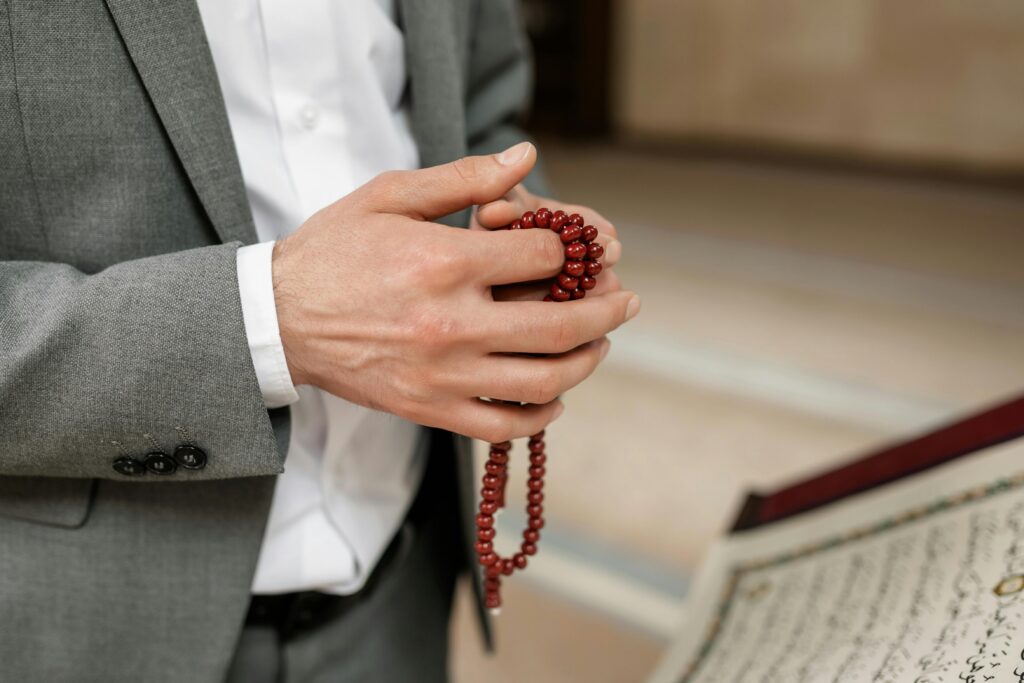
man holding tasbih, showing discipline and love for Allah SWT

Eating and Drinking

Intentionally eating or drinking during fasting hours breaks the fast.

This includes consuming food, water, or other nourishing substances deliberately after dawn and before sunset.

If a person eats or drinks unintentionally, such as forgetting that they are fasting, the fast remains valid. The individual should stop as soon as they remember and continue fasting.

Medication and Medical Treatment

Medical questions are among the most common concerns during Ramadan.

In general, anything that provides nourishment or enters the body in a way similar to eating or drinking may affect the fast. However, Islam recognises necessity and hardship.

Those who are ill, require regular medication, or whose health would be harmed by fasting are exempt and may make up the fast later or offer Fidya, depending on their circumstances.

It is always advisable to seek medical advice and religious guidance when health is involved.

Injections, Inhalers, and Medical Devices

Questions often arise about injections, inhalers, and medical devices.

Scholars have differing views depending on the type and purpose of treatment. Some non-nourishing injections may not break the fast, while others may.

Inhalers used for asthma and similar conditions are generally considered necessary for health. Individuals who require them regularly may be exempt from fasting and should seek personalised guidance.

Because medical situations vary, individual advice from a qualified scholar whom you trust is encouraged.

Vomiting

Vomiting unintentionally does not break the fast.

However, intentionally inducing vomiting invalidates the fast and requires making up the day later. This distinction reflects the importance of intention in Islamic rulings.

Menstruation and Postnatal Bleeding

Menstruation and postnatal bleeding invalidate the fast.

Women experiencing either are not required to fast during this time and should make up the missed days later. This exemption is a form of mercy and care within Islamic teachings.

Forgetfulness and Mistakes

Islam recognises human error. And nowhere is this more manifest than in fasting.

The Prophet ﷺ said: “Whoever forgets while he is fasting and eats or drinks, let him complete his fast, for it is Allah who has fed him and given him drink.” (Agreed upon)

If a person genuinely forgets they are fasting and eats or drinks, the fast remains valid. This principle reflects Allah’s mercy and the central role of intention in acts of worship.

Does Brushing Teeth Break the Fast?

Brushing teeth does not break the fast, provided that toothpaste or water is not swallowed.

Many people prefer to brush before dawn or use minimal toothpaste during fasting hours to avoid concern.

Smoking and Vaping

Smoking and vaping invalidate the fast, as they involve deliberately inhaling substances into the body.

Some people see Ramadan as an opportunity to reduce or stop smoking gradually, using the structure of fasting to support healthier habits.

What If You Break Your Fast Deliberately?

Deliberately breaking the fast without a valid reason requires making up the missed day.

In some cases, additional compensation such as Kaffarah may apply. Understanding the difference between mistakes, necessity, and deliberate actions helps ensure obligations are fulfilled correctly.

A Note on Rulings on Fasting

Islamic rulings on fasting are derived from the Qur’an, the Sunnah of the Prophet Muhammad ﷺ, and the scholarly tradition developed over centuries.

The guidance shared in this article reflects widely accepted positions across the four major Sunni schools of Islamic jurisprudence (Hanafi, Maliki, Shafi‘i, and Hanbali). Where there is broad agreement, rulings are stated clearly. Where legitimate scholarly differences exist, the article presents general principles rather than detailed legal verdicts.

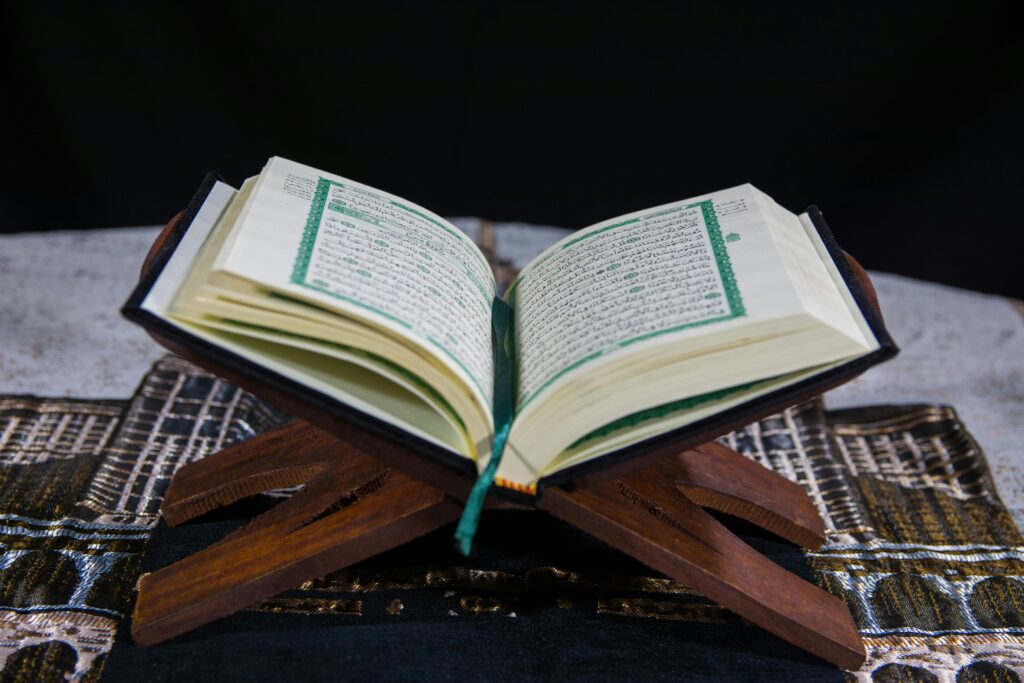
the Qur'an, the source of knowledge, include on what breaks your fast

For personal circumstances, particularly those involving health, medication, pregnancy, or chronic illness, we absolutely encourage you to seek advice from a qualified scholar and healthcare professional. The rulings of Islam should ideally be learnt in a systematic way where possible.

Frequently Asked Questions About Fasting

Is this guidance valid for all schools of thought?

Yes. This article focuses on areas of broad scholarly agreement across the four major Sunni schools. Where opinions differ, it avoids absolutes and encourages seeking personalised guidance.

What if I follow a specific madhhab?

Following a specific school of jurisprudence is valid and respected in Islam. If you are accustomed to following a particular madhhab, you should continue to do so while using this guide as general reference.

Does Islamic Relief Australia issue religious rulings?

No. Islamic Relief Australia provides general educational guidance to help people observe Ramadan with clarity and confidence. It does not issue personalised fatwas or legal rulings.

When should I seek further guidance?

If your circumstances involve medical treatment, pregnancy, travel, or ongoing health conditions, consulting a qualified Muslim scholar can help ensure your obligations are fulfilled correctly and with ease.

Related Guidance and Resources

Understanding fasting often leads to related questions around missed fasts, compensation, and charitable obligations.

Fasting is meant to be a source of spiritual growth, not confusion or distress.

By understanding general principles and approaching Ramadan with sincerity and balance, believers can fast with confidence, knowing that Islam recognises both human limitation and divine mercy.

01.29.26

Laylatul Qadr: How to Make the Most of the Night of Power

  Publications     Ramadan

Laylatul Qadr, the “Night of Power”, is one of the most significant nights in the Islamic calendar. It is a night that carries immense spiritual weight and is described in the Qur’an as being better than a thousand months.

During the last ten nights of Ramadan, many Muslims increase their worship, prayers, and charitable giving in the hope of seeking the blessings of the Night of Qadr. Understanding its significance and how to approach it can help make this time more meaningful and focused.

What Is Laylatul Qadr?

Laylatul Qadr marks the night on which the Qur’an was first revealed. Its importance is highlighted in Surah al-Qadr, which describes the night as one filled with peace, mercy, and divine decree.

The exact date of the Night of Qadr is not known, but it is widely believed to fall on one of the odd-numbered nights during the last ten nights of Ramadan.

In the Quran, the whole of Surah Al-Qadr mentions Laylatul Qadr:

“Indeed, We sent the Qur’an down during the Night of Decree And what can make you know what is the Night of Decree? The Night of Decree is better than a thousand months. The angels and the Spirit descend therein by permission of their Lord for every matter. Peace it is until the emergence of dawn”- Qur’an 97:1-5

Why Is Laylatul Qadr So Important?

Worship performed on Laylatul Qadr is described as being better than worship carried out over a thousand months.

And it is also a night on which forgiveness is guaranteed for the sincere worshipper who “catches” its reward.

The Prophet ﷺ said: “Whoever stands in prayer on Laylatul Qadr out of faith and seeking reward, his previous sins will be forgiven.” (Agreed upon by Bukhari, Muslim, Sunan An-Nasai and others)

This makes the night a unique opportunity for reflection, prayer, repentance, and drawing closer to Allah. Many people choose to dedicate extra time during the last ten nights to maximise the chance of benefiting from this night.

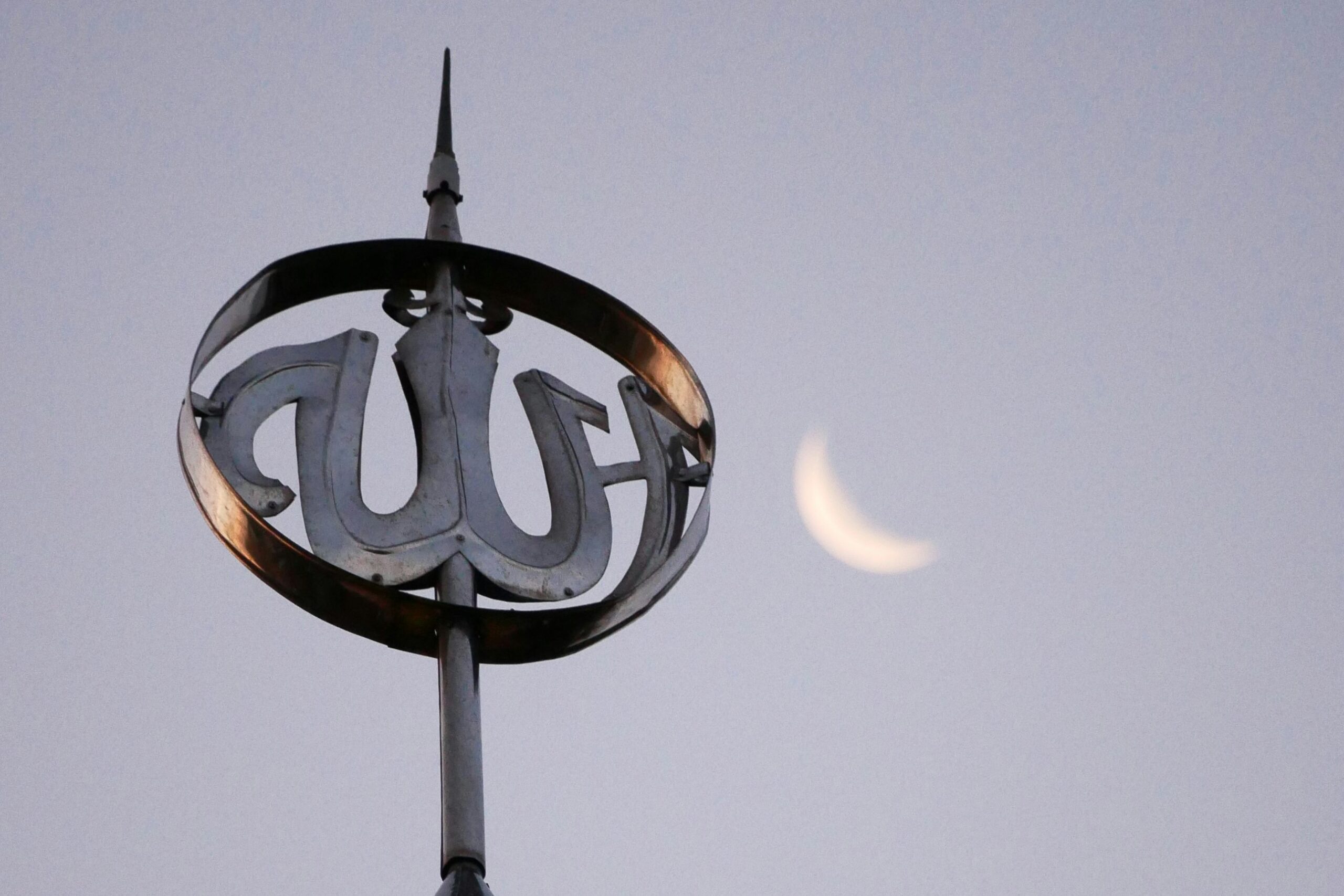
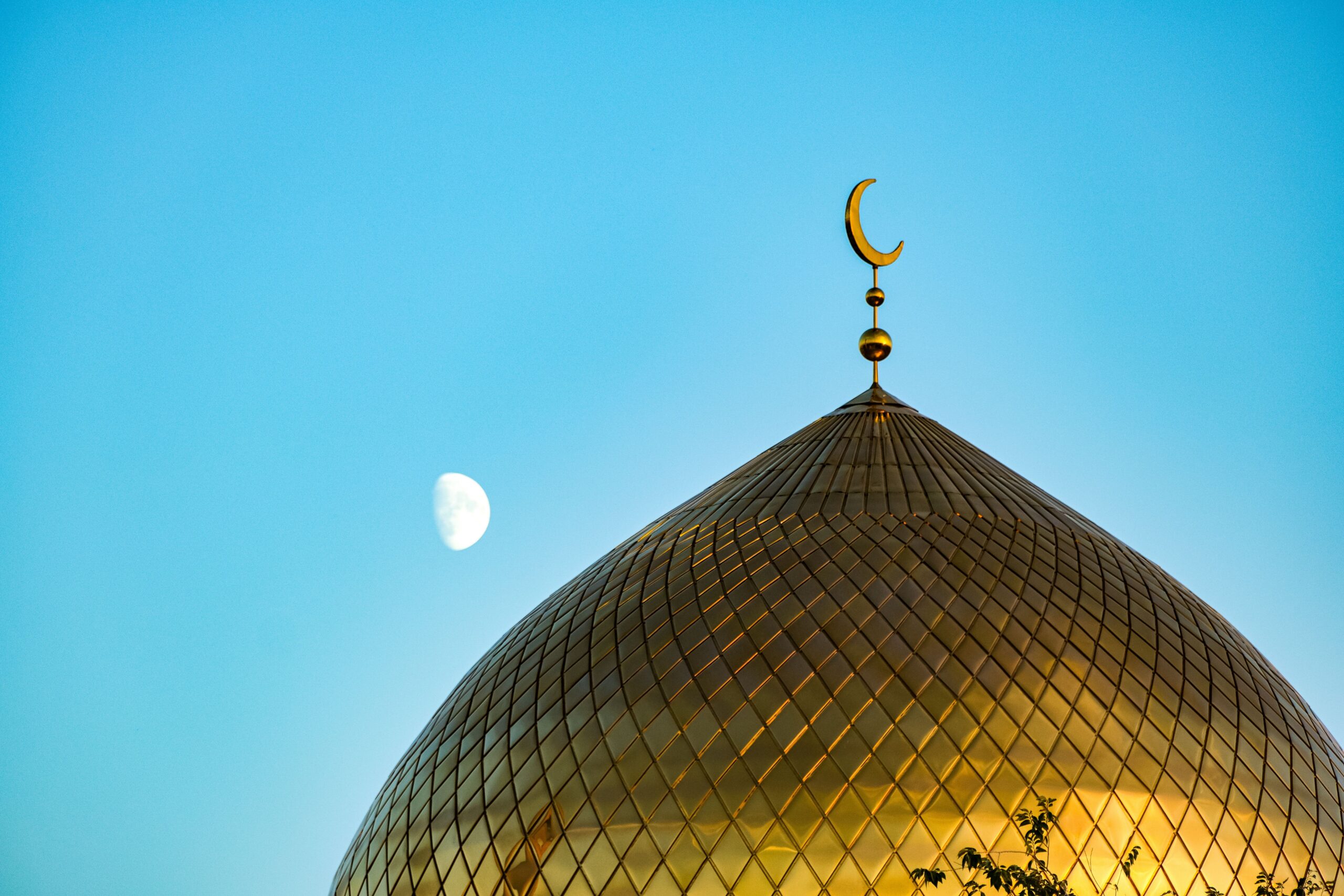
The moon in the last 10 days of Ramadan, where laylatul qadr happens

How to Prepare for Laylatul Qadr

Preparing for Laylatul Qadr begins with intention and awareness.

Practical steps may include:

  • Setting aside time during the last ten nights
  • Planning to attend night prayers
  • Increasing recitation of the Qur’an
  • Making du‘a with focus and sincerity.

Consistency during the final nights can help ensure that worship is not limited to a single night.

Du‘a and Worship on Laylatul Qadr

Du‘a is a central part of worship on Laylatul Qadr. The Prophet Muhammad (peace be upon him) encouraged making sincere supplication during this night.

Many people focus on seeking forgiveness, guidance, and ease for themselves and others. Acts of worship such as prayer, remembrance, and recitation are all emphasised during the final nights of Ramadan.

Giving Charity on Laylatul Qadr

Giving charity during Laylatul Qadr carries special significance. Because deeds performed on this night are multiplied, many people choose to give Zakat or Sadaqah during the last ten nights of Ramadan.

Planning charitable giving in advance can help ensure that obligations are fulfilled correctly and that support reaches those in need during this blessed time.

Final Thoughts: Make it Count!

Laylatul Qadr is a gift within Ramadan, offering a chance to seek immense reward and spiritual renewal.

By preparing thoughtfully, increasing worship, and giving generously during the last ten nights, you can approach this time with purpose and hope, trusting in the mercy and generosity of Allah.


STAY INFORMED

  • This field is for validation purposes and should be left unchanged.

Quick Donate