03.08.24

Journeys of Empowerment in Ethiopia and Indonesia

  Impact     News

Islamic Relief is sharing stories of some of the amazing women we support around the world.

Together, we strive to inspire inclusion. Where we celebrate the diversity and inclusion of women to create more equal societies and fairer environments where women feel empowered.

Stitching a future in Ethiopia

“Every stitch I make is a step towards a better future for my children,” says Ifrah, a young mother who had to rebuild her life in eastern Ethiopia after she was violently forced from her home.

Fleeing with her 5 children, Ifrah eventually settled in the town of Jigjiga. There, she planned to open a small shop selling clothing that she had handstitched.

Ifrah initially struggled to make her dream a reality. But, after coming into contact with Islamic Relief, she received funds and training to open her shop. Ifrah says the support she received from Islamic Relief’s Youth and Woman Empowerment Project (YWEP) went even deeper.

“It’s not just about the money. It’s about the trust that Islamic Relief placed in me, the belief that I could rise.”

Despite the challenges she faced launching a business in a period of economic uncertainty, Ifrah was able to turn her shop into a resounding success.

In the beginning, Ifrah would struggle to make as much as 100 ETB (approx. $2.65) a day. But, today, the business has grown to a position where she draws in 15,000 ETB (approx. $399.80) a month.
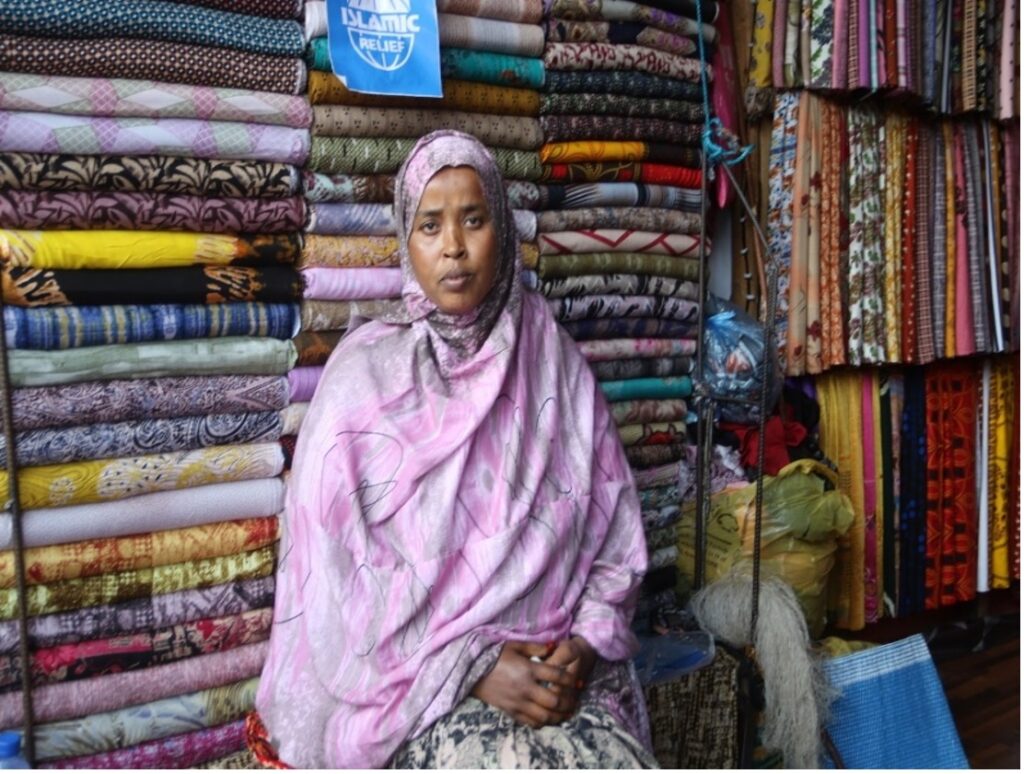
Image: Ifrah is hoping to inspire others with her shop.

“There were days when inflation hit us hard,” she recalls. “But with every challenge, I learned, I adapted. Islamic Relief’s training wasn’t just about business; it was about resilience.”

Ifrah hopes her shop will inspire others in Jigjiga.

“My dream? It’s to see a street lined with businesses run by women,” she says with a smile.

“Women who started with a small seed, just like I did.”

Harvesting Independence in Indonesia

On the island of Lombok in Indonesia, the green mushroom houses of Uus’s farm are a testament to her hard work and the support of Islamic Relief’s Sustainable Livelihood Project.

“There was a time when uncertainty was the only certainty we had,” Uus recalls.

“Islamic Relief changed that for us; they gave us the tools and the confidence to grow, not just mushrooms, but our dreams.”

The Sustainable Livelihood project in Lombok provides women with training, tools and equipment, as well as financial support to launch enterprises such as mushroom cultivation.

Uus’s mushroom farm has become more than a source of income. It is now a beacon of collective achievement for the community.

“We’re not just growing mushrooms; we’re growing lives,” she says.
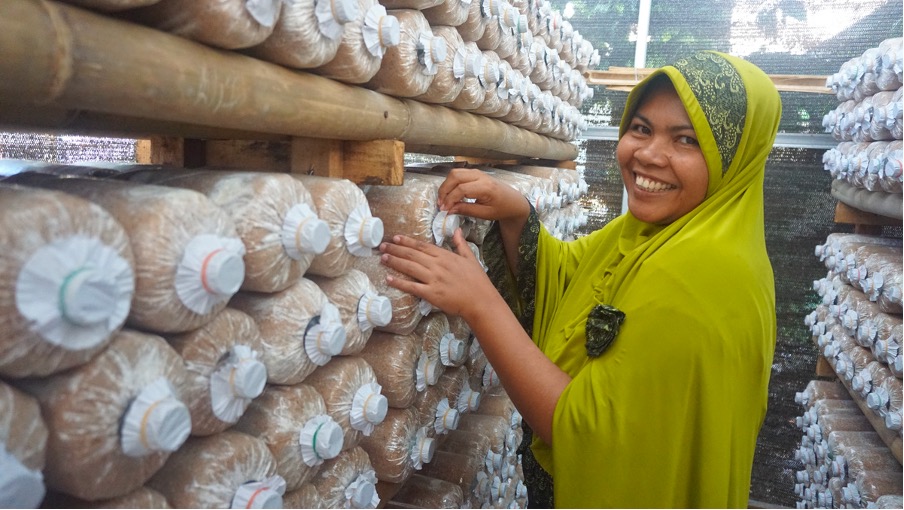
Image: Uus in one of her mushroom houses.

Her business now harvests up to 40 kilos of fresh mushrooms daily and employs 10 local workers.

“Islamic Relief taught us to cultivate hope, and now hope blooms in every corner of our farm. This farm is our heart,” she says warmly, “and it beats strong for our community.”

The training and financial support provided by Islamic Relief have helped Uus and her husband develop a thriving business, while also planting seeds of self-reliance in her neighbours.

For Uus, the message is clear:

“When one of us rises, we all rise. My success is our success, and I dream of a day when every woman in Lombok has the means to write her own story of triumph.”

Honouring Inspiring Women

Uus and Ifrah’s stories reflect a shared vision of a better future. A future where every woman has the opportunity to thrive and lead change in her community.

Islamic Relief celebrates the resilience and ambition of women like Ifrah and Uus, who are not only rebuilding their lives but also paving the way for others to follow.

Their journeys remind us that when women are given the chance to succeed, they create a stronger, more inclusive world.

Help support our vital women’s empowerment work, which enables vulnerable women to gain agency over their lives.
03.08.24

Piya’s Story: A journey of resilience and triumph

  Impact     News

Women in Bangladesh face many challenges to empowerment. From harmful social norms to a lack of access to education and employment opportunities, there are many barriers. For women with disabilities, life is even more difficult. 

Piya lives in a remote village in the Rajarhat sub-district of Kurigram in northwestern Bangladesh. The 29-year-old has a hearing impairment. In turn, she, like many girls in rural Bangladesh, was a victim of early marriage, sometimes known as child marriage. 

In rural Bangladesh, women and girls have few opportunities to earn an income and are often viewed as financial burdens. Marriage is the most common way to relieve that burden, prompting many families to marry off their daughters before the girls reach adulthood. 

Piya’s parents were worried she might also face discrimination because of her hearing impairment. Thus, they thought marriage could shield her from that. So, at age 14, she began married life. Social norms around the role of a wife made it impossible for Piya to continue her education, forcing her to drop out of school. 

Piya’s husband, Chand Mia, works as a day labourer but struggles to make ends meet with his limited income. Ensuring his wife and children received 3 nutritious meals a day was a constant struggle for him. The situation was difficult for Piya too. 

“I experienced profound sadness as I could not contribute more to support my husband. I knew I had to take action, but I was unsure where to begin or what steps to take. The inability to provide meals for our children was particularly painful for me,” she says, reflecting on that challenging time. 

A turning point 

Piya’s life began to change when she became involved with Islamic Relief. Determined to change her family’s situation, she embraced the opportunity.

Piya is one of almost 3,500 people facing extreme poverty who will receive support through the “Promoting the Model for the Elimination of Extreme Poverty in Rural Bangladesh” (EEP) project. Through the 36-month-long project, she received training, seed money and technical support needed to launch a business. This helped her break the cycle of poverty and boosted her socioeconomic wellbeing.

With a seed fund of BDT 12,000 (approx. $165), she began raising goats, expanding her modest farm with Islamic Relief’s support. 

Islamic Relief supported Piya’s farmwork through the “Elimination of Extreme Poverty Initiative in rural Bangladesh” in Rajarhat, Kurigram.

Empowered by growing confidence, Piya sought out other streams of income by joining a local self-help group. She found a community offering mutual support as well as sharing knowledge and resources, and became a cashier for the group. 

Joining the self-help group opened the door for Piya to make use of Islamic microfinance services. She also took out interest-free loans from the group’s fund to expand her endeavours. 

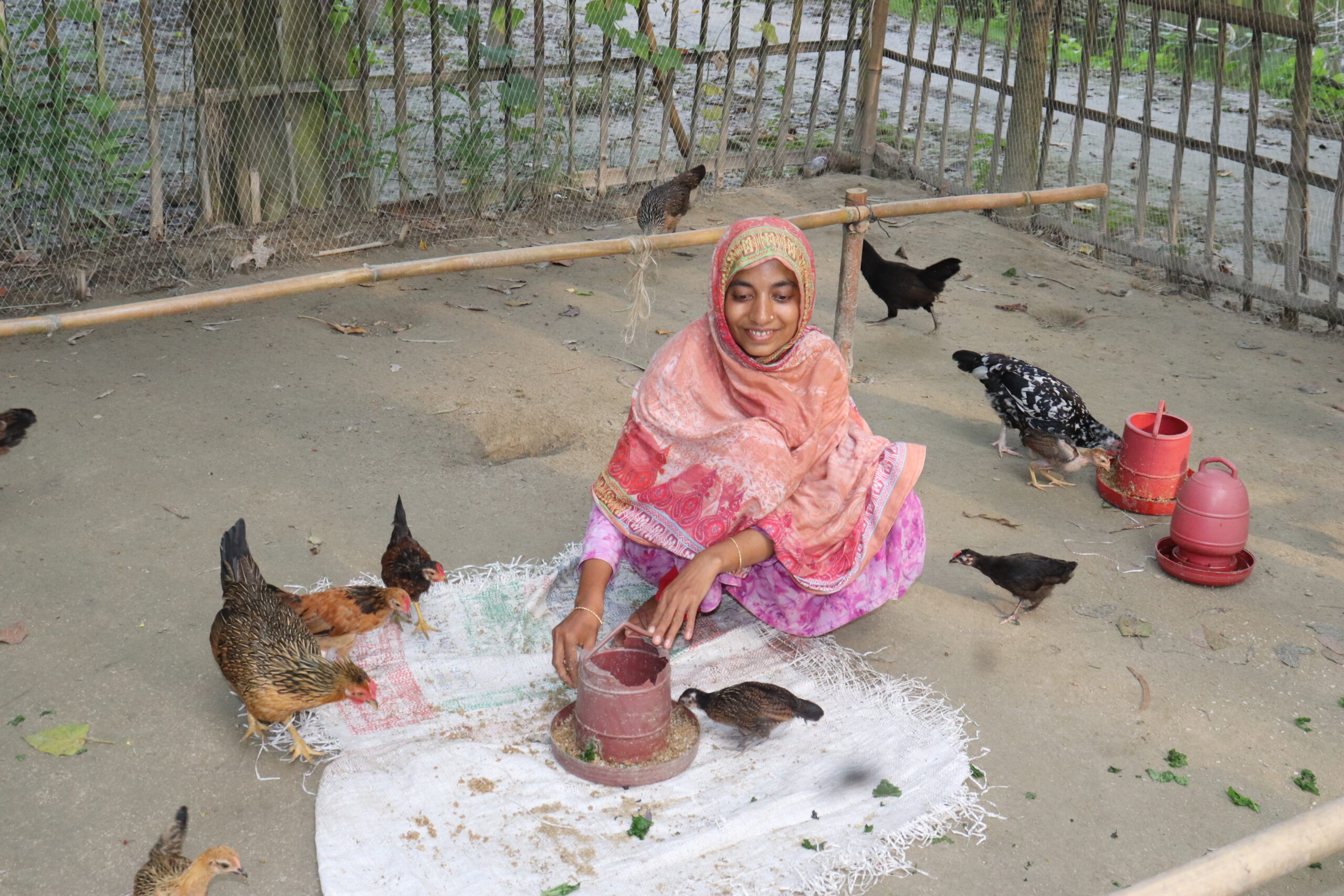
Her small home farm transformed into a diverse landscape, home to goats, chickens, and cows. Project initiatives, such as animal health camps, supported Piya in keeping her animals healthy and well. 

Leasing a productive piece of land, Piya cultivated chilli and ginger, which led to substantial monthly profits. She also cultivated her own fodder, saving the money she would have spent buying it, and engaged in other cost-effective farming practices with support from Islamic Relief. Her husband supported her efforts to expand the farm, which became a collaborative effort for the couple. 

Piya’s investments and hard work significantly improved her family’s financial situation. She transitioned from depending solely on her husband’s income to becoming a self-sufficient contributor. Beyond her farming activities, Piya became an inspiration within her self-help group, motivating others to pursue their ambitions. 

Piya’s story epitomises determination, resilience, and triumph over adversity. Through her efforts and the right opportunities, she not only achieved financial security but also became an inspiration for those around her. 

Islamic Relief is committed to empowering vulnerable people in Bangladesh to lift themselves out of poverty through building sustainable incomes. Help us to continue this vital work with your support.

03.08.24

Nexhmije’s Story: An Answered Prayer 

  Impact     Publications

Every year, Islamic Relief implements the Ramadan project for its main rightsholders, orphan children and their families. In Ramadan 2023, this project was implemented in Albania in two forms: food packages and cash.  

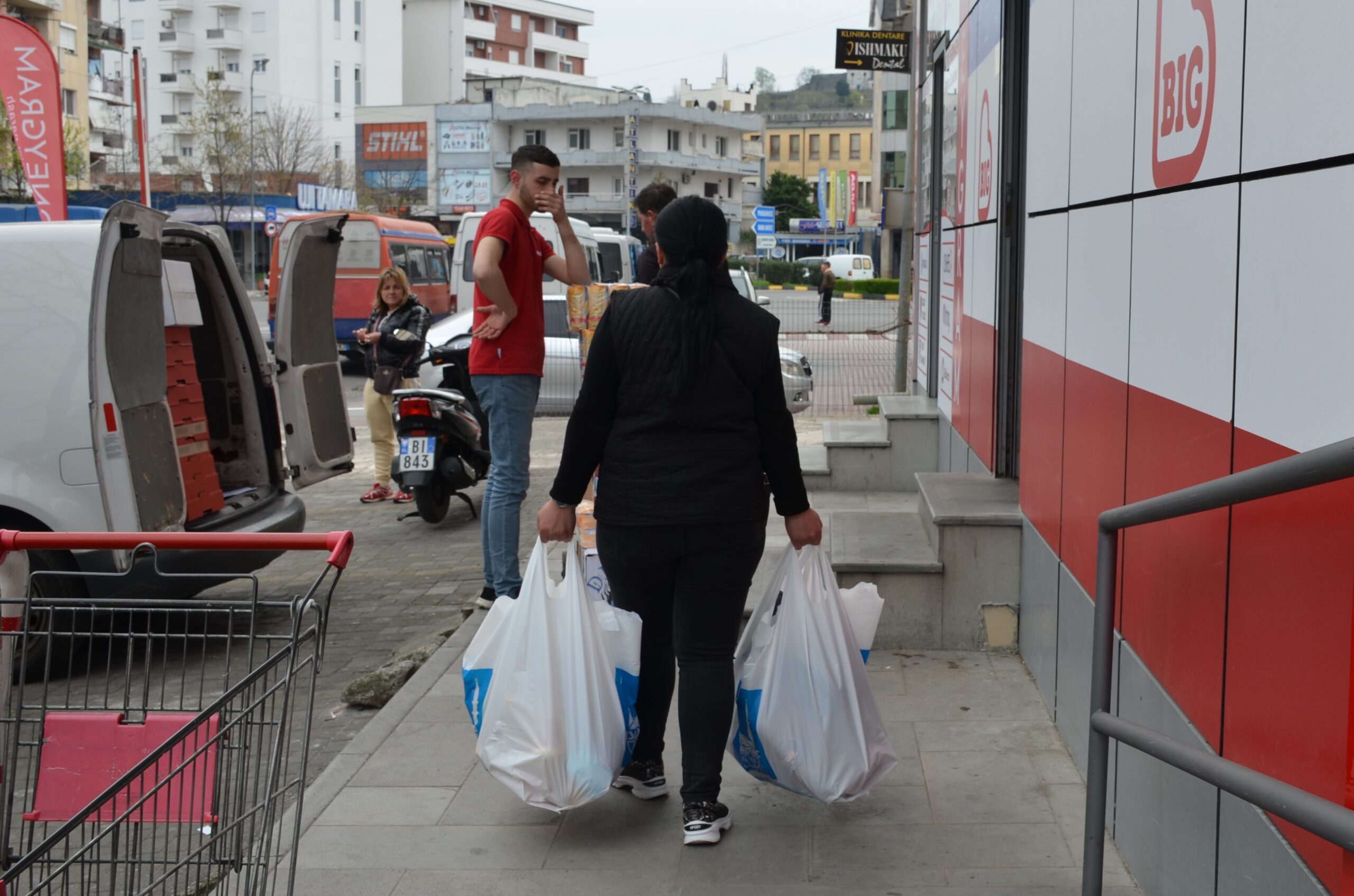
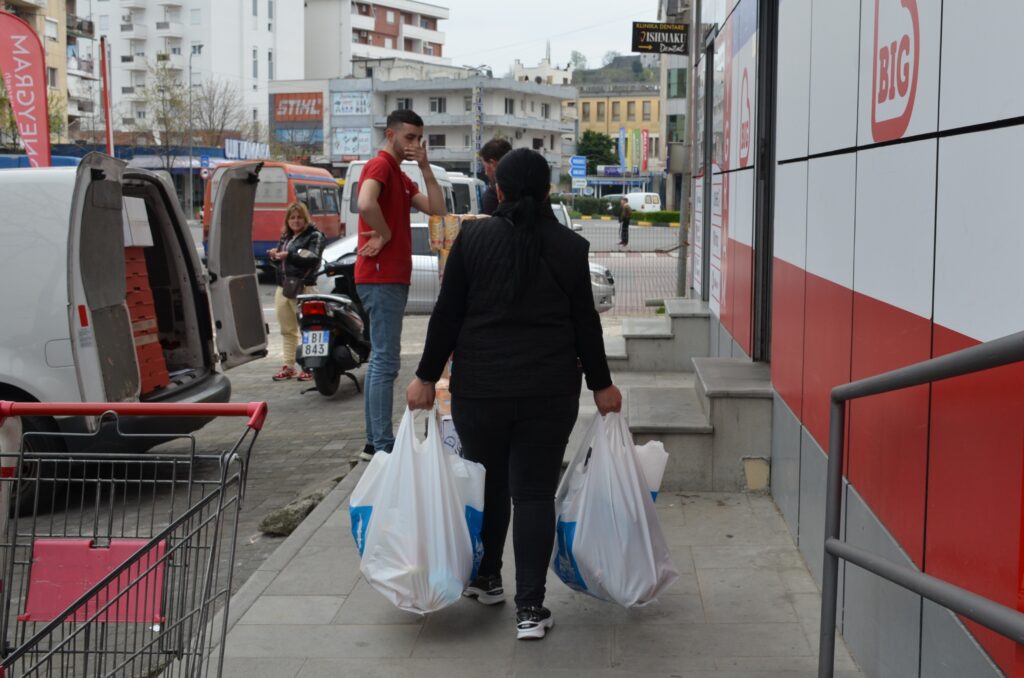
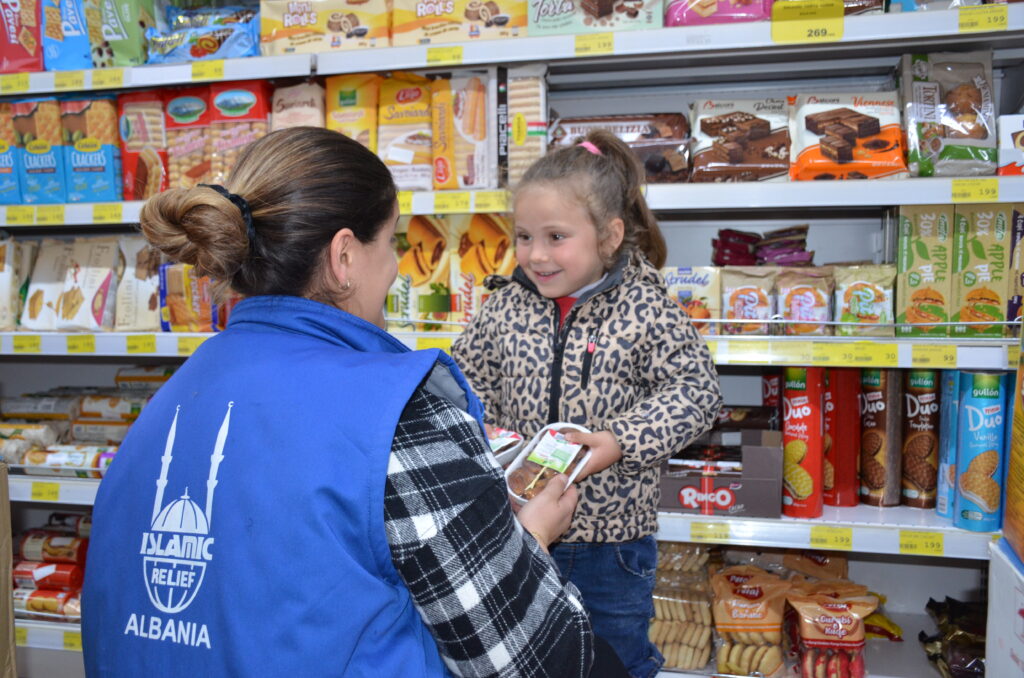
The implementation of cash grants for rightsholders allowed them to choose the basket products themselves. It was a form of donation that aimed to boost their self-esteem and treat them with dignity.   

Nexhmije Shpellzaj and her family from Shkoder, Albania, in the Malësi e Madhe district, were one of the recipients.  

A widowed mother struggling to make ends meet

Nexhmije is a 39-year-old widow and mother of 4. She occasionally works as a sanitary worker but does not have a fixed job.

Nexhmije got married at a young age. She could not finish her studies. After marriage, she was blessed with 4 children, all primary school age, who are currently in her care. Over five years ago, her husband passed away in a road accident. Her youngest, Jetmira, who is now six, was not yet a year old when he passed.

“It’s difficult being a mother and a father at the same time; it’s such a big responsibility.”

Nexhmije looks after her 4 orphaned children on her own. Her family is in need of support.

A family going through hardships

Nexhmije’s family lives in a private house with modest conditions. They were able to secure this house thanks to charities. However, the house has serious moisture problems and insects.

Last year, a Muslim sister helped Nexhmije and her family immigrate to Germany as an asylum seeker. However, after staying for 6 months there, they returned her to Albania.

Currently, Nexhmije is unemployed. Whenever she can, she tries to work occasionally as a sanitary worker or in agriculture. However, the income she earns is insufficient for the family’s needs and expenses. The state offers them economic assistance as a family in need, but it cannot even cover the cost of basic daily food.

“Allah knows what a mother feels when there is no bread to give to her children. I don’t even wish it on the enemy. The last time I remember buying clothes for the children was when Islamic Relief gave us money for (an) Eid gift. I pray to the Almighty for the good health of my children.”

The Impact of Your Ramadan Donations

“I swear to Allah SWT, that He is one and there is no other. I don’t know how many times my neighbours bring me food for the children for charity.

“Ramadan is the month of mercy, the month of forgiveness, the month of sacrifice, the month where we understand the importance and value of what we have. We pray to Allah SWT to forgive us for how many times we ask for things that we don’t have because we are never thankful enough for all the blessings that He has given us.

“Before (Islamic Relief) called me, I worked in a house and bought a package of flour with the money I received. When I bought the flour, I was in doubt, I was saying to myself: flour or sausage for children?

“Then, when you informed me about cash in the bank to buy food for Ramadan, I said, (a) mother’s prayers are never rejected, Alhamdulillah.

In Ramadan 2023, Islamic Relief staff provided the family with cash to collect the food items that they need the most for the blessed month.

“I’m so happy and lucky to be part of Islamic Relief. Thank you so much for your kindness. We are extremely appreciative of all that you are doing for us.

“I am infinitely grateful to you. Allah SWT and you are the ones who are raising my children. I don’t want to imagine what my life and my children’s lives would be like without your help.

“You came into my life in those days when I only saw black days, I saw only sadness, you came like the light you see at the end of the tunnel. Islamic Relief is a blessing, it is hope, it is strength to move forward.”

Save Families From Hunger

Multiply your rewards from Allah (SWT) this Ramadan. Give families in need the opportunity to enjoy nutritious food for Suhoor and Iftar during this blessed month.

03.08.24

Oummou’s Story: Fighting Domestic Violence in Rural Mali Through Radio

  Impact     News

Domestic violence is commonplace in many parts of Western Africa, where men still largely dominate society. Determined to confront this, Oummou works at a radio station in the small town of Dio-Gare in southern Mali.  

As a child, Oummou saw her father and the community around her mistreat her mother. Oummou’s mother had many daughters but only one son, which the community considered shameful.

Oummou was also deeply troubled by the other ways in which women were treated in her community. It was common for men to beat their wives.

The community would punish women for perceived disobedience by breaking their hands. But women suffering abuse were forbidden to tell anyone about their injuries, so they avoided going to the hospital.

Witnessing this, Oummou decided that if she were ever in a position to advocate for women, she would do so.  

An uphill battle 

Over the years, Oummou realised that her generation continued to perpetuate the same toxic and abusive behaviours she grew up with. To push back against the normalisation of harmful practices, she decided to run for election in the local government.  

“In the past, women were forbidden to access any government positions, but I fought hard to change this,” says Oummou. “After a long, uphill battle, I was successful and was elected advisor to the mayor [on gender and women’s rights issues].” 

Due to this, Oummou faced a lot of resistance within the government. Many of her colleagues had never worked with a woman before. Even the mayor disapproved of her presence among his staff.  

“I resisted all of the naysayers, despite them giving me a very difficult time, because I had great ambition to see more women rise up to occupy frontline positions,” she says.  

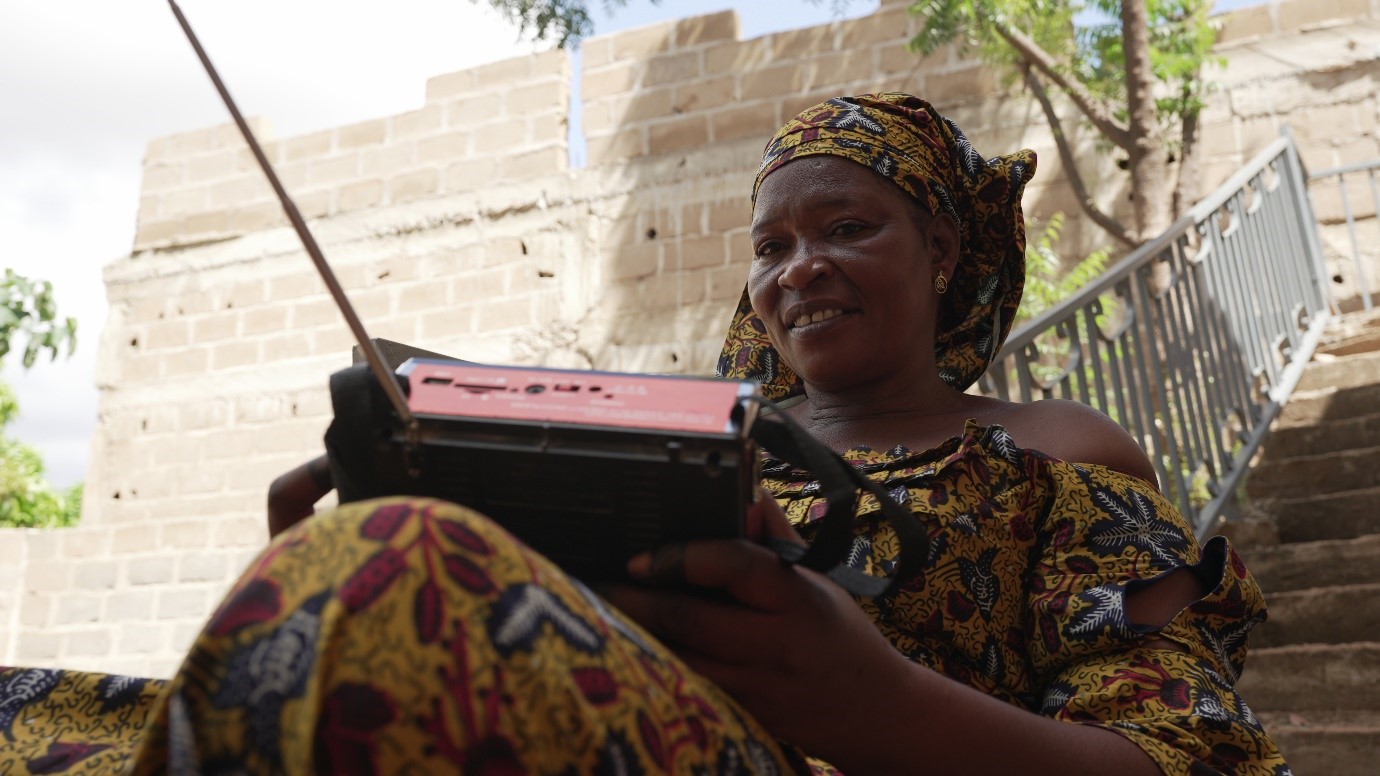
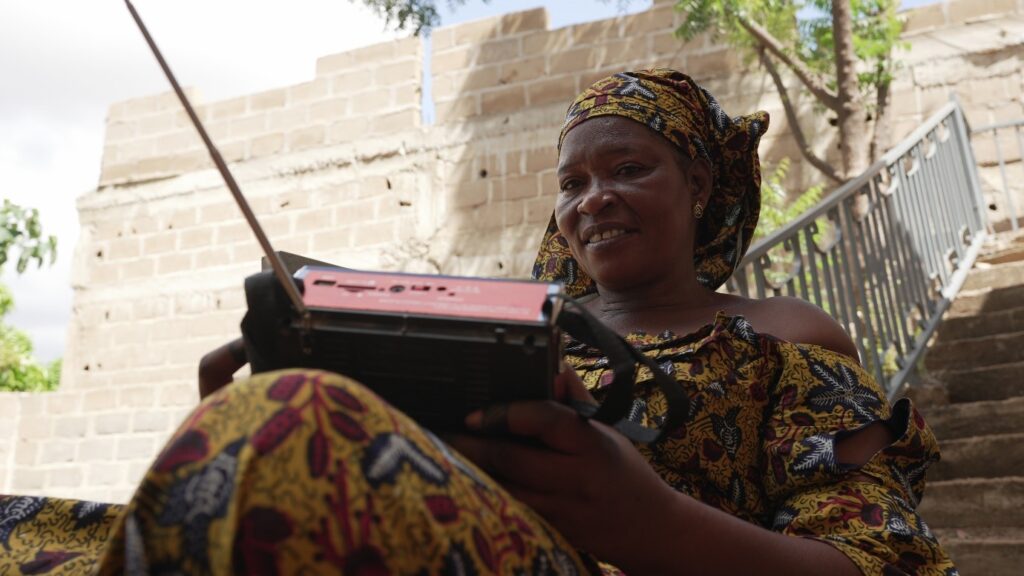
Oummou used her position in government and her job at the local radio station to reach as many people as possible. Through radio, she was able to speak to a large audience, helping others realise they weren’t alone. 

However, Oummou‘s activism came with a heavy price. The community she cared for, initially shunned her, considering her to be rebellious. Believing those views, her husband divorced her.  

Even so, Oummou persevered. She says, “I didn’t let this new setback stop me from achieving my dreams. I persevered and eventually gained respect and acceptance of my work within the local government.

“I became a fixture due to using my radio show as a platform to educate and advocate around issues facing the town, especially creating awareness about issues like gender-based violence and matters pertaining to women that were considered taboo.”  

Making a difference 

Oummou’s radio work and her work at the town hall complemented each other. Eventually, over the years the mayor came to see Oummou’s potential and her determination to make a difference. Despite the difficult start to their relationship, they now have mutual trust and respect.  

“I endured a lot of conflict when I first started. Not only did the men [in government] keep things from me, I was not invited to meetings, I was spoken to rudely.” 

“In time many men realised that I would not be stopped regardless of what they did to me. My mission was clear: I wanted to show men that a woman can do what they do too, and that I have the same entitlements as them. So, when they wanted to put me in my place, I made sure to stand tall.”  

Standing up for women’s rights 

Oummou says she is finally seeing the fruits of her labour. She sees it not only in the women who thank her for standing up for their rights, but also within her own family. She was reunited with her husband after many years, and he is now among her main supporters. 

“The different roles we played in the past have come to an end, which has shown me that the advocacy I have been working on has been successful in our home. My husband now sits with our children and talks to them about the issues I cover in my radio show. The issues that used to divide us are now bringing us closer.”  

Oummou’s story is a powerful reminder of the strides we can make through inclusion and celebrating those who are at the forefront of transformative change. 

That’s why, in our life-saving work, Islamic Relief continues to champion Oummou and countless women like her. Women who are not only breaking barriers, but also paving the way for future generations of women leaders.  

Support our vital work to empower women in Mali and around the world.

03.07.24

Marlida’s Story: Saved From Hunger

  Impact     Publications

Marilda Gusmari is a 39-year-old widow living in Durres, Albania. As the head of the household, she struggles to provide for two daughters, Nidia and Joris, due to the worsening economic situation. 

During Ramadan, Marilda wants to let her family experience the harmony and pleasure of the blessed month. But for families like hers struggling with poverty or food insecurity, it’s not easy to fulfil.

Living Under Unstable Conditions 

“We live in such a tough condition. Our income is very low. I’m the only breadwinner in the family. Maintaining good health and consuming a nutritious diet is a challenge for us.

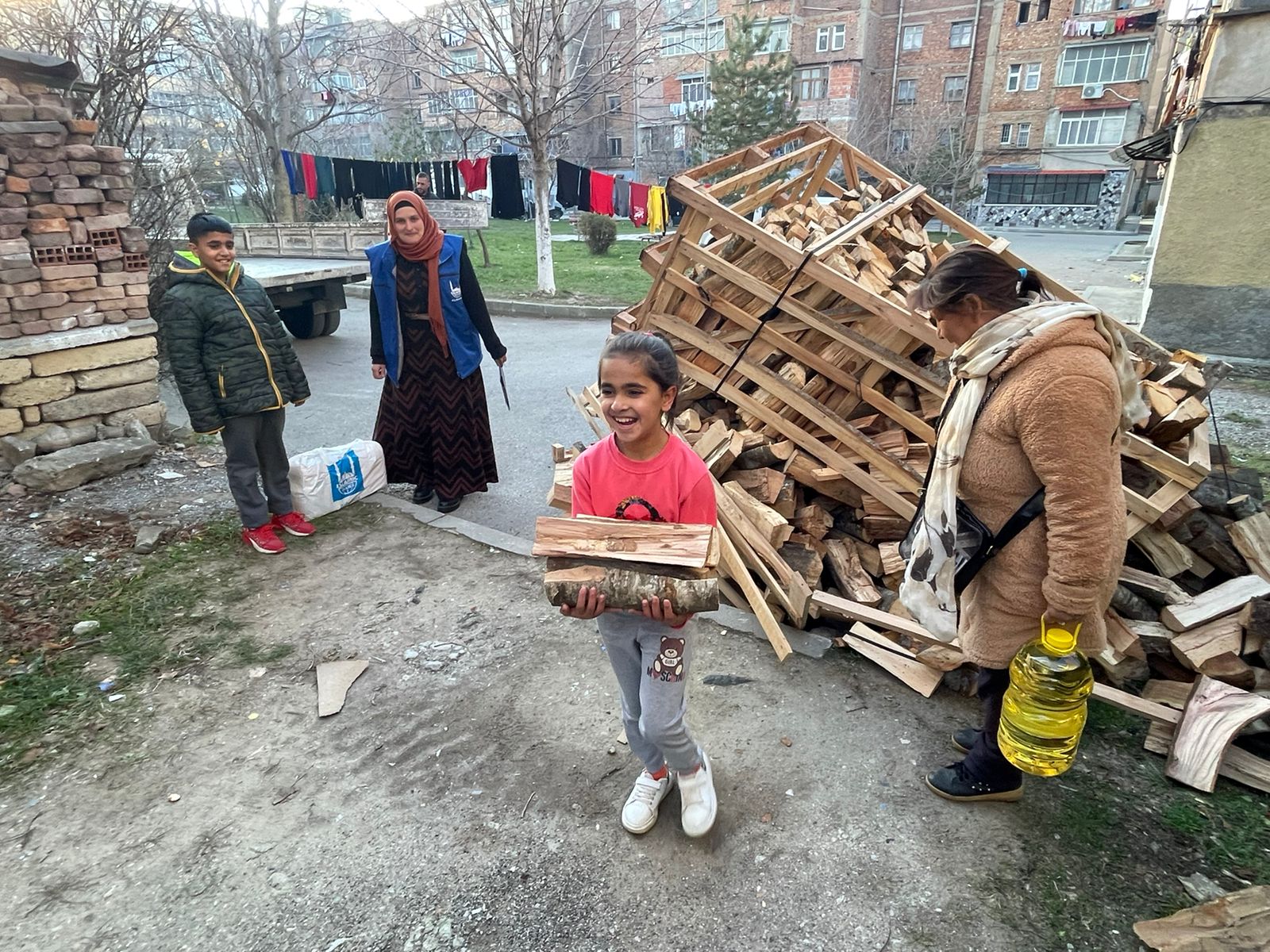
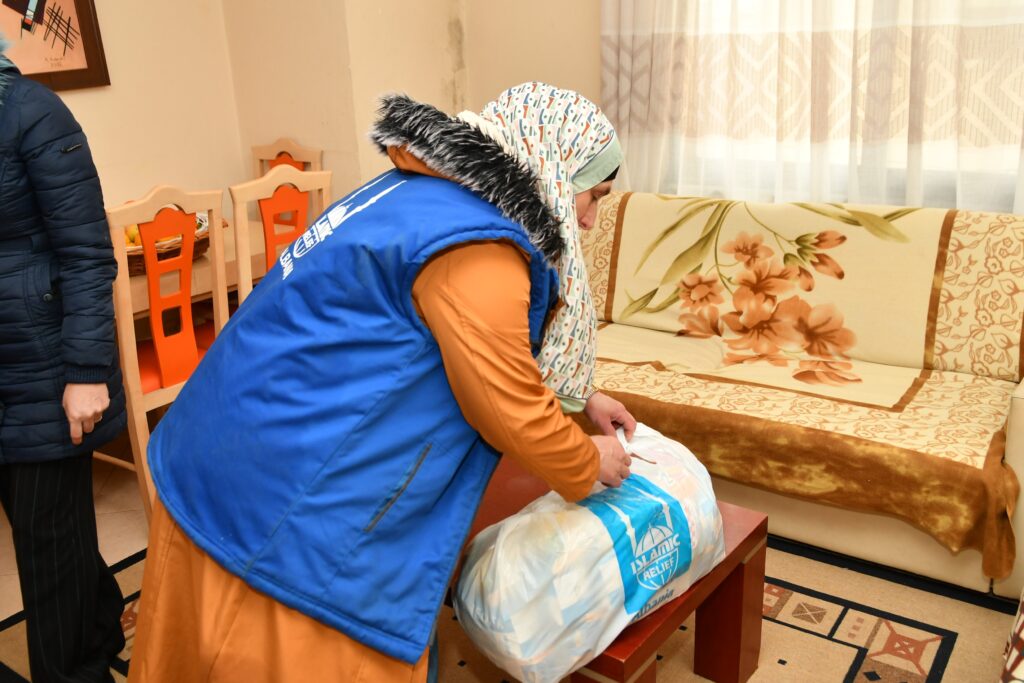
Image: IR Worker delivering Ramadan food pack to the Gusmari Family in Durres, Albania
Image: IR Staff delivering Ramadan food pack to the Gusmari Family in Durres, Albania

“With our economic problems, my sister Erisa has helped us as much as she can. She sometimes brings us meals and dishes she cooks for her family. Often, we are invited to Iftars by her family. She always tries to think about us. But even her economic conditions are not too good either.” 

Recovering from Disaster

“Our house was affected by the earthquake of 2019. The building was structurally damaged and was declared uninhabitable by the government. This building had about 150 families once. Today, only two families live (here).  

“Our lives are in danger, we live on the 10th floor. We fear that next time it will fall again. This would be fatal for my two daughters. 

“I tried to live in a rented house a year ago, but the money was not enough for our basic needs. My salary is minimal, and it does not meet our needs for food and education of the girls. 

“When I am not able to provide food for my daughters, I feel very emotional. I don’t want to fail in meeting basic nutritional needs for these two. The food doesn’t last very long, but when I have it it is a very welcome relief from my daily worries. It’s painful to realise you are not able to give your children a festive Ramadan. However, I will always find a way to provide for my little family, insha’Allah.” 

How Your Donations Have Helped  

Islamic Relief’s Ramadan project has been implemented in Albania since 1994 and remains ongoing. Our teams on the ground work hard to make Ramadan, the Holiest Month of the Year, enjoyable. Even for the poor families and frustrated social families through food package distribution. 

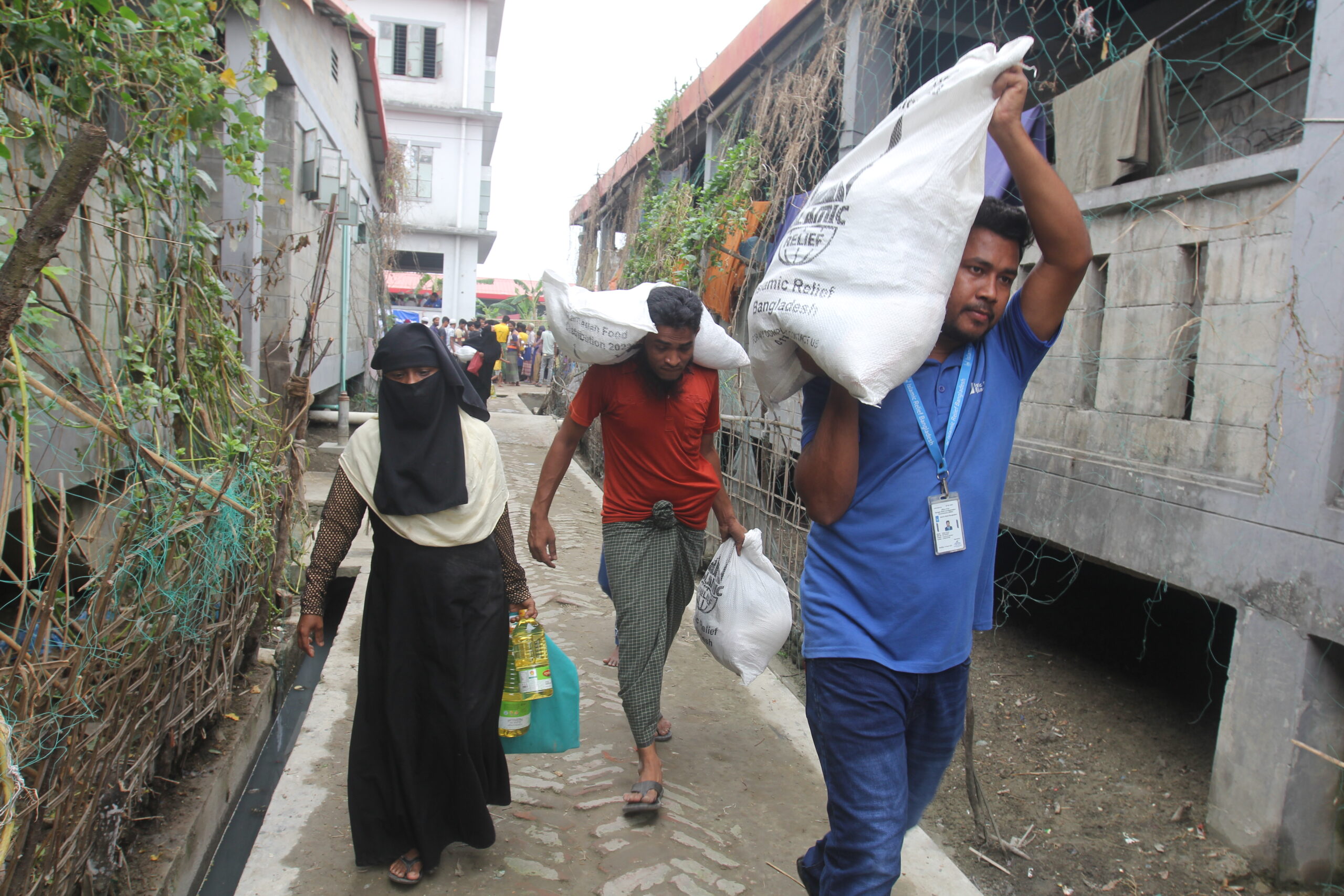
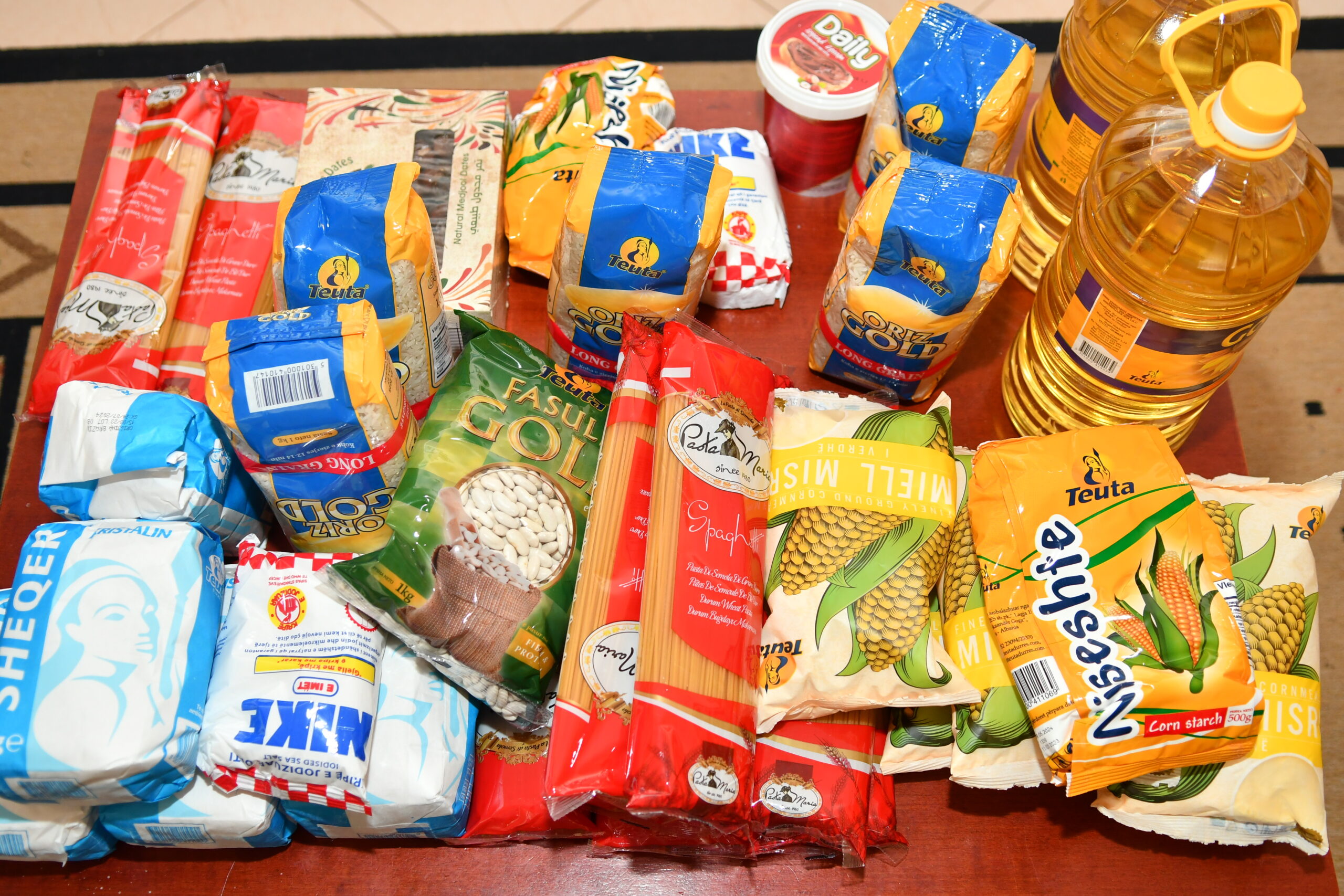
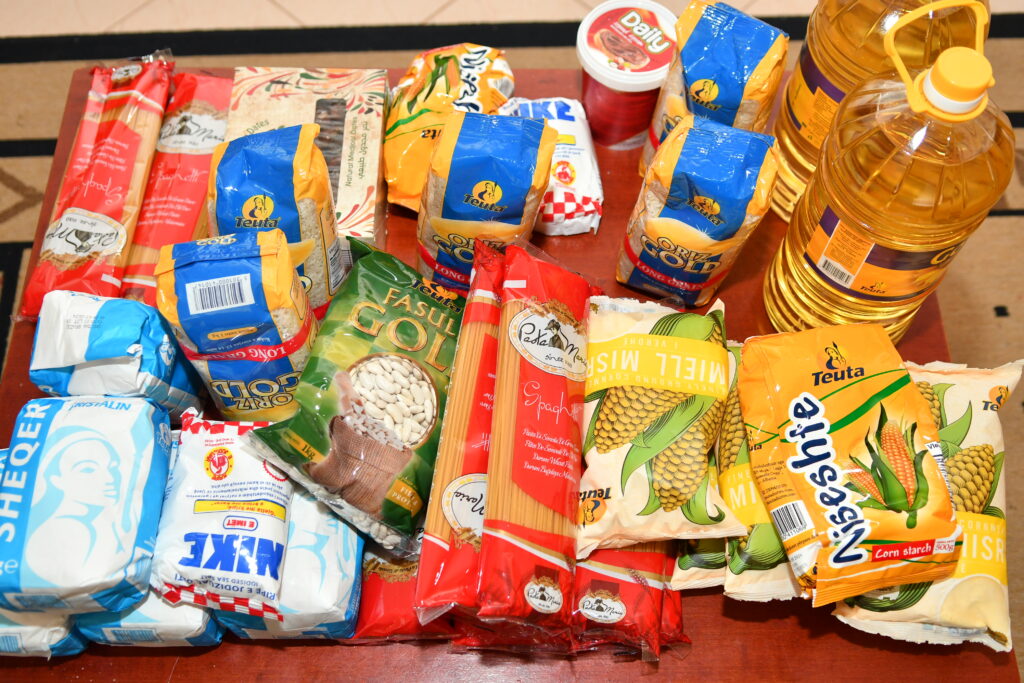
Each food package contains staples such as flour, rice, sugar, oil, beans, dates and pasta. This distribution method allows families that benefit to get the food and prepare it in the way they like. These food packs also provide families with enough food for a month, enabling them to celebrate Ramadan like other Muslim families. 

Food pack content
During Ramadan 2023, Islamic Relief staff provided the family with food items.

“I am struggling for my family not to deal with hunger, but with your help we are able to keep up.  I was blessed with the support of your organisation.”

Marilda’s Family and Islamic Relief

“My children have been rightsholders in some projects that have been implemented by Islamic Relief in our area. We have benefited from the Eid project, the school project, Qurban, winterisation and Ramadan.“ 

“This year the package of Ramadan was bigger – we have more flour and more items. With the food package that Islamic Relief gave to me, I am now able to save some money. I don’t need to buy food which is expensive. 

“Bread, rice, pasta and some vegetables are the main foods I use to prepare meals for my children. We are grateful for the food pack that you have donated as now my daughters can eat something sweet and taste the dates that they like so much.” 

“Thank you for the support you give us in any difficulty we have. All the time my children and I, pray that Allah (SWT) help those who helped us.” 

Save Families From Hunger

Multiply your rewards from Allah (SWT) this Ramadan. Give families in need the opportunity to enjoy nutritious food for Suhoor and Iftar during this blessed month.


STAY INFORMED

  • This field is for validation purposes and should be left unchanged.

Quick Donate