Home » Our Work » For A Better World » Primary Healthcare Services Support for Jordan
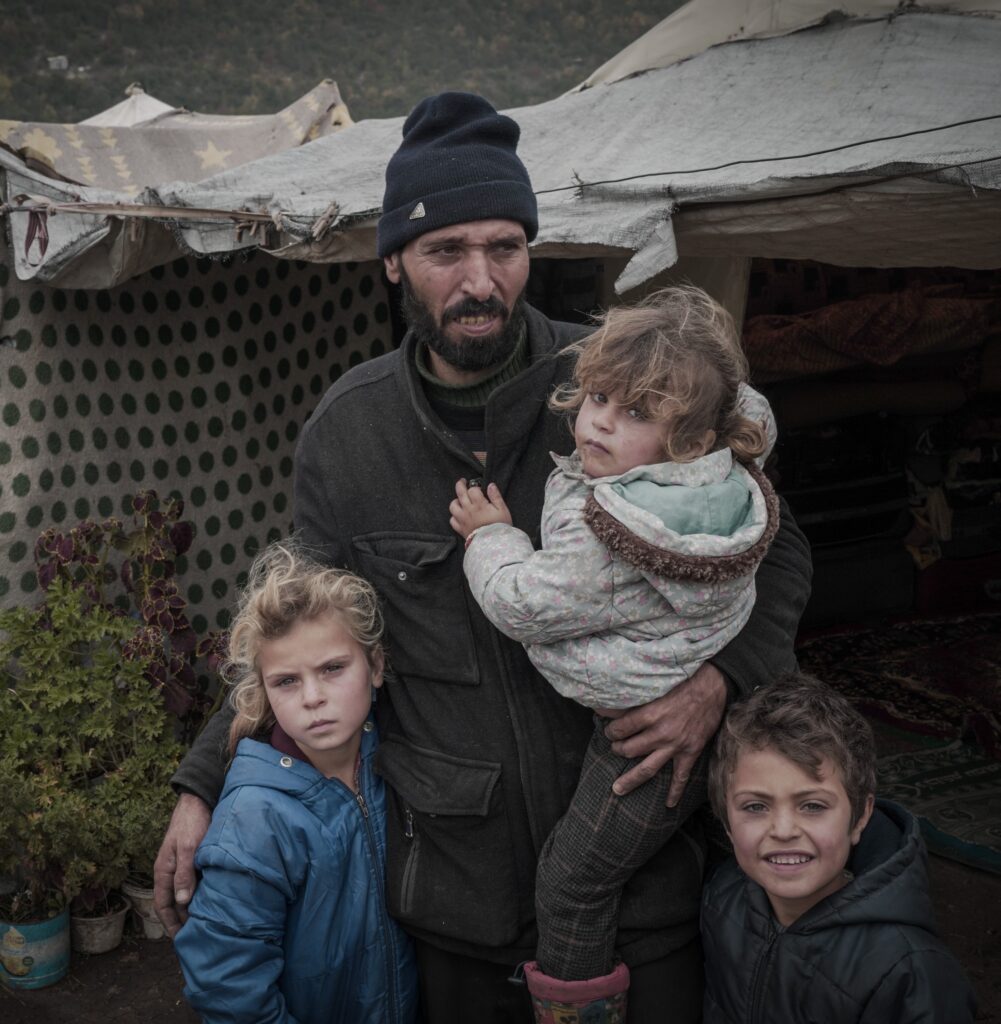
The health sector in Jordan has faced immense challenges. The influx of refugees has increased the demand for healthcare facilities, leaving centres overwhelmed.
Today, refugee communities in Jordan face increasing rates of poor health. As loss of income and employment for many of these families decreases their access to mainstream health services.
Since 2011, Jordan alone has provided refuge to more
than 1.36 million people, 90% living among the local
community in Amman and northern Jordan. The Al-Mafraq governorate, in particular, accounts for 26% of the total number of registered refugees in Jordan, 168,950 people by 2023.
In turn, the geographical location of Al-Mafraq in the centre of Jordan and its proximity to neighbouring countries’ borders make it a key area for providing services for inhabitants. This includes refugees as well as residents of other major governorates in the north like Irbid and Al-Ramtha.
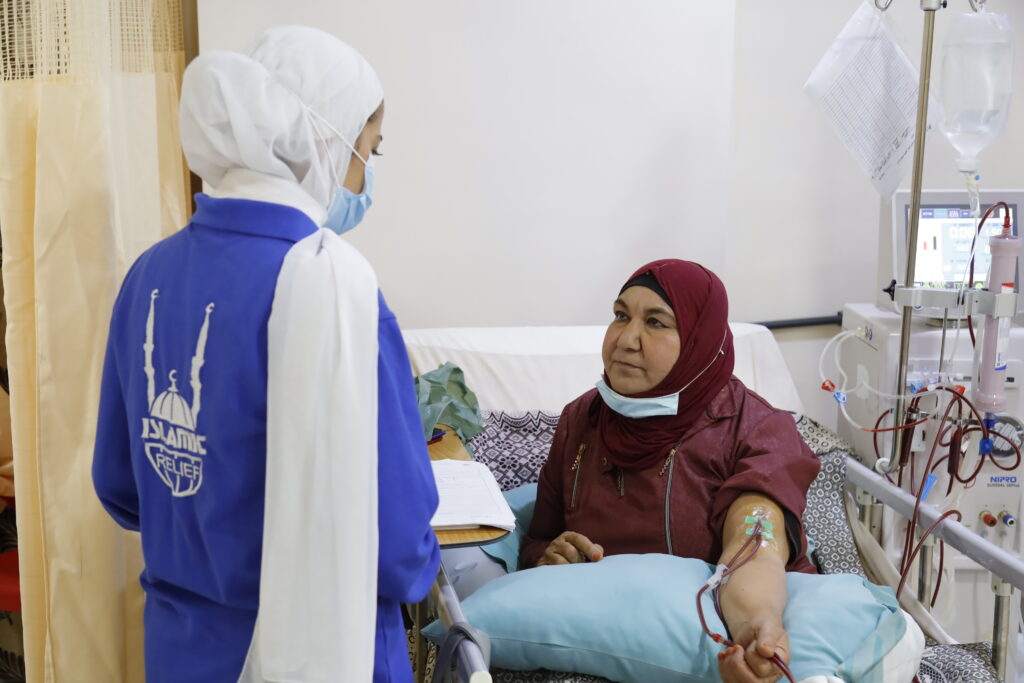
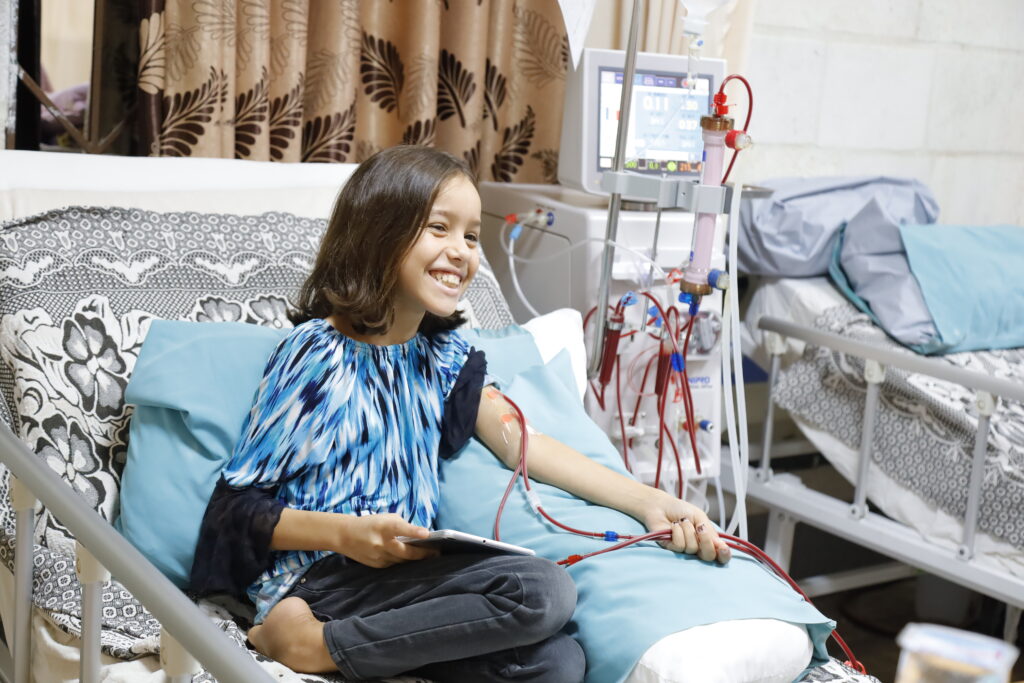
Islamic Relief’s teams in Jordan are focusing on preserving access to essential primary health services for the most vulnerable refugees (women and girls at risk during the reproductive period, children, and patients with chronic life-threatening illnesses).
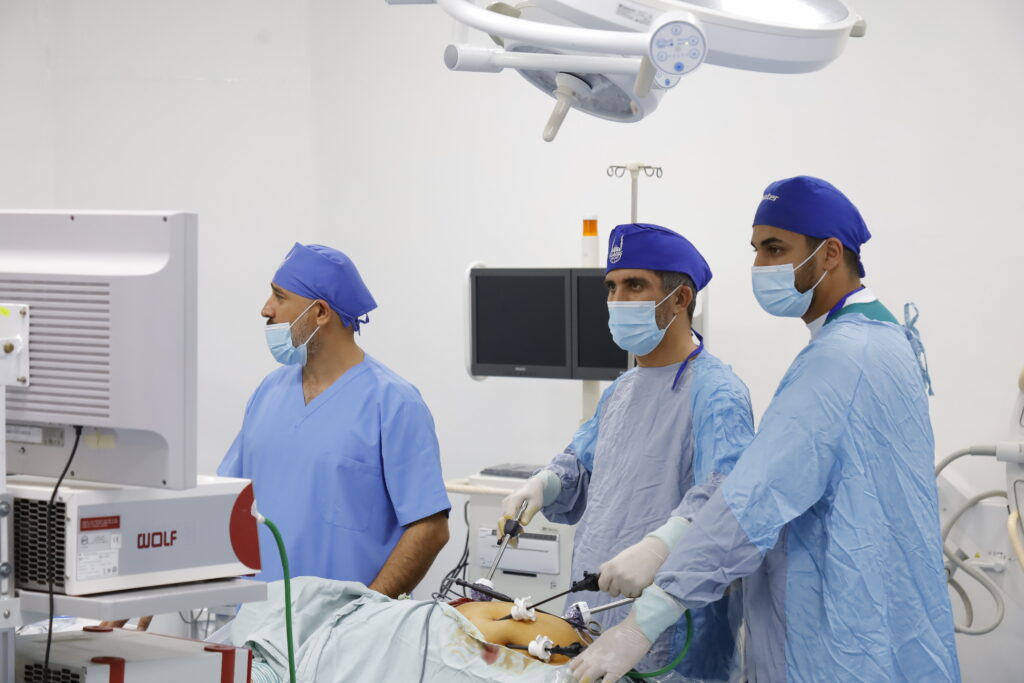
The project aims to release the current pressure on the public health system. It will prioritise meeting the critical needs of the health sector for refugees and local communities in Jordan.
Within the ongoing project, we aim to help improve the health status of refugees and local community members, enabling access to the most vulnerable to healthcare services.
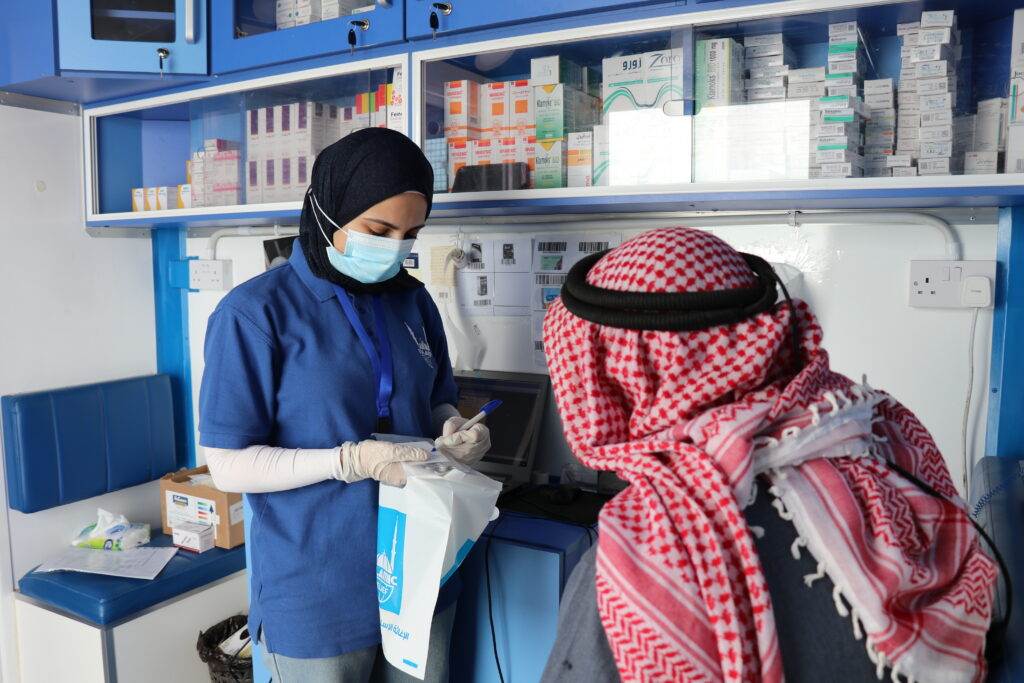
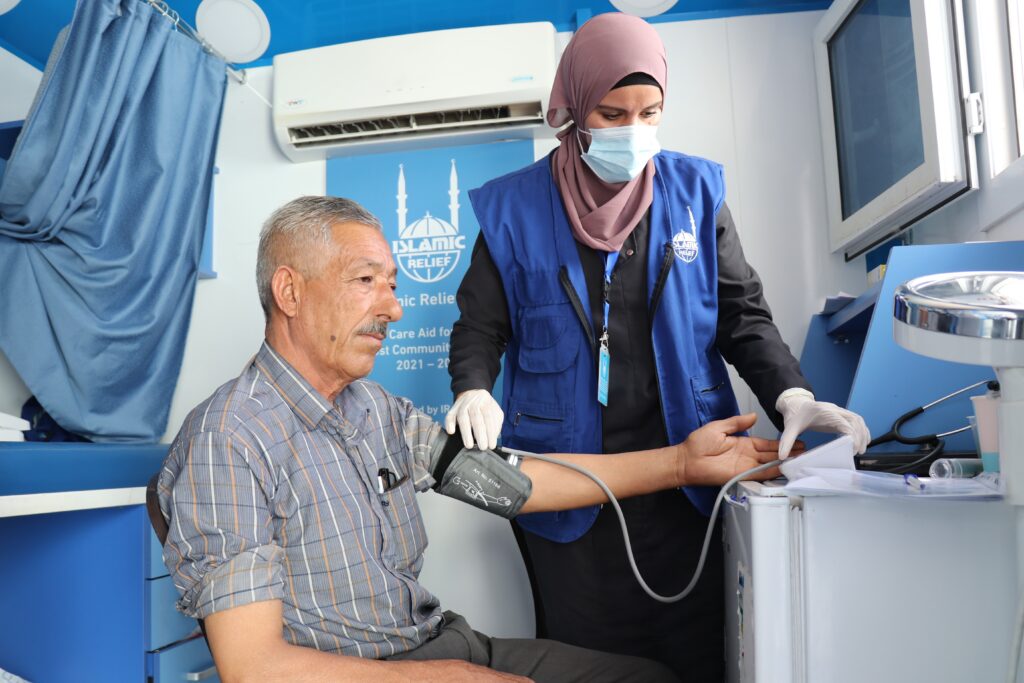
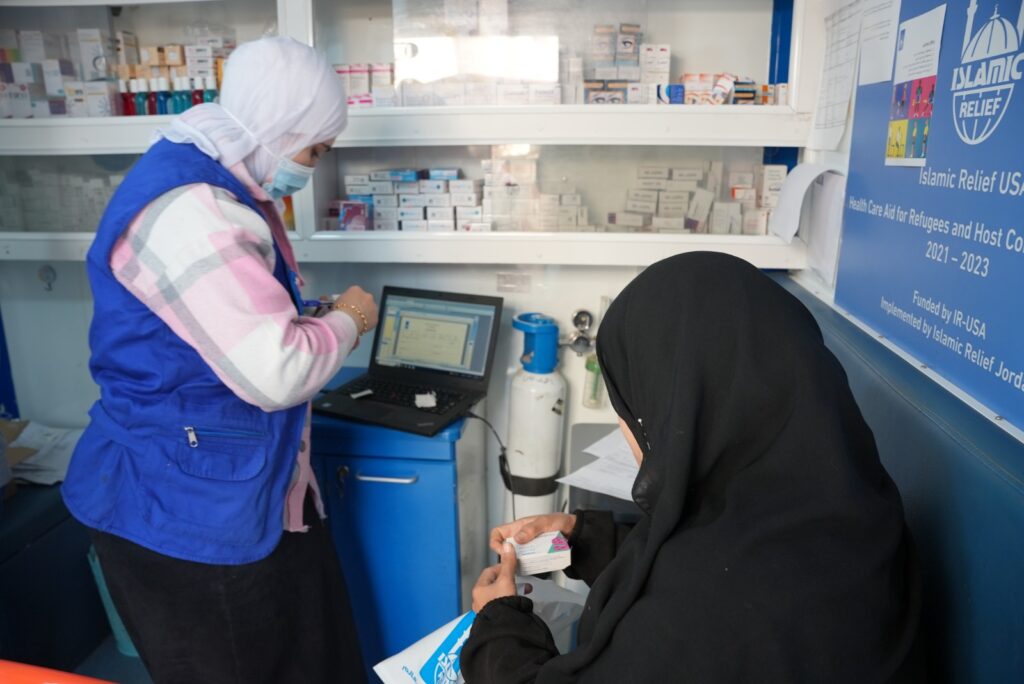
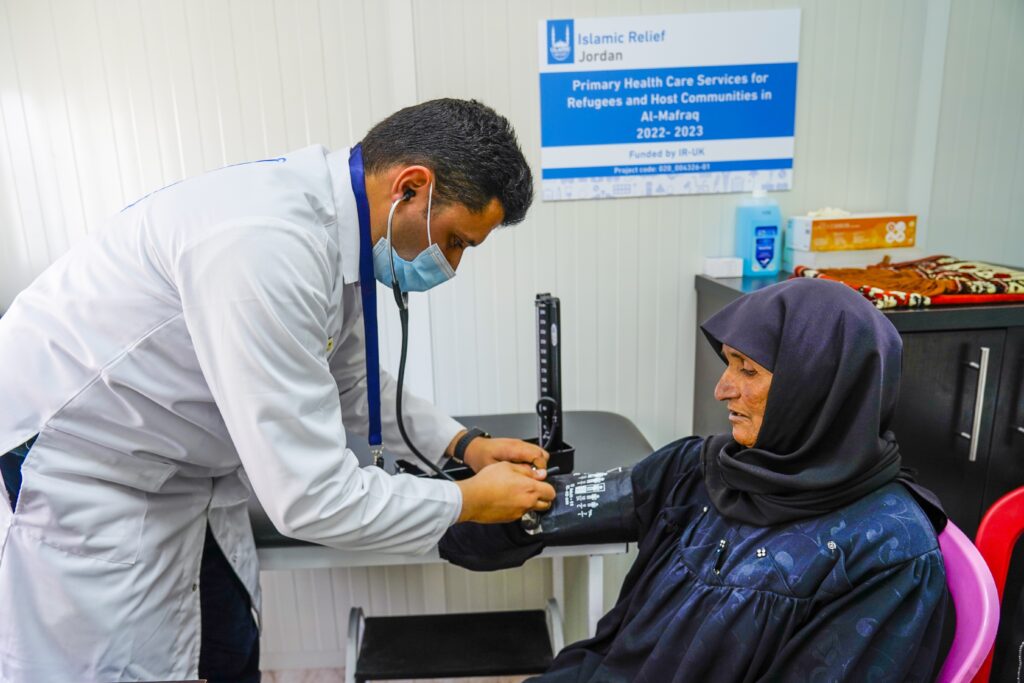
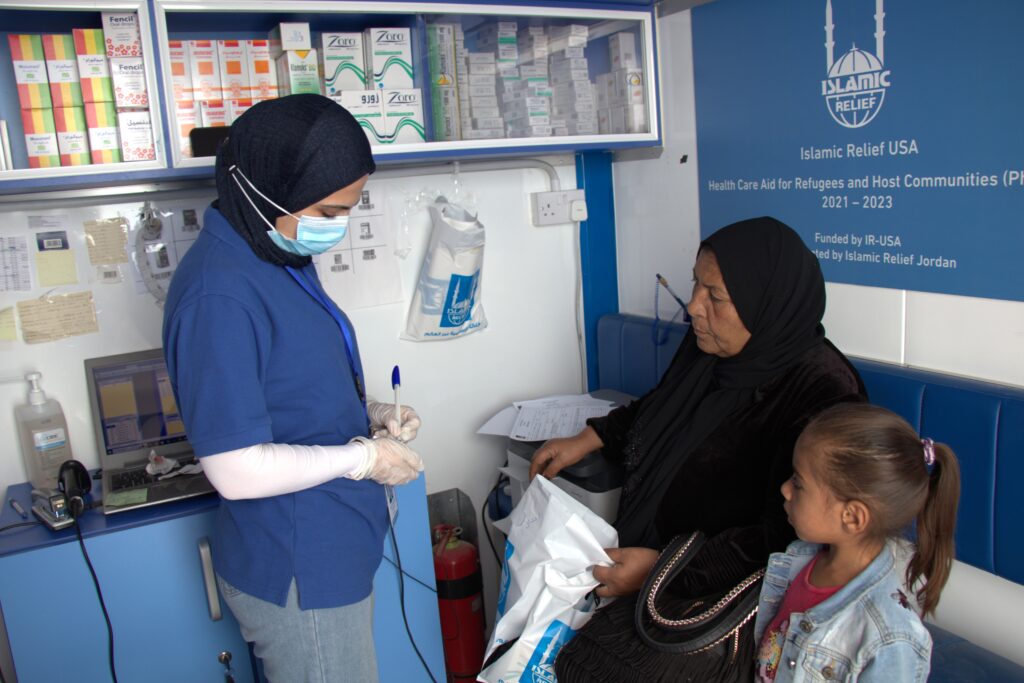
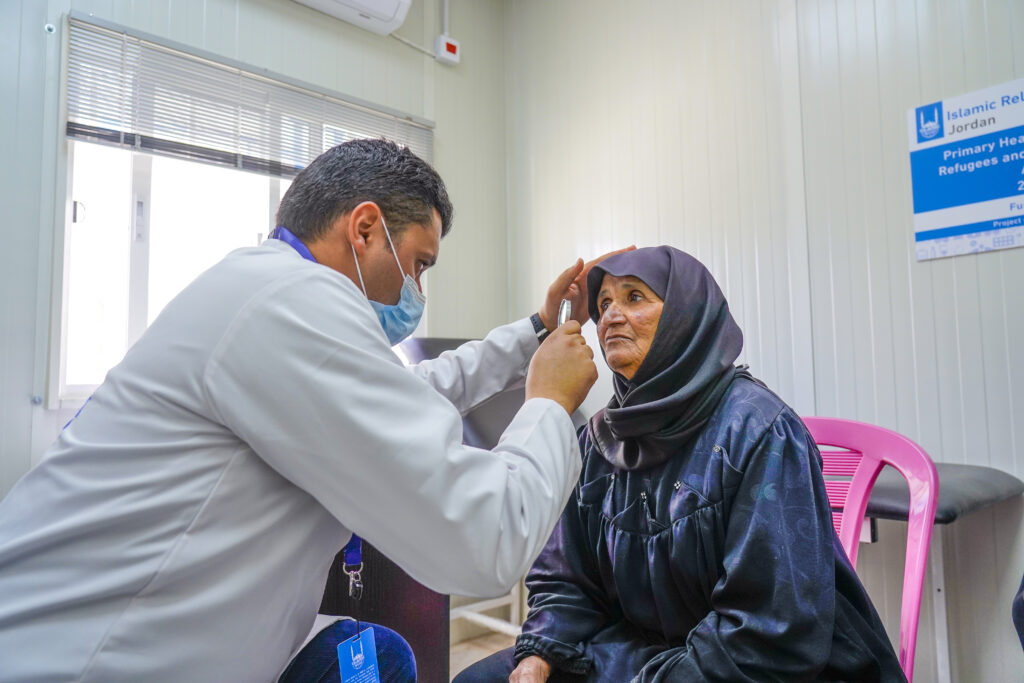
Thanks to your support, Islamic Relief has provided approximately 5,000 children, women, men, older persons, and persons with disabilities from Jordan’s refugee communities with primary health care.
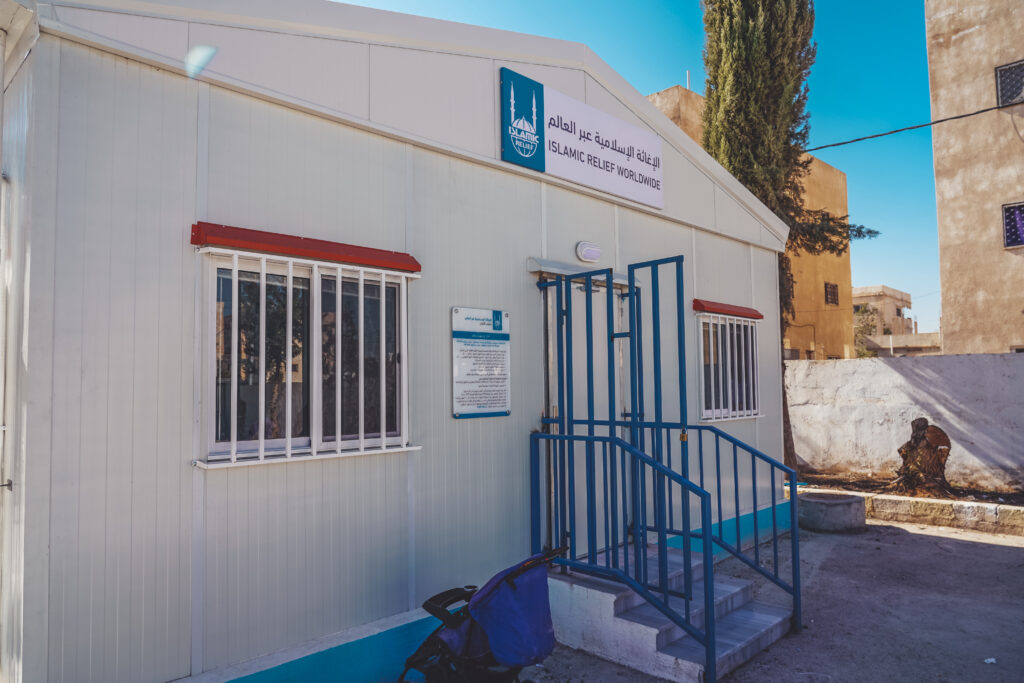
By providing a fixed health clinic in Al-Mafraq, you’ve helped equip these 5,000 people in need with improved knowledge and skills through awareness sessions on health topics. As well as health and hygiene kits to help prevent the spread of disease. Help us continue our life-saving work.