
01.29.26

Giving in Ramadan: Timing, Intention, and Consistency

  Publications     Ramadan

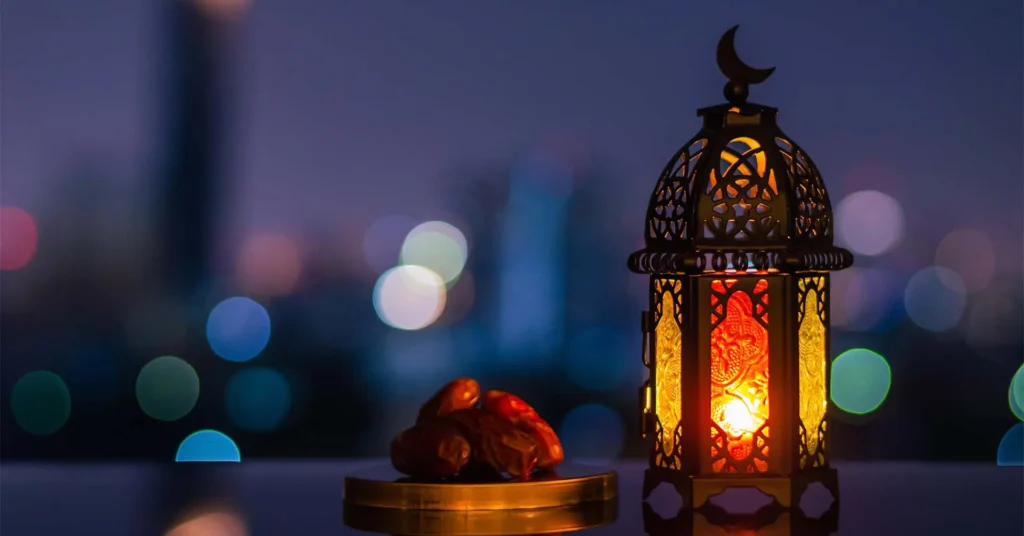
Ramadan is widely known as a month of generosity. For many Muslims, giving during Ramadan feels natural and deeply connected to the spirit of the month.

At the same time, questions often arise around when to give, how to give, and what intention should guide that generosity. Some people wonder whether it is better to give early or to wait for the last ten nights. Others worry about whether giving outside Ramadan carries less value.

This article reframes the question away from simple comparisons and instead explores how Muslims can think about timing, intention, and consistency in charitable giving during Ramadan, grounded in the Qur’an, the Sunnah, and the guidance of scholars.

The Virtue of Charity in Islam

Charity holds a central place in Islam. Giving is not only a means of supporting others, but also a way of purifying wealth and nurturing gratitude.

Allah reminds believers in the Qur’an that generosity is never lost:

مَثَلُ الَّذِينَ يُنفِقُونَ أَمْوَالَهُمْ فِي سَبِيلِ اللَّهِ كَمَثَلِ حَبَّةٍ أَنبَتَتْ سَبْعَ سَنَابِلَ فِي كُلِّ سُنبُلَةٍ مِّائَةُ حَبَّةٍ ۗ وَاللَّهُ يُضَاعِفُ لِمَن يَشَاءُ

“The example of those who spend their wealth in the way of Allah is like a seed of grain that grows seven ears; in every ear is a hundred grains” (Surah al-Baqarah 2:261)

This verse highlights that giving is multiplied by Allah beyond what is visible, reinforcing the spiritual dimension of charity.

Why Ramadan Holds Special Weight

Ramadan carries a unique spiritual status. It is the month in which the Qur’an was revealed, and it is a time marked by increased worship, reflection, and mercy.

Scholars have unanimously noted that charitable deeds performed during Ramadan carry greater reward, not because Allah needs the deeds, but because the hearts of believers are more receptive and sincere during this time.

Charity given in Ramadan, therefore, aligns with a broader atmosphere of devotion and selflessness.

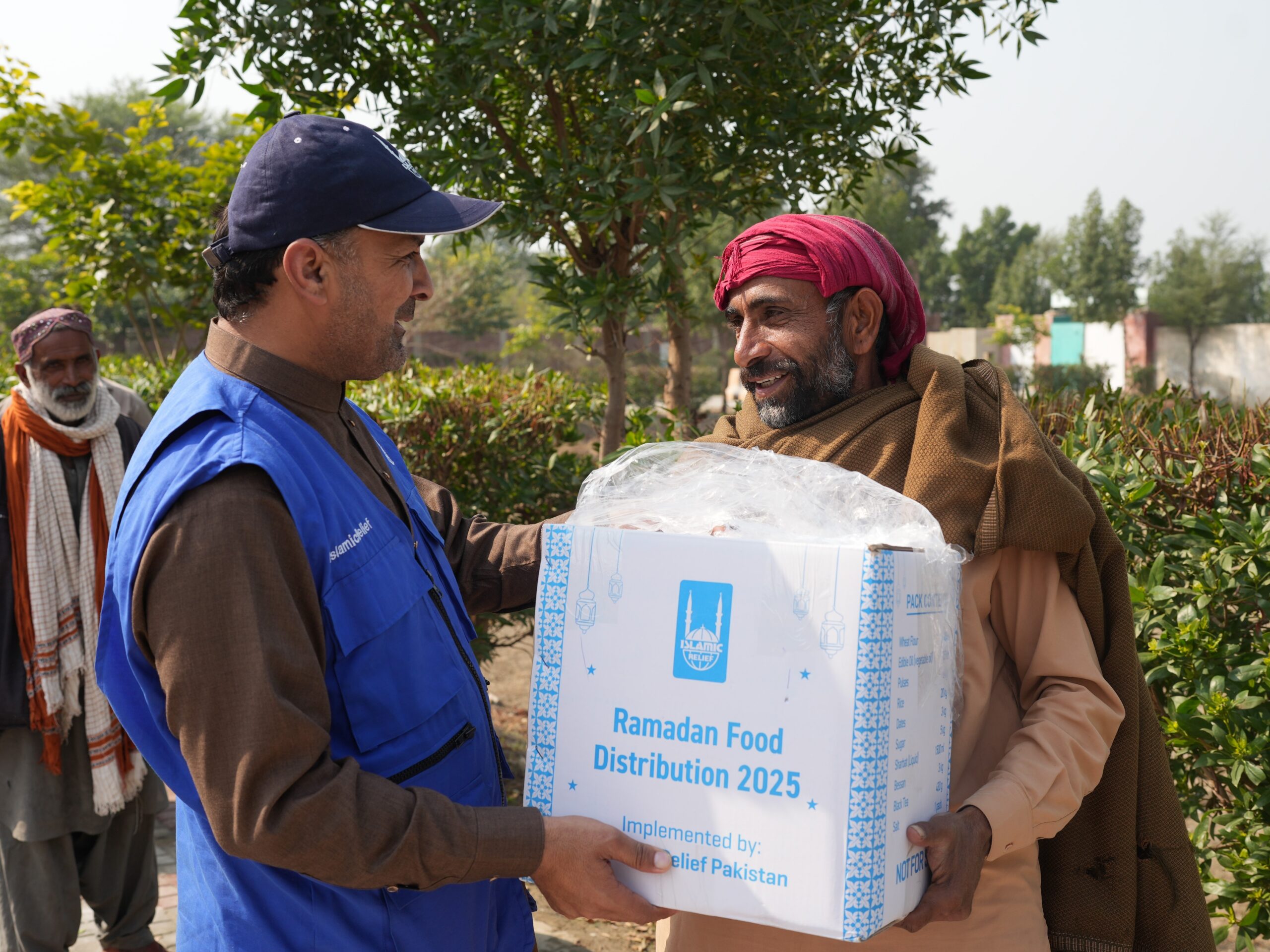
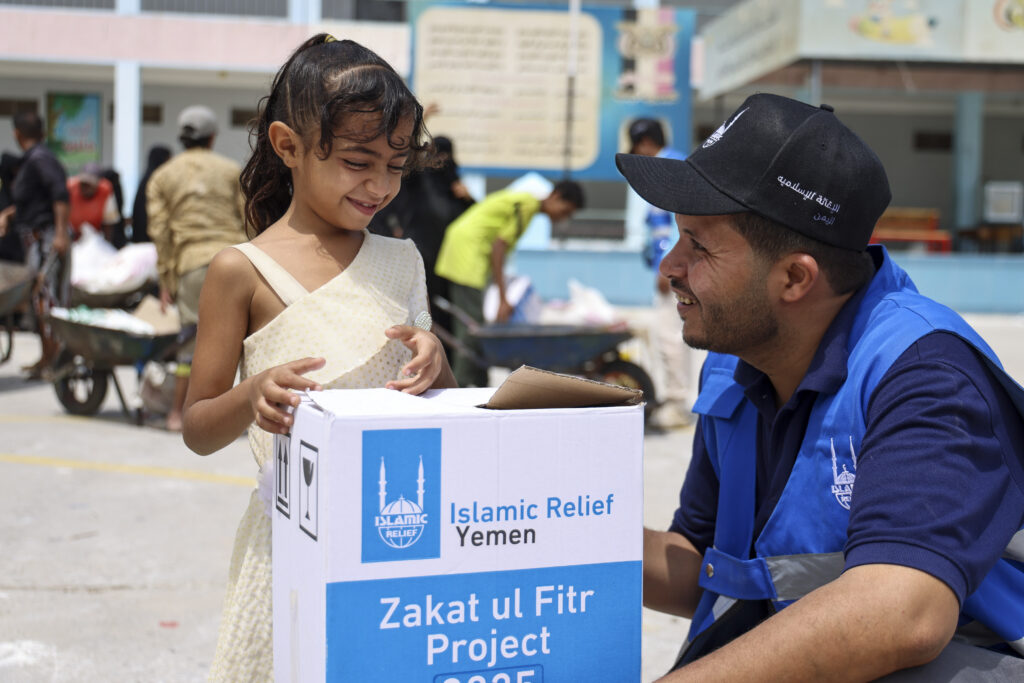
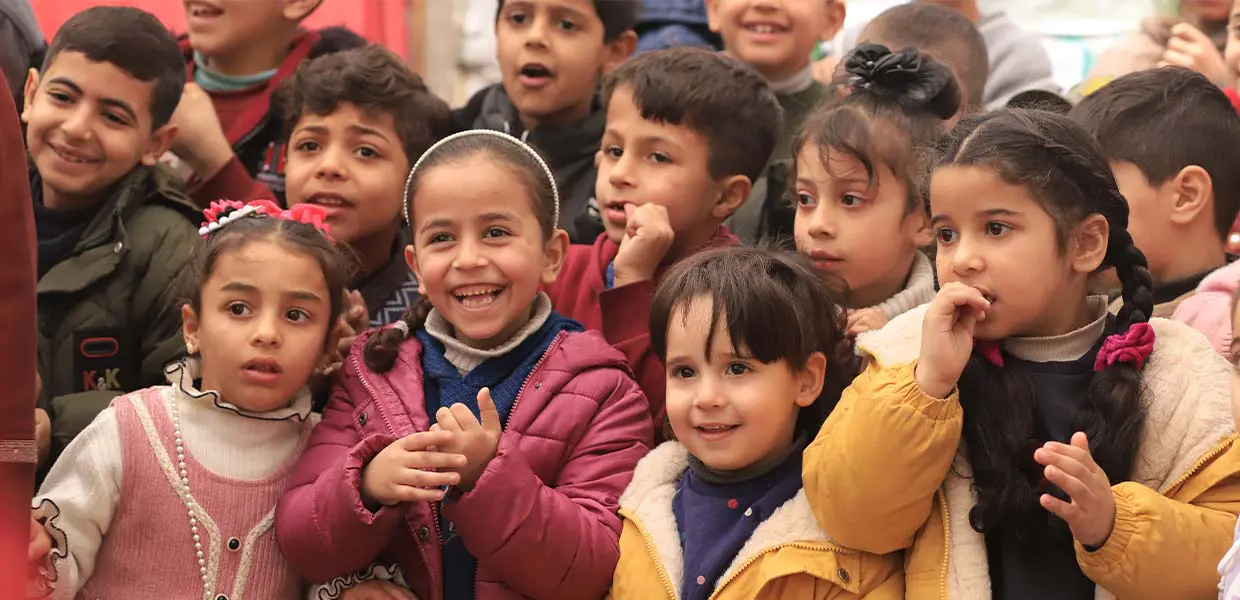
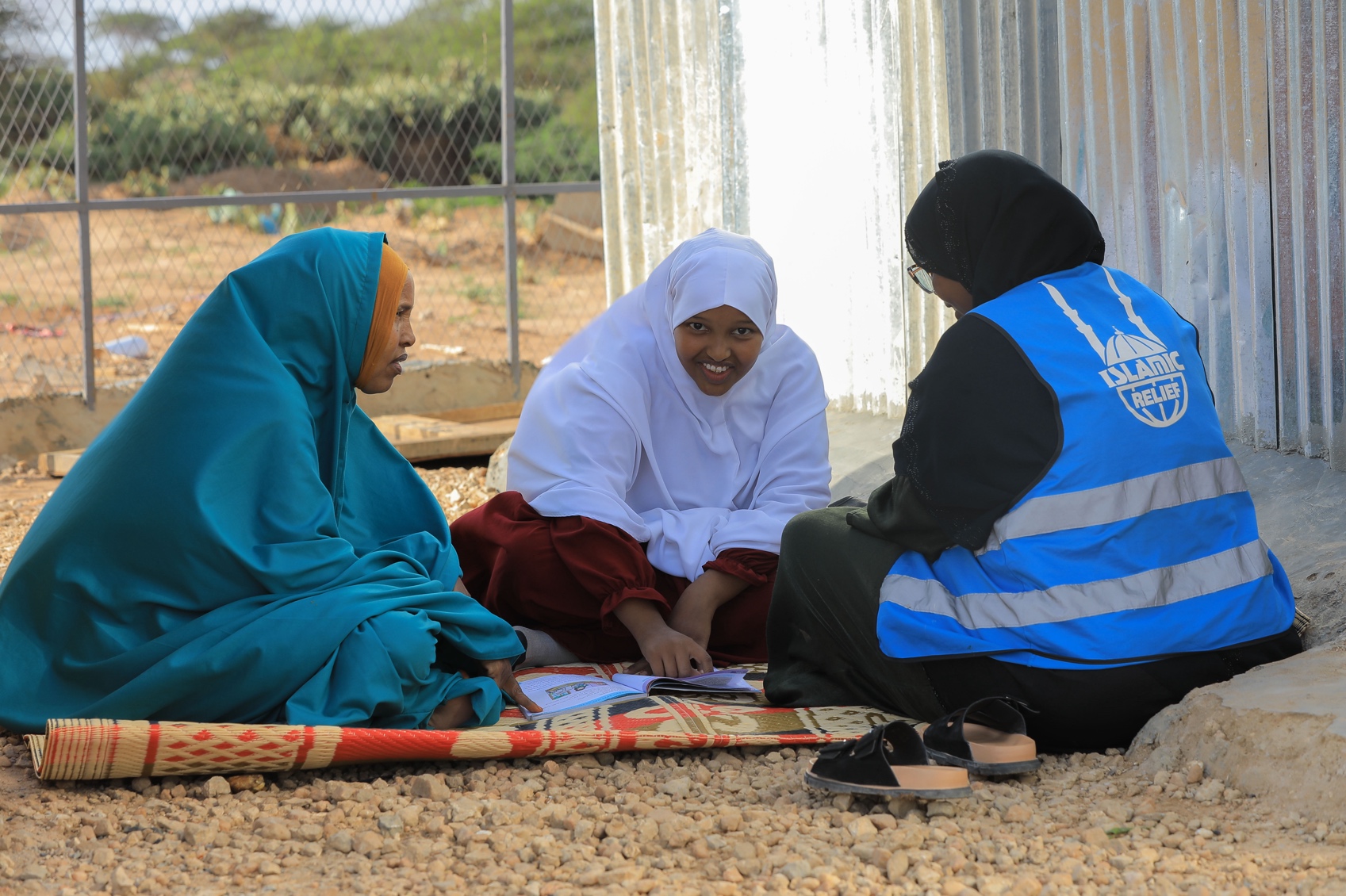
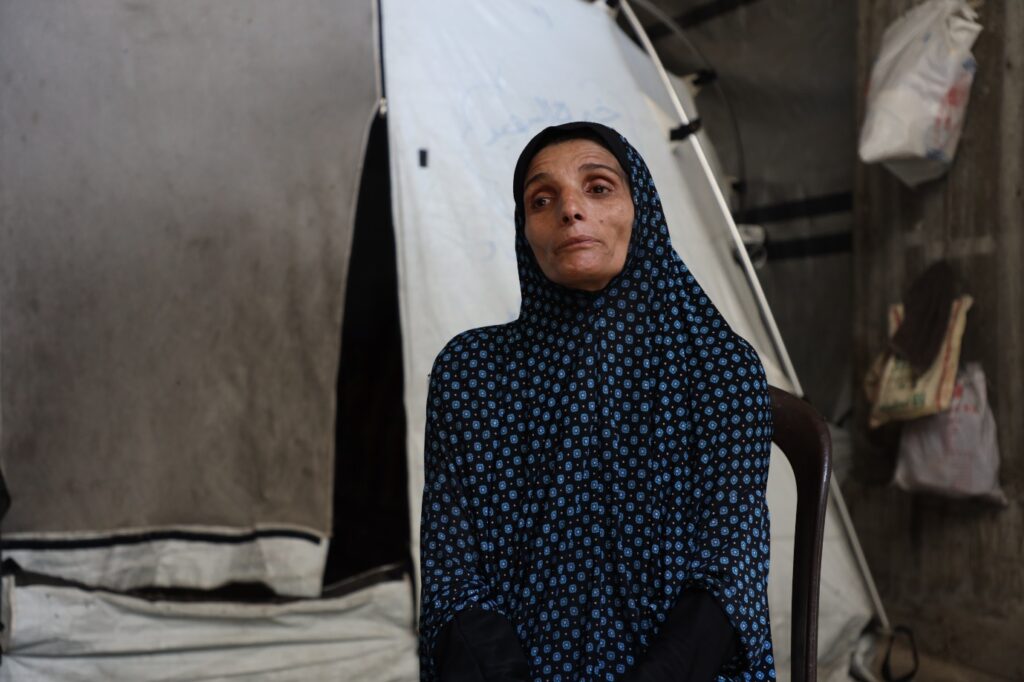
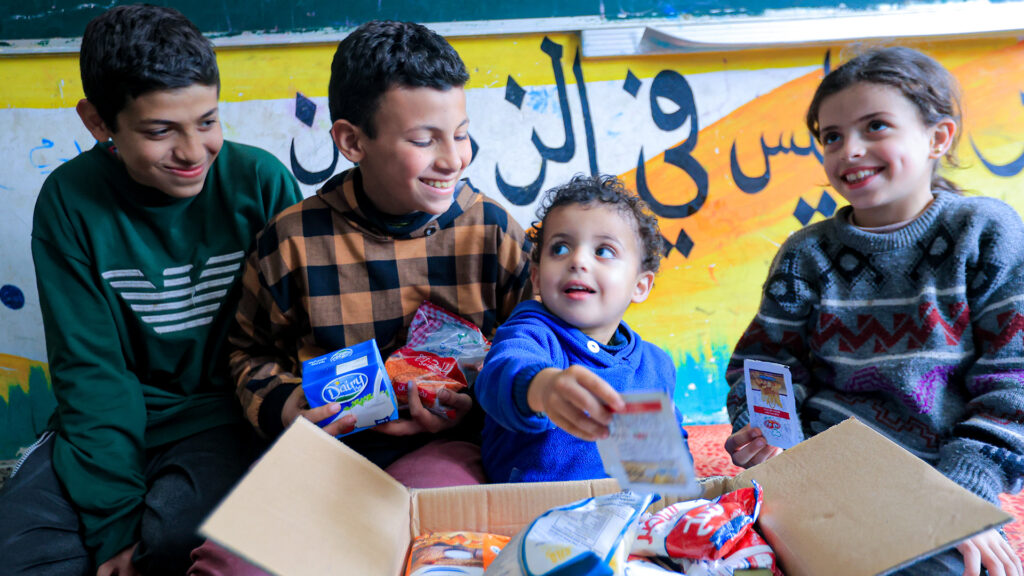
Giving in Ramadan lets Islamic Relief support a child in need

The Generosity of the Prophet ﷺ in Ramadan

The example of the Prophet Muhammad ﷺ offers powerful guidance on giving during Ramadan.

Ibn ’Abbas (may Allah be pleased with him) reported:

“The Messenger of Allah ﷺ was the most generous of people, and he was most generous during Ramadan.”

This narration highlights that while the Prophet ﷺ was always generous, his generosity increased during Ramadan. Scholars explain that this reflects both the special nature of the month and the heightened spiritual awareness it brings.

The Prophet’s example encourages Muslims to expand their generosity during Ramadan without neglecting consistency throughout the year.

Giving in the Last Ten Nights

The last ten nights of Ramadan hold particular significance, as they include Laylatul Qadr, a night described in the Qur’an as being better than a thousand months.

Allah says:

“The Night of Decree is better than a thousand months.” (Surah al-Qadr 97:3)

Many scholars encourage increased charity during these nights, recognising the immense potential reward.

For this reason, some people choose to concentrate their giving in the last ten nights, hoping to coincide with Laylatul Qadr.

At the same time, scholars caution against delaying charity entirely in anticipation of one night. The opportunity to give exists throughout Ramadan, and delaying may lead to missed opportunities.

Timing Versus Intention

While timing matters, intention remains central.

The Prophet ﷺ taught that actions are judged by intentions, reminding believers that the sincerity behind giving is more important than the moment alone.

Scholars often advise that giving earlier in Ramadan can be just as virtuous, particularly when it allows support to reach those in need at a critical time.

Spreading generosity across the month also helps maintain consistency and prevents charity from becoming rushed or impulsive.

Consistency Beyond Ramadan

Although Ramadan is a special time for giving, Islam encourages generosity throughout the year.

Islam emphasises that Ramadan should be a training ground for habits that continue beyond the month itself. Charity given consistently, even in small amounts, reflects sincerity and long-term commitment.

This balanced approach helps ensure that generosity does not end when Ramadan does.

Practical Ways to Approach Giving in Ramadan

A thoughtful approach to giving may include:

  • calculating Zakat early so it can be distributed in a timely way
  • spreading sadaqah across the days or nights of Ramadan
  • increasing giving during the last ten nights without delaying earlier opportunities
  • choosing causes that align with personal values and community needs.

Islamic Relief Australia provides opportunities to support people facing hardship locally and internationally, allowing generosity to be expressed with purpose throughout Ramadan.

A Balanced Perspective

Rather than asking whether charity is better at one specific moment, scholars encourage believers to think more broadly about intention, consistency, and responsiveness to need.

Giving during Ramadan is virtuous, and giving during the last ten nights carries special significance. At the same time, every act of generosity offered sincerely is valued by Allah.

Ramadan invites believers to deepen their generosity, refine their intentions, and strengthen habits of giving.

By approaching charity with balance, awareness, and sincerity, Muslims can make the most of Ramadan while carrying its spirit beyond the month itself.

May Allah (SWT) accept your generosity in the month of months!

12.25.25

Orphan Care: Its Transformative Impact on Hijran and His Family

  News

The Orphan Sponsorship Program (OSP) in Afghanistan started in 2004 in Kabul, Mazar, Nangarhar, and Bamyan provinces. The program helps destitute orphaned children gain access to elementary and secondary school.

Currently, 5,015 orphans from Afghanistan are enrolled in the program. This support aims to fulfil the educational, nutritional, health, and other basic needs of the orphaned children.

Hijran’s story of hope is one of many from vulnerable families in Afghanistan with children under the Orphan Sponsorship Program. One where sustainable support can provide stability and transform lives, enabling children like Hijran to continue their education, contribute to household income, and nurture hope for the future.

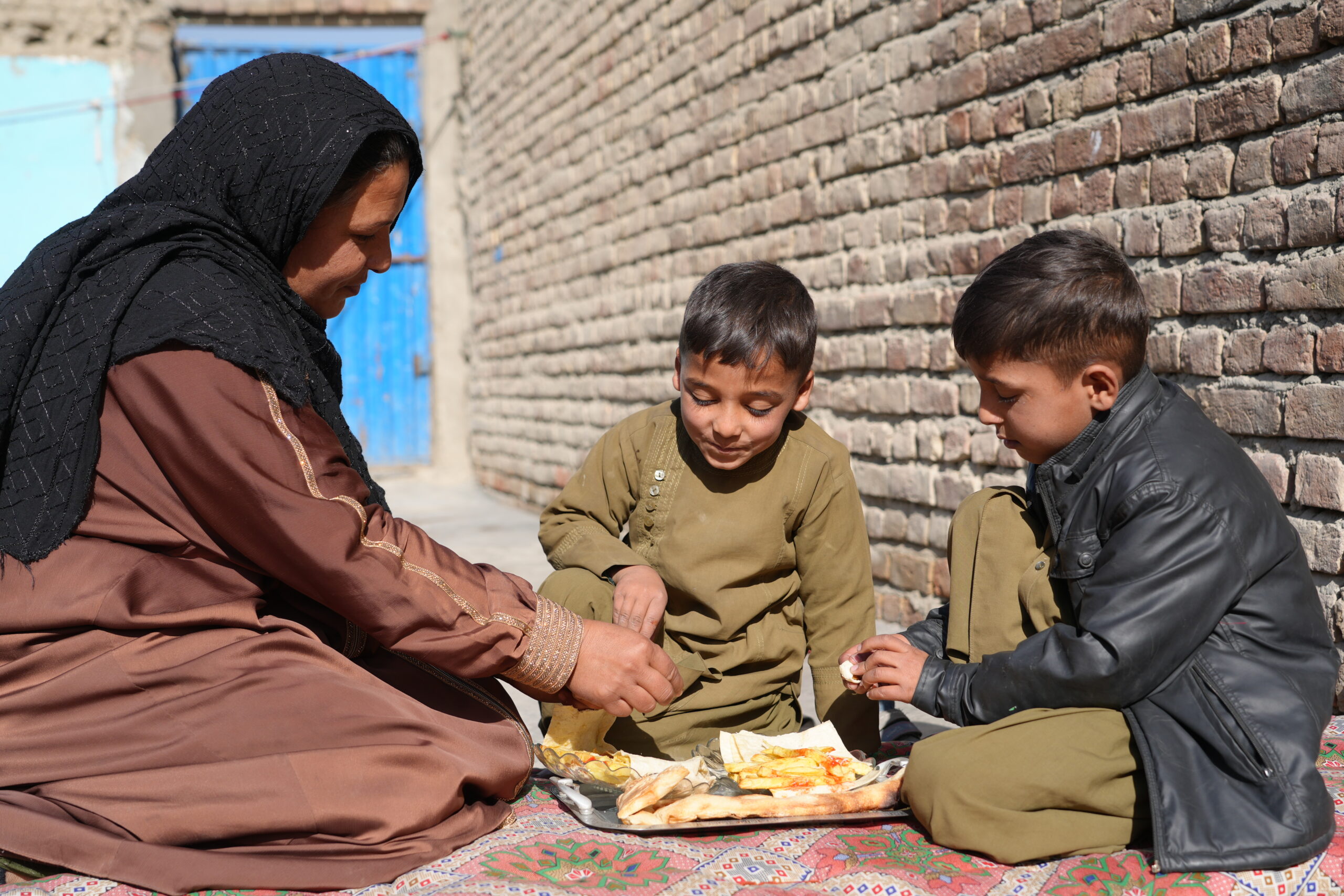
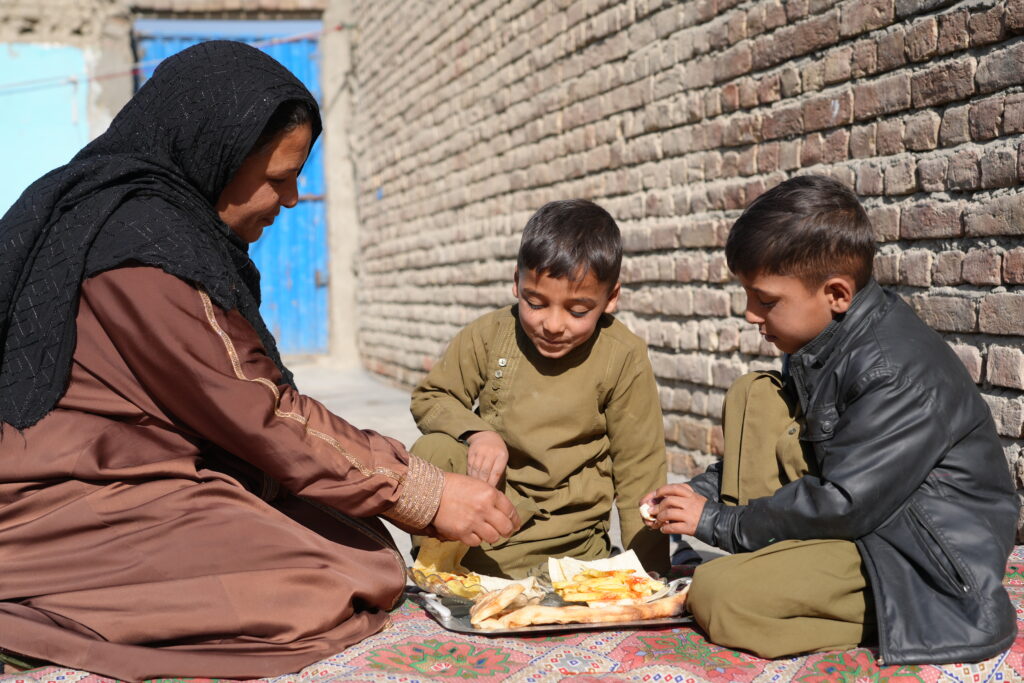
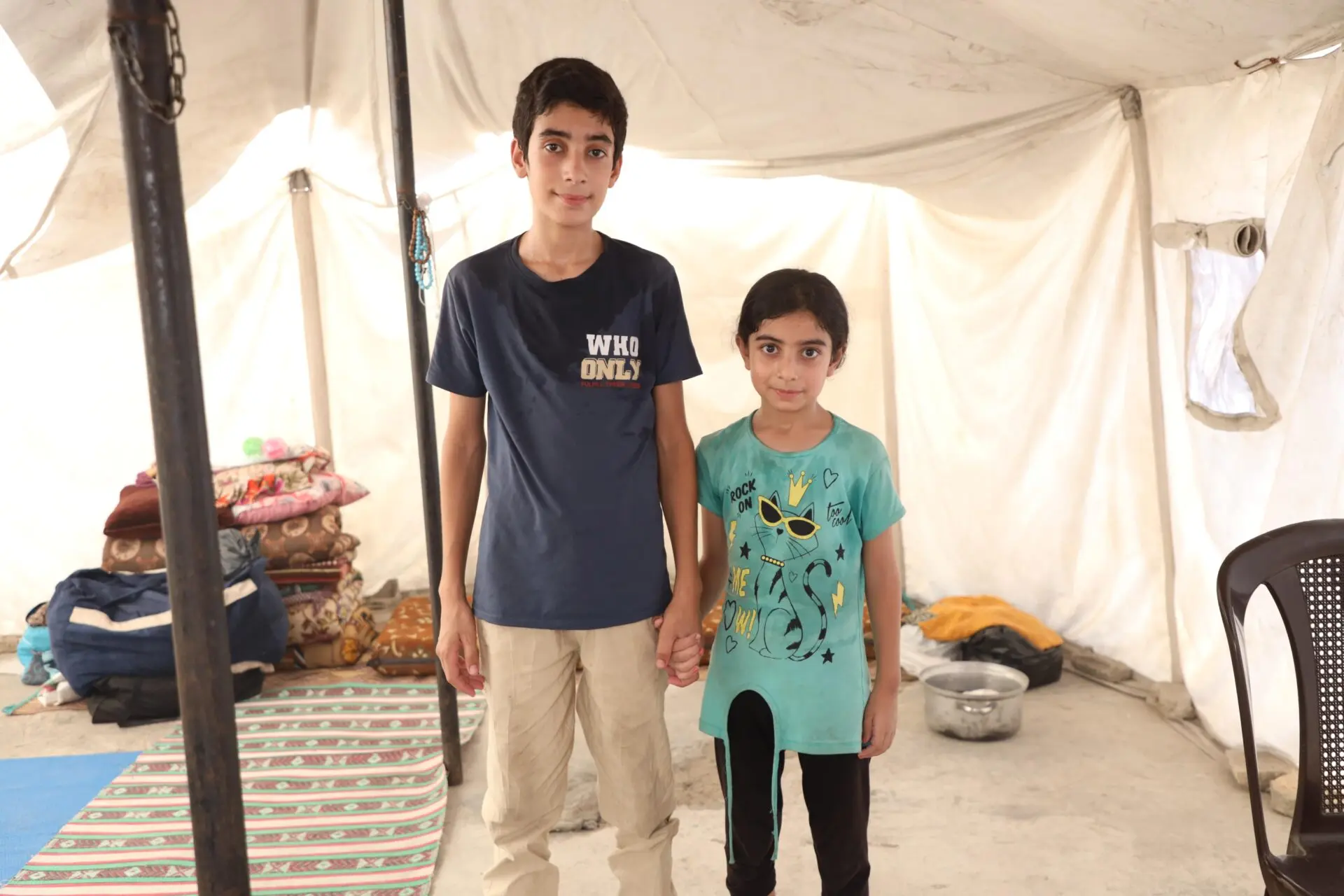
Hijran, his older brother and mother sharing a meal, made possible by Islamic Relief's Orphan Care program.
Photo: Hijran, his mother, and his older brother sharing a meal, made possible by Islamic Relief’s Orphan Care program.

A Young Boy’s Hope

Hijran Sardar Agha, 9 year old, and his family lives in Qabel Bay in Kabul province. There are six members in his family: his widowed mother, his three brothers, his only sister Safa, and himself. His father passed away five years ago after being killed by thieves, and the loss has deeply affected their lives, both emotionally and financially.

No one in his family is able to work. His eldest brother is 14 years old and currently studying in grade six. The only way his mother can provide for them is through the assistance they receive from Islamic Relief. With part of that support, his mother was able to buy a tricycle and rent it out to others, the money from which helps cover some of the family’s daily expenses.

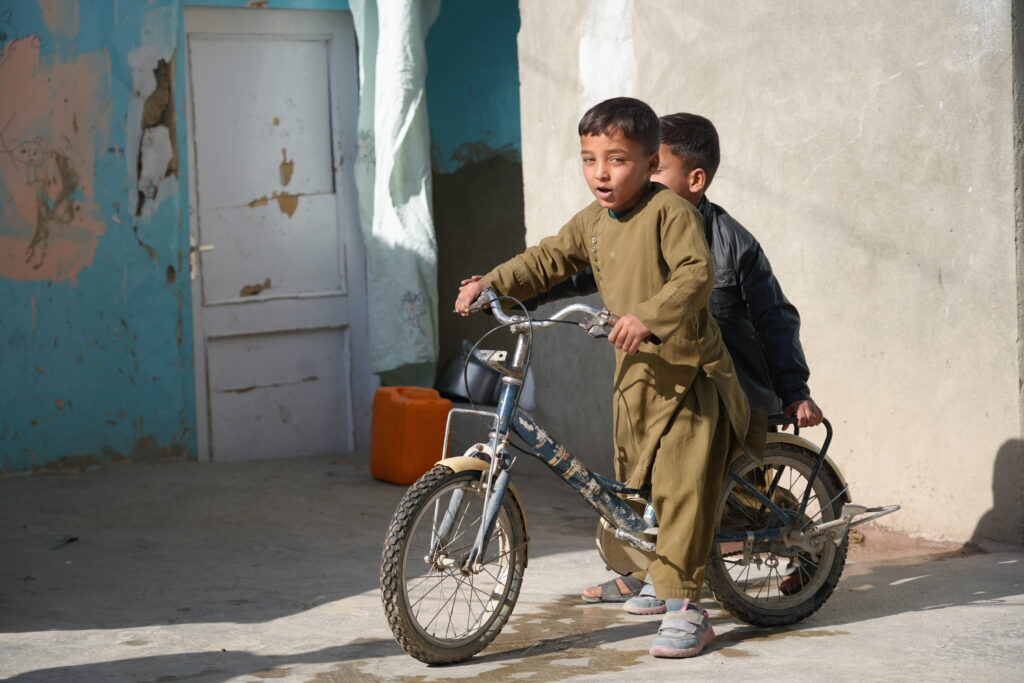
Hijran and his eldest brother on the to-rent tricycle Hijran's mother bought with the orphan care support
Photo: The to-rent tricycle Hijran’s mother bought with the orphan care support

Daily Life as an Orphan Family in Afghanistan

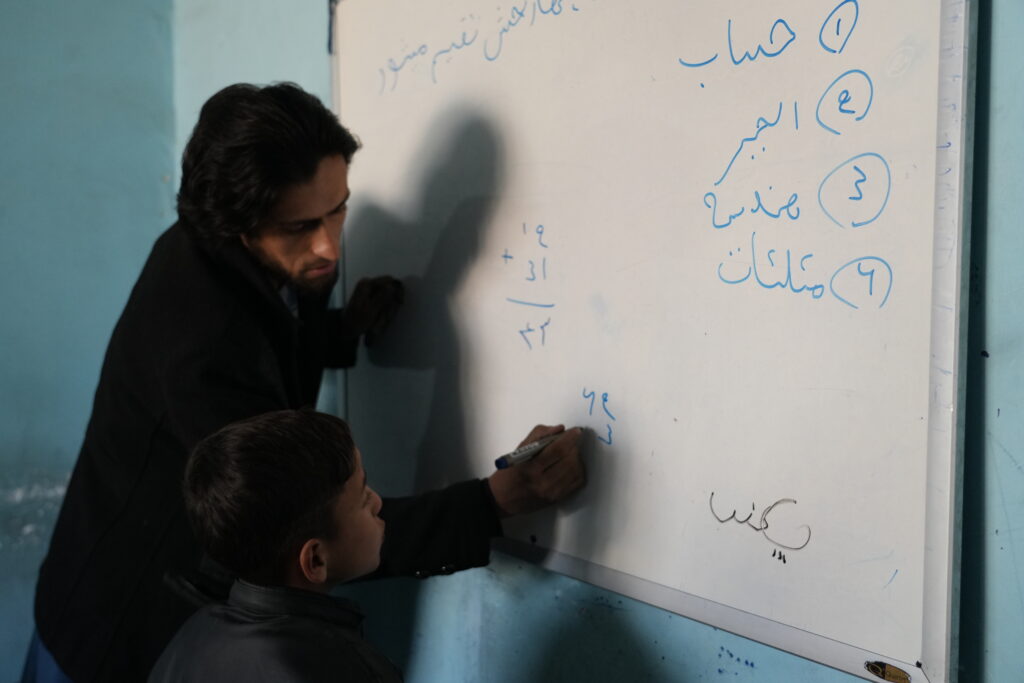
Hijran’s daily routine is quite simple. He goes to school, studies mathematics, and focuses on his lessons. Most of his time is spent studying, completing his homework, and playing with his siblings. His mother takes care of the groceries with the money his sponsorship provides.

Hijran and all his siblings go to school. His dream is to become an engineer one day. It’s a dream he and his mother share, as he wants to support her when he grows up.

One of his family’s biggest fears is that his sister Safa, being a girl, will graduate from the 6th grade and may not be able to continue her education afterwards. They wish for her to keep going to school, just like him and his brothers, so she can have the same opportunities to learn and grow.

Hijran in school, learning mathematics, watching his teacher write a formula
Photo: Hijran in school, learning mathematics, watching his teacher write a formula

Sometimes, on long winter nights, when the family gathers together, his mother shares stories from the past. How life became incredibly difficult after their father passed away. After which, she had the immense responsibility of raising five young children entirely on her own.

During those times, she often struggled to provide for the family, even for their most basic necessities, food, clothing, and shelter, as the family had no stable source of income.

How Islamic Relief Helps Orphan Families Like Hijran’s

Hijran’s orphan sponsorship started 4 years ago. His mother says that Islamic Relief has changed their lives since then and brought her a deep sense of relief and hope. With the support they receive from the program, she is now able to better meet the family’s essential needs.

This includes improving well-being, such as painting the children’s rooms, transforming the dark spaces into bright, welcoming ones with shades of blue and white. His mother also used the cash support to buy three sheep, which have now grown to four, as one of them has had a lamb.

The Orphan Sponsorship Program has not only eased their hardships but has also given their family a renewed sense of hope and stability.

Hijran and his family are sincerely grateful to Islamic Relief and all the generous donors for their continuous support to orphaned families during these difficult times in Afghanistan. Your kindness and assistance have brought hope and comfort to many families like his.

Help support an orphan and change their lives

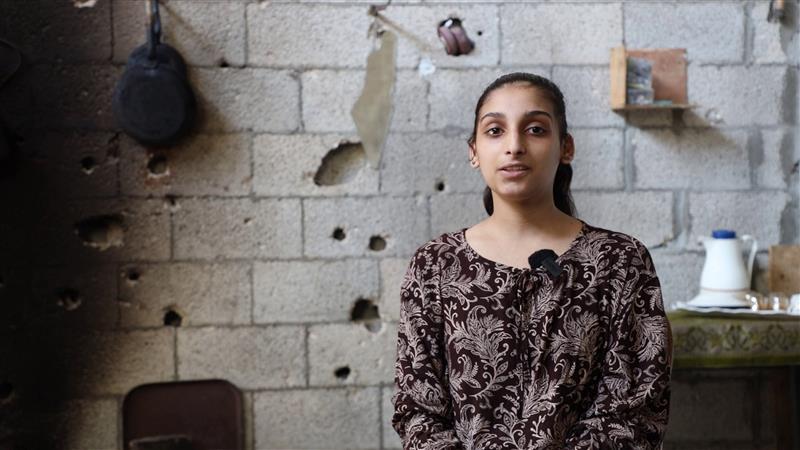
By donating just $100 a month, you can give a child like Soad the chance to pursue their dreams and build a brighter future.

12.08.25

Ramadan Preparation: Making the Most of Rajab and Sha’ban

  Publications     Ramadan

With Ramadan fast approaching, many of us are thinking about how to make the most of it. How to truly ready our hearts, homes, and routines for the most blessed month of the year.

In Islamic tradition, this preparation doesn’t begin with the first sighting of the crescent moon. It actually starts much earlier. In fact, the Sahabah, the companions of the Prophet (ﷺ), even prepared for it six months in advance!

The new moon signals the coming of the next Islamic month, including Ramadan.
Photo: The new moon signals the coming of the next Islamic month, including Ramadan.

In our busy, unpredictable lives, half a year ahead might be hard to plan around. But even with two months to Ramadan, there’s still a lot we can do to prepare well.

The two months before Ramadan, Rajab and Sha’ban, provide us with many opportunities to cleanse our hearts with worship and discipline, and build habits that flourish in the Holiest month.

Imam Abu Bakr al-Warraq al-Balkhi (RA) said:

“Rajab is the month of planting the seeds, Sha’ban is the month of irrigating them, and Ramadan is the month of harvesting the crop.”

The Importance of Rajab: Planting the Seeds of Ramadan

Rajab holds a special position in the Islamic calendar. As one of the four sacred months, it carries extra weight in both worship and conduct. Allah (SWT) says:

“Verily, the number of months with Allah is twelve… four of them are sacred.”

Qur’an 9:36

A hadith in Sahih al-Bukhari further identifies these months: Dhul-Qa’dah, Dhul-Hijjah, Muharram, and Rajab.

In these sacred months, good deeds are elevated while sinful actions are more serious. Fighting was traditionally prohibited during this time, a reminder of the sanctity and peace associated with these periods.

Key Events in Rajab

Rajab is also remembered for significant historical and spiritual moments:

  • Birth of Ali (RA) – Born on the 13th of Rajab, he was both a cousin and close companion of the Prophet Muhammad (ﷺ).
  • Al Isra’ wal Mi’raj – The miraculous night journey and ascension of the Prophet (ﷺ), commonly believed to have occurred on the 27th of Rajab.
  • Battle of Tabuk (9 AH) – A major campaign where the Prophet (ﷺ) led 30,000 Muslims against the Roman forces, resulting in the Romans retreating and a peaceful resolution.
  • Liberation of Jerusalem (1187 CE) – Salahuddin al-Ayyubi reclaimed Jerusalem in Rajab after 88 years under Crusader occupation.

Fasting and Worship in Rajab

Rajab offers a precious chance to build momentum for Ramadan by nurturing one’s character, repentance, and devotion.

While no specific obligatory worship is prescribed for Rajab, many Muslims increase their voluntary acts during this sacred period. Recommended practices include:

  • Fasting on Mondays and Thursdays
  • Fasting on the White Days (13th, 14th, 15th of each lunar month)
  • Increasing du’a, Sadaqah Jariyah, and voluntary prayers

Understanding the Significance of Sha’ban, the Month Before Ramadan

If Rajab is for planting, Sha’ban is the month when those seeds are tenderly cared for. It is a month often overlooked, yet the Prophet (ﷺ) paid it great attention. Aisha (RA) said:

“I never saw the Messenger of Allah ﷺ fasting more in any month than in Sha’ban.”

Sahih al-Bukhari

In fact, he loved fasting in Sha’ban so much that his fasting would almost join with Ramadan.

Why Sha’ban Matters

  • It contains the Prophet (ﷺ)’s most frequent voluntary fasting after Ramadan
  • Scholars considered fasting in Sha’ban more virtuous than in the sacred months
  • It is a time when, as mentioned in hadith, deeds are presented to Allah (SWT), and the Prophet (ﷺ) preferred to be fasting when this occurred
  • Some Muslims also recognise the middle night of Sha’ban, although no Qur’anic verses specify it.

Good Deeds to Prioritise in Sha’ban

1. Increase Voluntary Fasting

Following the Sunnah, try to fast as much as is manageable, especially on Mondays and Thursdays and the White Days (13th, 14th, 15th).

However, the Prophet (ﷺ) instructed not to fast one or two days before Ramadan begins, unless it is part of one’s regular routine. Those who habitually fast may continue even in the second half of Sha’ban, and it is also permissible to complete missed fasts from the previous Ramadan.

2. Recite More Qur’an

Sha’ban was known as “the month of Qur’an reciters.” Increasing your recitation now helps you enter Ramadan with spiritual focus and stamina.

3. Make Abundant Du’a and Dhikr

Use this time to refresh your relationship with Allah (SWT). Simple daily du’as and tasbeeh can gradually expand your worship habits before Ramadan starts.

4. Perform Voluntary Prayers

Night prayer (Tahajjud) is especially powerful. Beginning this practice in Sha’ban makes it easier to maintain during Ramadan.

5. Prepare Your Charity

Charity given in Sha’ban can be a meaningful source of blessing. As the Prophet (ﷺ) was most generous in Ramadan, Sha’ban is an ideal time to:

  • Calculate your Zakat
  • Organise your Sadaqah plan
  • Set aside funds for Ramadan giving

A Pathway to Ramadan

Sha’ban sits between Rajab and Ramadan — a time when many people become distracted. But the Prophet (ﷺ) reminded us:

“It is a month to which people do not pay much attention, between Rajab and Ramadan…”
(An-Nasa’i)

By honouring this time, you strengthen your spiritual foundation, boost your ibadah, and prepare your heart for the mercy, forgiveness, and salvation that Ramadan brings.

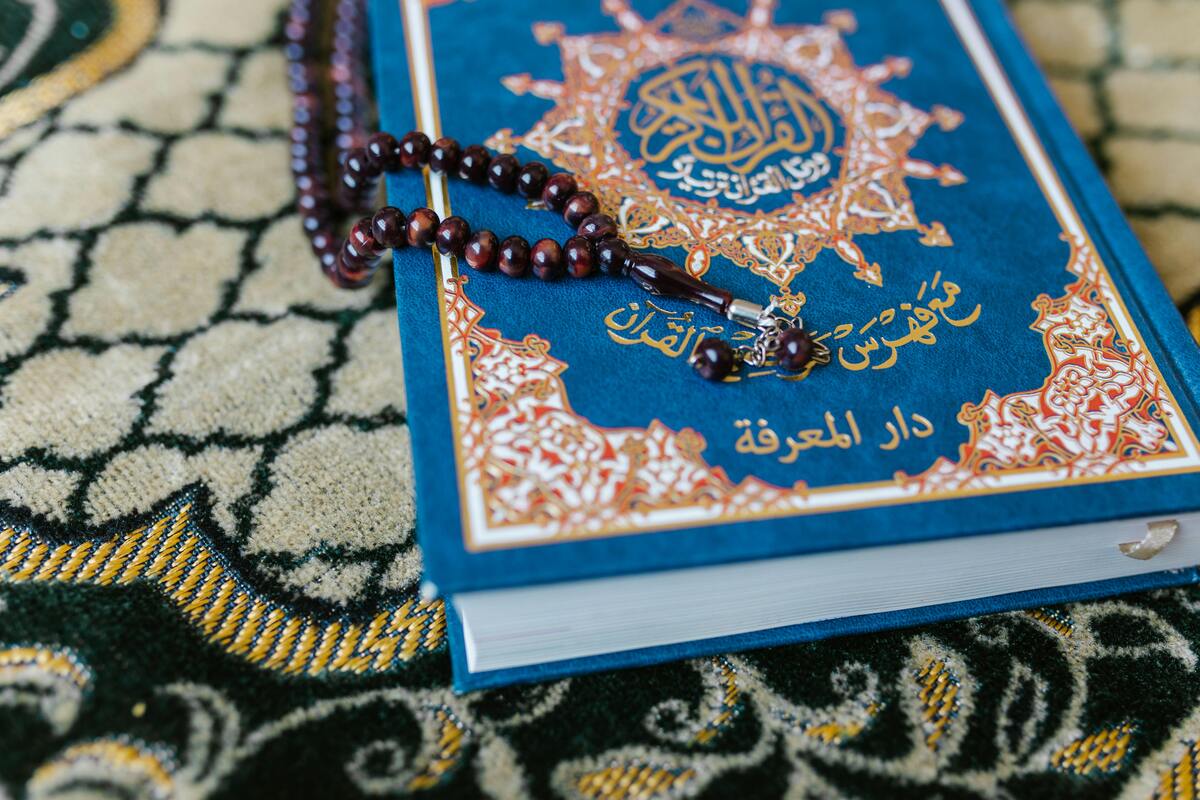
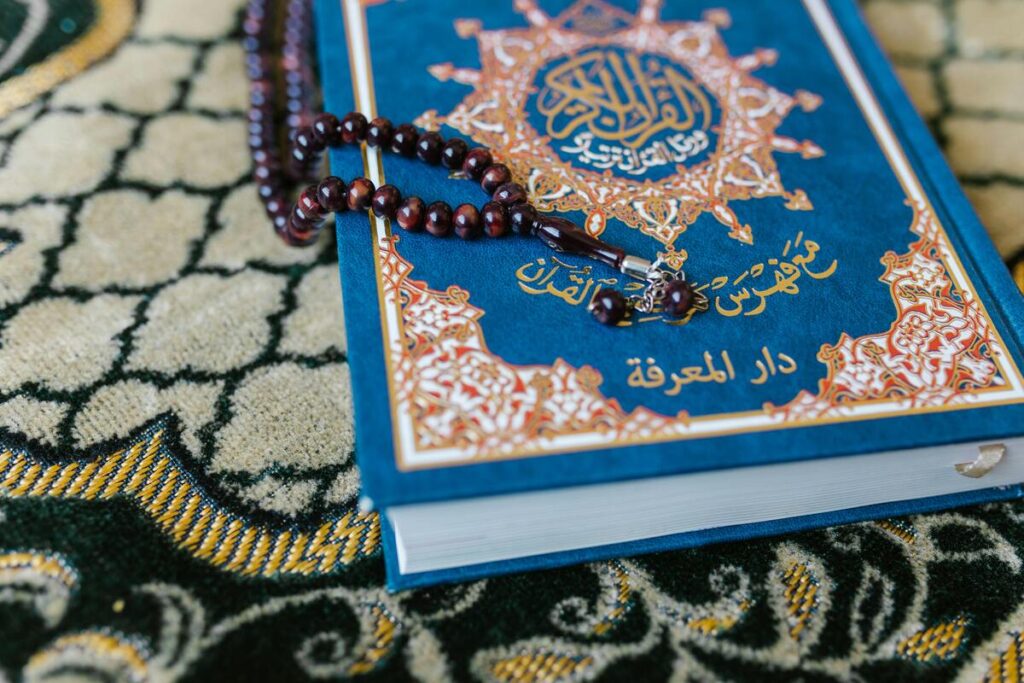
Reading more Qur'an is one of the many ways to prepare for Ramadan.
Photo: Reading more Qur’an is one of the many ways to prepare for Ramadan.

Final Reflection Before Ramadan

Rajab and Sha’ban are precious months to strengthen our spirituality for the most blessed month of the year.

By engaging in worship, fasting, charity, Qur’an recitation, and sincere repentance, we prepare ourselves not only for Ramadan but for deeper connection with Allah (SWT) throughout the year.

May Allah bless our Rajab and Sha’ban, allow us to reach Ramadan, and help us reap its rewards, ameen!

12.08.25

What is Rajab 2026

  Publications     Ramadan

Rajab is the seventh month of the Islamic (Hijri) calendar and is one of the four sacred months.

It precedes the month of Sha’ban and Holy month of Ramadan. It also contains many benefits and virtues, as some of the most precious days of the Islamic calendar occur within this month.

When is Rajab 2026? 

This sacred month is expected to begin on December 21, 2025, depending on the sighting of the moon.

There is also Isra’ and Mi’raj on 27th Rajab. This is expected to occur on January 16, 2026. 

A crescent moon in the night sky, the sighting of which can be used to determine the dates for the Islamic months, such as Rajab
Photo: The sighting of the moon is used to determine the dates of the Islamic months of the lunar calendar.

Why is Rajab Important in Islam? 

Rajab is one of the four sacred months of the year. In Surah At-Tawbah, it states:

Verily, the number of months with Allah is twelve in the book of Allah, since the day He created the Heavens and the Earth. Four of them, they are sacred. 

Qur’an 9:36 

Likewise, the names of these four sacred months are listed in this hadith.

Time has come back to its original state which it had when Allah created the Heavens and the Earth; the year is twelve months, four of which are sacred. Three of them are in succession: Dhul-Qa‘dah, Dhul-Hijjah, Al-Muharram and Rajab of Mudar, which stands between Jumada (ath-Thani) and Sha‘ban. 

Sahih al-Bukhari 

These months are sacred as there are many virtues attached to them. Fighting is prohibited during these four months. In turn, all transgressions during these months weigh heavier as wrong deeds, while all sincere acts of worship become elevated in their good deeds.

Significant Events Taking Place in Rajab 

The birth of Ali (RA) 

On the 13th Rajab, Ali (RA), the cousin and companion of the Prophet Muhammad (ﷺ), was born.

Al Isra’ wal Miraj 

The Prophet’s (SAW) night journey Al Isra’ wal Miraj is thought to have taken place on the 27th Rajab. 

Battle of Tabuk 

In 9AH, the Battle of Tabuk took place during Rajab. During this battle, the Prophet (ﷺ) took 30,000 men to face the Roman army. As a result, the Romans retreated. Then, afterwards, a peace agreement was made. 

Salahuddin al-Ayyubi liberated Jerusalem 

In Rajab of 583 AH (1187 CE), Salahuddin al-Ayyubi liberated Jerusalem after 88 years of Crusader occupation. 

Fasting in Rajab 

The sacred months are an excellent time to do sunnah (supererogatory) acts of worship, fasting included. Voluntary (nafl) prayers, du’a and Sadaqah Jariyah, are also other virtuous acts that weigh more on the scale as good deeds due to the sacredness of this month.

Whcih days should I fast in Rajab? 

There are many days on which it is Sunnah to fast. The Prophet Muhammad (ﷺ) used to fast on Mondays and Thursdays. It is also recommended to fast on the white days (13th, 14th and 15th of the Islamic lunar month).

Make the most of this sacred month

Rajab is one of the four sacred months of the year. It is also the month when Al Isra’ wal-Mi’raj took place. This makes it a month of many opportunities for blessings.  

This month is a time, when we, as Muslims, should increase worship and devotion to Allah (SWT). By working on improving our character and becoming more motivated to earn good deeds, we can earn immense rewards and better prepare for Ramadan (which is coming soon at the end of February!) in these coming months.

As Imam Abu Bakr al-Warraq al-Balkhi (RA), the uncle of Imam Tirmidhi (RA), said, ‘The month of Rajab is the month of planting (your seeds), Sha‘ban is the month of irrigating/watering (them), and Ramadan is the month of harvesting the crop’.  

Rajab is the time to prepare for Ramadan – spiritually, mentally and physically. Remember to make the most of this sacred time by performing as many good deeds as you can and seeking forgiveness from Allah (SWT). May He accept and reward your efforts, ameen!

Your Zakat Heals Our Ummah

Make the most of Rajab by preparing for Ramadan. Give the gift of happiness and hope to our brothers and sisters in need with Islamic Relief.

10.08.25

‘Insha’Allah, I will find a sponsor so I can work on myself and my dreams’

  Publications

Rama, 16, is an orphaned child waiting to be matched with a sponsor. Like so many children in Gaza, her world has completely changed since October 2023.

In September last year, Rama’s father and 4 of her siblings were killed when their home in Gaza City was bombed. Rama lost one of her legs and suffered third-degree burns in the attack.

“Tala was 17 years old, Ahmed was 15 years old, Abdul Kareem was 9 years old, and the youngest, Maraam, was two-and-a-half years old,” the children’s mother, Fadia, who also lost a leg in the blast, recalls.

The family is now just Fadia, Rama, 2 other daughters and 3 sons. The survivors have suffered psychological trauma and life-altering injuries.

“I was injured and came out from under the rubble,” Rama says, adding that the family had to stay in hospital for almost 2 weeks. “There was a lack of medication… it was very hard for us to get treatments, so our wounds took longer to heal. We had no food or drink, so we suffered a lot.”

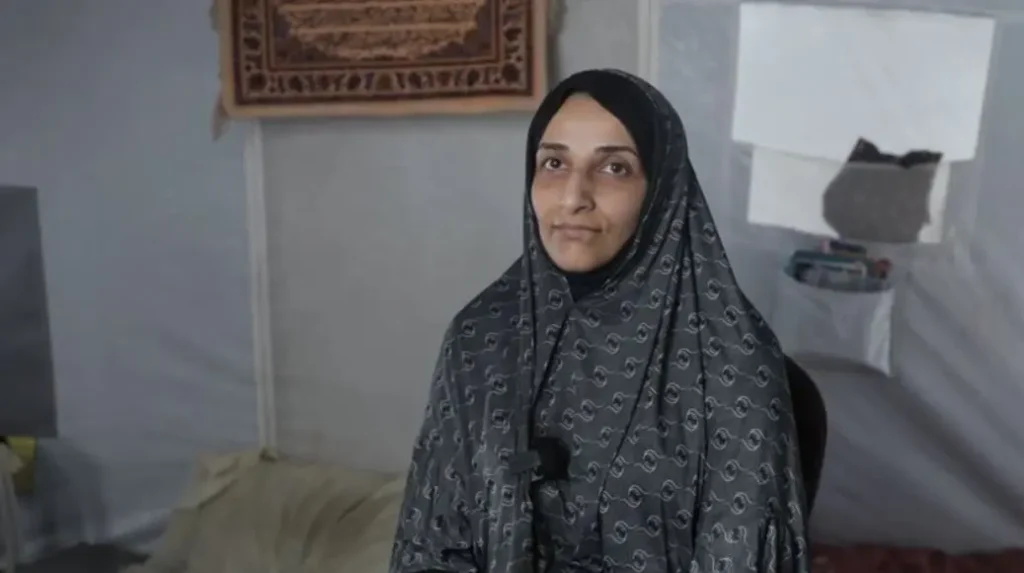
Fadia, mother of Rama, is waiting for a sponsor to be matched to her children

For Fadia, who is struggling to get by with an ill-fitting prosthetic, meeting her children’s needs is extremely challenging. Rama’s burns require intensive dermatological treatment.

“My daughter needs to see a doctor almost weekly,” Fadia says. “Honestly, her condition is taking its toll. I go to bed crying for her and wake up crying for her.”

Fouad, Rama’s 12-year-old brother, was thrown onto the roof of a neighbour’s home by the force of the blast. Emergency surgery saved his leg from amputation, but he has problems with his spine and knee that require physiotherapy. Fouad helps his mother out by fetching water, but he can’t walk far or carry heavy loads. Like Rama, Fouad is waiting to be matched with a sponsor.

Now living in a tent without any source of income, the family are struggling to make ends meet, while grieving their loved ones and coping with their own injuries. The children miss school, and Fadia feels hopeless at times.

“The situation is very difficult, and I don’t know how to sort it out,” she says. “There are days when we can’t find food. Sometimes, we have only a cup of bitter tea to keep going. If good people give us food, we have something to eat, if no one gives us anything, we don’t eat. The situation is very difficult.”

Sponsorship won’t heal the family’s physical and emotional scars, but we can help ease their burden, providing money that they can use to buy food and seek much-needed medical care. As they struggle to keep surviving and piece their lives back together, Rama still dreams of her future. With your support, we can help her get there.

“Now I am struggling a lot with education. All my friends are carrying on with their studies, but in my current condition, I cannot go to the temporary education tents – the roads in Gaza are not suitable for my wheelchair.

“I don’t have a mobile and we have no internet. My academic level has dropped from before, I’m not able to maintain it. I used to memorise the Qur’an, and I learned many chapters. Now I’m unable to keep up with learning. I’m sad when I think about how I used to be and how I am now.

“My ambition was to become a translator and learn a lot of languages. Insha’Allah, we find a sponsor for me so I can work on myself and achieve my dreams.”

Islamic Relief is already a lifeline for more than 21,000 orphaned children in Gaza, but more than 7,000 children like Rama are in our system waiting to be matched with a sponsor.

Be a lifeline for Gaza’s orphans. Palestinian children need your help now.

Help support an orphan and change their lives

For just $100 a month, you can give the children of Gaza a chance to rebuild and see a brighter tomorrow.

10.01.25

“I wanted my scream to reach the world” – Be a lifeline for Gaza’s orphans

  Publications

The ongoing crisis has deeply affected children in Gaza. For almost 2 years, they have faced displacement, loss, starvation and been forced to live through horrific violence.

For tens of thousands of children, these dire conditions are made even worse by the loss of their parents.

Noor is 17 years old and is one of the many children who have been robbed of a childhood, of an education and of her loved ones.

A good life in Gaza ruined by Israeli bombs

Noor lived with her family in Al-Shejaiea, one of the largest neighbourhoods in Gaza. The family lived a simple life, surrounded by farmland and trees, Noor’s two older sisters attended university, while she and her other siblings all attended school.

Every day at noon, the family would return home from their schools, universities and work, to gather around the table for lunch. 

Summaya, Noor’s mother, describes their life together:

“We were a close family before the war. We lived in a very nice house.

“We had a land, a farm, we used to grow vegetables. My husband used to grow tomatoes. Me and the kids used to help him every day. It provided for the children and the house expenses.”

Sumayya, Noor's mother, who's been widowed and her children made orphans after the bombs killed Noor's father
Photo: Sumayya and her children have been displaced multiple times over the past year

When the bombs began to fall, Noor and her family fled while her father stayed behind to protect the house and his crops. He was killed by Israeli bombs a week later.

“He called me 3 days before his death,” Sumayya says.

“He checked on the children, his mother and me. SubhanAllah, coincidentally, it was like he was giving me his final words.

“‘Forgive me and look after the children.’”

After the death of her father, Noor and her family began an exhausting journey, moving from shelter to shelter as the bombs continued to fall around them. They fled south, moving from Rafah to Khan Younis, and then to the Middle governorate, all the while carrying a simple tent with them for shelter.

Children turned to orphans, forced to face nightmare conditions in Gaza Strip

The total death toll in Gaza has now surpassed 65,000. Tens of thousands of Palestinian children have been robbed of their parents.

Children like Noor have been forced to live through horrifying conditions, confronted with trauma no one should experience.

Noor and her siblings have been forced to live through famine, queuing at charity kitchens just to get a small portion of lentils or pasta, barely enough to prevent starvation.

The children are also missing out on education. There is a single mobile phone in the family, meaning they must take it in turns to complete their online lessons and exams. Poor internet connection and electricity outages only make the situation worse.

Noor and siblings are now orphans and her family have been forced to live through horrific conditions

After months of displacement, moving from town to town, Noor experienced more trauma when her siblings, Nada and Mohamed, along with their cousins, went to collect wood and experienced a direct missile strike.

“Nada saw the rocket coming down on top of them,” Sumayya said.

“May Allah have mercy on their souls; they bought the 3 of them to me. We carried him [Mohamed] with our hands to the hospital.

Mohamed and some of his cousins were killed. Nada was left traumatised.

“I wanted my scream to reach the whole world.” Sumayya said.

Noor was once a child who loved to play and dreamed of the future, she was looking forward to attending university, but displacement, fear, and the loss of loved ones have completely changed her life.

“I would like to study and continue forward with my life,” Noor tells us.

“I would like to finish my secondary education so I can get to higher education. I would like for a lot of things to be available to me so I can carry on with my education and become a medical secretary.

“I would like for my life to be better than this.”

You can help orphans in Gaza like Noor

Their situation may feel hopeless, but, with your help, Islamic Relief can do more to help children like Noor.

For almost 3 decades, Islamic Relief has been supporting orphaned children in Gaza through one-to-one sponsorship. The Israeli blockade means that much aid is restricted, but our Orphan Sponsorship Program is now one of the few remaining ways to get real support into the hands of suffering Palestinian families.

Noor’s younger sister, Nada, is enrolled in our Orphan Sponsorship Program. The regular stipend gives their mother the means to buy food and other essentials for the family, when goods are available.

“I would like to thank Islamic Relief.” Noor says, “because they support our needs a lot. They provide us with everything. Thank you, Islamic Relief.”

Support orphaned Palestinian children

With many children in dire need as conditions in Gaza continue to deteriorate, generous sponsors are eager to help more than one child in a family. Therefore, we now offer the option to sponsor multiple children within a family.

Gaza’s rising death tolls mean more children than ever are becoming orphans. Heartbreakingly, more than 7,300 orphaned children are now in our system, waiting to be matched with sponsors.

Find out more about how you can be a lifeline for Gaza’s orphans and act today. Palestinian children need your help now.

Help support an orphan and change their lives

For just $100 a month, you can give the children of Gaza a chance to rebuild and see a brighter tomorrow.

09.15.25

Orphan Care: A Lifeline for Gaza’s Children

  Publications

The Orphan Sponsorship Program is a lifeline for families in Gaza. It supports them with a monthly stipend paid directly into their accounts. This enables families to buy the items they need most when they are available.  

In response to the ongoing crisis in Gaza, Islamic Relief have massively expanded the program. Prior to October 2023, our family supported 7,200 children in Gaza through orphan sponsorship.  

Now, thanks to our generous supporters, more than 21,000 are receiving desperately-needed support.  

But, with the still unpredicable situation in Gaza, many more children need help. Currently, over 7,300 children registered on our system are in urgent need of sponsorship.   

Gaza’s children face unimaginable hardship 

Gaza is one of the most dangerous places in the world to be a child, especially for an orphan. 

More than 67,000 people have been killed in Gaza and thousands more injured since October 2023. It’s a devastation that has left tens of thousands of children without one or both of their parents.  

Every day, for two years, orphaned children and their remaining family members in Gaza face starvation, water scarcity and displacement. Many now live in overcrowded shelters or makeshift tents, which do not protect them from the harsh weather.  

They are living through trauma that most people can barely imagine. The impact of the crisis on their long term physical and mental health is devastating and, in some cases, irreversible. 

Amid so much suffering, we ask, how will our donation make a difference? 

The answer is: a lot.  

Why Sponsor an Orphan 

Since 1998, Islamic Relief has been supporting orphaned children in Gaza. In turn, because of the unpredicable nature of Gaza’s situation, sponsorship is one of the few reliable and sustainable ways donors can help. 

The prices of basic goods have skyrocketed and livelihoods have been destroyed. Orphans and their families are increasingly reliant on support from humanitarian organisations to survive. 

Islamic Relief aid worker and a sponsored orphan girl

This includes through initiatives such as Islamic Relief’s Orphan Sponsorship Program. In our program, donors are matched with orphaned children in need of support. The families looking after the orphan then receive a monthly stipend, where they have the flexibility to use funds to buy what they most need, when available. 

Orphan Sponsorship Program donors can support vulnerable children in Gaza in three ways. Through a one-to-one sponsorship, sponsor multiple children from the same family, or donating to the General Orphans Fund.  

What is a one-to-one-sponsorship?  

A one-to-one sponsorship is where a donor sponsors the needs of a single child. The orphan child receives the donation in the form of a monthly stipend entrusted to their guardian. 

We use electronic cash transfers to put money directly into the accounts of families, making funds available to allow them to circumvent the cash crisis.  

Prior to the current crisis, the stipends were limited to covering health and education expenses. But we now give the money on an unconditional basis, meaning families can use it to buy what they most need when it is available. 

Through the payment system, families are notified that payments have been made to their e-Wallets, which they are able to use to withdraw money from functioning supermarket.  

The system allows Islamic Relief to see which families have redeemed their codes, and has become a helpful tool in checking in on the welfare of families enrolled in the program. 

Donors will also receive updates on the child they’ve sponsored. It is our aim to provide annual updates, but the situation on the ground has meant that there can be delays in gathering this information and sharing it with donors. 

What is multiple child sponsorship?  

The ongoing bombardment of Gaza has tragically often orphaned multiple children within the same family. Many of our donors have expressed their kind wish to sponsor more than one child from the same family, which we have now made possible.  

 Multiple child sponsorship allows donors to do more to alleviate the suffering of one family by supporting up to 3 children.  

 Multiple child sponsorship fundamentally operates in the same way one-to-one sponsorship does.   

Donors are matched with orphaned children from the same family who are in need of support. The family then receives the donation in the form of a monthly stipend.  

We also provide donors with regular updates on the children and families they sponsor, but due to the situation on the ground we often experience delays in gathering this information and sharing it with donors. 

How many orphans in Gaza need sponsors? 

More than 7,300 orphaned children are in our system, waiting to be matched with sponsors. With a tentative ceasefire and blockade that could return at any moment, it’s very possible that the number of orphans in Gaza will continue to rise. 

Islamic Relief has been working tirelessly to upscale our Orphan Sponsorship Program to reach as many children as we possibly can. With your donations, we can reach even more orphans and their families with much needed support. 

Help support an orphan and change their lives

For just $100 a month, you can give the children of Gaza a chance to rebuild and see a brighter tomorrow.

07.30.25

Orphan Care: Its Transformative Impact on Ahlam Dayib Abdillahi

  News

Islamic Relief’s Orphan Sponsorship Program (OSP) had a profound impact on Ahlam Dayib Abdillahi, a 13-year-old girl residing in Hargeisa, Somaliland.

The program, initiated in 1986 with a mission to provide financial support to orphans in various countries. It expanded its reach to Somalia in 2010 and now supports nearly 4800 orphans currently.

Ahlam’s life has been shaped by hardship. She lives with her mother, Kos, and eight siblings in a modest two-room shack house made of tin sheets.

The family’s struggles began with the passing of Ahlam’s father in 2017. This left Kos as the sole provider for her large family.

Before joining the OSP, the family faced immense difficulties meeting their basic needs. Kos tirelessly worked at a stall alongside a street, selling cooked food to support her children. It made it incredibly challenging to afford school fees, uniforms, and essential educational supplies for Ahlam and her siblings.

She afterward transitioned to a clothes and tailoring shop after getting support from Islamic Relief Somalia’s Orphan Sponsorship Program.

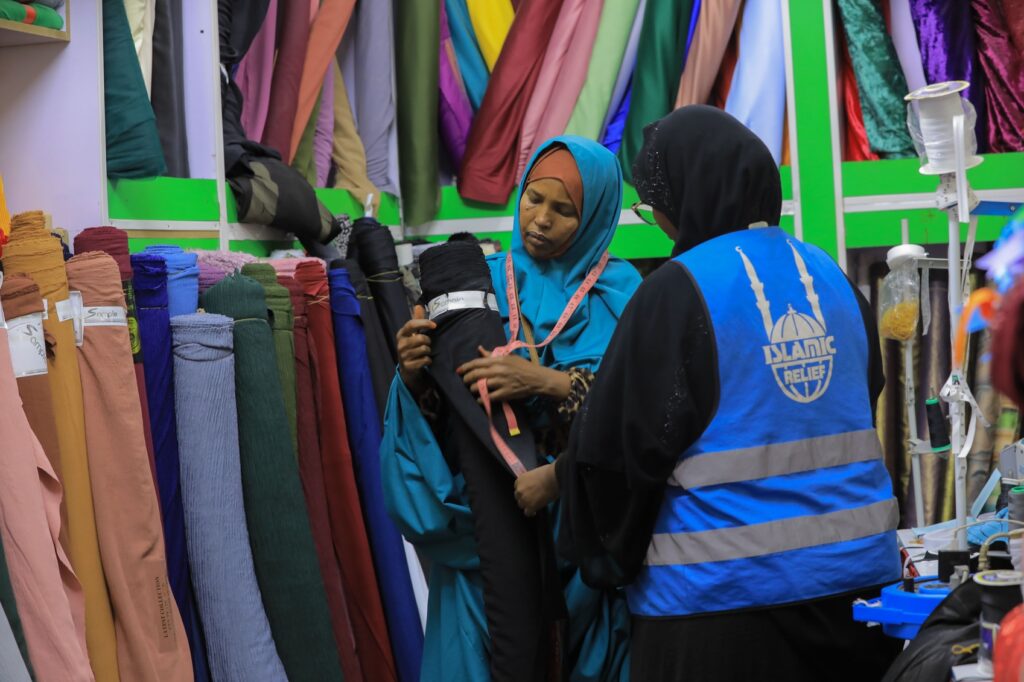
Kos, orphan Ahlam's mother, in her clothes and tailoring shop
Photo: Kos, Ahlam’s mother, in her clothes and tailoring shop

The OSP became a lifeline for Ahlam and her family. The program has provided consistent quarterly financial support, covering the crucial expenses of education, transportation, uniforms, and books.

This timely assistance has dramatically improved Ahlam’s academic performance. It enabled her to excel in her studies and rise to the top of her class for the past two years.

Ahlam is a bright young girl with a keen interest in science and mathematics. Her dreams extend beyond academic success. She aspires to become a businesswoman, a testament to her ambition and desire to create a better life for herself and her family. Ahlam envisions a future where she can make meaningful contributions to her community and provide stability for those she loves.

How the new pricing for orphan care sponsorship provides more support

The OSP’s recent implementation of a new pricing plan has been a game-changer for Ahlam and other orphans within the program. The plan increased the quarterly support per orphan, significantly amplifying the impact on their lives.

This generous increase has resulted in a comprehensive support system, encompassing enhanced educational resources, improved healthcare, better access to nutritious food, and additional resources for daily living.

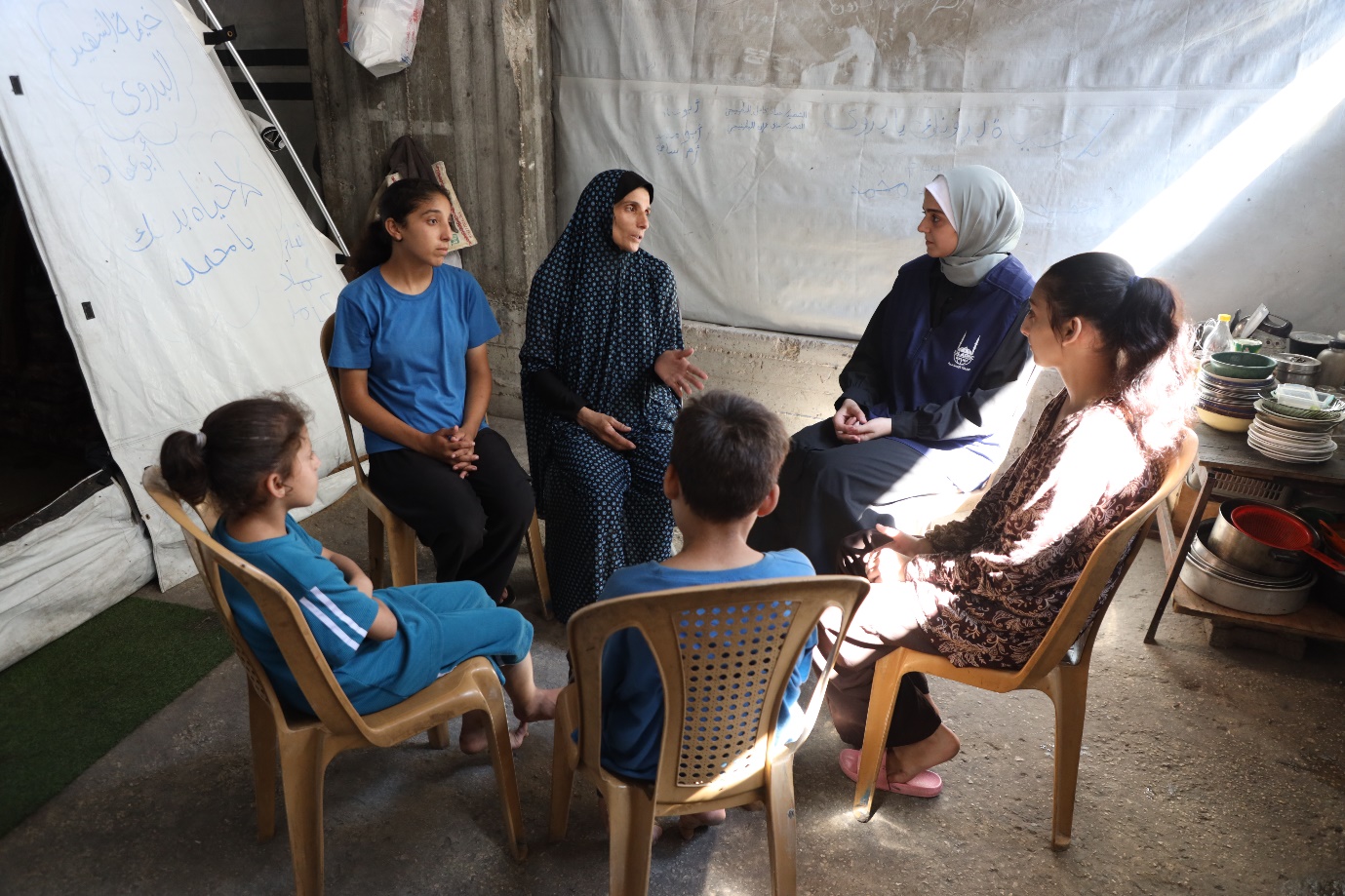
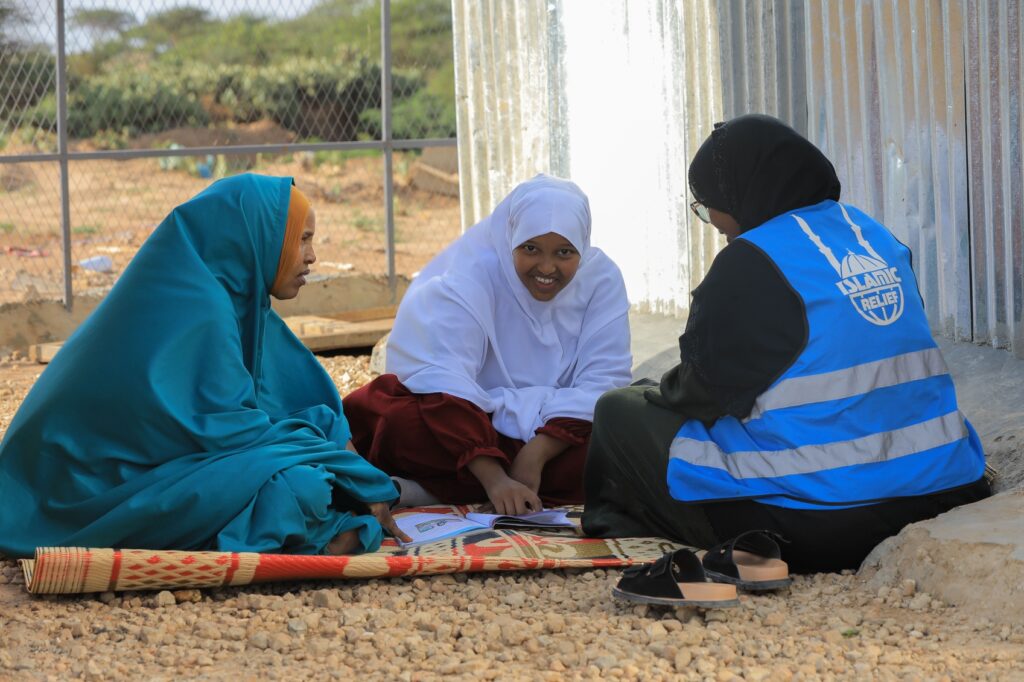
Ahlam and her mother Kos conversing with one of the Islamic Relief orphan staff
Photo: Ahlam and her mother, Kos, conversing with one of the Islamic Relief orphan staff

The new pricing plan has alleviated the financial burdens on Kos, allowing her to better manage her livelihood issues while focusing on providing for her children. This increased stability has created a ripple effect, positively impacting the overall well-being of Ahlam and her siblings.

Kos expresses her profound gratitude for the OSP’s unwavering support. She emphasises its transformative impact on her family’s financial situation, educational opportunities, and overall well-being.

How Islamic Relief’s OSP Continues to Save Lives

The program has not only provided essential financial assistance but also extended crucial emotional and psychological support. Thus, creating a more stable and hopeful environment for the family.

The new pricing plan has not only benefited Ahlam. But has also had a widespread positive impact on other orphans under the program.

It has fostered a significant enhancement in educational opportunities, improved healthcare access, increased access to nutritious food, and provided emotional and psychological support.

These improvements have led to better academic performance, improved health outcomes, and a more stable home environment for these children, creating a brighter future for them.

Given the economic challenges faced by Somalia, donors’ increased support for the vulnerable orphan families is better appreciated. This investment is not merely about providing immediate relief. It is about laying the foundation for a brighter future for these children and their communities.

By contributing to the new pricing plan, donors can be a catalyst for lasting change in the lives of those who need it most. We empower them to reach their full potential and contribute to a better tomorrow.

Help support an orphan and change their lives

By donating just $100 a month, you can give a child like Soad the chance to pursue their dreams and build a brighter future.

06.12.25

Tax Deductions and EOFY Charity Giving 2025

  Publications

Make the most of the End of Financial Year (EOFY) 2024-25

As the end of the financial year draws near, so does the dreaded tax season. Many of us have started sorting through our receipts, trying to figure out which purchases we can claim as a deduction on our tax return. These include any significant charitable donations made towards an ACNC-registered charity with DGR status, such as Islamic Relief Australia.

However, as Muslims, is it possible for us to claim any donations (Sadaqah, etc.) we make as tax deductions? The short answer? Yes! But to help you further, here are answers to some commonly asked questions on claiming a tax deduction for your donations.

FAQs: Tax Deductions and EOFY Charity Giving

How do tax deductions work for Australian charities?

The Australian Taxation Office (ATO) lists “gifts and donations” as eligible for tax deductions. If you make a donation over $2 AUD to a charity that has DGR status (as Islamic Relief Australia does), you can claim that back as a deduction on your tax return. This means you get a component of what you gave before the end-of-financial-year (EOFY).

What are EOFY donations? 

End of financial year (EOFY) donations are charitable donations made before midnight on 30 June. In Australia, donations of $2 or more to a registered charity with Deductible Gift Recipient (DGR) status can be claimed as a deduction on your tax return. EOFY donations can help reduce your taxable income (allowing you to pay tax on a lower income) while supporting the causes you care about most. 

To qualify, your donation must: 

  • Be made before 11:59 pm AEST on 30 June 
  • Be to an organisation with DGR status (like most registered charities) 
  • Be a true gift, not a contribution (you don’t receive anything in return) 
  • Have a receipt or proof of the donation 

How do EOFY donations help with your taxes?

While you won’t be able to get a refund for all your EOFY donations, they can reduce how much tax you pay.

Here’s how it works.

When you lodge your tax return, you can claim any eligible donations made during the financial year.  

For example, if your income is $70,000, and you donate $1,000 to a DGR-endorsed charity, you may only be taxed as if you earned $69,000. 

How much return you get back depends on your income and marginal tax rate, but the principle is simple: the more you give (within your means), the less tax you may owe. 

calculator and calculating tax for EOFY

How to make an EOFY donation

Making an end-of-financial-year donation doesn’t have to be complicated. It’s just takes five simple steps. 

EOFY Giving Checklist 

  • Choose a registered charity 
  • Donate $2 or more 
  • Give before 30 June 
  • Keep your receipt 
  • Claim it on your tax return.

Does claiming donations as a tax deduction affect the intention with which you gave?

No, it doesn’t take away in any way from the initial donation you gave. It has achieved its intention and reached its beneficiary, insha Allah!

Rather, what this means is that you are reclaiming a portion of the money that is rightly owed back to you by Australian tax law. That is then extra money back in your pocket.

If I give what I receive back, is that extra reward?

Yes, insha Allah! It is wealth you could have done something else with, so if you give it back in charity yet again, that is yet another sadaqah for you, insha Allah!

Should I increase my donations at this time of year (at the EOFY)?

You can and should if your situation allows. It means you could claim back more as deductions, and your charity will go further than it may have otherwise.

Where should I donate?

To ANY cause you wish. With Islamic Relief Australia, all your donations are going to be eligible for these tax deductions. In turn, as a signatory to the ACFIC code of conduct, we commit to upholding transparency, effectiveness, and ethical development practices in all our programs, ensuring the support of donors like you reaches those most in need, effectively and sustainably.
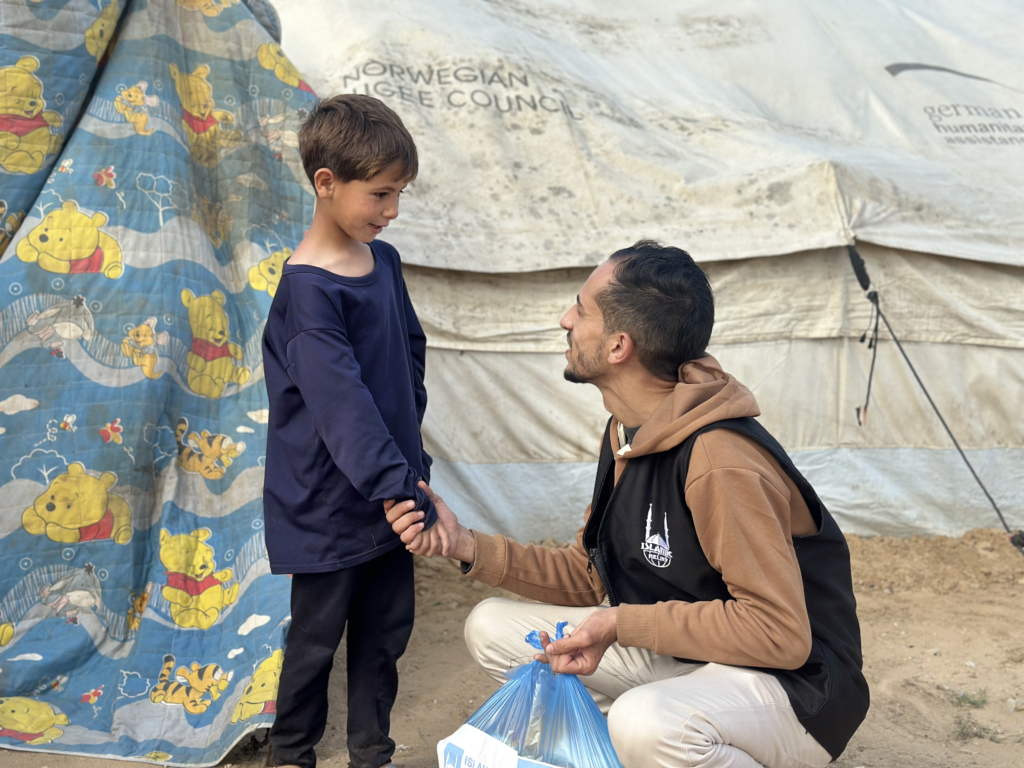
Islamic Relief staff with child; Give to a cause you care about the most this eofy

We encourage you to look at all our appeals and giving options. Medical aid for Gaza and Sudan are the most important emergency relief campaigns we are running.

May Allah (SWT) reward you for your generosity!

Let Your Generosity Go Further

Make the most of tax season. By giving more before the end of this June, you can increase you impact, supporting more of our brothers and sisters in need.

General EOFY donations FAQ 

04.09.25

Shawwal: The Importance of the Month after Ramadan

  Publications     Ramadan

Shawwal. The 10th month of the Islamic calendar.

Many of us know it as the month after Ramadan. A month we begin by celebrating Eid Al-Fitr, a day filled with happiness and festivities.  

As it’s the first day of Shawwal we connect with family and friends on Eid al-Fitr. When we pray together, exchange greetings and gifts, and thank Allah (SWT) for allowing us to participate in and enjoy another blessed Ramadan. 

It’s also a month when many of us feel sad that Ramadan has passed. As we miss the opportunities for rewards and heightened spirituality we had during the month.  

However, there are also many ways to gain more Ramadan-like feelings and rewards in Shawwal.  

What is Shawwal? – A month to continue the goodness 

Shawwal is the 10th month of the Islamic (Hijri) calendar and begins its first day with Eid Al-Fitr.

It is also renowned for the six days of Shawwal. These are six voluntary fasts one can complete at any time throughout the month of Shawwal (except on Eid al-Fitr) and doing so holds immense rewards.

For the Prophet Muhammad (ﷺ) said:

“Whoever fasts Ramadan and follows it with six days of Shawwal, it will be as if he fasted for a lifetime.”

Muslim

Doing these six fasts is recommended as a means of redeeming any shortcomings in the quality of our fasts in the month of Ramadan. What’s more, they are equivalent to a year of fasting if accepted by Allah (SWT). 

Fasting in Shawwal holds many rewards

Scholars have also considered one’s intention to fast the six days of Shawwal as a sign that their observation of Ramadan has been accepted.

In fact, Ibn Rajab (RA) said that doing these fasts would be a way of demonstrating our gratitude to Allah (SWT). For the blessings, mercy, and reward that Ramadan has to offer. 

“[Allah wants] for you to complete the period and to glorify Allah for that [to] which He has guided you; and perhaps you will be grateful”

Qur’an 2:185

As such, Shawwal marks a precious time to reflect on and continue the good habits we gained in the preceding month: the blessed month of Ramadan. An important month to centre the mind, body and soul for the remainder of the year and beyond. 

Key Dates in Shawwal: Eid Al-Fitr

The first day of Shawwal is also when Muslims celebrate Eid Al-Fitr, one of the celebrations recognised in Islam. The other is Eid al-Adha, observed on the 10th day of Dhul Hijjah, the last month of the Islamic Calendar.

On Eid al-Fitr, Muslims come together to enjoy the reward of observing and completing the holy month of Ramadan. They attend the Eid prayer and pay Zakat al-Fitr. It is also a day of festivities. When community members dress their best and exchange greetings, gifts and food with family and friends.

The First Month of the Hajj Period

Shawwal is the first of three months (before the month of Dhul Hijjah) in which some of the acts of Hajj can begin to be performed, such as the Tawaf of Arrival. The period of Hajj also begins in Shawwal, which is otherwise called Ash-hur Al-Hajj or the months of Hajj. 

When does Shawwal begin and end?

The sighting of the new moon of Shawwal signifies the end of the holy month of Ramadan, and the beginning of Eid al-Fitr and its festivities.

This year, the first day of Shawwal began on the evening of Sunday, March 30, 2025. Eid prayer and the festivities of Eid al-Fitr took place the following day Monday, March 31, 2025. Shawwal 2025 will likely end on April 28, 2025, depending on the sighting of the moon.

The six voluntary fasts of Shawwal can take place at any time throughout the month. However, one cannot fast on the first day of the month, as it is forbidden to fast on Eid al-Fitr.

“The Prophet (ﷺ) forbade fasting on the day of al-Fitr and al-Nahr.”

Sahih Bukhari

Keep the blessings of Ramadan going

With our spirituality renewed, we all want to keep hold of that feeling at the end of Ramadan – that closeness to Allah (SWT). SubhanAllah, the deeds most loved by Allah are those done regularly – even if they are small. 

The Prophet Muhammad (ﷺ) said, “The most beloved deed to Allah is the most regular and constant even if it were little.”

Sahih Bukhari

So don’t let go of that feeling – hold on to Allah (SWT)’s love. Giving regularly, even just $10 a month can help transform the lives of communities suffering the effects of conflict and natural disasters.

Giving regularly in Shawwal and beyond can help support those most in need in Gaza and more.

Don’t miss out on the chance to earn immense rewards

Keep the blessings of Ramadan going. Make the most of month of Shawwal with your giving. In big and small ways, your support saves lives in Gaza, Sudan and more.


STAY INFORMED

  • This field is for validation purposes and should be left unchanged.

Quick Donate