04.13.23

Duas for the last ten days of Ramadan

  Publications     Ramadan

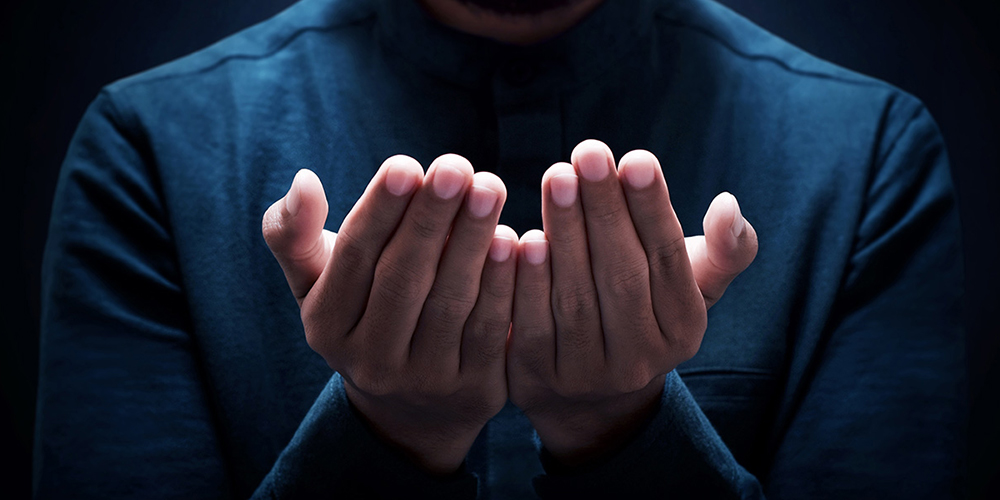
As the blessed month of Ramadan nears its end, Muslims around the world eagerly anticipate the final ten days, a time filled with spiritual growth and reflection. These days hold a special place in the hearts of believers, as they include the Night of Power (Laylatul Qadr), a night more rewarding than a thousand months. During these cherished days and nights, Muslims strive to strengthen their connection with Allah, seeking His forgiveness and bountiful blessings through prayer, supplication, and acts of charity.


The Prophet (PBUH) said, “Dua is the essence of worship.” [Tirmidhi].

When performed in the last ten nights of Ramadan, with sincere intention and faith in Allah’s (SWT) acceptance, the rewards of making du’a could be exceptional.

To guide you on your spiritual journey and help you make the most of these precious moments, we have gathered a collection of heartfelt duas, or supplications, that you can recite during the last ten nights.

Dua for Laylatul Qadr 

Laylatul Qadr, the Night of Decree or Night of Power, is one of the most sacred nights in the Islamic calendar. 

It is a commonly held belief that Laylatul Qadr (the Night of Power) occurs on the 27th Ramadan. However, scholars of Hadith recommend focusing on the last 10 nights of Ramadan, especially the odd nights, as it is most likely to have occurred in one of these nights. Dua for the blessed night: 

الْلَّهُمَّ اِنَّكَ عَفُوٌّ تُحِبُّ الْعَفْوَ فَاعْفُ عَنِّي

‘Allahumma innaka Afuwwun (Karimun) tuhibbul `afwa fa`fu `annee’

Translation: “O Allah, indeed You are Pardoning, (Generous) You love to pardon, so pardon me.”

Find out more about  the rewards of Laylatul Qadr and duaas to read on the blessed night here

Dua for loved ones who have passed away 

Many of us will be spending this Ramadan without loved ones who have passed away. By reading the following dua over the last 10 days of Ramadan, we can help provide them with blessings in Jannah.

اللَّهُمَّ اغْفِرْ لَهُ الَّلهُمَّ ثَبِّتْهُ

‘Allaahum-maghfir lahu Allaahumma thabbithu’

Translation: O Allah, forgive him. O Allah, strengthen him.

اللَّهُمَّ اغْفِرْ لَهُمْ وَارْحَمْهُمْ وَعَافِهِمْ وَاعْفُ عَنْهُمْ وَأَكْرِمْ نُزُلَهُمْ وَوَسِّعْ مُدْخَلَهُمْ وَاغْسِلْهُمْ بِالْمَاءِ وَالثَّلْجِ وَالْبَرَدِ وَنَقِّهِمْ مِنَ الْخَطَايَا كَمَا يُنَقَّى الثَّوْبُ الأَبْيَضُ مِنَ الدَّنَسِ ‏

Translation: Oh Allah, forgive them and have mercy on them and give them strength and pardon them. Be generous to them and cause their entrance to be wide and wash them with water and snow and hail. Cleanse them of their transgressions as white cloth is cleansed of stains.

Dua for good health 

It’s important to make dua for good health for ourselves and loved ones, so that we may have the health and strength needed for worship and good deeds. 

اللّهُـمَّ عافِـني في بَدَنـي ، اللّهُـمَّ عافِـني في سَمْـعي ، اللّهُـمَّ عافِـني في بَصَـري ، لا إلهَ إلاّ أَنْـتَ. اللّهُـمَّ إِنّـي أَعـوذُبِكَ مِنَ الْكُـفر ، وَالفَـقْر ، وَأَعـوذُبِكَ مِنْ عَذابِ القَـبْر ، لا إلهَ إلاّ أَنْـتَ 

‘Allaahumma ‘aafinee fee badanee, Allaahumma ‘aafinee fee sam’ee, Allaahumma ‘aafinee fee basaree, laa ‘ilaaha ‘illaa ‘Anta. Allaahumma ‘innee ‘a’oothu bika minal-kufri, walfaqri, wa ‘a’oothu bika min ‘adhaabil-qabri, laa ‘ilaaha ‘illaa ‘Anta’.

Translation: O Allah, make me healthy in my body. O Allah, preserve for me my hearing. O Allah, preserve for me my sight. There is none worthy of worship but You . O Allah , I seek refuge in You from disbelief and poverty and I seek refuge in You from the punishment of the grave . There is none worthy of worship but You.

Dua for the Ummah 

It’s important to make du’a for our Muslim brothers and sisters across that world, and to ask Allah (SWT) to grant  them ease, patience and fulfil their needs. 

اللهم أصلح أمة محمد اللهم فرج عن أمة محمد أللهم ارحم أمة محمد

‘Allahumma aslih Ummata Muhammad. Allahumma farrij ‘an Ummati Muhammad. Allahumma Rham Ummata Muhammad [sallAllahu alayhi wasalam]’

Translation: O Allah! Improve (help) the state of the Ummah of Muhammad. O Allah! Grant ease to the Ummah of Muhammad. O Allah! Have mercy on the Ummah of Muhammad.

Dua for forgiveness 

Allah extends his Divine Mercy to all those who turn to Him with sincerity and supplicate for forgiveness in the last ten days and nights of Ramadan. 

The following is a dua for forgiveness from the Qur’an:

ٱلَّذِينَ يَقُولُونَ رَبَّنَآ إِنَّنَآ ءَامَنَّافَٱغْفِرْ لَنَا ذُنُوبَنَا وَقِنَا عَذَابَ ٱلنَّارِ

Allazeena yaqooloona Rabbanaaa innanaaa aamannaa faghfir lanaazunoobanaa wa qinaa ‘azaaban Naar’

Translation: ”Our Lord! surely we believe, therefore forgive us our faults and save us from the chastisement of the fire”(Al-Imran, Chapter 3, Verse 16)

Dua for protection from hellfire

The last ten days of Ramadan are days for ‘freedom from the fire of hell’. Therefore it’s important to make the following dua during this time: 

اللَّهُمَّ إِنِّي أَسْأَلُكَ رِضَاكَ وَالجَنَّةَ ، وَأَعُوذُ بِكَ مِنْ سَخَطِكَ وَالنَّارِ 

‘Allaahumma innee as-aluka Ridaaka wal Jannah wa a’audhu’bika min sakhatika wan-naar’

Translation: O Allah, I ask of Your pleasure and for Paradise, and I seek refuge from Your displeasure and from the Hellfire.

Dua for Divine guidance 

The last ten days of Ramadan is a special time for us to gain closeness to Allah (SWT) and to change the direction of our lives so that we are focused on gaining His pleasure. Therefore, it’s important to make du’a for Allah’s guidance to allow us to do so:

اللَّهُمَّ إِنِّي أَسْأَلُكَ الهُدَى وَ التُّقَى وَ العَفَافَ وَ الغِنَى

‘Allāhumma Innī As’aluka al-Hudā Wat-Tuqā Wal-Afāfa Wal-Ghinā’

Translation: O Allah, I ask You for guidance and piety, and abstinence (from the unlawful) and modesty, and contentment and sufficiency.


As you devote yourself to prayer and reflection, remember those facing hardship from amongst our ummah. Your compassionate donations during this month can bring hope and much-needed support to those in need, positively impacting their lives and giving them the opportunity to thrive.

May Allah Almighty accept all of our dua’s this Ramadan, and throughout the year. Ameen! 
03.23.23

How to Plan Your Iftar Meals During Ramadan

  Publications     Ramadan

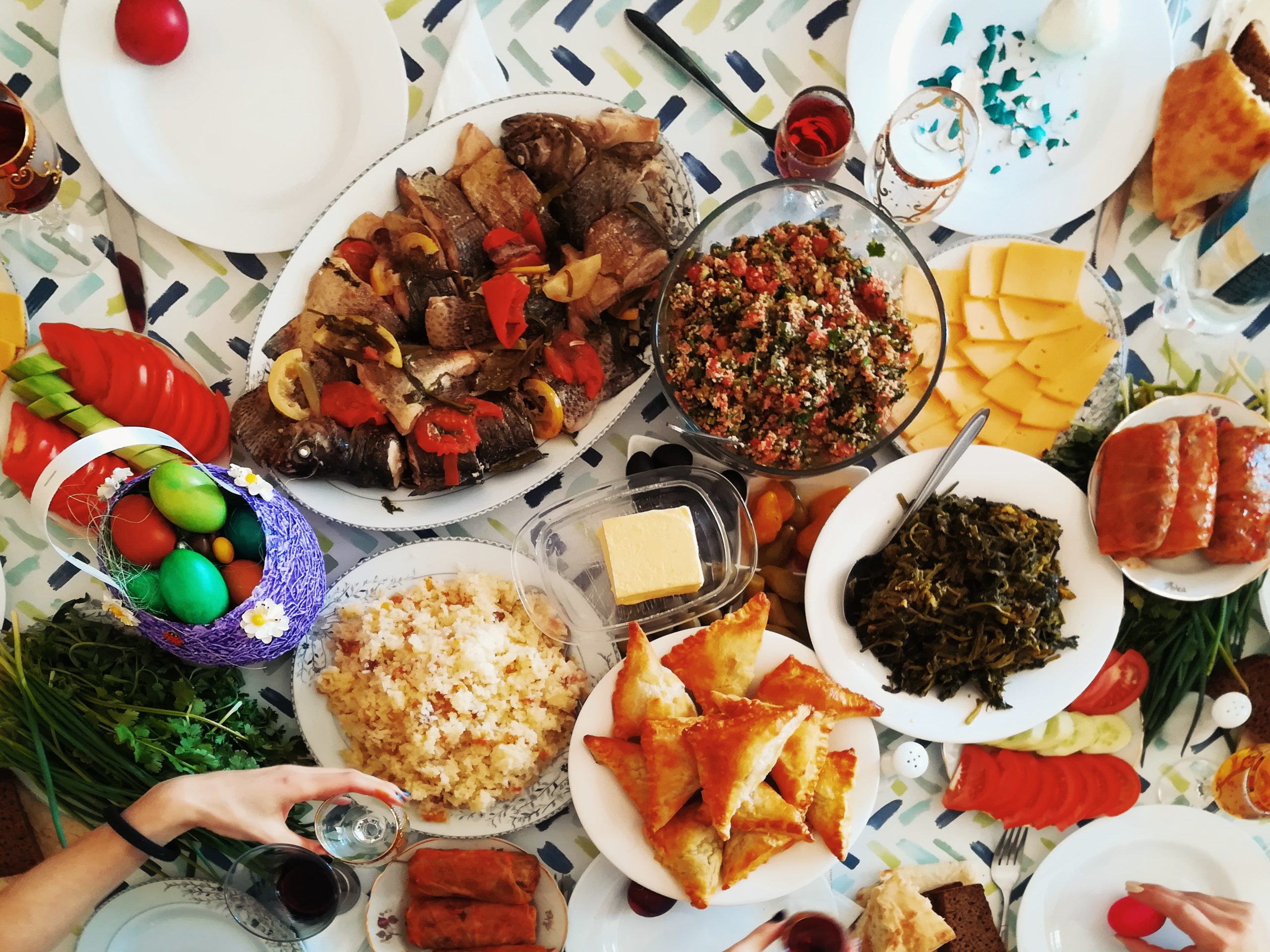
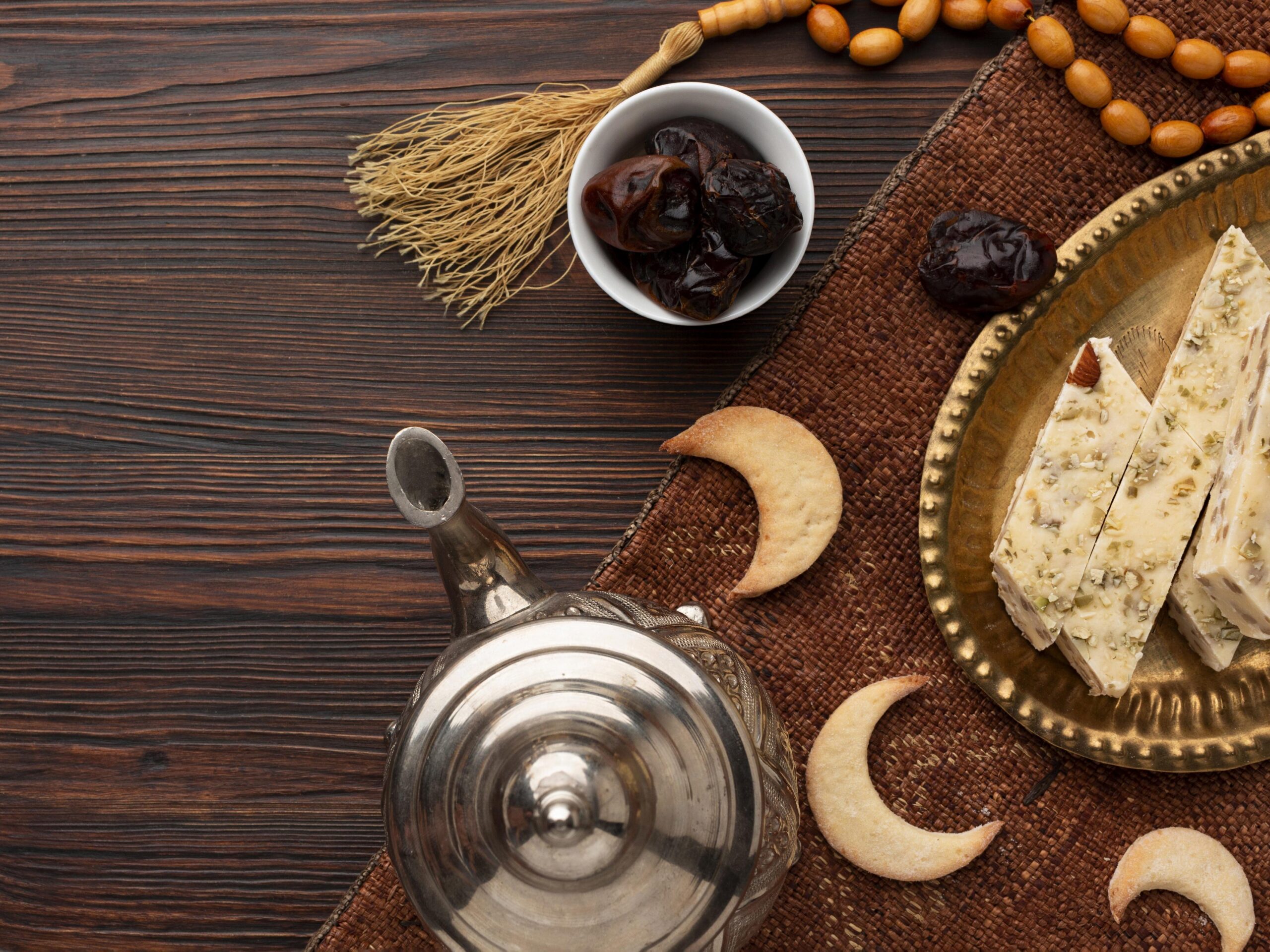
In the Islamic calendar, Ramadan is a blessed month where Muslims observe fasting from dawn to sunset. During this time, one of the most important meals of the day is Iftar, which is the meal Muslims when breaking their fast at sunset. 

As such, planning this evening meal is vital as it should be nourishing to our bodies, souls and mind after a day without eating, drinking or acting on our impulses. While planning Iftar meals during Ramadan can be challenging, with the right approach and the right intentions, it can be straightforward and bring you more rewards during the blessed month. 

Here are some tips on how to plan your Iftar meals during Ramadan in simple and spiritually fulfilling ways.

Plan with the intention of pleasing Allah (SWT)

The first and most important step in planning your Iftar meals during Ramadan is to have the intention of pleasing Allah (SWT).

In Islam, every action that we take should be done with the intention of gaining rewards from Allah (SWT). This will not only enhance your spiritual connection but also help you to focus on the significance of the meal and its purpose.

So, when planning your meals, make sure that your intention is to nourish your body, mind and soul for the sake of pleasing Allah (SWT) and begin with a dua seeking His (SWT) blessings. 

Consider wholesome and nutritious meals

When planning your Iftar meals, it’s important to choose wholesome and nutritious meals that provide you with the energy and nutrients needed to fast and keep you feeling full throughout the whole day.

Include a variety of food groups, such as proteins, carbohydrates and healthy fats. Additionally, prioritise whole foods such as fruits, vegetables, whole grains and lean proteins that are low in sugar and less processed and high in fibre, vitamins and minerals. 

The Prophet Muhammad (peace and blessings be upon him), himself used to break his fast with nutritious foods like dates figs, melons, cucumbers, so go forth and follow the Sunnah! 

Don’t forgot to prepare plenty of water and other healthy fluids such as coconut water, smoothies and soups to help keep everyone hydrated as well!

Avoid preparing too much or wasting food

After you’ve chosen which meals you’ll want to make, list all the ingredients you need and the timing of each dish. By doing this, you can avoid last-minute stress, spend less time cooking during the fasting hours and avoid wasting too much food. 

In Islam, wasting food is discouraged. Allah (SWT) says in the Quran, “But waste not by excess, for Allah loveth not the wasters.” (Al-Araf, 7:31)

The Prophet (PBUH) likewise said, “‘A human being fills no worse vessel than his stomach” (Sunan Ibn Majah) and encouraged the believers to avoid breaking their fast with more than what they can eat. Overeating during Iftar can also discomfort and digestive problems.

By planning the number of plates and foods you’ll serve in advance, you’ll be able to make lighter and healthier Iftar dishes that’ll help prepare your stomach for the heavier meal to come.

Get Some Help from Family and Friends

Ramadan is a time of gathering and connecting with loved ones and the community for the sake of Allah (SWT). As it’s essential to enjoy your Iftar meals with family and friends, you can make preparing Iftar a time to bond with family and friends. 

In conclusion, planning your Iftar meals during Ramadan can be a rewarding and meaningful experience. By following these tips, you can ensure that your meals are wholesome, and nutritious and brings you closer to your deen.

May Allah (SWT) bless us all and accept our good deeds during this holy month.

03.03.23

When is Ramadan 2023 in Australia?

  News     Ramadan

Alhamdulillah! The blessed month of Ramadan is almost here! For Muslims across the globe, the holy month of Ramadan is a sacred time for worshipping Allah (SWT).

It is an opportunity for new beginnings. An opportunity for spiritual renewal and reflection, increased devotion, and celebration of the mercy and love of Allah (SWT).


What is Ramadan?

Ramadan is the ninth month in the Islamic lunar calendar, in which healthy adult Muslims are required to fast each day from dawn until dusk. This includes abstaining from drinking, eating, immoral acts and anger. Other acts of worship such as prayer, reading the Quran and charity are also encouraged during the holy month.

Ramadan lasts either 29 or 30 days, and the time during which it takes place varies every year. As the Islamic calendar is based on the lunar cycle, which is roughly 10 or 11 days shorter than the commonly used Gregorian calendar, the Holy month of Ramadan rotates back each year.

This year, Ramadan is expected to begin on the evening of Wednesday, March 22 and end on the evening of Thursday, April 21, 2023, depending on the sighting of the moon.


Important Dates in Ramadan


The Night of Power – Laylatul Qadr

In light of Allah’s love and mercy towards us, the reward for every good deed in Ramadan is multiplied by 70. The last 10 days and nights hold even more significance as they are full of even greater rewards and blessings. Including the most blessed of nights: Laylatul Qadr.

Allah SWT describes Laylatul Qadr as:

“What will make you realise what the Night of Power is like?

The Night of Power is better than a thousand months.

Angels and the Spirit descend upon it with their Lord´s permission with every command;

There is peace that night until the coming of dawn.” [Quran: 97:1-5]

Ramadan

Do good deeds properly, sincerely and moderately and know that your deeds will not make you enter Paradise, and that the most beloved deed to Allah’s is the most regular and constant even though it were little. [Prophet Muhammad (s) as narrated by A’isha (ra) in Sahih Bukhari, vol. 8, hadith 471]


Eid al-Fitr 

Eid al-fitr marks the end of the blessed month of Ramadan. 

This year Eid al-Fitr is expected to be celebrated on Friday, April 21, 2023. However, the exact date is subject to the sighting of the moon of Shawwal (the 10th month of the Islamic Calendar).


FIND OUT MORE

Find out more about ways you can help this Ramadan.

03.24.22

Taraweeh Medley: Eleven Sydney Mosques YOU need to visit during Ramadan

  Publications     Ramadan

During the blessed month of Ramadan, Muslims perform special prayers called Taraweeh after every evenings last daily prayer (Isha).

But what is Taraweeh? The word “Taraweeh” means “to rest and relax” in Arabic. It is called as such as it is seen as a special form of Islamic meditation. At Taraweeh time, Muslims line up to observe a number of optional rakaats during prayer and listen to and reflect on the recitation of the Quran. 

In turn, the Prophet Muhammad (PBUH) said: “Whoever prayed at night the whole month of Ramadan out of sincere Faith and hoping for a reward from Allah, then all his previous sins will be forgiven.” (Bukhari and Muslim) 

Therefore, performing Taraweeh prayers during Ramadan is seen as a great act of worship. Likewise, while Taraweeh can be performed both at home and in the mosque, praying taraweeh in congregation at mosques grants more rewards for us from Allah (SWT). 

So, for this Ramadan, make Taraweeh time more fulfilling and exciting by exploring the many great mosques Sydney has to offer. With how many mosques there are in Sydney, here is a list of the eleven mosques you need to pray Taraweeh at during the blessed month. 

Lakemba Mosque

65-67 Wangee Rd, Lakemba NSW 2195, Australia

02 9750 6833

Also known as Imam Ali bin Abi Taleb Mosque, Lakemba Mosque is one of the biggest mosques in Sydney. Built in 1972, the mosque is located in the heart of Western Sydney in Lakemba, and is run by the Lebanese Muslims Association (LMA). 

As the local area is dominated by a diverse Muslim population, the mosque also offers many programs that cater towards brothers and sisters of all ages. During Ramadan, visitors of this Sydney mosque can also look forward to the Ramadan Nights’ food stalls on Haldon St for a delicious bite to eat!

Auburn Gallipoli Mosque

15-19 North Parade, Auburn, NSW 2144, Australia

02 9646 5972

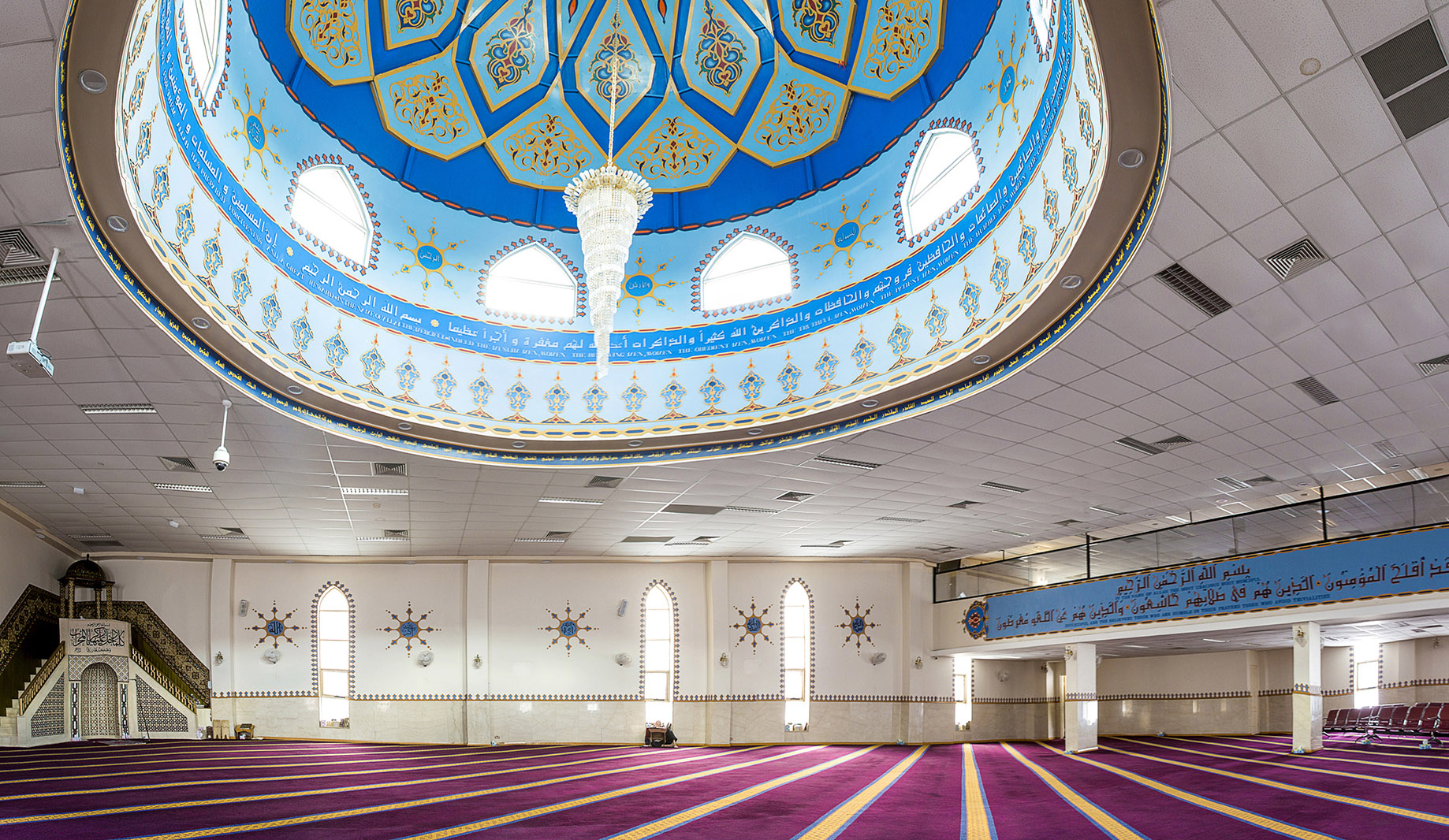
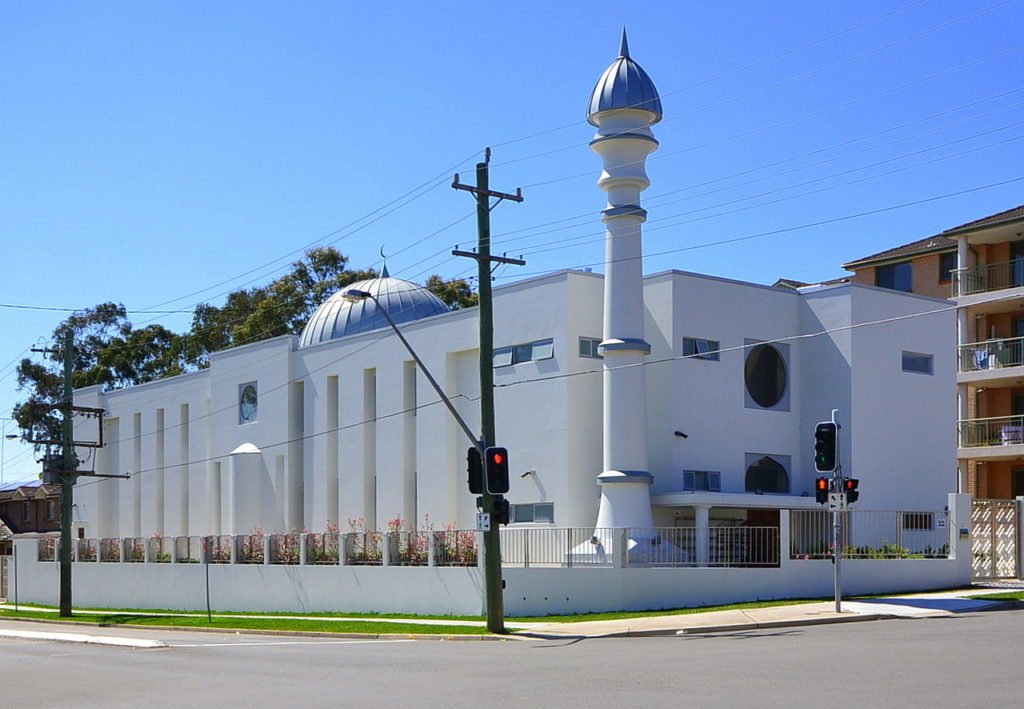
Built in the style of Classical Ottoman architecture, Gallipoli Mosque in Auburn also services a diverse population of Muslims in another integral suburb of Western Sydney. Officially opened in 1999, the mosque is a common hub for Muslims all across Sydney to gather for congregation prayers of all occassions, including Taraweeh and Eid. 

For both Muslims and non-Muslims, the mosque is also a great place to stroll around and just appreciate the beauty of its architecture. Visitors can likewise dine-in at the variety of cultural restaurants available nearby and around the mosque.

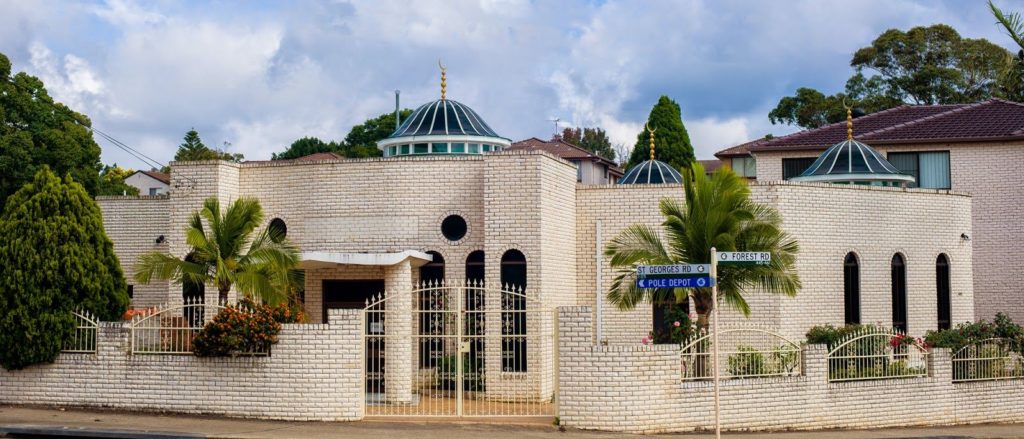
Penshurst Mosque

445-447 Forest Road, Penshurst, Australia

02 9580 3390

Built in 1989 by the Bosnian-Australian community, the Penshurst Mosque has been fulfilling the needs of Muslims within the area for over 30 years. This beautiful Mosque also offers open days for Muslims and Non-Muslims to visit and explore the history of Muslims in Sydney and celebrate the diversity of our Muslim communities.

Masjid Al Noor

1 Ferndell St, South Granville NSW 2142

0455 777 557

Built in 2010 in South Granville, this mosque is led by Sheikh Omar El Banna. This mosque offers daily, Friday and Eid prayers and has rapidly been growing in popularity through its many events and facilities available for local Muslims. During Ramadan, visitors are welcome to grab a bite to eat at the BBQs and food trucks located right outside the Mosque. Likewise, for visitors looking to increase their knowledge of the deen, Masjid Al Noor also offers Islamic courses all-year-round.

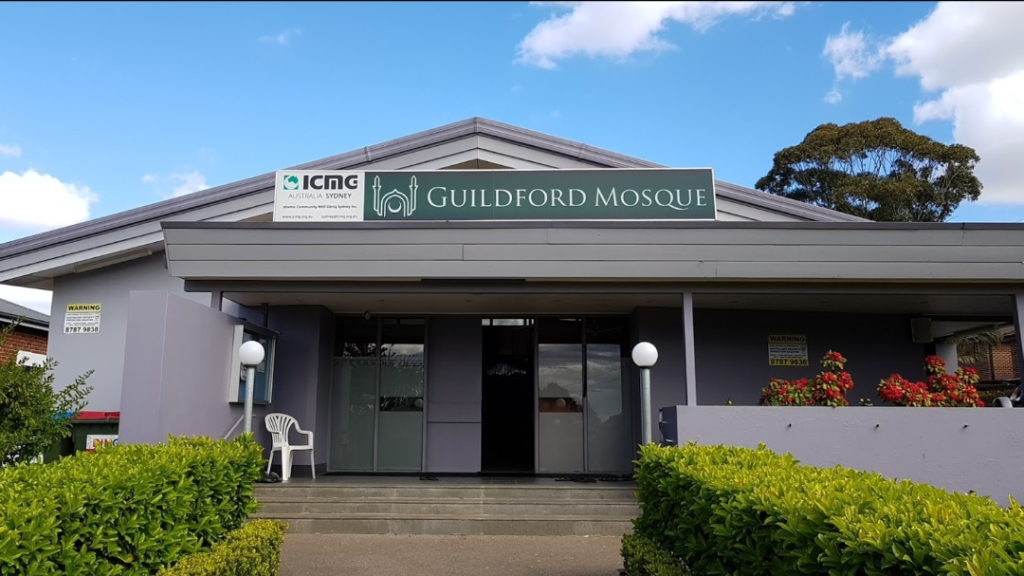
Guildford Mosque 

64 Mountford Avenue, Guildford, NSW 2161, Australia

02 8034 7875

Initially built as a church, Guildford Mosque was purchased in 2010 by the Islamic Community and converted into a Mosque. This Mosque is open for daily, Friday and Eid prayers. It likewise services local Muslims through top-notch facilities such as a community hall, large car park and a youth room.

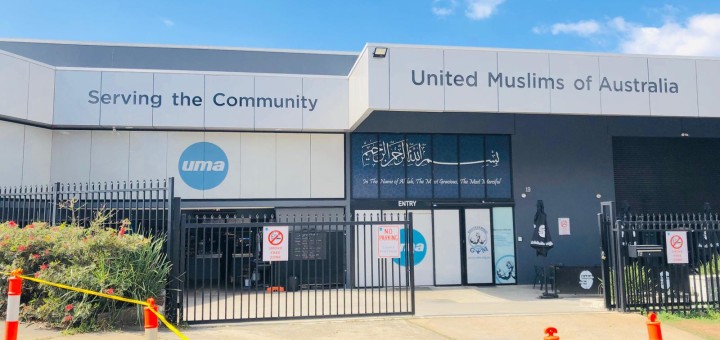
UMA Mosque 

19 Enterprise Ave, Padstow NSW 2211

0416 000 862

The United Muslims of Australia (UMA) is an organisation that strives to bring the Australian Muslim community together. Located in Padstow and led by Sheikh Shady Suleiman, its UMA Centre provides an ever-expanding mosque for Muslim communities to use and increase their knowledge in the deen. 

In addition to a mosque, the UMA Centre also offers state-of-the-art facilities, including a cafe, classrooms, offices, gym, a function hall and more, including plans to build Australia’s First Islamic University. 

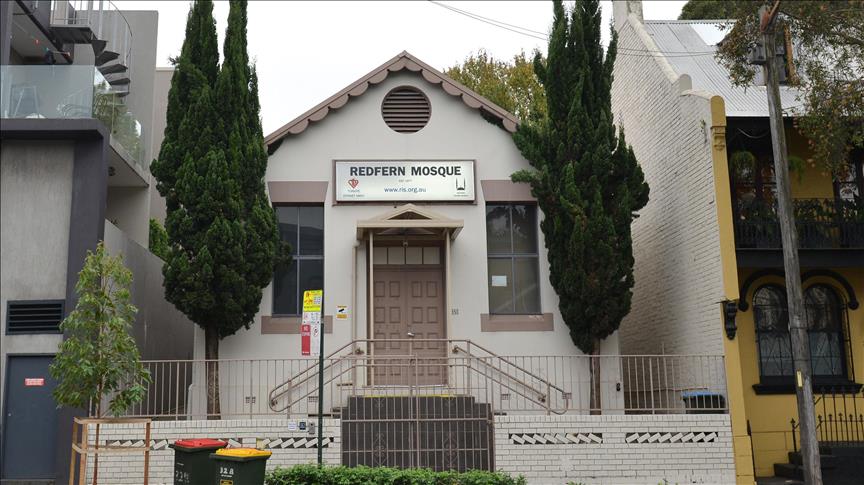
Redfern Mosque

Redfern Islamic Society, 328-330 Cleveland Street, Surry Hills, NSW 2010, Australia

02 9698 4149

Open since 1977, Redfern Mosque serves as one of the first Mosques in Australia. Conveniently located close to the CBD, the mosque offers daily and Friday Prayers to both local Muslims and Muslims commuting to the CBD. Regularly maintained by the Islamic community of Redfern, the mosque also offers events that cater to Muslims working and studying in the CBD. 

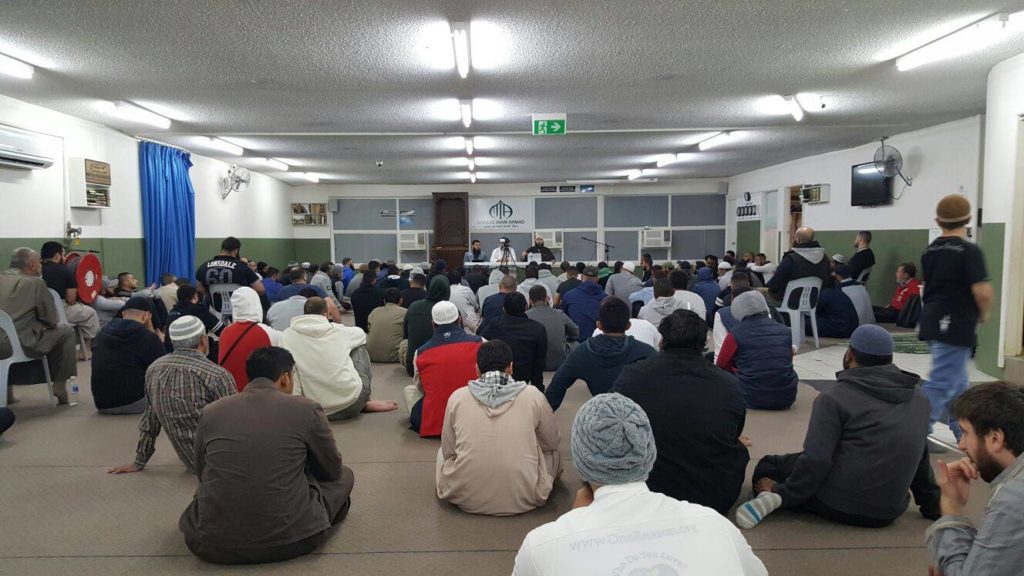
Markaz Imam Ahmad

230 Macquarie St, Liverpool NSW 2170

02 8712 9219

Liverpool Mosque, also known as Markaz Imam Ahmad Mosque (MIA), offers daily, Friday and Eid Prayers and weekly reminders. The mosque also provides lessons in Qu’ran, Arabic and Madrasah classes led by renowned Mashayekh such as Ustadh Muhammad Al-Bizry, Sheikh Abu Ishaaq and Sheikh Arshad Khan. Visitors hungry after praying can also treat themselves at Blazin Grills located next door to the Mosque.

Tempe Mosque

45 Station St, Tempe NSW 2044

02 9591 1593

Managed by the local Indonesian community, Tempe Mosque offers facilities that cater to brothers and sisters of all ages. In addition to daily, Friday and Eid prayers, the mosque also offers classes on weekends to sisters and kids to learn Qur’an and enhance their knowledge of Islam. 

Blacktown Mosque

15 Fourth Ave, Blacktown NSW 2148

02 9831 2436

Blacktown mosque, also known as Osman Mosque, is managed by the local Afghan community. In addition to prayer facilities, the mosque also offers classes for brothers and sisters of all ages. 

Rooty Hill Mosque

33 Headcorn St, Mount Druitt NSW 2770

02 9675 6246

Located in Mt Druitt, Rooty Hill Mosque is maintained by the local Pakistani and Indian community. In addition to prayer facilities, the mosque often holds events catered to brothers and sisters of all ages and aims to provide everyone with a welcome atmosphere and sense of belonging. 

From South to West to even the CBD, there is no shortage of Sydney mosques available for you to visit. But no matter where you go in Sydney for your Taraweeh prayers, the most important part of each night in Ramadan is the rewards you receive from pleasing Allah (SWT) through this great act of worship. So wherever we may pray Taraweeh during this special month, may Allah (SWT) accept all our good deeds and grant us a blessed Ramadan. 

Ramadan is the perfect time to give zakat

The holy month of Ramadan is the perfect opportunity to use the Power of Zakat. It is a time for us to pause and reflect, leave behind bad habits and replace them with good ones, increase our acts of worship and good deeds, and practice self-discipline – all for the sake of Allah SWT.

03.24.22

Fasting, not Feasting: How to Make the Most of the Health Benefits of Ramadan

  Publications     Ramadan

The month of Ramadan is a special time of reflection, self-improvement, kindness and spirituality. It is likewise the time where we honour one of the key pillars of Islam: fasting. 

As Muslims, fasting is one of our primary duties in Ramadan, as those of us who are able and old enough are required to fast daily from dawn until sunset. Fasting, in turn, has lasting positive effects on our physical health and spiritual wellbeing, as we draw closer to Allah (SWT) through practising patience and performing more acts of worship. 

However, even as Muslims, many of us are not immune to being swept up by our daily routines. It can be hard for us to balance out our obligations while maintaining a balanced lifestyle. This is especially true during Ramadan, as being required to eat and drink or abstain from eating and drinking at unusual times can make us forget to have healthy meal plans or exercise plans while fasting. The benefits of fasting during Ramadan are numerous but we can complement our fasting with other activities to achieve even more.

As such, to help us get through the blessed month as more organised and healthier Muslims, here is a guide on how to stay healthy during Ramadan, without burning yourself out.

Have a Healthy Meal Plan for Suhoor

Much like breakfast, Suhoor, the pre-dawn meal, is the most important meal of your day during Ramadan. While skipping Suhoor may sound appealing to get in some extra sleep, it’s not ideal. Skipping Suhoor will prolong the fasting period, which means your body will need to rely on only your previous meal to provide you with all the nutrients and energy until Iftar, the time you break your fast. As a result, you are more likely to feel dehydrated and tired during the day, encouraging overeating during Iftar, which can cause unhealthy weight gain.

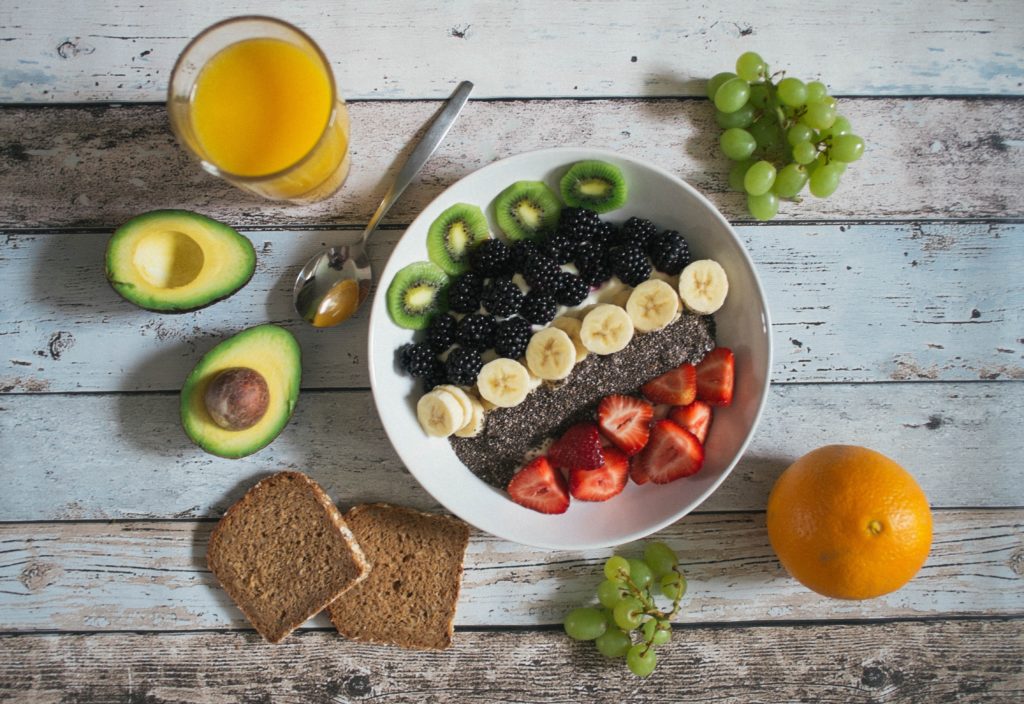
Therefore, Suhoor should be a wholesome meal providing you with enough energy to last until Iftar and choose the right foods to keep you energised through fasting.This includes having complex carbohydrates such as fruit and vegetables, beans, chickpeas and lentils, as well as low fat dairy products and healthy unsaturated fats like avocado, unsalted nuts, salmon, olives and olive oil. Having a Ramadan healthy meal plan goes a long way in helping you keep more satisfied and energised during the blessed month. 

Also Have a Healthy Meal Plan for Iftar

Similar to how you shouldn’t skip Suhoor, overeating when it is time to break the fast can harm your body. Iftar should be a well-balanced, nutritious meal – not a feast! Take it easy with the amount of heavy, creamy and fried foods you have, as well as salty and sugary dishes. In fact, just breaking your fast with three dates and water already gives your body an instant energy boost ahead of your main meal. Light soup is also a great choice to start your main Iftar meal as it helps you hydrate.

If you do want a heartier Iftar meal, try and incorporate plenty of vegetables, whole grains and lean meats when you break your fast. These foods provide vital vitamins and nutrients, energy and fibre and a good portion of healthy protein. As with Suhoor, having a Ramadan healthy meal plan goes a long way in helping you feel more satisfied and energised during the blessed month. Likewise, take your time while eating and keep an eye on portion control as well, as these habits will help aid digestion and prevent unhealthy weight gain. 

Stay hydrated

While fasting, it’s natural to get a little dehydrated and be more tired than usual. To help with this, make sure to add fluids, especially water, to your Ramadan healthy meal plan. Drinking as much water as possible between Iftar and Suhoor reduces your risk of dehydration during fasting. In turn, avoid caffeinated drinks such as coffee, tea and cola, because caffeine can make your body more dehydrated, and fizzy drinks with sugar will add calories to your diet.

If you prefer to have a variety, take light tea without milk or sugar while also drinking water. You can also add lemon slices or fresh mint with your tea to help detox and aid digestion. In turn, fluids aren’t the only way to increase your water intake. You can also eat hydrating foods! Try adding watermelon to your Suhoor meal or eat it as a sweet treat after Iftar. If you prefer something savoury, adding cucumber and tomato to your meals also helps.

Build Your Ramadan Exercise Plan

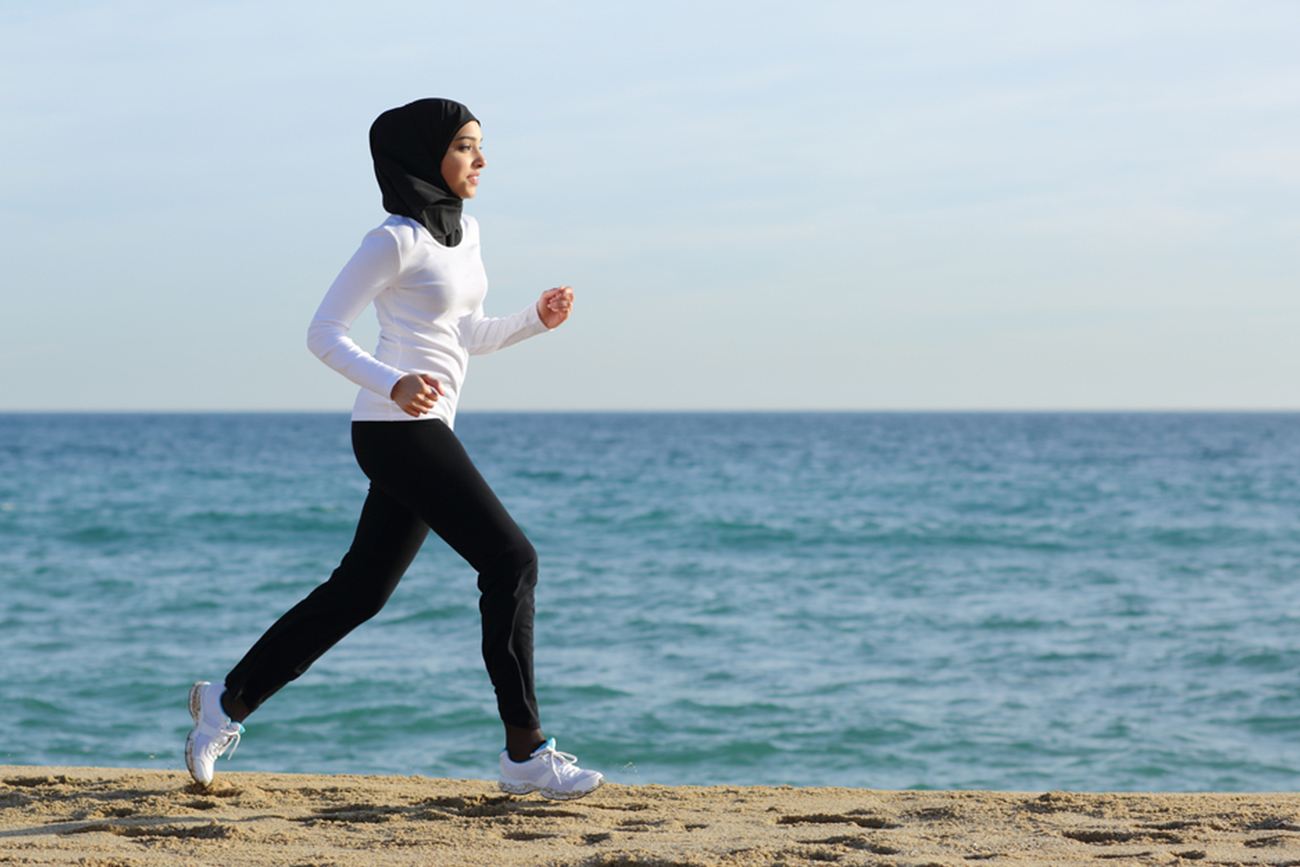
Fasting can make you feel more tired than usual. However, this doesn’t mean you should use Ramadan as your excuse to not keep up with your fitness goals! There are many health benefits to doing physical activity during Ramadan. It helps give you an energy boost, reduce fatigue, and is a good opportunity to lose weight if needed. But you shouldn’t exercise too hard either as it can hurt your body, especially if you’re not used to it. 

As such, make the effort to exercise moderately in ways you can handle, especially during Suhoor or a few hours after Iftar, which is when you have the most energy. If you’re not in the mood for a workout, you also take short easy walks while heading to class or doing errands. A few stretches can also go a long way in keeping your energy up during the day. 

Pick up healthy habits (while dropping unhealthy ones!)

If you have any unhealthy habits, Ramadan is the best time for you to try and shed them. While fasting encourages us to keep track of our eating habits, it also allows us to have more self-control over other desires and addictions, and keep our negative emotions in check. 

Within the 29 or 30 days of Ramadan, it can be worthwhile to make goals to set aside your unhealthy habits while fasting. Eventually, you can work towards keeping off those habits before and after fasting hours as well, and start maintaining healthy habits. Experiment with what you can handle and don’t be afraid to push your boundaries little by little. Trust how your body feels and find what works for you.

Keep Doing Your Best 

There is no one way to stay healthy during Ramadan. Every person is different and your ways of eating, exercise and keeping track of your habits should be modelled to work for you. If you’re having trouble with fasting and these tips don’t work for you, you can talk to a health professional about it to get more specific advice based on your situation. The most important thing is to keep trying – Ramadan is the month of forgiveness and improving ourselves after all. 

So go ahead and make this Ramadan a healthy and happy one. Enjoy spending time with others, exercise goodwill, and be patient with yourself. May Allah (SWT) grant us a blessed Ramadan and keep us steadfast in our preparations and our fast during the holy month. 

Ramadan is the perfect time to give zakat

The holy month of Ramadan is the perfect opportunity to use the Power of Zakat. It is a time for us to pause and reflect, leave behind bad habits and replace them with good ones, increase our acts of worship and good deeds, and practice self-discipline – all for the sake of Allah SWT.

03.24.22

Doing the best you can: The Significance of Ramadan and Setting Realistic Goals

  Publications     Ramadan

Ramadan is a blessed time for all Muslims to draw closer to Allah (SWT). As a special month which was revealed by Allah (SWT), Ramadan serves as both a test and reward for the believers. 

Practically, Ramadan is a month to increase your of Islamic knowledge and test your limits – both physically and mentally – to please Allah (SWT). Through working towards bettering ourselves as Muslims, Allah (SWT) gives back to us generously in return through blessings for this life and the hereafter. 

During this Ramadan, be ambitious by setting realistic goals. To aid you on this journey, here are some tips to help make this Ramadan the best you can possibly achieve. 

Making Achievable Realistic Goals

The first thing to figure out even before Ramadan begins is finding those specific and practical Ramadan goals to set. Whether this means reading one chapter of the Quran each day or spending that extra bit of time in the masjid, aspire to set clear goals you want to achieve during this blessed month. 

While your motivation throughout the month will of course face its high points and low points, you can power through the worst of it by breaking down your goals into smaller steps. Through this approach, you have a better understanding of what you want to achieve and when you want to achieve it. 

If breaking down and getting through the bigger tasks seems overwhelming, you can also make a “Plan B” Ramadan schedule that is less intensive and helps you focus on the goals that require less effort. This can be as simple as helping your mother prepare food for Iftar or Suhoor or reading a short Surah. 

In any case, planning your goals before Ramadan starts goes a long way in making even the smallest of your good deeds count during this blessed month. Some of the key areas to cover in your goal setting for Ramadan include: 

  • Your goals in relation to the Quran
  • Your goals in relation to daily remembrances
  • Your goals in relation to good daily habits as a Muslim 
  • Your goals in relation to praying in congregation (if you are a male)
  • Your goals in relation to family relations
  • Your goals in relation to Islamic knowledge and its acquisition 
  • Your goals regarding your deep relationship with Allah. 

Recite Quran each day

Reading the Quran daily during Ramadan is critical, as it is the month of the Quran. 

In fact, it was the month of Ramadan in which the Quran was revealed. Scholars of old used to put their books and other distractions aside just to focus on the Quran in this great month.

Taking small steps in relation to the recitation and memorisation of the Quran can not only bring you great rewards from Allah (SWT) but also develop your interest of wanting to read more Quran beyond Ramadan.

In turn, there are even greater rewards waiting for those who make the ongoing effort to learn how to recite the Quran, and much more for those becoming knowledgeable in its presence. As the Prophet (peace and blessings be upon him) said: 

“Whoever reads one letter from the Book of Allah will earn one reward thereby. One reward is equal to ten rewards. I do not say that Alif-Lam-Meem is a letter, but Alif is a letter, Lam is a letter and Meem is a letter.” [Tirmidhi]

Studying Tafseer

Do you ever think about the meaning behind certain surahs we recite in our daily lives? 

To be able to learn the meaning and significance of the verses in the Quran is a great gift. As such, you should put at least some effort into learning the meaning and reasoning behind the beautiful words of Allah (SWT). 

There are many resources online that can help you understand the meaning behind important ayats in the Quran. By diving deeper into the many resources our beautiful religion provides for us, we take one more step towards improving ourselves and our deen as Muslims. 

Reading more Islamic literature

Reading and gaining Islamic knoledge is a critical path to becoming a better Muslim. It opens up the treasures of Islamic knowledge which otherwise remain closed to us. 

There are many “must read” books which give us an insight into Islamic history and how to perfect our practice of Islam. 

Today, books come in many forms, so you don’t have to purchase the physical copy to read an Islamic book. If you prefer, read through an E-book or listen to an audiobook version of Islamic books.

Adjusting your habits

For many, Ramadan can be a sudden change from your normal routine. But this can also mean an opportunity to improve your lifestyle for the better. 

Many of us enjoy staying in our comfort zone, spending time playing games with our friends or streaming the latest TV series. 

But for this Ramadan, take this opportunity to do tasks that can benefit yourself and others around you in the long run. 

Maybe help prepare the table for Iftar and Suhoor, teach your siblings how to read the Qur’an or spend some more time in your local Masjid giving back to the community.

Whatever the case, adjusting your daily habits to be more in line with what Islam demands is a thing best done in this month with the extra motivation and the fact that Shaytan is locked up.

Tying it all up

The blessed month of Ramadan is a time where Muslims grow and reflect. Following the example of the Prophet (peace and blessings be upon him) and his companions, Ramadan should be a time for us to focus solely on connecting with Allah (SWT) and work on how we practice Islam.

Today, we have many convenient resources that can help us get closer to Allah and more cognisant of our religion. 

But we must also remember that our spiritual journey is our own and shouldn’t be compared with others. We should allow ourselves to keep focusing on our development and growth as Muslims. So these goals should be yours alone, and based on your spiritual needs as a Muslim given where you are today.

May Allah (SWT) accept all your fasting, worship and good deeds during the blessed month Ramadan.

Ramadan is the perfect time to give zakat

The holy month of Ramadan is the perfect opportunity to use the Power of Zakat. It is a time for us to pause and reflect, leave behind bad habits and replace them with good ones, increase our acts of worship and good deeds, and practice self-discipline – all for the sake of Allah SWT.

02.16.22

When is Ramadan 2022 in Australia?

  News     Ramadan

Alhamdulillah! The blessed month of Ramadan is almost here! For Muslims across the globe, the holy month of Ramadan is a sacred time for worshipping Allah (SWT).  

It is an opportunity for new beginnings; for spiritual renewal and reflection, increased devotion, and celebration of the mercy and love of Allah (SWT).  

Ramadan is the ninth month in the Islamic lunar calendar, in which healthy adult Muslims are required to fast each day from dawn until dusk. This includes abstaining from drinking, eating, immoral acts and anger. Other acts of worship such as prayer, reading the Quran and charity are also encouraged during the holy month. 

As the Islamic calendar is based around the lunar cycle, the Holy month of Ramadan rotates by approximately ten days each year. This year, Ramadan is expected to begin on Saturday 2 April and end on Sunday 1 May 2022, depending on the sighting of the moon. 

The Night of Power – Laylatul Qadr 

The month of Ramadan contains the most blessed of nights, also known as Laylatul Qadr, which Allah SWT describes as: 

“What will make you realise what the Night of Power is like? 

The Night of Power is better than a thousand months. 

Angels and the Spirit descend upon it with their Lord´s permission with every command; 

There is peace that night until the coming of dawn.” [Quran: 97:1-5] 

Ramadan

Do good deeds properly, sincerely and moderately and know that your deeds will not make you enter Paradise, and that the most beloved deed to Allah’s is the most regular and constant even though it were little. [Prophet Muhammad (s) as narrated by A’isha (ra) in Sahih Bukhari, vol. 8, hadith 471]

When is Eid al-Fitr? 

Eid al-fitr marks the end of the blessed month of Ramadan. 

This year Eid al-Fitr is expected to be celebrated on the evening of Sunday 1 May 2022. However, the exact date is subject to the sighting of the moon of Shawwal (the 10th month of the Islamic Calendar).

Find out more

Find out more about ways you can help this Ramadan.

04.12.21

Why is Ramadan important for Muslims

  Publications     Ramadan

Ramadan is the holiest month in the Islamic calendar. Each year, you’ll see Muslims fasting from sunrise to sunset for an entire month. So, why is Ramadan such an important month for Muslims and why do they fast?
Ramadan is the ninth month in the Islamic calendar, which is based on the lunar cycle or phases of the moon. Healthy adult Muslims are required to fast in the daylight hours of Ramadan, which involves abstaining from eating, drinking, immoral acts and getting angry. For Muslims, it is a time for piety and spirituality; an opportunity to get closer to God.


Why is Ramadan so special?
Ramadan is the month in which the Qur’an, the holy book of Islam, was revealed to Prophet Muhammad (PBUH) through the angel Jibreel (Gabriel) in A.D. 610. The timing of revelation is given special significance and is known as Laylatul Qadr or the Night of Power.


To commemorate the revelation of the Qur’an, Muslims fast during the month of Ramadan – aiming to grow in spirituality by building a stronger relationship with God. They do this through fasting, praying, reciting the Qur’an, making their actions purposeful and selfless, as well as refraining from lying, gossiping and fighting.


About the Qur’an
The Qur’an is made up of 114 chapters and is considered the direct speech of God. The Qur’an is supplemented by hadith, accounts of the Prophet’s life (his thoughts, words and deeds) by his companions – both are considered primary Islamic texts that provide guidance to Muslims about Islamic teachings and way of life.


About Laylatul Qadr (The Night of Power)


In the Qur’an, Laylatul Qadr is described as:
“We have revealed it (Quran) in the night of power. And what will explain to you what the night of power is? The night of power is better than a thousand months.” (Quran 97:1–4)


While the exact date of Laylatul Qadr is unknown, it is believed to be one of the odd-numbered dates in the last 10 nights of Ramadan. Most Muslims observe Laylatul Qadr on the night of the 27th.

Find Out More

Find out more about ways you can help this Ramadan.

04.12.21

Iftar dishes for your Ramadan this winter

  Publications     Ramadan

The hunger pangs are kicking in and you’re stuck on what to cook for your iftar meals. No need to stress; we’ve got you covered. I spoke to some of my close friends from all over the world to bring you delicious recipes from a variety of cultures, exploring different traditions through food – now, I’m hungry! I look at the best from the Middle East, Asia, and more broadly. Enjoy!

Iranian dish

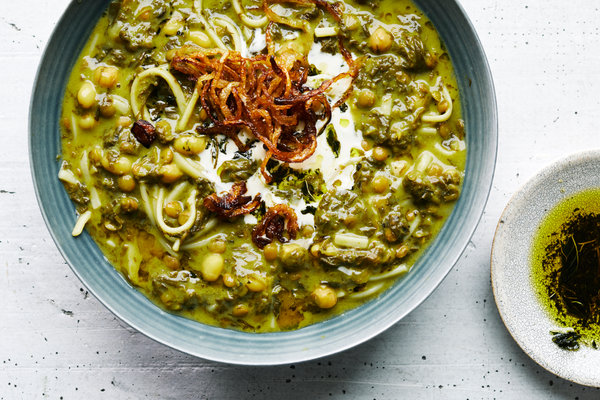
Iranians usually break their fast like most Muslims around the world; with a few dates and some tea or hot water. Main dishes we’ll cover will be the opener Ash Resteh and the main Shami Lapeh.

https://www.thedeliciouscrescent.com/persian-noodle-soup-with-beans-and-herbs/Ash Resteh is a healthy, hearty noodle soup, and perhaps the most popular Persian soup around. It’s commonly served during the Persian New Year but also during Ramadan as a starter. You can find the recipe here.

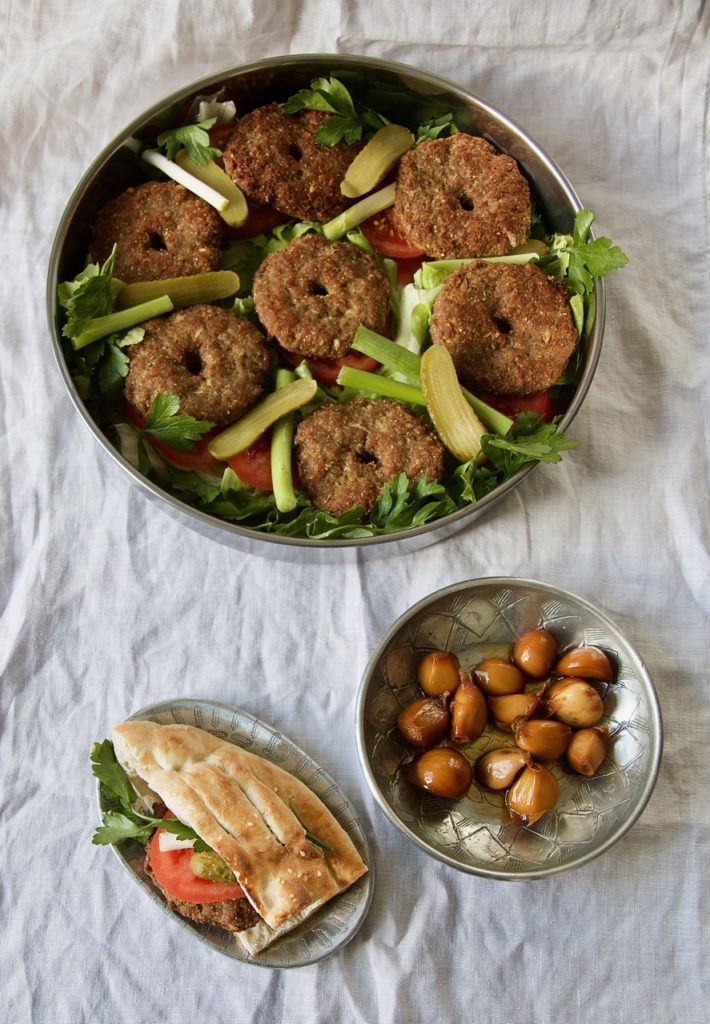
The Shami has different variations within Iran, varying from the north down to the south of Iran. A unique version of the Shami is from the north known as the Green Shami – it’s packed with fresh herbs, creamy walnuts, beef and yellow split peas, which are blended together to create a smooth creamy texture which is then fried to golden perfection.

You can find the recipe for Shami Lapeh here.

Lebanese dishes

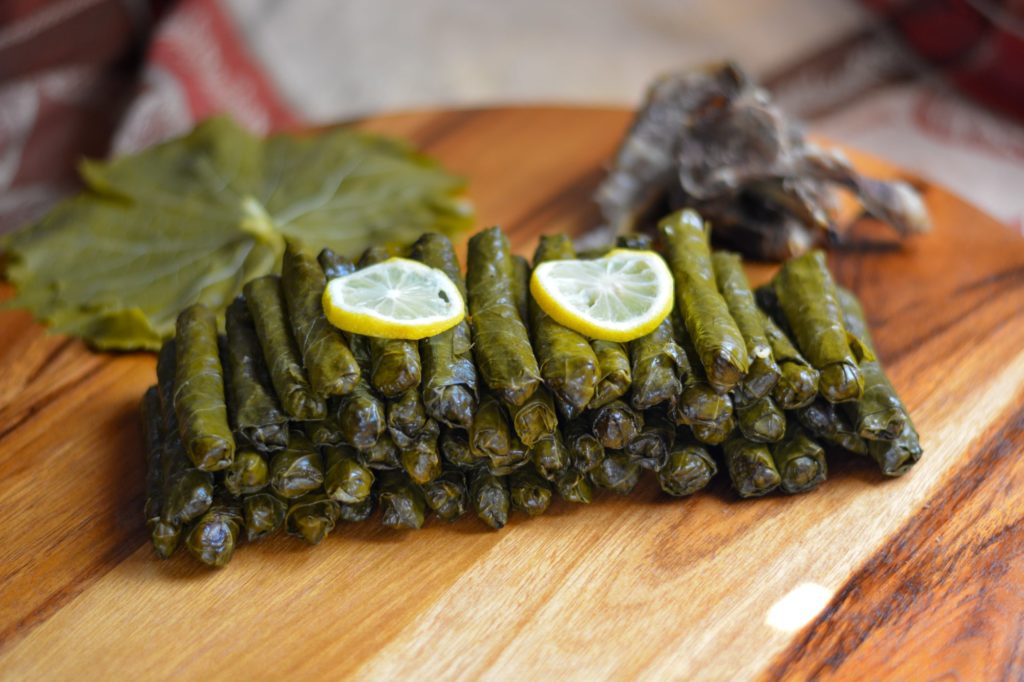
For Iftar, Lebanese dishes are similar to other Middle Eastern countries. If you’re invited to a Lebanese iftar, you’re sure to find Warak Enab on the table. Better known as stuffed vine leaves, Warak Enab is a well-known dish that is also synonymous with Turkish and Greek culture. Essentially, it is stuffed with spiced ground beef and rice. Many countries make different variations of stuffed vine leaves and what’s most interesting is that you will get every “tayta” or “nene” making their own style of the Warak Enab. It’s a popular and simple dish during Ramadan, which is also a rite of passage; being taught how to stuff and roll one correctly, without it being too loose or too tight, is considered a milestone in most Arab households! 
 
You can find the recipe here.

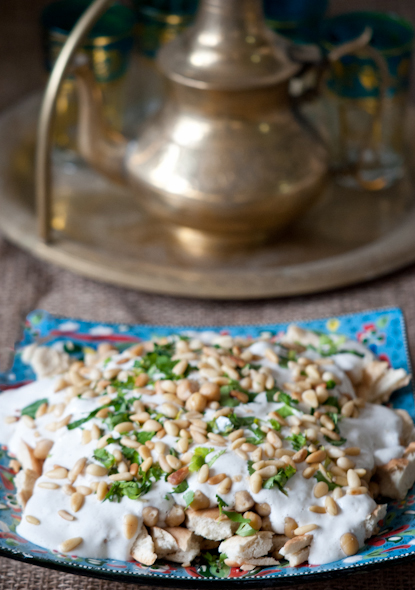
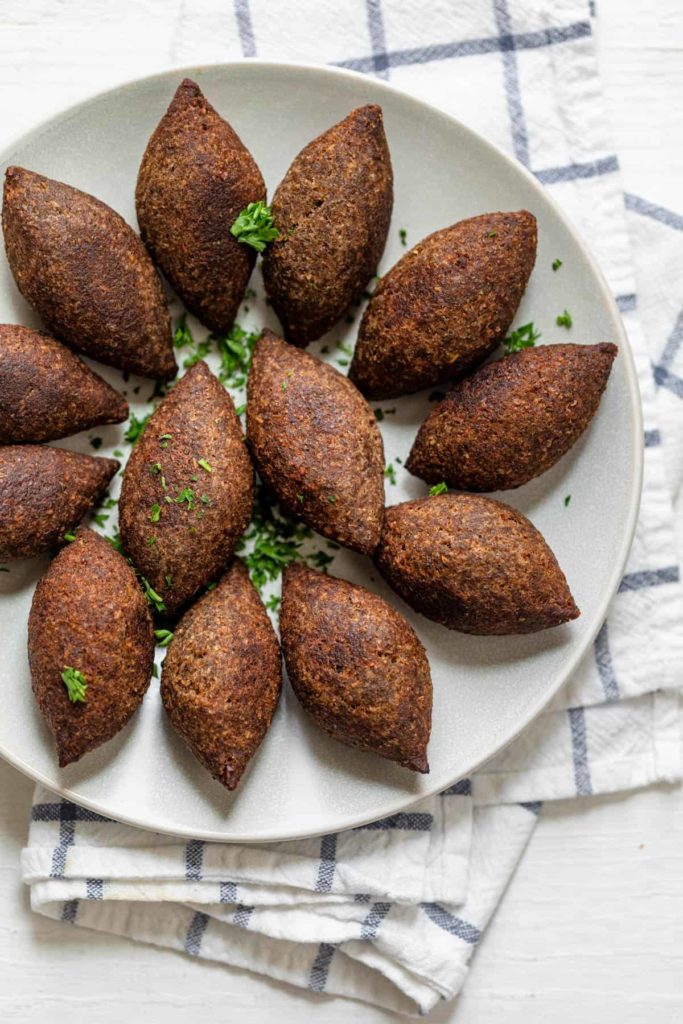
I’ve also been told by my Lebanese friends that a table isn’t complete without a Fatteh (pita with chickpeas and yoghurt) and Kibbeh (hollowed out meat ball with stuffing). You can find the recipes for both below.

Fatteh

Kibbeh

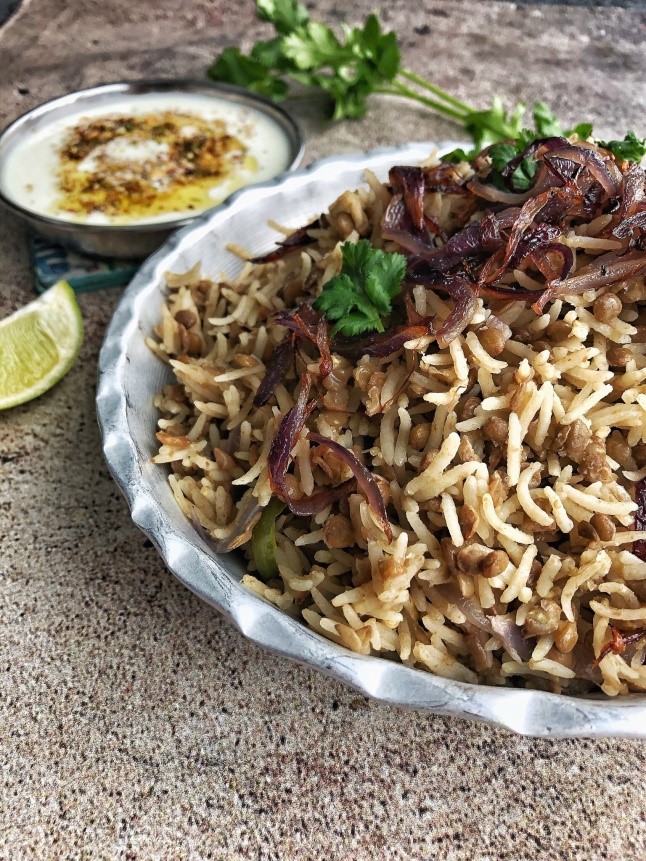
Another simple and classic dish I’ve been recommended is the Lebanese Mujadra. This is a basic dish, made with lentils, rice and caramelised onions that is quick to make but still quite tasty.

You can find the recipe here.

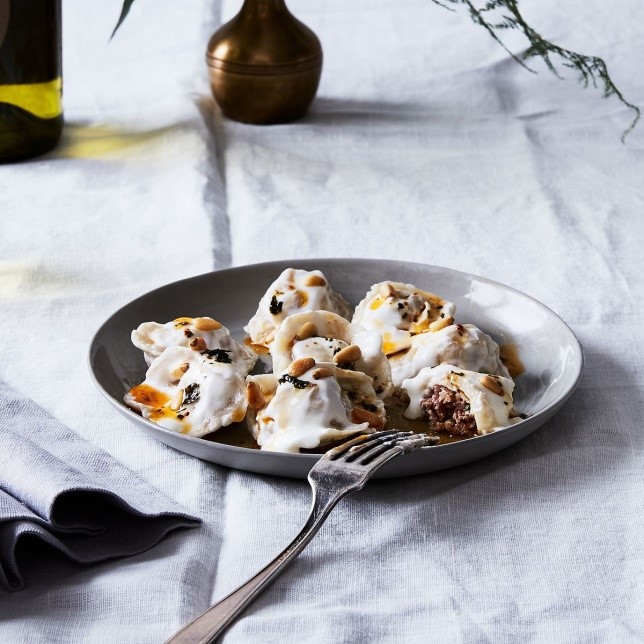
Finally, from the Middle East, you’ll also enjoy Shish barak which are little ravioli-like dumplings that are filled with seasoned lamb, onions and pine nuts and usually tossed in a yoghurt sauce. A mouthwatering dish that is considered a classic in Arabic cuisine. You can find the recipe here.

Turkish dishes

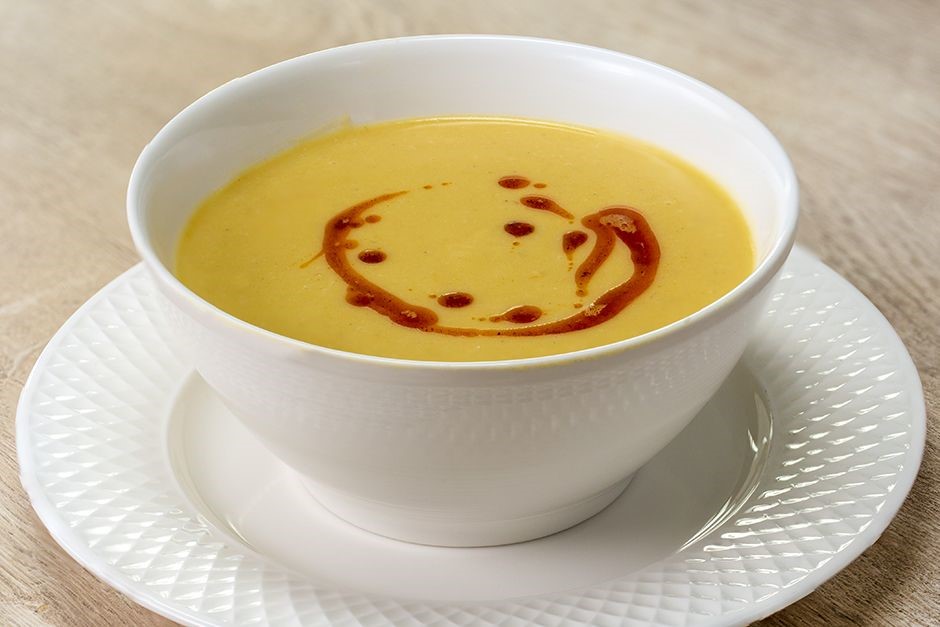
When I asked my mother about what a Turkish dish is that’s mostly eaten to break your fast during, she replied with “the basics”. Usually started off with a warm “mercimek corbasi” (red lentil soup).

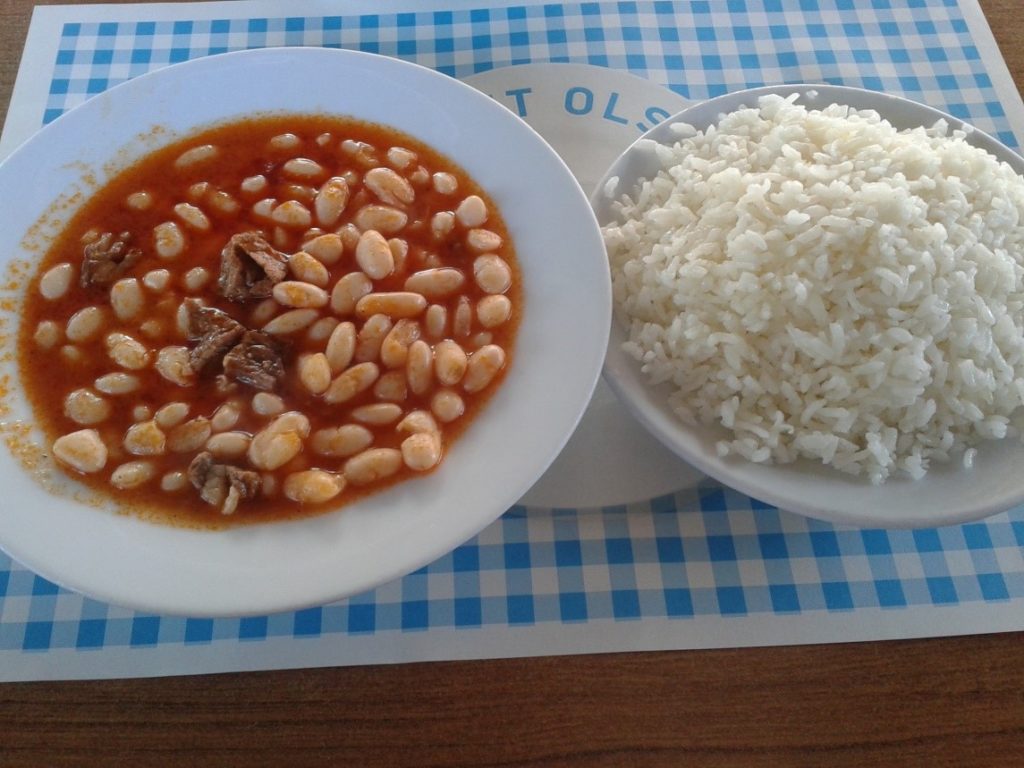
followed by the el clasico of all Turkish foods pilav and kuru fasulye (rice and white bean stew). You can find the recipe here.

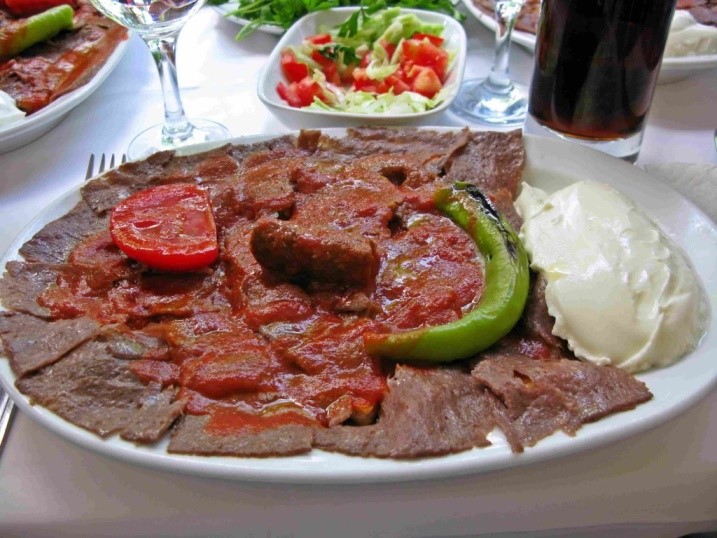
Now if you’re feeling a bit more adventurous, you can’t go wrong with a home style Iskender; which is basically kebab doused in fatty tomato sauce with pita bread and yoghurt (Farmers Union Greek style). Yes I know, Greek yoghurt in a Turkish dish, sounds sacrilegious, but that’s what Australia is all about — celebrating a melting pot of cultures. What better way to break down barriers of race and religion than through food?!  

Indian/Pakistani dishes 

When I spoke to my Pakistani and Indian friends; one thing they could agree on was that no iftar is complete without the pakora – a lentil-based fritter, often packed with veggies, that is deep fried for added goodness and served as an entrée for iftar. This is usually followed by a heartier main meal – usually a rice-based dish such as pulao – and a few simpler side dishes like chutneys and salads.    

As you can see, there is a very common theme during Ramadan across most of these cultures: a basic soup and a simple yet satiating main. This helps us keep in tune with what’s most important during this time of self-discipline and reflection. Ramadan is all about striking a balance and not overindulging, making do with the basic needs and being grateful for the abundant blessings we have been given; that which we often take for granted as many around the globe suffer from starvation.  

Author
Serkan
Islamic Relief Australia

03.31.21

Keeping fit during Ramadan

  Publications     Ramadan

Keeping fit in Ramadan: For Muslims all over the world, it is almost Ramadan – the holiest time of the year. With less than two weeks to go, most of us have already started to prepare mentally and spiritually, without worrying too much about maintaining a healthy and active lifestyle for the month ahead. In fact, as soon as Ramadan starts, many of us will feel the urge to forgo our workout plans and exercise routines all together. But, with some careful planning and some dedication, this doesn’t have to be the case! In fact, experts agree that fasting and exercising do not have to be mutually exclusive.

How can we fast and exercise?

Have suhoor
Well, as they say breakfast is the most important meal of the day and that applies to Ramadan as well. Make sure you don’t skip suhoor (the pre-dawn meal), even if it’s just eating a healthy snack like a date or two and drinking some water – especially if you plan to do strenuous physical activity throughout the day like playing sport, running or going to the gym. A nutritious meal at suhoor will ensure that you have plenty of energy to start your day and get the most out of it.

Keep an exercise diary

Get a diary or notebook to plan and keep track of your daily exercise goals as well as your energy levels. When choosing a sport or activity to do during Ramadan, make sure it’s something you enjoy, something that you can easily do and something that you can continue after the month ends.

Aim for 30 minutes a day
If you’re feeling low on energy or you feel like you can’t exercise for long periods of time, break up your usual routine and aim for at least 30 minutes a day (e.g. 10 minutes straight after suhoor,10 minutes after work and 10 minutes after iftar).

Listen to your body
The most important thing you can do is listen to your body. Be aware of your pain points, any muscle fatigue and your hydration levels. It can be challenging to keep on top of your prayers, worship, sleep, work, life, and everything in between during Ramadan, so don’t push yourself too hard – particularly if your body is telling you to stop.

Time your workouts
When you’re fasting, it might take longer for your body to recover after a workout. Experts recommend timing your workouts – such as every other day, during the night or before suhoor.
At the end of the day, it all comes down to personal preference and what really works for you.

Lastly, health professionals recommend sticking to more of a maintenance schedule during Ramadan, rather than pushing yourself to lose weight, build muscle or win a marathon!
When is Ramadan 2022?

Ramadan is set to begin on 2 April, depending on the sighting of the new moon. It will last for up to 30 days, which will be followed by the celebration of Eid al-Fitr – a day that all Muslims – especially children – look forward to. The special occasion is usually marked by gift-giving, feasting (in moderation, of course) and spending time with loved ones.

Find out more

Find out more about ways you can help this Ramadan.


STAY INFORMED

  • This field is for validation purposes and should be left unchanged.

Quick Donate