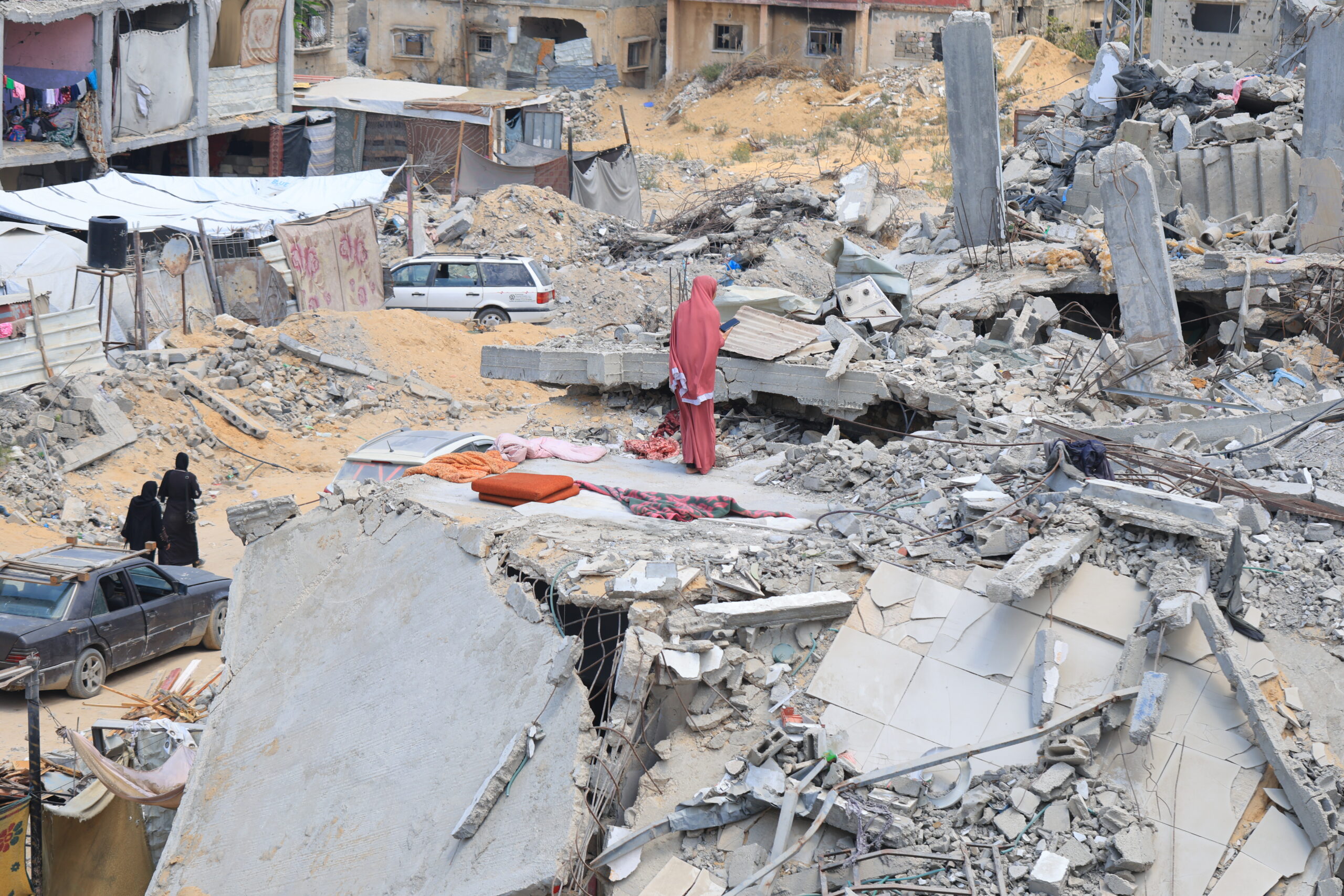
Today, we received extremely sad news from our orphan sponsorship team. Mohammad Bhar, the young man in Gaza, who was recently killed by Israeli military dogs, was one of the orphans in the care of Islamic Relief.
On behalf, and along with the entire Islamic Relief family, I am utterly heartbroken. We are appalled at the horrific nature of his killing, which is shocking even amidst the daily atrocities in Gaza.
We are calling for an independent international investigation into his death, and for all responsible to be held accountable.
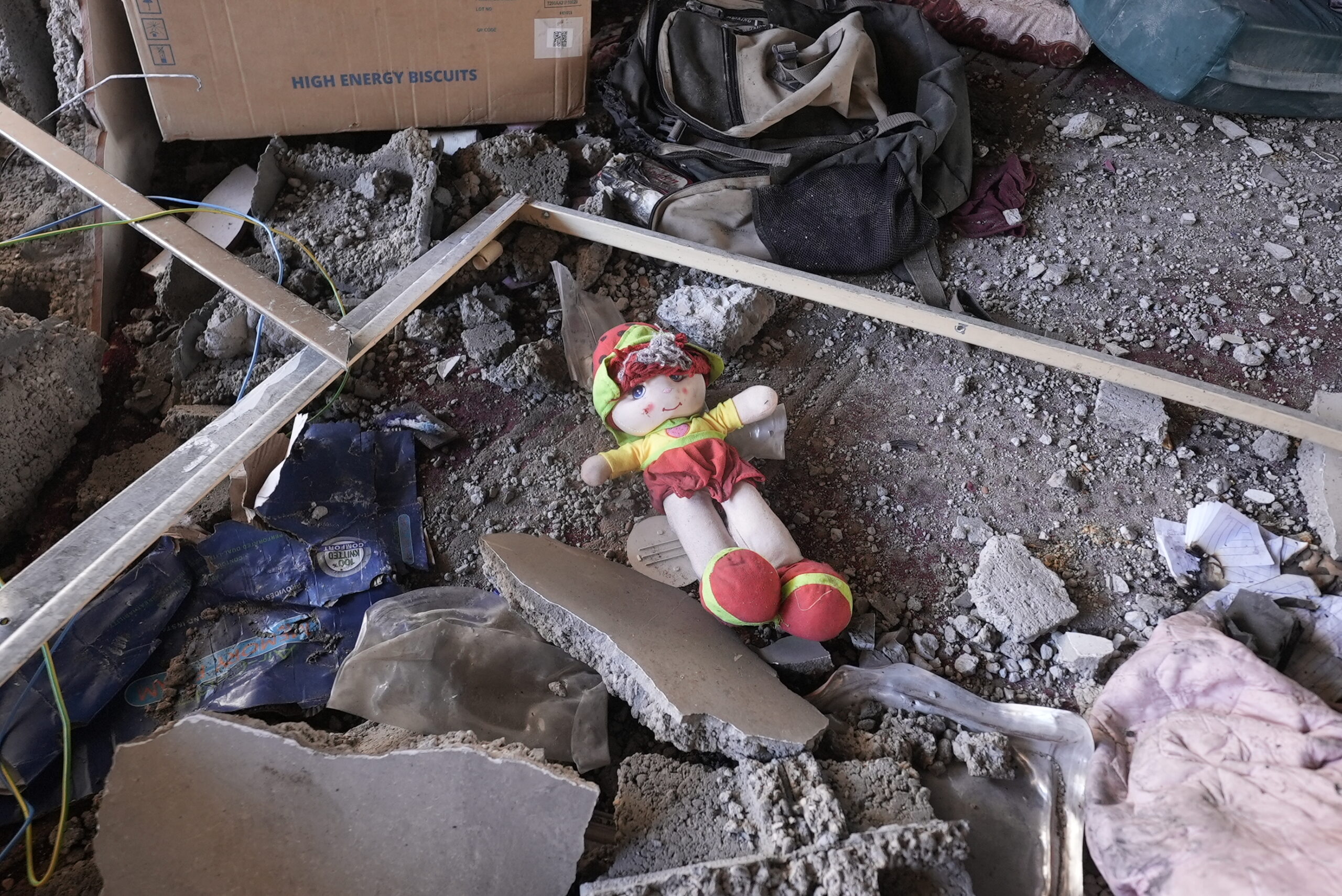
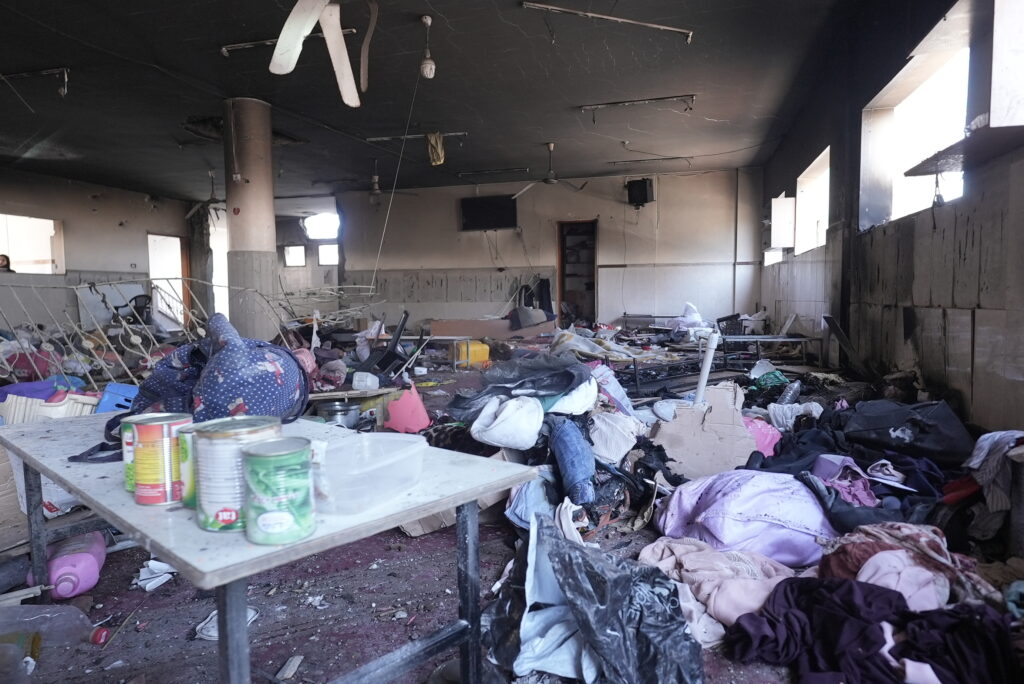
Mohammad, 24, was killed during Israel’s recent attack on the Shujaiya neighbourhood of Gaza City, where he and his family lived.
His mother, Nabila, told Islamic Relief that Israeli soldiers forced their way into the family’s home.
Mohammed had Down syndrome and autism. He barely spoke. But when the military dog started mauling a terrified Mohammad, tearing at his body, he screamed in agony and pleaded for the attack to stop.
With Mohammad severely bleeding, the Israeli soldiers moved him to another room on his own. Despite the fact that his illness meant that his family was usually with him for support at all times.
The soldiers refused to allow Mohammad’s mother or sister to enter the room to comfort him or bring him water. Shortly afterwards, they forced them to leave the house at gunpoint while he was still alive.
Mohammad was left alone in the dark room, critically wounded, scared and thirsty, until he died.
His body was only recovered a week later. When the Israeli military withdrew, allowing his family and neighbours to rush to the house to find his remains.
There are no words that convey our shock, sadness, and how appalled we are.
We complain to Allah, and say Inna lillahi wa inna ilayhi rajioon.
After so many months of atrocities, it is hard to be shocked any more by news from Gaza. But the killing of Mohammad reached new depths of horror. One that has left everyone at Islamic Relief utterly heartbroken.
We can only imagine the fear and panic that Mohammad must have felt as he died. Alone, wounded and without his family beside him. All our prayers are with Mohammad’s family and friends.
There must be accountability for such acts. There must be an immediate ceasefire to finally bring the massacre in Gaza to an end.
An Islamic Relief staff member in Gaza recalls: “Mohammad was a familiar face in the neighbourhood, known for his kind smile and helpful nature. He was suffering from Down’s syndrome and autism and had special needs all his life, so his mother took care of every detail of his life, from feeding him to dressing him.”
Mohammad’s father died when Mohammad was just 2 years old. Since then, he and his mother have received support through Islamic Relief’s orphan sponsorship program for over 20 years.
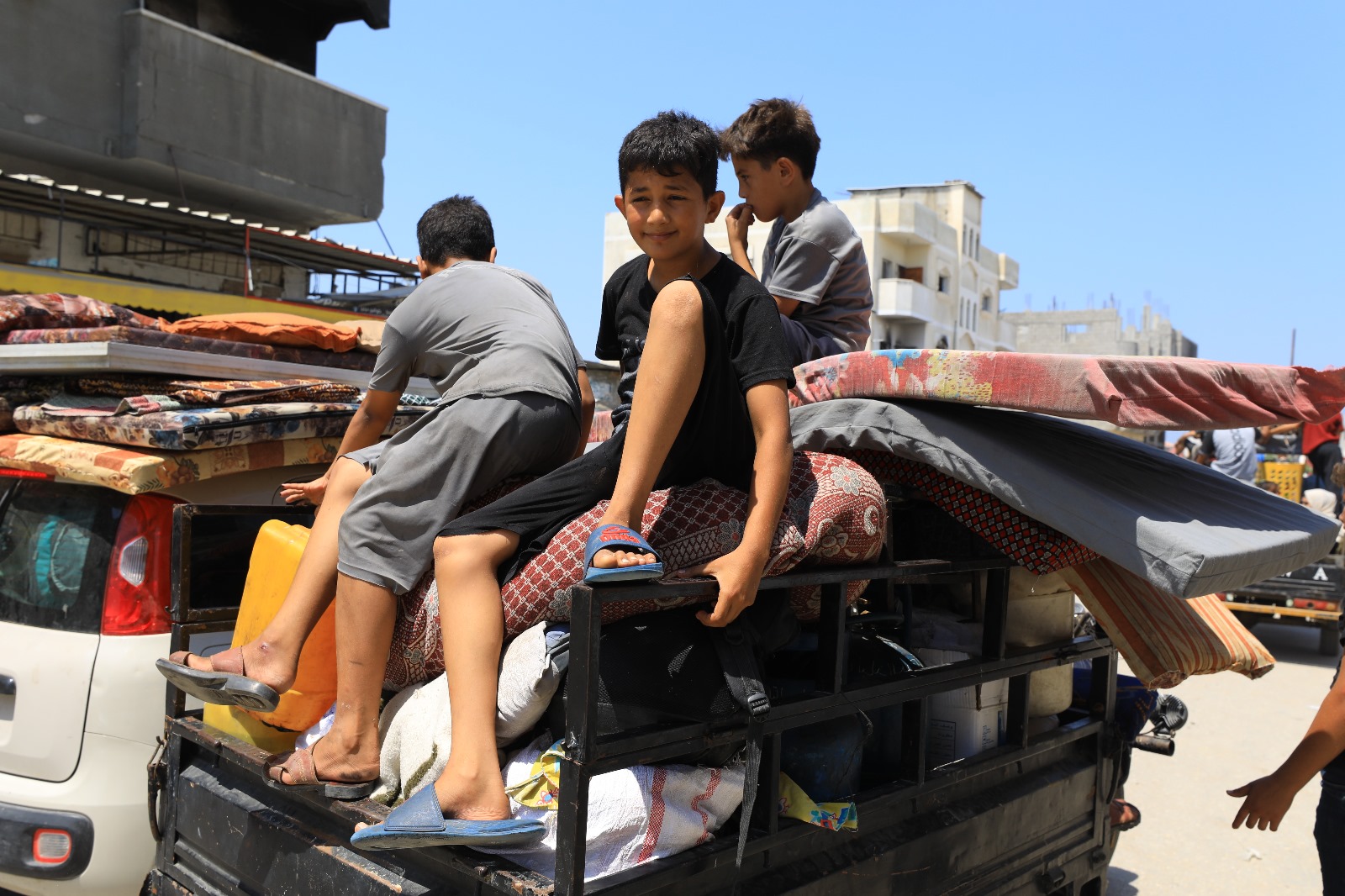
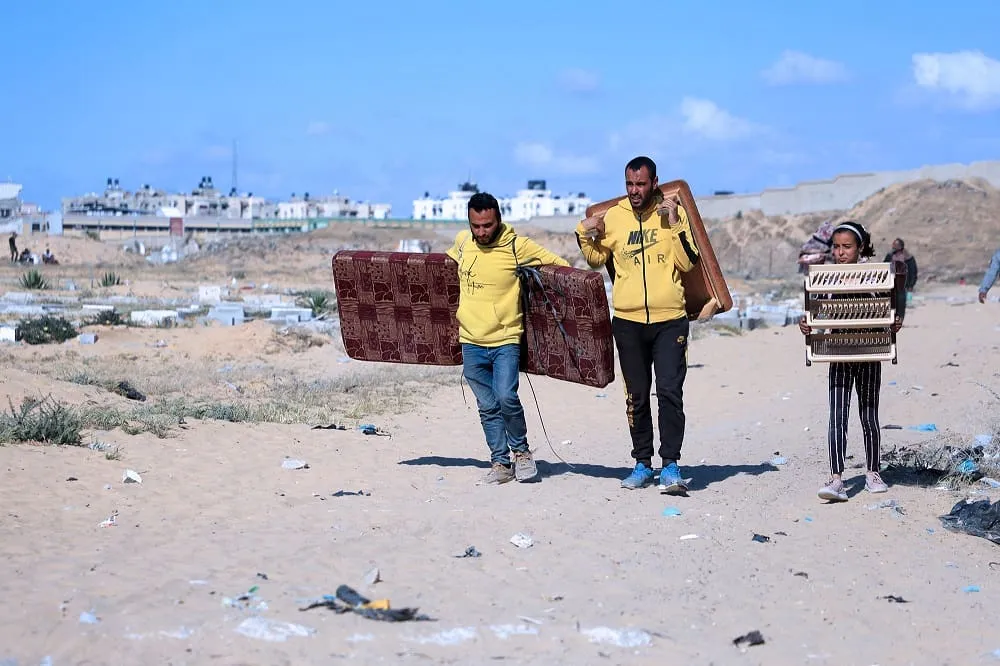
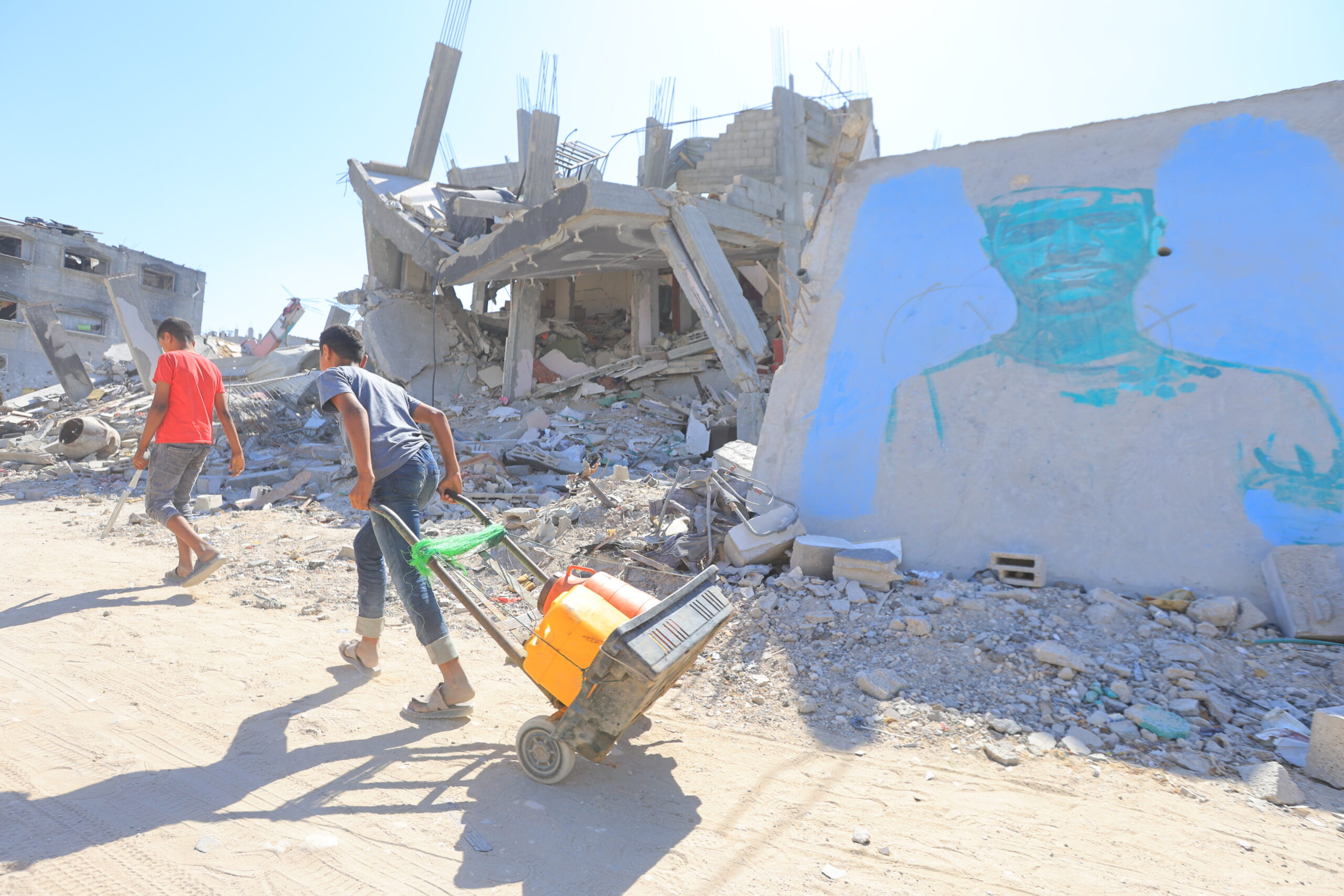
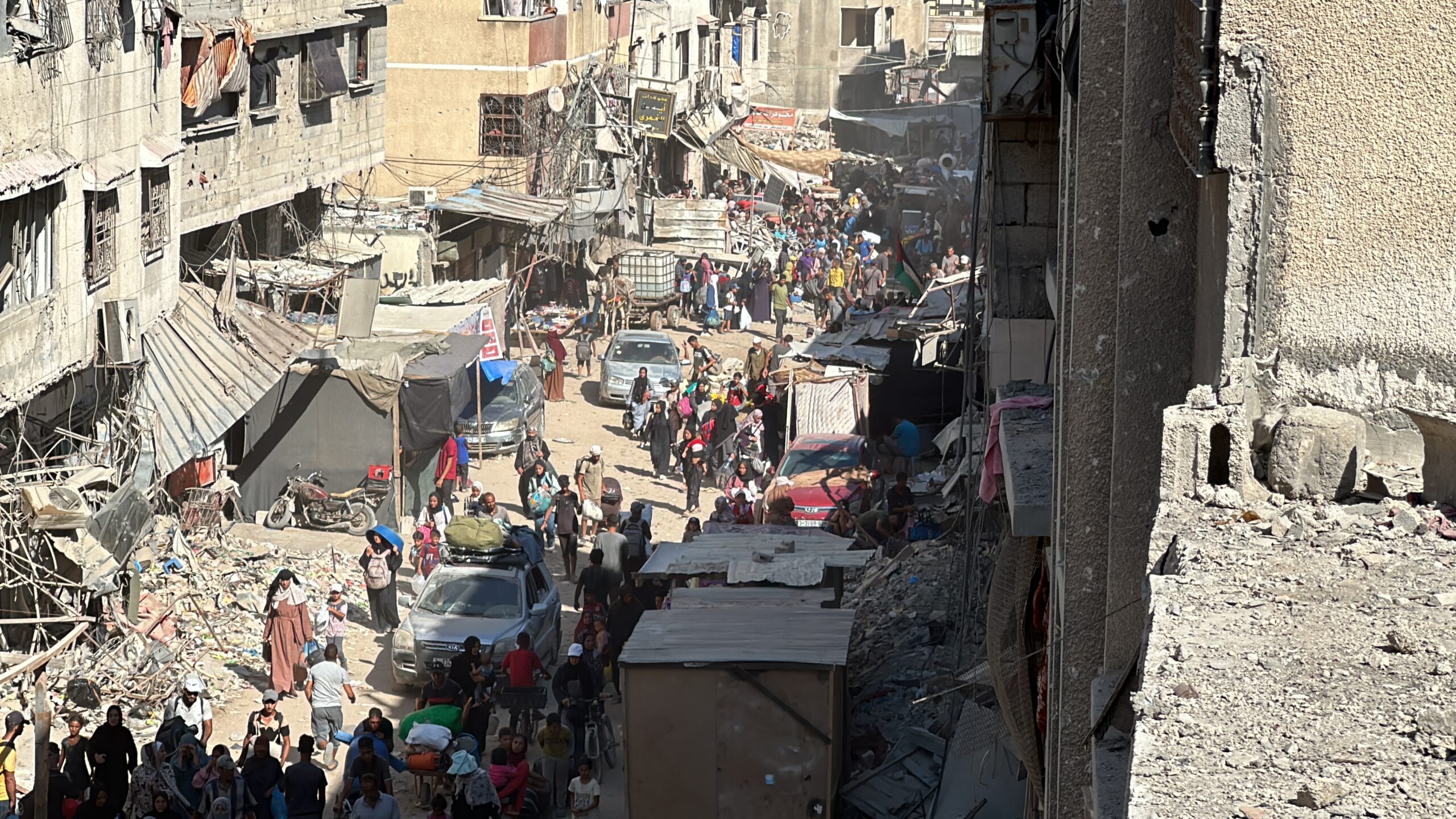
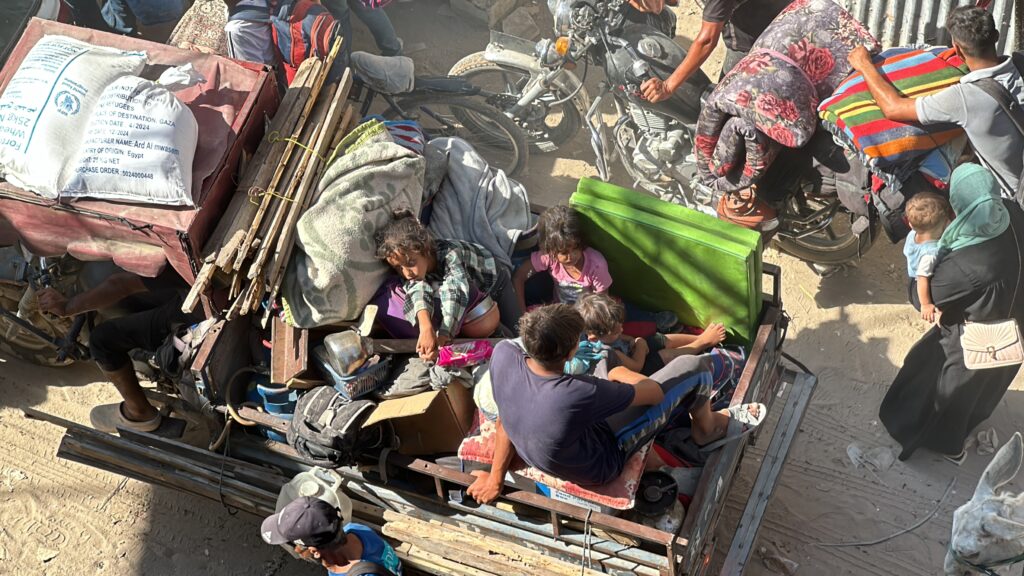
During Israel’s attacks over the past 9 months, the family has been forcibly displaced from their home multiple times, like most families in Gaza.
The orphan sponsorship program provides regular cash payments to help vulnerable families pay for healthcare, education, shelter and other essentials.
Islamic Relief currently sponsors 15,700 orphaned children and youth in Gaza. Sponsorship begins when children are under 18 years old. However, they can be continued later while they remain in school or if they are particularly vulnerable, as in the case of Mohammed.
At least 117 children and young people cared for by our Orphan Sponsorship Program are known to have been killed during Israel’s attack on Gaza over the past 9 months.
We ask Allah (SWT) to alleviate the suffering of Gaza’s children, orphans, and people more generally. Ya rabb, lift this barbarity, and replace it with victory and peace for our people.
Today’s International Court of Justice ruling that Israel’s occupation of Palestinian territory is unlawful sends a clear message that the occupation must end. No state must be above international law, and we hope this landmark ruling will be a step towards ending injustice and fulfilling the inalienable rights of Palestinians.
The Israeli occupation denies Palestinians their fundamental human rights, undermines their dignity and entrenches discrimination and poverty. Israel’s massive expansion of settlements and associated infrastructure in the West Bank, including East Jerusalem, has confiscated land and restricted access to markets, farms and essential services. The occupation separates families and loved ones, cuts off Gaza from the West Bank, and impedes the hopes and dreams of future generations.
We call on all international governments to heed the ICJ’s ruling and use their political, diplomatic and financial leverage to pressure Israel to end its occupation. This includes halting arms sales that could be used in violation of international law, legislating to ban trade with illegal Israeli settlements, and suspending partnership agreements.
Ultimately, Islamic Relief wants to see a lasting peace where all Palestinians and Israelis can live in safety and dignity, and have their same fundamental rights upheld and protected. We believe this will not be possible until there is an end to Israel’s occupation of Palestine.
In the ongoing crisis, Gaza needs your help
Help us provide urgent medical supplies, food and other crucial, life-saving aid now to families in need by giving with Islamic Relief.
With the new Hijri year well and truly underway, many exciting, spiritual events await us in the coming months. But exactly what role does the Islamic Calendar have in our lives?
The Hijri calendar marks the dates of significant religious events. It helps Muslims observe fasting Ramadan, the Eid days (Eid al-Fitr and Eid al-Adha) and the period for Hajj in Dhul Hijjah – just to name a few.
In other words, the Islamic Hijri calendar is a valuable tool. One that can help us fulfil our religious obligations, including the pillars of Islam.
What is the Islamic Calendar?
The Islamic calendar is also known as the ‘Hijri’ calendar. This is because it starts from the year the Prophet Muhammad (ﷺ) made Hijrah (migration) from Makkah to Madinah in 622 AD, due to persecution by the Quraysh.
Image: Madinah today. In the time of the Prophet (ﷺ), the city was called “Yathrib”
Currently, in 2024, we are in 1446 AH. AH stands for ‘After Hijrah’. In Latin, AH denotes ‘Anno Hegirae’ which means ‘the year of the Hijrah’.
When was the Islamic (Hijri) Calendar Created?
The Hijri Calendar wasn’t established until after the passing of the Prophet (ﷺ). It was formalised during the time of the second rightly guided Caliph, Umar ibn Al-Khattab (RA) as they needed a clear system to identify and document important dates.
However, the Prophet (ﷺ) and his companions (sahabah), among whom included Umar (RA), still observed the same twelve lunar months used in the Islamic Calendar.
The months of Muharram, Safar, Rabi ‘al-Awwal, Rabi ‘al-Thani, Jumada Awwal, Jumada Thani, Rajab, Sha’ban, Ramadan, Shawwal, Dhul Qadah and Dhul Hijjah existed well before the establishment of Islam as a religion. The Qur’an also reference the twelve months in Surah At-Tawbah:
“Indeed, the number of months ordained by Allah is twelve—in Allah’s Record since the day He created the heavens and the earth—of which four are sacred.”
Qur’an 9:36
The Making of the Hijri Calendar
Before the Hijri Calendar, dates would be recorded only using the lunar months without indicating the year itself. This method of recording dates continued until Umar (RA) received a letter from the governor of Basra, Abu Musa al-Ash’ari (RA) who questioned the difficulty they had in identifying the exact dates.
At this, Umar (RA) saw the need to establish a proper dating system. He quickly assembled important and senior figures within the community, including other companions of the Prophet (ﷺ), to establish a formal calendar for the Muslims to use.
How did they choose the year to start the calendar?
The decision to start the Islamic Calendar from the year of Hijrah was unanimous, but it came after lengthy discussions.
Some council participants suggested adopting various existing calendar models, such as the Roman and Persian calendars. However, Umar (RA) disliked the idea.
Other suggestions included the descent of the first revelation (Nuzul Al-Qur’an), the Prophet (ﷺ)’s birth and his departure. All significant events, however, none of these suggestions were viable.
The exact year of the first revelation was contested among the companions. So was the exact year of the birth of the Prophet (ﷺ).
As for the departure of the Prophet (ﷺ) from this world, it was one of the saddest moments in history for Muslims. They didn’t want to associate the start of the new calendar with renewed grief.
Eventually, there was a suggestion for the calendar to start from the year of Hijrah. Umar, and subsequently, the council, voted in favour of this idea as the time the Prophet (ﷺ) and his companions arrived in Madinah after migrating from Makkah had a clear date.
“Umar (may Allah be pleased with him) was inclined to choose the date of the Hijrah because it is known when it occurred, and they agreed with him. The point is that they made the beginning of the Islamic calendar the year of the Hijrah, and they made the first month of the Islamic year Muharram as was narrated from them. This is the view of the majority of imams, so that people could conduct their business on that basis, with no confusion.”
al-Bidaayahwa’n-Nihaayah
How was Muharram Chosen as the First Month?
“…And they chose to regard Muharram as the first month of the year rather than Rabi‘ al-Awwal because the plan to migrate started to take shape in Muharram. The oath of allegiance (bay‘ah) –that was the precursor to the Hijrah – had taken place during Dhu’l-Hijjah, and the first new moon after the oath of allegiance and the decision to migrate was that of Muharram. So, it was appropriate to make it the first month of the year. This is the best explanation I have come across as to why the year starts with Muharram.”
Al-Haafiz Ibn Hajar (may Allah have mercy on him)
How does the Islamic Calendar work?
The Islamic calendar follows the movements of the moon – the lunar cycle. That means the placement of each month differs from year to year. Generally, it will move back by about 10 to 11 days on the Western calendar.
The conventional Gregorian Calendar has 365 or 366 days a year. In turn, each month is around 30 to 31 days. However, a Hijri year only has 354-355 days. This is because each lunar cycle usually lasts 29 or 30 days.
These cycles are described by Allah (SWT) in Surah Yunus:
“It is He who made the sun a shining radiance and the moon a light, determining phases for it so that you might know the number of years and how to calculate time. God did not create all these without a true purpose; He explains His signs to those who understand.”
Qur’an 10:5
The Islamic Months
The Hijri calendar is made up of 12 months. Every month is determined by observing the moon.
If the new crescent moon is spotted on the twenty-ninth day, then the new month begins on the next day. If the crescent is not spotted, then the new month starts after the thirtieth day.
The name of each month in the calendar has a particular meaning. Some months reference different seasons or significant events that took place in history.
Muharram
This is the first month in the Hijri calendar. Its name means ‘forbidden’. This month came about to prevent the Arabs from fighting.
‘Ashura also takes place on the 10th day of this month. This day commemorates many significant events in Islamic history, including the day Allah (SWT) saved Musa (AS) and Bani Israil from Fir’aun and his army.
Safar
The meaning of the second month’s name is ’empty’. This is because, in pre-Islamic times, people from Makkah used to leave their homes in search of food during this month.
Rabi al-Awwal
The word Rabi means ‘spring’. Al-Awwal means ‘the first’. Together, this month means ‘the first spring’.
Rabi al-Thani
The name of this month means ‘the second spring’. It is also sometimes referred to as Rabi al-Akhirah or ‘the last spring’ because it marks the end of the Spring season.
Jumada al-Awwal
The word Jumada means ‘dry/parched’. In pre-Islamic times, the land tended to be very dry during this month, either due to intense heat or sources of water being frozen due to cold temperatures.
Jumada al-Thani
The first part of this month’s name has the same meaning as the previous month. However, as it marks the end of the land being dry, it is sometimes called ‘Jumada al-Akhirah’ which means ‘the end of the dry season’.
Rajab
This month is derived from the word ‘Rajaba’, which means ‘respect.’ Isra and Mi’raj, the “Night Journey” took place on the 27th of the month.
Isra and Miraj was a miraculous event where the Prophet (ﷺ) travelled from Makkah to Masjid Al-Aqsa in Jerusalem before ascending to heaven, all in one night.
Sha’ban
This month means ‘scattered’. This was because it would mark the time of year when Arab tribes would disperse to find water and new pastures.
Ramadan
The name of this month derives from the root word ‘Ramad’ which means ‘burning’. It references the scorching heat that characterised this month.
Ramadan is an important month in Islam as it is when Muslims observe sawm (obligatory fasting). It is also an extremely blessed month. One has more opportunities to do good deeds, as Allah SWT has locked all the devils up (Bukhari and Muslim).
We also get more rewards for righteous deeds in Ramadan, especially on the Night of Power (Laylatul Qadr), which is better than a thousand months (Quran 97:3).
The name of this month means to carry or lift because during this time, female camels would carry a new camel fetus, and would produce less milk as a result.
Eid al-Fitr falls on the first of this month, marking the end of the fasting month (Ramadan). It is a day of celebration, exchanging gifts and spending time with loved ones.
Dhul Qidah
The name of this month literally translates to “the one of sitting/truce” because all fighting ceased during this month.
Dhul Hijjah
This month is called ‘the one of pilgrimage’ because it is the month in which Hajj is performed. The first 10 days of this month are also extremely blessed, especially the day of Arafah.
Eid al-Adha also falls on the blessed 10 days, on the 10th of Dhul Hijjah. Similar to Eid al-Fitr, it is also a day when Muslims gather to spend time and enjoy festivities with loved ones.
This celebration also commemorates the sacrifice of Prophet Ibrahim (AS) through Qurban. Qurban is an act of worship that involves slaughtering a sacrificial animal for the sake of God.
Du’a for the New Year and Months
The Sahabah or companions of the Prophet (ﷺ) would say the following du’a when a new month or new year would begin:
Allahumma adkhilhu ‘alayna bil amni wal iman, was salamati wal islam, wa jiwarim minash shaytan, wa ridwanim minar Rahman. اللّهم أَدْخِلْهُ عَلينا بِالأمْنِ وَالإيمان، وَالسَّلامَةِ وَالإسْلام، وِجوارٍ مِّنَ الشَّيْطان، وَرِضْوَانٍ مِّنَ الرَّحْمن
“O Allah, bring this [month or year] upon us with security, iman, safety, Islam, protection from shaytan, and your pleasure.”
“People bombed as they pray and aid workers fleeing for their lives.” An Islamic Relief colleague* in Gaza describes the struggle to cling to hope as the death toll rises still further.
I do not know the number of deaths today. But I am sure the death toll has risen again.
Earlier in this crisis, people talked loudly about the devastation inflicted on Palestine. But, now, those voices are quieter, and only silence greets the growing death toll.
We Palestinians feel we have been left behind. We feel alone. That our lives are seen as less valuable than others.
We feel exhausted by this brutal war. We have had enough.
As people of faith, we always thank Allah. But we are sincerely praying for an end to this. Everyone has sustained their share of loss, injury, death, and displacement. Nobody can tolerate any more.
We need an end to this war.
I know my words reach only a small audience, but I hope you can spread the echo of my cry for help. My plea for everyone in the world to call for an end to the war.
Please, my readers, do what you can to stop this madness.
Islamic Relief colleagues forced to flee for their lives
I am writing these words after hearing about a new airstrike in Khan Younis that killed around 100 displaced people. People who had been living in tents after losing their homes, their loved ones, and their livelihoods.
When they were ordered to evacuate their homes, they did. When they were expected to do without proper food, water, and sanitation, they did.
The international community said they would protect them. Yet, they did not.
This strike comes just a couple of days after an Israeli land operation in Gaza City’s Tal Al Hawa and Al Remal neighbourhoods.
I’d spoken with colleagues in the city to plan media coverage of Islamic Relief’s work there. The team had just settled and started operating again, but in the blink of an eye, they had to run for their lives, not knowing where to go.
It was difficult to reach my colleagues by phone, but I finally got through.
“I have to return to my house, despite the destruction,” one colleague told me, describing his efforts to remove rubble from his apartment. “We do not have water. The sewage network is destroyed. There is no electricity. I am trying to make one room suitable to sleep in.”
He told me that most of the things in his home are damaged, and his clothes have either been stolen or torn by explosives. I heard that his children are trying to find a safe spot to stay the night. I do not think he is okay.
We used to have great times together in his house. His wife made wonderful mahshy. We enjoyed the spicy stuffed vegetables when he invited us for dinner. But now I’m sure they can barely eat.
How many more bodies until this nightmare ends?
I ask myself, why is this happening to us? What have we done? We were just trying to live a normal life: I wanted to learn to swim. I planned to lose weight. I liked reading novels – I wonder what happened to the bookshop?
Why must we live in this hell? Is it just because we are Palestinians? What if we were suffering not at Israel’s hands, but another’s? Would the world take the same position? Would the world accept the killing?
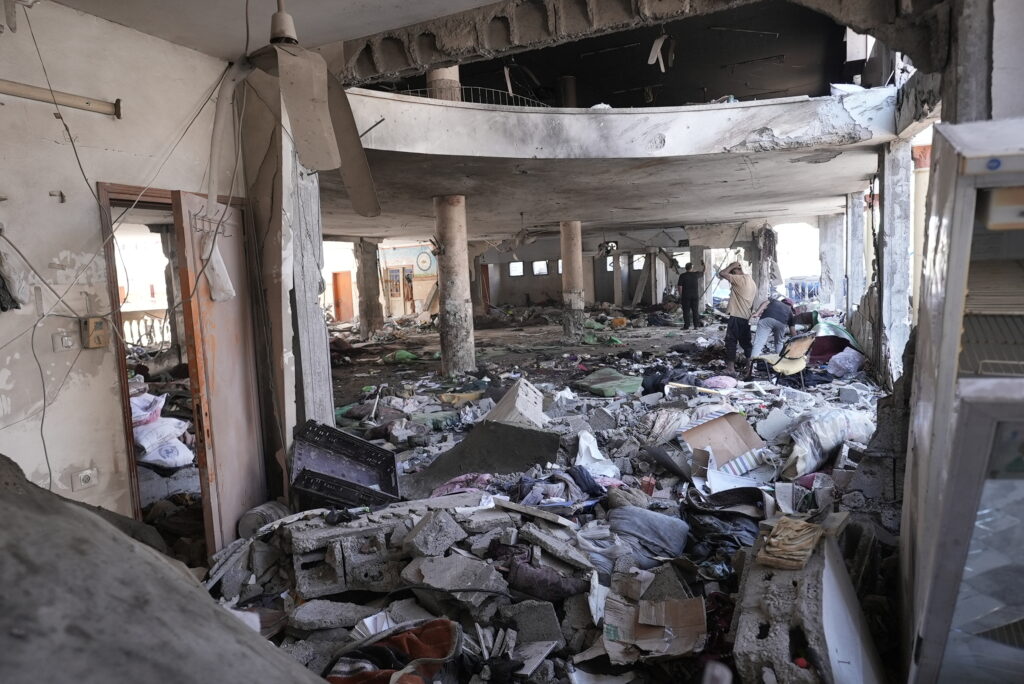
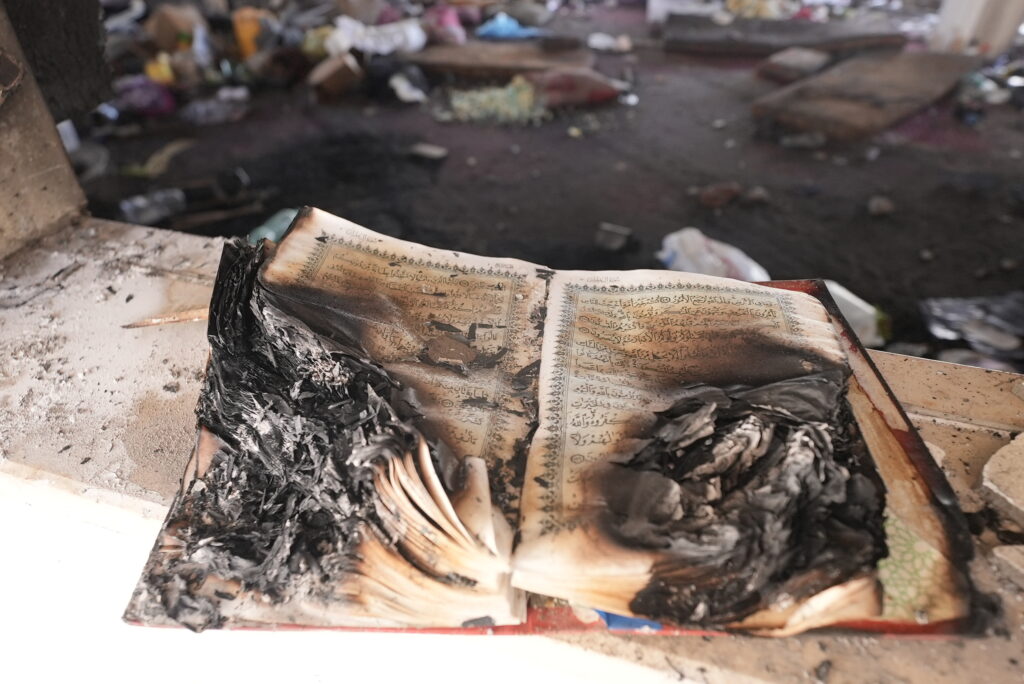
I read that Israel targeted a place of prayer set up by young people next to a ruined mosque in Gaza City. They spread rugs, added Qur’ans, and prayed. 15 of them were killed performing Al Duhr (noon) prayer.
I have no more words.
Maimed by sorrow and loss
We Palestinians are maimed by the sorrow and loss that we endure. How many more deaths do we need to stop this war? How many more beheaded bodies of children and mass graves? What are you doing, my dear world?
Alhamdulillah, all my Islamic Relief colleagues in Gaza in the south and the north are ok. But who knows for how much longer: at any moment, we could become the next casualties of this crisis.
We go to work every day, leaving our children and our families, risking our lives to help vulnerable people survive. We try our best to help, although the ecosystem around us is barely functioning.
My young son now wants to come to work with me on a daily basis, because he is afraid to leave my side. Losing a child or another family member is one of my worst fears. I can’t imagine that life. I do not want to think of this.
My mental health is poor. I do not know what to say anymore; I am not thinking straight.
The scenes that confront me every day are sucking the life from me. If these are my last words to you, please tell the world our story.
Tell of the Palestinians who loved life. Who taught resilience. Who just hoped to live simple, normal lives.
*This blog is anonymised to protect the safety and security of our colleague and others mentioned. Read the other blogs in this series here.
Editor’s note: This blog was submitted amid a fast-changing and deepening crisis. The information was correct as of Monday 15 July 2024.
In the ongoing crisis, Gaza needs your help
Help us provide urgent medical supplies, food and other crucial, life-saving aid now to families in need by giving with Islamic Relief.
The 99 Names and Attributes of Allah (SWT) – Al-Asma-ul-Husna ( اَلاسْمَاءُ الْحُسناى )
Why should we know the 99 names of Allah (SWT)? To begin with, the first of the five pillars of Islam is the Shahada. This is the proclamation of belief in Allah (SWT) and His Messenger (ﷺ).
Secondly, as Muslims, we believe in Allah (SWT) according to His beautiful names and attributes. Learning and memorising these 99 names will help us associate these traits with Him. Thus, identifying the correct way to believe in Him.
And to Allah belong the best names, so invoke Him by them.
Lord of Glory and Honour, Lord of Majesty and Generosity
86
الْمُقْسِطُ
AL-MUQSIT
The Just One
87
الْجَامِعُ
AL-JAAMI’
The Gatherer, the Uniter
88
ٱلْغَنيُّ
AL-GHANIYY
The Self-Sufficient, The Wealthy
89
ٱلْمُغْنِيُّ
AL-MUGHNI
The Enricher
90
اَلْمَانِعُ
AL-MANI’
The Withholder
91
الضَّارَ
AD-DHARR
The Distresser
92
النَّافِعُ
AN-NAFI’
The Propitious, the Benefactor
93
النُّورُ
AN-NUR
The Light, The Illuminator
94
الْهَادِي
AL-HAADI
The Guide
95
الْبَدِيعُ
AL-BADEE’
The Incomparable Originator
96
اَلْبَاقِي
AL-BAAQI
The Everlasting
97
الْوَارِثُ
WAARITH
The Inheritor, The Heir
98
الرَّشِيدُ
AR-RASHEED
The Guide, Infallible Teacher
99
الصَّبُورُ
AS-SABOOR
The Forbearing, The Patient
The Benefits of Learning Allah (SWT)’s Names
There are immense benefits to learning and memorising the beautiful 99 names of Allah, as it brings us closer and strengthens our relationship with the Almighty Allah.
Prophet Muhammad (ﷺ) said:
Allah has ninety-nine names, i.e. one-hundred minus one, and whoever knows them will go to Paradise.
Knowing Allah (SWT) and His beautiful names is a pathway towards loving Him and to know Him. One of the best ways to learn His names and attributes is by applying them in our duas.
For every need you have, find an attribute of your Lord which suits it. For example, “Yaa Tawwaab (O Acceptor of repentance), accept my repentance.”
Remove the ‘al’ when invoking Allah with any of His 99 names. As such, you would say ‘Yaa Razzaaq’ and not ‘Ya al-Razzaaq,’ for example.
“Whoever attains the ma‘rifah (experientialknowledge) of Allah through His Names, Attributes and Actions, will undoubtedly love Him.“
The Prophet (ﷺ) said, “(Allah said), ‘Every good deed of Adam’s son is for him except fasting; it is for Me. and I shall reward (the fasting person) for it.’ Verily, the smell of the mouth of a fasting person is better to Allah than the smell of musk.”
Fasting (Sawm) is an important pillar of Islam. It’s a beloved act of worship, as it shows our gratitude towards Allah (SWT) for the provisions he’s given us.
Most of us know fasting is mandatory during Ramadan. But did you know there are other times when it’s highly recommended?
There are additional days in the year when it’s encouraged to fast. An opportunity to gain extra reward for following the Sunnah, the actions and words of our Prophet (ﷺ).
There are also days when we cannot fast, as it is haram (forbidden) or makruh (extremely disliked) to do so.
Hence, it’s important to know which days we can fast to prepare for them in advance.
Days of Fasting Outside of Ramadan
There are several days in the Islamic Calendar when it’s sunnah (highly recommended) to fast. As the Hijri year follows the moon’s cycle, the dates of these days on the conventional Western calendar change every year.
Mondays and Thursdays
The Prophet Muhammad (ﷺ) would fast on Mondays and Thursdays. The reasons for why can be found in several ahadith.
“O Messenger of Allah, why do you fast on Mondays and Thursdays?” He (ﷺ) said: “On Mondays and Thursdays Allah forgives every Muslim except two who have forsaken one another.”
There are also several health benefits that come with fasting two times a week. These include, but are not limited to, reduced levels of total cholesterol and lowered risk factors for heart disease.
Six Days in Shawwal
Shawwal is the 10th Islamic month. It is the month that follows Ramadan, as the first of Shawwal is Eid al-Fitr.
The rewards for fasting six days in Shawwal alongside Ramadan are great – as if one has fasted for the entire year!
The Messenger of Allah (ﷺ) said, “Whoever fasts the month of Ramadan and then follows it with six days of fasting in the month of Shawwal, it will be as if he has fasted for the entire year.”
Dhul Hijjah is the twelfth and final month of the Islamic Calendar. The first ten days of the month are extremely blessed, for “there are no days during which righteous deeds are more beloved to Allah than these days.” (Sunan Ibn Majah)
One of the best deeds to do is to fast. Hence, on the first 9 days (as one cannot fast on Eid Al-Adha) it is recommended for us to fast, alongside doing other good deeds, such as reading Qur’an, making dhikr, giving charity and performing nafl (voluntary) prayers.
Fasting in Dhul Hijjah is also sunnah, as the Messenger of Allah (ﷺ) used to fast the month’s first nine days. (Sunan Abi Dawud)
He (ﷺ) especially encouraged it on the Day of Arafah, the 9th of Dhul Hijjah. It is also the most blessed day of the year. This is because fasting on the day of Arafah “will expiate the sins of the previous and upcoming years.” (Sahih Muslim)
However, for those going on Hajj, it is fine for them to leave the sunnah fast of Arafah.
One of the companions of the Prophet (ﷺ), Ibn Umar, noted that, while performing the pilgrimage, the Prophet (ﷺ) did not fast during Arafat.
In turn, some of the closest companions of the Prophet (ﷺ) – Abu Bakr, Umar and Uthman (may peace be upon them all) – also did not fast on Arafat while on Hajj. (Tirmidhi)
Hence, fasting on the first 9 days of Dhul Hijjah, especially on Arafah, is a highly recommended act for those not on Hajj.
Ashura (and the Day Before or After it)
Ashura occurs on the 10th of Muharram, the first Islamic month. It is a blessed day that commemorates several significant events in Islamic history.
The origins of fasting on Ashura have been documented in this hadith collected by Al-Bukhari and Muslim and reported by Ibn ‘Abbas (RA). The narration goes as follows:
The Prophet (ﷺ) observed the Jewish people fasting on this day and asked why they did so. The Jews replied that this was the day Allah (SWT) granted victory to Musa (AS) and Bani Isra’il over Fir’aun (Pharaoh). Thus, they fasted on this day out of respect.
The Prophet (ﷺ) then said, “We are closer to Musa (AS) than you,” and enjoined in fasting on that day.
There are also great blessings for fasting on Ashura. When asked about fasting on the 10th of Muharram, the Prophet (ﷺ) said, “It will expiate the sins of the past year.” (Sahih Muslim)
It is also recommended to fast the day before Ashura (9th Muharram). Ibn ‘Abbas (RA) reported:
“When the Messenger of Allah (ﷺ) fasted on the day of ‘Ashura and told the people to fast, they said, “O Messenger of Allah, this is a day that is venerated by the Jews and Christians.” The Messenger of Allah (ﷺ) said, “Next year, if Allah wills, we will fast on the ninth day.” But by the time the following year came, the Messenger of Allah (ﷺ) had passed away.
Thus, to differentiate Muslims from other religions (who also celebrated this day), the Prophet (ﷺ) instructed us to fast on the 9th and 10th of Muharram.
If one fears they may miss Ashura because of the difference in moon sighting, then scholars also permit fasting on the 10th and 11th of Muharram.
Most of Sha’ban
As the 8th Islamic month, Sha’ban is the month before Ramadan. The Prophet fasted for the majority of this month, with accounts of it recorded in several ahadith. This includes a hadith where ‘Aisha (RA) said:
“The Messenger of Allah (ﷺ) would fast until we said he will never break his fast, and he would not fast until we said he would never fast. I did not see the Prophet complete an entire month of fasting except for Ramadan, and I did not see him complete more voluntary fasts than in the month of Sha’ban.”
In another hadith, ‘Aisha (RA) also said, “The most beloved month to the Messenger of Allah (ﷺ) for fasting was Sha’ban, then he would connect it with Ramadan.” (Sunan Abi Dawud)
Exceptions to Fasting in Sha’ban
In a hadith collected by Al-Bukhari and Muslim, ‘Aisha (RA) also reported that the Prophet (ﷺ) observed fasting during the whole month of Sha’ban except for a few days.
Abu Hurayrah (RA) similarly mentioned that the Messenger of Allah (ﷺ) said:
“Do not anticipate Ramadan by fasting one or two days before it begins, but if a man habitually fasts, then let him fast.”
Abu Hurayrah (RA) also reported that the Prophet (ﷺ) said to not fast if Sha’ban is half over. (Tirmidhi)
The exception to this would be someone who fasted regularly, such as the Prophet (ﷺ) and many of his companions. Thus, if you are someone who regularly observes the sunnah fast, then you may still observe them in the second half of Sha’ban.
It is also permissible to make up a Ramadan fast at this time, if necessary. ‘Aisha (RA), one of the wives of the Prophet (ﷺ), herself would make up her fast in Sha’ban. Regarding this, she said, “I had to make up some fasts I missed during the month of Ramadan, but I was unable to do so until the month of Sha’ban as I was busy with the Messenger of Allah (ﷺ).” (Bukhari and Muslim)
The White Days
The white days are the 13th, 14th and 15th of each Islamic month. They are called White Days (Ayam al Beedh) as the moon is most lit on these nights.
Qatadah Ibn Malhan al-Qaysi said that the Prophet (ﷺ) used to command them to fast the days of the White (nights). He (ﷺ) said that to fast these days “is like keeping perpetual fast.” (Sunan Abi Dawud)
In another hadith, Jarir bin ‘Abdullah recalled that the Prophet (ﷺ) said:
“Fasting three days of each month is fasting for a lifetime, and the shining days of Al-Bid, the thirteenth, fourteenth and fifteenth.”
Generally, most days of the year should be okay for you to fast. The exceptions are the two days of Eid and the days of Tashreeq. It is also severely disliked for one to fast on Fridays, Saturdays and towards the end of Sha’ban unless it falls on a day they regularly fast.
Days of Celebration
As mentioned before, it is forbidden to fast on Eid al-Fitr and Eid al-Adha. These Islamic celebrations have been designated for us to enjoy and feast with loved ones.
Similarly, it is also forbidden to fast on the days of Tashreeq, three days after Eid al-Adha. This is because these are “days of eating, drinking and remembering Allah.” (Sahih Muslim)
However, there is an exception. In one hadith, ‘Aisha (RA) and Ibn ‘Umar (RA) reported:
“No concession was granted allowing anyone to fast on the days of al-Tashreeq, except for the (pilgrim) who could not find a sacrificial animal.”
Hence, those on Hajj who are unable to perform the sacrifice for Eid Al-Adha are permitted to fast on the days of Tashreeq.
Fridays and Saturdays
It is severely disliked to fast on Friday alone. The Prophet (ﷺ) said, “No one of you should fast on Friday, unless he fasts (a day) before it or after it.” (Sahih Al Bukhari)
This is because Friday (called Jumuah or Jummah in Arabic) is a dedicated day of worship. As fasting can make one easily tired, it may prevent them from making the most of Jumuah.
Similarly, it is also discouraged to fast on a Saturday. The Prophet (ﷺ) said:
“Do not fast on Saturday except for what has been made obligatory upon you (by Allah). If one of you does not find but a grape peal or a tree’s twig, then let him chew it.”
Fasting on Saturday may also cause one to resemble the practice of the Jewish people, as they observe Saturday as a day of rest. Another reason why the Prophet (ﷺ) advised against it unless fasting was necessary.
Exceptions to Avoiding Fasting on Friday or Saturday
Obviously, one must fast on Friday and Saturday if it falls in the month of Ramadan. It is also permissible to fast on these days if it happens to fall on a day when it is sunnah to fast, such as Arafah, Ashura or one of the White Days.
You may also make up a fast from Ramadan on Friday or Saturday if this is the only time you can fast. But it is better to combine it with another day if you can.
Differences between Voluntary Fasting and Fastingin Ramadan
The rulings on what breaks a fast outside of Ramadan and during Ramadan are the same. However, there are two key differences.
When to Make the Intention
The Prophet (ﷺ) said, “Whoever does not have the intention to fast before dawn, there is no fasting for him.”
According to At-Tirmidhi, the hadith specifically refers to fasting in Ramadan. The fast is invalid if the intention is not made before sunrise in Ramadan. This also extends to when one is making up a Ramadan fast or fasting for a vow.
However, for voluntary fasting, it is permissible to make an intention after morning, in the opinion of Al-Shafi’i, Ahmad, and Ishaq.
Leaving the Fast
During Ramadan, you must remain fasting from dawn to dusk. Even if you have a valid excuse to break it, you must make up the full day you missed outside of Ramadan. Or, if you are unable to fast, pay compensation (fidyah) for it.
However, for a voluntary fast, you can break the fast if you wish without sin. As it is voluntary, you don’t need to make up the fast later or pay compensation if you miss it.
There was a time when the Prophet (ﷺ) received an invitation to a feast (outside of Ramadan) but one of the companions was fasting. The Prophet (ﷺ) then requested,
“Your brother has invited you and incurred expenses on your behalf, break your fast and fast another day in its place if you wish.”
May Your Sunnah Fasting Be Accepted by Allah (SWT)
All in all, there are several specific voluntary fasts recommended for Muslims to do outside of Ramadan. These are:
Mondays and Thursdays
Six days in Shawwal (except Eid Al-Fitr)
First 9 days of Dhul Hijjah (especially the 9th, Arafah)
Ashura (10th Muharram) – if possible, combined with either the 9th or 11th Muharram
Most of Shaban
The White Days (13th, 14th and 15th of each Islamic month)
If we can fast continually during Ramadan, then we already have the mental mindset to fast some or even all these voluntary days.
In this new Hijri year, let us make the intention to perform as many of these fast as possible! May Allah (SWT) grant us the strength to observe these days and accept our fasts, ameen!
With Muharram comes the beginning of the new Islamic year, 1446 AH. Along with being the first month of the Hijri calendar, it is also one of the four sacred months of Allah (SWT).
“The division of time has turned to its original form which was current when Allah created the Heavens and the Earths. The year is made up of twelve months, out of which four months are sacred. Three are in succession: Dhul Qadah, Dhul Hijjah, Muharram, and Rajab of (the tribe of) Mudar which comes between Jumada al-Thani and Sha’ban.”
As a sacred month, the rewards of doing good deeds in Muharram are substantial. It is a time that gives us a great opportunity to reflect on the past year and renew our intentions. While also seeking Allah (SWT)’s blessings for the coming year.
One of the best ways to ask Allah (SWT) for guidance and support is through heartfelt du’a, for, as the Prophet Muhammad (ﷺ) said, “du’a is the essence of worship.” (Tirmidhi)
There are many du’as you can make to Allah (SWT), from asking for good health to seeking forgiveness. To help you get started, we’ve prepared a list of 5 important du’as you can learn for the Islamic New Year.
Du’a for a New Month
‘Abdullah ibn Hisham (RA) reported that the Sahabah (companions of the Prophet (ﷺ) would learn the following Du’a for upon the start of a new month or new year:
Allahumma adkhilhu ‘alayna bil amni wal iman, was salamati wal islam, wa jiwarim minash shaytan, wa ridwanim minar Rahman. اللّهم أَدْخِلْهُ عَلينا بِالأمْنِ وَالإيمان، وَالسَّلامَةِ وَالإسْلام، وِجوارٍ مِّنَ الشَّيْطان، وَرِضْوَانٍ مِّنَ الرَّحْمن
“O Allah, bring this [month or year] upon us with security, iman, safety, Islam, protection from shaytan, and your pleasure.”
This du’a is a general prayer for the arrival of the new month or year. One we should say if we wish for the incoming season to be filled with success and spiritual growth.
Du’a for Seeking Forgiveness
If you’ve been meaning to make a fresh start, use the Islamic New Year as one! Take this time as a chance to reflect on past actions. To seek forgiveness from Allah (SWT) and make it a regular habit moving forward.
This du’a, in particular, is one to use if you want to start the new year with a clean slate. It’s a supplication that acknowledges our imperfections and seeks Allah SWT’s forgiveness in the best way. For the Prophet (ﷺ) said, “The most superior way of asking for forgiveness from Allah SWT is:
Allahumma anta Rabbi la ilaha illa anta. Khalaqtani wa ana `Abduka, wa ana ‘ala ‘ahdika wa Wa’dika mastata’tu abu’u Laka bi ni ‘matika wa abu’u Laka bidhanbi; faghfirli fa’innahu la yaghfiru-dh-dhunuba ill a ant a. A’uidhu bika min sharri ma sana’tu. اللَّهُمَّ أَنْتَ رَبِّي لاَ إِلَهَ إِلاَّ أَنْتَ، خَلَقْتَنِي وَأَنَا عَبْدُكَ، وَأَنَا عَلَى عَهْدِكَ وَوَعْدِكَ مَا اسْتَطَعْتُ، أَبُوءُ لَكَ بِنِعْمَتِكَ، وَأَبُوءُ لَكَ بِذَنْبِي، فَاغْفِرْ لِي، فَإِنَّهُ لاَ يَغْفِرُ الذُّنُوبَ إِلاَّ أَنْتَ، أَعُوذُ بِكَ مِنْ شَرِّ مَا صَنَعْتُ. إِذَا قَالَ حِينَ يُمْسِي فَمَاتَ دَخَلَ الْجَنَّةَ ـ أَوْ كَانَ مِنْ أَهْلِ الْجَنَّةِ ـ وَإِذَا قَالَ حِينَ يُصْبِحُ فَمَاتَ مِنْ يَوْمِهِ ”
“O Allah! You are my Lord. None has the right to be worshipped except You. You created me and I am your servant and I abide by your covenant and promise as best I can. I seek refuge in you from the evil, which I have committed. I acknowledge your favour upon me and I acknowledge my sins, so forgive me, for verily none can forgive sin except you.”
The Messenger of Allah (ﷺ ), he the same hadith, also said, “If somebody recites this invocation during the night, and if he should die then, he will go to Paradise (or he will be from the people of Paradise). And if he recites it in the morning, and if he should die on the same day, he will have the same fate.”
Du’a for a Sound Heart and Beneficial Knowledge
Seeking knowledge is highly encouraged in Islam. So is Tazkiyah, which is the highest level of Ihsan (excellence). It purifies our hearts and brings us closer to the One who created us and all knowledge. So, what better way to seek knowledge than to ask Allah (SWT)’s help in attaining it and a sound heart?
Abu Hurairah (RA) said, “One of the supplications that the Prophet (ﷺ) used to say was:
Allahumma inni a’uzu bika min ‘ilmin la yanfa’, wa min du’a-in la yusma’, wa min qalbin la yakhsha’, wa min nafsin la tashba’.
“O Allah, I seek refuge with You from knowledge that does not bring benefit, from a supplication that is not heard, from a heart that does not fear (You) and from a soul that never satisfies.”
When we need to ask Allah (SWT) for security against any distress, grief, hardship, harm, trials and tribulations, all of that and much more is included in this short, but powerful dua.
Allahumma inni as’alukal-‘afwa wal-‘aafiyah(ta) fid-dunya wal-aakhirah
O Allah, I ask You for forgiveness and well-being in this world and in the Hereafter.
This du’a draws from a hadith recorded by Al-Bukhari, where Anas ibn Malik (RA) narrated,
“A man came to the Prophet (ﷺ) and said: ‘O Messenger of Allāh, which supplication is the best?’
He (ﷺ) said: ‘Ask Your Lord for pardon and well-being in this world and the Hereafter’.
Then he came to him the next day and said: ‘O Prophet of Allāh, which supplication is the best?’
He (ﷺ) said: ‘Ask Your Lord for pardon (afwa) and well-being (aafiyah) in this world and the Hereafter, for if you are granted well-being in this life and in the Hereafter, then you have indeed succeeded.”
What is Afiyah?
Afiyah means having complete protection from afflictions, good health, forgiveness of Allah (SWT) and means to provide for you and your family.
Basically, Afiyah encompasses every form of security you can think of. This includes both for the Dunya and Akhirah. Hence, why the Prophet (ﷺ) told us to wish for ‘afiyah in our du’as.
Du’a for Anxiety and Sorrow
Du’a is a powerful tool for seeking solace and relief in difficult times. It is a heartfelt conversation with our Creator, where we express our deepest concerns and seek comfort and guidance.
Allāhumma innī `abduk, ibnu `abdik, ibnu amatik, nāsiyatī biyadik, māḍin fiyya ḥukmuk, `adlun fiyya qaḍā’uk, as’aluka bikullis’min huwa lak, sammayta bihi nafsak, aw anzaltahu fī kitābik, aw `allamtahu aḥadan min khalqik, aw‘ista’tharta bihi fī `ilmil-ghaybi `indak, an taj`ala ‘l-Qur’āna rabī`a qalbī, wa nūra ṣadrī, wa jalā’a ḥuznī, wa dhahāba hammī.
“O Allah, I am Your slave, and the son of Your male slave, and the son of your female slave. My forehead is in Your Hand (i.e. you have control over me). Your Judgment upon me is assured, and Your Decree concerning me is just. I ask You by every Name that You have named Yourself with, revealed in Your Book, taught any one of Your creation, or kept unto Yourself in the knowledge of the unseen that is with You, to make the Qur’an the spring of my heart, and the light of my chest, the banisher of my sadness, and the reliever of my distress.”
Making du’a is a reminder for us that we are not alone in our struggles. In this time when many of us worry if we’re doing enough for our brothers and sisters suffering around the world, making du’a can help bring you a sense of ease.
For it’s by asking Allah (SWT) for guidance on how to support our ummah struggling in Gaza, Sudan and all over the world that we can find strength and hope.
As we embark on the Islamic New Year, making heartfelt du’as can bring us closer to Allah (SWT). Let use this time moving forward to seek His (SWT) guidance, forgiveness, and blessings. To express our dependence on Him (SWT) and renew our intentions to improve ourselves spiritually and outwardly.
May Allah (SWT) accept our du’as and grant us a blessed and successful year, ameen!
Make the most of Muharram
Give and change the lives of the most needy and vulnerable of our Ummah on one of the most blessed of months.
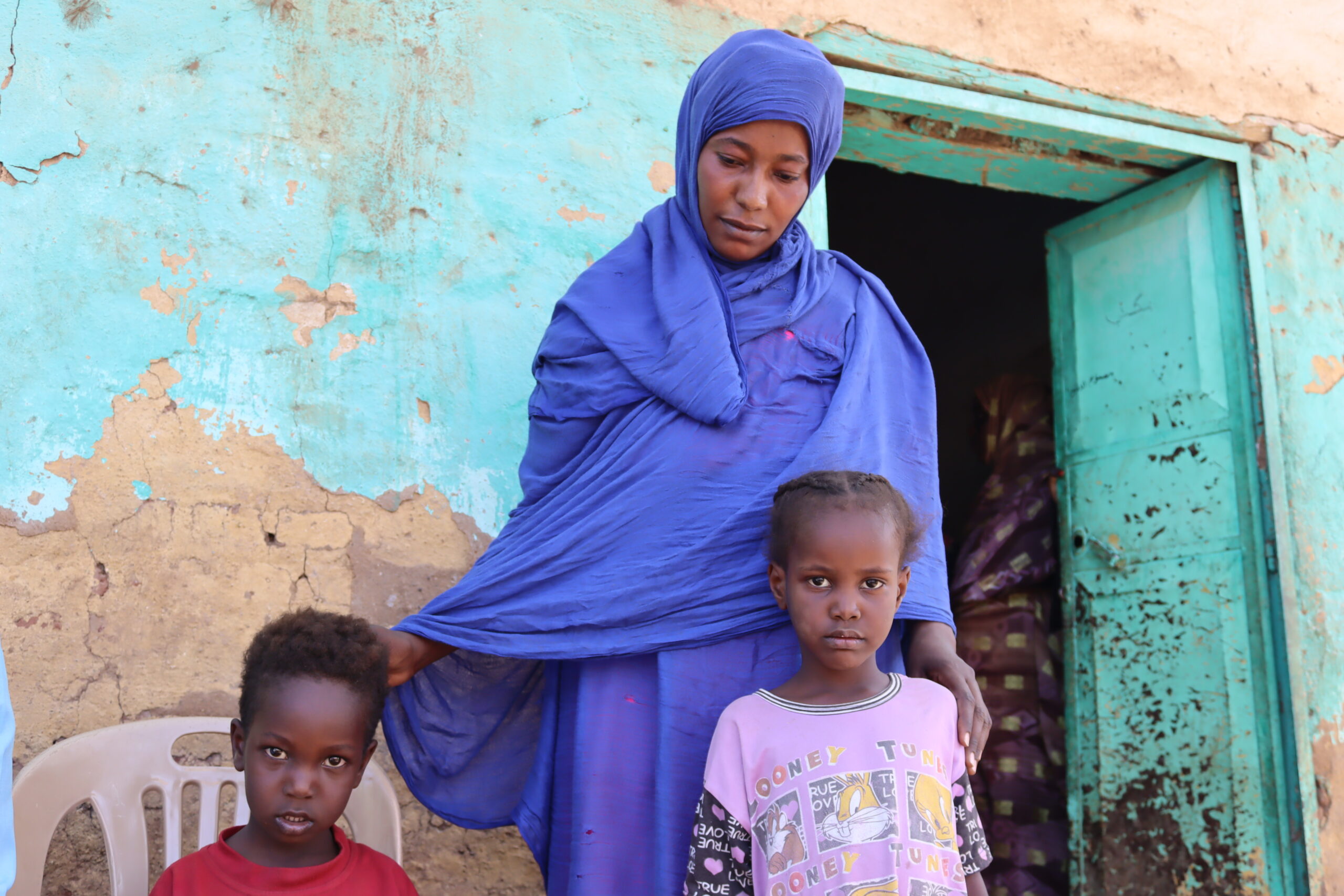
Mass displacement and fear have taken hold in eastern Sudan. The RSF is advancing towards Gedaref, with active fighting now ongoing in the key city of Sennar.
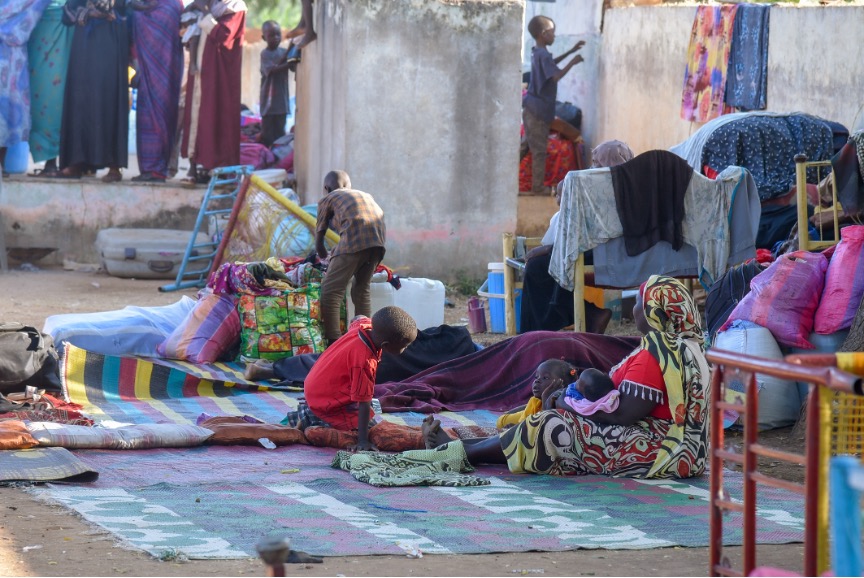
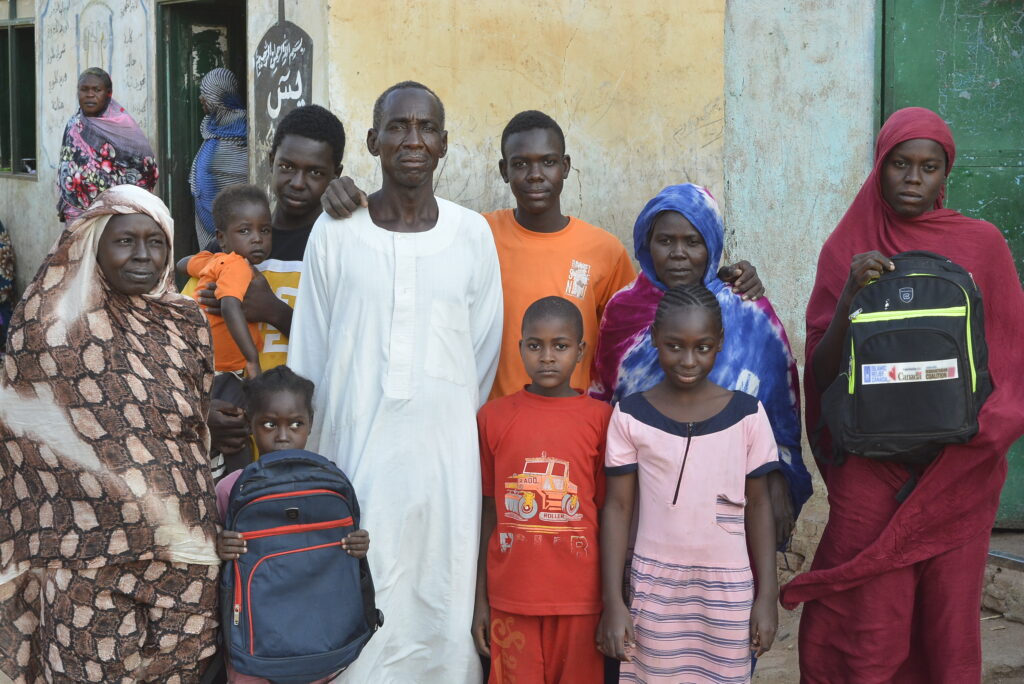
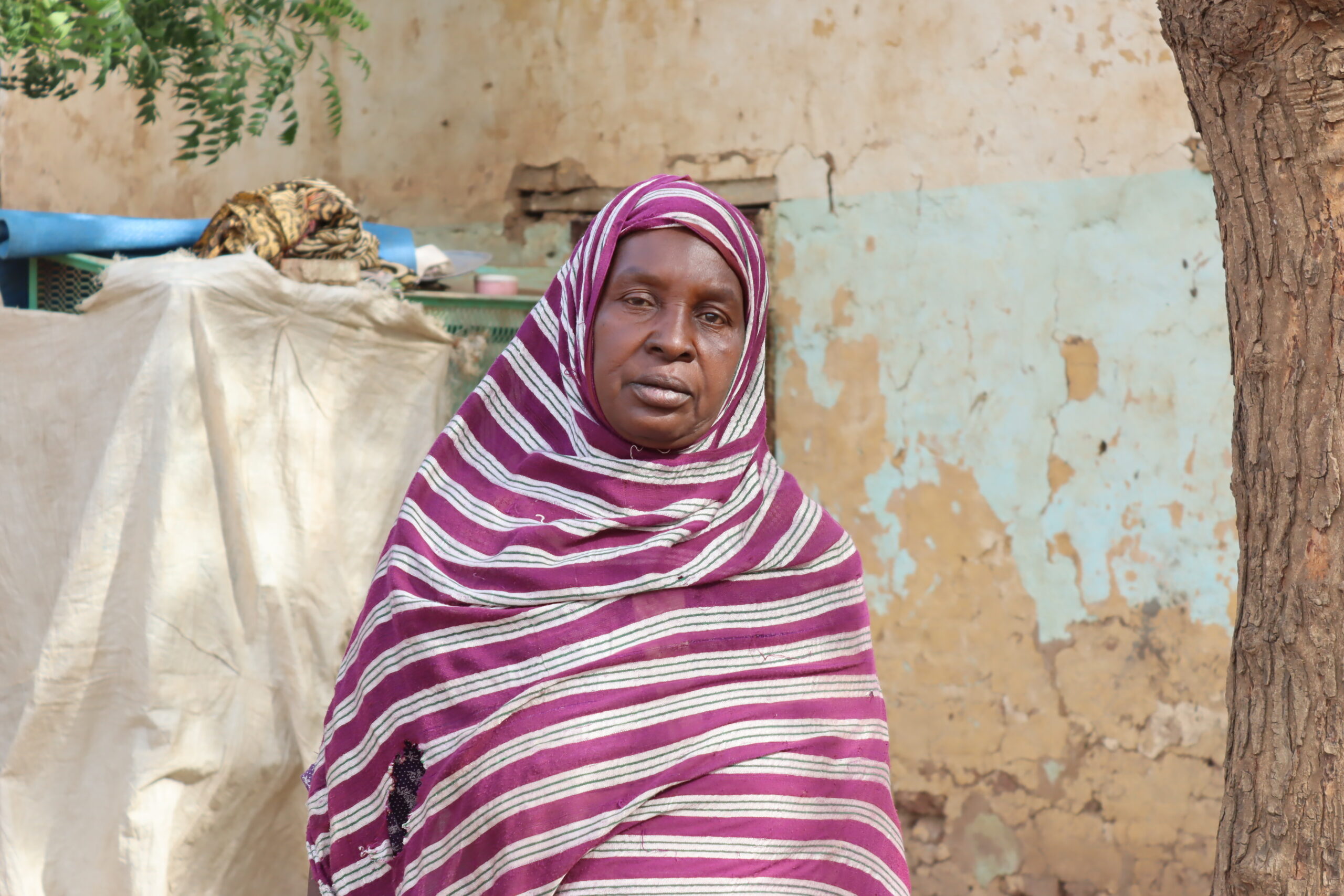
Tens of thousands of people are fleeing new fighting in southeast Sudan, as the war spreads further across the country. Civilians are running out of anywhere safe to go.
An Escalating Conflict Amid Impending Famine
The new clashes in Sennar State – one of Sudan’s biggest agricultural regions – are increasing the risk of famine across the country. The conflict also puts a major humanitarian aid hub at risk.
More than 60,000 people have fled Sinja town this week as the Rapid Support Forces (RSF) captured the area. Heavy fighting is now ongoing in the nearby key city of Sennar.
Islamic Relief staff and other aid workers were among the thousands who have had to leave the city in recent days due to extreme insecurity. Up to 130,000 people are expected to flee Sennar State in the next few days.
Increasing Number of Internally Displaced within Sudan
Islamic Relief staff report thousands of families are now fleeing on foot across the Blue Nile River to try and escape the violence.
Large numbers of people now arrive in the already overcrowded eastern Sudan cities of Gedaref and Kassala. Many more are likely to arrive in the coming days and weeks.
Islamic Relief’s team in Gedaref is preparing to provide aid to new arrivals in the city.
There are growing fears that the fighting is now set to spread further east towards Gedaref – a key hub for humanitarian staff and supplies.
This would be a pivotal moment in the conflict. It would massively disrupt the humanitarian response at a time when aid is needed more than ever.
Islamic Relief staff in Gedaref report huge queues of cars at fuel stations as people stockpile in case they need to quickly abandon the city.
An Ongoing Cycle of Displacement
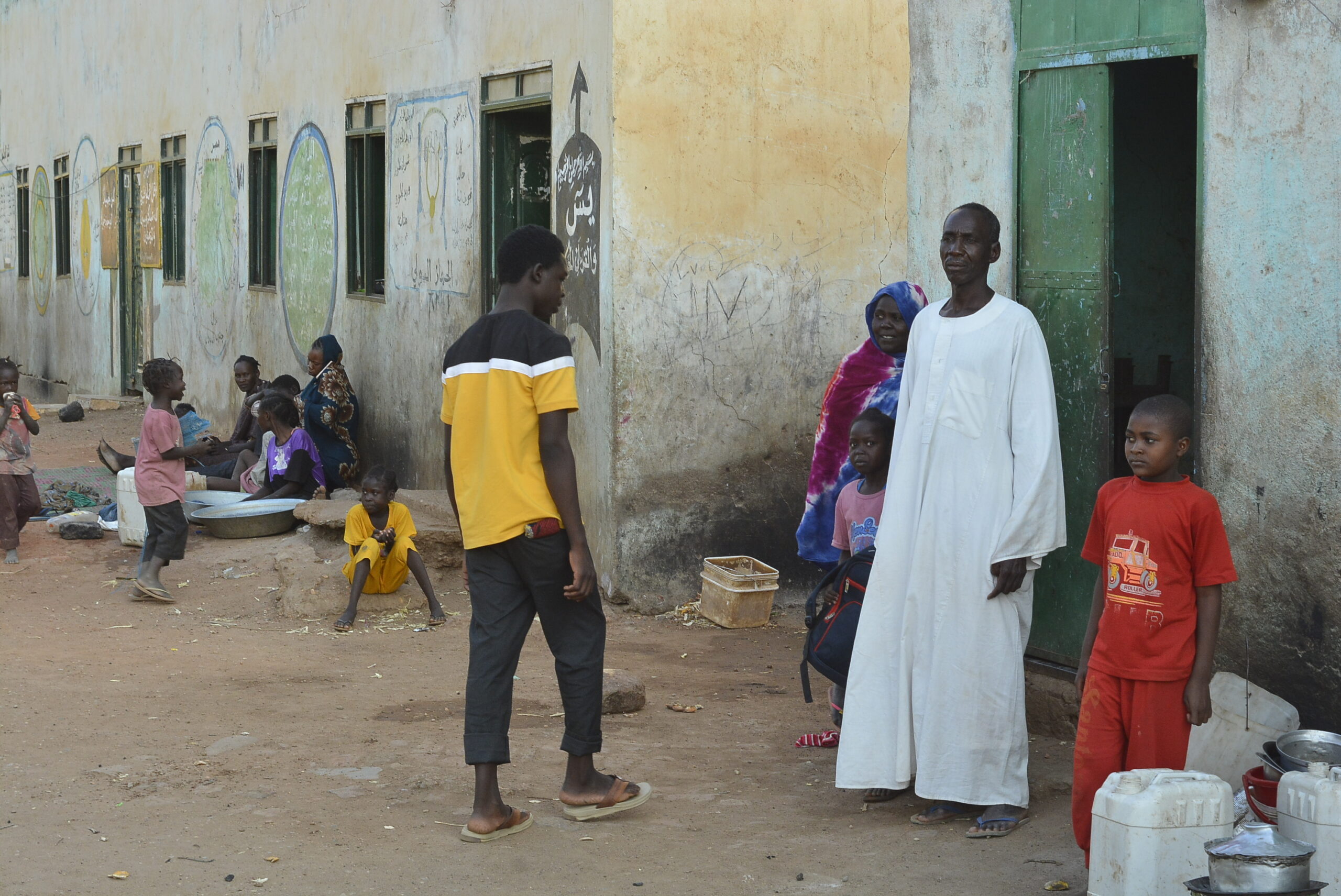
Sennar State was previously considered one of the safest parts of the country. Over the past year, hundreds of thousands of civilians had fled here to escape fighting in other regions such as Khartoum and Al Jazira. Now, many of these people are having to flee yet again.
Mohammad Sorwar, head of programs for Islamic Relief in Sudan, says:
“People are fleeing Sennar in a desperate state of terror. They’ve fled in a hurry with virtually nothing, and many families have no shelter and are sleeping under the open in the heavy rain. People are walking for days but there are no paved roads between Sennar and Gedaref and the roads have become muddy and difficult to use.
“The war is spreading across the country like a cancer. Many of the people fleeing have been displaced two, three, four or even more times before this, but the war keeps spreading. There are very few safe places left for people to run to. If the fighting reaches Gedaref it will have a devastating impact on aid delivery.”
Crisis in Sudan Continues to Grow
Sudan is suffering the world’s biggest hunger crisis. More than 25 million people – over half the country’s population – face severe hunger and food shortages.
Mass starvation is imminent in the next three months. The war has forced farmers from their land, destroyed markets and obstructed humanitarian aid.
More than 10 million people are now displaced from their homes and in need of support within Sudan.
Islamic Relief calls on the international community to step up diplomatic efforts to get parties to the conflict to agree and adhere to a ceasefire and to urgently increase funding for the humanitarian response.
We call for parties to the conflict to recommit to peace negotiations. To ensure the protection of civilians and end the frequent impediments and obstruction of humanitarian aid.
Islamic Relief has worked in Sudan for 40 years, since 1984. In response to the current crisis, our teams have provided aid to more than 830,000 people including food, nutrition, livelihood support, cash, water, sanitation, and healthcare.
Give relief to the people of Sudan
Help us provide urgent relief to our brothers and sisters suffering in Sudan due to the ongoing and devastating conflict. Be their lifeline today.
The international community must urgently prioritise the crisis in Sudan and step up efforts to prevent famine there, Islamic Relief says. A new IPC* report published today shows record levels of hunger and imminent mass starvation in the next 3 months.
More than 25 million people – over half the country’s population – are now facing severe hunger and food shortages.
Witnessing Severe Hunger on the Ground
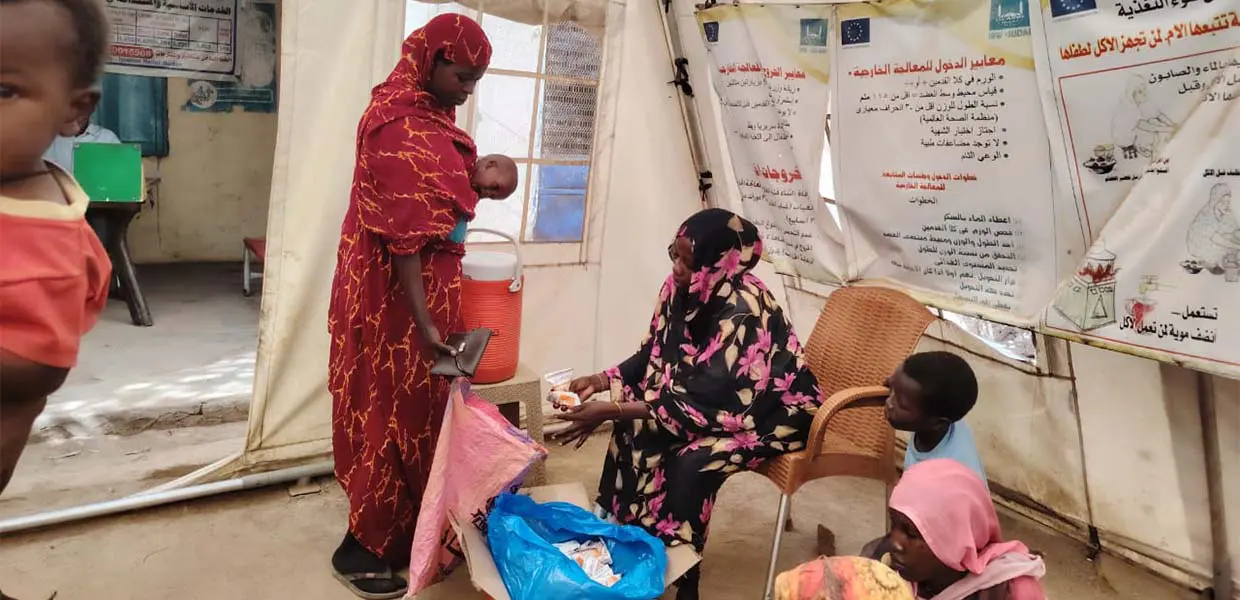
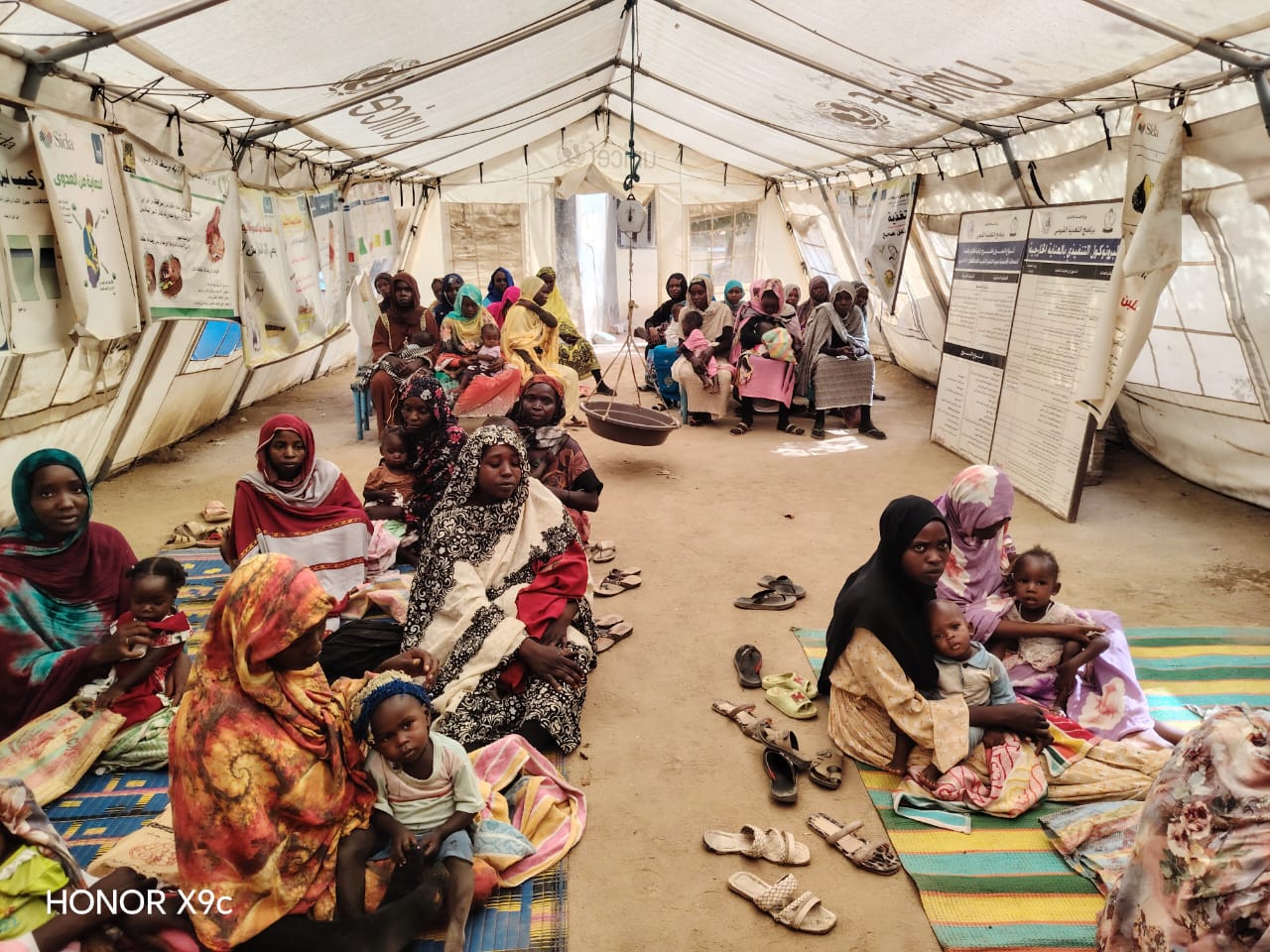
Islamic Relief staff in Darfur, where the charity supports nutrition centres, are already seeing children wasting away from severe malnutrition. A crisis spurned by more than a year of conflict, forcing farmers from their land, destroying markets and obstructing humanitarian aid. In recent weeks, heavy fighting and siege in El Fasher, the capital of North Darfur, has pushed the region even closer to famine.
Elsadig Elnour, Islamic Relief Country Director in Sudan, says: “Aid agencies have been warning for months that Sudan faces imminent famine, but it feels like nobody is listening.
Huge loss of life can still be prevented if the international community takes notice and acts to support a ceasefire and get more aid to starving families. But the longer the world waits, the closer we get to the point of no return where the impacts of hunger will become irreversible for millions of people. Young children pay the price of malnutrition for the rest of their lives, as it severely impedes their physical and mental development.
In some parts of Darfur, Islamic Relief teams are now using camels to carry nutrition supplies to health and nutrition centres. Trucks risk being attacked and looted.
The Worst Levels of Food Insecurity Ever Recorded in Sudan’s History
The new IPC report finds Sudan facing its worst levels of food insecurity ever recorded. The IPC’s 5-phase scale shows around 25 million people, over half the country’s population, face ‘crisis’ (phase 3) or ‘emergency’ (phase 4) levels of hunger. Furthermore, 755,000 people face ‘catastrophic’ levels of starvation (phase 5).
The risk of famine is most imminent in Darfur. However, 14 areas across the country are at extreme risk – especially Khartoum, Kordofan, Al Jazirah and Blue Nile.
Elsadig Elnour continues: “Many of these worst affected areas are traditionally breadbasket regions that produce a lot of food. But over a year of war has severely limited food production and forced millions of people to flee their land and homes.
Many farmers tell us it’s too dangerous for them to plant or harvest due to the presence of armed groups, while traders and food trucks get looted and obstructed on the roads, and aid convoys are obstructed and denied permits.
At least 8 million more people have fallen into hunger over the past 6 months. Worse still, the number of people at Phase 5 – the most extreme – has surged from zero to 755,000 in just a few months.
Sudan has become the world’s internal displacement crisis. More than 10 million people – almost a quarter of the population – are now uprooted from their homes. Many are now entirely dependent on humanitarian aid or the kindness of local communities.
A Call to Action
Islamic Relief calls on the international community to step up diplomatic efforts to get parties to the conflict to agree. To adhere to a ceasefire. To urgently increase funding for the humanitarian response. Halfway through the year, the UN-led 2024 humanitarian response plan for Sudan has received just 17% of the funding it needs.
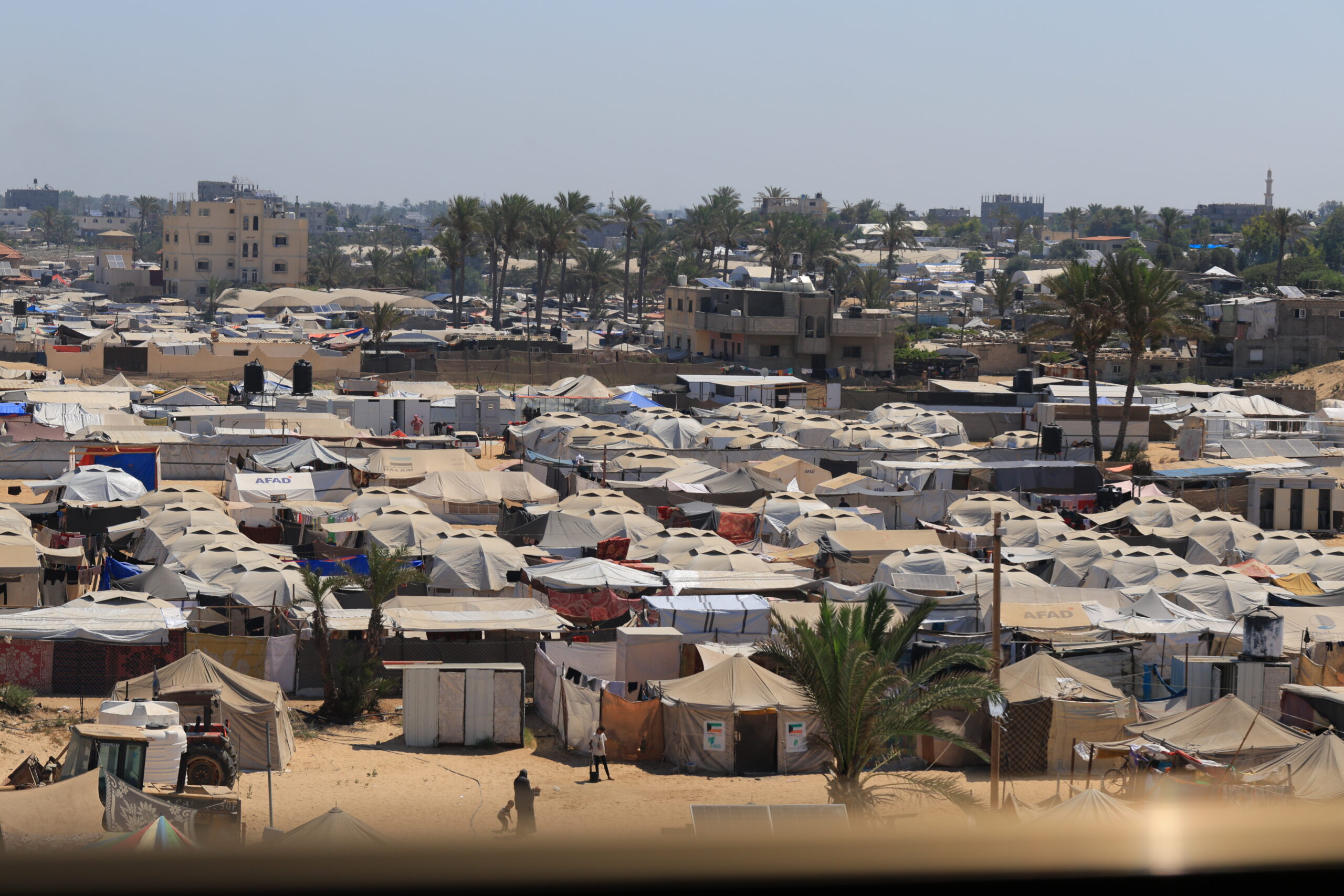
The organisation is also calling for parties to the conflict to recommit to peace negotiations. To ensure the protection of civilians and end the frequent impediments and obstruction of humanitarian aid.
Islamic Relief has worked in Sudan for 40 years, since 1984. In response to the current crisis, the organisation has provided aid to more than 830,000 people. This includes food, nutrition, livelihood support, cash, water, sanitation, and healthcare.
Give relief to the people of Sudan
Help us provide urgent relief to our brothers and sisters suffering in Sudan due to the ongoing and devastating conflict. Be their lifeline today.
Israel is systematically starving Palestinians in Gaza, Islamic Relief reports. A new IPC* report shows that around half a million people are suffering catastrophic levels of hunger. Furthermore, almost everyone in Gaza is facing acute food shortages.
An entire generation of Palestinian children is at risk. Extreme hunger and malnutrition cause permanent damage to children. Conditions such as stunted physical and cognitive development will affect them for the rest of their lives.
Hunger Intensifies in Gaza
The IPC report confirms what Islamic Relief staff and partners in Gaza are seeing every day. Hundreds of thousands of people going entire days and nights without anything to eat at all. Young children and elderly people, especially, are the most vulnerable to hunger and malnutrition.
This hunger crisis is entirely man-made, caused by Israel’s ongoing attacks and blockade. Virtually all of Gaza’s internal food production has been wiped out. Nowhere near enough humanitarian aid is being allowed in. Israel continues to restrict entry of supplies into Gaza and movement of aid convoys within Gaza.
Israel’s assault on Rafah has fuelled starvation even further. Around 1 million people are forced to flee yet again and families are bombed while seeking aid and shelter. In the past day, more civilians have reportedly been killed for seeking refuge in a school and trying to reach aid trucks.
The new IPC report shows that the brief improvement in food security in March and April – when there was a small increase in aid allowed to enter and more food in the markets – is now being reversed, with fatal consequences.
A Call to Take Stronger Action
Islamic Relief urges international governments not to wait for an official famine declaration before taking stronger action. Aid agencies have been warning of famine for months, but official famine declarations are extremely rare and usually only come when it is too late. We do not need a famine announcement to know that Palestinians, especially young children, are starving and cannot access sufficient aid.
International initiatives like the sea pier and airdrops have been costly distractions while people starve. The only way to ensure people can access sufficient food is through a ceasefire and full unimpeded humanitarian access. International governments must use all the leverage and pressure they can to ensure that happens immediately.
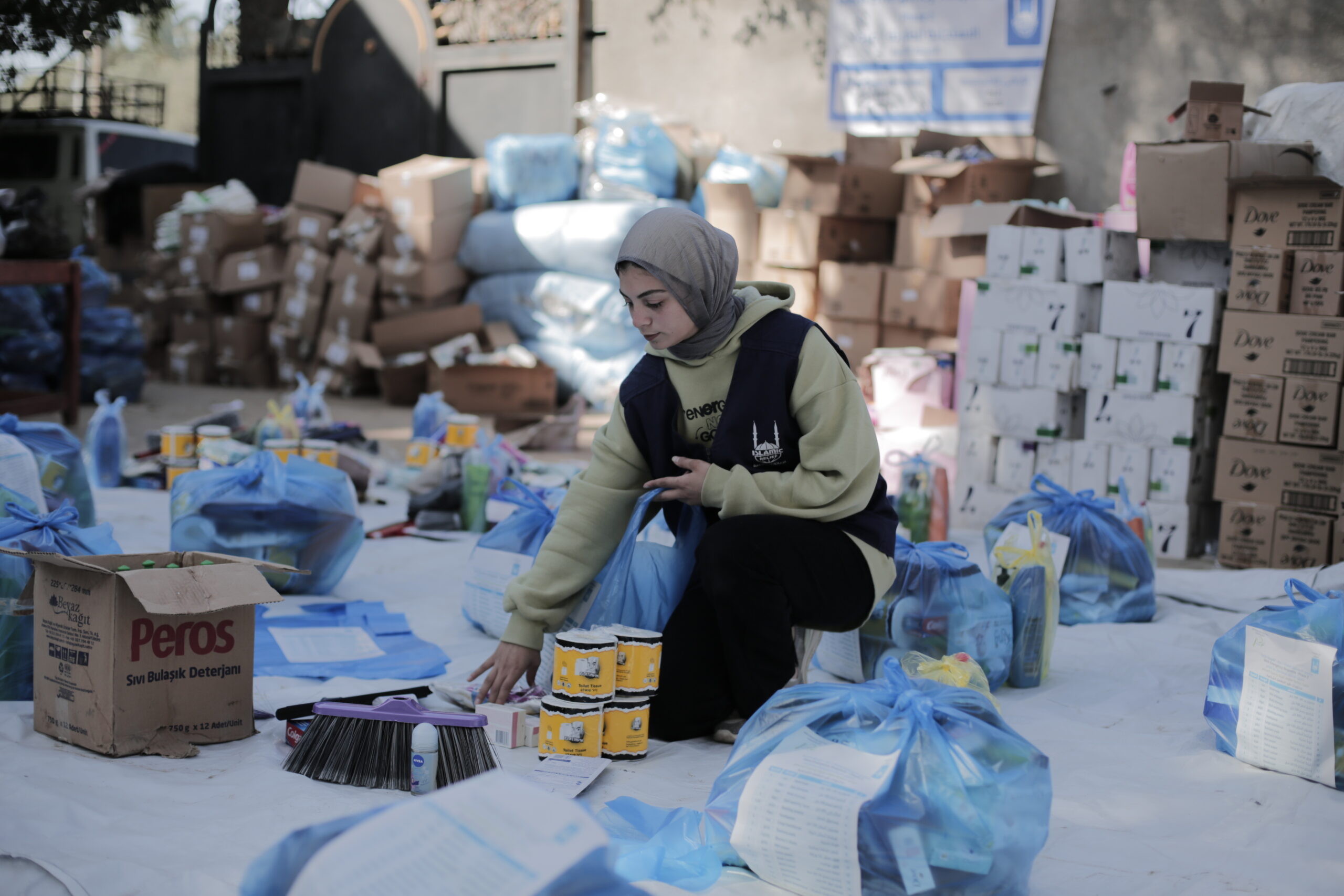
Since the crisis erupted almost 9 months ago, Islamic Relief and partners have distributed more than 23 million ready-to-eat cooked meals to displaced people throughout Gaza and provided nutritional support to thousands of young children, pregnant women and new mothers, as well as other vital aid. However, much more is needed.
Image: Islamic Relief prepares and distributes ready-to-eat meals to children and families in Gaza.
*The Integrated Food Security Phase Classification (IPC) is the foremost hunger monitoring system, providing evidence-based analysis on food insecurity and malnutrition to inform emergency responses around the world.https://www.ipcinfo.org/
In the ongoing crisis, Gaza needs your help
Help us provide urgent medical supplies, food and other crucial, life-saving aid now to families in need by giving with Islamic Relief.