03.03.26

Eid al-Fitr: Celebrating the End of Ramadan

  Publications     Ramadan

Eid al-Fitr, also known as the “Festival of Breaking the Fast,” is a significant celebration in Islam. This year, it is expected to fall on the evening of March 19, 2026, pending the sighting of the moon.

The celebration occurs at the end of Ramadan, the Islamic month of fasting, when the new moon for the following month, Shawwal, is sighted. But why and how do Muslims celebrate Eid al-Fitr?
What is Eid al-Fitr?

In Islam, Muslims celebrate two Eids, one at the end of Ramadan and another on the 10th day of Dhul Hijjah. Eid al-Fitr is a festival that marks the end of Ramadan.

Muslims celebrate it on the first day of Shawwal, the tenth month of the Islamic calendar, upon the sighting of the new moon. This differs from Eid al-Adha, the “Festival of the Sacrifice”, which occurs in Dhul-Hijjah, the last month of the Islamic Calendar.

It’s also a celebration that serves as a reward to Muslims for fasting from dawn to dusk and abstaining from physical needs and bad deeds for Allah (SWT)’s sake. Ramadan is a long spiritual journey Muslims take to purify their souls and strengthen their faith in Allah (SWT).

Therefore, we celebrate this Eid as a way of expressing gratitude to Allah for allowing us to fast during Ramadan, seek forgiveness in it and earn numerous blessings from it. This is what makes the festival a time of joy, celebration and community.

How do Muslims celebrate Eid al-Fitr?

Eid al-Fitr is a time of joy and celebration. A time when Muslims gather with family and friends, exchange gifts, share food and engage in other festivities.

Some of the common traditions associated with the blessed day include:

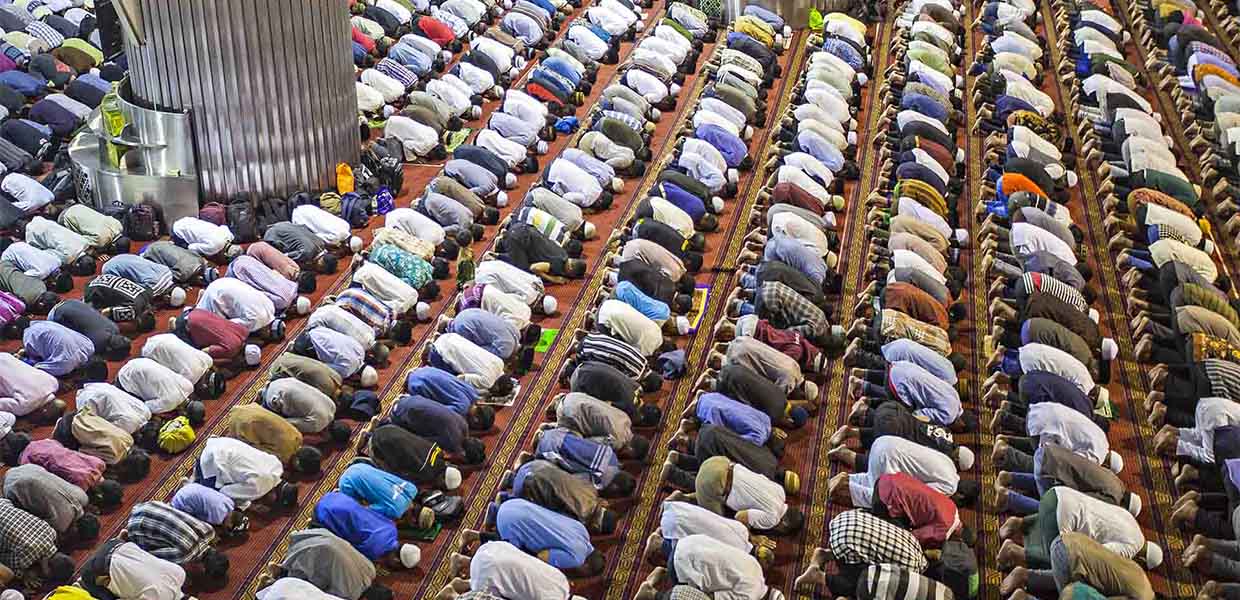
Eid prayer – Muslims gather in large congregations in mosques or open spaces to perform the Eid prayer, which is a special prayer consisting of two units (rak’ahs).
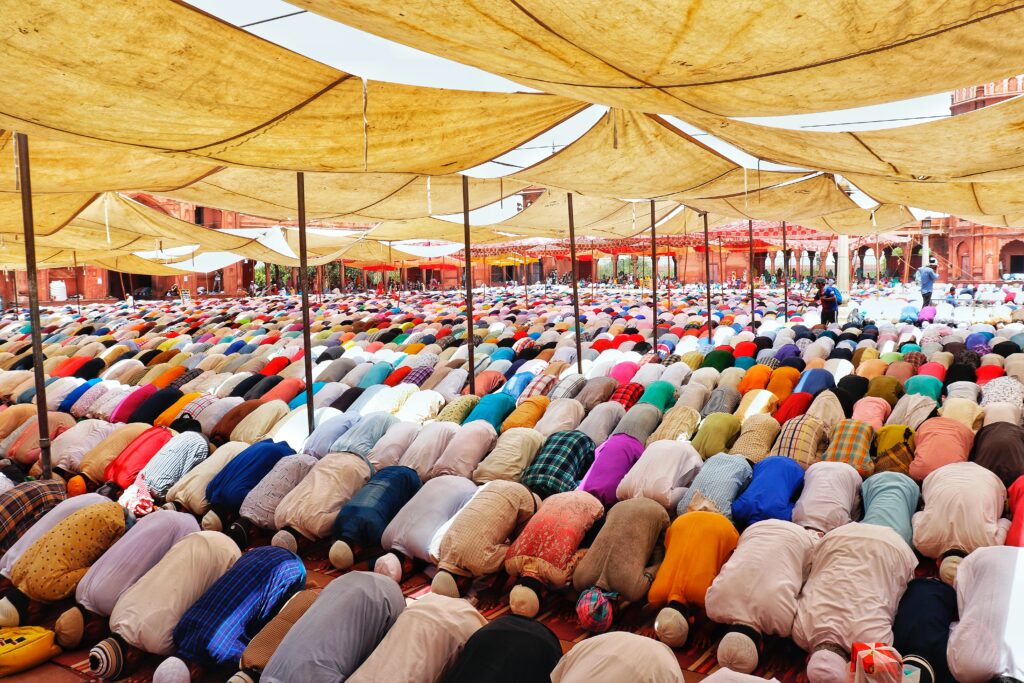
Eid al-Fitr prayer

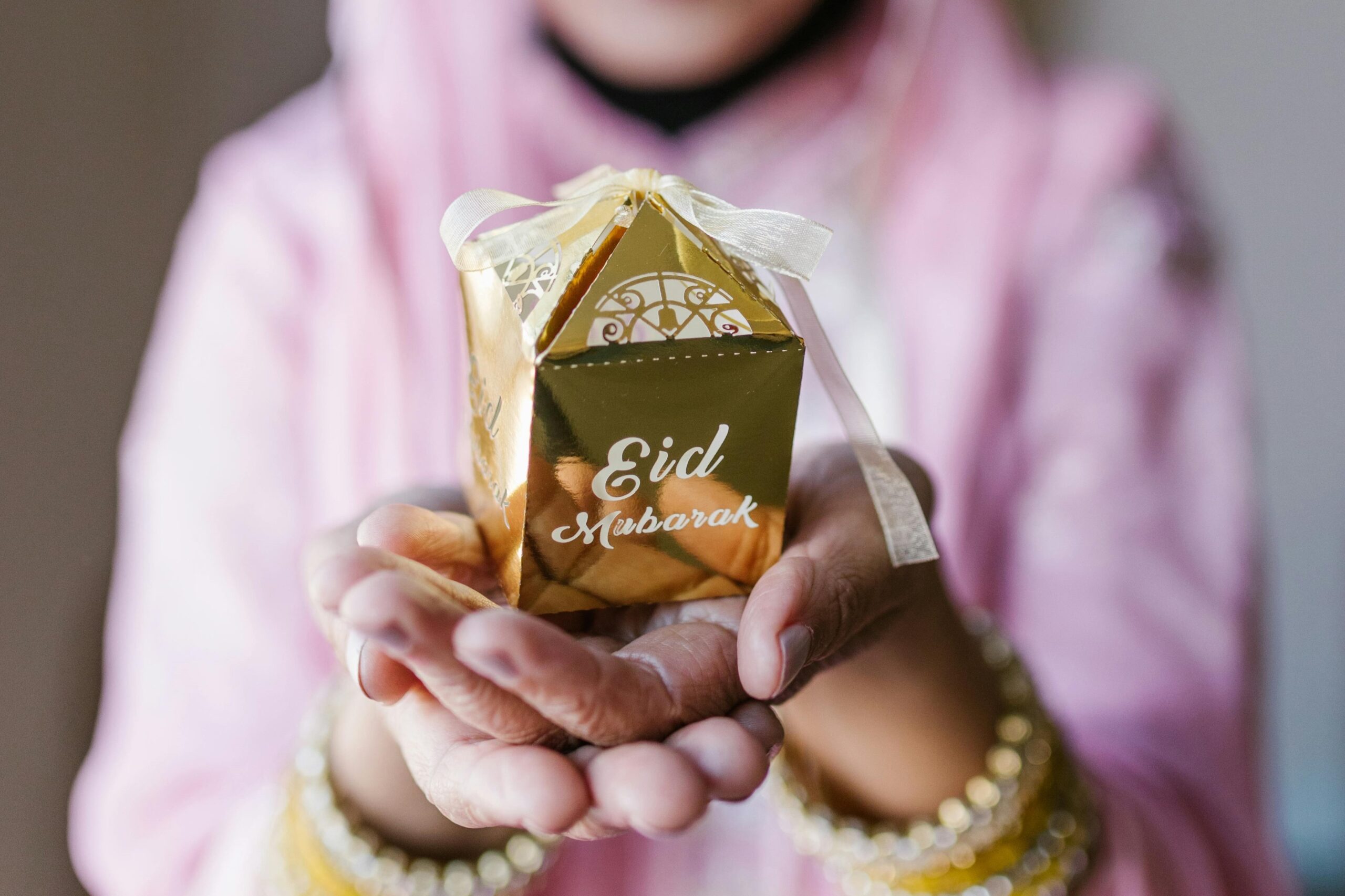
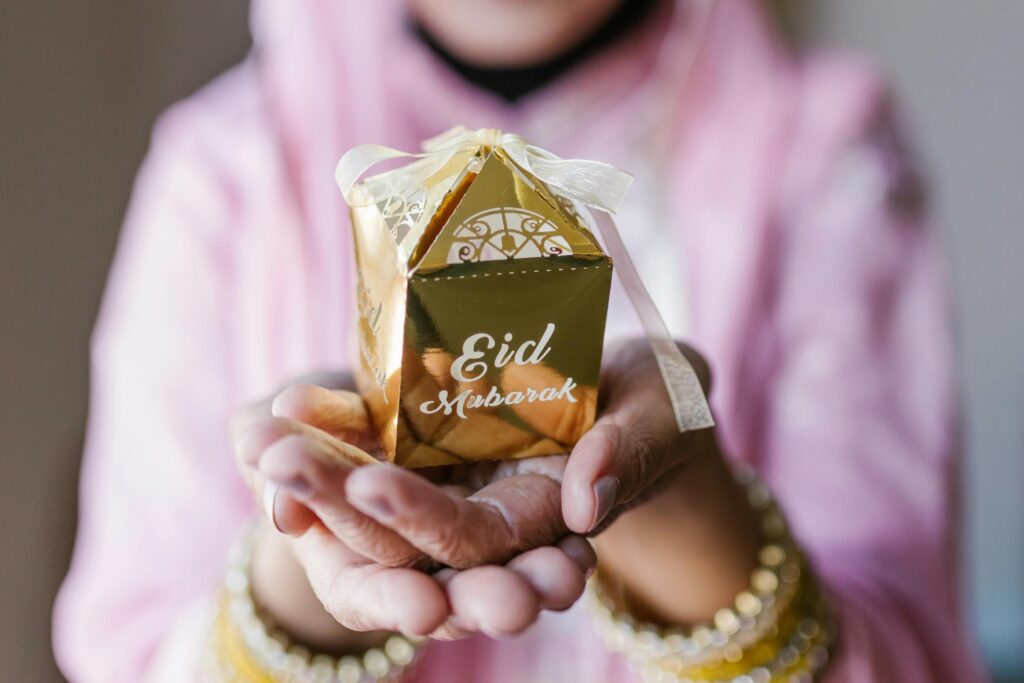
Giving gifts – Muslims exchange gifts with family and friends, especially children, as a way of expressing love and gratitude.

Sharing food – Muslims prepare and share feasts with family and friends, often featuring traditional dishes and sweets.

Dressing one’s best – Muslims dress up in their best clothes, often traditional clothing, to mark the special occasion.

Visiting loved ones – Muslims visit relatives, friends, and neighbours to exchange greetings and share food and sweets.

The Importance of Zakat al-Fitr

Zakat al-Fitr (also known as Fitrana) is a compulsory form of charity specific to Eid al-Fitr. Muslims must give it before the Eid prayer on the day of Eid.

This way, we can ensure the poor and needy of our Ummah around the world can also enjoy the festivities of Eid al-Fitr with loved ones. If one fails to give it before Eid prayer, then the payment is Sadaqah and the reward for it is lesser.

Zakat al-Fitr is mandatory for every adult Muslim with wealth beyond their basic needs, such as food, clothing, and shelter. Typically, the head of the household gives the payment on behalf of all dependents, including children and elderly parents.

The amount of Zakat al-Fitr is typically equivalent to one saa (approximately 2.5 kg) of food per person. It can be given in the form of food, such as wheat, barley, dates or raisins. You can also give money equivalent to the value of these food items.

Where to Pay Zakat al-Fitr

At Islamic Relief, your Zakat al-Fitr is connected to thousands of communities around the world, granting families and children the means to enjoy their Eid al-Fitr free from hardship.

By giving your Zakat al-Fitr through Islamic Relief, you can help make a lasting difference in the lives of those in need, on Eid and in the future to come.
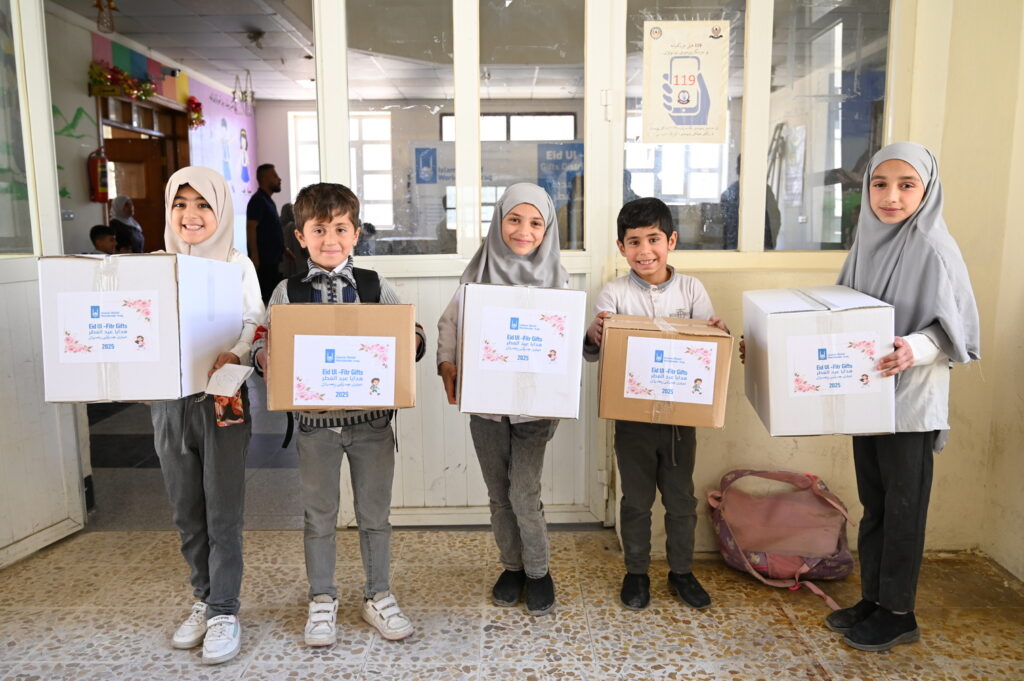
Kids receiving eid al fitr gifts

All in all, Eid al-Fitr is an important festival in the Islamic calendar that marks the end of the holy month of Ramadan. It celebrates the completion of our month-long spiritual journey during the month of fasting. It is a time of joy and community. When Muslims express gratitude to Allah (SWT) and come together with family and friends.

Regardless of when or where you are celebrating Eid al-Fitr, may the blessed festival be one of happiness, peace and immense blessings for you and your loved ones.

Have you paid your Zakat al-Fitr yet?

Multiply your rewards from Allah (SWT) this Eid. Give the gift of happiness and hope to our brothers and sisters in need with Islamic Relief.
01.29.26

Zakat al-Fitr in Australia: What It Is, How Much to Pay, and When to Give

  Publications     Ramadan

Zakat al-Fitr is a form of charity that is given at the end of Ramadan, before the Eid prayer. It is an obligation that applies to Muslims who are able to give. Likewise, it plays an important role in ensuring that everyone can take part in the joy of Eid.

Each year, many people in Australia have practical questions about Zakat al-Fitr. In particular, they revolve around how much to pay, who it applies to, and when it should be given.

This guide explains Zakat al-Fitr in a clear and simple way, so you can fulfil this obligation correctly and with confidence.

What Is Zakat al-Fitr?

Zakat al-Fitr, also known as Fitrana, is a compulsory charity that is given on behalf of each member of a household at the end of Ramadan.

Its purpose is to purify any shortcomings in a person’s fasting. It also serves to help those in need take part in the celebrations of Eid. But unlike Zakat on wealth, Zakat al-Fitr is linked to people rather than assets.

Who Needs to Pay Zakat al-Fitr?

Zakat al-Fitr is required from Muslims who have enough food or wealth beyond their basic needs on the day of Eid.

Ibn ‘Umar رضي الله عنهما reported that the “Messenger of Allah ﷺ made Zakat al-Fitr obligatory at the end of Ramadan upon every Muslim, free or slave, male or female, young or old…” (Agreed upon).

It is paid by the head of the household on behalf of:

  • themselves
  • their spouse
  • their children
  • any dependents under their care.

If someone is genuinely unable to afford it, Zakat al-Fitr is not required of them.

How Much Is Zakat al-Fitr in Australia?

For Ramadan this year, Zakat al-Fitr has been set at $20 per person. This amount represents the cost of providing staple food to someone in need, in line with the purpose of Zakat al-Fitr.

Zakat al-Fitr is paid on behalf of each member of the household, including children and dependants, and should be given before the Eid prayer so it reaches those in need in time.

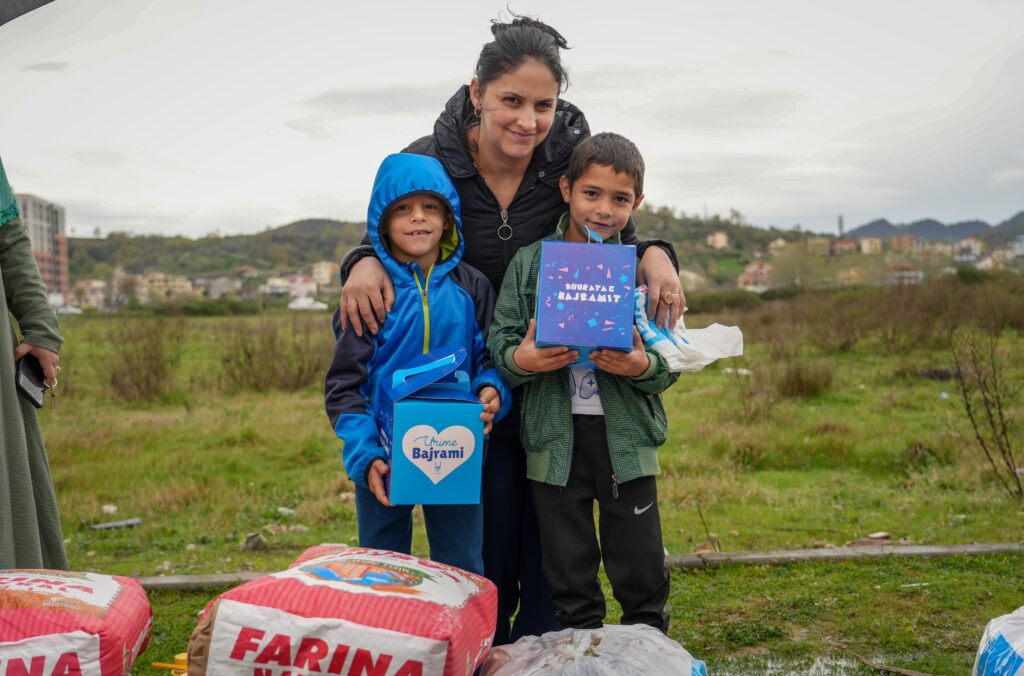
A recipient of Zakat al Fitr from Australia

When Should Zakat al-Fitr Be Paid?

Zakat al-Fitr should be given before the Eid prayer. This ensures it reaches those in need in time for them to benefit from it on Eid.

Many people choose to give Zakat al-Fitr during the last few days of Ramadan to avoid missing the deadline. It is also permissible to give it earlier in the month so that it can be distributed on time.

How Is Zakat al-Fitr Distributed?

Zakat al-Fitr is given to people who are eligible to receive Zakat. Its focus is on supporting those who may struggle to meet basic needs, particularly at the time of Eid.

Giving through a trusted charity can help ensure that Zakat al-Fitr is distributed correctly and reaches those who need it most.

Islamic Relief Australia works with local and international partners to distribute Zakat al-Fitr responsibly, in line with Islamic guidelines.

Giving Zakat al-Fitr Through Islamic Relief Australia

By giving Zakat al-Fitr through Islamic Relief Australia, you can be confident that your donation will be handled with care and delivered according to Islamic principles in important parts of the world where Muslims are in difficulty.

Just as we handle your Zakat al-Maal with the greatest care and diligence, we do the same for Zakat al-Fitr. We strive to help bring comfort and joy to millions of Muslims around the world each year. This helps ensure that families in need can prepare for Eid with dignity and support.

An Obligation that Brings Joy Every Eid

Zakat al-Fitr is a simple but meaningful obligation that helps bring communities together at the end of Ramadan.

By understanding what it is, how much to give, and when to give it in Australia, you can fulfil this duty correctly and help ensure that Eid is a time of joy for everyone.

We ask Allah (SWT) to accept your deeds in Ramadan, and allow your shortcomings to be perfected by the blessings of Zakat al-Fitr!

03.26.25

How to Perform Eid Prayer (Salah)

  Publications     Ramadan

Prayer (Salah) is a crucial part of Eid celebrations, both for Eid al-Fitr and Eid al-Adha. This year, Eid al-Fitr is expected to fall on Friday, March 20, 2026. While Eid al-Adha is expected to occur on Wednesday, May 27, 2026.

On both festivals, Muslims gather together to perform a special congregational prayer, as well as celebrate and give thanks to Allah (SWT). So how do Muslims perform the Eid prayer?

What time is Eid prayer?

Eid prayer (Salah) takes place in the early morning (after Fajr) on the first day of Eid. Muslims are encouraged to pray in Jama’ah (congregation) with their local Muslim community on occasions such as these.

Eid prayer

Please check with your local mosque for the prayer schedule in your local area. If you pray with your local Muslim community, please check when and where they will be performing Eid prayer.

How to perform Eid prayer

Before you begin the prayer, when you first get up in the morning:

  • Make ghusl (the ritual ablution).
  • For Eid al-Fitr, it’s sunnah to eat something before prayer. The Prophet Muhammad (ﷺ) ate dates before going out to prayer. (Sahih Bukhari).
  • Wear the best clothes you have! Muslims are encouraged to clean themselves, dress in their best clothes and smell good for a day of celebration!
  • Say the general takbeerat on the way to the prayer.
  • For Eid al-Fitr, make sure you pay your Fitrana (Zakat al Fitr) before the start of prayer if you haven’t already!

When you’re ready to pray

  • Make the intention to perform Eid prayer.
  • Give the opening takbeer (‘Allahu Akbar’) with the imam.
  • Say the opening supplication quietly to yourself.
  • Give 3 more takbeer with the imam, raising your hands out for each.
  • Listen to the imam recite Surah al-Fatihah and an additional surah.
  • Say ‘Allahu Akbar’ while moving into ruku (bowing) with the imam and continue the prayer cycle as normal.
  • In the second rakah, listen to the imam recite Surah al-Fatihah and an additional surah.
  • Give 3 additional takbeer with the imam. After the third and final takbeer, place your hands to your sides before doing the ruku again.
  • Say ‘Allahu Akbar’ while moving into the bowing position with the imam and complete the prayer cycle as normal.

*Please note: This is the Hanafi method of performing Eid prayer. If the imam recites more takbeer, please follow the imam.

Regardless of when or where you are celebrating Eid, may the blessed festival be one of happiness, peace and immense blessings for you and your loved ones.

May Allah accept good deeds from us and from you! Eid Mubarak!

Have you paid your Zakat al-Fitr yet?

Multiply your rewards from Allah (SWT) this Eid. Give the gift of happiness and hope to our brothers and sisters in need with Islamic Relief.


STAY INFORMED

  • This field is for validation purposes and should be left unchanged.

Quick Donate