01.26.25

Isra’ and Mi’raj 2025: The Night Journey (27th Rajab)   

  Publications     Ramadan

Isra’ and Mi’raj is an important night occurring on the 27th of Rajab. One that we should not slip by without reflecting on its lessons and its significance. 

This year, Al Isra’ wal-Mi’raj 2025 is predicted to take place on the evening of January 26th 2025, depending on the sighting of the moon. 

What is Isra’ and Mi’raj (Al-Isra’ wal-Mi’raj)? 

Isra’ and Mi’raj, known as Al-Isra’ wal-Mi’raj in Arabic, is a miracle second only to the revelation of the Qur’an.  

Translated, it means the Night Journey and Ascension. It refers to the event when that transported Prophet Muhammad (ﷺ) from al-Masjid al-Haram to al-Masjid al-Aqsa, from where he (ﷺ) ascended to heaven. It was an incredible journey, filled with many wonders and miracles.  
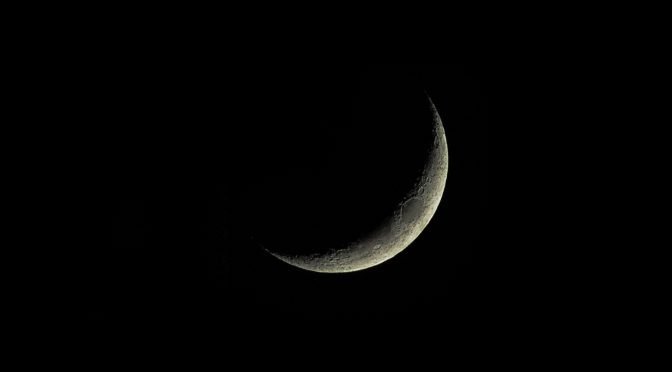
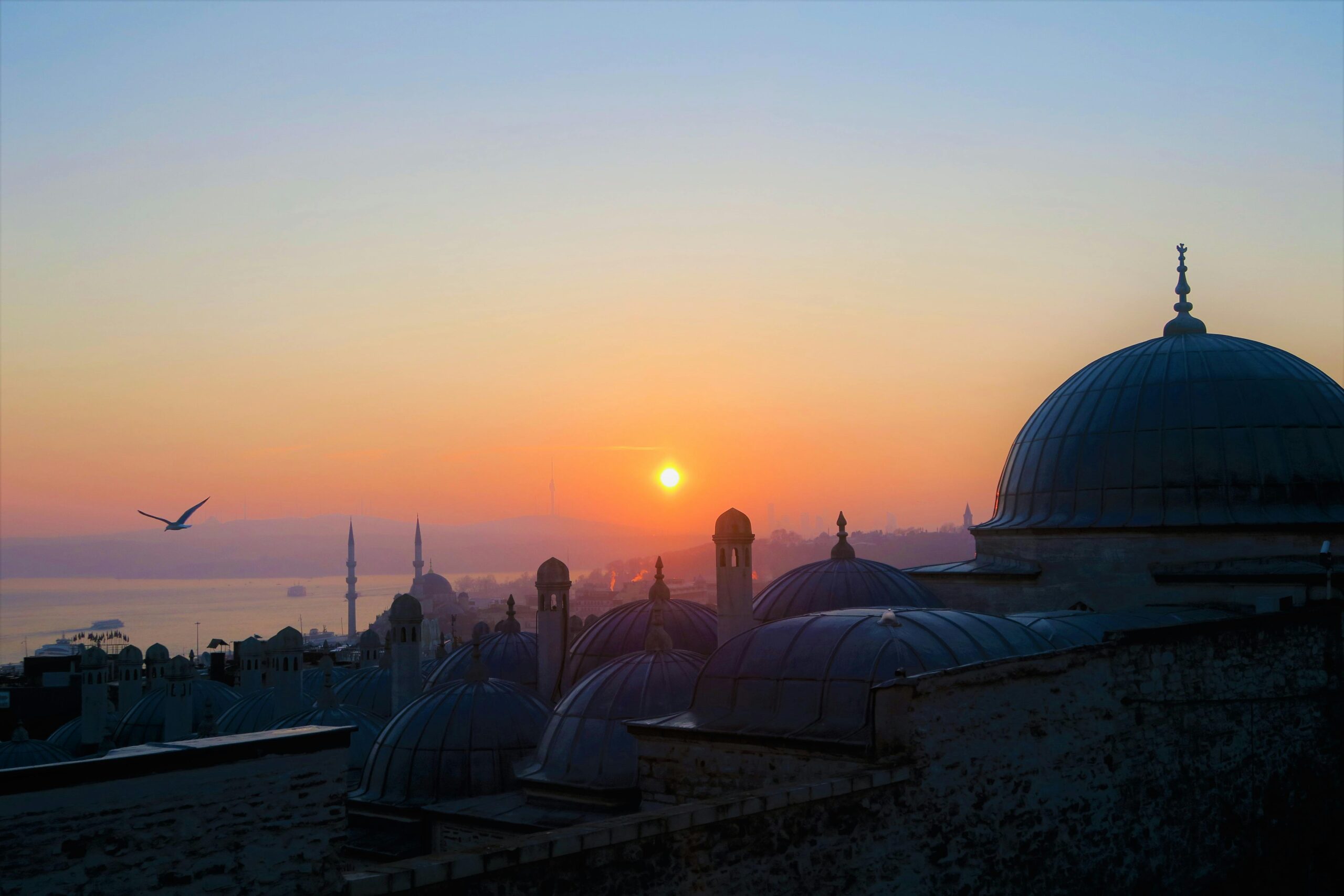
Night, when the Prophet (ﷺ) embarked on the incredible night journey and ascension (Isra’ and Mi’raj)
Photo: Night, when the Prophet (ﷺ) embarked on the incredible night journey and ascension.

When did the Night Journey and Ascension (Al-Isra’ wal-Mi’raj) Happen?  

Isra’ and Mi’raj took place during a time when Prophet Muhammad (ﷺ) was facing intense hardship and pain.  

The Quraysh constantly ridiculed, humiliated and oppressed the Prophet (ﷺ) and his followers. Moreover, he (ﷺ) had just faced the Year of Sorrow (’Aam al-Huzn), during which he (ﷺ) lost his beloved wife Khadijah (RA) and his uncle Abu Talib, his protector and ally. 

In addition to all these struggles, when the Prophet (ﷺ) travelled to Ta’if to spread the message of Islam, the people of Ta’if rejected him, sending their children after him to stone him until he left the city. 

Having gone through so much grief and suffering, Al-Isra’ wal-Mi’raj came to the Prophet (ﷺ) as a beautiful and comforting gift.  

He was transported not only through the skies but ultimately into the presence of Allah (SWT), the source of all comfort and hope.

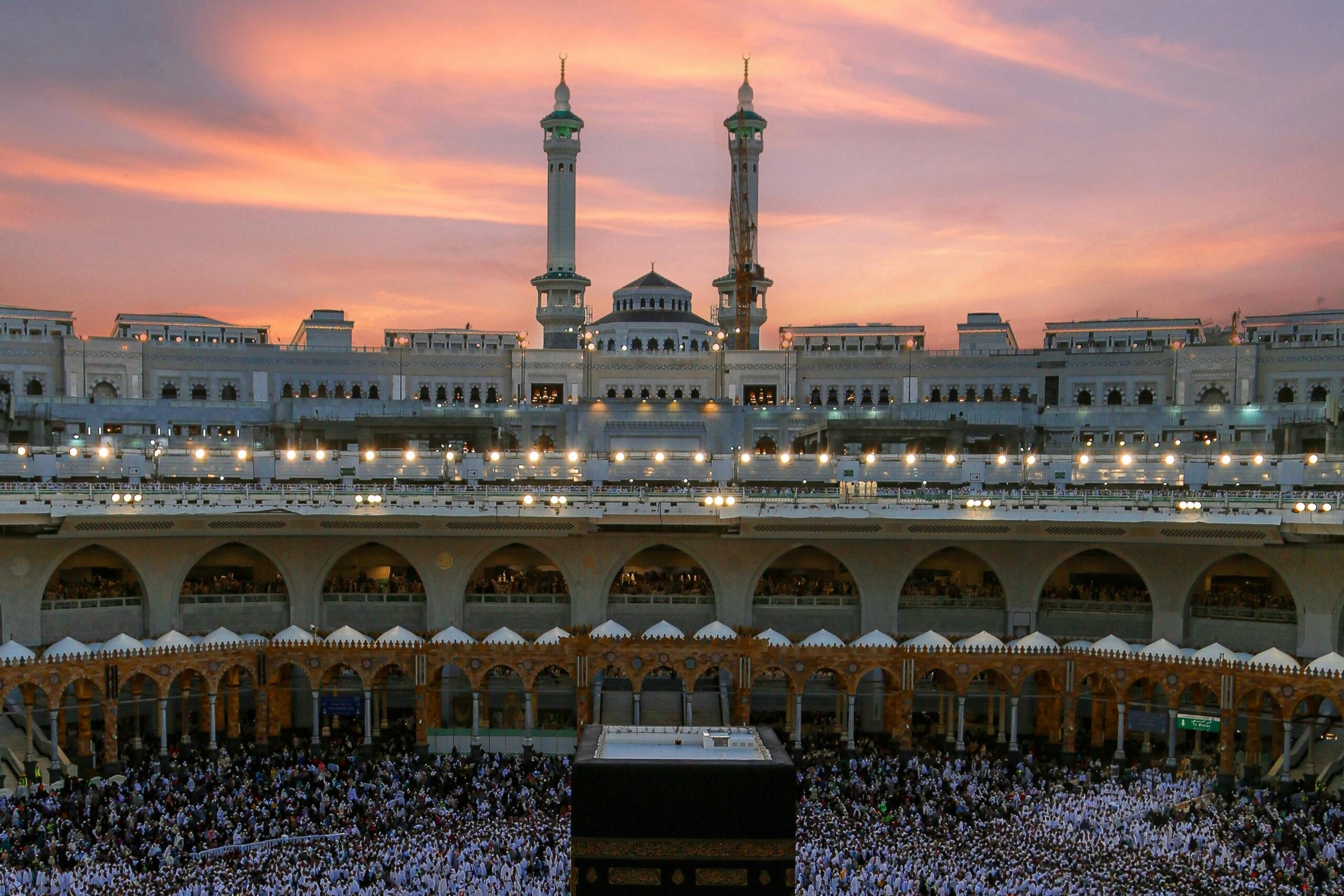
Al-Isra’: From the Ka’bah to Al-Aqsa 

When the Prophet (ﷺ) was sleeping in the house of Umm Hani (ra) in Makkah when the roof of his house opened and the Angel Jibril (AS) descended (Bukhari).  

He (ﷺ) was then taken to the Hijr, the semi-circular wall of the Ka‘bah. It was there that Jibril (AS) opened the Prophet (ﷺ)’s chest and washed it with Zamzam water. Jibril then brought a golden tray full of wisdom and faith, and having poured its contents into the Prophet (ﷺ)’s chest, he closed it. (Bukhari) 

Jibril then brought to the Prophet (ﷺ) a white beast called al-Buraq (from the Arabic word barq, meaning lightning). It was bigger than a donkey and smaller than a mule. Its stride was as long as the eye could reach. (Muslim)

Buraq first shied from the Prophet (ﷺ) before they set off. So Jibril (AS) said to a saddled and reined Buraq, “Is it from Muhammad (ﷺ) that you do this? For nobody has ridden you who is more honourable to Allah than him! Then Buraq started sweating profusely. (Tirmidhi) 

At several points along the journey, Jibril (AS) stopped Buraq and told the Prophet (ﷺ), “Dismount and pray”. The first stop was at “the place of emigration”, Madinah. Soon, after this night, the Prophet (ﷺ) would meet the Ansar and migrate to Madinah.  

The second stop was on Mount Sinai, where Allah (SWT) revealed the Torah to Musa (AS). The third stop was at Bethlehem, where ’Isa (AS) was born. 

The fourth stop was the grave of Musa (AS), located “a stone’s throw” away from the holy land of the Blessed Masjid Al-Aqsa (Bukhari).  

The Prophet (ﷺ) said: “On the night on which I was taken on the Night Journey, I passed by Musa and he was praying in his grave.”

Sunan an-Nasai

Arriving at Al-Aqsa 

When Messenger of Allah (ﷺ) arrived in the holy city of Al-Quds (Jerusalem), they approached Masjid Al-Aqsa. There, Jibril (AS) pointed to the Masjid with his finger, causing a crack in the rock, and tied Buraq to the western wall of the noble sanctuary. (Tirmidhi).  

Waiting inside were all 124,000 Prophets (AS), and among them included Musa (AS), Isa (AS) and Ibrahim. Jibril (AS) led the Prophet (ﷺ) to the front, and he (ﷺ) led them all in prayer in this blessed space.  

When the Prophet (ﷺ) completed the prayer, someone said, “Here is Malik (AS), the keeper of Hellfire, so convey Salams to him”. So, he (ﷺ) turned to him, but the angel Malik preceded him in Salams’ (Muslim).  

The Prophets (AS) also discussed, after praising Allah (SWT), about “the Hour”. Both Ibrahim (AS) and Musa (AS) stated that they “did not have any knowledge of it”. Whilst ’Isa (AS) ’mentioned the Dajjal (anti-Christ). (Ibn Majah) 

Following the discussion, the Prophet (ﷺ) came out and Jibril (AS) brought him (ﷺ) a vessel of wine and a vessel of milk. When the Prophet (ﷺ) chose the milk Jibril (AS) said, “You have chosen the natural state (Fitrah)” (Muslim). 

The Prophet (ﷺ), with Jibril (AS), then proceeded to the Noble Rock (as-Sakhrah al-Musharrafah), currently housed by the holy Dome of the Rock Masjid, at the centre of the noble sanctuary (al-Haram ash-Sharif) of the Blessed Masjid Al-Aqsa.  

He (ﷺ) then ascended into the heavens for the next part of this incredible journey – the Mi‘raj, the Ascension! 

What is the Mi’raj? 

He (ﷺ) certainly saw some of his Lord’s greatest signs.  

Qur’an 53:18

The word Al-Mi’raj is a noun of instrument in Arabic morphology, which literally means ‘an instrument you use to ascend’. But how does this relate to the Prophet (ﷺ)’s night journey? 

In the Prophet’s Night Journey and Heavenly Ascent by Sayyid Muhammad ibn Alawi al-Maliki, it states that:  

View Preview

The Prophet (ﷺ), “saw the wide-eyed maidens of Paradise at the left of the Rock (at the Dome of the Rock Masjid). He greeted them and they returned his greeting.

“Then he asked them something and they replied with an answer that cools the eyes. Then the Prophet (ﷺ) was brought the ladder by which the spirits of the children of Adam (AS) ascend.  

“It had alternate stairs of silver and gold and came down from the Highest Garden of Paradise, Jannat al-Firdaus. It was encrusted with pearls and surrounded (by) angels on its right and left”

As recorded in The Life of Muhammad (ﷺ) Ibn Ishaq, the Prophet (ﷺ) also said the ladder was finer than any he had ever seen, and that this was the ladder which “the dying man looks when death approaches”.

Then the Prophet (ﷺ), accompanied by Jibril (AS), ascended into the layers of sky. 

The First Sky 

Allah ascended the Prophet (ﷺ) from the Dome of the Rock through the skies, where he saw many miraculous sights reaching heaven, the first layer of the sky and the end of the known universe. 

Jibril (AS) then asked the (gate of heaven) to be opened (by knocking on one of its doors). (Bukhari)

The dwellers of Paradise asked, ‘Who is it?’ He said, ” Jibril.” They said, “Who is accompanying you?” He said, “Muhammad (ﷺ).” They said, “Has he (ﷺ ) been called?” He said, “Yes,” They said, “He (ﷺ) is welcomed.” (Bukhari)

The Prophet (ﷺ) also reported that when (the door of heaven) was opened for them “…suddenly I was with (the Prophet) Adam (AS). Then he welcomed me and supplicated for good for me”. (Muslim)

The Second to Seventh Sky 

The Prophet (ﷺ) continued to ascend the layers of the skies with Jibril (AS). Each time, they again sought permission to enter, and the angelic guards were delighted and welcomed the Messenger of Allah (ﷺ).  

It was also through passing these skies that the Prophet (ﷺ) met many of the prophets (AS) who came before him. At the second sky, he met prophets Isa (AS) and Yahya (AS). In the third sky, the Prophet (ﷺ) met the Prophet Yusuf (AS). 

At the fourth sky, the Prophet (ﷺ) met the Prophet Idris (AS). In the fifth sky, he met the Prophet Harun (AS), before meeting Prophet Musa (AS) in the next sky – the sixth.  

At each one of these levels, these Prophets (AS) welcomed the Prophet (ﷺ) and supplicated good for him saying, “Welcome O pious Prophet and pious brother!” (Bukhari) 

 At the seventh sky, the Prophet (ﷺ) met his greatest ancestor, the Prophet Ibrahim (AS) who was “reclining his back against al-Bayt al-Ma‘mur. And there enter into it seventy thousand angels every day ever to return to it (again)”. [Muslim] 

(Bayt al-Ma’mur, in Arabic, means “the much-visited House”. It is the heavenly Ka‘bah directly above the one on earth). Like Adam (AS), Ibrahim (AS) also greeted the Prophet (ﷺ). 

The Lote Tree 

As the Prophet (ﷺ) carried on his journey, he reached the Furthest Lote Tree, known, in Arabic, as “Sidrah al-Muntaha” (Qur’an 53:14). 

In several ahadith, the Prophet (ﷺ) described the tree in great detail. 

“(Its) leaves were like elephant ears and its fruit like big earthenware vessels”. (Muslim)

“Then when it was covered by the Command of Allah, it underwent such a change that none amongst the creation has the power to praise its beauty” (Muslim)

“A rider will travel in the shade of one of its branches for a hundred years,” or “a hundred riders will seek to shade themselves with its shade”. (Tirmidhi)

The tree is surrounded (by) “golden butterflies”. (Tirmidhi)

He (ﷺ) further said: “many a colour had covered it which I do not know (i.e. the colours of this tree were indescribable)”. (Muslim)

He also stated that, “There terminates everything that ascends from the earth, and everything that descends from above”. (Tirmidhi) 

The Divine Meeting 

Then Allah revealed to His servant (ﷺ) what He revealed 

Qur’an 53:10

At the end of this journey, the Prophet (ﷺ) was brought to Allah (SWT), the ultimate source of strength and relief.  

Regarding this important meeting, the Prophet (ﷺ) said, ‘Then Allah revealed to me what he revealed to me and then He made obligatory for me fifty prayers every day and night’. [Muslim] 

It was here that Allah gave this Ummah the gift of compulsory Salah. A daily source of strength to Muslims, giving them the opportunity to communicate with Allah (SWT) directly and draw closer to Him.  

We also know, that through the Prophet Musa (AS)’s intervention and advice that fifty prayers were eventually reduced to five, but still rewarded as fifty, subhanAllah! 

Returning Home 

Finally, the Prophet (ﷺ) was taken back down to the Blessed Masjid Al-Aqsa and returned to Makkah on the Buraq. 

As he was transported home, he saw various caravans heading towards Makkah, which he would later describe to the Quraysh as proof that he really had made this miraculous journey.  

Allah (SWT) even displayed Bayt al-Maqdis to the Prophet (ﷺ), while the Quraish were cross-examining him in the Hijr of the Ka‘bah [Bukhari].  

The entire journey had taken place in a small portion of a night, and there were many who would mock the Prophet (ﷺ) for making such a claim. 

For the Muslims, however, the story was a source of wonder and hope, as it continues to be for us today.  

On this night, the Prophet (ﷺ) was given the honour of travelling to various blessed places on earth, then ascending the levels of sky and being finally welcomed by Allah (SWT)! All this to honour the beloved Prophet (saw) and “to show him some of Our signs!” (Qur’an 17:1)

Your Zakat Heals Our Ummah

Make the most of Rajab by preparing for Ramadan. Give the gift of happiness and hope to our brothers and sisters in need with Islamic Relief.
01.08.25

How Islamic Relief Uses Your Donations to the Fullest

  Impact     Publications

At Islamic Relief, we use your donations in the way that benefits rightsholders the most. To raise the most money for the world’s most vulnerable people and distribute those funds responsibly, effectively and fairly.  

Because for every $1 we spend:

  • 86c directly into helping people in need 
  • 11c to raise more funds
  • 3c on administering the funds and making sure we are accountable
 

This all ensures we can continue the lifesaving work we do and reach even more people in need, sustainably and with quality care. 

So, for every 1c we spend on fundraising, we raise an additional 10c. That’s an extra $1.10 on top of your $1. Your donation is DOUBLED, Alhamdulillah! 

Are My Donations Being Used Effectively?  

The most important question should be ‘Are your donations being used effectively?’ 

With Islamic Relief, the answer is YES! Each day, Islamic Relief works hard to be a safe pair of hands for your donations. We’re accountable to you, to the people we serve and most importantly to Allah (SWT). 

Alhamdulillah, because of your support, our family has transformed and saved over 120 million lives since 1984. 

A young orphan girl - one the many lives your donations have changed

In Gaza, we are on the ground daily, providing millions in aid amidst ongoing conflict. In Sudan, we are fighting hunger and malnutrition and granting shelter to the millions displaced. As conflict and disease continue to grip our planet, we’re there to support vulnerable communities in need. 

We don’t claim to have a 100% donation policy 

We aim to use your generous donations in the most effective way possible, whilst remaining as transparent as possible! Did you know that we’re able to multiply your donations? So, we could claim to have a 100% PLUS donation policy, but we don’t. 

Find out why Islamic Relief does not use a 100% donation policy here

Together, we’re saving and transforming the lives of some of the world’s most vulnerable people. Without your support, we wouldn’t be able to do any of this. Please continue to give to Islamic Relief and help save even more lives. 

See Your Impact

Our annual reports show how your Zakat and Sadaqah transforms the lives of millions with lifesaving aid.

Frequently Asked Questions

  • How are your donations spent?

    For every $1 we spend: 

    • 86c goes directly towards helping people in need 
    • 11c is invested in raising more funds 
    • 3c goes towards administrative costs 
  • How much of my donation will go directly to people in need?

    How much of my donation will go directly to people in need? 

    For every $1 donated to Islamic Relief Australia, 86c goes directly towards programs and initiatives that help people in need. 

    We spend 3p on administrative costs and invest 11p into raising more funds. 

    For every $1 we spend on fundraising, it makes $11 back. Alhamdulillah! 

    All of our income we use to help people in need. Because admin and fundraising costs are an essential expenditure in helping us to achieve our aims. 

  • Are people aware of Islamic Relief Australia’s admin costs?

    We believe in transparency and accountability. Information on admin costs and annual financial accounts is readily available on the Islamic Relief Australia website.

    We also have the information included in our Annual Report. This is independently audited and lodged with ACFID (Australian Council for International Development).

    We also distribute our Annual Reporto key stakeholders, feature it on our website and promote it on social media. In turn, our financial statement is also available on the ACNC website

    We are making every effort to make people aware that Islamic Relief has admin costs. As well as why admin costs are a necessary expenditure for a high-performing and transparent charity. 

  • Who ensures that admin costs are not being misused?

    Islamic Relief must submit its independently audited accounts annually to the ACNC. This the main body that registers and regulates charities in Australia to ensure that the public can support charities with confidence. 

    The ACNC is an independent, non-ministerial government department accountable to Parliament. If the ACNC has any concerns about the way a charity is running itself or presenting its information, it can hold the charity to account. 

    Islamic Relief is also a member of ACFID. Being a member of ACFID ensures adherence to high ethical and operational standards through the ACFID Code of Conduct. It provides credibility, compliance support, and access to resources. It also helps organisations strengthen policies, meet regulatory requirements, and improve accountability and transparency. All while offering training, networking, and advocacy opportunities to enhance impact and trust with donors and stakeholders.

  • Why do we need admin costs at all?

    It costs money to deliver aid and to do it well. Because of admin costs, we can ensure the people who need it most receive the best possible support, and not towards the wrong places. 

    Admin costs can cover a range of necessary expenses. This includes governance costs (e.g. audits), monitoring and evaluation (to ensure the delivery of this project and its planned impact). As well as rent for buildings, insurance, appropriate staff salaries, volunteer expenses, and equipment (e.g. laptops, phones) etc. 

    Islamic Relief ensures that it gets the best value for money to help deliver aid on the ground, and raise more funds for the people who need it the most. 

  • Why can’t Islamic Relief staff work for free or volunteer their time?

    The majority of staff at Islamic Relief work on a full-time basis. This ensures our donors’ money is spent in the most effective and impactful way. They are professionals who bring specialist skills and knowledge in order for us to deliver our work to high standards. This is how we can ensure that more people affected by conflict and natural disasters as well as those living in poverty can get the best help they need and deserve. 

    Islamic Relief is also working to help communities build their future with long-term projects. This can take a huge amount of work, commitment, and time for staff. 

    Staff would not be able to do this voluntarily on a full-time basis without a salary. They themselves need to support themselves and their families. Without staff, the work could not continue. 

    Those working for Islamic Relief are also an investment to raise more money, awareness, and funds, which ultimately means we can reach and help more people. 

    The scope of international development, campaigning, advocacy and working to raise awareness of those suffering across the work is a mammoth task and even full-time staff cannot cover everything. This is why we also ask volunteers to help by giving their time to help with events, fundraising, advocacy and campaigning. We engage with over 200 volunteers in Australia – their contribution is invaluable and highly appreciated. 

    Nearly all of Islamic Relief’s overseas staff and volunteers are local people who come from the communities they serve. 

  • Do Zakat donations have admin costs?

    Yes – Islamic Relief utilises a small percentage of Zakat donations towards admin and fundraising costs. When you make a Zakat donation, we take a fixed amount of 12.5% in admin fees. 

    In the Qur’an, Allah tells us that zakat is for eight categories of people, including: “…those employed to administer the funds…” (9:60).  

    We have sought the opinion of well-respected scholars, who have informed us that since there are eight deserving categories, each is entitled to a proportion of 12.5%. This means whatever we spend on administrative costs and raising more funds are Zakat-eligible as per the Shariah.  

  • Isn’t fundraising costs part of admin?

    Admin costs help us to deliver aid and to do it well. Thus, this ensures the people who need it most receive the best possible support and the money goes to where it is needed. It can cover governance costs (e.g. audits to comply with legal obligations and Charity Commission rules), rent for buildings, insurance, admin staff salaries, volunteer expenses, equipment (e.g. IT equipment) etc. 

    However, fundraising costs are an investment to generate more income which means we are able to help even more people. 

    Together we refer to these as ‘support costs’ and both are essential expenditure in helping us to achieve our aims. 

12.29.24

What is Rajab 2025

  Publications     Ramadan

Rajab is the seventh month of the Islamic (Hijri) calendar and is one of the four sacred months.

It precedes the month of Sha’ban and Holy month of Ramadan. It also contains many benefits and virtues, as some of the most precious days of the Islamic calendar occur within this month.

When is Rajab 2025? 

This sacred month is expected to begin on January 1, 2025, depending on the sighting of the moon.

There is also Isra’ and Mi’raj on 27th Rajab. This is expected to occur on the January 27, 2025. 

A crescent moon in the night sky, the sighting of which can be used to determine the dates for the Islamic months, such as Rajab
Photo: The sighting of the moon is used to determine the dates of the Islamic months of the lunar calendar.

Why is Rajab Important in Islam? 

Rajab is one of the four sacred months of the year. In Surah At-Tawbah, it states:

Verily, the number of months with Allah is twelve in the book of Allah, since the day He created the Heavens and the Earth. Four of them, they are sacred. 

Qur’an 9:36 

Likewise, the names of these four sacred months are listed in this hadith.

Time has come back to its original state which it had when Allah created the Heavens and the Earth; the year is twelve months, four of which are sacred. Three of them are in succession: Dhul-Qa‘dah, Dhul-Hijjah, Al-Muharram and Rajab of Mudar, which stands between Jumada (ath-Thani) and Sha‘ban. 

Sahih al-Bukhari 

These months are sacred as there are many virtues attached to them. Fighting is prohibited during these four months. In turn, all transgressions during these months weigh heavier as wrong deeds, while all sincere acts of worship become elevated in their good deeds.

Significant Events Taking Place in Rajab 

The birth of Ali (RA) 

On the 13th Rajab, Ali (RA), the cousin and companion of the Prophet Muhammad (ﷺ), was born.

Al Isra’ wal Miraj 

The Prophet’s (SAW) night journey Al Isra’ wal Miraj is thought to have taken place on the 27th Rajab. 

Battle of Tabuk 

In 9AH, the Battle of Tabuk took place during Rajab. During this battle, the Prophet (ﷺ) took 30,000 men to face the Roman army. As a result, the Romans retreated. Then, afterwards, a peace agreement was made. 

Salahuddin al-Ayyubi liberated Jerusalem 

In Rajab of 583 AH (1187 CE), Salahuddin al-Ayyubi liberated Jerusalem after 88 years of Crusader occupation. 

Fasting in Rajab 

The sacred months are an excellent time to do sunnah (supererogatory) acts of worship, fasting included. Voluntary (nafl) prayers, du’a and Sadaqah Jariyah, are also other virtuous acts that weigh more on the scale as good deeds due to the sacredness of this month.

Whcih days should I fast in Rajab? 

There are many days on which it is Sunnah to fast. The Prophet Muhammad (ﷺ) used to fast on Mondays and Thursdays. It is also recommended to fast on the white days (13th, 14th and 15th of the Islamic lunar month).

Make the most of this sacred month

Rajab is one of the four sacred months of the year. It is also the month when Al Isra’ wal-Mi’raj took place. This makes it a month of many opportunities for blessings.  

This month is a time, when we, as Muslims, should increase worship and devotion to Allah (SWT). By working on improving our character and becoming more motivated to earn good deeds, we can earn immense rewards and better prepare for Ramadan (which is coming soon at the end of February!) in these coming months.

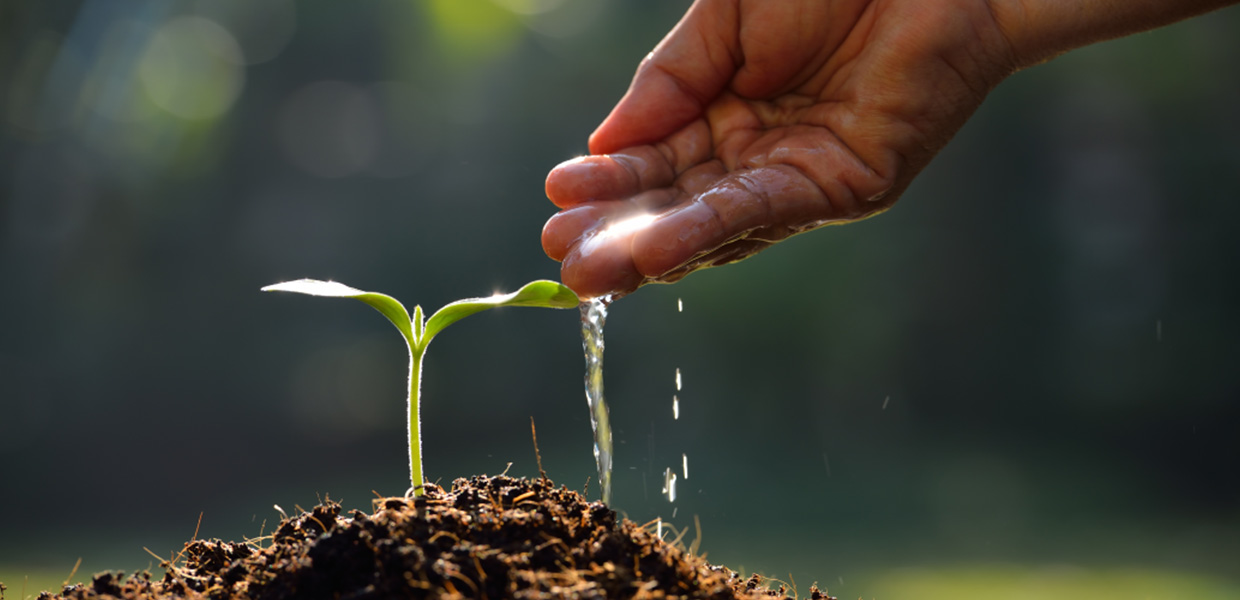
As Imam Abu Bakr al-Warraq al-Balkhi (RA), the uncle of Imam Tirmidhi (RA), said, ‘The month of Rajab is the month of planting (your seeds), Sha‘ban is the month of irrigating/watering (them), and Ramadan is the month of harvesting the crop’.  

Rajab is the time to prepare for Ramadan – spiritually, mentally and physically. Remember to make the most of this sacred time by performing as many good deeds as you can and seeking forgiveness from Allah (SWT). May He accept and reward your efforts, ameen!

Your Zakat Heals Our Ummah

Make the most of Rajab by preparing for Ramadan. Give the gift of happiness and hope to our brothers and sisters in need with Islamic Relief.

09.17.24

Orphan Care: The Transformative Impact on Salahuddin’s Family

  News

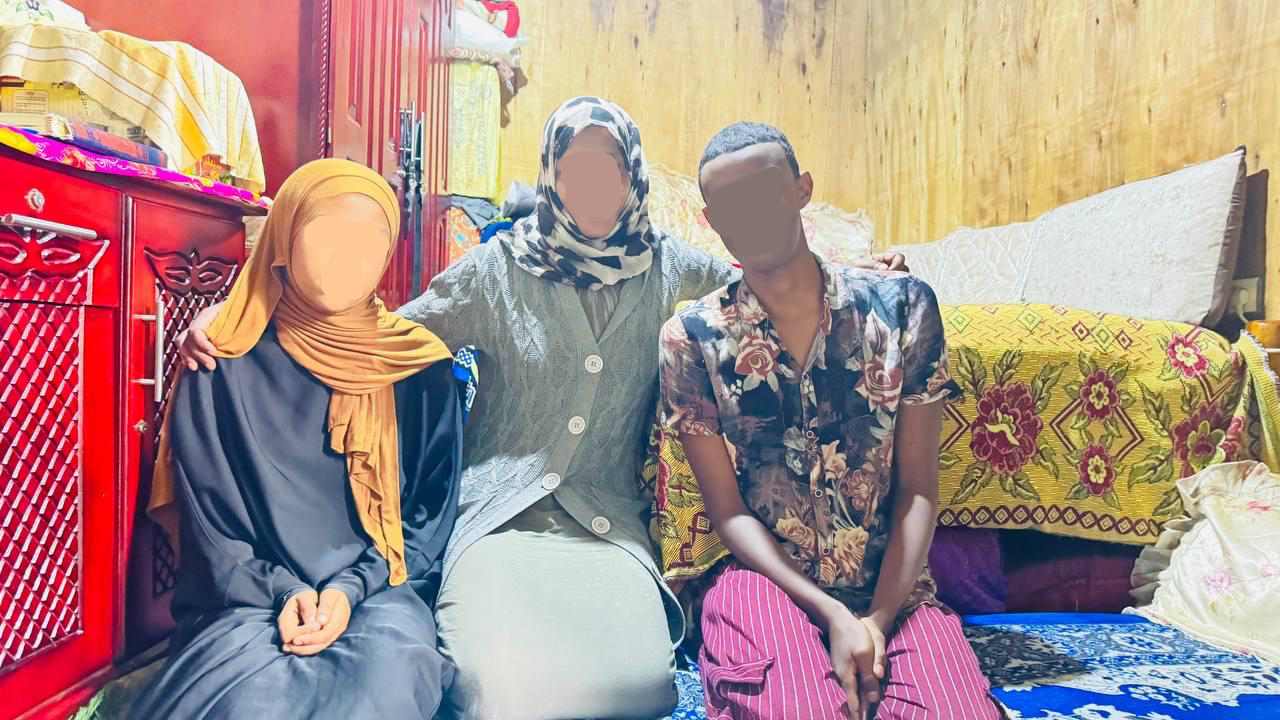
Salahuddin’s story is one of spirit, hope, and the transformative power of an orphan care sponsorship. Born into a family led by a hardworking father, Salahuddin’s early years were filled with the love and support of a supportive family. His father, a courageous labourer, was the sole breadwinner, working tirelessly to provide for his wife, Beheriya Fereja, and their two children, Salahuddin and his younger sister, Amira.

Unfortunately, their world turned upside down when Salahuddin was just three years old. His father passed away due to an illness, leaving the family in a vulnerable state.   

Before his father’s passing, the family lived in a modest rental home, paying 3,000 ETB per month. However, after his death, Beheriya found it increasingly difficult to cover the rent and meet other basic needs.

The situation became very bad as the family struggled to secure even two meals a day. The future seemed miserable for Salahuddin, Amira, and their mother, as they faced devastating challenges. 

How an Orphan Care Sponsorship Changes Lives

In July 2015, a shine of hope appeared when Salehuddin’s sponsorship began through Islamic Relief. This sponsorship marked a turning point for the family, bringing immediate and significant changes. With the support, Beheriya could finally provide regular meals for her children, and the stress of daily survival started to simplicity. The sponsorship not only covered essential needs like food but also helped in purchasing educational materials, clothing, shoes, and other necessities for Salahuddin and Amira.  

Despite the ongoing challenges of high inflation and the economic impacts of COVID-19, the sponsorship supports enabled Beheriya to begin participating in labour work alongside her neighbours, generating a small but vital income to bridge the financial gaps. The family’s situation improved gradually, but a more significant change came with the introduction of the new pricing model for sponsorship.  

The Impact of the Updated Orphan Sponsorship Pricing

The increase in sponsorship payments brought a meaningful improvement to the family’s finances. This change motivated Beheriya to explore additional income-generating opportunities. Inspired by the increased support, she began saving a small portion of the funds and invested in a small business selling butter. This undertaking proved to be a game-changer, allowing her to diversify the family’s income sources and achieve a more stable and sustainable livelihood.   

Today, Salahuddin and his family are successful, and their future looks brighter than ever. The new pricing structure not only provided immediate financial relief but also inspired Beheriya to take practical steps toward self-reliance.  

The story of Salahudin and his family is evidence of the thoughtful impact of sponsorship and how, with a little support, lives can be transformed. The new pricing model has empowered them to move beyond simple survival and into a future filled with possibilities. It is a powerful reminder of the importance of community and the transformative power of giving.  

Help support an orphan and change their lives

By donating just $100 a month, you can give a child like Soad the chance to pursue their dreams and build a brighter future.

09.17.24

The Impact of Orphan Care: Rubab’s Journey of Hope

  News

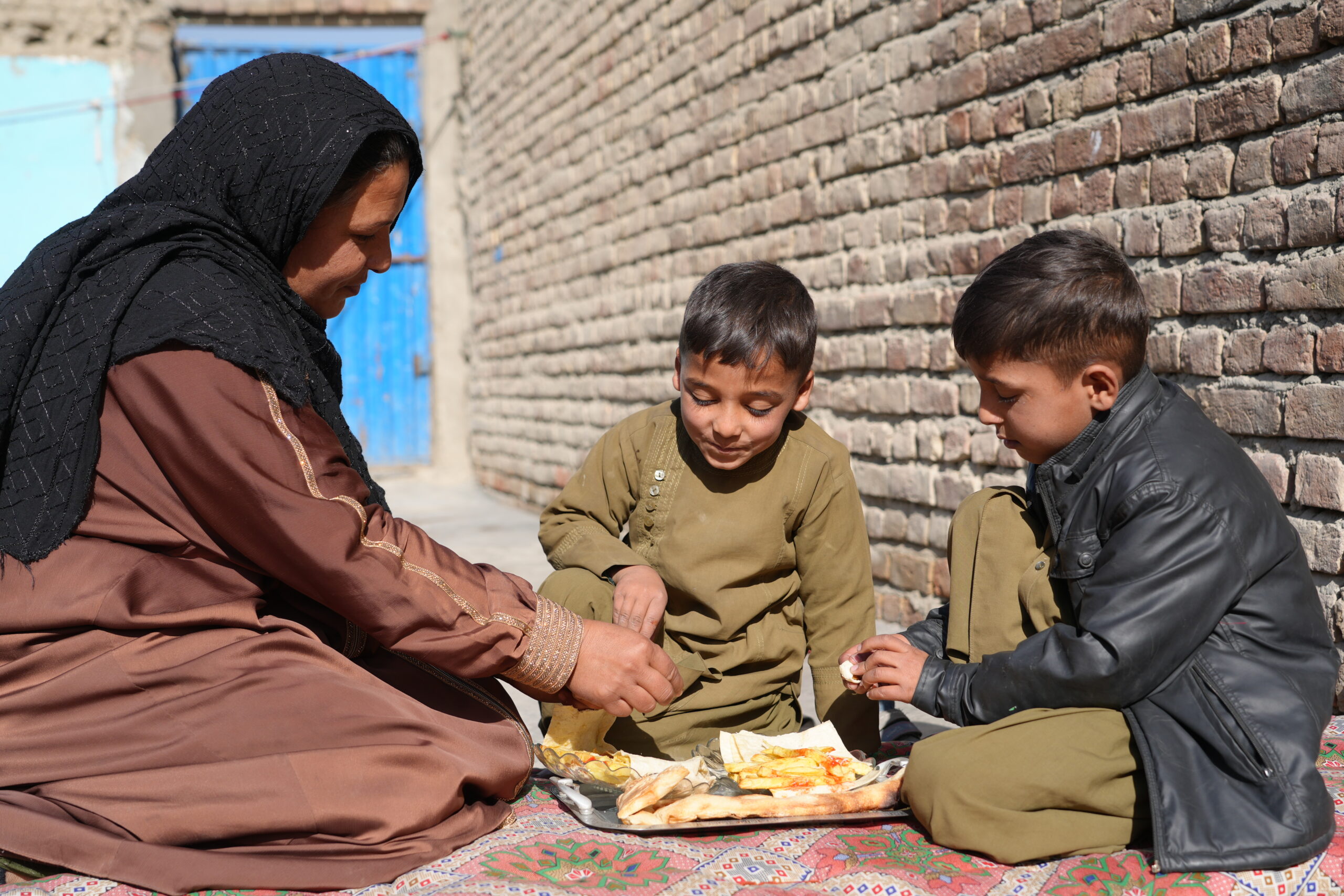
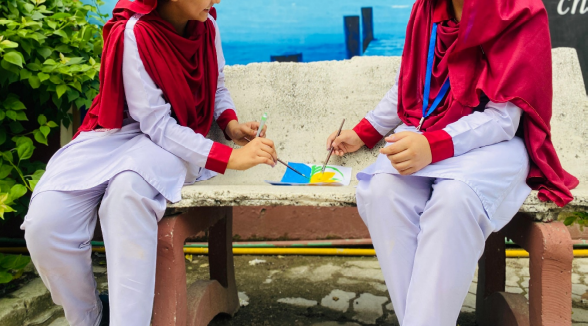
How does an orphan care sponsorship change the life of a child in need? This is the heartwarming story of Rubab, a bright and determined young girl from Pakistan, whose life has been profoundly impacted by your generous support.

Over the past year, Rubab has blossomed in many aspects of her life, and this transformation is a testament to the life-changing difference your contributions have made. 

Orphan Care Helped Her Thrive in School

Rubab’s educational journey has been nothing short of remarkable. Before orphan sponsorship, she attended a government school. While she was always a hardworking and dedicated student, the limited resources and opportunities at the government school did not fully allow her to reach her potential.

But now, thanks to your continued generosity, Rubab and her elder sister have transitioned to a well-reputed school. One that offers a much higher standard of education.

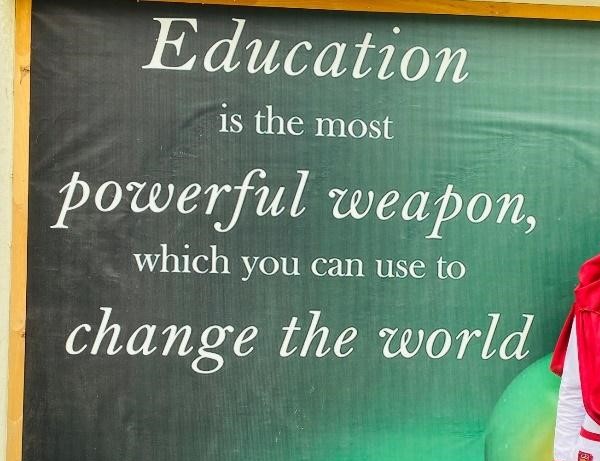
A board at Rubab's new school, orphan care sponsorship can give a child quality education

This change has had an extraordinary impact on Rubab’s academic performance. She now excels in her studies, consistently achieves high marks, and shows a newfound enthusiasm for learning. Her teachers have noted her active participation in class, her inquisitive nature, and her eagerness to take on challenges.

Moreover, Rubab has embraced extracurricular activities with great enthusiasm. This has not only enhanced her academic experience, but also helped her develop essential life skills such as teamwork, leadership, and time management. These activities have further boosted her confidence, allowing her to express herself more freely and explore her interests beyond the classroom.

Orphan Care Gave Her Family Proper Shelter

The positive changes in Rubab’s life extend beyond her education and health. The new sponsorship pricing has significantly improved the living conditions for Rubab and her family.

They currently live in a modest single-room home. However, before this support, the family faced considerable financial challenges. Rubab’s mother, the sole provider for the family, often struggled to make ends meet. Simple pleasures, such as buying new clothes for Rubab, were luxuries that could only be afforded during Eid.

However, the financial relief provided by the new pricing structure has eased these burdens considerably. Rubab’s mother can now manage the household expenses more effectively, allowing Rubab to enjoy the small joys of childhood, such as wearing new clothes more often. This has not only improved their living standard, but has also brought a sense of security and stability to their lives.

Rubab’s Mother Thanks You For Your Support

Rubab’s mother has expressed her deep and heartfelt gratitude for the difference your support has made. She is incredibly thankful for the new sponsorship pricing, which has lifted a significant weight off her shoulders.

The financial stability it has provided has allowed her to focus more on nurturing her children and less on the day-to-day worries of making ends meet. She is overjoyed to see Rubab thriving in her new school and is confident that this opportunity will pave the way for a brighter future for her daughter. 

Your generous contributions have had a transformative impact on Rubab’s life. Because of you, she is receiving an education without obstacles, living in a more stable and supportive environment, and growing up with the hope and determination to achieve her dreams.

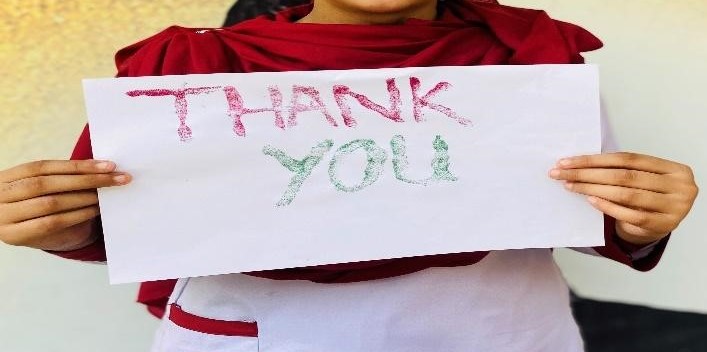
Rubab holding a thank you card, thanking her orphan care sponsor and Islamic Relief for their support

The positive ripple effect of your support is evident not only in Rubab’s life but also in the lives of her family members, who are all benefiting from the improved circumstances. 

We cannot thank you enough for the difference you have made in Rubab’s life. Your support is not just an investment in her education but in her future, and we are deeply grateful for your continued generosity. 

Help support an orphan and change their lives

By donating just $100 a month, you can give a child like Soad the chance to pursue their dreams and build a brighter future.

08.21.24

10 Incredible Rewards for Sponsoring an Orphan in Islam

  Publications

Kindness towards the orphan is a significant part of Islam. A core part of Islamic values is social justice. We each have a responsibility to protect and uphold the rights of Allah (SWT)’s creations, especially the vulnerable.  

In poverty-stricken and war-torn countries, many children are left vulnerable and orphaned. In these harsh conditions, they struggle to survive. They lack the support and stability they need to thrive and live a fulfilled life.  

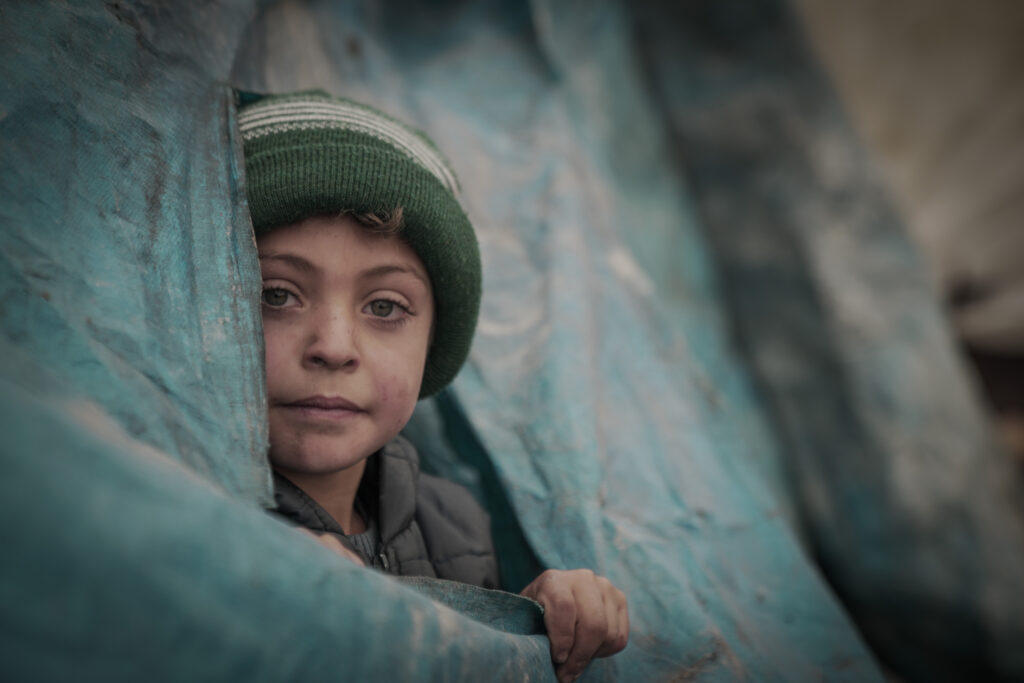
Photo: Displaced child facing the harsh winter in camps.  Many displaced children are orphans
Photo: Displaced child facing the harsh winter in camps.

The orphan is mentioned a total of 23 times in the Qur’an. Many of these verses emphasise the importance of protecting their rights, treating them with kindness, or providing for them.  

Orphan sponsorship fulfils many of these responsibilities. It provides an orphan with their basic rights – food and water, education and medical care – and more. It allows them to stay with their families, where they can receive the love and emotional support they need as they work towards a brighter future.  

Hence, there are many rewards associated with sponsoring an orphan, both in this life and the next. Here are ten rewards you can earn if you care for orphans in this way. 

Closeness to Prophet Muhammad (ﷺ) 

The act of caring for the orphan is particularly dear to the Prophet Muhammad (ﷺ)’s heart. He himself () was also an orphan. His father passed away before he was even born, and his mother passed away when he was a young child. 

In a famous hadith, the Prophet () also said, “The one who cares for an orphan and myself will be together in Paradise like this”, and he (saw) held his two fingers together to illustrate. (Bukhari)  

Having ‘The Best House’ 

The Messenger of Allah (ﷺ) said, “The best house among the Muslims is the house in which orphans are well-treated. The worst house among the Muslims is the house in which orphans are ill-treated”. 

Bukhari (Al-Adab ul-Mufrad)

Ultimately, having the ‘best house’ in Islam isn’t about its material value – how much it costs or how beautiful it looks. The best home is one filled with kindness and love. One that welcomes angels, remembers the Name of Allah (SWT) and loves the Sunnah. This includes showing care and concern for orphans, whether it be through giving charity or spreading awareness of the hardships orphans face.  

Being Among the Righteous

In his Last Sermon given on Hajj, the Prophet Muhammad (saw) taught us that all human beings are completely equal in status ‘except in piety and good deeds’. 

Our status in the eyes of Allah is dependent upon our righteous actions — and one of the ways we can achieve righteousness is by giving to orphans: 

“…[true] righteousness is [in] one who believes in Allah, the Last Day, the angels, the Book, and the prophets and gives wealth, in spite of love for it, to relatives, orphans, the needy, the traveller, those who ask [for help]…”

Quran 2:177

In this verse of Surah Al-Baqarah, Allah (SWT) says spending wealth for His sake is a righteous quality. He (SWT) also specifically mentions orphans as people deserving of our wealth. Hence, sponsoring an orphan is a righteous deed that has been given a truly high status by Allah (SWT).  

Blessed Wealth  

With the cost of living rising, many of us struggle to give as generously as we once did. However, giving for the sake of Allah (SWT) can actually increase our wealth, rather than deplete it. 

“If you were able to rely on Allah properly, you would be provided for just like birds who leave their nests hungry and return full.”

Sunan Ibn Majah

It is important to remember that Allah (SWT) controls our rizq (provision). When we give towards noble causes and put full trust in Him with our wealth, even with our worries about our finances, Allah (SWT) blesses that wealth, and ensures we are provided for.  

“Blessed is the wealth of the Muslim, from which he gives to the poor, the orphan and the wayfarer.”

Bukhari

Can Count Towards Your Zakat 

Zakat (almsgiving) is an obligatory charity in Islam. Every sane Muslim with wealth above a certain threshold (nisab) must give Zakat. Giving Zakat also has many benefits, including purifying our hearts and being one of the keys for us to enter paradise.  

Many orphans in poor and needy communities fall under the category of Zakat. You can fulfil your Zakat through orphan sponsorship. 

Orphan sponsorship can be paid yearly or in monthly instalments. Scholars accept that it is possible to pay Zakat in monthly installments if it is done well before your Zakat is due. If your monthly installments end up being short of the total amount of Zakat you owe on this due date, you must make up for the gap.  

Opens Doors to the Beauty of Jannah 

In the Qur’an, Allah (SWT) describes in detail the beautiful things we will earn in Jannah by doing good deeds, such as giving food to the needy and orphans, purely for His sake: 


“And they give food, in spite of love for it, to the needy, the orphan, and the captive. [Saying], “We feed you only for the countenance of Allah. We don’t want from you either reward or gratitude. Indeed, we fear from our Lord a Day austere and distressful 

So, Allah will deliver them from the horror of that Day, and grant them radiance and joy, and reward them for their perseverance with a Garden ˹in Paradise˺ and ˹garments of˺ silk. There they will be reclining on ˹canopied˺ couches, never seeing scorching heat or bitter cold. The Garden’s shade will be right above them, and its fruit will be made very easy to reach.

 Al-Insan, 8-14

SubhanAllah, Allah (SWT) is truly the Most Generous. By doing such a simple, kind deed as giving some food to the orphans and needy in this world, Allah (SWT) promises us the luxuries of Jannah, multiplying what we gave many times over. 

Provides a Sadaqah Jariyah 

When you sponsor an orphan, your support stays with them for the long term. Even when they stop needing sponsorship, you’ve helped build this foundation for them to go to school, make a living and empower the next generation.  

The Messenger of Allah (ﷺ) said, “When a man dies, his deeds come to an end except for three things: Sadaqah Jariyah (ceaseless charity); a knowledge which is beneficial, or a virtuous descendant who prays for him (for the deceased).”

Muslim

When a sponsorship provides continuous benefit to the child and, potentially, their future generations to come, it becomes a Sadaqah Jariyah. An ongoing charity that gives you many rewards, even after death.  

Every time the orphan you sponsored uses something they learnt at school, you will be rewarded. Every time they make du’a for you, you will benefit. Because YOU transformed an orphan’s life and helped them fulfil their potential.  

Countless Opportunities for Barakah  

Islamic Relief’s orphan sponsorship program provides one-to-one support for the orphan and their family. We have a field officer assigned to each sponsored child who is informed of any issues the family or the community faces, allowing us to help solve these problems effectively. 

For example, we can provide widows with a sustainable livelihood. Or we can construct proper hygiene and sanitation facilities within the community. This way, a single orphan sponsorship sets off a chain reaction of Sadaqah Jariyah. Thus, providing more barakah to not only the donor and the orphan they sponsor, but also the whole community!  

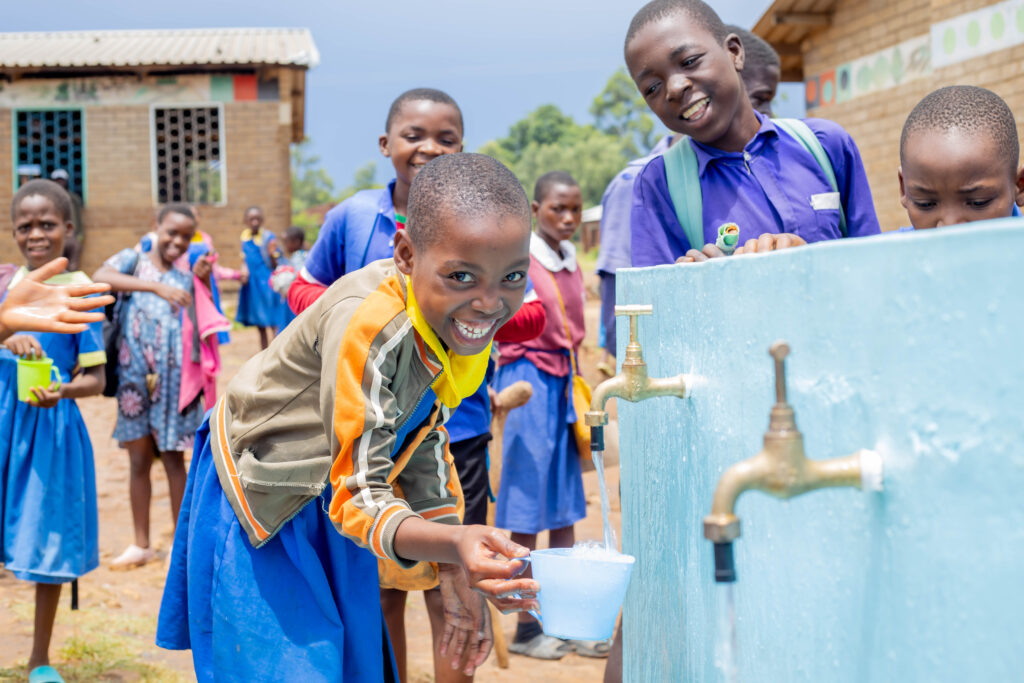
WASH facilities for children and orphans in Malawi

Entrance Through Jannah’s Gate of Joy  

The Prophet (ﷺ) said, “Paradise has a door which is called “Joy” – only those who bring joy to children will pass through it.“

Dailami

When we support an orphan, Allah (SWT) recognises not only the practical help we give, but also the happiness. Every child deserves to grow up in a loving and supportive environment that allows them to reach their full potential.  

By providing orphan sponsorship for the sake of Allah (SWT), we pray to bring so much joy to children in need. So that, someday, we can be called through the gate of Joy into Jannah. 

Saves Lives 

Sponsoring an orphan goes beyond simply improving their life. It can be a lifeline, potentially saving children in need from poverty, illness, and death. It can positively affect not only the orphan, but also their family and entire community. 

As it says in the Quran, “And whoever saves a life it is as though he had saved the lives of all mankind” (5:32). 

Thus, when you sponsor an orphan, you not only save their life. But you also protect countless future generations of children, ensuring they can still thrive and build livelihoods amid hardship.

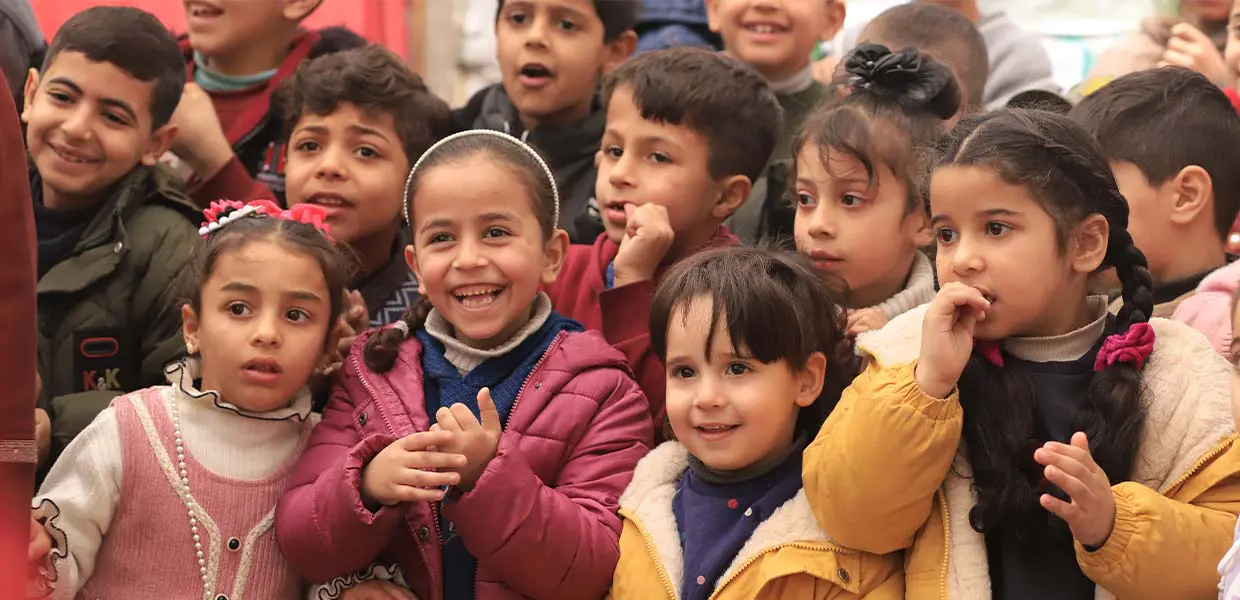
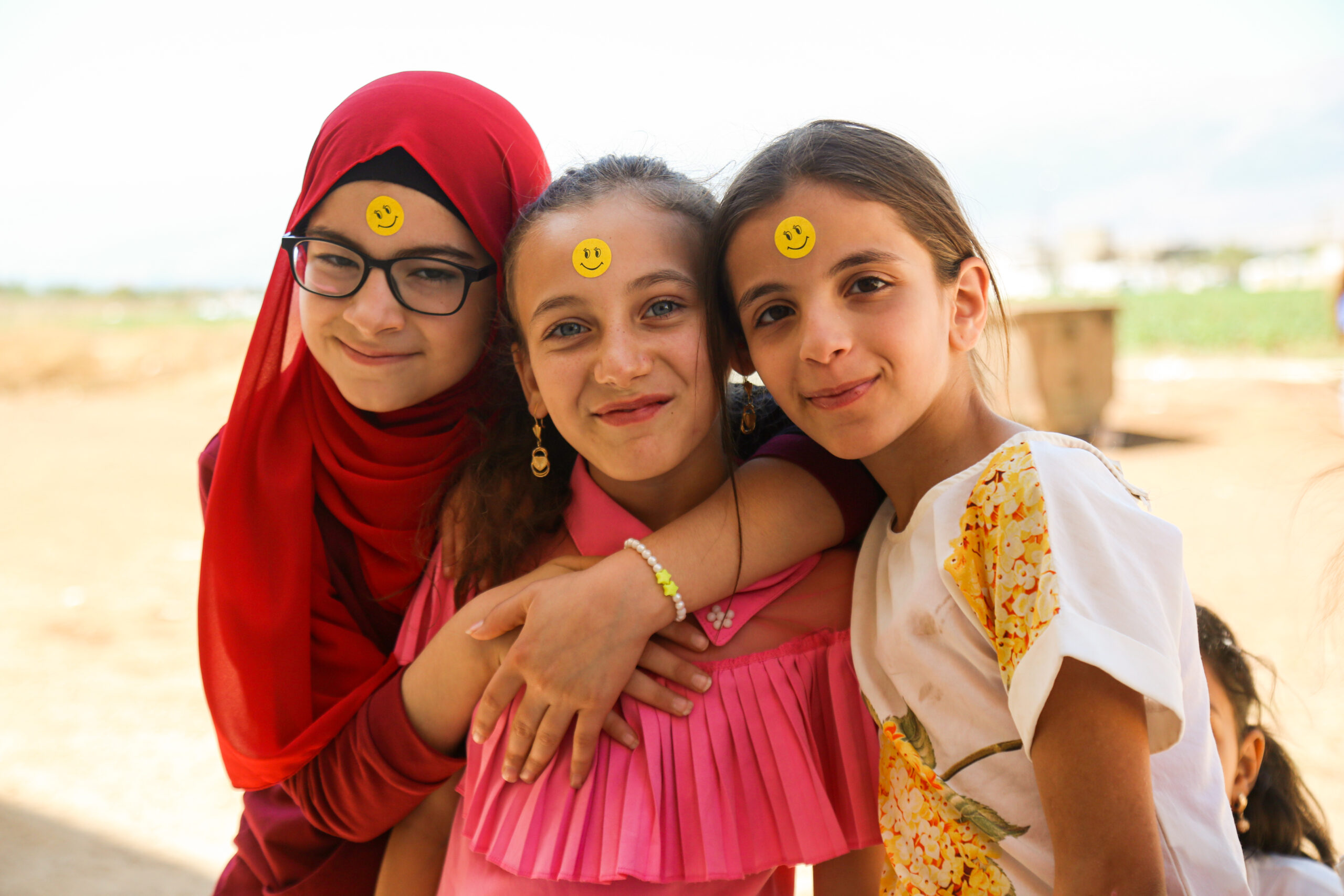
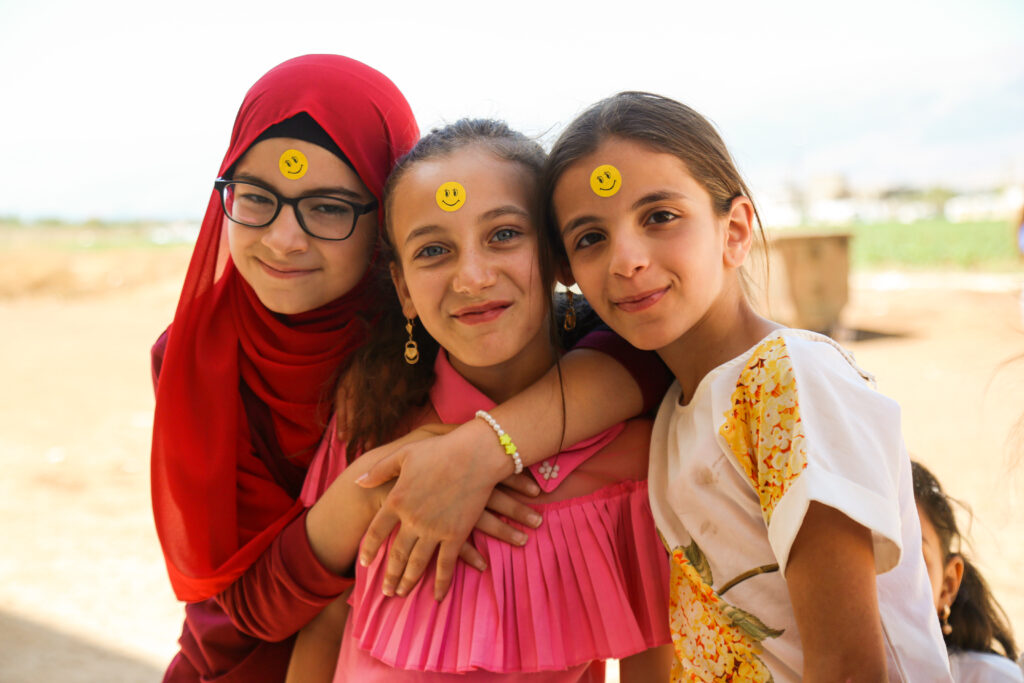
happy children (girls) and orphans in Lebanon

Beautiful Benefits of Orphan Sponsorship

All in all, sponsoring an orphan can bring many rewards that benefit us in this life and the Hereafter.  

It brings us closer to the Prophet (ﷺ), gives you ‘the best house’, and is a noble deed – one that can be done as Zakat or Sadaqah.

A Sadaqah Jariyah that contains incredible barakah. One that blesses your wealth and allows you to be called through the gate of Joy into Jannah and enjoy the (literally) heavenly luxuries. On top of all this, it can save lives!  

You can sponsor an orphan for $100 a month (or $1,200 a year), providing them with all their basic needs and more! An orphan sponsorship is truly life-changing, for you, us and the child we support.

Help support an orphan and change their lives

By donating just $100 a month, you can give an orphan child in need the chance to pursue their dreams and build a brighter future.

05.13.24

5 Reasons Why Islamic Relief Doesn’t Use a 100% Donation Policy

  Impact     Publications

Why doesn’t Islamic Relief use a 100% Donation Policy? In this explainer, we explore why 100% donation policies aren’t really possible and the relevance of admin fees in Islam. We also examine how having admin fees is one of the best tools we have. As they allow us to support the communities we serve to the fullest, helping them build a brighter future.


Islam teaches us that Allah (SWT) rewards good deeds abundantly. Kindness to others, reading the Qur’an, doing regular Ibadah (worship) and giving charity are examples of all good deeds we, as Muslims, are greatly encouraged to do. And when they are done with sincere intention, one can earn copious rewards.

Charity-giving, more specifically, Zakat (almsgiving), in particular, forms one of the five pillars of Islam. In 2022, a study by the World Bank and the Islamic Research and Training Institute (IRTI) of the Islamic Development Bank (IDB) estimated that the global Zakat fund reached $550 billion to $600 billion per year. This has the power to lift communities in need out of poverty, providing them with humanitarian assistance and more during times of war, conflict, economic crisis and disaster.

However, when it comes to choosing where to give their donation, the Muslim community face an annual dilemma. The question of a ‘100% donation policy’, and how we navigate the minefield of misinformation that comes with it.

What is a 100% Donation Policy?

A ‘100% donation policy’ or ‘no admin costs’ is a method used by some charity organisations to imply that 100% of a donor’s money, in its entirety, goes straight to those in need. When compared to charities who are transparent about their admin fees, this looks like the superior choice. Understandably, so many would be confused about the ethics surrounding their donation.

When donating to a charity, here are some important questions to consider regarding your donation:

  • If 100% of my donation goes directly to those in need, how are those charities covering the costs needed to deliver it directly to them?
  • Are the charities promoting a 100% donation policy transparent about how they’re covering their admin costs?
 

Any charity performing life-saving work is almost certainly employing the relevant means to help them do it, whether that be through staff, vehicles, buildings, and more. All of these cost money. This is why a 100% donation policy wouldn’t work. This is why we encourage our donor community, and beyond, to instead focus on the question, “How effectively is my donation being used?”.

Why Admin Fees are Necessary in Lifesaving Work

We’re here to help provide more information on what exactly happens to your donation when you donate to Islamic Relief. As well as why we don’t use a 100% donation policy, how this isn’t really possible, and why our admin fees are one of the best tools we have for serving the communities at the heart of our work.

Here are five reasons why admin fees are powerful and important for those in need:

It costs to help those in need on the ground

Islamic Relief is fortunate to have been able to provide aid to millions of people in over 40 countries since 1984. We often work in remote areas of the world to get help to those in urgent need. Where our teams face challenges working in conflict zones or after the impact of a natural disaster.

Your donation helps those most in need, including in the hardest-to-reach places
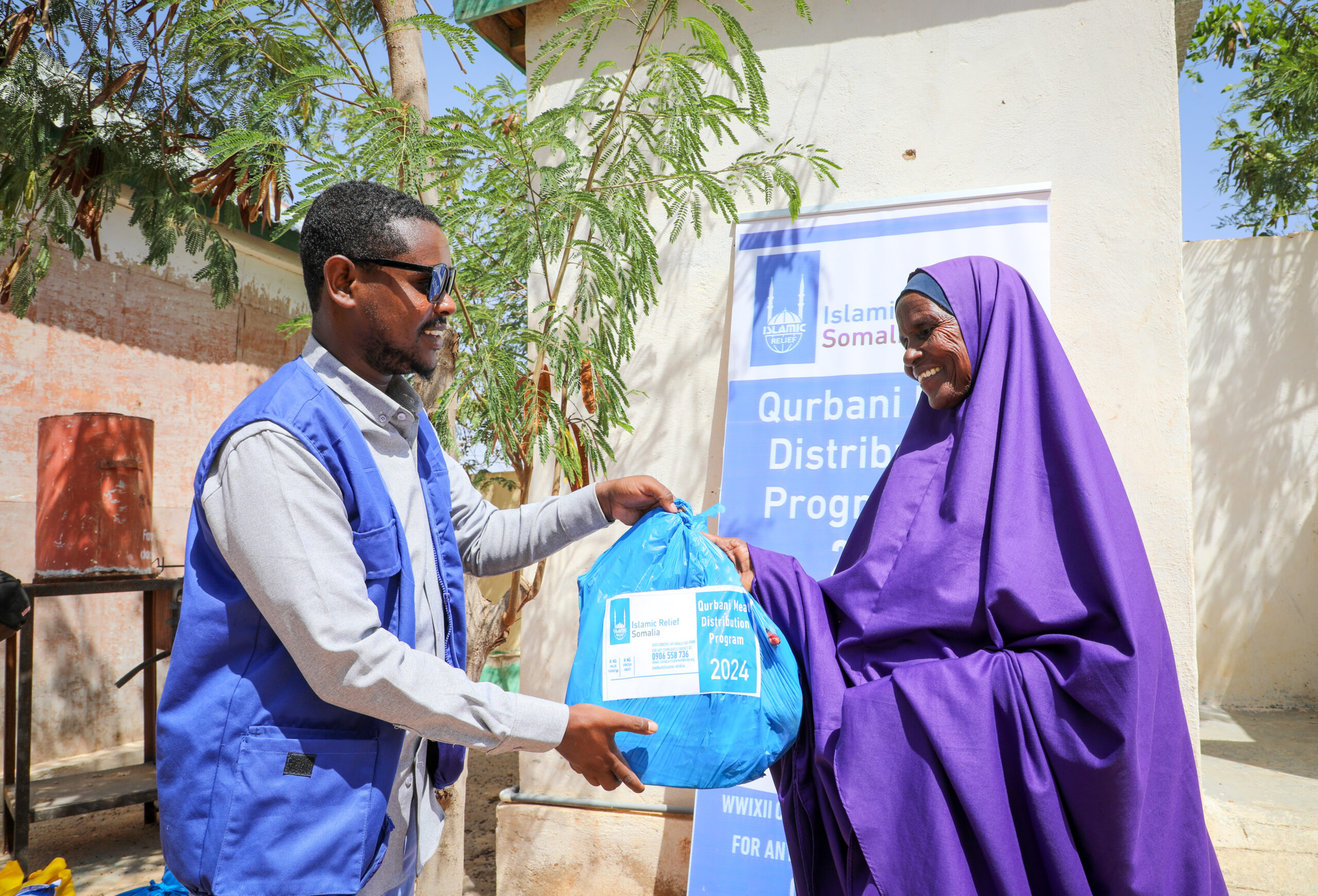
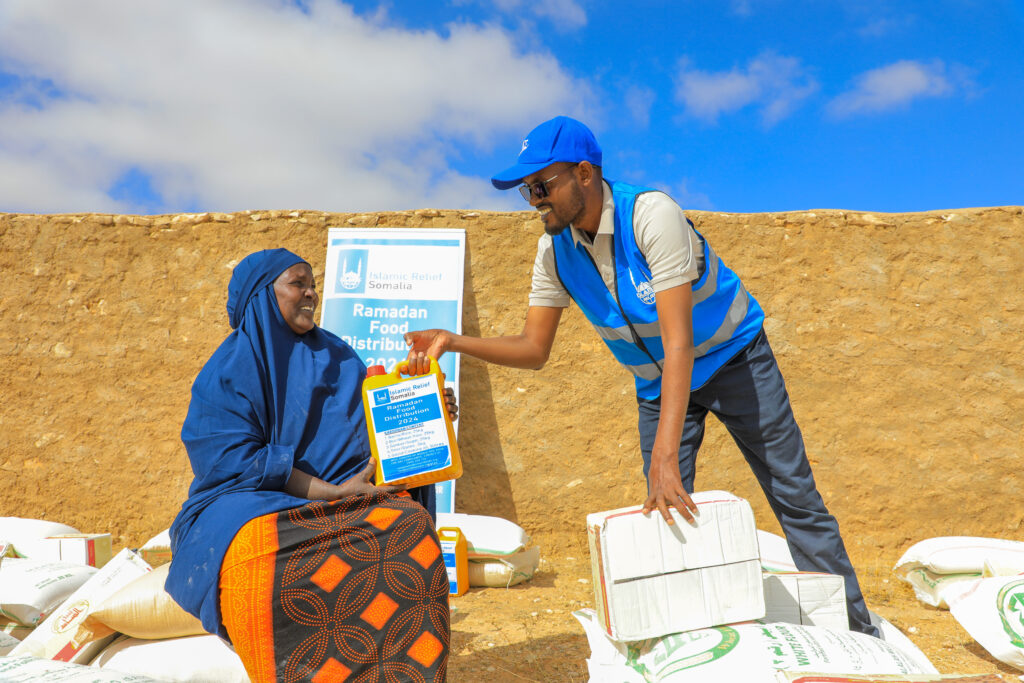
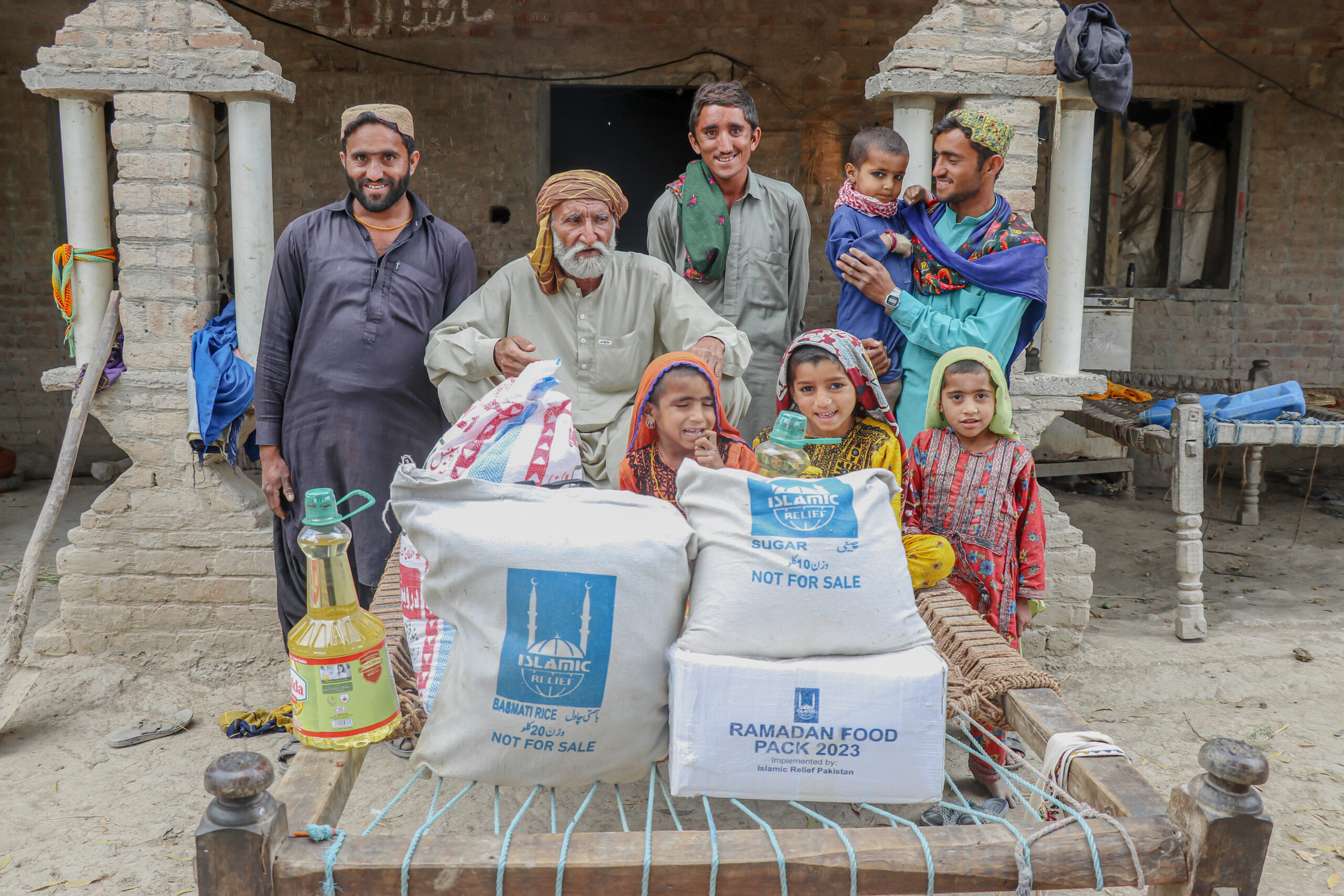
Photo: Food pack distribution in Puntland, Somalia during Ramadan 2024.

Thus, admin fees help facilitate the delivery of our aid on the ground. They cover essential costs. This includes procedures in conducting needs assessments to ensure our aid is relevant, fuel for cars to transport aid, rent for local offices, salaries for staff and expenses for volunteers who help deliver our life-saving responses. They also cover the costs of monitoring and evaluating the impact of our work. Without admin, our work simply wouldn’t be possible.

It helps us to use your donation in the most effective way possible

Did you know, that for every $1 donated to Islamic Relief, just 3c is used to cover admin costs? Although a minuscule amount, it has an incredible impact on our ability to use your donation as effectively as possible.

Out of your donation, a further 11c goes towards raising more funds for those in need. This portion of your donation is carefully and effectively used to pave the way for ground-breaking work in fundraising. Thus, for every $1 invested, we’re able to raise $10 more, which enables us to continue delivering more aid. Making the remainder of your $1 donation (86c!), going a phenomenal way towards our life-saving work.

Since 1984, your generous donations have helped transform and save over 120 million lives. We couldn’t do this without your support, and we are accountable to you for every penny spent.

Admin fees change the future

You’re helping Islamic Relief to build a brighter future for those in need. As well as delivering aid, Islamic Relief works to campaign for the most vulnerable communities and strives to effect change. This includes campaigning on issues such as climate change, which is having a devastating impact on communities in the global south, as we saw in 2022 during the Pakistan floods.

Your admin fees are not going towards band-aid solutions. The thought leadership that is required to use sustainable energy to power water projects in Lebanon, Yemen and Somalia, and build disaster-resistant housing in Türkiye, Pakistan, and Indonesia. It is the same that is required to mitigate the effects of global issues that tackle the root causes of poverty and inequality around the world.

Your donation helps provide sustainable solutions to those most in need
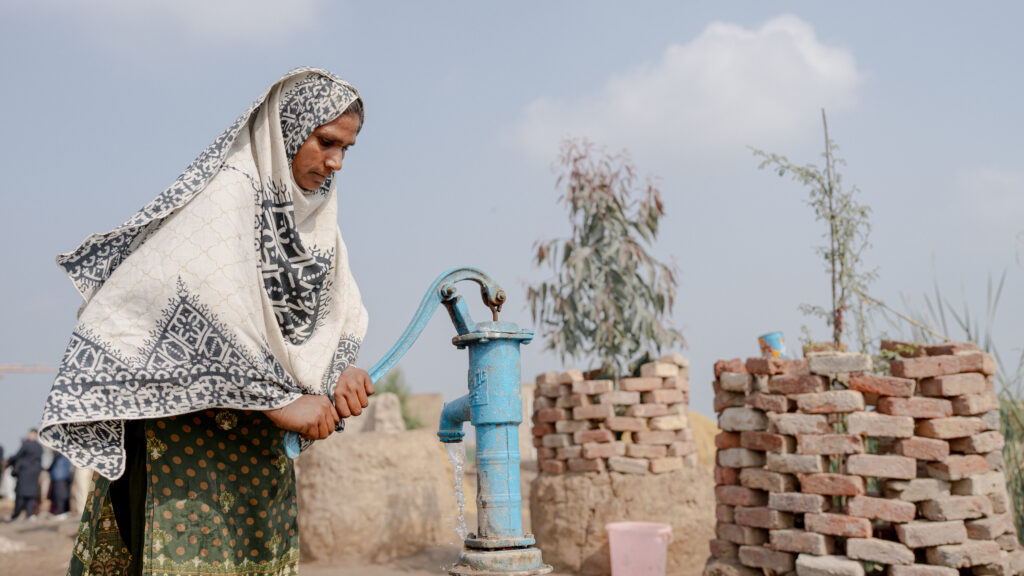
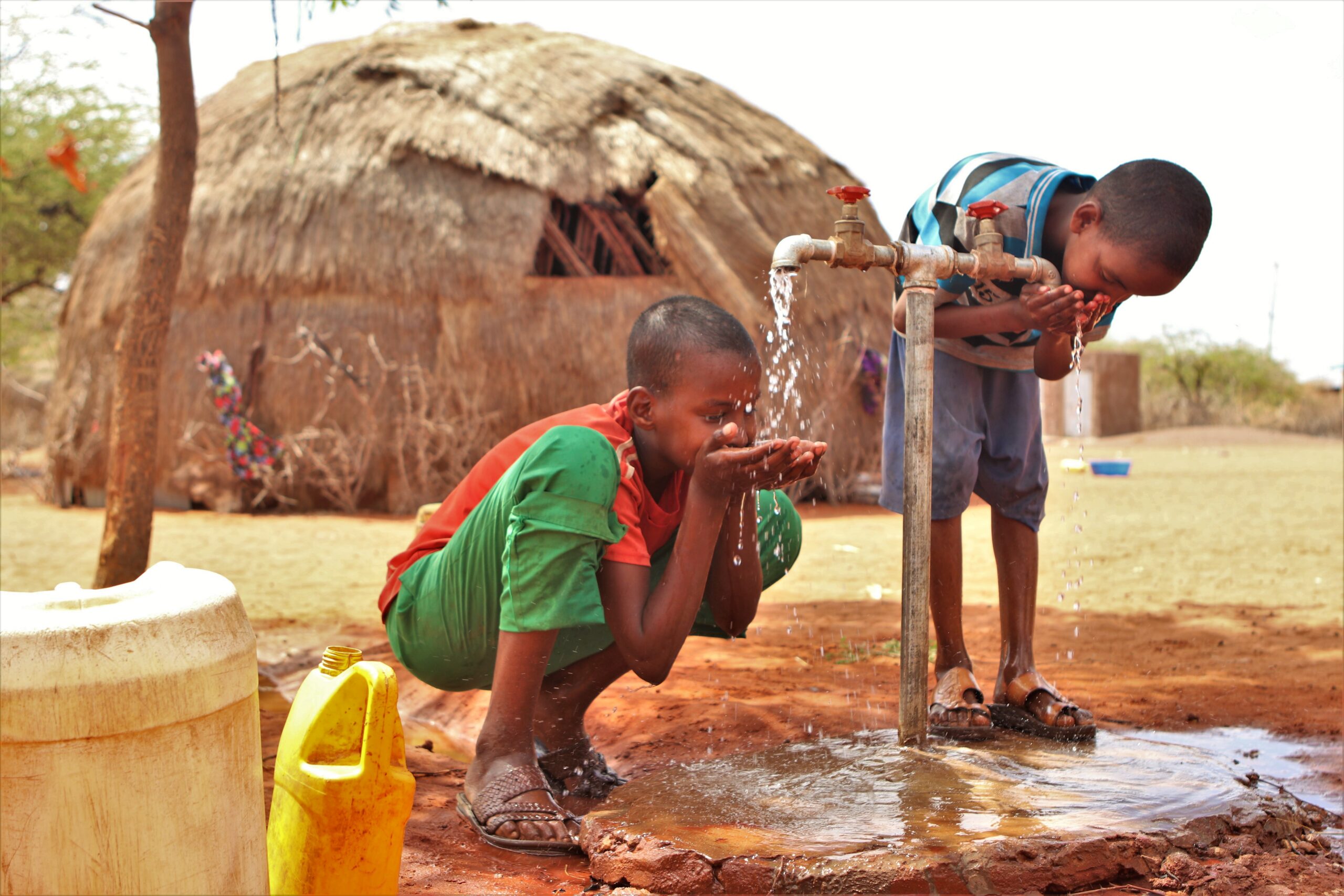
Photo: Rightsholder in Sindh, Pakistan, using an Islamic Relief-built water pump.

Admin fees are an Islamically legitimate cost

Zakat has strict rules around the eligibility of the donor and the one who receives it. The impact of this obligatory form of charity is powerful and has the ability to eliminate poverty in the world.

In His divine wisdom, Allah (SWT) decreed that one of the eight people eligible to receive Zakat, are the administrators of Zakat, the al ‘amilina alayha. Islamic Relief enlists the help of scholars to verify the distribution of Zakat at Islamic Relief, and ensure your precious donation goes towards upholding this upright practice.

It’s our calling, our living

Alhamdullilah, since 1984, by the will of Allah (SWT) Islamic Relief has been able to serve the world’s most vulnerable people. Thanks to the support of our volunteers, staff, and generous donors, we are able to carry out life-saving work.

When volunteers donate their time to support our work, Islamic Relief covers their basic expenses. Our staff work incredibly hard to ensure that volunteers’ efforts are properly supported. So we can create the worldwide impact that we have around the globe, moving towards our goal of eliminating poverty.

As an organisation, it’s important to sustain our employees’ abilities. To help us achieve our mission, this includes paying them a salary. Many of our staff see their role in the sector as a calling to help those in need. However, they would be unable to do so without being able to cover the cost of living.

It’s also important for us to consider the incredible skill set of our employees on the ground, who deliver ground-breaking work and solutions to increasingly complex situations across the world. Staff expertise helps us to deliver innovative solutions, like rainwater harvesting in Bangladesh to ensure communities have access to clean water.

Localisation in our work is extremely important to us. That is why 95% of our staff are employed from within the areas and communities we serve, to ensure we’re sensitive to the cultural and religious requirements of those in need. Because our staff are from the areas that we work in, they know what’s needed on the ground. They help ensure that we reach as many people as possible, even in the most difficult-to-access regions like Yemen and Gaza.

Our staff see your donation as our amanah, ensuring it reaches those most in need
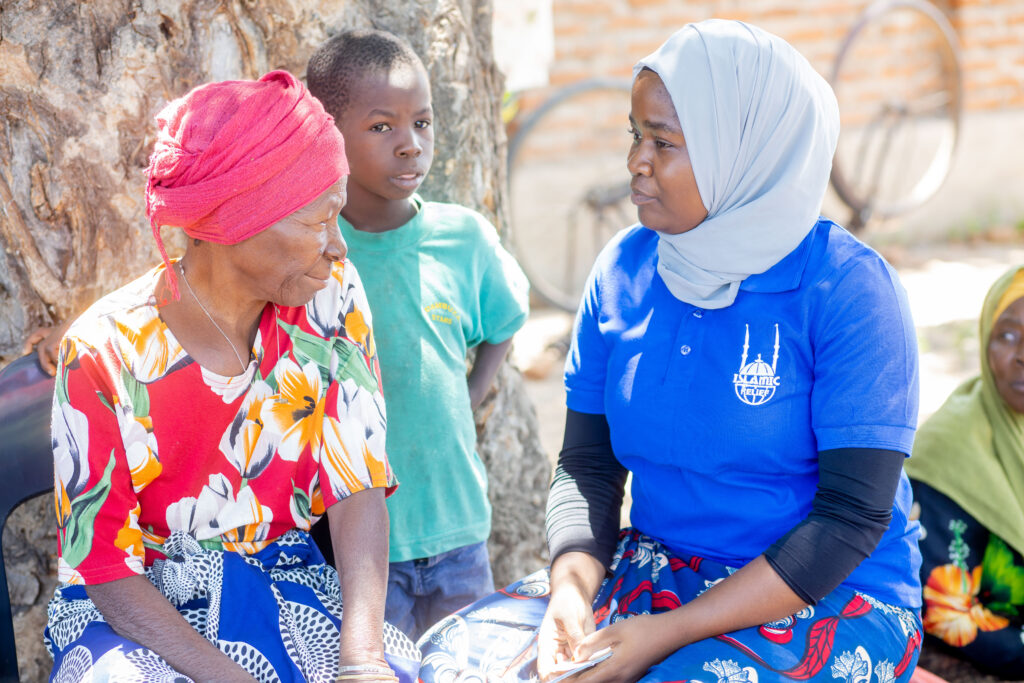
Photo: Islamic Relief staff in Malawi actively working closely with local communities in Balaka and Magochi.

You donation helps us save lives

Poverty impacts so many vulnerable people across the world. Islamic Relief will continue to put the most vulnerable first, always. But, in order to do that, we need your support. Transparency around our admin costs is an integral part of the relationship we have with our loyal donors. We are accountable to those in need, and to you, our loyal donors. Thank you.

Empower Our Ummah

Your Zakat and Sadaqah can transform the lives of millions with lifesaving aid. Be their lifeline today.

02.29.24

Giving Charity in Ramadan: Zakat, Sadaqah and More

  Publications     Ramadan

For many Muslims, Ramadan marks a month of generosity and giving. There are also many ways to give during this blessed month.

Fulfiling Zakat and Fitrana (Zakat al-Fitr), increasing Sadaqah, or repaying missed fasts through Fidya (Fidyah) or Kaffarah — these can all be ways to give in Ramadan.

So, why do Muslims give more during this month? Ramadan is filled with many opportunities to earn rewards through good deeds and providing charity is one of them.

In fact, the Prophet Muhammad (ﷺ) himself gave more charity during this blessed month than at any other time. In one hadith, Ibn Abbas reported,

“The Prophet (ﷺ) was the most generous of people in charity, but he was generous to the utmost in the month of Ramadan…giving charity like the blowing wind.”

Sahih Muslim

The Importance of Charity in Islam

Caring for and showing kindness towards fellow human beings is central to Islam. Several ahadith refer to this deep affection and brotherhood. This includes one where the Prophet Muhammad (ﷺ) encouraged his people to “love for your brother what you love for yourself.” (Bukhari and Muslim)

In another hadith, he (ﷺ) also said, “The believers are like one body in their mutual love and affection: if one limb is injured, the rest responds with sleeplessness and fever.” (Muslim)

Giving charity is also one of the best ways to aid someone in need. In the Qur’an, many verses emphasise the importance of this good deed. Such as the verse stating how the poor and needy have recognised right, over our wealth (Al-Ma’arij, 70:24-5).

In addition to how charitable acts benefit those who receive it, Islam also highlights the blessings that come to those who give. Especially one who gives their wealth away selflessly for Allah (SWT)’s sake.

Thus, by giving for the sake of others, a Muslim fulfils a duty. To provide for their brothers and sisters in need. Thereby increasing their rewards for this life and the Hereafter.

Ways to Give During Ramadan

Zakat (al Mal)

Zakat al Mal, or almsgiving, is one of the five pillars of Islam. It is a compulsory donation every sane, adult Muslim must make every lunar (Islamic) year if they meet a certain threshold (Nisab).

The amount one pays for Zakat, if they are eligible, is equal to 2.5% of one’s total wealth. The Nisab amount for Zakat in 2025 has yet to be decided.

In 2024, the value of silver was $1.11 (AUD) per gram. If using the opinion of 609 grams of silver for Nisab, the Nisab threshold is approximately $675.99. For 595 grams of silver, it is $660.45 (AUD). This is the amount set by ANIC for 2024.

Many Muslims give Zakat in Ramadan due to the numerous rewards offered in this blessed month. Most Islamic schools of thought also allow individuals to pay their Zakat in advance if there is an urgent need, such as in the case of an emergency or humanitarian crisis.

Due to the situation in many countries like Palestine (Gaza) and Sudan, some Muslims choose to pay their Zakat ahead of time to answer the pressing needs of their brothers and sisters and do so in Ramadan to earn more rewards.

If you’ve already paid your Zakat for this Islamic Year, you do not have to pay it again during Ramadan. However, that doesn’t mean any charity you give during the month won’t count – it’ll be written down and Sadaqah and you’ll receive rewards for it.

Sadaqah

Sadaqah (or Sadaqa) is any voluntary act of charity that is wide-reaching and beneficial. It can be given as monetary charity or as an act of kindness.

Unlike Zakat, which is compulsory and typically given only once every Islamic year, there is no limit to how much Sadaqah you can give and how many times you can give it.

Some examples of Sadaqah include donating money to someone in need, feeding others or looking after someone who is sick or injured. Giving Fidya (Fidya), Kaffarah or Aqiqah can also be counted as Sadaqah.

Fidya (Fidyah) and Kaffarah

During Ramadan, fasting is compulsory on every Muslim who is healthy and of age.

Therefore, if one were to miss their fasts during Ramadan, valid or not, they would have to make up for it later or pay compensation.

Muslims pay Fidya (Fidyah) if they miss a fast out of necessity and are unable to make it up after Ramadan. The payment for each missed fast is equivalent to feeding one person.

If one deliberately breaks a fast without a valid reason and they are unable to make up for it later, Kaffarah is paid. The amount paid for each missed fast is the equivalent of feeding 60 people.

In Australia, the rate for both Fidya and Kaffarah in 2025 is $18 (AUD) per needy person. For example, if a person had missed one day of fasting, then they would need to pay $18 for Fidya or $1080 for Kaffarah.

Zakat al Fitr (Fitrana)

Zakat al Fitr (also known as Fitrana) is a charitable donation of food that must be given before Eid prayer, before the end of the month of Ramadan. If it is paid after Eid prayer on Eid Al Fitr then the donation will count as Sadaqah, making the reward lesser.

Fitrana is obligatory for all Muslims (including babies and children) living in any household with more food than they need. However, the payment itself should be carried out by the head of the household, on behalf of themselves and their dependents.

The amount of food due on each person is described by the Prophet (ﷺ) as one saa’. This is equivalent to four madd. A madd is the amount that can be scooped up when one puts their hands together.

If we translate this amount into a monetary value, based on a food staple such as flour or rice, it is approximately $18 (AUD). Therefore, the amount due for each person, in Australia, is $18. This is the amount set by ANIC for 2025.

Giving with Islamic Relief

This Ramadan, Islamic Relief is continuing its life-saving work. We make sure your donations get to those who need them most. around the world, even in the hardest-to-reach places.

Over the last 40 years, together, with your support, we have saved and transformed the lives of over 120 million people. Alhamdulillah!

We are supporting rightsholders in over 40 countries worldwide. Just like we have been with every major disaster since 1984. And, through all, we deliver food, water and emergency relief to those in desperate need.

None of our work would be possible without the permission, mercy, and generosity of Allah (SWT) and your unwavering support. Together, the Islamic Relief legacy continues on. And you have all been chosen to help us save or change someone’s life for the better.

This Ramadan, help us save even more lives by giving your Zakat and Sadaqah with Islamic Relief.

Our Ummah, Your Zakat

Multiply your rewards from Allah (SWT) this Ramadan. Give the gift of happiness and hope to our brothers and sisters in need with Islamic Relief.
07.03.23

Sadaqah Jariyah

  Publications

What is Sadaqah Jariyah in Islam?

Sadaqah Jariyah is an ongoing charity. It is one of the most rewarding deeds we can do in our lives, as it is a gift that not only benefits others in this life. It also benefits us and our loved ones in the next, as we can gain rewards for it both while we are alive and after we have passed.

For the Prophet Muhammad (ﷺ) said:

“When a person dies, all their deeds end except three: a continuing charity, beneficial knowledge and a child who prays for them.”

Sahih Muslim

What are the Benefits of Ongoing Charity?

Allah tells us in Surah Al-Baqarah that the reward of spending charity is like:

“A grain of corn which grows seven ears, and each ear has a hundred grains…”

Qur’an, 2:261

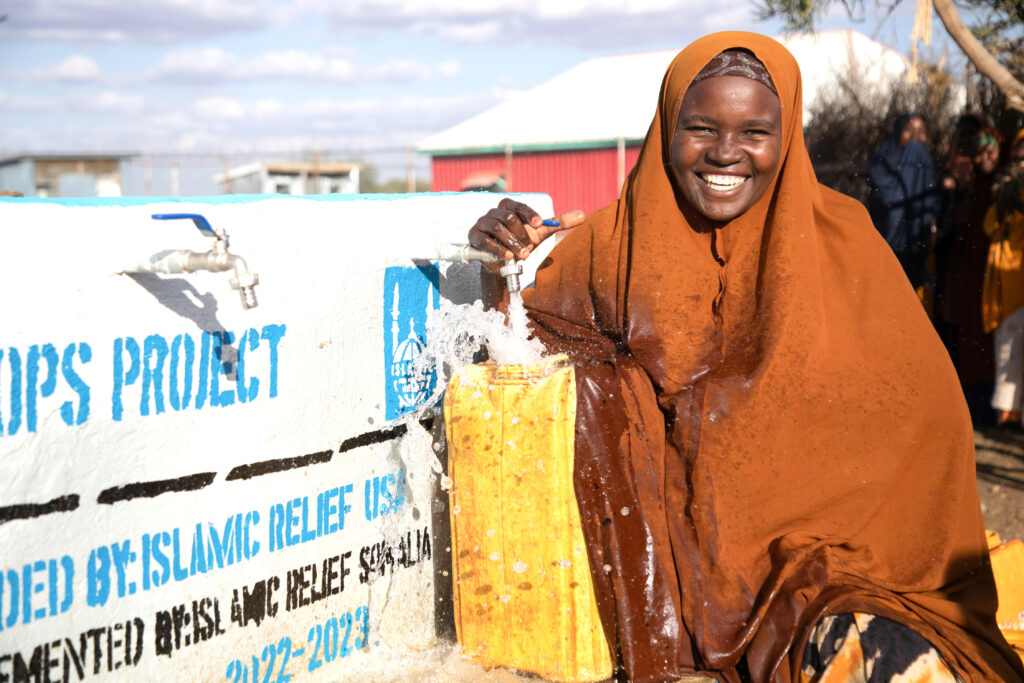
For example, water projects are one act of charity that keeps on giving, bringing more and more benefits and rewards to the receiver and giver. As a result, when a community has water, we see families grow food, healthy children attend school, clean hospitals and more!

Insha’Allah, when we provide water, we hope that these projects will remain sustainable. That they not only provide water in the present, but also for years to come. As well as provide beneficial knowledge for communities to pass on to future generations.

Water is Sadaqah Jariyah

What is the difference between Sadaqah and Sadaqah Jariyah?

Sadaqah is an act of kindness that you donate. It can be anything from money to your time towards helping a cause.

Sadaqah Jariyah is a long-term kindness that accumulates ongoing rewards from Allah (SWT). For example, when someone decides to build a well, Allah (SWT) rewards them for the act. But He also rewards the believer who carried out that good deed each time someone or something uses or drinks from the well, even after their death. By giving Sadaqah Jariyah you can accrue rewards from Allah (SWT) beyond your lifetime.

Other examples include teaching someone an ayah of the Qur’an, or supporting our sustainable water projects, like drip irrigation systems, to ensure that families are able to grow crops for years to come.

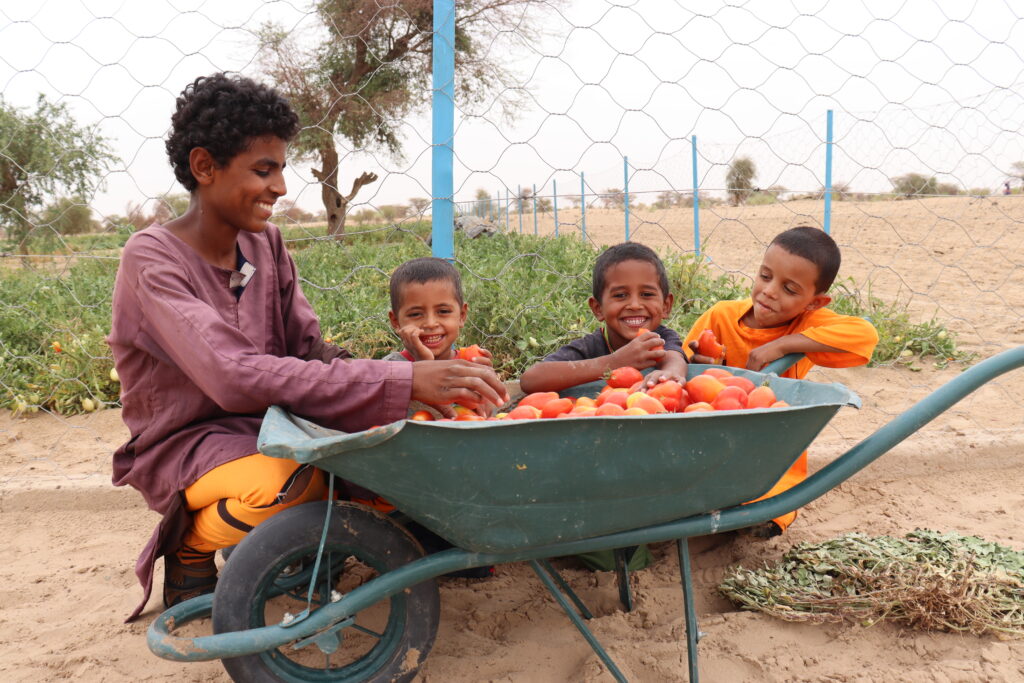
Sadaqah Jariyah includes helping communities cultivate their own gardens and crops for generations to come

Why do Muslims give Ongoing Charity?

Helping those who are less fortunate is an important aspect of the Islamic faith. Muslims give Sadaqah Jariyah because it helps our sisters and brothers in humanity, and in doing so, we gain the reward of Allah (SWT). Muslims are encouraged to give Sadaqah Jariyah for as long as the donation continues to benefit others. The donor will reap the reward of it, whatever it may be. This could last beyond the donor’s lifetime, and potentially even generations.

Examples of Sadaqah Jariyah 

Sadaqah Jariyah is any form of ongoing charity (gesture or donation) that benefits others. Examples include:

  • Teaching someone a valuable skill
  • Building an institution of good, such as a mosque, school, hospital or orphanage
  • Building a means of provision, such as a well
  • Teaching someone valuable knowledge, through books, lessons etc.
  • Planting a tree
  • Creating farmland
  • Creating a home or shelter for people or animals
  • Inventing something of use for people or animals

How Islamic Relief uses your Sadaqah Jariyah donations

For many of the world’s most vulnerable, your Sadaqah Jariyah donations are a lifeline. When you provide this everlasting Sadaqah to Islamic Relief, you can change the future of an orphan in need, who, through your vital donations, is provided with a way home to food, shelter, an education, and a chance at a brighter future.

It can help provide sustainable long-term water provisions that can benefit individuals, families, and entire communities for many years to come.

Your donations can also provide livelihoods to thousands of people and communities, helping to break the poverty cycle and lifting individuals in need into wellbeing. Sadaqah Jariyah is what today’s international development sector calls ‘sustainable development’. Something Islam promoted over 1400 years ago. It encompasses the majority of the sustainable development programmes carried out by both Islamic Relief and other NGOs today.

Your Sadaqah Jariyah donations are simply transformative.

When should you give Sadaqah Jariyah?

At any time of the year you can give Sadaqah Jariyah. It is often common to give in the name of a loved one after their death or when ill to bless their record of good deeds in the next life without taking away from your good deeds either.

Good deeds undertaken in the months of Ramadan and Dhul Hijjah are also particularly special.

FAQs

  • Who is Sadaqah Jariyah given to?

    Sadaqah Jariyah is used towards our global projects here at Islamic Relief. These are for the benefit of the poor and needy (both Muslim and non-Muslim).
  • Who benefits from Sadaqah Jariyah?

    Sadaqah Jariyah is a beautiful act of charity because of the multitude of benefits inherent in the act.

    It benefits the donor, who gains reward in this life and as long as the charity benefits others – this could be beyond their lifetime. Giving charity of any kind, is also known to enhance the wellbeing of human beings.

    It also benefits those in need and beyond. For some, an act of Sadaqah Jariyah can provide immediate and long-lasting relief. It can impact and shape the lives and futures of individuals and communities, potentially for generations.
  • Can I give Sadaqah Jariyah on behalf of someone else?

    Yes. Whether you wish to give on behalf of someone who is alive or has passed away, if you make the intention of doing it on their behalf, it will be accepted with the permission of Allah (SWT).

    It also benefits those in need and beyond. For some, an act of Sadaqah Jariyah can provide immediate and long-lasting relief. It can impact and shape the lives and futures of individuals and communities, potentially for generations.
  • Can I give Sadaqah Jariyah to a mosque?

    Sadaqah Jariyah can be given to a mosque. This includes in the form of assistance to construct buildings/services, provide educational materials, plant trees/gardens or any other long-term feature.

  • How many types of Sadaqah Jariyah are there?

    There are limitless forms of Sadaqah Jariyah – our imagination is our limit! In short, as long as your project provides ongoing benefit to others, using halal sources/means.

  • What is the difference between Zakat and Sadaqah Jariyah?

    Zakat is an obligatory charity for those who meet the threshold (Nisab), as ordained by Allah (SWT) in the Holy Qur’an. It can be used for both short-term and long-term purposes.


    Sadaqah Jariyah is a voluntary form of charity that refers to ongoing charity only.

  • Do I need to give Sadaqah Jariyah when something bad happens?

    Whilst many people give Sadaqah Jariyah when something bad happens for example the death of a loved one (offering charity in their name), this is not a requirement. However, it does offer multiple blessings and can help with the grieving process. In addition, offering a memorial to a loved one and giving charity in Islam is important during happier, more prosperous times as a gesture of thanks to Allah (SWT).

01.25.23

How Islamic Relief Supports Orphans Like Soad

  News

For many of us, our parents are our world. Throughout our lives, they look after, shelter and love us unconditionally even after we leave the nest. Yet, around the world, natural disasters, war and ongoing conflict leave thousands of young children as orphans.

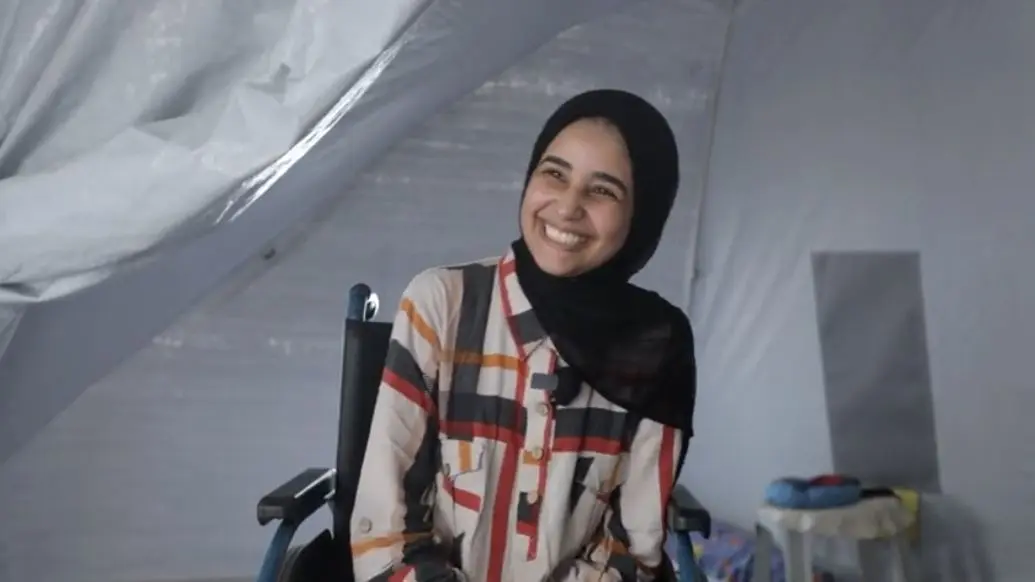
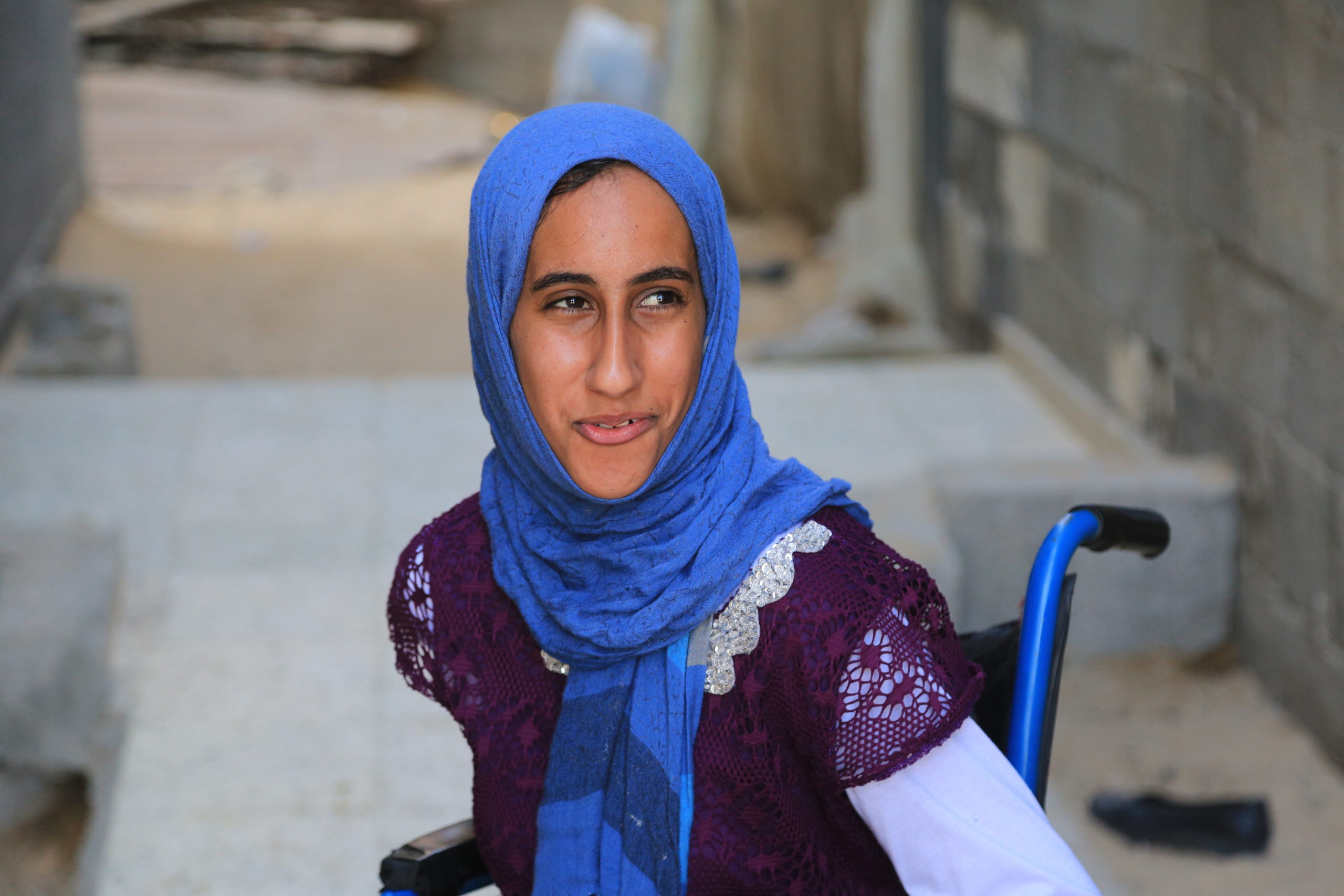
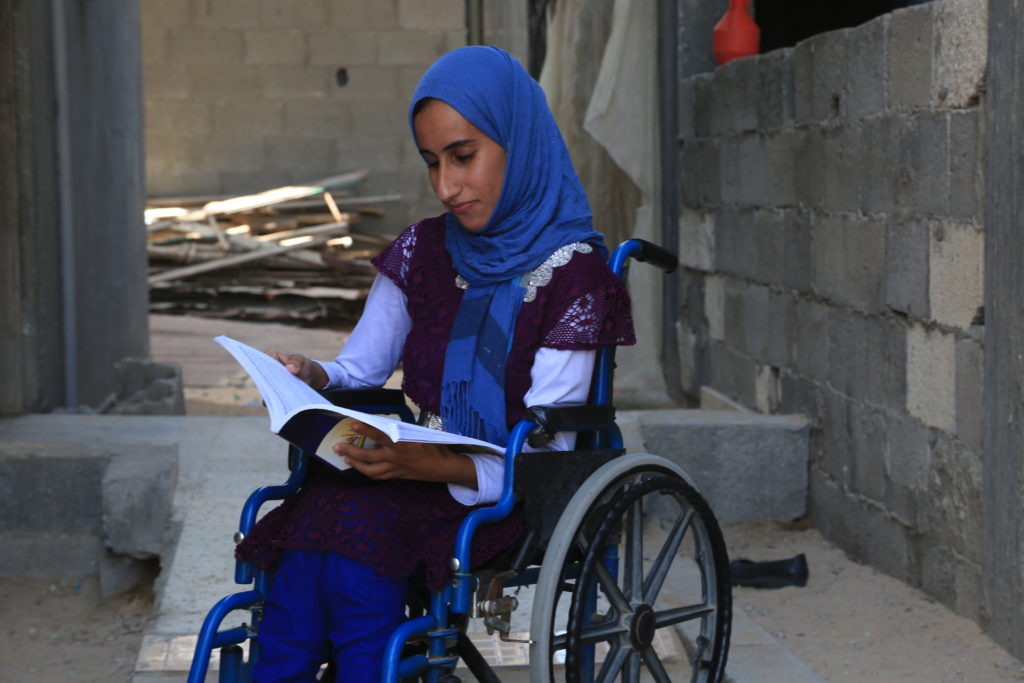
No matter how old we are, we can’t imagine what it’ll be like to live without our parents. But, as a vulnerable child in Gaza, Palestine, Soad was only 13 years old when her father passed away in 2011.

The death of a father impacts the wellbeing of Soad and her family greatly

It was extremely painful and hard on Soad to lose her father. Her father was her hero. He was a compassionate and generous man, who inspired her and encouraged her to follow her dreams. His support and guidance helped her deal with the negative attitudes of society towards her disability and provided for her needs. But, after his death, Soad struggled to get the accommodations she needed for her disability.

Currently, Soad lives with her sick mother and two sisters. Together, they, like many other families of orphaned children, face the harsh realities of life and a worsening financial situation. With no breadwinner in the household, Soad’s family struggles to get by without any external support.

Islamic Relief is helping families of orphans like Soad get back on their feet

Around the world, Islamic Relief Australia is providing direct support to orphans in need through our Orphan Sponsorship Program. Funded by the kindness and generosity of our global community, through the program, Islamic Relief can thankfully provide for more families like Soad’s and help grant orphans like her and her two sisters incredible opportunities, including in education.

Photo: Through Islamic Relief’s support, orphans like Soad are able to finish school and achieve their dreams.

Thanks to ongoing support, Soad was able to become one of the best-performing students in her last year of high school and achieved 91% in her final exams. She also had high hopes of attending university and being able to work. Through the higher education scholarship fund under the program, Soad was able to achieve this dream, as she is now studying Business Management at Palestine university.

Worldwide, Islamic Relief has been on the ground, assisting orphans such as Soad, who excel at school and want to enter higher education so that they can become the doctors, engineers and teachers of tomorrow. Together, through the Orphan Sponsorship Program, we continue to give thousands of orphans more opportunities to support themselves and contribute positively to their communities.

As the need for Orphan sponsorship continues to grow, by becoming a sponsor with Islamic Relief, you can make a real difference in the life of an orphan and help them build a brighter future. 

Help support an orphan and change their lives

By donating just $100 a month, you can give a child like Soad the chance to pursue their dreams and build a brighter future.


STAY INFORMED

  • This field is for validation purposes and should be left unchanged.

Quick Donate