01.29.26

Giving in Ramadan: Timing, Intention, and Consistency

  Publications     Ramadan

Ramadan is widely known as a month of generosity. For many Muslims, giving during Ramadan feels natural and deeply connected to the spirit of the month.

At the same time, questions often arise around when to give, how to give, and what intention should guide that generosity. Some people wonder whether it is better to give early or to wait for the last ten nights. Others worry about whether giving outside Ramadan carries less value.

This article reframes the question away from simple comparisons and instead explores how Muslims can think about timing, intention, and consistency in charitable giving during Ramadan, grounded in the Qur’an, the Sunnah, and the guidance of scholars.

The Virtue of Charity in Islam

Charity holds a central place in Islam. Giving is not only a means of supporting others, but also a way of purifying wealth and nurturing gratitude.

Allah reminds believers in the Qur’an that generosity is never lost:

مَثَلُ الَّذِينَ يُنفِقُونَ أَمْوَالَهُمْ فِي سَبِيلِ اللَّهِ كَمَثَلِ حَبَّةٍ أَنبَتَتْ سَبْعَ سَنَابِلَ فِي كُلِّ سُنبُلَةٍ مِّائَةُ حَبَّةٍ ۗ وَاللَّهُ يُضَاعِفُ لِمَن يَشَاءُ

“The example of those who spend their wealth in the way of Allah is like a seed of grain that grows seven ears; in every ear is a hundred grains” (Surah al-Baqarah 2:261)

This verse highlights that giving is multiplied by Allah beyond what is visible, reinforcing the spiritual dimension of charity.

Why Ramadan Holds Special Weight

Ramadan carries a unique spiritual status. It is the month in which the Qur’an was revealed, and it is a time marked by increased worship, reflection, and mercy.

Scholars have unanimously noted that charitable deeds performed during Ramadan carry greater reward, not because Allah needs the deeds, but because the hearts of believers are more receptive and sincere during this time.

Charity given in Ramadan, therefore, aligns with a broader atmosphere of devotion and selflessness.
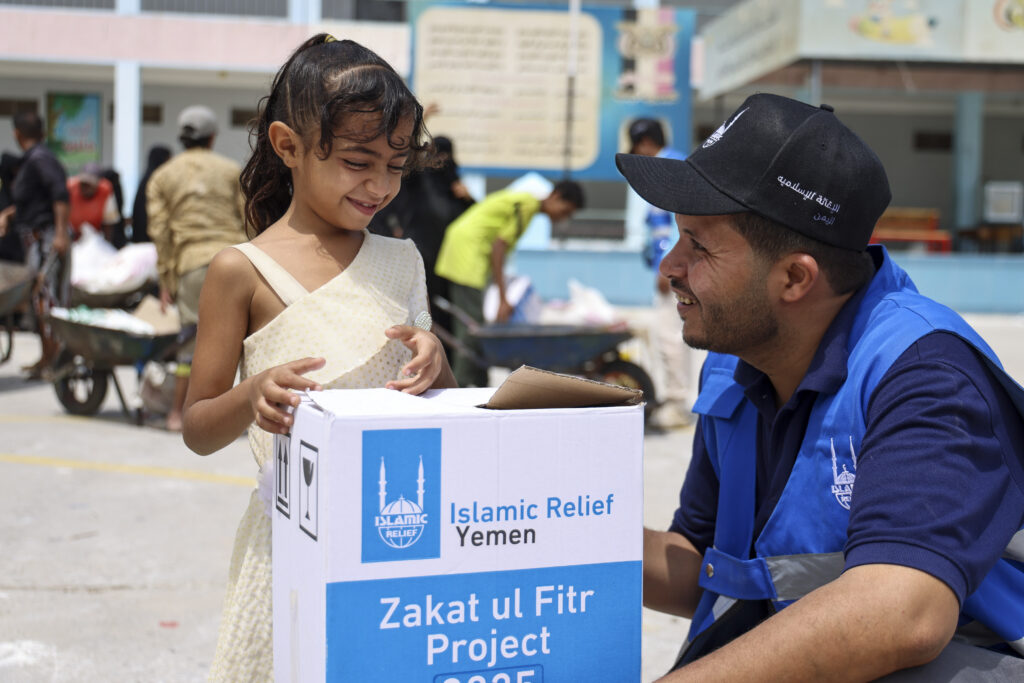
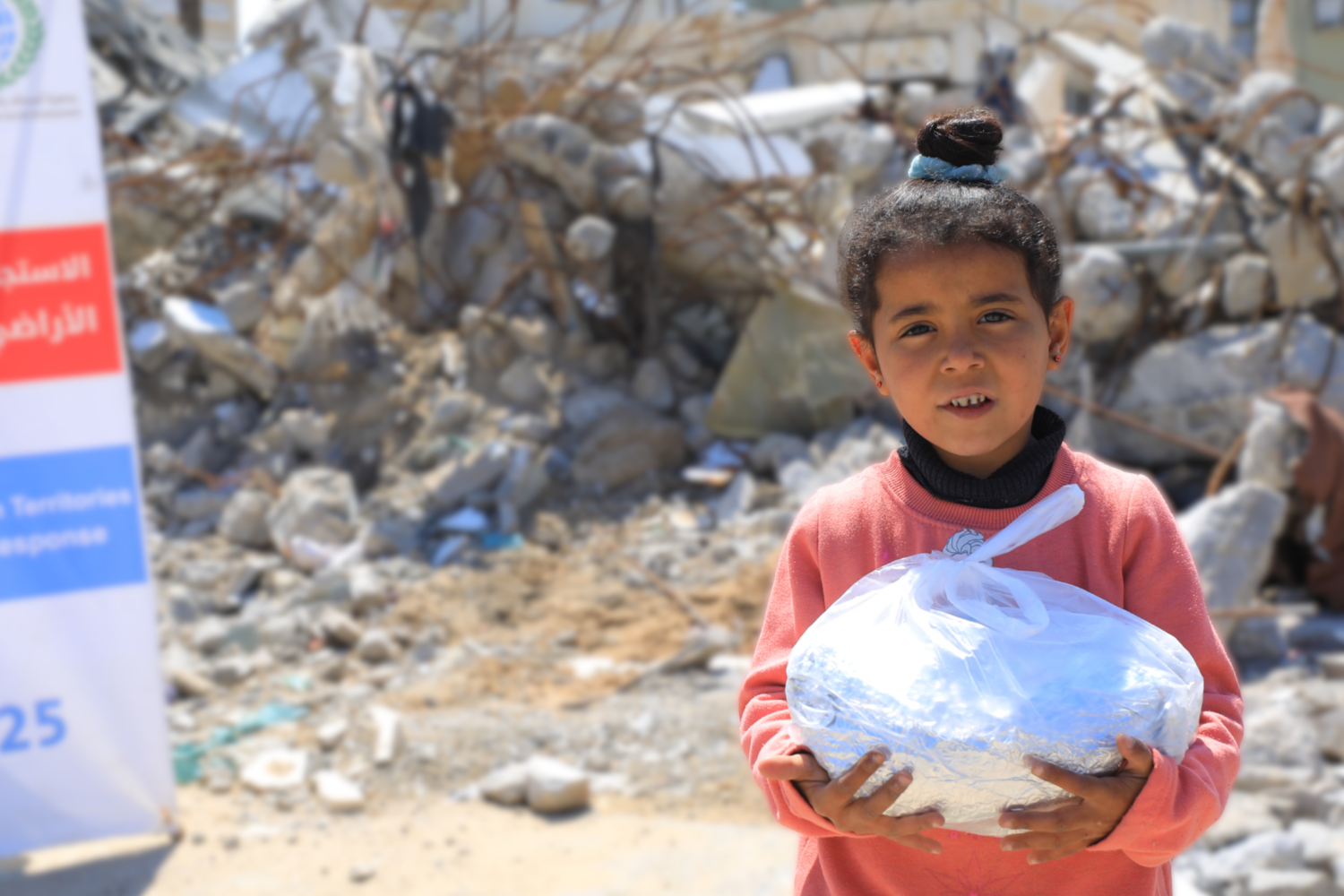
Giving in Ramadan lets Islamic Relief support a child in need

The Generosity of the Prophet ﷺ in Ramadan

The example of the Prophet Muhammad ﷺ offers powerful guidance on giving during Ramadan.

Ibn ’Abbas (may Allah be pleased with him) reported:

“The Messenger of Allah ﷺ was the most generous of people, and he was most generous during Ramadan.”

This narration highlights that while the Prophet ﷺ was always generous, his generosity increased during Ramadan. Scholars explain that this reflects both the special nature of the month and the heightened spiritual awareness it brings.

The Prophet’s example encourages Muslims to expand their generosity during Ramadan without neglecting consistency throughout the year.

Giving in the Last Ten Nights

The last ten nights of Ramadan hold particular significance, as they include Laylatul Qadr, a night described in the Qur’an as being better than a thousand months.

Allah says:

“The Night of Decree is better than a thousand months.” (Surah al-Qadr 97:3)

Many scholars encourage increased charity during these nights, recognising the immense potential reward.

For this reason, some people choose to concentrate their giving in the last ten nights, hoping to coincide with Laylatul Qadr.

At the same time, scholars caution against delaying charity entirely in anticipation of one night. The opportunity to give exists throughout Ramadan, and delaying may lead to missed opportunities.

Timing Versus Intention

While timing matters, intention remains central.

The Prophet ﷺ taught that actions are judged by intentions, reminding believers that the sincerity behind giving is more important than the moment alone.

Scholars often advise that giving earlier in Ramadan can be just as virtuous, particularly when it allows support to reach those in need at a critical time.

Spreading generosity across the month also helps maintain consistency and prevents charity from becoming rushed or impulsive.

Consistency Beyond Ramadan

Although Ramadan is a special time for giving, Islam encourages generosity throughout the year.

Islam emphasises that Ramadan should be a training ground for habits that continue beyond the month itself. Charity given consistently, even in small amounts, reflects sincerity and long-term commitment.

This balanced approach helps ensure that generosity does not end when Ramadan does.

Practical Ways to Approach Giving in Ramadan

A thoughtful approach to giving may include:

  • calculating Zakat early so it can be distributed in a timely way
  • spreading sadaqah across the days or nights of Ramadan
  • increasing giving during the last ten nights without delaying earlier opportunities
  • choosing causes that align with personal values and community needs.

Islamic Relief Australia provides opportunities to support people facing hardship locally and internationally, allowing generosity to be expressed with purpose throughout Ramadan.

A Balanced Perspective

Rather than asking whether charity is better at one specific moment, scholars encourage believers to think more broadly about intention, consistency, and responsiveness to need.

Giving during Ramadan is virtuous, and giving during the last ten nights carries special significance. At the same time, every act of generosity offered sincerely is valued by Allah.

Ramadan invites believers to deepen their generosity, refine their intentions, and strengthen habits of giving.

By approaching charity with balance, awareness, and sincerity, Muslims can make the most of Ramadan while carrying its spirit beyond the month itself.

May Allah (SWT) accept your generosity in the month of months!
01.29.26

Fidya Explained: What It Is, Who Pays It, and How Much to Give

  Publications     Ramadan

During Ramadan, some Muslims are unable to fast due to valid reasons such as illness, pregnancy, or old age. In these situations, Islam provides a clear and compassionate alternative known as Fidya.

Many people have practical questions about Fidya. This includes when it applies, how much to give, and how it differs from other forms of giving during Ramadan.

This guide explains Fidya in a simple and straightforward way, so you can fulfil this obligation correctly and with confidence.

What Is Fidya?

Fidya is a charitable payment made by someone who is unable to fast during Ramadan. The individual is also someone who (physically or psychologically) cannot make up the missed fasts later.

This concession is mentioned in the Quran: …And as for those who can fast with difficulty (e.g., an old man, etc.), they have (a choice, either to fast or) to feed a Miskin (poor person) (for every day)… (Surah Al-Baqarah 2:184)

Likewise, Ibn ‘Abbas رضي الله عنهما, in clarification of this part of the verse, said: “The concession of feeding a poor person was revealed for the elderly man and elderly woman who are unable to fast, so they should feed a poor person for each day.” (Sahih Muslim).

Thus, Fidya is intended to compensate for each missed fast by providing food, or its equivalent value, to someone in need.

This exception reflects the mercy and flexibility built into Islamic teachings. It recognises that not everyone is able to fast due to circumstances beyond their control.

Who Needs to Pay Fidya?

Fidya applies to Muslims who are unable to fast and are not expected to be able to make up the missed fasts at a later time.

This may include people who:

  • have a chronic illness
  • are elderly and unable to fast safely
  • have a medical condition that prevents fasting long term.

In cases where someone is temporarily unable to fast, such as due to short-term illness or travel, Fidya is not usually required. Instead, missed fasts can be made up at a later time.

If you are unsure whether Fidya applies to your situation, consult your local scholar. Seeking clarity before acting can help ensure you give correctly.

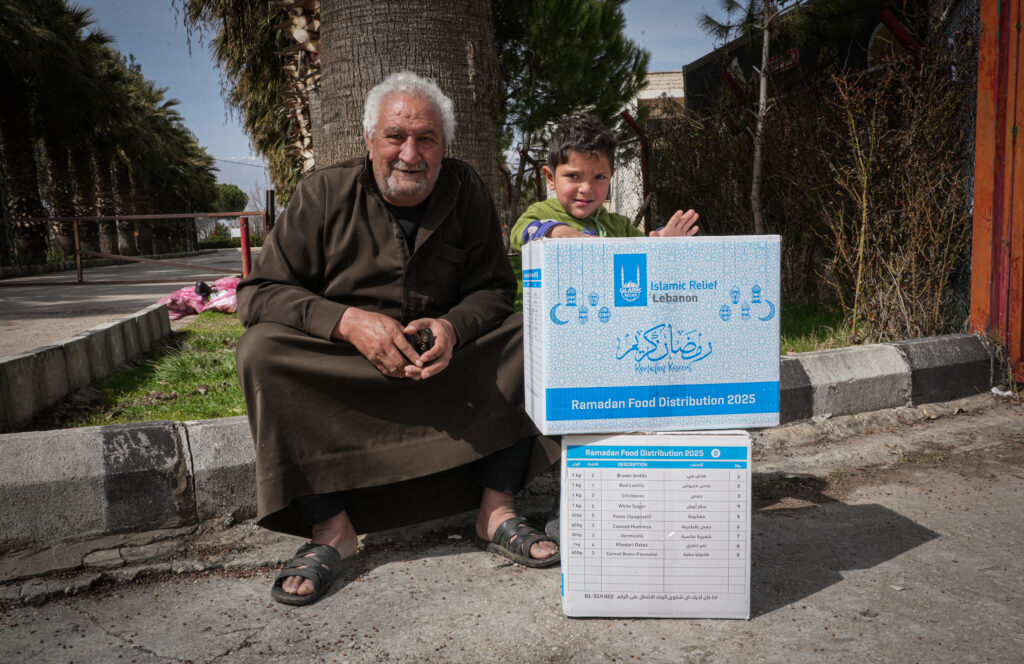
Elderly and child receiving food, they may not fast if the elderly is unable to and the child has not yet reached puberty

How Is Fidya Different From Kaffarah?

Fidya and Kaffarah are both forms of compensation related to missed fasts, but they apply in different circumstances.

Fidya is given when a person cannot fast and cannot make up the fasts later.

Kaffarah applies when a fast is deliberately broken without a valid reason and involves a heavier obligation.

Understanding the difference is important to ensure the correct form of giving is fulfilled.

How Much Is Fidya?

For this year, Fidya has been set at $20 per missed fast. It applies to those who are unable to fast due to long-term illness, old age, or another condition where making up the fast later is not possible.

Each missed day of fasting requires Fidya to be paid separately, with the intention of providing food support to someone in need.

When Should Fidya Be Paid?

Fidya can be given during Ramadan or afterwards. Many people choose to give it during Ramadan so that it reaches those in need at a time when support is especially important.

Giving Fidya earlier can also help ensure it is distributed in a timely and effective way.

How Is Fidya Distributed?

Fidya is given to people who are eligible to receive Zakat, with a focus on providing food and basic support. By giving through a trusted charity, you can be confident that it is distributed responsibly and reaches those who need it most.

Islamic Relief Australia works in dozens of countries internationally. Together, with global and local partners, we ensure Fidya is delivered according to Islamic guidelines and to those who can most benefit from it.

Give Fidya Through Islamic Relief Australia

Giving Fidya through Islamic Relief Australia helps ensure that your contribution is handled with care and distributed in line with Islamic principles. This allows families facing hardship to receive essential support with dignity, particularly during Ramadan.

Fidya provides a compassionate option for those who are unable to fast and cannot make up their missed days.

By understanding when to apply it, how much to give, and how it is distributed, you can fulfil this obligation with confidence and peace of mind during Ramadan.

01.29.26

Zakat al-Fitr in Australia: What It Is, How Much to Pay, and When to Give

  Publications     Ramadan

Zakat al-Fitr is a form of charity that is given at the end of Ramadan, before the Eid prayer. It is an obligation that applies to Muslims who are able to give. Likewise, it plays an important role in ensuring that everyone can take part in the joy of Eid.

Each year, many people in Australia have practical questions about Zakat al-Fitr. In particular, they revolve around how much to pay, who it applies to, and when it should be given.

This guide explains Zakat al-Fitr in a clear and simple way, so you can fulfil this obligation correctly and with confidence.

What Is Zakat al-Fitr?

Zakat al-Fitr, also known as Fitrana, is a compulsory charity that is given on behalf of each member of a household at the end of Ramadan.

Its purpose is to purify any shortcomings in a person’s fasting. It also serves to help those in need take part in the celebrations of Eid. But unlike Zakat on wealth, Zakat al-Fitr is linked to people rather than assets.

Who Needs to Pay Zakat al-Fitr?

Zakat al-Fitr is required from Muslims who have enough food or wealth beyond their basic needs on the day of Eid.

Ibn ‘Umar رضي الله عنهما reported that the “Messenger of Allah ﷺ made Zakat al-Fitr obligatory at the end of Ramadan upon every Muslim, free or slave, male or female, young or old…” (Agreed upon).

It is paid by the head of the household on behalf of:

  • themselves
  • their spouse
  • their children
  • any dependents under their care.

If someone is genuinely unable to afford it, Zakat al-Fitr is not required of them.

How Much Is Zakat al-Fitr in Australia?

For Ramadan this year, Zakat al-Fitr has been set at $20 per person. This amount represents the cost of providing staple food to someone in need, in line with the purpose of Zakat al-Fitr.

Zakat al-Fitr is paid on behalf of each member of the household, including children and dependants, and should be given before the Eid prayer so it reaches those in need in time.

A recipient of Zakat al Fitr from Australia

When Should Zakat al-Fitr Be Paid?

Zakat al-Fitr should be given before the Eid prayer. This ensures it reaches those in need in time for them to benefit from it on Eid.

Many people choose to give Zakat al-Fitr during the last few days of Ramadan to avoid missing the deadline. It is also permissible to give it earlier in the month so that it can be distributed on time.

How Is Zakat al-Fitr Distributed?

Zakat al-Fitr is given to people who are eligible to receive Zakat. Its focus is on supporting those who may struggle to meet basic needs, particularly at the time of Eid.

Giving through a trusted charity can help ensure that Zakat al-Fitr is distributed correctly and reaches those who need it most.

Islamic Relief Australia works with local and international partners to distribute Zakat al-Fitr responsibly, in line with Islamic guidelines.

Giving Zakat al-Fitr Through Islamic Relief Australia

By giving Zakat al-Fitr through Islamic Relief Australia, you can be confident that your donation will be handled with care and delivered according to Islamic principles in important parts of the world where Muslims are in difficulty.

Just as we handle your Zakat al-Maal with the greatest care and diligence, we do the same for Zakat al-Fitr. We strive to help bring comfort and joy to millions of Muslims around the world each year. This helps ensure that families in need can prepare for Eid with dignity and support.

An Obligation that Brings Joy Every Eid

Zakat al-Fitr is a simple but meaningful obligation that helps bring communities together at the end of Ramadan.

By understanding what it is, how much to give, and when to give it in Australia, you can fulfil this duty correctly and help ensure that Eid is a time of joy for everyone.

We ask Allah (SWT) to accept your deeds in Ramadan, and allow your shortcomings to be perfected by the blessings of Zakat al-Fitr!


STAY INFORMED

  • This field is for validation purposes and should be left unchanged.

Quick Donate