03.22.24

A Ramadan in Mourning in Gaza

  News     Publications

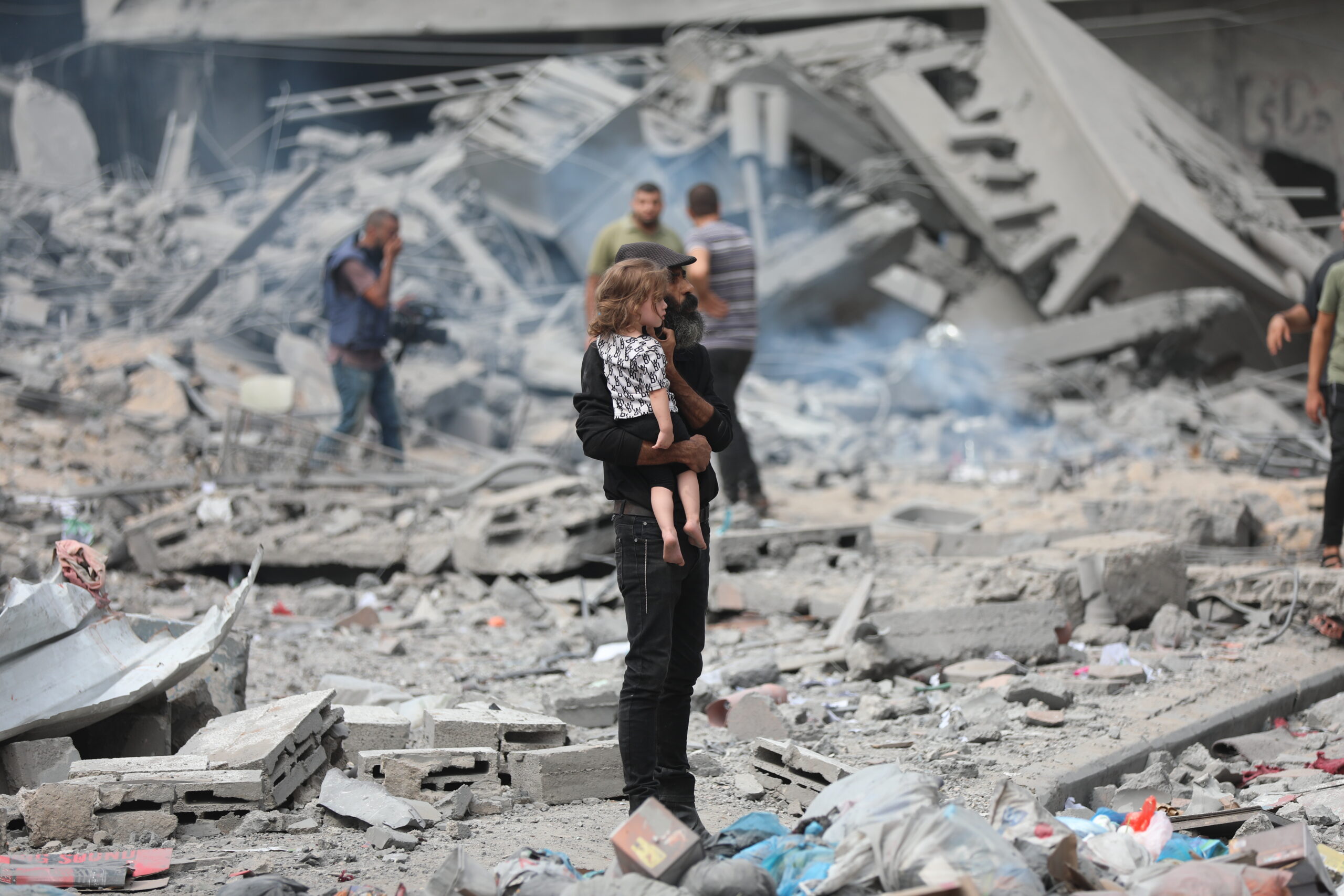
Living through a Ramadan like no other, an Islamic Relief aid worker* in Gaza reflects on Ramadans gone by and shares his hope of seeing a ceasefire before Eid. 

It has been 160 days since this brutal war on Gaza began. This is the fourth day of the holy month of Ramadan.

We hoped there would be a ceasefire before the start of Ramadan, but none materialised so we are still living through the hardest times of our lives. It may even be the cruellest time humanity has witnessed in the modern day.

In fact, things have become even harder during Ramadan.  

Remembering Ramadan in Gaza

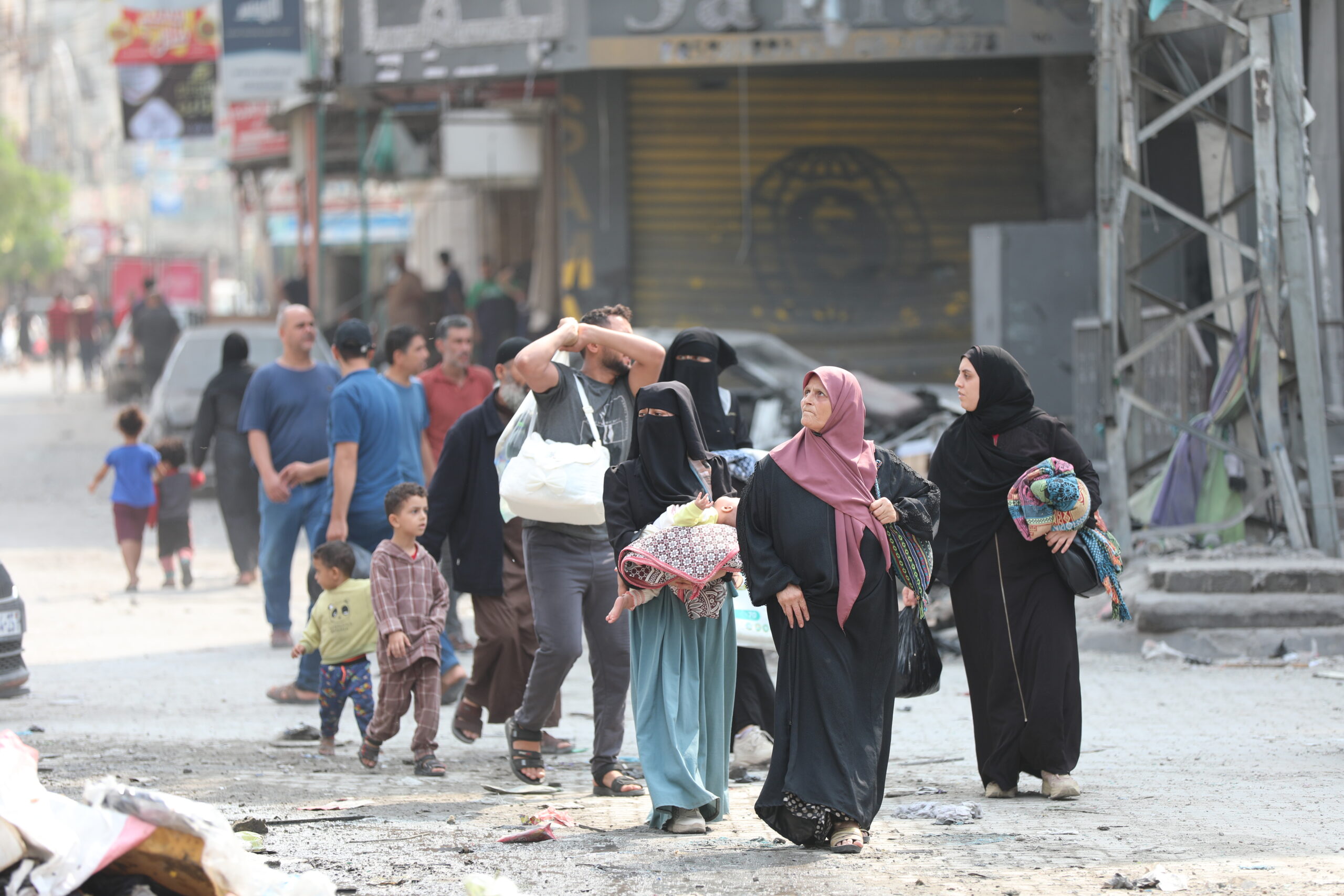
This month is supposed to be a time for doing good, for charity, compassion and solidarity. But Palestinians are starting their Ramadan displaced, living in tents and prevented from meeting their basic needs.

I miss everything we used to do in Ramadan. This year we are barely surviving. This year we face famine, not only fasting.  

For the past few years, everyone would start preparing early for Ramadan, hanging decorations, and lighting lanterns. Some neighbourhoods would even paint walls with vibrant colours. The mosques clean their carpets and fix their lighting to be ready to receive everyone coming to pray.

Last year, in my building, all the neighbours gathered and fixed some lights around the entrance, it looked magnificent.

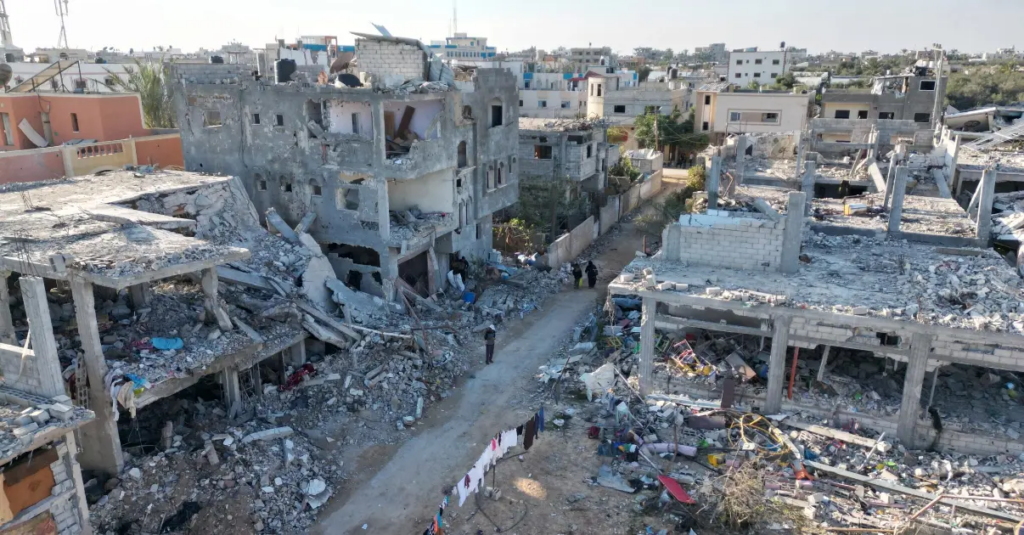
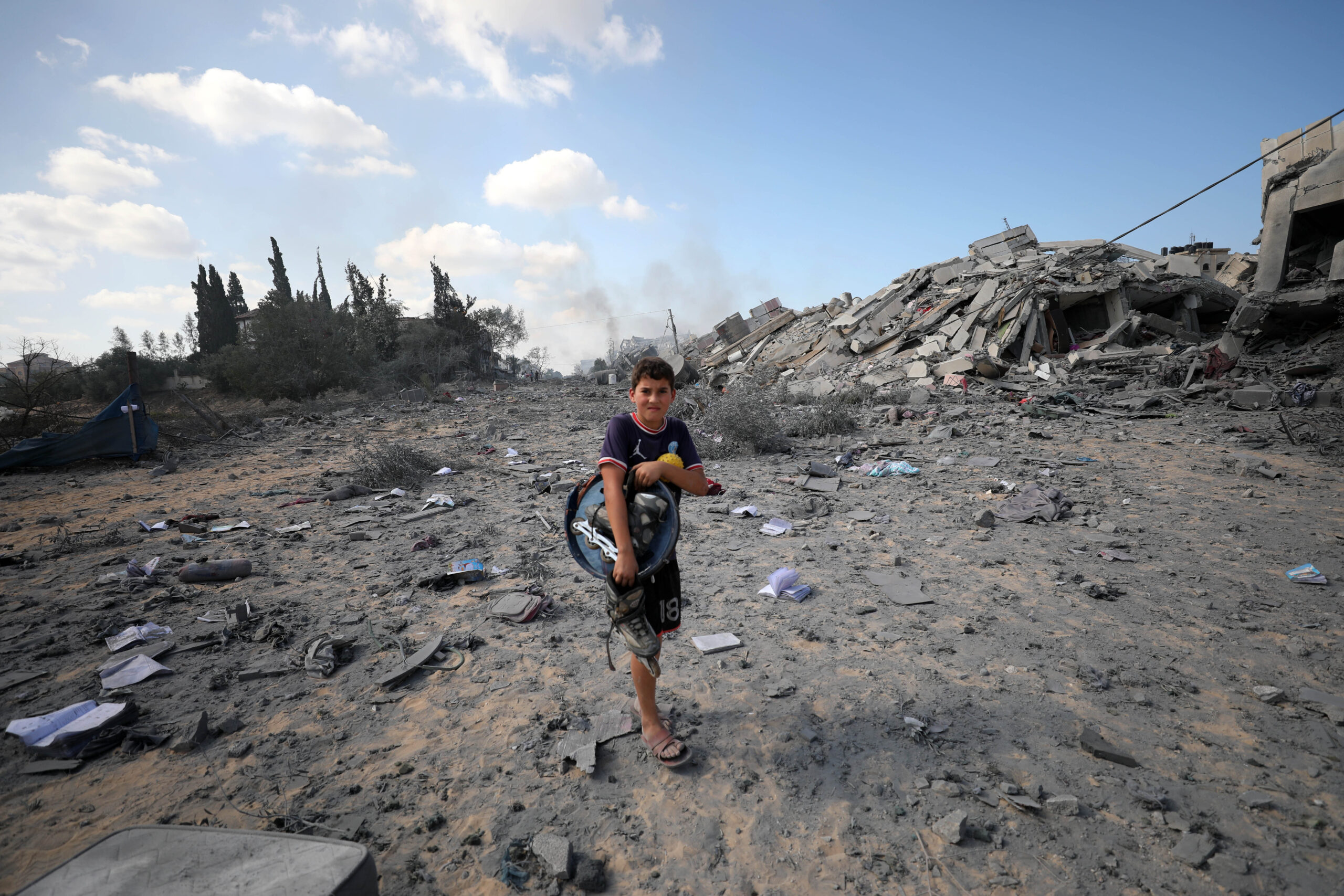
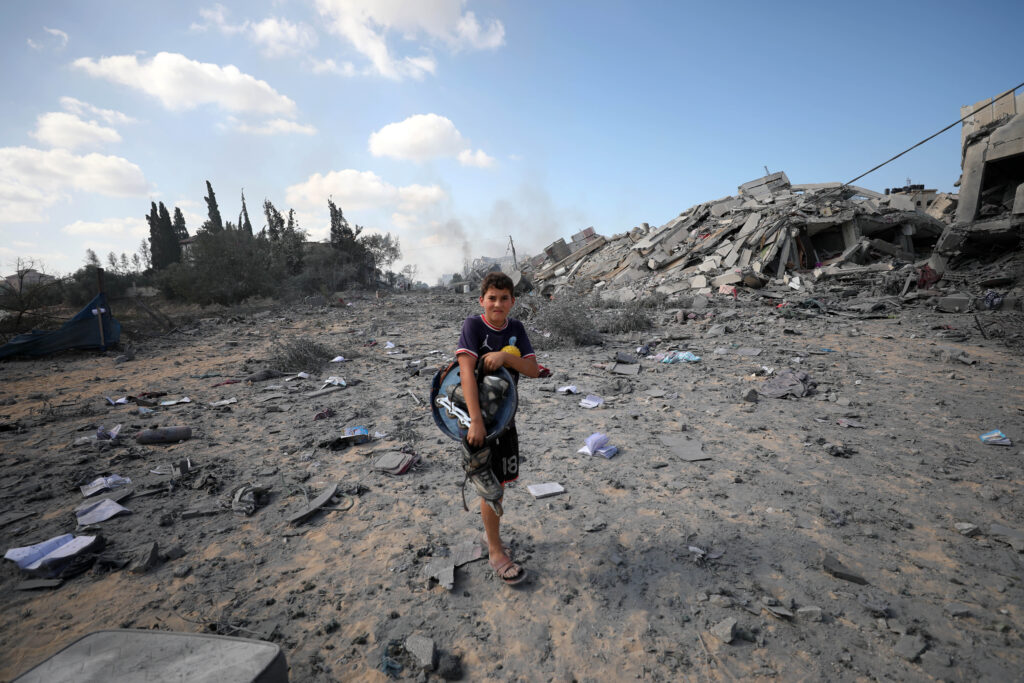
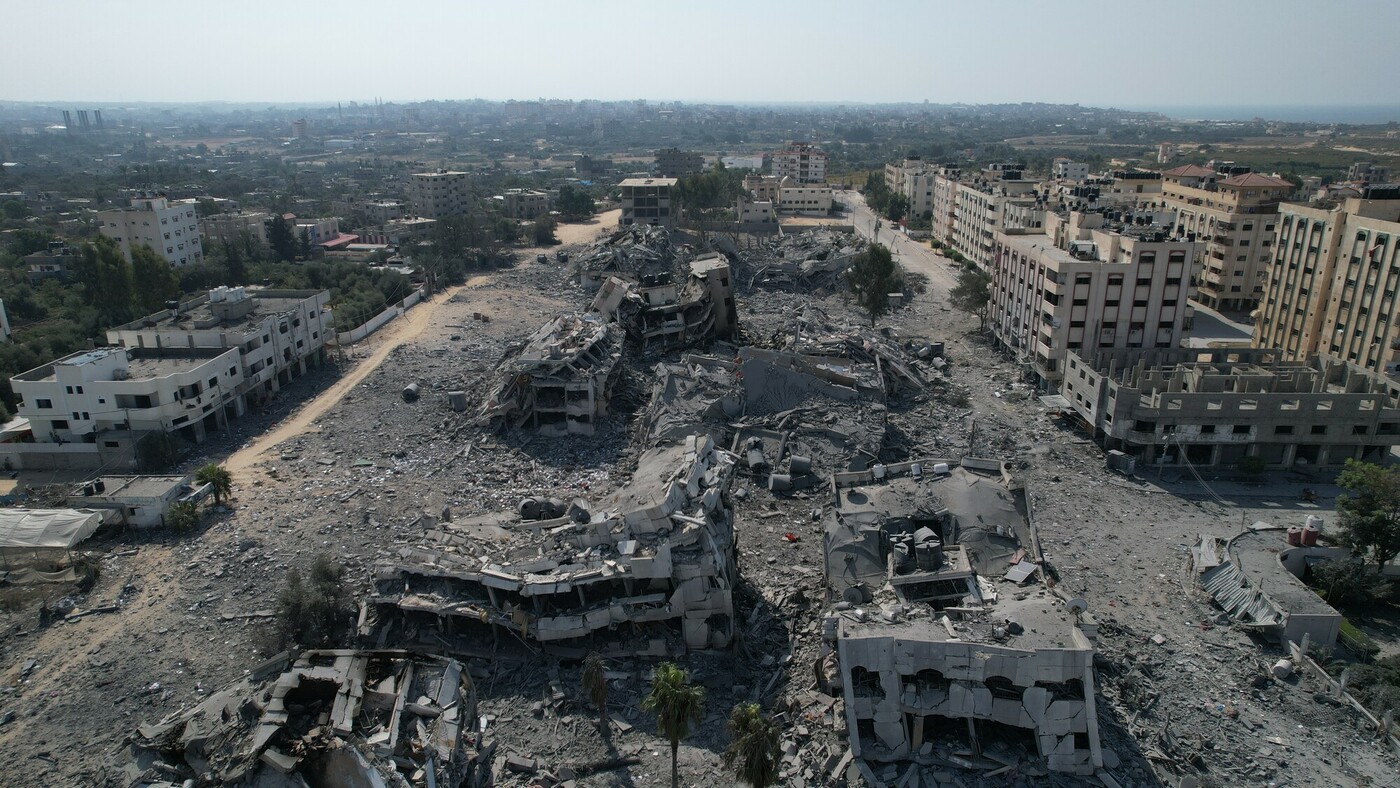
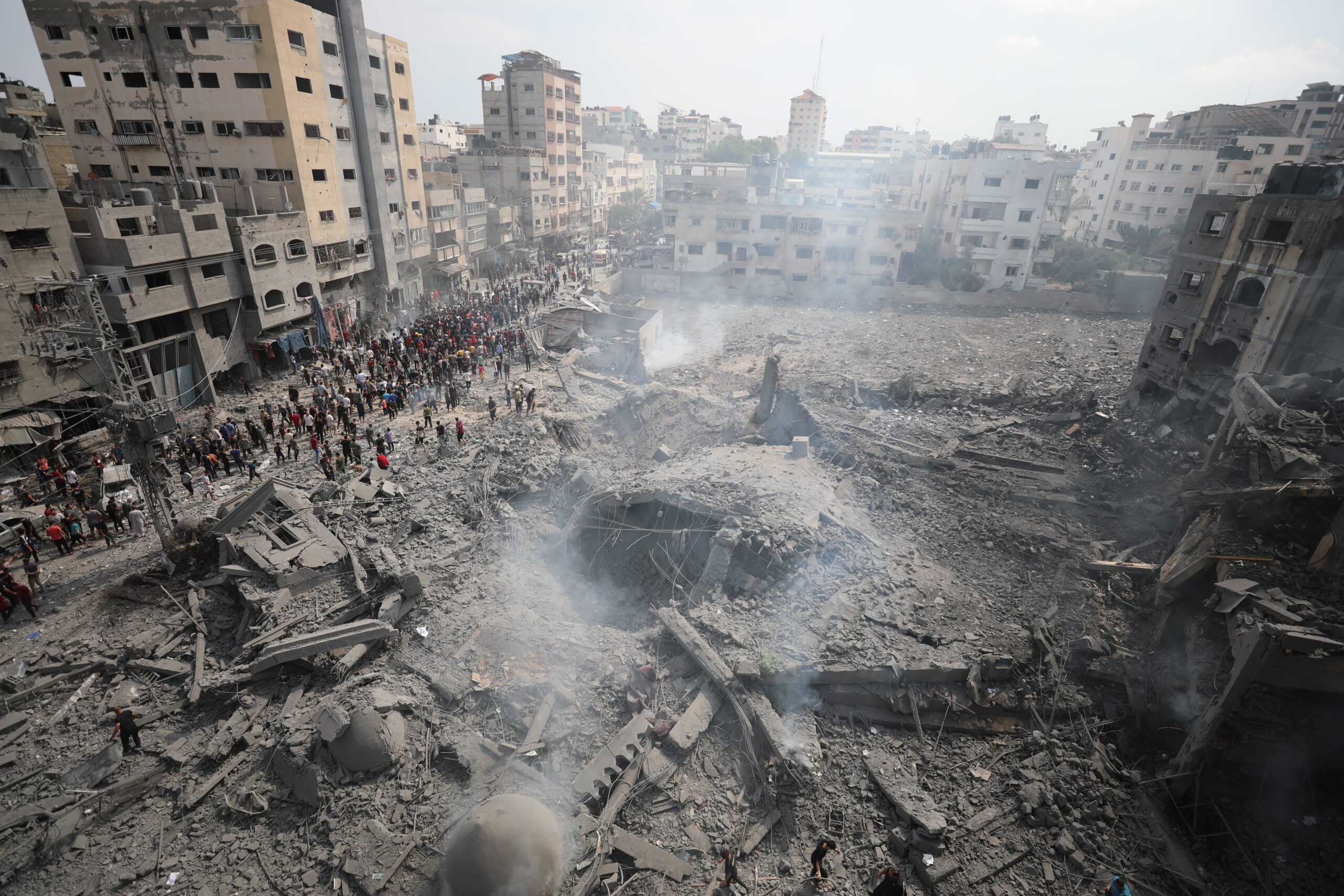
This year, most of these neighbourhoods are gone. Some buildings still stand, but their residents are not there.  
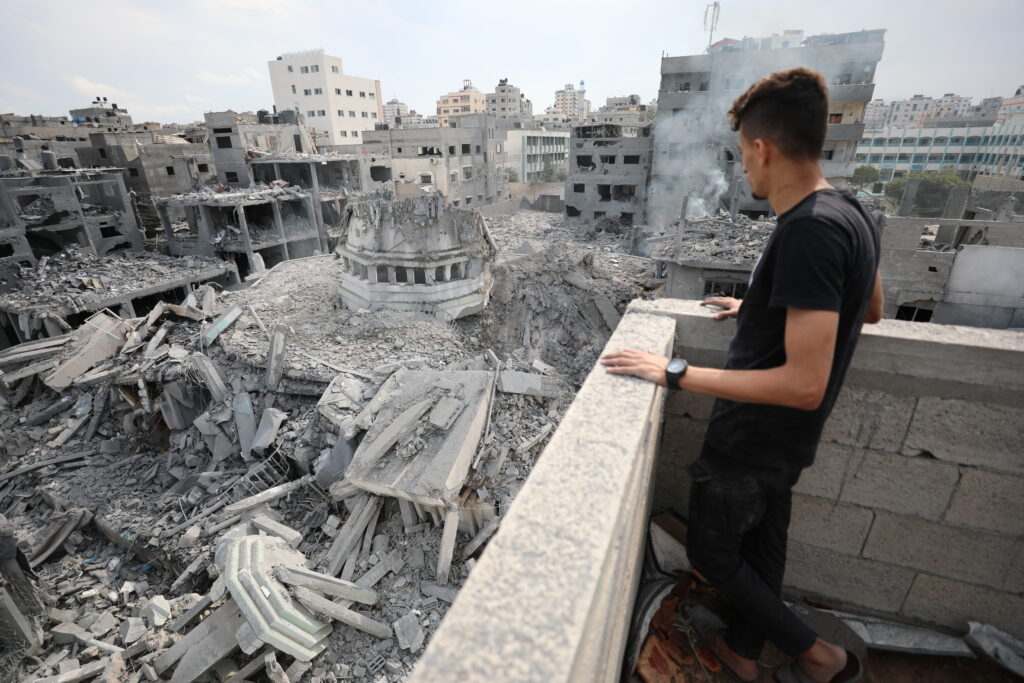
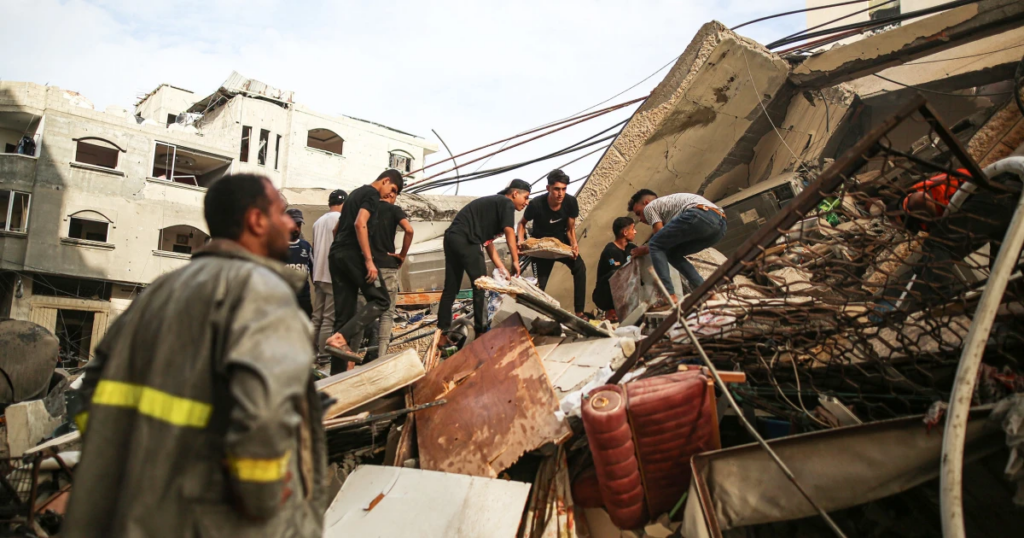
In Gaza, some buildings still stand. But most residents have evacuated.  

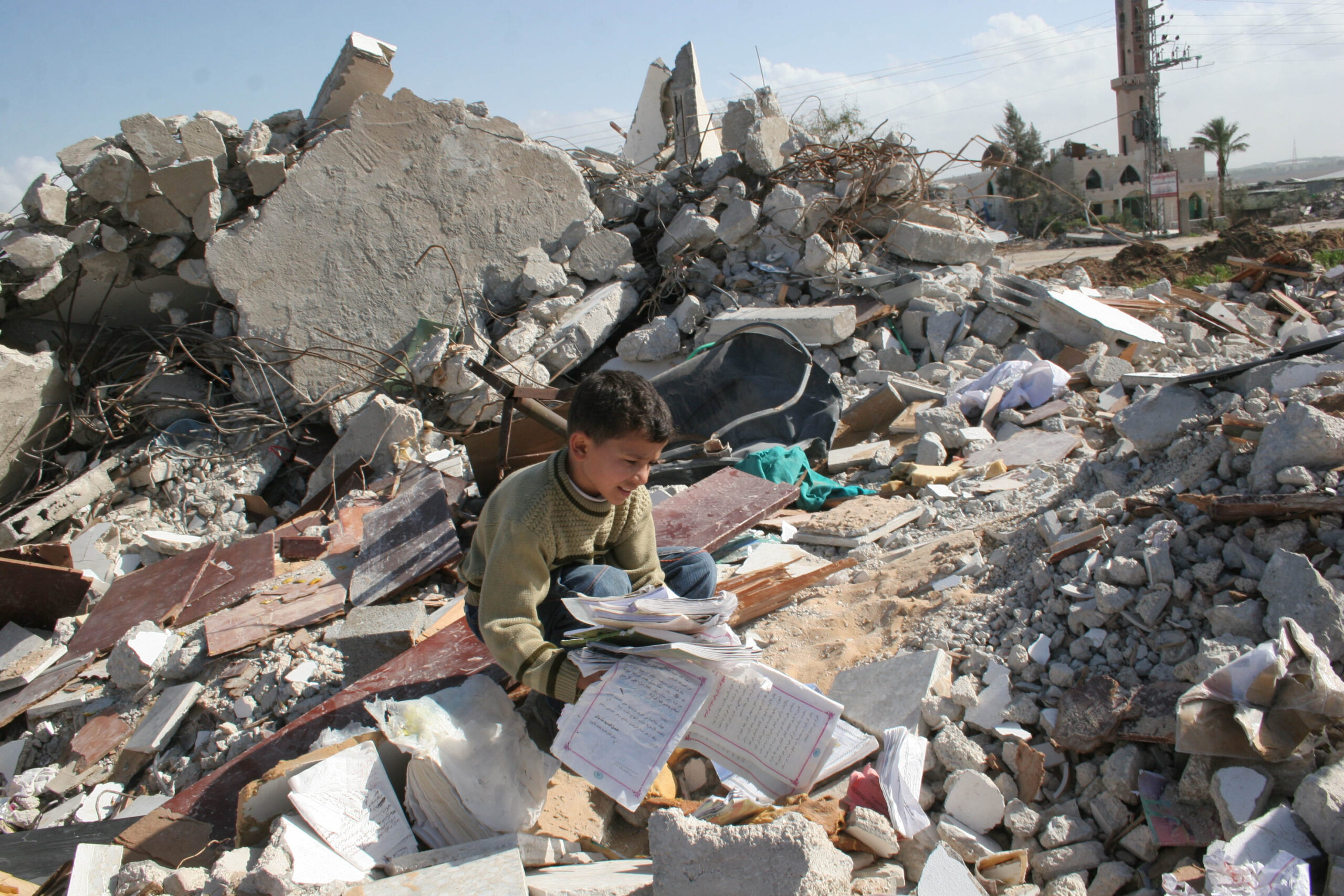
Recently some of our neighbours from the building shared a video of last year’s decoration. It brought tears into my eyes being able to see my house before it was destroyed. I know it is uninhabitable now, but I hope I might be able to salvage some of my books, some of my personal items, my kids’ school bags and some toys if we ever make it back there.

My kids blame us for not allowing them to bring their toys when we left. We thought we would be back in a couple of days.  

Bombing and airstrikes replace the call to prayer 

Last Ramadan, I would get back from work and help my wife in the kitchen before it was time to break our fast. The kids would finish their homework and watch some TV. They enjoyed some of the shows that aired during Ramadan.

My son has been asking me about the show this year, asking why we’re not watching it on TV. I told him that we can’t run the TV at night because we’re saving batteries.  

I remember promising my children last year that I would take them with me to the mosque to perform night prayers this year. Even though they were young, they wanted to join me in going to the mosque every night after we broke our fast.

In the mosques, it usually seems as if everyone in Gaza is attending the night prayers. For that one hour, the streets empty, and once the prayer is over, life flows back into the shops, the markets and family homes.  

This year there are no night prayers at the mosque. We pray at home. It is too dangerous to go out after the sun sets.

Last year, the streets and shops were filled with recitals of the Qur’an, broadcast over speakers; and of course, we heard the call to prayer coming from the mosques.

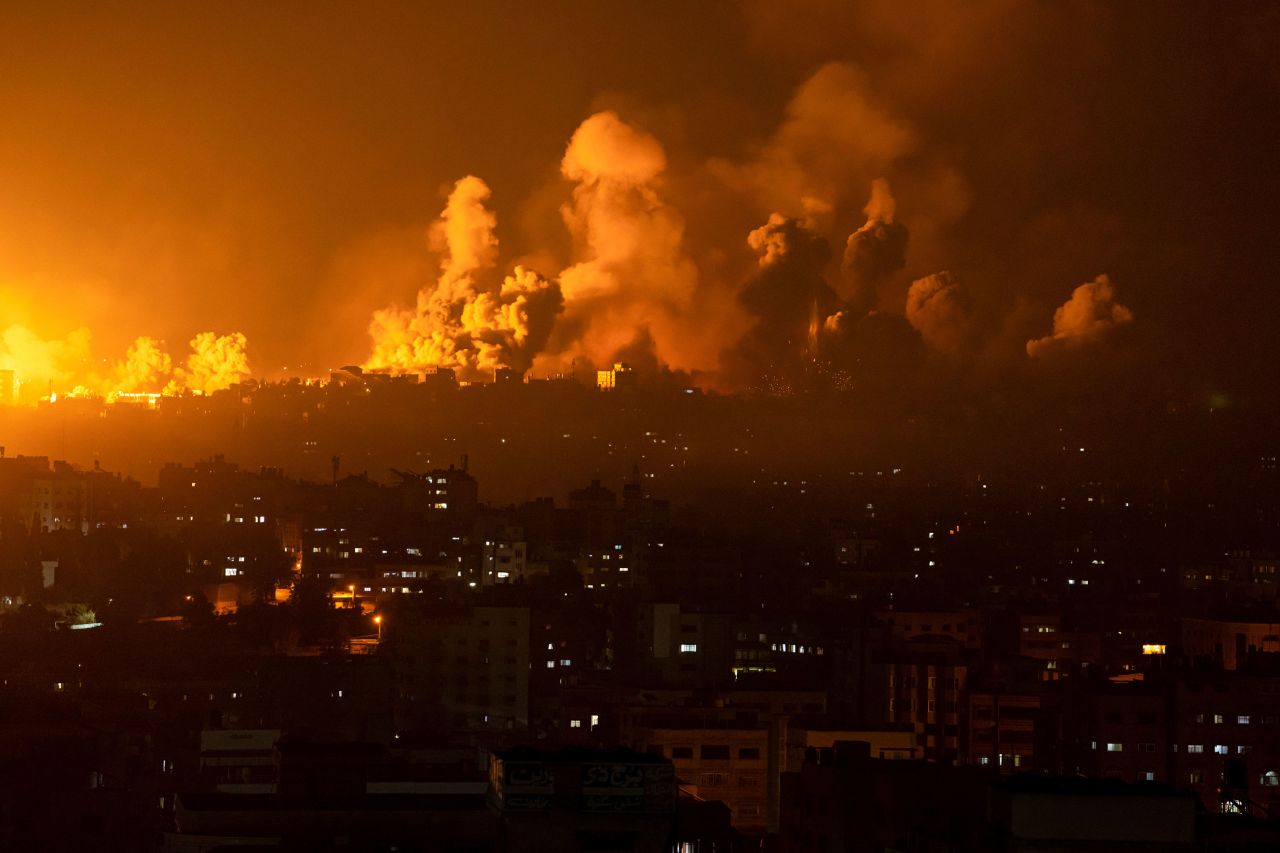
Now, we hear bombing and airstrikes. We have drones buzzing over our heads all day long – a disturbing sound that only gives us the feeling of being monitored and tracked and marked as a target.  
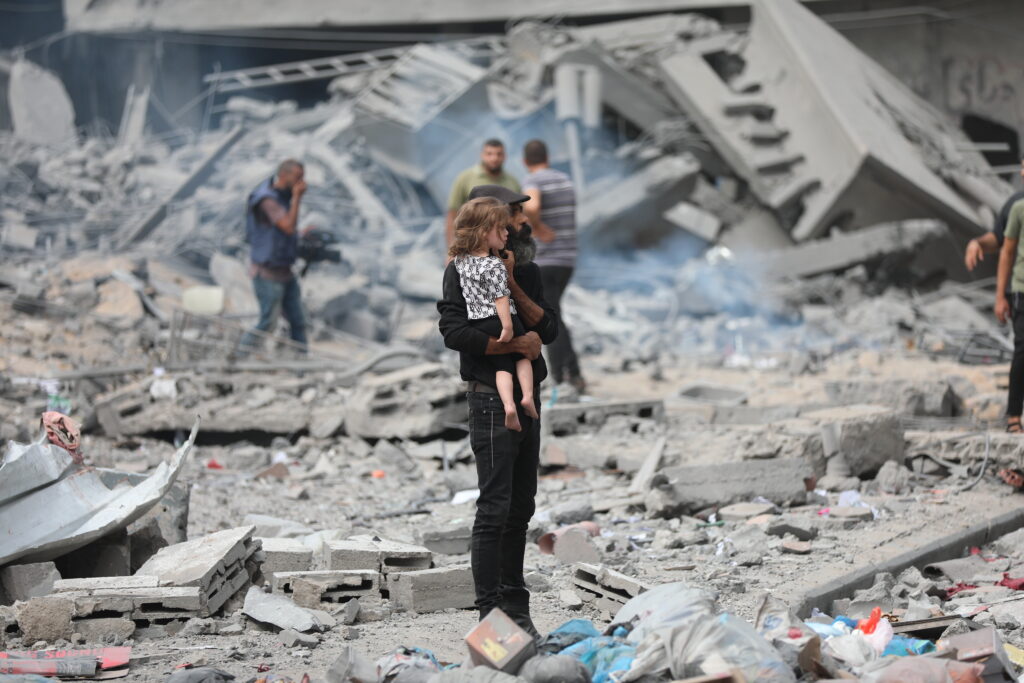
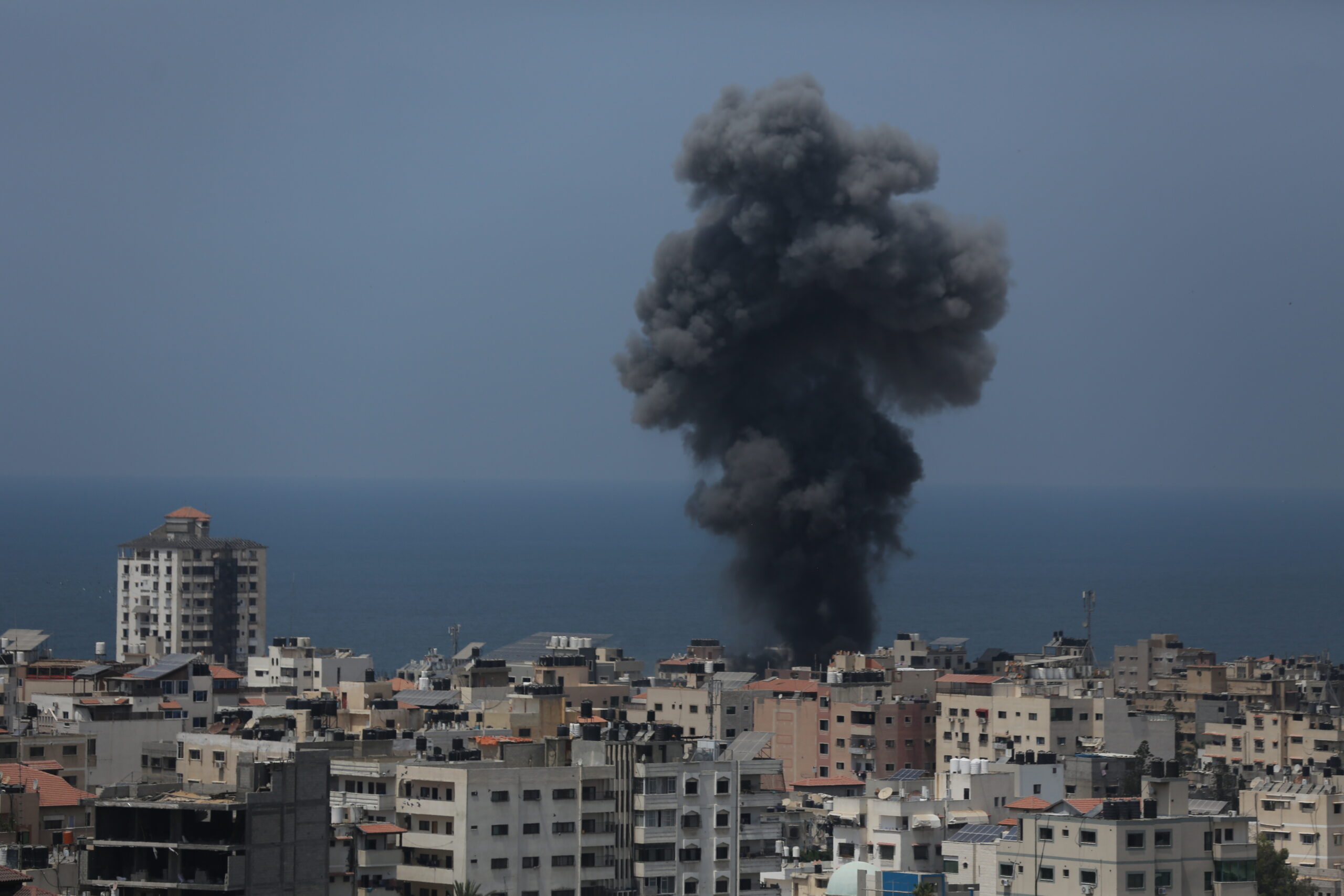
Demolished neighbourhood in Gaza

Separated families 

In Gaza, the generosity of the people is unmatched, and it doubles in Ramadan. There is a tradition where men visit their female relatives including sisters, aunts, mothers-in-law and others to bring them gifts for Ramadan.

Generosity is also seen when families invite each other to have breakfast together. For example, I used to invite my sisters, their husbands and children to have an iftar at my parents’ house. There would be around 30-40 people gathered to enjoy Ramadan together. We’d break our fast and go to the mosque together to pray. Later at night, we’d gather for coffee and some Katayef (Qatayef, Ramadan sweets).  

This year, I could not visit any of my relatives. Travelling is very dangerous, and I cannot get gifts for them because there are no goods in the markets.  

This year, most families are spread all around the Gaza Strip and can’t travel to meet, and staying out after dark is a risky business. On top of this, we are not emotionally prepared to enjoy good times while all our loved ones are gone and all our belongings are destroyed, along with our memories, our livelihoods, and our city.  

Spending Ramadan in mourning, loss, fear and frustration 

Ramadan is a month for worship and compassion. It’s the norm that people prepare the most delicious food in this month and every family has their own recipes. Everyone also races to prepare food to distribute among people in need.

At Islamic Relief, we would distribute food packages to thousands of families every year. We also organised iftars for some of our communities where all our staff volunteered to assist with receiving guests and serving food to their tables. After that, all the staff would gather to clean and spend some good time together.  

This year, we are living Ramadan in mourning, in loss, in fear and frustration. The happiest time of the year is now so sad. We are not able to attend the mosques. Not able to do charity and help each other.

We are not even able to be in our own homes or walk our streets. We do not have Ramadan crescents or lanterns. It is dark.  

Yearning for a Brighter Tomorrow

I can’t compare this year’s Ramadan with anything we have lived through before as we are living the hardest times of our lives. I talk to everyone around me, and they are looking to leave the country in search of a better life.

This Ramadan is so hard and full of desperation. Without a ceasefire, my people are still being killed by bullets, airstrikes, bombing and starvation. Now, we only hope that we will have a ceasefire before the month ends. At least then we could enjoy Eid in some respite. Please, my readers, keep pushing for a ceasefire and an end to this madness.   

*This blog is anonymised to protect the safety and security of our colleague and others mentioned.

Editor’s note: This blog was submitted amid a fast-changing and deepening crisis. The information was correct as of Sunday 17 March 2024. 

In the ongoing crisis, Gaza needs your help

Help us provide urgent medical supplies, food and other crucial, life-saving aid now to families in need by giving with Islamic Relief.
02.09.24

A Lifeline for Struggling Families in Gaza

  News     Publications

Over 4 months have passed since the intense bombing and siege of Gaza, but the horrors families face remain ongoing.  

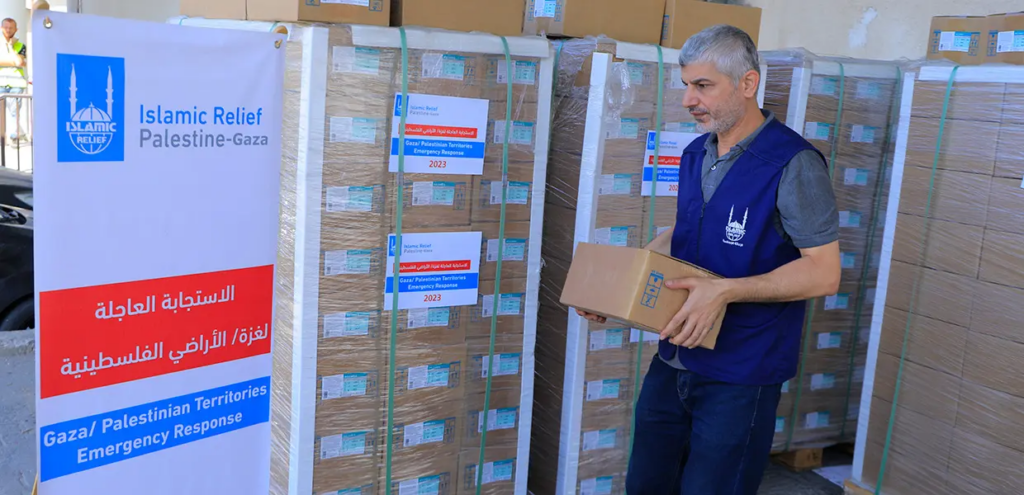
Yet, despite the dire situation, there is hope. Since the start of the emergency, Islamic Relief teams have distributed over $11.6 million worth of aid throughout the Gaza Strip.

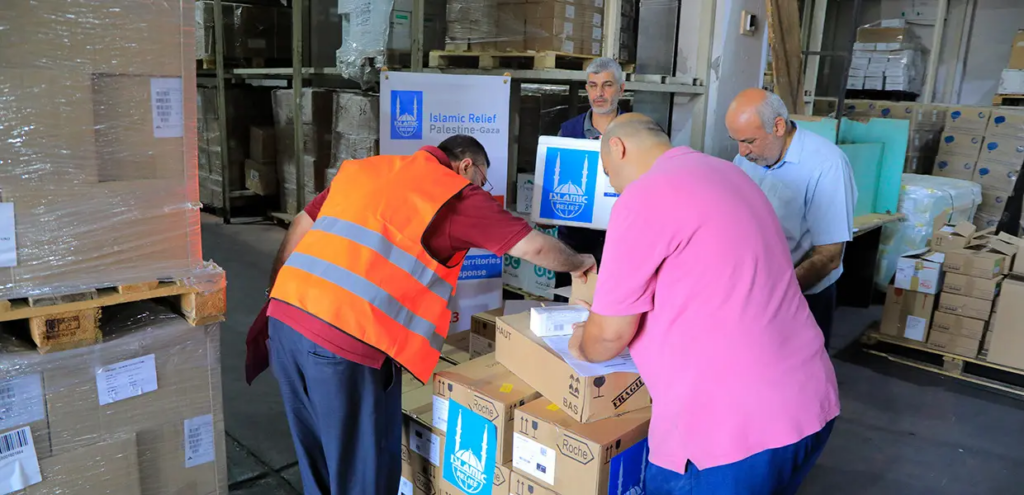
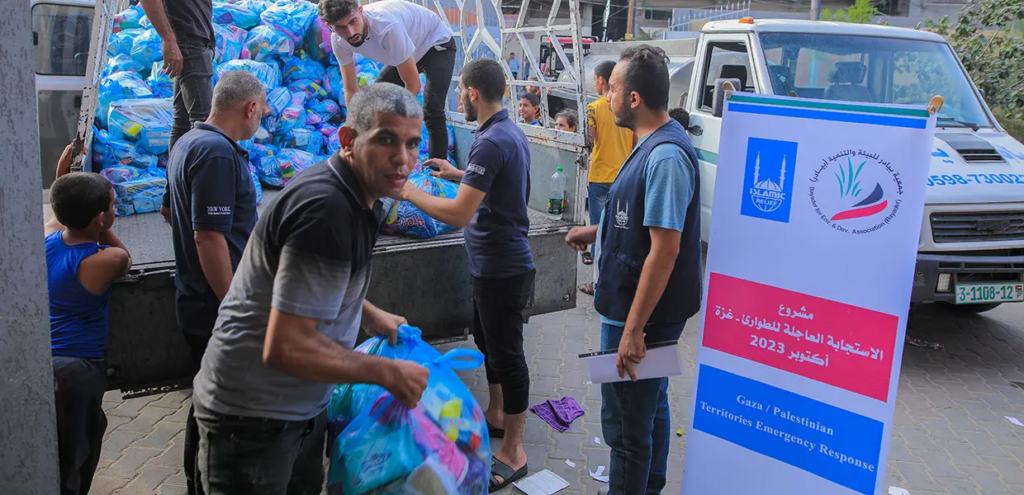
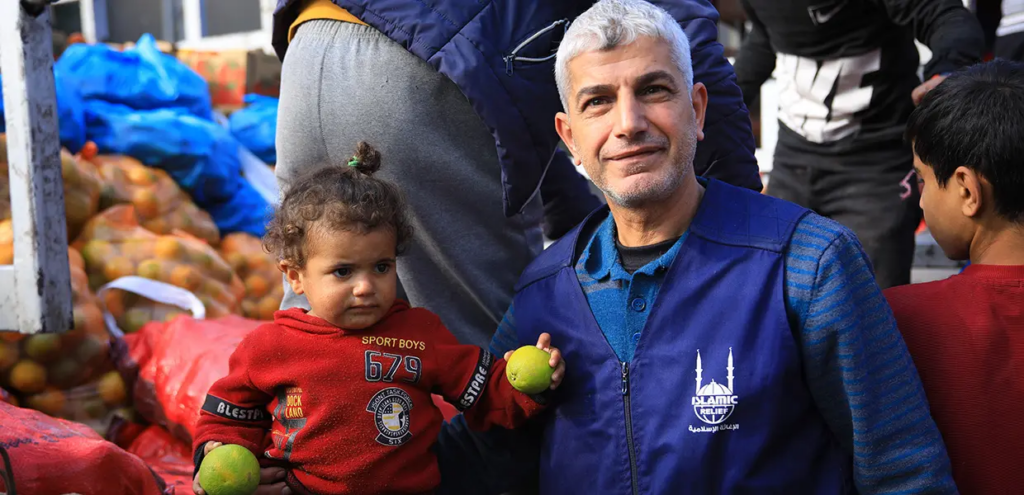
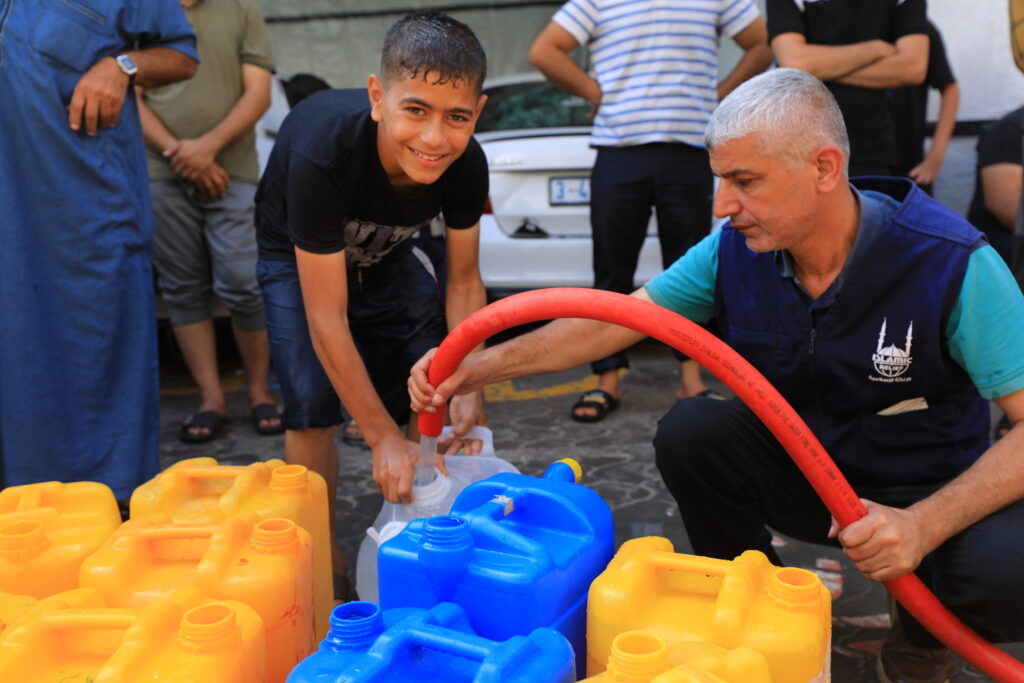
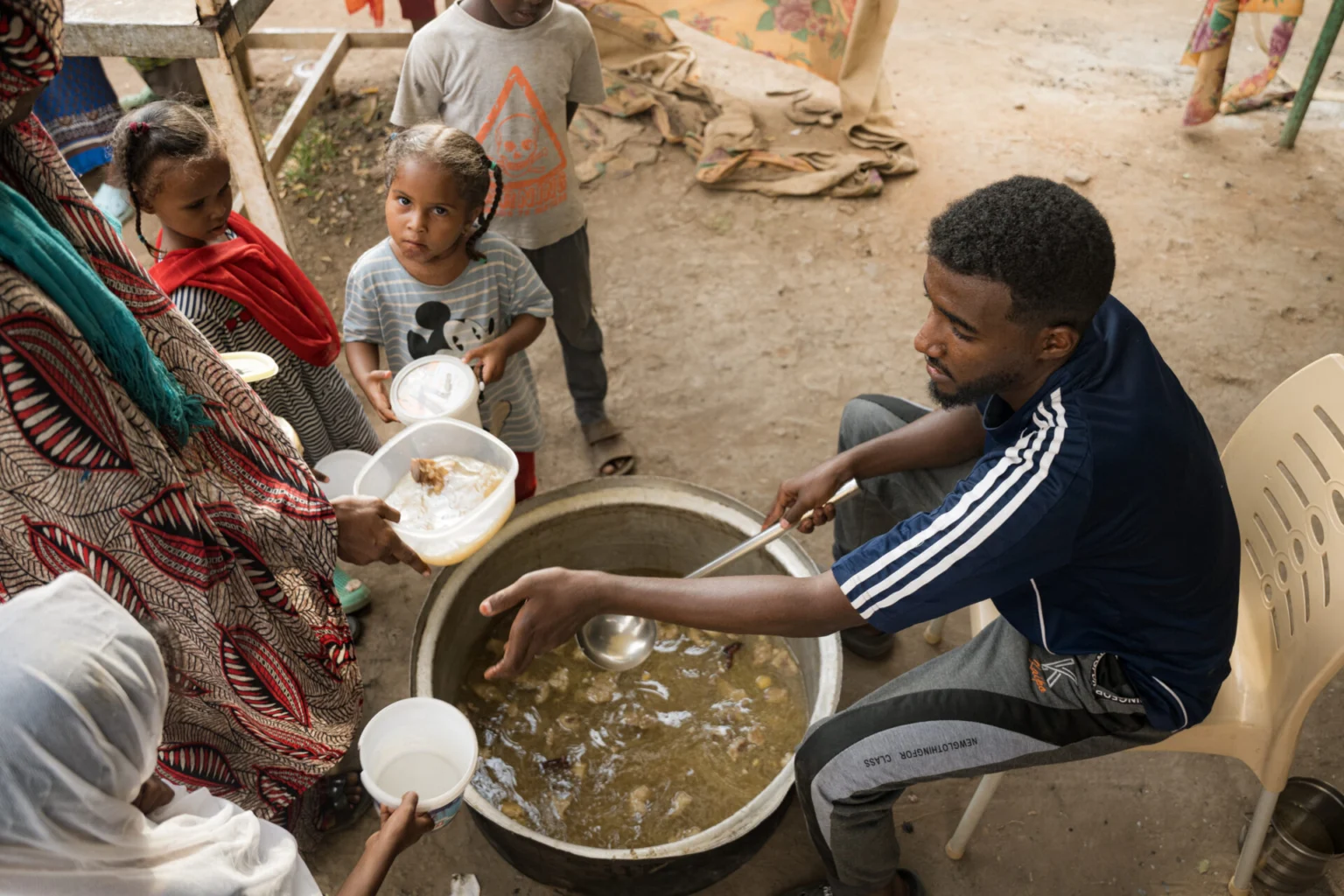
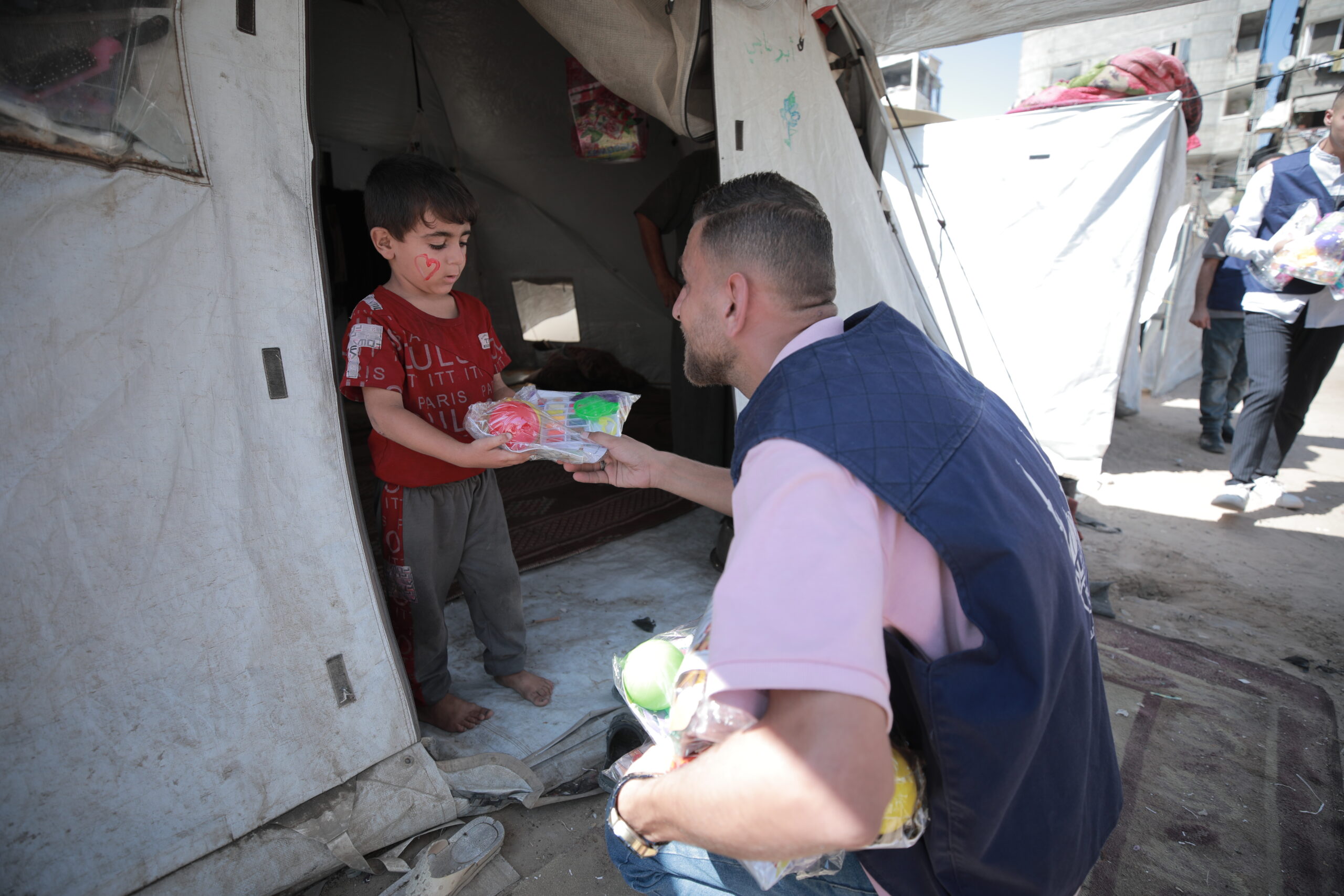
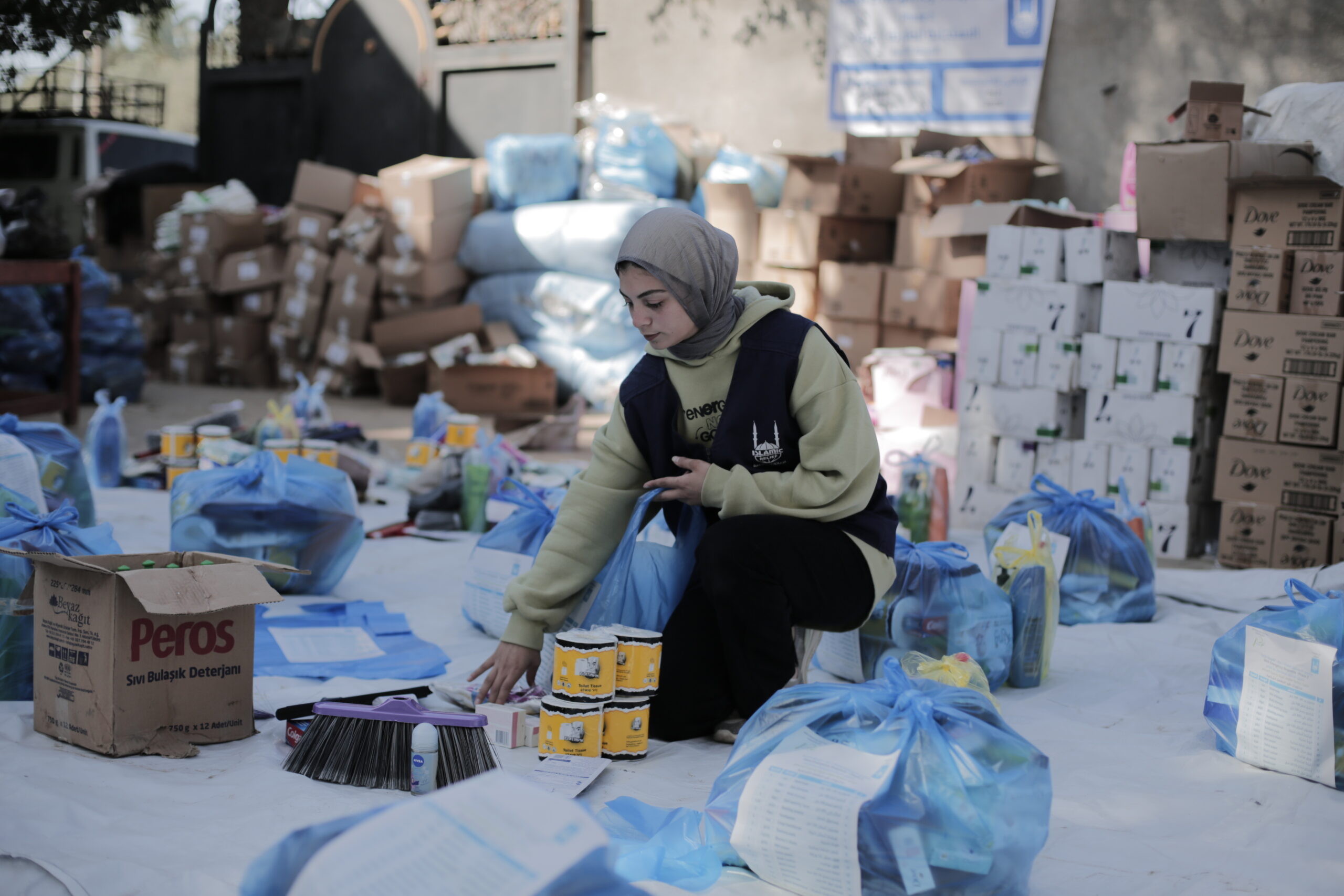
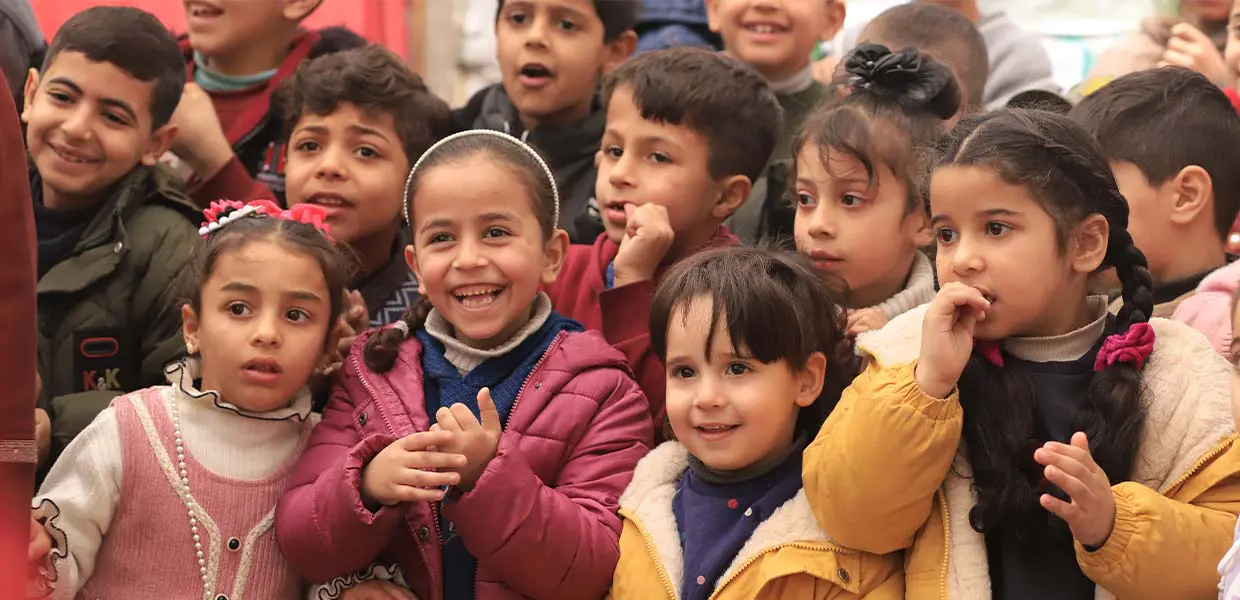
Our teams on the ground have been tirelessly distributing life-saving aid, ensuring those who need support receive it as soon as possible. Our support provides warm meals, food packs, medical supplies, blankets and mattresses, psychosocial support for children and more.

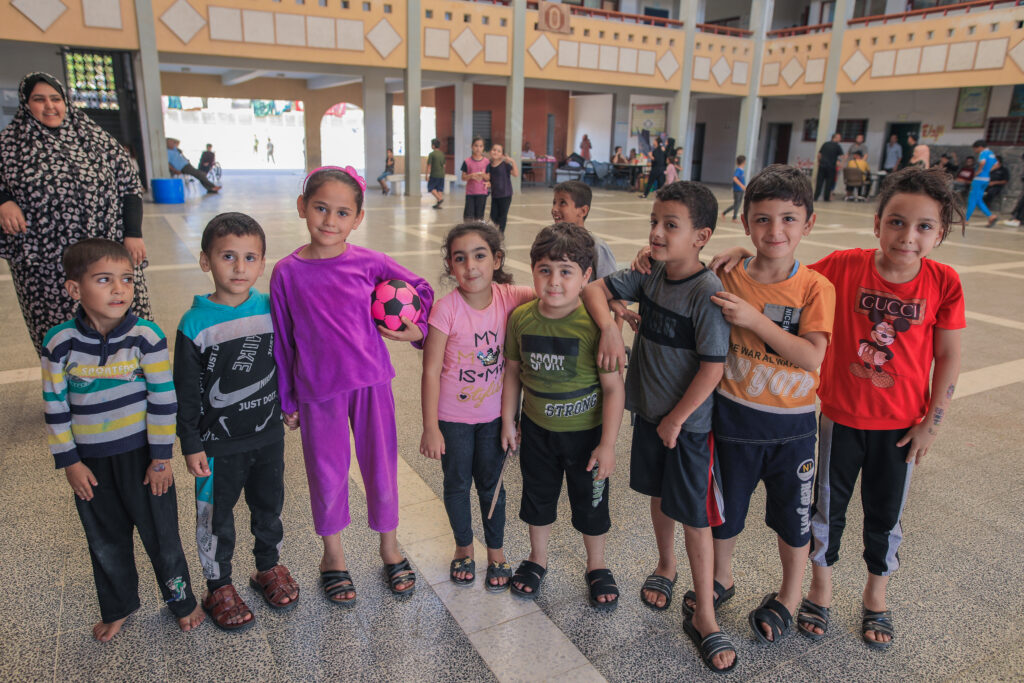
Our Islamic Relief staff in Gaza are also local on the ground and have themselves been severely affected by the war. They have been forced to flee their homes and have been displaced multiple times. But, despite the extreme challenges, they bravely carry on. So we can continue providing aid to as many people as possible.

Because we can, thanks to Allah SWT and your support. 

Even before the crisis began, we’ve always had a strong presence in Palestine. For over 27 years, we’ve been by the people’s side, and we will continue to be there, aiding those in need.

Islamic Relief’s Ongoing Gaza Emergency Response: A Snapshot

Here is a snapshot of the support we’ve provided over the last three months:  

October 8: We began coordinating with local partners to assess needs and prepare an emergency response. 

October 11: We began providing medical supplies to support health facilities in Gaza. 

October 12: Food pack distributions began. More medical supplies were also delivered to health facilities. 

October 31: Our emergency response scaled up. Food vouchers, warm meals, hygiene kits, blankets, psychosocial support and more were being provided to the people of Gaza. 

November 1: By this date, we had provided psychosocial care to 517 children, and support for 8, 700 orphans. 

November 15: Warm meals, clean water, hygiene and dignity kits, fresh vegetables, ready-to-eat items and other life-saving essentials were distributed. 

November 30: We continued to provide clean water and freshly prepared meals. We also ran psychosocial support sessions in shelters. 

December 1: End of humanitarian pause. Our teams were safe. We continued to distribute aid in the Middle Area, Khan Younis and Rafah. 

December 15: Daily distributions in Gaza continued. By this date, 915, 525 warm meals, and psychosocial support for over 37, 900 children had been provided, alongside other essential aid. 

December 31: More clean water, hygiene and dignity kits, fresh vegetables, warm meals and other life-saving aid were provided. 

January 1: The world welcomes a new year, but nothing changes for those in Gaza. Our teams continue to distribute aid to provide hope to the long-suffering people of Gaza. These include food packs, fresh meat and vegetables, water, hygiene kits, psychosocial support, and other life-saving aid.

January 14: Today marks 100 days of the war on Gaza. 

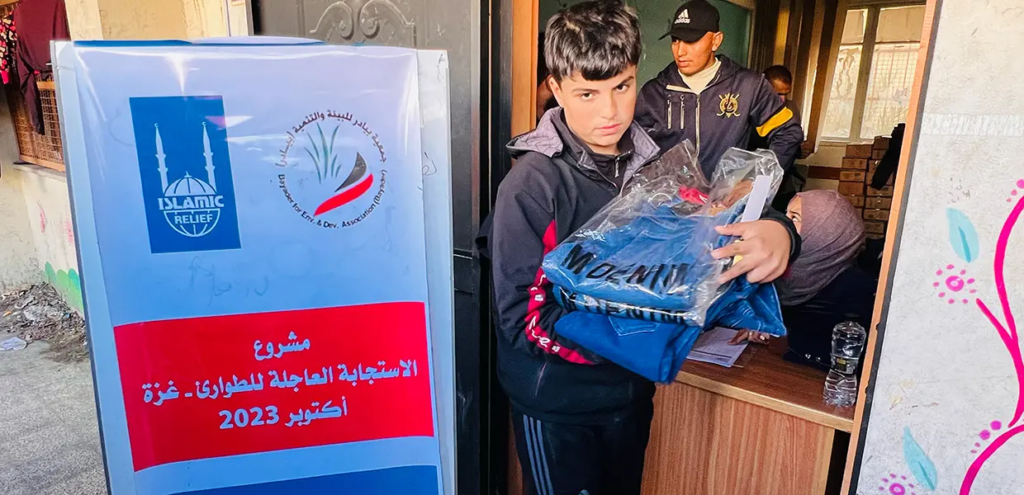
January 25: Our teams distribute much-needed winter aid, such as warm clothes and blankets, amid freezing temperatures. 

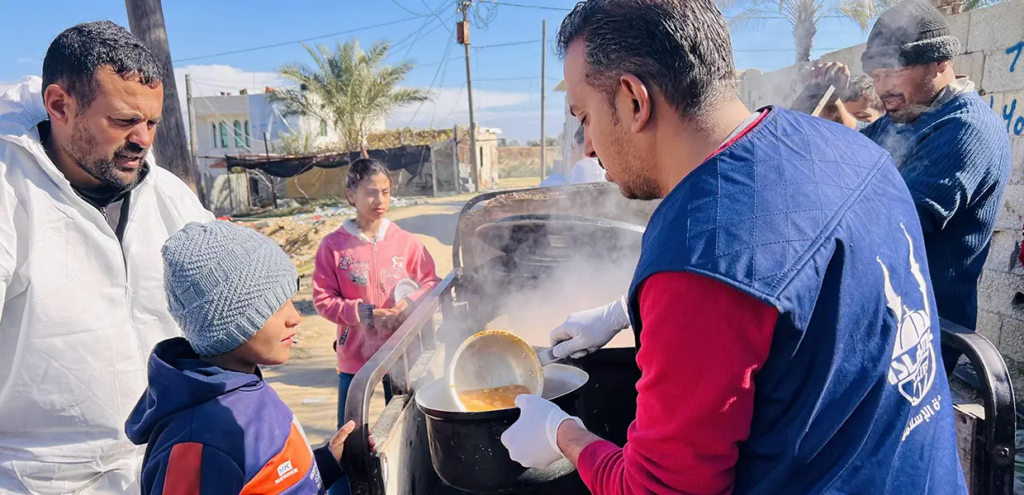
February 4: Islamic Relief teams distribute hot, ready-to-eat meals to vulnerable families. 

From then to now, thank you for standing by the people of Gaza. Your support has been and continues to be a lifeline for families struggling to survive. 

In the ongoing crisis, Gaza needs your help

Help us provide urgent medical supplies, food and other crucial, life-saving aid now to families in need by giving with Islamic Relief.
02.07.24

Humanitarian Crisis in Gaza: Surviving with Solidarity, Faith and Hope 

  News     Publications

As Israel continues its bombardment of Gaza, an Islamic Relief aid worker* on the ground reflects on the ways Palestinians are reacting and trying to survive the desperate situation. 

In the Gaza Strip, the situation here is dire, but the solidarity and compassion between people are stronger than ever.  

Through the darkness, Palestinians stick together. People are supporting each other to survive. They help one another find shelter, food and clothes.  

I have seen firsthand people welcoming displaced strangers into their houses with open arms. They share their food, water and belongings, despite having little themselves.  

When my in-laws evacuated Gaza City, they had nowhere to go. Unfortunately, my parent’s house, where my family and many other people are currently staying, had no more space, so I made some calls to the neighbours. Our neighbour, a retired teacher, offered the ground floor of his building which was previously used by a kindergarten. 

Adapting to Survive

In the harsh circumstances, people have begun adapting to survive. When the fuel and cooking gas ran out, everyone started making wood fires. While I’d never made a fire before – I’d never even been camping – it was a chance for me to learn a new and useful skill. 

Of course, the first attempts did not work well. Trying to start a flame was difficult, and, once it came, the smoke blinded us. But, by the end, my sisters, my wife, my mum and I learned to use the fire to heat water and cook. In fact, we were able to make some pizza using coal and a cooking pan. It was delicious. It was a happy day for the kids.  

Standing Strong in Faith 

Before the crisis in Gaza worsened, my kids and all the children in the house used to spend their free time playing video games or watching cartoons. Now, they have many other activities to do. 

Alhamdulillah, some of them have started memorising the Qur’an. I also notice how they now perform their prayers on time. All the girls have clothes to pray in, which they run to grab whenever the time to pray comes.  

They also make du’a more regularly, reciting their morning and evening adhkar everyday. These are wonderful moments of the day, when they come together, asking Allah SWT in one voice for relief and an end to this situation.  

Subhanallah, I am proud and humbled at how, at this young age, they have all developed such strong faith and attachment to Allah in a time such as this.  

Sharing Simple Hopes

Palestinians are known to be resilient, but this war has also taught me the opposite. I have noticed how simple and vulnerable we are. We aspire only for simple things. A day of peace. A good meal. A cup of coffee. The ability to call a friend.  

We cherish our time together more. For my family, in the evening, when everyone is home, we play many games like “Guess the Word”, crosswords and riddles. But when everyone is out, we worry for each other’s safety, praying that they all come home safe. 

There are days when I stand by the internet router waiting for its lights to turn on to show that we have a connection. I often find myself asking my son and daughter to go check on the router, hoping to hear that all the lights on it have turned on. Unfortunately, most of the time, the router will only have two lights on, which means we have no connection. 

For within our simple hopes, we also wish for a ceasefire. All Palestinians are looking for signs of it and we will read any small piece of news about the topic. I have seen everyone saying, “There is news that parties are making negotiations.” Even if it would take time to materialise, it gives us hope that a ceasefire could happen soon. 

Just the other night there was a snippet of news that both parties had accepted a framework for a ceasefire, and I heard fireworks and celebrations in the streets.  

There were similar celebrations that took place when we first regained municipal water supplies after almost 80 days of having to buy water elsewhere. There was also that same happiness when we were able to eat chicken again after they were unavailable for almost 2 months.  

All our hopes are simple, and all our aspirations are just to live normal lives, but it looks as if this is too big a dream for Palestinians.  

There are People Who Care 

We have learned that world leaders do not act on the principles and rights they talk about unless the victims are people they care about or a superpower in the world. When simple people ask for simple rights, they are ignored and left alone to face their fate.  

But I have also discovered there are people who will raise their voices to defend those who are not being heard. I have noticed demonstrations all over the world, ordinary people taking to the streets, with their children, to march for a just cause.  

I have seen people like you, supporters of Islamic Relief, who are interested in knowing the truth about what has been happening in Palestine for decades. I promise I will do all I can, for as long as I can, to tell you as much as I can about the Palestinian story.  

So that, I hope, I can, someday soon, write another account for you. About a time in which we are living in peace, and there is a sustainable ceasefire in place.  

Editor’s note: This blog was submitted amid a fast-changing and deepening crisis. The information was correct as of Monday 5 February 2024. 

*This blog is anonymised to protect the safety and security of our colleague and others mentioned.

In the ongoing crisis, Gaza needs your help

Help us provide urgent medical supplies, food and other crucial, life-saving aid now to families in need by giving with Islamic Relief.

01.17.24

100 Days of Unimaginable Horror in Gaza

  Press Releases

After nearly 100 days of intense bombing and siege, people in Gaza are suffering unimaginable horror.
 

Waseem Ahmad, CEO of Islamic Relief Worldwide, says:  


“Israel’s ongoing attack and siege has brought a level of suffering that is almost impossible to comprehend.


“We have witnessed 100 days of civilians being killed at the fastest rate this century.


“100 days of utter destruction, with much of Gaza now turned to rubble, 60% of homes damaged or destroyed, and hospitals and schools bombed.   


“100 days of people being starved and wilfully denied food, medicine and other vital aid, leaving Gaza on the verge of a man-made famine.   


“100 days of international law being violated and ignored. 100 days of Palestinians being forcibly displaced, with the UN warning there is a risk of forced expulsion and ethnic cleansing. 


“There are no excuses or justification for this massacre, which continues in full sight of world leaders who have repeatedly failed to act.   


“Every day this goes on brings more death and suffering. Most of those killed are civilians, including more than 10,000 children – that’s 100 children killed every single day.  


“This must not be allowed to continue a single day longer. There must be an immediate ceasefire and an end to Israel’s siege.”  


11.29.23

Islamic Relief Australia joins aid agencies call upon PM and Minister Wong for permanent ceasefire as pause in Gaza extended by two days

  Press Releases

As a four-day humanitarian pause ends in Gaza with an extension of two days, aid agencies supporting humanitarian work there are in Canberra stepping up calls on Prime Minister Albanese and Minister Wong to push for an immediate and permanent ceasefire.

With the brief break in fighting, Oxfam Australia, Islamic Relief Australia, ActionAid Australia, Union Aid Abroad and Plan International Australia have all been working with colleagues in the Middle East, who are doing everything they can to get as much assistance as possible to the people of Gaza.

But Oxfam Australia Chief Executive Lyn Morgain said access had remained incredibly difficult to the war-torn Gaza Strip.

“A four-day pause allows us to deliver a drop of aid into an ocean of need – it is woefully inadequate given the scale of suffering and destruction in Gaza. And while welcome, just two extra days is not sufficient. For seven weeks, Gazans, including 33 Oxfam staff, have been living under constant bombardment and the amount of aid supplies reaching them has been significantly lower than requirements for survival,” she said.

“There are desperate shortages of water, food and fuel, and babies are dying from preventable causes. Despite doing everything we can to scale up our operations and increase support for our partners in recent days, humanitarian efforts and aid delivery have been severely obstructed with restricted access points. An immediate and permanent ceasefire is the only way to prevent further loss of civilian life and the total destruction of civic infrastructure, and only full and secure access will allow aid agencies to deliver an effective humanitarian response.”

While the organisations welcomed the Government’s previous $25 million contribution to the response effort, they said much more would be needed to rebuild the devastated Gaza Strip.

Islamic Relief Australia Chief Executive Samir Bennegadi expressed deep concern for the ongoing situation in the Occupied Palestinian Territory, including Gaza and the West Bank, emphasising the profound impact it is having on the Palestinian community in Australia.

“Many of our community members here are directly connected to the affected regions, with families and loved ones caught in the midst of this devastating conflict. The temporary ceasefire in Gaza, while a brief respite, hardly scratches the surface of the profound and ongoing distress experienced by those here and abroad. Our community in Australia feels this pain deeply, sharing a visceral and personal connection to the daily realities in these regions,” he said.

“Meanwhile, our ground efforts face constant obstacles due to the conflict. We urge Prime Minister Albanese and Minister Wong to do all they can to ensure a swift and lasting ceasefire and stress the need for unhindered humanitarian access via both Egypt and Israel. This is crucial for starting the healing and rebuilding process in these devastated regions.”

ActionAid Australia Executive Director Michelle Higelin said:

“It has been incredibly moving to see the outpouring of support in Australia for civilians affected by the escalation of violence in Gaza. Over the last seven weeks, we have seen thousands of Australians across the country taking to the streets to stand up against the constant bombardment of Gaza that has seen 1.7 million people displaced and countless civilian lives ripped apart. More than 70,000 Australians are joining our collective call for an immediate and permanent ceasefire.

“Our partners in Gaza are telling us that the humanitarian situation is nothing short of catastrophic. The chaos and horror unleashed in Gaza has affected women in devastating ways. Thousands of women in Gaza are risking their lives to give birth, undergoing caesareans without sterilization, anesthesia or painkillers. The denial of water is preventing breastfeeding mothers from being able to supply milk to their newborns. There must be a permanent ceasefire so that aid on the scale required can reach those in urgent need. The lives of civilians must be protected, and bombs must not be allowed to fall again.”

Union Aid Abroad Chief Executive Kate Lee said:

“This situation is unprecedented. No other humanitarian crisis has a people who cannot escape across a border as refugees. No other crisis has seen basic humanitarian needs blocked. This requires governments to re-write the rule book. A ceasefire must be negotiated.”

Strong public support for a permanent ceasefire and increased humanitarian assistance is building, with more than 70,000 Australians signing petitions from the aid agencies calling for a permanent ceasefire, and over a million people signing a global #CeasefireNow petition.

Plan International Australia Deputy CEO Hayley Cull said a ceasefire petition shared by Plan International Australia had garnered close to 50,000 signatures in less than a month – an unprecedented show of support and a clear sign that Australians are horrified and outraged by what is unfolding in Gaza and want the Albanese Government to take genuine action in calling for a lasting ceasefire.

“In the 13 years that I have worked in the international humanitarian sector, I am at a loss to think of a more devastating situation. Children are paying the heaviest price from the ongoing violence in Gaza. Although a temporary truce and the release of some of the hostages is an important step towards peace, it is nowhere near enough. Further action must be taken to protect children through a lasting ceasefire. 

“The time is now for the Australian Government to call for an immediate and permanent ceasefire. Any further delay to this will be a stain on our collective morality. Nothing can ever justify the killing or maiming of children. Every child’s life – Palestinian and Israeli – should be valued and treated with humanity,” she said.


For interviews, contact:

Oxfam Australia – Lily Partland on 0418 118 687 / [email protected]
Union Aid Abroad – Lachlan Batchelor on 0404 469 462 / [email protected]
Plan International Australia – Claire Knox on 0452 326 549 / [email protected]
ActionAid Australia – Milly Atkinson Handley on 0414 860 238 / [email protected]

10.30.23

Gaza’s fuel crisis explained

  News     Publications

A chronic lack of fuel is crippling life in Gaza. Despite efforts to adapt, hospitals and some aid agencies, water desalination facilities and bakeries can no longer properly function. On Wednesday the United Nations issued a stark warning that it will be forced to stop its relief work in Gaza entirely if fuel is not allowed into the territory.

Here, we explain the causes and effects of the fuel crisis in Gaza.

What’s happening in Gaza?

Gaza is under bombardment amid a serious escalation in conflict in the region that has so far left over 9,000 people dead and tens of thousands more injured across the Occupied Palestinian Territory and Israel.

More than 1 million people have been ordered to evacuate northern areas and move to the south of the Gaza Strip, where the level of bombardment is less ferocious than in the north but conditions remain extremely difficult and dangerous.

Israel cut electricity, fuel and water supplies to Gaza from October 9 as part of a ‘total siege’ of the coastal enclave. In the last week, a small number of trucks carrying humanitarian aid were allowed in through the Egyptian border, but the amount onboard is nowhere near enough to meet the huge need in Gaza.

Do the aid convoys include fuel?

No. No fuel has entered Gaza as part of the aid convoys that have been allowed to enter since October 21, nor at any time since the attack on Israel on October 7 and the bombardment of Gaza that followed.

Despite a slight easing of siege conditions, Israel has so far not granted access to allow any fuel into Gaza.

The aid convoys have so far included only food, water and medical items.

Does Gaza rely on Israel for fuel?

Yes, Gaza does not produce its own fuel and so is totally reliant on imports, for which it needs Israel to grant permission.

What effect is the lack of fuel having on families?

Without fuel, Gaza’s only power plant is unable to run, leaving families without electricity in their homes.

People have been forced to adapt to frequent electricity supply issues for many years, so generators have become a commonplace back up when mains electricity is down.

Right now, however, there is no fuel to power these generators and families are completely without electricity, unless they have access to solar panels.

This means people cannot charge their phones, and so they are struggling to contact loved ones, to keep up to date with the news, or to make contact with the outside world. Communications difficulties have been further compounded by a severing of internet and mobile phone links on October 27 as part of an intensification of military operations.

No electricity also means refrigerated and frozen supplies families have at home are spoiling – a devastating situation amid severe food shortages.

The evacuation order led to many people moving in with relatives, creating crowded conditions. Without electricity, they are not able to use electric fans to make the situation a bit more comfortable, nor are they able to keep the lights on at night. With winter on the way, fears are mounting that families could be left facing extreme cold.

On top of all this, cars and other vehicles – including ambulances, aid agency vehicles, and water tankers – are running low on petrol with little hope of filling up in the near future. This is making it harder for aid agencies, health workers and others to do their life-saving work, and harder for people to find the things that they need – from bread to babies’ nappies – as they’re becoming limited to searching an area they can cover on foot.

Water supplies to homes and to schools sheltering displaced people have also been severely affected because the tankers that would normally deliver water in emergencies cannot get fuel. Even if the water did arrive, power is needed to pump it up into the tanks which supply many homes in Gaza.

Garbage trucks are facing a similar issue, leaving trash accumulating on the streets and posing an increasingly serious health risk.

What else is being affected?

The lack of fuel is being felt across the Gaza Strip, including in hospitals, shelters, and schools.

There are major concerns about Gaza’s healthcare system, already on the brink of collapse before this escalation.

The World Health Organization has said that one-third of hospitals and two-thirds of primary care facilities have stopped functioning, with fuel shortages a major factor. Ambulances are struggling to run at a time when they’re most needed, and some doctors are performing surgeries with only the light from a phone.

The lives of many patients, dependent on electrical machinery for their survival, are in serious danger. This includes premature babies relying on incubators to keep them alive, and around a thousand Gazans with kidney disease who require regular dialysis.

Without fuel, water cannot be treated and made safe to drink. Bakeries, where people had been queuing for hours for their chance to buy bread, are closing because they cannot run their ovens.

The UN warned on Wednesday that it would not be able to continue its life-saving work in Gaza if fuel continues to be banned from aid convoys.

The UN has not only been using fuel to support the many displaced people housed in its shelters but has also been sharing it with bakeries and hospitals to allow them to continue feeding people and treating patients. Humanitarian workers, such as Islamic Relief’s emergency teams, need fuel too, so they can source and distribute desperately-needed aid. With fuel so critically low, heartbreaking decisions are now being made about which hospitals and bakeries are given fuel and which are left without.

What was the situation like before the current escalation?

Fuel shortages were not uncommon in Gaza prior to the current escalation, but a crisis on this scale is unprecedented.

Ways of adapting that have allowed people to cope in the past – such as using generators – are no longer enough as the shortages continue.

Israel considers fuel to have a “dual use”, meaning it can be used for both civilian and military purposes, so its importation into Gaza is tightly controlled and heavily monitored.

Prior to the escalation, a system of approvals and monitoring, vetted by Israel and overseen by the UN, ensured that fuel entering Gaza from Egypt through the Rafah crossing, intended for Gaza’s sole power plant, arrived without incident.

How is fuel linked to human rights?

While access to fuel might not be considered a human right, it is a vital component of ensuring that people’s basic rights can be fulfilled – including the right to healthcare, access to safe and clean water and education, and the right to live in dignity.

Without fuel, hospitals, water treatment plants, schools and the vehicles that carry people and goods to all of these places cannot function.

Islamic Relief has been a lifeline to vulnerable people in Gaza for decades and has been continuing to support those in need during this escalation whenever it has been safe to do so.

With the humanitarian crisis spiralling still further out of control, Islamic Relief continues to call on the Israeli government and the international community to ensure fuel supplies can begin to enter the Gaza Strip once again.

Aid convoys carrying fuel must be allowed to enter without delay to prevent hospitals, generators, lights, and essential medical equipment from shutting down and to enable vital water desalination plants and water pumps to start operating again.

Islamic Relief issues call to action

In these critical times, we call upon all parties involved to commit to the principles of international humanitarian law (IHL) and prioritise rapid, safe, and unhindered humanitarian access. Fuel, as a crucial resource, plays a pivotal role in sustaining life-saving operations, including the provision of food, clean water, medical services, and shelter. We must recognise the indispensable nature of fuel and its impact on the well-being of the 2.2 million Gazan civilians caught in this crisis.

Islamic Relief is urging the international community and all those with influence over parties to the conflict to commit to and press for:

  1. An immediate ceasefire
  2. Respect for the principles of international humanitarian law, ensuring the protection and well-being of all civilians and humanitarian workers.
  3. Unimpeded humanitarian access, removing obstacles that deny humanitarian organisations secure access to affected communities.
  4. An immediate end to restrictions that have cut off the flow of vital fuel to Gaza, acknowledging the critical importance of fuel for delivering humanitarian assistance and allowing vital infrastructure to function.

The level of suffering and deprivation in Gaza is of unprecedented severity. As well as responding to humanitarian needs as best we can amid the current restrictions, Islamic Relief will continue to advocate for a ceasefire, for the upholding of international humanitarian law and basic rights, and for an easing of restrictions that are impeding aid operations and costing lives.

Please stand with us in advocating for a ceasefire, in pressing for an end to restrictions on fuel, and in doing all we can to bring life-saving aid and hope to those who need it most.

Please help Islamic Relief to support and stand up for people in desperate need in Gaza. Donate to our Palestine Emergency Appeal now.

10.27.23

Australian aid agencies issue an urgent plea for the Prime Minister to push for a de-escalation of the Gaza crisis

  News

Leading Australian agencies responding to the unfolding humanitarian catastrophe in Gaza, including ActionAid, Act for Peace, Anglican Overseas Aid, Islamic Relief, Oxfam, and Union Aid Abroad-APHEDA are calling on Prime Minister Anthony Albanese to boldly speak out in favour of an immediate ceasefire and an end to the bombing of civilian and medical infrastructure to prevent further loss of civilian lives in Gaza.

The Australian Government, which has supported Israel’s right to defend itself, must use its influence to call for an immediate ceasefire, the protection of civilians and the delivery of adequate humanitarian assistance to meet the growing demands in Gaza.

Michelle Higelin, Executive Director, ActionAid Australia: “The humanitarian situation in Gaza is catastrophic with a growing death toll. With no ceasefire and inadequate provisions of aid crossing the border, more innocent lives will be lost. Millions of civilians are facing no guarantee of safety each and every day. One horror cannot justify another, we call on the Australian government to employ all available means to stop the bombing of innocent civilians, ensure a ceasefire is in place alongside a sustained, protected humanitarian corridor.”

“Hospitals in Gaza are running out of fuel. Al-Shifa Hospital, run by ActionAid partner Al Awda Health and Community Association (Awda), will run out of fuel in the next 24 hours. We have heard from our colleagues on the ground that children, patients, babies in incubators, pregnant women will lose their lives if fuel is not provided to hospitals in Gaza.”

Jo Knight, Chief Executive Officer, Anglican Overseas Aid: “The Ahli Hospital in Gaza has been a long-standing partner of the Australian community through Anglican Overseas Aid. Despite the recent rocket blast that killed and wounded hundreds of people, the devoted staff of the hospital partially reopened it two nights later and are providing critical care to those in need with dwindling supplies of medication, equipment, and fuel. We call for an immediate ceasefire, an end to the loss of civilian lives, and protection of medical infrastructure.”

Anthea Spinks, Director of Programs at Oxfam Australia: “Gaza faces a dire crisis—no power, scarce food, lack of clean drinking water and insufficient medical supplies. Oxfam staff are witnessing intolerable suffering for civilians who are cut off from vital services and aid amidst escalating violence. Civilians must not be targeted by any side – we need an immediate ceasefire so life-saving humanitarian aid can safely reach people most in need.”

Samir Bennegadi, Chief Executive Officer, Islamic Relief: “We call for an immediate ceasefire and for international law to be upheld. All parties have a duty to protect civilians from harm, avoid targeting civilian infrastructure such as hospitals and humanitarian facilities, and ensure that civilians have access to basic necessities such as water, food and power. At the moment that duty is clearly not being met.”

Kate Lee, Executive Officer, Union Aid Abroad-APHEDA: “Hundreds of thousands of lives can be saved if the governments of the world push for a ceasefire and move to protect all civilians. This is the message that the Prime Minister Albanese needs to take to President Biden and all allies urgently.”

“The starvation of 2.3 million children, women and men is happening now. The bombs have damaged 43% of homes in the Gaza Strip, and hundreds of thousands of people are displaced. The current situation is an affront to humanity. Our government must act to ensure a ceasefire”.

Agencies supporting this statement are urgently calling for an immediate ceasefire and a sustainable, protected humanitarian corridor to allow desperately needed aid, including fuel, into Gaza.  All organisations are responding to the unfolding humanitarian crisis either directly or through local partners in Gaza.

10.10.23

A humanitarian nightmare unfolds in Gaza

  News

In Gaza, the already dire humanitarian situation worsens, as already struggling civilians once more face the horror of major airstrikes.

The nightmare began on early Saturday morning, 7th October 2023, when major airstrikes commenced, sending shockwaves across Gaza.

Since the wake of the bombing, the number of dead and critically injured has been rising across the region, marking an unprecedented escalation of violence and a deteriorating humanitarian situation in Gaza.

Thousands of Palestinians in Need of Support

Islamic Relief staff in Gaza have described the situation as being unlike anything they’ve ever seen.

The latest death toll, as of October 10th 2023, stands at 500 Palestinians and over 8,000 injured. But the number is expected to be more, as airstrikes have targeted residential blocks without any prior notice of strikes.

Hostilities have also led to internal displacement.  More than 17,500 families, comprising over 123,538 people, have been internally displaced in Gaza, mostly due to fear, protection concerns and the destruction of their homes.

Out of the internally displaced persons (IDPs), a report from the United Nations estimates that 73,538 people are sheltering in 64 schools, some of which are designated emergency shelters.

Gaza Targeted by Occupying State

Israeli airstrikes and shelling have targeted houses and apartment buildings in Gaza.

In some cases, residential buildings were reportedly struck without warning for residents to evacuate. Notably, four large residential towers with multiple floors of residential units (Palestine, Al-Hashim, Wattan, and Al Aklouk) in Gaza City were completely destroyed. 

According to the Gaza Ministry of Public Works and Housing, 159 housing units have been destroyed, while 1,210 have suffered severe damage.

Civilians Also Deprived of Health Support

6 healthcare workers were killed and four injured by Israeli airstrikes that also damaged seven healthcare facilities and nine ambulances. 

Israeli airstrikes have also caused damage to WASH-related facilities, undermining the provision of water, sanitation and hygiene (WASH) services to over 400,000 people.

In Gaza, more than 90% of available water was unsafe to drink before this most recent escalation and food supplies were not enough for most families. Without support from WASH-related services, much of the population will struggle to access the clean water needed to survive.

Gaza also suffers from a chronic lack of electricity supply, which has a knock-on effect on health, water and sanitation services’ ability to operate. Gaza’s current electricity generation is less than 60 MW. This falls significantly short of the necessary power to sustain WASH services across the entire Gaza Strip.

A desperate situation made worse

On Monday, October 9th 2023, Israel announced a ‘total’ blockade of Gaza, including a ban on food and fuel, and the water supply to Gaza was cut. The impacts of this are likely to make the desperate humanitarian situation in Gaza even worse.

Decades of occupation, blockade, and recurring conflict have created a humanitarian nightmare in Gaza. Most people do not have enough food, 90% of available water is unfit for public consumption and trauma is taking its toll on ordinary families.

Gaza’s healthcare system is also particularly fragile, with overstretched and poorly-equipped health facilities struggling to meet rising needs.

Much of the population relies on humanitarian aid from charities like Islamic Relief just to survive and this number may well rise as internal displacement spikes due to the ongoing hostilities.

Islamic Relief Provides Ongoing Support for Gaza

Islamic Relief remains steadfast in our determination to assist Palestinian families. Working closely with our local partners, we are preparing our humanitarian response, which is likely to initially focus on distributing medical supplies and urgently needed essentials.

With your support, Islamic Relief will remain a lifeline for Palestinian families. Help support our brothers and sisters in Gaza during their time of need.

Urgent: We’re preparing an urgent response

Help us provide urgent medical supplies, food and other crucial, life-saving aid now to families in need in Gaza.

11.09.22

Helping Struggling Families in Gaza Survive the Winter

  News

As the first winter showers hit the Gaza Strip, Palestinian families are struggling to keep themselves warm and gain access to essential aid and resources.

In Gaza, the advent of winter marks a season of infrastructure problems, rainwater flooding and massive power cuts. Per day, people receive just 40 per cent of required power as a result of the city power plant’s inability to operate at full capacity due to a lack of fuel, placing the continuation of basic essential services at risk.

This, combined with the lack of funding and successive sieges that have further worn-out the infrastructure of houses and buildings within the Gaza Strip, has left Palestinians suffering through another winter season.

Palestine needs external aid to survive the winter weather

Islamic Relief teams are on the ground in the Gaza Strip, distributing survival items to help more than 455,000 vulnerable people get through the harsh winter season. The intervention is assisting people like Yasser, who lives in the Occupied Palestinian Territory.

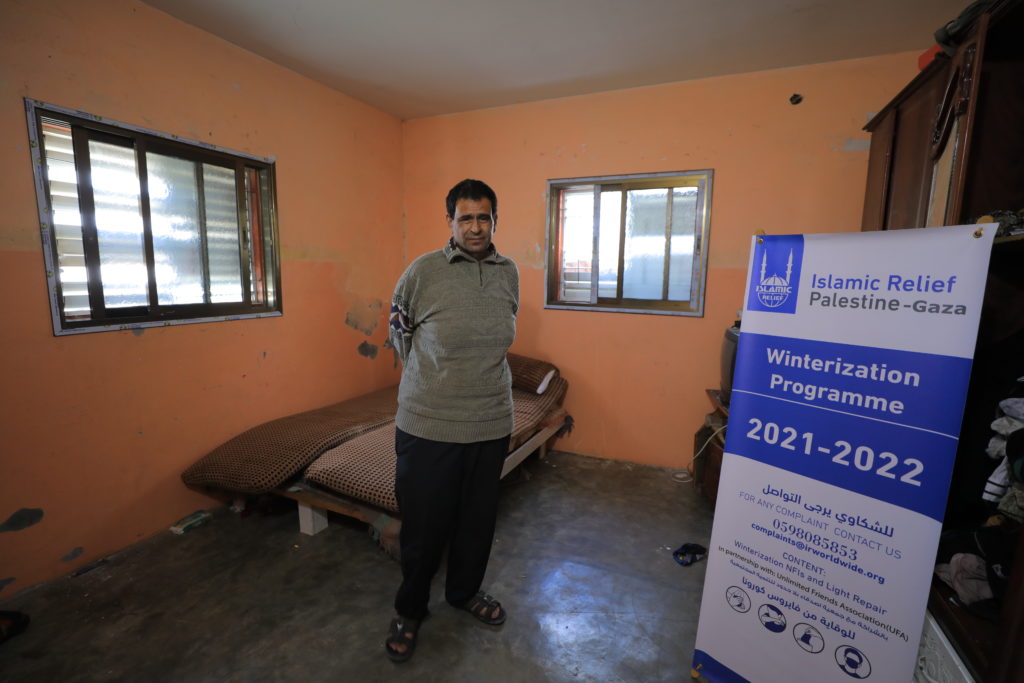
Photo: Like many people living within the Occupied Palestinian Territory, Yasser and his family have suffered through successive winters struggling to stay warm without enough winter essentials and winter-proof housing.

“I have a heart condition, so I am not able to work and therefore we rely on social affairs and other aid to survive,” says Yasser, who lives with his wife and 5 children in a dangerously dilapidated house in Gaza.

“It has been hard living in my house. It didn’t have windows or doors and we were even afraid to move around the house as the ceiling could fall. There were too many cracks in it, this made us suffer from the extreme heat in the summer and the cold in the winter.”

Wintry weather meant more misery for the family

“My family always suffers a lot in the winter. Cold air comes in everywhere, and when it rained the whole house would flood. I would spend the night moving around, making sure my children would stay warm. During the daytime, I would move from one hospital to another to get treatment for my children who got ill during the winter due to their poor immune systems.”

It was a worrying, exhausting way to live, Yasser adds, “This has made me so tired and worried and makes me feel sad for my children.”

But thanks to Islamic Relief, the father-of-5 was able to improve his family’s living conditions.

“I was so worried for my children: thank God for Islamic Relief’s winter assistance.”

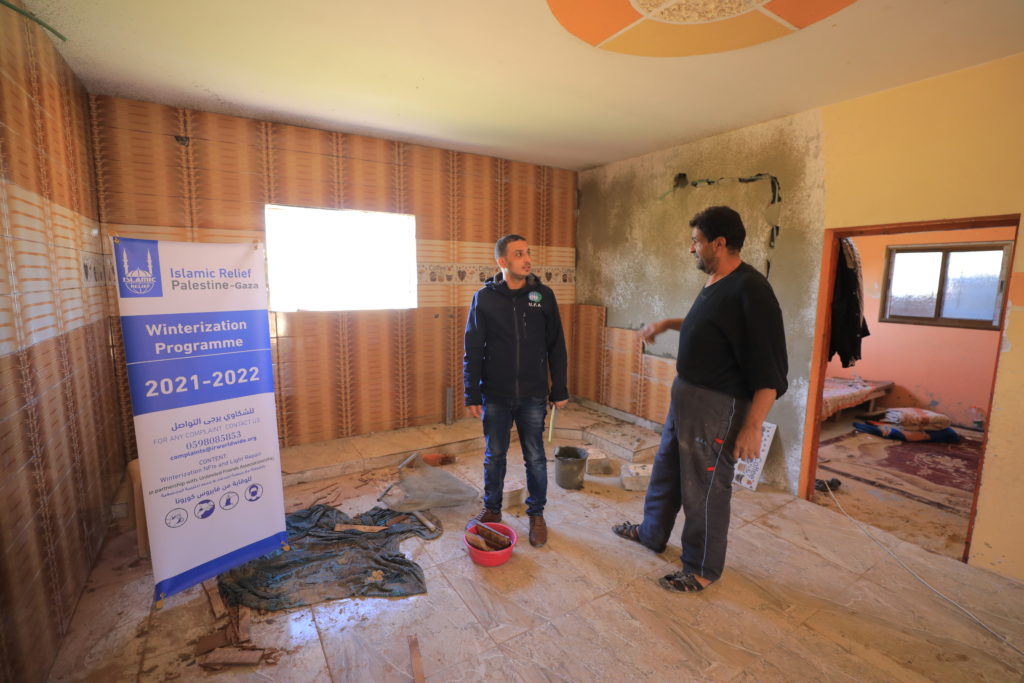
Yasser says: “Thank God for Islamic Relief’s winterisation project: it has allowed me to buy the tools needed for the house. Before I only had 3 mattresses between a family of 8, and now we have enough mattresses and blankets for all of us.

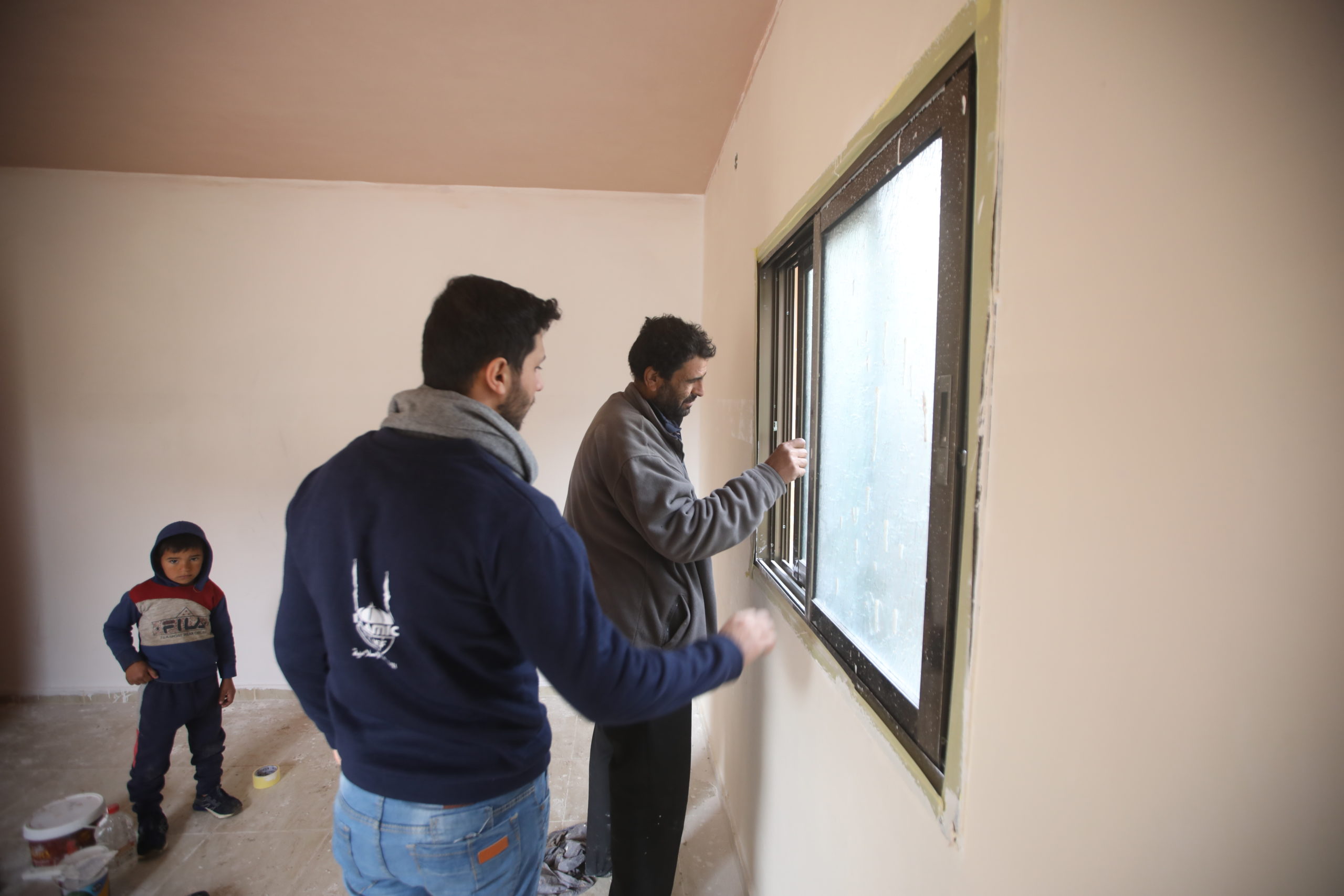
“Thank God, they have installed windows and doors, and worked on tiling the floor and repairing the cracks in the wall. I am optimistic that this winter my children will not drown from the rainwater flooding our home as they sleep.

“Through the Islamic Relief project, we were able to make so many repairs which will make our lives better this winter.”

Photo: Islamic Relief is working with people like Yasser to provide their families with winter-proof housing to help them stay safe and warm through a season of harsh cold weather.

You could change the lives of more families like Yasser’s

Imagine the fear and feeling of helplessness that would grip you as bombs fall on your neighbourhood, while you struggled to find enough food and medicine for your family in harsh cold weather.

Islamic Relief Australia is helping vulnerable families in 17 countries to survive the harsh winter elements. In worst-hit regions like the Gaza Strip in Palestine, Islamic Relief is on the ground, delivering food packs, blankets, mattresses, winter clothes and other heating items to those who need them most.

Your donation would give fathers like Yasser the basic essentials and proper housing infrastructure he needs to help his family stay warm this winter. Ensure that they get the relief they need by showing your support.

Keep someone warm this winter appeal

Support and donate to the winter appeal to help vulnerable families stay warm as they make their way through harsh winter months.

08.19.22

Beyond the ceasefire

  News

Islamic Relief calls for an end to the blockade of Gaza

The latest round of attacks on Gaza has further jeopardised and hampered the road to achieving permanent peace. On 5 August, Israeli airstrikes hit multiple locations in the Gaza Strip, including Gaza City, Beit Hanoun and Khan Younis.

By the time the escalation concluded with a truce two days later, at least 47 Palestinians had been killed, including 16 children. Around 360 Palestinians were injured, according to Gaza’s Ministry of Health. The strikes damaged at least 1,761 housing units, according to the UN, leaving hundreds displaced and thousands more affected.

Gaza’s only working power plant was turned off for two days to conserve fuel, while the power lines supplying many homes and health facilities in Gaza sustained significant damage.

The fallout from the escalation has been made worse by Israel’s 15 years-long blockade on Gaza, which restricts the flow of essential goods and people in and out of the territory.

An end to the blockade

Islamic Relief welcomes the UN-Egyptian brokered truce, which has held since coming into effect at midnight on August 7. We hope it will bring an end to the deaths of civilians seen over the weekend. However, a ceasefire is only a temporary solution to the situation in Gaza. It is not enough to prevent future escalations of violence.

We believe that without meaningful action to address the injustice and inequality at the heart of the situation in Gaza, periodic flare ups in violence will continue, and more civilians will lose their lives.

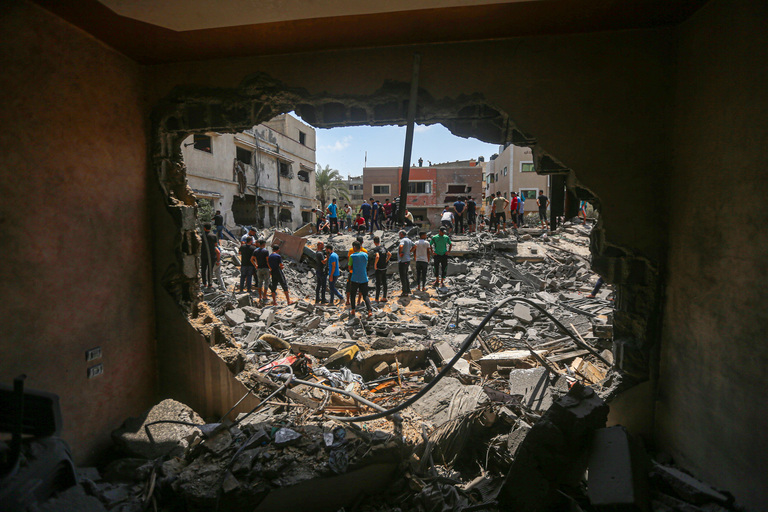
Residents stand amid the wreckage of a building in Gaza

World leaders must seize this moment to truly address the root causes of the crisis in Gaza and seek a viable lasting solution. Messages of condolence shared on social media do nothing while the underlying issues continue to be ignored.

The Palestinian people deserve to live in freedom and security. For this to be possible, the blockade of Gaza, and the wider illegal occupation of Palestinian territory must be brought to an end. Islamic Relief calls for an end to the Israeli occupation, and for a lasting solution to the conflict that is rooted in international law and justice for all.

A dire humanitarian situation

Every escalation in violence exacerbates the already-dire humanitarian situation in Gaza. While tThe blockade places huge strain on everyday life in the area. For more than 15 years, the Israeli government has controlled Gaza’s land borders, territorial waters and air space, creating what has been called ‘the world’s largest open-air prison’.

The blockade has turned Gaza’s once-vibrant economy into an area where 80 per cent of residents now rely on aid, and many children go to bed hungry. The health system is on the verge of collapse and the economy is in freefall.

Under the current situation, the youth of Gaza look to the future and see steep unemployment, poverty and crisis. Every day, lives and dreams are being crushed.

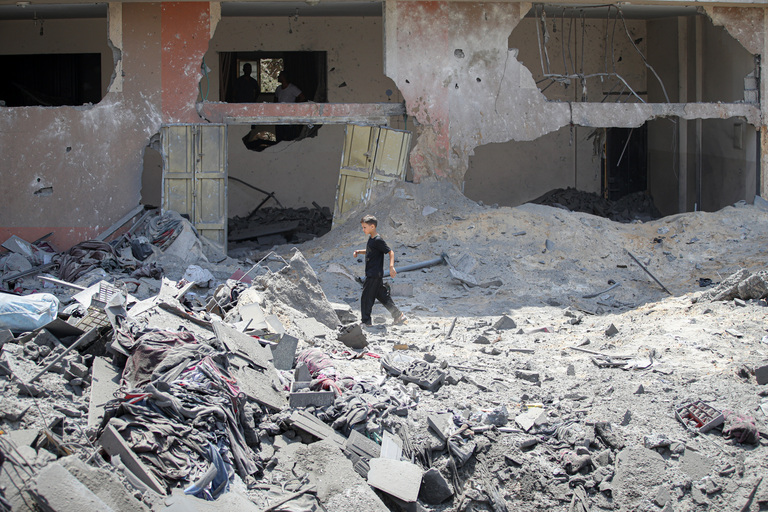
A child walks through rubble in Gaza

Islamic Relief has been working in the occupied Palestinian territory since 1997, responding to emergencies and supporting development. During last weekend’s escalation, we provided food and supported medical facilities treating the injured.

We will continue to stand with the people of Palestine. We will advocate for their right to freedom and safety, and we will urge the international community to uphold its responsibilities to the Palestinian people and seek an end to the illegal blockade and occupation.

Urgent action is needed to protect the rights of the people of Gaza, which remain under threat with each day the blockade continues.

Help us to continue our lifesaving work in Palestine

We need your help to support our brothers and sisters in Gaza. Please donate now to help us provide medical care and shelter to those who have been injured, and food and water to those who are desperately in need.


STAY INFORMED

  • This field is for validation purposes and should be left unchanged.

Quick Donate