06.24.24

World Hunger Day 2024: Exploring the links between hunger, conflict and climate change

  Impact     News

Did you know that more than 800 million people worldwide go hungry, yet we produce enough food to feed everyone? Hunger is often seen as a result of there not being enough food to go around. However, usually it’s more complicated than that.

This World Hunger Day is an opportunity to bring into focus how hunger is driven by more than just the lack of food. In this article, we look at the glaring examples of worsening hunger crises in Somalia and Gaza

How Climate Breakdown is Affecting Somalia

The situation is dire in Somalia. Nearly 3.5 million people are expected to face acute food insecurity from April to June 2024.

So what’s causing this? A combination of factors – El Niño-induced flooding, ongoing conflict, climate change, and economic instability – are hitting hard.

Human-caused climate change has increased the frequency and severity of droughts. This, compounded by decades of conflict that, have significantly eroded the country’s institutions.

This combined damage to Somalia’s domestic food production has made the country dangerously reliant on imported grains – specifically from Ukraine and Russia.

Climate Change and Hunger in Somalia

Shortly after Somalia began to recover from the brink of famine, the country was struck by heavy El-Niño induced rainfall and floods in late 2023.

This wiped away lives and livelihoods. Around 1.5 million hectares of farmland are at risk – with farmers struggling with failed crops and reduced incomes.

Displacing almost half a million people, this rainfall was described as “once-in-a-century event” by the UN. It highlighted Somalia’s extreme vulnerability to climate breakdown.

Climate-induced displacement also pushes farmers away from their rural homes to urban areas, further hammering production down. And just last month, the situation in Somalia worsened after being hit by the Gu (April to June) rains.

Although this rainfall is expected to marginally improve the food security situation, risk of famine remains in several areas. Recovering from the aftermath of climate extremes will pose significant challenges for the people of Somalia.

Somalia Faces Worsening Climate-Included Disasters

Let’s be clear – this is no “natural disaster.” Somalia is experiencing more frequent and longer-lasting droughts and unpredictable rainfall. These are all becoming more severe, as a direct result of climate change.

Despite years of humanitarian aid and intervention, progress has been slow. Chronic underfunding and a lack of long-term investment have left people in Somalia vulnerable to recurring crises.

While there have been efforts to build resilience and prepare for disasters by aid agencies, including Islamic Relief, these initiatives across the sector have often fallen short. They are hampered by slow response times, limited resources and a failure to upscale action.

But perhaps the greatest barrier to improvement lies in political will — or the lack thereof. Somalia’s plight has not gone unnoticed, yet sustained commitment from donors and policymakers remains lacking.

Until there is a concerted effort to address the root causes of hunger and invest in long-term solutions, Somalia’s future hangs in the balance.

What is the link between conflict and hunger?

Conflict is the biggest single cause of hunger in the world today. Nearly 135 million people in conflict-affected countries face acute food insecurity – almost half of the global number.

Conflict affects food security and nutrition in many ways. It can reduce the amount of food available, disrupt food production and affect people’s ability to access food and markets. Gaza is no different, where the word ‘hunger’ carries a weight far beyond its dictionary definition. 

The Escalating Situation in Gaza

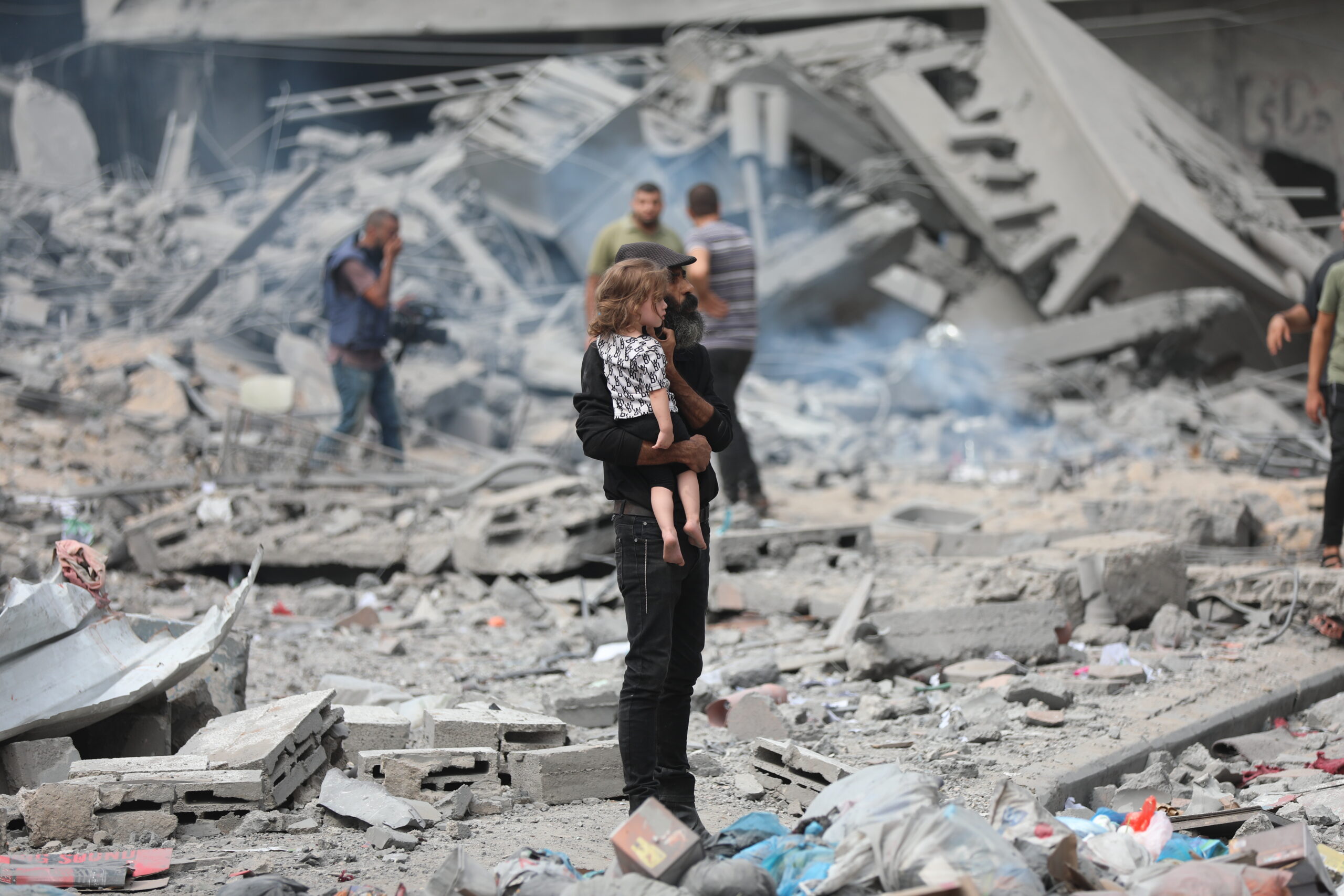
Since October 2023, the tightening siege imposed by Israel has created a stranglehold on the flow of goods and humanitarian aid, plunging Gaza into a humanitarian catastrophe, with famine already taking hold in the north.

The occupation and collective punishment of Gaza, the indiscriminate bombardment, and the denial of aid trucks are not just contributing to food insecurity. They are actively perpetuating a prolonged cycle of deprivation and despair for over 2.3 million people. So much so that famine is now inevitable and imminent across the Gaza Strip, according to the latest IPC report. 

Occupying Forces Worsening the Hunger Crisis

Israel has completely denied access to food resources to all civilians of the Strip, half of whom are children. This includes bombing mills, bakeries, grocery stores, corner shops, and markets.

They also are destroying crops and agricultural lands, killing livestock, and targeting boats and fishing equipment, as well as water tanks.

People are dying as a direct result. So far, at least 27 people have been reported to have died from malnutrition.

We can expect that this number to rise for as long as the siege and bombardment continues. The UN has even warned that children in Gaza are being starved at the fastest rate the world has ever known.

Their survival depends on more food, fuel and water entering Gaza immediately, as well as an immediate and permanent ceasefire.

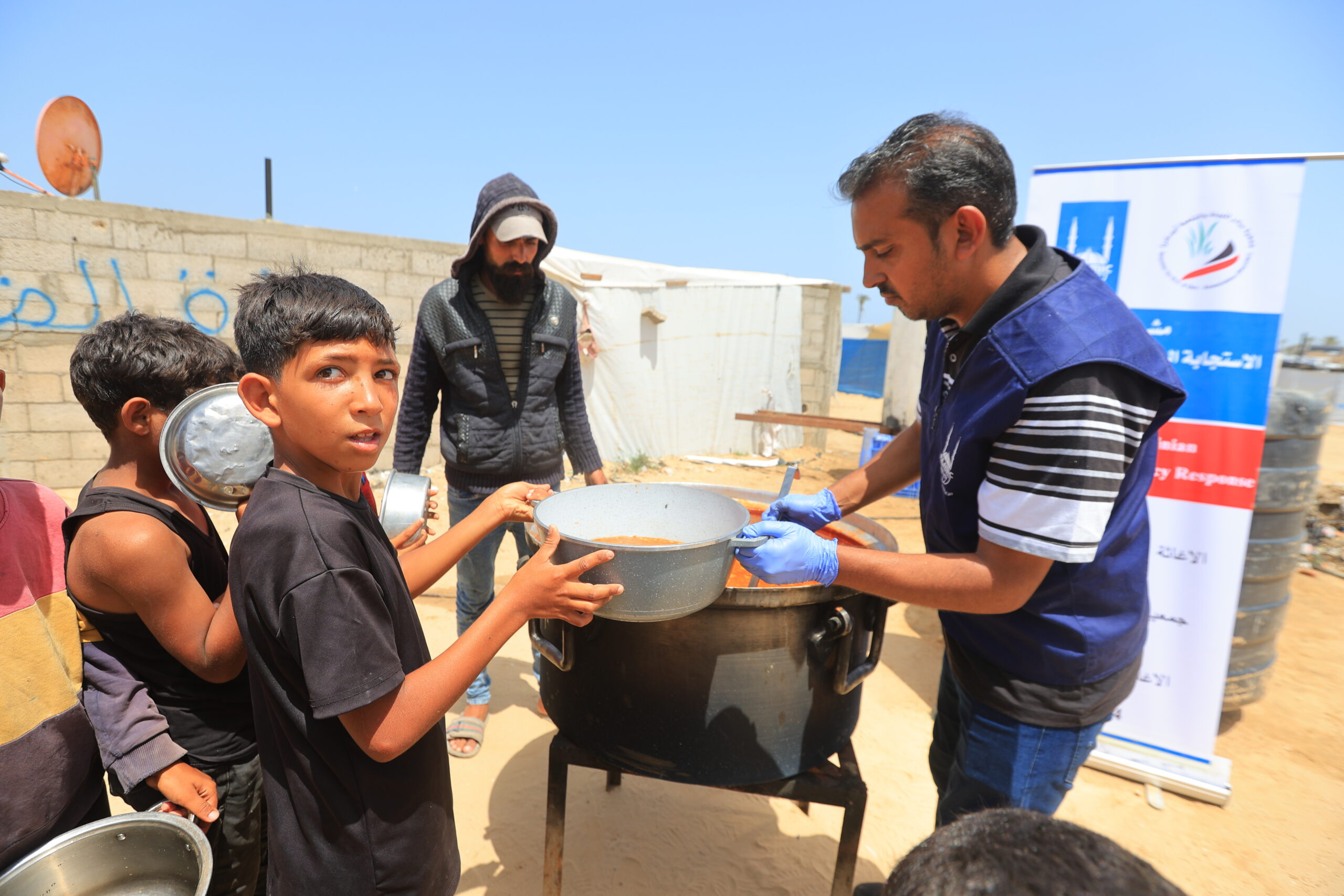
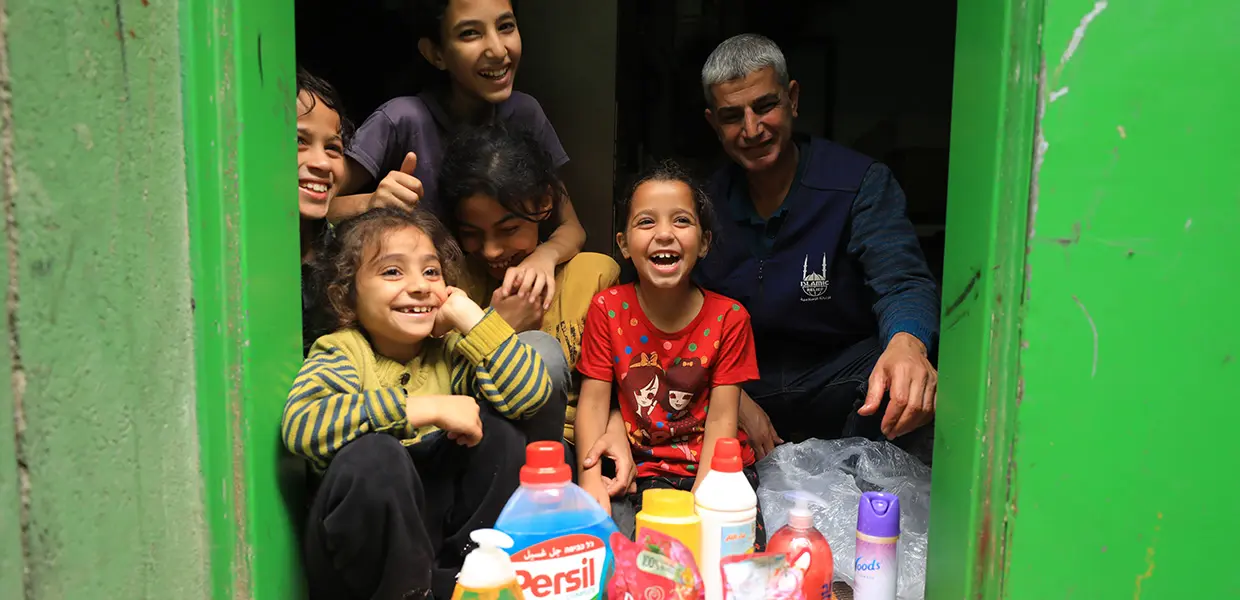
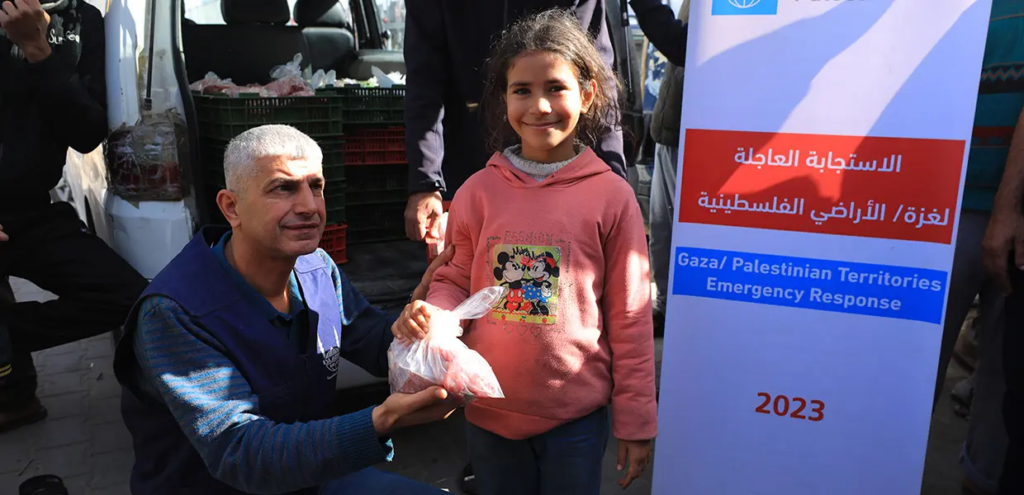
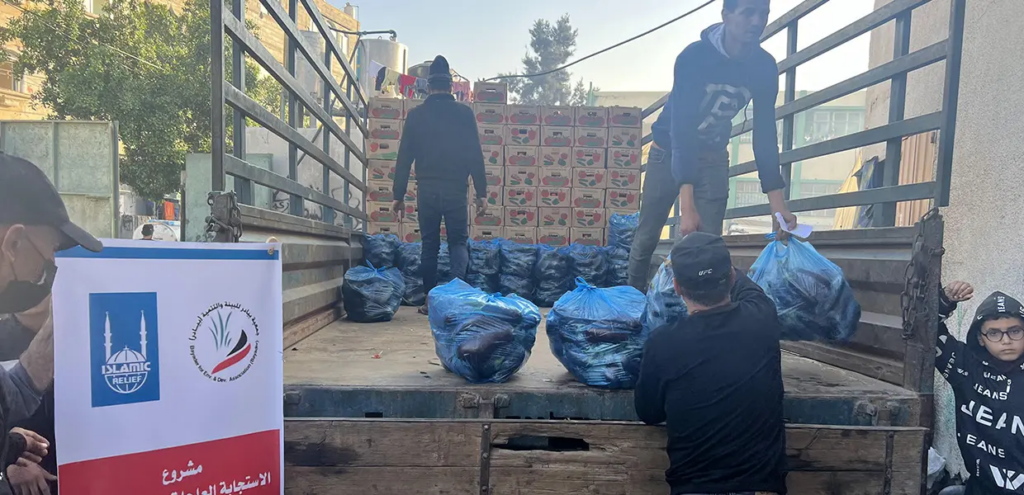
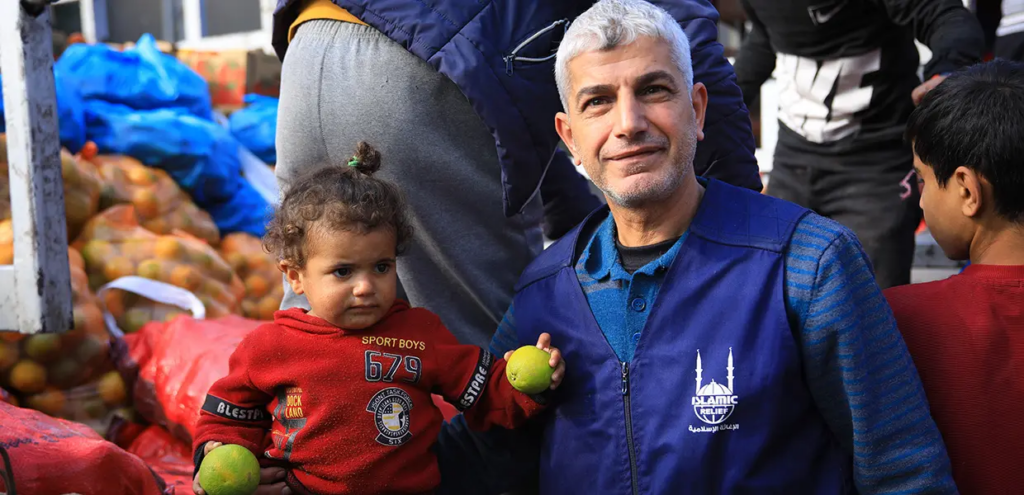
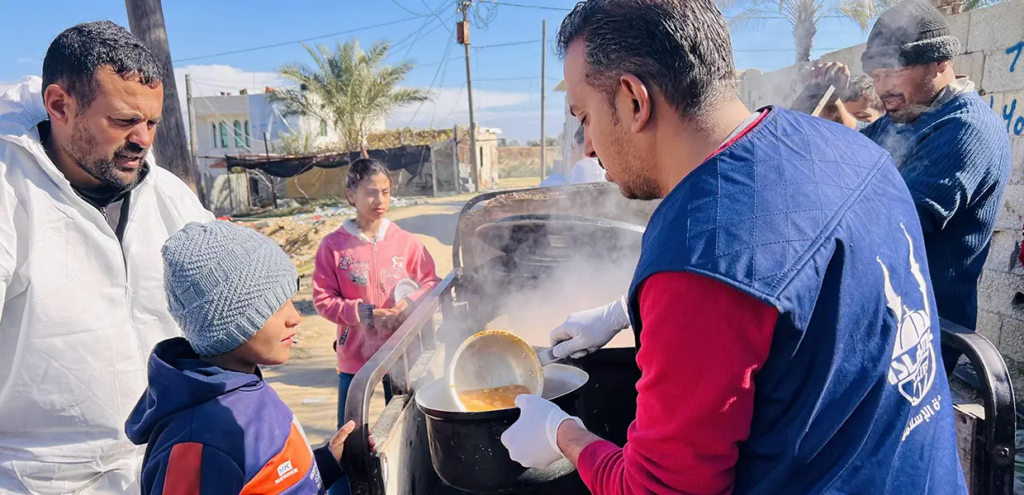
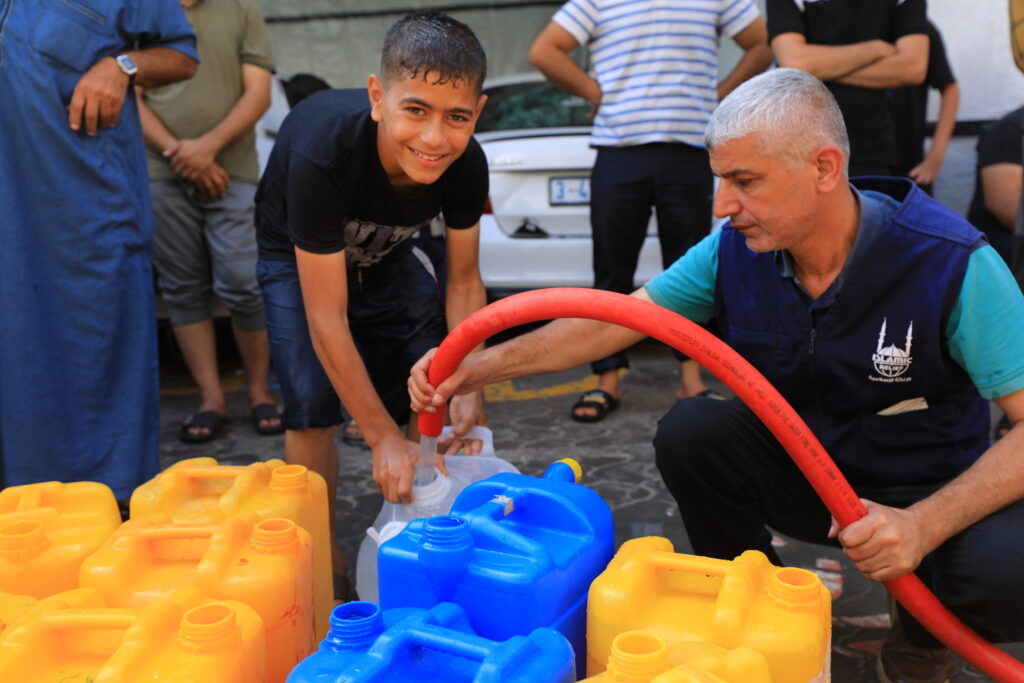
Islamic Relief prepares and hands out meals in Khan Younis, Gaza, May 2024, in an effort to combat growing hunger
Image: Islamic Relief prepares and hands out meals in Khan Younis, Gaza, May 2024.

The Current Situation

Out of the 130 bakeries that were functional in Gaza before October 2023, only 15 were open in March. Others have been destroyed or have ground to a halt due to fuel shortages.

The 1.9 million people forced to flee their homes also have little access to cooking utensils, water, and fuel, which prevents them from preparing food when it becomes available.

Efforts to increase aid into Gaza are crucial but attempts like airdropping or using new maritime corridors are futile – they are impractical, costly, and undignified. Five people were killed when the parachutes or air-dropped aid did not open.

Israel has also been targeting civilians seeking humanitarian aid, in what has been dubbed as a series of ‘flour massacres’, which have killed over 118 people.

What’s happening now in Gaza is a textbook example of how hunger can be man-made and down to political decisions. Let’s be clear – Israel can open all the land crossings and allow the entry of desperately needed aid to reach people in Gaza. This is not happening because Gaza has simply run out of food or there has been a poor harvest. It is because starvation is being used as a weapon of war.

How We Can Help Combat World Hunger

As we mark World Hunger Day, it’s crucial to recognise the interconnectedness of global hunger with climate and conflict.

The plight of Somalia and the Gaza Strip are stark reminders of the urgent need for action and a wakeup call for our collective conscience.

We cannot afford to let world leaders get away with empty words and inaction, we can and must work towards a reality where no one is forced to go hungry.

Written by Suraiya Rahman, Campaigns and Public Affairs Coordinator at Islamic Relief UK.

Help Combat Hunger with Food Packs

Provide lifesaving food packs that help feed vulnerable families the nutritious meals they need to achieve their full potential.

06.14.24

Islamic Relief mourns sponsored orphans killed in Gaza

  News

Islamic Relief is heartbroken to report that 117 children and young people cared for by our Orphan Sponsorship Program in Gaza are now known to have been killed.

In the last 8 months, more than 36,000 Palestinian people, including women and children, have been killed in Gaza. The grim death toll continues to rise as the crisis escalates. Islamic Relief’s team on the ground is doing all they can to deliver humanitarian aid – including through our Orphan Sponsorship Program.

We have rapidly expanded our sponsorship program, with the backing of generous Islamic Relief supporters worldwide. Now, we support over 14,000 orphans in Gaza.

The program provides financial support to thousands of the most vulnerable families. A feat possible thanks to our incredible colleagues in Gaza working tirelessly to support them despite the challenges.

With around 75% of Gaza’s population displaced, often repeatedly, telecommunications restricted, and travel dangerous, even keeping in touch with families for regular welfare checks is very hard.

Where an orphan’s whereabouts is now unknown, Islamic Relief social workers do everything they can to help locate them. But this can take a long time.

Often, the first clue that something is wrong is in the payment system. Families access their sponsorship money using an ATM card. If this money goes uncollected for a sustained period, then we check in on the family’s situation.

The team’s responsibilities now include going through a quarterly Ministry of Health list of the dead to identify any sponsored orphan or guardian that has been killed. We also work to confirm this information.

Sadly, we can now confirm the deaths of 64 sponsored children and young people, as well as 53 who the Orphan Sponsorship Program previously supported.

Sponsored children as young as 5 killed

Omar is the youngest sponsored child known to have died

Omar was only 5 when he died.

When he was killed, Omar had recently turned 5. A very energetic little boy, he was always on the move. He loved being outside, playing, swinging, jumping, and riding his bike.

An adventurous spirit, he climbed everything and was a playful, happy, friendly, and fun child. Part of a loving, happy family, Omar lived with his mother, siblings, and grandparents in Gaza City.

His mother dreamed that Omar would become an engineer when he grew up.

Aysha died just a month after her 12th birthday

12-year-old Aysha wanted to live life to the fullest.

She had spent her last summer holiday at a summer camp, determined, as always, to live life to the fullest.

Described by her Islamic Relief social worker as a “friendly, brave and polite girl”, Aysha had been thriving at school and aspired to become a doctor. She also liked to read, draw, and paint.
She lived with her big family in Al Nusairat City. Since 2016, Aysha has been enrolled in Islamic Relief’s Orphan Sponsorship Program.

Ayman loved football and gymnastics

Ayman, 17, was a caring boy who wanted to be a doctor.

He was a caring son, helping his mother, who had rheumatoid arthritis, with housework and shopping. He lived with her, as well as his stepfather and 2 siblings in a modest flat in Jabalia City.

Ayman dreamed of becoming a doctor. He had also been supported by the Islamic Relief Orphan Sponsorship Program for over a decade.

He was killed shortly after his 17th birthday.

Sajeda was living with her family in a flat in Middle City when the escalation began

Sajeda, 8, died alongside her mother.

8-year-old Sajeda was the youngest of 5 children. Known for her friendly and calm personality, she loved drawing, playing with dolls, and watching cartoons.

Her favourite subject at school was Arabic language. She too hoped to become a doctor one day.

She died alongside her mother.

Courageous and helpful Ahmed also died with his mother

Ahmed, 11, had been sponsored by Islamic Relief since he was a baby.

The smart 11-year-old had lived in Gaza City with his mother. His hobbies included reading stories, watching cartoons, swimming and cycling.

His favourite subject was mathematics. He was also hoping to become a police officer or teacher in the future and was working to improve his school grades.

Islamic Relief had been sponsoring Ahmed since he was a baby.

Happy and friendly, Saly always had a ready smile

University student Saly, 21, hoped to help provide for her mother and sister.

She enjoyed reading, dancing, taking photos and swimming. A university student, she looked forward to becoming a pharmacist.

She wanted to help provide for her mother and sister, Rawan, with whom she lived in a flat in Rafah City before the escalation.

She lost her life aged 21 years old.

Orphaned children left without guardians

Some 72 guardians of sponsored orphans are now known to have been killed. 21 died alongside their child. Others leave behind children grieving the loss of their only caregiver.

With 24 sponsored orphans left without a guardian, Islamic Relief is working to identify surviving relatives to take on the role of guardian and collect Islamic Relief sponsorship money to provide for the child.

Islamic Relief offices around the world are breaking the news to sponsors of the children and young people who have died.

Many of our incredible sponsors are agreeing to continue their sponsorship of the grief-stricken family for 6 to 12 months, to avoid adding to their hardship.

Wherever possible, we transfer sponsorship to a sibling, which means the family does not lose the support from the program. If that is not possible, we move the sponsorship to support another child newly enrolled on the Orphan Sponsorship Program.

We fear that the death toll of sponsored orphans and guardians may increase. The dire situation in Gaza has left many Palestinians missing or displaced multiple times. Many bodies have also not been recovered from the debris of destroyed buildings.

As we reflect on the sponsored children, young people and their guardians killed alongside tens of thousands of other Palestinians, Islamic Relief redoubles our efforts to press for action to end the suffering of ordinary families in Gaza.

We urge the Islamic Relief family – our supporters, volunteers, staff, and partners – to join us in calling on world leaders to bring about an immediate and lasting ceasefire.

05.11.24

Chaos and panic in Rafah as Israel orders thousands to evacuate

  News     Press Releases

There are no safe zones in Gaza as Israeli attacks on Rafah force hundreds of thousands of people to flee and threaten the delivery of new aid supplies. 

More than 150,000 people have fled Rafah in recent days. A further 300,000 people are affected by the evacuation orders as Israel’s attack on Rafah spreads and intensifies. 

Rafah and its border crossing are a lifeline to the people in the enclave where thousands have been killed. They are a hub of aid agency operations for people weeks away from widespread famine. Now this area too is facing destruction as the invasion escalates. 

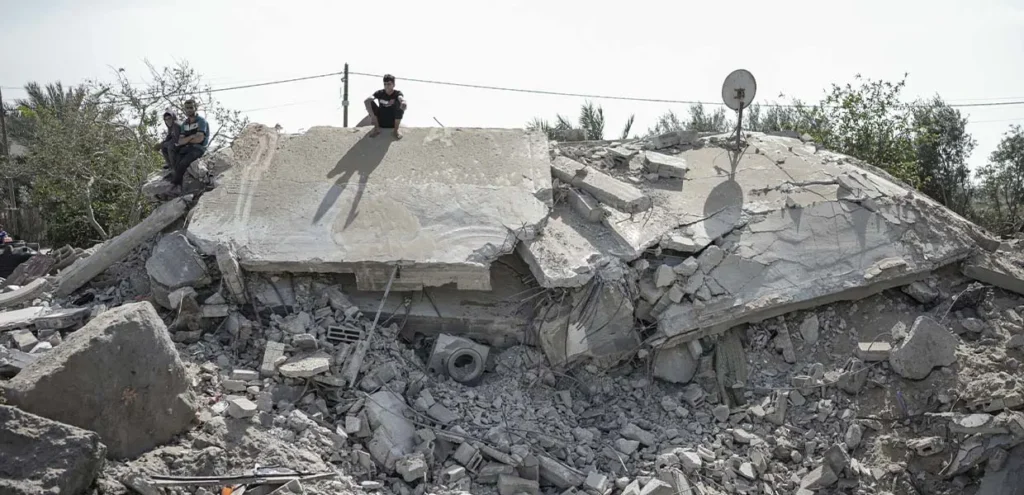
Civilians sitting on top rubble. Hundreds of thousands of people are affected by the evacuation orders as Israel’s attack on Rafah, Gaza intensifies.

The Israeli forces have been attacking Rafah with artillery, ground troops, demolition operations, and aerial bombardments. Violence is rapidly expanding. People in the city live in fear amid the attacks and threatened further invasion. 

Civilians who flee face even greater challenges

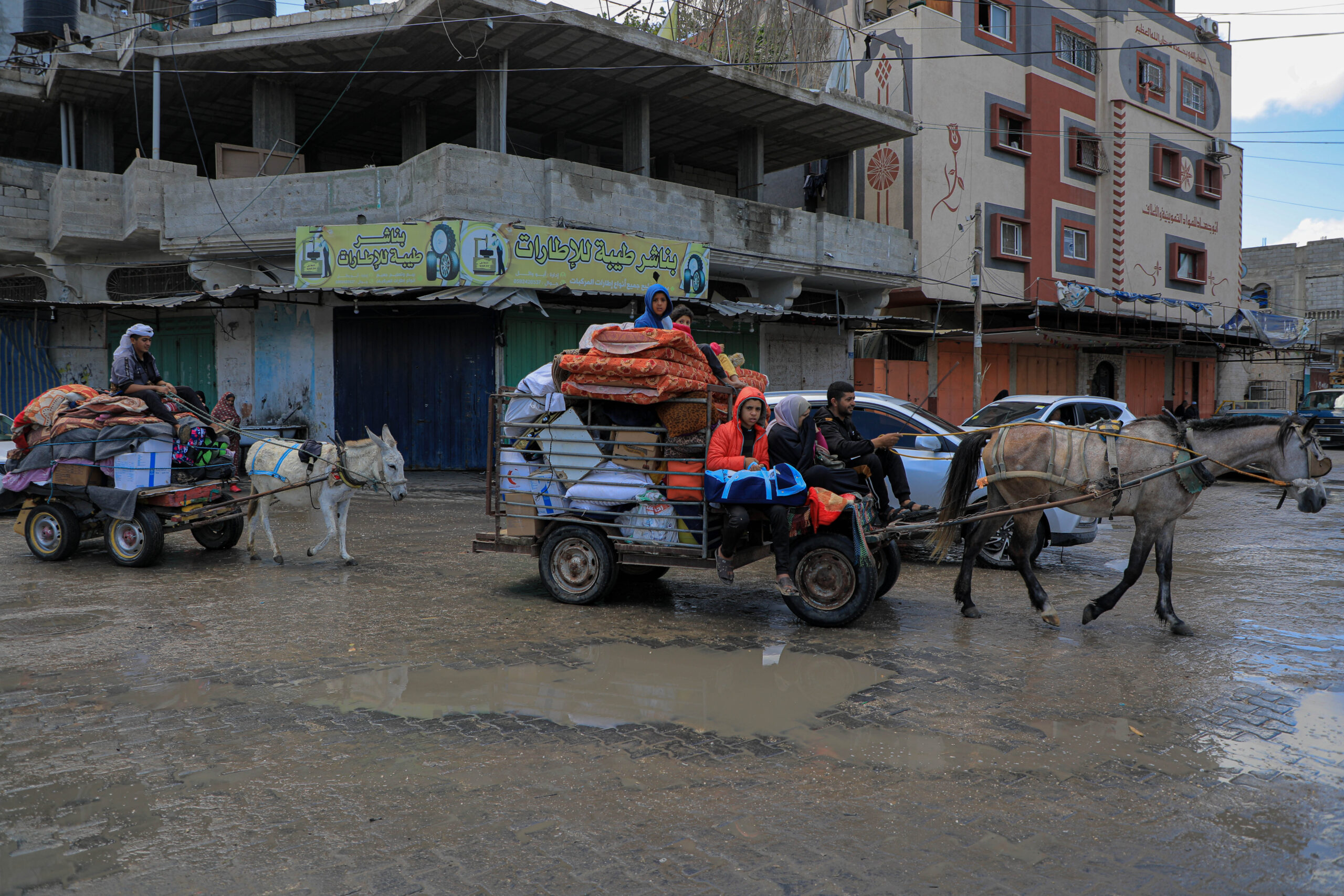
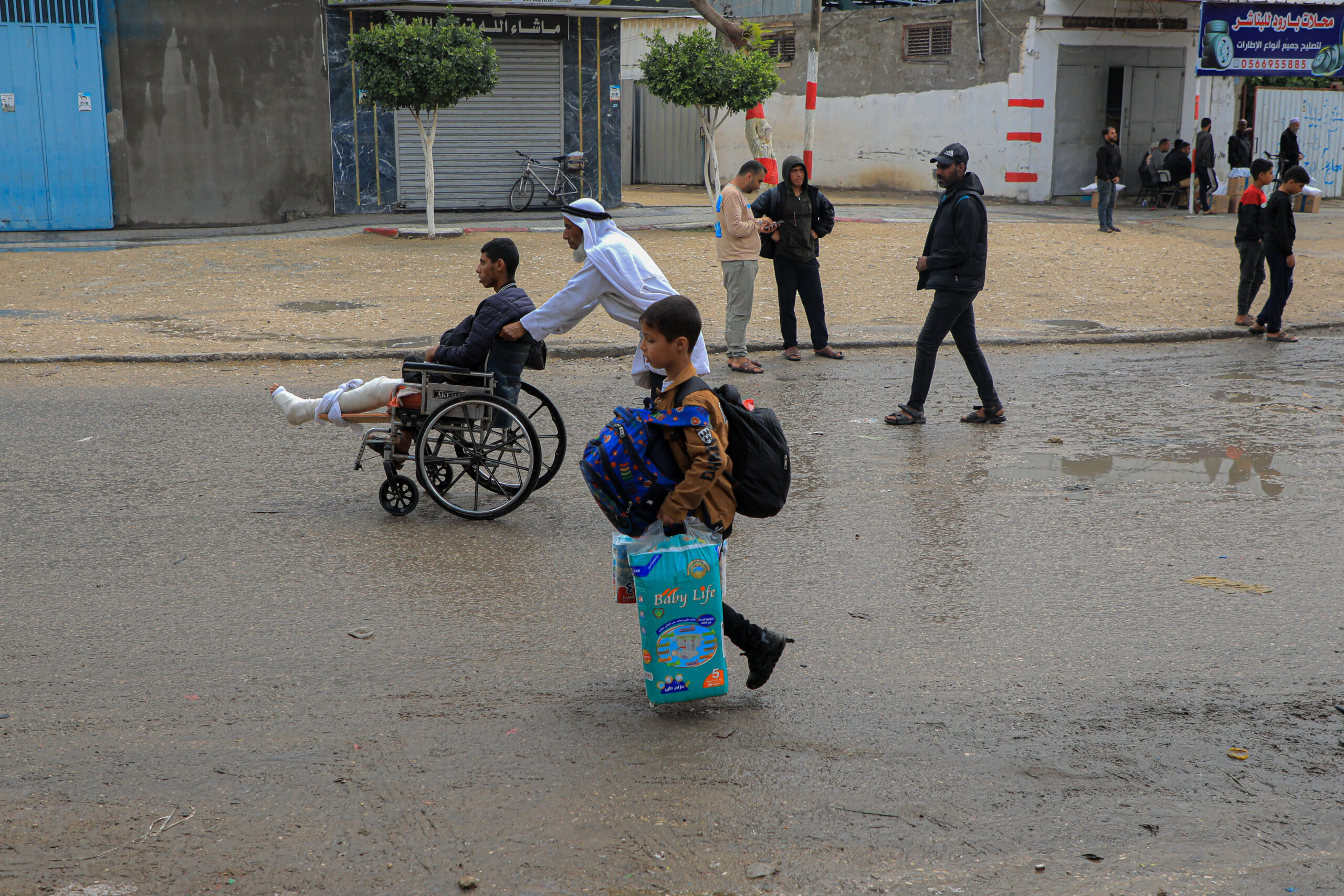
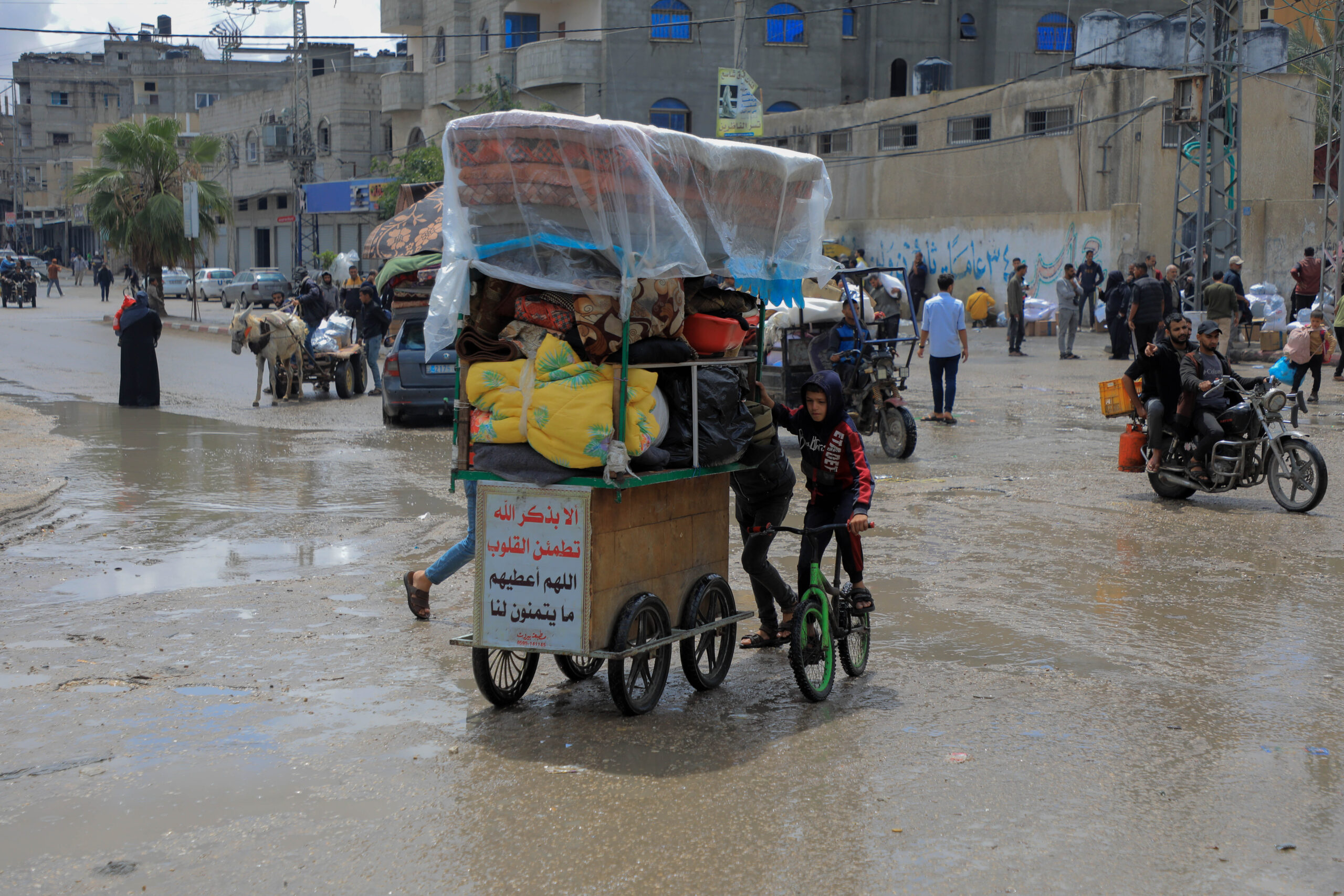
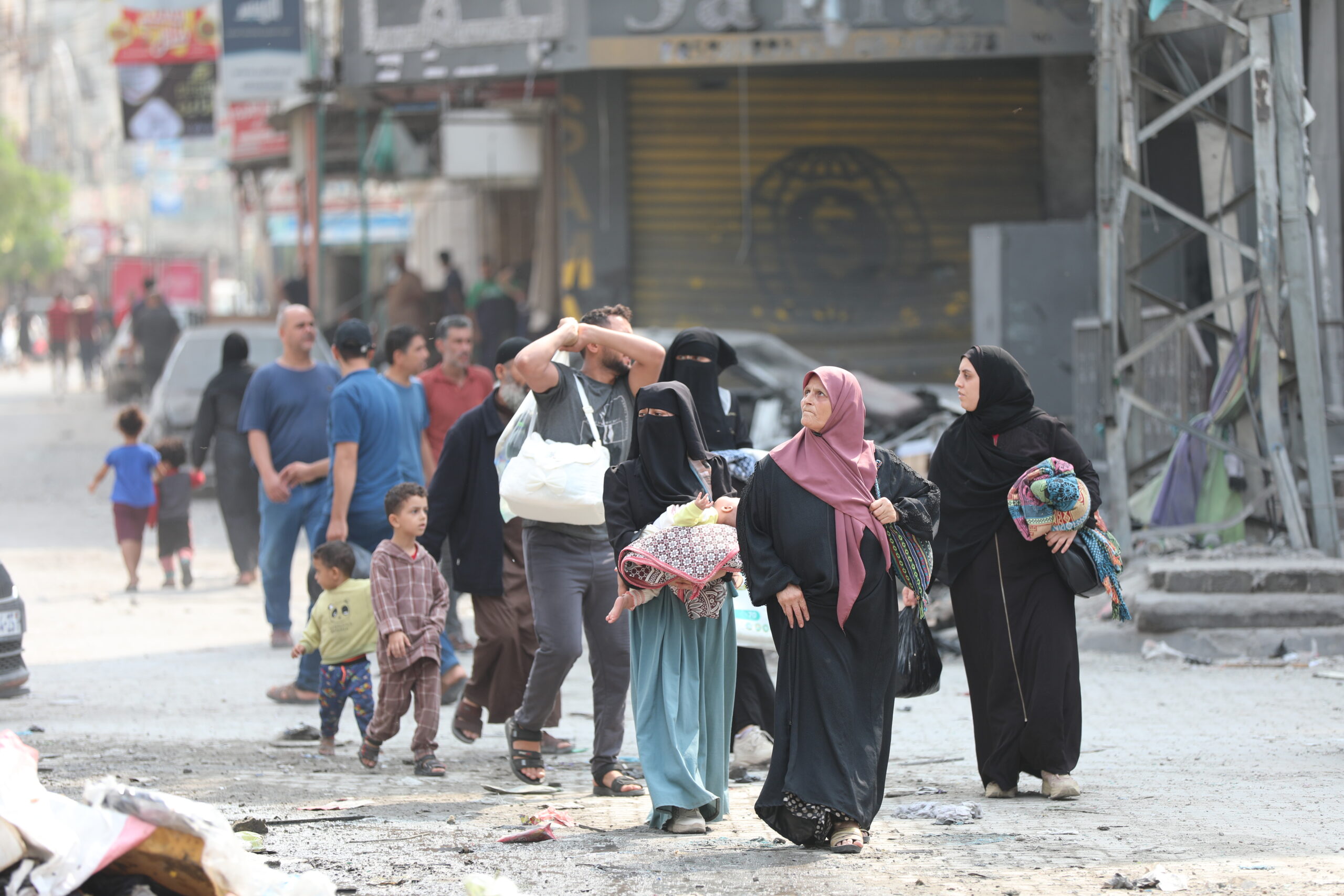
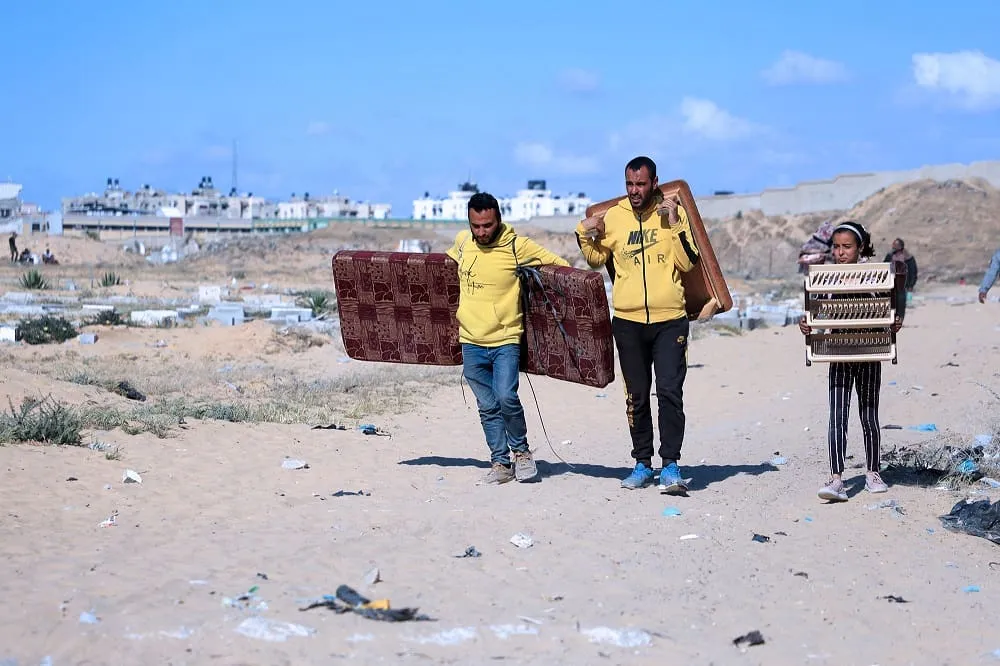
Many people are walking miles to search for shelter, carrying whatever possessions they can. Extremely vulnerable people including malnourished infants, elderly people, injured and sick patients, and people with severe disabilities are among those ordered to move.  

Most are now sheltering in horrific conditions, without adequate access to food, water or other essentials.  This includes the designated evacuation site of Al Mawasi. Israel claimed this site as a“safe” area. However, many evacuees are still subject to impending famine, lack of shelter, spread of disease, and scarce healthcare availability. 

Al Mawasi is a sandy area which is unsuitable for hosting large numbers of displaced people. It is not an ideal solution for housing the over 1.2 million people crammed into Rafah, many of them starving, injured or sick including women and children. 

The healthcare system in Gaza is also shutting down with only a third of Gaza’s hospitals partially functioning. The aid system has now moved into a new stage of fading, almost at the point of debilitation. Since last Sunday no aid has come into Gaza by land.  

Israel has sealed the Rafah border crossing which is a key entry point for delivery of humanitarian supplies and aid agencies are almost out of food and fuel in Gaza.

The Rafah invasion is amplifying the ongoing Israeli siege and the suffering 

An Islamic Relief staff member in Gaza says:  

“I feel like this is the end. It feels like we will all be either trapped and killed in Gaza, or we will all be forced out. People have stayed in Rafah thinking it’s safe and hoping that global pressure would stop an invasion. But now we are abandoned by the world and everyone feels betrayed and let down.  

“It’s an unimaginable scene, with tens of thousands of people looking for shelter. People are pale and thin, tired and afraid. There are children, women, elderly people and people with disabilities trying to flee in wheelchairs. Injured people have to leave the hospital with recent bandages and bloodstains. 

“In other parts of Gaza, the few bits of remaining land are now filling up with tents and shacks built of bits of wood and nylon.   

“No humanitarian assistance has entered since Israel took over the Rafah crossing and the Kerem Abu Salem crossing closed. Bakeries have stopped working because they don’t have fuel, so we don’t have bread. We don’t have any water supply as that also depends on fuel deliveries, so yesterday we had to pay $50 just to refill our tank. Cars have stopped, so people coming from Rafah to the Middle Area are either walking or packed into vans carrying hundreds of people.    

“Many people in Gaza are already suffering from famine, but now we are entering a new period of unprecedented hardship.”   

Islamic Relief strongly condemns Israel’s order for civilians to evacuate yet again and calls on world leaders who have repeatedly warned against an invasion of Rafah to urgently pressure Israel to stop its attack and ensure humanitarian aid can enter Gaza. 

We demand the Israeli government reopens the Rafah border crossing reestablishing this vital lifeline to people in Gaza. We call for an end to the invasion of Rafah. An immediate ceasefire to prevent more deaths across the enclave. 

In the ongoing crisis, Gaza needs your help

Help us provide urgent medical supplies, food and other crucial, life-saving aid now to families in need by giving with Islamic Relief.
05.06.24

Rafah evacuation order will cost lives, Islamic Relief warns

  News     Press Releases

Islamic Relief is appalled at the news that Israel has told over 100,000 Palestinians to evacuate Rafah. This will put many lives at even greater risk. People must not be forced to move yet again. 

People sheltering in eastern parts of Rafah on May 6, 2024, received messages saying the Israel military “is about to operate with great force” in the area. The order told civilians to evacuate to the so-called humanitarian zone of Al Mawasi “for your own safety”. Heavy bombing in Rafah overnight has reportedly killed many civilians, including several children.  

As we have seen over the past seven months, forcing so many people to move is impossible without serious humanitarian cost. People will inevitably die as a result of the evacuation. The sick and wounded, elderly people, newborn infants and people with disabilities are particularly vulnerable. They often cannot evacuate without support. 

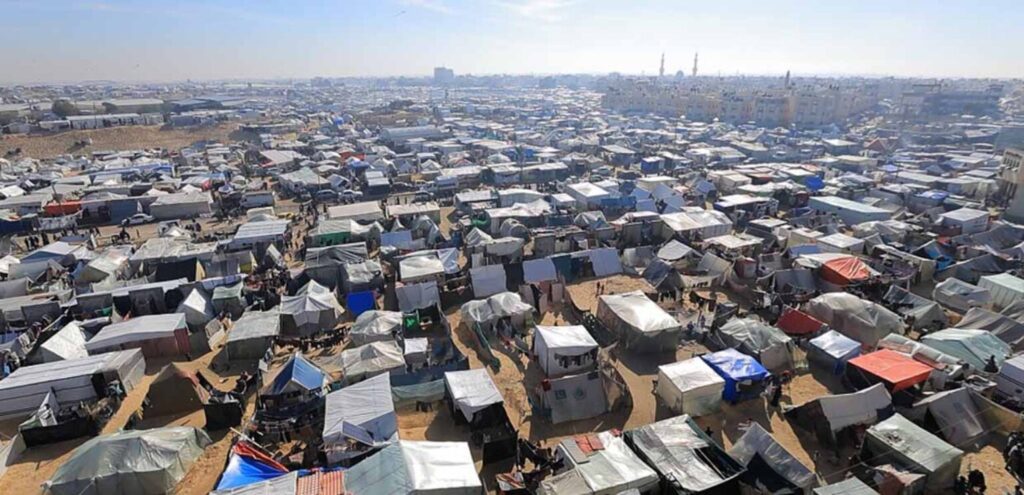
displacement camps in Rafah, where a majority of Palestinians in Gaza reside

The area where people have been ordered to move – al Mawasi – has been designated a so-called ‘safe humanitarian zone’. But it is not safe. Civilians sheltering there say they continue to face attacks and severe shortages of food, water and other vital aid. Forcing more people there will make the humanitarian crisis even worse.  

Islamic Relief reiterates that civilians must be protected regardless of whether they stay or leave Rafah. Ordering people to leave does not absolve Israel of its obligations under international humanitarian law to refrain from harming civilians who cannot, or choose not to, leave.      

For many weeks, Islamic Relief and other humanitarian agencies have been warning that an invasion of Rafah must not be allowed to go ahead. It will have catastrophic humanitarian consequences. More than 1.2 million people are now sheltering in dire conditions in Rafah. Many of them have been forced to move several times over the past seven months.  

In the ongoing crisis, Gaza needs your help

Help us provide urgent medical supplies, food and other crucial, life-saving aid now to families in need by giving with Islamic Relief.
05.03.24

Gaza: Rafah invasion must not be allowed to happen

  News     Press Releases

The Israeli invasion of Rafah must not be allowed to happen, Islamic Relief warns again as fears mount over an imminent ground invasion.

More than 1.2 million Palestinians are sheltering in Rafah in apocalyptic conditions. Civilians there are terrified about the coming days as more deadly bombings hit Rafah overnight and Israeli forces are reportedly amassing nearby.  

An invasion of Rafah would have catastrophic humanitarian consequences.

The invasion would inevitably kill thousands more civilians and uproot hundreds of thousands of people yet again. It would make widespread famine inevitable. It would massively disrupt the humanitarian response across Gaza, which is primarily based in Rafah, at a time when lifesaving aid is needed more than ever. 

World leaders must do everything they can to halt the escalation in Rafah. They must increase efforts to ensure an immediate ceasefire and humanitarian access.   

Since October, Rafah has become one of the most overcrowded places in the world.

About half of Gaza’s entire population is now crammed into the tiny area along the border with Egypt. Islamic Relief staff and partners in Rafah are distributing aid such as cooked meals and water. However, many people are still starving and desperately need food, healthcare and other aid.   

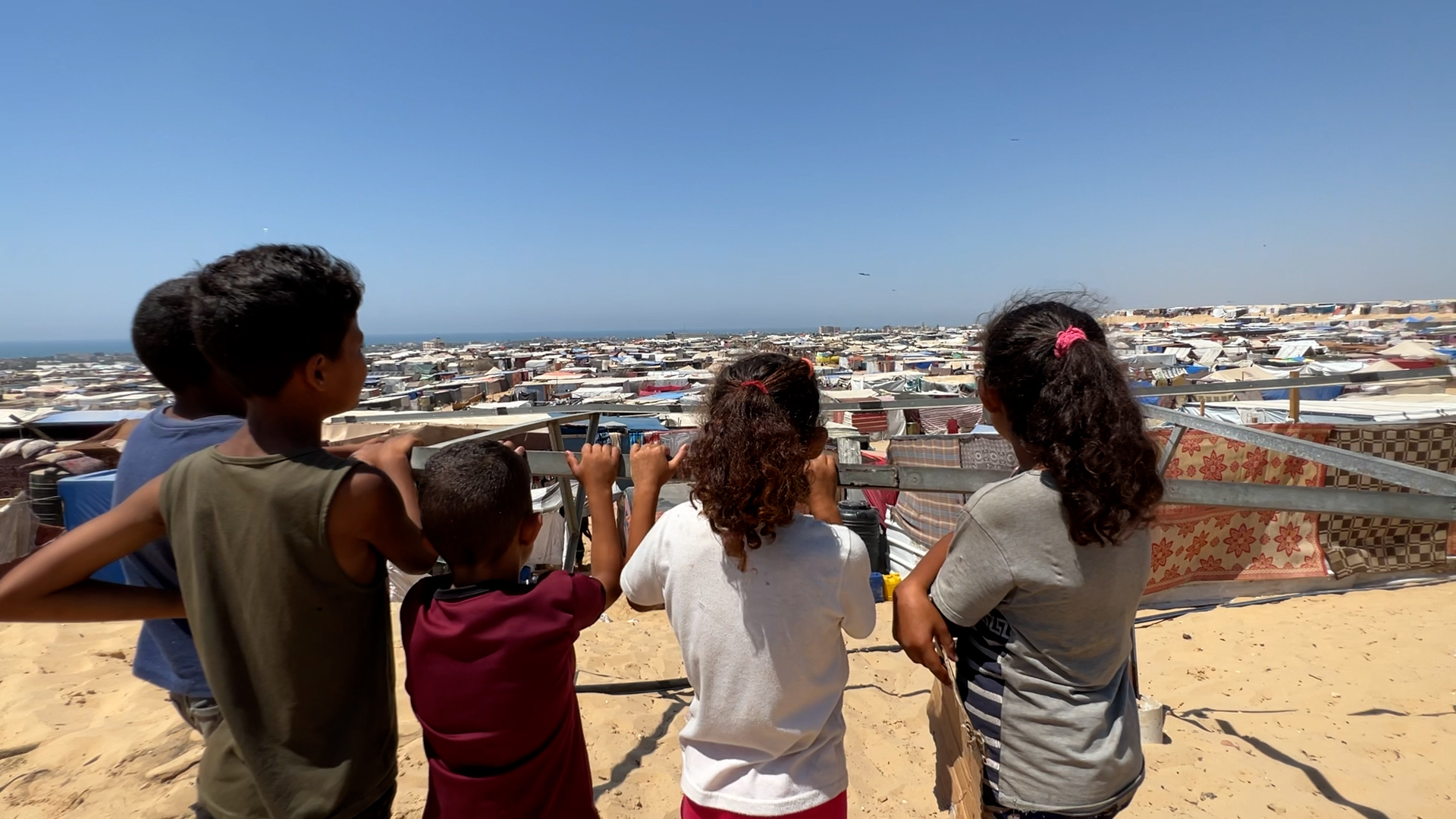
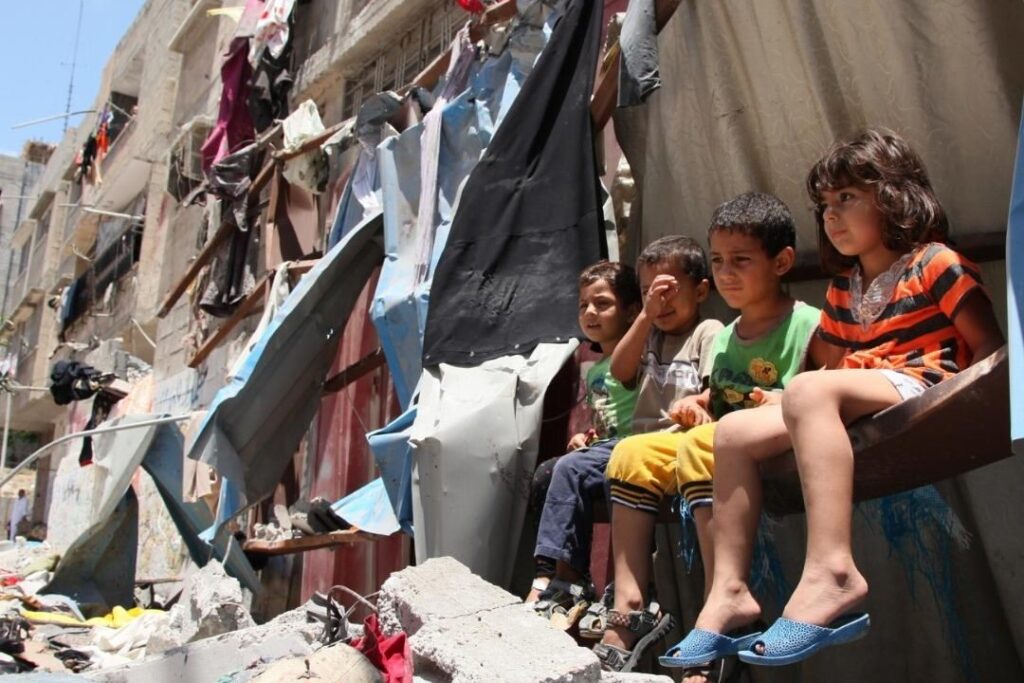
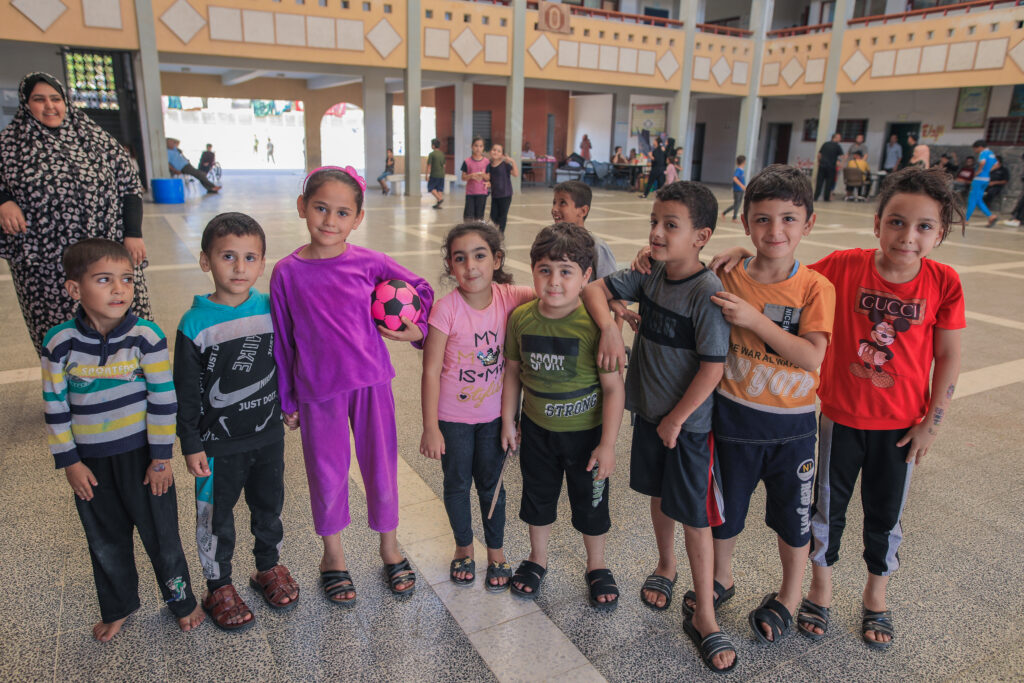
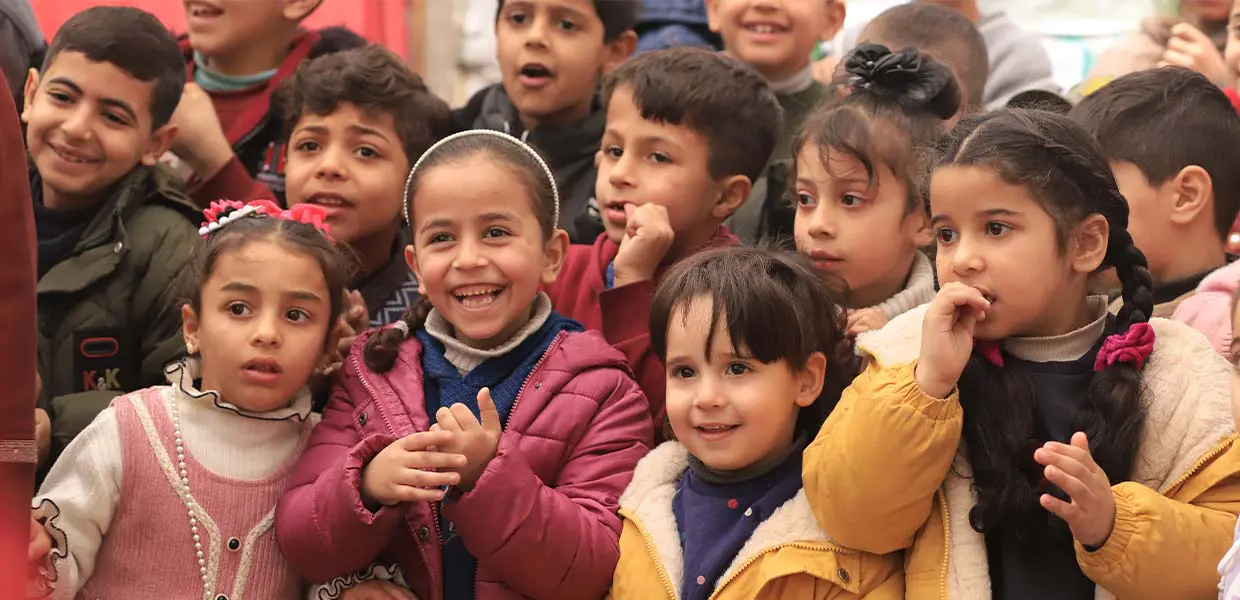
Children in Rafah, Gaza, living in damaged shelters, under siege from Israeli forces

Many people fled to Rafah on Israeli orders to leave other parts of Gaza. Yet, now, they are being ordered to move again. Civilians must be protected regardless of whether they stay or move. Ordering people to leave does not absolve Israel of its obligations under international humanitarian law to refrain from harming civilians who cannot, or choose not to, leave.    

The humanitarian crisis in Rafah is worsening by the day.

Multiple families share a single tent, while others sleep under scraps of cloth or plastic, surrounded by sewage water. Last week extreme heat killed at least two young children in the tents as temperatures rose above 100 degrees Fahrenheit (38 degrees Celsius).  

Islamic Relief staff in Gaza described conditions in the tents during such heat as “like living in an inferno”. Similar temperatures are likely in the coming weeks. With the heat and lack of clean water and sanitation, the spread of diseases is expected to increase even further.

Gaza is now just weeks away from widespread famine, yet Israel’s blockade continues.

Within the Gaza Strip, the ongoing blockage restricts aid despite repeated commitments to allow for more aid. Last week, an average of just over 200 trucks a day were able to enter Gaza. This is far less than the 500 a day that entered Gaza before October and it barely scratches the surface of what is needed now. Israel continues to obstruct humanitarian access to northern Gaza, with the UN reporting that more than one-third of aid missions to the north were blocked during April.

The US military has announced that construction of a temporary pier to deliver aid by sea should be finished soon. But even if it gets fully operational, its capacity will be just a fraction of what is needed. Only an immediate ceasefire and full unimpeded humanitarian access by land can ensure that aid reaches people in sufficient quantity.  

In the ongoing crisis, Gaza needs your help

Help us provide urgent medical supplies, food and other crucial, life-saving aid now to families in need by giving with Islamic Relief.
03.22.24

A Ramadan in Mourning in Gaza

  News     Publications

Living through a Ramadan like no other, an Islamic Relief aid worker* in Gaza reflects on Ramadans gone by and shares his hope of seeing a ceasefire before Eid. 

It has been 160 days since this brutal war on Gaza began. This is the fourth day of the holy month of Ramadan.

We hoped there would be a ceasefire before the start of Ramadan, but none materialised so we are still living through the hardest times of our lives. It may even be the cruellest time humanity has witnessed in the modern day.

In fact, things have become even harder during Ramadan.  

Remembering Ramadan in Gaza

This month is supposed to be a time for doing good, for charity, compassion and solidarity. But Palestinians are starting their Ramadan displaced, living in tents and prevented from meeting their basic needs.

I miss everything we used to do in Ramadan. This year we are barely surviving. This year we face famine, not only fasting.  

For the past few years, everyone would start preparing early for Ramadan, hanging decorations, and lighting lanterns. Some neighbourhoods would even paint walls with vibrant colours. The mosques clean their carpets and fix their lighting to be ready to receive everyone coming to pray.

Last year, in my building, all the neighbours gathered and fixed some lights around the entrance, it looked magnificent.

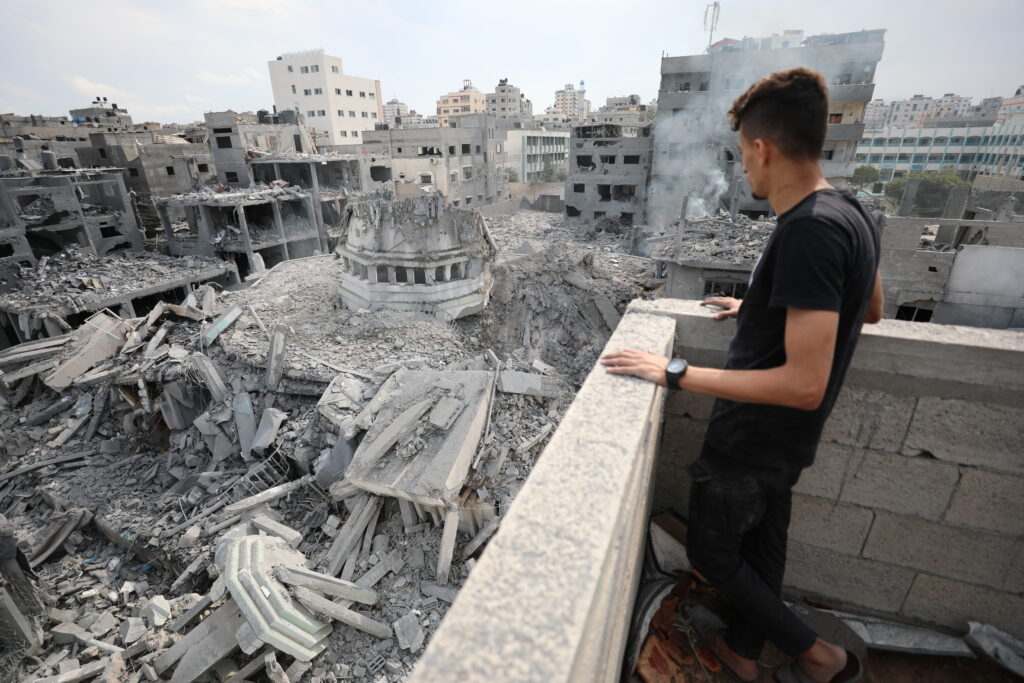
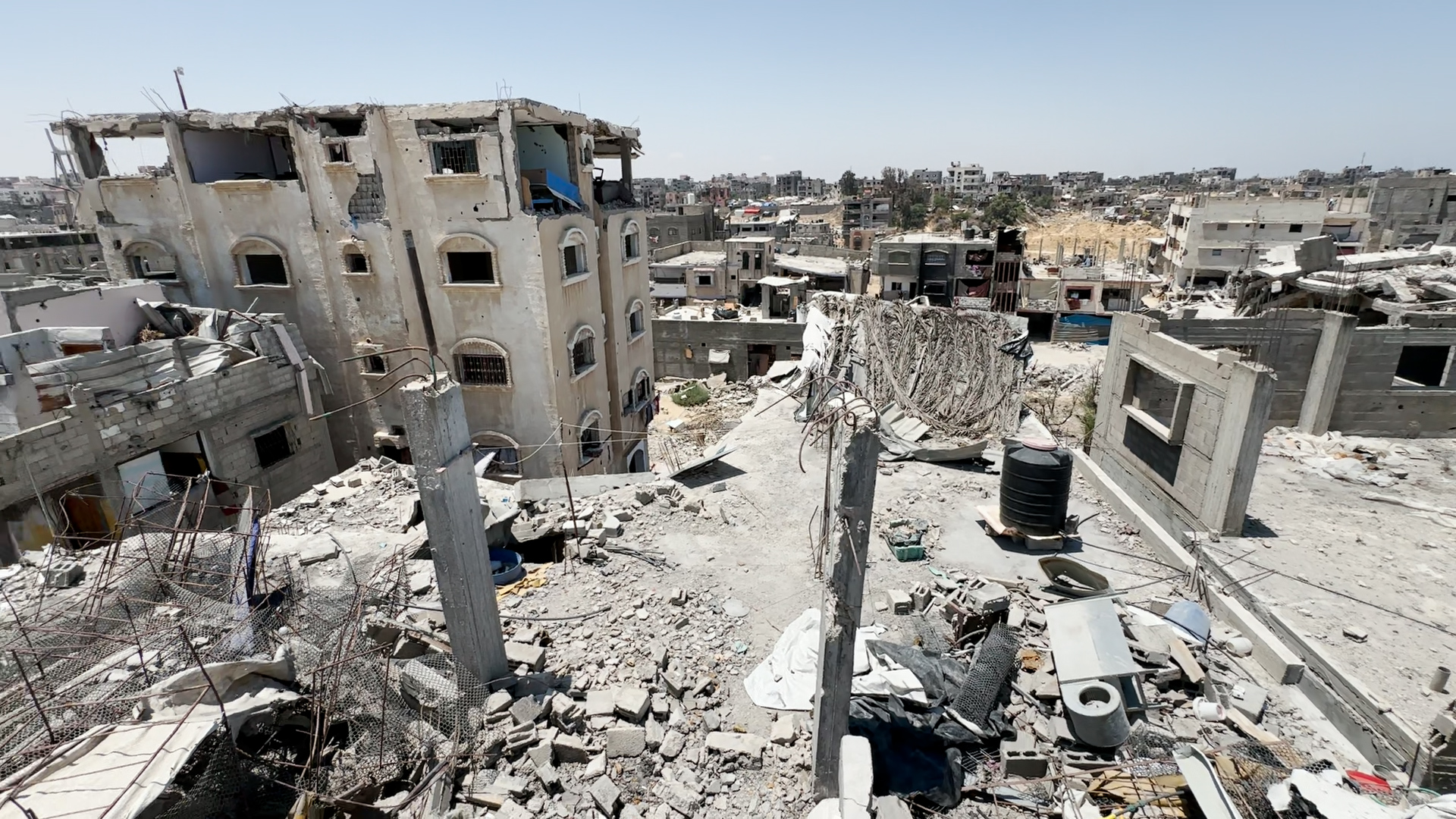
This year, most of these neighbourhoods are gone. Some buildings still stand, but their residents are not there.  

In Gaza, some buildings still stand. But most residents have evacuated.  

Recently some of our neighbours from the building shared a video of last year’s decoration. It brought tears into my eyes being able to see my house before it was destroyed. I know it is uninhabitable now, but I hope I might be able to salvage some of my books, some of my personal items, my kids’ school bags and some toys if we ever make it back there.

My kids blame us for not allowing them to bring their toys when we left. We thought we would be back in a couple of days.  

Bombing and airstrikes replace the call to prayer 

Last Ramadan, I would get back from work and help my wife in the kitchen before it was time to break our fast. The kids would finish their homework and watch some TV. They enjoyed some of the shows that aired during Ramadan.

My son has been asking me about the show this year, asking why we’re not watching it on TV. I told him that we can’t run the TV at night because we’re saving batteries.  

I remember promising my children last year that I would take them with me to the mosque to perform night prayers this year. Even though they were young, they wanted to join me in going to the mosque every night after we broke our fast.

In the mosques, it usually seems as if everyone in Gaza is attending the night prayers. For that one hour, the streets empty, and once the prayer is over, life flows back into the shops, the markets and family homes.  

This year there are no night prayers at the mosque. We pray at home. It is too dangerous to go out after the sun sets.

Last year, the streets and shops were filled with recitals of the Qur’an, broadcast over speakers; and of course, we heard the call to prayer coming from the mosques.

Now, we hear bombing and airstrikes. We have drones buzzing over our heads all day long – a disturbing sound that only gives us the feeling of being monitored and tracked and marked as a target.  

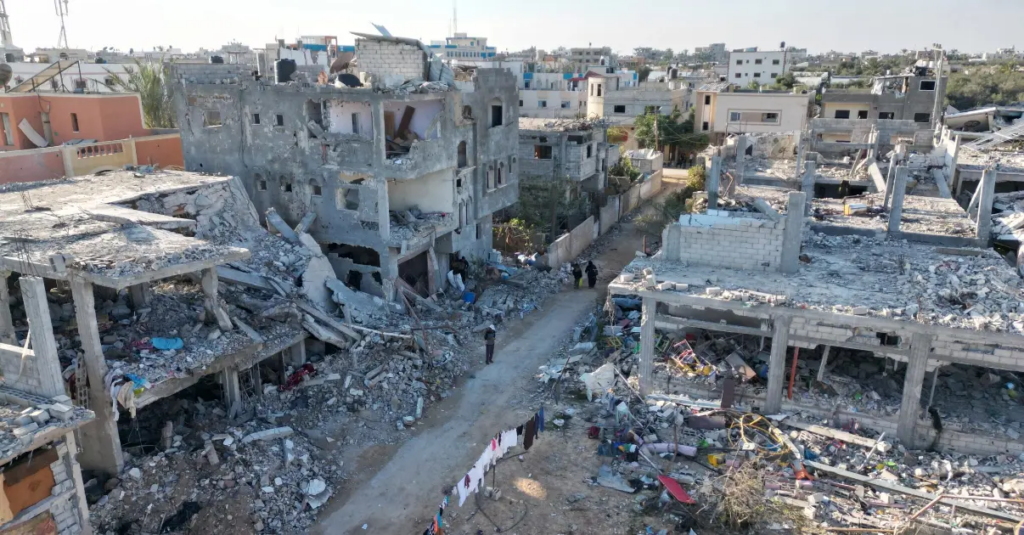
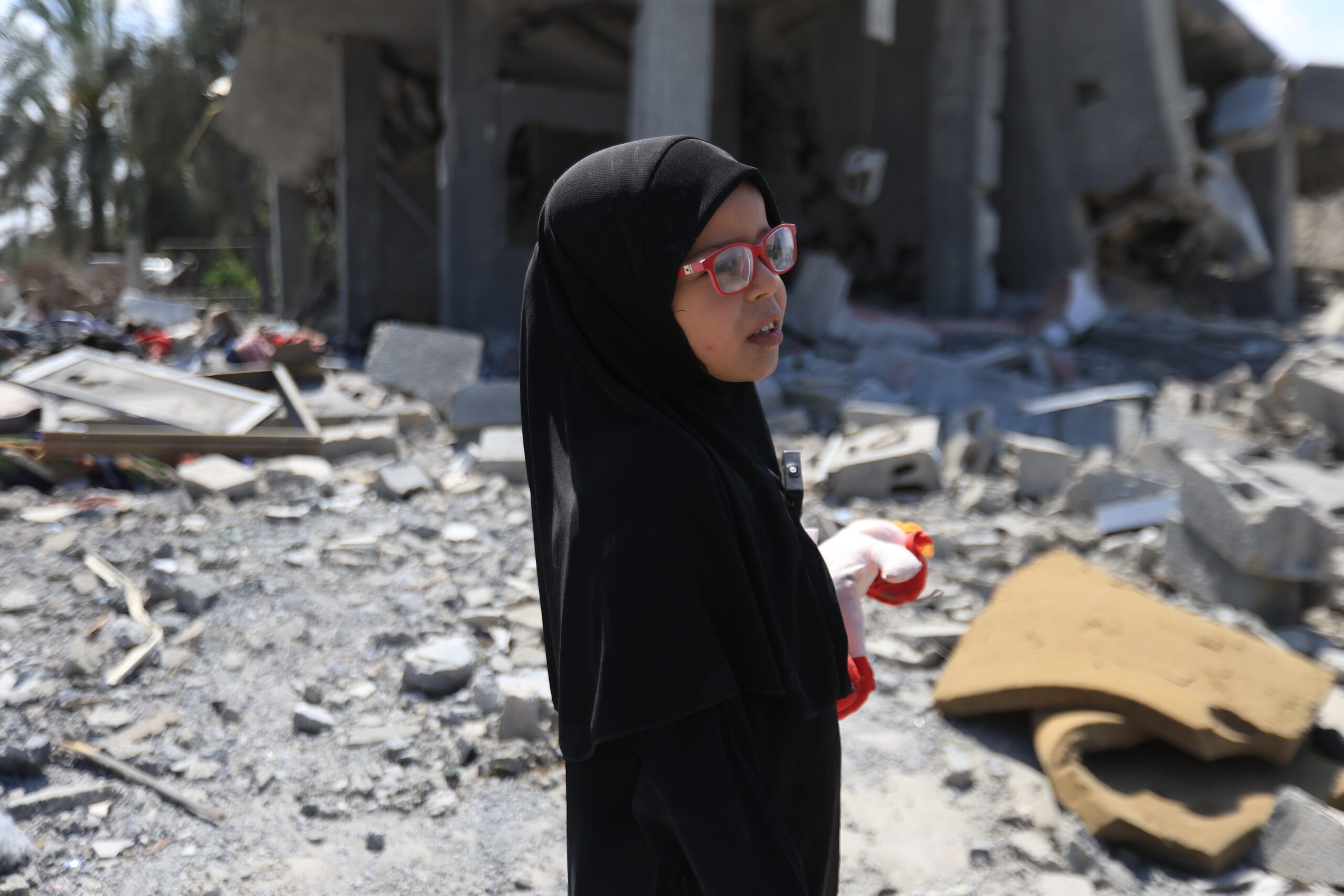
Demolished neighbourhood in Gaza

Separated families 

In Gaza, the generosity of the people is unmatched, and it doubles in Ramadan. There is a tradition where men visit their female relatives including sisters, aunts, mothers-in-law and others to bring them gifts for Ramadan.

Generosity is also seen when families invite each other to have breakfast together. For example, I used to invite my sisters, their husbands and children to have an iftar at my parents’ house. There would be around 30-40 people gathered to enjoy Ramadan together. We’d break our fast and go to the mosque together to pray. Later at night, we’d gather for coffee and some Katayef (Qatayef, Ramadan sweets).  

This year, I could not visit any of my relatives. Travelling is very dangerous, and I cannot get gifts for them because there are no goods in the markets.  

This year, most families are spread all around the Gaza Strip and can’t travel to meet, and staying out after dark is a risky business. On top of this, we are not emotionally prepared to enjoy good times while all our loved ones are gone and all our belongings are destroyed, along with our memories, our livelihoods, and our city.  

Spending Ramadan in mourning, loss, fear and frustration 

Ramadan is a month for worship and compassion. It’s the norm that people prepare the most delicious food in this month and every family has their own recipes. Everyone also races to prepare food to distribute among people in need.

At Islamic Relief, we would distribute food packages to thousands of families every year. We also organised iftars for some of our communities where all our staff volunteered to assist with receiving guests and serving food to their tables. After that, all the staff would gather to clean and spend some good time together.  

This year, we are living Ramadan in mourning, in loss, in fear and frustration. The happiest time of the year is now so sad. We are not able to attend the mosques. Not able to do charity and help each other.

We are not even able to be in our own homes or walk our streets. We do not have Ramadan crescents or lanterns. It is dark.  

Yearning for a Brighter Tomorrow

I can’t compare this year’s Ramadan with anything we have lived through before as we are living the hardest times of our lives. I talk to everyone around me, and they are looking to leave the country in search of a better life.

This Ramadan is so hard and full of desperation. Without a ceasefire, my people are still being killed by bullets, airstrikes, bombing and starvation. Now, we only hope that we will have a ceasefire before the month ends. At least then we could enjoy Eid in some respite. Please, my readers, keep pushing for a ceasefire and an end to this madness.   

*This blog is anonymised to protect the safety and security of our colleague and others mentioned.

Editor’s note: This blog was submitted amid a fast-changing and deepening crisis. The information was correct as of Sunday 17 March 2024. 

In the ongoing crisis, Gaza needs your help

Help us provide urgent medical supplies, food and other crucial, life-saving aid now to families in need by giving with Islamic Relief.
02.09.24

A Lifeline for Struggling Families in Gaza

  News     Publications

Over 4 months have passed since the intense bombing and siege of Gaza, but the horrors families face remain ongoing.  

Yet, despite the dire situation, there is hope. Since the start of the emergency, Islamic Relief teams have distributed over $11.6 million worth of aid throughout the Gaza Strip.

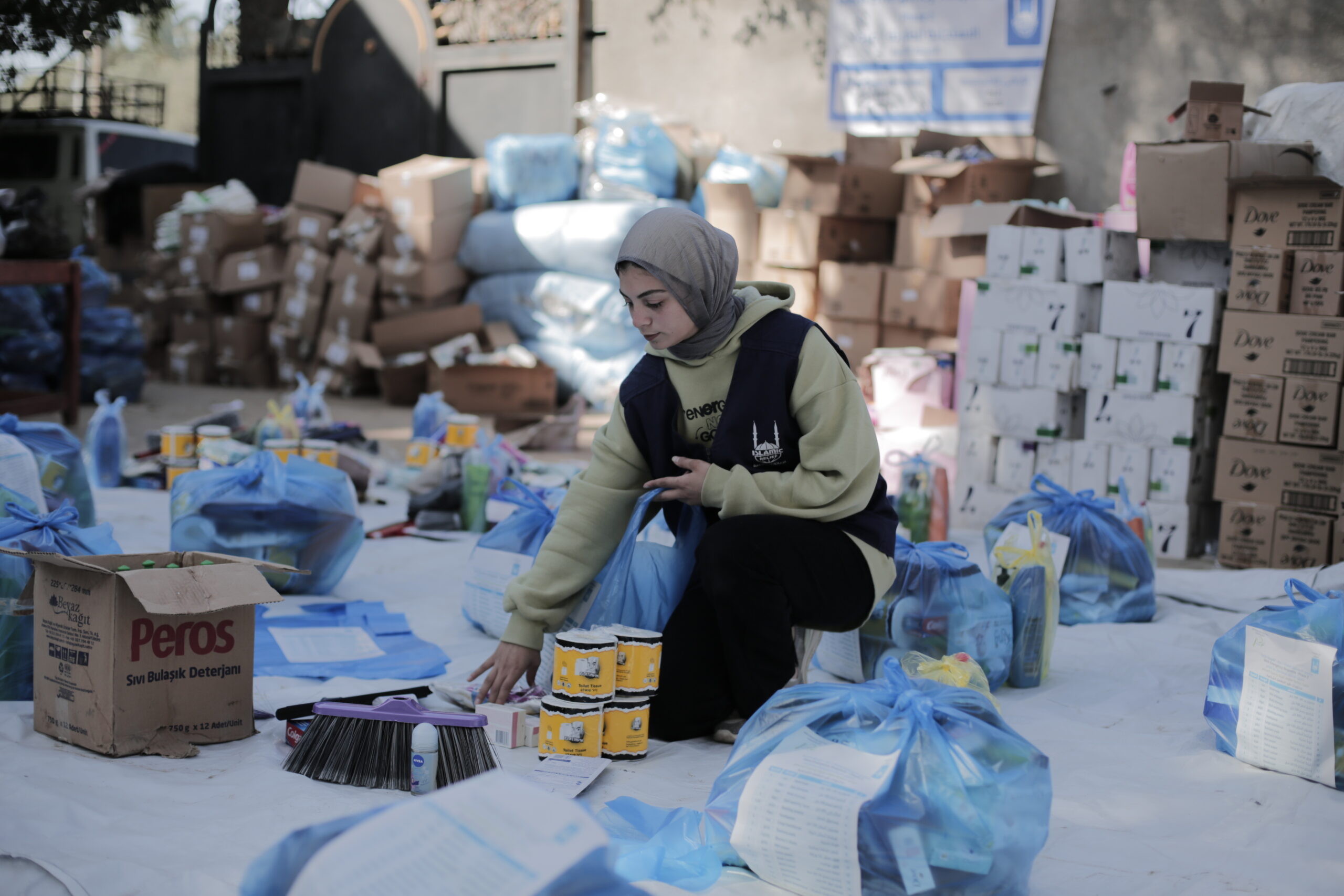
Our teams on the ground have been tirelessly distributing life-saving aid, ensuring those who need support receive it as soon as possible. Our support provides warm meals, food packs, medical supplies, blankets and mattresses, psychosocial support for children and more.

Our Islamic Relief staff in Gaza are also local on the ground and have themselves been severely affected by the war. They have been forced to flee their homes and have been displaced multiple times. But, despite the extreme challenges, they bravely carry on. So we can continue providing aid to as many people as possible.

Because we can, thanks to Allah SWT and your support. 

Even before the crisis began, we’ve always had a strong presence in Palestine. For over 27 years, we’ve been by the people’s side, and we will continue to be there, aiding those in need.

Islamic Relief’s Ongoing Gaza Emergency Response: A Snapshot

Here is a snapshot of the support we’ve provided over the last three months:  

October 8: We began coordinating with local partners to assess needs and prepare an emergency response. 

October 11: We began providing medical supplies to support health facilities in Gaza. 

October 12: Food pack distributions began. More medical supplies were also delivered to health facilities. 

October 31: Our emergency response scaled up. Food vouchers, warm meals, hygiene kits, blankets, psychosocial support and more were being provided to the people of Gaza. 

November 1: By this date, we had provided psychosocial care to 517 children, and support for 8, 700 orphans. 

November 15: Warm meals, clean water, hygiene and dignity kits, fresh vegetables, ready-to-eat items and other life-saving essentials were distributed. 

November 30: We continued to provide clean water and freshly prepared meals. We also ran psychosocial support sessions in shelters. 

December 1: End of humanitarian pause. Our teams were safe. We continued to distribute aid in the Middle Area, Khan Younis and Rafah. 

December 15: Daily distributions in Gaza continued. By this date, 915, 525 warm meals, and psychosocial support for over 37, 900 children had been provided, alongside other essential aid. 

December 31: More clean water, hygiene and dignity kits, fresh vegetables, warm meals and other life-saving aid were provided. 

January 1: The world welcomes a new year, but nothing changes for those in Gaza. Our teams continue to distribute aid to provide hope to the long-suffering people of Gaza. These include food packs, fresh meat and vegetables, water, hygiene kits, psychosocial support, and other life-saving aid.

January 14: Today marks 100 days of the war on Gaza. 

January 25: Our teams distribute much-needed winter aid, such as warm clothes and blankets, amid freezing temperatures. 

February 4: Islamic Relief teams distribute hot, ready-to-eat meals to vulnerable families. 

From then to now, thank you for standing by the people of Gaza. Your support has been and continues to be a lifeline for families struggling to survive. 

In the ongoing crisis, Gaza needs your help

Help us provide urgent medical supplies, food and other crucial, life-saving aid now to families in need by giving with Islamic Relief.
02.07.24

Humanitarian Crisis in Gaza: Surviving with Solidarity, Faith and Hope 

  News     Publications

As Israel continues its bombardment of Gaza, an Islamic Relief aid worker* on the ground reflects on the ways Palestinians are reacting and trying to survive the desperate situation. 

In the Gaza Strip, the situation here is dire, but the solidarity and compassion between people are stronger than ever.  

Through the darkness, Palestinians stick together. People are supporting each other to survive. They help one another find shelter, food and clothes.  

I have seen firsthand people welcoming displaced strangers into their houses with open arms. They share their food, water and belongings, despite having little themselves.  

When my in-laws evacuated Gaza City, they had nowhere to go. Unfortunately, my parent’s house, where my family and many other people are currently staying, had no more space, so I made some calls to the neighbours. Our neighbour, a retired teacher, offered the ground floor of his building which was previously used by a kindergarten. 

Adapting to Survive

In the harsh circumstances, people have begun adapting to survive. When the fuel and cooking gas ran out, everyone started making wood fires. While I’d never made a fire before – I’d never even been camping – it was a chance for me to learn a new and useful skill. 

Of course, the first attempts did not work well. Trying to start a flame was difficult, and, once it came, the smoke blinded us. But, by the end, my sisters, my wife, my mum and I learned to use the fire to heat water and cook. In fact, we were able to make some pizza using coal and a cooking pan. It was delicious. It was a happy day for the kids.  

Standing Strong in Faith 

Before the crisis in Gaza worsened, my kids and all the children in the house used to spend their free time playing video games or watching cartoons. Now, they have many other activities to do. 

Alhamdulillah, some of them have started memorising the Qur’an. I also notice how they now perform their prayers on time. All the girls have clothes to pray in, which they run to grab whenever the time to pray comes.  

They also make du’a more regularly, reciting their morning and evening adhkar everyday. These are wonderful moments of the day, when they come together, asking Allah SWT in one voice for relief and an end to this situation.  

Subhanallah, I am proud and humbled at how, at this young age, they have all developed such strong faith and attachment to Allah in a time such as this.  

Sharing Simple Hopes

Palestinians are known to be resilient, but this war has also taught me the opposite. I have noticed how simple and vulnerable we are. We aspire only for simple things. A day of peace. A good meal. A cup of coffee. The ability to call a friend.  

We cherish our time together more. For my family, in the evening, when everyone is home, we play many games like “Guess the Word”, crosswords and riddles. But when everyone is out, we worry for each other’s safety, praying that they all come home safe. 

There are days when I stand by the internet router waiting for its lights to turn on to show that we have a connection. I often find myself asking my son and daughter to go check on the router, hoping to hear that all the lights on it have turned on. Unfortunately, most of the time, the router will only have two lights on, which means we have no connection. 

For within our simple hopes, we also wish for a ceasefire. All Palestinians are looking for signs of it and we will read any small piece of news about the topic. I have seen everyone saying, “There is news that parties are making negotiations.” Even if it would take time to materialise, it gives us hope that a ceasefire could happen soon. 

Just the other night there was a snippet of news that both parties had accepted a framework for a ceasefire, and I heard fireworks and celebrations in the streets.  

There were similar celebrations that took place when we first regained municipal water supplies after almost 80 days of having to buy water elsewhere. There was also that same happiness when we were able to eat chicken again after they were unavailable for almost 2 months.  

All our hopes are simple, and all our aspirations are just to live normal lives, but it looks as if this is too big a dream for Palestinians.  

There are People Who Care 

We have learned that world leaders do not act on the principles and rights they talk about unless the victims are people they care about or a superpower in the world. When simple people ask for simple rights, they are ignored and left alone to face their fate.  

But I have also discovered there are people who will raise their voices to defend those who are not being heard. I have noticed demonstrations all over the world, ordinary people taking to the streets, with their children, to march for a just cause.  

I have seen people like you, supporters of Islamic Relief, who are interested in knowing the truth about what has been happening in Palestine for decades. I promise I will do all I can, for as long as I can, to tell you as much as I can about the Palestinian story.  

So that, I hope, I can, someday soon, write another account for you. About a time in which we are living in peace, and there is a sustainable ceasefire in place.  

Editor’s note: This blog was submitted amid a fast-changing and deepening crisis. The information was correct as of Monday 5 February 2024. 

*This blog is anonymised to protect the safety and security of our colleague and others mentioned.

In the ongoing crisis, Gaza needs your help

Help us provide urgent medical supplies, food and other crucial, life-saving aid now to families in need by giving with Islamic Relief.

01.17.24

100 Days of Unimaginable Horror in Gaza

  Press Releases

After nearly 100 days of intense bombing and siege, people in Gaza are suffering unimaginable horror.
 

Waseem Ahmad, CEO of Islamic Relief Worldwide, says:  


“Israel’s ongoing attack and siege has brought a level of suffering that is almost impossible to comprehend.


“We have witnessed 100 days of civilians being killed at the fastest rate this century.


“100 days of utter destruction, with much of Gaza now turned to rubble, 60% of homes damaged or destroyed, and hospitals and schools bombed.   


“100 days of people being starved and wilfully denied food, medicine and other vital aid, leaving Gaza on the verge of a man-made famine.   


“100 days of international law being violated and ignored. 100 days of Palestinians being forcibly displaced, with the UN warning there is a risk of forced expulsion and ethnic cleansing. 


“There are no excuses or justification for this massacre, which continues in full sight of world leaders who have repeatedly failed to act.   


“Every day this goes on brings more death and suffering. Most of those killed are civilians, including more than 10,000 children – that’s 100 children killed every single day.  


“This must not be allowed to continue a single day longer. There must be an immediate ceasefire and an end to Israel’s siege.”  


11.29.23

Islamic Relief Australia joins aid agencies call upon PM and Minister Wong for permanent ceasefire as pause in Gaza extended by two days

  Press Releases

As a four-day humanitarian pause ends in Gaza with an extension of two days, aid agencies supporting humanitarian work there are in Canberra stepping up calls on Prime Minister Albanese and Minister Wong to push for an immediate and permanent ceasefire.

With the brief break in fighting, Oxfam Australia, Islamic Relief Australia, ActionAid Australia, Union Aid Abroad and Plan International Australia have all been working with colleagues in the Middle East, who are doing everything they can to get as much assistance as possible to the people of Gaza.

But Oxfam Australia Chief Executive Lyn Morgain said access had remained incredibly difficult to the war-torn Gaza Strip.

“A four-day pause allows us to deliver a drop of aid into an ocean of need – it is woefully inadequate given the scale of suffering and destruction in Gaza. And while welcome, just two extra days is not sufficient. For seven weeks, Gazans, including 33 Oxfam staff, have been living under constant bombardment and the amount of aid supplies reaching them has been significantly lower than requirements for survival,” she said.

“There are desperate shortages of water, food and fuel, and babies are dying from preventable causes. Despite doing everything we can to scale up our operations and increase support for our partners in recent days, humanitarian efforts and aid delivery have been severely obstructed with restricted access points. An immediate and permanent ceasefire is the only way to prevent further loss of civilian life and the total destruction of civic infrastructure, and only full and secure access will allow aid agencies to deliver an effective humanitarian response.”

While the organisations welcomed the Government’s previous $25 million contribution to the response effort, they said much more would be needed to rebuild the devastated Gaza Strip.

Islamic Relief Australia Chief Executive Samir Bennegadi expressed deep concern for the ongoing situation in the Occupied Palestinian Territory, including Gaza and the West Bank, emphasising the profound impact it is having on the Palestinian community in Australia.

“Many of our community members here are directly connected to the affected regions, with families and loved ones caught in the midst of this devastating conflict. The temporary ceasefire in Gaza, while a brief respite, hardly scratches the surface of the profound and ongoing distress experienced by those here and abroad. Our community in Australia feels this pain deeply, sharing a visceral and personal connection to the daily realities in these regions,” he said.

“Meanwhile, our ground efforts face constant obstacles due to the conflict. We urge Prime Minister Albanese and Minister Wong to do all they can to ensure a swift and lasting ceasefire and stress the need for unhindered humanitarian access via both Egypt and Israel. This is crucial for starting the healing and rebuilding process in these devastated regions.”

ActionAid Australia Executive Director Michelle Higelin said:

“It has been incredibly moving to see the outpouring of support in Australia for civilians affected by the escalation of violence in Gaza. Over the last seven weeks, we have seen thousands of Australians across the country taking to the streets to stand up against the constant bombardment of Gaza that has seen 1.7 million people displaced and countless civilian lives ripped apart. More than 70,000 Australians are joining our collective call for an immediate and permanent ceasefire.

“Our partners in Gaza are telling us that the humanitarian situation is nothing short of catastrophic. The chaos and horror unleashed in Gaza has affected women in devastating ways. Thousands of women in Gaza are risking their lives to give birth, undergoing caesareans without sterilization, anesthesia or painkillers. The denial of water is preventing breastfeeding mothers from being able to supply milk to their newborns. There must be a permanent ceasefire so that aid on the scale required can reach those in urgent need. The lives of civilians must be protected, and bombs must not be allowed to fall again.”

Union Aid Abroad Chief Executive Kate Lee said:

“This situation is unprecedented. No other humanitarian crisis has a people who cannot escape across a border as refugees. No other crisis has seen basic humanitarian needs blocked. This requires governments to re-write the rule book. A ceasefire must be negotiated.”

Strong public support for a permanent ceasefire and increased humanitarian assistance is building, with more than 70,000 Australians signing petitions from the aid agencies calling for a permanent ceasefire, and over a million people signing a global #CeasefireNow petition.

Plan International Australia Deputy CEO Hayley Cull said a ceasefire petition shared by Plan International Australia had garnered close to 50,000 signatures in less than a month – an unprecedented show of support and a clear sign that Australians are horrified and outraged by what is unfolding in Gaza and want the Albanese Government to take genuine action in calling for a lasting ceasefire.

“In the 13 years that I have worked in the international humanitarian sector, I am at a loss to think of a more devastating situation. Children are paying the heaviest price from the ongoing violence in Gaza. Although a temporary truce and the release of some of the hostages is an important step towards peace, it is nowhere near enough. Further action must be taken to protect children through a lasting ceasefire. 

“The time is now for the Australian Government to call for an immediate and permanent ceasefire. Any further delay to this will be a stain on our collective morality. Nothing can ever justify the killing or maiming of children. Every child’s life – Palestinian and Israeli – should be valued and treated with humanity,” she said.


For interviews, contact:

Oxfam Australia – Lily Partland on 0418 118 687 / [email protected]
Union Aid Abroad – Lachlan Batchelor on 0404 469 462 / [email protected]
Plan International Australia – Claire Knox on 0452 326 549 / [email protected]
ActionAid Australia – Milly Atkinson Handley on 0414 860 238 / [email protected]


STAY INFORMED

  • This field is for validation purposes and should be left unchanged.

Quick Donate