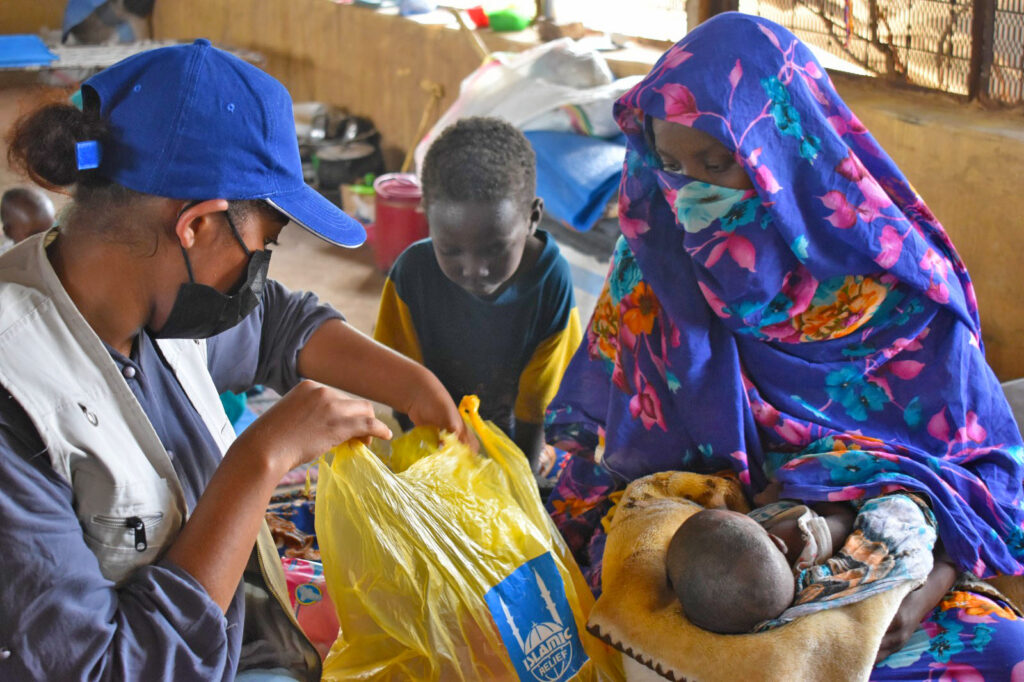
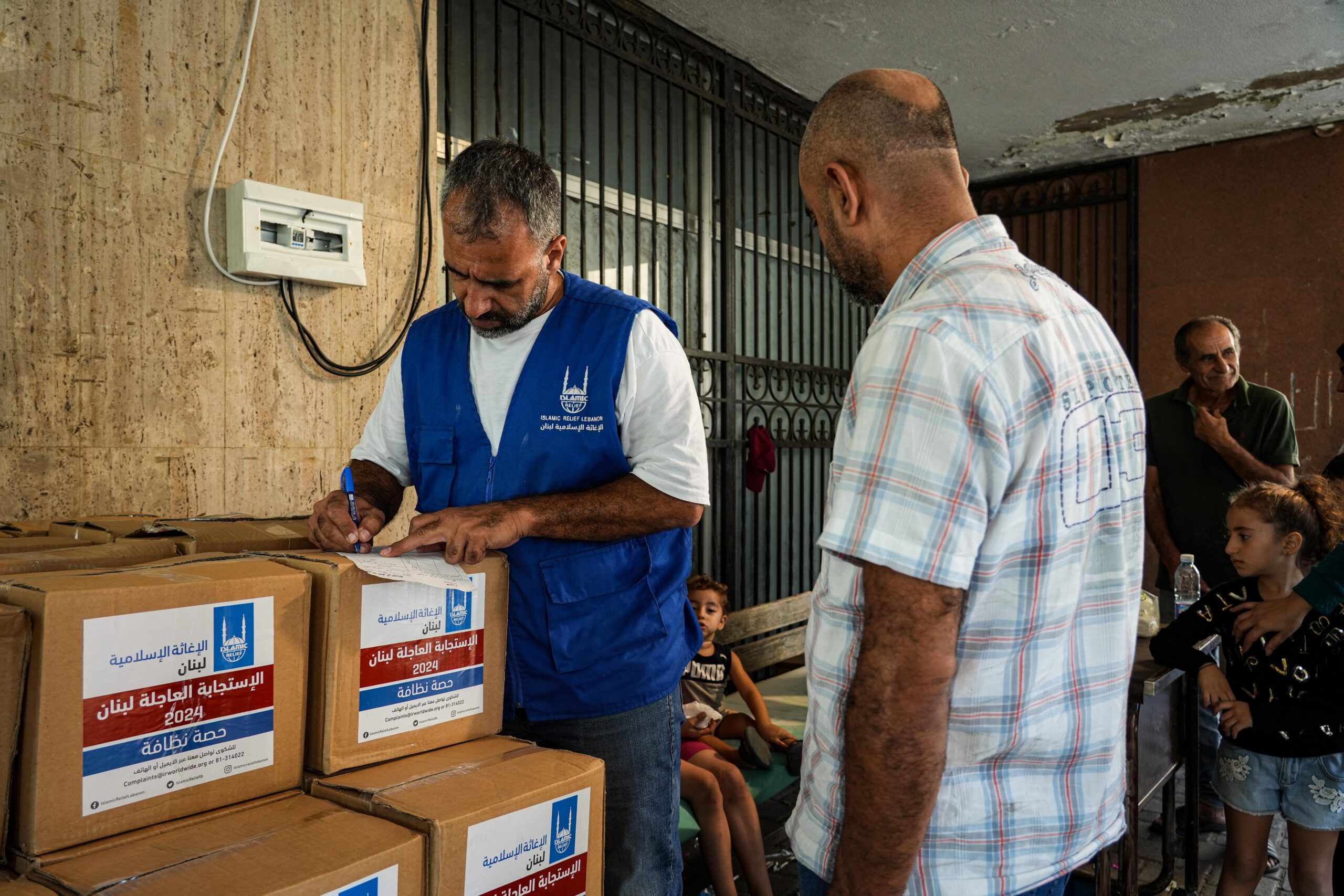
09.24.24

Islamic Relief launches $19m emergency appeal for Lebanon and calls for an end to attacks on civilians

  News

Following Lebanon’s deadliest day in decades, Islamic Relief has launched a $19 million (AUD) emergency appeal. To support people affected by the escalating Israeli attacks.

More than 558 people, including over 50 children, have now been reported killed since September 23. More than 1,800 people are wounded.

Thousands of families are fleeing their homes in panic. They now seek shelter in crowded schools, as more Israeli airstrikes tear through neighbourhoods today. After almost a year of gradual escalation, more than 116,000 people in Lebanon have been displaced. They are in desperate need of aid.

Islamic Relief’s appeal is looking to raise an initial $19 million AUD to expand our efforts to provide vital aid to displaced families. With Israeli attacks on Gaza also continuing unrelentingly, Islamic Relief continues to call for an immediate ceasefire across the region. We call for all parties to respect international law and protect civilians.

Akram Sadeq Ali, Islamic Relief’s Country Director in Lebanon, says: 

The past few days have seen the heaviest attacks on Lebanon in many years. The country has turned upside down and is in complete chaos, with more people fleeing their homes every hour and taking refuge in crowded schools.
Akram Sadeq Ali
Islamic Relief’s Country Director in Lebanon

“Today our team is delivering mattresses and blankets to new arrivals at some of the schools, and we will be providing displaced families with food and medical supplies for clinics. We’re exhausting all efforts to deliver aid to those affected by this crisis.”

Our Work on the Ground

Islamic Relief has been working in Lebanon since 2006. Since last October, our teams have delivered thousands of food parcels, hygiene kits, blankets, and mattresses to families displaced by the escalating attacks. Currently, our aid reaches almost 30,000 displaced people in Nabatieh, Tyre, Bekaa and Balbek. We have also distributed over 6,900 medical items to hospitals and satellite clinics.
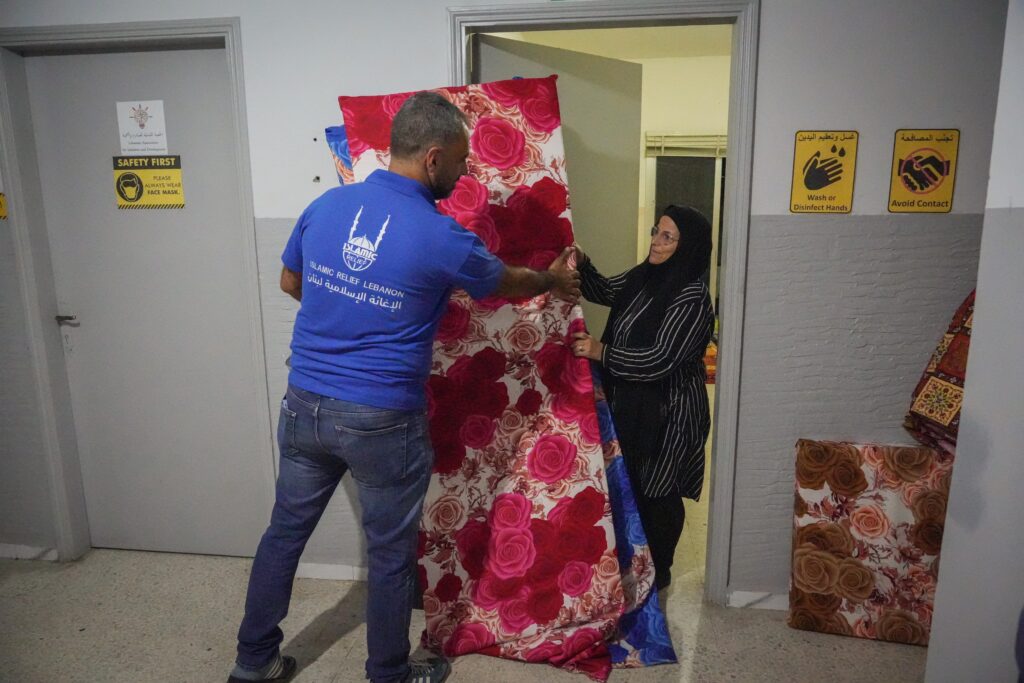
Islamic Relief delivering matresses in Lebanon

The crisis in Lebanon has been escalating since 8 October 2023, with hundreds of Israeli airstrikes destroying some 4,000 residential buildings and significantly damaging 20,000 more. Farms and markets have been damaged, impacting food production and availability. Access to essential services such as water has been severely disrupted. Over the past year, at least 700 people are thought to have been killed and more than 6,000 injured.

The escalation in Lebanon comes as much of the population struggles to cope with the fallout from a years-long economic crisis. In 2020, a massive explosion in Beirut killed hundreds of people and destroyed parts of the city, contributing to an economic crisis that deepened in the following years. Widespread unemployment, poverty, and hyperinflation in Lebanon have left many families unable to afford even the most basic essentials such as food, water, and medicine.

Give hope to the people of Lebanon

Your compassion can save lives. With your support we are able to respond immediately to human suffering in Lebanon.

09.23.24

Islamic Relief strongly condemns deadly attacks on civilians in Lebanon

  News

Islamic Relief strongly condemns the recent deadly attacks on civilians in Lebanon. We call on world leaders to take urgent action to stop further escalation.

Today’s Israeli bombing has caused by far the deadliest day in Lebanon since the crisis began almost a year ago. The death toll is rising rapidly. So far, more than 180 people have been reported killed and over 700 wounded, including children and many other civilians.

Hundreds of Israeli airstrikes have torn through residential areas and families are fleeing the south of the country in terror.

The Israeli military’s announcement for civilians in parts of Beirut and southern Lebanon to leave their homes is a horrifying echo of the orders we have seen issued repeatedly in Gaza. Orders that come before large-scale attacks on civilians and civilian infrastructure there. Ordering people to leave their homes does not absolve Israel of its obligation under international law to protect civilians, including people who cannot leave or choose not to leave.

Akram Sadeq Ali, Islamic Relief’s Country Director in Lebanon, says: 

There is mass panic, families here are terrified and they don’t know what to do or where to go. Civilians and civilian infrastructure such as homes, hospitals, and schools must never be a target and must be protected at all times. Young children are among those killed by the bombs, and any further escalation will be absolutely disastrous for civilians.
Akram Sadeq Ali
Islamic Relief’s Country Director in Lebanon

This latest escalation is likely to force many more families in Lebanon from their homes.

More than 116,000 people in Lebanon have already been displaced over the past year. Many are now in desperate need of aid. At least 24,000 residential buildings have been badly damaged or completely destroyed.

The escalation comes as much of the population in Lebanon struggles to cope with the fallout from a years-long economic crisis. It has forced many families into poverty.

Islamic Relief has helped almost 30,000 people affected by the crisis.

Since tensions escalated in the region last October, our teams on the ground delivered food parcels, hygiene kits, blankets, and mattresses and more. We have also provided thousands of medical supplies for hospitals and primary healthcare clinics. Currently, Islamic Relief supports displaced families and local host communities in Nabatieh, Tyre, Bekaa and Balbek, where most recently displaced people have been seeking refuge.

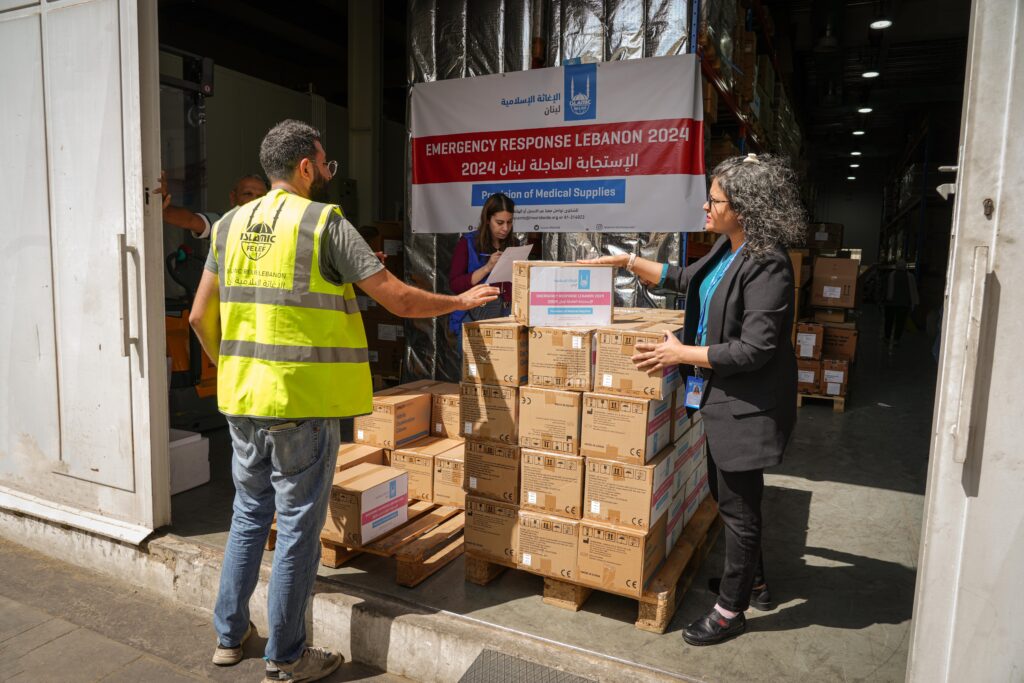
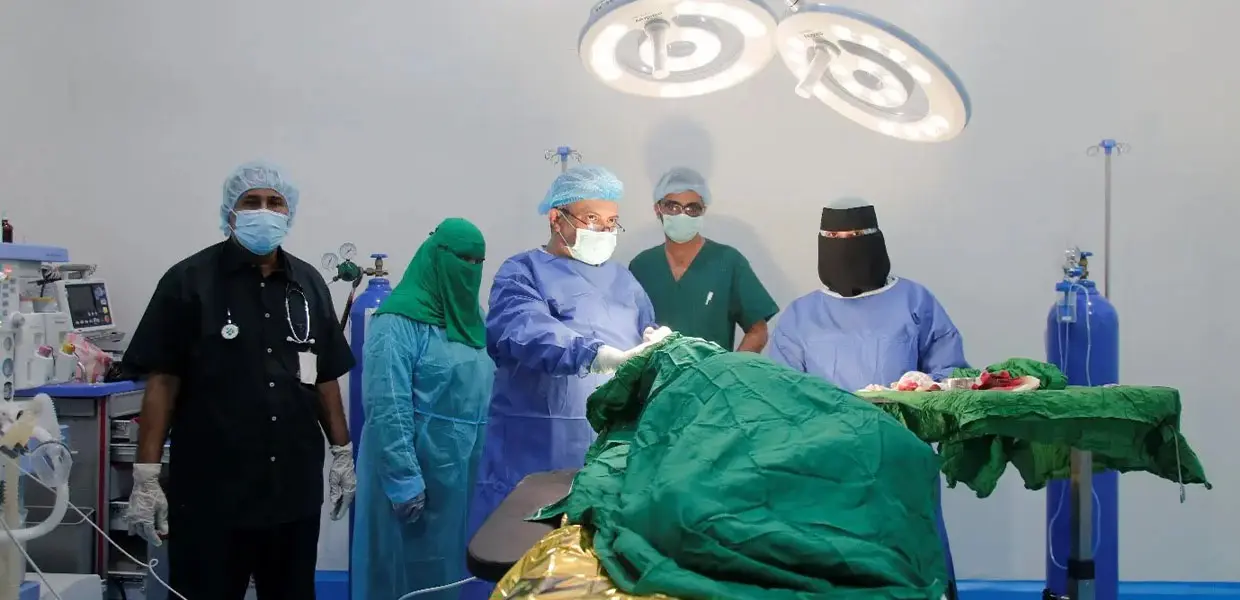
Islamic Relief providing emergency support (specifically provision of medical supplies) for Lebanon amid the increasing airstrikes and ongoing crisis

Islamic Relief has been working in Lebanon since 2006, supporting communities through war, displacement and the current crises.

Give hope to the people of Lebanon

Your compassion can save lives. With your support we are able to respond immediately to human suffering in Lebanon.
09.10.24

Libya Floods 1 year on: Working with partners to tackle a calamity of epic proportions

  News

In September 2023, eastern Libya was struck by devastating floods.  

Hospitals and morgues struggled to cope with what the United Nations called a “calamity of epic proportions”. It left the nation with over 5,200 deaths and 10,000 people reported missing.  

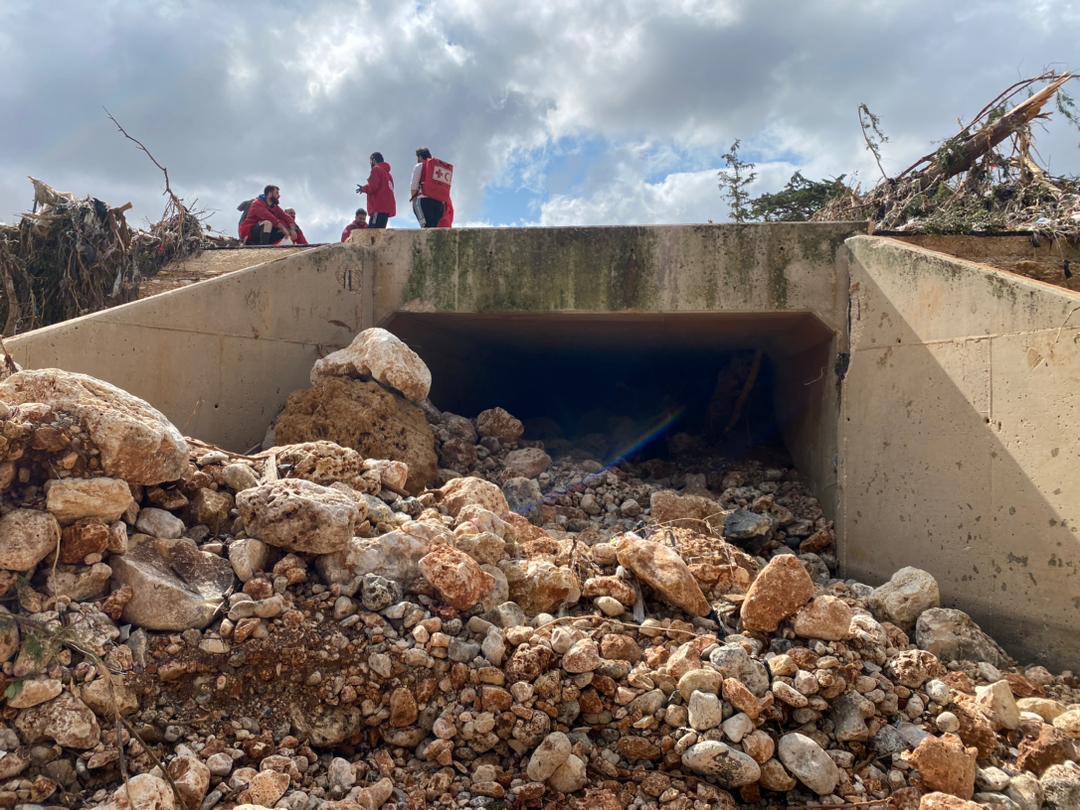
Libya’s worst disaster in modern history significantly altered its landscape. 30,000 buildings were damaged or destroyed, along with roads and bridges. Communities were cut off and more than 40,000 individuals were internally displaced.   

Waterborne diseases became a serious concern in the aftermath, with infrastructure severely contaminated.  

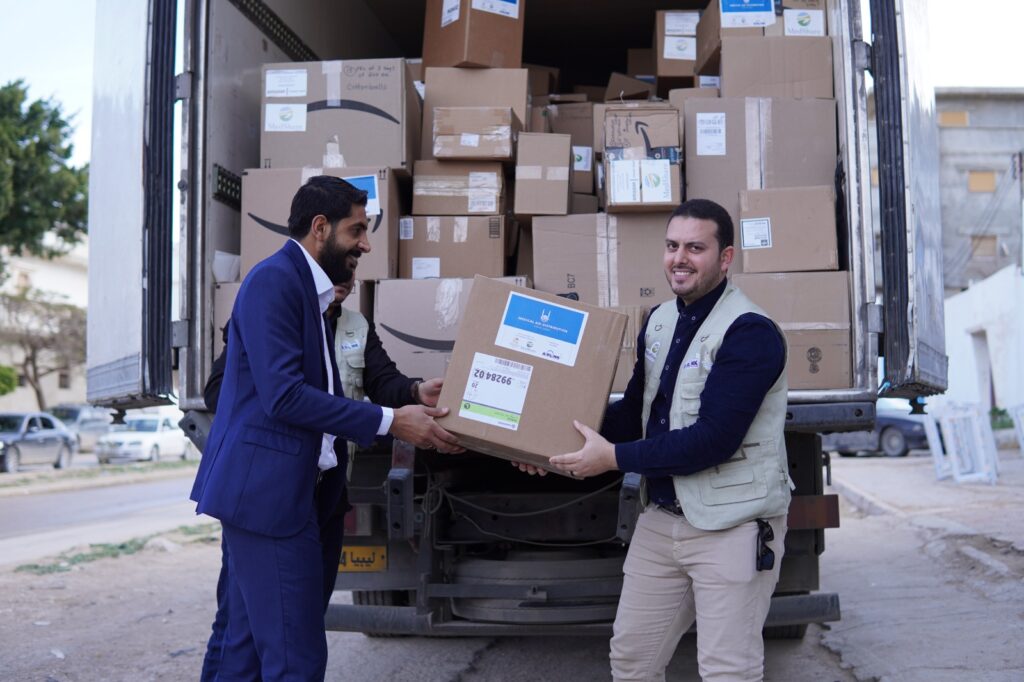
Islamic Relief and a local partner workers delivering medical aid to Wihda hospital in Derna, Libya
Photo: Islamic Relief and a local partner delivering medical aid to Wihda Hospital in Derna, Libya

Working with local partners to deliver aid in Libya

Although Islamic Relief does not have a permanent presence in the country, we were determined to help survivors. To do so, we teamed up with local partners in Libya.

Working with non-governmental organisations (NGOs), Islamic Relief provided blankets, mattresses, medical aid, food kits and baby items to families affected by the floods.   

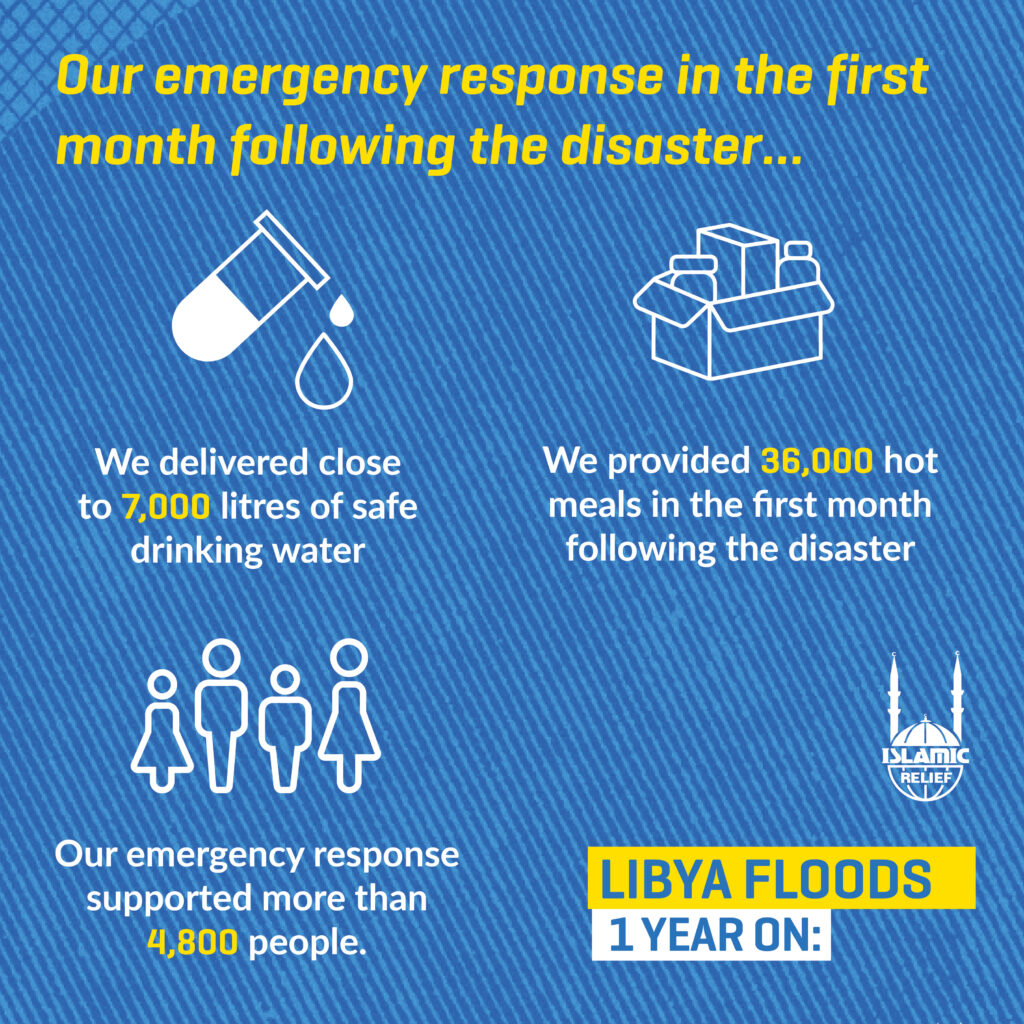
Graphic: Islamic Relief response and impact during the Libya floods

The road ahead after the disaster

Islamic Relief is supporting Libya’s flood-affected population on the path to sustainable recovery through several ongoing projects.   

This includes working with international non-governmental organisations in Libya to provide shelter to displaced families; restore vital public infrastructure and services; and help affected children come to terms with what they have experienced through counselling and recreational activities. Through this collaboration, we also aim to strengthen the public health system by delivering emergency primary healthcare services.  

Disaster capacity-building is another key element on the road to recovery. Local organisations are often among the first to respond when disasters strike. Hence, strengthening and supporting them is an important part of our work in Libya.

Working with WHAF (World Humanitarian Action Forum), we have been training 100 local civil society organisations on disaster and crisis management. We are empowering them to prepare for and handle future disasters more effectively.  

Islamic Relief has supported almost 10,000 people in Libya to date, yet everyday life remains challenging for thousands of affected people.

Be a lifeline. Give relief.

Help us to continue our vital work supporting those in desperate need of aid in Libya and around the world where disasters strike

08.27.24

Islamic Relief staff describe scenes of starvation after 500 days of war in Sudan

  News     Press Releases

500 days of war has turned Sudan into the world’s biggest hunger crisis and starvation is spreading across the country, Islamic Relief is warning.

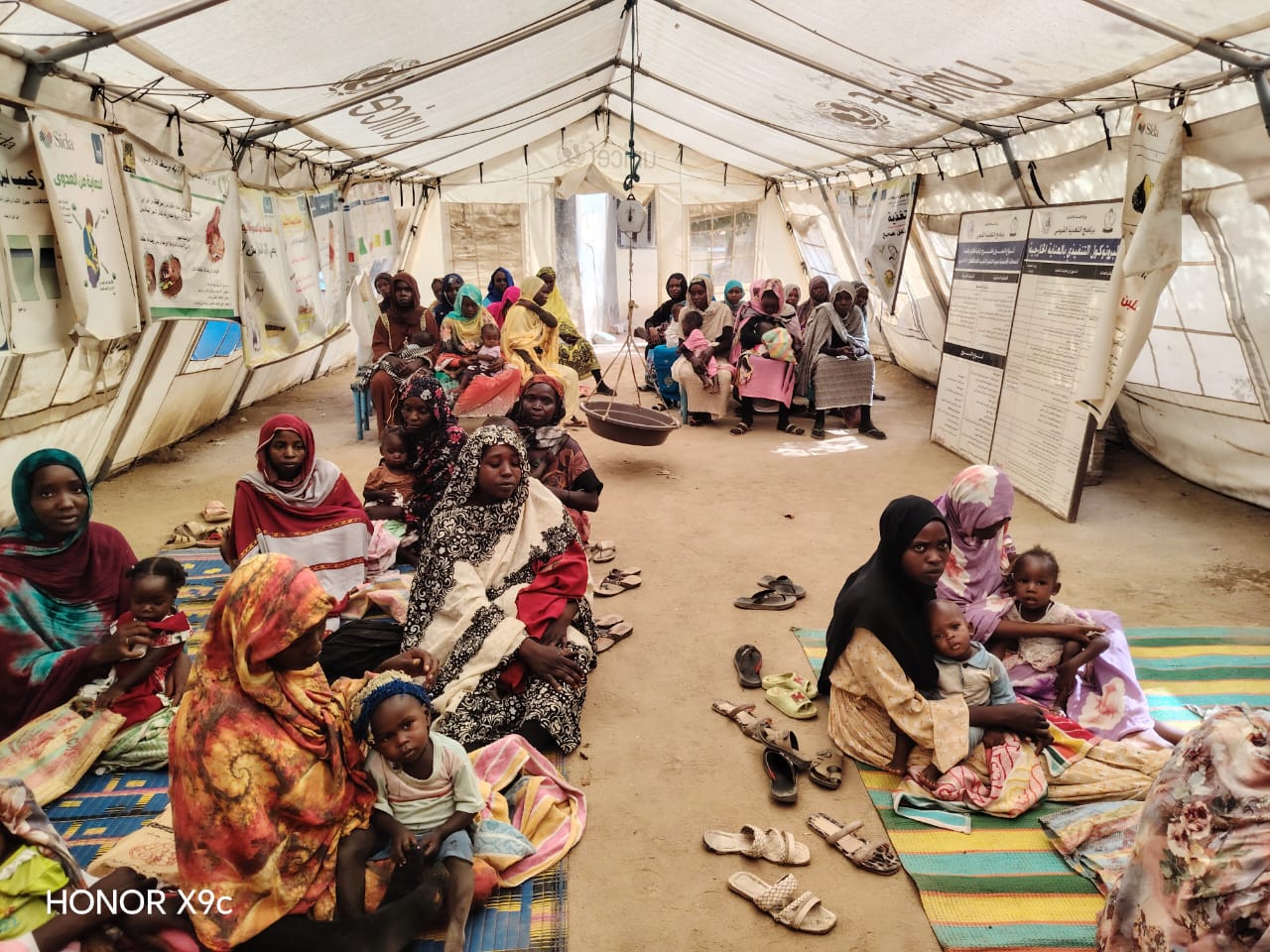
Islamic Relief’s Regional Humanitarian Manager, Mohamed Abduwahid Omar, has just visited sites for displaced people in Gedaref, southeast Sudan, which has received hundreds of thousands of people fleeing the violence. He says:

I met many people with sunken eyes and emaciated bodies, going two days without eating anything at all. Others have just a small cup of lentils a day. People are starving and just trying to survive.

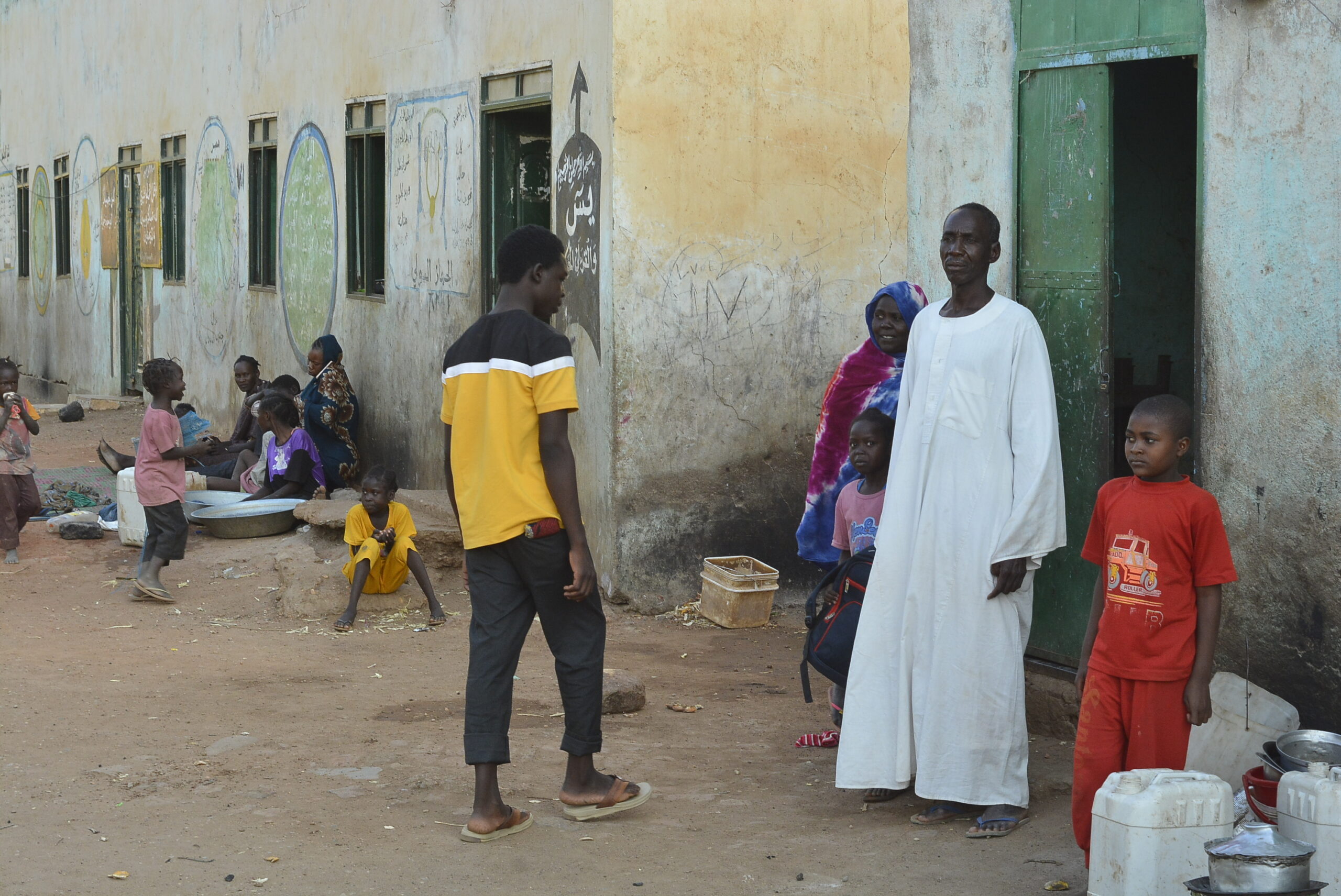
“The sites for displaced people are overcrowded and overwhelmed, and 80% of the people there are women and children. I visited a half-built bus station that has been turned into a reception centre for processing new arrivals. There were 1,450 people there who had arrived scared, exhausted and hungry, and more arrive every day. There’s not enough space so many people have to sleep outside in the cold and pouring rain.

There are only five toilets to share between everyone, and now the rainy season has begun there is a growing risk of diseases. In one recent assessment over 40% of people surveyed had at least one family member with serious diarrhoea due to the poor conditions. 

“People were crying as they spoke to me. They’re scared and feel hopeless for the future and just want the world to help stop this nightmare.

I met a blind man who has been displaced four times in the last year as the fighting has spread. He doesn’t know where he will go next if he has to flee again. All he cares about is surviving from one day to the next and finding something to eat.” 

500 days of war has left 25.6 million people – over half the population – facing acute hunger. Around 13 million people have now fled their homes. 

While conditions in parts of eastern Sudan like Gedaref are deteriorating, many other parts of Sudan are even worse.

Islamic Relief staff in Darfur, where the organisation supports nutrition centres, are seeing children wasting away from severe malnutrition. There are reports of families having to eat leaves from trees or even animal feed as they have nothing else.

Famine conditions were officially declared earlier this month in Zamzam camp in North Darfur. Medical facilities in South Darfur have reported 4–5 children dying a day from malnutrition. 

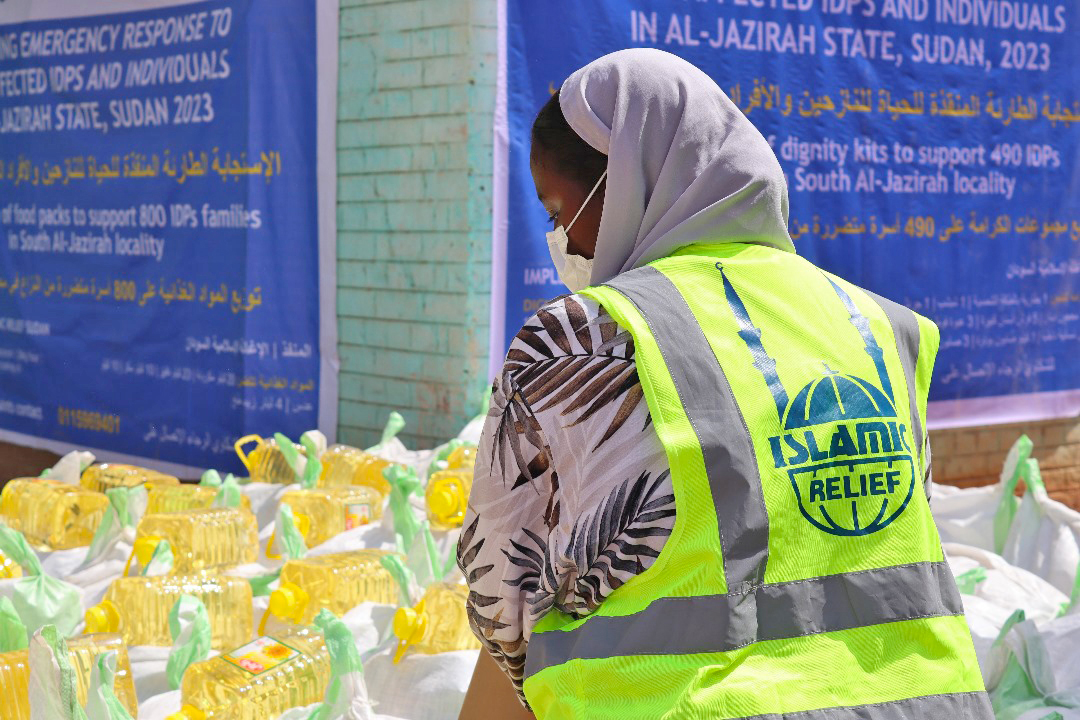
Since the war broke out, Islamic Relief has reached over 950,000 people with vital aid including food, nutrition support, cash and medical supplies. 

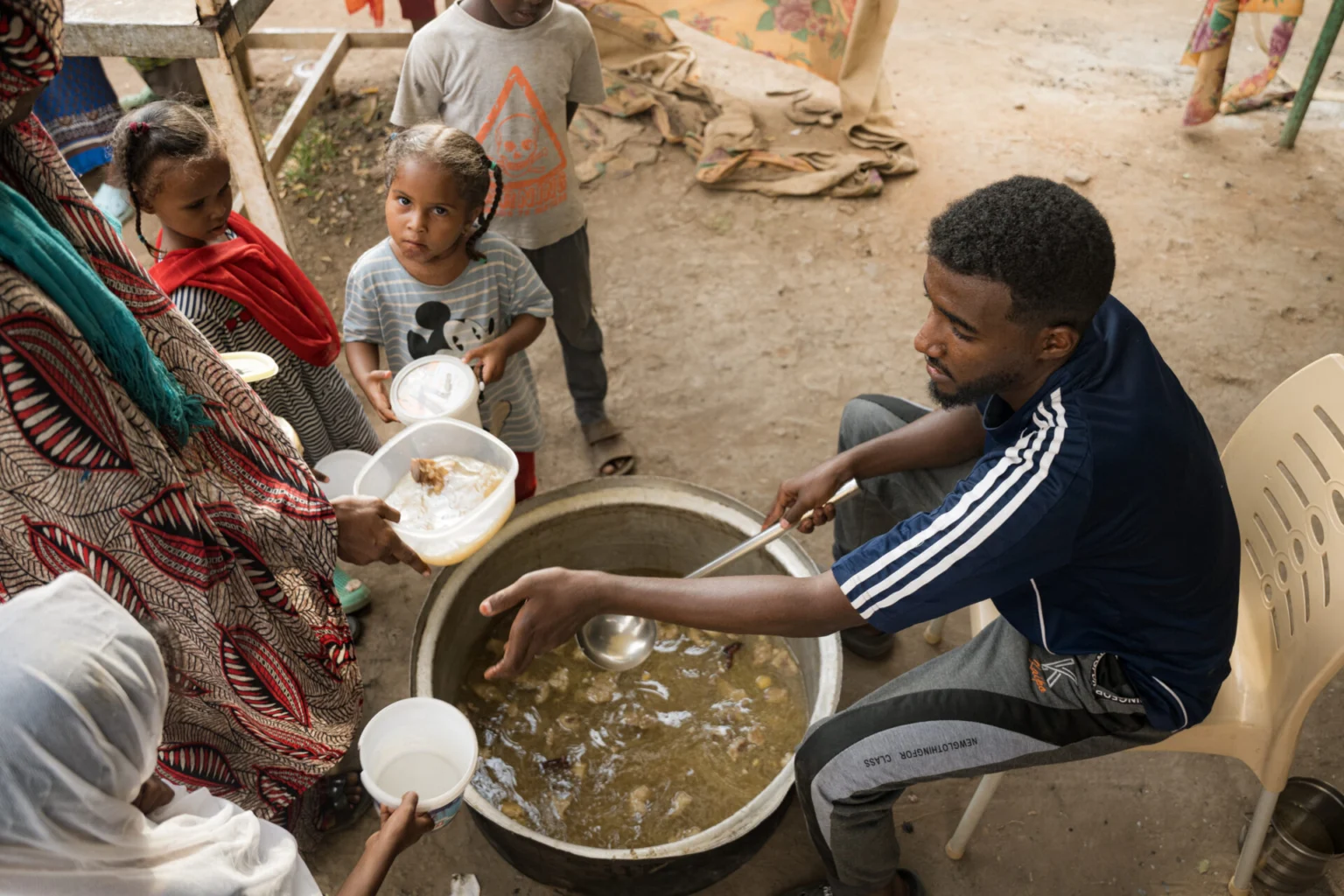
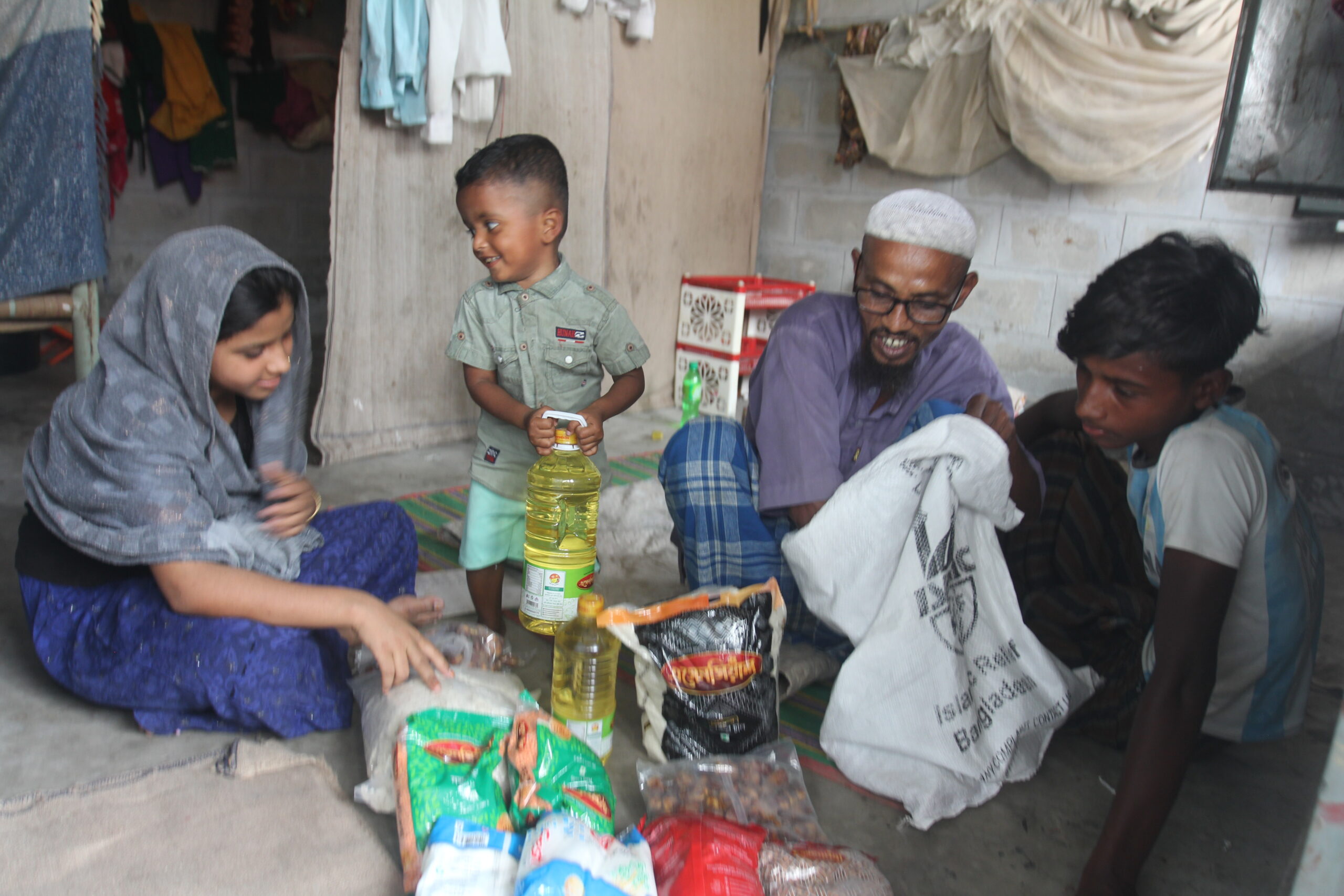
Islamic Relief providing aid to needy families in Sudan

However, aid agencies and local authorities are struggling to cope with the scale of the crisis. The humanitarian response is desperately short of funds.

Parties to the conflict continue to obstruct access to some of the worst-affected areas through a combination of bureaucratic delays and ongoing violence. Sudan has become one of the most dangerous places in the world to deliver aid.

At least 37 aid workers have been killed since the war erupted. Dozens more aid workers have been assaulted and over 120 humanitarian offices. Warehouses have been looted by armed groups, including Islamic Relief offices. 

In Gedaref, humanitarian agencies have relatively good access but the lack of funding is hampering the response. The local authorities have set up eight reception centres to triage displaced people to other purpose-built sites, but most of these are still being developed and are not yet ready to house people. The reception centres are being overwhelmed and are at breaking point. 

Despite the enormous suffering, the crisis in Sudan is largely neglected by the world.

Islamic Relief is calling on international governments to urgently intensify diplomatic efforts for an immediate ceasefire, step up pressure on the warring parties to protect civilians and facilitate humanitarian access, and increase humanitarian funding. 

Four months since the Paris Conference in April, very little of the $2.2 billion that international donors pledged to the humanitarian response in Sudan has materialised and promises have not been fulfilled.

In particular, Islamic Relief is urging donors to prioritise funding for actions to prevent famine, such as providing cash so that people can purchase food from local markets and supporting small-scale farmers with seeds and tools for agriculture.

International governments should also increase support to Sudanese local community-based responders. Local Emergency Response Rooms and community kitchens have been at the forefront of the humanitarian response since the start of the war, but many have had to shut down due to lack of funds and attacks. 

Give relief to the people of Sudan

Help us provide urgent relief to our brothers and sisters suffering in Sudan due to the ongoing and devastating conflict. Be their lifeline today.

08.16.24

Humanitarian workers must be protected as deadly attacks rise to record level

  Press Releases

Fatal attacks on aid workers have risen to an all-time high and are being carried out with impunity, Islamic Relief is warning ahead of World Humanitarian Day (19 August).

At least 456 aid workers have been killed in 33 countries since the beginning of 2023, with last year the deadliest on record and this year continuing at the same rate. Another 472 aid workers have been wounded or kidnapped in the same period.

New data published this week shows that fatal attacks on humanitarian workers have increased by 400% over the last 20 years – with 280 killed in 2023 compared to 56 killed in 2004. So far, in 2024, at least 176 have already been killed. The 2023 total is almost double any previous year in the last two decades.

Israeli attacks on Gaza account for more than half of the fatalities, with at least 286 aid workers – almost all Palestinian – killed in Gaza since 7 October 2023. Israel’s relentless bombing has turned Gaza into the world’s deadliest place to deliver aid, with hospitals, ambulances, schools, shelters, aid convoys, offices, and other civilian infrastructure targeted and destroyed. 

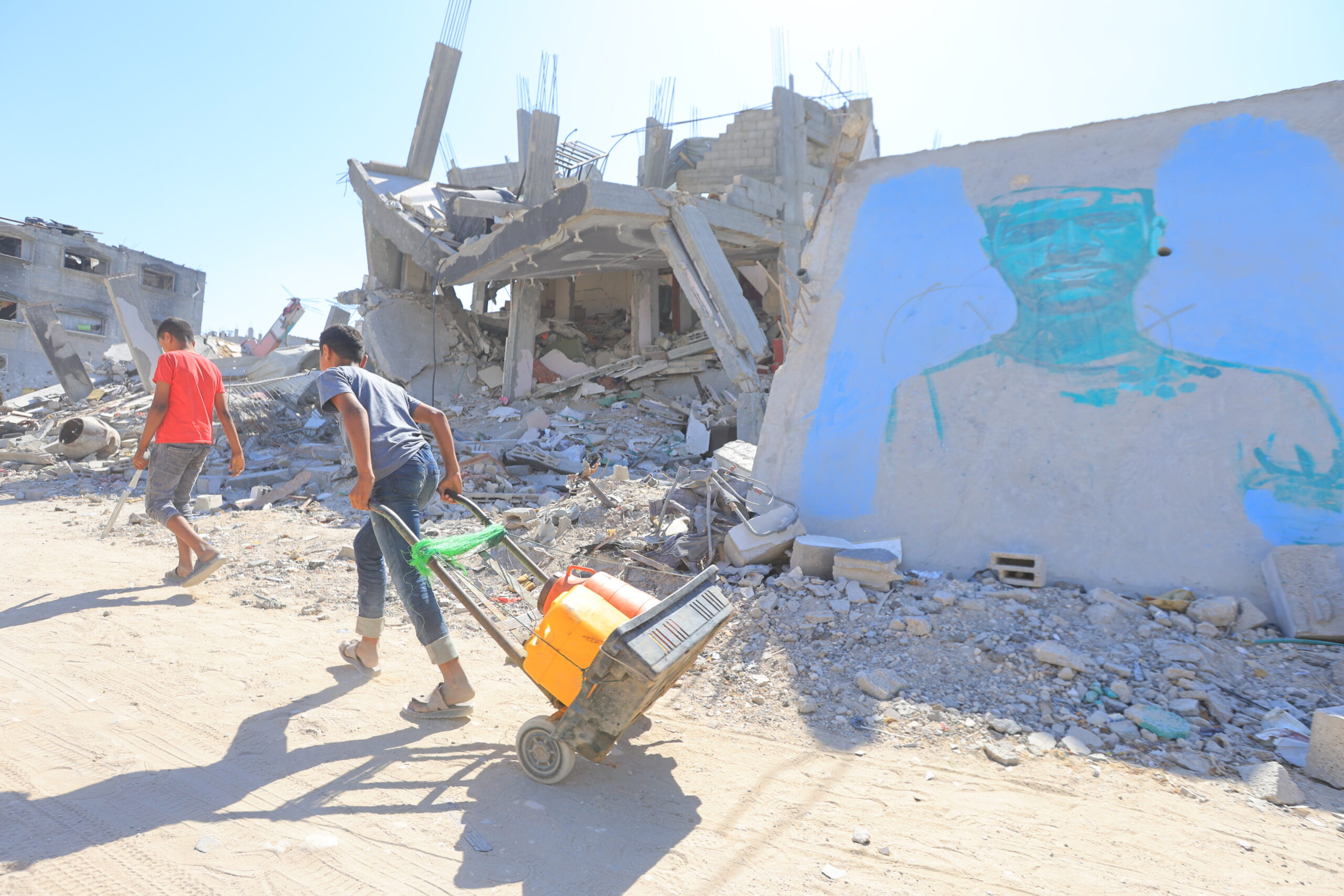
carrying water, humanitarian aid, through the ruins streets of Gaza

Humanitarian workers are coming under frequent attack in other countries too, with Sudan and South Sudan the next deadliest places to deliver aid. At least 37 aid workers have been killed in Sudan since war broke out there in April 2023, while dozens of staff have been assaulted and over 120 humanitarian offices and warehouses have been looted by armed groups.

With record numbers of people around the world in need of humanitarian aid, these increasing attacks on aid workers are having a chilling effect on the world’s most vulnerable people.

Attacks against humanitarian workers – and their premises and assets – violate international law. Yet we are seeing increasing disregard for these laws, and a failure to hold attackers accountable.

Islamic Relief is calling for UN member states to step up efforts to protect humanitarian workers, assets, and premises – as called for in UN Security Council Resolution 2730 which was adopted in May this year. They should also hold perpetrators to account for violations.

More must be done to protect local aid workers. Attacks on international aid workers — such as the killing of World Central Kitchen staff in Gaza in April — sometimes attract headlines and global condemnation. However, most of the aid workers killed and attacked are national staff, who get just a fraction of the attention.

An Islamic Relief aid worker in Gaza, whose name is withheld for his safety, says:

At any moment, we could become the next casualties. We go to work every day, leaving our children and our families, risking our lives to help vulnerable people survive. We try our best to help, although the ecosystem around us is barely functioning. But every day could be the last.
An Islamic Relief aid worker in Gaza.

Notes

World Humanitarian Day was set up by the UN General Assembly in 2009 to recognise humanitarian workers killed around the world. It is marked every year on 19 August, the day on which 23 people were killed in the bombing of the UN headquarters in Baghdad in 2003.

Data for attacks on aid workers comes from the Aid Worker Security Database managed by Humanitarian Outcomes: https://www.aidworkersecurity.org/

07.05.24

Sudan: New spread of fighting to southeast increases famine risk

  News     Press Releases

Mass displacement and fear have taken hold in eastern Sudan. The RSF is advancing towards Gedaref, with active fighting now ongoing in the key city of Sennar.

Tens of thousands of people are fleeing new fighting in southeast Sudan, as the war spreads further across the country. Civilians are running out of anywhere safe to go.

An Escalating Conflict Amid Impending Famine

The new clashes in Sennar State – one of Sudan’s biggest agricultural regions – are increasing the risk of famine across the country. The conflict also puts a major humanitarian aid hub at risk.

More than 60,000 people have fled Sinja town this week as the Rapid Support Forces (RSF) captured the area. Heavy fighting is now ongoing in the nearby key city of Sennar.

Islamic Relief staff and other aid workers were among the thousands who have had to leave the city in recent days due to extreme insecurity. Up to 130,000 people are expected to flee Sennar State in the next few days.

Increasing Number of Internally Displaced within Sudan

Islamic Relief staff report thousands of families are now fleeing on foot across the Blue Nile River to try and escape the violence.

Large numbers of people now arrive in the already overcrowded eastern Sudan cities of Gedaref and Kassala. Many more are likely to arrive in the coming days and weeks.

Islamic Relief’s team in Gedaref is preparing to provide aid to new arrivals in the city.

There are growing fears that the fighting is now set to spread further east towards Gedaref – a key hub for humanitarian staff and supplies.

This would be a pivotal moment in the conflict. It would massively disrupt the humanitarian response at a time when aid is needed more than ever.

Islamic Relief staff in Gedaref report huge queues of cars at fuel stations as people stockpile in case they need to quickly abandon the city.

An Ongoing Cycle of Displacement

Sennar State was previously considered one of the safest parts of the country. Over the past year, hundreds of thousands of civilians had fled here to escape fighting in other regions such as Khartoum and Al Jazira. Now, many of these people are having to flee yet again.

Mohammad Sorwar, head of programs for Islamic Relief in Sudan, says: 

“People are fleeing Sennar in a desperate state of terror. They’ve fled in a hurry with virtually nothing, and many families have no shelter and are sleeping under the open in the heavy rain. People are walking for days but there are no paved roads between Sennar and Gedaref and the roads have become muddy and difficult to use.

“The war is spreading across the country like a cancer. Many of the people fleeing have been displaced two, three, four or even more times before this, but the war keeps spreading. There are very few safe places left for people to run to. If the fighting reaches Gedaref it will have a devastating impact on aid delivery.”   

Crisis in Sudan Continues to Grow

Sudan is suffering the world’s biggest hunger crisis. More than 25 million people – over half the country’s population – face severe hunger and food shortages.

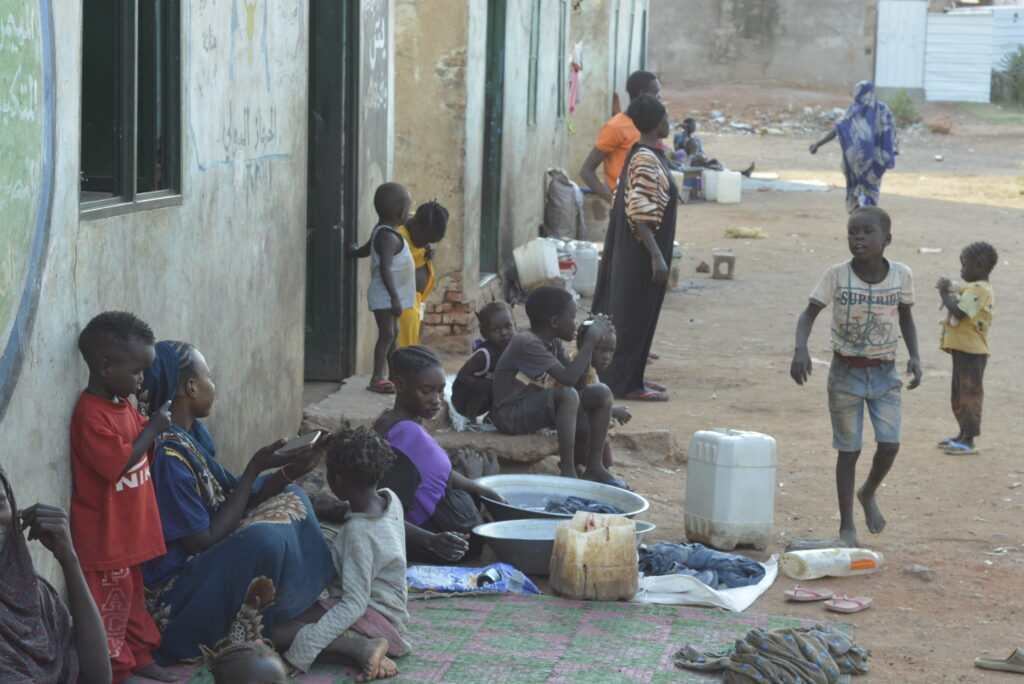
Family in need in Sudan, where fighting is escalating

Mass starvation is imminent in the next three months. The war has forced farmers from their land, destroyed markets and obstructed humanitarian aid.

More than 10 million people are now displaced from their homes and in need of support within Sudan.

Islamic Relief calls on the international community to step up diplomatic efforts to get parties to the conflict to agree and adhere to a ceasefire and to urgently increase funding for the humanitarian response.

We call for parties to the conflict to recommit to peace negotiations. To ensure the protection of civilians and end the frequent impediments and obstruction of humanitarian aid. 

Islamic Relief has worked in Sudan for 40 years, since 1984. In response to the current crisis, our teams have provided aid to more than 830,000 people including food, nutrition, livelihood support, cash, water, sanitation, and healthcare.

Give relief to the people of Sudan

Help us provide urgent relief to our brothers and sisters suffering in Sudan due to the ongoing and devastating conflict. Be their lifeline today.

06.27.24

Sudan: New Report Warns Millions Have Moved Closer to Famine

  News     Press Releases

The international community must urgently prioritise the crisis in Sudan and step up efforts to prevent famine there, Islamic Relief says. A new IPC* report published today shows record levels of hunger and imminent mass starvation in the next 3 months.

More than 25 million people – over half the country’s population – are now facing severe hunger and food shortages.  

Witnessing Severe Hunger on the Ground

Islamic Relief staff in Darfur, where the charity supports nutrition centres, are already seeing children wasting away from severe malnutrition. A crisis spurned by more than a year of conflict, forcing farmers from their land, destroying markets and obstructing humanitarian aid. In recent weeks, heavy fighting and siege in El Fasher, the capital of North Darfur, has pushed the region even closer to famine.  

Elsadig Elnour, Islamic Relief Country Director in Sudan, says: “Aid agencies have been warning for months that Sudan faces imminent famine, but it feels like nobody is listening.

Huge loss of life can still be prevented if the international community takes notice and acts to support a ceasefire and get more aid to starving families. But the longer the world waits, the closer we get to the point of no return where the impacts of hunger will become irreversible for millions of people. Young children pay the price of malnutrition for the rest of their lives, as it severely impedes their physical and mental development.

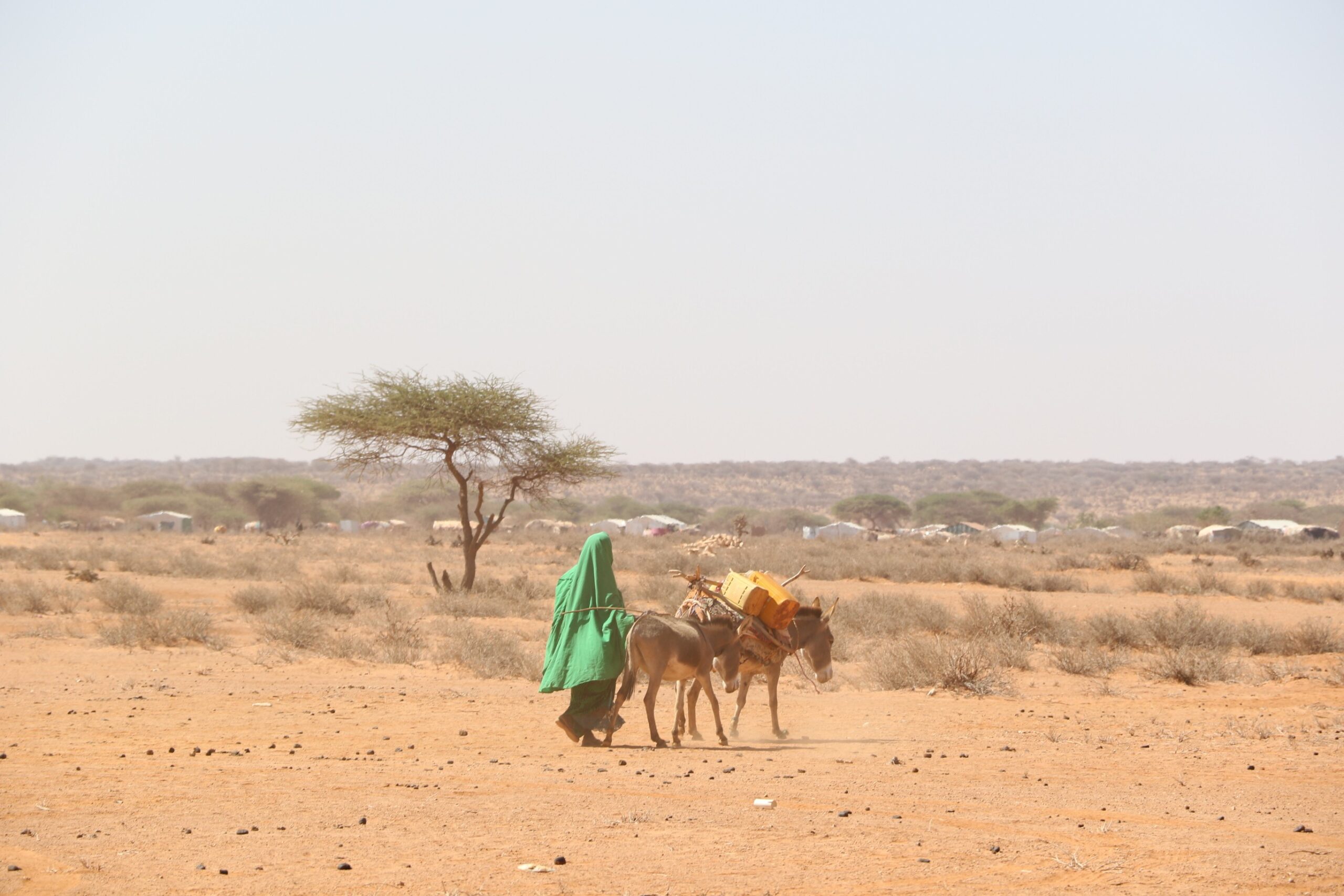
In some parts of Darfur, Islamic Relief teams are now using camels to carry nutrition supplies to health and nutrition centres. Trucks risk being attacked and looted.   

The Worst Levels of Food Insecurity Ever Recorded in Sudan’s History

The new IPC report finds Sudan facing its worst levels of food insecurity ever recorded. The IPC’s 5-phase scale shows around 25 million people, over half the country’s population, face ‘crisis’ (phase 3) or ‘emergency’ (phase 4) levels of hunger. Furthermore, 755,000 people face ‘catastrophic’ levels of starvation (phase 5).  

Communities in Sudan faces looming famine as severe hunger rises due to the ongoing conflict

The risk of famine is most imminent in Darfur. However, 14 areas across the country are at extreme risk – especially Khartoum, Kordofan, Al Jazirah and Blue Nile.

Elsadig Elnour continues: Many of these worst affected areas are traditionally breadbasket regions that produce a lot of food. But over a year of war has severely limited food production and forced millions of people to flee their land and homes.

Many farmers tell us it’s too dangerous for them to plant or harvest due to the presence of armed groups, while traders and food trucks get looted and obstructed on the roads, and aid convoys are obstructed and denied permits.

At least 8 million more people have fallen into hunger over the past 6 months. Worse still, the number of people at Phase 5 – the most extreme – has surged from zero to 755,000 in just a few months.

Sudan has become the world’s internal displacement crisis. More than 10 million people – almost a quarter of the population – are now uprooted from their homes. Many are now entirely dependent on humanitarian aid or the kindness of local communities.  

A Call to Action

Islamic Relief calls on the international community to step up diplomatic efforts to get parties to the conflict to agree. To adhere to a ceasefire. To urgently increase funding for the humanitarian response. Halfway through the year, the UN-led 2024 humanitarian response plan for Sudan has received just 17% of the funding it needs.      

The organisation is also calling for parties to the conflict to recommit to peace negotiations. To ensure the protection of civilians and end the frequent impediments and obstruction of humanitarian aid.  

Islamic Relief has worked in Sudan for 40 years, since 1984. In response to the current crisis, the organisation has provided aid to more than 830,000 people. This includes food, nutrition, livelihood support, cash, water, sanitation, and healthcare.

Give relief to the people of Sudan

Help us provide urgent relief to our brothers and sisters suffering in Sudan due to the ongoing and devastating conflict. Be their lifeline today.

06.21.24

Islamic Relief responds as floods devastate northeast Bangladesh

  News     Press Releases

Islamic Relief is stepping up emergency aid in Bangladesh. Severe flooding has submerged entire communities in the northeast, leaving many families homeless and destitute. Islamic Relief staff report children and elderly people are now stranded in the open air under pouring rain. 

Three days of extremely heavy rain and flash floods have affected around 1.6 million people in the districts of Sylhet, Sunamganj and Moulvibazar. It comes when the country is only just recovering from Cyclone Remal. A disaster that destroyed thousands of homes across Bangladesh in late May.  

Almost 75% of Sylhet district is now flooded. More than half of the crops and paddy fields in the region submerged under water. Damage that is likely to have lasting impacts on people’s food security.  

the flooded streets of Bangladesh

Islamic Relief is on the Ground in Bangladesh

Islamic Relief has long-term programmes in Sylhet and Sunamganj. We are now preparing to distribute dry food, hygiene kits to reduce the spread of water-borne diseases, and cash grants so that people can pay for essentials such as food, shelter and water. The distributions will reach an initial 5000 displaced people. It will also expand to reach more families over the coming days and weeks.

Enamul Haque, Islamic Relief Programme Manager in Bangladesh says:  

Many families, including young children and elderly people, are now sleeping out in the open by the side of roads, with only plastic sheets to protect them from the heavy rain. Their homes have been washed away and they urgently need food, shelter and other aid.

“One of Islamic Relief’s own offices is now under 2 feet of water, but our staff managed to get all our supplies out in time. Roads are also submerged and communications networks are down, which makes it harder to respond and assess the full scale of the destruction.” 

The flooding is expected to continue for the next couple of weeks, with flood water coming from upstream in India.  

So far around 30,000 people have moved to shelter centres across Sylhet and Sunamganj, with this number expected to increase. In total around 825,000 people are reported to be affected in Sylhet, 650,000 in Sunamganj and 193,000 people in Moulvibazar.   

06.20.24

World Refugee Day: Horn of Africa Mothers Struggle Amid Crisis

  News

In the Horn of Africa, the confluence of natural disasters and conflict has forced millions from their homes. As Islamic Relief marks World Refugee Day, we turn our attention to the enduring spirit of those who have been displaced.

These are the stories of Amina and Sacdiya, 2 mothers whose lives have been upended by relentless droughts and violent unrest. Despite these challenges, they continue to strive for a better future for their children.  

The crisis unfolds  

The Horn of Africa is experiencing its worst humanitarian crisis in decades. 3 years of drought decimated crops and livestock, only for unexpected floods to wash away the little that remained.

livelihoods are deteriorating in the Horn of Africa, leaving millions displaced or as refugees

According to the World Health Organization, over 50 million people in the region are facing acute food insecurity. Among them, the most vulnerable are children under 5, with mothers like Amina and Sacdiya doing everything possible to keep their families nourished and safe.  

Amina: Fleeing from flames  

Amina lived a peaceful life in the once-flourishing village of Kaaro in Somalia. Her days were filled with tending to her small farm where she grew vegetables and raised chickens. However, the onset of severe drought turned her fertile land into a barren desert. Without rain, her crops failed, and her chickens perished. The situation grew worse still when conflict erupted in her region, forcing her to flee with her family.  

“We had to run from our home because the fighting was so close,” Amina recalls. “I could hear gunshots and see smoke rising from nearby villages. It was terrifying.” She gathered her 3 children and embarked on a harrowing journey to find safety, leaving behind everything they owned.  

Now living in a camp for internally displaced persons (IDPs), Amina reflects on the life she had to abandon. “We were self-sufficient. We had enough to eat, and my children were happy. Now, we rely on aid for our survival.”   

Despite the hardships, Amina remains determined to provide for her children. With support from organisations like Islamic Relief, she receives cash that enables her to buy essential food items. “I can at least get rice and beans for my children. It’s not much, but it’s something”.  

Sacdiya: Surviving the floods  

In Ethiopia’s Afar region, Sacdiya and her family faced a different but equally devastating struggle. For years, they endured relentless drought that dried up their wells and left their livestock parched. When the rains finally came, they brought not relief but destruction. Flash floods ravaged her village, sweeping away homes, livestock, and livelihoods.  

Sacdiya vividly remembers the day the floods hit. “We heard a loud roar, and before we knew it, water was everywhere,” she says. “I grabbed my 4 children and ran towards higher ground. We lost everything in the flood, including our home and our animals.”  

Displaced and destitute, Sacdiya’s family sought refuge at an IDP camp. Life in the camp is a daily struggle, but Sacdiya’s spirit remains unbroken. She has used cash provided by Islamic Relief to purchase food and basic necessities. “This help is a lifeline for us,” she explains. “It gives me the ability to choose what my family needs most. My children can eat, and I have hope for their future.”  

Refugees and the Power of Resilience  

Amina and Sacdiya’s stories are emblematic of the millions of families that have been uprooted by climate change and conflict in the Horn of Africa. Their resilience is a testament to the human spirit’s ability to endure and adapt in the face of overwhelming adversity. Through the support of Islamic Relief, they are finding ways to survive and rebuild their lives.   

For Amina, the hope is to one day return to her village and revive her farm. “I dream of the day I can go back home and see my children running through the fields again,” she says. For Sacdiya, the goal is to secure a stable future for her children. “I want them to go to school and have opportunities I never had,” she shares. “I want them to have a life where they don’t have to worry about their next meal.”  

Refugees Around the World Need Our Support

On this World Refugee Day, we honour the resilience of refugees and displaced persons like Amina and Sacdiya Their stories remind us of the urgent need for continued humanitarian support and long-term solutions to address the root causes of displacement. As we reflect on their struggles and hopes, let us reaffirm our commitment to standing in solidarity with all those who have been forced to leave their homes in search of safety and a better life.  

Join us in standing in solidarity with families forced to flee and donate to Islamic Relief to support our work to enable refugees to live dignified lives.  

Help us prevent famine and mass deaths

In the Horn of Africa, natural disasters and ongoing conflict have ruined livelihoods and caused millions to die from hunger. Your donation will help us provide food and water to those who need it most.

04.12.24

Sudan at risk of collapse with famine looming

  News

After one year of escalating conflict, Sudan has descended into one of the world’s worst humanitarian crises. It is on the verge of mass famine. Its food supply is decimated and young children are now starving to death in its cities, villages, and displacement camps.

Sudan is at imminent risk of collapsing. Yet, the world has largely forgotten or ignored the crisis.

A country in desperate need of aid

During the ministerial conference on Sudan held in Paris on 15 April – co-hosted by the EU, France and Germany – Islamic Relief called on world leaders to take action. To step up efforts to secure an immediate ceasefire, pressure parties to the conflict to protect civilians, ensure humanitarian access and increase aid to prevent a catastrophic famine. As, a quarter of the way through the year, the 2024 humanitarian response plan for Sudan is only 5% funded.

Over the past year, the war has spread across the country, creating what is now the world’s largest displacement crisis. 8.4 million people – 2 million of them children under 5 years old – have been forced to flee their homes.

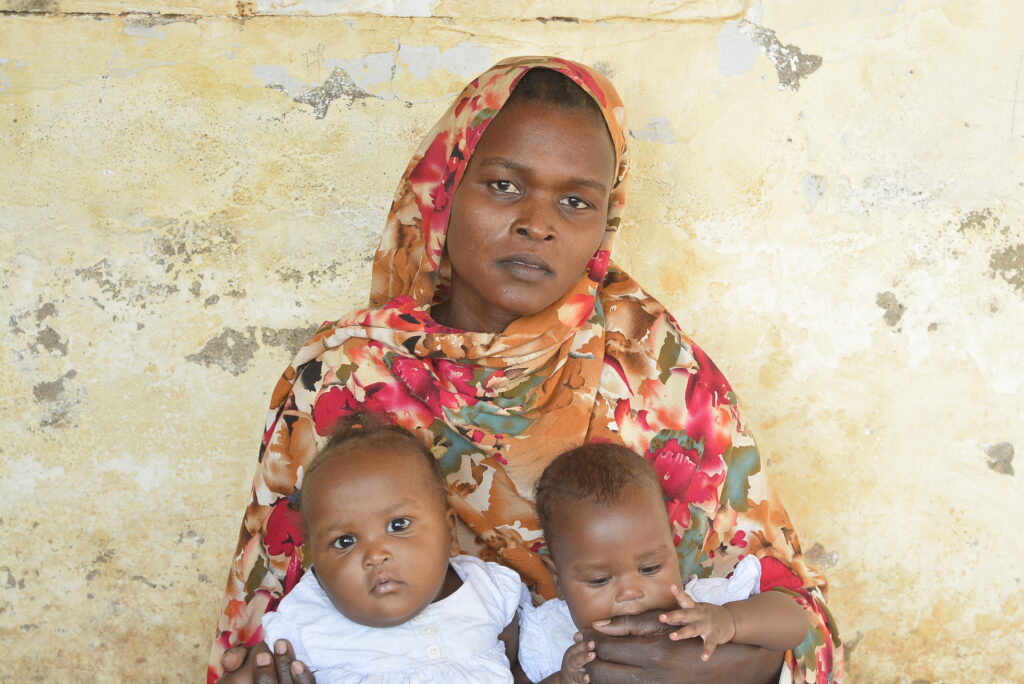
Gesma (23), a mother of four, displaced by the ongoing conflict in Sudan.
Image: Gesma (23), a mother of four, displaced by the ongoing conflict in Sudan.

Children are now dying of hunger. Islamic Relief staff on the ground report a rapid increase in the number of malnourished children in the health and nutrition centres it supports. This includes some children so emaciated they can barely breathe. Many families also only eat a few mouthfuls of sorghum a day.

In recent months the fighting has spread to many of Sudan’s main agricultural regions, devastating food production. Many farmers find it too dangerous to access their fields to plant or harvest crops. When they do harvest them, trucks carrying food to markets are regularly looted.

Around 30,000 more people a day are falling into crisis levels of food insecurity. Overall, 17.7 million people (almost 40% of the population) now face hunger. Among them, 5 million are just a step away from famine. In parts of Khartoum and Darfur, famine conditions will likely awithin weeks.

The economy is collapsing at a staggering rate. Poverty is rising and food prices are almost doubling – leaving most families unable to afford even basic staple food.

Increasing Violence in Sudan

Islamic Relief teams in Sudan report an increase in extreme violence and threats to civilians over the past year. Villages burned to the ground. Women attacked. Children recruited into armed groups. Hospitals and markets bombed and looted. Key infrastructure and services destroyed.

Elsadig Elnour, Islamic Relief’s Country Director in Sudan, says: “Over the past year I’ve seen my country descend into violence, madness and destruction, neglected by the rest of the world.

“Everyone has lost everything. Everyone is traumatised. That’s how it feels to be Sudanese at this moment. We have lost loved ones, property, jobs, and the futures that we planned. Even the rich have become poor. Unless there’s a ceasefire and peace very soon, the country may collapse.

Over the past year, Islamic Relief has had to move its main office in Sudan several times due to the increasing spread of violence. Sudan is now one of the most dangerous and difficult places to deliver humanitarian aid, with dozens of aid workers killed, offices regularly looted and regular bureaucratic obstruction.

Islamic Relief on the Ground in Sudan

Despite the challenges, Islamic Relief has delivered vital aid to more than 600,000 people all over the country, including distributing food and cash, supporting health facilities and providing hygiene and dignity kits. 

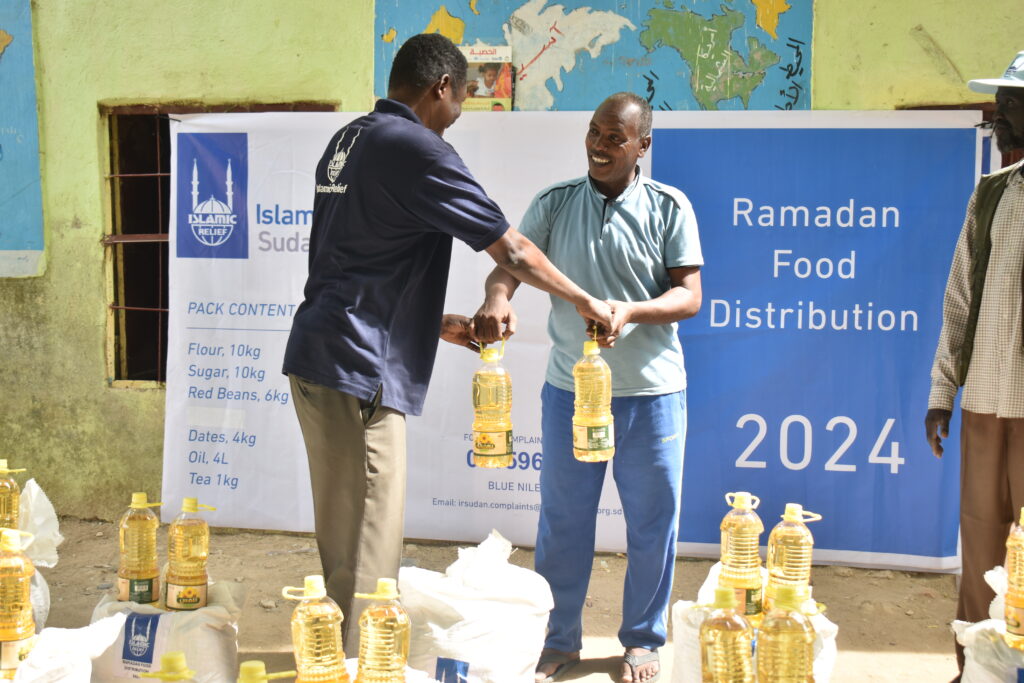
Islamic Relief, combating famine and collapse in Sudan by providing ongoing support.
Image: Islamic Relief, combating famine and collapse in Sudan by providing ongoing support.

With the crisis neglected internationally, Islamic Relief’s new report highlights how Sudanese communities are playing a leading role in the response – with community kitchens providing food and impoverished families taking displaced families into their own homes and sharing what little they have. It calls on international donors at the Paris conference and beyond to increase funding and technical assistance for grassroots community networks, particularly women-led groups and civic committees.

Islamic Relief’s report calls on warring parties to commit to an immediate and unconditional ceasefire, kickstart dialogue for a sustainable resolution to the conflict, and adhere to commitments they have made to protect civilians and facilitate safe and unimpeded humanitarian access to all people in need.

It calls on the international community to step up aid, especially to improve food security and support livelihoods, and to play a greater diplomatic role and reinvigorate efforts to reach a ceasefire and unimpeded humanitarian access.

Give relief to the people of Sudan

Help us provide urgent relief to our brothers and sisters suffering in Sudan due to the ongoing and devastating conflict. Be their lifeline today.


STAY INFORMED

  • This field is for validation purposes and should be left unchanged.

Quick Donate