03.25.25

Dua for Fasting

  Publications

During the month of Ramadan, Muslims fast from the hours between sunrise to sunset, refraining from eating, drinking and looking to better ourselves in this blessed month for the sake of Allah (SWT). There are various du’as for fasting which we recite during this month.

Prophet Muhammad (peace be upon him) said:

There are three whose du’as are not rejected: a just ruler, the fasting person when he breaks his fast and the prayer of the oppressed person.

Hadith | Tirmidhi

While fasting and breaking our fast, it’s important to remember our reasons for doing it, and increase our remembrance of Allah.

Below are some du’as for fasting.

Du’a for breaking fast

As mentioned, the du’a of the fasting person at the time of breaking their fast is not rejected. It’s important to take this opportunity during Iftar time to put aside a few minutes to praise Allah and make sincere du’a. 

When breaking your fast, you can recite the following du’a:

Dhahabadh-dhama’, wabtillatil ‘urooq, wa thabatal ajru inshaa’Allah.

ذَهَبَ الظَّمَأُ ، وَابْتَلَّتِ الْعُرُوقُ ، وَثَبَتَ الأَجْرُ إِنْ شَاءَ اللهُ

The thirst is gone, the veins are moistened, and the reward is certain if Allah wills.

Du’a when someone angers you while fasting

The following du’a should be recited when someone angers you while fasting: 

 Innee saa’im, innee saa’im

إِنِّي صَائِمٌ، إِنِّي صَائِمٌ

I’m fasting, I’m fasting.

Dua for protection from hellfire

It’s important to seek protection from hellfire, especially during the blessed month of Ramadan. Recite the following:

Allaahumma innee as-aluka Ridaaka wal Jannah wa a’audhu’bika min sakhatika wan-naar

اللَّهُمَّ إِنِّي أَسْأَلُكَ رِضَاكَ وَالجَنَّةَ ، وَأَعُوذُ بِكَ مِنْ سَخَطِكَ وَالنَّارِ 

O Allah, I ask of Your pleasure and for Paradise, and I seek refuge from Your displeasure and from the Hellfire.

Du’a for forgiveness

We should actively repent for our sins whilst fasting. Recite the following:

Allazeena yaqooloona Rabbanaaa innanaaa aamannaa faghfir lanaazunoobanaa wa qinaa ‘azaaban Naar.

ٱلَّذِينَ يَقُولُونَ رَبَّنَآ إِنَّنَآ ءَامَنَّافَٱغْفِرْ لَنَا ذُنُوبَنَا وَقِنَا عَذَابَ ٱلنَّارِ

Our Lord! surely we believe, therefore forgive us our faults and save us from the chastisement of the fire.

Qur’an | Surah Al-Imran | 3:16

May Allah accept our fasts and efforts during this holy month, Ameen! Explore our du’a hub and find out more about essential du’as here.

03.24.25

Powerful Du’as for Forgiveness

  Publications

As Muslims, we all commit sins and may sometimes stray from the right path, but it’s important to recognise when we have sinned and make sincere efforts to ask Allah (SWT) to forgive us. There are a few powerful du’as for forgiveness that we can recite.

Being able to recognise when we have sinned is a blessing from Allah and serves as guidance to repent.

Istighfar is the act of seeking forgiveness in Allah. In a Hadith, Abu Hurairah (RA), a companion of the Prophet (peace be upon him) reported: 

I heard the Messenger of Allah (ﷺ) saying: “By Allah, I seek Allah’s forgiveness and repent to Him more than seventy times a day.”

Hadith | Sahih Al-Bukhari

It has been narrated that the Prophet (ﷺ) sought forgiveness a hundred times daily, showing us the significance of this act.

Here are some du’as to recite when asking Allah for forgiveness.

Du’as for forgiveness

There are many supplications you can recite for forgiveness, here are just a few:

Recite Astaghfirullah more than 100 times

Seeking forgiveness is usually done by saying “Astaghfirullah” or the longer version “Astaghfirullāha rabbī wa-atūbu ilayhi)”. 

As a beloved Sunnah, the Prophet (ﷺ) would say ‘Astaghfirullah’ more than 100 times daily, and this simple but powerful du’a is one of the best du’as for forgiveness. 

I heard the Messenger of Allah (ﷺ) saying: “By Allah, I seek Allah’s forgiveness and repent to Him more than seventy times a day.”

Hadith | Sahih Al-Bukhari

Recite the following:

Astaghfirullāh

أَسْتَغْفِرُ ٱللَّٰه

I seek forgiveness in God

Or the longer version:

Astaghfirullāha rabbī wa-atūbu ilayhi

أَسْتَغْفِرُ ٱللَّٰهَ رَبِّي وَأَتُوبُ إِلَيْهِ

I seek the forgiveness of God, my Lord, and turn to Him (in repentance).

Recite this verse from Surah Al-A’raf

You can recite the following verse from the Qur’an for forgiveness and mercy:

Rabbana zalamna anfusana wa-in lam taghfir lana wa-tarhamna la-nakunanna minal-khasirin

رَبَّنَا ظَلَمْنَا أَنفُسَنَا وَإنْ لَمْ تَغْفِرْلَنَا وَتَرْحَمْنَا لَنَكُونَنَّ مِنَ الخَاسِرِينَ

 Our Lord! We have wronged ourselves. If You do not forgive us and have mercy on us, we will certainly be lost.

Qur’an | Surah Al-A’raf | 7:23

Du’a for forgiveness and protection from hellfire

Allazeena yaqooloona Rabbanaaa innanaaa aamannaa faghfir lanaazunoobanaa wa qinaa ‘azaaban Naar.

ٱلَّذِينَ يَقُولُونَ رَبَّنَآ إِنَّنَآ ءَامَنَّافَٱغْفِرْ لَنَا ذُنُوبَنَا وَقِنَا عَذَابَ ٱلنَّا

 Our Lord! surely we believe, therefore forgive us our faults and save us from the chastisement of the fire.

Qur’an | Surah Al-Imran | 3:16

Du’a for seeking forgiveness for yourself and others

To seek forgiveness for yourself and others, recite:

Transliteration: Rabbana ghfirli wa liwalidayya wa lil mu’mineena yawma yaqumul hisab.

رَبَّنَا اغْفِرْ لِي وَلِوَالِدَيَّ وَلِلْمُؤْمِنِينَ يَوْمَ يَقُومُ الْحِسَابُ

Our Lord, forgive me, my parents, and the believers on the Day of Reckoning.

Du’a for seeking forgiveness for your parents

To seek forgiveness for your parents, recite the following:

Rabbir hamhumaa kamaa rabbayaanee sagheera

رَبِّ ارْحَمْهُمَا كَمَا رَبَّيَانِي صَغِيرًا

My Lord, have mercy upon them as they brought me up [when I was] small.

Qur’an | Surah Al-Isra | 17:24

Du’a for forgiveness of past and future sins, those committed privately and publicly, and those we may not be aware of

Allahumma-ghfir lii maa qaddamtu wa maa akh-khortu wa maa asrortu wa maa a’lantu wa maa anta a’lamu bihi minnii, anta Al-Muqaddimu wa anta Al-Muakh-khiru wa anta alaa kulli shai-in qadir.

اللَّهُمَّ اغْفِرْ لِي مَا قَدَّمْتُ وَمَا أَخَّرْتُ، وَمَا أَسْرَرْتُ وَمَا أَعْلَنْتُ وَمَا أَنْتَ أَعْلَمُ بِهِ مِنِّي، أَنْتَ المُقَدِّمُ وَأَنْتَ المُؤَخِّرُ وَأَنْتَ عَلَى كُلِّ شَيْءٍ قَدِير

O Allah! Forgive me for those sins which I committed in the past and that which I may commit in the future, the sins that I have committed in privacy or in public and all the sins of which You are better aware of it than I am of myself. You are The One who bring forward and reprieve as You wish and indeed You are over all things capable.

Sahih Muslim

Du’a for forgiveness, removal of misdeeds and to join the righteous when we die

Rabbana fa-ghfir lana zunuubana wa-kaffir anna sayyi-aatina wa-tafawwafaa maal-abrar

رَبَّنَا فَاغْفِرْ لَنَا ذُنُوبَنَا وَكَفِّرْ عَنَّا سَيِّئَاتِنَا وَتَوَفَّنَا مَعَ الأَبْرَارِ

Our Lord! Forgive our sins, remove from us our misdeeds, and grant that we join the righteous when we die.

Qur’an | Surah Al-Imran | 3:193

May Allah forgive us all for our shortcomings and make us among the righteous people, Ameen! Explore our du’a hub and find out more about essential du’as here.

03.24.25

Du’as for Before and After Eating

  Publications

Eating and drinking are essential to our lives and survival, but as Muslims, it’s important to remember that Allah (SWT) provided us with sustenance and the means for food and drink. It is recommended to recite du’as for before and after eating to show our appreciation and gratitude to Allah.

Anas ibn Malik narrates that the Prophet Muhammad (peace be upon him) said:

“Allah is pleased with a servant who eats a meal and praises Him for it, and drinks a drink and praises Him for it.”

Hadith | Muslim, Tirmidhi

Du’as for Before Eating

Umar ibn Abi Salama narrates, “I was a young boy in the care of the Messenger of Allah (ﷺ), and my hand would wander around the dish. The Messenger of Allah (ﷺ) said to me, ‘O boy, mention the name of Allah, eat with your right hand, and eat from what is in front of you.’ That became my eating habit thereafter.” [Hadith | Bukhari, Muslim]

The Prophet (ﷺ) said: “When any one of you eats food, let him say ‘Bismillah’”

Bismillah

  بِسْمِ اللَّهِ 

In the name of Allah

If you forget so say Bismillah before you eat, recite the following: 

Bismillah fi awwalihi wa akhirihi

بِسْمِ اللَّهِ فِي أَوَّلِهِ وَآخِرِه

In the Name of Allah at the beginning and at the end.

Du’as for After Eating

You should recite this du’a after finishing a meal or drinking: 

Alhamdulillahil-ladhi at’amana wa saqana, wa ja’alana minal muslimin

الْحَمْدُ لِلَّهِ الَّذِي أَطْعَمَنَا وَسَقَانَا وَجَعَلَنَا مِنَ الْمُسْلِمِينَ

Praise be to Allah who has provided us with food and drink and made us among those who submit to Him.

03.24.25

Etiquettes of making du’a

  Publications

In Islam, making du’a (supplication) is a deeply spiritual act and is considered a direct means of communication between an individual and Allah.

Scholars advise adhering to certain practices when making du’a. Here, we will explore some of the etiquettes to bear in mind when making du’a.

“Supplication is the essence of worship”

Hadith | Tirmidhī

Displaying sincerity, humility, and submission before Allah

Displaying sincerity, humility, and submission before Allah can help deepen the connection with Allah and increase the likelihood of a supplication being accepted and answered.

A good way to do this is by first purifying our intentions and ensuring the supplication is primarily for a purpose to assist in earning the pleasure of Allah. Having complete tawaakal in Allah (trust in Allah) shows a sincere belief that it is only through Allah’s guidance and mercy that the prayer will be answered.

Sincerely submitting entirely to His will; with trust and contentment that whatever outcome He decrees is the best outcome, even if it doesn’t align with the immediate desires of the prayer, is a mark of faith and humility. 

Engaging in heartfelt supplication with unwavering focus

Approaching du’a with sincerity, focus, and unwavering trust in Allah, helps in making heartfelt prayers that strengthen the relationship with Him, and brings one closer to His mercy and blessings.

To help focus and develop khushoo, or a still serenity, it’s recommended to find a peaceful and quiet place where you can concentrate without interruption. This may open pathways to acts of worship such as prayer, dhikr through Allah’s Beautiful Names (Asma ul-Husna), and reflection.  This may open pathways to acts of worship such as prayer (Salah), remembrance (Dhikr) through Allah’s Beautiful Names (Asma ul-Husna), recitation of Quran (Qira’a) and reflection (Fikr).

Be completely vulnerable before Allah, in this quiet space, and share your heartfelt prayers. Be completely vulnerable and present before Allah.

Facing towards the Qiblah 

Facing the Qiblah when making du’a is a recommended but not obligatory practice in Islam. Muslims can make du’a in any direction and at any time. However, facing the Qiblah is considered a praiseworthy practice for several reasons as it serves as the focal point of Muslim worship and can increase a sense of spiritual connection and awareness.

It is also Sunnah (tradition) of the Prophet Muhammad (ﷺ) to face the Qiblah when making supplication, and Muslims try to follow the Prophet’s exemplary conduct. 

 “Everything has a master, and the master of religious circles is to face the Qibla.”

Hadith I Muslim and Bukhari

Directing towards the Qiblah during du’a is believed to increase the likelihood of one’s supplication being accepted by Allah. It is a way of demonstrating humility, obedience, and devotion to Allah, which are qualities that are conducive to having one’s prayers answered.

Observing wudhu before making the dua

Performing wudhu (ablution) before making du’a is encouraged but not obligatory in Islam. The ritual of wudhu itself is also a rewardable act. Being in this state can help individuals to approach Allah with a pure heart and soul, allowing for a more intimate and sincere interaction during supplication.

By performing wudhu before making du’a, Muslims humble themselves before Allah and acknowledge His greatness and authority.

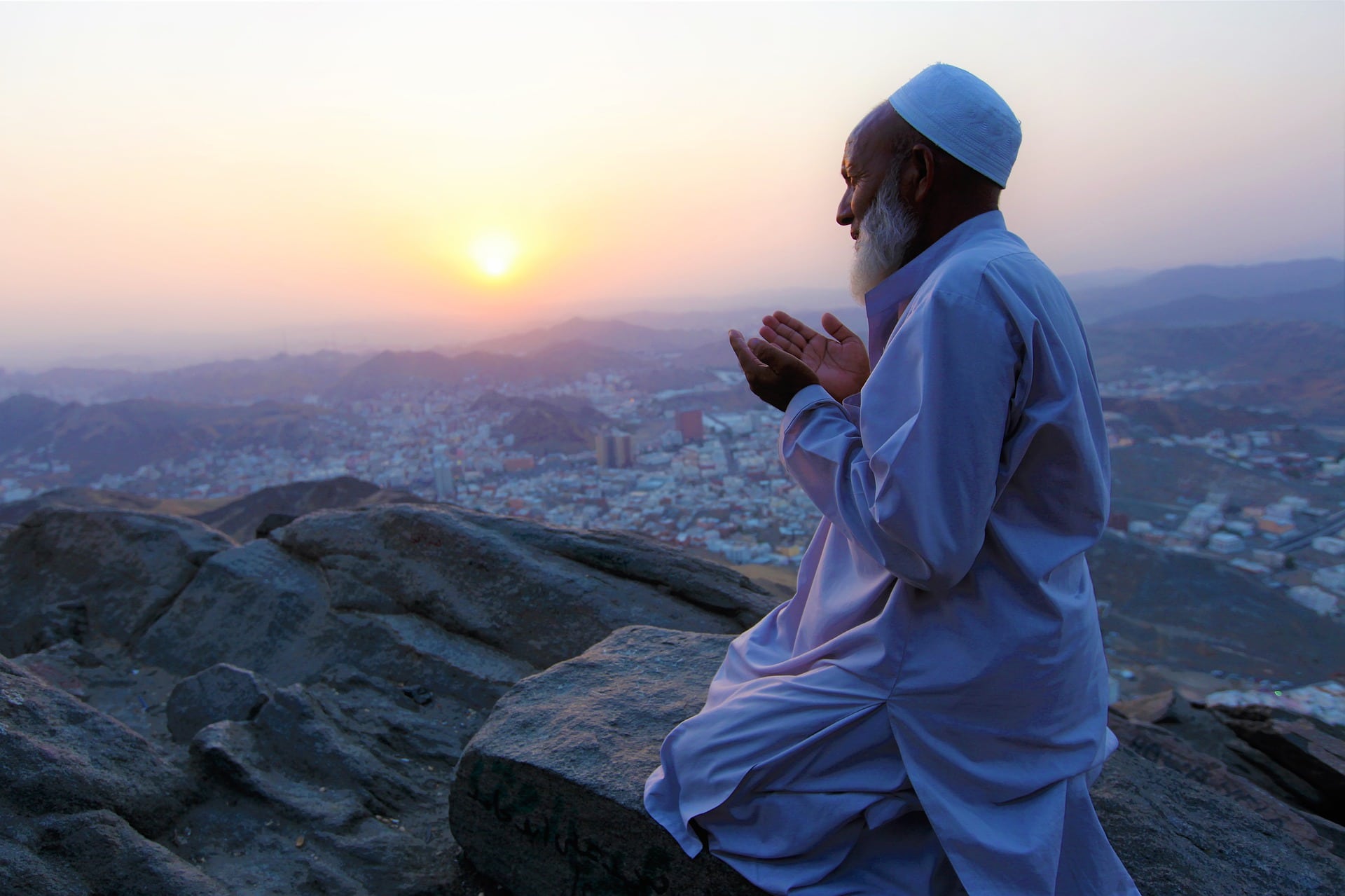
Extending one’s hands towards Allah as a gesture of supplication

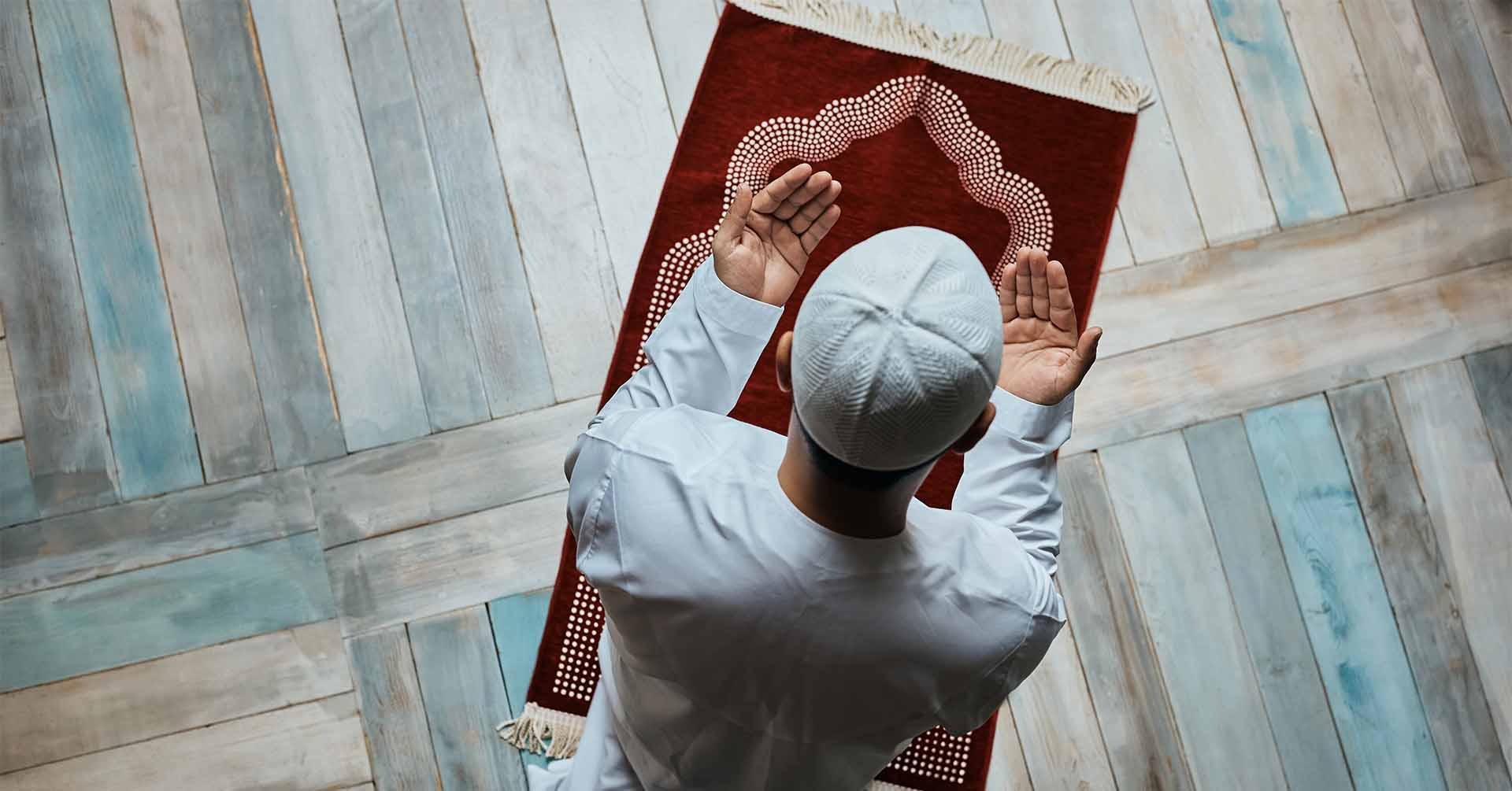
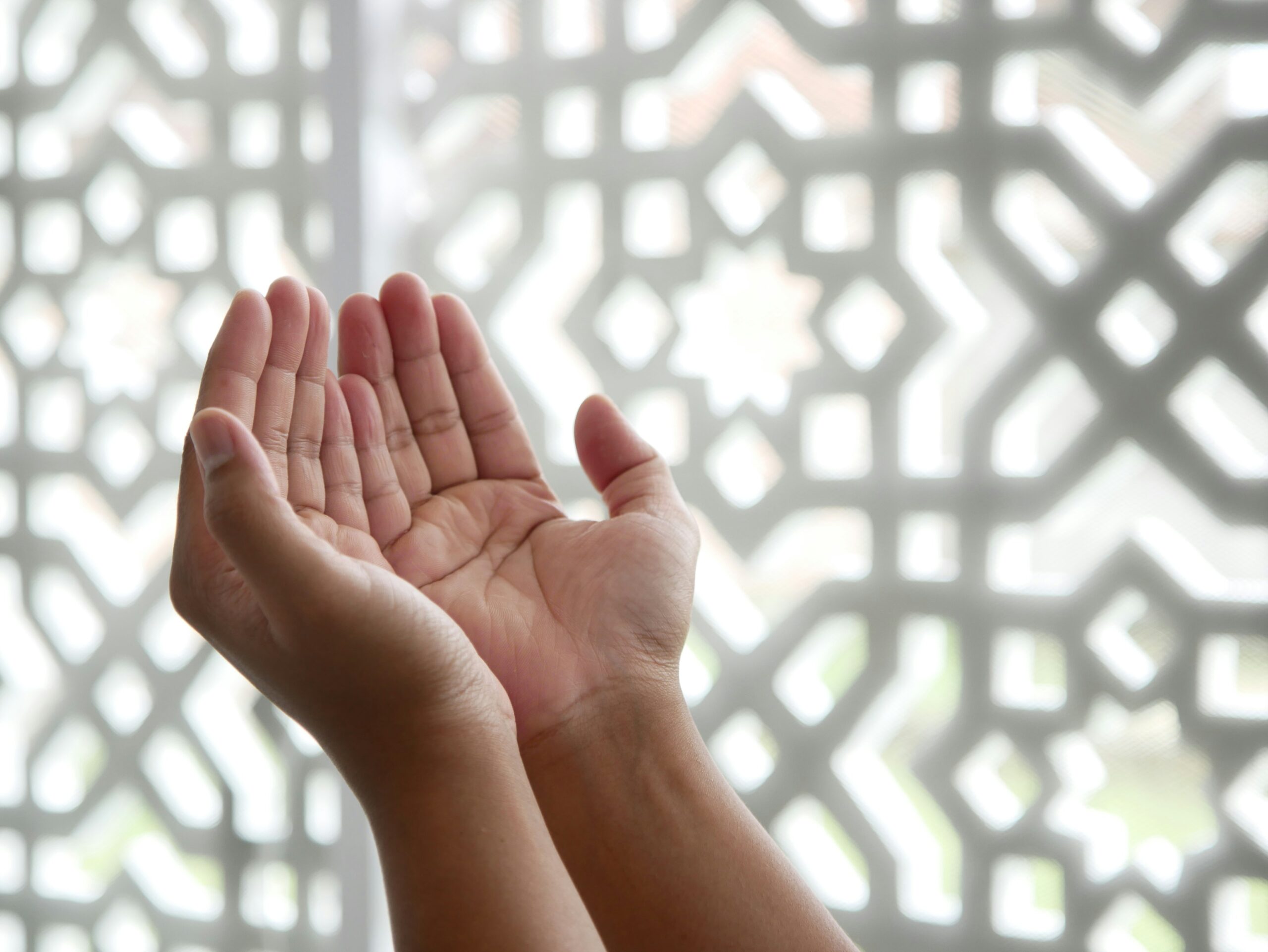
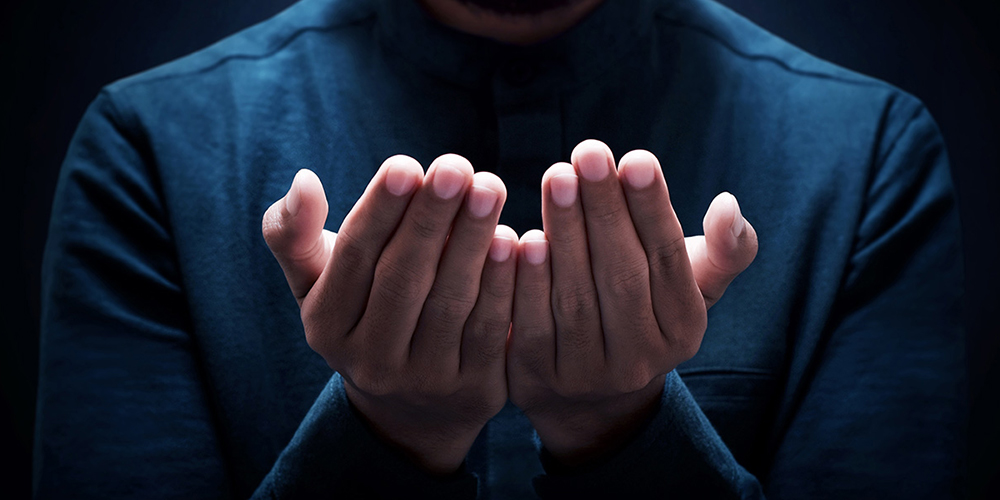
Extending one’s hands towards Allah as a gesture of supplication is a practice which is encouraged but is not compulsory. The act symbolises humility and neediness before the Creator. By physically raising one’s hands and palms upward, a person acknowledges their dependency on Allah and their humble submission to His will.

 “Verily, your Lord is Generous and Shy. If His servant raises his hands to Him (in supplication) He becomes shy to return them empty”.

Hadith | Tirmidhi

Muslims emulate the actions of the Prophet as a means of following his Sunnah (traditions) and seeking closeness to Allah.

Commencing the du’a with words of praise for Allah and sending blessings upon the Prophet Muhammad (ﷺ)

Commencing dua with words of praise for Allah and sending blessings upon our beloved Prophet Muhammad (ﷺ) is a deeply ingrained practice in Islam. It reflects gratitude, reverence, and adherence to the Prophetic tradition.

Offering praise to Allah before making supplication is an expression of gratitude and also demonstrates acknowledgment of His countless blessings, mercy, and favours upon His servants. By praising Allah, Muslims express their recognition of His benevolence and their unwavering trust in His guidance and wisdom.

Muslims hold a deep love and reverence for the Prophet, and invoking blessings upon him is a way of expressing this love and seeking his help and intercession before Allah. By sending Salawat upon Allah’s beloved, our dua’s are much more likely to be answered. 

Employing a variety of Allah’s Beautiful names to invoke Him during du’a

Reciting Allah’s beautiful names, or Asma al-Husna, to invoke Him during du’a is a highly recommended practice in Islam and was also a sunnah of Prophet Muhammad (ﷺ). 

It helps Muslims deepen their understanding of Allah’s attributes and qualities, with each name signifying a unique attribute of God’s divine nature. 

Some even recite different names according to the intent of their du’a, like saying “Ar-Rahman” (the Most Merciful) to seek Allah’s mercy and compassion, or “Al-Qadir” (the All-Powerful) in times of difficulty. By using Allah’s names in du’a, believers seek blessings and assistance tailored to their specific needs and circumstances.

Seeking repentance and forgiveness for sins and wrongdoings

Seeking repentance (tawbah) and forgiveness (istighfar) for sins and wrongdoings before making dua is an important practice as it’s believed to purify the soul, and also remove any barriers that may hinder the acceptance of supplications.

Prophet Muhammad (ﷺ) is reported to have frequently sought forgiveness and repentance from Allah, even though he was free from sin. Muslims strive to emulate the actions and teachings of the Prophet (ﷺ) as a means of drawing closer to Allah and following his exemplary conduct.

Maintaining unwavering faith that Allah listens to and accepts the du’a

Allah has explicitly promised in the Quran that He listens to the prayers of those who call upon Him. 

“And when My servants ask you concerning Me, indeed I am near. I respond to the invocation of the supplicant when he calls upon Me.”

Quran | 2:186

Prophet Muhammad (ﷺ) also emphasised the importance of having faith in the acceptance of du’a. 

“Call upon Allah while being certain of being answered and know that Allah does not respond to a supplication from the heart of one heedless and occupied by play.” [Hadith I Tirmidhi]. 

The Prophetic assurance encourages believers to maintain unwavering faith in the efficacy of du’a.

Concluding the du’a by offering salutations to the Prophet (ﷺ)

Ending a du’a by offering salutations to the Prophet Muhammad (ﷺ) is a practice deeply rooted in Islamic tradition. 

Muslims hold a deep love and reverence for Prophet Muhammad (ﷺ) as the messenger of divine guidance and mercy. Ending du’a with salutations is a way of expressing this love and respect and honouring the Prophet’s status as the best of creation and a mercy to all mankind.

03.24.25

What is Du’a? 

  Publications

Du’a (supplication) is a tool for Muslims to establish a profound connection and engage in direct communication with Allah (SWT). Du’a holds immense power – it serves as a means to seek His (SWT)’s guidance, assistance, and mercy.

Du’a involves invoking and calling upon Allah, showing our humility, and acknowledging our reliance on His boundless power and wisdom. Muslims use du’a during moments of joy, sorrow, hardship, or contentment, being fully aware that Allah is the ultimate source of solace and support.

Why do Muslims make Du’a? 

Du’a is like having a personal conversation with our Creator. It allows us to express our thoughts and feelings directly to Allah. Just as we would regularly communicate with someone we love, du’a is our form of communication with our creator. We can use any language or words to ask for blessings and protection in this life and the Hereafter.

When someone we love continuously make requests from us, we may become distant from them. However Allah Almighty loves when we turn to Him and our earnest requests and supplications are accepted. 

Du’a is a chance to share our deepest thoughts and seek Allah’s favour not only for ourselves but also for others, including our loved ones, those in need, and humanity.

making du'a is an important aspect of Islamic worship

Du’a is more than just communication or routine practice. It is considered the essence of worship because it shows that we believe only Allah has the power to grant or deny our wishes, desires, and ambitions. When we make du’a, we acknowledge our dependence on Allah and recognise His ultimate authority and control.  

Allah (SWT) loves to hear His servant’s voice. He is constantly attentive to our prayers and supplications. Formal acts of worship, such as Salah, are not the only exclusive means of communicating with our Lord. Du’a has no timeframe, limit, or conditions- we are never disconnected or isolated from Him.

Ibn ʿAta’illah (may Allah be pleased with him) beautifully expressed that whenever Allah grants you the ability to speak and make a request, understand that He desires to bestow something upon you. Implying that wouldn’t have permitted you to make that duʿa (supplication) unless He intended to answer it. The greatest blessing of that supplication is that Allah loves to hear it, and as a result, you draw closer to Him.

Why is Du’a important? 

“And when my servants ask you about Me, then tell them I am near. I answer the call of every believer when they call upon me so let them also answer my call and believe in me so they may find rightful guidance.”

Quran | Surah Al-Baqarah | 2:186

When we invoke Allah, He is near to us. This is the first gift. The second gift is that He answers our prayers in a manner that is suitable for us, in a way that benefits our worldly life and Hereafter, without putting us in harm’s way due to our limited understanding.

We can see how Merciful and Loving our Lord is, just by calling upon Him. Du’a is considered “the weapon of a believer” and it has the power to change fate with His help. Prophet (ﷺ) said:

“Dua diverts fate and good deeds lengthen the age”

Hadith | Tirimdhi

When to make du’a

In Islam, there are no specific time restrictions for making general dua. Muslims are encouraged to make supplications to Allah (SWT) at any time.

However, certain times are considered more auspicious for supplication. These times are mentioned in the teachings of Islam and are believed to hold special significance. Here are some of the optimal times for making dua:

The Night of ‘Qadr’ (Decree)

Abu Hurairah (RA) narrated that Allah’s Messenger () said: “In the last third of every night our Rabb (Cherisher and Sustainer) (Allah (SWT)) descends to the lowermost heaven and says; ‘Who is calling Me, so that I may answer him? Who is asking Me so that may I grant him? Who is seeking forgiveness from Me so that I may forgive him?.’” [Sahih al-Bukhari, Hadith Qudsi]

Late at night

When people are sleeping and busy with worldly pleasures Allah (SWT) gives the believers an opportunity, or an answer hour if they can fight sleep and invoke Allah (SWT) for whatever they need. The Prophet (ﷺ) said: ‘There is at night an hour, no Muslim happens to be asking Allah any matter of this world or the Hereafter, except that he will be given it, and this (occurs) every night.” [Hadith | Muslim]

Abu Hurairah (RA) narrated that Allah’s Messenger (ﷺ) said: ‘In the last third of every night our Rabb (Cherisher and Sustainer) (Allah (SWT)) descends to the lowermost heaven and says; “Who is calling Me, so that I may answer him? Who is asking Me so that may I grant him? Who is seeking forgiveness from Me so that I may forgive him?.”‘ [Hadith| Bukhari]

Whilst travelling

The Messenger of Allah () said; Three supplications will not be rejected (by Allah (SWT)), the supplication of the parent for his child, the supplication of the one who is fasting, and the supplication of the traveller. [Hadith | Tirmidhi]

A Muslim supplicating for a brother in their absence 

The Prophet (ﷺ) said: “There is no believing servant who supplicates for his brother in his absence where the angels do not say, ‘the same be for you’” [Hadith | Muslim]

On the Day of Arafat

The Messenger of Allah (ﷺ) said: “The best supplication is the supplication on the day of Arafat.” [Hadith | Tirmidhi and Malik]

Dua after sending salawat (salutations) on the Prophet ()

“When anyone of you makes du’a, let him start by glorifying his Lord and praising Him, then let him send blessings upon the Prophet (ﷺ), then let him pray for whatever he wants.”  (Hadith | Tirmidhi).

An Hour On Friday

Narrated Abu Hurairah (RA): Allah’s Messenger (ﷺ) talked about Friday and said: “There is an hour on Friday and if a Muslim gets it whilst praying and asks something from Allah (SWT), then Allah (SWT) will definitely meet his demand.” And he (the Prophet (ﷺ) pointed out the shortness of that particular time with his hands. [Hadith | Bukhari].

While Drinking Zamzam Water

Jaber (RA) narrated that Allah’s Messenger (ﷺ) said: “Zamzam water is for what it is drunk for.” [Hadith | Ahmad]. This means that when you drink Zamzam water you may ask Allah (SWT) for anything you’d like to gain or benefit from this water such as healing from illness, etc.

First Ten days of Dhul-Hijjah

The Prophet (ﷺ) said: “There are no days during which good deeds are more beloved to Allah than during these ten days.” [Hadith | Bukhari]

Etiquettes of Du’a

Scholars advise adhering to certain practices when making Du’a. These etiquettes encompass:

  1. Displaying sincerity, humility, and submission before Allah.
  2. Engaging in heartfelt supplication with unwavering focus.
  3. Facing towards the Qiblah (the direction of the Kaaba in Makkah).
  4. Observing ritual purification (wudhu) before making the dua.
  5. Extending one’s hands towards Allah as a gesture of supplication.
  6. Commencing the du’a with words of praise for Allah and sending blessings upon the Prophet Muhammad(ﷺ).
  7. Employing a variety of Allah’s Beautiful names to invoke Him during the du’a.
  8. Seeking repentance and forgiveness for sins and wrongdoings.
  9. Maintaining unwavering faith that Allah listens to and accepts the du’a.
  10. Concluding the du’a by offering salutations to the Prophet (ﷺ).

See more on the etiquettes of making du’a here.

Important du’as in Islam

Islam is a comprehensive, and complete way of life.It recognises the importance of maintaining a deep connection with Allah in every situation and at every moment. As a testament to this, we have special dua’s (supplications) for nearly every occasion, ensuring that we seek Allah’s blessings, protection, and guidance.

From the simple act of wearing new clothes to the profound experience of losing a loved one, Islam offers specific dua’s to be recited, reflecting the comprehensive nature of our relationship with Allah.

Here are some examples of important Du’as:

Du’a when waking up

Alhamdu lillaahil-lathee ‘ahyaanaa ba’da maa ‘amaatanaa wa’ilayhin-nushoor.

الْحَمْدُ للهِ الَّذِي أَحْيَانَا بَعْدَ مَا أَمَاتَنَا وَإِلَيْهِ النُّشُورُ

Praise is to Allah Who gives us life after He has caused us to die and to Him is the return.

Du’a after finishing ablution

Ash-hadu ‘an laa ‘ilaaha ‘illallaahu wahdahu laa shareeka lahu wa ‘ash-hadu ‘anna Muhammadan ‘abduh’;u wa Rasooluhu.

أَشْهَدُ أَنْ لَا إِلَهَ إلَّا اللهُ وَحْدَهُ لَا شَرِيكَ لَهُ، وَأَشْهَدُ أَنَّ مُحَمَّداً عَبْدُهُ وَرَسُولُهُ

I bear witness that none has the right to be worshipped but Allah alone, Who has no partner; and I bear witness that Muhammad is His slave and His Messenger.

Du’a when getting dressed

Alhamdu lillaahil-lathee kasaanee haathaa (aththawba) wa razaqaneehi min ghayri hawlim-minnee wa laa quwwatin.

الْحَمْدُ للهِ الَّذِي كَسَانِي هَذَا (الثَّوبَ) وَرَزَقَنِيهِ مِنْ غَيْرِ حَوْلٍ مِنِّي وَلَا قُوَّةٍ

I bear witness that none has the right to be worshipped but Allah alone, Who has no partner; and I bear witness that Muhammad is His slave and His Messenger.

 Du’a when it rains

Allaahumma sayyiban naafi’an

اللّهُمَّ صَيِّـباً نافِـعاً

O Allah, (bring) beneficial rain clouds.

Du’a for Anger

A’oothu billaahi minash-Shaytaanir-rajeem

أعوذُ بِٱللَّهِ مِنَ ٱلشَّيۡطَٰنِ ٱلرَّجِيمِ

I seek refuge in Allah from Satan the outcast from that which You provide for us

Du’a for Worry and Grief

Allaahumma ‘innee ‘abduka, ibnu ‘abdika, ibnu ‘amatika, naasiyatee biyadika, maadhin fiyya hukmuka, ‘adlun fiyya qadhaa’uka, ‘as’aluka bikulli ismin huwa laka, sammayta bihi nafsaka, ‘aw ‘anzaltahu fee kitaabika, ‘aw ‘allamtahu ‘ahadan min khalqika, ‘awista’tharta bihi fee ‘ilmil-ghaybi ‘indaka, ‘an taj’alal-Qur’aana rabee’a qalbee, wa noora sadree, wa jalaa’a huznee, wa thahaaba hammee.

للّهُـمَّ إِنِّي عَبْـدُكَ ابْنُ عَبْـدِكَ ابْنُ أَمَتِـكَ نَاصِيَتِي بِيَـدِكَ، مَاضٍ فِيَّ حُكْمُكَ، عَدْلٌ فِيَّ قَضَاؤكَ أَسْأَلُـكَ بِكُلِّ اسْمٍ هُوَ لَكَ سَمَّـيْتَ بِهِ نَفْسَكَ أِوْ أَنْزَلْتَـهُ فِي كِتَابِكَ، أَوْ عَلَّمْـتَهُ أَحَداً مِنْ خَلْقِـكَ أَوِ اسْتَـأْثَرْتَ بِهِ فِي عِلْمِ الغَيْـبِ عِنْـدَكَ أَنْ تَجْـعَلَ القُرْآنَ رَبِيـعَ قَلْبِـي، وَنورَ صَـدْرِي وجَلَاءَ حُـزْنِي وذَهَابَ هَمِّـي

O Allah, I am Your slave and the son of Your male slave and the son of Your female slave . My forehead is in Your Hand (i.e. you have control over me) . Your Judgment upon me is assured and Your Decree concerning me is just. I ask You by every Name that You have named Yourself with, revealed in Your Book , taught any one of Your creation or kept unto Yourself in the knowledge of the unseen that is with You , to make the Qur’an the spring of my heart, and the light of my chest, the banisher of my sadness and the reliever of my distress.

May Allah make us amongst His Slaves whose prayers and supplications are accepted. Ameen!

07.07.24

5 Duas to Learn for the Islamic New Year

  Publications

With Muharram comes the beginning of the new Islamic year, 1446 AH. Along with being the first month of the Hijri calendar, it is also one of the four sacred months of Allah (SWT).  

As a sacred month, the rewards of doing good deeds in Muharram are substantial. It is a time that gives us a great opportunity to reflect on the past year and renew our intentions. While also seeking Allah (SWT)’s blessings for the coming year.  

One of the best ways to ask Allah (SWT) for guidance and support is through heartfelt du’a, for, as the Prophet Muhammad (ﷺ) said, “du’a is the essence of worship.” (Tirmidhi

There are many du’as you can make to Allah (SWT), from asking for good health to seeking forgiveness. To help you get started, we’ve prepared a list of 5 important du’as you can learn for the Islamic New Year. 

Du’a for a New Month 

‘Abdullah ibn Hisham (RA) reported that the Sahabah (companions of the Prophet (ﷺ) would learn the following Du’a for upon the start of a new month or new year:  

Allahumma adkhilhu ‘alayna bil amni wal iman, was salamati wal islam, wa jiwarim minash shaytan, wa ridwanim minar Rahman. 

اللّهم أَدْخِلْهُ عَلينا بِالأمْنِ وَالإيمان، وَالسَّلامَةِ وَالإسْلام، وِجوارٍ مِّنَ الشَّيْطان، وَرِضْوَانٍ مِّنَ الرَّحْمن 

“O Allah, bring this [month or year] upon us with security, iman, safety, Islam, protection from shaytan, and your pleasure.”

Baghawi and Tabarani

This du’a is a general prayer for the arrival of the new month or year. One we should say if we wish for the incoming season to be filled with success and spiritual growth. 

Du’a for Seeking Forgiveness 

If you’ve been meaning to make a fresh start, use the Islamic New Year as one! Take this time as a chance to reflect on past actions. To seek forgiveness from Allah (SWT) and make it a regular habit moving forward.  

This du’a, in particular, is one to use if you want to start the new year with a clean slate. It’s a supplication that acknowledges our imperfections and seeks Allah SWT’s forgiveness in the best way. For the Prophet (ﷺ) said, “The most superior way of asking for forgiveness from Allah SWT is: 

Allahumma anta Rabbi la ilaha illa anta. Khalaqtani wa ana `Abduka, wa ana ‘ala ‘ahdika wa Wa’dika mastata’tu abu’u Laka bi ni ‘matika wa abu’u Laka bidhanbi; faghfirli fa’innahu la yaghfiru-dh-dhunuba ill a ant a. A’uidhu bika min sharri ma sana’tu.

اللَّهُمَّ أَنْتَ رَبِّي لاَ إِلَهَ إِلاَّ أَنْتَ، خَلَقْتَنِي وَأَنَا عَبْدُكَ، وَأَنَا عَلَى عَهْدِكَ وَوَعْدِكَ مَا اسْتَطَعْتُ، أَبُوءُ لَكَ بِنِعْمَتِكَ، وَأَبُوءُ لَكَ بِذَنْبِي، فَاغْفِرْ لِي، فَإِنَّهُ لاَ يَغْفِرُ الذُّنُوبَ إِلاَّ أَنْتَ، أَعُوذُ بِكَ مِنْ شَرِّ مَا صَنَعْتُ‏.‏ إِذَا قَالَ حِينَ يُمْسِي فَمَاتَ دَخَلَ الْجَنَّةَ ـ أَوْ كَانَ مِنْ أَهْلِ الْجَنَّةِ ـ وَإِذَا قَالَ حِينَ يُصْبِحُ فَمَاتَ مِنْ يَوْمِهِ ‏”‏‏ 

“O Allah! You are my Lord. None has the right to be worshipped except You. You created me and I am your servant and I abide by your covenant and promise as best I can. I seek refuge in you from the evil, which I have committed. I acknowledge your favour upon me and I acknowledge my sins, so forgive me, for verily none can forgive sin except you.” 

Bukhari

The Messenger of Allah (ﷺ ), he the same hadith, also said, “If somebody recites this invocation during the night, and if he should die then, he will go to Paradise (or he will be from the people of Paradise). And if he recites it in the morning, and if he should die on the same day, he will have the same fate.”  

Du’a for a Sound Heart and Beneficial Knowledge 

Seeking knowledge is highly encouraged in Islam. So is Tazkiyah, which is the highest level of Ihsan (excellence). It purifies our hearts and brings us closer to the One who created us and all knowledge. So, what better way to seek knowledge than to ask Allah (SWT)’s help in attaining it and a sound heart?  

Abu Hurairah (RA) said, “One of the supplications that the Prophet (ﷺ) used to say was:  

Allahumma inni a’uzu bika min ‘ilmin la yanfa’, wa min du’a-in la yusma’, wa min qalbin la yakhsha’, wa min nafsin la tashba’.

اللَّهُمَّ إِنِّي أَعُوذُ بِكَ مِنْ عِلْمٍ لاَ يَنْفَعُ, وَمِنْ دُعَاءٍ لاَ يُسْمَعُ, وَمَنْ قَلْبٍ لاَ يَخْشَعُ, وَمِنْ نَفْسٍ لاَ تَشْبَعُ 

“O Allah, I seek refuge with You from knowledge that does not bring benefit, from a supplication that is not heard, from a heart that does not fear (You) and from a soul that never satisfies.” 

Sunan Ibn Majah

Du’a for Comprehensive Security  

When we need to ask Allah (SWT) for security against any distress, grief, hardship, harm, trials and tribulations, all of that and much more is included in this short, but powerful dua. 

Allahumma inni as’alukal-‘afwa wal-‘aafiyah(ta) fid-dunya wal-aakhirah 

اللَّهُمَّ إِنِّي أَسْأَلُكَ الْعَفْوَ وَالْعَافِيَةَ فِي الدُّنْيَا وَالآخِرَةِ 

O Allah, I ask You for forgiveness and well-being in this world and in the Hereafter. 

This du’a draws from a hadith recorded by Al-Bukhari, where Anas ibn Malik (RA) narrated, 

“A man came to the Prophet (ﷺ) and said: ‘O Messenger of Allāh, which supplication is the best?’  

He (ﷺ) said: ‘Ask Your Lord for pardon and well-being in this world and the Hereafter’.  

Then he came to him the next day and said: ‘O Prophet of Allāh, which supplication is the best?’  

He (ﷺ) said: ‘Ask Your Lord for pardon (afwa) and well-being (aafiyah) in this world and the Hereafter, for if you are granted well-being in this life and in the Hereafter, then you have indeed succeeded.” 

What is Afiyah? 

Afiyah means having complete protection from afflictions, good health, forgiveness of Allah (SWT) and means to provide for you and your family.  

Basically, Afiyah encompasses every form of security you can think of. This includes both for the Dunya and Akhirah. Hence, why the Prophet (ﷺ) told us to wish for ‘afiyah in our du’as.  

Du’a for Anxiety and Sorrow 

Du’a is a powerful tool for seeking solace and relief in difficult times. It is a heartfelt conversation with our Creator, where we express our deepest concerns and seek comfort and guidance.  

Allāhumma innī `abduk, ibnu `abdik, ibnu amatik, nāsiyatī biyadik, māḍin fiyya ḥukmuk, `adlun fiyya qaḍā’uk, as’aluka bikullis’min huwa lak, sammayta bihi nafsak, aw anzaltahu fī kitābik, aw `allamtahu aḥadan min khalqik, aw‘ista’tharta bihi fī `ilmil-ghaybi `indak, an taj`ala ‘l-Qur’āna rabī`a qalbī, wa nūra ṣadrī, wa jalā’a ḥuznī, wa dhahāba hammī.  

اللّهُـمَّ إِنِّي عَبْـدُكَ ابْنُ عَبْـدِكَ ابْنُ أَمَتِـكَ نَاصِيَتِي بِيَـدِكَ مَاضٍ فِيَّ حُكْمُكَ عَدْلٌ فِيَّ قَضَاؤكَ أَسْأَلُـكَ بِكُلِّ اسْمٍ هُوَ لَكَ سَمَّـيْتَ بِهِ نَفْسَكَ أِوْ أَنْزَلْتَـهُ فِي كِتَابِكَ أَوْ عَلَّمْـتَهُ أَحَداً مِنْ خَلْقِـكَ أَوِ اسْتَـأْثَرْتَ بِهِ فِي عِلْمِ الغَيْـبِ عِنْـدَكَ أَنْ تَجْـعَلَ القُرْآنَ رَبِيـعَ قَلْبِـي وَنورَ صَـدْرِي وجَلَاءَ حُـزْنِي وذَهَابَ هَمِّـي 

“O Allah, I am Your slave, and the son of Your male slave, and the son of your female slave. My forehead is in Your Hand (i.e. you have control over me). Your Judgment upon me is assured, and Your Decree concerning me is just. I ask You by every Name that You have named Yourself with, revealed in Your Book, taught any one of Your creation, or kept unto Yourself in the knowledge of the unseen that is with You, to make the Qur’an the spring of my heart, and the light of my chest, the banisher of my sadness, and the reliever of my distress.” 

 Hisn al-Muslim 

Start of the Islamic New Year Well with Du’a

Making du’a is a reminder for us that we are not alone in our struggles. In this time when many of us worry if we’re doing enough for our brothers and sisters suffering around the world, making du’a can help bring you a sense of ease.  

For it’s by asking Allah (SWT) for guidance on how to support our ummah struggling in Gaza, Sudan and all over the world that we can find strength and hope.  

As we embark on the Islamic New Year, making heartfelt du’as can bring us closer to Allah (SWT). Let use this time moving forward to seek His (SWT) guidance, forgiveness, and blessings. To express our dependence on Him (SWT) and renew our intentions to improve ourselves spiritually and outwardly.  

May Allah (SWT) accept our du’as and grant us a blessed and successful year, ameen! 

Make the most of Muharram

Give and change the lives of the most needy and vulnerable of our Ummah on one of the most blessed of months.

03.04.24

10 Simple Duas You Can Memorise for Ramadan

  Publications     Ramadan

Allahumma Ballighna Ramadan
 
اَللّهُمَّ بَلِّغْنَا رَمَضَان 

“Oh Allah let us reach Ramadan.” 

Ramadan, a month of blessings and reflection, is one of the best times to increase in making dua. 

With the Holy month upon us once again, we have an incredible opportunity. To earn more rewards by expanding on the duas we already know and reciting them as much as we can throughout this blessed time.  

As Allah (SWT) says in the Quran: 

“Now, if My servants ask you [O Prophet] about Me — then, indeed, I am near. I answer the call of the caller when he calls upon Me. Then let them all respond to Me, so that they may be rightly guided.”  

Al-Baqarah, 2:186 

It is also in the month of fasting that we should be encouraged to make more dua. As the Prophet (ﷺ) said, “Indeed the prayer of the fasting person during his break is not rejected.” (Sunan Ibn Majah). He also reminded us that, “Dua is the essence of worship.” (Tirmidhi)  

In this time when the gates of heaven are wide open and rewards are multiplied, let’s make the most of it. Here’s a list of ten simple and beautiful dua to help you prepare for Ramadan and accompany you throughout this blessed month! 

Dua for Sighting the Moon  

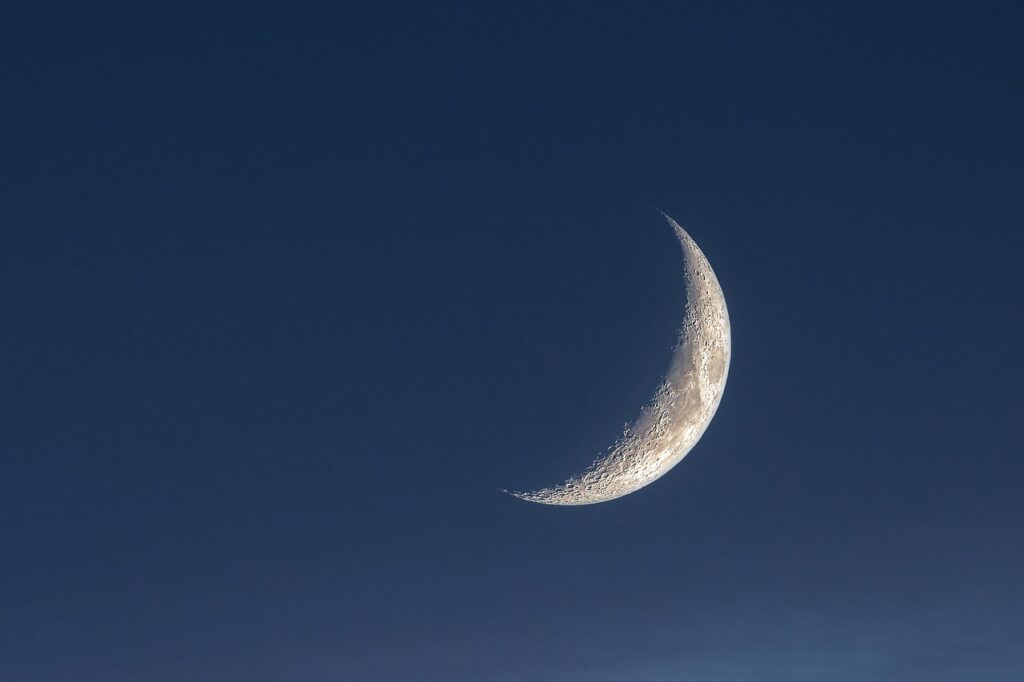
The sighting of the new moon marks the start of Ramadan. Hence, making dua for it holds a high significance. The Prophet (ﷺ) used to recite this dua when looking for the new moon:

Allahumma ahillahu ‘alaina bil-amni wal-iman, was-salamati wal-Islam, Rabbi wa Rabbuk-Allah, Hilalu rushdin wa khairin

اللَّهُمَّ أَهِلَّهُ علَيْنَا بِالأَمْنِ والإِيمَانِ، وَالسَّلامَةِ والإِسْلامِ، رَبِّي ورَبُّكَ اللَّه، هِلالُ رُشْدٍ وخَيْرٍ

“O Allah, let this moon appear on us with security and Iman; with safety and Islam. (O moon!) Your Lord and mine is Allah. May this moon be bringing guidance and good.”

Tirmidhi

Also say it when looking for the new moon of Shawwal, which marks the day of Eid Al-Fitr, the end of Ramadan.  

Dua for Beginning the Fast

All good deeds start with a sincere intention. Use this dua to renew your intention to keep your fast throughout the month of Ramadan. Make sure to recite it before or at Suhoor/Sehri.

Wa bisawmi ghadinn nawaiytu min shahri ramadan 

وَبِصَوْمِ غَدٍ نَّوَيْتُ مِنْ شَهْرِ رَمَضَانَ 

“I intend to keep the fast for tomorrow in the month of Ramadan.” 

Sunan Abi Dawud  

Dua for breaking your fast  

Even after a long day of fasting, we should still remember Allah (SWT) at Iftar time. At this moment you end your fast, recite this dua to make your first bite of food or sip of drink even sweeter and richer.

Dhahaba al-zama’u, wa’btallat al-‘urooqu, wa thabata al-ajru insha’Allah. 

ذَهَبَ الظَّمَأُ، وَابْتَلَّتِ العُرُوقُ، وَثَبَتَ الأَجْرُ إِنْ شَاءَ اللَّهُ 

“The thirst has gone, the veins are moistened and the reward is assured, if Allah wills.” 

Sunan Abi Dawud 

Dua for the one who invites you for iftar 

The reward of feeding a person who fasts is with Allah (SWT). But one of the best gifts you can give to someone who has invited you for iftar during Ramadan is a sincere dua.

This was the dua the Prophet (ﷺ) made when Sa’ad, may Allah be pleased with him, hosted him for Iftar, covering everything from food to companionship to angels.

Aftara ‘indakum as-sa’imun wa-akala ta‘amakum al-abrar wa-sallat ‘alaykum al-mala’ika  

أفْطَرَ عِنْدَكُمُ الصَّائِمُونَ وَأكَلَ طَعَامَكُمُ الأَبرَارُ وَصَلَّتْ عَلَيْكُمُ المَلاَئِكَةُ 

May those who have fasted break their fast with you, may the pious eat your food, and may the angels pray for you.” 

Sunan Ibn Majah 

Dua for Laylatul Qadr

There was one dua that the Prophet (ﷺ) singled out for Ramadan. More specifically, for Laylatul Qadr, the Night of Power or Night of Degree.  

Laylatul Qadr is one of the most sacred nights in the Islamic calendar. It is a commonly held belief that it occurs on the 27th of Ramadan. However, scholars of Hadith recommend focusing on the last 10 nights of Ramadan, especially the odd nights, as it is most likely to have occurred on one of these nights.

When asked by Aisha, may Allah (SWT) be pleased with her, on what to say on Laylatul Qadr, the Prophet (ﷺ) said:

Allaahumma innaka ‘afuwwan tuhibb ul-‘afwa fa‘fu ‘anni.

اللَّهُمَّ اَنْتَ عَفُوٌّ، تُحِبُّ الْعَفْوَ فَاعْفُ عَنِّي 

“O Allah, You are Most Forgiving, and You love forgiveness; so forgive me.” 

Tirmidhi  

This dua reminds us that Allah (SWT) loves nothing more than His servants turning to Him and asking for help. As such, we should make this dua, as well as others, often on Laylatul Qadr and include it in our regular supplications throughout the year. 

Dua for success

Ramadan is the month when we should try to build as many good habits as possible and increase our remembrance of God.

This dua asks Allah (SWT) to guide us on the straight path. It is also a dua of gratitude; one that asks and thanks Him for His mercy.

Rabbana la tuzigh quloobana ba’da idh hadaytana wa hab lana min ladunka rahmah innaka antal-Wahhab

رَبَّنَا لَا تُزِغْ قُلُوبَنَا بَعْدَ إِذْ هَدَيْتَنَا وَهَبْ لَنَا مِن لَّدُنكَ رَحْمَةً ۚ إِنَّكَ أَنتَ الْوَهَّابُ 

 “Our Lord! Let not our hearts deviate after You have guided us, and grant us mercy from You. Truly, You are the Bestower.” 

Al-Imran, 3:8 

Dua for the good of this world and the next

Within the Quran, Allah (SWT) praises those who ask Him for good for this life and the afterlife. For He loves those who remember Him, as He is Al-Wahhab, the All-Giving.

This dua of asking Allah (SWT) for goodness in both lives was often recited by Prophet Muhammad (ﷺ) , as reported by Anas, may Allah be pleased with him.

Rabbana atina fid-dunya hasanatan wa fil ‘akhirati hasanatan waqina ‘adhaban-nar
 
رَبَّنَا آتِنَا فِي الدُّنْيَا حَسَنَةً وَفِي الْآخِرَةِ حَسَنَةً وَقِنَا عَذَابَ النَّارِ 

“Our Lord! Give us in this world that which is good and in the Hereafter that which is good, and save us from the torment of the Fire!”  

Al-Baqarah, 2:201

Dua for Good Health and Character 

As Muslims, having good health and practising good conduct are important in Islam. We are also encouraged to regularly seek Allah (SWT)’s protection and shelter from disease and misconduct.  

This dua allows us to ask Allah (SWT) for good health, conduct and success. It’s a good supplication to recite often, in Ramadan and beyond.  

Allahumma innee asa’luka sihhatan fi eeman, wa eeman fi husni khuluq, wa najahee yatba’ahu falah, wa rahmaatan minka wa ridwaana 

اللهُمَّ إِنِّي أَسْأَلُكَ صِحَّةَ إِيمَانٍ وَإِيمَانًا فِي خُلُقٍ حَسَنٍ وَنَجَاحًا يَتْبَعُهُ فَلَاحٌ يَعْنِي وَرَحْمَةً مِنْكَ وَعَافِيَةً وَمَغْفِرَةً مِنْكَ وَرِضْوَانًا 

“O Allah, I ask You for the health of my faith, such faith in good character, and salvation leading to success, Your mercy, Your wellness, Your forgiveness, and Your pleasure.” 

Musnad Ahmad 

Dua for Rizq (provision)  

In Islam, Muslims are encouraged to seek beneficial knowledge, and there is no better place to ask than Allah (SWT).

The dua for Rizq seeks Allah (SWT)’s blessing for abundant, halal sustenance, reflecting trust in His provision and care for our worldly and spiritual needs. The Prophet Muhammad (ﷺ) used to recite this dua during Fajr (the morning prayer).

Allahumma inni as’aluka ‘Ilman naafi’an, wa rizqan tayyiban, wa ‘amalan mutaqabbalan 

اَللَّهُمَّ إِنِّي أَسْأَلُكَ عِلْمًا نَافِعًا ,وَ رِزْقًا طَيَّبًا , وَ عَمَلاً مُتَقَبَّلاً 

“Oh, Allah! I ask You for knowledge that is of benefit, a good provision and deeds that will be accepted.”

Sunan Ibn Majah

Dua for the Ummah  

Around the world, many of our brothers and sisters face incredible hardships. It’s important to make dua to ask Allah (SWT) to grant them ease and patience and fulfil their needs.  

Allahumma aslih Ummata Muhammad. Allahumma farrij ‘an Ummati Muhammad. Allahumma Rham Ummata Muhammad [sallAllahu alayhi wasalam]

اللَّهُمَّ أَصْلِحْ أُمَّةَ مُحَمَّدٍ اللَّهُمَّ فَرِّجْ عَنْ أُمَّةِ مُحَمَّدٍ اللَّهُمَّ ارْحَمْ أُمَّةَ مُحَمَّدٍ

O Allah! Improve (help) the state of the Ummah of Muhammad. O Allah! Grant ease to the Ummah of Muhammad. O Allah! Have mercy on the Ummah of Muhammad.

Hilyat al-Awliya

As we navigate the days and nights of Ramadan, let these duas be your companions, beautifying your prayers and drawing you closer to the Almighty.

Remember, Ramadan is not just a test of physical endurance. It is also a time to nourish, heal and elevate the heart and soul.

As we aim to seek as many rewards as possible in this blessed month, we pray that Allah SWT helps us to clean our hearts and make us sincere in our worship.

May Allah (SWT) allow us to be better Muslims and accept our acts of worship in this blessed month of Ramadan, ameen!

04.13.23

Duas for the last ten days of Ramadan

  Publications     Ramadan

As the blessed month of Ramadan nears its end, Muslims around the world eagerly anticipate the final ten days, a time filled with spiritual growth and reflection. These days hold a special place in the hearts of believers, as they include the Night of Power (Laylatul Qadr), a night more rewarding than a thousand months. During these cherished days and nights, Muslims strive to strengthen their connection with Allah, seeking His forgiveness and bountiful blessings through prayer, supplication, and acts of charity.


The Prophet (PBUH) said, “Dua is the essence of worship.” [Tirmidhi].

When performed in the last ten nights of Ramadan, with sincere intention and faith in Allah’s (SWT) acceptance, the rewards of making du’a could be exceptional.

To guide you on your spiritual journey and help you make the most of these precious moments, we have gathered a collection of heartfelt duas, or supplications, that you can recite during the last ten nights.

Dua for Laylatul Qadr 

Laylatul Qadr, the Night of Decree or Night of Power, is one of the most sacred nights in the Islamic calendar. 

It is a commonly held belief that Laylatul Qadr (the Night of Power) occurs on the 27th Ramadan. However, scholars of Hadith recommend focusing on the last 10 nights of Ramadan, especially the odd nights, as it is most likely to have occurred in one of these nights. Dua for the blessed night: 

الْلَّهُمَّ اِنَّكَ عَفُوٌّ تُحِبُّ الْعَفْوَ فَاعْفُ عَنِّي

‘Allahumma innaka Afuwwun (Karimun) tuhibbul `afwa fa`fu `annee’

Translation: “O Allah, indeed You are Pardoning, (Generous) You love to pardon, so pardon me.”

Find out more about  the rewards of Laylatul Qadr and duaas to read on the blessed night here

Dua for loved ones who have passed away 

Many of us will be spending this Ramadan without loved ones who have passed away. By reading the following dua over the last 10 days of Ramadan, we can help provide them with blessings in Jannah.

اللَّهُمَّ اغْفِرْ لَهُ الَّلهُمَّ ثَبِّتْهُ

‘Allaahum-maghfir lahu Allaahumma thabbithu’

Translation: O Allah, forgive him. O Allah, strengthen him.

اللَّهُمَّ اغْفِرْ لَهُمْ وَارْحَمْهُمْ وَعَافِهِمْ وَاعْفُ عَنْهُمْ وَأَكْرِمْ نُزُلَهُمْ وَوَسِّعْ مُدْخَلَهُمْ وَاغْسِلْهُمْ بِالْمَاءِ وَالثَّلْجِ وَالْبَرَدِ وَنَقِّهِمْ مِنَ الْخَطَايَا كَمَا يُنَقَّى الثَّوْبُ الأَبْيَضُ مِنَ الدَّنَسِ ‏

Translation: Oh Allah, forgive them and have mercy on them and give them strength and pardon them. Be generous to them and cause their entrance to be wide and wash them with water and snow and hail. Cleanse them of their transgressions as white cloth is cleansed of stains.

Dua for good health 

It’s important to make dua for good health for ourselves and loved ones, so that we may have the health and strength needed for worship and good deeds. 

اللّهُـمَّ عافِـني في بَدَنـي ، اللّهُـمَّ عافِـني في سَمْـعي ، اللّهُـمَّ عافِـني في بَصَـري ، لا إلهَ إلاّ أَنْـتَ. اللّهُـمَّ إِنّـي أَعـوذُبِكَ مِنَ الْكُـفر ، وَالفَـقْر ، وَأَعـوذُبِكَ مِنْ عَذابِ القَـبْر ، لا إلهَ إلاّ أَنْـتَ 

‘Allaahumma ‘aafinee fee badanee, Allaahumma ‘aafinee fee sam’ee, Allaahumma ‘aafinee fee basaree, laa ‘ilaaha ‘illaa ‘Anta. Allaahumma ‘innee ‘a’oothu bika minal-kufri, walfaqri, wa ‘a’oothu bika min ‘adhaabil-qabri, laa ‘ilaaha ‘illaa ‘Anta’.

Translation: O Allah, make me healthy in my body. O Allah, preserve for me my hearing. O Allah, preserve for me my sight. There is none worthy of worship but You . O Allah , I seek refuge in You from disbelief and poverty and I seek refuge in You from the punishment of the grave . There is none worthy of worship but You.

Dua for the Ummah 

It’s important to make du’a for our Muslim brothers and sisters across that world, and to ask Allah (SWT) to grant  them ease, patience and fulfil their needs. 

اللهم أصلح أمة محمد اللهم فرج عن أمة محمد أللهم ارحم أمة محمد

‘Allahumma aslih Ummata Muhammad. Allahumma farrij ‘an Ummati Muhammad. Allahumma Rham Ummata Muhammad [sallAllahu alayhi wasalam]’

Translation: O Allah! Improve (help) the state of the Ummah of Muhammad. O Allah! Grant ease to the Ummah of Muhammad. O Allah! Have mercy on the Ummah of Muhammad.

Dua for forgiveness 

Allah extends his Divine Mercy to all those who turn to Him with sincerity and supplicate for forgiveness in the last ten days and nights of Ramadan. 

The following is a dua for forgiveness from the Qur’an:

ٱلَّذِينَ يَقُولُونَ رَبَّنَآ إِنَّنَآ ءَامَنَّافَٱغْفِرْ لَنَا ذُنُوبَنَا وَقِنَا عَذَابَ ٱلنَّارِ

Allazeena yaqooloona Rabbanaaa innanaaa aamannaa faghfir lanaazunoobanaa wa qinaa ‘azaaban Naar’

Translation: ”Our Lord! surely we believe, therefore forgive us our faults and save us from the chastisement of the fire”(Al-Imran, Chapter 3, Verse 16)

Dua for protection from hellfire

The last ten days of Ramadan are days for ‘freedom from the fire of hell’. Therefore it’s important to make the following dua during this time: 

اللَّهُمَّ إِنِّي أَسْأَلُكَ رِضَاكَ وَالجَنَّةَ ، وَأَعُوذُ بِكَ مِنْ سَخَطِكَ وَالنَّارِ 

‘Allaahumma innee as-aluka Ridaaka wal Jannah wa a’audhu’bika min sakhatika wan-naar’

Translation: O Allah, I ask of Your pleasure and for Paradise, and I seek refuge from Your displeasure and from the Hellfire.

Dua for Divine guidance 

The last ten days of Ramadan is a special time for us to gain closeness to Allah (SWT) and to change the direction of our lives so that we are focused on gaining His pleasure. Therefore, it’s important to make du’a for Allah’s guidance to allow us to do so:

اللَّهُمَّ إِنِّي أَسْأَلُكَ الهُدَى وَ التُّقَى وَ العَفَافَ وَ الغِنَى

‘Allāhumma Innī As’aluka al-Hudā Wat-Tuqā Wal-Afāfa Wal-Ghinā’

Translation: O Allah, I ask You for guidance and piety, and abstinence (from the unlawful) and modesty, and contentment and sufficiency.


As you devote yourself to prayer and reflection, remember those facing hardship from amongst our ummah. Your compassionate donations during this month can bring hope and much-needed support to those in need, positively impacting their lives and giving them the opportunity to thrive.

May Allah Almighty accept all of our dua’s this Ramadan, and throughout the year. Ameen! 

12.04.20

Trusting God in times of difficulty

  News

We’re often told to “trust God” when things don’t quite go our way – maybe you didn’t get that job you were relying on, a relationship didn’t work out the way you hoped or youre battling a bigger challenge that no one really knows about. As Muslims, tawakkul (having complete trust in and reliance on God) is a concept which we all theoretically understand but many of us actually struggle to practice – particularly when we’re going through difficulties or thinking about the unknown future. So, how do we conquer our fears and reduce our anxieties about things we can’t control? 

Well, below we look at some practical ways you can nurture your tawakkul on a daily basis.  Trusting God in all his teachings. 

1. Know Allah (SWT) through his many attributes 

Trusting in God; it is important that we first get to know Him as best we can. So, learn, study and reflect on the many names and attributes of Allah (SWT). The best way to do this is to set aside time regularly to read the Qur’an and learn more about the Sunnah.  

You’ll soon realise that the more you understand His names and attributes, the easier it will be to have complete trust in Him. For example, in the Qur’an Allah (SWT) beautifully reassures the Prophet Muhammad (PBUH): 

(O Prophet), your Lord has neither forsaken you, nor is He displeased. Indeed what is to come will be better for you than what has gone by.”  (Qu’ran 93:3-4) 

This is an important reminder that no matter whatever befalls us, Allah (SWT) loves us and only wants the best for us – even if we do not immediately see the silver lining in a “bad” situation. After all, the Prophets,  who were so dear to Allah (SWT), were tested the most.   

2. Do your best 

Islam recognises that humans have limited capacity to comprehend everything – after all it is God who holds infinite knowledge and wisdom. So, while we don’t always have the knowledge or insight to make sense of a situation, e.g. a global pandemic, we are encouraged to “tie our camels” – that is to do our due diligence and then put our trust in Allah.  

3. Make dua’a 

“And your Lord says, ‘Call upon Me; I will respond to you.’ ” Qur’an 40:60 

You shouldn’t underestimate the power of dua’a; it is the greatest form of worship and an important part of tawakkul. If you want to be among those who wholeheartedly believe; trusting in Allah (SWT), then ask Him sincerely for whatever your heart desires – nothing is impossible for Him! Above all, have firm belief that your prayer will be answered in a way that is best for you. Remember, what you might want could be very different to what you actually need – He knows, while we do notOnce we submit to this reality, the road ahead doesn’t seem so daunting. 


STAY INFORMED

  • This field is for validation purposes and should be left unchanged.

Quick Donate