Gaza: One Year On From the Ceasefire, No End to the Suffering
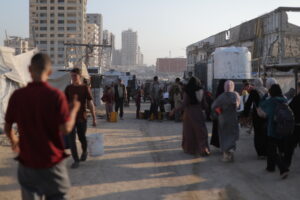
Today marks 3 years of the catastrophic escalation in Gaza, and a year since “ceasefire”. Yet, there is no end to the death and
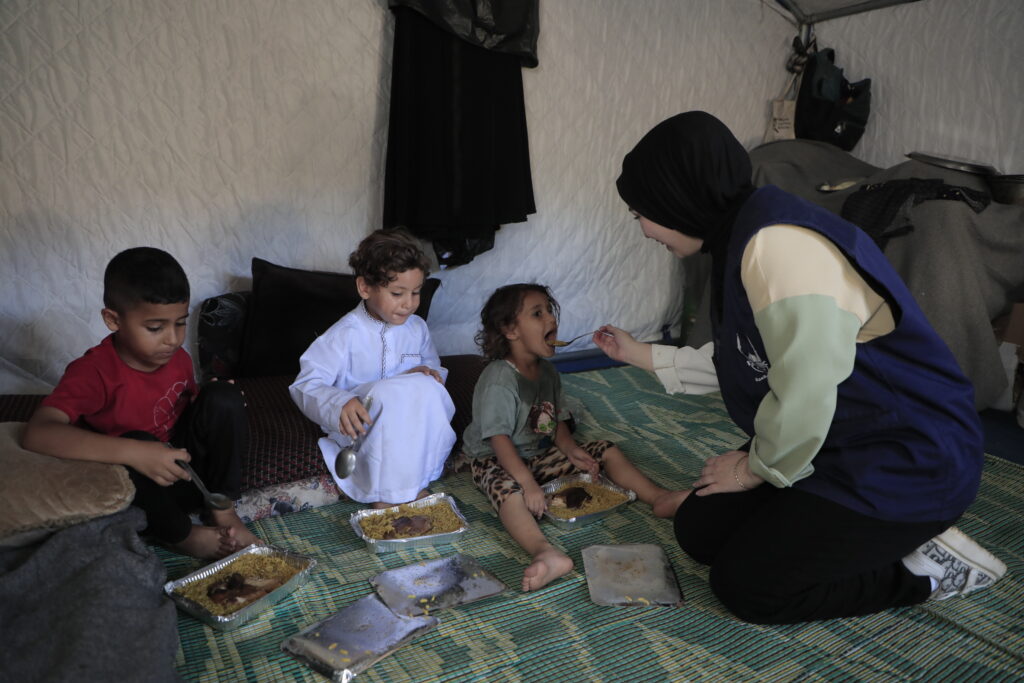
Three years on since the escalating violence in Gaza, the people of Palestine remain resilient in the face of relentless adversity.
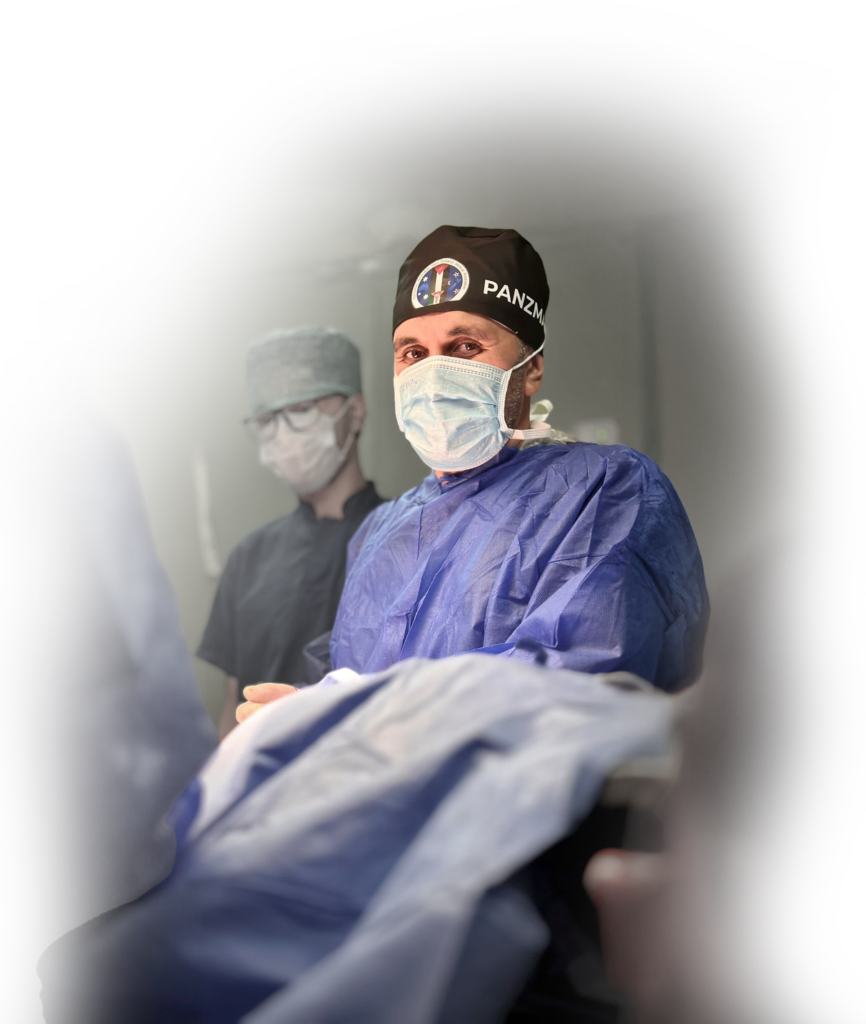
Islamic Relief and PANZMA’s medical missions strive to give the people of Gaza strength in their ongoing sabr and strength, bringing critical aid and relief.
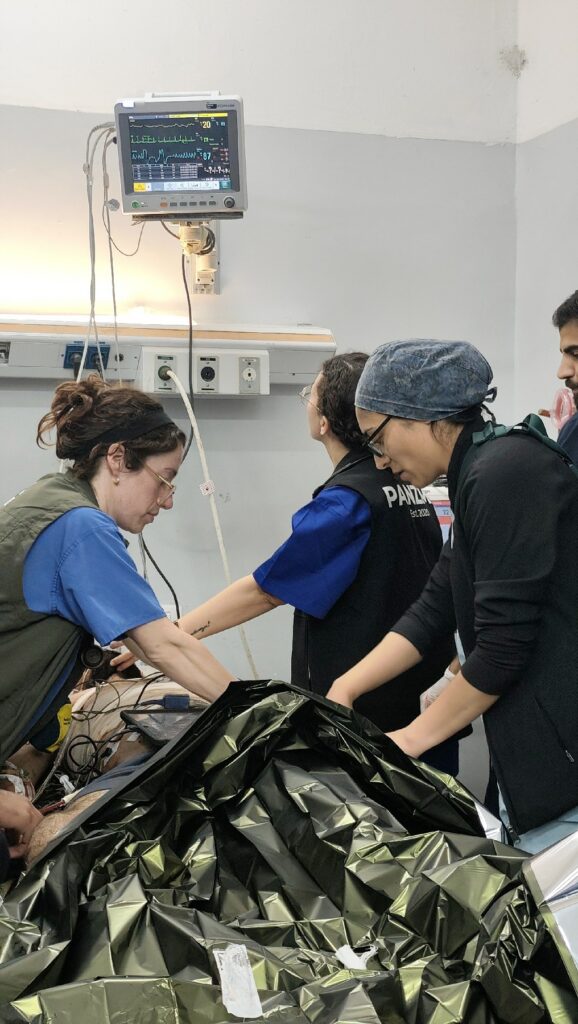
Over the past two years, Islamic Relief Australia and PANZMA, in coordination with the World Health Organization (WHO), successfully deployed a total of 30 fully funded specialist medical teams in Gaza.
The first 12 missions were carried out in 2025, and another 18 missions were successfully completed this in year in 2026.
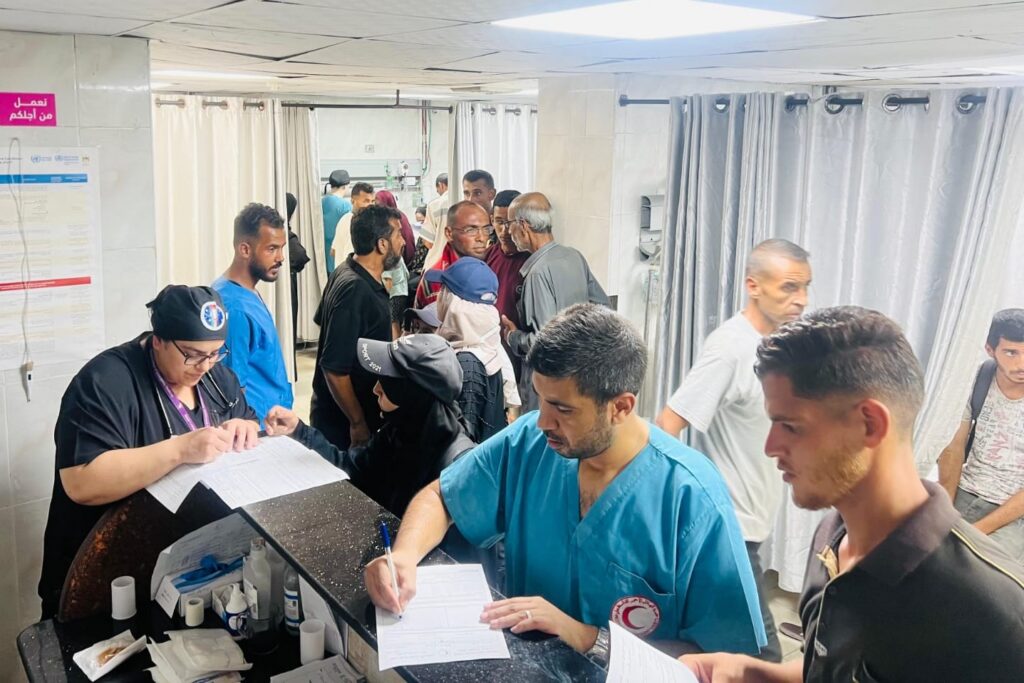
In the first wave of missions, over 24,160 patients were treated. The medical teams also performed over 7,103 life-saving surgeries in major and minor procedures. As well as completed more than 13,200 minor treatments and consultations.
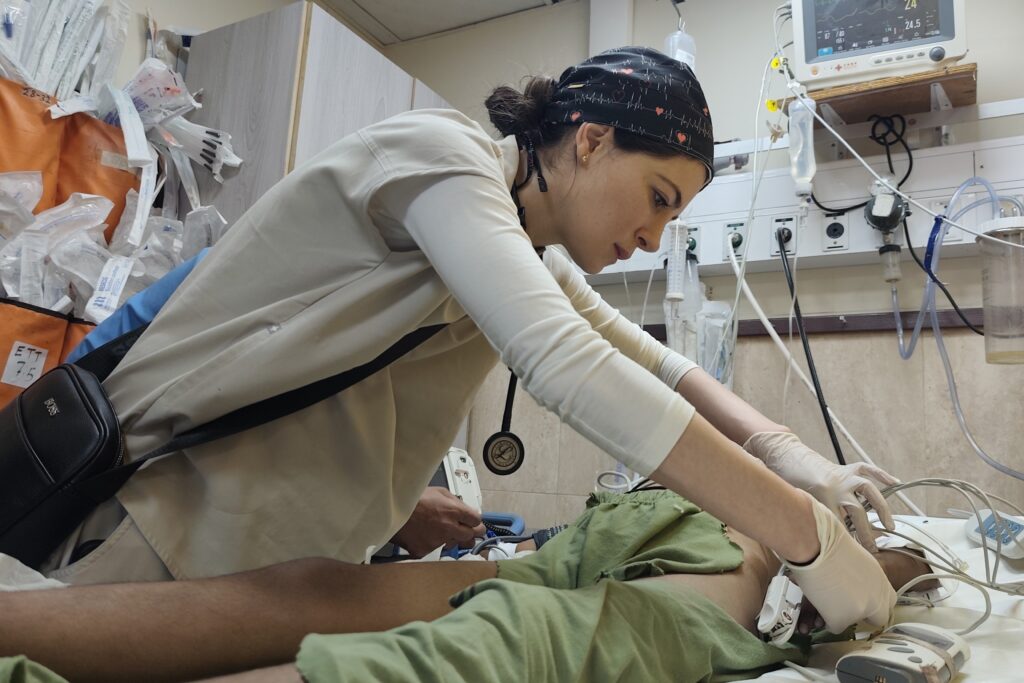
In the second wave, we reached more than 8,829 patients, carrying out over 1,700 major surgeries and emergency procedures.
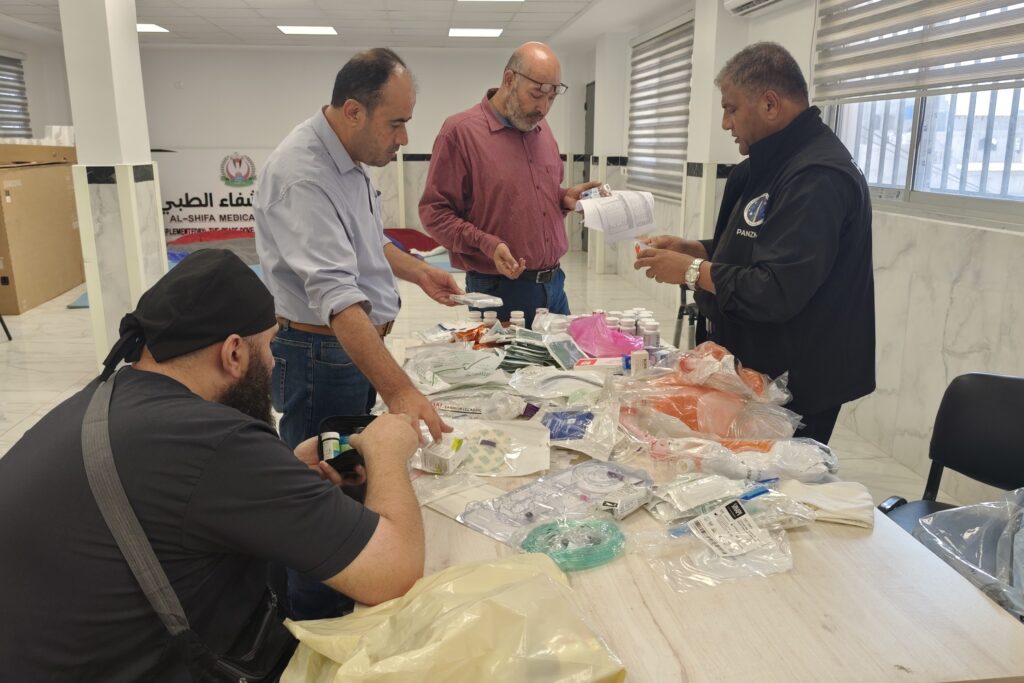
In turn, we supported 11 hospitals and health facilities, and delivered over 11,000 critical medical supplies. Also, 35 Junior doctors and medical students were trained by PANZMA doctors.
Since 1997, Islamic Relief has been on the ground in Gaza, delivering life-saving aid.
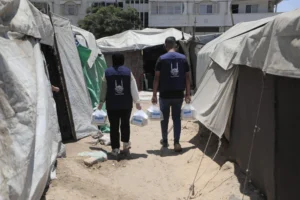
Our response intensified after October 7, 2023, when the crisis escalated like never before. Working with local partners and international organisations, we’ve provided millions of medical items, supported thousands with emergency care, and delivered vital maternal and child health services.
Through our partnership with the Palestinian Australian New Zealand Medical Association (PANZMA), specialised medical teams are deployed to Gaza, performing hundreds of surgeries, providing critical care, and equipping local hospitals with essential supplies.
Over the past two years, 30 medical missions have been successfully completed, with over 32,900 patients treated and more than 8,800 life-saving surgeries performed.
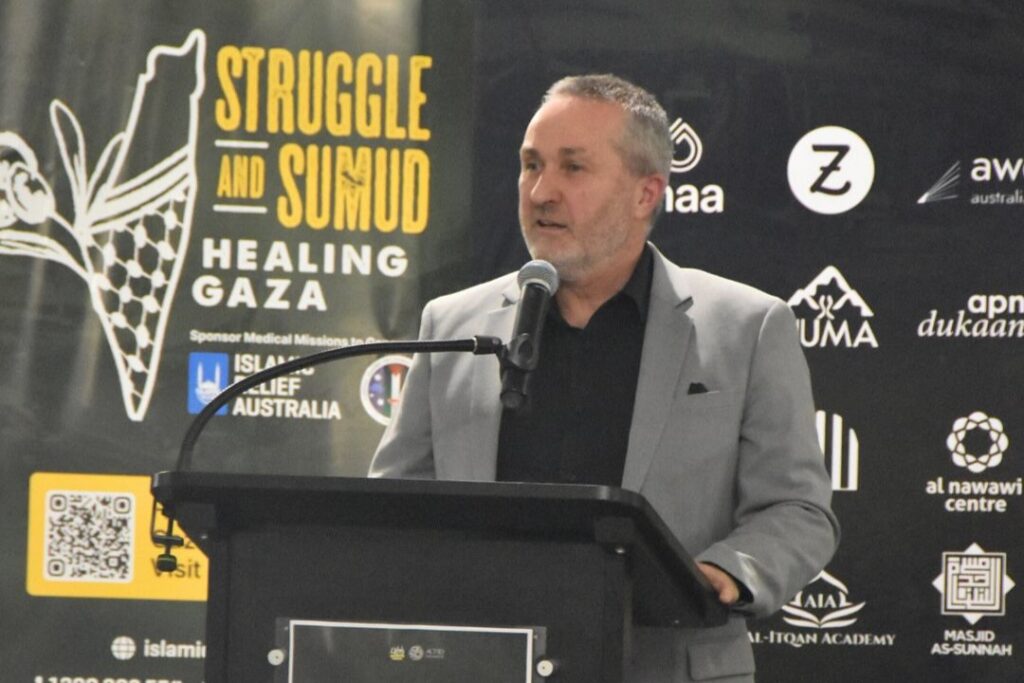
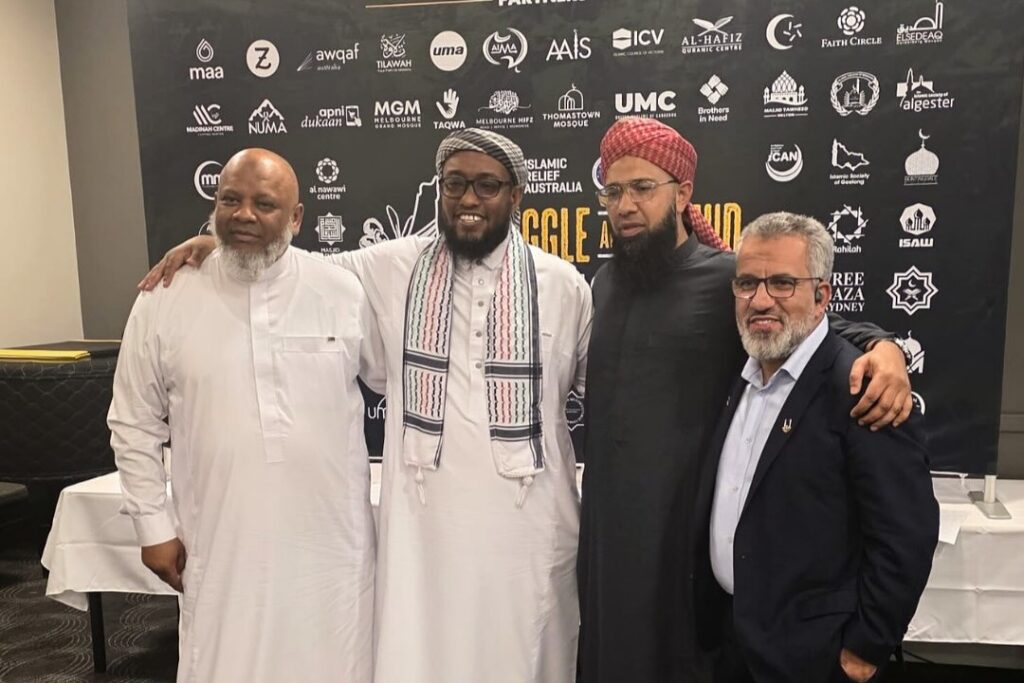
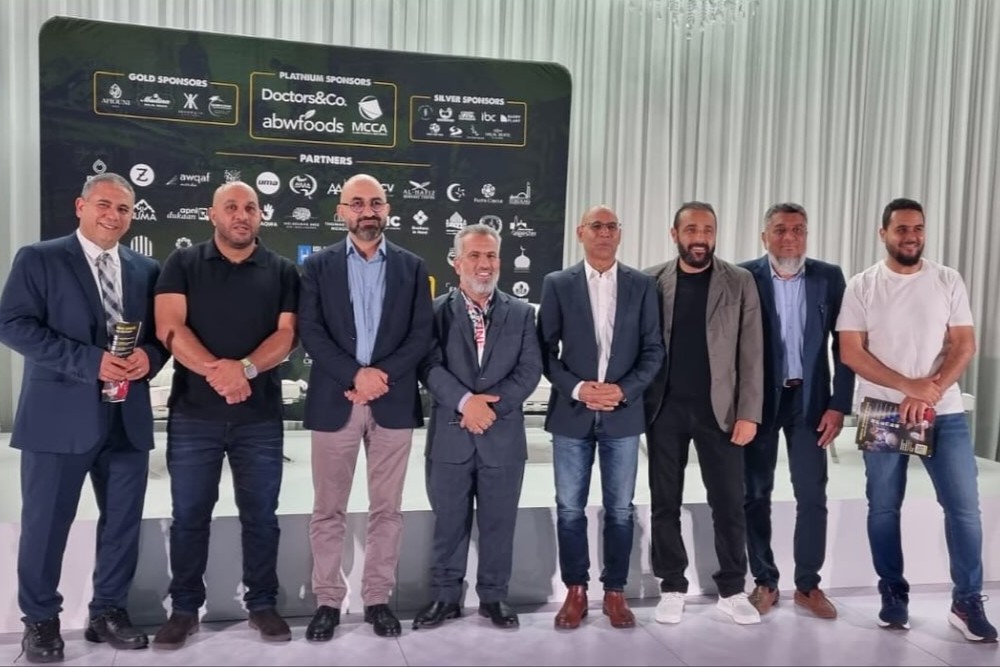
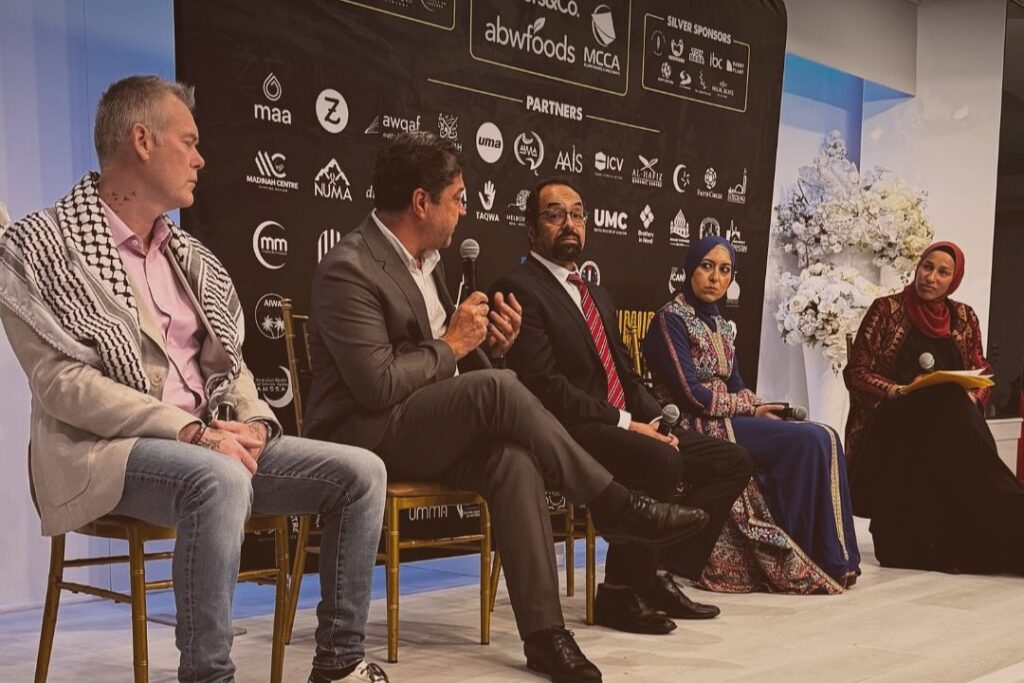
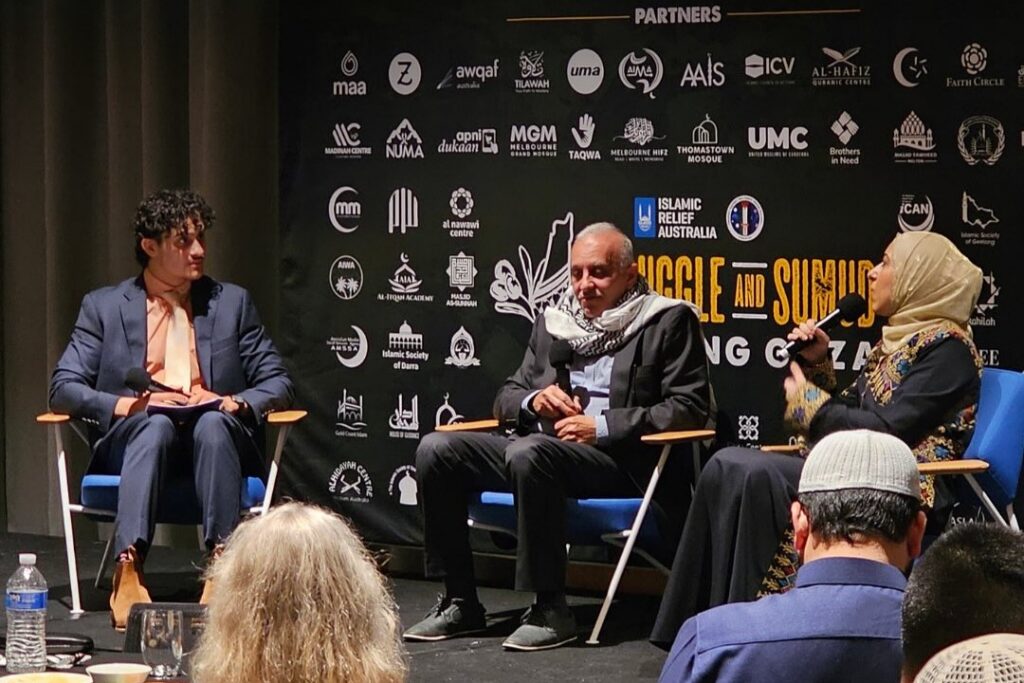
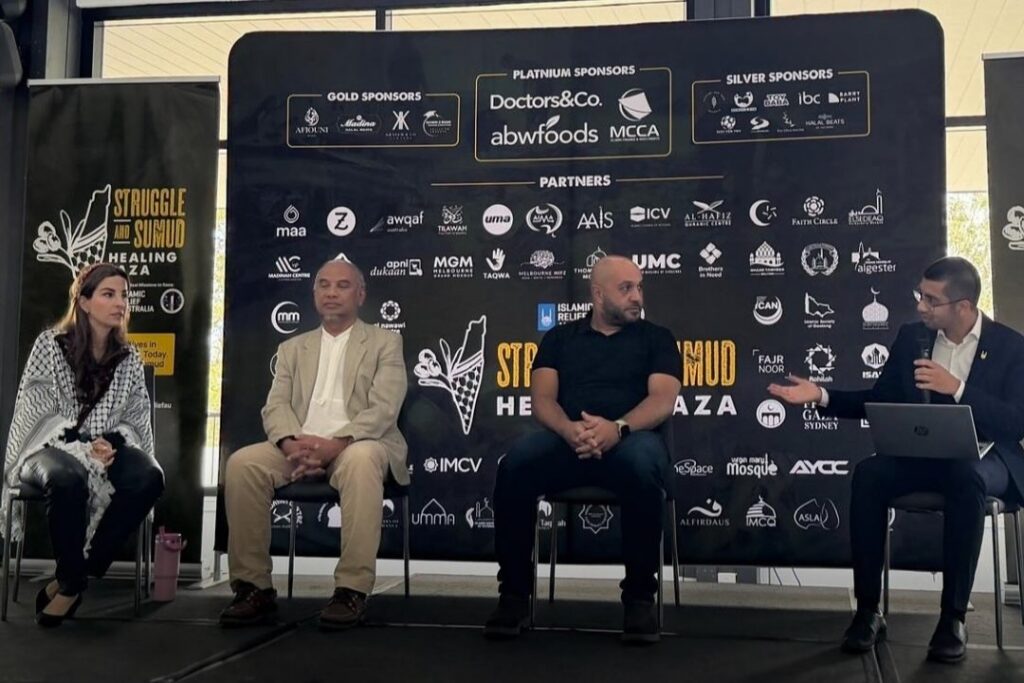
In October 2025, Islamic Relief Australia and PANZMA came together to raise funds for medical care in Gaza.
Islamic Relief Australia led the fundraising, donor engagement and events in Australia, while PANZMA brought the medical expertise and led the clinical delivery of the program in Gaza.
Over the past 12 months, your support has helped fund medical missions, treatment, equipment, medicines, clinical services and healthcare capacity building across Gaza.
+8,829 patients treated
32 international clinicians and nurses successfully deployed
53 volunteer healthcare professionals participating across the missions
20 medical missions planned
18 missions successfully completed
2 missions denied entry to Gaza due to border restrictions
+1,700 major surgeries and emergency surgical procedures
11 healthcare and capacity building projects
7 clinical education programs
The impact went beyond treating patients. Your donations also helped support hospitals, frontline healthcare workers, clinical education and the wider healthcare system in Gaza.
Across the missions, healthcare professionals supported a wide range of specialties, including emergency medicine, general surgery, orthopaedic surgery, obstetrics and gynaecology, neurosurgery, anaesthesia and ICU, oncology surgery, radiology, gastroenterology, paediatrics and neonatology, critical care, cardiothoracic surgery, plastic surgery, ENT, oral and maxillofacial surgery and ICU nursing.
The specialties varied from mission to mission according to the needs identified in Gaza.
Your support helped provide emergency and specialist care, including emergency surgery, Caesarean sections, neurosurgery, major surgical procedures, wound care, antenatal and gynaecological care, chronic disease follow up, cancer and cardiovascular care, treatment of burns and trauma, and emergency medical treatment.
Patients also received care and follow up for conditions including diabetes, hypertension, chronic kidney disease, asthma and COPD, neurological conditions, malnutrition and other acute and chronic health needs.
Medical missions and clinical support reached a number of hospitals and health facilities across Gaza, including:
Al Shifa Hospital, Al Helou Hospital, Al Quds Hospital, Al Awda Hospital, Shuhada Al Aqsa Hospital, Al Ahli Arab Baptist Hospital and Naser Hospital.
Support was directed according to clinical need, hospital capacity and coordination with the relevant healthcare authorities and facilities.
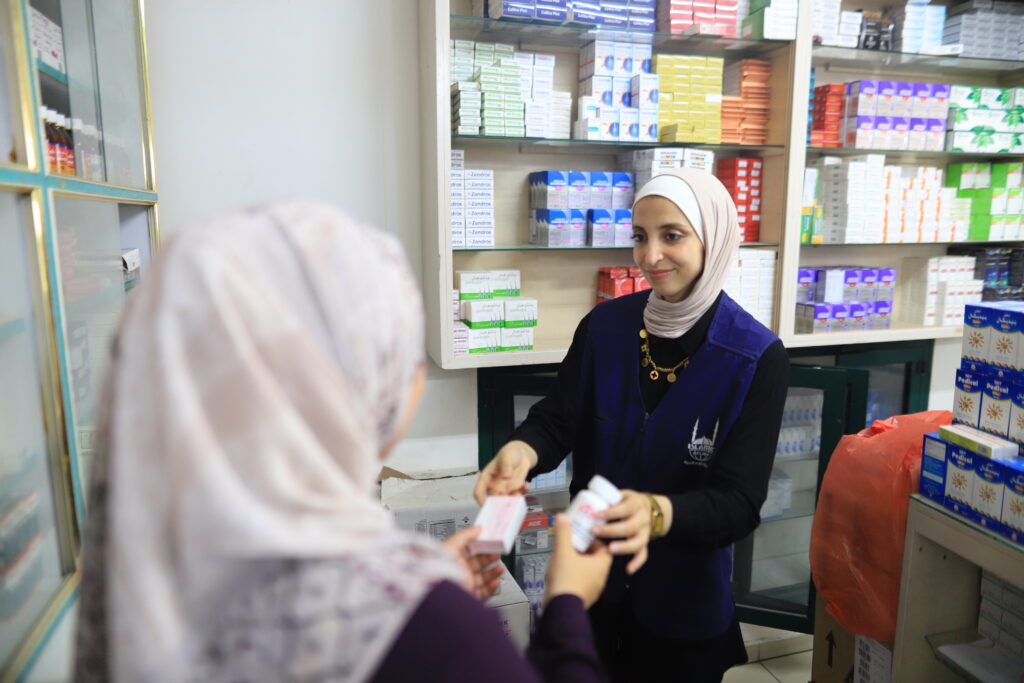
Your donations helped provide medical equipment, medicines, surgical instruments and clinical supplies based on identified needs.
This included ultrasound and monitoring equipment, specialist surgical instruments, laboratory supplies, urology and cardiac equipment, medicines, consumables, beds, wheelchairs and other essential medical items.
PANZMA worked with Gaza based healthcare professionals, hospitals, the Ministry of Health and relevant humanitarian health partners such as WHO to identify where medical teams, equipment, medicines and other support were most needed.
This helped ensure that donations were directed towards identified clinical priorities.
There was no single delivery pathway.
Equipment and supplies were delivered through recognised humanitarian and health coordination mechanisms, including WHO, the UN, the Ministry of Health, hospitals and humanitarian partners.
Where appropriate, supplies were also procured locally in Gaza. This allowed the program to respond to urgent needs when local procurement was safer, faster or more reliable.
Of the 20 missions planned, 18 were successfully completed and 2 were denied entry to Gaza due to border restrictions.
Where access was not possible, we adapted the approach where appropriate, including through rescheduling, alternative specialists, local procurement or alternative humanitarian delivery pathways.
The priority was to protect patient safety and preserve the intended humanitarian outcome.
The impact went beyond direct patient care.
The program supported 11 healthcare and capacity building projects, supporting frontline healthcare workers, hospital services, equipment recovery and Ministry of Health facilities.
It also delivered 7 clinical education programs covering areas including emergency medicine, life support, anaesthesia, ENT, and obstetrics and gynaecology.
A multi site clinical pharmacy program also supported healthcare professionals across Gaza and strengthened specialist knowledge within the local healthcare system.
More than 8,829 patients were treated through the medical missions and clinical activities supported by the program.
This included patients receiving surgical care, emergency treatment, specialist consultations, maternity and gynaecological services, chronic disease care, trauma treatment and other medical services.
More than 1,700 major surgeries and emergency surgical procedures were supported.
These included emergency surgery, Caesarean sections, neurosurgical operations and other major procedures for admitted patients.
Patients who required further care were referred back to the relevant Gaza based healthcare professionals and facilities.
The program also supported follow up care, including wound care, chronic disease follow up, cancer follow up, cardiovascular care and referrals where clinically required.
PANZMA faces a range of challenges, including limited access to medical supplies, the destruction of healthcare infrastructure, and the constant threat of violence. Despite these hurdles, they remain steadfast, in their commitment to providing life-saving care to those who need it most.
Medical activities were documented and verified using a range of program and partner records. Depending on the activity, this could include clinical records, supplier invoices, transfer and receiving records, hospital or Ministry of Health confirmations, handover documentation, photographs and videos, and reports from Gaza-based healthcare teams and clinical partners.
Together, these records provided evidence of what was delivered, where support was provided, and the clinical activities undertaken. They also supported reporting on the outcomes and impact of the medical activities, where this information was available
Gaza’s healthcare system remains under severe strain.
More than 43,000 people have sustained life changing injuries, including around 10,000 children. More than 17,500 injured and chronically ill patients are awaiting medical evacuation for treatment that is not currently available in Gaza.
More than 2,300 patients have been screened for limb reconstruction, with 933 requiring surgery, including 645 major procedures.
There are also more than 22,000 severe limb injuries across the wider caseload, alongside thousands of major burns, spinal cord injuries and major brain injuries.
With 36 hospitals damaged and only around half remaining even partially functional, there is a significant need for specialist care.
A specialised medical mission is a complete clinical care pathway. Given that the context in Gaza has changed, there is now a need for doctors and specialised teams to fill the gaps that exist in Gaza’s health system. Each mission is built around a defined medical need and includes a clinically reviewed patient list, an international specialist team working alongside Gaza based healthcare professionals, specialist equipment and supplies, treatment and recovery, follow up and local capacity building.
The aim is to provide the right specialist care to patients while strengthening the ability of local healthcare professionals to continue that care after the team leaves.
Each mission will be matched to the actual capacity and readiness of a named host hospital or health facility.
Before a team travels, the hospital will be assessed using the most recent available Ministry of Health and WHO information, including theatre capacity, sterilisation, blood supply, imaging, ICU and recovery capacity, ward capacity, power, water and biomedical support.
The mission will then be planned around the patients, specialists, equipment and hospital capacity available.
The campaign aims to support 4 to 6 specialised medical missions over the next 12 months.
The final number will depend on clinical need, access, specialist availability, hospital readiness and the resources required for each mission.
Priority areas include:
Orthoplastic limb reconstruction, complex plastics, burns and maxillofacial surgery, vascular surgery and limb salvage, and neurosurgery and spine surgery.
Other potential areas include paediatric surgery and neonatal critical care, ophthalmology and ocular trauma, oncology and haematology, colorectal surgery and stoma reversal, cardiac and interventional cardiology, and renal, urology and dialysis access.
The final specialty will depend on the most pressing clinical needs and the capacity of the receiving hospital.
Each mission is expected to involve approximately 8 to 10 international health professionals, working alongside Gaza based healthcare professionals.
The teams are designed to fill defined specialist gaps and complement, rather than duplicate, the skills already available in Gaza.
The exact team will depend on the specialty and clinical requirements of each mission.
The estimated cost is around A$250,000 per specialised medical mission.
This is an indicative estimate, not a fixed cost. The final cost will vary depending on the specialty, complexity of cases, specialist team, equipment, implants, medicines and other clinical requirements.
The focus is on delivering a safe and clinically meaningful intervention, rather than simply treating the largest possible number of patients.
The estimated cost can include:
Specialist medical and surgical team deployment, travel and accommodation
High cost implants, instruments and procedure specific equipment
Medicines, surgical supplies and other medical consumables
Clinical coordination, hospital integration and local logistics
Follow up and continuity of care
Monitoring, compliance and contingency requirements arising from operating conditions in Gaza
The final budget will depend on the specific mission
Equipment will be matched to the specialty and the patients being treated.
For example, limb reconstruction may require orthopaedic implants, external fixators and reconstruction instrumentation. Neurosurgery may require specialist neurosurgical instruments and spinal hardware. Burns and maxillofacial missions may require reconstructive plating systems and specialised theatre equipment.
Missions may also require surgical instruments, wound care supplies, anaesthetic supplies, medicines, vascular and neurosurgical consumables, orthopaedic equipment, laboratory supplies and other procedure specific items.
Equipment and supplies may be delivered through recognised humanitarian and health coordination pathways, including the Ministry of Health, WHO and other humanitarian partners.
Where appropriate, items may also be procured locally in Gaza. This gives the program flexibility where border access, availability or timing makes local procurement the most practical option.
The host hospital will be selected according to the clinical requirements of the mission and the hospital’s readiness and capacity.
Current partner hospitals include Al Shifa, Al Aqsa, Al Ahli and Nasser, as well as other Ministry of Health and partner facilities.
Each hospital will be assessed to ensure it has the infrastructure and clinical capacity needed to safely deliver the planned intervention.
There will not be one fixed patient target for every mission.
The number will depend on the specialty, complexity of cases, hospital capacity and the time required for each procedure.
For these missions, the priority is safe and meaningful treatment for patients with significant unmet needs.
International specialists will work alongside Gaza based healthcare professionals throughout the mission.
This includes bedside teaching, shared procedures, case review, protocol development and mentoring.
The aim is to ensure knowledge and skills remain in Gaza and support local clinicians to continue caring for patients after the mission ends.
Patients, open cases, equipment and remaining stock will be formally handed over to named local clinicians.
Local healthcare teams will continue the patient’s care, with ongoing capacity building, case review, protocol development and mentoring where appropriate.
Entry into Gaza cannot be guaranteed.
If circumstances prevent a mission from proceeding safely, contingency options include replacement specialists, alternative dates, hospital reallocation, local procurement, remote support or rescheduling.
A mission that cannot be delivered safely will be adapted or rescheduled rather than proceeding in unsafe conditions.
Patient safety and clinical outcomes will be monitored throughout each mission.
Depending on the procedure, this can include monitoring mortality, return to theatre, infection, unplanned ICU admission and serious adverse events.
Clinical activity, patient outcomes, training, equipment and expenditure will also form part of mission reporting.
Missions will be coordinated with the Ministry of Health, the host hospital and relevant WHO Emergency Medical Team pathways.
This ensures the mission works alongside Gaza’s existing healthcare system and is matched to the actual capacity of the receiving hospital.

Today marks 3 years of the catastrophic escalation in Gaza, and a year since “ceasefire”. Yet, there is no end to the death and

Sumud, or steadfastness, is a word that has become synonymous with the people of Palestine. Here is what it means and its significance.
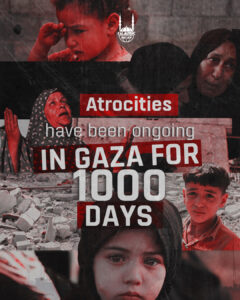
Today marks 1,000 days of the catastrophic escalation in Gaza. In less than 3 years, the enclave has been altered beyond recognition.