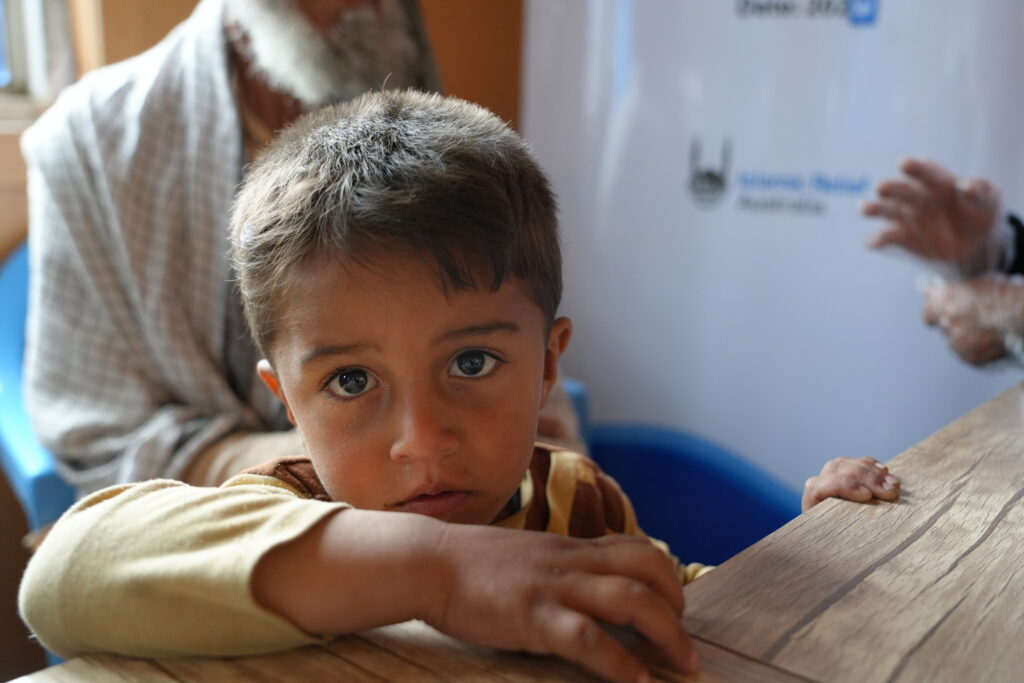
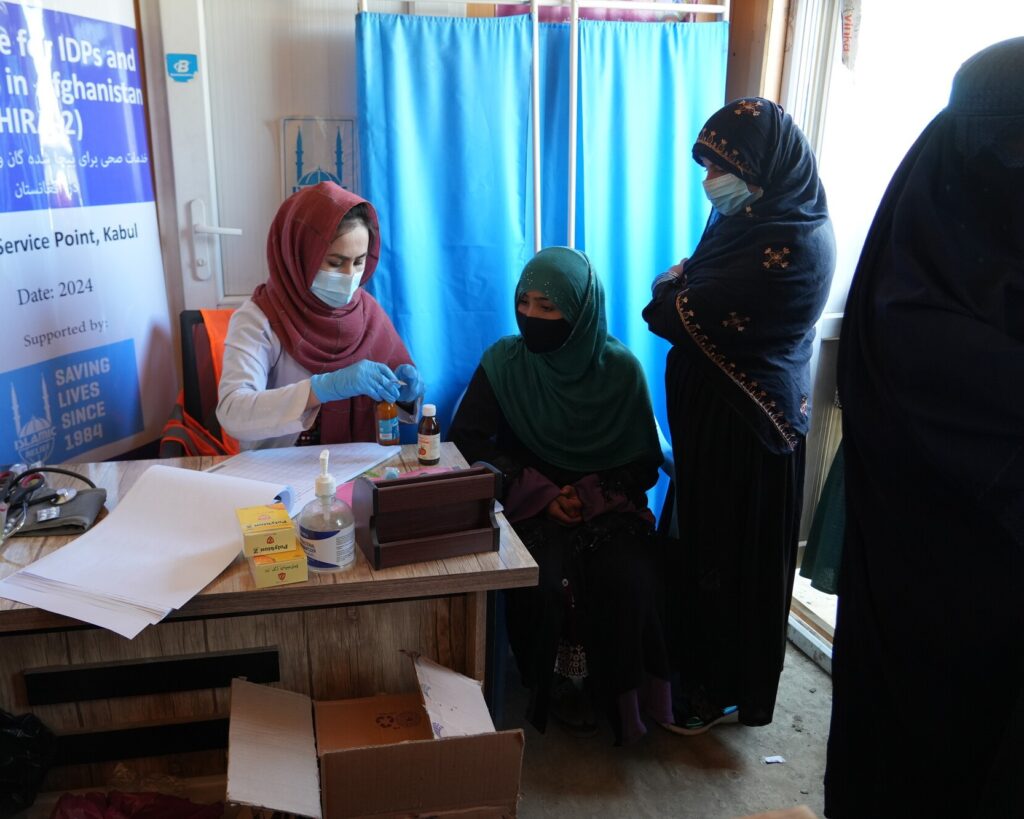
Decades of conflict and instability have left thousands in Afghanistan struggling to meet their basic needs. This includes adequate medical care, as the nation’s healthcare sector strains to meet the growing demand.
Islamic Relief is providing community-based healthcare through the HIRA project. It focuses on assisting the most vulnerable community members – mothers, children, and the youth.
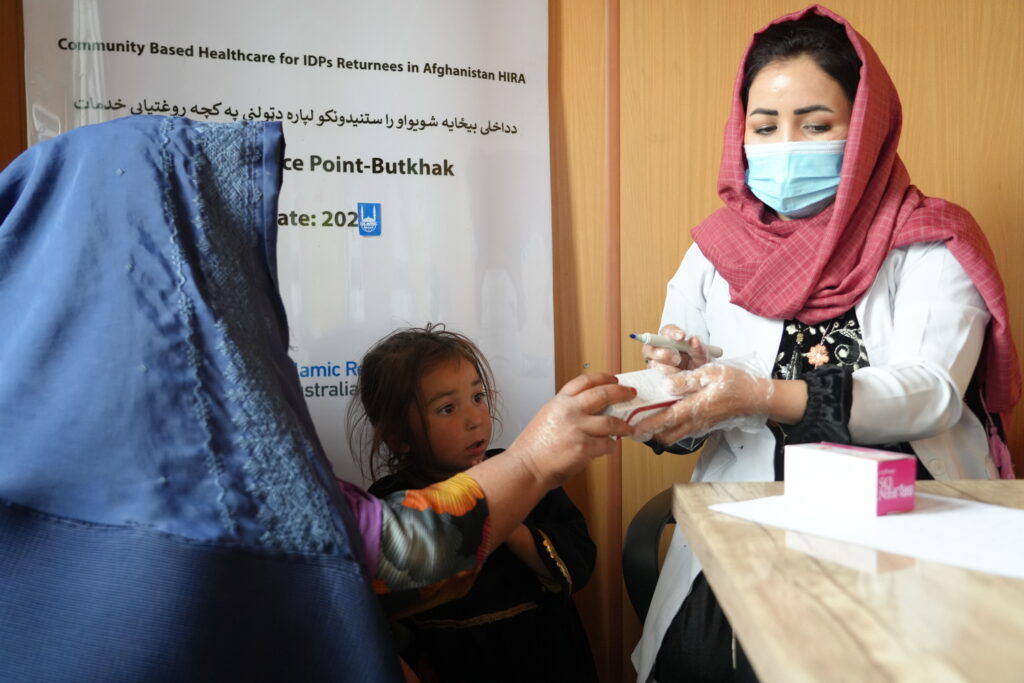
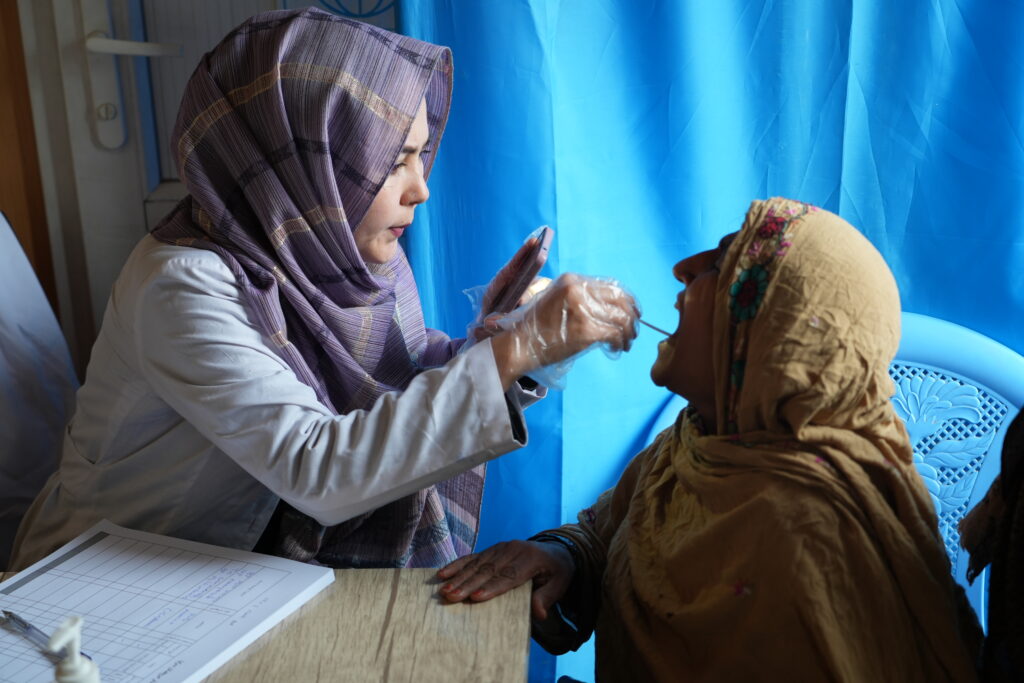
To relieve the strain on Afghanistan’s overwhelmed health sector, Islamic Relief continues to deliver assistance through our community-based healthcare project, known as HIRA. This is being implemented through fixed clinics in the Kabul, Nangarhar and Zabul provinces.
Islamic Relief Australia is a long-term supporter of the project. Together, we regularly check the patients in each Health Service Point. Patients requiring advanced health services are referred to relevant BPHS (Basic Package of Health Services) and EPHS (Essential Package of Hospital Services) implementors in the province.
This primary health care project delivers:
• Antenatal and postnatal for mothers;
• Nutrition support and psycho-social counselling for pregnant women;
• Improved nutritional levels for children under five;
• Intensive health support for severely and acutely malnourished children; and,
• Learning and self-development opportunities for young people
Our Impact So Far
9,150 mothers and children received primary healthcare services and those with underlying diseases were referred to district or provincial hospitals.
694 individuals have participated in Psycho-social counselling services through trained PSS counsellors
722 mothers received ante-natal care (ANC) and post-natal care (PNC) services
3,180 under-five children screened for malnutrition (186 cases of moderate acute malnutrition (MAM) and 41 cases of severe acute malnutrition (SAM) were identified)
836 mothers, organised in 9 Mothers Groups, participated in nutrition camps
1,340 children health and hygiene awareness sessions