Our Ramadan program at Islamic Relief ensures food for families in need worldwide. This includes Bangladesh where, within the town of Thakurgaon, many people live in extreme poverty. They struggle to afford food, especially during Ramadan, when they are unable to prepare anything for Suhoor and Iftar, making it harder for them to fast.
Hamida Bewa’s family is one of the rightsholders within this area. She is a 70-year-old who lives with her two adult children, both of whom have disabilities. Her daughter, Omela Khatun, aged 45, cannot speak. Her son, Kolim Uddin, aged 40, is intellectually impaired.
Life in Extreme Poverty in Bangladesh
Hamida’s family struggles to find work. Sometimes, Hamida and her daughter work as domestic help. However, this is nowhere near enough to provide them with a steady income.
“It is so unfortunate that I am dependent on my disabled daughter. Despite her impairment, she works as a domestic help to the neighbours’ house. She washes their dishes and in return, they provide her (with) some food. We share that food and save our lives.
“I become so upset whenever she goes to work. I often cry myself and curse my misfortune. It gives me immense pain and sorrow that I am dependent on my impaired daughter.”
Unable to Afford to Eat
“We are poor. The lives of the poor are always difficult. But my life is even more difficult. Both my son and daughter are disabled. I feel so helpless whenever I think about what their future in my absence would be. Who would take care of them? Who would feed them? It is a terrible test for me. I am a widow and there is no other earning member in my family. I hardly remember when we had three meals in a day.
“We starve most of the time. If we are lucky, we manage two meals. Flood brings distress to everyone. During floods, my daughter cannot go to work and those days we have no choice but to starve.”
“Whatever we are offered from donors, those are our only options. As such we treat ourselves with the food we receive.
“Sometimes I feel so frustrated remembering our old days. I do not know when I will be able to see my homeland again.”
Ramadan in Thakurgaon, Bangladesh
“Ramadan is very special. Allah has asked (us) to worship more during this Holy month. But (for) poor people like me who do not have any food for them, it is difficult even to pray. I cannot fast properly because I don’t get enough to eat during sahur.
“We do not get three times meal. It is even difficult for us to collect one meal. We struggle to arrange rice and lentil. We consider ourselves lucky if we manage two meals a day.
“Our regular diet is rice, lentils or vegetables. Sometimes we are blessed when people donate us one or two pieces of fish. We cannot recall when was the last time we had meat. For poor people like us, it is difficult to survive.”
How Islamic Relief Has Helped
“Islamic Relief is implementing a project titled “SUFOL’’ in our area. I am one of the participants of that project. That’s how I know about Islamic Relief in Bangladesh.
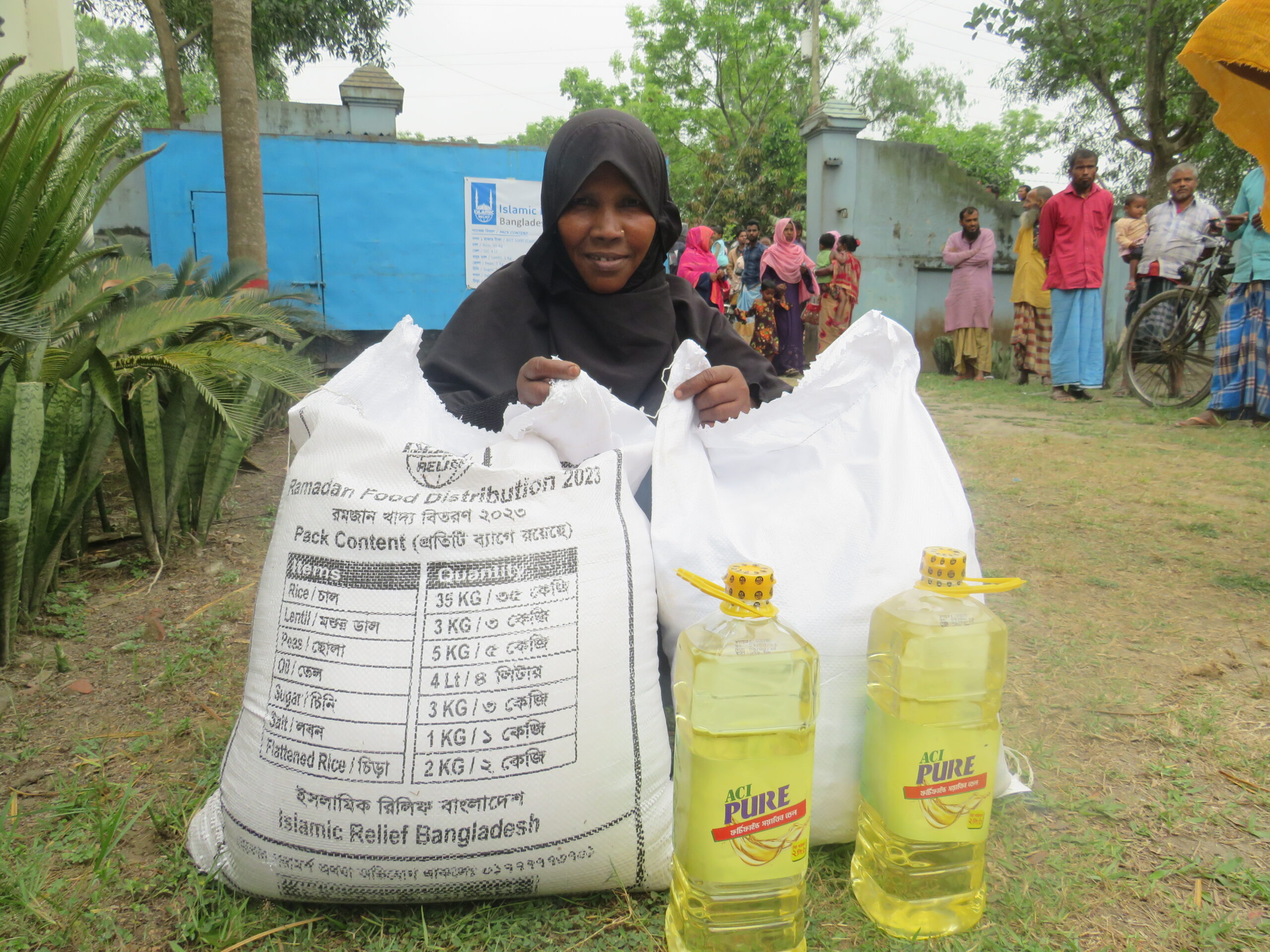
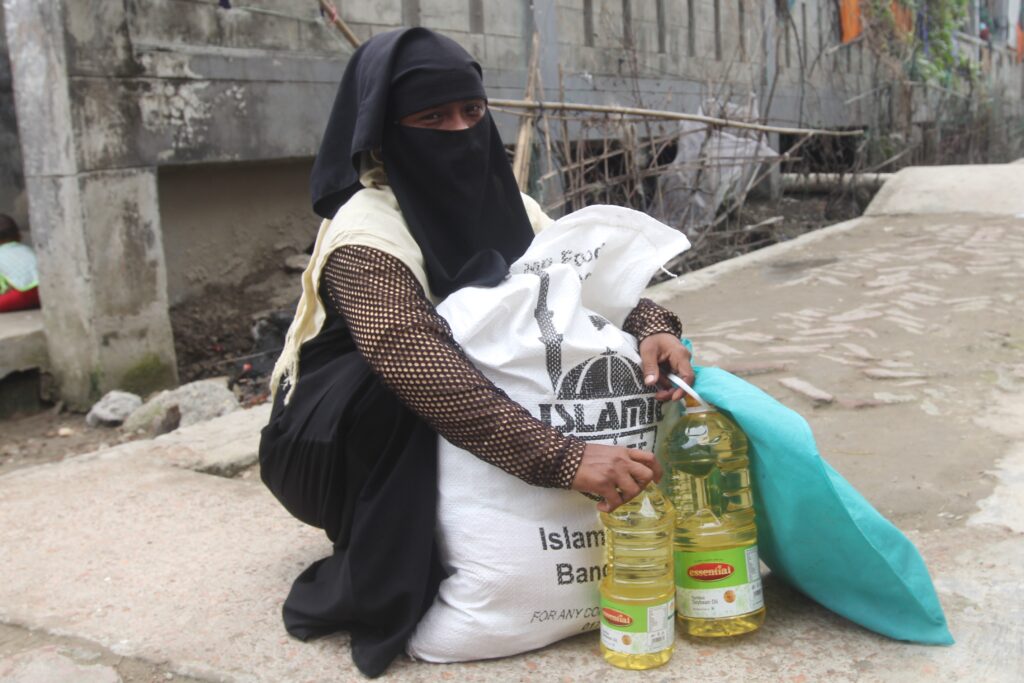
“I was relieved when I received Ramadan food pack from Islamic Relief. I am so thankful. This food pack was a real blessing. I was so worried what we would eat during Ramadan.
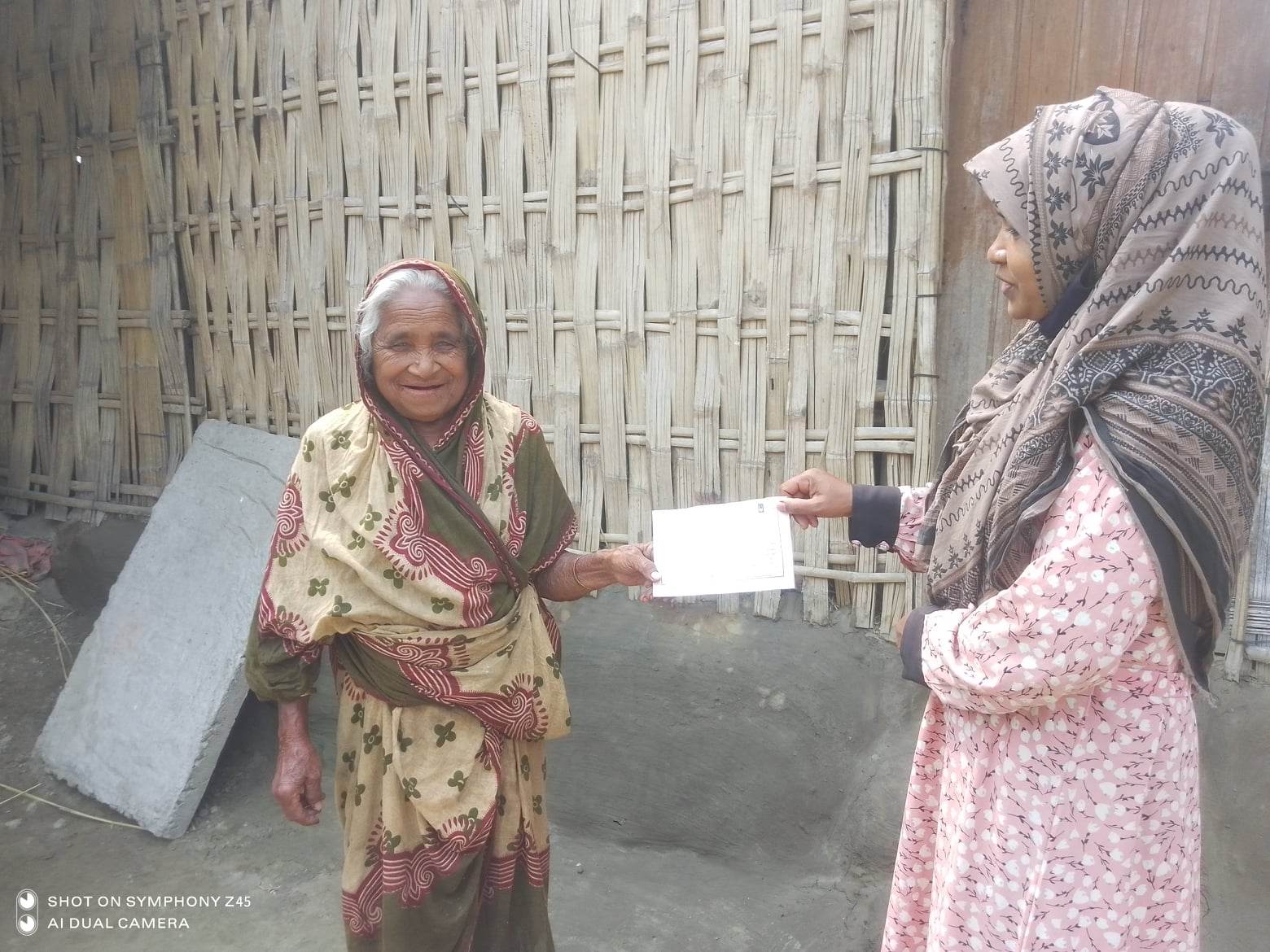
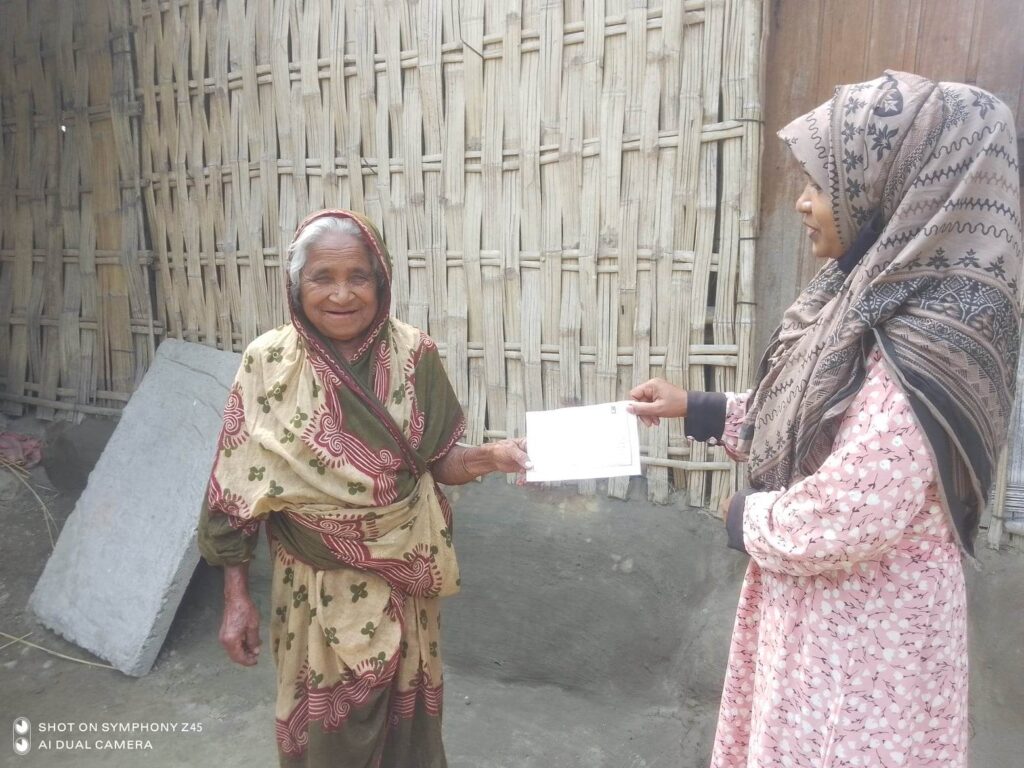
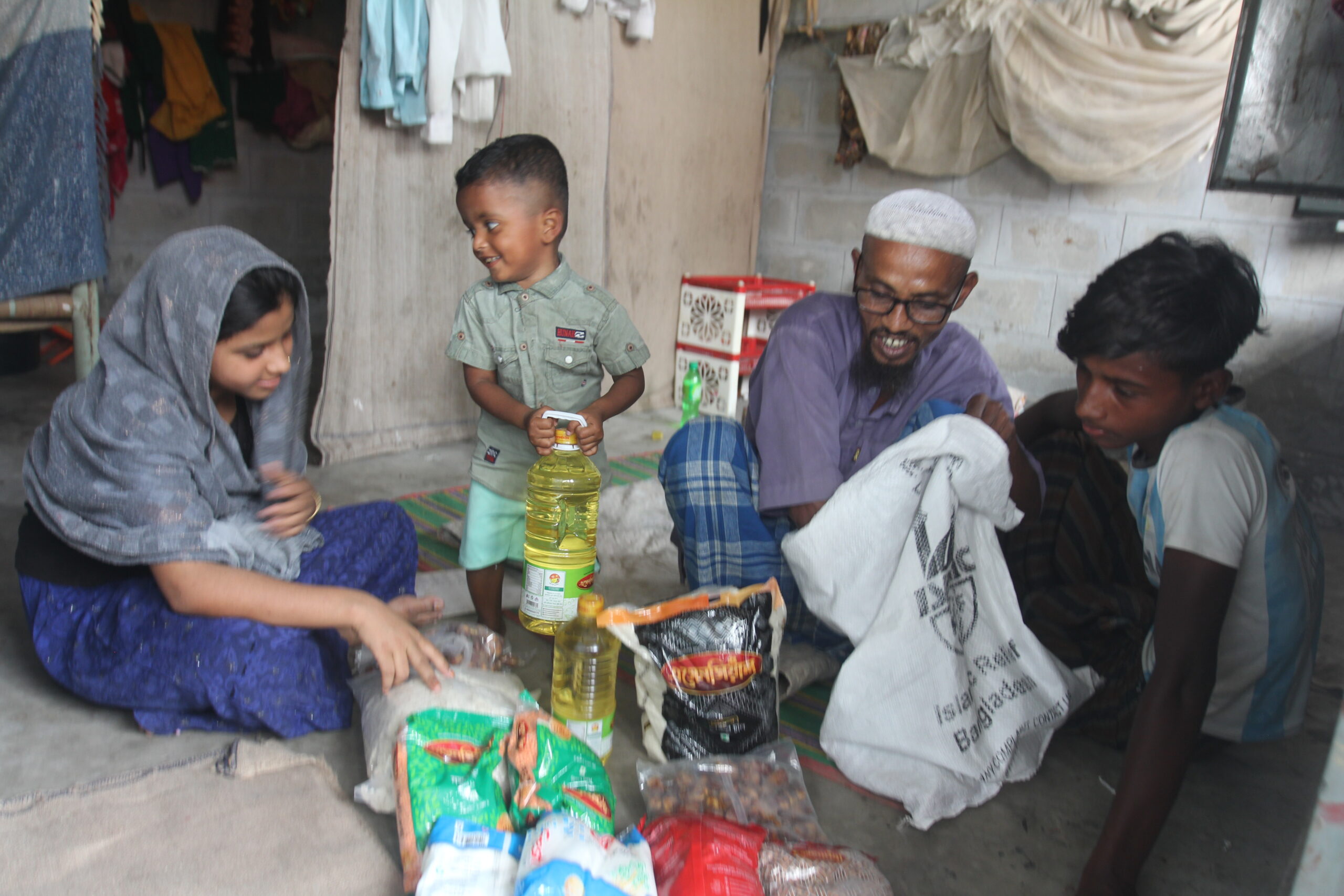
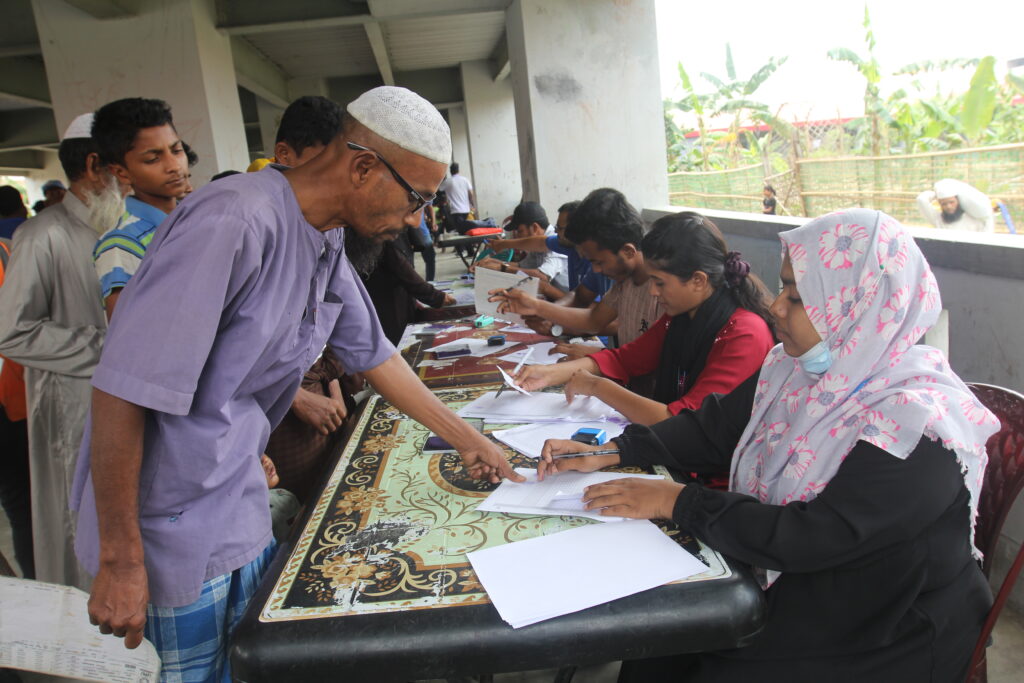
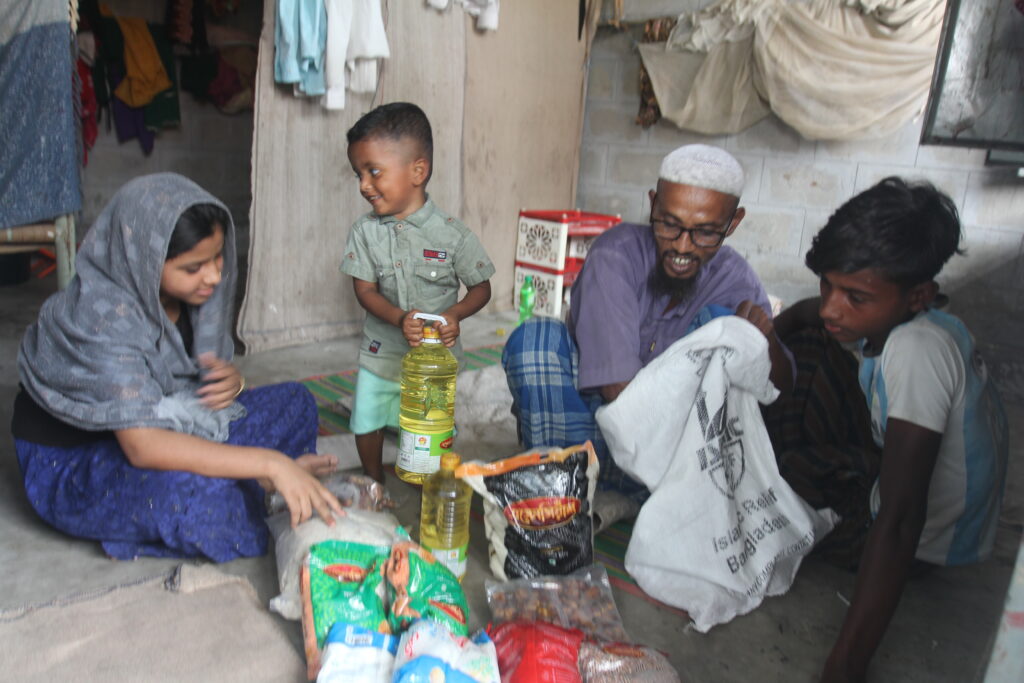
Image: Jovial Hamida receives her card for collecting Ramadan 2023 Food Pack from Islamic Relief teams in Bangladesh.
“Islamic Relief helped us and made me worry free. They have provided enough food for us. We would be able to fast for a month by eating properly. We would be able to eat food for the whole month. My son will not starve during Ramadan.
“I have nothing more to say except thanking Islamic Relief for their tremendous help. In shaa Allah this year we (will) have no worries for food, and I (will) be able to fast smoothly.”
Save Families From Hunger
Multiply your rewards from Allah (SWT) this Ramadan. Give families in need the opportunity to enjoy nutritious food for Suhoor and Iftar during this blessed month.
Every year Islamic Relief distributes Ramadan food packs to the underprivileged to bring happiness in their lives. One of the rightsholders Islamic Relief serves is 36-year-old widow Tayeba and her children, who live in Bhasan Char Rohingya Camp.
From Hardship to Greater Hardship
Tayeba became a widow after her husband was tortured and brutally killed by the Myanmar Armed Forces. She had no choice but to flee to Bangladesh to save her and her children’s lives.
Two years ago, she was relocated to Bhasan Char, an island far away from the mainland with inadequate facilities.
Worse still for Tayeba are her prospects for the future. Within the camp, there are no job opportunities for the refugees. Due to her low educational level, she is struggling to find a suitable job. Without a stable income, she faces financial hardship with her four children.
“My life is miserable. I lost my husband and now I am helpless with my four orphan children. We were sent to this island and since then we have been living in a building. However, I wish if I had a fixed income of my own, we would have lived better. We are struggling for survival.”
Struggling to Provide for Her Children
“My children are malnourished and suffer from protein deficiency. I cannot afford to arrange eggs, chicken, meat, milk, and fruits for them.
“Being a mother, I feel sad when I cannot arrange anything for them even if it is a small thing. Last month, my son Osman wished to have an egg on his dinner menu, but I could not afford to give him. He was very upset and slept without having dinner.
“It was so painful to me as I could not buy just an egg. I cried the whole night realising my situation.”
Alongside food, Tayeba also struggles to send her children to school and afford the medicine they need.
“My children go to a school run by the NGO. They need a private tutor, however, I cannot afford to keep a tutor for them.
“Sometimes if they are sick and need to see a doctor, it is even difficult to buy medicine. I cannot provide proper medicine when they fall sick.”
Ramadan as a Refugee
My daily life is a bit different during Ramadan. I wake up very early to cook pre-dawn (Suhur) meal. After having our Suhur, we offer Fajr prayer. I also prepare a day-long meal for my younger kids as they cannot fast.
“Ramadan always reminds me of the days which we used to pass in our country. I miss my husband the most. We used to have Iftar and prayer together. My husband used to take us for Eid shopping. I miss my husband as well as my homeland immensely.
“When we were kids and used to keep fasting, my parents used to arrange good Iftar to treat and to encourage us. As a mother, I wish to apply the same to my children but reality is difficult.
“During Ramadan, my children wish to have special food items. I have no money to buy some special food items during Ramadan.
How Islamic Relief Has Helped
“I have been familiar with Islamic Relief since the very first day of my relocation to Bhasanchar. Every month I receive a monthly food ration from them.
“I had the opportunity to participate in one of their adolescent awareness sessions, in which my girls participated as well. Last year, I also received the Qurbani Meat pack.
“We have been receiving Ramadan food packs for the last 2 years from Islamic Relief. My children are happy when they have this Ramadan pack. They were so excited about having it. I was very concerned about what would I arrange for them during Ramadan.
“The food supply has been a great relief and we now concentrate more on prayers. I hope I will be able to complete Ramadan with this food pack.
“Islamic Relief has distributed food packs in our community as well. It brings immense joy to our community.
“I hope Islamic Relief will continue providing Ramadan food packs every year because it is a blessing to poor people like us.
“The Ramadan Food pack is enough for my family and we are extremely happy and pleased. I am so grateful to Islamic Relief. I pray for them.”
Save Families From Hunger
Multiply your rewards from Allah (SWT) this Ramadan. Give families in need the opportunity to enjoy nutritious food for Suhoor and Iftar during this blessed month.
Ramadan, the ninth month of the Islamic Calendar, is a time of fasting, prayer and deep reflection. Beginning this year on the evening of Monday, March 11, 2024, it is a month that brings us many benefits – spiritually, mentally and physically.
With the numerous chances to earn rewards from Allah (SWT), Ramadan is the best time to work on strengthening our faith and leaving behind bad habits.
However, one healthy habit many of us struggle with maintaining and building during Ramadan is staying active.
Adjusting to a New Routine
Between the early mornings, late nights of worship, fasting, Taraweeh prayers and event invites, Ramadan can get overwhelming. This, combined with the lack of energy we can feel during the month, often becomes an excuse not to exercise. The generous spreads of food we often see at Iftar also don’t help, as it makes it easy for us to overindulge in our favourite treats.
However, it’s important to try our best to stay fit and healthy, during Ramadan. Ramadan is a month where we try to better ourselves for the sake of Allah (SWT), after all.
By looking after the body He gifted us, we’ll not only have more energy to keep up with our daily routines, but can also focus on our Ramadan activities more earnestly. So, what are the best ways to work out and stay fit during Ramadan?
Choose the Right Ramadan Workout Routine for Your Body and Needs
Staying healthy and fit doesn’t mean you need to go hard at the gym or burn a thousand calories a day. Likewise, there’s no one-size-fits-all when it comes to exercise routines. Everyone has different strengths and weaknesses. That’s why the key is to find a balance.
Keep Yourself Accountable
Ramadan is a month full of social events with family and friends. Many of us have Iftar appointments and Taraweeh times we can’t miss, which can make it hard to know when to schedule a workout in.
But, if there was any time to start being more organised, Ramadan is the best month to start. Get yourself a Ramadan calendar and stick a note on it with all the appointments you have. Mark out the times you have free and set reminders for it. Think about the type of reward you want to give yourself after your workout to make you more motivated to do it.
It also helps to let your like-minded friends and family know of your fitness plans for Ramadan. That way, you can keep each other in check and even exercise together if you both prefer.
Start Slow and Easy
No matter your fitness level, fasting during Ramadan will affect your energy levels. If you’re looking to continue or even start a workout routine for the fasting month, choosing the right exercise is key to ensuring you don’t overexert yourself.
For the first few days of Ramadan, go easy. Let your body adjust to your new energy levels. Alternate your workout days or add a rest day or two in between.
If you do regular training, continue as usual. Avoid increasing the intensity if you haven’t done it before, even if you feel like you can handle it. Your muscles may not have the energy for that additional push.
If you don’t usually work out, start slow and choose easygoing activities. Go on short walks, swim or practice meditation. Choose something that gets you moving but won’t make you out of breath.
Quality Over Quality
Once we get into a routine, it can be tempting to increase the intensity of our workout. However, Ramadan is the best time to focus on sustaining the fitness level you have rather than risk burning yourself out.
During Ramadan, we can sometimes lose muscle mass. Which, combined with low energy levels can lead to lightheadedness. One way to combat this is to eat more protein during Suhoor and Iftar.
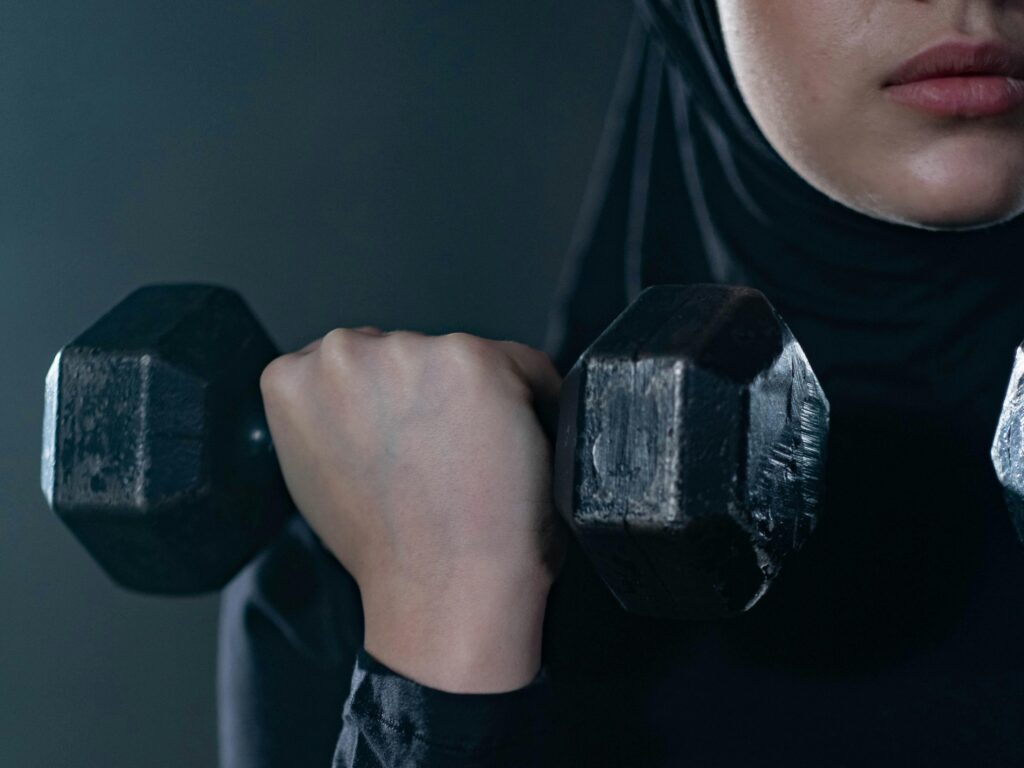
Another is to focus on more low-intensity, low-impact workouts when exercising. These include resistance training exercises such as squats, lunges, push-ups and moderate weights, which can help maintain muscle mass.
Likewise, exercises focusing on flexibility, mobility and core training are also less cardio-intense and allow you to hone other aspects of your fitness, which will help significantly in your post-Ramadan workouts.
Exercise at the Right Time
Everyone has their favourite times to exercise and, in Ramadan, it’s not too different.
However, if you prefer exercising during the day, keep in mind that it’ll be when your energy levels are lowest. As at night, between Iftar and Suhoor, is the only time we can eat and drink during Ramadan.
If you must exercise during the day, focus on low-intensity workouts and spread them out. If you feel like a more intense workout, exercise as close to Iftar as possible. This way, you can immediately replenish your energy straightaway and won’t get too tired.
If you’re an early riser or prefer to exercise in the morning, try to get up an hour or so before Suhoor. It’s also the best time for intense workouts, as you’ll be able to replenish your energy and water levels after.
If you prefer exercising at night, you can do it straight after breaking your fast. The most important thing to remember is not to have a full meal for Iftar as your body needs time to digest the food. Having something small like dates and water or a protein bar is enough to give you the energy boost you need to exercise after fasting.
If you’re a night owl, you can exercise after Taraweeh. Just make sure to leave an hour or two to cool down post-workout before you go to sleep. Exercising gets your heart pumping, which keeps you awake. This might make it harder for you to wake up for Suhoor if you leave your workout too late.
Listen to Your Body
Between the fasting and unusual sleeping and eating times, our bodies function differently during Ramadan.
If you’re tired, you don’t have to push it. Adjust your workout routine so you can keep active without overworking your body and your time.
The most important thing is consistency. If you already work out regularly, continue to do so. If you don’t exercise regularly, Ramadan is not the time to try something new.
Take it easy and stick with what you know. Be patient and give your body time to adapt. If you’re tired, just rest or do stretching. Rest and recovery are vital too!
Last, but certainly not least, don’t forget to get enough sleep. Take regular naps if needed. As sleeping well will help your mental focus to overcome thirst and hunger and focus on getting closer to Allah (SWT).
There’s more to staying healthy and fit than only exercise. Eating and drinking well is also important, especially during Ramadan.
If you eat foods with enough nutrients – with plenty of complex carbohydrates, protein, fibre, vitamins and healthy fats – it gives you the fuel you need to sustain your energy throughout the day. For fasting, your acts of worship and throughout your workouts.
Resist the urge to overeat during Iftar. Remember, your brain needs 20 minutes to receive the “you are full” message from the stomach. Start off with something small to break your fast. Then, after prayer, you can slowly eat more but keep your portions small. Take time to enjoy your food. And remember to stay hydrated.
If there’s a hearty dish you really want to eat but isn’t that healthy, focus on making it a more nutritious meal. Add vegetable dishes. Pair it with your favourite meat or legume. If you’re still hungry during the night, have a light snack. Eat a light soup, which also helps you get more fluids or have hydrating fruits like watermelon after dinner.
It’s also best not to miss Suhoor. Like breakfast, eating enough and drinking enough water at Suhoor helps you stay energised throughout the day.
Ramadan gives us time to rest and strengthen our mind and body. It improves our self-discipline and control. It brings a lot of spiritual awareness to purify the mind and body. Throughout the month we practice patience, empathising with those who are living in hunger and poverty, and draw closer to Allah (SWT)
With all the benefits that come during Ramadan, fasting shouldn’t prevent you from doing any workout. As long as you listen to your body and its capabilities, you can stay active and fit during the month.
Don’t push too hard, but don’t take it too easy either. Focus on exercising with the best results in mind and hone your strengths. May Allah (SWT) keep us steadfast in our worship and health during this blessed month, ameen!
Every year, Islamic Relief distributes Ramadan food packs to the underprivileged to bring hope and joy in their lives.
One of the recipients includes 50-year-old Mohammed Nur and his family, who live in Bhasan Char Rohingya Camp in Bangladesh.
No Way to Earn a Living
On the island, there are fewer livelihood opportunities. To earn a living, most locals fish in the sea.
However, for 50-year-old Mohammed Nur, who lives on the island’s Rohingya camp, his physical constraints prevent him from doing so.
“We are struggling to survive. As I have no earning source, it’s very difficult to bear the expense of my family. My family members have no earning source either. Therefore, living here is very difficult.”
Life as a Rohingya Refugee
“I feel nostalgic when I remember the sweet memories of our homeland.
“We were well off in Myanmar. We used to have Iftar together with friends and relatives. We used to buy different Iftar items and Eid presents for all.
“We had everything but now we are penniless here in the camp. Here we are dependent on others as I have no income. We receive monthly food ration and manage with it.”
Without a stable source of income, Mohammed Nur and his family are dependent on monthly food rations.
“Whatever we are offered from donors, those are our only options. As such we treat ourselves with the food we receive.
“Sometimes I feel so frustrated remembering our old days. I do not know when I will be able to see my homeland again.”
Ramadan at the Rohingya Camp
“I believe Ramadan is the month when we get closer to Allah.
“I try to follow all the rituals during Ramadan. I try to accomplish all 30 days of fasting. If I feel very sick, only then do I skip fasting.
“We break fast at sunset with a simple diet. We offer Taraweeh prayer at night. My wife and I also recite the holy Quran and offer additional prayers.”
How Islamic Relief Has Helped
“I am familiar with Islamic Relief since I have been relocated to Bhasan Char.
“Islamic Relief has been providing us with monthly food ration since the beginning. Moreover, I have been helped by WASH facilities and Qurbani meat packs donated by Islamic Relief.
“We are extremely happy to have Islamic Relief’s Ramadan support. We have been receiving the special Ramadan gift for the last two years.
“Islamic Relief’s Ramadan food package is different from other NGO’s Ramadan support. It brings joy and happiness to every single family in our camp.
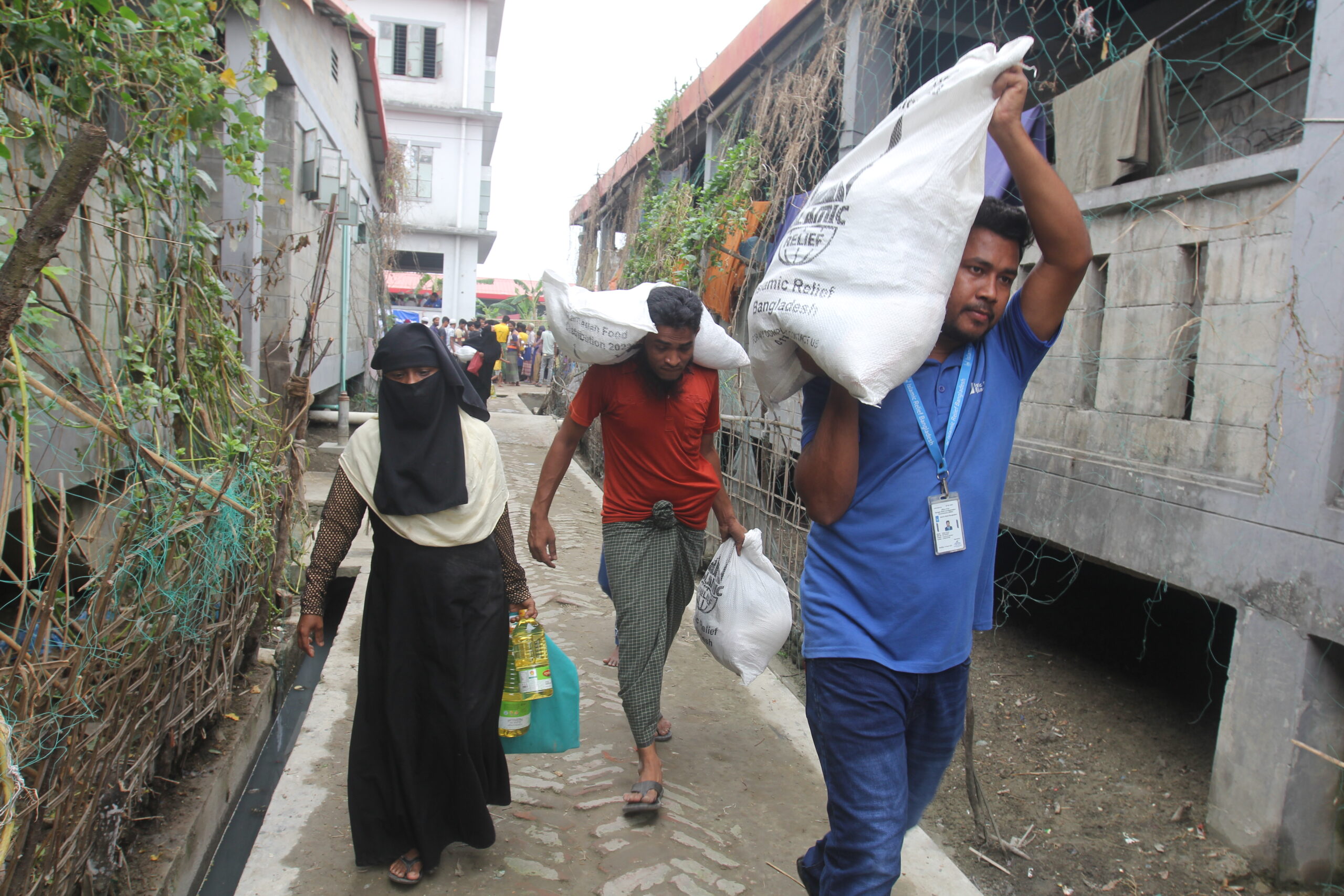
Islamic Relief distributed a total of 12,417 food packs to vulnerable families in the Forcibly Displaced Myanmar Nationals (FDMNs) camp in Bhasan Char and Ukhiya, including Mohammed and his family.
“The food pack was a great relief to my entire family. The children were extremely happy having this Ramadan pack.
“I sincerely thank Islamic Relief, particularly for their remarkable efforts during this sacred month of Ramadan.
Save Families From Hunger
Multiply your rewards from Allah (SWT) this Ramadan. Give families in need the opportunity to enjoy nutritious food for Suhoor and Iftar during this blessed month.
Islamic Relief is sharing stories of some of the amazing women we support around the world.
Together, we strive to inspire inclusion. Where we celebrate the diversity and inclusion of women to create more equal societies and fairer environments where women feel empowered.
Stitching a future in Ethiopia
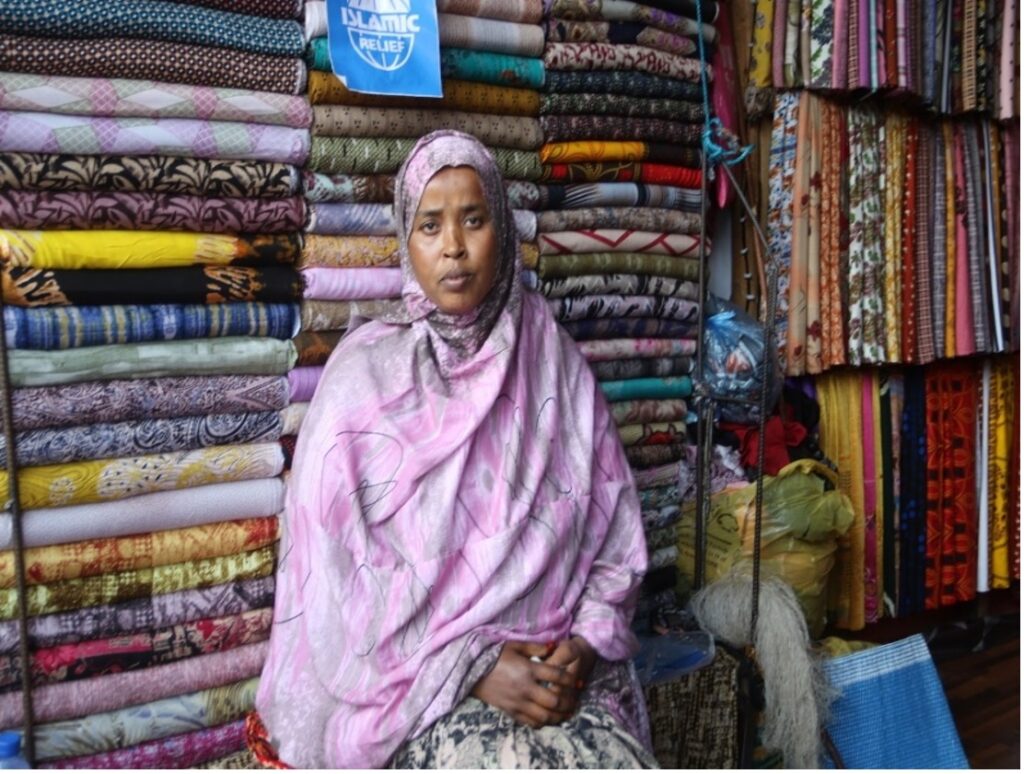
“Every stitch I make is a step towards a better future for my children,” says Ifrah, a young mother who had to rebuild her life in eastern Ethiopia after she was violently forced from her home.
Fleeing with her 5 children, Ifrah eventually settled in the town of Jigjiga. There, she planned to open a small shop selling clothing that she had handstitched.
Ifrah initially struggled to make her dream a reality. But, after coming into contact with Islamic Relief, she received funds and training to open her shop. Ifrah says the support she received from Islamic Relief’s Youth and Woman Empowerment Project (YWEP) went even deeper.
“It’s not just about the money. It’s about the trust that Islamic Relief placed in me, the belief that I could rise.”
Despite the challenges she faced launching a business in a period of economic uncertainty, Ifrah was able to turn her shop into a resounding success.
In the beginning, Ifrah would struggle to make as much as 100 ETB (approx. $2.65) a day. But, today, the business has grown to a position where she draws in 15,000 ETB (approx. $399.80) a month.
Image: Ifrah is hoping to inspire others with her shop.
“There were days when inflation hit us hard,” she recalls. “But with every challenge, I learned, I adapted. Islamic Relief’s training wasn’t just about business; it was about resilience.”
Ifrah hopes her shop will inspire others in Jigjiga.
“My dream? It’s to see a street lined with businesses run by women,” she says with a smile.
“Women who started with a small seed, just like I did.”
Harvesting Independence in Indonesia
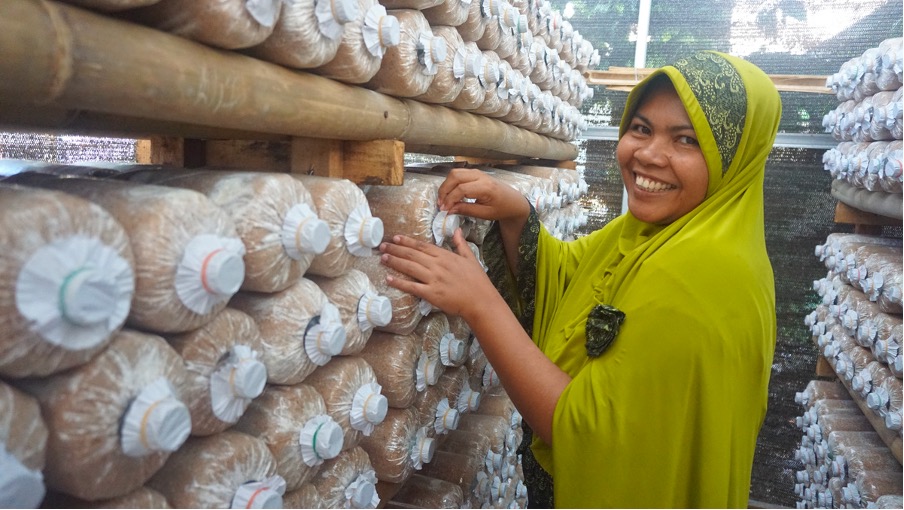
On the island of Lombok in Indonesia, the green mushroom houses of Uus’s farm are a testament to her hard work and the support of Islamic Relief’s Sustainable Livelihood Project.
“There was a time when uncertainty was the only certainty we had,” Uus recalls.
“Islamic Relief changed that for us; they gave us the tools and the confidence to grow, not just mushrooms, but our dreams.”
The Sustainable Livelihood project in Lombok provides women with training, tools and equipment, as well as financial support to launch enterprises such as mushroom cultivation.
Uus’s mushroom farm has become more than a source of income. It is now a beacon of collective achievement for the community.
“We’re not just growing mushrooms; we’re growing lives,” she says.
Image: Uus in one of her mushroom houses.
Her business now harvests up to 40 kilos of fresh mushrooms daily and employs 10 local workers.
“Islamic Relief taught us to cultivate hope, and now hope blooms in every corner of our farm. This farm is our heart,” she says warmly, “and it beats strong for our community.”
The training and financial support provided by Islamic Relief have helped Uus and her husband develop a thriving business, while also planting seeds of self-reliance in her neighbours.
For Uus, the message is clear:
“When one of us rises, we all rise. My success is our success, and I dream of a day when every woman in Lombok has the means to write her own story of triumph.”
Honouring Inspiring Women
Uus and Ifrah’s stories reflect a shared vision of a better future. A future where every woman has the opportunity to thrive and lead change in her community.
Islamic Relief celebrates the resilience and ambition of women like Ifrah and Uus, who are not only rebuilding their lives but also paving the way for others to follow.
Their journeys remind us that when women are given the chance to succeed, they create a stronger, more inclusive world.
Women in Bangladesh face many challenges to empowerment. From harmful social norms to a lack of access to education and employment opportunities, there are many barriers. For women with disabilities, life is even more difficult.
Piya lives in a remote village in the Rajarhat sub-district of Kurigram in northwestern Bangladesh. The 29-year-old has a hearing impairment. In turn, she, like many girls in rural Bangladesh, was a victim of early marriage, sometimes known as child marriage.
In rural Bangladesh, women and girls have few opportunities to earn an income and are often viewed as financial burdens. Marriage is the most common way to relieve that burden, prompting many families to marry off their daughters before the girls reach adulthood.
Piya’s parents were worried she might also face discrimination because of her hearing impairment. Thus, they thought marriage could shield her from that. So, at age 14, she began married life. Social norms around the role of a wife made it impossible for Piya to continue her education, forcing her to drop out of school.
Piya’s husband, Chand Mia, works as a day labourer but struggles to make ends meet with his limited income. Ensuring his wife and children received 3 nutritious meals a day was a constant struggle for him. The situation was difficult for Piya too.
“I experienced profound sadness as I could not contribute more to support my husband. I knew I had to take action, but I was unsure where to begin or what steps to take. The inability to provide meals for our children was particularly painful for me,” she says, reflecting on that challenging time.
A turning point
Piya’s life began to change when she became involved with Islamic Relief. Determined to change her family’s situation, she embraced the opportunity.
Piya is one of almost 3,500 people facing extreme poverty who will receive support through the “Promoting the Model for the Elimination of Extreme Poverty in Rural Bangladesh” (EEP) project. Through the 36-month-long project, she received training, seed money and technical support needed to launch a business. This helped her break the cycle of poverty and boosted her socioeconomic wellbeing.
With a seed fund of BDT 12,000 (approx. $165), she began raising goats, expanding her modest farm with Islamic Relief’s support.
Islamic Relief supported Piya’s farmwork through the “Elimination of Extreme Poverty Initiative in rural Bangladesh” in Rajarhat, Kurigram.
Empowered by growing confidence, Piya sought out other streams of income by joining a local self-help group. She found a community offering mutual support as well as sharing knowledge and resources, and became a cashier for the group.
Joining the self-help group opened the door for Piya to make use of Islamic microfinance services. She also took out interest-free loans from the group’s fund to expand her endeavours.
Her small home farm transformed into a diverse landscape, home to goats, chickens, and cows. Project initiatives, such as animal health camps, supported Piya in keeping her animals healthy and well.
Leasing a productive piece of land, Piya cultivated chilli and ginger, which led to substantial monthly profits. She also cultivated her own fodder, saving the money she would have spent buying it, and engaged in other cost-effective farming practices with support from Islamic Relief. Her husband supported her efforts to expand the farm, which became a collaborative effort for the couple.
Piya’s investments and hard work significantly improved her family’s financial situation. She transitioned from depending solely on her husband’s income to becoming a self-sufficient contributor. Beyond her farming activities, Piya became an inspiration within her self-help group, motivating others to pursue their ambitions.
Piya’s story epitomises determination, resilience, and triumph over adversity. Through her efforts and the right opportunities, she not only achieved financial security but also became an inspiration for those around her.
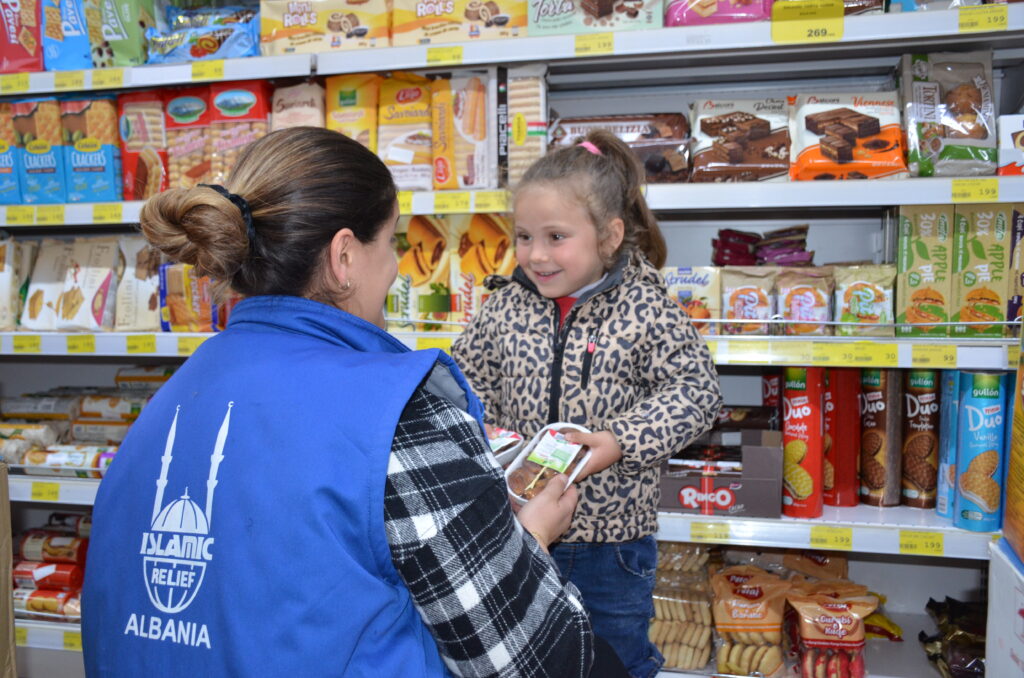
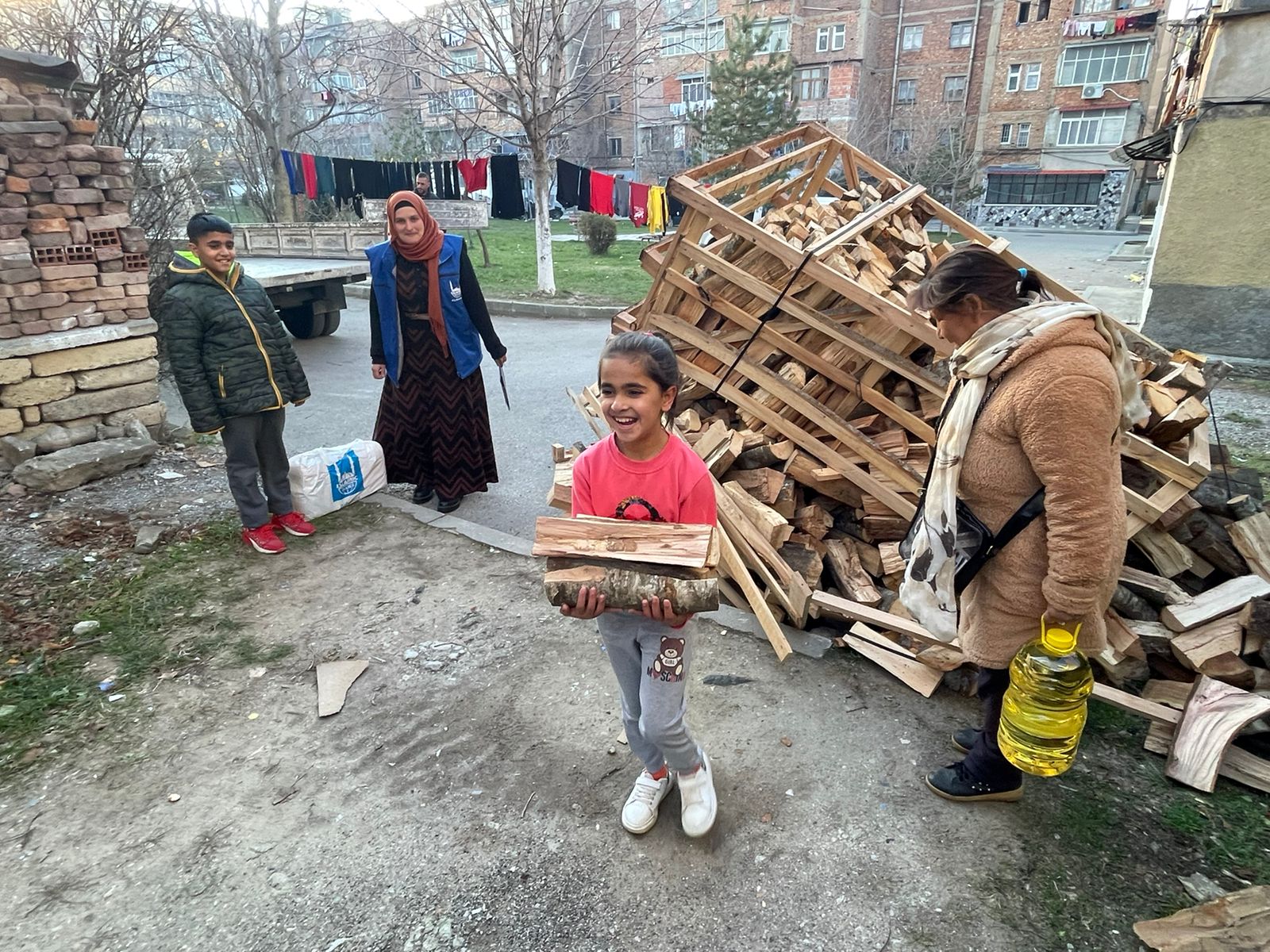
Every year, Islamic Relief implements the Ramadan project for its main rightsholders, orphan children and their families. In Ramadan 2023, this project was implemented in Albania in two forms: food packages and cash.
The implementation of cash grants for rightsholders allowed them to choose the basket products themselves. It was a form of donation that aimed to boost their self-esteem and treat them with dignity.
Nexhmije Shpellzaj and her family from Shkoder, Albania, in the Malësi e Madhe district, were one of the recipients.
A widowed mother struggling to make ends meet
Nexhmije is a 39-year-old widow and mother of 4. She occasionally works as a sanitary worker but does not have a fixed job.
Nexhmije got married at a young age. She could not finish her studies. After marriage, she was blessed with 4 children, all primary school age, who are currently in her care. Over five years ago, her husband passed away in a road accident. Her youngest, Jetmira, who is now six, was not yet a year old when he passed.
“It’s difficult being a mother and a father at the same time; it’s such a big responsibility.”
Nexhmije looks after her 4 orphaned children on her own. Her family is in need of support.
A family going through hardships
Nexhmije’s family lives in a private house with modest conditions. They were able to secure this house thanks to charities. However, the house has serious moisture problems and insects.
Last year, a Muslim sister helped Nexhmije and her family immigrate to Germany as an asylum seeker. However, after staying for 6 months there, they returned her to Albania.
Currently, Nexhmije is unemployed. Whenever she can, she tries to work occasionally as a sanitary worker or in agriculture. However, the income she earns is insufficient for the family’s needs and expenses. The state offers them economic assistance as a family in need, but it cannot even cover the cost of basic daily food.
“Allah knows what a mother feels when there is no bread to give to her children. I don’t even wish it on the enemy. The last time I remember buying clothes for the children was when Islamic Relief gave us money for (an) Eid gift. I pray to the Almighty for the good health of my children.”
The Impact of Your Ramadan Donations
“I swear to Allah SWT, that He is one and there is no other. I don’t know how many times my neighbours bring me food for the children for charity.
“Ramadan is the month of mercy, the month of forgiveness, the month of sacrifice, the month where we understand the importance and value of what we have. We pray to Allah SWT to forgive us for how many times we ask for things that we don’t have because we are never thankful enough for all the blessings that He has given us.
“Before (Islamic Relief) called me, I worked in a house and bought a package of flour with the money I received. When I bought the flour, I was in doubt, I was saying to myself: flour or sausage for children?
“Then, when you informed me about cash in the bank to buy food for Ramadan, I said, (a) mother’s prayers are never rejected, Alhamdulillah.
In Ramadan 2023, Islamic Relief staff provided the family with cash to collect the food items that they need the most for the blessed month.
“I’m so happy and lucky to be part of Islamic Relief. Thank you so much for your kindness. We are extremely appreciative of all that you are doing for us.
“I am infinitely grateful to you. Allah SWT and you are the ones who are raising my children. I don’t want to imagine what my life and my children’s lives would be like without your help.
“You came into my life in those days when I only saw black days, I saw only sadness, you came like the light you see at the end of the tunnel. Islamic Relief is a blessing, it is hope, it is strength to move forward.”
Save Families From Hunger
Multiply your rewards from Allah (SWT) this Ramadan. Give families in need the opportunity to enjoy nutritious food for Suhoor and Iftar during this blessed month.
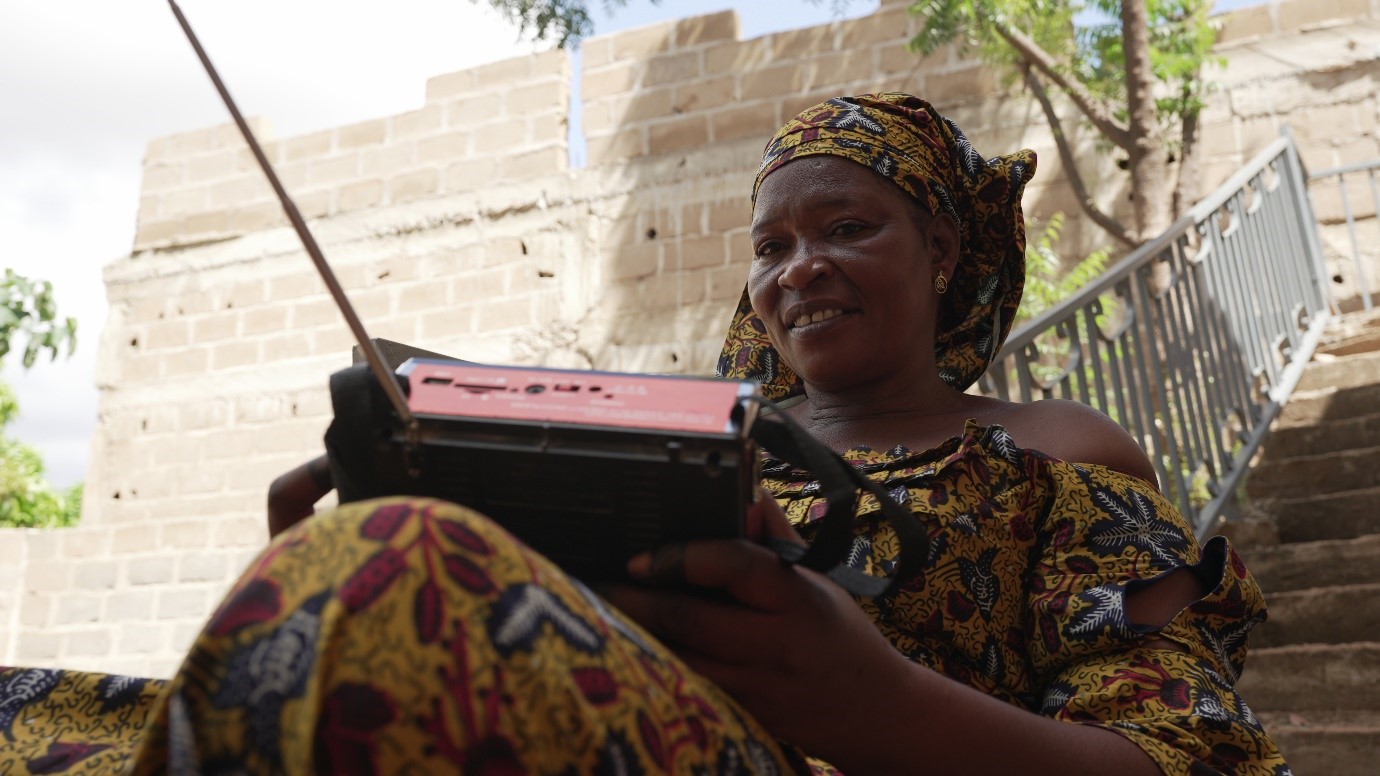
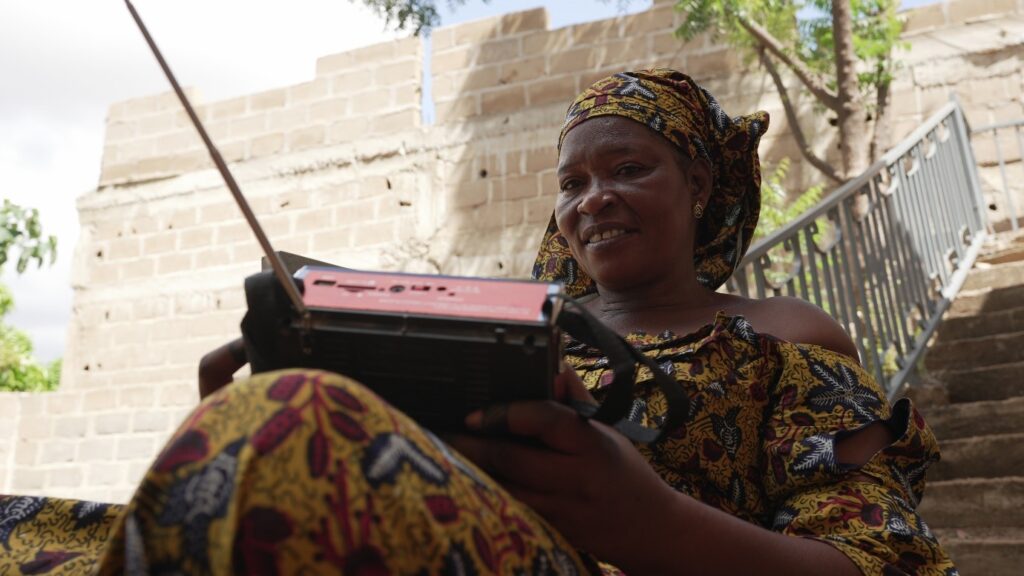
Domestic violence is commonplace in many parts of Western Africa, where men still largely dominate society. Determined to confront this, Oummou works at a radio station in the small town of Dio-Gare in southern Mali.
As a child, Oummou saw her father and the community around her mistreat her mother. Oummou’s mother had many daughters but only one son, which the community considered shameful.
Oummou was also deeply troubled by the other ways in which women were treated in her community. It was common for men to beat their wives.
The community would punish women for perceived disobedience by breaking their hands. But women suffering abuse were forbidden to tell anyone about their injuries, so they avoided going to the hospital.
Witnessing this, Oummou decided that if she were ever in a position to advocate for women, she would do so.
An uphill battle
Over the years, Oummou realised that her generation continued to perpetuate the same toxic and abusive behaviours she grew up with. To push back against the normalisation of harmful practices, she decided to run for election in the local government.
“In the past, women were forbidden to access any government positions, but I fought hard to change this,” says Oummou. “After a long, uphill battle, I was successful and was elected advisor to the mayor [on gender and women’s rights issues].”
Due to this, Oummou faced a lot of resistance within the government. Many of her colleagues had never worked with a woman before. Even the mayor disapproved of her presence among his staff.
“I resisted all of the naysayers, despite them giving me a very difficult time, because I had great ambition to see more women rise up to occupy frontline positions,” she says.
Oummou used her position in government and her job at the local radio station to reach as many people as possible. Through radio, she was able to speak to a large audience, helping others realise they weren’t alone.
However, Oummou‘s activism came with a heavy price. The community she cared for, initially shunned her, considering her to be rebellious. Believing those views, her husband divorced her.
Even so, Oummou persevered. She says, “I didn’t let this new setback stop me from achieving my dreams. I persevered and eventually gained respect and acceptance of my work within the local government.
“I became a fixture due to using my radio show as a platform to educate and advocate around issues facing the town, especially creating awareness about issues like gender-based violence and matters pertaining to women that were considered taboo.”
Making a difference
Oummou’s radio work and her work at the town hall complemented each other. Eventually, over the years the mayor came to see Oummou’s potential and her determination to make a difference. Despite the difficult start to their relationship, they now have mutual trust and respect.
“I endured a lot of conflict when I first started. Not only did the men [in government] keep things from me, I was not invited to meetings, I was spoken to rudely.”
“In time many men realised that I would not be stopped regardless of what they did to me. My mission was clear: I wanted to show men that a woman can do what they do too, and that I have the same entitlements as them. So, when they wanted to put me in my place, I made sure to stand tall.”
Standing up for women’s rights
Oummou says she is finally seeing the fruits of her labour. She sees it not only in the women who thank her for standing up for their rights, but also within her own family. She was reunited with her husband after many years, and he is now among her main supporters.
“The different roles we played in the past have come to an end, which has shown me that the advocacy I have been working on has been successful in our home. My husband now sits with our children and talks to them about the issues I cover in my radio show. The issues that used to divide us are now bringing us closer.”
Oummou’s story is a powerful reminder of the strides we can make through inclusion and celebrating those who are at the forefront of transformative change.
That’s why, in our life-saving work, Islamic Relief continues to champion Oummou and countless women like her. Women who are not only breaking barriers, but also paving the way for future generations of women leaders.
Support our vital work to empower women in Mali and around the world.
Marilda Gusmari is a 39-year-old widow living in Durres, Albania. As the head of the household, she struggles to provide for two daughters, Nidia and Joris, due to the worsening economic situation.
During Ramadan, Marilda wants to let her family experience the harmony and pleasure of the blessed month. But for families like hers struggling with poverty or food insecurity, it’s not easy to fulfil.
Living Under Unstable Conditions
“We live in such a tough condition. Our income is very low. I’m the only breadwinner in the family. Maintaining good health and consuming a nutritious diet is a challenge for us.
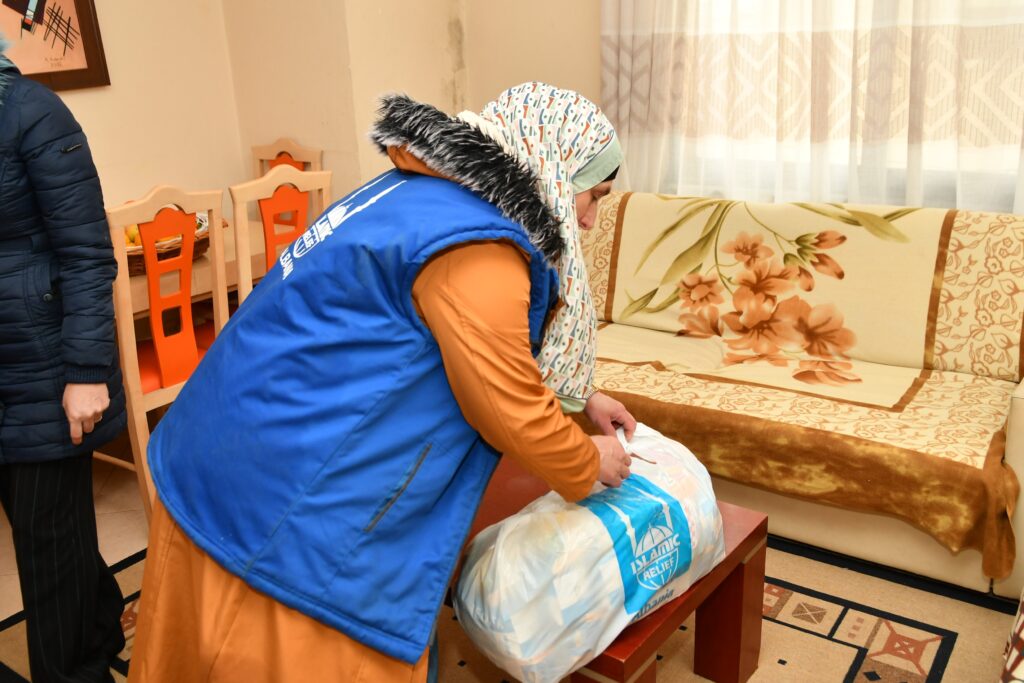
Image: IR Staff delivering Ramadan food pack to the Gusmari Family in Durres, Albania
“With our economic problems, my sister Erisa has helped us as much as she can. She sometimes brings us meals and dishes she cooks for her family. Often, we are invited to Iftars by her family. She always tries to think about us. But even her economic conditions are not too good either.”
Recovering from Disaster
“Our house was affected by the earthquake of 2019. The building was structurally damaged and was declared uninhabitable by the government. This building had about 150 families once. Today, only two families live (here).
“Our lives are in danger, we live on the 10th floor. We fear that next time it will fall again. This would be fatal for my two daughters.
“I tried to live in a rented house a year ago, but the money was not enough for our basic needs. My salary is minimal, and it does not meet our needs for food and education of the girls.
“When I am not able to provide food for my daughters, I feel very emotional. I don’t want to fail in meeting basic nutritional needs for these two. The food doesn’t last very long, but when I have it it is a very welcome relief from my daily worries. It’s painful to realise you are not able to give your children a festive Ramadan. However, I will always find a way to provide for my little family, insha’Allah.”
How Your Donations Have Helped
Islamic Relief’s Ramadan project has been implemented in Albania since 1994 and remains ongoing. Our teams on the ground work hard to make Ramadan, the Holiest Month of the Year, enjoyable. Even for the poor families and frustrated social families through food package distribution.
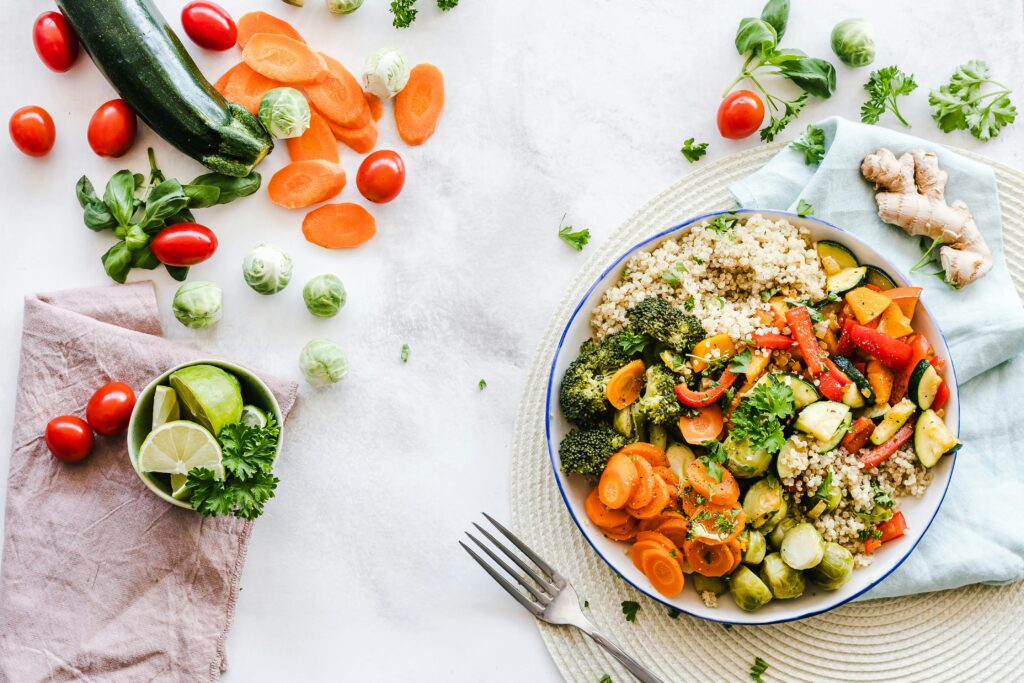
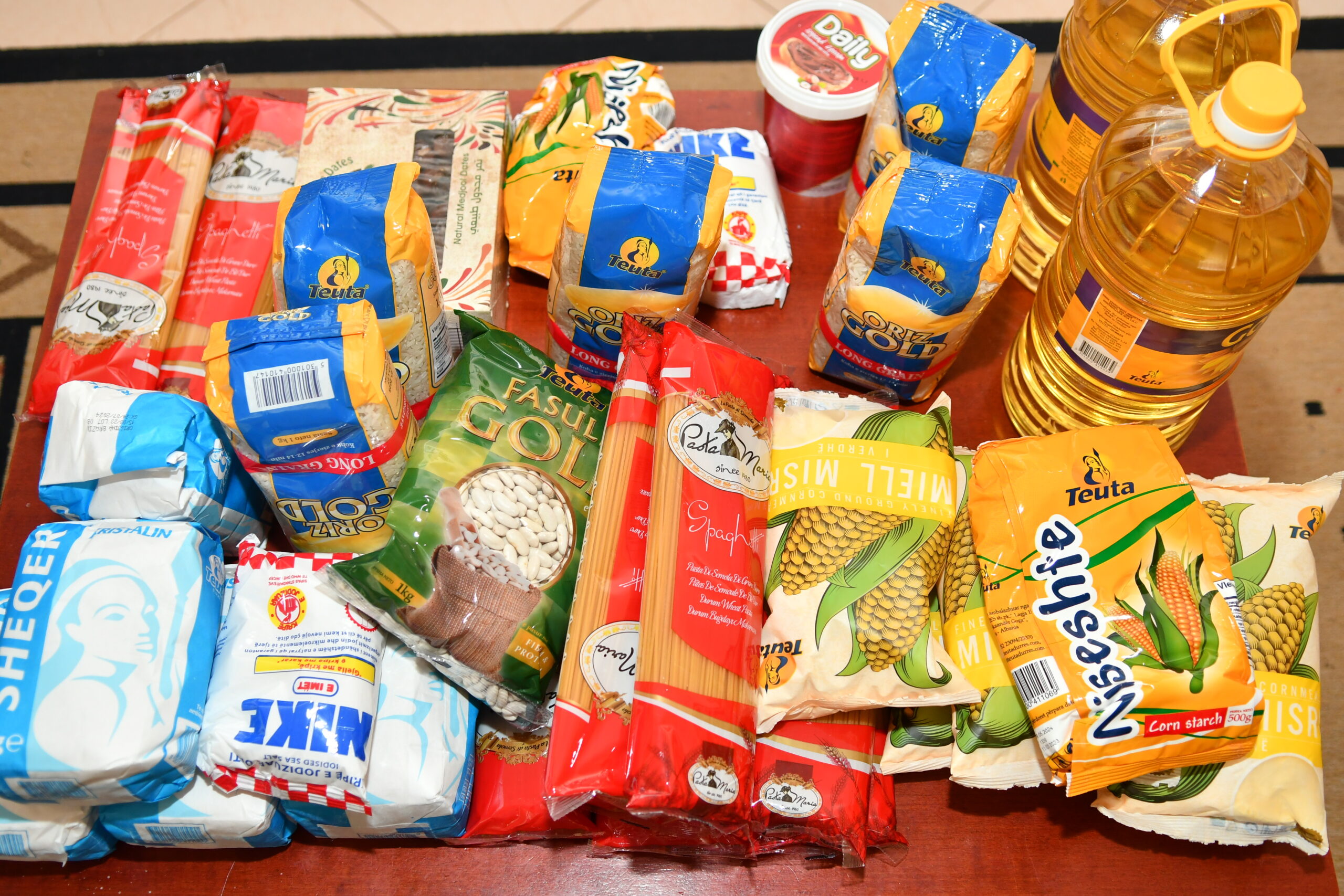
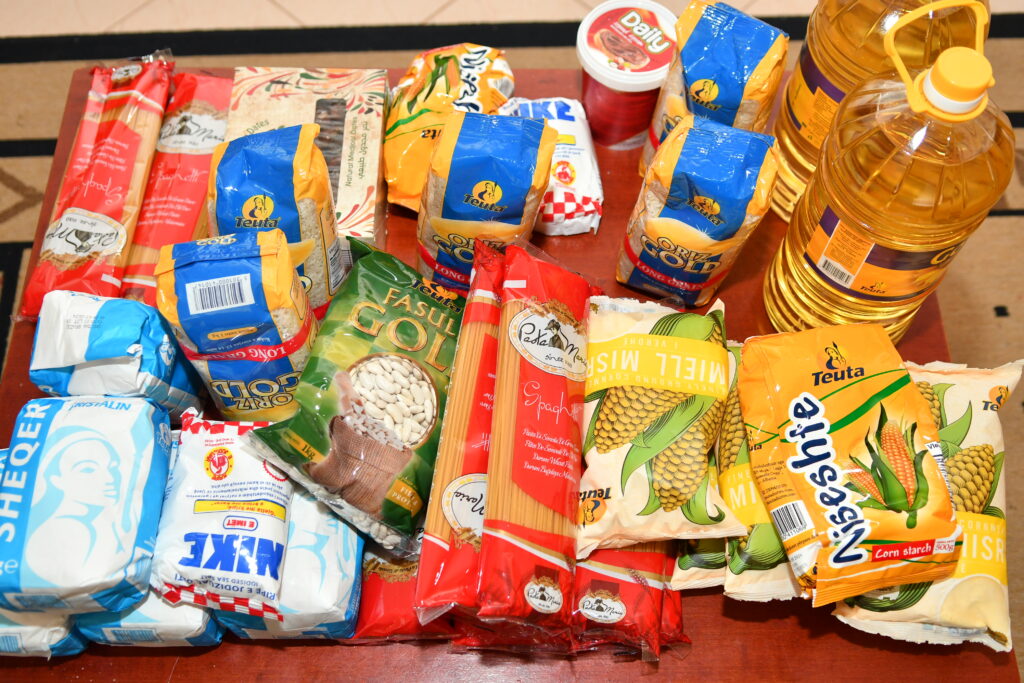
Each food package contains staples such as flour, rice, sugar, oil, beans, dates and pasta. This distribution method allows families that benefit to get the food and prepare it in the way they like. These food packs also provide families with enough food for a month, enabling them to celebrate Ramadan like other Muslim families.
During Ramadan 2023, Islamic Relief staff provided the family with food items.
“I am struggling for my family not to deal with hunger, but with your help we are able to keep up. I was blessed with the support of your organisation.”
Marilda’s Family and Islamic Relief
“My children have been rightsholders in some projects that have been implemented by Islamic Relief in our area. We have benefited from the Eid project, the school project, Qurban, winterisation and Ramadan.“
“This year the package of Ramadan was bigger – we have more flour and more items. With the food package that Islamic Relief gave to me, I am now able to save some money. I don’t need to buy food which is expensive.
“Bread, rice, pasta and some vegetables are the main foods I use to prepare meals for my children. We are grateful for the food pack that you have donated as now my daughters can eat something sweet and taste the dates that they like so much.”
“Thank you for the support you give us in any difficulty we have. All the time my children and I, pray that Allah (SWT) help those who helped us.”
Save Families From Hunger
Multiply your rewards from Allah (SWT) this Ramadan. Give families in need the opportunity to enjoy nutritious food for Suhoor and Iftar during this blessed month.
In Ramadan, Muslims observe fasting, one of the five Pillars of Islam, from sunrise to sunset for 29 or 30 days, depending on the sighting of the new moon. The main times to eat are at the pre-dawn meal, known as Suhoor (or Sehri), and Iftar, the time to break the fast.
Ramadan is a blessed month filled with reflection, devotion and the love and mercy of Allah SWT. Many of us come into it eager to make the most of its benefits – physically, mentally and spiritually – including having a nutritious and filling Suhoor and Iftar.
However, adjusting to our new routines for the Holy month is not always easy. The tiredness, the unusual times we have our meals, the many gatherings we attend – all these factors can make it hard for us to remember to look after our health during Ramadan, especially when it comes to eating healthy.
But healthy eating during Ramadan doesn’t have to be difficult. Here is a guide on how to plan your meals for Suhoor and Iftar without burning yourself out.
Creating Your Meal Plans for Ramadan
During Ramadan, deciding what to eat for Suhoor and Iftar can get overwhelming. But when you have a meal plan, it can help ensure you avoid overspending and are eating nutritious and delicious food, leaving you less stress and more time to worship Allah (SWT).
Try to start planning a week or at least a few days before. Give yourself long enough to search for healthy recipes you might like and check what ingredients you’ll need to put on the shopping list.
If you get easily overwhelmed by cooking, stock your kitchen with staple foods that don’t need much preparation, but still provide you with nutrition (e.g. rice, bread, oats, fruits, frozen vegetables, etc.).
Going long hours without food and drink takes a lot of energy. Once the blood glucose and fat stores for energy are gone, your body might start to use protein which can cause muscle breakdown. This leaves you more likely to experience tiredness, headaches, difficulty concentrating and dizziness while fasting.
Eating well for Suhoor and Iftar helps us reduce these symptoms we can get while fasting. That’s why we should try our best to eat a balanced diet throughout Ramadan.
Guide to a Healthy Suhoor
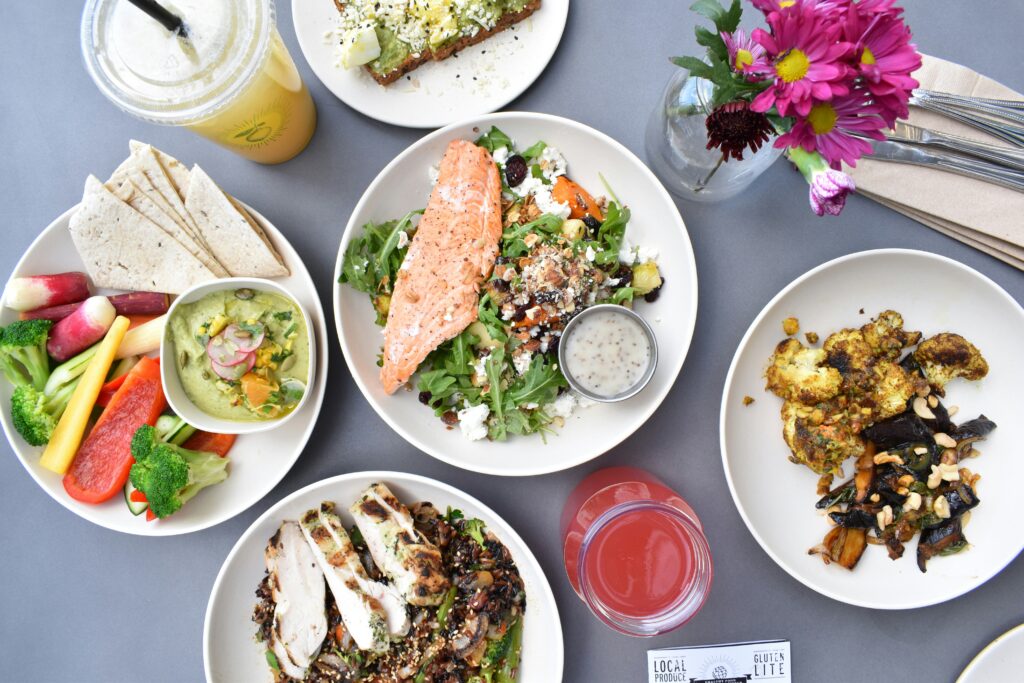
Suhoor sets you up for the day, so it’s important to eat foods that keep you going until Iftar. These include foods high in protein, complex carbohydrates, fibre and healthy fats, which help you feel full longer after a meal.
Protein from meat and legumes (e.g. beans, lentils) helps you build and maintain muscle, which helps you feel more energised while fasting.
Many grains (e.g. oats) and high-fibre and wholegrain breads contain complex carbohydrates that take longer to digest, allowing your body to keep feeling full for longer.
Vegetables and fruits also have these healthy carbs. They’re also high in fibre and contain various vitamins and minerals. Some fruits and vegetables have a high water content, which can help you keep hydrated while fasting. It’s also good to make sure you drink a lot of water during suhoor as well.
5 Simple Healthy Meal Ideas for Suhoor
Here are some suggestions for an easy, healthier Suhoor to help you reduce hunger during the day, allowing you to focus on connecting with Allah (SWT). Feel free to switch out any ingredients for foods more suited to your specific conditions, allergies, intolerances or health goals. You can also have these for Iftar if you prefer eating these meals at night.
Breakfast Muesli Bowl
Choose a high-fibre cereal (e.g. Weetabix, rolled oats) to fill a bowl with and add in some milk or low-fat yogurt. Top it with chopped fruits and/or nuts. If you need a sweeter, add a drizzle of honey.
Breakfast Wrap
Put a source of protein, such as cheese, chicken or beans, in a multigrain pita. Add in sliced vegetables like lettuce, cucumbers and tomatoes. Close wrap and toast.
Omelette
Whisk eggs in a bowl, with a splash of milk, salt and pepper (plus any spice you wish). Spray a frying pan with olive oil. Once a bottom layer has formed, add vegetables such as spinach, mushrooms and tomatoes. Fold the omelette, flip and then serve.
Breakfast Toast
Toast multigrain or wholegrain bread. Top with sliced avocado, tomato slices, and tuna, smoked salmon or fried egg.
Rice Bowl
Fill a bowl with a small cup of rice (high-fibre, if possible). Add in proteins (meat, tofu, etc.) and vegetables.
Guide to a Healthy Iftar
Iftar is the time to refuel after a day of fasting. However, it’s important not to go overboard. Overindulging in food can leave you feeling bloated and uncomfortable. It also goes against the idea of fasting, which we do for the sake of Allah (SWT), first and foremost.
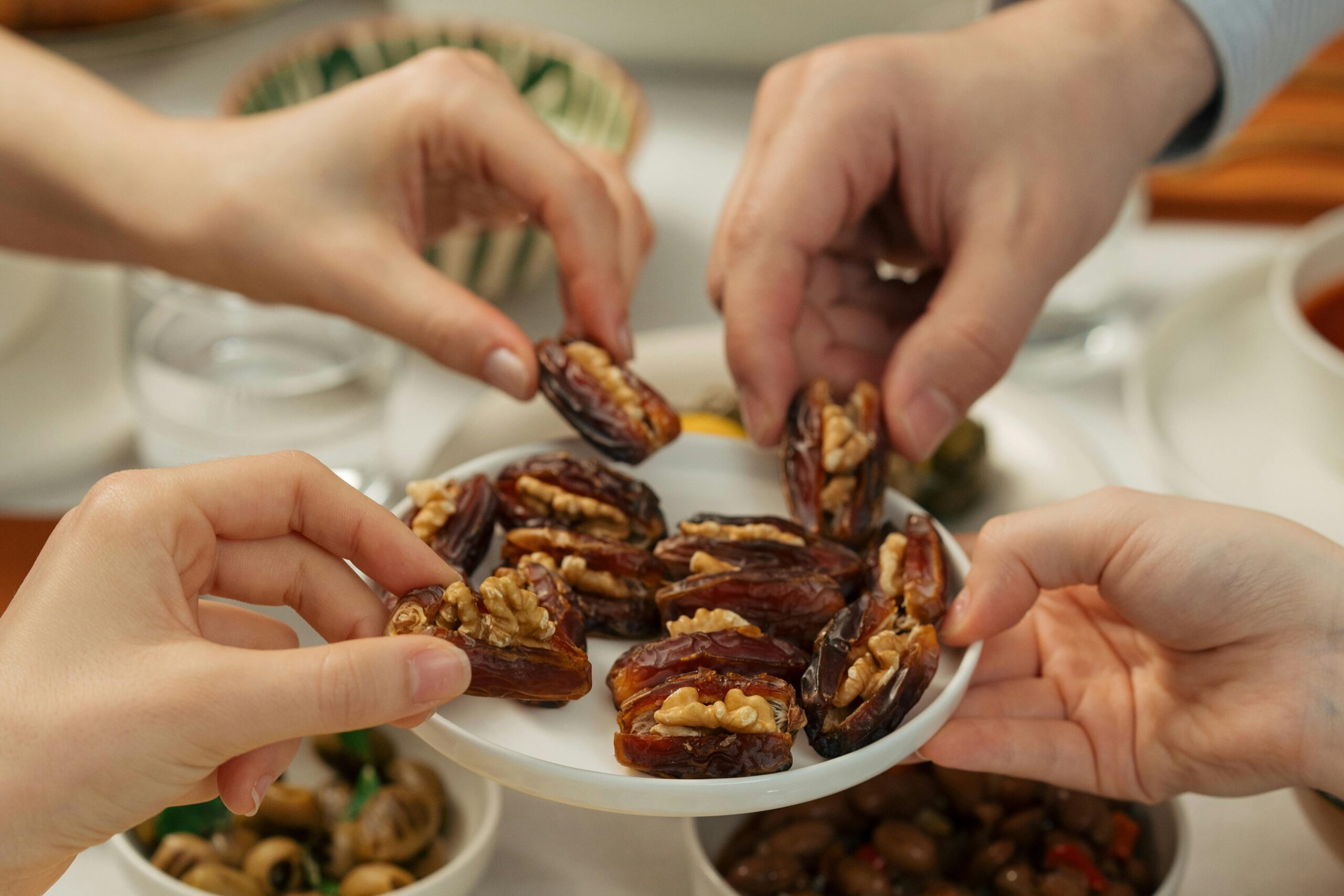
Help ease your stomach back into eating with small portions. The Prophet (PBUH) used to break his fast with dates – a good source of fibre and complex carbohydrates. If you don’t have dates, other dried fruits, like apricots and figs, also help you get back the nutrients you need.
Soups also make for a light but filling Iftar meal. It hydrates you and helps prepare your stomach for the other dishes to come.
For the main course, remember to include plenty of complex carbohydrates, proteins and healthy fats. Take the time to enjoy your meal and try not to load too much on your plate. If you’re hungry for seconds, take small portions so you don’t eat more than you can handle.
5 Simple Healthy Meal Ideas for Iftar
These are some suggestions for an easy, healthier Iftar that’s filling without making you feel overly full, allowing you to focus on connecting with Allah (SWT). Feel free to swap out any ingredients for foods more suited to your specific conditions, allergies, intolerances or health goals. You can also eat these for Suhoor if you have leftovers.
Roasted Skewers / Kebabs
Cut up vegetables and/or slice meat into chunks. Load them up on skewers. Mix spices and sauces. Brush them on the skewers. Cook them on the grill until browned and slightly charred.
Clear Soup
Chop a medium onion and some vegetables (e.g. mushrooms, carrots, celery, leek, etc.) and put them in a pot to boil for 15-20 minutes. Feel free to put in some leftover chicken roast if you have it.
Thin Pizza
Use a wholegrain or high-fibre tortilla as your base. Cover in pizza sauce. Add cheese and nutritious toppings like spinach, capsicum, mushrooms, olives and cherry tomatoes. You can also put on other toppings like meat or pineapple, but don’t go too overboard as the pizza base will get soggy.
Pasta Salad
Cook pasta (high-fibre, if possible) as per packet instructions. Prepare dressing and desired vegetables while waiting. Once cooked and cooled, put pasta in a large bowl and put on top all chopped vegetables. Pour dressing. Give the salad a light toss.
Rice Paper Rolls
Cook rice vermicelli as per packet instructions. Pick and prepare your choice of protein. Chop vegetables into long thin pieces. Prepare a wide bowl of water for rice paper sheets. Dip whole rice paper sheet lightly into water (just once is enough) and set it on a plate. Put a handful of vermicelli, your protein and vegetables onto the rice paper. Fold side edges and roll upwards.
Eating Snacks During Ramadan
Nutritious snacks are a good way to stay full if you’re not hungry for a full meal or need something quick to eat. Having these on you or easy to reach in your kitchen is useful when you need to break your fast on the go or if there’s only a couple of minutes to Fajr.
To help you stay energised and full for longer, try to reduce the sugary treats like chocolates or sweets you eat as they aren’t very nutritious. Instead, look for foods filled with protein, healthy fats and vitamins.
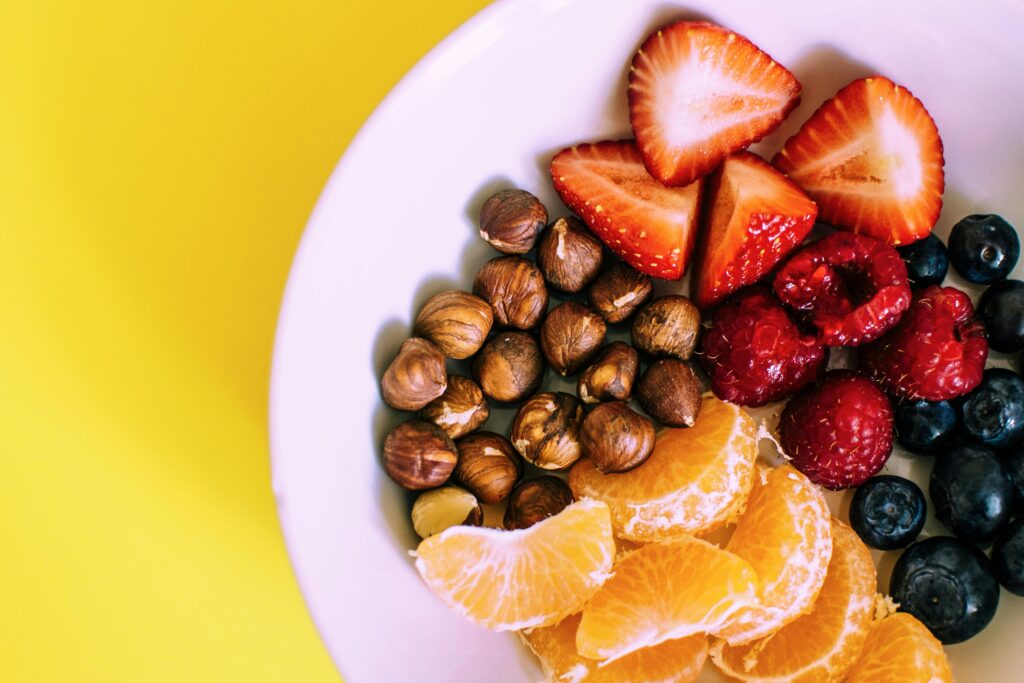
Some easy, healthy snack alternatives are nuts, seeds, low-fat yoghurts, plain popcorn, carrot and/or celery sticks and berries. If you’re in the mood to make something, try looking up recipes for protein bars, energy bites or protein cookies.
Staying Hydrated During Ramadan
While fasting, it’s natural to feel dehydrated as you’re going long hours without water. Combined with the unusual sleeping hours, you may also be more tired than usual.
To help with this, drink more fluids, especially water, during Suhoor and Iftar. Avoid drinks with a high caffeine content (e.g. coffee, energy drinks etc.) as it’ll make you feel more dehydrated. Also try reducing the number of sugary drinks like soft drinks, as they can lead to bloating and cause digestion problems.
If you get tired of drinking plain water, try infusing it with lemon slices or fresh mint. You can also try light teas without milk or sugar.
Fluids also aren’t the only way to increase your water intake. You can also eat hydrating foods. Soups for Suhoor or Iftar are filling just as they are hydrating.
If you’re not in the mood for a meal, watermelon makes for a sweet and hydrating treat. You can also cut up some cucumber and tomato slices if you prefer something savoury.
Meal planning and eating healthy for Ramadan don’t have to be stressful. Try your best with the food and recipes you have and have fun making balanced meals and snacks with them. Also, make sure to stay hydrated by drinking plenty of fluids during Suhoor and Iftar.
Remember, Ramadan is about building our connection with Allah (SWT). By looking after our bodies, preparing in advance and reducing our food waste, we can spend the month focusing on growing closer to our Creator more than ever before.