04.15.26
Sudan’s community kitchens where the same pots have been feeding the community for decades
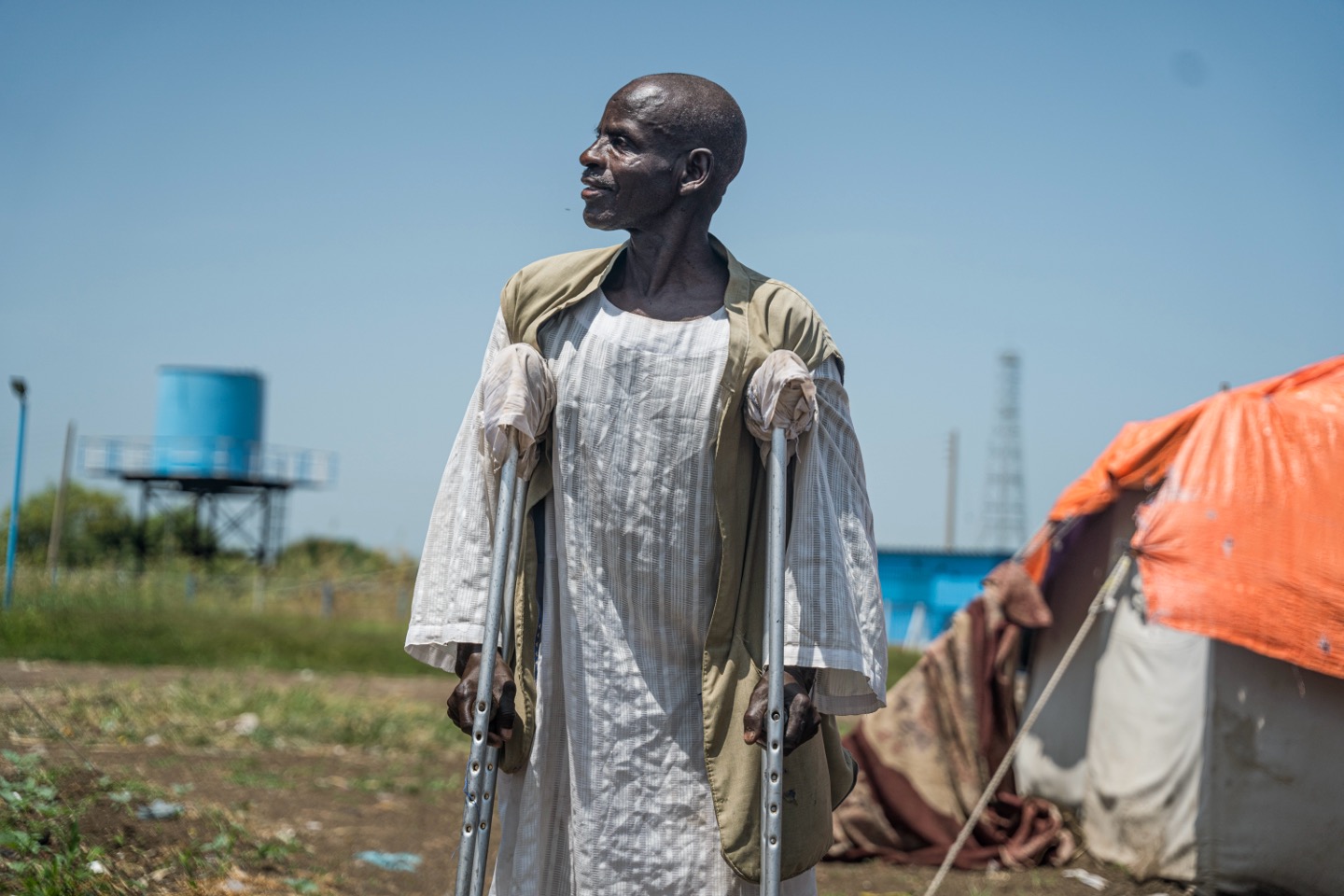
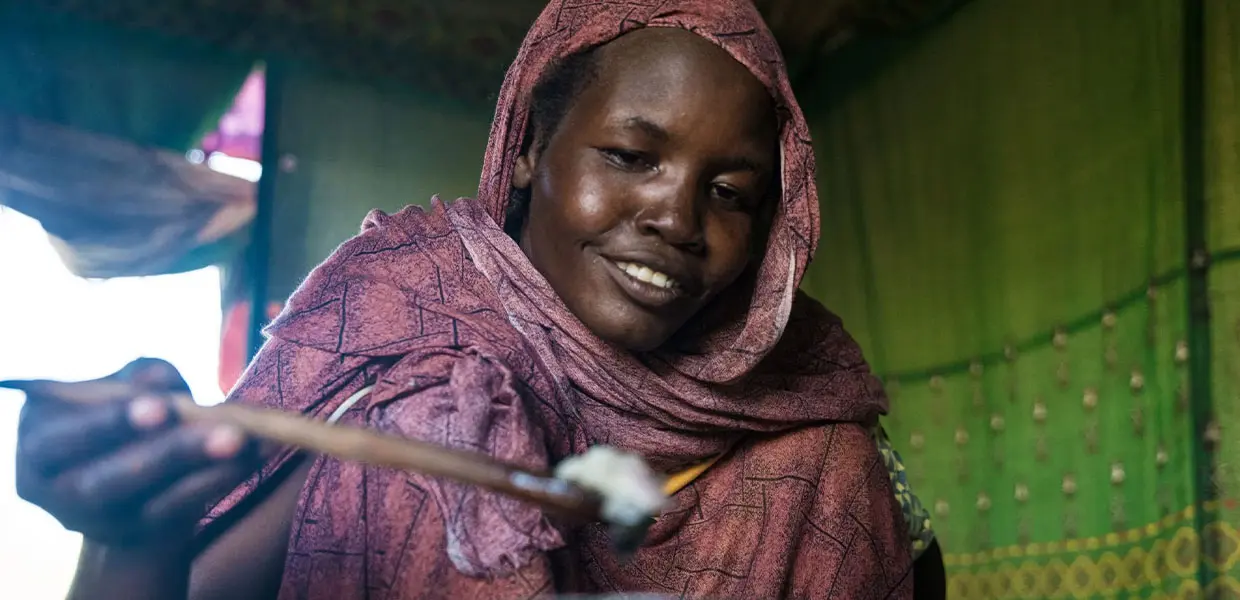
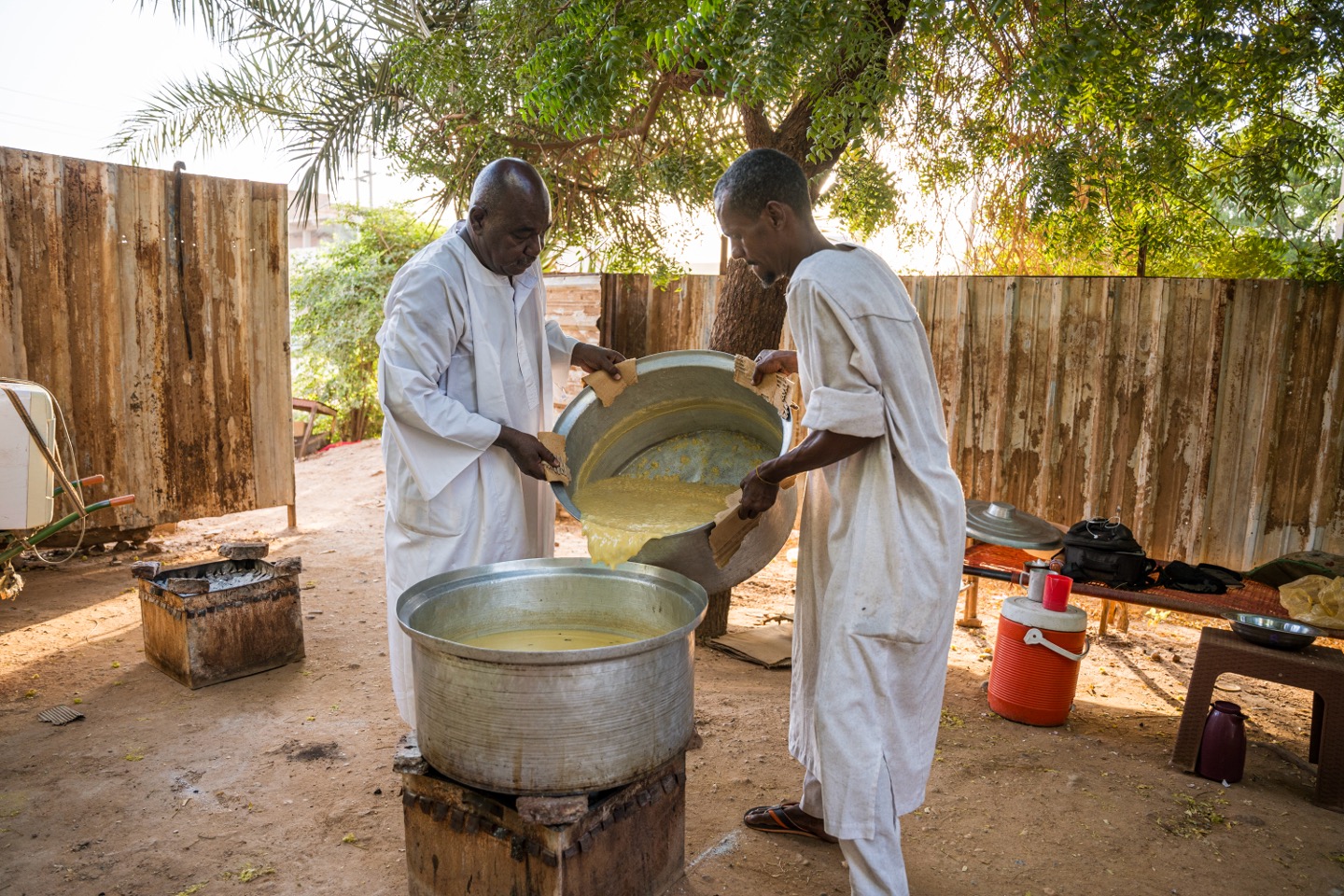
Mohamed runs the takaaya (community kitchen) in Al-Thawra, Khartoum. This multi-generational enterprise has a long history of supporting communities in need.
“What people do not know,” Mohamed says, “is that this community kitchen is not new. It was founded in 1986 during the famine. Then came the floods in 1988. Those same pots were used again. This is not something we invented for this war.”
Takaaya have existed in Sudan for centuries. Rooted in Sufi tradition and the principle of nafeer (a Sudanese concept of communal mobilisation that predates modern humanitarian frameworks), they are a lifeline.
When international agencies evacuated their operations from Khartoum in the early weeks of the war in 2023, it was the takaaya, already embedded in neighbourhoods for decades, that continued feeding people.
Coming together to support new arrivals
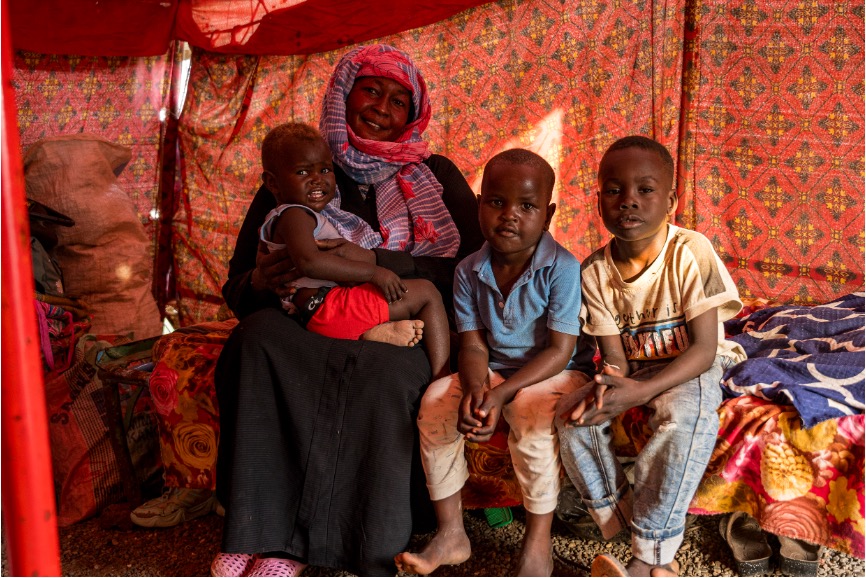
Mohamed and his son Banaga reopened the takaaya 1 month after the war began, when they started seeing families from the nearby city of Omdurman arriving in their neighbourhood with only the clothes on their backs.
Together with a group of neighbours, who were unemployed and had some time but little money, they decided to act. The first contribution was Mohamed’s own: 4,000 Sudanese pounds (approximately $9.50 AUD) from his pocket. Others added what they could. Together they bought 4 kilos of lentils and cooked their first meal.
“It was only 4 kilos,” Mohamed says, “but it made a difference. Three or 4 days later, we were already cooking 40 kilos. People were very supportive. There was no promotion. The promotion came naturally, from need.”
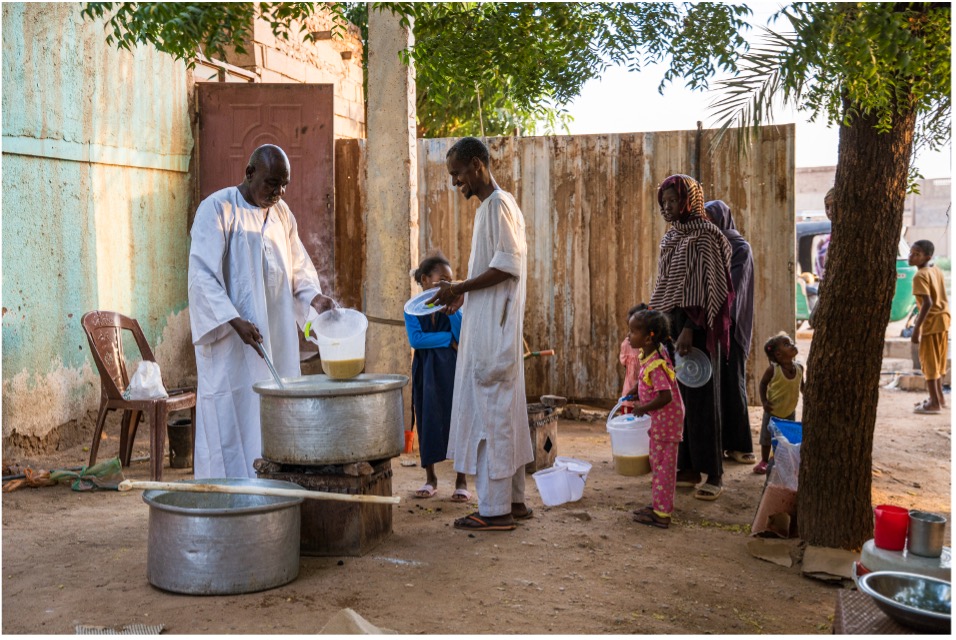
Word spreads the way it does in communities that are paying attention to each other. Someone would come with their pot, take some food, then tell their neighbour. The next day, that neighbour would come too.
Within weeks, the kitchen was feeding 1,200 families a day – reaching shelters, schools, and public service points across the whole of Al-Thawra, without a single pound of external funding in those early months.
A pot has no label
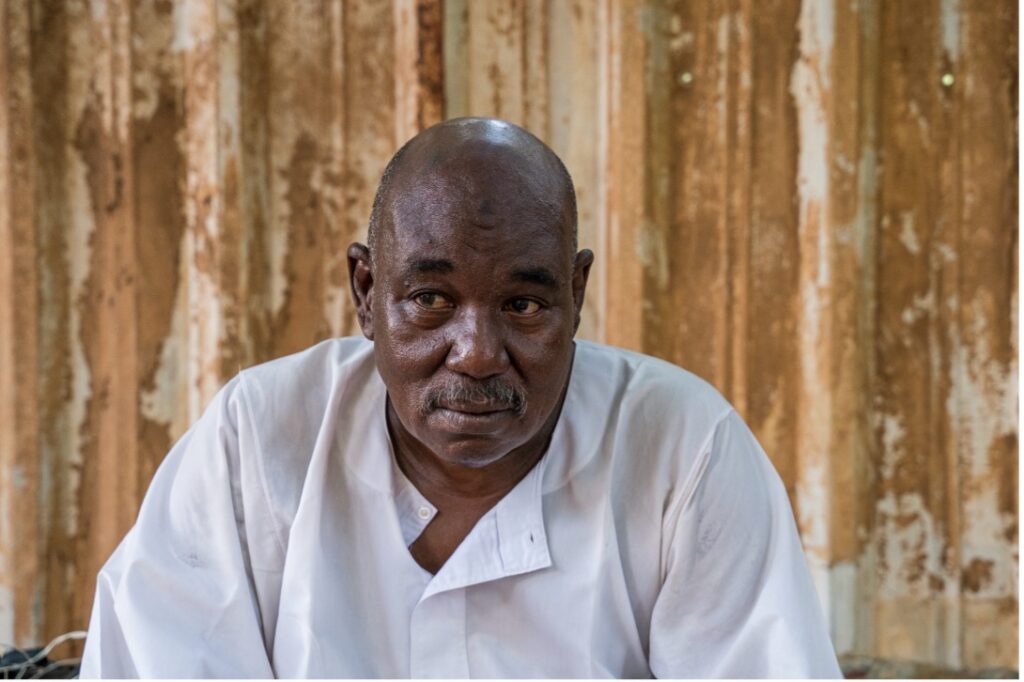
Mohamed runs the kitchen by a single rule, which he has repeated to journalists, volunteers and anyone else who asks.
“I had one principle in mind always,” he says. “A pot has no label. It doesn’t matter who you are or where you come from — from Al-Thawra or Al-Abasiya or anywhere else. All I see is the pot. A pot that is to be filled so a human being can eat. Can a pot be Christian, Jewish or Muslim? No. It is just a pot.”
He describes a British television reporter who came and asked whether the kitchen was started based on race, politics or religion. He gave her the same answer. The kitchen has fed Christians and Muslims, locals and displaced people, soldiers and civilians.
The question of who deserves food, Mohamed says, has never come up —because in his view, there is no question.
When resources are low, improvise
The kitchen has now run continuously for 3 years, but not without difficulty. Mohamed thinks about tomorrow every single day; what is needed, what is missing, how to cover the gap.
“Honestly, when resources are low, we improvise,” he says. “The people we usually buy from, I go to them, take what we need on credit. And I thank them, because they never fail us. Even when they joke about it, they still give.”
To create a more stable income stream for his volunteers, many of whom have no other work, Mohamed opened a small restaurant selling cow-foot stew alongside the takaaya. One-third of the profit went to the workers, one-third back to the kitchen. It built a reputation, attracted customers, and kept people fed in more ways than one.
The essence of happiness
Mohamed is asked what keeps the volunteers going through 3 years of this: the early mornings, the borrowing, the uncertainty about tomorrow. His answer is specific.
“You cannot imagine the happiness you feel when someone comes to you with their pot, and you see it on their face that you have helped them. You cannot imagine how much joy there is in this. And at the same time, you cannot imagine the pain of telling someone who has been carrying their pot since morning: we are not working today.”
He describes elderly people sitting down on the ground outside the kitchen and crying if they arrive on a day when the food has run out. It has happened. It is, he says, the reason the kitchen almost never closes.
“When you look at their faces, you feel like you would give up anything for them.
“At the end of the day, you put your head on the pillow completely at peace. That is the essence of happiness.”
How Islamic Relief is responding to community kitchens in Sudan
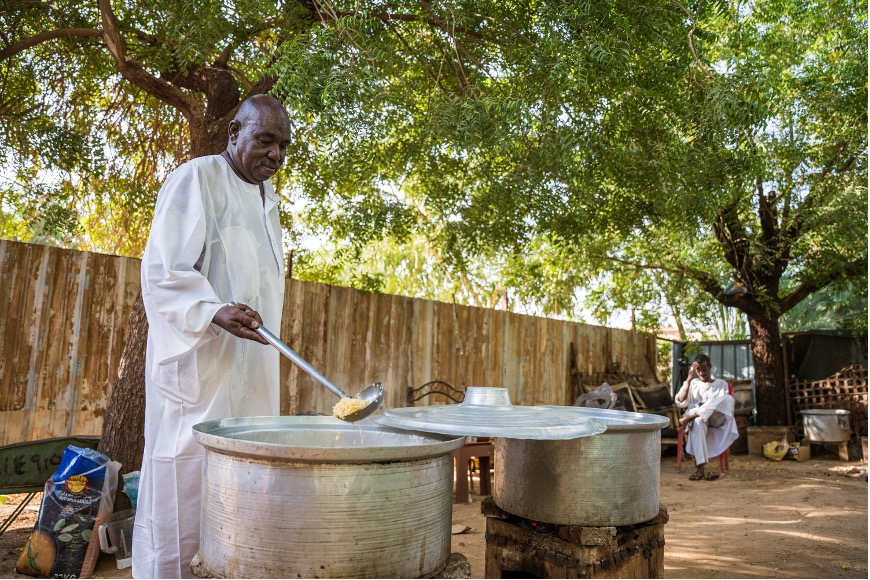
Across Sudan, takaaya have become one of the most significant branches of the country’s hunger response.
Islamic Relief’s 2025 Takaaya report, based on research across Sudan, found that 83% of families do not have enough food to get through the day.
These community kitchens, often the last lifeline between families and starvation, are themselves at risk of collapse from underfunding, exhaustion and supply shortages.
In a recent report, new research found that 42% of community kitchens in Sudan have shut down in the last six months due to a lack of international support, raising fears of famine spreading as the war enters its fourth year.
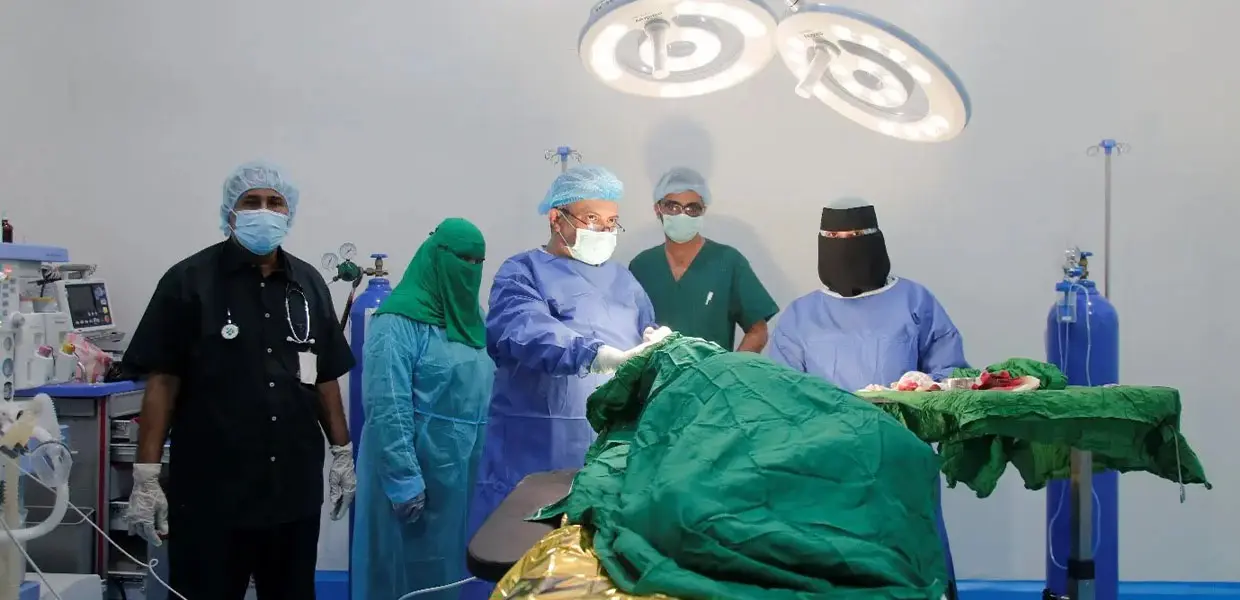
Islamic Relief has worked in Sudan since 1984 and is currently operational across 9 states. We are providing food and cash assistance, and supporting nutritional feeding centres, health facilities, and agricultural recovery for families across the country.
Since April 2023, Islamic Relief has reached more than 2 million people with life-saving humanitarian aid.
Mohamed’s kitchen has been running for 3 years without stopping. What it needs now is fuel, supplies, and the assurance that tomorrow there will be something to cook.
Give relief to the people of Sudan
Help us continue supporting community heroes like Mohamed by ensuring they can sustain themselves and the needy people they support.