03.23.26
World Water Day: Why Millions Still Struggle for Safe Water





On World Water Day, we are reminded of a simple yet powerful truth:
Water is life.
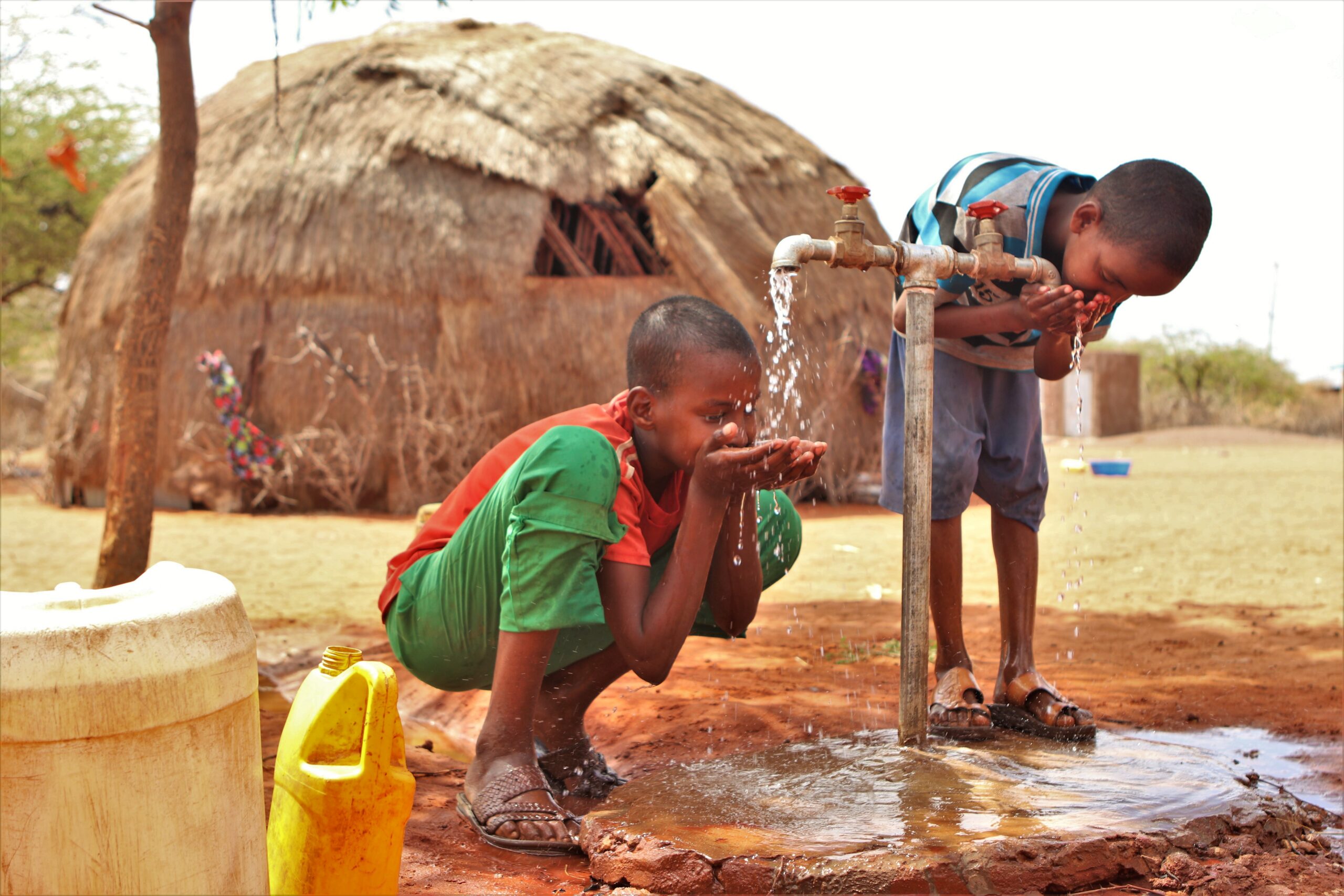
Yet today, millions of people around the world still wake up without access to something many of us in Australia take for granted — safe, clean water.
Across the world, 2.2 billion people — 1 in 4 — lack access to safe drinking water.
For many communities, this is not just an inconvenience, it is a daily struggle for survival.
In countries such as Ethiopia, Kenya, and Somalia, families often rely on unsafe water sources. Women and children walk kilometres every day just to collect water — time that could otherwise be spent in school, work, or with family.
In fact, it is estimated that women and girls collectively spend over 200 million hours every day collecting water.
As Muslims, we are reminded that water is not just a resource — it is a divine blessing from Allah (SWT).
“And We send down blessed rain from the sky, bringing forth gardens and grains for harvest, and towering palm trees loaded with clustered fruit, as a provision for Our servants. And with this We revive a lifeless land. Such is the resurrection.”
Qur’an | Surah Qaf | 50:9–11
“Do the disbelievers not realize that the heavens and the earth were once one mass then We split them apart? And We created from water every living thing. Will they not then believe?”
Qur’an | Surah Al-Anbya | 21:30
The disproportionate impact on women and girls
The global water crisis is closely linked to gender inequality. Women and girls bear the greatest burden due to existing social and economic disparities.
In countries such as Ethiopia and Kenya, girls frequently travel several kilometres to fetch water. This responsibility often prevents them from attending school, limiting their access to education and future opportunities.
In addition, the journey to collect water can expose women and girls to significant safety risks, including harassment and violence. These challenges highlight how access to clean water is not only a matter of health, but also of dignity, safety, and equality.
Climate change is intensifying water scarcity across many regions of the world. Prolonged droughts are affecting millions of people, particularly those who depend on agriculture for their livelihoods. Without reliable access to water, crops fail, incomes are lost, and food insecurity increases.
At the same time, extreme weather events such as flooding are becoming more frequent and severe, damaging infrastructure and contaminating water sources. Communities already facing poverty are often the most vulnerable to these impacts.
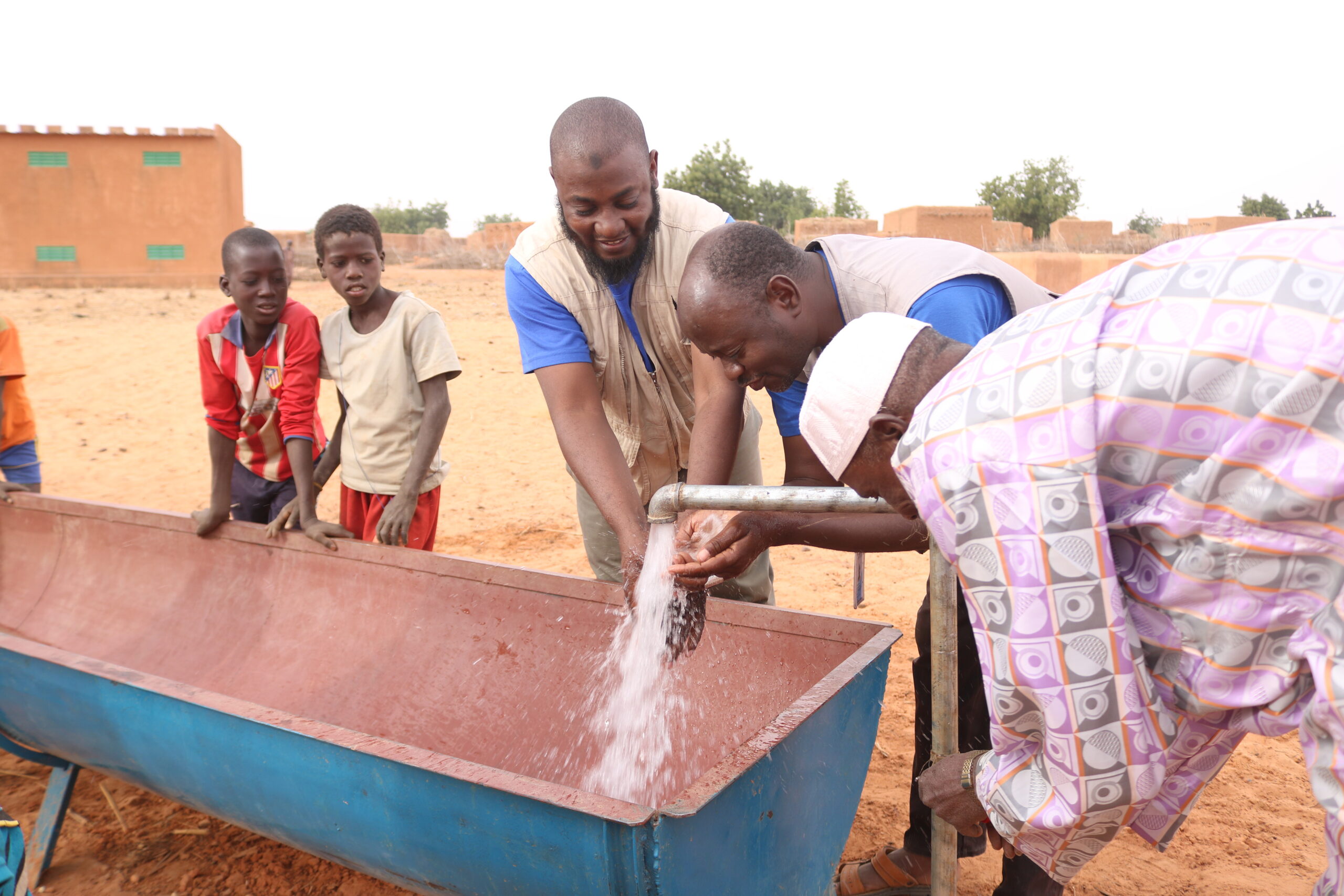
Islamic Relief has been working for over three decades to support vulnerable communities with access to safe and sustainable water solutions.
Our work goes beyond short-term interventions. We focus on long-term impact by:
- Developing sustainable water supply systems
- Installing solar-powered boreholes
- Supporting irrigation for agriculture
- Improving sanitation and hygiene facilities
- Training communities to manage and maintain water resources
Across countries such as Somalia, Afghanistan, Pakistan, and Nepal, Islamic Relief continues to deliver solutions that strengthen resilience and support communities for the future.
On World Water Day, we are reminded of the importance of collective action in addressing the global water crisis.
Islamic Relief Australia continues to work with communities around the world to deliver sustainable water solutions that improve health, livelihoods, and long-term resilience.
Through continued support, it is possible to help ensure that more communities gain access to safe and reliable water sources for generations to come.
“The best charity is giving water to drink.”
Hadith | Musnad Ahmad