
01.29.26

Fidya Explained: What It Is, Who Pays It, and How Much to Give

  Publications     Ramadan

During Ramadan, some Muslims are unable to fast due to valid reasons such as illness, pregnancy, or old age. In these situations, Islam provides a clear and compassionate alternative known as Fidya.

Many people have practical questions about Fidya. This includes when it applies, how much to give, and how it differs from other forms of giving during Ramadan.

This guide explains Fidya in a simple and straightforward way, so you can fulfil this obligation correctly and with confidence.

What Is Fidya?

Fidya is a charitable payment made by someone who is unable to fast during Ramadan. The individual is also someone who (physically or psychologically) cannot make up the missed fasts later.

This concession is mentioned in the Quran: …And as for those who can fast with difficulty (e.g., an old man, etc.), they have (a choice, either to fast or) to feed a Miskin (poor person) (for every day)… (Surah Al-Baqarah 2:184)

Likewise, Ibn ‘Abbas رضي الله عنهما, in clarification of this part of the verse, said: “The concession of feeding a poor person was revealed for the elderly man and elderly woman who are unable to fast, so they should feed a poor person for each day.” (Sahih Muslim).

Thus, Fidya is intended to compensate for each missed fast by providing food, or its equivalent value, to someone in need.

This exception reflects the mercy and flexibility built into Islamic teachings. It recognises that not everyone is able to fast due to circumstances beyond their control.

Who Needs to Pay Fidya?

Fidya applies to Muslims who are unable to fast and are not expected to be able to make up the missed fasts at a later time.

This may include people who:

  • have a chronic illness
  • are elderly and unable to fast safely
  • have a medical condition that prevents fasting long term.

In cases where someone is temporarily unable to fast, such as due to short-term illness or travel, Fidya is not usually required. Instead, missed fasts can be made up at a later time.

If you are unsure whether Fidya applies to your situation, consult your local scholar. Seeking clarity before acting can help ensure you give correctly.
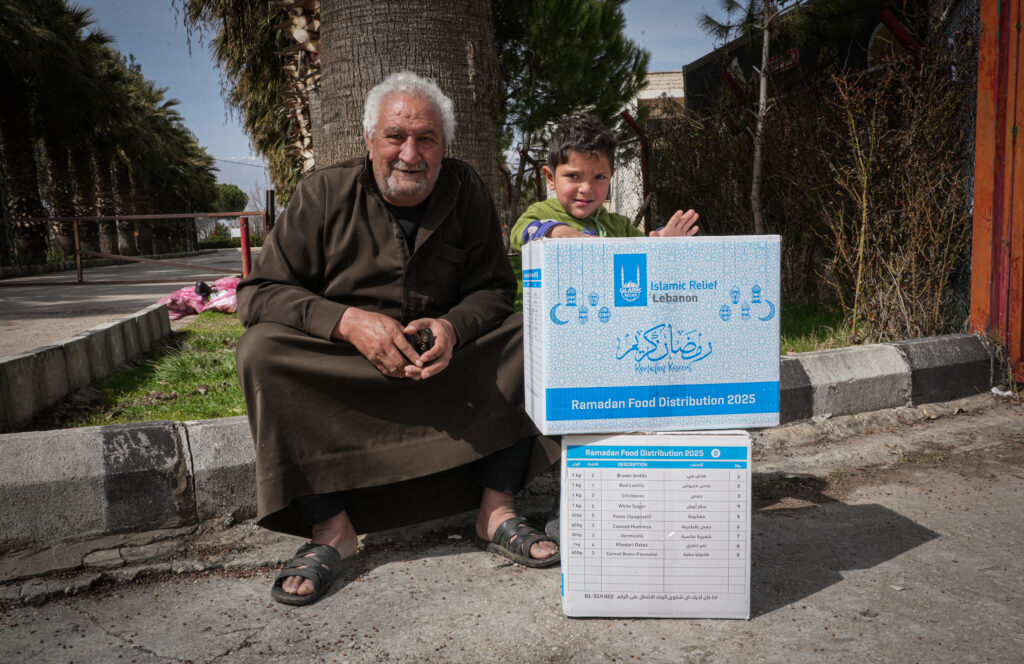
Elderly and child receiving food, they may not fast if the elderly is unable to and the child has not yet reached puberty

How Is Fidya Different From Kaffarah?

Fidya and Kaffarah are both forms of compensation related to missed fasts, but they apply in different circumstances.

Fidya is given when a person cannot fast and cannot make up the fasts later.

Kaffarah applies when a fast is deliberately broken without a valid reason and involves a heavier obligation.

Understanding the difference is important to ensure the correct form of giving is fulfilled.

How Much Is Fidya?

For this year, Fidya has been set at $20 per missed fast. It applies to those who are unable to fast due to long-term illness, old age, or another condition where making up the fast later is not possible.

Each missed day of fasting requires Fidya to be paid separately, with the intention of providing food support to someone in need.

When Should Fidya Be Paid?

Fidya can be given during Ramadan or afterwards. Many people choose to give it during Ramadan so that it reaches those in need at a time when support is especially important.

Giving Fidya earlier can also help ensure it is distributed in a timely and effective way.

How Is Fidya Distributed?

Fidya is given to people who are eligible to receive Zakat, with a focus on providing food and basic support. By giving through a trusted charity, you can be confident that it is distributed responsibly and reaches those who need it most.

Islamic Relief Australia works in dozens of countries internationally. Together, with global and local partners, we ensure Fidya is delivered according to Islamic guidelines and to those who can most benefit from it.

Give Fidya Through Islamic Relief Australia

Giving Fidya through Islamic Relief Australia helps ensure that your contribution is handled with care and distributed in line with Islamic principles. This allows families facing hardship to receive essential support with dignity, particularly during Ramadan.

Fidya provides a compassionate option for those who are unable to fast and cannot make up their missed days.

By understanding when to apply it, how much to give, and how it is distributed, you can fulfil this obligation with confidence and peace of mind during Ramadan.
03.04.25

What should I do if I’ve missed fasts? A Guide to Fidya and Kaffarah

  Publications     Ramadan

Fasting during the holy month of Ramadan is one of the Five Pillars of Islam. During Ramadan, every healthy adult Muslim is required to fast each day from dawn to dusk for the whole month. However, there are circumstances in which individuals do not fast, both for and without a valid reason.

In such cases, Fidya (Fidyah) or Kaffarah may be required to make up for the missed fasts. But what exactly are Fidya and Kaffarah? How do you know which one you need to fulfil when you’ve missed your fast?

What is Fidya?

Fidya is a payment that can be made by Muslims who are unable to fast due to a valid reason. This includes conditions that take a toll on the body, such as illness, menses, old age and pregnancy. People who are travelling may also be exempt from fasting during Ramadan if they travel for an extended period of time at a distance of approximately more than 80 km from the border of their home city.

One such verse from the Qur’an also highlights these categories, as well as how they can make up for these missed days.

“[Fasting for] a limited number of days. So whoever among you is ill or on a journey [during them] – then an equal number of days [are to be made up]. And upon those who are able [to fast, but with hardship] – a ransom [as substitute] of feeding a poor person [each day]. And whoever volunteers excess – it is better for him. But to fast is best for you, if you only knew.”

Al-Baqarah, 2:184

Within this verse, Allah (SWT) says for Muslims with a valid reason not to fast are told to make up for each day they missed by fasting outside of Ramadan. If they are unable to make up the fast indefinitely (such as due to ongoing illness), they can pay compensation instead. This is Fidya.

How much is Fidya?

Fidya is a payment that provides food for a person in need for each day of missed fast. This is calculated based on the cost of feeding one poor person, which can vary each year depending on global economic conditions, inflation, exchange rates and the average cost of a meal in different countries. For example, in Australia, according to the Australian National Imams Council (ANIC) in 2025, the amount for Fidya is around $20, fitting with the Islamic Relief Australia price at $18.

After knowing what the Fidya amount is, the appropriate amount you owe can be calculated. First, determine the number of days you were unable to fast during Ramadan. Then multiply this number by the Fidya amount.

It is important to note that Fidya is meant to be paid by those who are unable to fast due to a valid reason and is unlikely to be able to make it up in the future. It is not a substitute for fasting, as it is better for one to fast to make it up once they are able to do so. If someone misses a fast intentionally or without a valid reason during Ramadan, then they would have to pay Kaffarah.

What is Kaffarah?

Kaffarah is a penalty paid by Muslims who intentionally break their fast during Ramadan without a valid reason.

To make up an intentionally broken fast, each individual must fast for two lunar months continuously (around 60 days) outside of Ramadan for every day missed. For example, this means that if a Muslim intentionally missed 3 days of fasting they must fast for 180 days straight to make it up. In turn, if they miss even one day of fast during this time, they must restart fasting from the beginning.

Muslims who cannot handle the toll of fasting for this many days then must pay Kaffarah. Similar to Fidya, it is calculated based on the cost of feeding a needy person one meal for each day of missed fast, except multiplied by 60. Kaffarah for 2025 in Australia is also the same amount as Fidya, which is $18 AUD. Likewise, your Kaffarah amount for this year will be this number times by 60 multiplied by the number of fasting days of Ramadan you intentionally missed.

Where to Make Fidya and Kaffarah Payments

Once the appropriate amount of Fidya or Kaffarah has been calculated, individuals can make the payment. It is also recommended to make the payment as soon as possible after Ramadan has ended and ensures that it reaches people in need as soon as possible.

When you give Fidya and Kaffarah with Islamic Relief, your donation helps support millions of people in need in over 40 countries. Our teams are on the ground in countries like Jordan, Palestine, Pakistan and Bangladesh, delivering life-saving emergency aid and long-term solutions that grant even the most devastated communities hope for a brighter future.

In conclusion, as Muslims, we should be aware of Fidya and Kaffarah and learn when to make these payments if we’ve missed fasts during Ramadan. If we are unable to make up the fast and we have to pay either Fidya or Kaffarah, it is important we make them with good intentions and sincerity, ensuring that their payment delivers aid to those most in need in our Ummah. 

Your Fidya, Their Amanah

Don’t let your inability to fast during Ramadan stop you from making the most of this blessed month. See your support save lives by connecting your generosity with Islamic Relief.


STAY INFORMED

  • This field is for validation purposes and should be left unchanged.

Quick Donate