12.08.25
Ramadan Preparation: Making the Most of Rajab and Sha’ban
With Ramadan fast approaching, many of us are thinking about how to make the most of it. How to truly ready our hearts, homes, and routines for the most blessed month of the year.
In Islamic tradition, this preparation doesn’t begin with the first sighting of the crescent moon. It actually starts much earlier. In fact, the Sahabah, the companions of the Prophet (ﷺ), even prepared for it six months in advance!

In our busy, unpredictable lives, half a year ahead might be hard to plan around. But even with two months to Ramadan, there’s still a lot we can do to prepare well.
The two months before Ramadan, Rajab and Sha’ban, provide us with many opportunities to cleanse our hearts with worship and discipline, and build habits that flourish in the Holiest month.
Imam Abu Bakr al-Warraq al-Balkhi (RA) said:
“Rajab is the month of planting the seeds, Sha’ban is the month of irrigating them, and Ramadan is the month of harvesting the crop.”
The Importance of Rajab: Planting the Seeds of Ramadan
Rajab holds a special position in the Islamic calendar. As one of the four sacred months, it carries extra weight in both worship and conduct. Allah (SWT) says:
“Verily, the number of months with Allah is twelve… four of them are sacred.”
Qur’an 9:36
A hadith in Sahih al-Bukhari further identifies these months: Dhul-Qa’dah, Dhul-Hijjah, Muharram, and Rajab.
In these sacred months, good deeds are elevated while sinful actions are more serious. Fighting was traditionally prohibited during this time, a reminder of the sanctity and peace associated with these periods.
Key Events in Rajab
Rajab is also remembered for significant historical and spiritual moments:
- Birth of Ali (RA) – Born on the 13th of Rajab, he was both a cousin and close companion of the Prophet Muhammad (ﷺ).
- Al Isra’ wal Mi’raj – The miraculous night journey and ascension of the Prophet (ﷺ), commonly believed to have occurred on the 27th of Rajab.
- Battle of Tabuk (9 AH) – A major campaign where the Prophet (ﷺ) led 30,000 Muslims against the Roman forces, resulting in the Romans retreating and a peaceful resolution.
- Liberation of Jerusalem (1187 CE) – Salahuddin al-Ayyubi reclaimed Jerusalem in Rajab after 88 years under Crusader occupation.
Fasting and Worship in Rajab
Rajab offers a precious chance to build momentum for Ramadan by nurturing one’s character, repentance, and devotion.
While no specific obligatory worship is prescribed for Rajab, many Muslims increase their voluntary acts during this sacred period. Recommended practices include:
- Fasting on Mondays and Thursdays
- Fasting on the White Days (13th, 14th, 15th of each lunar month)
- Increasing du’a, Sadaqah Jariyah, and voluntary prayers
Understanding the Significance of Sha’ban, the Month Before Ramadan
If Rajab is for planting, Sha’ban is the month when those seeds are tenderly cared for. It is a month often overlooked, yet the Prophet (ﷺ) paid it great attention. Aisha (RA) said:
“I never saw the Messenger of Allah ﷺ fasting more in any month than in Sha’ban.”
Sahih al-Bukhari
In fact, he loved fasting in Sha’ban so much that his fasting would almost join with Ramadan.
Why Sha’ban Matters
- It contains the Prophet (ﷺ)’s most frequent voluntary fasting after Ramadan
- Scholars considered fasting in Sha’ban more virtuous than in the sacred months
- It is a time when, as mentioned in hadith, deeds are presented to Allah (SWT), and the Prophet (ﷺ) preferred to be fasting when this occurred
- Some Muslims also recognise the middle night of Sha’ban, although no Qur’anic verses specify it.
Good Deeds to Prioritise in Sha’ban
1. Increase Voluntary Fasting
Following the Sunnah, try to fast as much as is manageable, especially on Mondays and Thursdays and the White Days (13th, 14th, 15th).
However, the Prophet (ﷺ) instructed not to fast one or two days before Ramadan begins, unless it is part of one’s regular routine. Those who habitually fast may continue even in the second half of Sha’ban, and it is also permissible to complete missed fasts from the previous Ramadan.
2. Recite More Qur’an
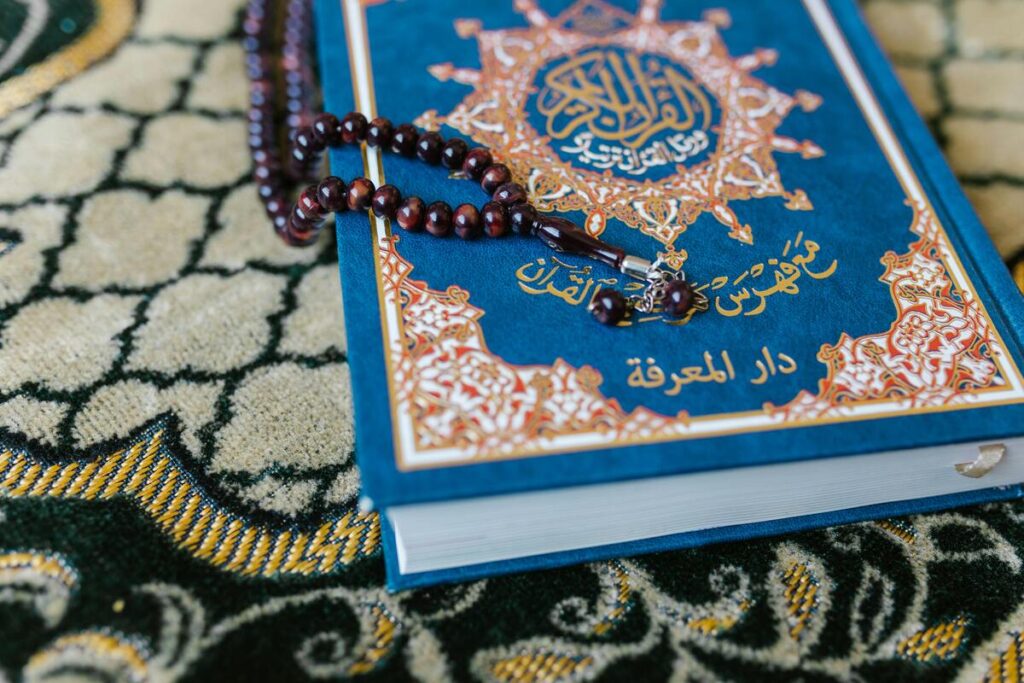
Sha’ban was known as “the month of Qur’an reciters.” Increasing your recitation now helps you enter Ramadan with spiritual focus and stamina.
3. Make Abundant Du’a and Dhikr
Use this time to refresh your relationship with Allah (SWT). Simple daily du’as and tasbeeh can gradually expand your worship habits before Ramadan starts.
4. Perform Voluntary Prayers
Night prayer (Tahajjud) is especially powerful. Beginning this practice in Sha’ban makes it easier to maintain during Ramadan.
5. Prepare Your Charity
Charity given in Sha’ban can be a meaningful source of blessing. As the Prophet (ﷺ) was most generous in Ramadan, Sha’ban is an ideal time to:
- Calculate your Zakat
- Organise your Sadaqah plan
- Set aside funds for Ramadan giving
A Pathway to Ramadan
Sha’ban sits between Rajab and Ramadan — a time when many people become distracted. But the Prophet (ﷺ) reminded us:
“It is a month to which people do not pay much attention, between Rajab and Ramadan…”
(An-Nasa’i)
By honouring this time, you strengthen your spiritual foundation, boost your ibadah, and prepare your heart for the mercy, forgiveness, and salvation that Ramadan brings.
Final Reflection Before Ramadan
Rajab and Sha’ban are precious months to strengthen our spirituality for the most blessed month of the year.
By engaging in worship, fasting, charity, Qur’an recitation, and sincere repentance, we prepare ourselves not only for Ramadan but for deeper connection with Allah (SWT) throughout the year.
May Allah bless our Rajab and Sha’ban, allow us to reach Ramadan, and help us reap its rewards, ameen!