Humanitarian and development assistance worldwide
People supported across Gaza, Sudan, Ethiopia & Lebanon
Including 22,500 children in Gaza across 26 countries
Islamic Relief looks back on a year of standing with communities suffering through crisis and hardship, with the support of our incredible donors and partners around the world.
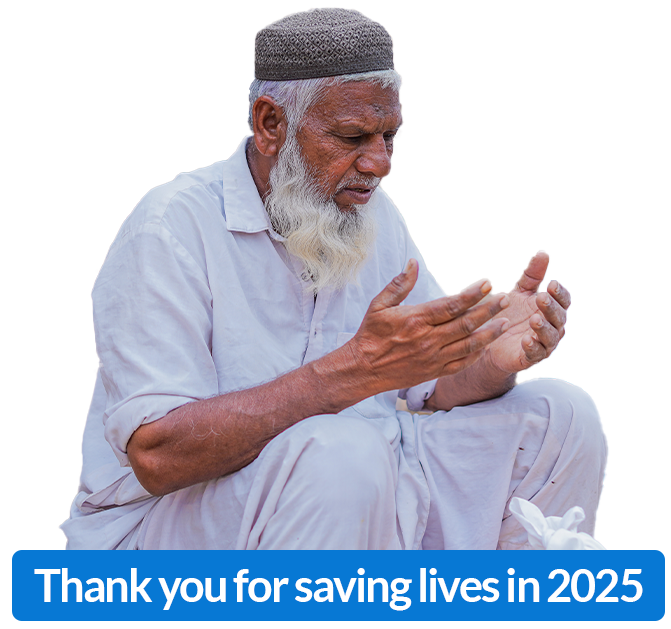
Together, we touched an estimated 26.7 million* lives in 2025.
Across 35 countries, our staff and partners helped empower vulnerable communities to lift themselves out of poverty and weather desperate crises.
We delivered 607 projects, including 137 humanitarian aid interventions and 466 development projects.
As we reflect on some of the biggest moments of the year, we are grateful for the continued trust placed in us by the communities we serve and our donors, volunteers and colleagues.
When families face conflict, disaster or displacement, your support allows us to respond quickly and compassionately. As the crisis in Sudan continues, your donations helped provide life-saving medical care, food assistance and emergency support to families facing extreme hunger and displacement.
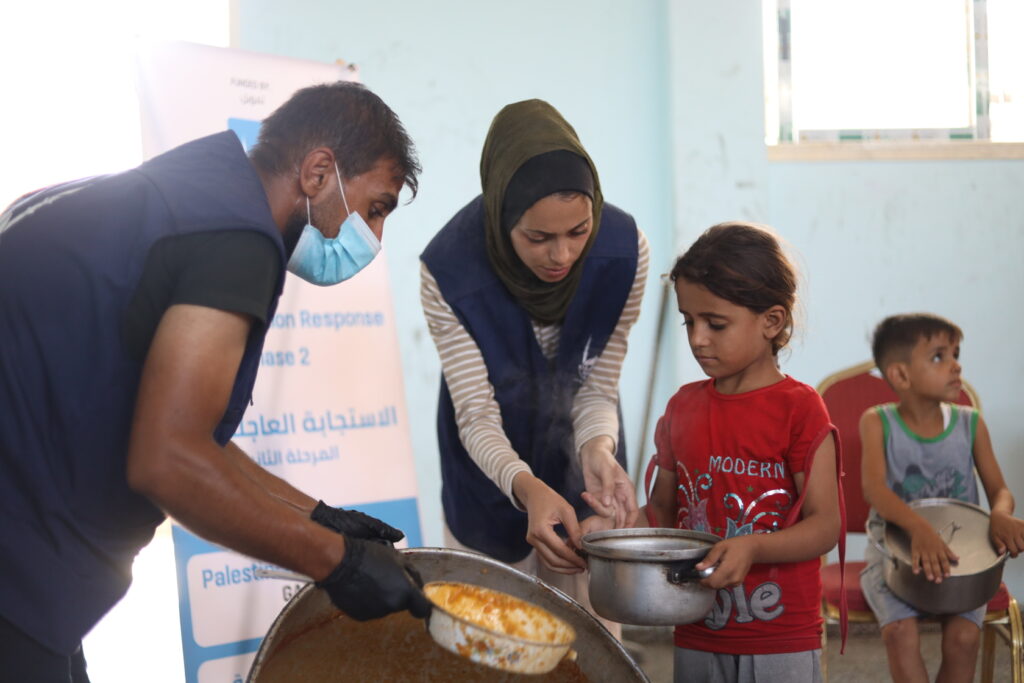
Through our partnership with PANZMA, your generosity helped support medical missions and deliver essential supplies to Gaza, standing beside doctors caring for patients under unimaginable conditions.
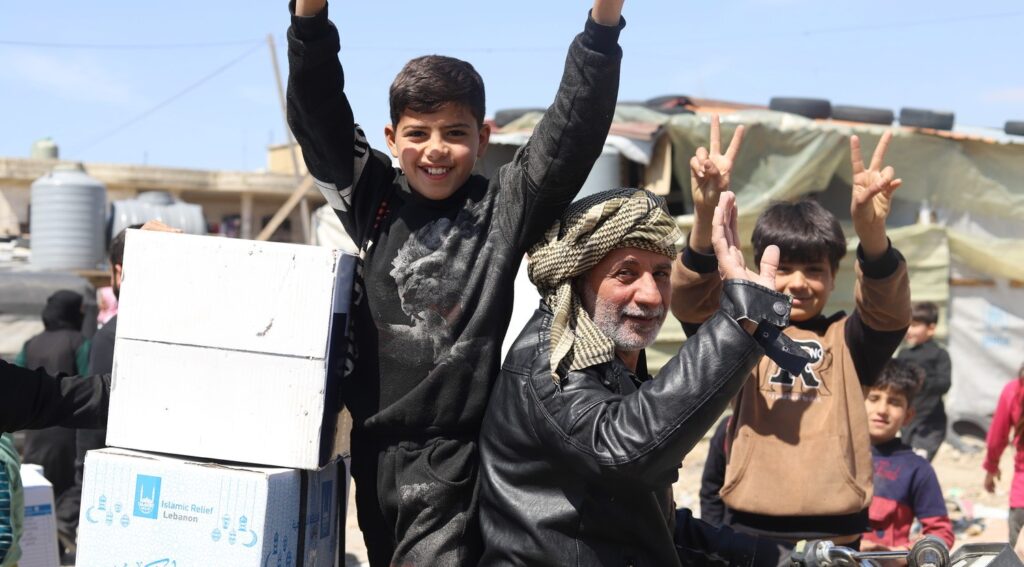
Amid ongoing economic collapse and hardship, your support continues to help vulnerable families in Lebanon access essential aid and basic necessities.
After more than a decade of crisis, millions in Yemen continue to struggle to survive. Because of you, Islamic Relief has been able to reach hundreds of thousands of people with food, healthcare and vital humanitarian assistance.
We are committed to transparency and accountability, and we regularly report on how donations are used. Of every $1 we spend:
This all ensures we can continue the lifesaving work we do and reach even more people in need, sustainably and with quality care.
Alhamdulillah, the blessed month of Ramadan is upon us once again! Let us make this a time to increase our devotion to Allah (SWT) and celebrate this month’s many blessings!
Free resources for Ramadan, including Ramadan timetables for Sydney, Melbourne, Brisbane and other Australian cities are available below.
Ramadan is the ninth month in the Islamic calendar. During the month of Ramadan, healthy adult Muslims fast from dawn until dusk, abstaining from drinking, eating, immoral acts and anger.
Acts of worship such as prayer, reading the Qur’an and giving charity are also encouraged during Ramadan as blessings and rewards from Allah (SWT) are also multiplied during this holy month.
As the Islamic Calendar follows a lunar cycle (based on the moon phases), the exact dates of Ramadan change. As such, it rotates back by approximately ten days each year.
In 2026, Ramadan is expected to begin on the evening of Tuesday February 17, 2026. It will end on the evening of Thursday, March 19, 2026, depending on the sighting of the moon.
Last year, Ramadan started on Friday, February 28, 2025. In turn, it ended on Sunday, March 30, 2025. Eid al-Fitr then fell on the Monday, March 31, 2025, depending on the sighting of the moon.
Ramadan officially begins when the Islamic month of Shaban ends, and the new moon of Ramadan is sighted.
For 2026, the first fasting day of Ramadan is expected to be on Wednesday, February 18, 2026, pending the sighting of the moon. The first Taraweeh Prayer will be held on Tuesday, February 17, 2026.
Eid al-Fitr, the Muslim celebration, officially marks the end of Ramadan. The exact timing is based on the sighting of the moon.
Eid al-Fitr officially begins at the start of the Islamic month of Shawwal. This year, it is expected to begin on the evening of Thursday, March 19, 2026.
Last year, in 2025, Eid al-Fitr was celebrated on Monday, March 31, 2025. As Ramadan 2024 ended on the evening of Sunday, March 30, 2025.
Zakat is a compulsory donation every sane, adult Muslim must make every lunar (Islamic) year if they meet a certain threshold (Nisab). Zakat is equal to 2.5% of one’s total wealth.
Many Muslims choose to give Zakat in Ramadan due to the numerous rewards offered in this blessed month. However it is not necessary. If you’ve already paid your Zakat for this Islamic Year then you do not have to pay it again during Ramadan.
Sadaqah is a voluntary charity that comes in many forms, including monetary donations.
Charity-giving is encouraged during the month of Ramadan.The Prophet (ﷺ) would give charity throughout the year but would increase his Sadaqah the most during Ramadan.
Ibn Abbas (may Allah be pleased with him) said, “The Prophet (peace be upon him) was the most generous of people, and he was most generous during Ramadan.” (Bukhari)
Zakat al-Fitr, which is separate from Zakat al-Maal, is a compulsory charity paid by the head of the household for each member of the family (including children and babies), before Eid al-Fitr prayer.
Each person owes the amount needed to feed a needy person 1 saad of food, which equals 4 madd. 1 madd is the amount someone can hold when they scoop their hands together.
Zakat al-Mal is a compulsory charity every sane, adult Muslim must make once every lunar year if they have wealth over a certain amount (Nisab). The amount they owe for this Zakat is 2.5% of their wealth.
Zakat al-Fitr is a compulsory payment paid by the head of the household on behalf of themselves and their dependents. Each person owes the price of a meal to a needy person. It must be paid before Eid prayer on Eid al-Fitr.
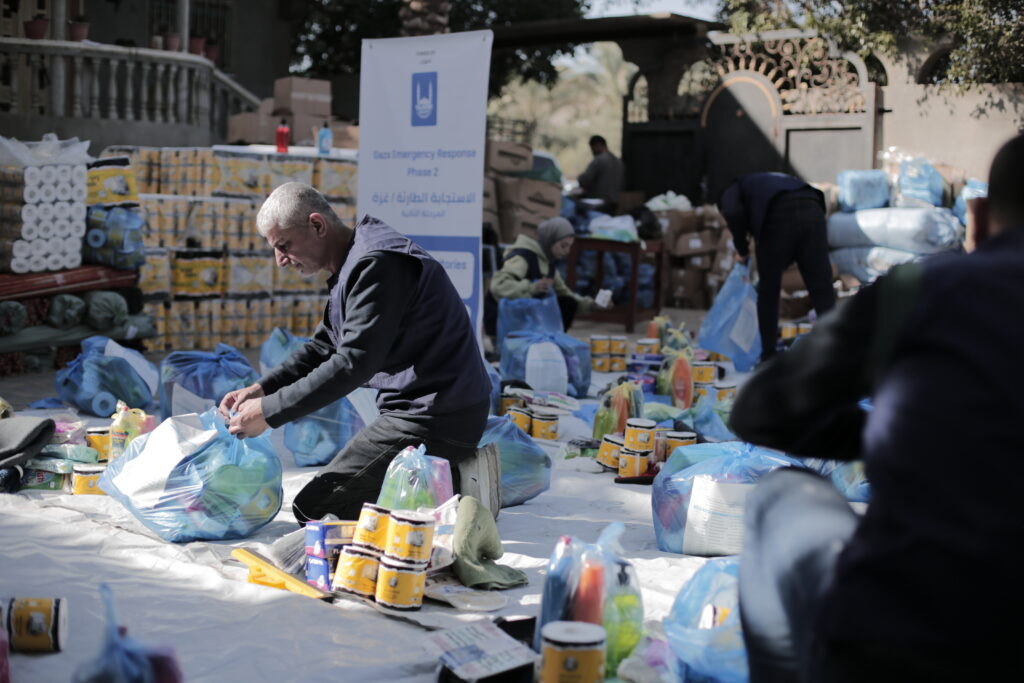
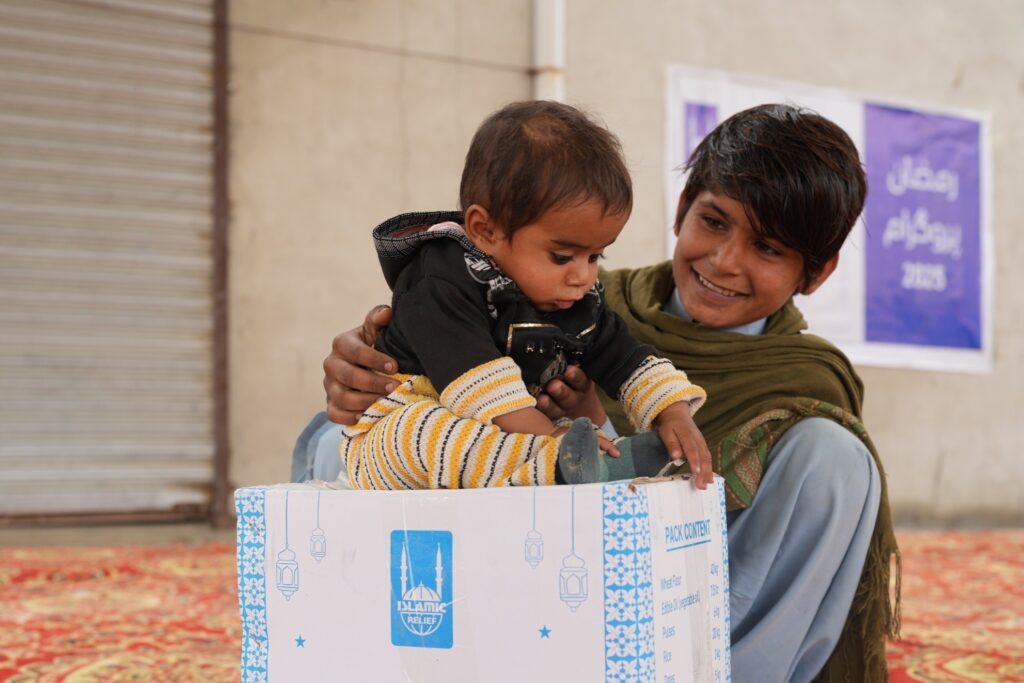
Islamic Relief delivers Ramadan food packs to the most poor and needy around the world. They are distributed in countries in the Middle East, East Europe, Asia and Africa.
These countries include: Albania, Afghanistan, Bangladesh, Chad, Chechnya, Bosnia, Ethiopia, Iraq, Jordan, Kenya, Kosovo, Lebanon, Malawi, Mali, Myanmar, Niger, Pakistan, Palestine (Gaza and West Bank), Philippines, Somalia, South Africa, South Sudan, Sri Lanka, Sudan, Tunisia, Yemen and Zimbabwe.