

01.29.26
Kaffarah Explained: When It Applies, How It Is Fulfilled, and What to Do
During Ramadan, fasting is an important act of worship. When a fast is broken deliberately without a valid reason, Islam sets out a specific form of compensation known as Kaffarah.
Many people have questions about when Kaffarah applies, how it differs from Fidya, and what is required to fulfil it correctly. This guide explains Kaffarah in a clear and practical way, so you can understand your responsibility and take the right steps with confidence.
What Is Kaffarah?
Kaffarah is a form of compensation required when a person deliberately breaks a fast in Ramadan without a valid excuse.
It is designed to emphasise the seriousness of the fast while also providing a clear path to making amends. Kaffarah is more demanding than Fidya because it applies in situations where the fast was knowingly and intentionally broken.
When Does Kaffarah Apply?
Kaffarah applies when a fast in Ramadan is broken deliberately and without a valid reason.
This includes situations where a person:
- intentionally eats or drinks during the fast, or
- deliberately engages in actions that invalidate the fast.
Abu Hurayrah رضي الله عنه reported: “A man came to the Prophet ﷺ and said, ‘I am ruined.’ He said, ‘What has ruined you?’ He replied, ‘I had relations with my wife while fasting.’ The Prophet ﷺ then instructed him regarding Kaffarah…” (Sahih Al Bukhari).
If a fast is broken due to a valid reason, such as illness, travel, or genuine forgetfulness, Kaffarah does not apply. In those cases, the missed fast can usually be made up at a later time.
If you are unsure whether Kaffarah applies to your situation, it is important to seek clarity before acting.
How Is Kaffarah Fulfilled?
Kaffarah has a specific order of fulfilment. Traditionally, it is fulfilled by fasting for sixty consecutive days for each deliberately missed fast.
Allah (SWT) ordered in the Qur’an:
فَمَن لَّمْ يَجِدْ فَصِيَامُ شَهْرَيْنِ مُتَتَابِعَيْنِ تَوْبَةً مِّنَ اللَّهِ ۗ وَاللَّهُ عَلِيمٌ حَكِيمٌ
“But whoever does not find [the means], then fasting two consecutive months, as repentance from Allah. And Allah is Knowing and Wise.” (Surah Al Nisa 4:92)
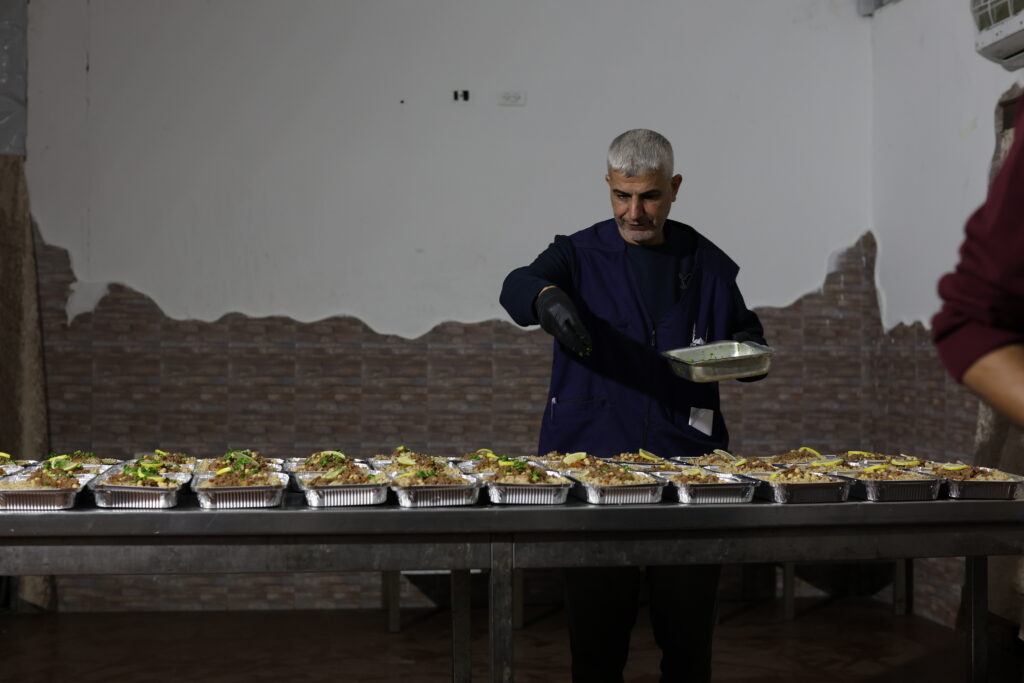
If a person is genuinely unable to fast for this period, the alternative is to feed sixty people in need for each missed fast.
This reflects the seriousness of deliberately breaking the fast while also recognising genuine inability.
How Much Is Kaffarah?
For this year, Kaffarah has been set at $20 per day, payable for 60 days when a fast is deliberately broken without a valid reason and cannot be made up through fasting.
This means the total Kaffarah amount for one deliberately broken fast is $1,200, intended to provide food support to those in need.
Kaffarah should only be paid in situations where it applies. If you are unsure whether it is required in your circumstances, it is recommended to seek guidance from a qualified scholar.
Kaffarah and Making Up Missed Fasts
In addition to Kaffarah, the missed fast itself must also be made up if possible.
This means that it does not replace the obligation to make up for the fast. Instead, it is given alongside it as compensation for deliberately breaking the fast.
Give Kaffarah Through Islamic Relief Australia
Giving Kaffarah through Islamic Relief Australia helps ensure that your contribution is handled responsibly and distributed according to Islamic principles.
By supporting people in need through Kaffarah, you help provide essential food and assistance with dignity.
Kaffarah exists to address situations where a fast has been deliberately broken, while still offering a clear way forward.
By understanding when it applies and how it is fulfilled, you can take responsibility with clarity and peace of mind during Ramadan.